ALT Who became an ‘ancestor’ in Neolithic Italy?
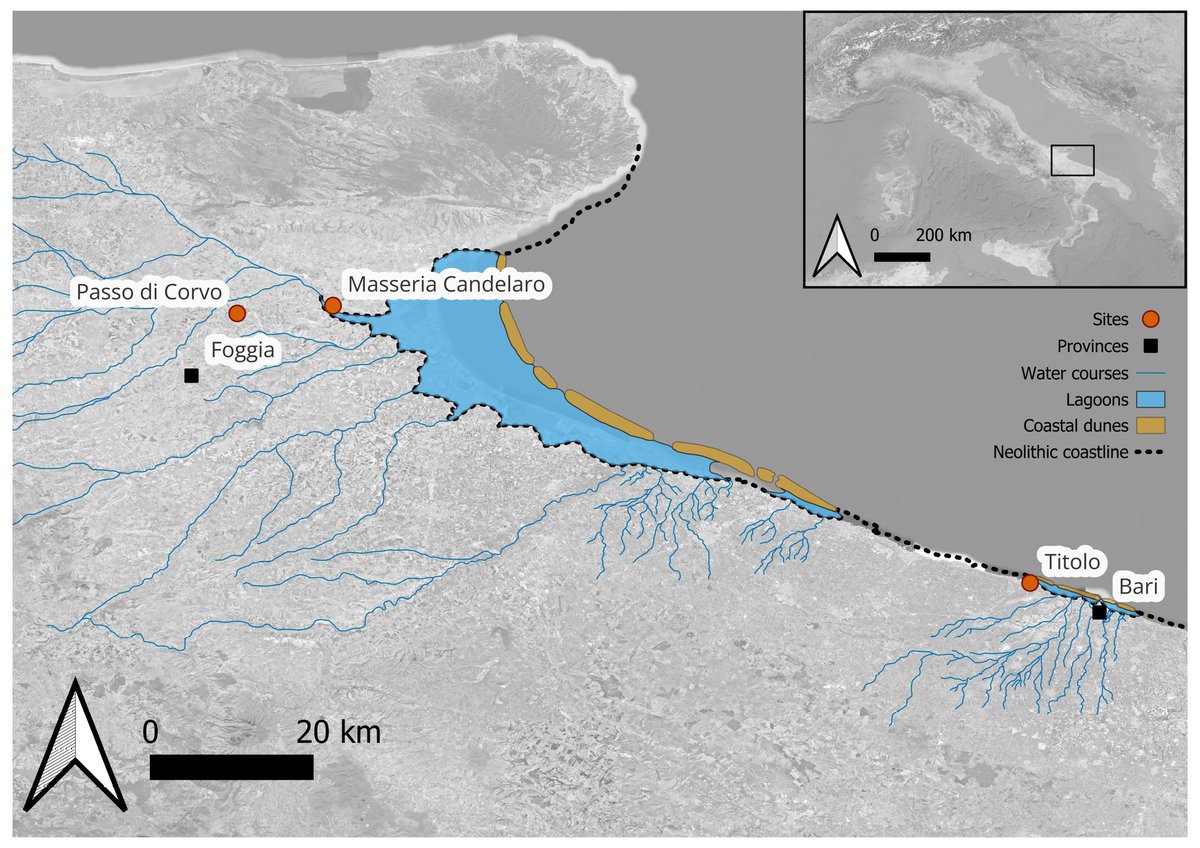
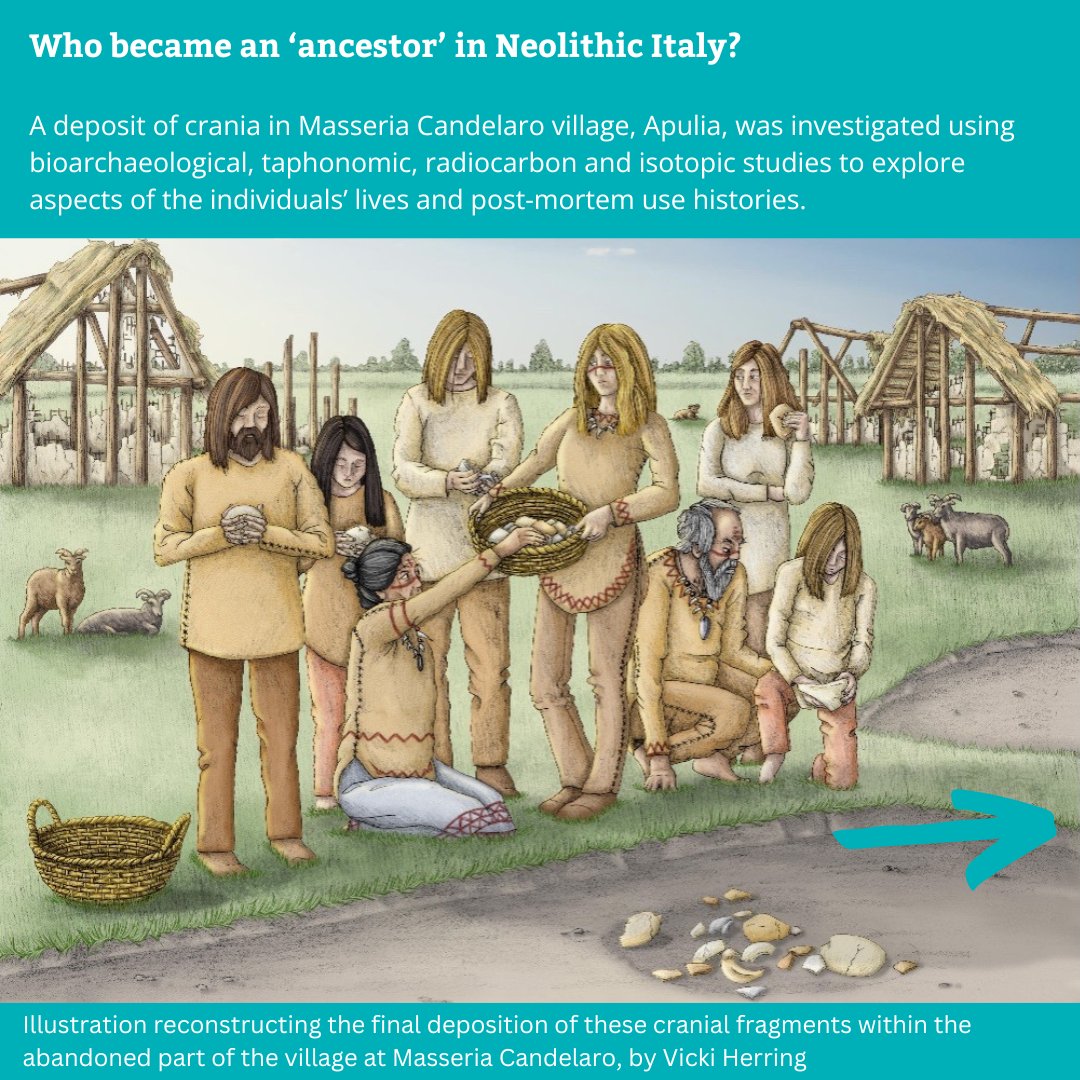
A deposit of crania in Masseria Candelaro village, Apulia, was investigated using bioarchaeological, taphonomic, radiocarbon and isotopic studies to explore aspects of the individuals’ lives and post-mortem use histories.
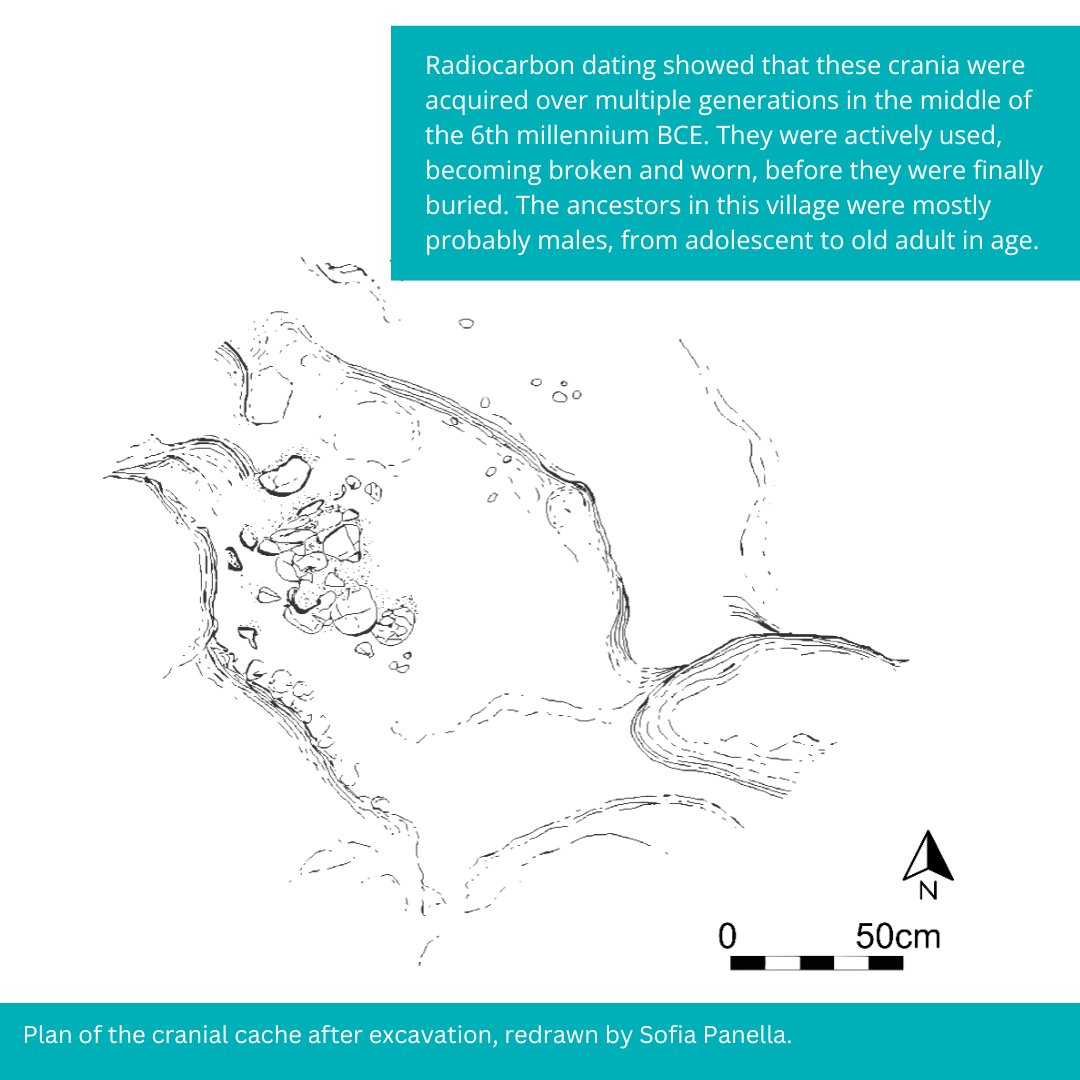
ALT Radiocarbon dating showed that these crania were acquired over multiple generations in the middle of the 6th millennium BCE. They were actively used, becoming broken and worn, before they were finally buried. The ancestors in this village were mostly probably males, from adolescent to old adult in age.
📣PUBLISHED: OPEN ACCESS 📣 in @PLOSONE: Histotaphonomic analysis of human remains from Neolithic Italy shows how multi-stage funerary processes were linked, by @jess_e_thompson & colleagues on Ancestors @ERC_Research Project
👉Read it: doi.org/10.1371/journal.pone…
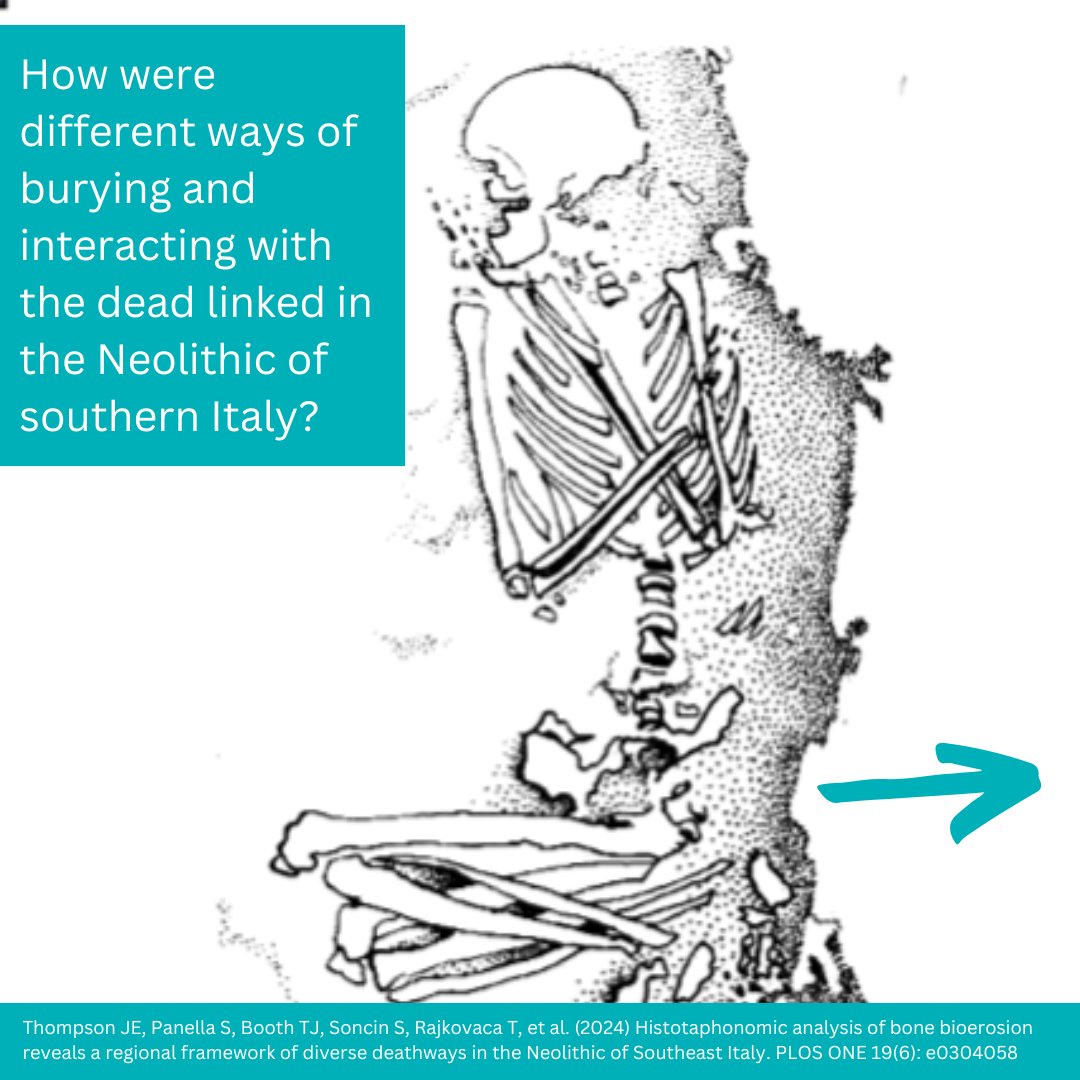
ALT How were different ways of burying and interacting with the dead linked in the Neolithic of southern Italy?
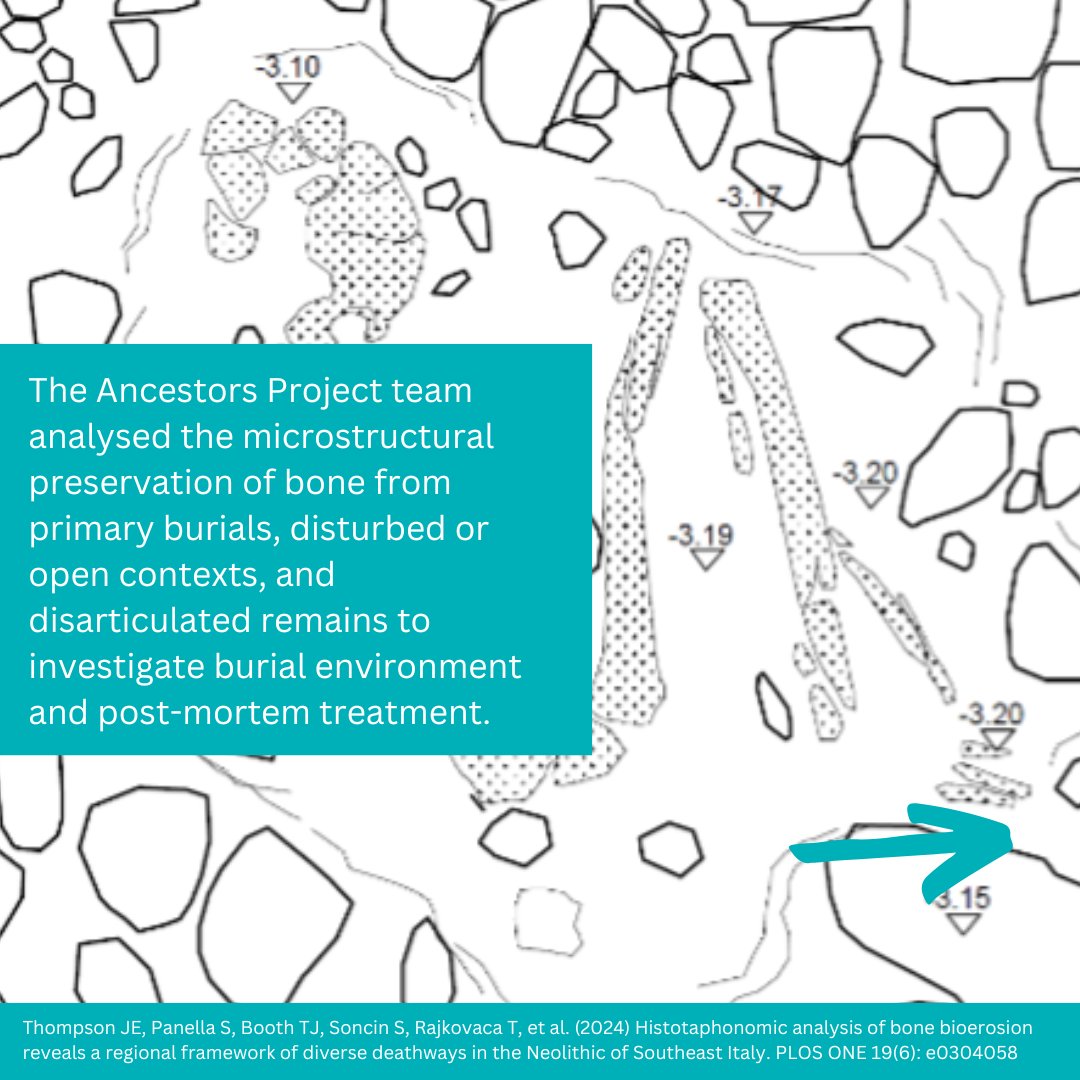
ALT The Ancestors Project team analysed the microstructural preservation of bone from primary burials, disturbed or open contexts, and disarticulated remains to investigate burial environment and post-mortem treatment.
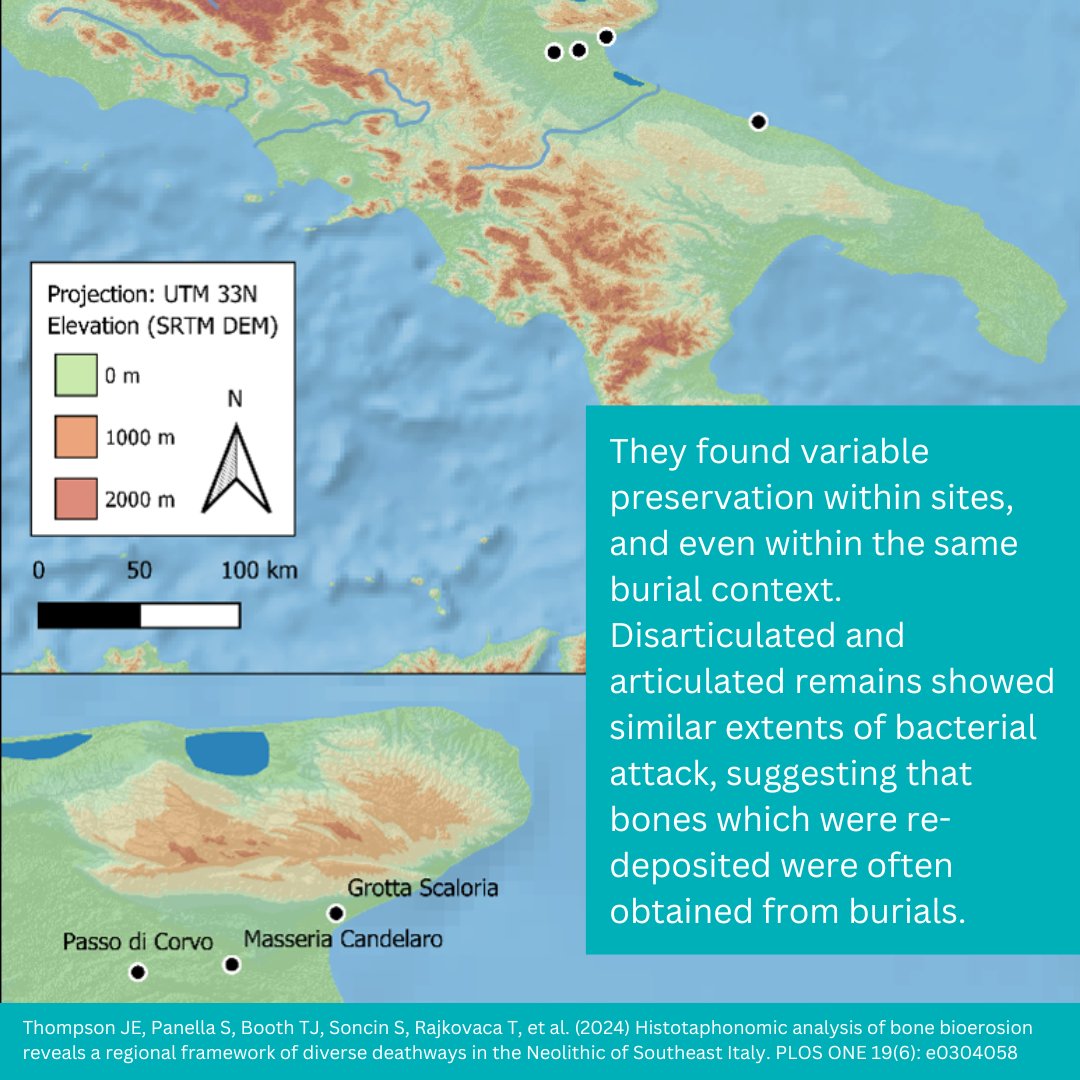
ALT They found variable preservation within sites, and even within the same burial context. Disarticulated and articulated remains showed similar extents of bacterial attack, suggesting that bones which were re-deposited were often obtained from burials.
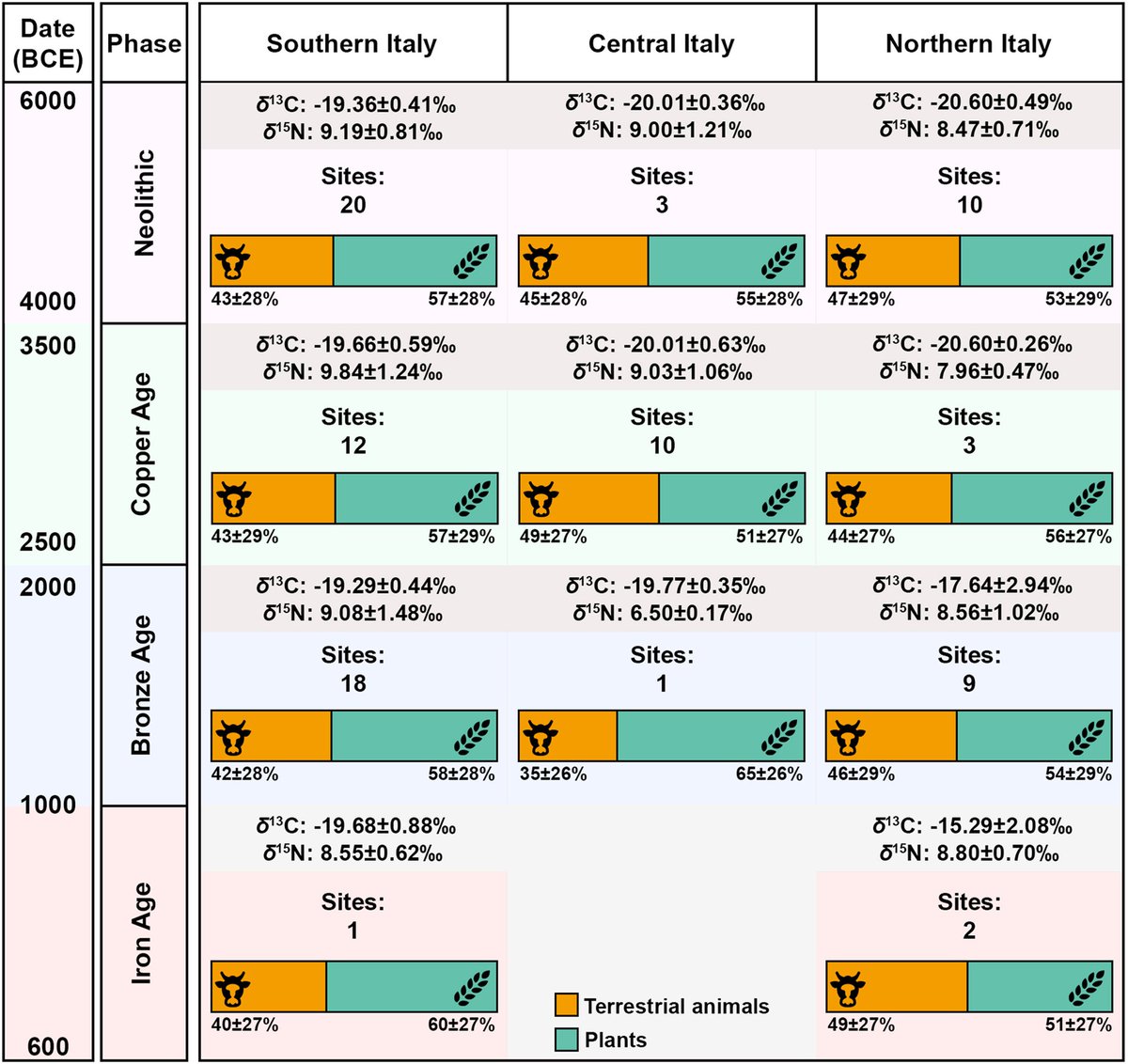
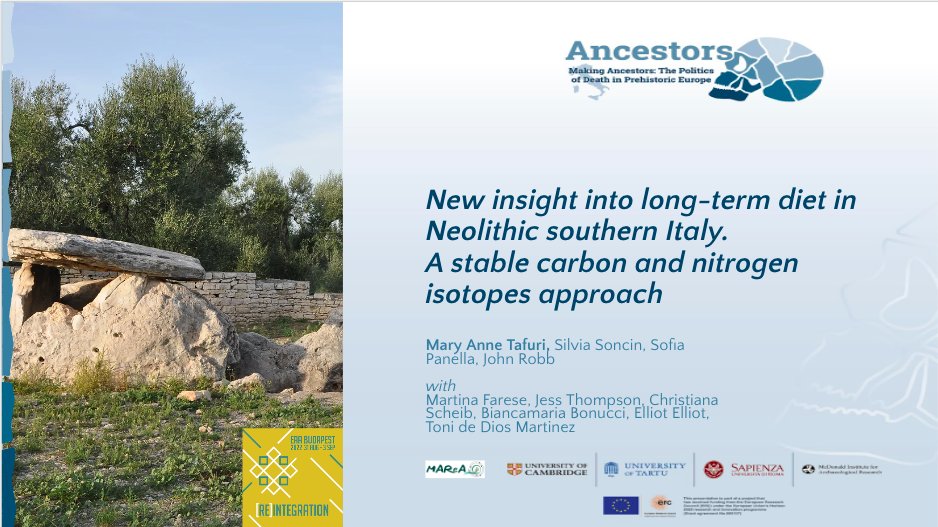
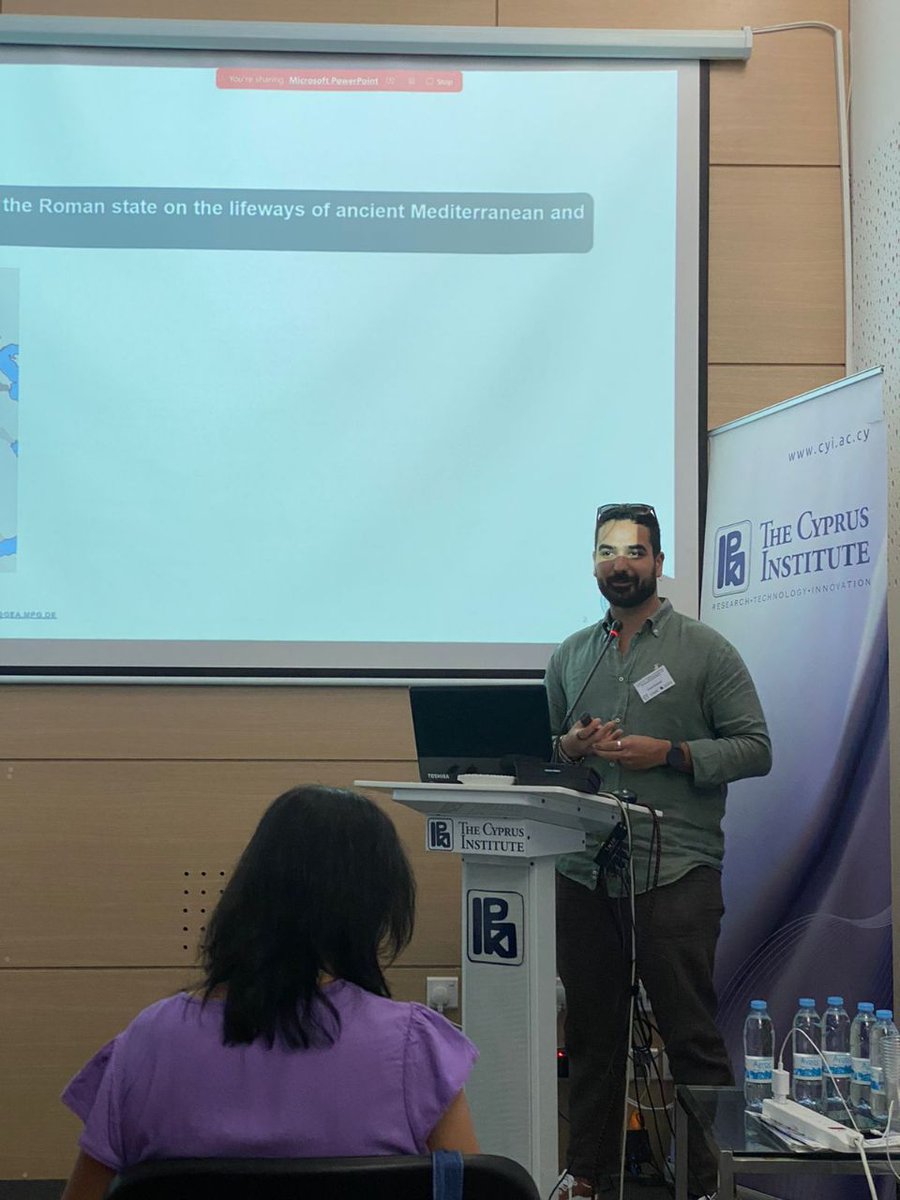
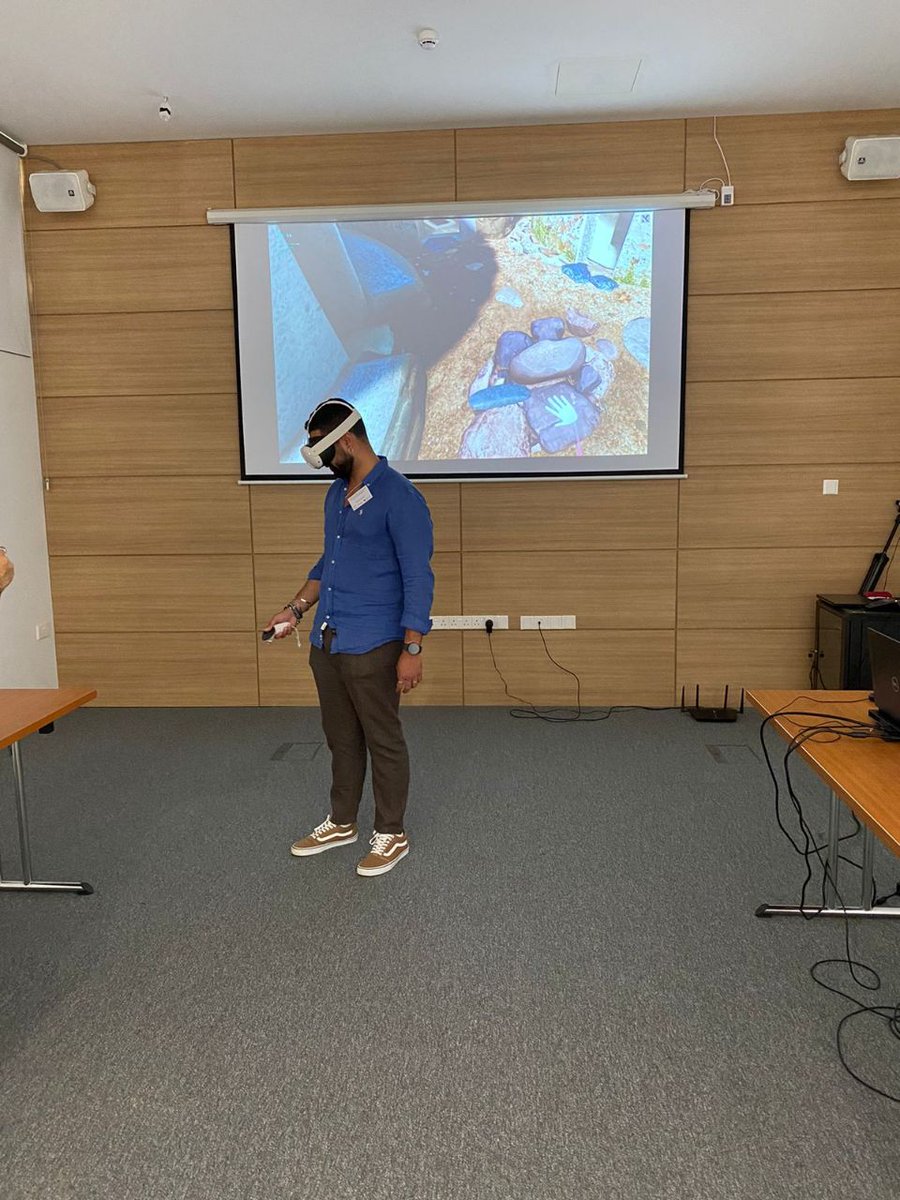
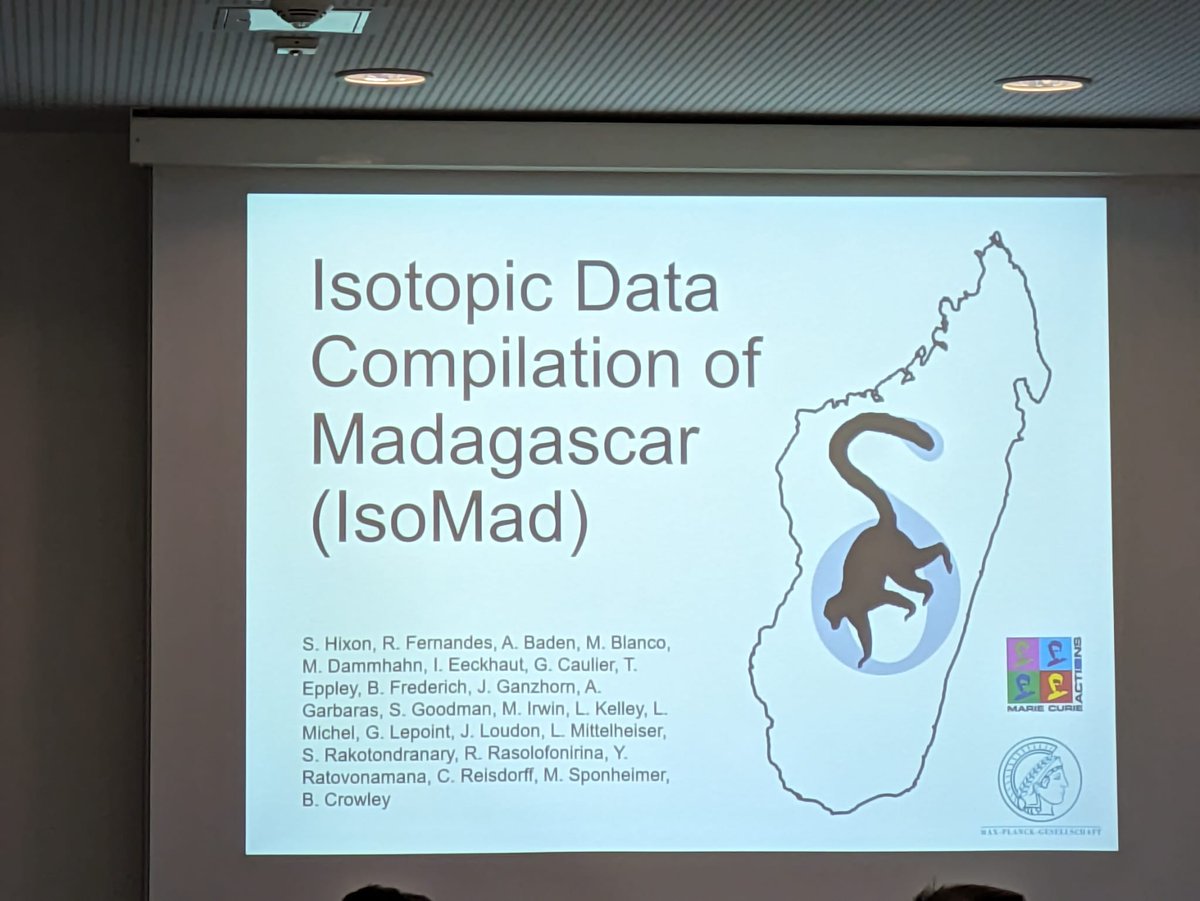
I had some fantastic time at the Cyprus Institute in Nicosia for #icasemme4. Amazing people, great food, nice weather, and lots of cool archaeological science applications. I contributed with some Big #Isotopic Data.
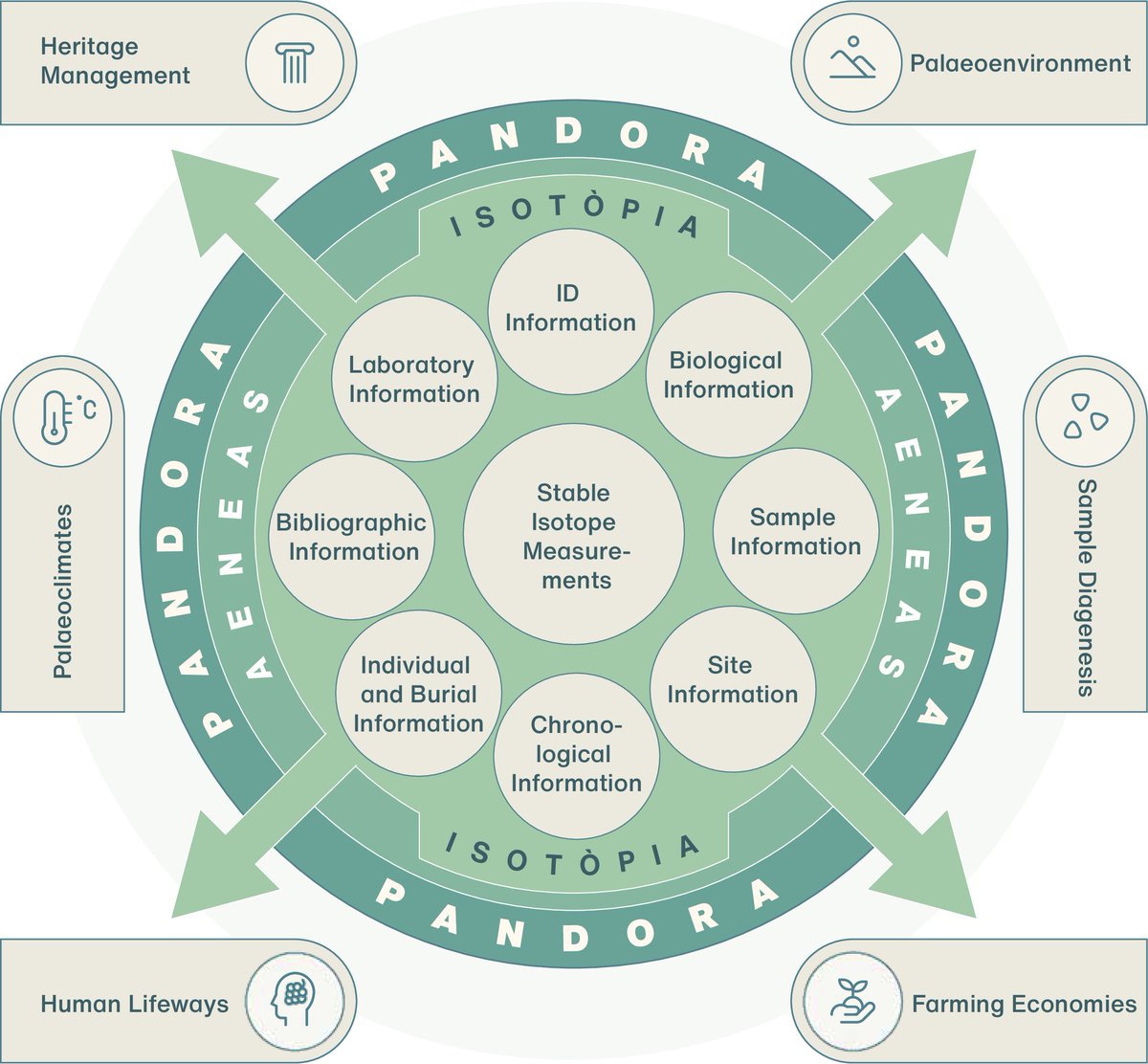
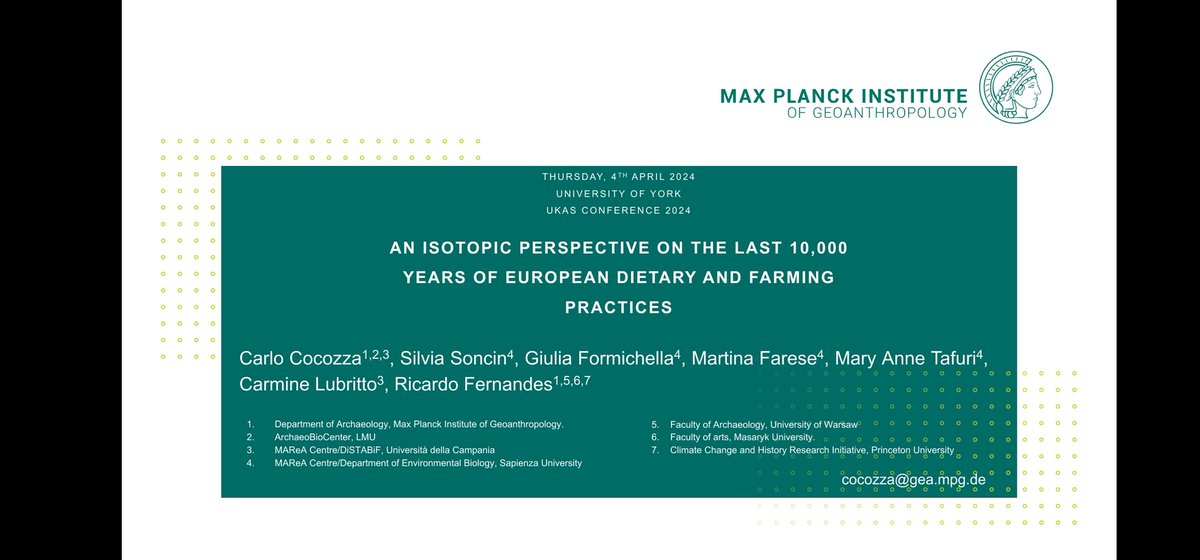
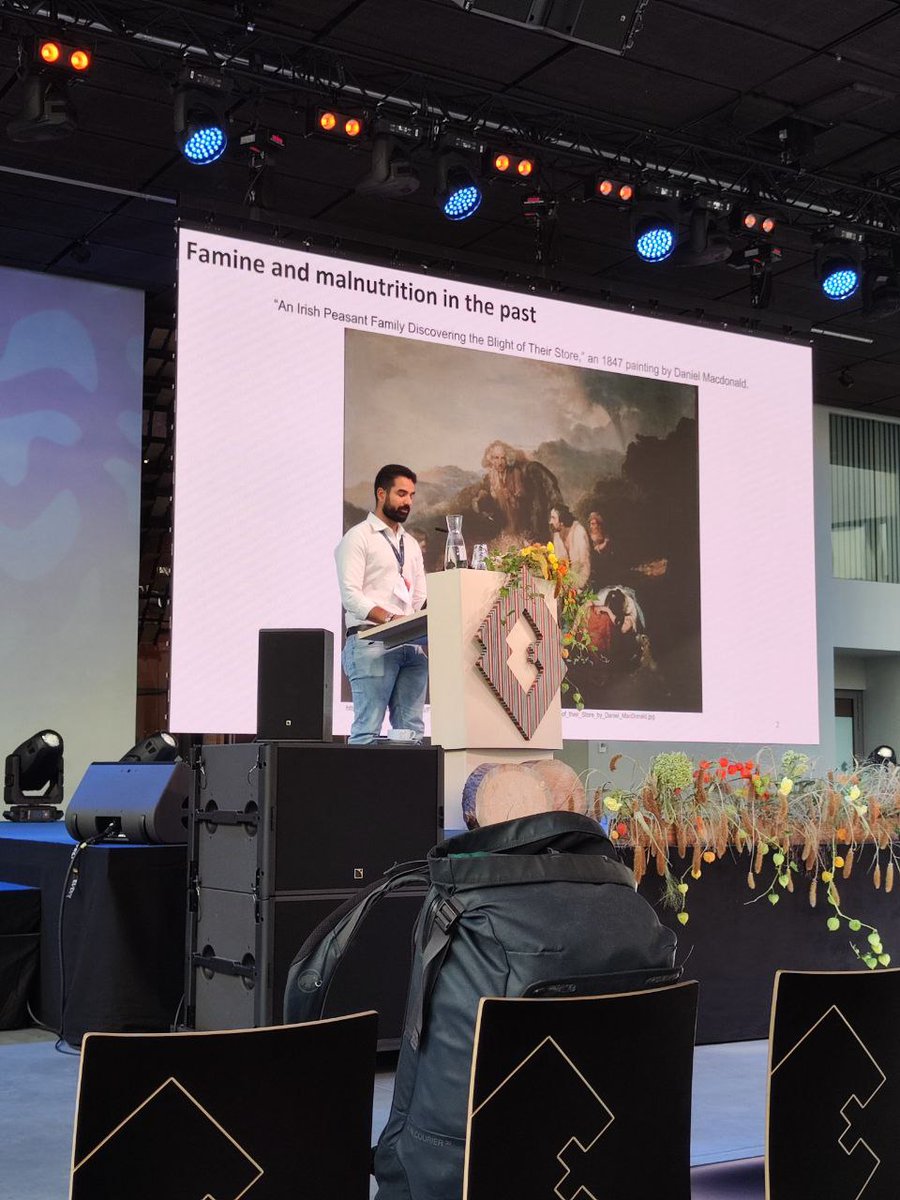
It was amazing to be in York again for @ukas2024 after nearly 6 years since my MSc. I met so many old friends and also made some new ones. I wish to thank the organisers for giving me the opportunity to present @IsomemoPandora and its impactful research potential.
Are you an #isotope enthusiast? Because we totally are! 🧪💀
Join us in Rome at #EAA2024 and we promise that you'll get as many isotopes as you need.
P.S. we do it for the #science, but we may also know the best places for a real carbonara 🍝👀
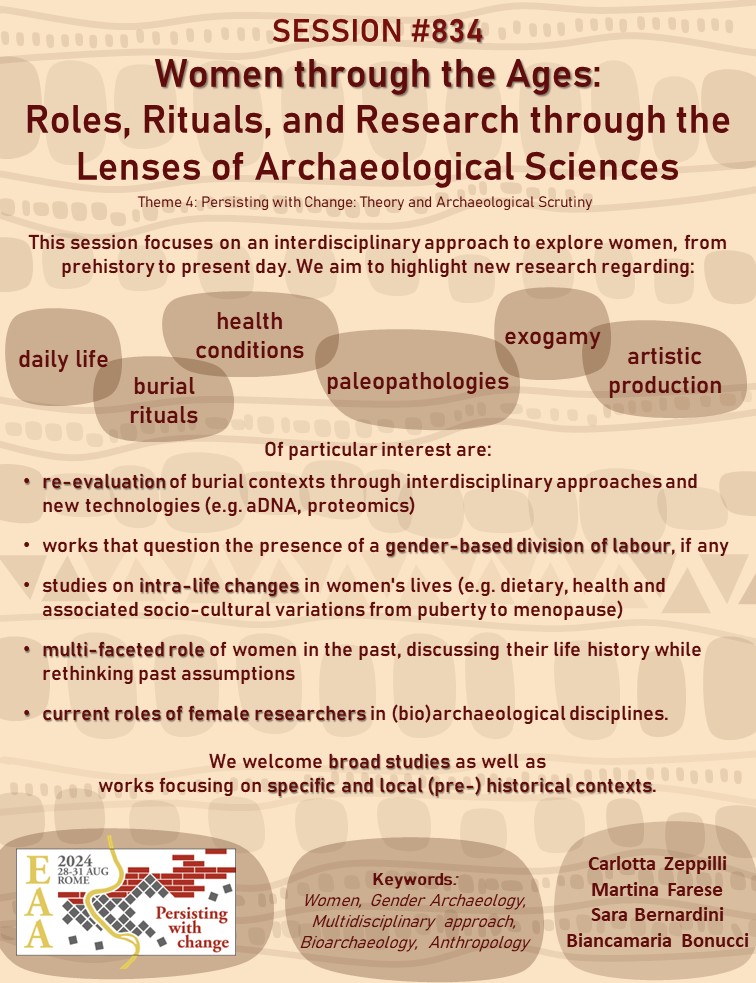
⚡ Do you have case studies on woman in the past? Do you work on gender archaeology?
Then you can't miss out on our session #834 at the next @archaeologyEAA meeting in Rome!! ☀️
(28-31 aug 2024)
@martina_farese✨
@SaraBernardini_ ✨
@Bonucci_B ✨
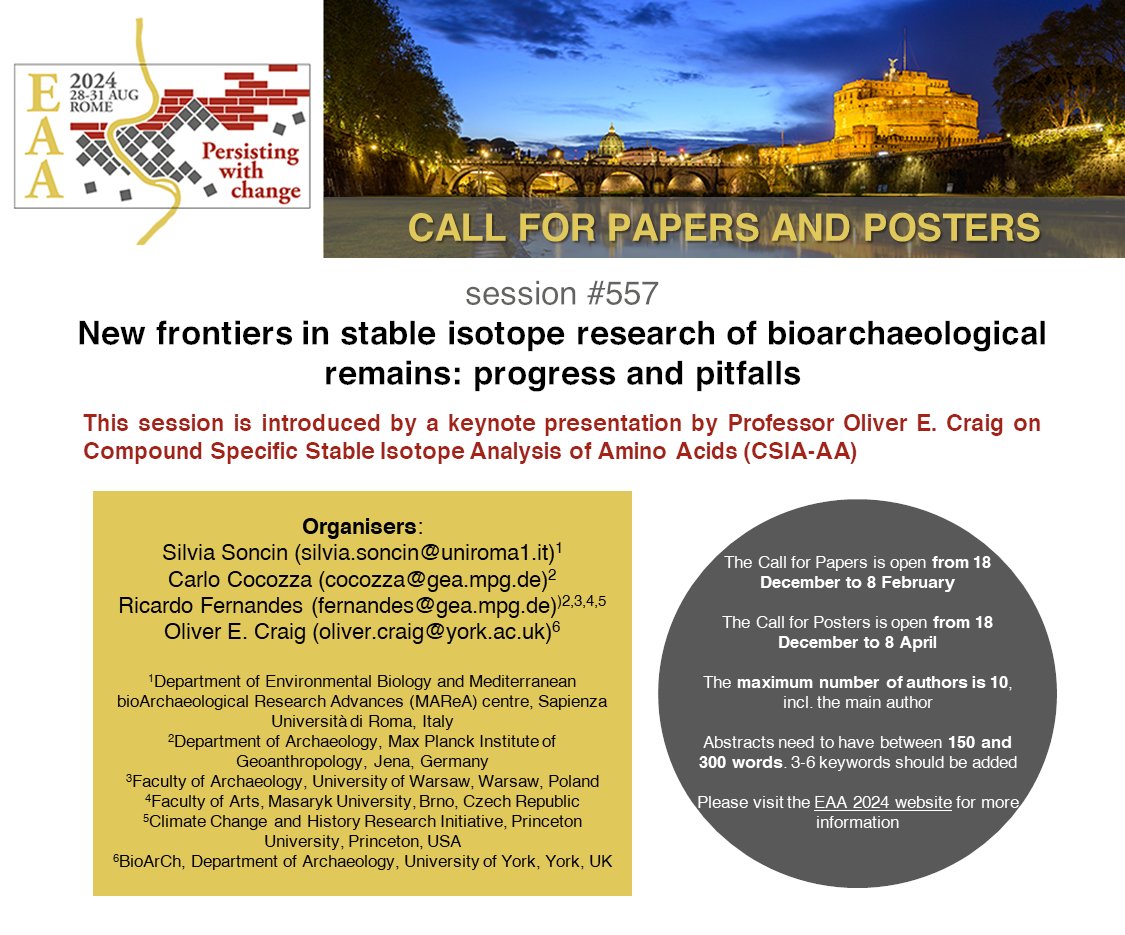
Are you an #isotope enthusiast? Are you applying or are interested in new stable isotope approaches in #archaeology? Join our session at #EAA2024! submissions.e-a-a.org/eaa202… you have time until 8th February to submit your abstract. Looking forward to seeing you in Rome!
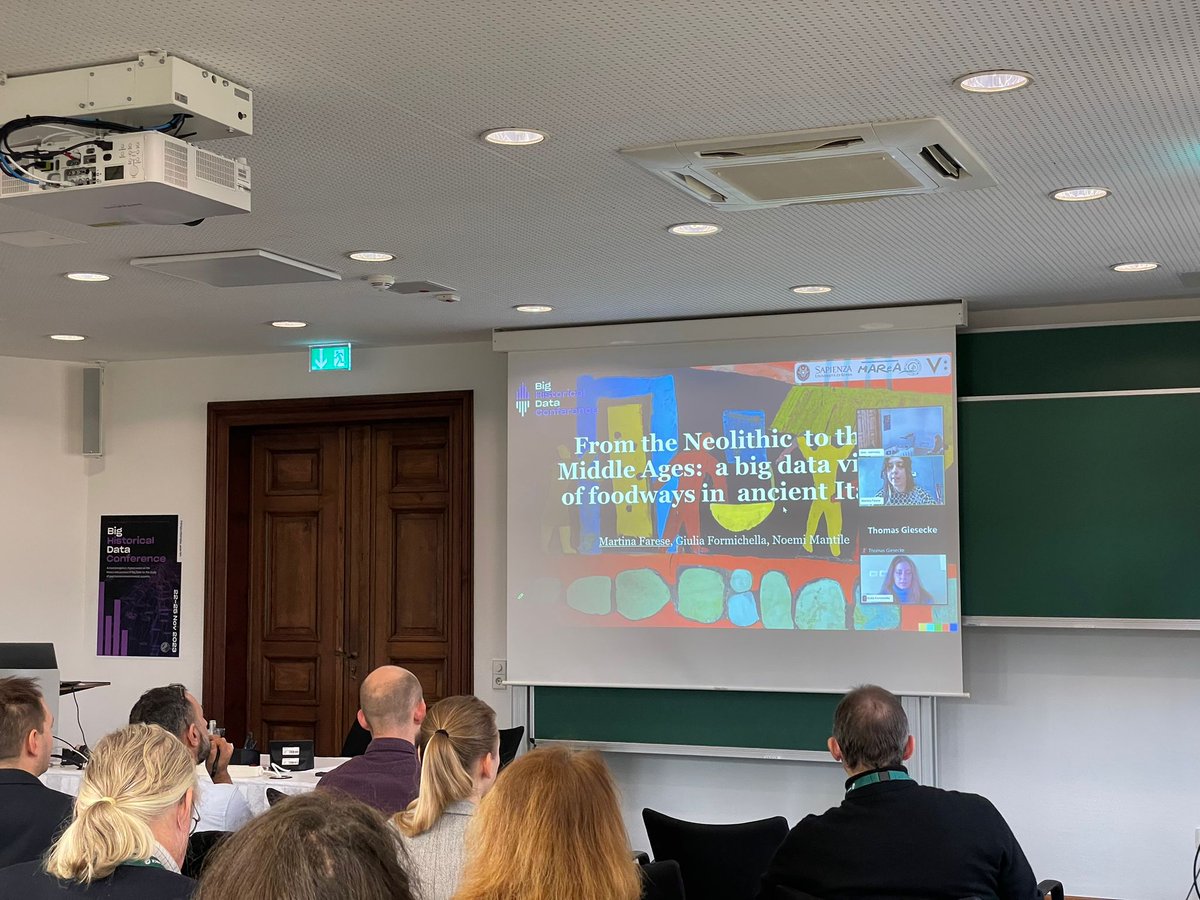
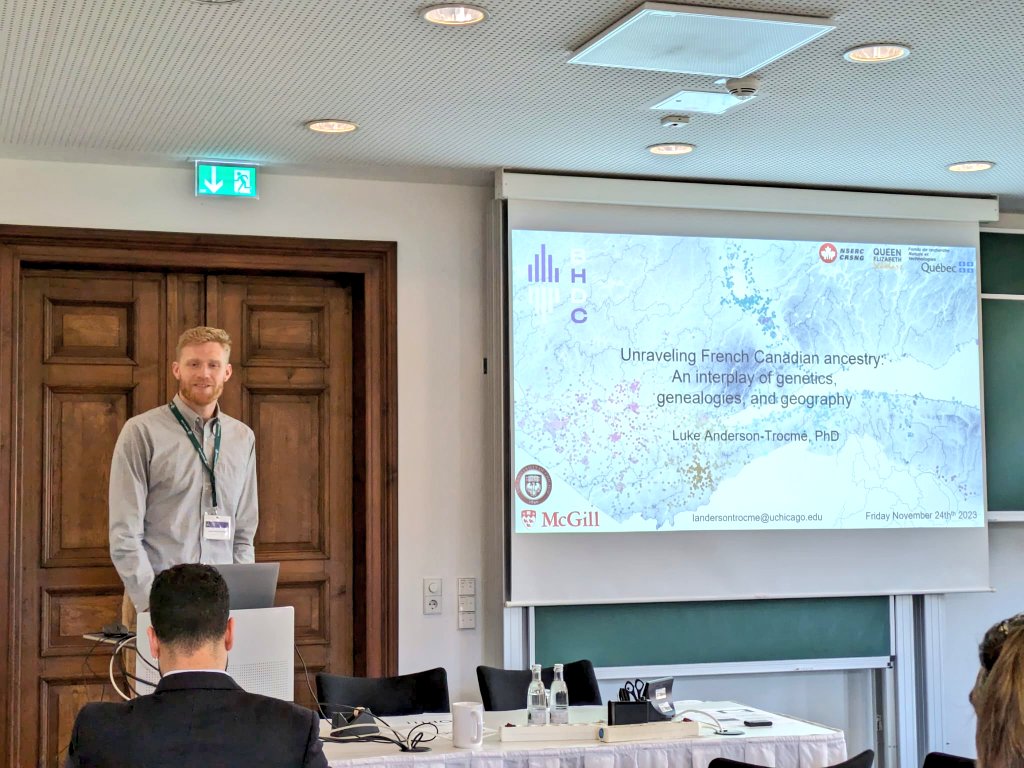
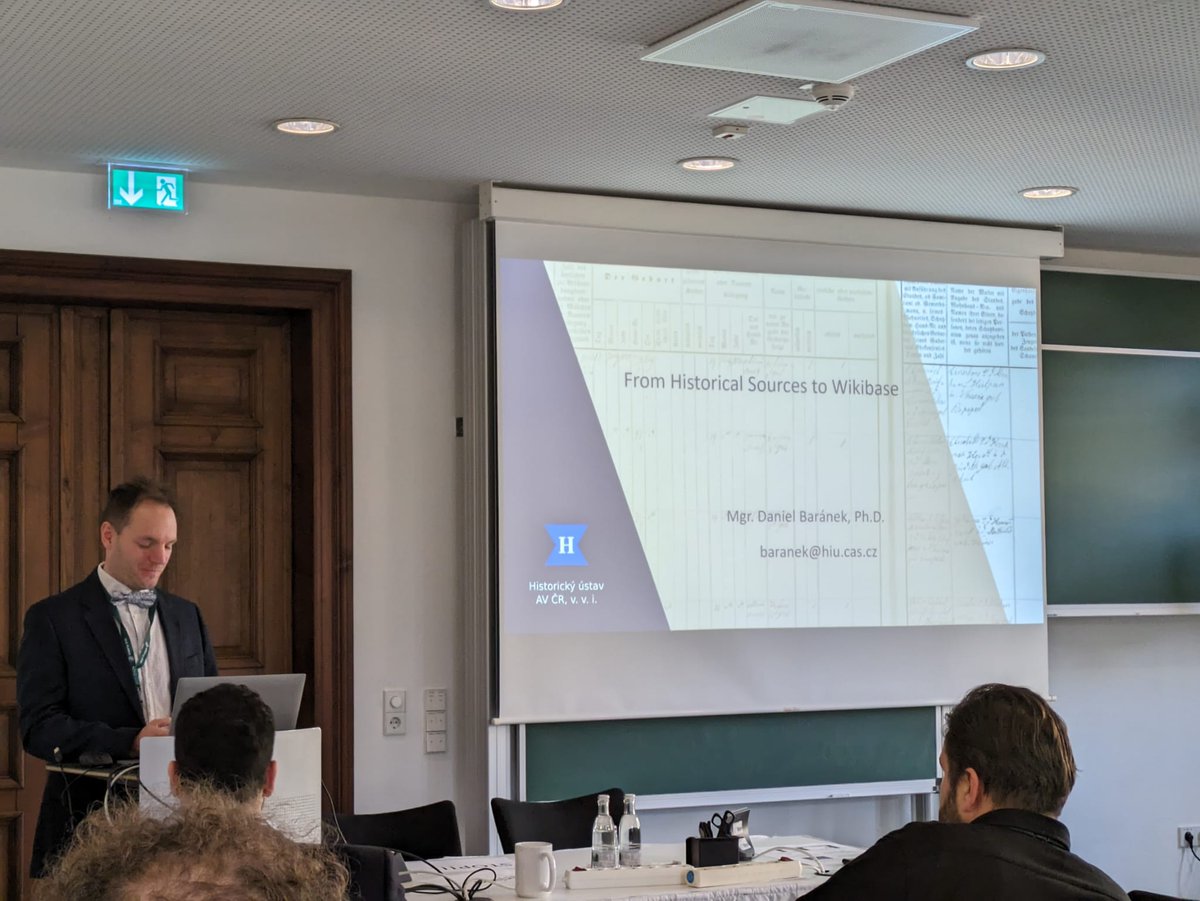
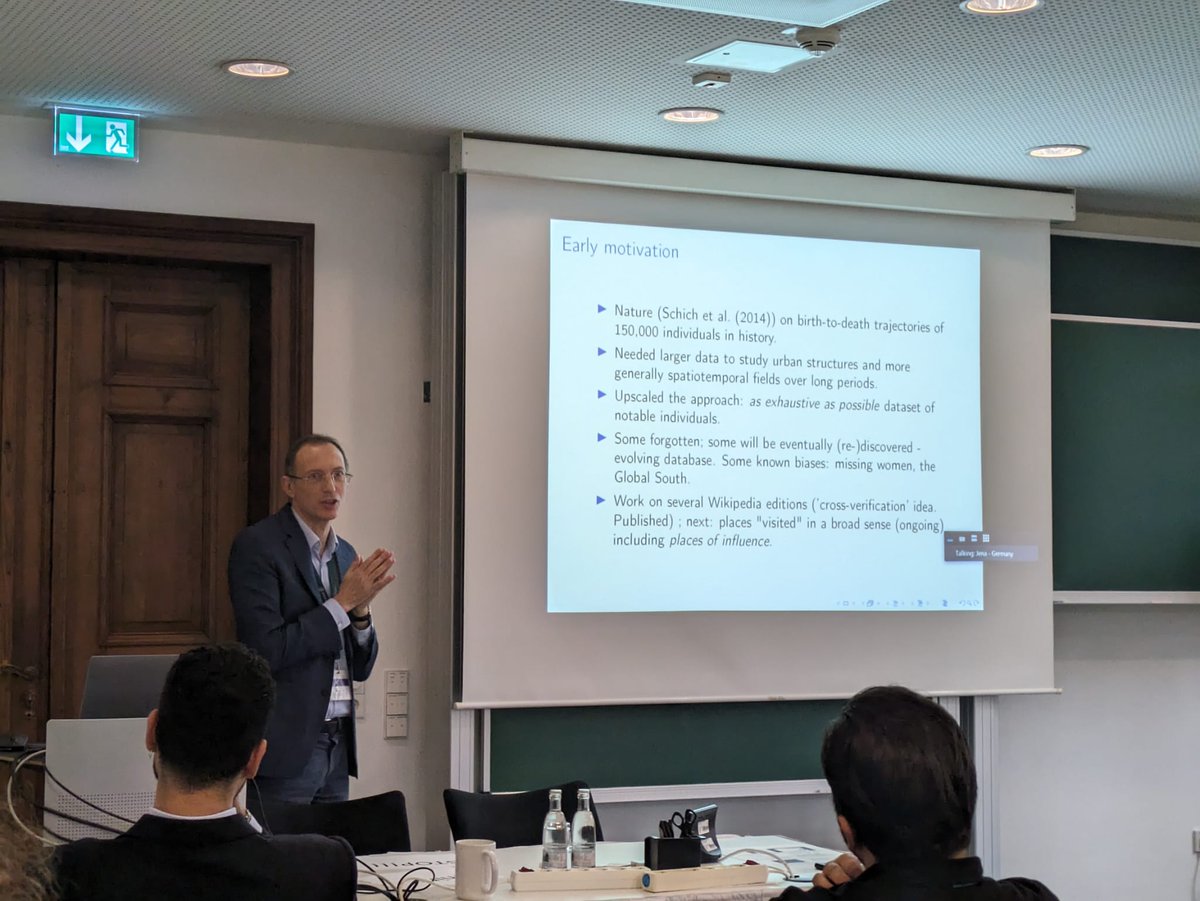
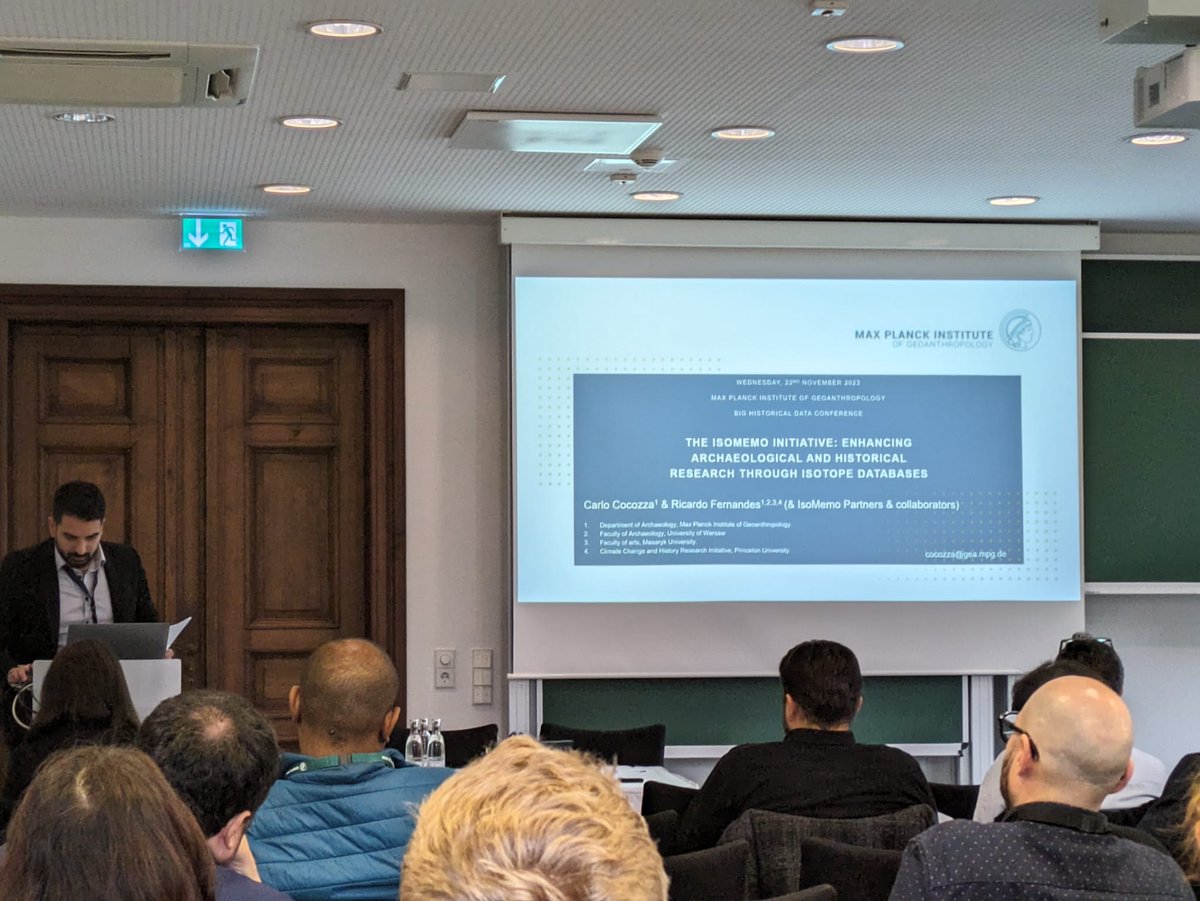
Snippets from session 10. Let's thank Adam Izdebski and @CarloCocozza_ for organising this. Soon we move to the last session of #BHDC2023: Modelling expansions in South America: Integrating archaeology and linguistics. Chaired by Fabrício Gerardi and Bruno de Souza Barreto.
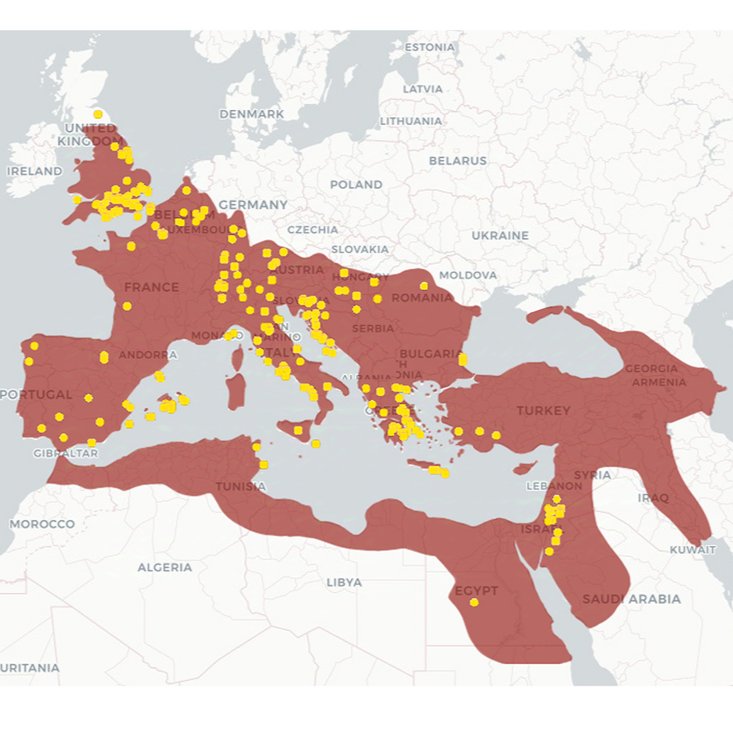
Thrilled to present IsoMedIta, a new #isotopic dataset for #medieval#Italy. This database is the first partner of the #CIMA network, a collaborative initiative dedicated to collect isotopic data for medieval #Europe. Check this out at: doi.org/10.1163/24523666-bja…
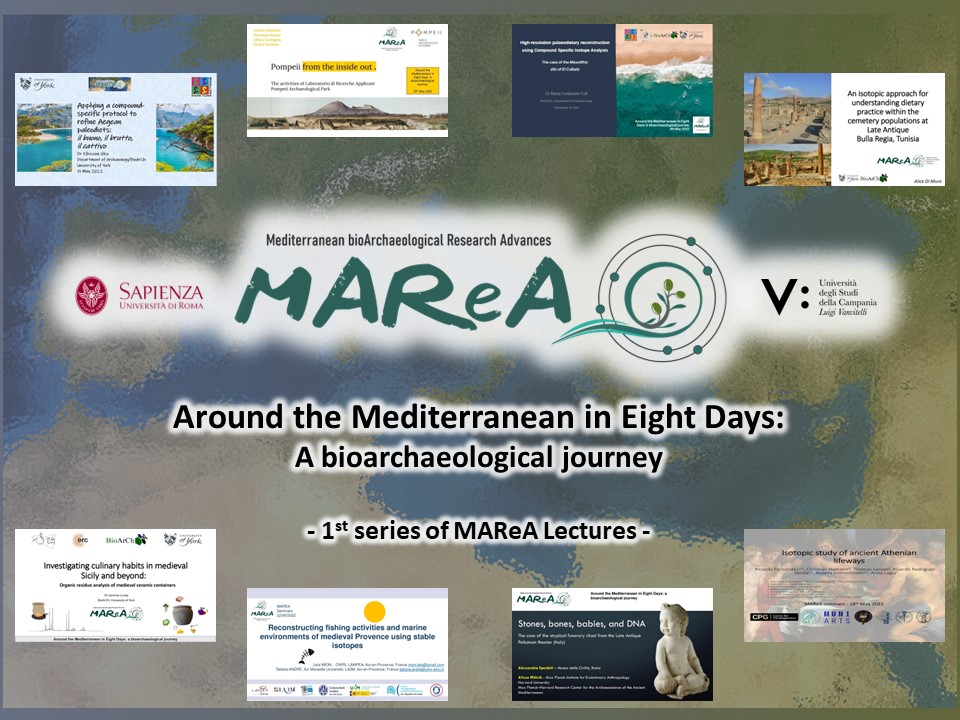
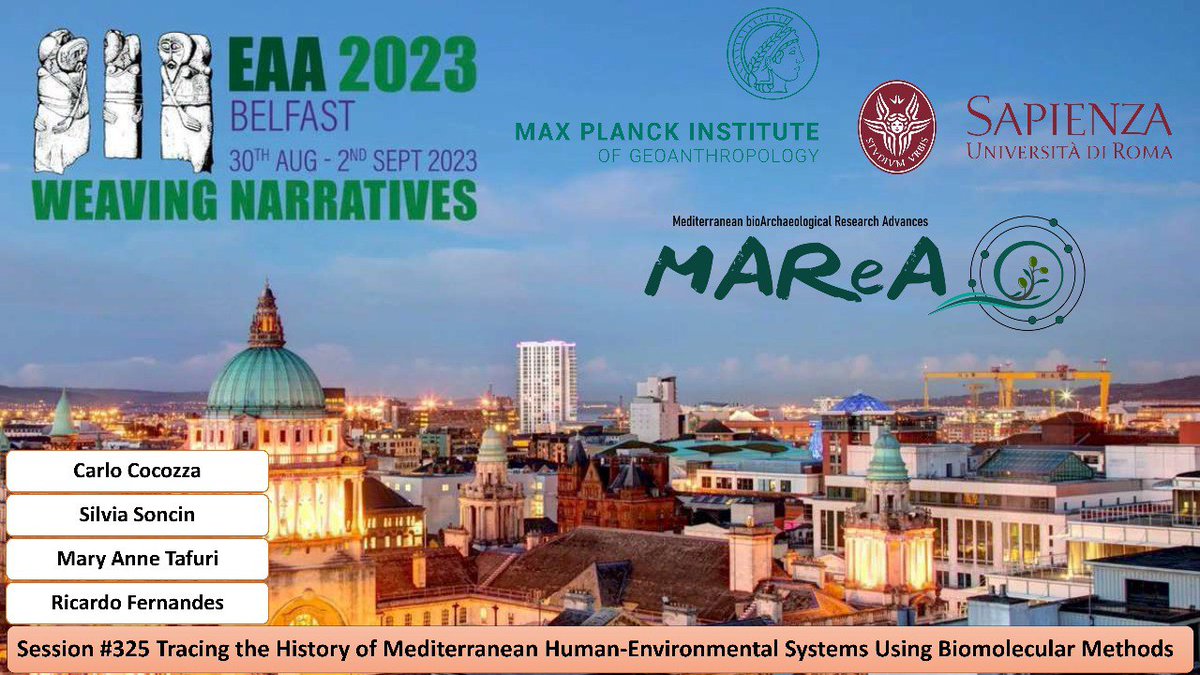
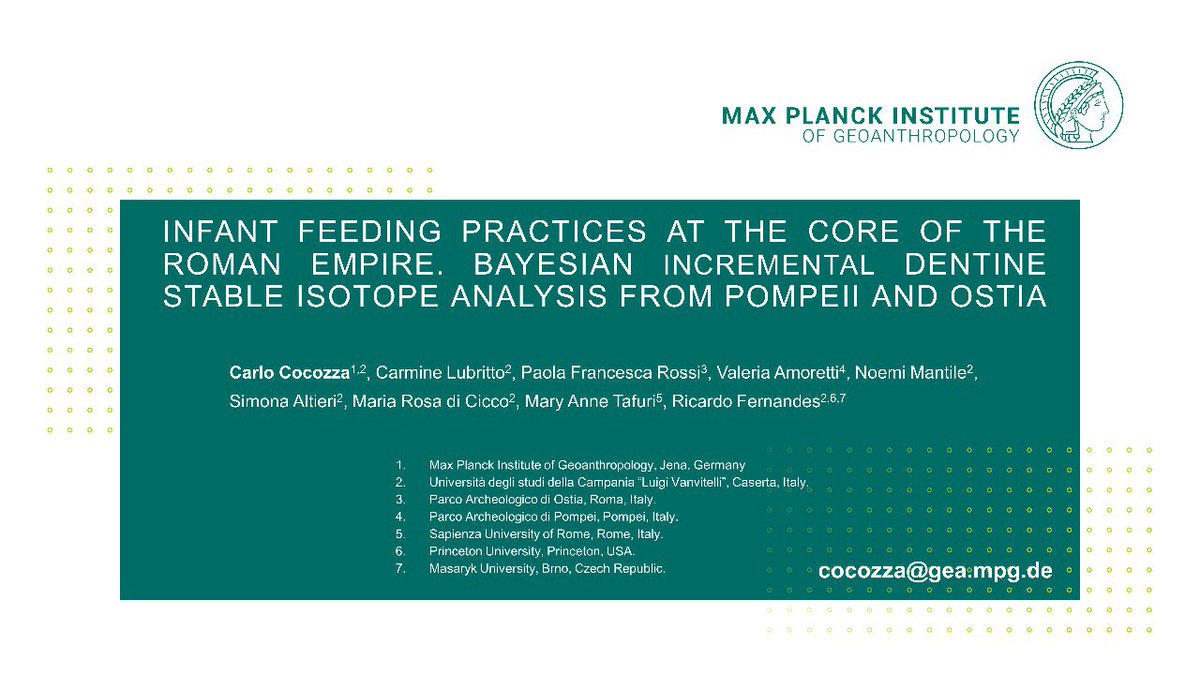
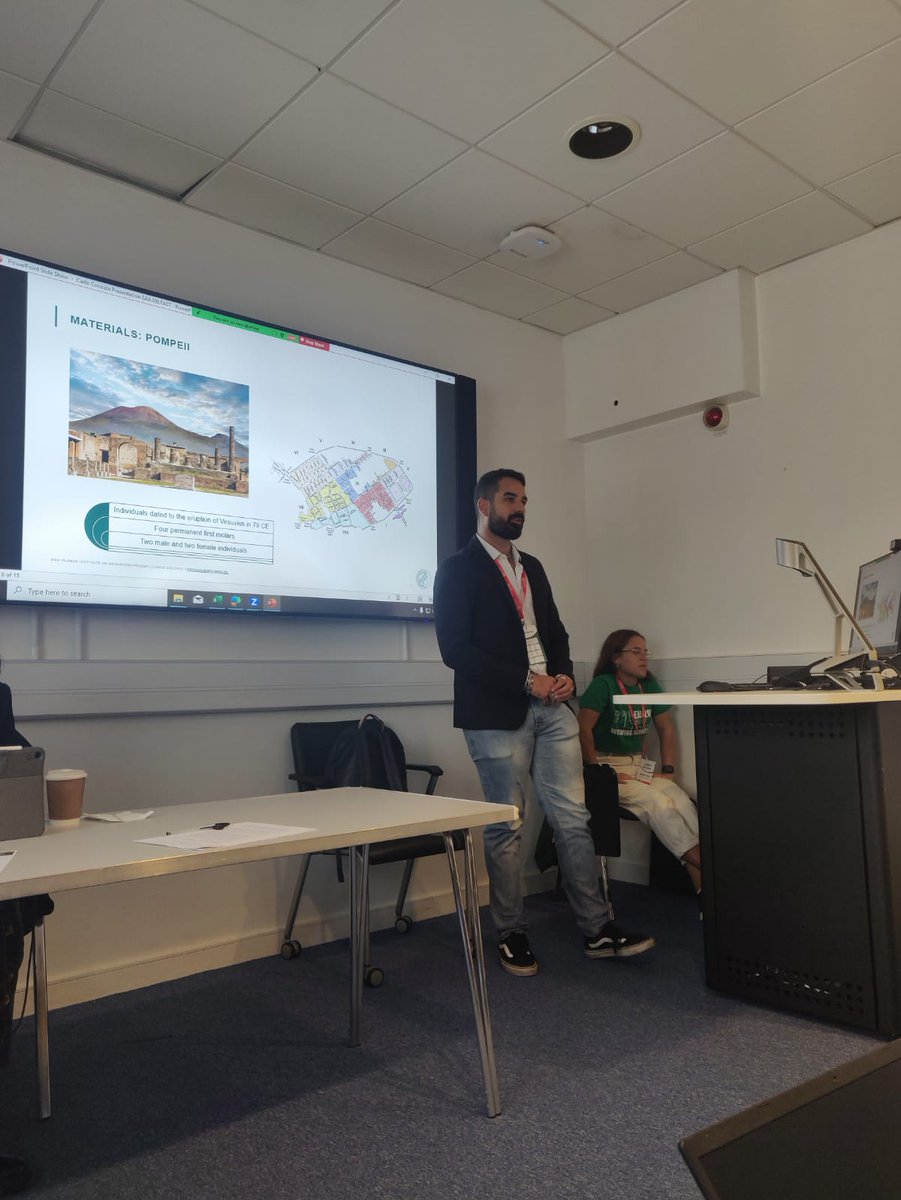
Thank you everyone for attending our session on #Mediterranean#bioarchaeology this morning at #EAA2023! Using Braudel's words, the Mediterranean is "a thousand things at once" and this offers fertile ground for many exciting research questions.
📢We are looking forward to meeting you tomorrow at our #EAA2023 session #325 "TRACING THE HISTORY OF MEDITERRANEAN HUMAN-ENVIRONMENTAL SYSTEMS USING BIOMOLECULAR METHODS" with many exciting research results from the #Mediterranean!🌊e-a-a.org/eaa2023
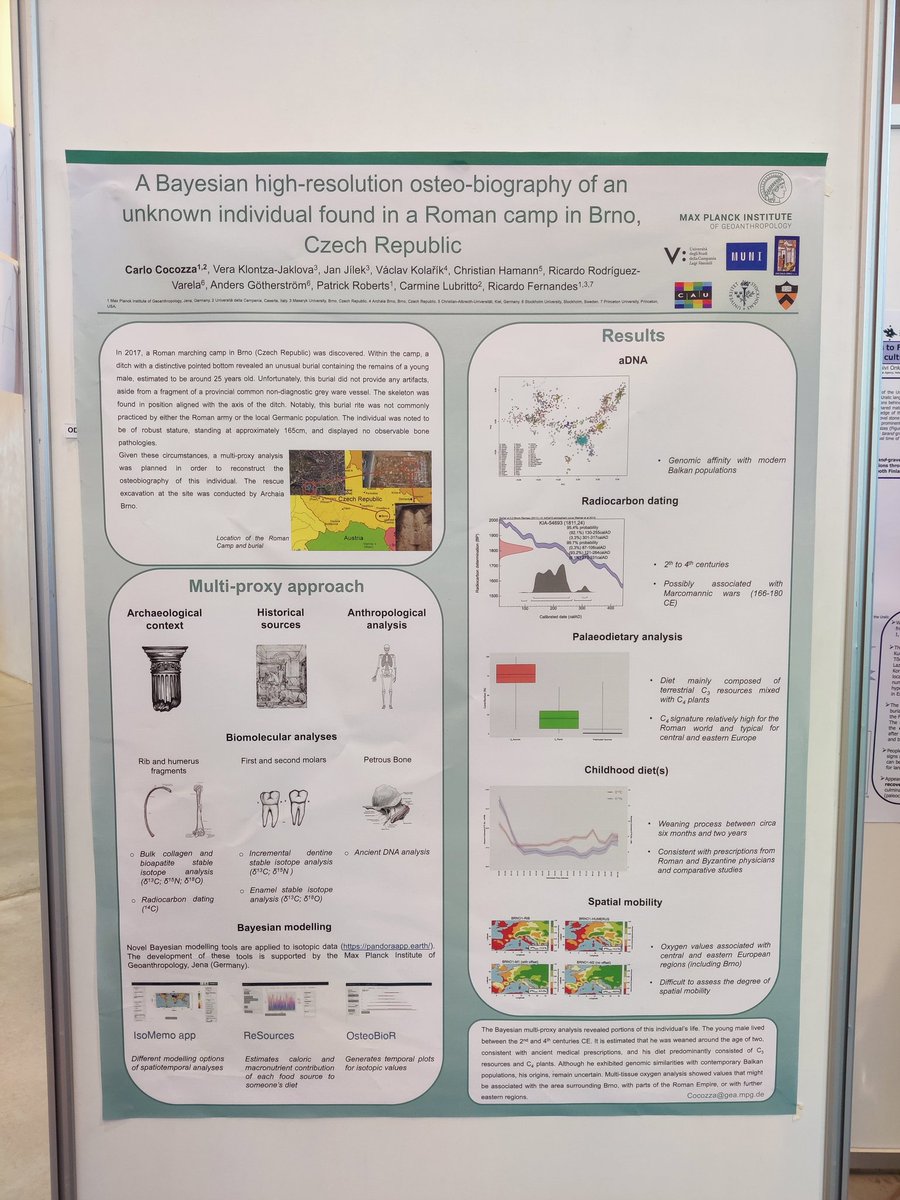
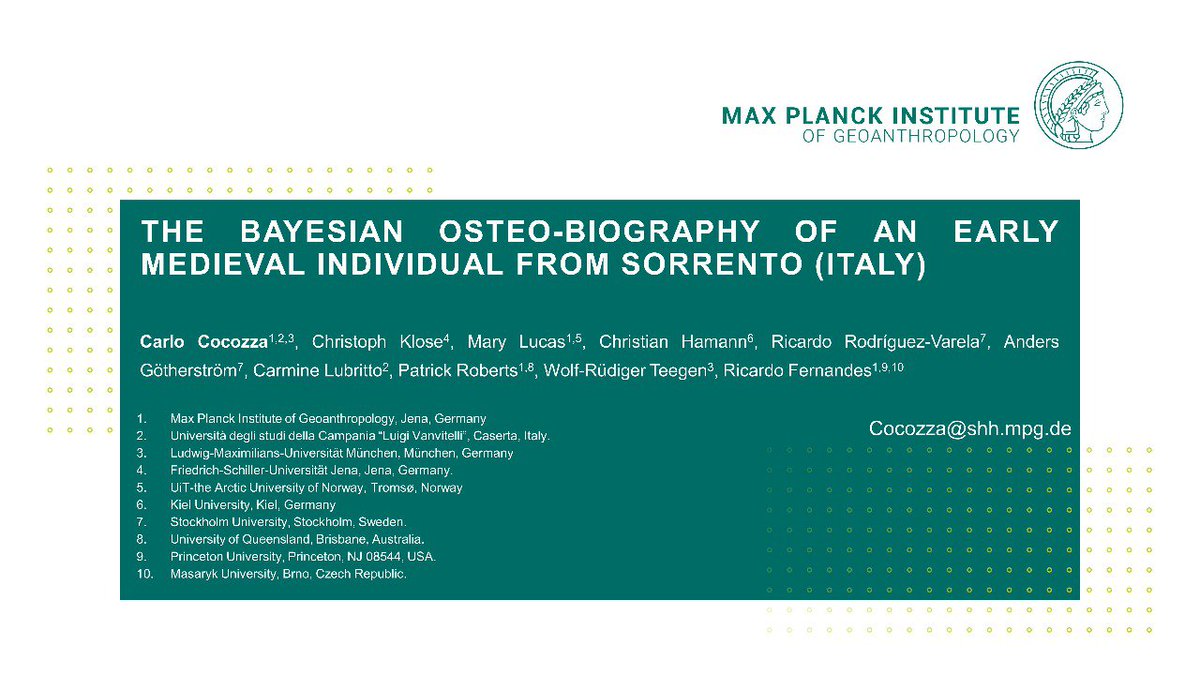
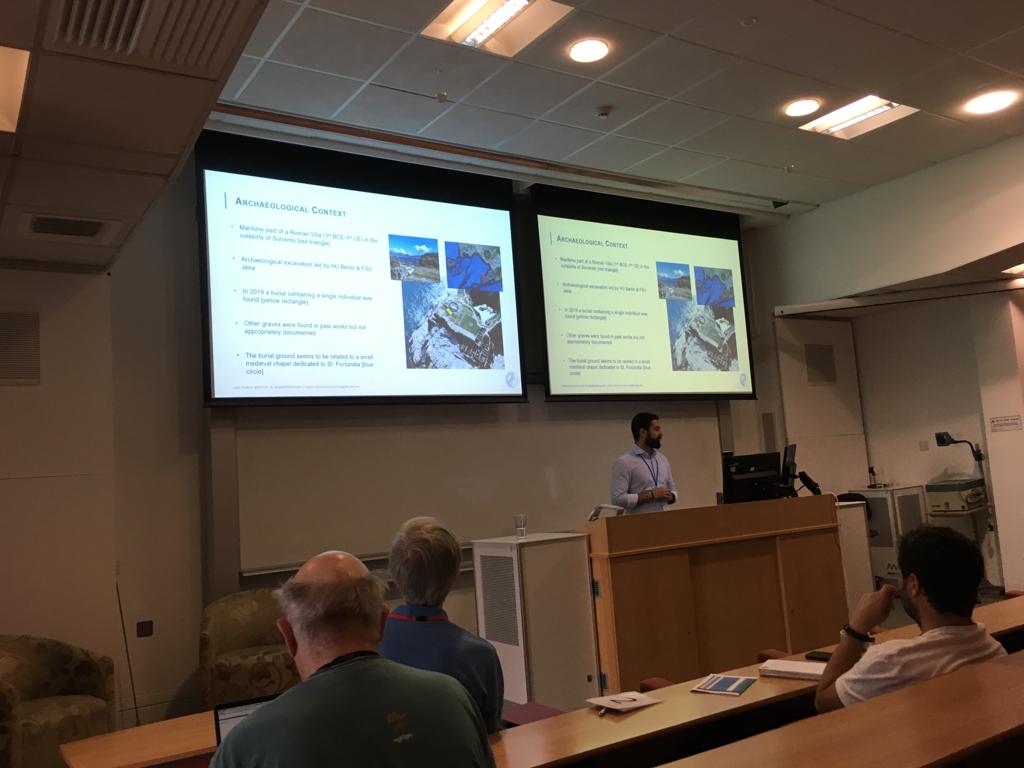
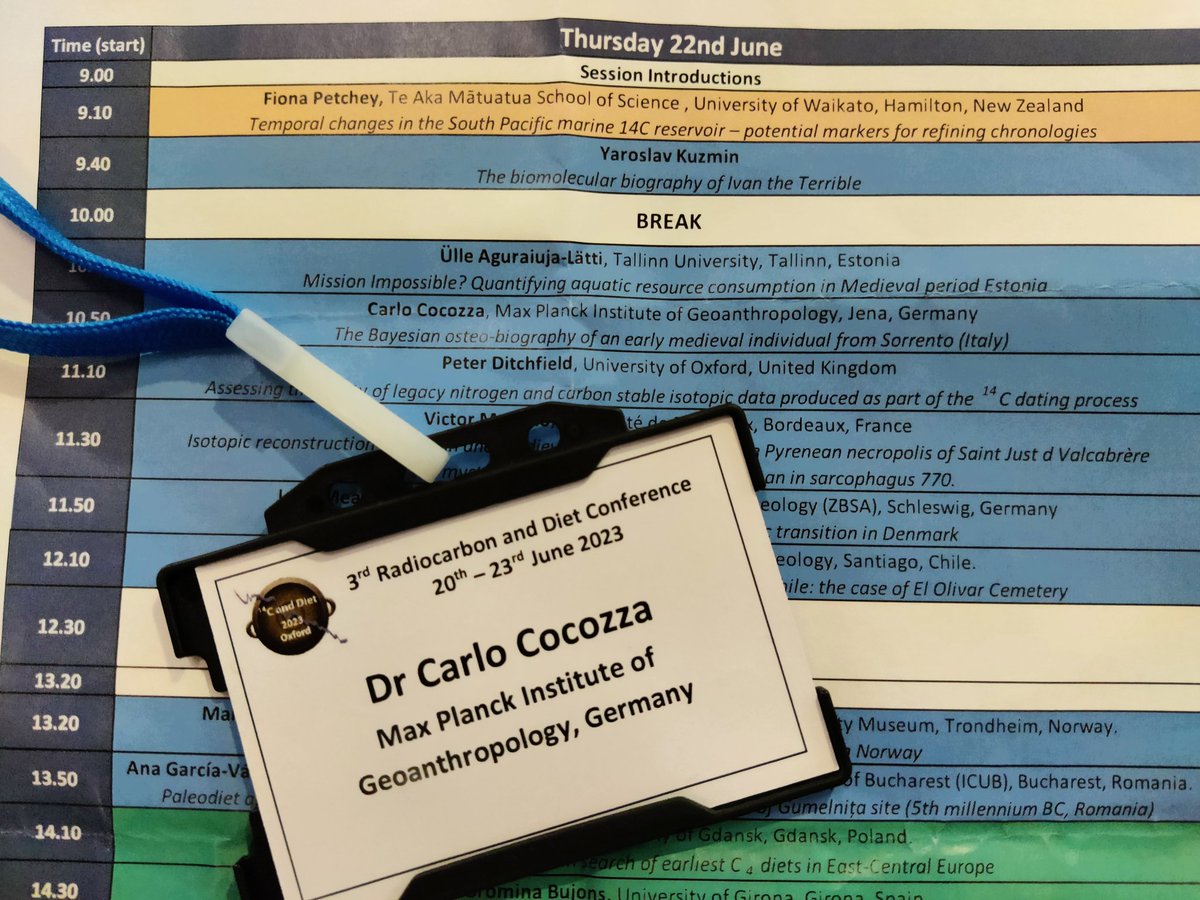
A little bit of my hometown at the university of Oxford today! I showed preliminary Bayesian modelled data aiming to reconstruct the biography of a Byzantine "Sorrentino".
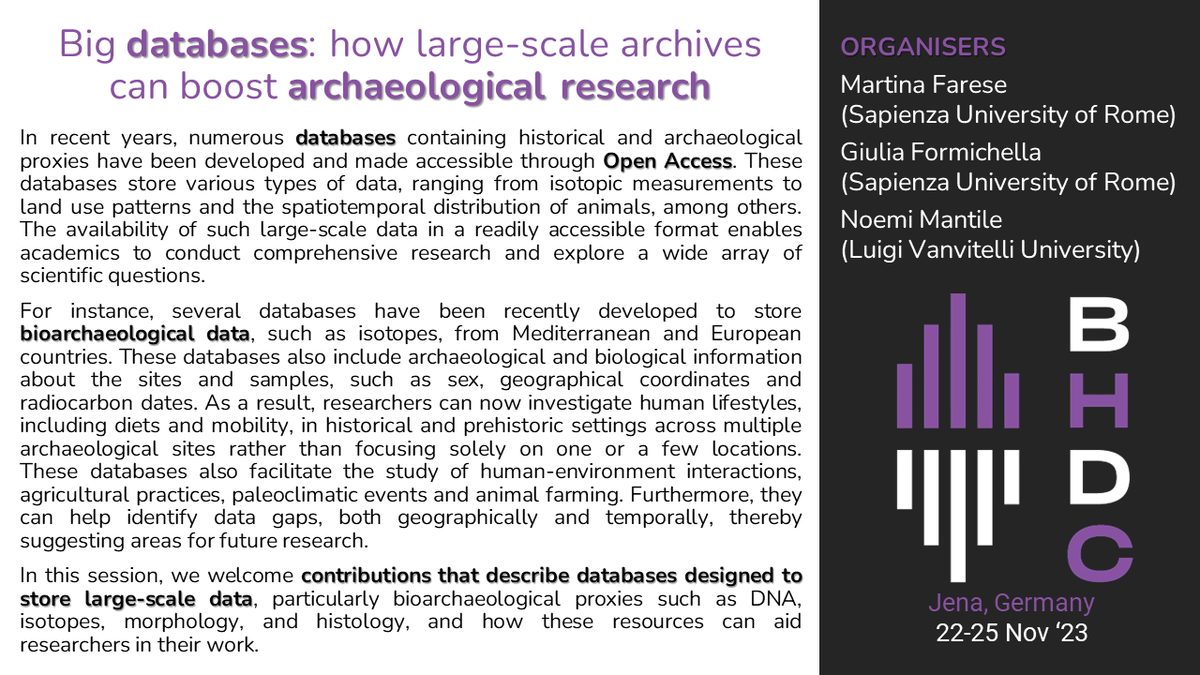
We are thrilled to announce our presence at the Big Historical Data Conference in Jena!
We will be discussing bioarchaeological databases, from their creation to their open-access distribution and application 🗂️
@IsomemoPandora
Interested in Big Data and Archaeology? Come join us for the Big Historical Data Conference, you can submit an abstract for our session "Big databases: How large-scale archives can boost archaeological research" here bhdc.earth/abstracts/ until July 14th 🗂️ @IsomemoPandora
ALT Image with abstract for the session "Big Databases: how large-scale archives can boost archaeological research" held in Jena (Germany) from the 22nd to the 25th of November 2024.