
A UK charity facilitating marine conservation though collaboration between researchers, non-profits, govt & locals. Together for oceans 🌊💙🦈
Joined March 2021
- Tweets 263
- Following 382
- Followers 523
- Likes 140
98 Photos and videos

Pinned Tweet

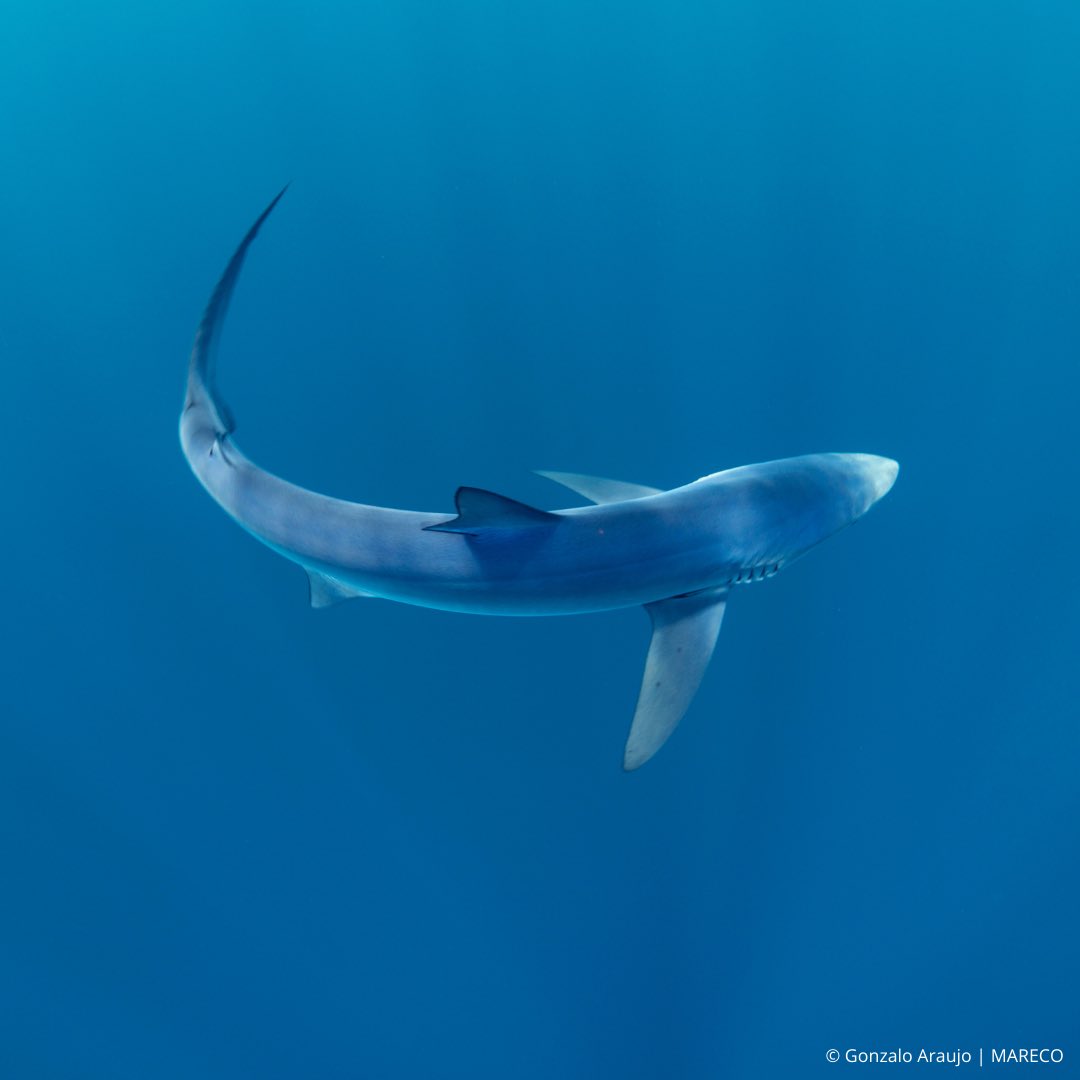
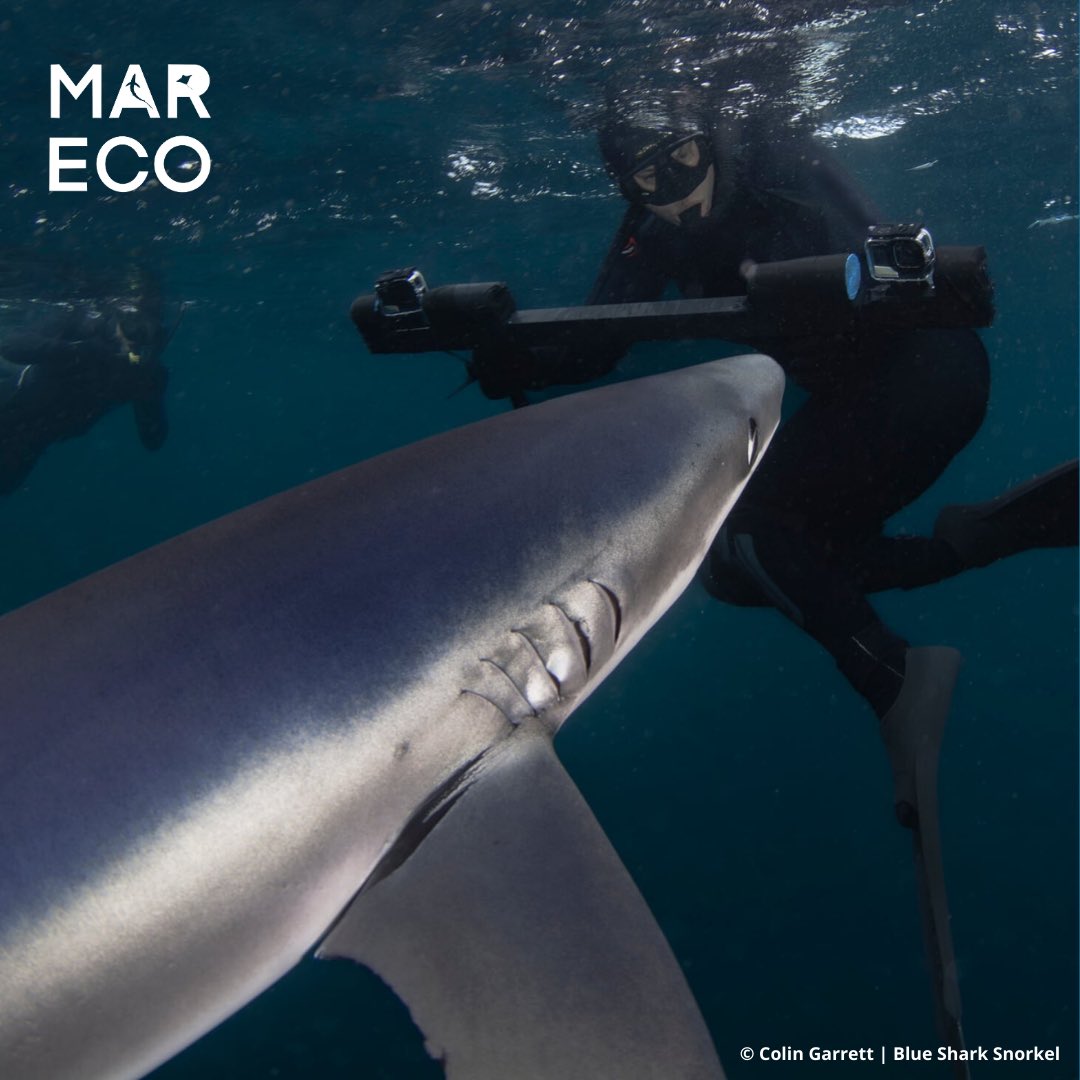
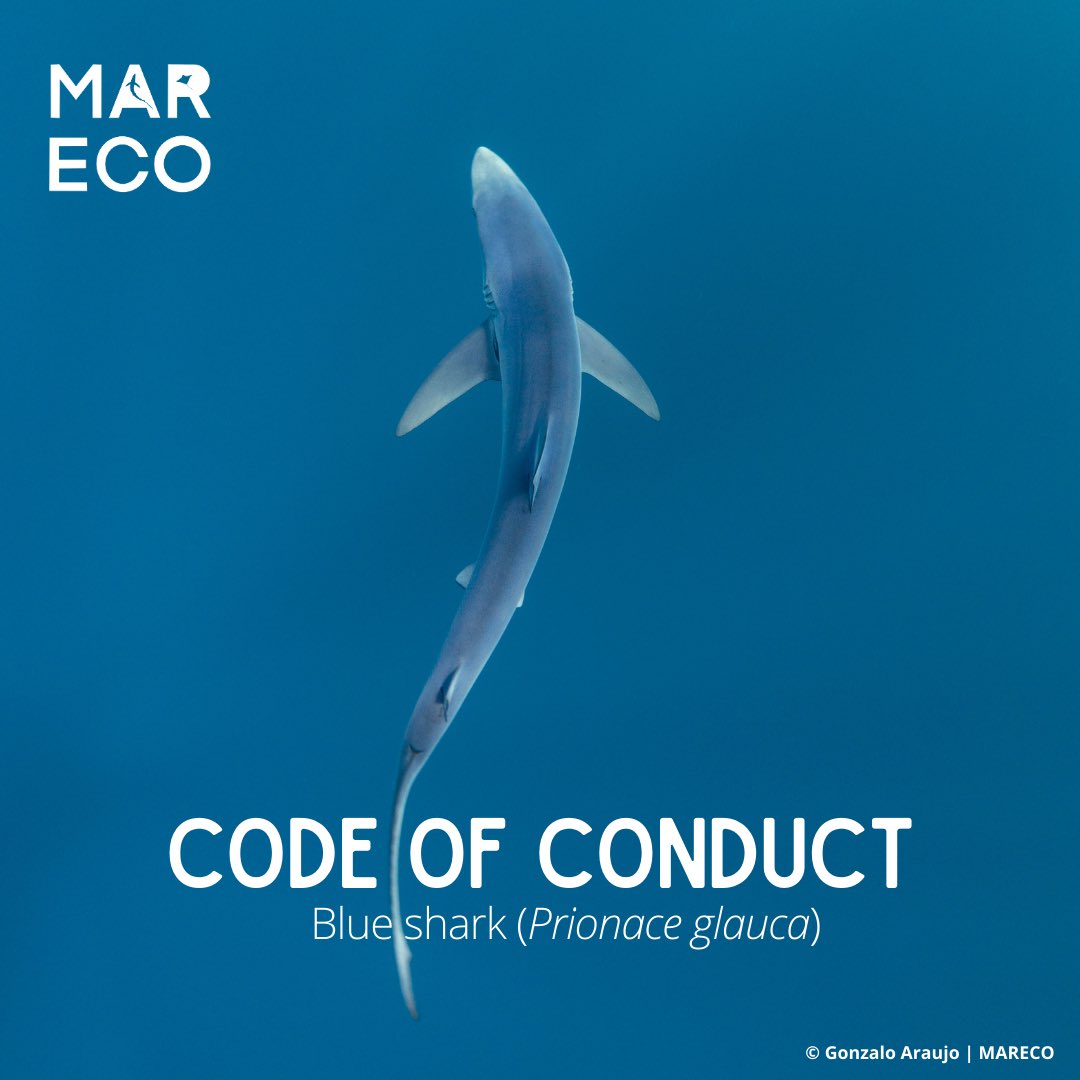
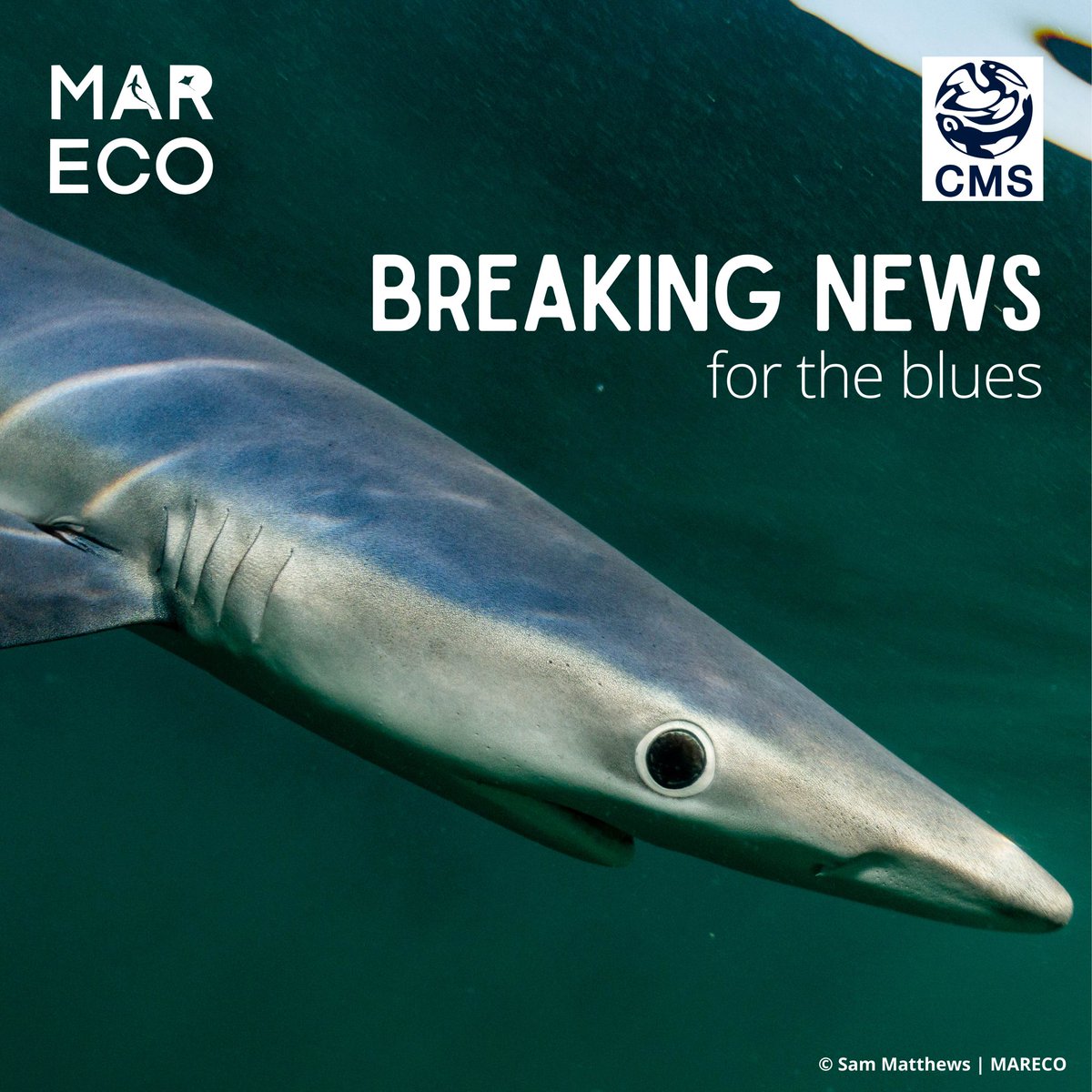
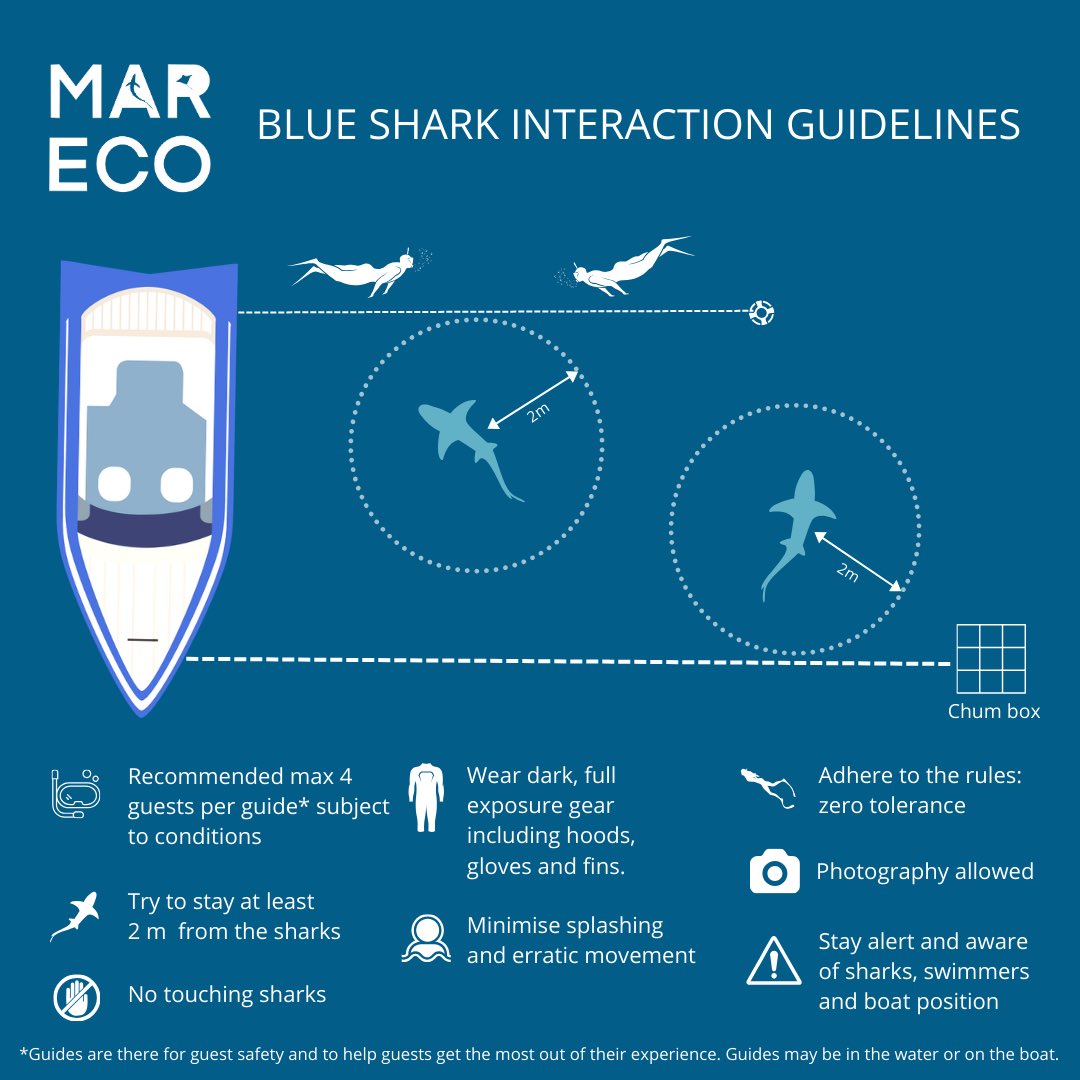
It is oFISHially the start of #blueshark season here in the UK 🦈
We continue to work with operators across the UK for a #sustainable industry and are pleased to announce that our updated #CodeofConduct for blue #shark interactions is now available:
mareco.org.uk/resources
1
1
5
287
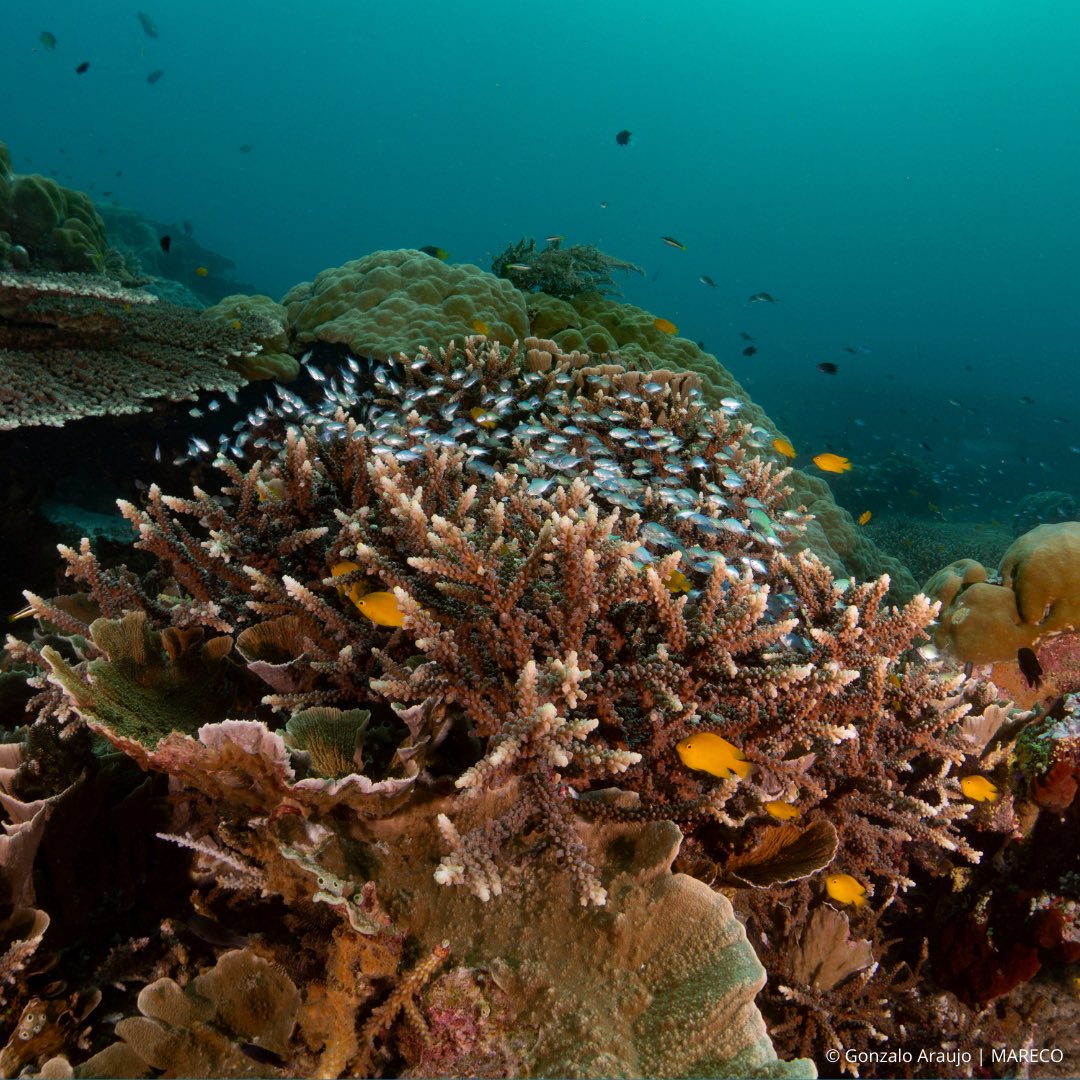
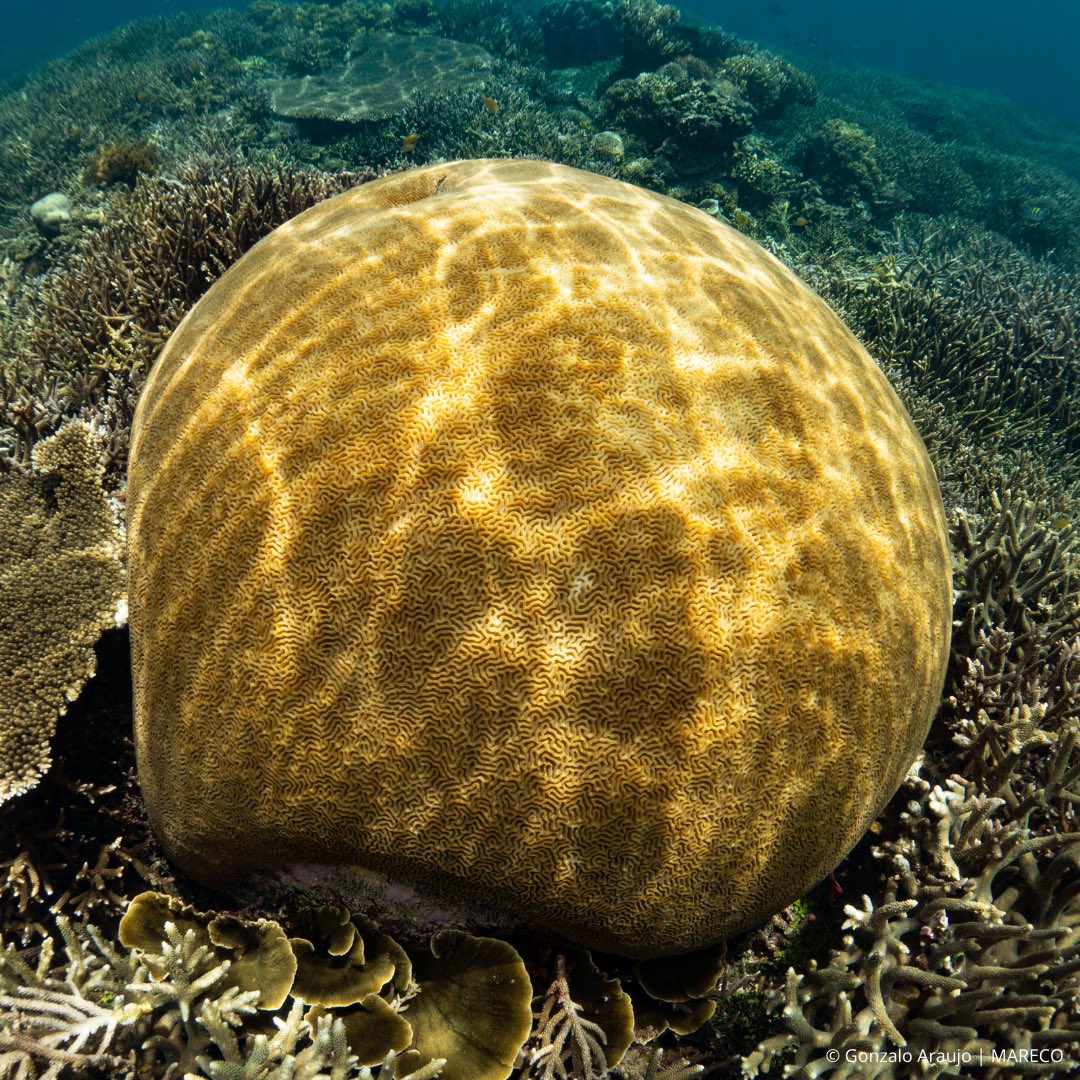
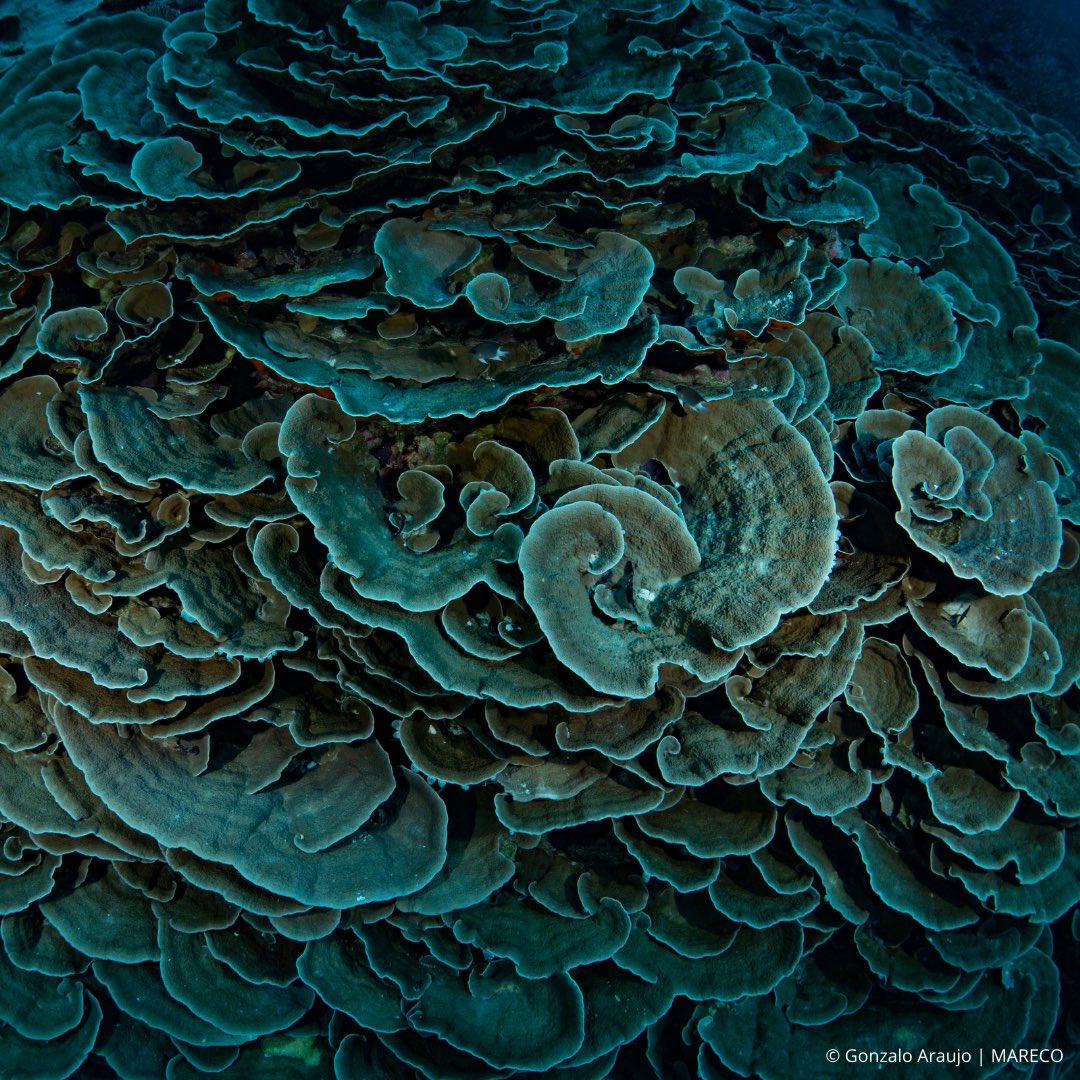
Happy #EarthDay 2025🌎
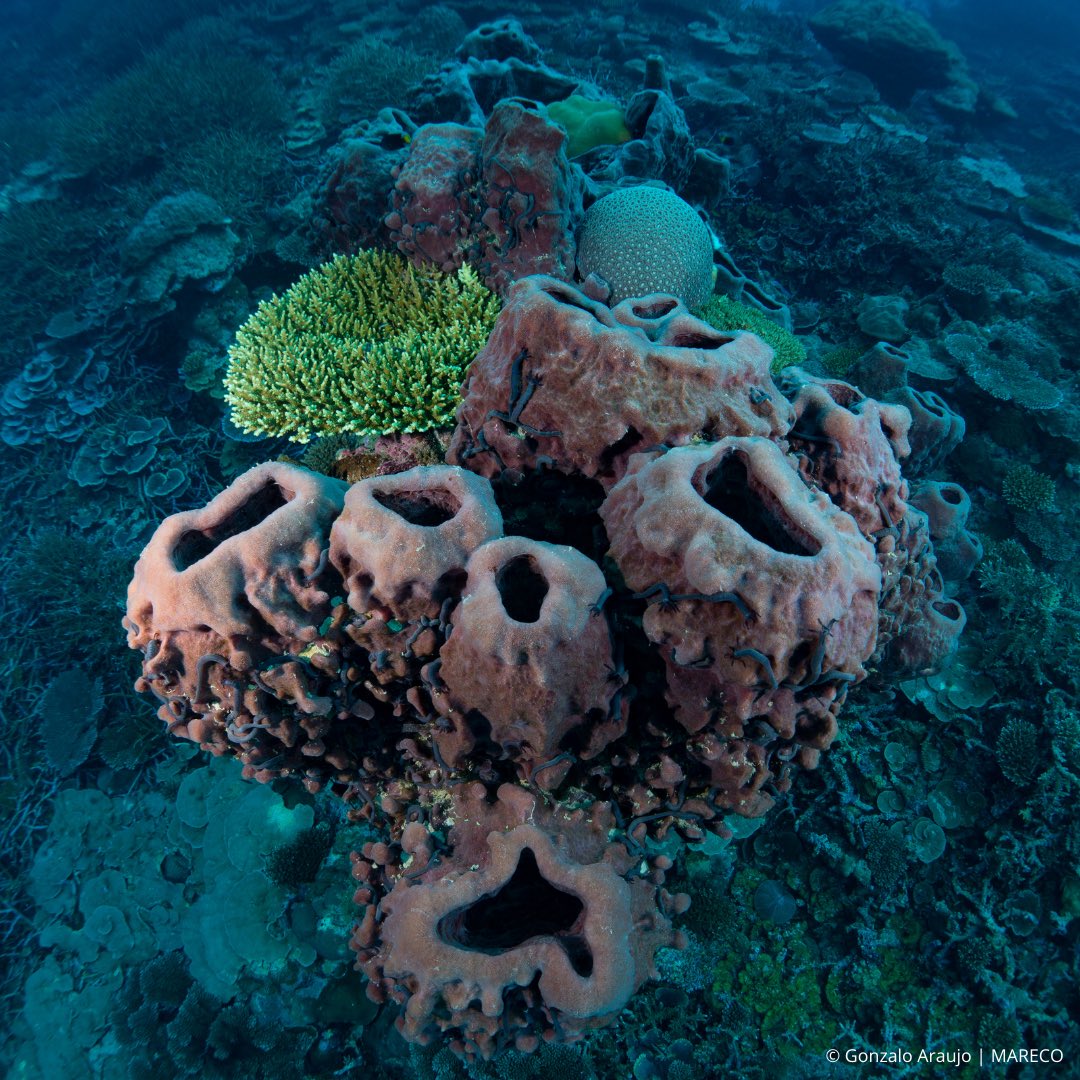
🪸Corals build the reef
🐠The reef shelters fish
🐟Fish are prey for sharks
🦈Sharks balance the oceans
🌎And our oceans? Oceans support all life on Earth!
It's all connected, all balanced and our collaborative work aims to support that balance🩵🦈
29
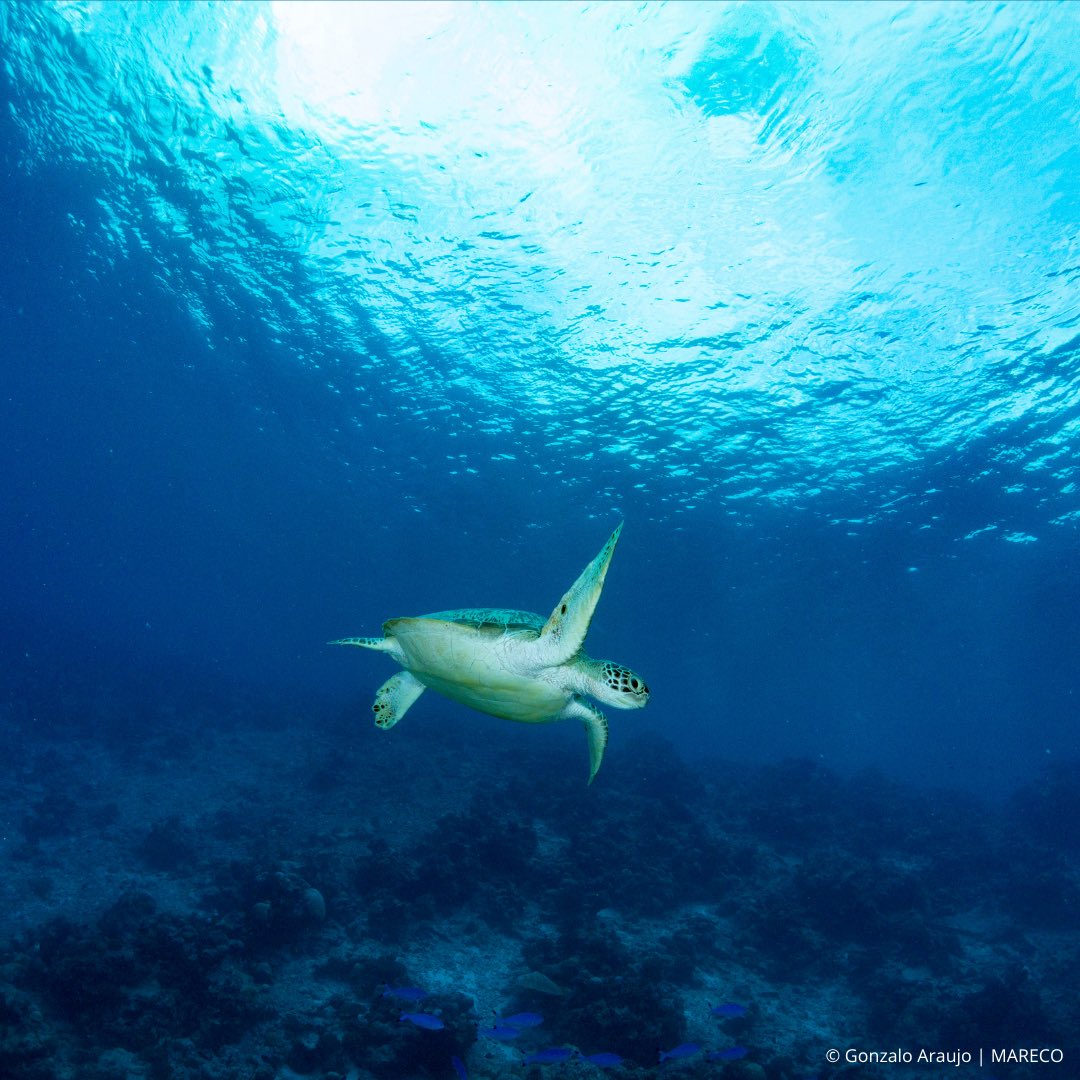
This #WorldWildlifeDay2025 we are joining the United Nations to raise awareness of this year's theme: Wildlife Conservation Finance, Investing in People and Planet!
It is our collective responsibility to invest in our wildlife…
⛓️💥
1
24
Mobilising the funds required to fill conservation gaps at scale requires a multi-stakeholder approach that involves financial institutions, governments, businesses, and local communities.
1
15
Help us and our collaborative #research to support the #conservation of marine megafauna and safeguard sustainably managed marine ecosystems. 🦈
12
It’s blue (shark) Monday!💙🦈
While we may be feeling blue today, let’s take a moment out in nature to connect with our ocean.
Let’s embrace the blues to inspire change and brighter actions for ocean conservation.
#bluemonday #blueshark #conservation #oceanoptimism #nature
1
60
New year 🎉
New ideas 💡
New tags 🏷️
New collaborations 🤝
Same MARECO mission 🦈🌎
⛓️💥
1
24
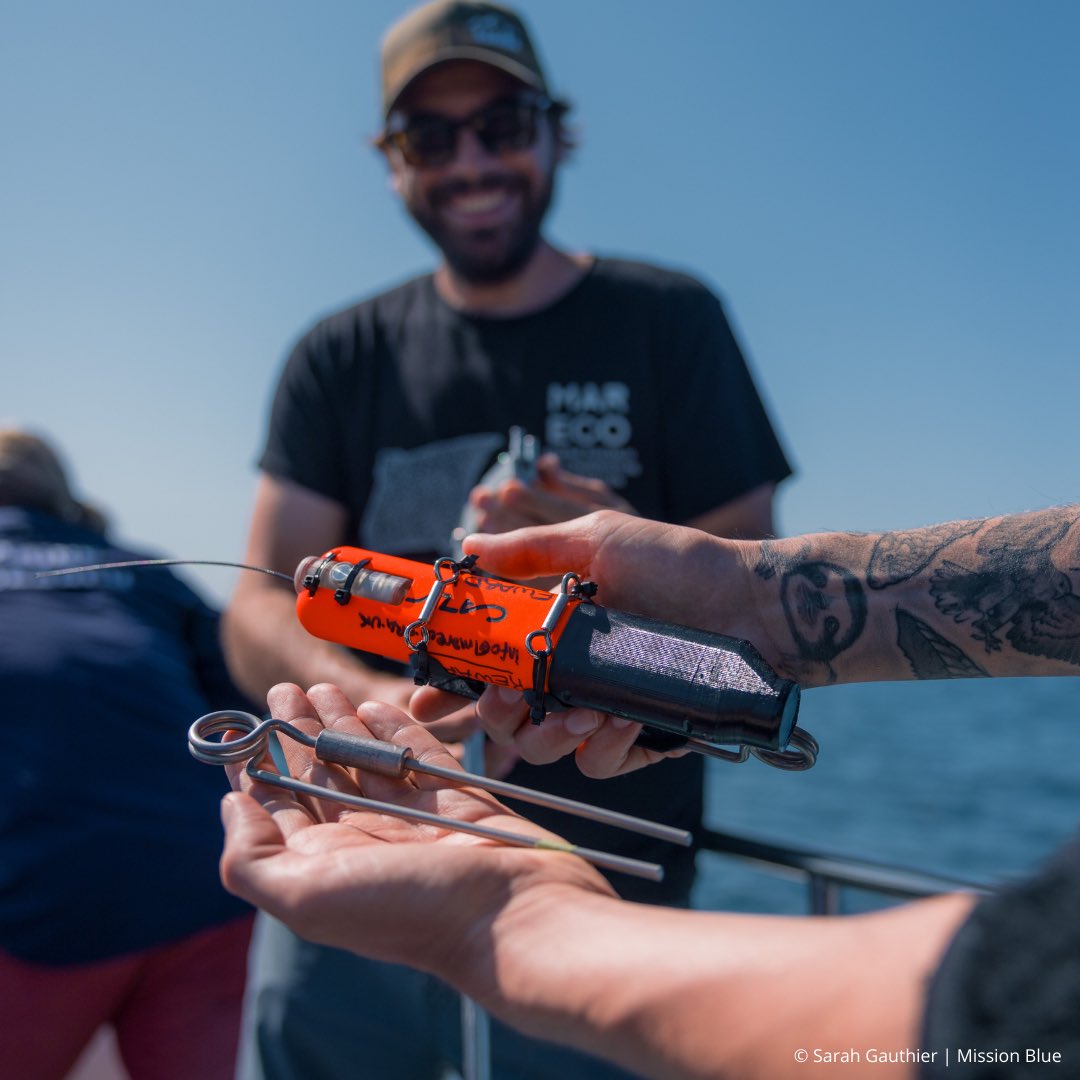
From CATS Cam tags (pictured here), acoustic and satellite tags, to BRUVs, stereo-video photogrammetry, DNA analysis and social science, our minimally invasive methods are driving #conservation efforts by unlocking critical insights into the lives of threatened #elasmobranchs
1
32
We are excited for the year ahead and look forward to you joining us and our amazing #collaborators all over the world, for another year of marine megafauna-filled research in 2025!
Stay tuned for more 👀
#newyear #newscience #sharks #rays #tagging #research #conservation
24
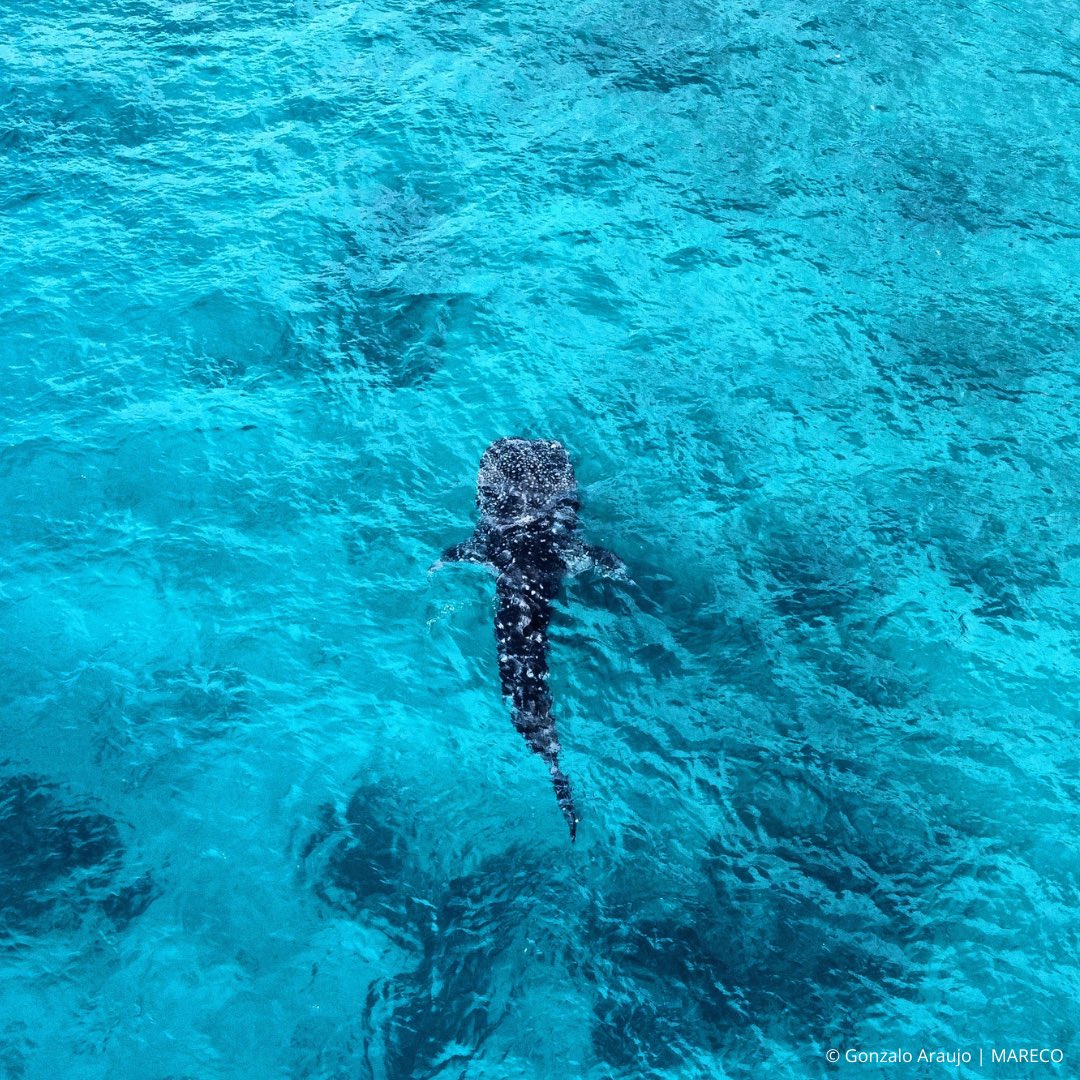
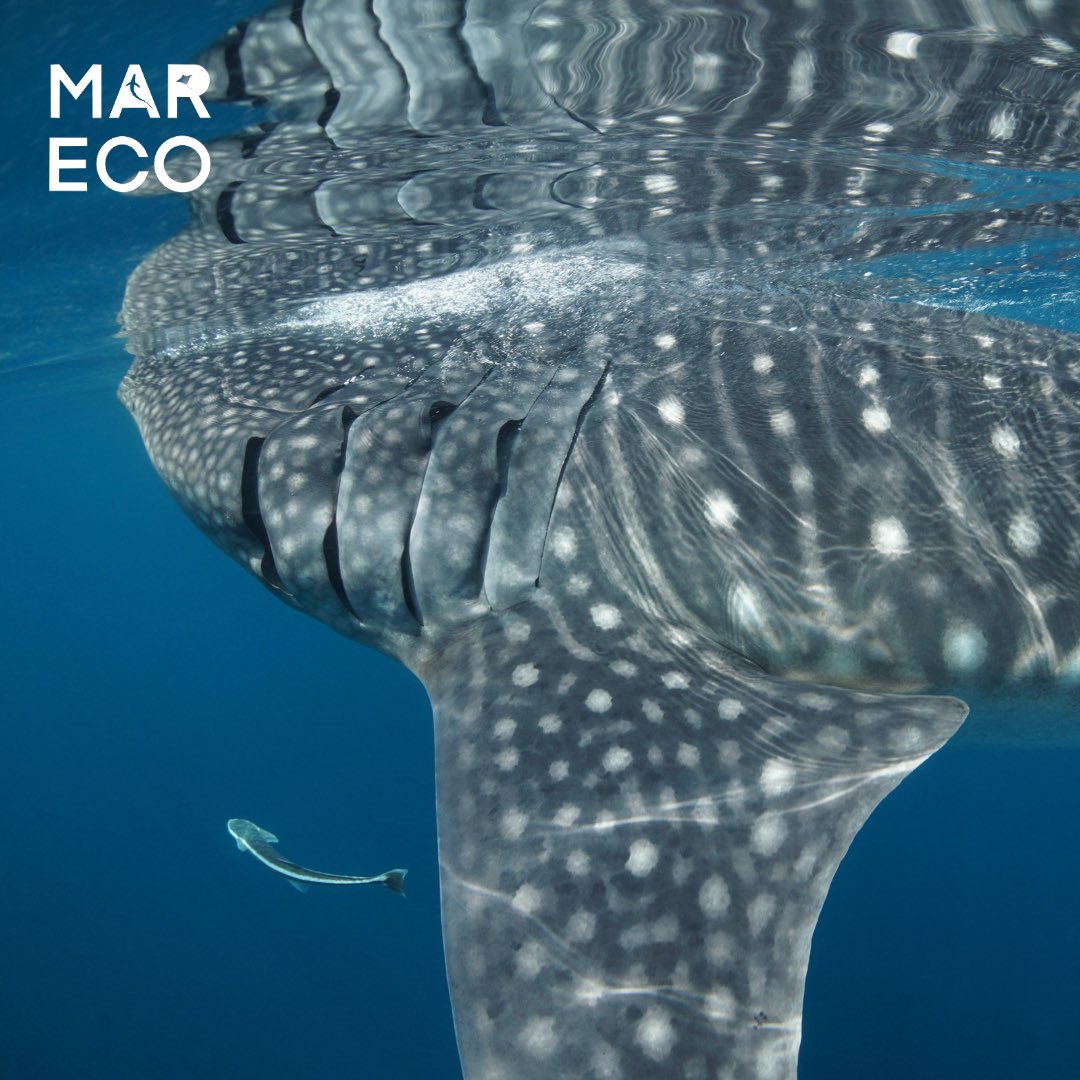
Did you know that a whale shark's striped and spotted pattern is unique to each individual?🧐🐳🦈
⛓️💥
1
2
60
A collaborative study by Marcoux et al (2023) used photo-ID to study the demographics and movement patterns of previously understudied whale sharks in Hawai'i.
1
27
Research like this helps advance our understanding of whale shark populations across the globe, which is crucial to develop effective management for this Endangered species.🦈
36
As the #blueshark (Prionace glauca) season draws to an end here in the UK, we look back on another successful year of #research in #collaboration with blue shark swim-with operators in the UK.
🪡
1
2
72
Here, shark researcher @rozbown is using our stereo-video rig to accurately measure the length of blue sharks in-water.
1
19
These measurements give us a better understanding of blue shark populations that interact with the tourism industry during the summer as part of their annual migration in the North Atlantic. Typically, we see juvenile and subadult female blue sharks around the UK (1.5 to 2.0 m).
22
📢 New shark science!
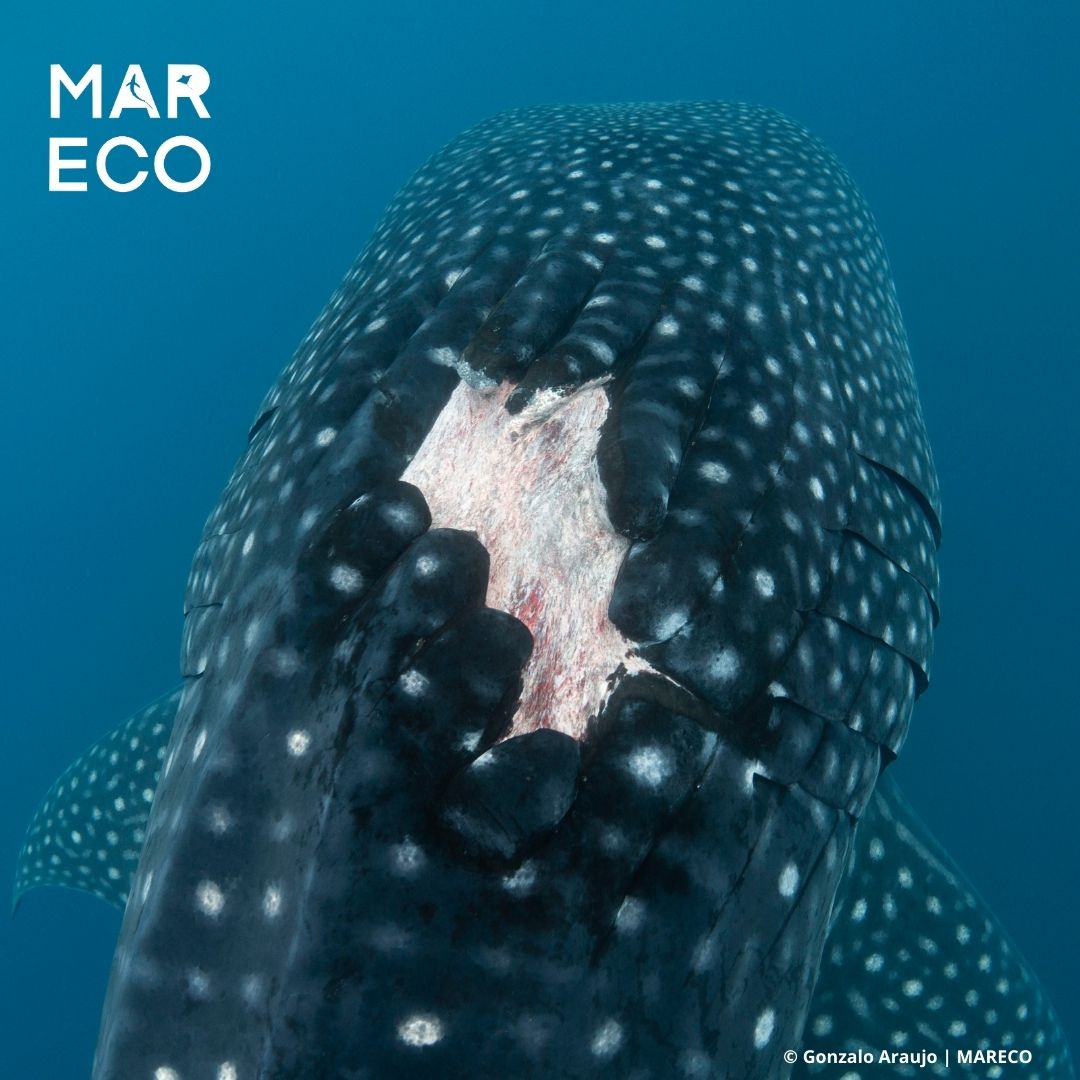
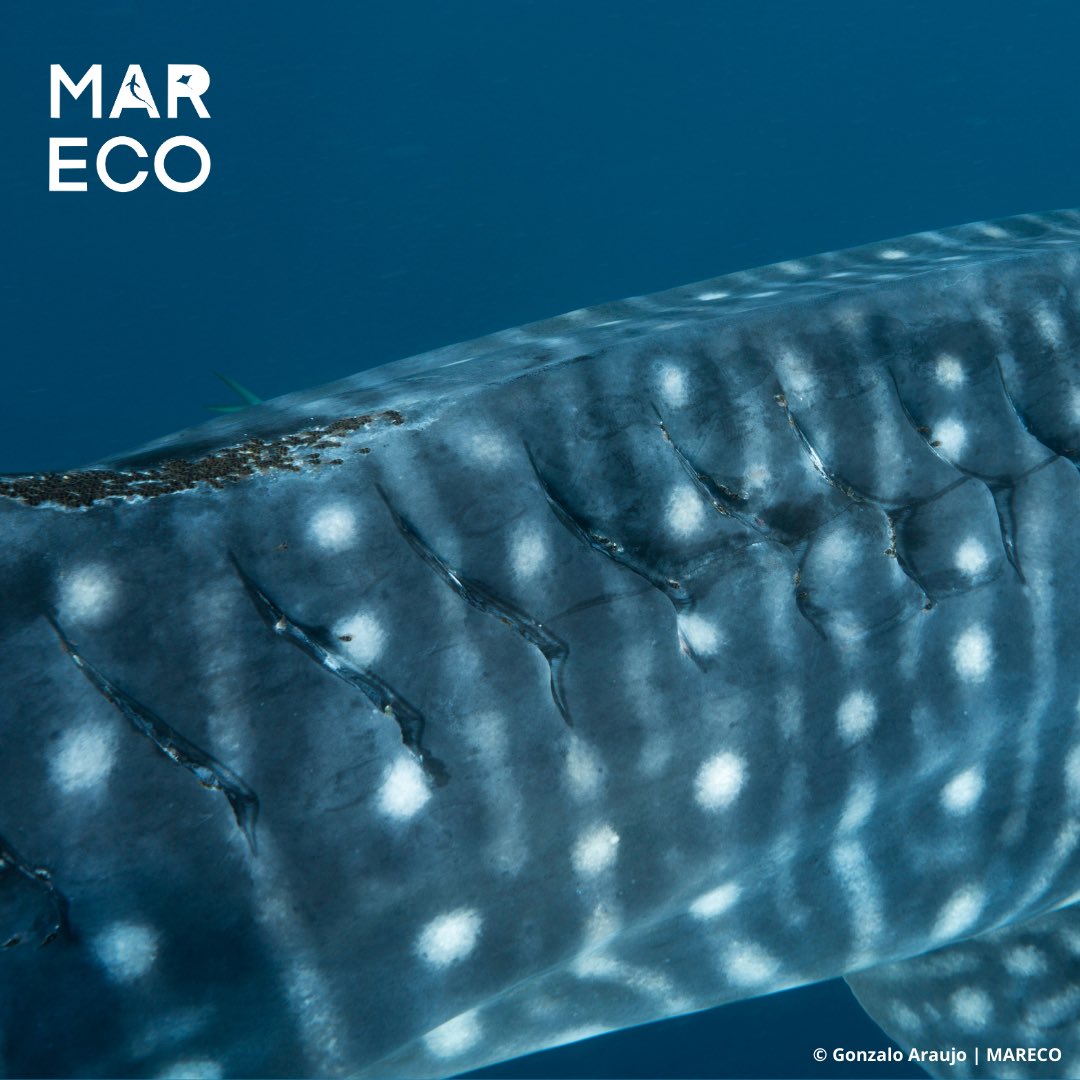
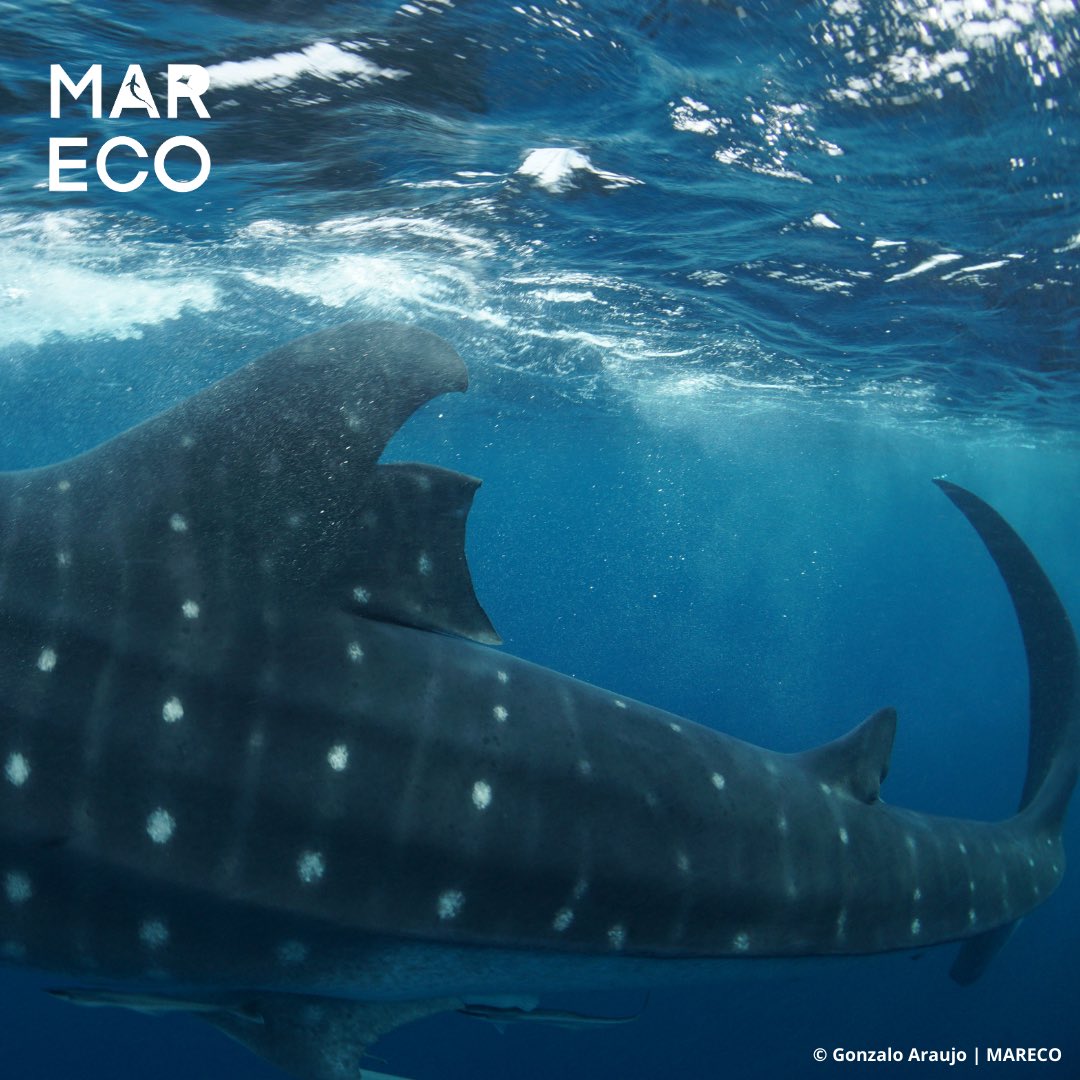
A new paper in Nature Climate Change led by @freyawomersley highlights how climate change increases the risk of ship strikes on whale sharks.
nature.com/articles/s41558-0…
1
4
14
459
Under a high-emissions scenario, whale sharks may be up to 15,000 times more likely to collide with a shipping vessel by the end of the century!
1
1
39
Changing species distributions as a result of warming waters, emphasises the importance of factoring climate change into the protection and management of Endangered species such as whale sharks.
🐳🦈
1
38