
11,510 Photos and videos





2005-2007 banks were 30x levered, there was no QE and Fed funds rate was at 5%
1998-2000 equities had highest valuations ever. There was no QE and Fed fund rate was at 5%
2015-2021 Japan & EU run largest QE on earth, JP and EU equities don't experience massive asset inflation
30 Sep 2021

It's based on common sense. If you think it's a coincidence that the Fed's policies have correlated with massive asset price inflation and a merger wave, I can't help you.
98
181
1,145
6. And a pony
Jun 12

From WH official on Iran deal:
1. Nuclear material will be destroyed and removed
2. Nuclear program will be dismantled
3. None of their money released until they perform
4. Strait of Hormuz will be open
5. No Iran funding of terrorist groups
Official adds: "This is what they agreed to. This is a performance based deal."
1
8
49
7,511
Update:
2014: Trump says Obama will launch a war in Iran because he's not a good enough negotiator to get a deal with them
2015: Obama, gets a deal with them, with the backing of the EU, China, and Russia
2018: Trump cancels deal bc it was Obama's. Says he can negotiate a better one
2018-2020: Trump can't negotiate one. Arms control experts and Trump officials start to grumble that scrapping Obama's deal was probably a bad idea
2025: Trump still can't negotiate a deal
2025: Israel launches an attack on Iran. Drags Trump in. Trump claims Iran's nuclear capacity was wiped out
2026: Trump launches a war on Iran, citing the need to wipe out Iran‘s nuclear capacity
March-Nov 2026: Trump repeats 'new deal any day now' every two weeks
Nov 2026: Trump still can't negotiate a deal
39
351
1,700
135,294
Dow retweeted

7 Feb 2023
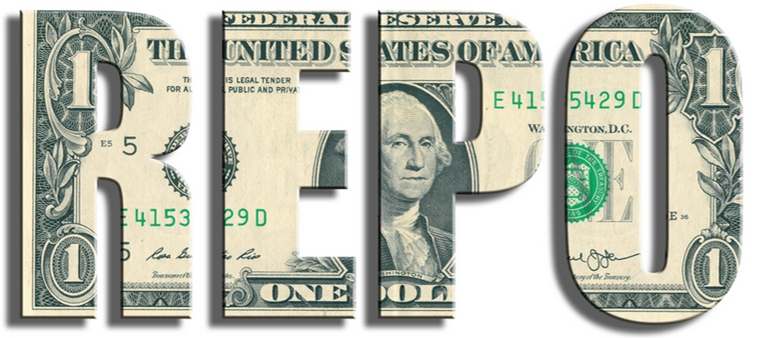
El Repo es el alma del sistema financiero
Un mega 🧵sobre la operativa de repos que incluye:
1. Qué es/cómo operan repos?
2. Tipos de Repo
3. Segmentos repos (tripartito, GCF, bilateral)
4. Tasa SOFR
5. Tipos Garantías en repos
6. Deudores/inversores mercado repo USA
10
114
404
91,318
Ppl prefer money
Jun 3

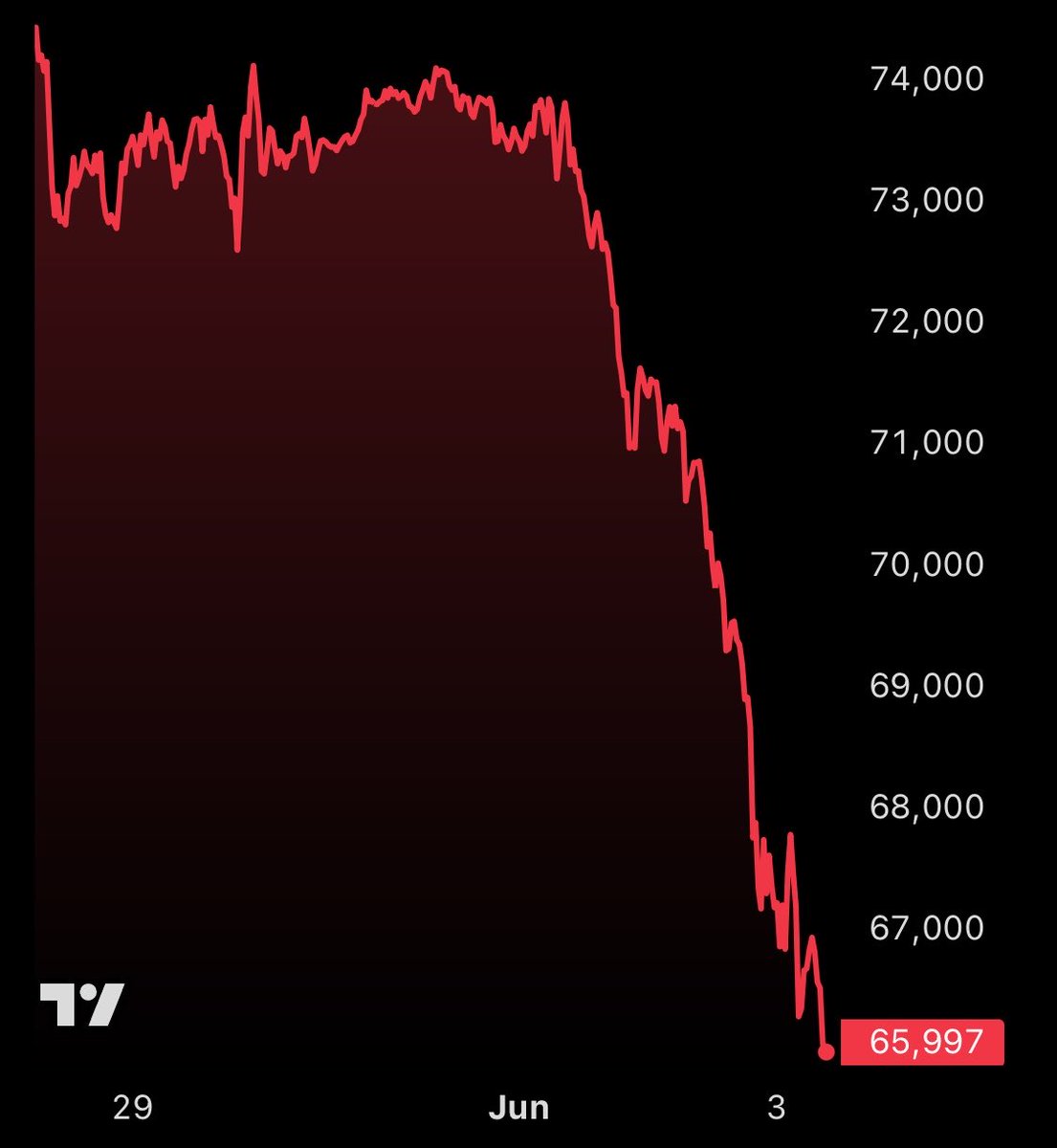
CAN ANYONE PLEASE EXPLAIN TO ME, IN SIMPLE WORDS, WHAT THE HELL IS GOING ON WITH BITCOIN??
2
21
4,338
Dow retweeted

Jun 4
This was Bernanke, the godfather of QE/"helicopter Ben", admitting that the size of the balance sheet doesn't matter. Yet most of you guys still believe in the QE/QT fairy... he really did a number on you.
Jun 3

Here's the full exchange:
Q: How big an issue is the balance sheet? Is it too big and what difference does it make anyways?
Bernanke:
Well, on good economics, it's irrelevant. I mean, it's relevant. It should be big again on good economics because it's a very good way to manage the short-term interest rate and assure that banks have enough reserves, and that's a good thing for financial stability. It's a good thing. Milton Friedman would like it because it keeps the cost of transactions low. Money should have a zero opportunity cost and all those things. Kristin's reason is that—and this thing about having a large footprint, that you often hear, that's a meaningless statement, really, because what—is there not enough Treasuries in the market? Is that the problem? I'm not sure I understand that. So I think from an economic point of view that the balance sheet is pretty much okay where it is. Now Kristin's point is that it's got a bad optics, that the Fed is too involved somehow in fiscal policy by holding all this debt.
Again, the only real effect of holding the large balance sheet is that it potentially exposes the public to fiscal gains and losses, which that would go away if the Fed mimicked the Treasury's maturity structure or just held Treasury bills or something or coordinated with the treasury on that, which is what Kevin says he wants to do. So … that would eliminate that problem.
Again, it's just really a question of optics. I don't know how to quantify that particular issue. Anyway, so if you ask me as an economist, I think that incurring the significant costs and risks involved in trying to shrink this beyond the point where banks don't have enough reserves is of questionable value. But again, I don't know how to judge the purely optical aspects of it.
10
12
78
29,124
Jun 4

Austin-based podcaster Joe Rogan reportedly being considered for 60 Minutes role. statesman.com/news/politics/…
Community note
The article itself has been updated to say "CBS News says Joe Rogan is not in consideration to replace Anderson Cooper on '60 Minutes' ". The original article quoted an old and unverified news source.
statesman.com/news/politics/…
2
4
32
4,594
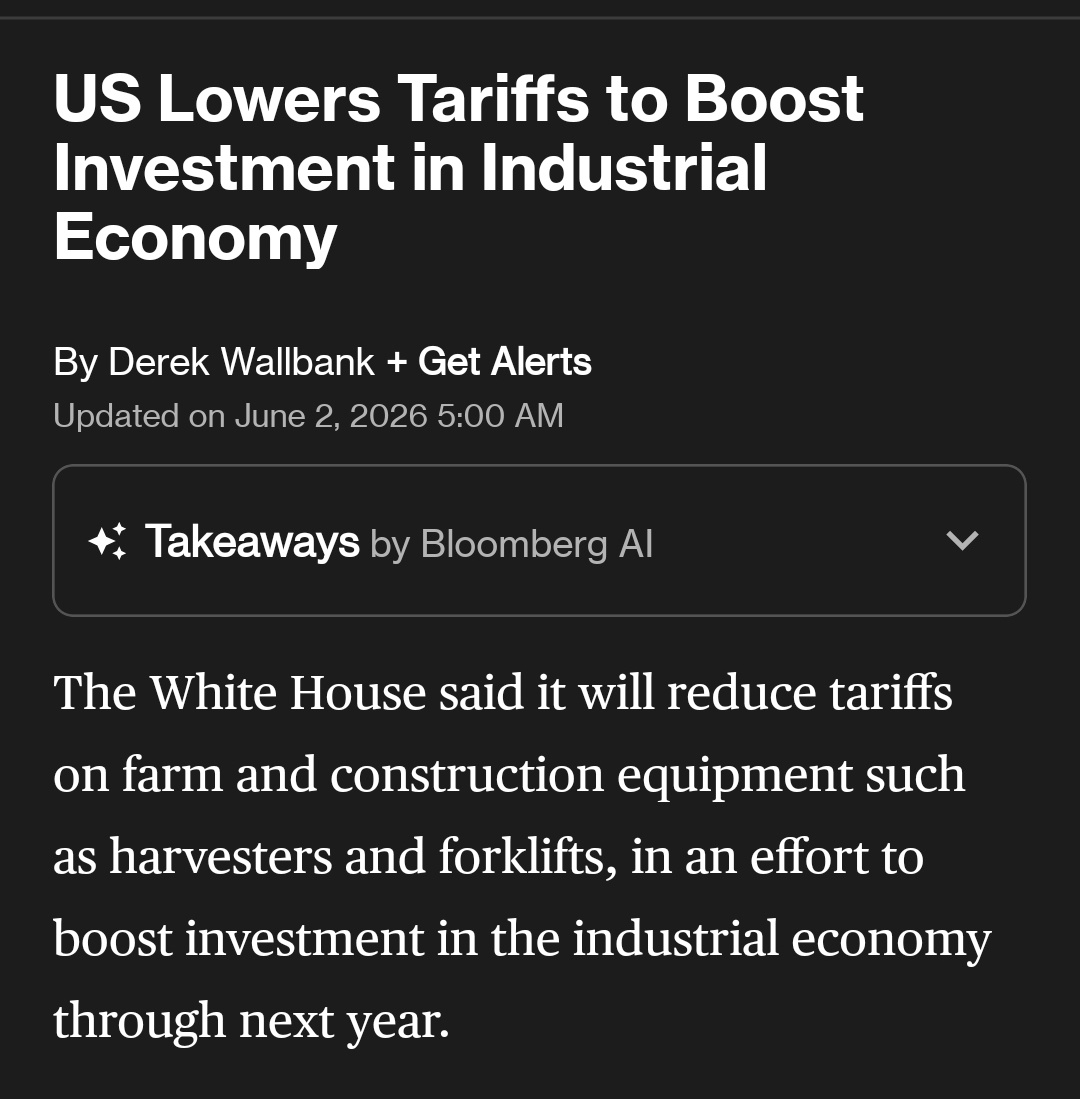
JFC. Basically the Strait of Hormuz, but for economic policy.
These are the kinds of things that happen when the decision-maker is impulsive and overconfident

3
3
39
5,816
Dow retweeted

Jun 1
Former Fed Chair Powell shades Trump:
"We ought to be united in our commitment to the higher principles that define our nation, chief among them is respect for the rule of law."
24
410
2,468
52,662
Some of us called this out in real time as others, thru a combo of professional courtesy and bothsidesism, normalised his embarrassing hybrid of bad econ and partisan sycophancy.

How a bad book, a bogus formula, and a hunger for favor led Kevin Hassett to discover that he could lie his way up the ladder as a career, and it would pay. Republican politicians and journalists call it “economic advising”. But that really is the wrong phrase, isn’t it?... 1/
1
35
6,890