
Interested in EU/GER/POL. Writing in German, English and Polish.
Joined December 2015
- Tweets 46,873
- Following 731
- Followers 3,233
- Likes 96,301
2,117 Photos and videos

Markus Kranz retweeted

Ekskluzywny wywiad w brukselskim POLITICO przed podróżą do Polski Jordana BARDELLI, potencjalnego kandydata na prezydenta lub premiera Francji, w wyborach prezydenckich w kwietniu 2027, zależnie od werdyktu sądowego ws. Marine Le Pen, który zapadnie 7 lipca.
“Jest Pan dość selektywny w kwestii międzynarodowych podróży. Był Pan w Wielkiej Brytanii, Izraelu i Zjednoczonych Emiratach Arabskich. Dlaczego wybrał Pan Polskę jako kolejny przystanek?
Polska to kraj, który się liczy, i z każdym dniem liczy się coraz bardziej na europejskiej scenie. Polska jest obecnie szóstą największą gospodarką Unii Europejskiej, a w ostatnich latach w wielu kwestiach bardzo wyraźnie zainwestowała w ochronę swoich granic w obliczu przepływów migracyjnych, które stanowią poważne wyzwanie dla europejskich narodów. W obliczu potrzeby odzyskania strategicznej autonomii Polska podejmuje bardzo wyraźne wysiłki w zakresie dozbrojenia i obrony.
Jestem umówiony na spotkanie z liderami PiS, aby omówić i przygotować Europę jutra.”
⬇️
politico.eu/article/jordan-b…
2
52
120
2,747
W Niemczech był w 2019 identyczny przypadek, znany jako "Tiergartenmord". Służby, sąd i władze potraktowały to wówczas jako akt terroru państwowego. Ciekawe czy Polska równie poważnie do tego podejdzie. Raczej chyba nie, skoro w istocie przespano już pierwsze 24h.
3
16
221
No, skoro Ukraina już jest w G7, to co się dziwić....
3
5
50
2,162

- "Pabianice, Poland"
- "Polish winter"
- "a village in Poland"
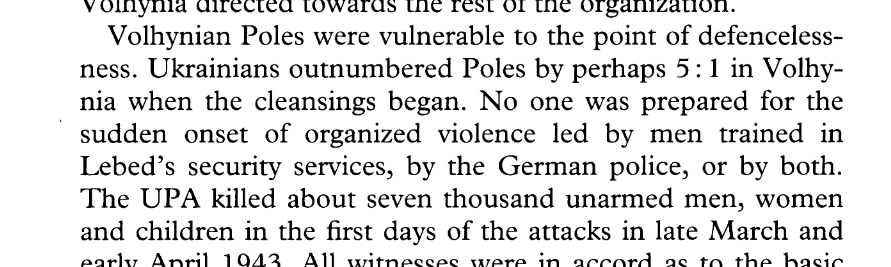
The taboo words "Germany" or "German" never appear in most texts related to the Holocaust.
This doesn't surprise me anymore. I know this kind of "historical" narrative has become a rule. But it's so sad.
🙄 😞🤷♀️

Her name was Szajndla. And for decades, her daughter Heidi had almost no idea what happened to her during the Holocaust. Today, that silence finally ended.
Szajndla was born in Pabianice, Poland, a city the Nazis turned into a ghetto by 1940, cramming over 8,000 Jews into 109 houses, entire families sharing a single room.
Then came May 16, 1942. The day everything changed.
The Nazis forced every Jewish resident through a brutal selection. Those fit to work were marked Group A. Everyone else, the children, the elderly, the sick, were marked Group B and deported to their deaths. Families were torn apart on the spot. Children ripped from their mothers' arms. Szajndla was sorted into Group A. Most of her family was not. She would never see them again.
In the Łódź ghetto, she and her brother Wolf survived as forced laborers for two years, until Wolf died of meningitis just weeks before the Nazis liquidated the ghetto entirely. Szajndla was then deported to Auschwitz in August 1944. Of the 67,000 Jews sent there from Łódź that month, 45,000 were gassed on arrival. Szajndla survived, and was transferred to the Stutthof concentration camp, prisoner number 91234.
From Stutthof, she was sent to a subcamp notorious for its brutal guards, where women were forced awake at 3am to dig antitank ditches in the freezing cold with no proper clothing. Many tore their one issued blanket apart just to stay warm enough to survive.
Then came the death march.
In January 1945, the Nazis forced the women out into the Polish winter toward the Baltic Sea. Before they even left, those who failed a physical fitness test were executed and thrown into a mass grave, then the surviving women were forced to gather around it and were beaten. Around 200 women were killed or knocked in alive.
1,700 women began that march. Only 700 survived.
They trudged through town after town, plagued by typhoid, lice, and starvation, described by survivors as 'a group of walking skeletons.' On March 10, 1945, locked in a stable in a small village in Poland, they woke to the sound of bombs. The doors blew open. Soviet tanks were outside.
They were free.
A letter found on a dead Nazi officer revealed the plan: march them to the sea and drown them all.
Szajndla survived everything. The ghetto. The selection. The loss of her family. Auschwitz. Stutthof. The death march.
She came to America in 1947, built a life, and became Heidi's mother, carrying all of this inside her, largely in silence.
We sat with Heidi and shared every detail of this story with her for the very first time.
Watch to see her reaction. Some moments you can never prepare for.
#ClaimsConference_Partner #HistoriesAndMysteries #CJH
BMF_Partner
1
22
47
921
Markus Kranz retweeted

Jun 15
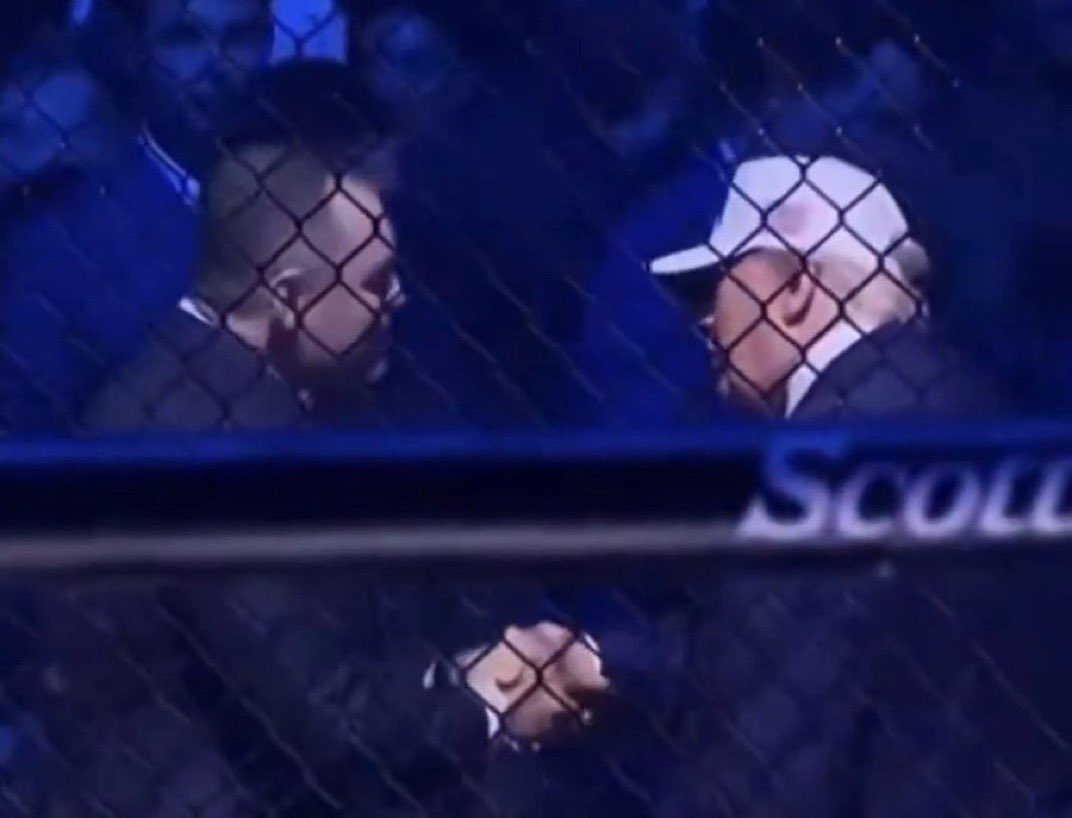
Poland’s conservative president Karol Nawrocki meeting Trump at the UFC event in front of the White House.
He was the only foreign national leader attending the event.
Nawrocki is a former heavyweight boxer and has a deep interest in martial arts 🇺🇸🇵🇱
75
527
5,819
116,558

Jun 15
Te traktaty służą najwyraźniej tylko temu, żeby pozyskać Polskę jako klienta przemysłu obronnego.
2
5
31
761

Markus Kranz retweeted

Jun 13
Eine Ostwende in Deutschland und eine stärkere strategische Ausrichtung auf Polen wären längst überfällig.
Ob man das in Berlin bereits erkannt hat, erscheint allerdings fraglich.
Jun 13

Polen muss Schlüsselpartner Deutschlands bei der Verteidigung werden. Stattdessen ist Merz einseitig auf Frankreich fokussiert. Frankreich ist wichtig, Polen aber ist vital. Höchste Zeit für eine Ostwende in Deutschland, hin zu Mittel- und Osteuropa.
9
10
40
3,705
Markus Kranz retweeted
„Jak Niemcy niszczą siebie i Unię Europejską”
Surowa ocena niemieckiego prawnika i wykładowcy @gunnar_beck
Częśċ 1-sza
„Unia Europejska to imperium które obecnie upada zarówno gospodarczo, jak i cywilizacyjnie. Gospodarczo pozostaje w tyle za innymi zaawansowanymi gospodarkami świata co najmniej od wielkiego kryzysu finansowego z 2008 roku. Pod tym względem UE przypomina poprzednie imperia, które wciąż jeszcze terytorialnie się rozszerzały, podczas gdy ich fundamenty już zaczynały się kruszyć. Spadek gospodarczy UE jest powszechny. Od wprowadzenia euro w 1998 roku Unia odnotowuje wyraźnie niższy wzrost PKB zarówno w ujęciu zagregowanym, jak i per capita, niż prawie wszystkie zaawansowane gospodarki świata.
W ciągu ostatnich dziesięciu lat spadek gospodarczy UE przyspieszył – luka wzrostowa między UE a USA się powiększa,
a trzy największe gospodarki unijne stały się chorymi braćmi światowej gospodarki.
W szybko rosnących sektorach technologii i transformacji cyfrowej nie ma ani jednej dużej firmy unijnej zdolnej konkurować z amerykańskimi lub dalekowschodnimi gigantami technologicznymi. UE pozostaje w tyle w rozwoju pojazdów elektrycznych, nauk o życiu, a nawet technologii energii słonecznej. Blok szybko się deindustrializuje z powodu unijnej polityki energetycznej i klimatycznej.
Niemcy w szczególności stoją przed największym kryzysem gospodarczym od czasu II wojny światowej, z którego najprawdopodobniej nigdy się nie podniosą. To nie jest przesada. Dziś bardziej niż kiedykolwiek w ciągu ostatnich 250 lat wątpliwa jest pozycja Europy w świecie rozwiniętym. Europa się cofa w rozwoju
(de-developing), a umierające Niemcy przewodzą temu procesowi.
Europa jest dziś tam, gdzie jest, ponieważ politycy UE nie potrafili utrwalić i rozwinąć osiągnięć gospodarczych epoki EWG, a w latach 90. XX wieku ulegli coraz bardziej megalomańskim ambicjom, które definiowano coraz bardziej w kategoriach przywództwa politycznego i moralnego, a nie dobrobytu gospodarczego.
Są co najmniej cztery takie wielkie złudzenia,
zaczynając od €uro.
Motywy stojące za unią walutową były w większym stopniu polityczne niż ekonomiczne. Sprzedawane jako narzędzie stabilności monetarnej, euro miało przede wszystkim pogłębiać integrację UE i było napędzane imperialną ideą, że Unia powinna posiadać własną walutę międzynarodową, która z czasem mogłaby naśladować dolara amerykańskiego jako walutę rezerwową świata. Nie udało się to w żadnym z trzech aspektów.
Po krótkim okresie pozornej stabilności jednolita waluta wywołała poważny kryzys zadluzenia. €uro ostatecznie uratowano, ale ogromnym kosztem – zarówno w postaci błędnej alokacji zasobów finansowych, jak i poprzez inflację podaży pieniądza oraz przyzwyczajenie europejskiej klasy politycznej do luźnej polityki monetarnej i przekonania, że coraz wyższe poziomy długu publicznego i deficytu na potrzeby wielkich eksperymentów społecznych i gospodarczych można „bezboleśnie” finansować posłuszną interwencją banku centralnego i uwspólnotowieniem długu. Choć imperialne marzenie o €uro zostało rozbite przez kryzys walutowy, uwolniono moralne zagrożenia związane z finansowaniem państwa przez ECB. Ówczesny prezes ECB Mario Draghi, były bankier Goldman Sachs, został oddelegowany do europejskiego banku centralnego, by chronić interesy klasy bankowej. Swoimi wielobilionowymi programami ilosciowego luzowania - QE „whatever it takes” wręczył europejskiej klasie politycznej narkotyk, od którego szybko się uzależniła. Od tego momentu polityka UE była nasycona niebezpiecznym złudzeniem, że wszystkie problemy finansowe można zamazać,
a niebezpieczne polityki społeczne i gospodarcze można wiecznie finansować zakazanym owocem z frankfurckiego drzewa pieniędzy. Europejska klasa polityczna z czasem ponownie padła ofiarą najstarszej bajki polityki monetarnej: religii drzewa pieniędzy.”
⬇️
brusselssignal.eu/2026/06/pa…
13
177
368
5,235
Jun 13
It was under Prussian and later German rule when same sex activity became illegal in Poland.
1
5
52
1,588
Markus Kranz retweeted

Jun 13
Cztery organizacje antykorupcyjne biją na alarm: Przewodniczący rady nadzorczej niemieckiego Siemensa nie powinien zostać koordynatorem ds. sztucznej inteligencji w Komisji Europejskiej. Dostrzegają szereg konfliktów interesów
table.media/europe/news/krit…
1
6
11
612
Markus Kranz retweeted

Jun 12
🇵🇱#Polish politicians who were counting on understanding from #Ukraine experienced a cold shower yesterday after the Head of the Office of the 🇺🇦President assured that the name of the military unit referring to the murderers of hundreds of Poles during the SWW will be maintained.
Jun 11

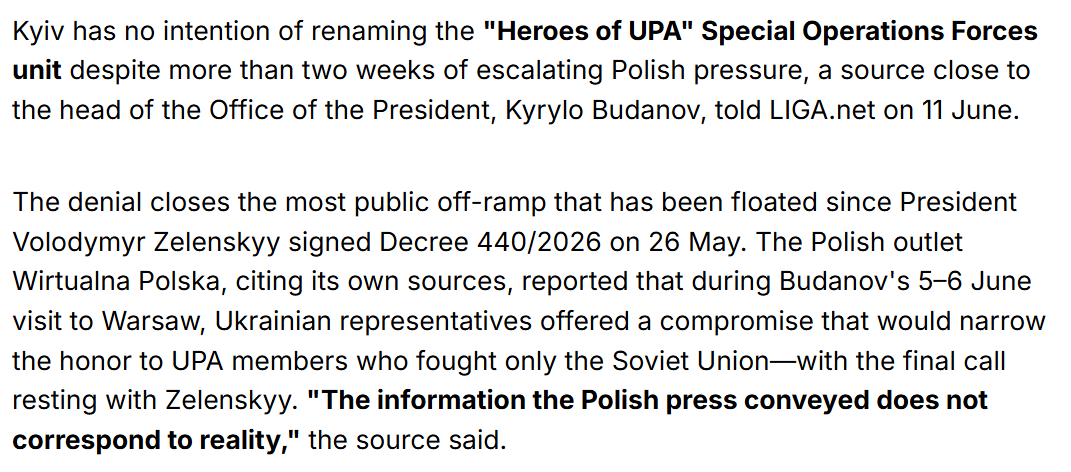
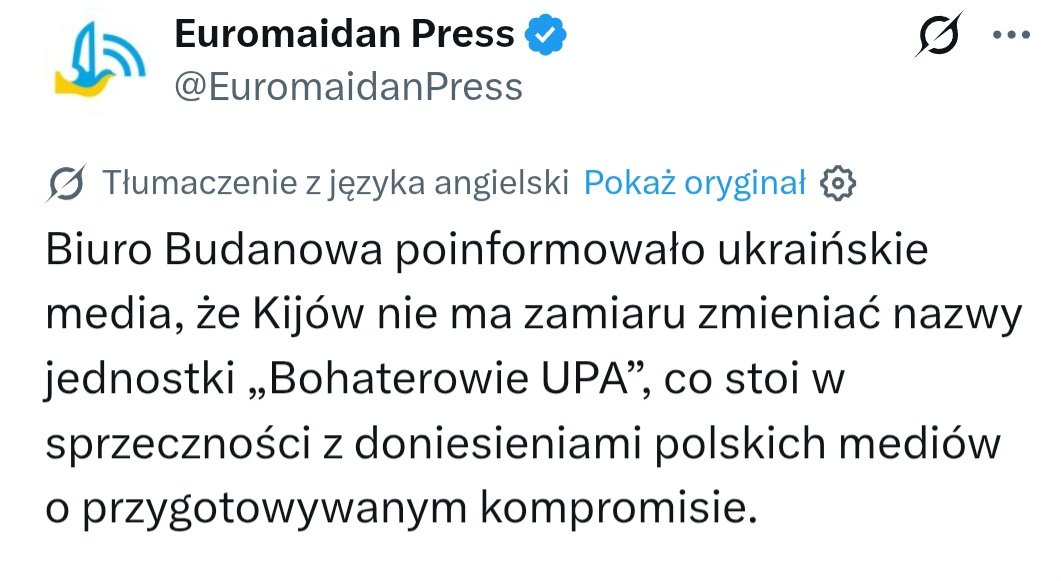
Budanov's office has told Ukrainian media that Kyiv has no intention of renaming the "Heroes of UPA" unit, contradicting Polish media reports of a drafted compromise.
Two weeks of escalation didn't move Kyiv: a Polish move to strip Zelenskyy of the Order of the White Eagle, an ambassador returning his Ukrainian medal, an EU accession threat, Sikorski snubbing Budanov in Warsaw, Tusk saying Ukraine "brought this problem upon itself."
Foreign Minister Sybiha's earlier answer stands: the name was chosen by soldiers "at the cost of their health and often their lives."
euromaidanpress.com/2026/06/…
3
8
462
Jun 12
Berlin tworzy wrażenie jakoby wejście UA do UE, to była wyłącznie kwestia relacji z Niemcami. I widać, ze Kijów tę logikę przyjął. Stara się głównie dogodzić Berlinowi.
Polska nie powinna się temu biernie przyglądać.
9
11
78
2,536
Markus Kranz retweeted

Jun 12
"Zachodzi podejrzenie, że Niemcy chcą wprawdzie brać na siebie odpowiedzialność w Europie, ale nie dzielić jej ze swoimi europejskimi partnerami."
W FAZ o rosnącej irytacji Francji na Niemcy. Do tego dość długa lista pretensji.
faz.net/aktuell/politik/ausl…
2
12
25
587
Jun 11
RT @ZdzKrasnodebski: delibeRatio - Ostatnio trudno jest spotkać w Polsce kogoś, kto ma dobre zdanie o Niemcach, kto lubi Niemcy, czy ceni n…
6
Markus Kranz retweeted

Jun 11
To by było na tyle w kwestii oczekiwania na refleksję w Kijowie. Skoro uparli się wejść z Polską w zwarcie, to nie należy im tego odmawiać.
42
183
881
12,221
Markus Kranz retweeted

Die Zeiten von Polen als Juniorpartner sind vorbei": Debatte im Bundestag.
polskieradio.pl/400/7764/Art…
1
5
143
Markus Kranz retweeted

Jun 11
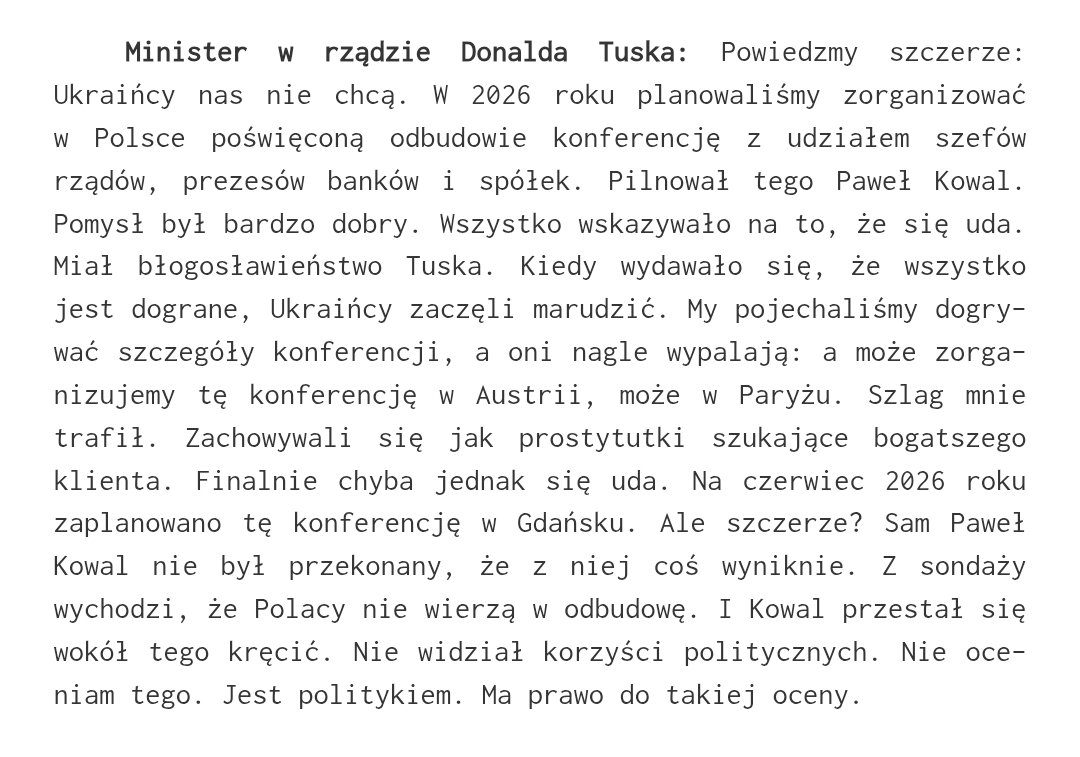
To jest jednak niesamowite, Polska organizuje za własne pieniądze konferencję odbudowy Ukrainy (to logiczna konstatacja), Ukraina się na to godzi, a potem nagle chce byśmy przenieśli ją do Paryża lub Wiednia, no bo Polska to jednak nie ta liga, niski prestiż i lekki obciach.

15
26
141
8,806
Jun 11
"Największym zagrożeniem dla stosunków niemiecko-polskich nie są dziś rewanżyzm i rewizjonizm, lecz niemieccy mistrzowie świata w moralizowaniu, którzy niestety podsycają w Niemczech nastroje antypolskie, a w Polsce antyniemieckie - zauważył Wolf."
1
5
35
1,004