
Joined April 2009
- Tweets 1,512
- Following 88
- Followers 1,659
- Likes 605
106 Photos and videos


Pinned Tweet

21 Feb 2024
Before 👤Alan Turing's invention, people thought of #computers as individuals calculating numbers 9-5 🕘🕔. Just like "engine" referred to a 🐎 horse before the Industrial Revolution.
2
2
814
May 17
After a couple weeks with @ChooseMuse, I’m impressed by the idea but disappointed by signal reliability. For overnight EEG, I want clearer signal-quality history; otherwise beautiful sleep/neurofeedback summaries are hard to trust.
I tried sleeping with the Muse headband overnight, wearing it snugly, but I still seemed to lose signal more often than I expected. In the iPhone app, I couldn’t find a clear “signal quality over time” or “minutes lost” report, which would be very helpful for interpreting the sleep data.
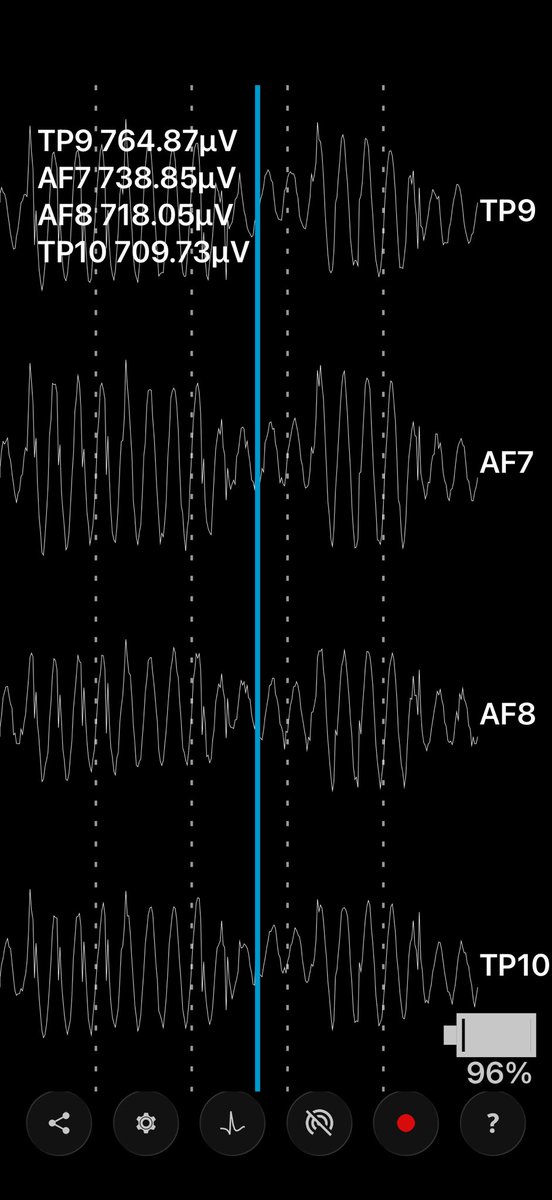
Using Mind Monitor made the rawer side of the experience much more visible. I could see that signal quality and dropouts are not a minor technical detail—they directly affect how much confidence I can place in sleep and neurofeedback summaries.
That said, I’m still impressed by the direction of the technology. The “Digital Sleeping Pill” concept is especially interesting: adaptive audio that responds to your state and tries to help you fall asleep or return to sleep feels like a real glimpse of where consumer neurotech could go.
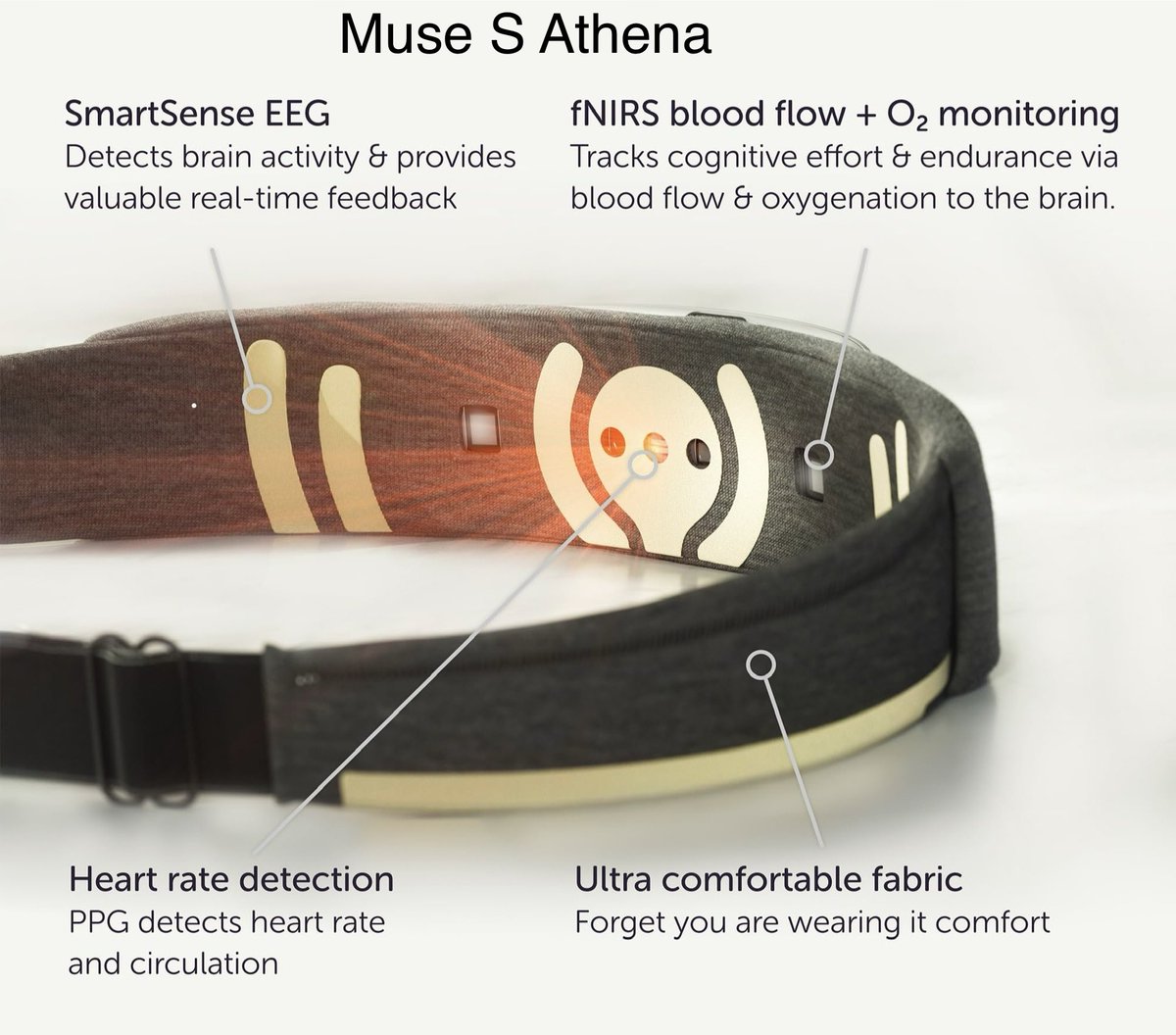
Muse S Athena is also interesting because it combines EEG with fNIRS, so it can look not only at brainwave activity but also blood-flow / oxygenation signals.
I’m curious to try Muse S Athena through @Myndlift too, because their platform adds guided neurofeedback, clinician-style assessment tools, and a separate movable electrode for more structured EEG mapping.
For now, I’m going back to HRV biofeedback. There is still a lot to learn there, and the signal feels more transparent to me.
#EEG #neurofeedback #biofeedback #sleepTracking #Muse #Myndlift
1
64
May 17
Technical follow-up: the interesting part of @Myndlift is that it is not just “Muse alone.” Their setup can use a separate movable electrode across 10–20 EEG sites for sqEEG-style brain mapping.
Important nuance: sqEEG means sequential EEG. It is not the same as traditional full-cap qEEG, where many channels are recorded at once. My understanding is that sqEEG collects EEG data sequentially from different scalp locations, then uses it to build brain maps under remote professional guidance.
A practical detail I also appreciate: some Myndlift kit bundles include a hard case. That matters more than it sounds—the Muse headband feels delicate, and without a case it’s awkward to store or travel with safely.
I’m also curious whether this kind of sqEEG data could eventually be combined with LORETA/sLORETA source-localization methods to improve functional interpretation—not just “which frequency band is high,” but roughly where the activity may be coming from.
For inspecting Muse signals directly, I found Mind Monitor useful: Mind-Monitor.com
33
Apr 22
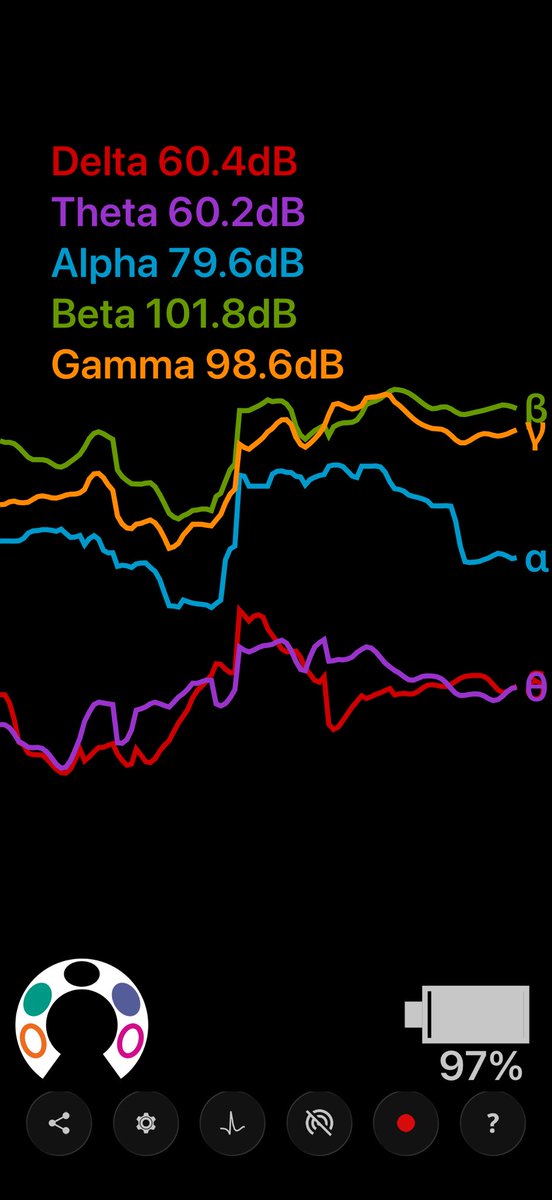
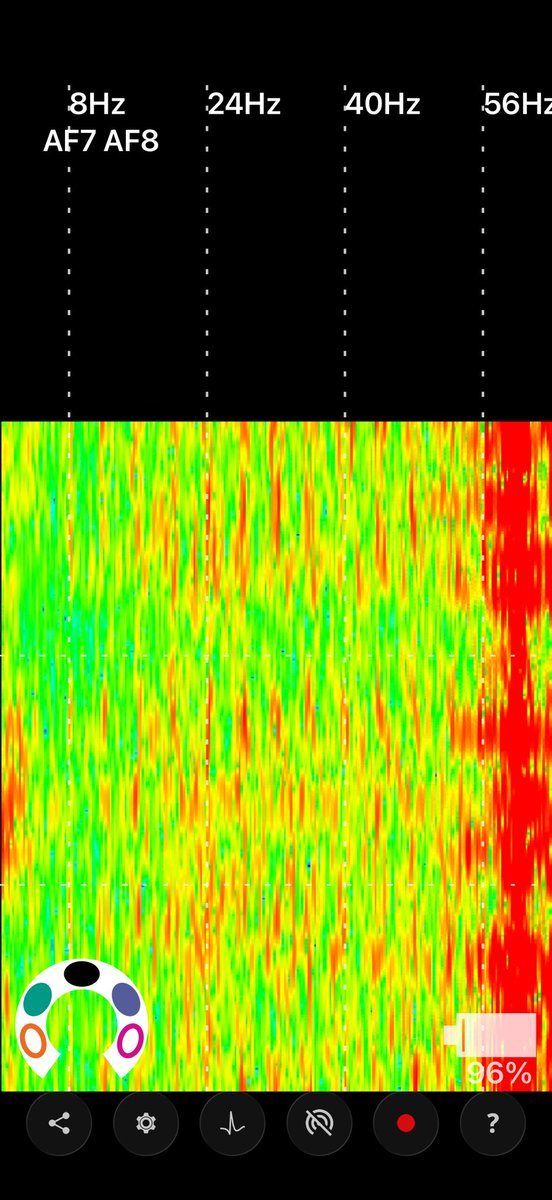
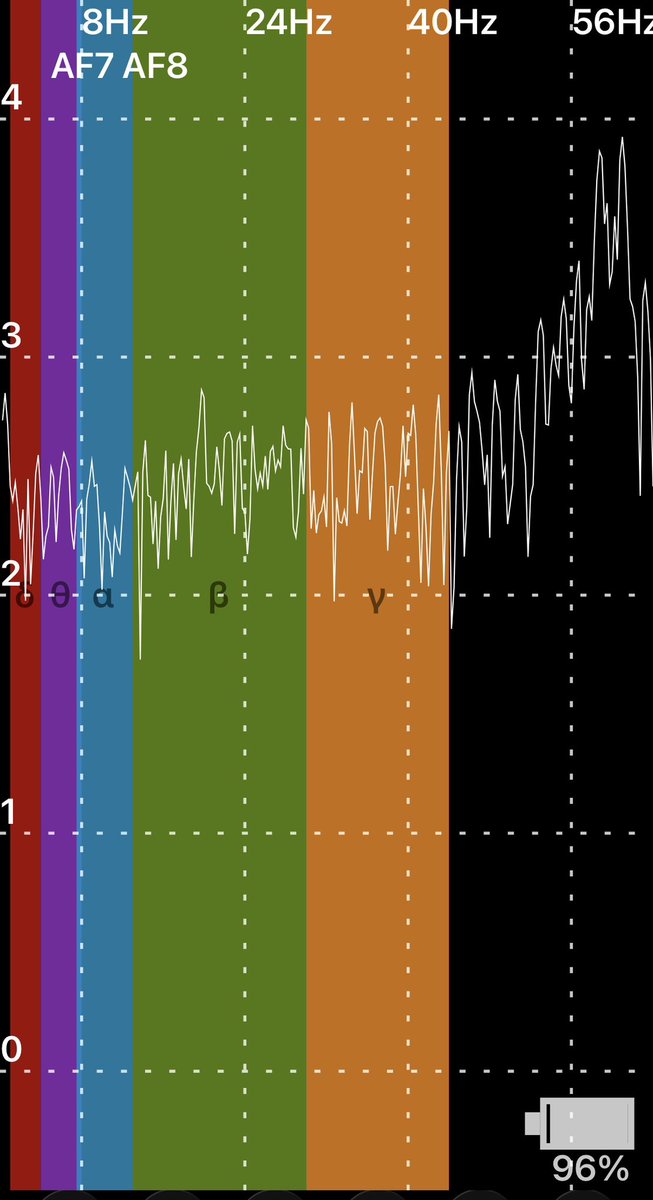
Really exciting to explore my own brain activity in real time.
Using a Muse headband (@ChooseMuse) with the Mind Monitor app to view raw 4-channel #EEG, band activity, and a live spectrogram.
Simple test: closing my eyes produces an immediate shift in the signal.
1
1
92
Apr 22
What the 4 screens show:
1. raw #EEG waves from 4 sensors — to see the live signal itself and spot obvious changes/artifacts
2. band power over time (delta, theta, alpha, beta, gamma) — to see which broad #brainWaves ranges rise or fall
1
58
Apr 22
What the 4 screens show:
3. a spectrogram/heatmap — to see when activity shifts across frequencies over time
4. a live spectrum snapshot — to see which frequencies are strongest right now
Still learning, but it’s amazing to see live data from my own #brain 🧠 in real time.
41
Apr 16
l've been using #HRV #biofeedback for a month and I'm impressed.
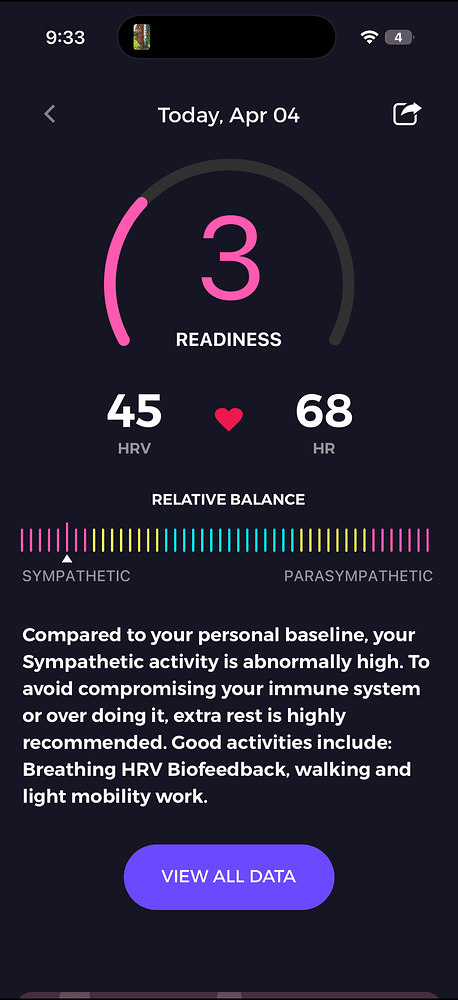
HRV, heart rate variability, correlates with the sympathetic SNS and parasympathetic PNS nervous systems. It predicts anxiety, depression, and hyperarousal.
My routine is: 🏃run 😮💨breathe 🧘measure
#keepTraining
2
1
66
Apr 16
I use Polar H10 chest strap @EliteHRV app for #biofeedback.
I run 20 min, 3-4 times a week 🏃
I practice 5 min deep calm
breathing: short inhale - nose, long exhale - mouth, 4-8-1 pace 😮💨💨
I do daily 2.5 minute baseline HRV measurements called "morning readiness" 🧘
63
Apr 15
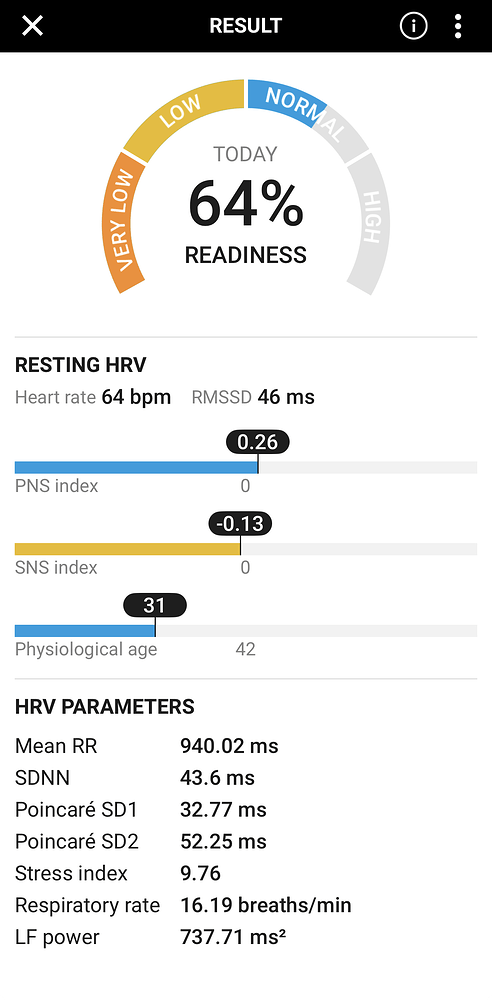
I’ve been using @EliteHRV and @kubiosHRV apps for measuring "morning readiness" #HRV biofeedback #baseline. I use Polar H10 chest strap sensor.
Why are the scores are so different? Does the algorithm difference cause this?
41
Apr 11
I’ve been using #AI and #LLMs for communication more responsibly lately, especially with a low temperature setting in @Apple writing tools. This helps me achieve consistent and quasi-predictable results.
🤖✍️ #TechResponsibly
36
Mark Vital 🇺🇦 retweeted

26 Nov 2025
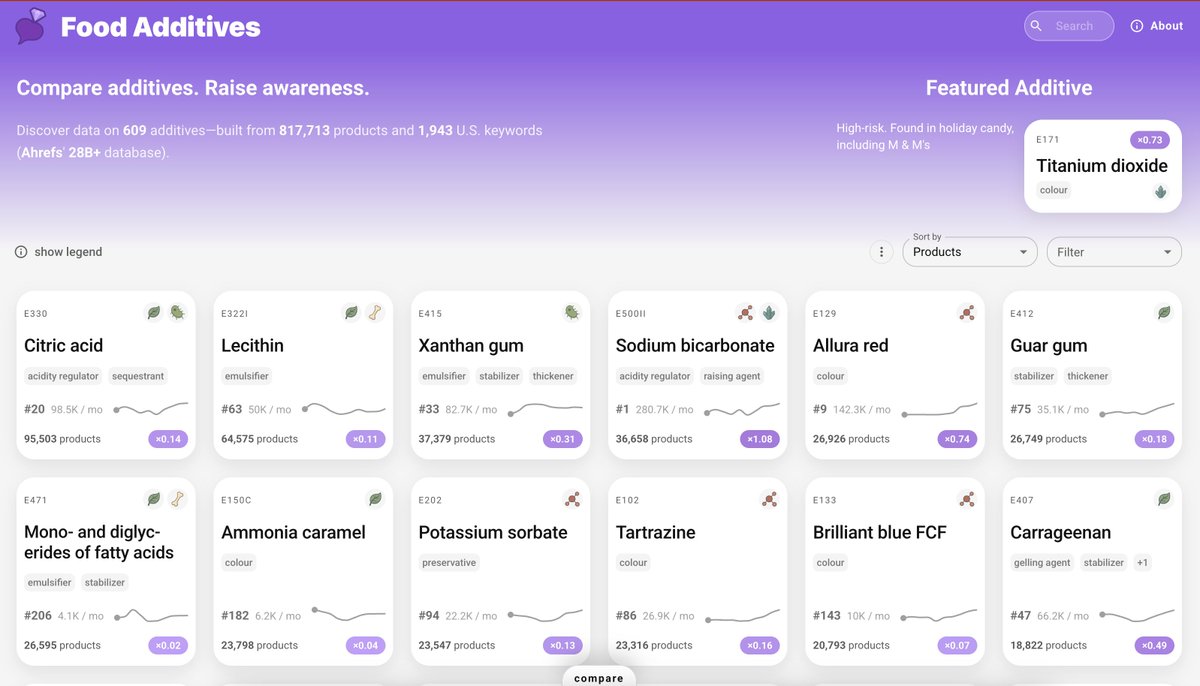
my kindergartener came home with cupcakes full of sprinkles. What artificial dyes are actually common vs just talked about? The data didn't exist. So I tracked 609 food additives across 817K products. The awareness gap surprised me ↓ compareadditives.com
2
1
1
210
19 Oct 2024
Hey @NielsIO 👋
I’ve submitted a feature request for your plugin to inline blur placeholders as Base64 data URLs to improve load times. Would love your thoughts!
Here’s the issue: github.com/Niels-IO/next-ima…
Thanks!
1
97
27 Sep 2024
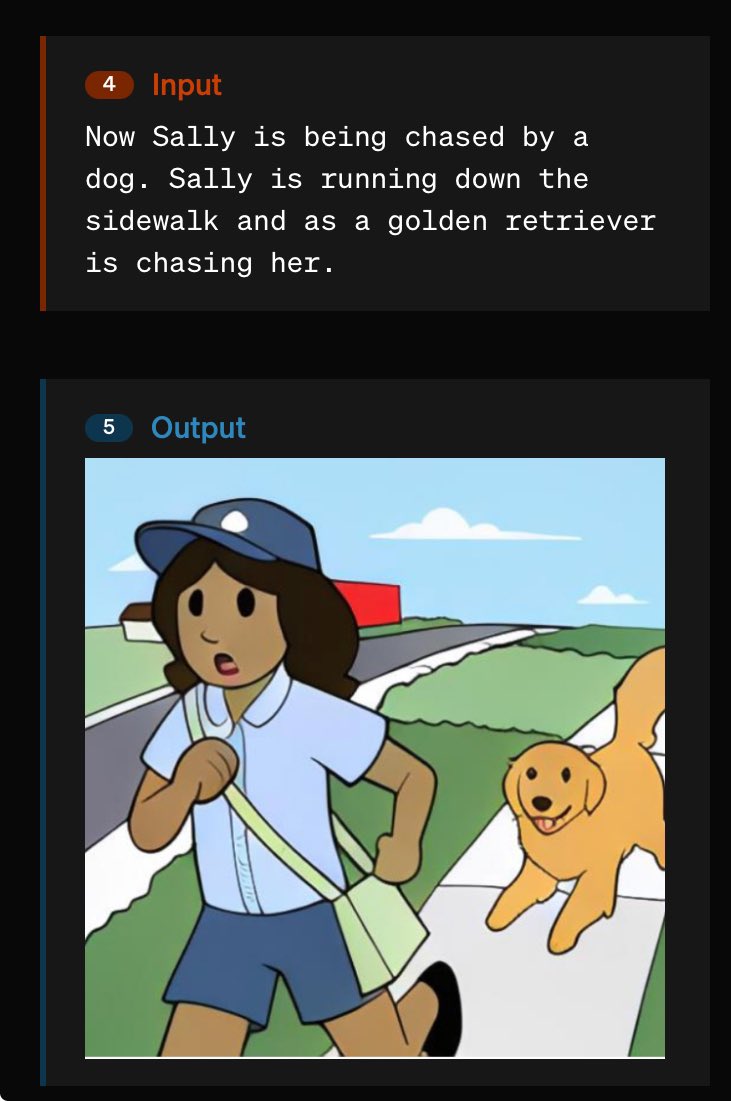
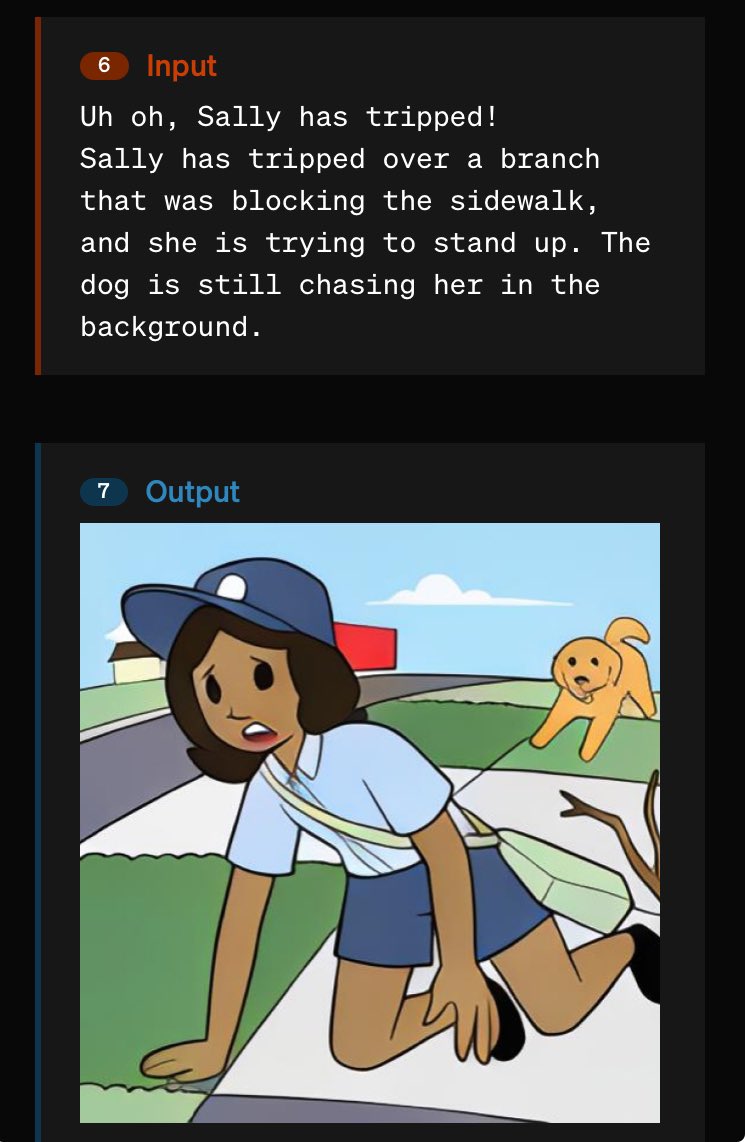
When will @OpenAI #GPT4o advanced image capabilities be released? Interested in #visualNarrative and consistent character/scenery generation.
The demo was announced a while ago, but no updates yet.
openai.com/index/hello-gpt-4…
#GenAI

1
6
2
366
27 Sep 2024
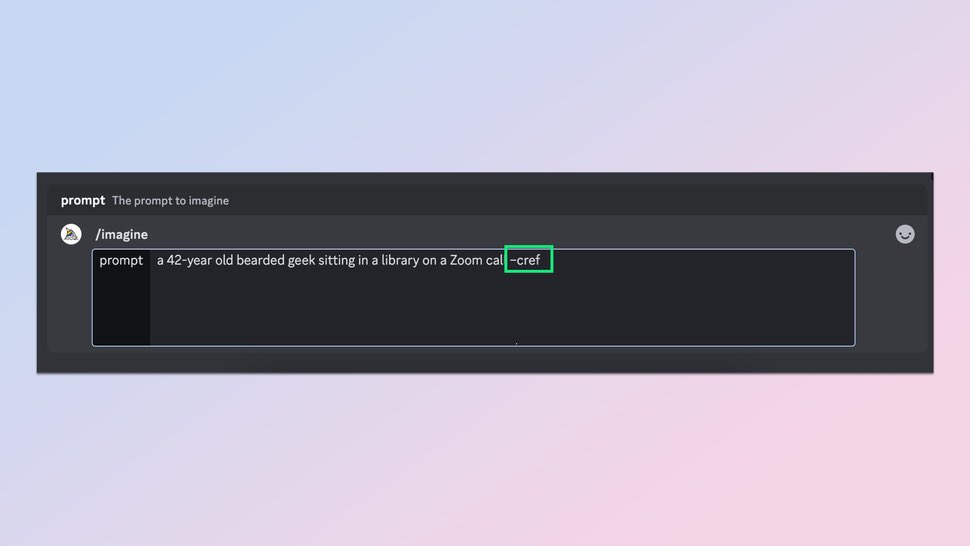
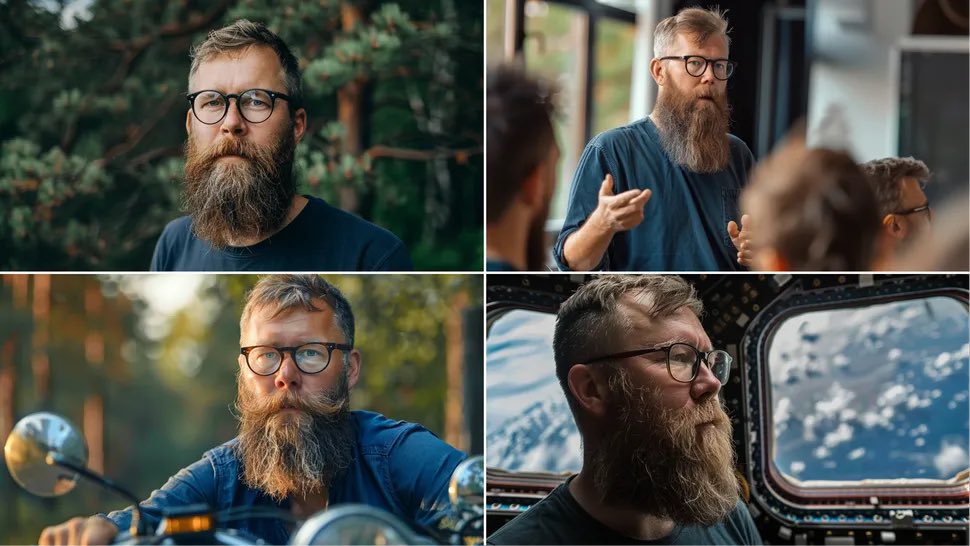
It looks like @midjourney already has some consistent character generation capabilities using ‘-cref’ tag
It would be nice to have it in #API
62
6 Sep 2024
@emotiv Can Epoc X 14 channel EEG headset and Epox Flex 32 ch. be used as at home #neuroFeedback devices?
Are there any platforms that support brain training with Epoc?
4
2
96
6 Sep 2024
@DivergenceNeuro is another remote #neuroFeedback platform that supports 4 channel BrainBit headbands or 8 ch @neurosity Crown
1
3
508
6 Sep 2024
Does more channels necessarily means better signal / quality comparing to set-up time?
I see that most clinicians and researchers use 32 electrode #EEG systems set-ups.
1
47
6 Sep 2024
Headsets like @ChooseMuse in combination with @mindlift are great but having more precise #EGG with 19 channels would allow to try LORETA #neurofeedback at home
1
54
25 Jan 2024
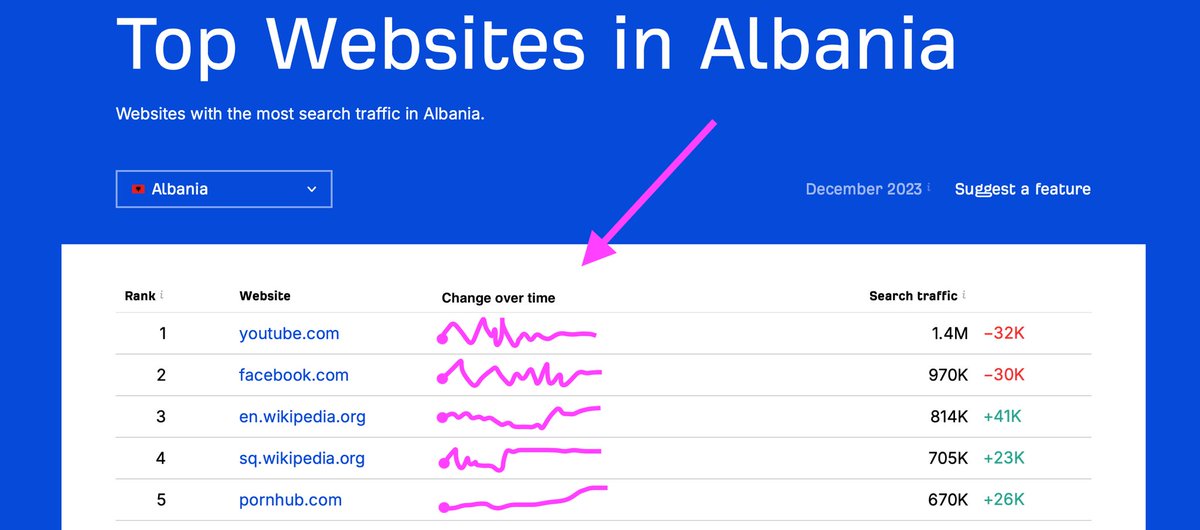
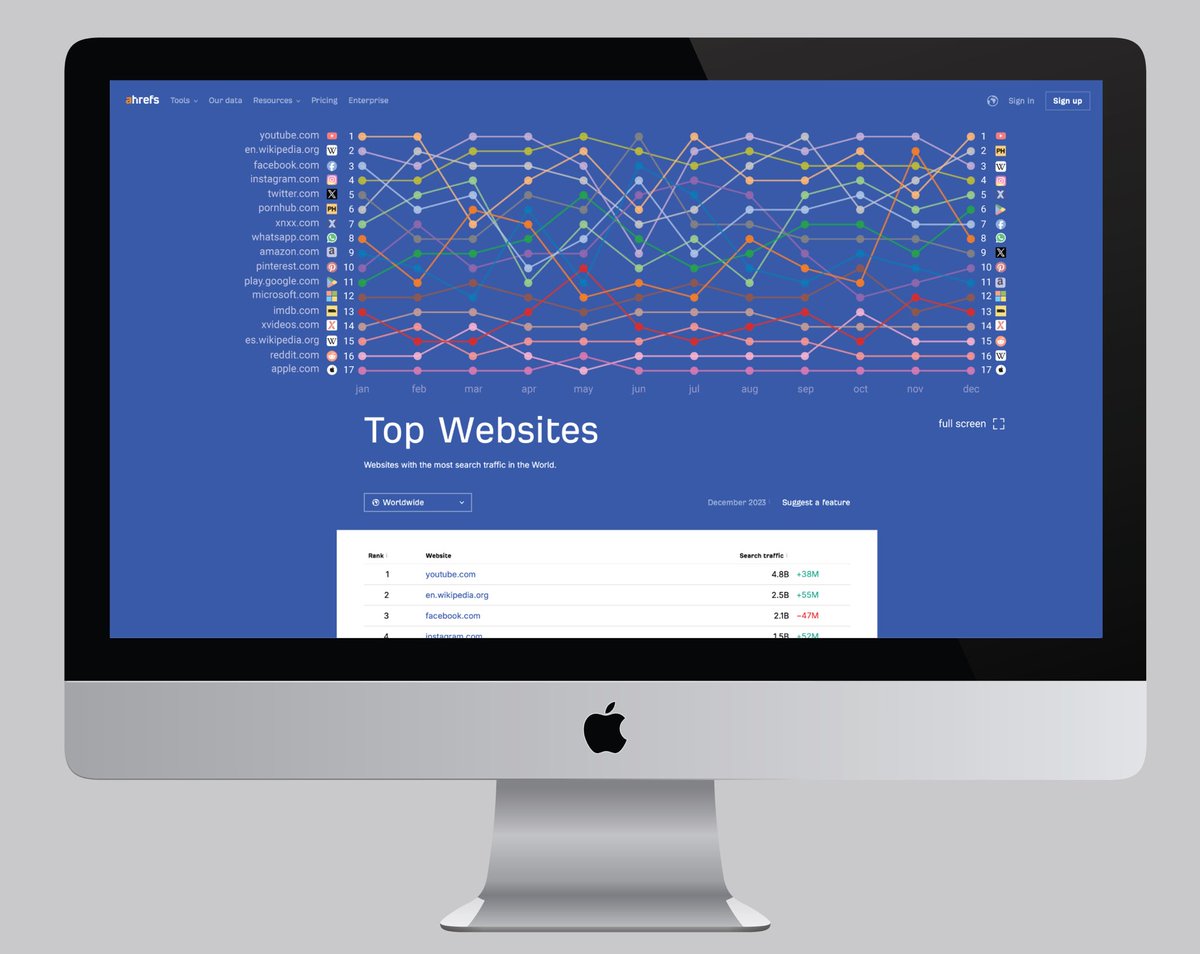
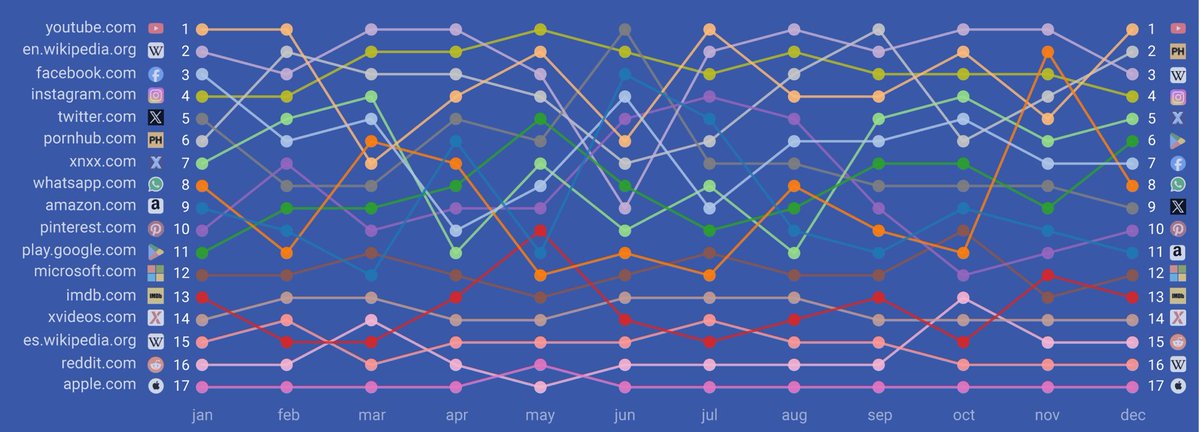
@timsoulo Do you have plans to 🛠️ improve @ahrefs Top Websites?
The product idea looks promising but could benefit from enhancements in #data, #UI, and #infoDesign.
Is there a 📜 roadmap for upcoming features? I’ve suggested a few 💡 improvements here: ahrefs.canny.io/top
1
3
108
25 Jan 2024
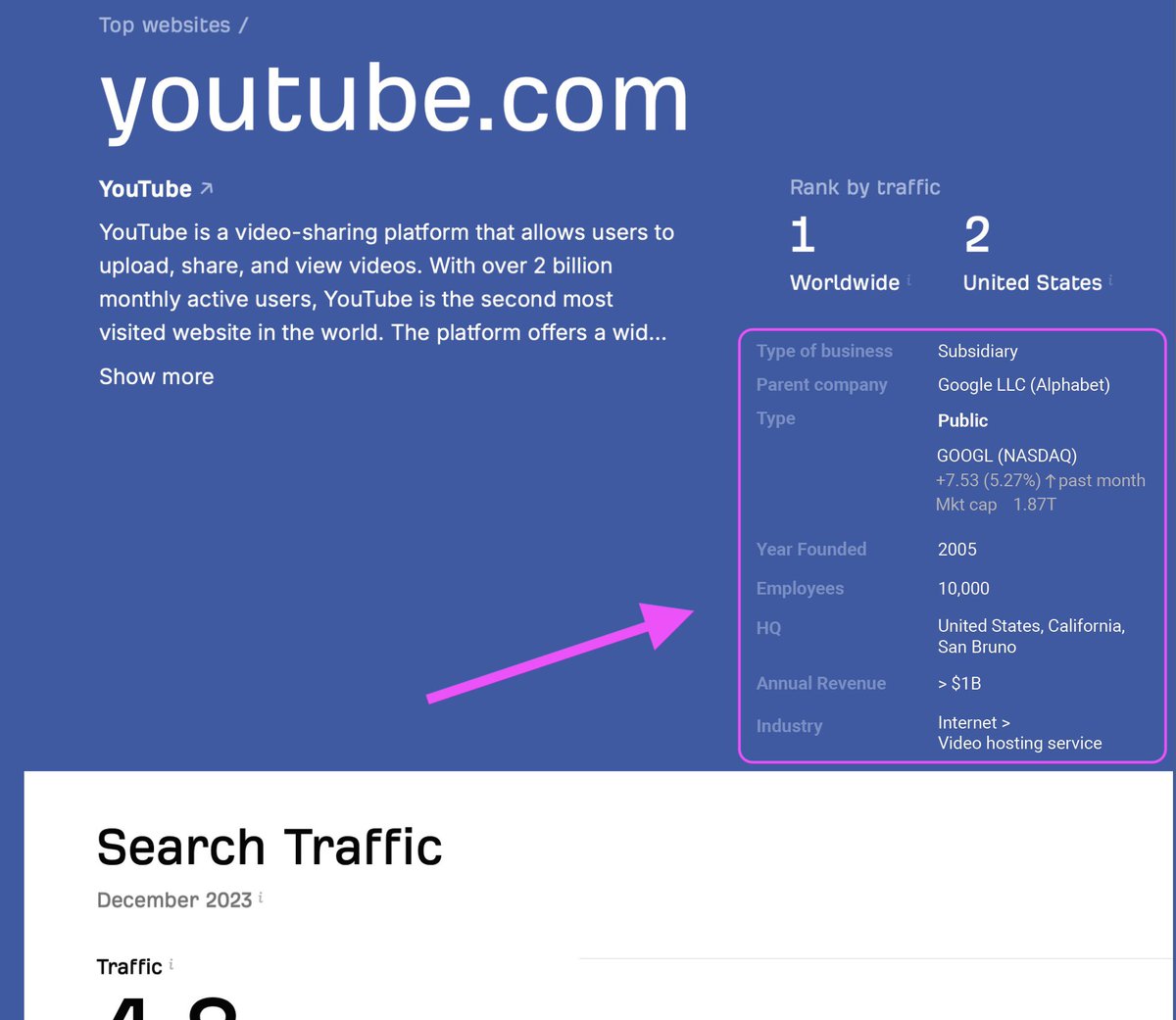
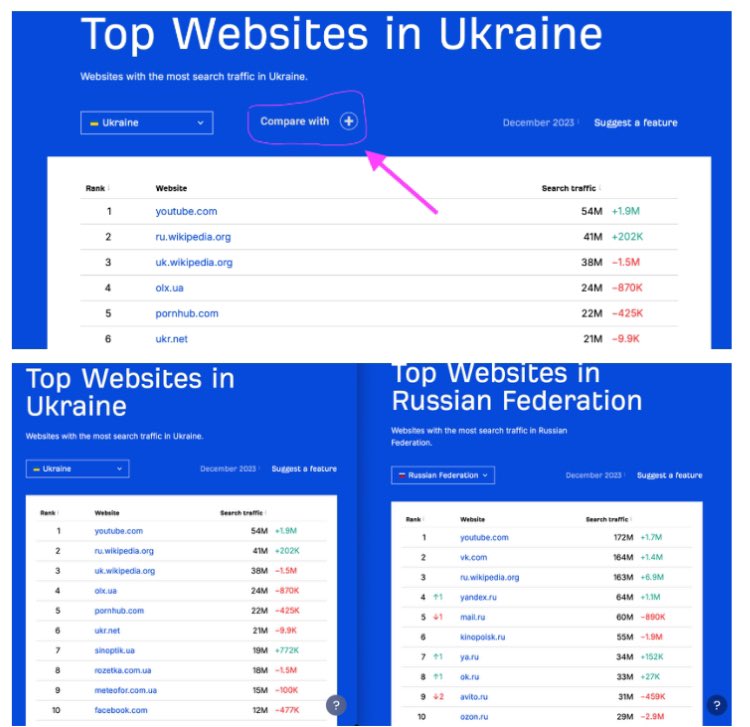
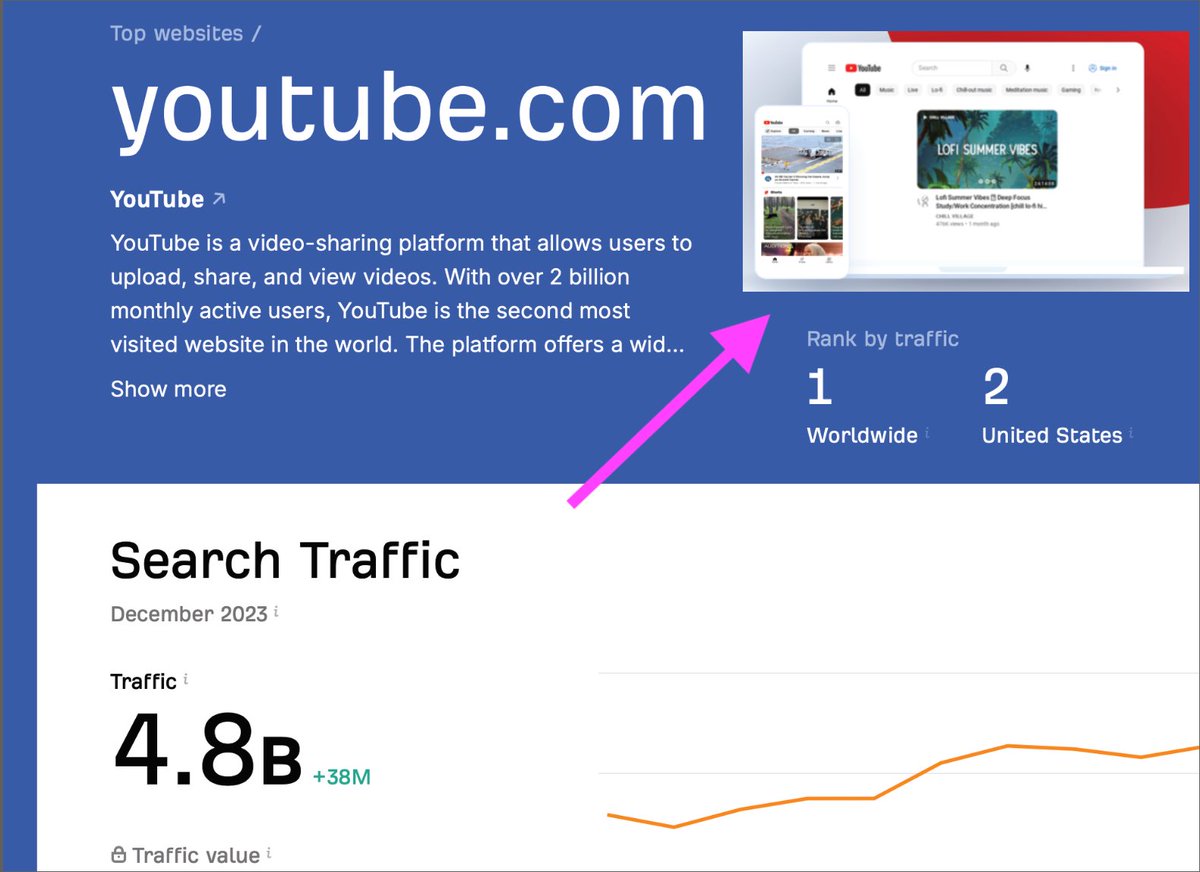
I’d love to 👨💻 help take it to the next level, making it valuable for 👥 researchers and 👥 data journalists too.
I’ve attached a screenshot for each improvement listed in @cannyHQ for the clarification.
#productDesign #informationDesign
1
2
84
25 Jan 2024
I was a big fan of Alexa Rank, using it frequently and was sad when it was shut down by @amazon.
en.wikipedia.org/wiki/Alexa_…
I’d like to see Ahrefs Top as a possible replacement of Alexa, and complementing services like @Similarweb.
85
Mark Vital 🇺🇦 retweeted
29 Dec 2014
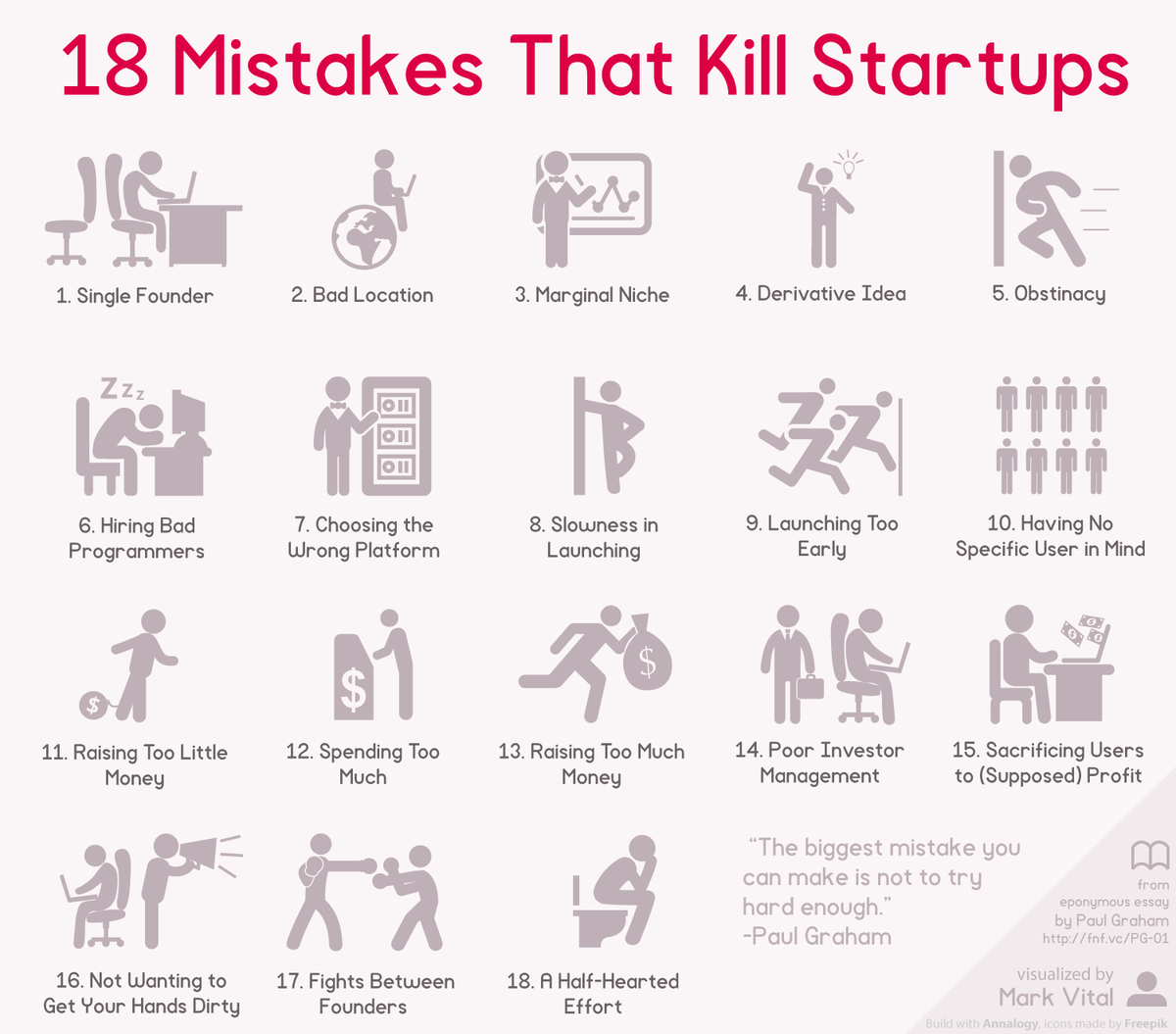
The 18 Mistakes That Kill Startups - fnf.vc/PG-01
@paulg essay visualized
1
75
86