Advocate for wilderness
Joined May 2013
- Tweets 4,133
- Following 9
- Followers 702
- Likes 18,742
763 Photos and videos
Pinned Tweet

May 12
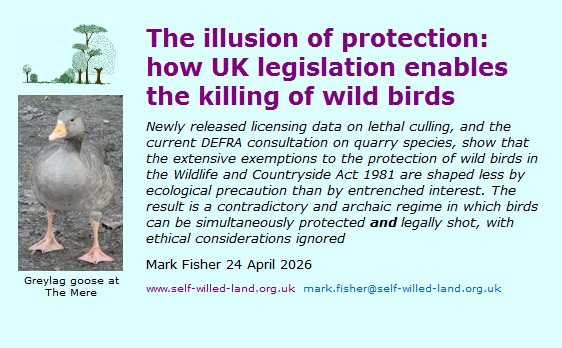
You have five days left to respond to the DEFRA consultation on tinkering with the protection of wild birds - when all of them should be protected consult.defra.gov.uk/wildlif…
x.com/markwilderness/status/…
Apr 25

The deeply compromised Wildlife & Countryside Act 1981 begins by protecting all wild birds, then proceeds to make exceptions from protection. You could have your say in the DEFRA consultation on a limited number of quarry species, but its just tinkering
self-willed-land.org.uk/arti…
1
2
79
Mark Fisher retweeted

Jun 12
I told you they were coming for the Roadless Rule.
Yesterday, Republicans made their move — and they hid it inside a wildfire bill.
Here's what makes this so enraging:
59 million acres of America's wildest national forests are now on the table.
The 2001 Roadless Rule has protected nearly 60 million acres across 39 states for 25 years. No logging. No road construction. No drilling. No mining.
Built after 1.6 million Americans showed up — at 430 public hearings nationwide — to demand it.
What lives here: bald eagles, elk, black bears, Cerulean warblers, marbled murrelets. Species that need large, intact, unfragmented habitat to survive. For many of them, roadless forests aren't just home — they're the last places left.
What the amendment does: guts the rule. Opens the backcountry to logging and road construction under the cover of "fire prevention."
The administration is pursuing repeal through the executive branch at the same time. And unlike the original rule — they aren't holding a single public hearing.
1.6 million people showed up to protect these forests.
The administration isn't asking anyone this time.
What do you call a wildfire bill that opens forests instead of protecting them?
#DemsUnited

ALT Sunlight streams through a towering old-growth forest, illuminating a massive tree trunk surrounded by ferns and dense woodland. Tall trees stretch into the background as bright rays of light filter through the canopy, highlighting the scale and beauty of the forest.
118
2,309
2,961
118,832
Mark Fisher retweeted

Jun 10
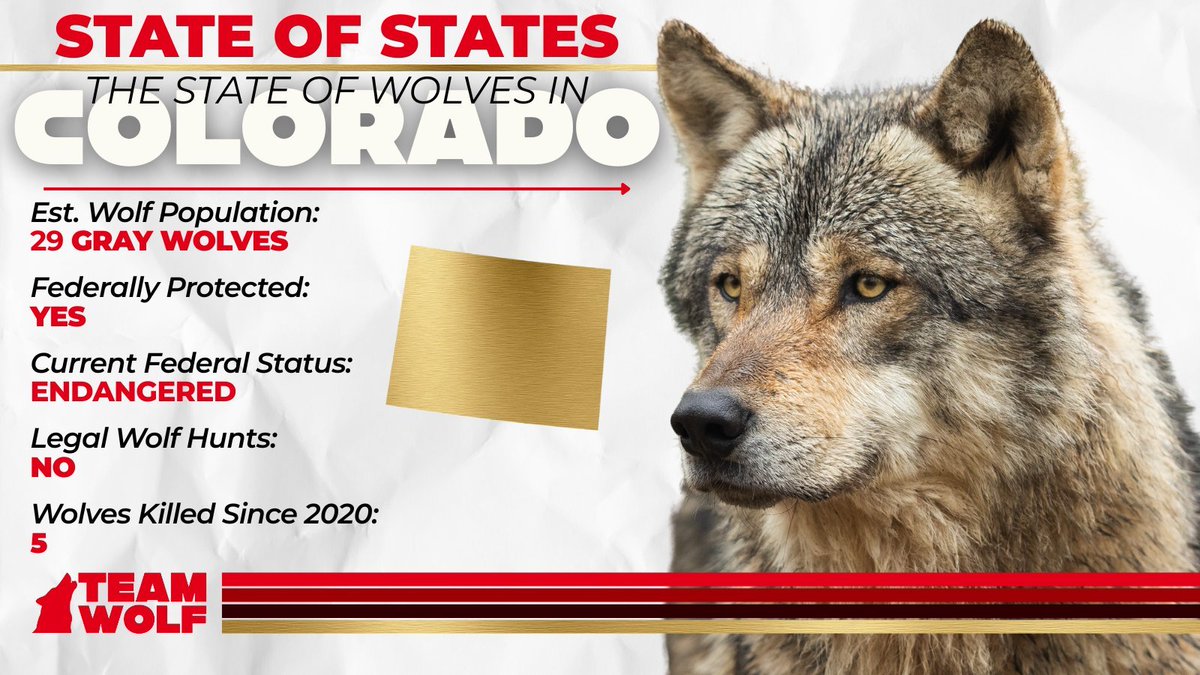
New research shows wildlife is actively adapting to human presence—not just habitat loss.
Gray Wolves expanded their ranges to navigate around people.
The point is simple: wolves are already adapting to us. We can meet them halfway.
Read more at bit.ly/4uXm28P

2
38
84
1,079
Mark Fisher retweeted
Jun 6
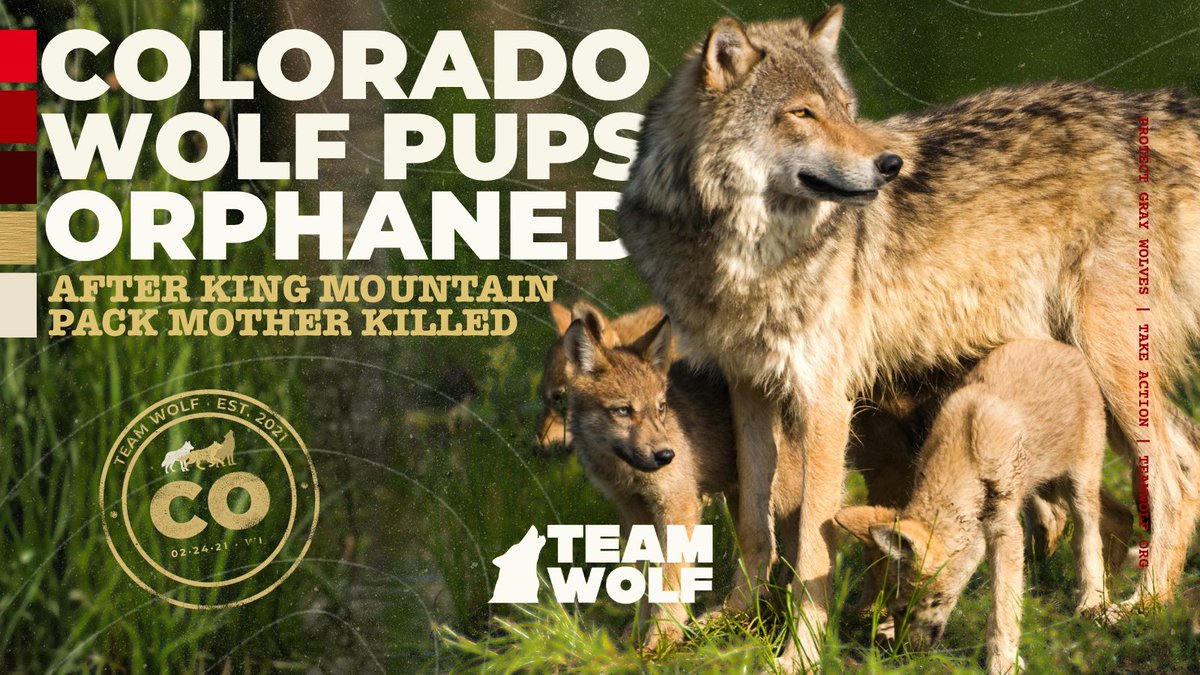
CO’s King Mountain Pack has now lost both parents: the breeding male during a CPW collaring operation, and the breeding female in a shooting now under investigation.
At least four young wolves are orphaned.
That is not coexistence.
Raise your voice: TeamWolf.Org
4
79
105
1,097
May 30
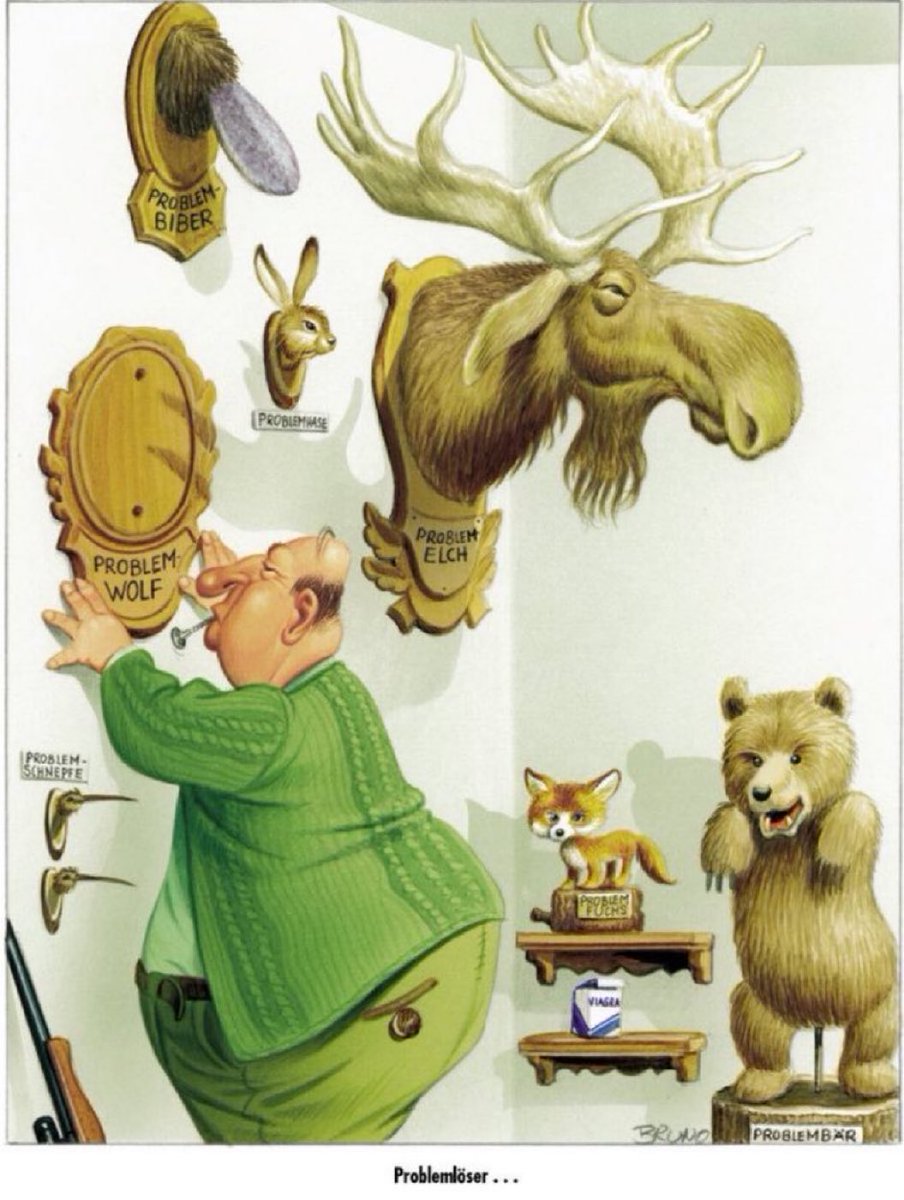
"A problem wolf is a narrative invented by humans, often by folks who have already nailed the oak plank to the wall" Illustrated by Bruno Haberzettl
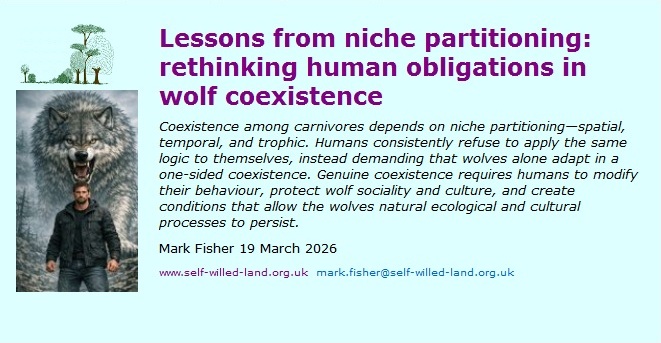
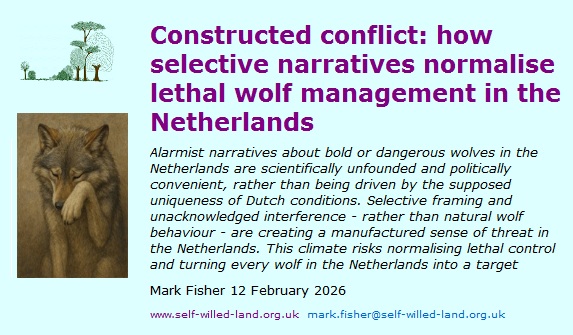
Constructed conflict: how selective narratives normalise lethal wolf management in the Netherlands
self-willed-land.org.uk/arti…

Een probleemwolf is een door mensen bedacht narratief, vaak door lieden die de eikenhouten plank al aan de muur gespijkerd hebbben. Briljant getekend door Bruno Haberzettl @ZoetHarold @SilvioErkens
3
7
214
Mark Fisher retweeted

May 29
Breaking: More than 700 dolphins killed in one day of Faroe Islands hunts amid equipment failures, chaotic scenes & arrest of conservation observers!
Wicked beyond belief and utterly heartbreaking
Complete blood thirsty devastation of a gentle species all in the name of tradition
#NoWords
oceanographicmagazine.com/ne…
264
1,673
2,160
53,344
Mark Fisher retweeted

In de media lijkt het weleens alsof alle wolven ineens op mensen af komen, maar in 99,9% van de gevallen heeft het dier mensen door en zal rustig vertrekken. Afgelopen september filmde ik deze wolf die nogal opvallend geklede mensen zag lopen en rustig de andere kant op ging.
14
49
371
19,107
Mark Fisher retweeted
May 15
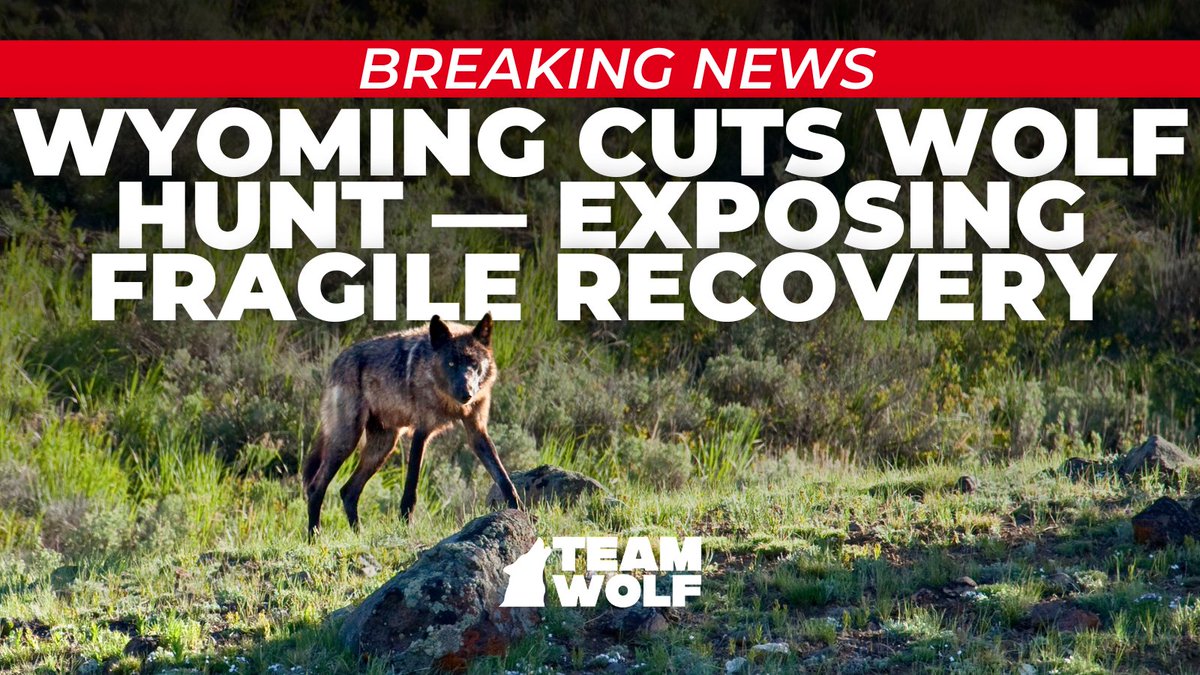
Wyoming is cutting its regulated wolf hunt in half after disease drove wolf numbers to a 20-year low—exposing how fragile “recovery” is when wolves are kept at bare minimum numbers.
Real recovery means resilience, not survival on the brink.
Take action: TeamWolf.Org
2
39
63
811
Mark Fisher retweeted

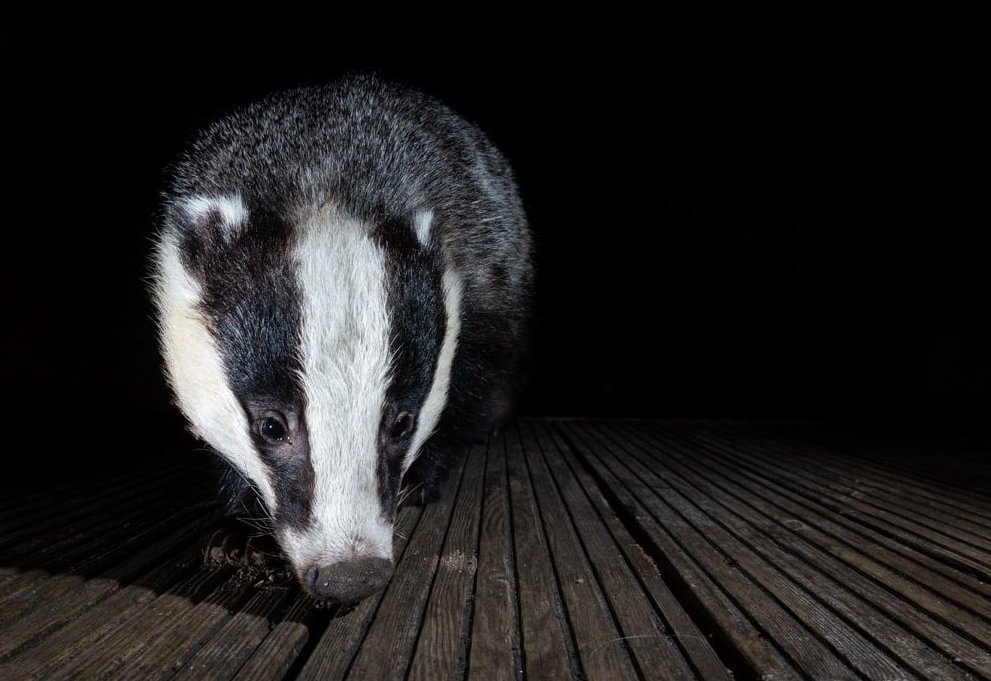
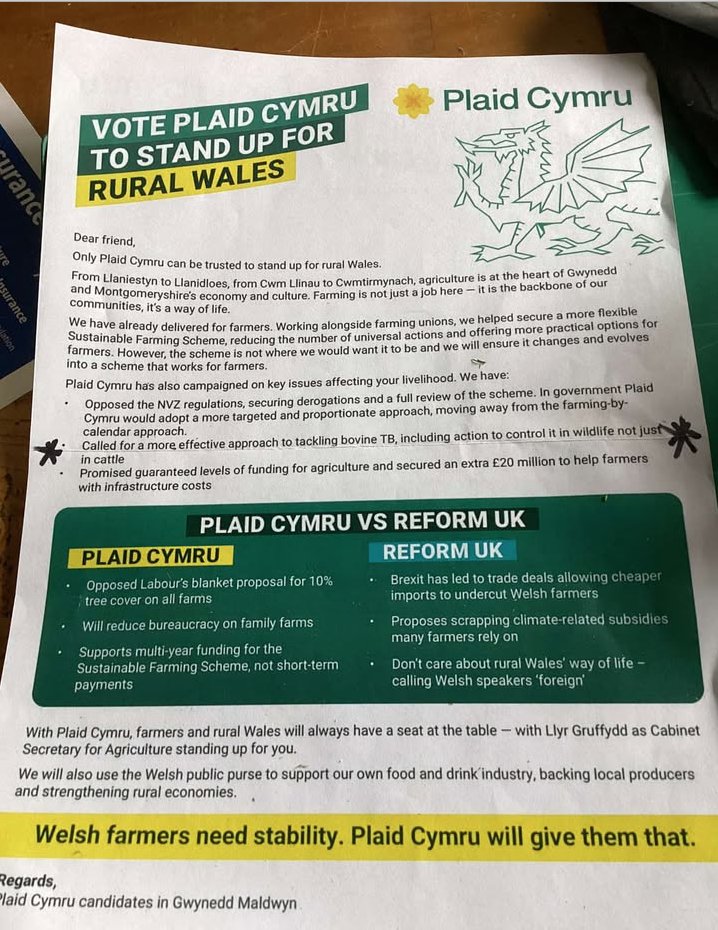
Continuation of this mornings earlier post. Just 1 gram of infected cow sh!t contains enough Btb to infect another cow. Just imagine tanker fulls spread onto field. You don't have to, it happens all the time.
@Plaid_Cymru @reformparty_uk
badgertrust.org.uk/post/slur…
7
50
100
4,070
Mark Fisher retweeted

May 1
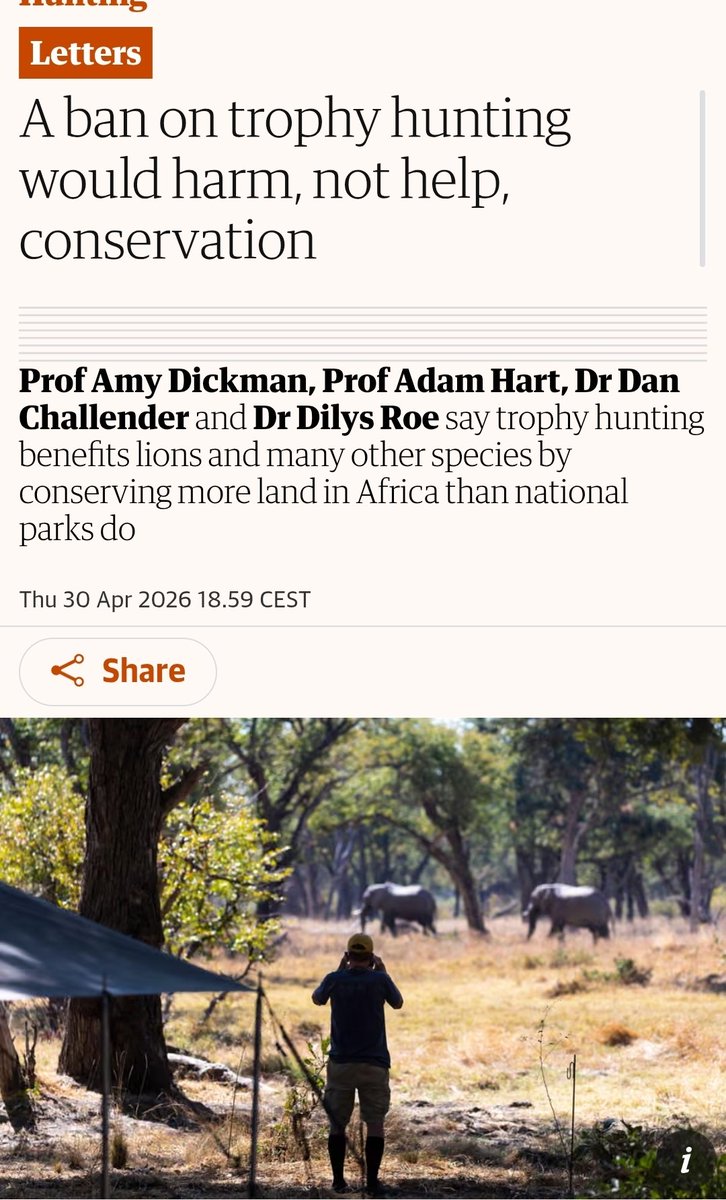
Funny how the same few voices always appear when trophy hunting is questioned.
Not consensus. Just repetition.
Tiny economic returns. Real ecological damage. And a constant " there’s no alternative" story.
Killing wildlife for sport is not conservation.
5
24
52
807
Mark Fisher retweeted
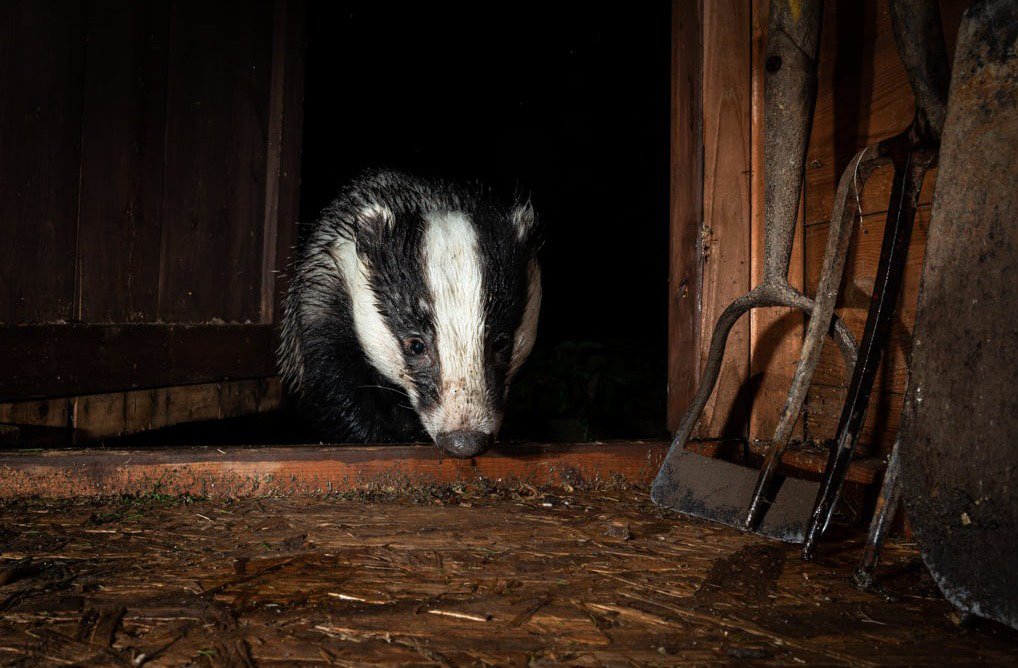
Looking like it's a fair chance the Badger slaughter will end in England only to start in Wales. We can expect night shooting, lamping, protests, millions of £ in policing costs and ancient badger setts to fall silent. Please share.
@BadgerTrust @domdyer70 @ChrisGPackham
9
130
150
2,294
Apr 25
The deeply compromised Wildlife & Countryside Act 1981 begins by protecting all wild birds, then proceeds to make exceptions from protection. You could have your say in the DEFRA consultation on a limited number of quarry species, but its just tinkering
self-willed-land.org.uk/arti…
1
3
165
Mark Fisher retweeted
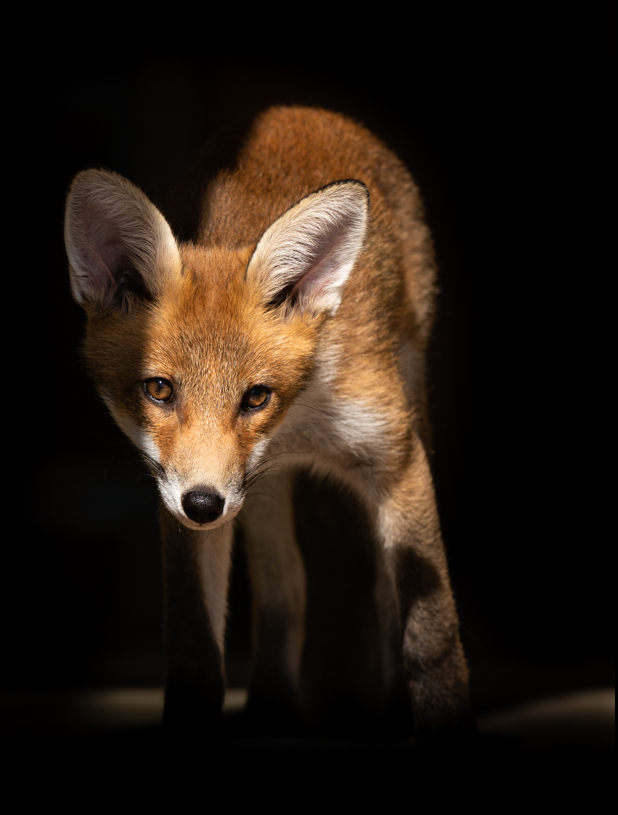
So "Trail" hunting now wants to be called "Drag" hunting, but using the same fox hounds trained to follow a fox scent. Same problem different name.
The CA even admit "Trail" hunting will find a way in a BBC article.
bbc.co.uk/news/articles/ckgx…
#FoxOfTheDay

6
51
98
2,034
Mark Fisher retweeted

I presented my Bill to stop fox hunting to Parliament.
The Hunting Act failed because it's full of loopholes.
Animal lovers won't be forgiving if we repeat that mistake.
The Government's reforms will be measured against this gold-standard Bill.
Half measures won't cut it.
19
179
620
5,368
Mark Fisher retweeted

Apr 22
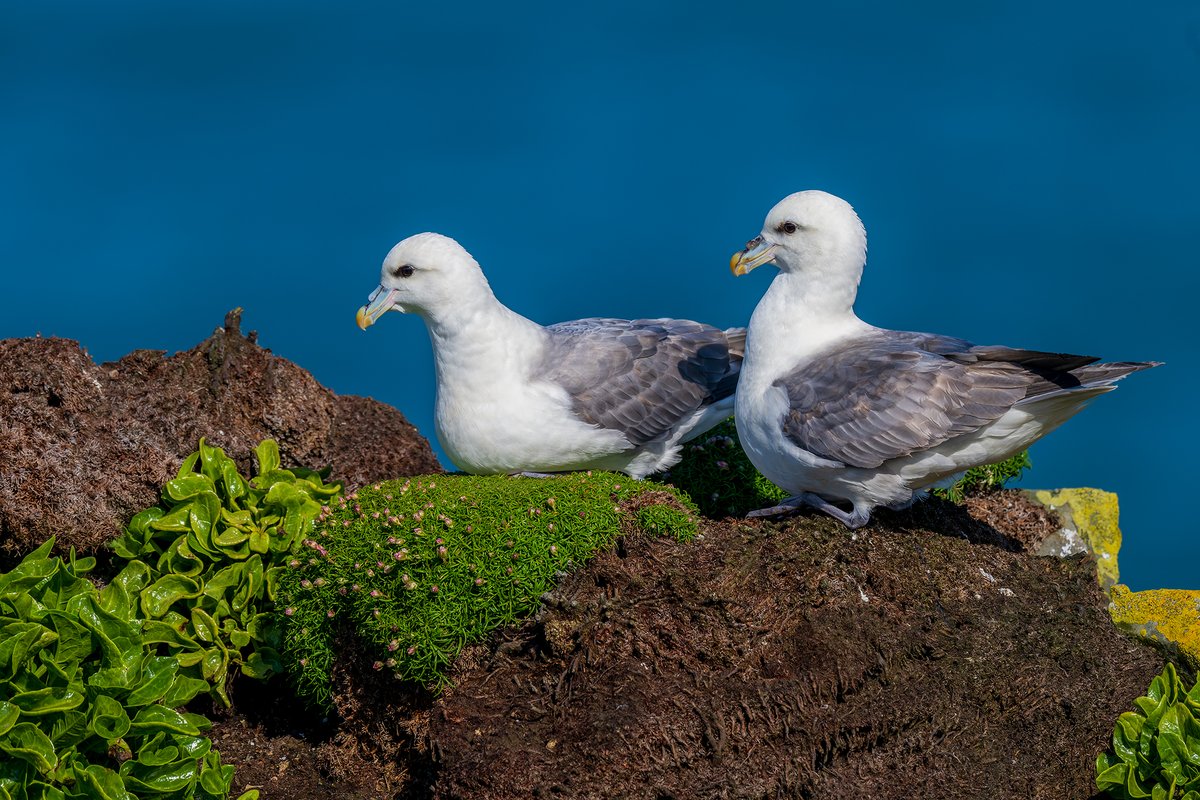
Northern Fulmars (Fulmarus glacialis) at Loop Head, Co. Clare, last week. This species first bred in Ireland in 1911 and became very common due to the availability of fish waste from the commercial fishing industry.
The name "fulmar" is derived from old Norse words which translate directly to "foul gull". This name refers to the bird's defensive habit of regurgitating and spitting a foul-smelling, pungent stomach oil at predators and intruders near their nesting sites
However, despite their superficial resemblance to gulls, Fulmars belong to the order Procellariiformes - the “tube-nosed” seabirds - and are more closely related to shearwaters and albatrosses than to any gull species.
Fulmars are pelagic specialists and can take six to twelve years to reach sexual maturity. Outside the breeding season they spend most of their lives far out in the North Atlantic, ranging widely across the ocean and rarely coming to land.
Fulmars form long-term pair bonds and show strong fidelity to specific nest ledges on coastal cliffs. After spending extended periods at sea, both individuals return with remarkable accuracy to the same location. Only a single egg is laid per year and the pair invests heavily in each breeding attempt.
During the breeding season, individuals can leave on long foraging trips that last a few days and could take them halfway across the Atlantic.
Although still widespread and relatively common, Fulmars are increasingly recognised as indicators of ocean health. They are particularly vulnerable to plastic pollution, with individuals frequently ingesting plastic at sea, and are also affected by broader changes in marine ecosystems linked to climate and fisheries. This species is classified as an Amber-listed bird of conservation concern in Ireland.
5
33
1,096
Mark Fisher retweeted
Apr 20
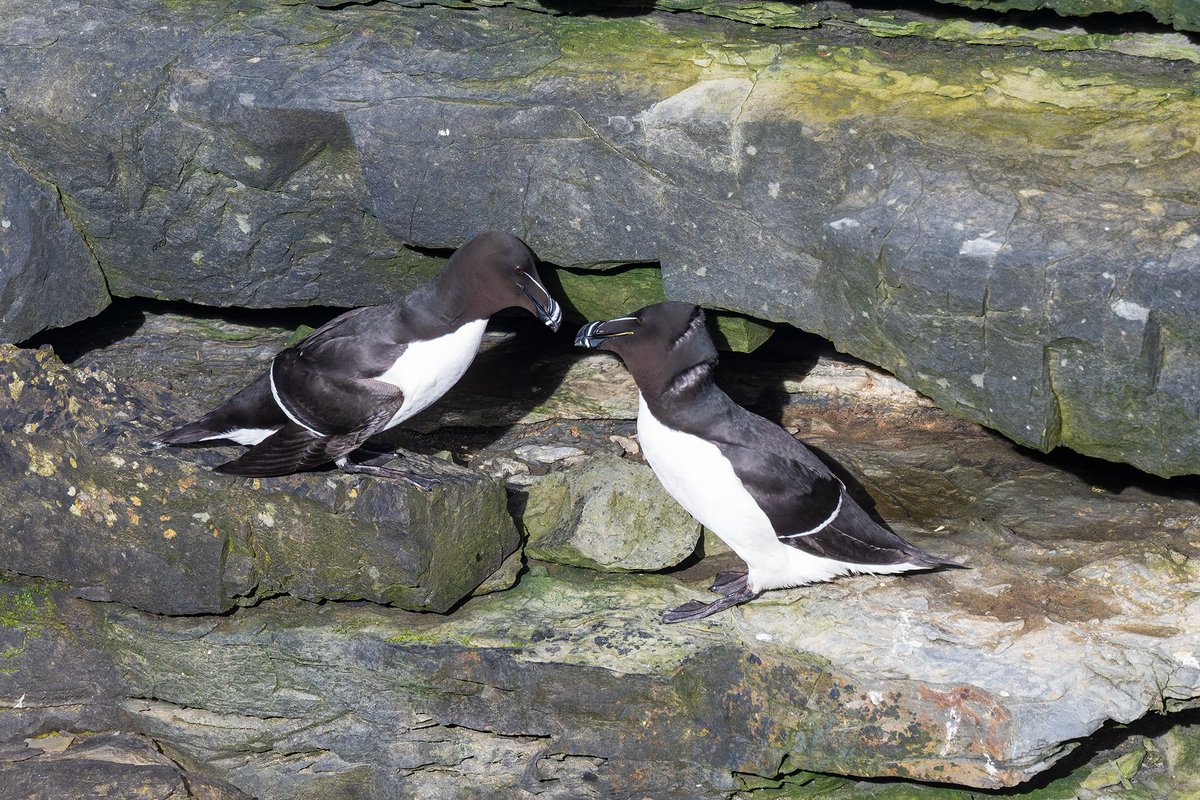
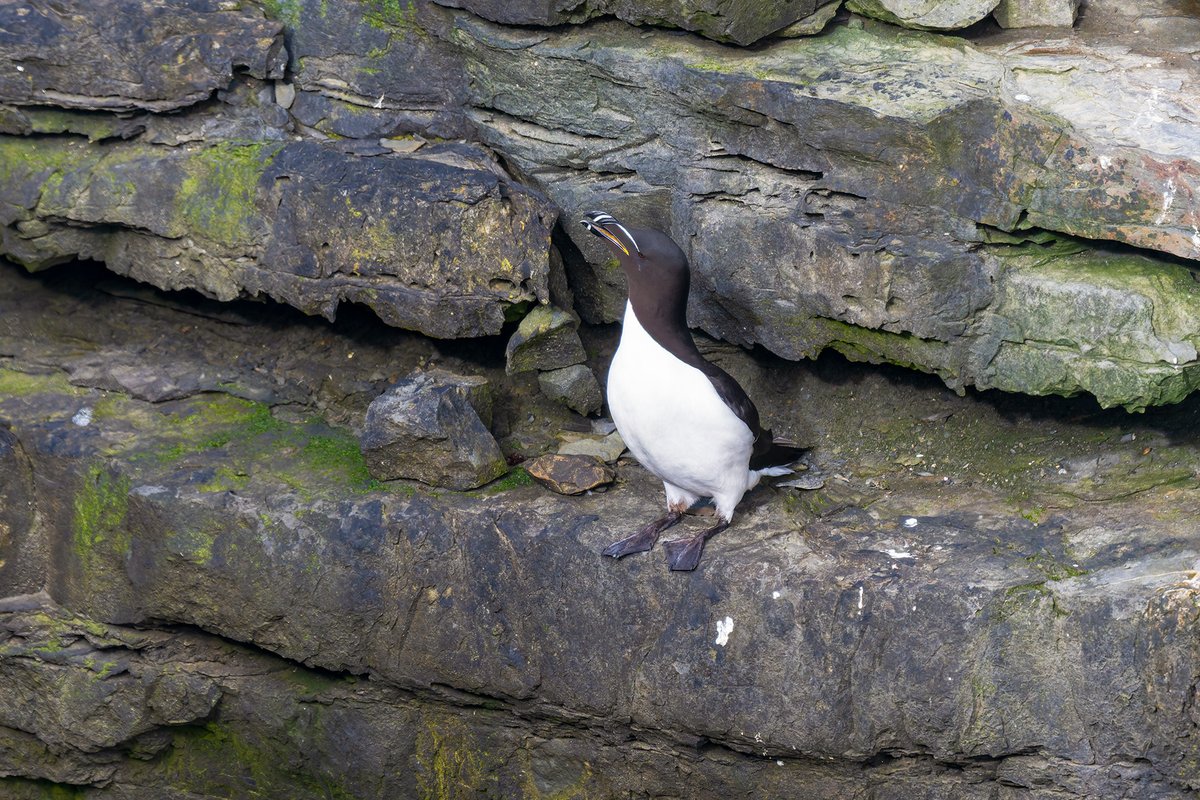
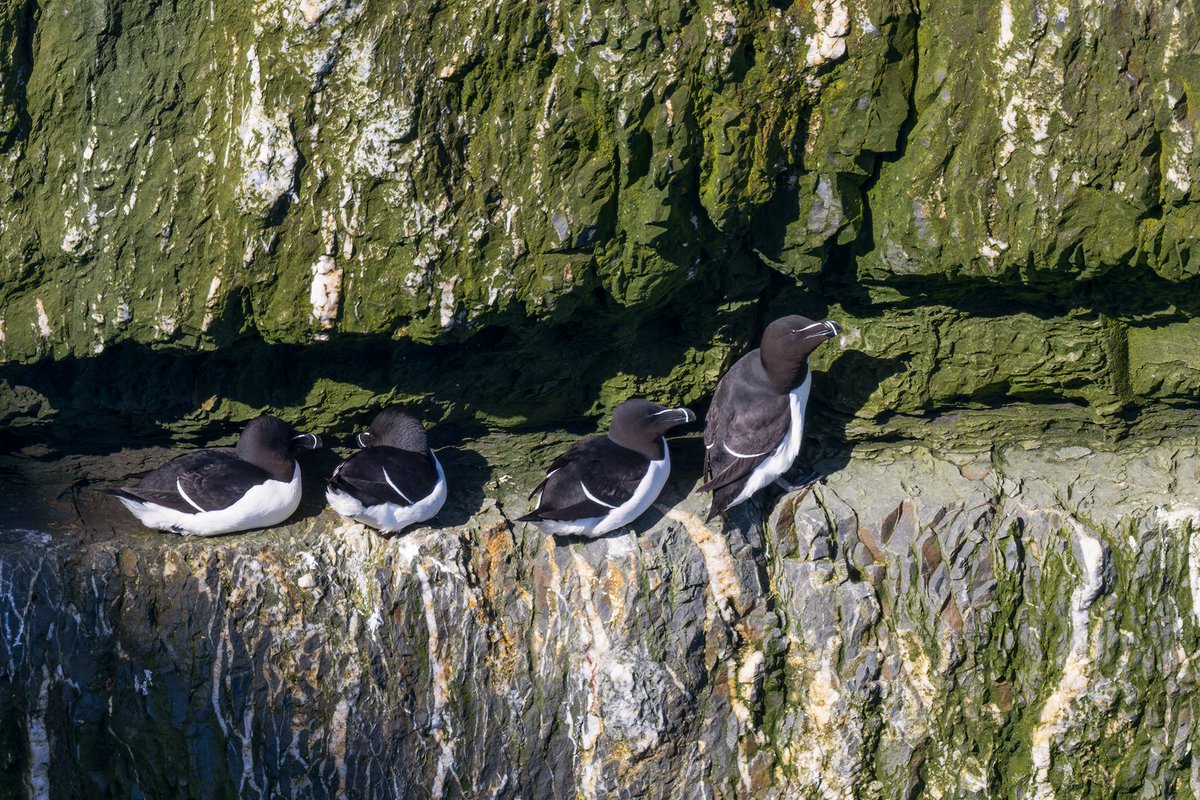
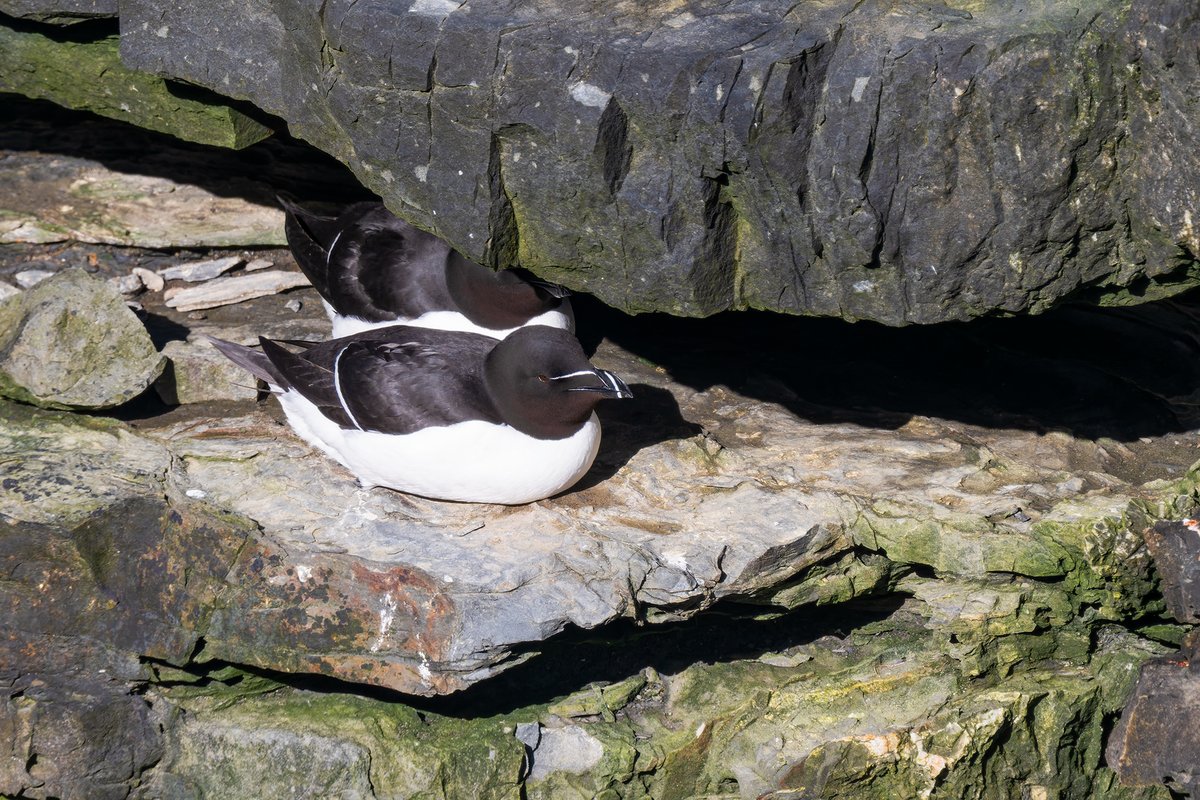
Razorbills (Alca torda) at Loop Head Special Protection Area (SPA), Co. Clare, last week.
Razorbills belong to the Auk family (Alcidae). In evolutionary terms, auks represent a northern hemisphere counterpart to penguins - not closely related, but showing clear convergent adaptations for underwater “flight”.
Indeed, the word “penguin” originally referred to the Great Auk (Pinguinus impennis), a now-extinct relative of the razorbill. When explorers later saw similar-looking birds in the Southern Hemisphere, they began calling those “penguins” as well.
Razorbills use their wings to “fly” beneath the surface, pursuing small fish such as sand eels and sprat. They typically feed at depths of around 25 metres but can dive to depths of up to 120 metres.
At breeding sites such as Loop Head, Razorbills nest on narrow cliff ledges, often alongside Guillemots (Uria aalge) but in slightly more sheltered positions. A single egg is laid directly on the rock. Pairs show strong site fidelity and maintain long-term bonds.
One of the more remarkable aspects of their life history is the behaviour of chicks. Before they can fly, chicks leave the cliff at night, leaping into the sea below. The male accompanies the chick and continues to care for it entirely at sea for several weeks. Razorbills are highly marine and are only found on land during the breeding season.
Their reliance on small schooling fish makes them vulnerable to changes in prey availability, as well as to pressures such as bycatch, pollution, and climate change. This species is officially Red-listed in Ireland.
1
11
35
793
Mark Fisher retweeted

Here's an idea... How about stopping the shooting of ALL birds!
gov.uk/government/news/stron…
4
45
172
5,666
Mark Fisher retweeted
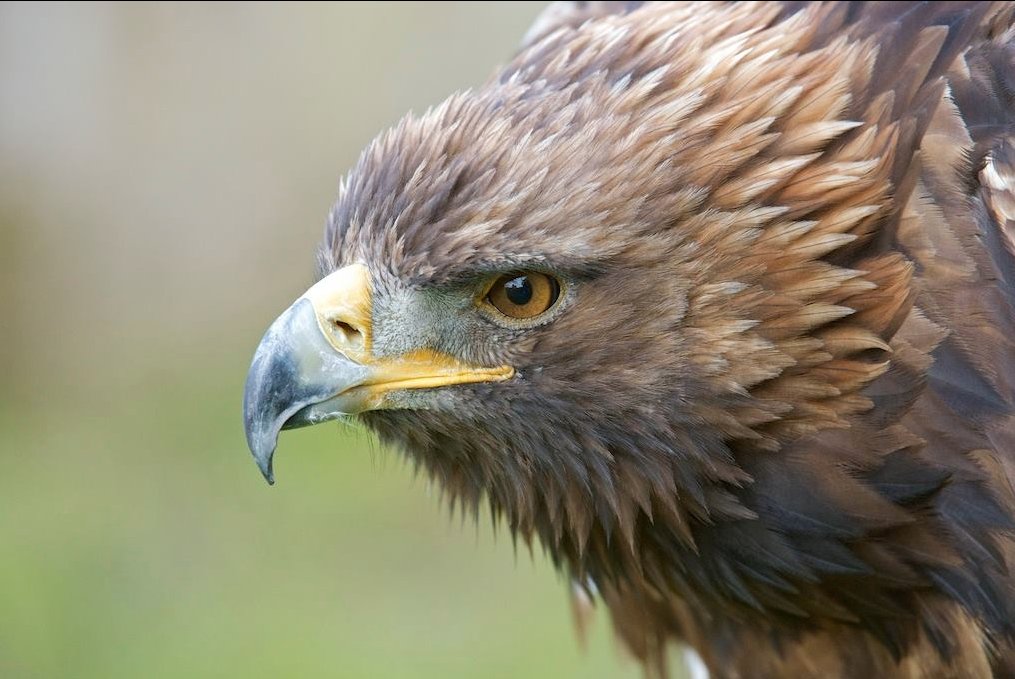
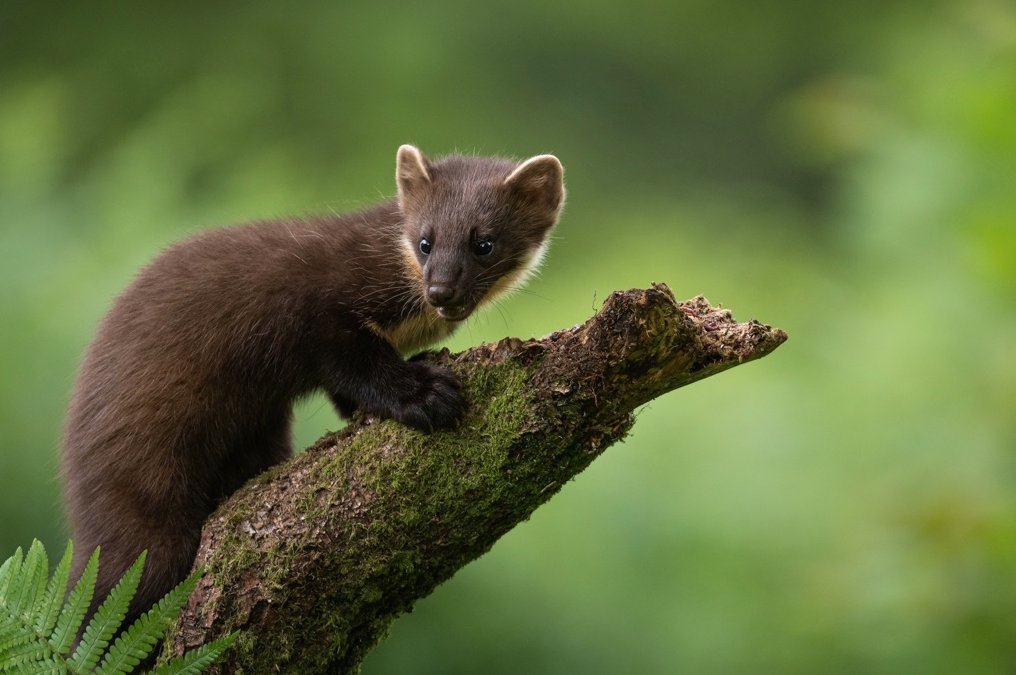
Two predatory species rightly being reintroduced to England and Wales. But don't they predate ground nesting birds, but didn't Tony Juniper of NE say foxes and badger numbers need to be controlled to protect ground nesting birds. Why the double standards.
7
16
68
5,453
Apr 14
1.7 million foxes, mustelids & corvids culled in France annually. Study failed to find a link between control effort & change in reported damage costs. Reducing even cancelling control effort did not boost damage nor drive breeding numbers in corvids
sciencedirect.com/science/ar…
37