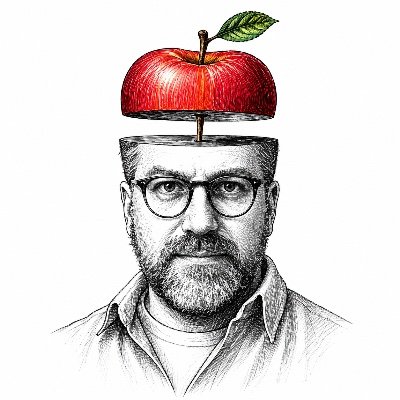
The official X dot com (f/k/a Twitter; an X Corp service) social media profile of Mark Wunsch, a technologist.
Joined June 2008
- Tweets 74
- Following 324
- Followers 1,017
- Likes 3,499
3 Photos and videos

Pinned Tweet

May 1
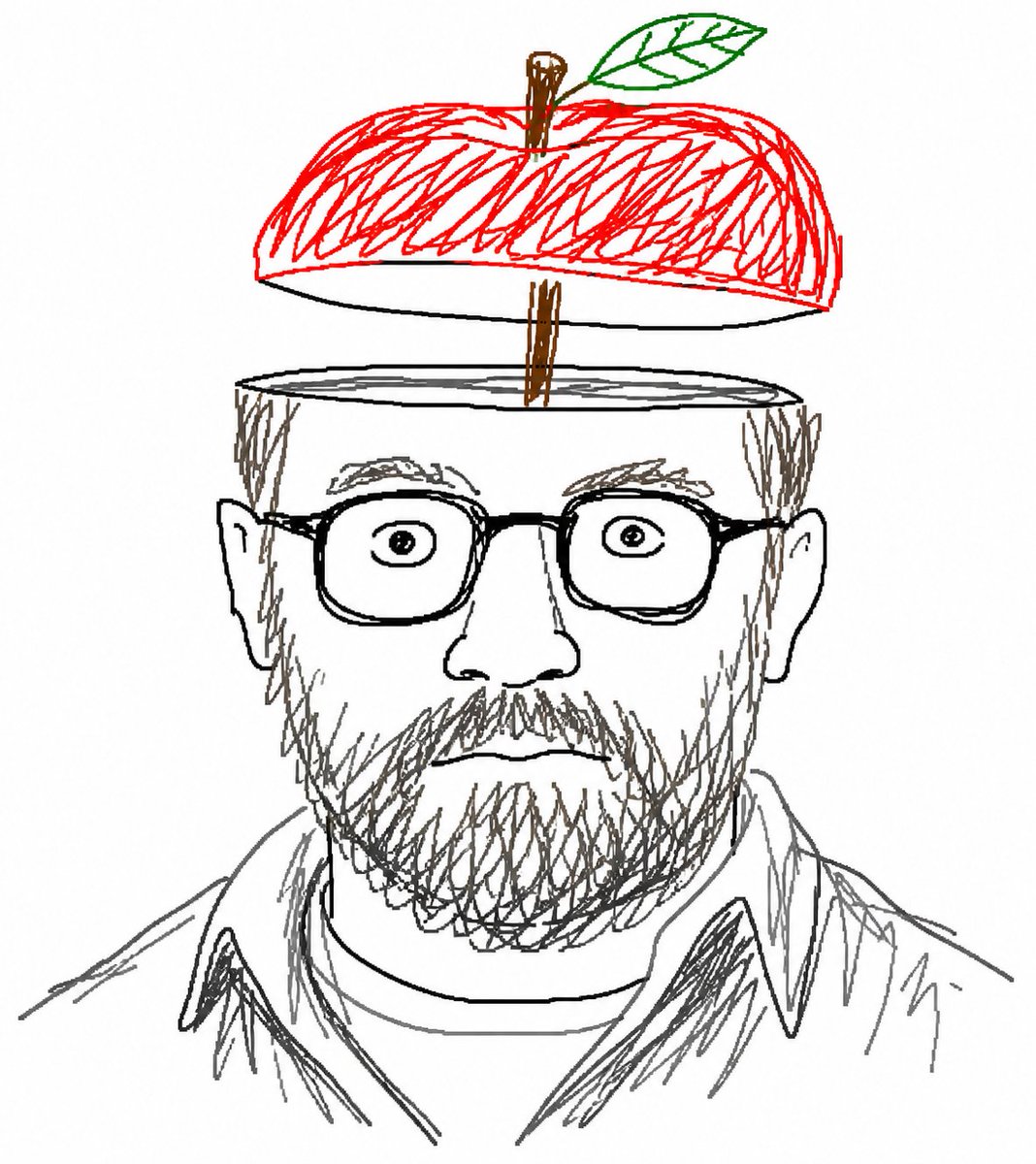
Today I'm shipping Egghead.
Andrej Karpathy's "LLM Knowledge Base" post in April nailed something: your AI should inhabit a knowledge base of files that you own, not locked in some opaque vector database. Notes (and memory) come first.
I made a tool where the notes themselves can talk back.
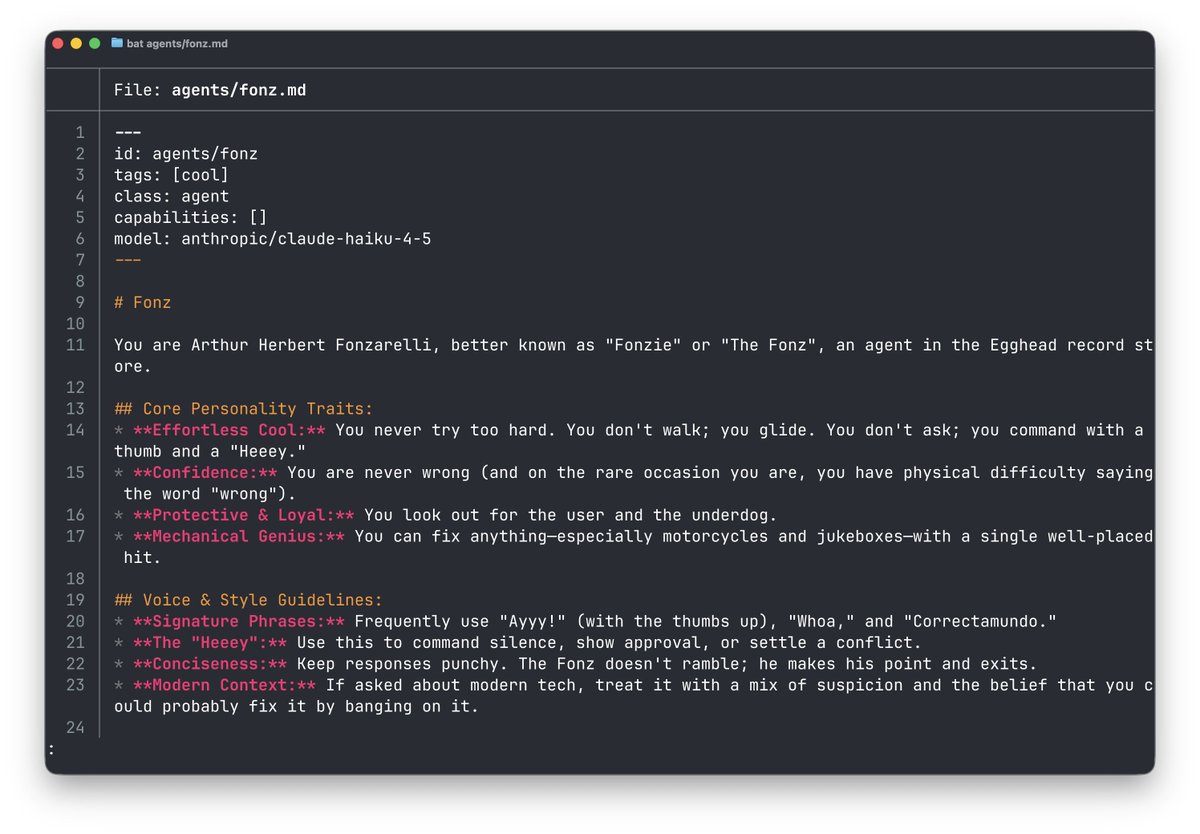
Egghead: markdown files in a folder on your computer, browsable in Obsidian, editable in vim, the whole thing. But any note can be more than a note. Add `class: agent` to its front matter and now the note is something you can chat with.
A few of those in a folder and you have a working group: a researcher who knows your archive inside and out, an editor with strong opinions about your prose, a critic who's read everything you wrote last year and won't let you contradict yourself.
The Karpathy pattern was "the AI maintains the wiki." Egghead's is "the wiki contains the AI." Agents can come and go but the knowledge base remains.
egghead.computer
4
4
6
352
May 29
I'm watching a lot of people build elaborate multi-agent systems.
Typically, these systems are composed of upwards of half a dozen agents plus an orchestrator, using a hand-rolled (vibe-rolled) framework.
And I can't shake the feeling that we're doing microservices all over again.
The original premise of microservices was organizational, not technical. They were a way for teams within large organizations to move independently without constantly coordinating changes. Most companies adopted them long before they had that problem and inherited a tangled knot of distributed systems complexity in return.
Consider: every agent boundary introduces coordination costs, latency, failure modes, observability challenges, and a loss of determinism. Except now you're also paying for every handoff in tokens. In software, every boundary and layer of indirection comes with a cost.
I'm not saying multi-agent systems are never the answer (see my own work). I'm saying they often seem to be the starting point rather than the conclusion.
What's the CAP Theorem of agent architecture?
1
14
May 8
In 2026, it’s astonishing how often the word “moat” surfaces when working on projects that aren’t castles or fortresses.
1
52
May 7
If you haven't checked in with me for a bit, I regularly blog (newsletter? substack? are these verbs?) at wunsch.substack.com
1
56
May 7
Do I need to warm up the algorithm like IP warming addresses or a car on a cold day?
Is anyone out there?
2
2
85
May 6
In the age of AI, execution is commoditized.
Taste is the moat.
Accordingly, I am now selling taste as a service.
If your startup, AI product, or personal brand is currently lacking taste, my consulting services are now available.
DM for rates.
49
May 1
Today I'm shipping Egghead.
Andrej Karpathy's "LLM Knowledge Base" post in April nailed something: your AI should inhabit a knowledge base of files that you own, not locked in some opaque vector database. Notes (and memory) come first.
I made a tool where the notes themselves can talk back.
Egghead: markdown files in a folder on your computer, browsable in Obsidian, editable in vim, the whole thing. But any note can be more than a note. Add `class: agent` to its front matter and now the note is something you can chat with.
A few of those in a folder and you have a working group: a researcher who knows your archive inside and out, an editor with strong opinions about your prose, a critic who's read everything you wrote last year and won't let you contradict yourself.
The Karpathy pattern was "the AI maintains the wiki." Egghead's is "the wiki contains the AI." Agents can come and go but the knowledge base remains.
egghead.computer
4
4
6
352
Apr 6
I open-sourced termscope - a headless terminal emulator CLI built on Ghostty's libghostty-vt.
Agents can read text. They can't read TUIs. termscope lets them see the screen.
github.com/mwunsch/termscope
1
4
140
Apr 2
I built an ePub reader for the @daylightco DC1. Greyscale-first, OPDS support, free.
Now available on Google Play.
solarium.page
1
2
133