
Building healthy, happy marriages and relationships!
Joined November 2009
- Tweets 14,612
- Following 1,992
- Followers 4,381
- Likes 1,289
2,234 Photos and videos









13 Aug 2024
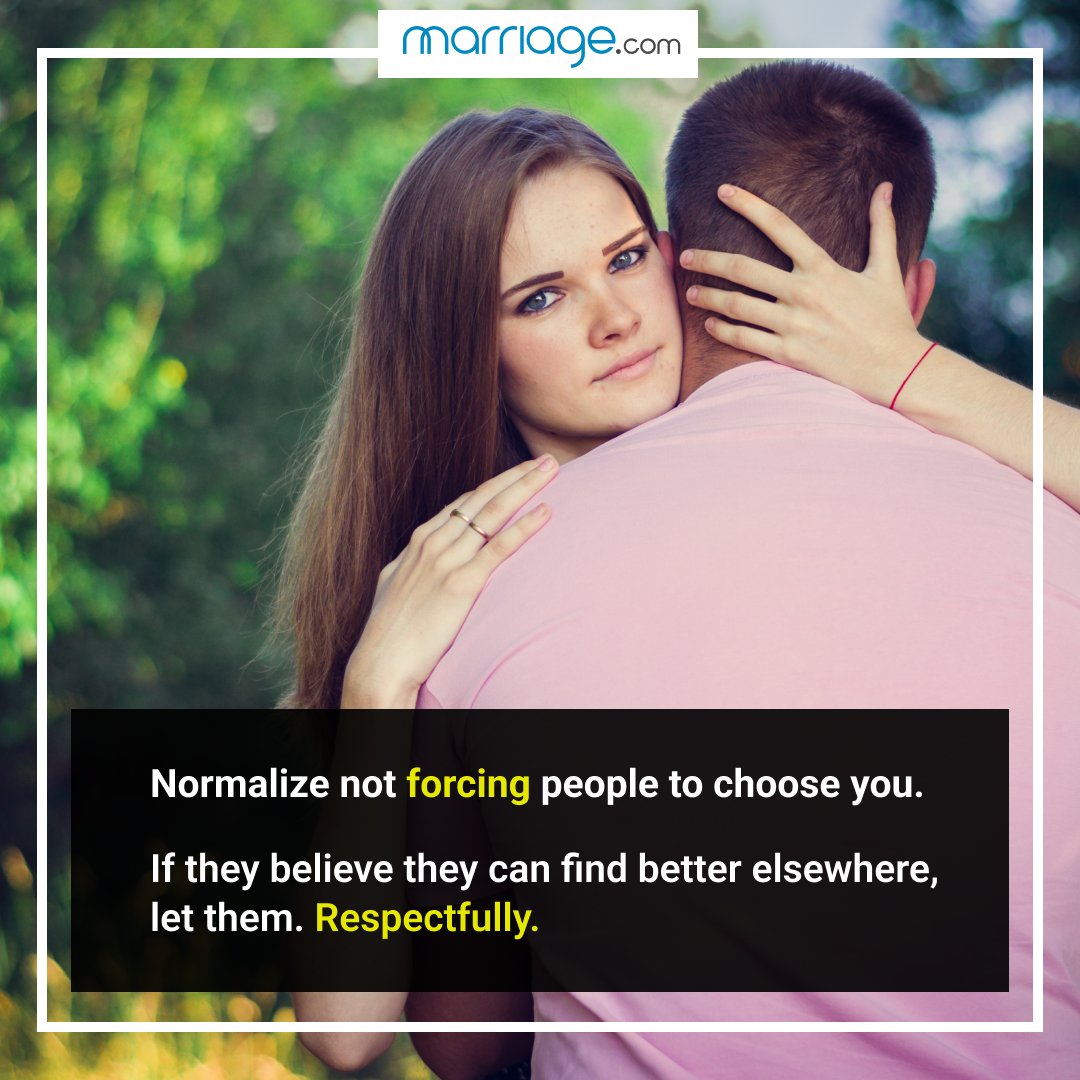
Normalize not forcing others to choose you. If they believe they can find better elsewhere, let them go with respect.
Respectfully let go of those who think they can find better. Forcing connections isn't healthy for anyone.
1
6
534
13 Aug 2024
Allowing people to choose their own path paves way for mutual respect and healthier relationships.
Normalize understanding your worth and not compelling others to stay. True connections thrive on mutual choice.
1
3
363
12 Aug 2024
Feeling unworthy of love? You might be drawn to those needing help, hoping your usefulness proves your worth.
1
1
1
359
12 Aug 2024
If you struggle with self-worth, you may seek relationships where you feel needed, thinking it validates you.
Being drawn to those you can 'fix' often stems from a desire to feel deserving of love and connection. Remember, your worth isn't defined by your usefulness to others
1
1
256
6 Aug 2024
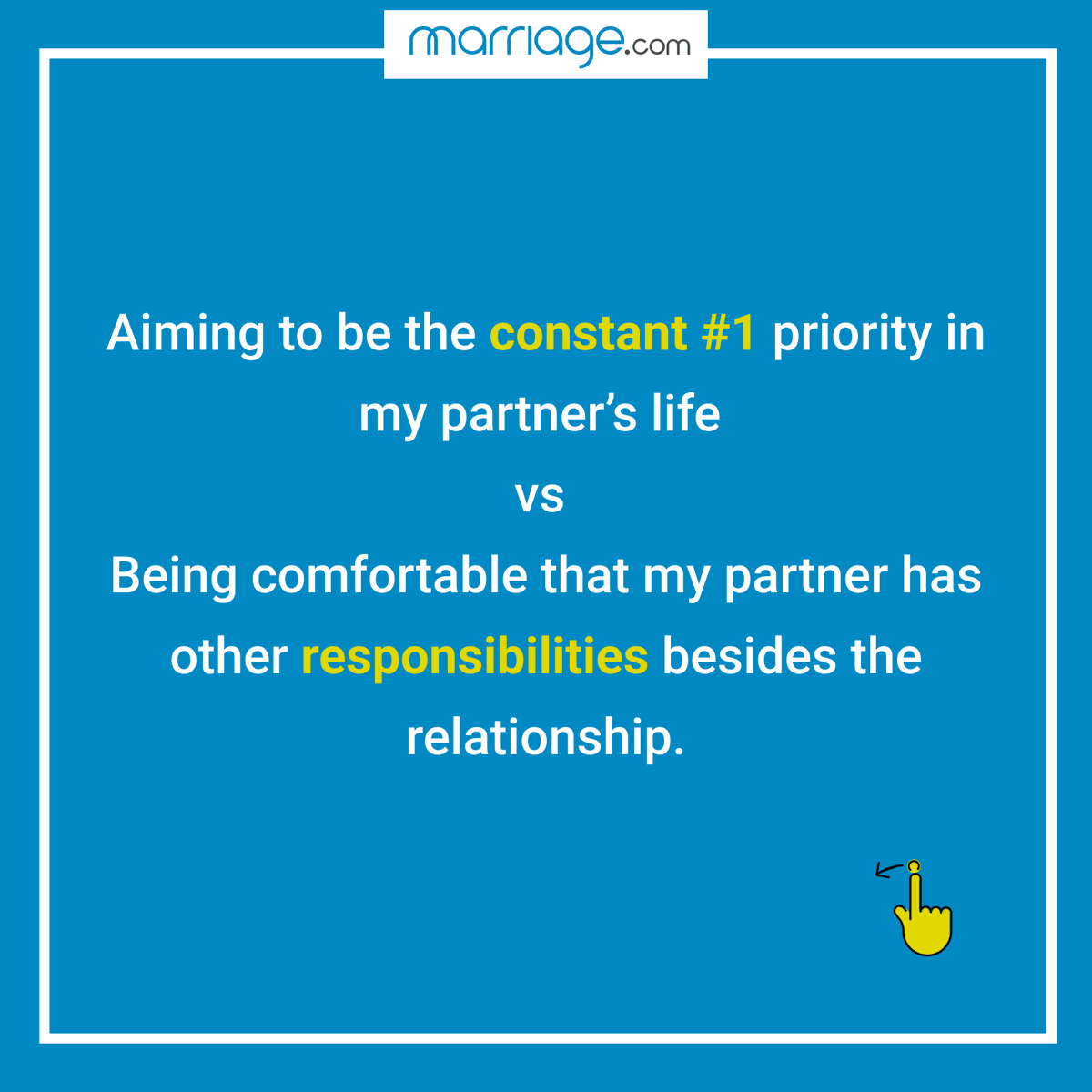
Ever wondered how secure relationships differ from anxious ones?
Discover the transformative mindset shifts that lead to a healthier bond.
2
1
2
239
6 Aug 2024
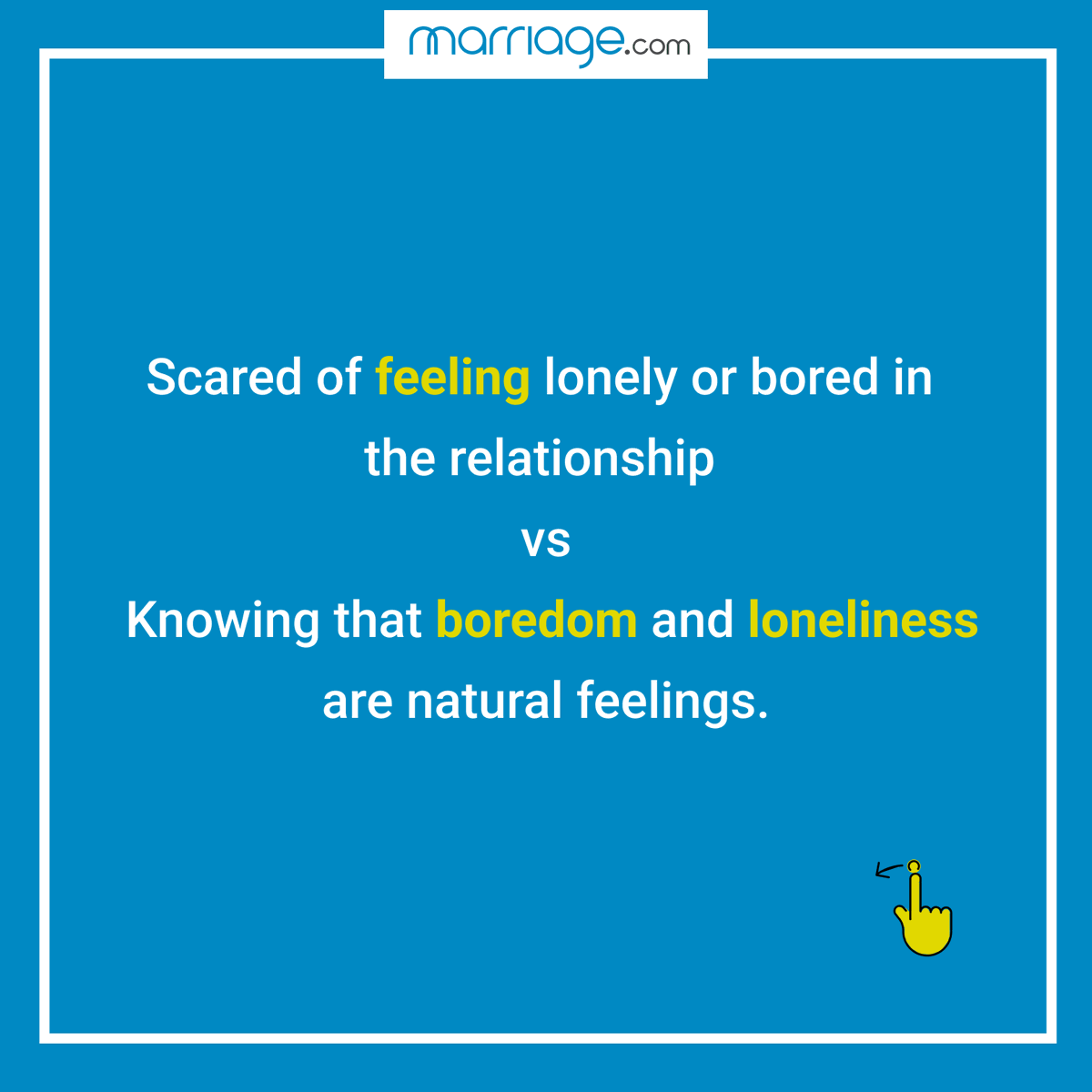
Afraid of feeling lonely or bored?
Understand that these feelings are natural. Embracing them can lead to a more secure, fulfilling relationship.
1
1
185
6 Aug 2024
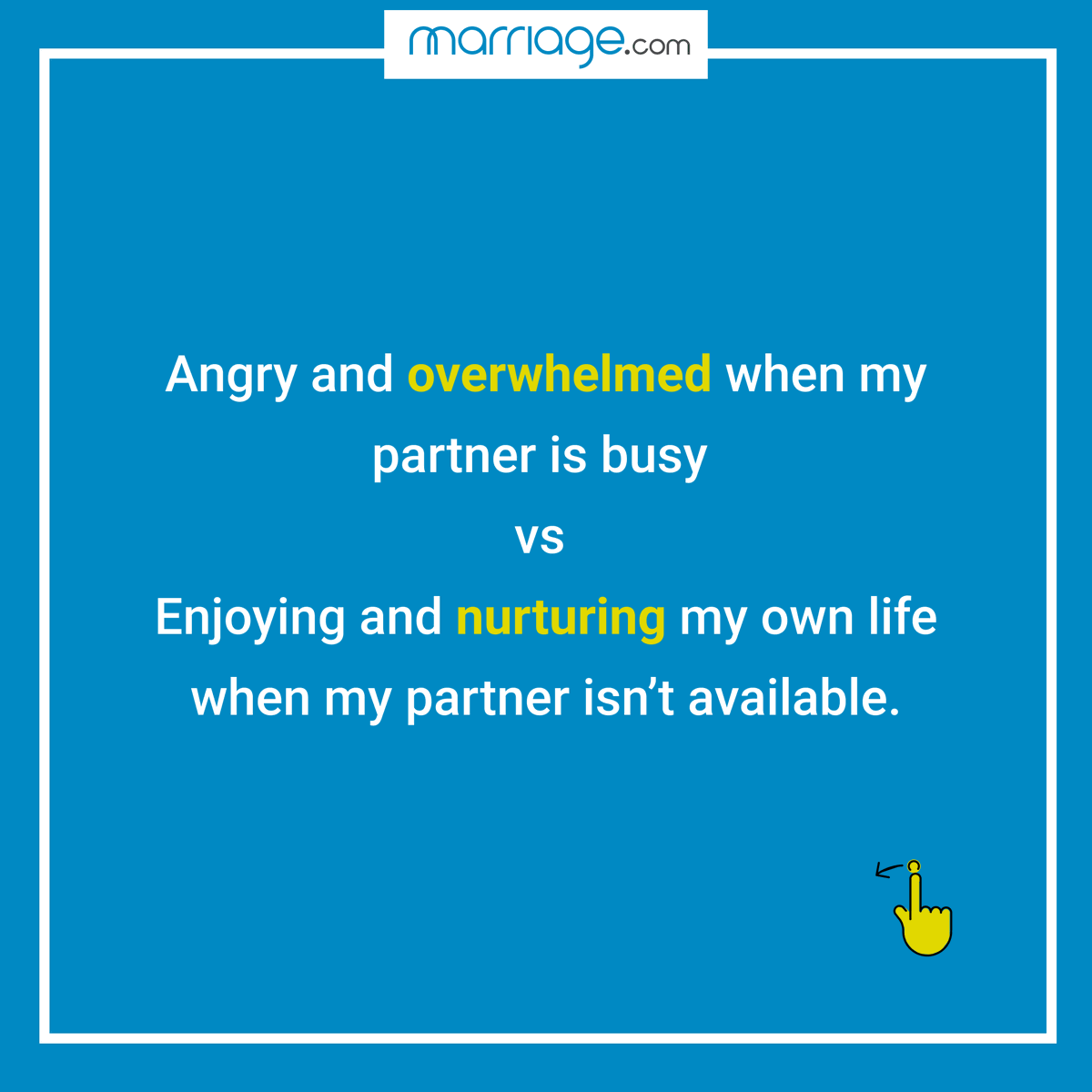
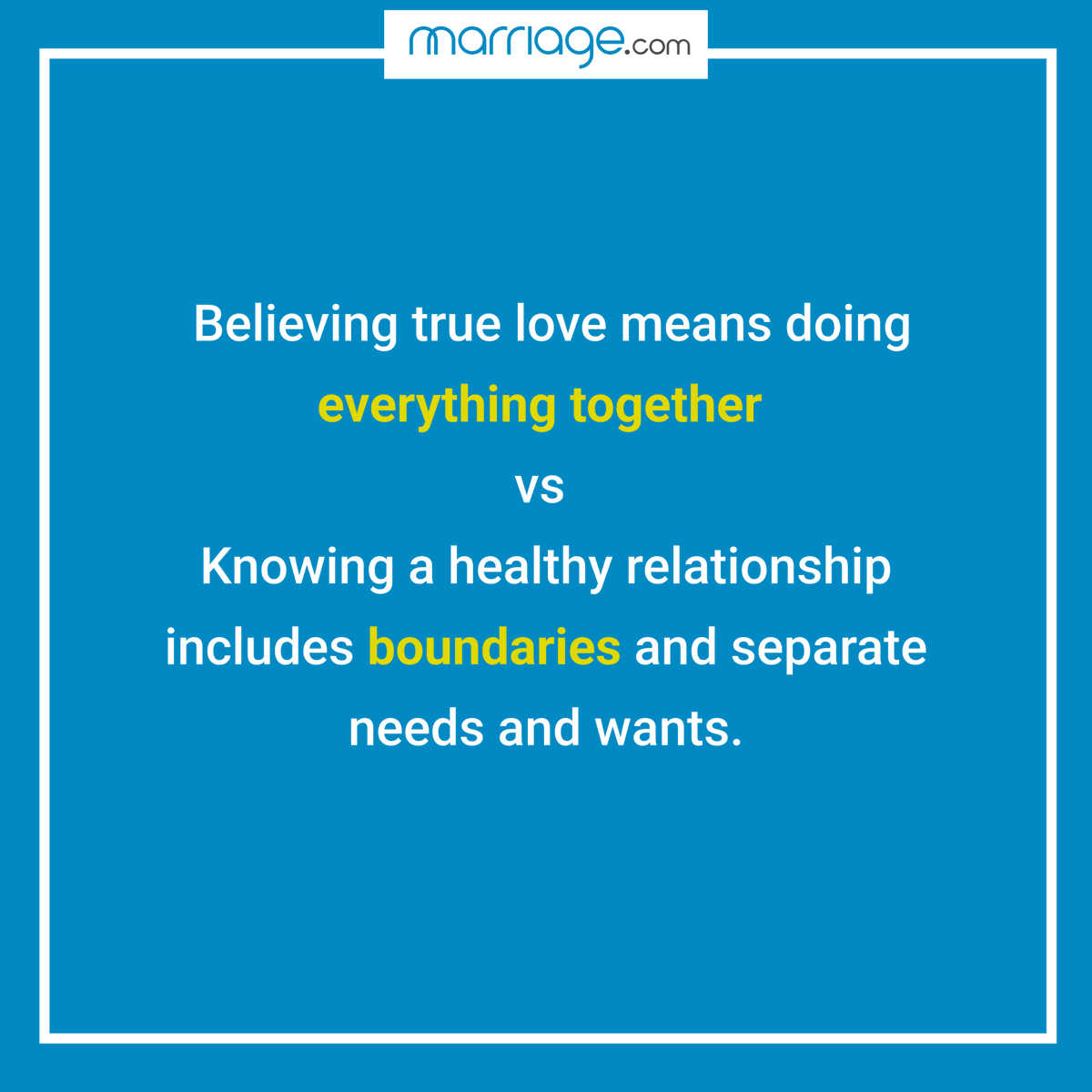
Feeling overwhelmed when your partner is busy? Embrace having your own life to enjoy and nurture instead. Independence fuels love.
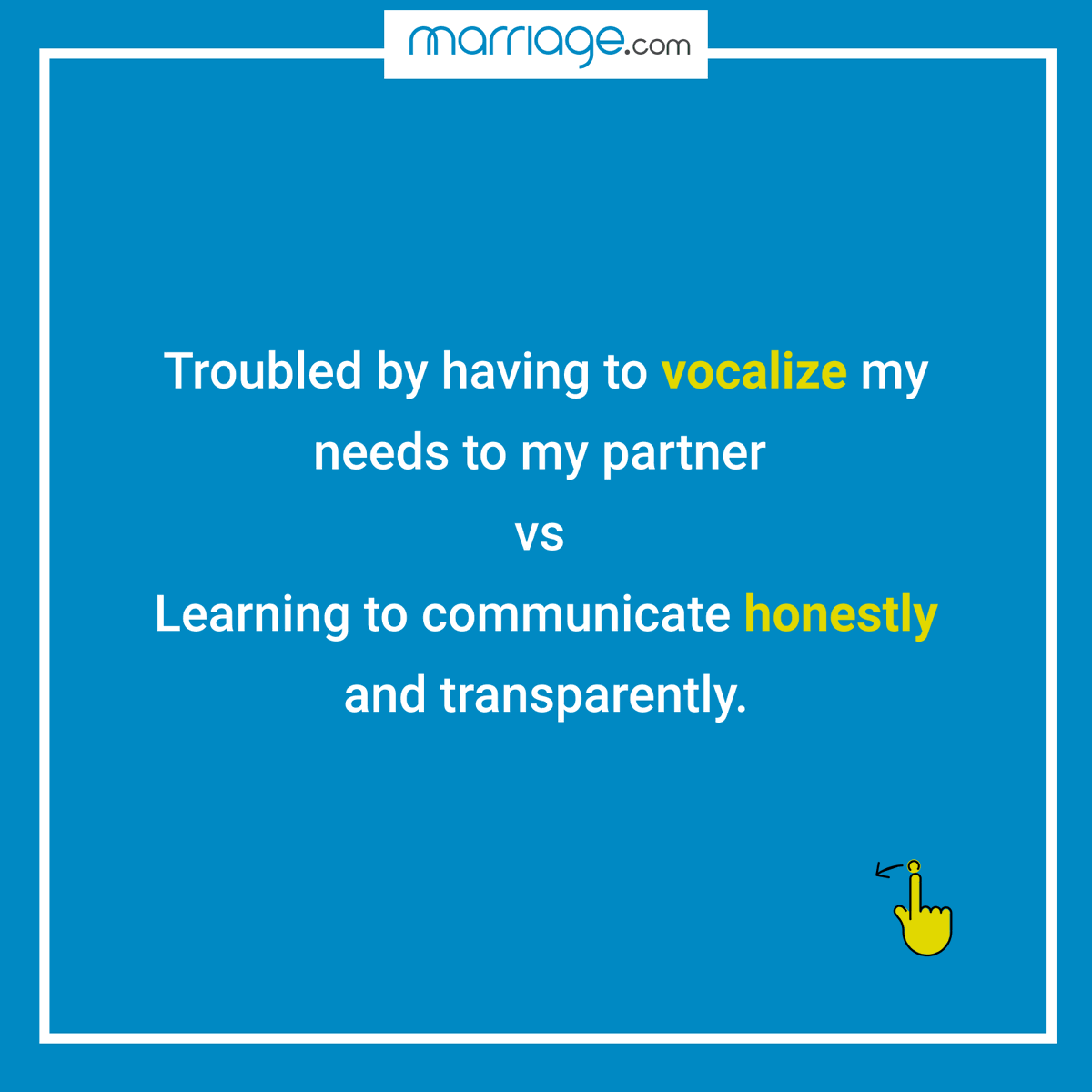
Struggling to vocalize your needs?
Honest and transparent communication can transform your relationship. Speak up for a stronger connection.
1
1
168
23 Jul 2024
Key elements of a healthy relationship include trust, communication, compromise, and mutual growth.
Let's explore what makes a secure bond.
Healthy relationships rely on assertive communication and mutual trust. Safety in the relationship is paramount.
1
1
1
304
23 Jul 2024
Compromise and a growth mindset are crucial. Aligned goals and values help build a secure connection.
Interdependence, self-soothing, boundaries, and emotional validation are essential for a strong, healthy relationship.
134
17 Jul 2024
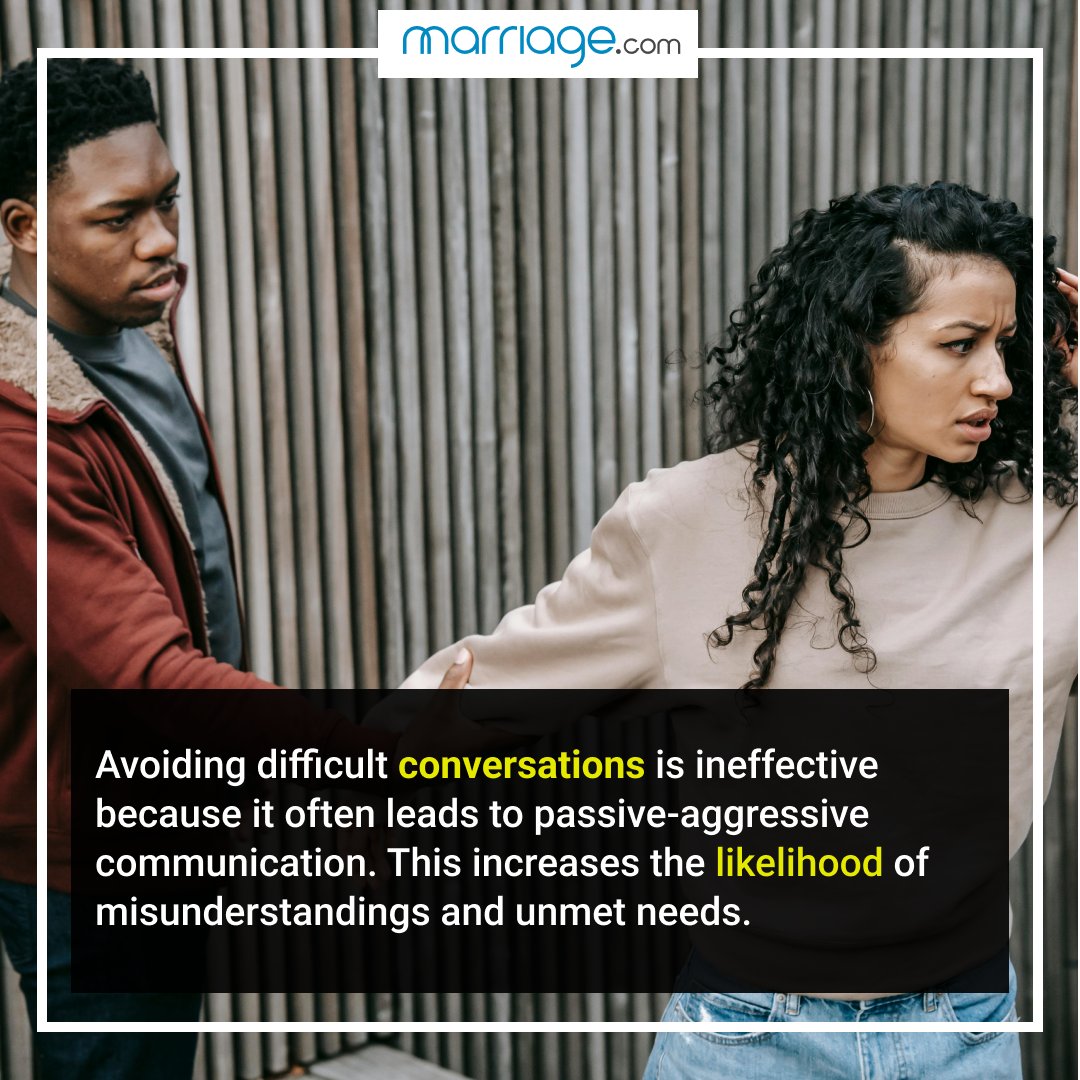
Avoiding hard conversations leads to passive-aggressive communication and unmet needs. It's time to face them head-on.
Passive-aggressive communication often results from avoiding difficult talks. It increases the chance of being misunderstood.
1
142
17 Jul 2024
When we avoid hard conversations, our needs are less likely to be met. Direct communication is key.
Facing tough conversations head-on ensures clarity and understanding, reducing the risk of miscommunication.
106
16 Jul 2024
Facing hard times is tough, but doing it alone adds trauma. Validation and support are crucial for healing.
Going through challenges alone amplifies the pain. Feeling seen and validated is essential for true healing.
1
123
16 Jul 2024
Everyone deserves to feel safe and loved, especially when dealing with difficult experiences. Connection aids recovery.
Healing requires more than time; it needs support and validation. You're not alone in your pain.
85
15 Jul 2024
Replace shame with curiosity. What was your behavior trying to protect you from? Let's explore.
Shame can trap you in a spiral. Instead, get curious about your actions and their root causes.
1
1
1
94
15 Jul 2024
Moving away from shame opens the door to understanding and growth. What was your behavior shielding you from?
Exploration leads to healing. Dive into the reasons behind your actions and find the protection your mind sought.
68
15 Jul 2024
Instead of saying 'It's fine,' try expressing your true needs and feelings. Let's build deeper connections.
Feeling lonely? Ask for a hug. True connection starts with honest communication about what you need.
1
100
15 Jul 2024
Want more quality time? Plan it in advance. Express your desire to spend meaningful moments together. Need support?
Ask for regular check-ins. Sharing your needs promotes understanding and stronger relationships.
60
12 Jul 2024
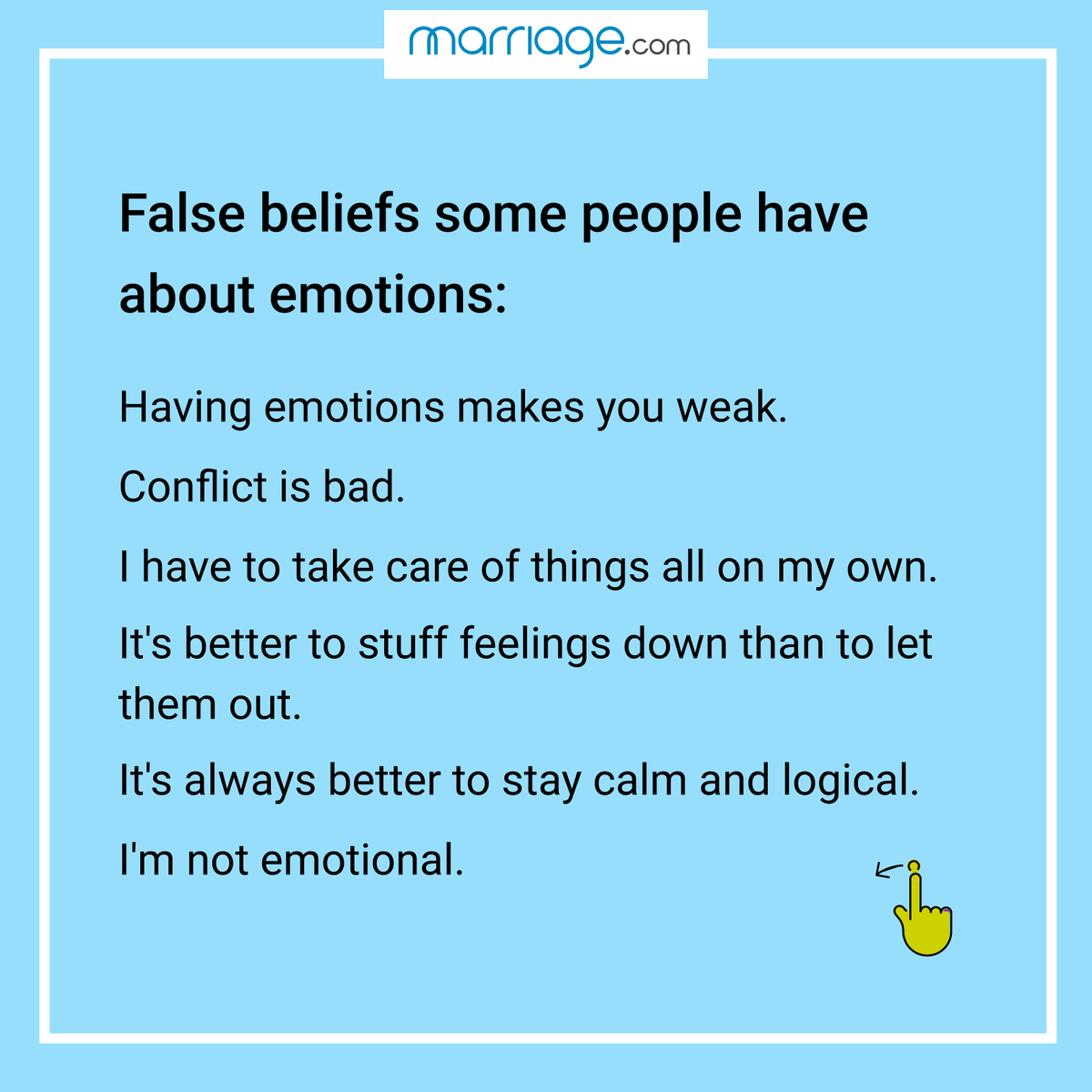
LOVE breaks through when longing overcomes fear. Men, it's time to rethink beliefs about emotions.
False beliefs some men have: Emotions make you weak, conflict is bad, and it's better to stay calm and logical.
1
82
12 Jul 2024
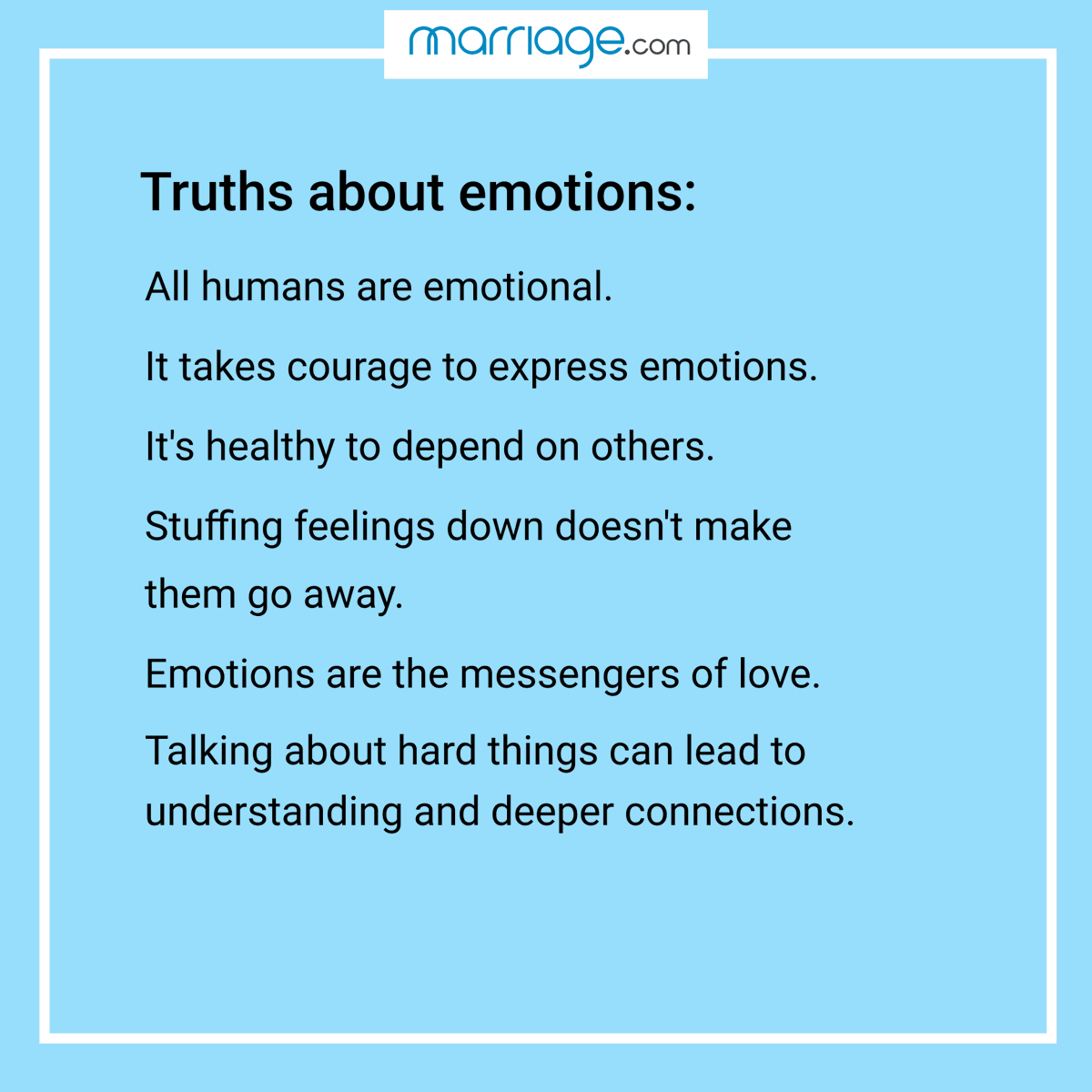
Truths about emotions: All humans are emotional, expressing emotions takes courage, and it's healthy to depend on others.
Stuffing feelings down doesn't work. Emotions are love's messengers, and talking about hard things can deepen connections.
43
11 Jul 2024
Relationships are a dance of connection and repair. Mastering the art of repair is a skill worth honing.
In every relationship, moments of disconnection are inevitable. The real strength lies in how we handle the repair.
1
60
11 Jul 2024
Handling repair in a safe relationship isn't just important—it's essential. It deepens trust and strengthens bonds.
Develop the skill to repair and reconnect. It's key to maintaining a healthy, lasting relationship.
42