
I ❤️ my PLN! Honored to be a 2019 Houston Region IV Elementary TOY Finalist. #EducatorTrainer #EnvironmentalEducation #USBARKRanger #6thGrade
Joined April 2009
- Tweets 3,796
- Following 3,062
- Followers 3,007
- Likes 8,747
841 Photos and videos

Pinned Tweet

3 Jun 2020
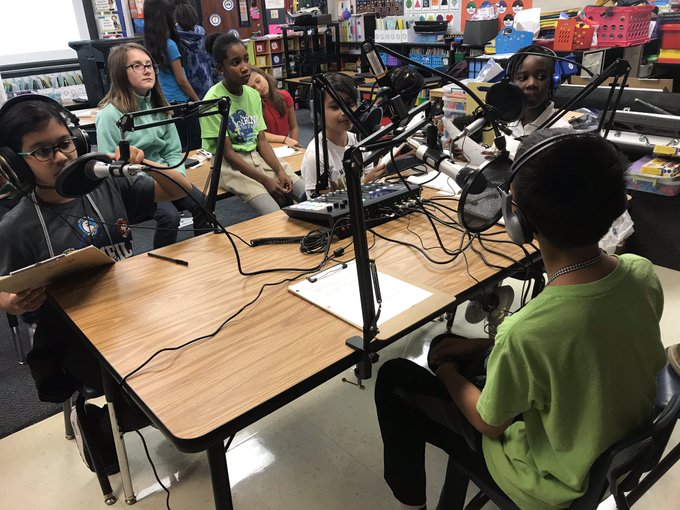
Fifth grade MCA Club @McNeilles @LamarCISD won an Honorable Mention at the National @NPR Student Podcast Challenge. We competed with 6th-8th graders. We'd be honored if you have a chance to listen. soundcloud.com/user-56451397… @yoonkim0721 @Tonilscott_ed

1
6
20
Daryle Esswein retweeted

Feb 19
Build an earthquake simulator with Strawbees micro:bit and test which structures stay standing. Students design, test, and improve like real engineers—bringing NGSS to life through hands-on learning.
See the full lesson - hubs.la/Q043V-zh0
9
27
829
Daryle Esswein retweeted

28 Apr 2025
Check out our own version of the Rain Gutter Regatta @Sphero edition!!! There mission was to create a rescue boat and rescue three LEGO Minifigs lost at sea. Sadly we some Minifigs at sea. #engineering #stem #stemed #edtech #csforall #csk8 #robots @SVViperPride @DVUSD @SpheroEdu
1
7
46
2,702
Daryle Esswein retweeted

2 May 2024
Love using @Sphero Sprk to move our submarine builds and reinforce our ocean learning. The kids thought it was too fun 🤩
1
1
13
321
4 Dec 2025
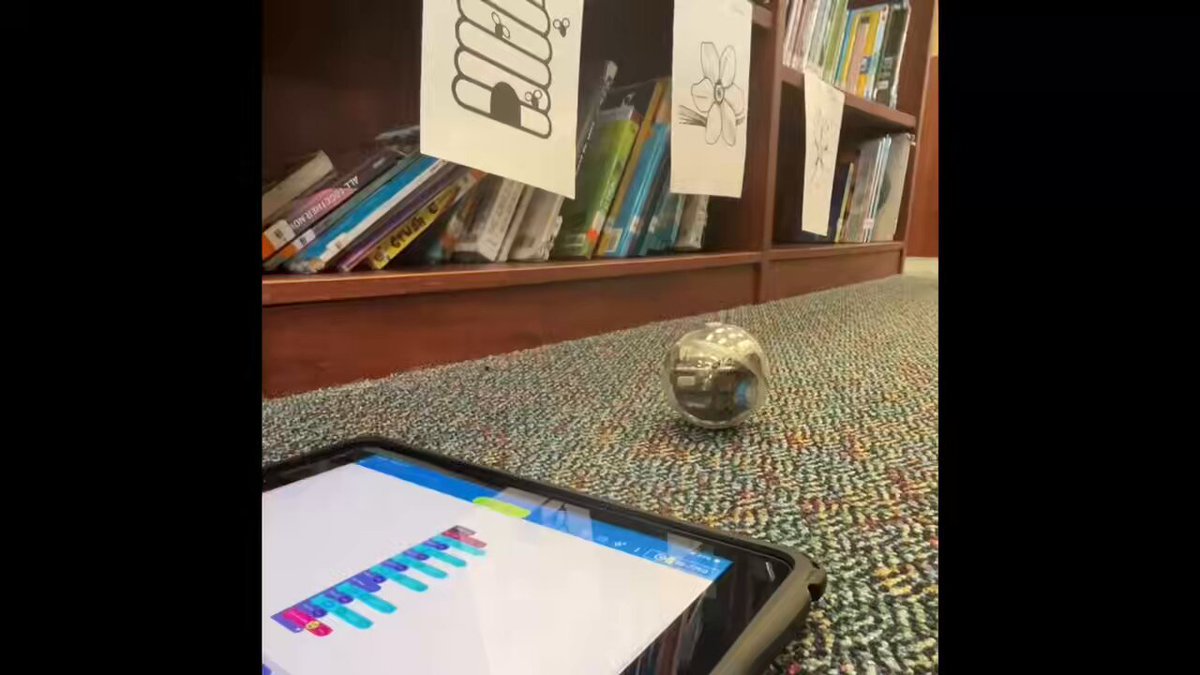
I have always incorporated robotics in my science curriculum (not every day -but often). Looking for educators who do the same/would like to share. Adapted #spheroedu pollination drawing to have students program pollination and the wiggle dance back at the hive. @Tonilscott_ed
1
2
67
4 Dec 2025
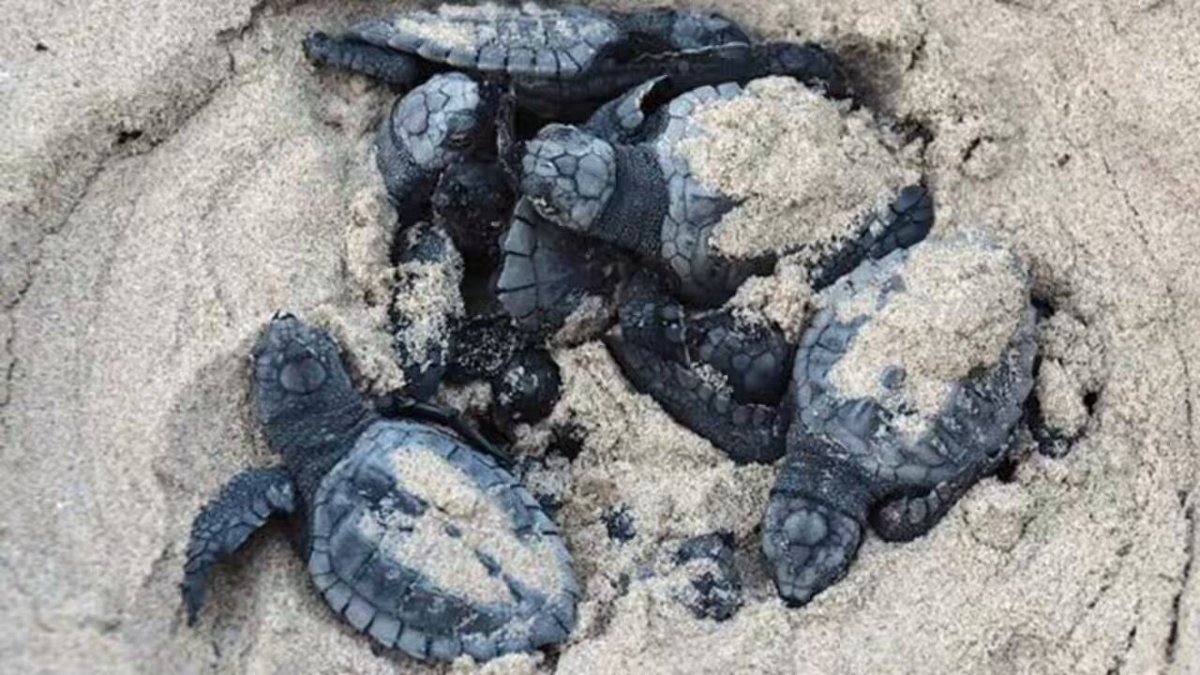
Designed, engineered, and coded #SpheroBolt to collect Kemp’s ridley sea turtle eggs. Watched a Ranger video in Texas learning a lot about issues faced by endangered animals. @Tonilscott_ed picture credit AuthenticTexas.com Lesson adapted from #SteaminthePark
2
73
3 Dec 2025
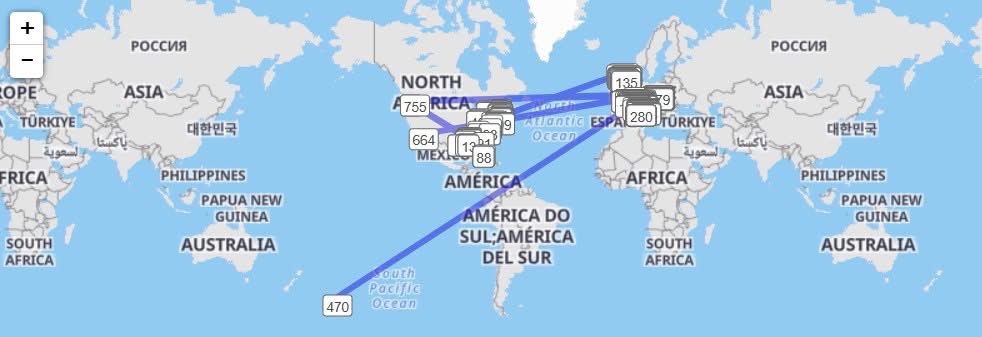
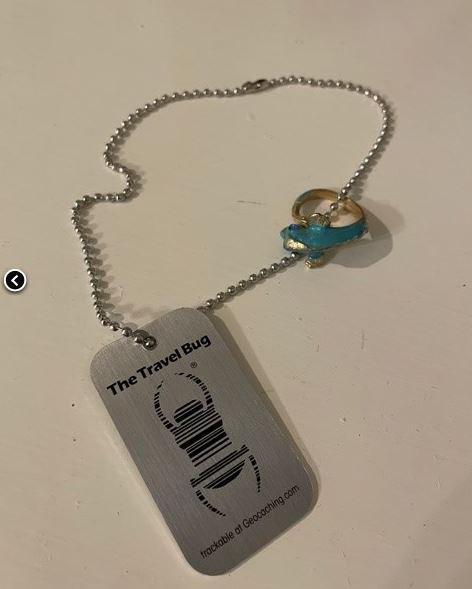
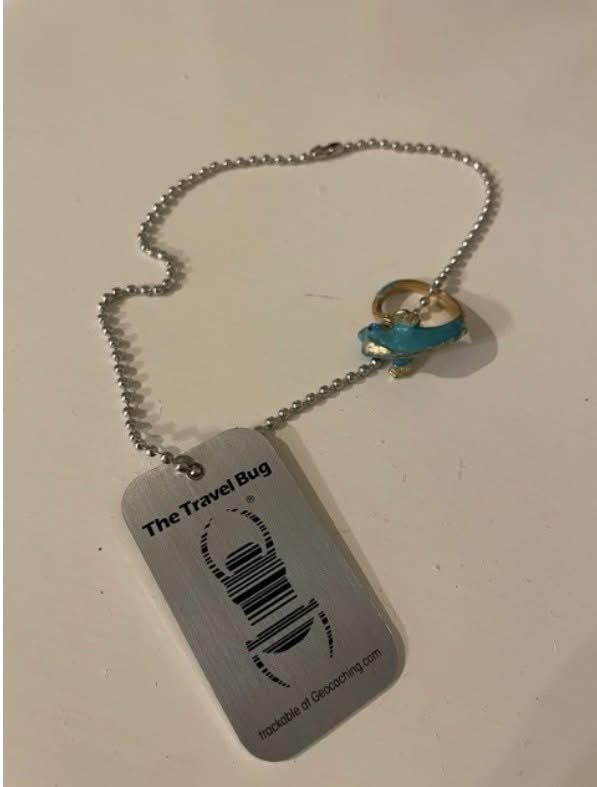
We gave our Geobug (Geocaching) a new travel plan to visit national parks in the United States. We are studying different types of rocks, but would also love any life science sharing! This Geobug has moved over 78,000 miles. Credit to Map Tiler #steaminthepark @Tonilscott_ed
2
100
3 Dec 2025
Ranger led activity at Mammoth Caves NP. Our students did this today learning about how rain (vinegar) dissolves the calcium carbonate in limestone to form caves. This was an unforgettable experience! ❤️ #Anticipation #steaminthepark #COUNTDOWN
69
2 Dec 2025
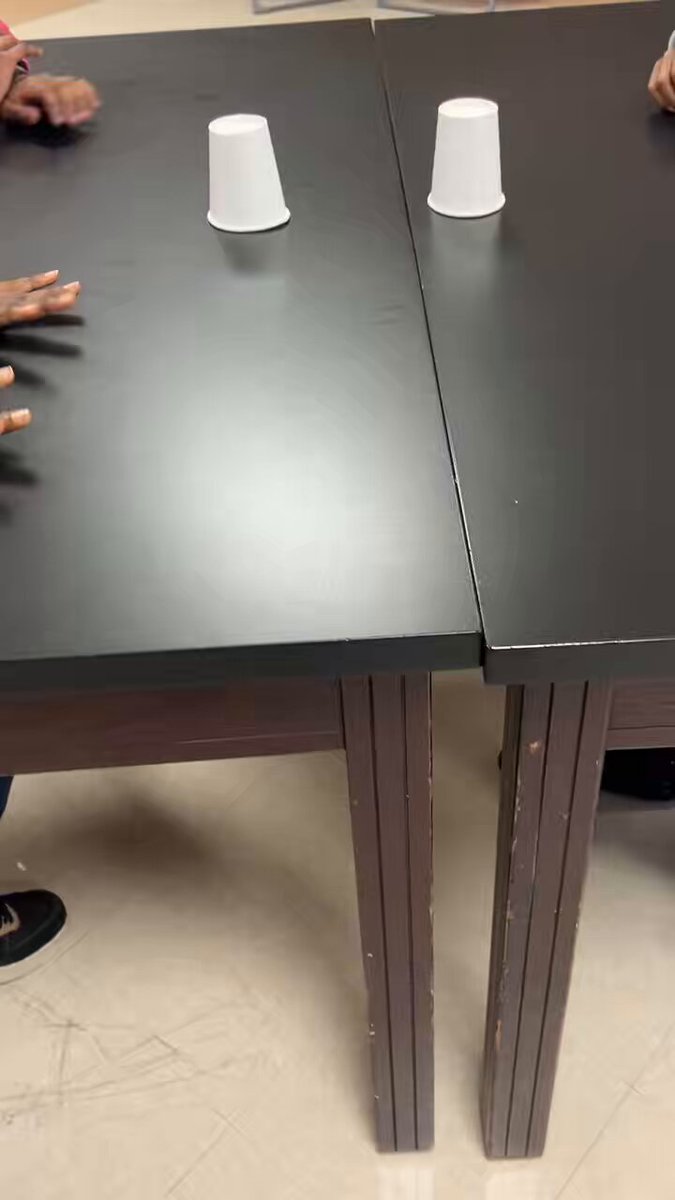
This is a crowd favorite game that we learned at #SteaminthePark , an outstanding workshop for teachers based in national parks. The game is called the Clab Boom game. It’s great for review and conversations! Students who normally clam up during class eagerly participate!
1
1
55
27 Oct 2025
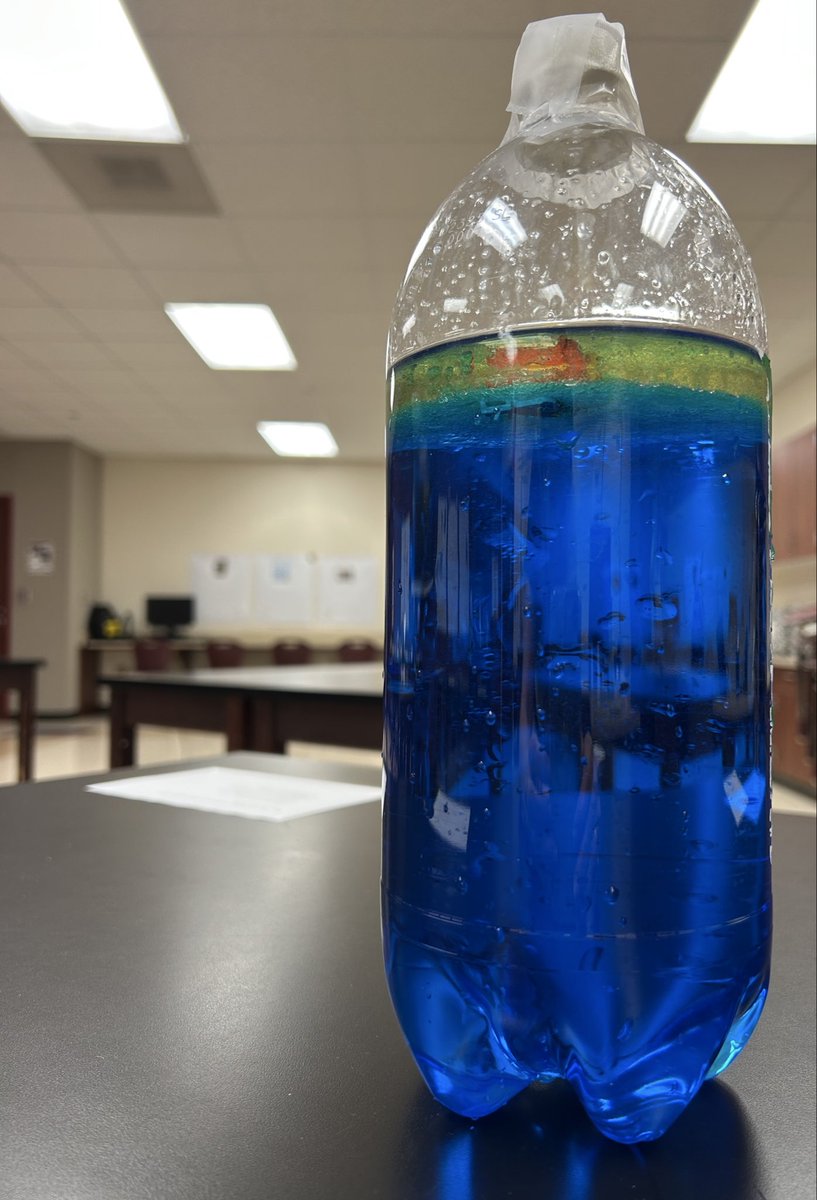
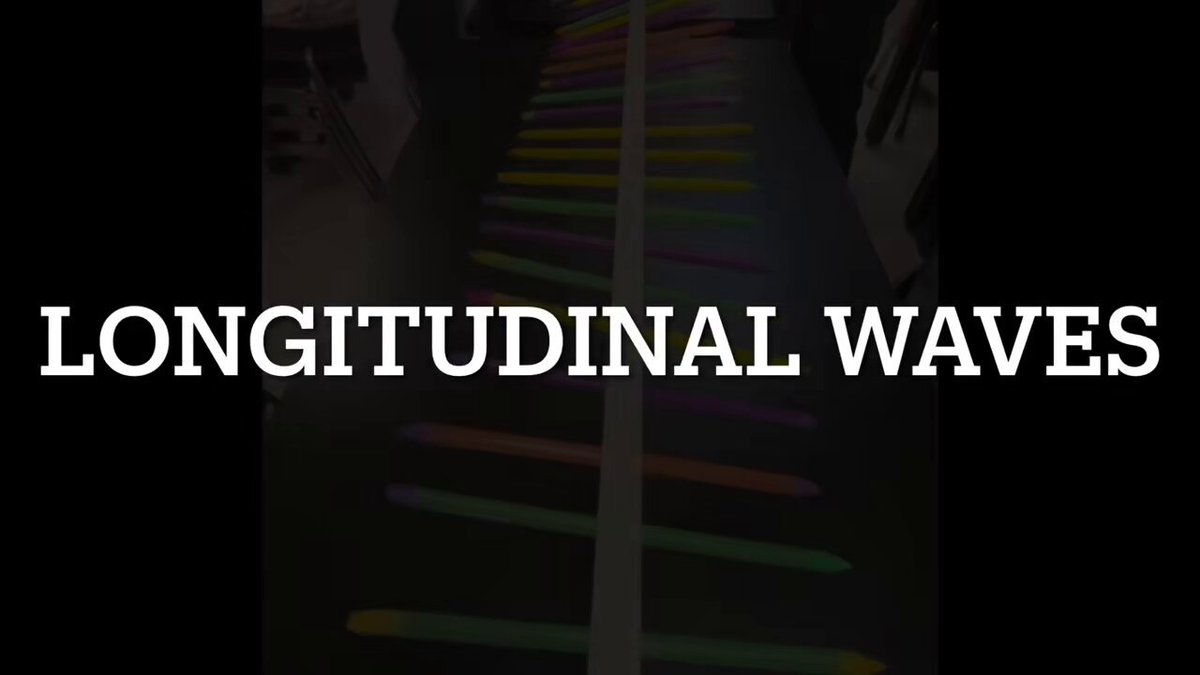
A quick activity that covers a lot of concepts including density (blue water, vegetable oil, and a Lego person), longitudinal and transverse waves, and gravity and friction. @Tonilscott_ed #wertheimerms
1
96
Daryle Esswein retweeted

24 Oct 2025
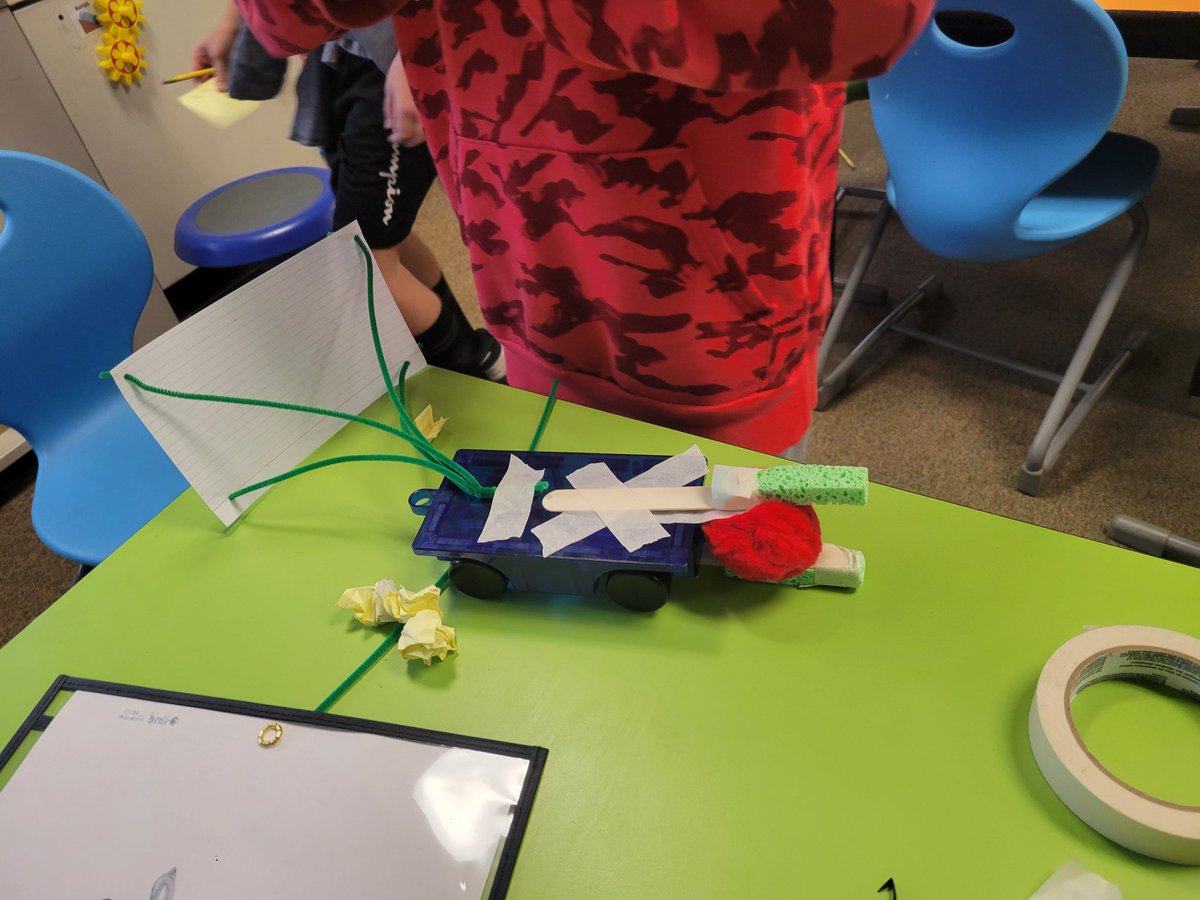
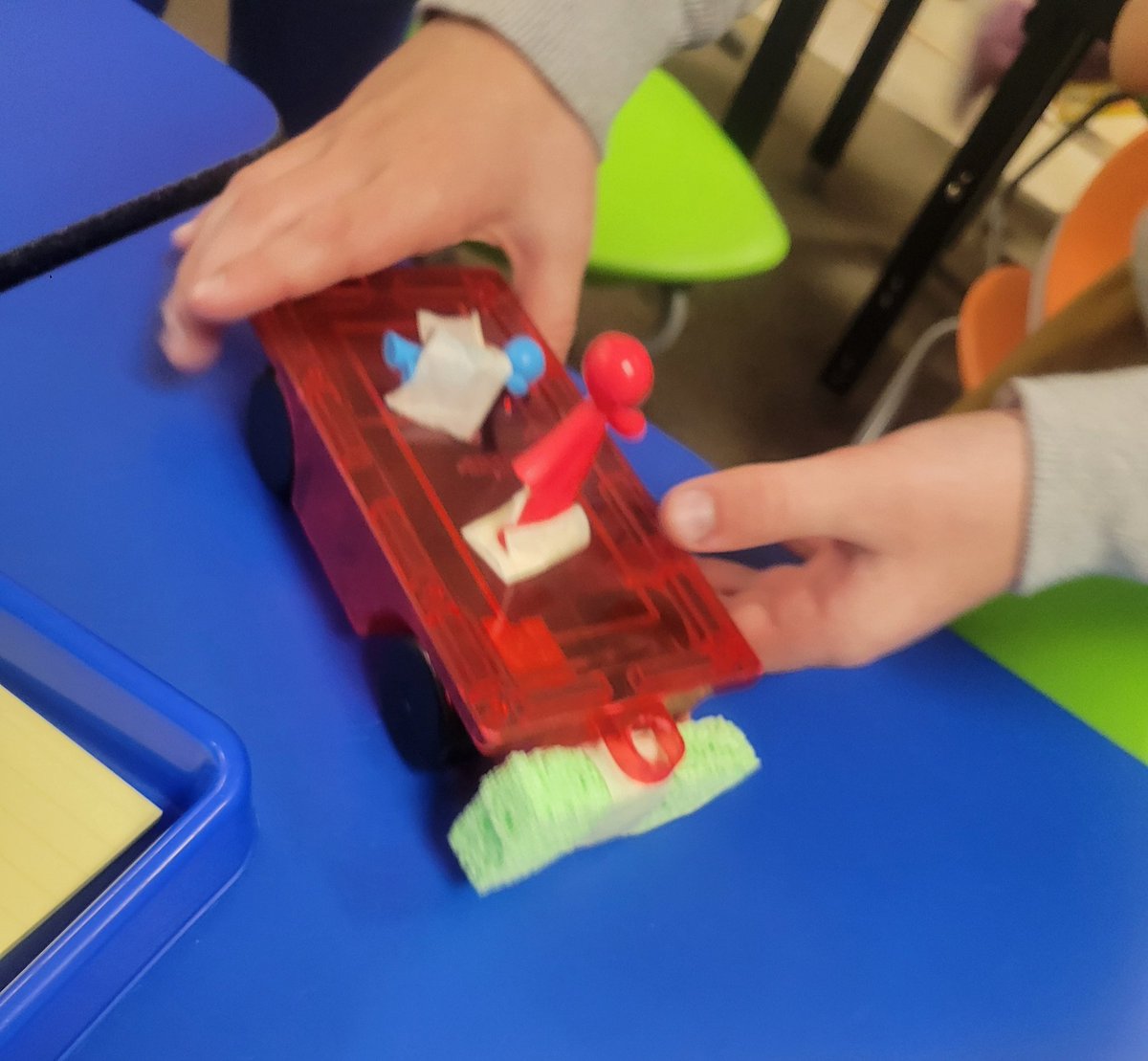
Can you minimize the energy transferred when your bumper car collides with a target? 🚓💥🚗
4th graders measured their bumper car's energy transfer before and after making modifications.
#STEAMeducation #steamteachers #energy #4thgrade
2
2
8
661
Daryle Esswein retweeted

25 May 2025
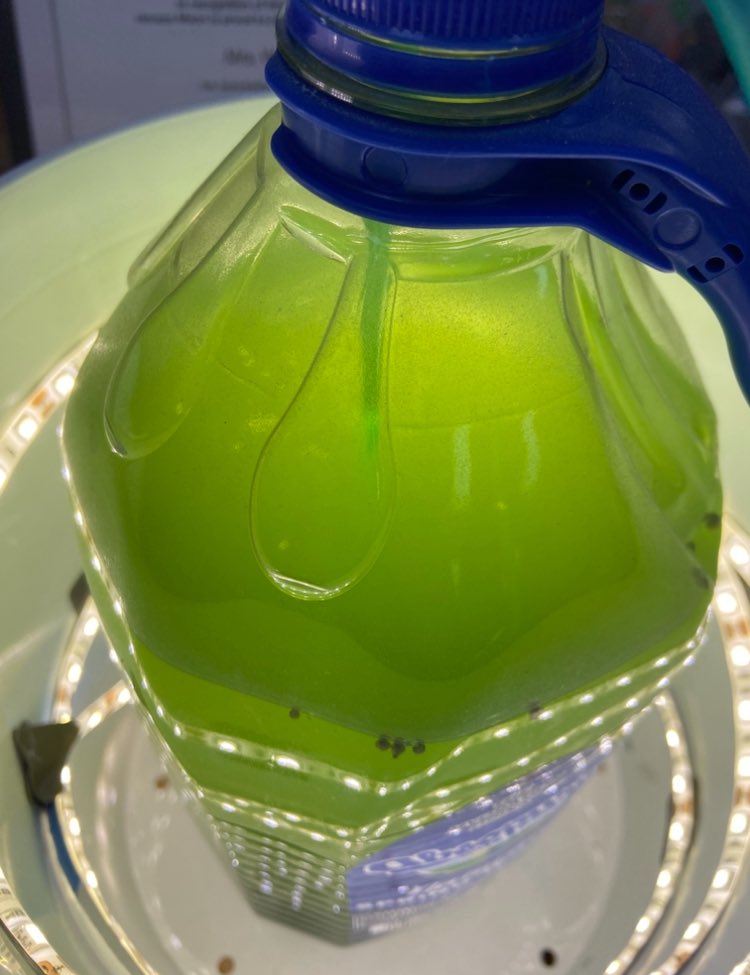
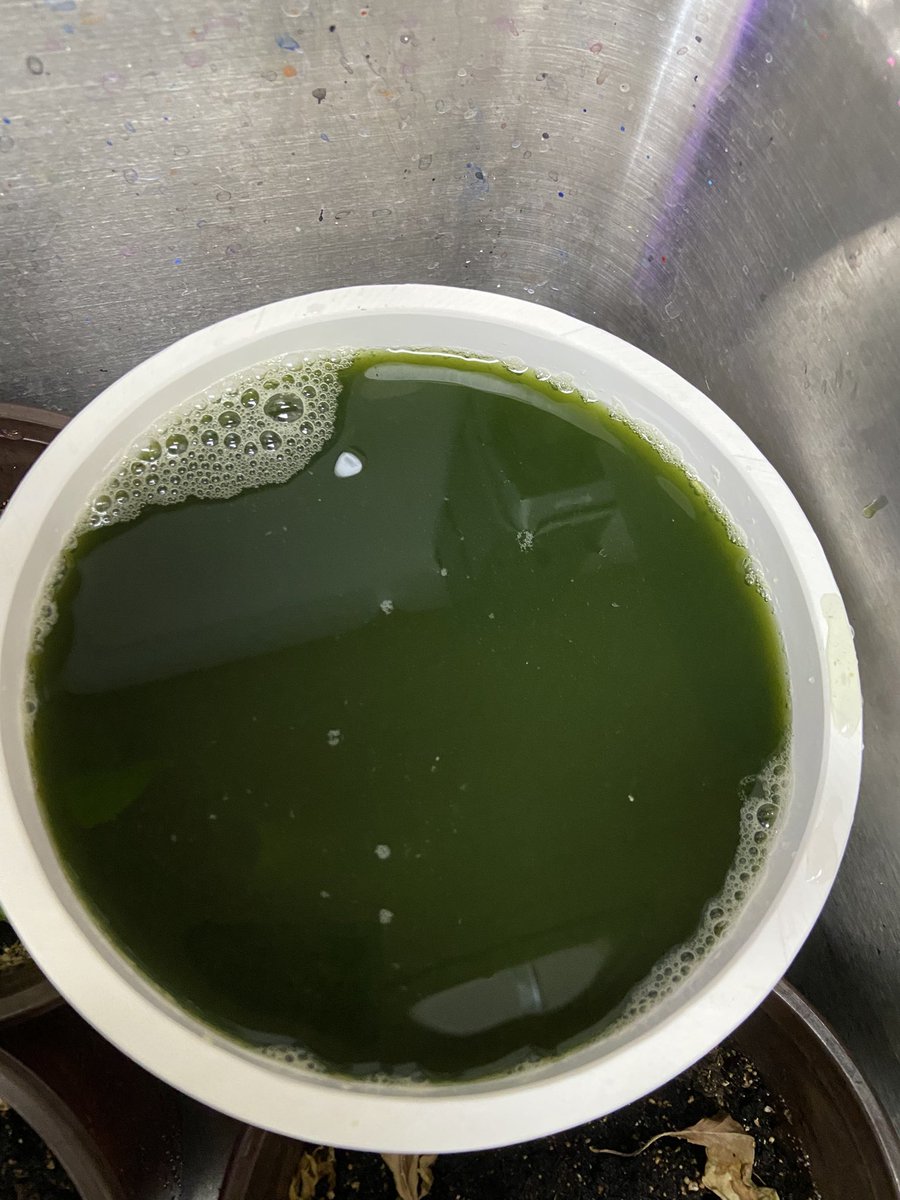
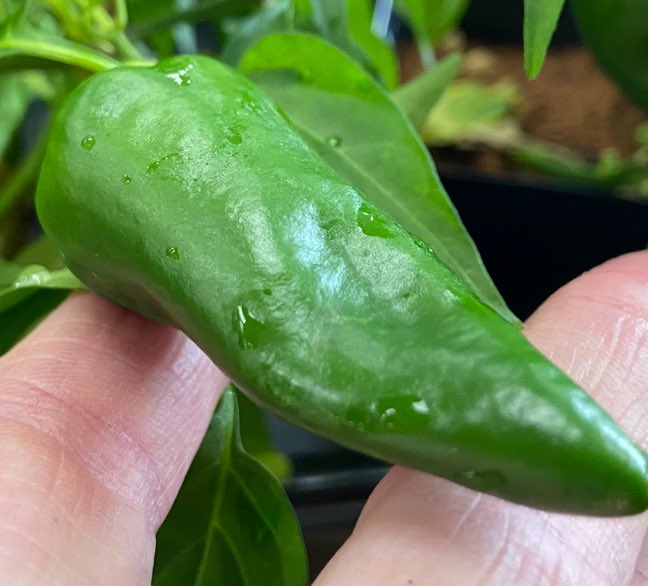
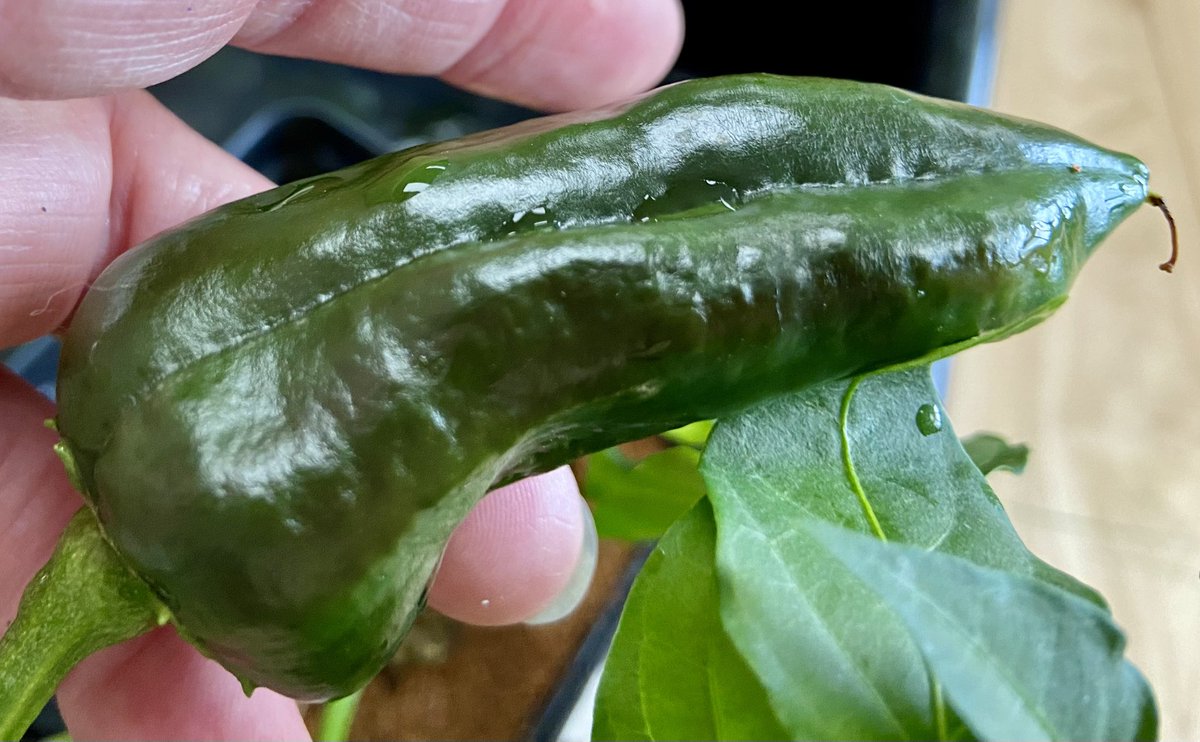
We conducted our unique Plant the Moon Challenge, crafting a photobioreactor to cultivate Spirulina for Bioremediation of the regolith. Fascinatingly, we observed intriguing color variations in our Chimayo Chili Peppers' growth.
The darker green hue might be successful…
1
2
13
524
7 May 2025
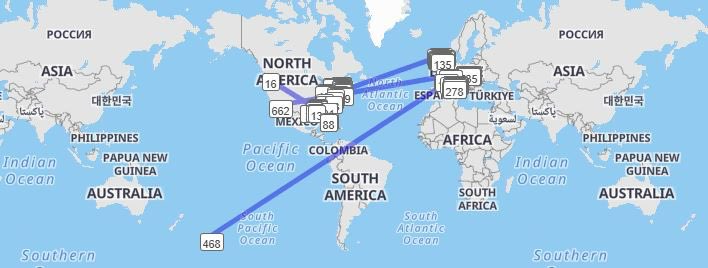
Classroom Einstein World Traveler Travel Bug has now moved over 60,000 miles. It is now in the Czech Republic. The other two have moved over 25,000 miles and are in Mexico and the Netherlands! Great way to study other countries! @tlscott @WertheimerMS
133
Daryle Esswein retweeted

5 Apr 2025
5th graders successfully coded the drones to fly through the obstacle and land on the platform. They were REALLY excited about sticking the landing on the platform! #GoCIGo #STEAM #5thGrade @Robolinkinc #drone
6
5
56
2,431
3 Apr 2025
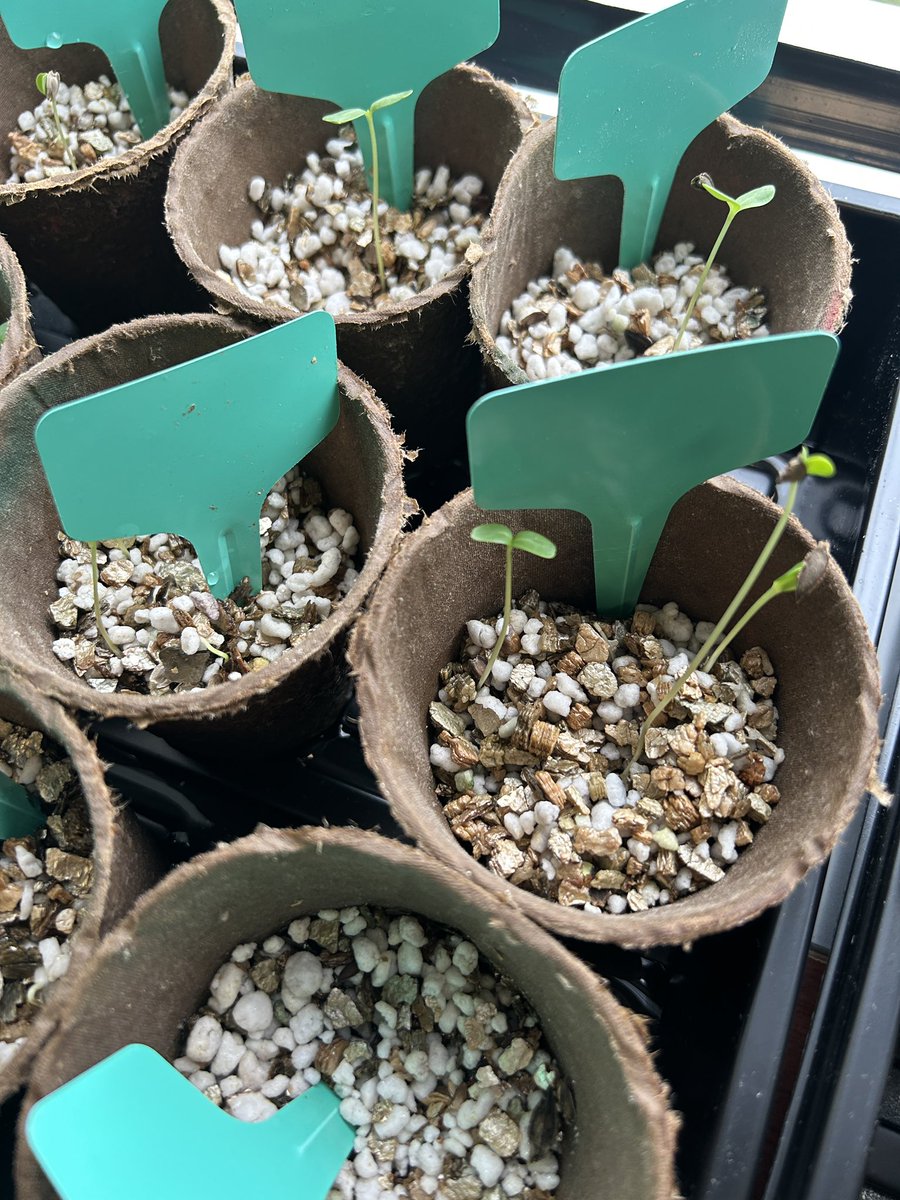
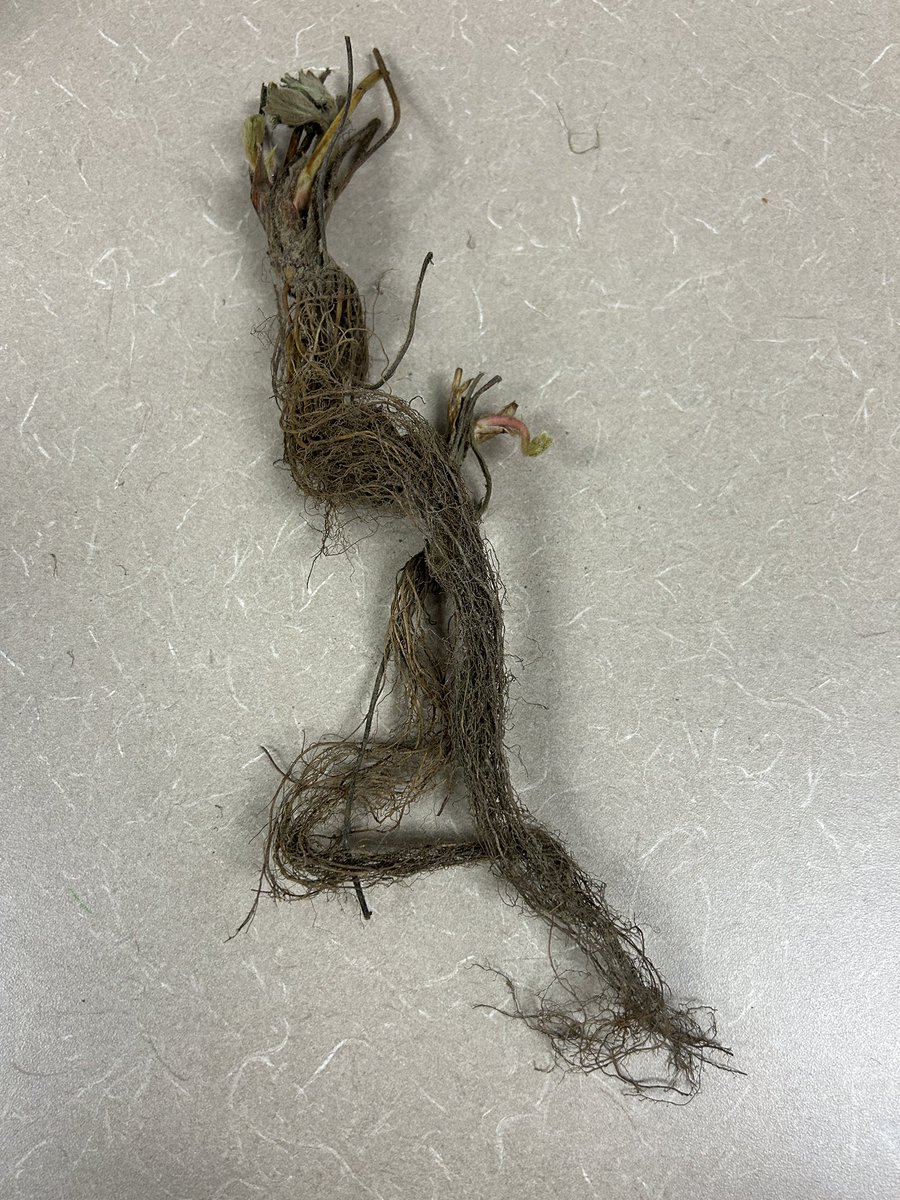
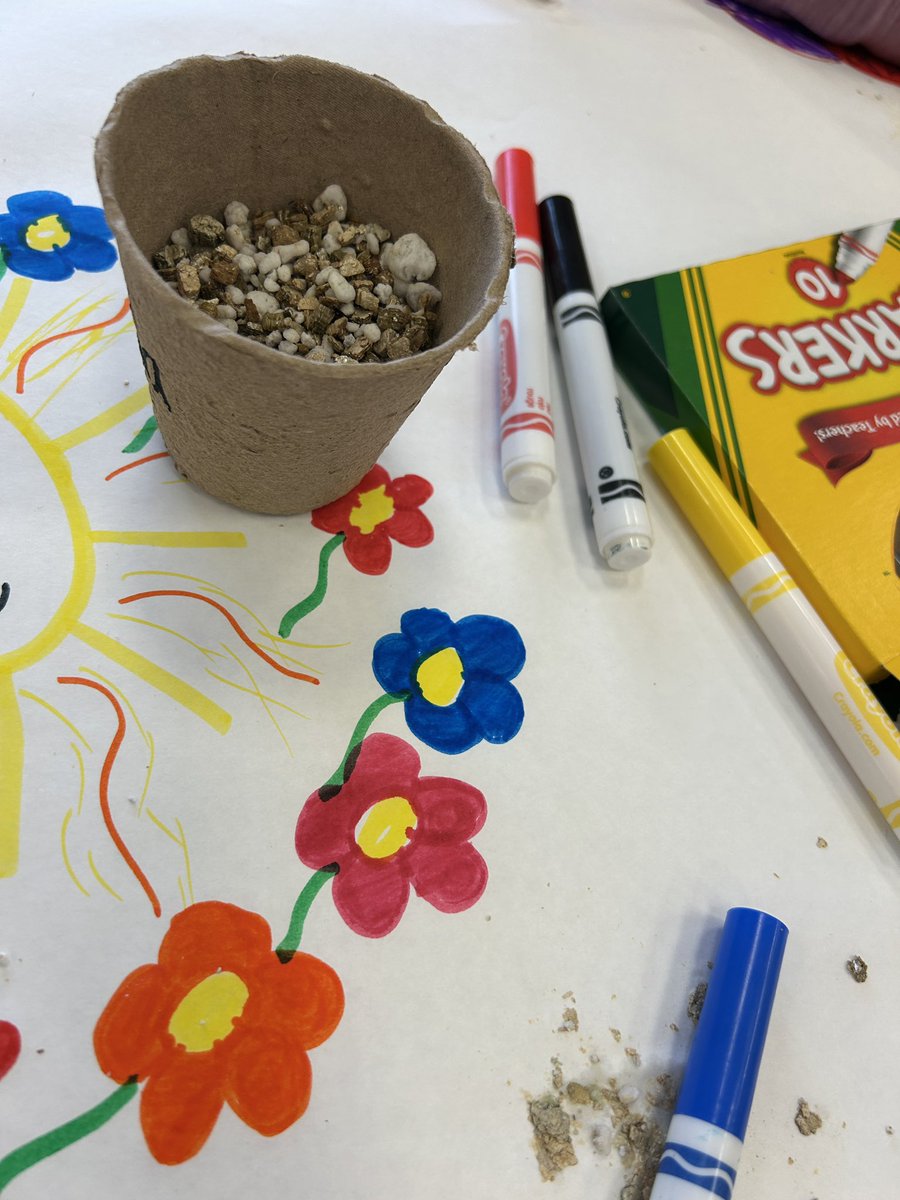
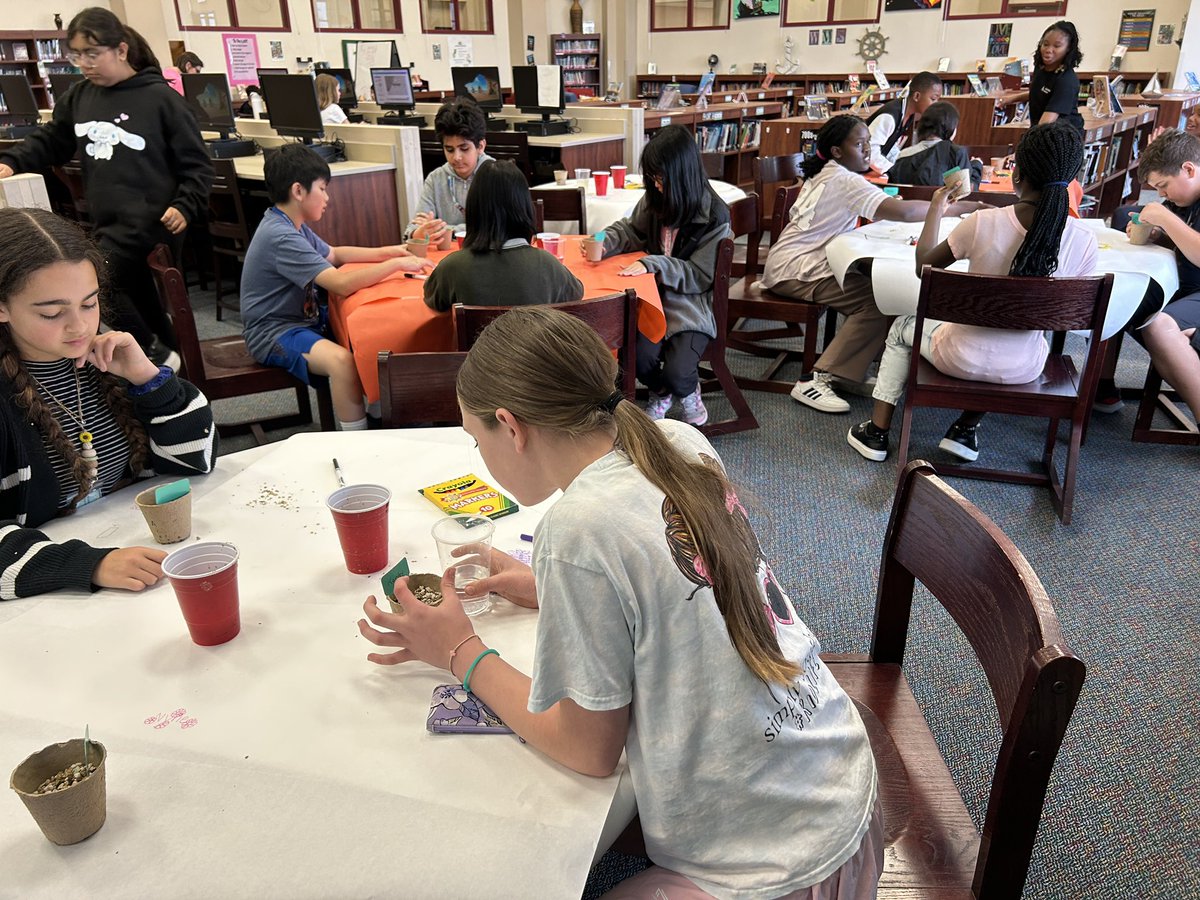
Our Gardening Club lesson started with what plants need for growth! We watched a video @MythBusters on the best environment for plants. They concluded that rock and roll music makes plants grow faster than classical or talking! Next we plant strawberries in our hydroponic garden.
132
2 Apr 2025
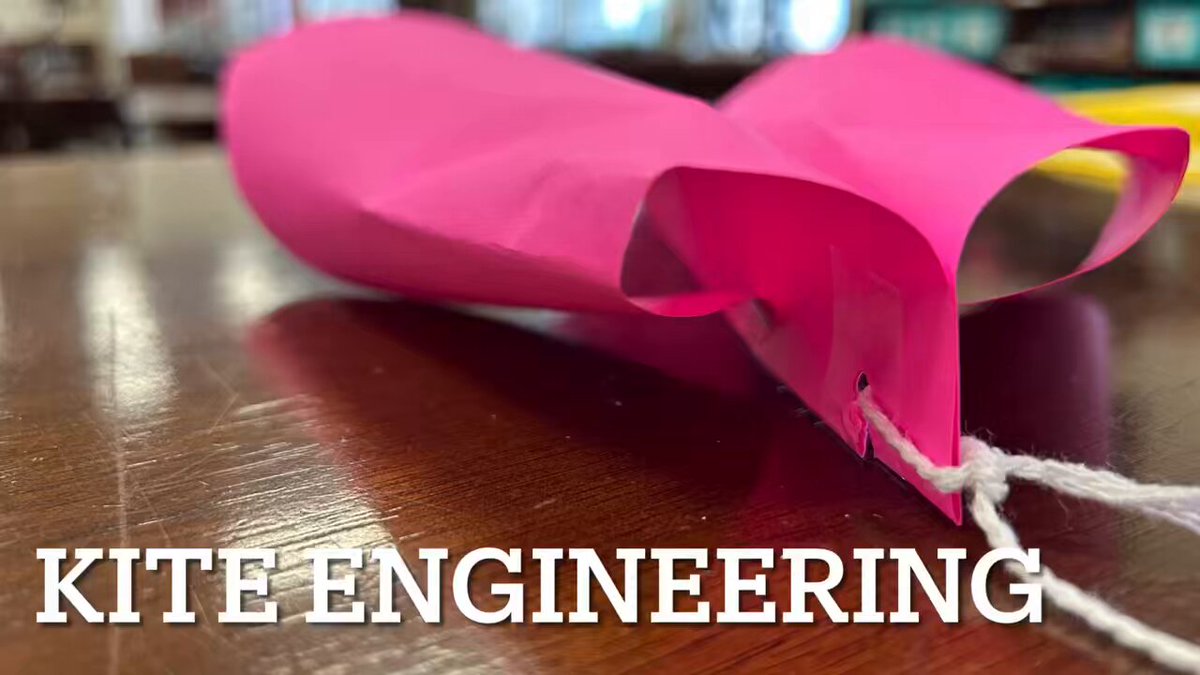
Today we engineered different types of kites, discussed why some designs worked better than others, and flew a big kite high above the school!@Tonilscott_ed
1
96
19 Mar 2025
Today we started our second engineering project tied to curriculum on resource scarcity and conservation. We watched a fabulous video from Henry Ford’s Innovation Nation about the Water Lens (used to make water clean). Students then developed their own filters. @Tonilscott_ed
1
136
6 Mar 2025
I had considered painting the eggs gold! Today we started the engineering process creating a container that keeps the egg from breaking when dropped. The hardest challenge is analyzing problems and making modifications. Students used physics vocabulary. @Tonilscott_ed
2
310
19 Dec 2024
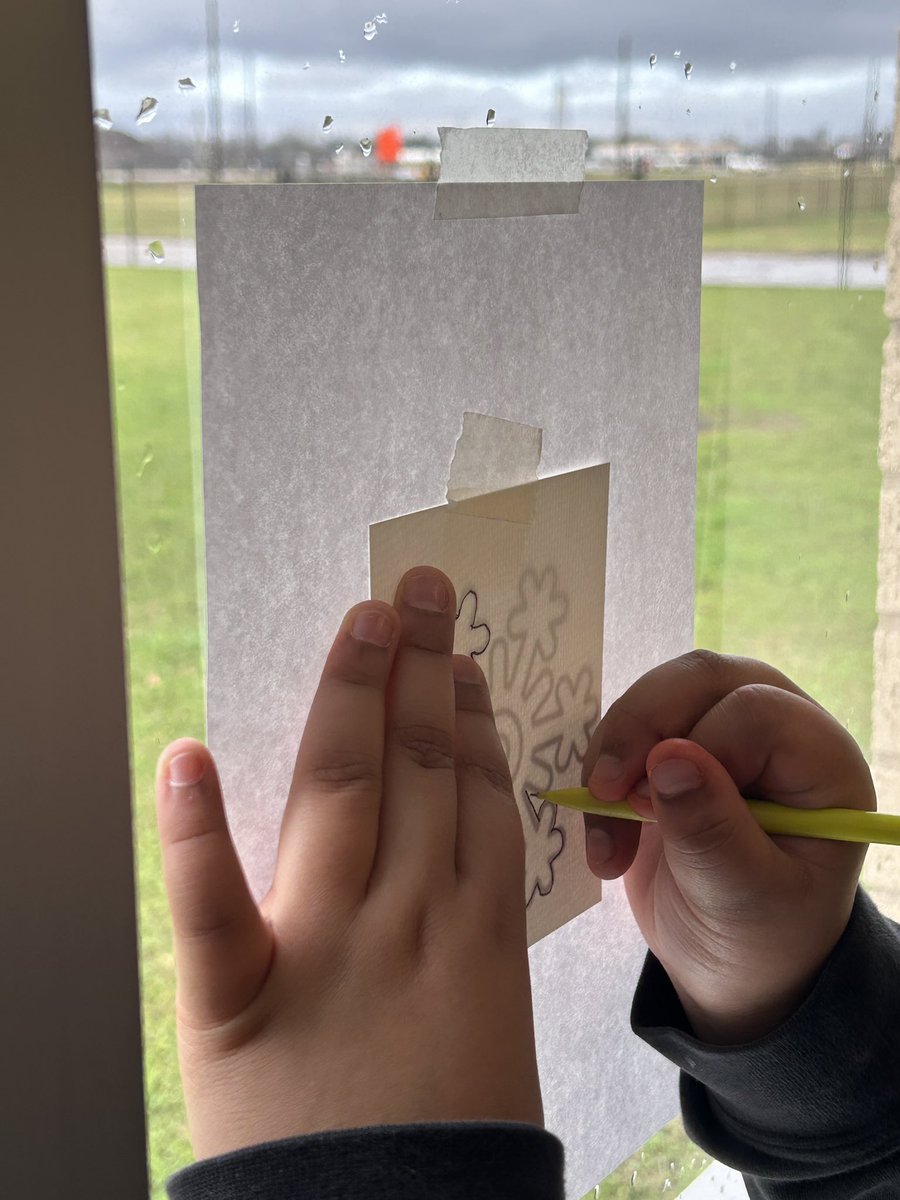
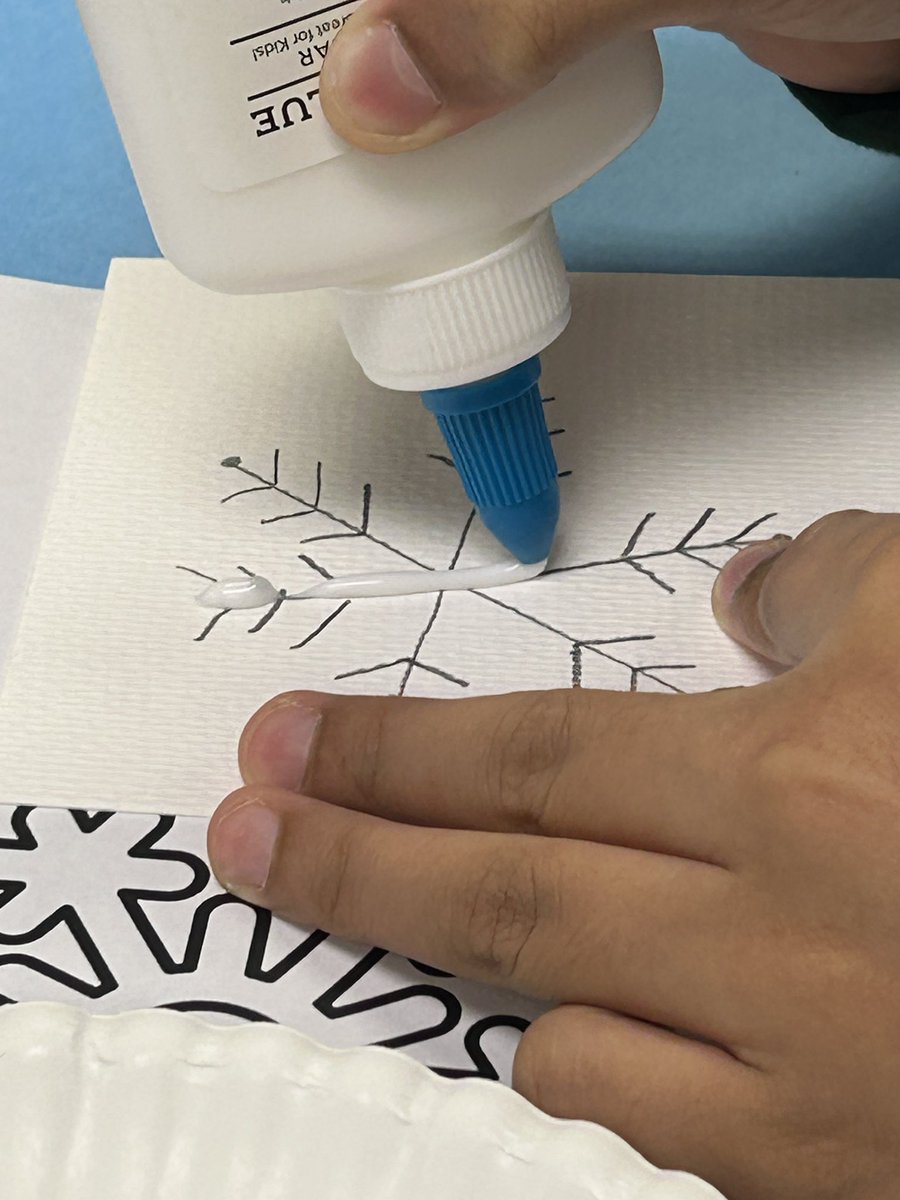
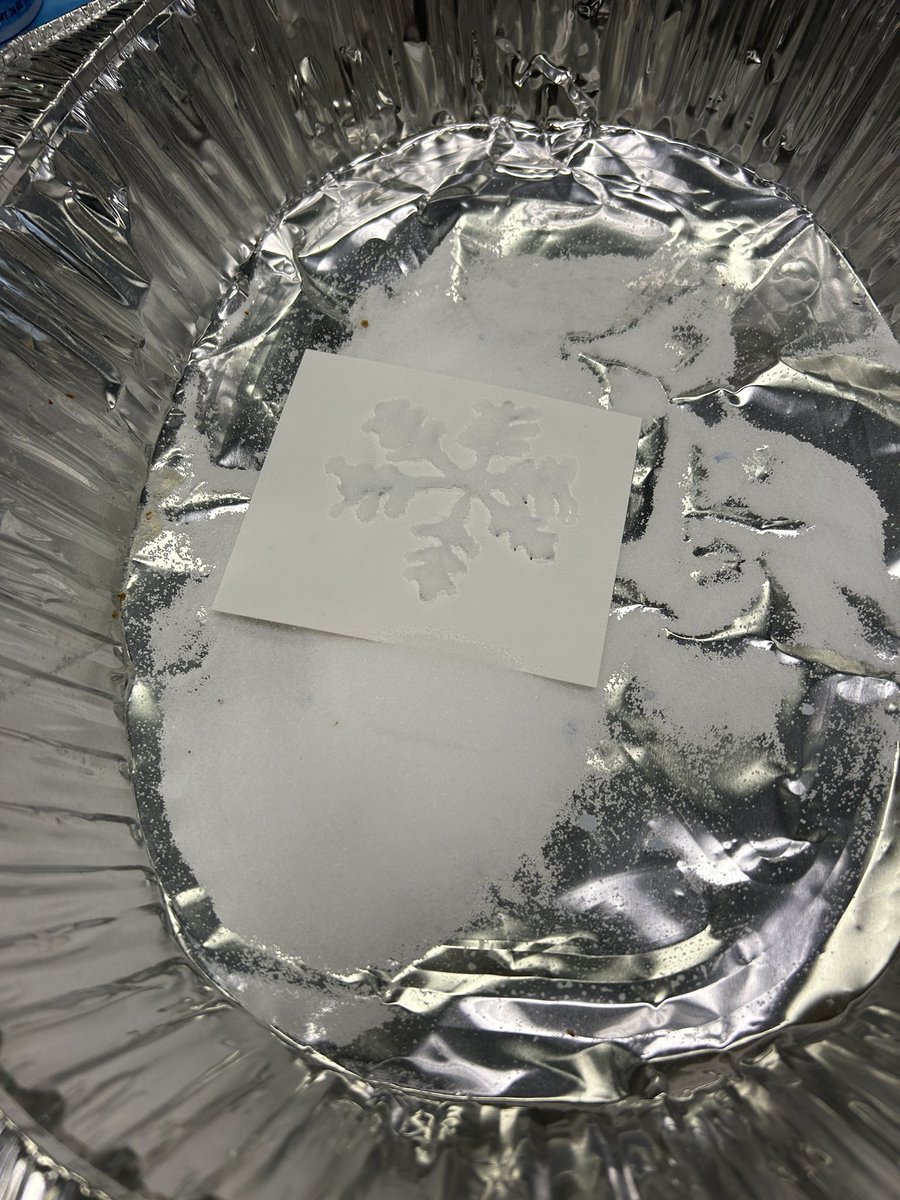
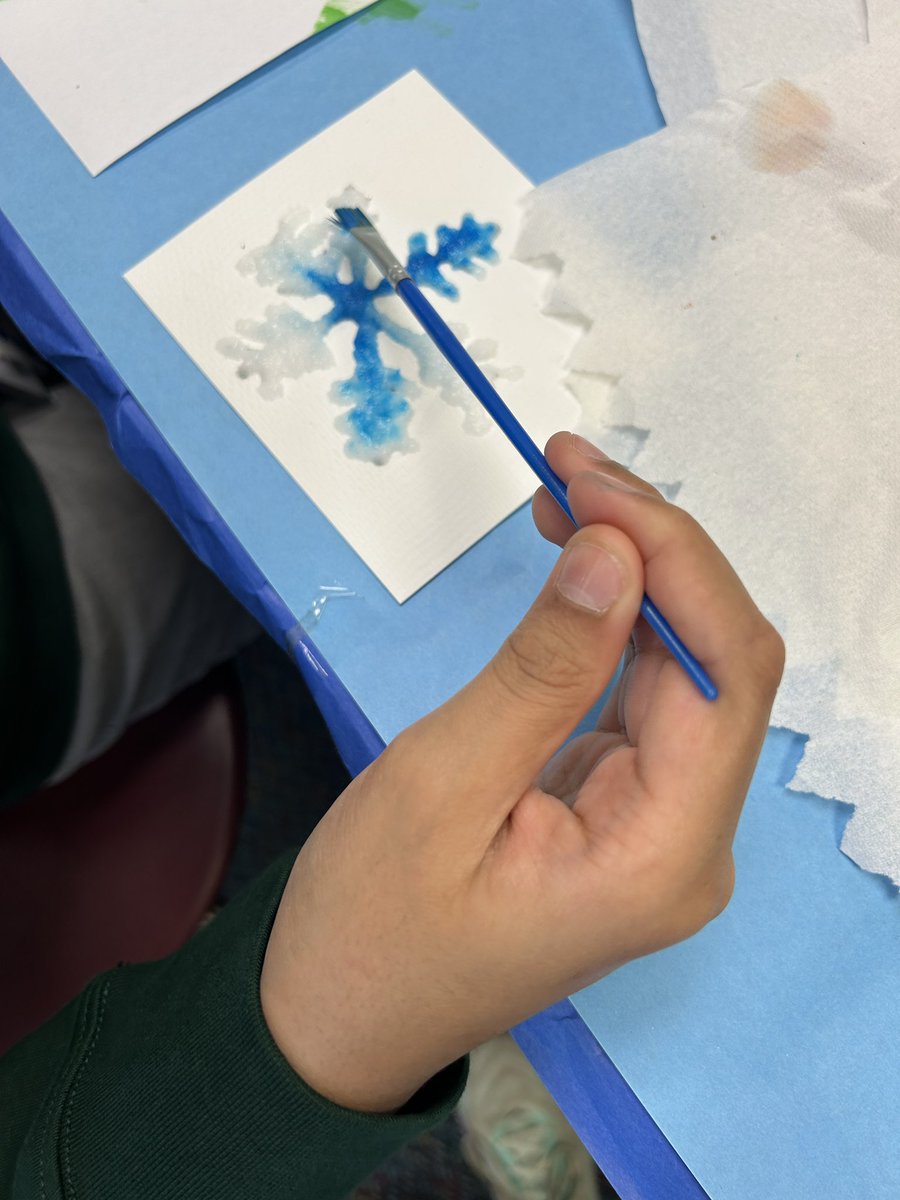
Cheap and easy way to include a STEAM project with your students. After reviewing the science involved in creating snowflakes, students made their own using watercolors and salt. We also learned different painting techniques while glue was drying. @Tonilscott_ed
3
203
16 Dec 2024
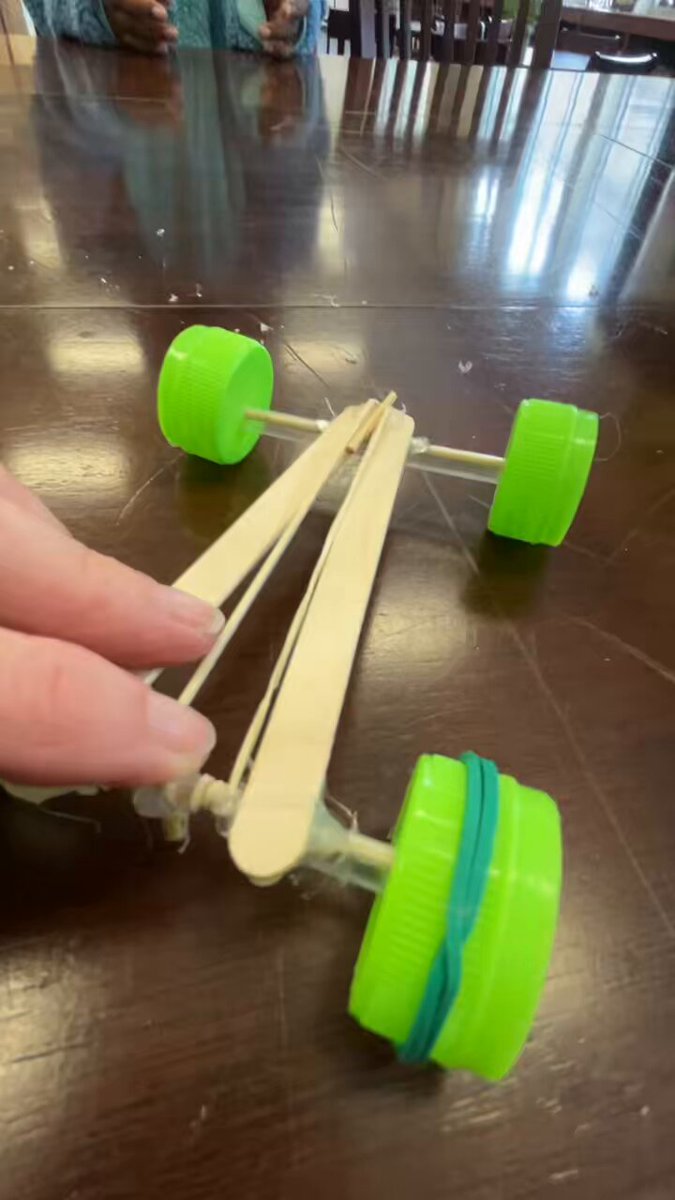
Learning problem solving engineering and tinkering! Each part in system has an important function to make things work! In this case, students needed to redesign the axle system so the rubber band (potential elastic energy) had less friction to turn. @Tonilscott_ed
4
438
11 Dec 2024
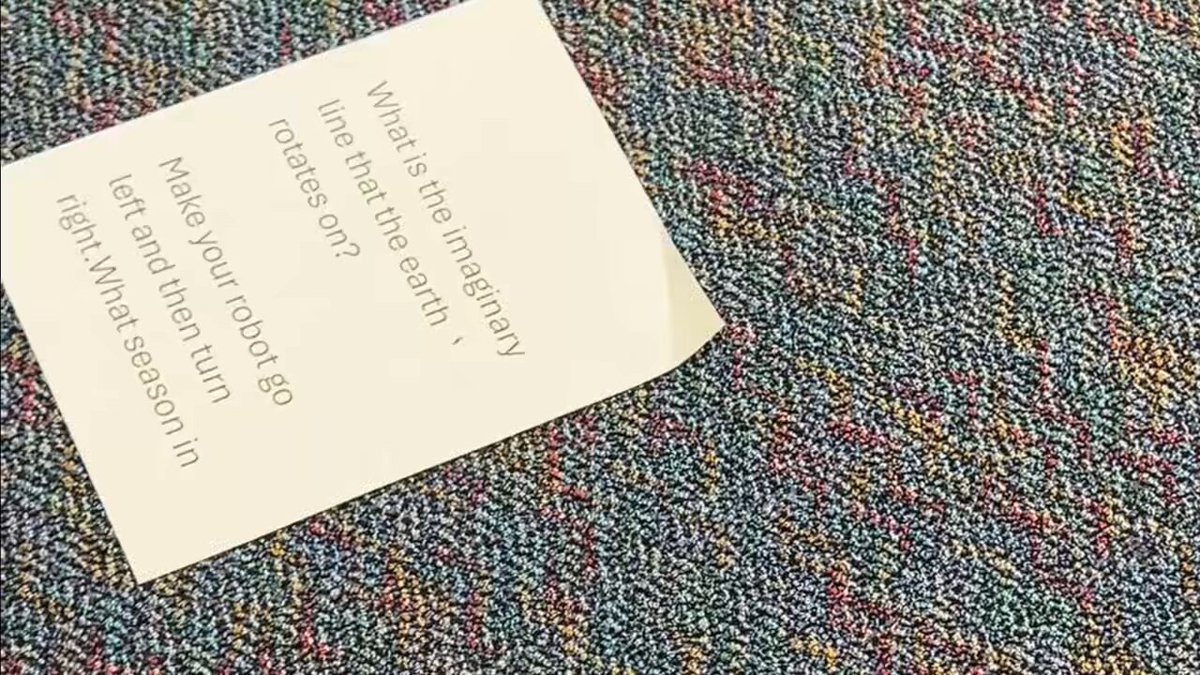
Computer coding forces students to slow down and think incrementally. Teams had to answer the question and then code the robot. This could even be used for math, reading, or rainy day activities. Their next step will be to create and code robots.@Tonilscott_ed
1
2
195