Author, historian, cyclist, idiot adventurer. Just finished a book about WW1 in Italy (published by Helion & Co), and now working on a book about the Balkans.
Joined February 2009
- Tweets 17,828
- Following 646
- Followers 5,265
- Likes 68,999
6,125 Photos and videos
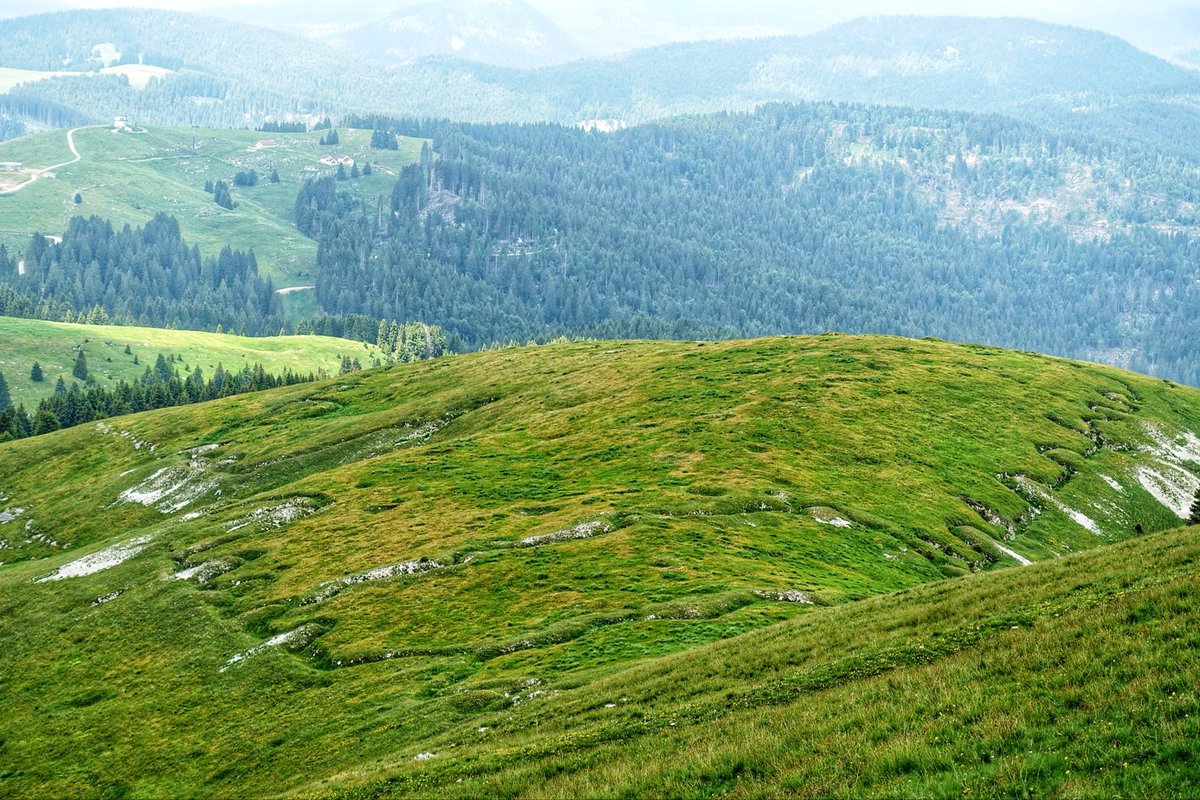
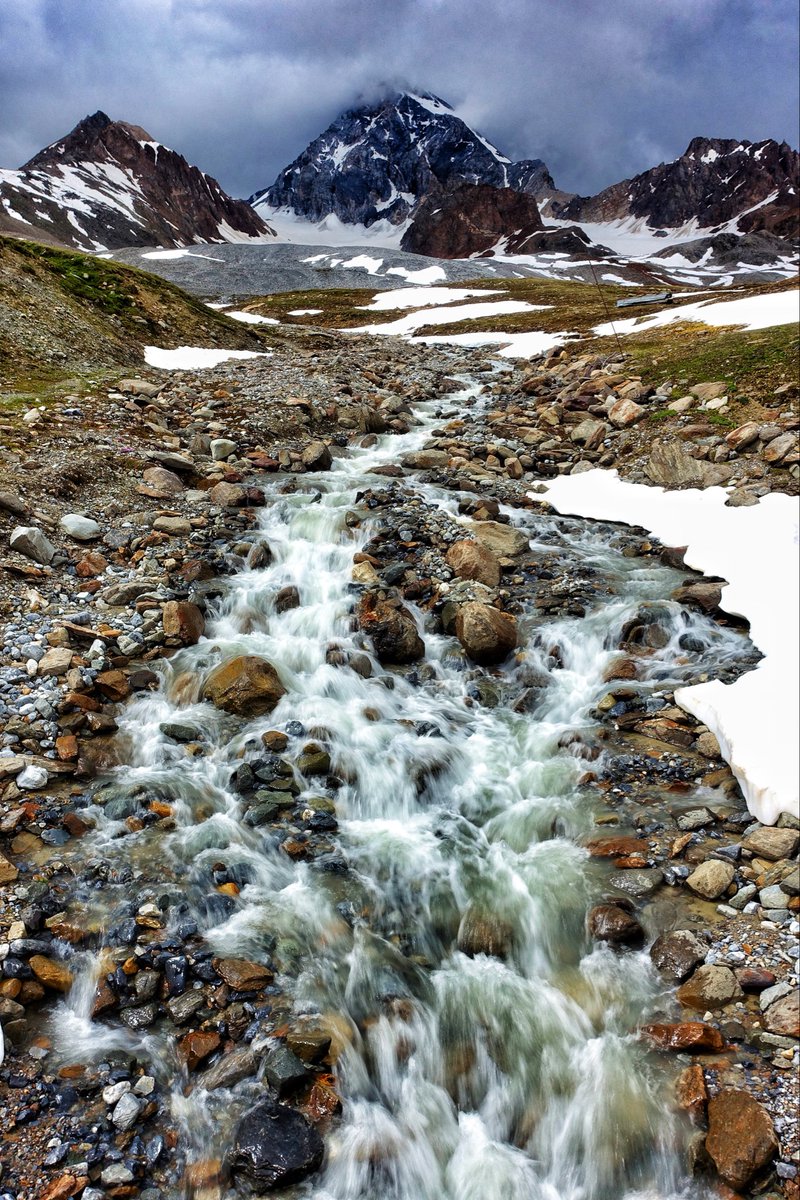
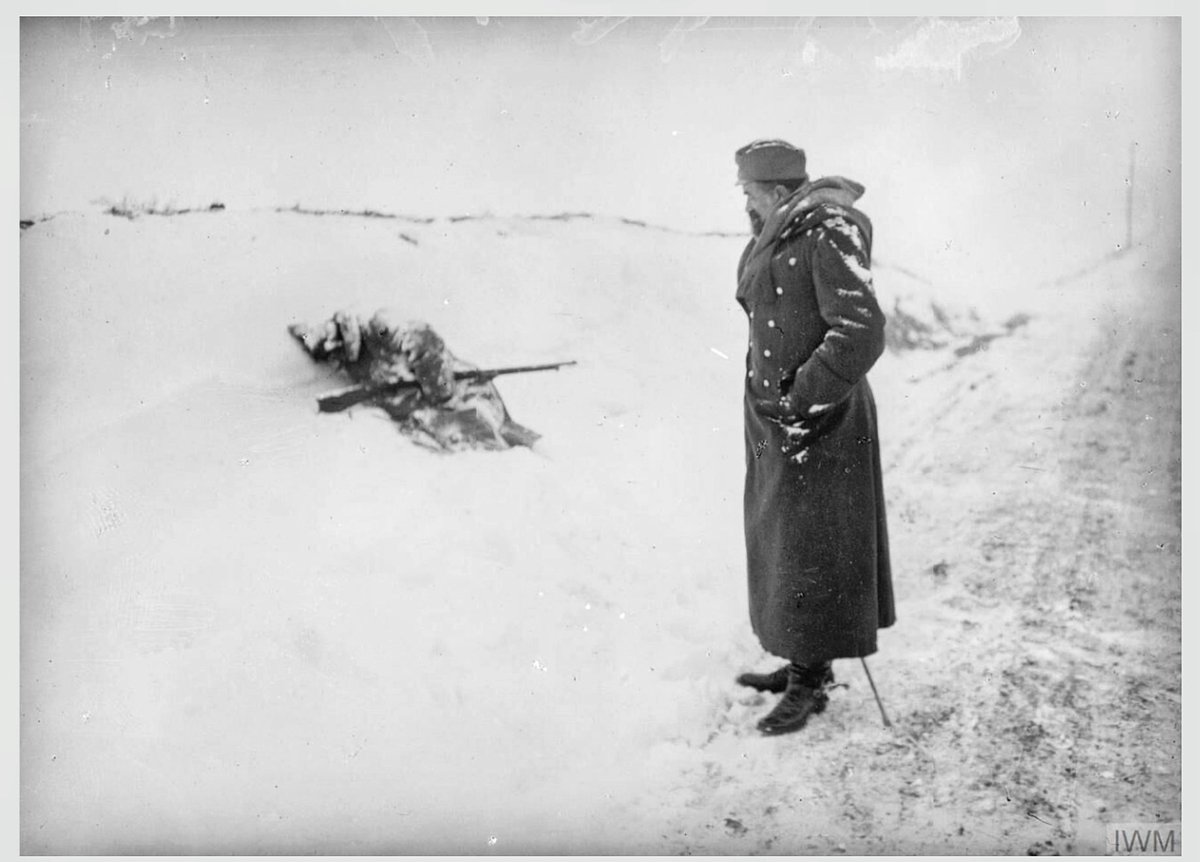
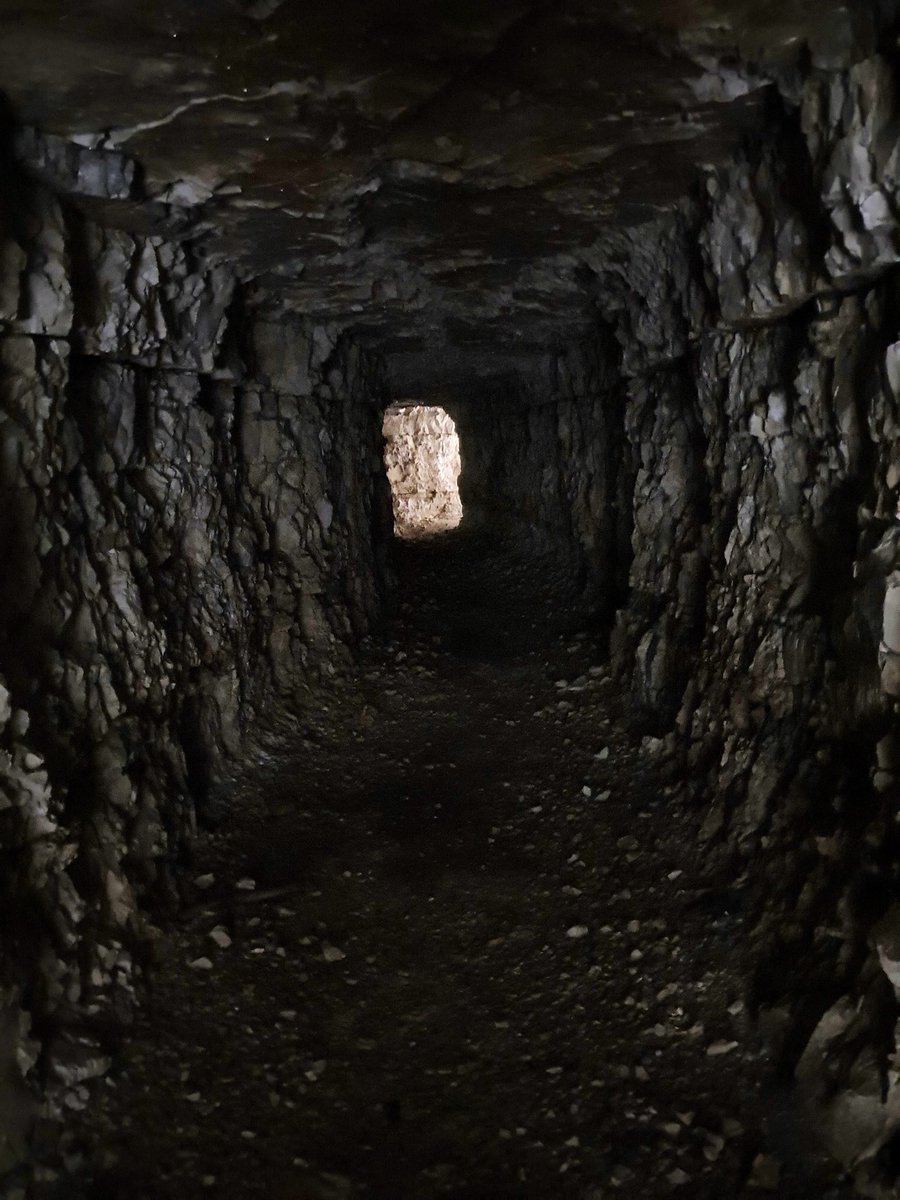
An Italian WW1 strongpoint at Monte Castelgomberto (Melette massif, Altopiano). Communication trenches and tunnels crisscross the position, with caverns dug to protect troops. This area saw fierce fighting during the Strafexpedition and Tre Monti. #TiTM
1
3
64
1,547

Jun 11
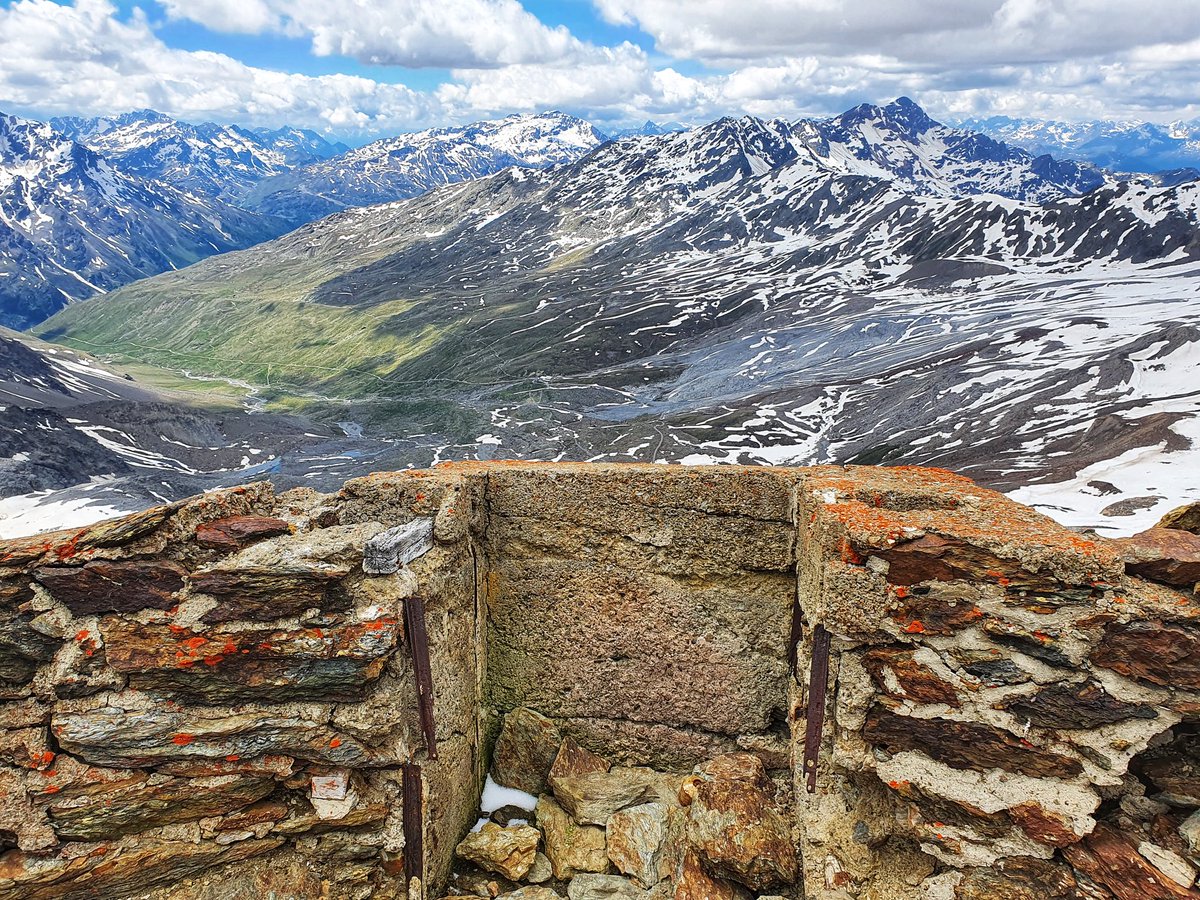
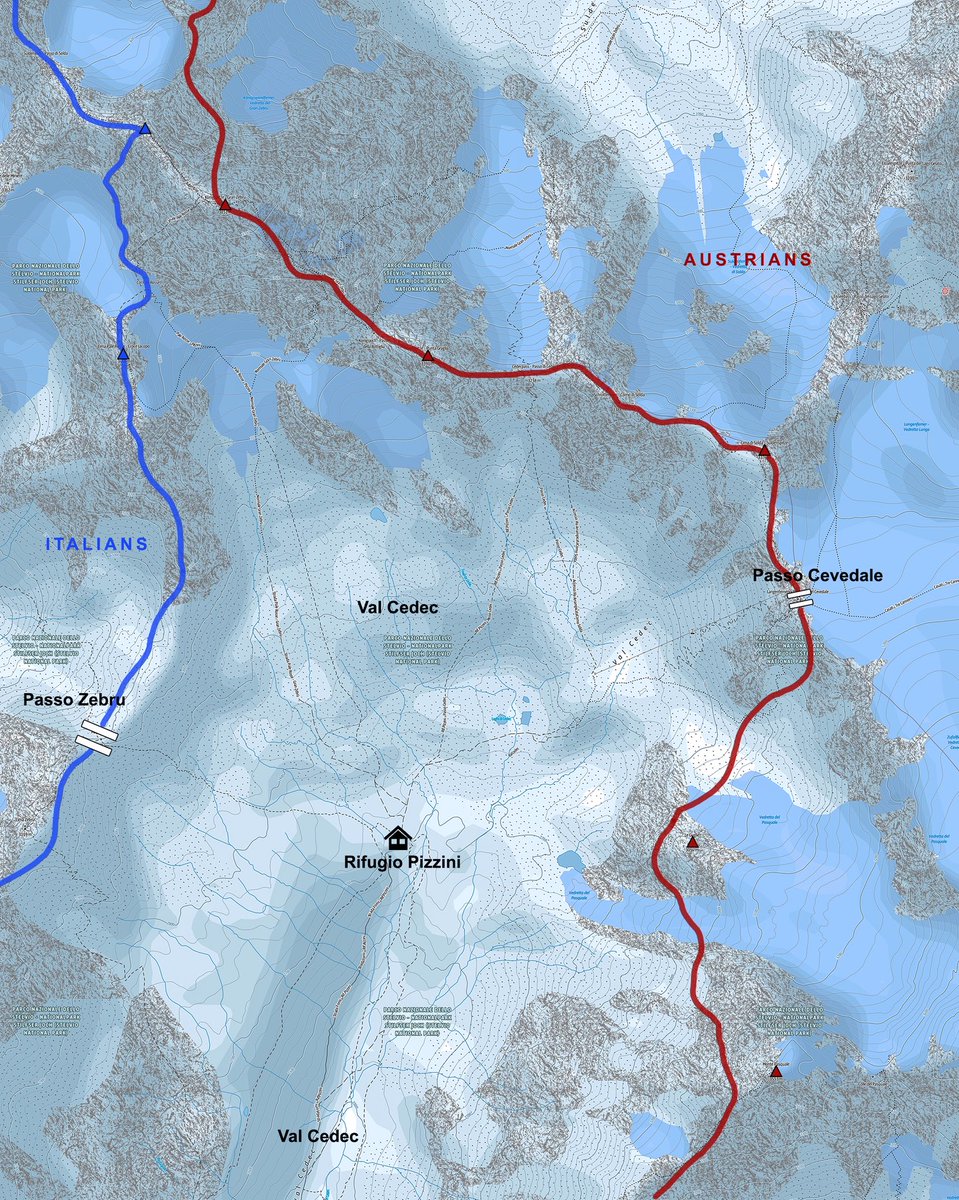
I regularly talk about the WW1 “front lines” on the Italian Front, but in the high mountains there were no “lines” in the established sense, just isolated outposts like these. They mostly protected observation posts, artillery emplacements, or passes. #TiTM
ALT Austrian position at Passo Cevedale
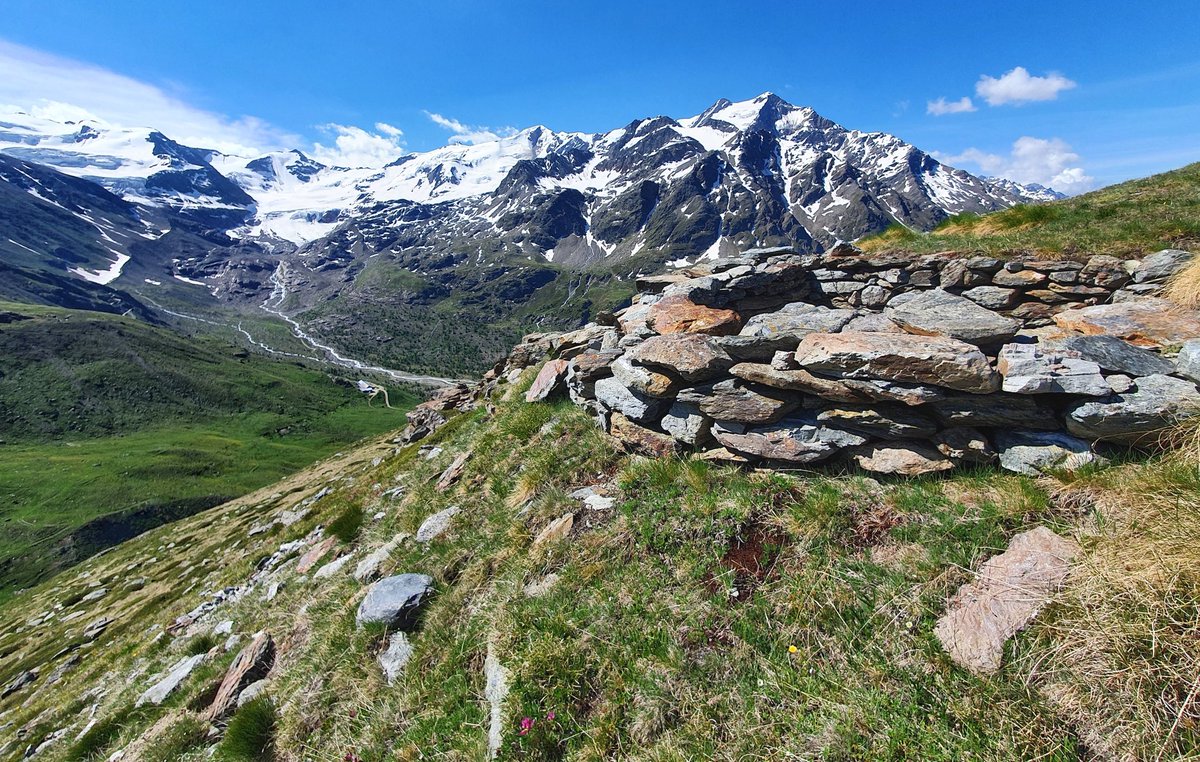
ALT Italian position in Val Forni
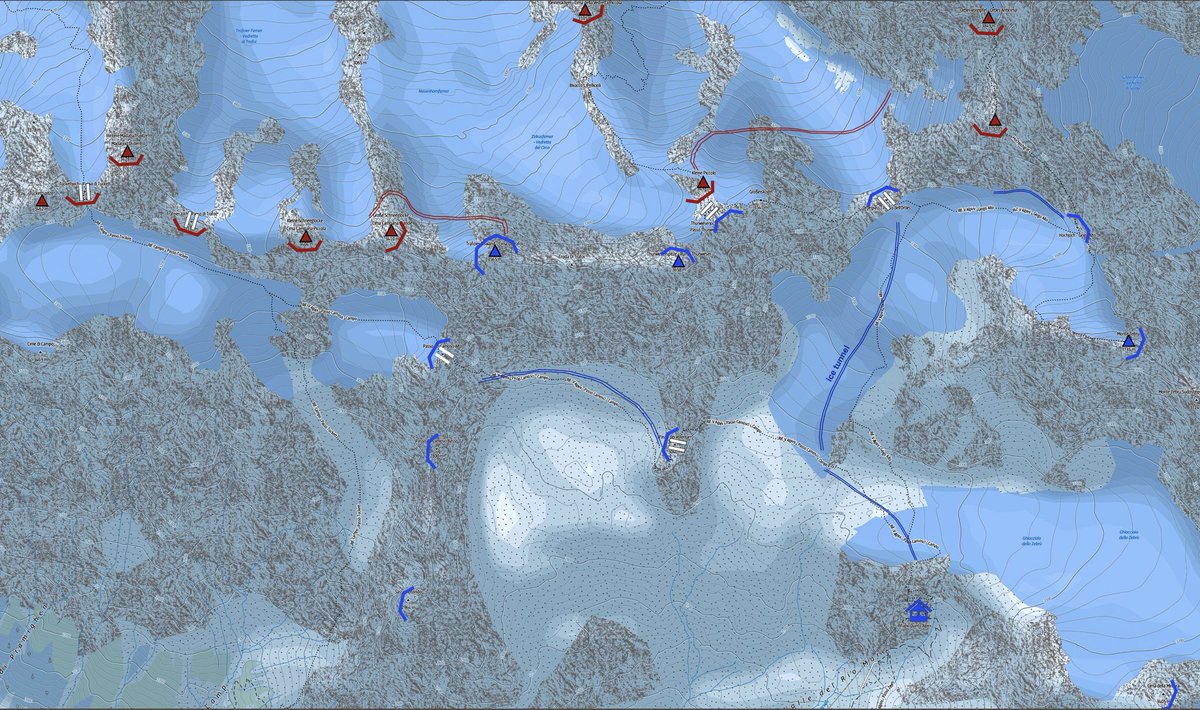
ALT Map of outposts in the Ortler sector
11
86
3,362
Jun 10
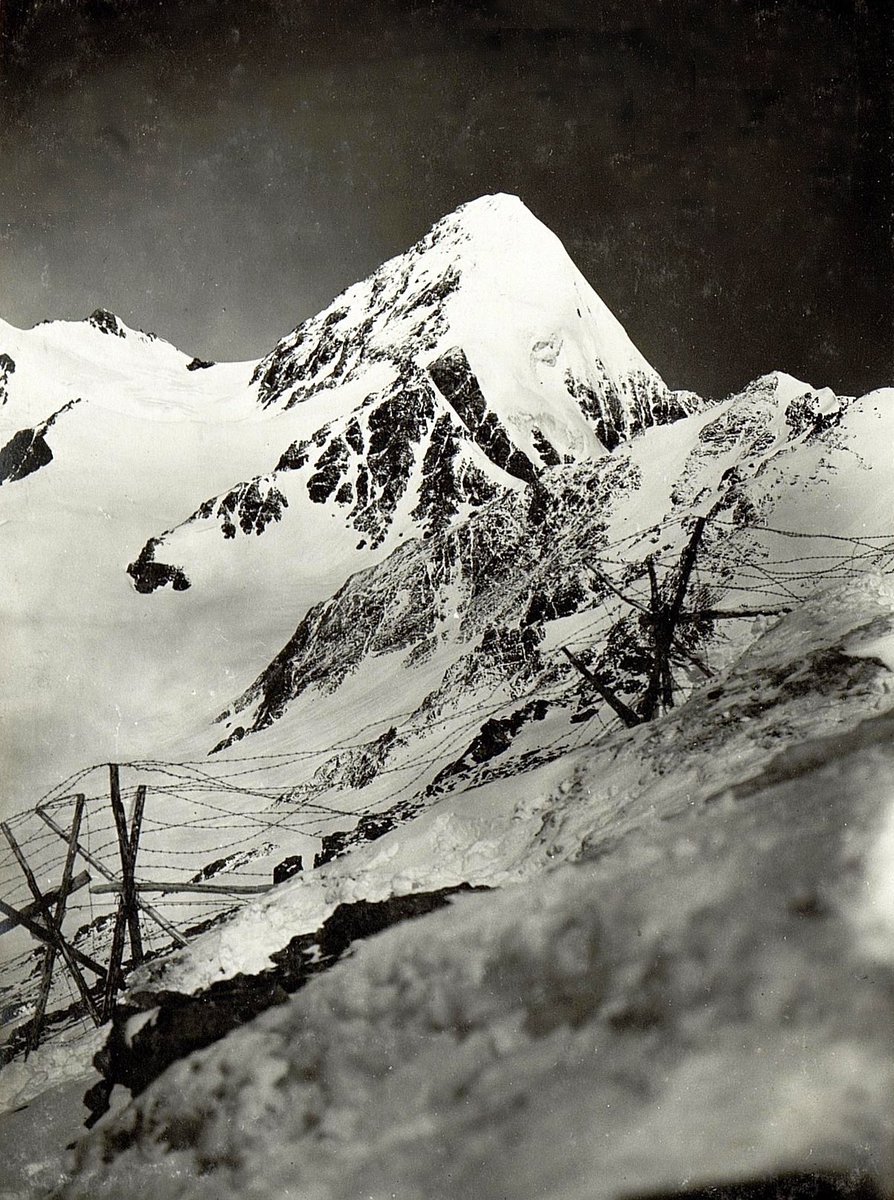
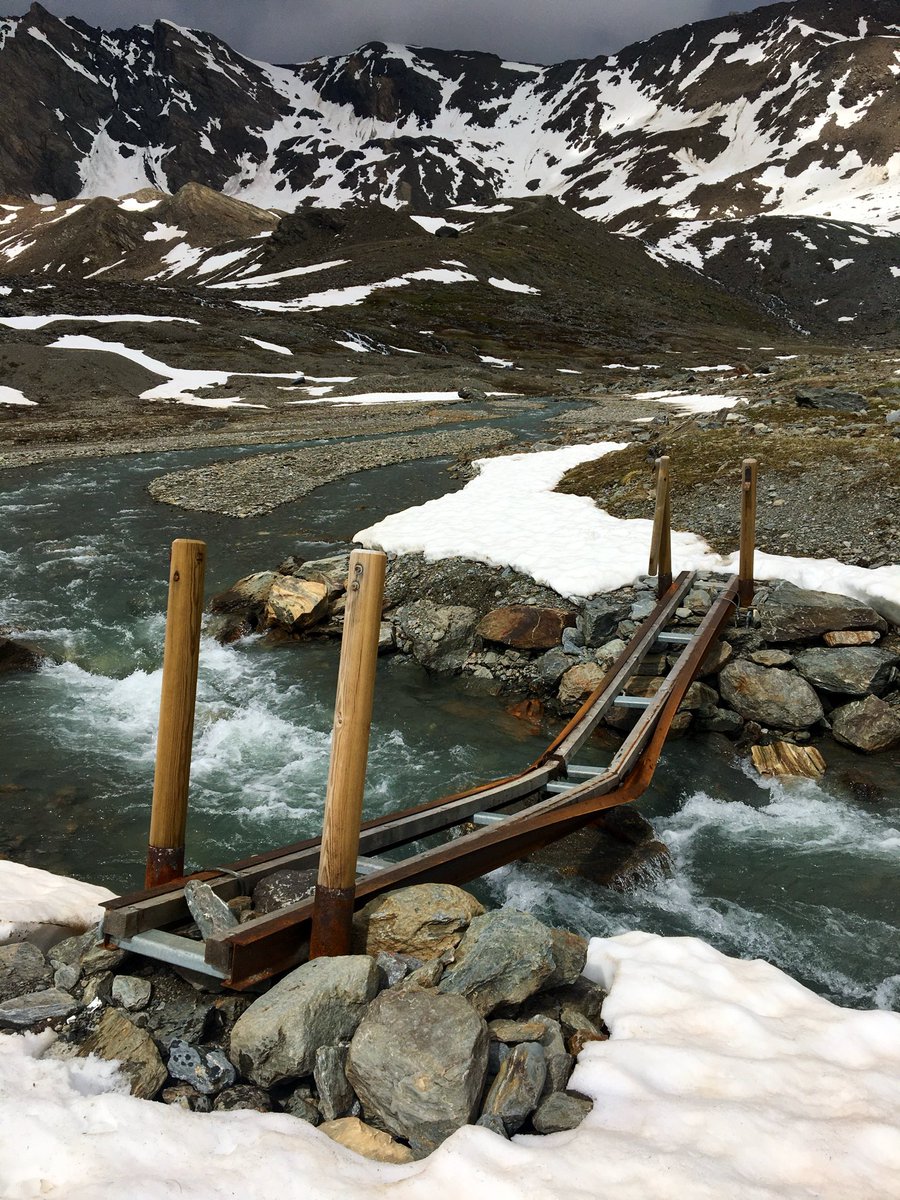
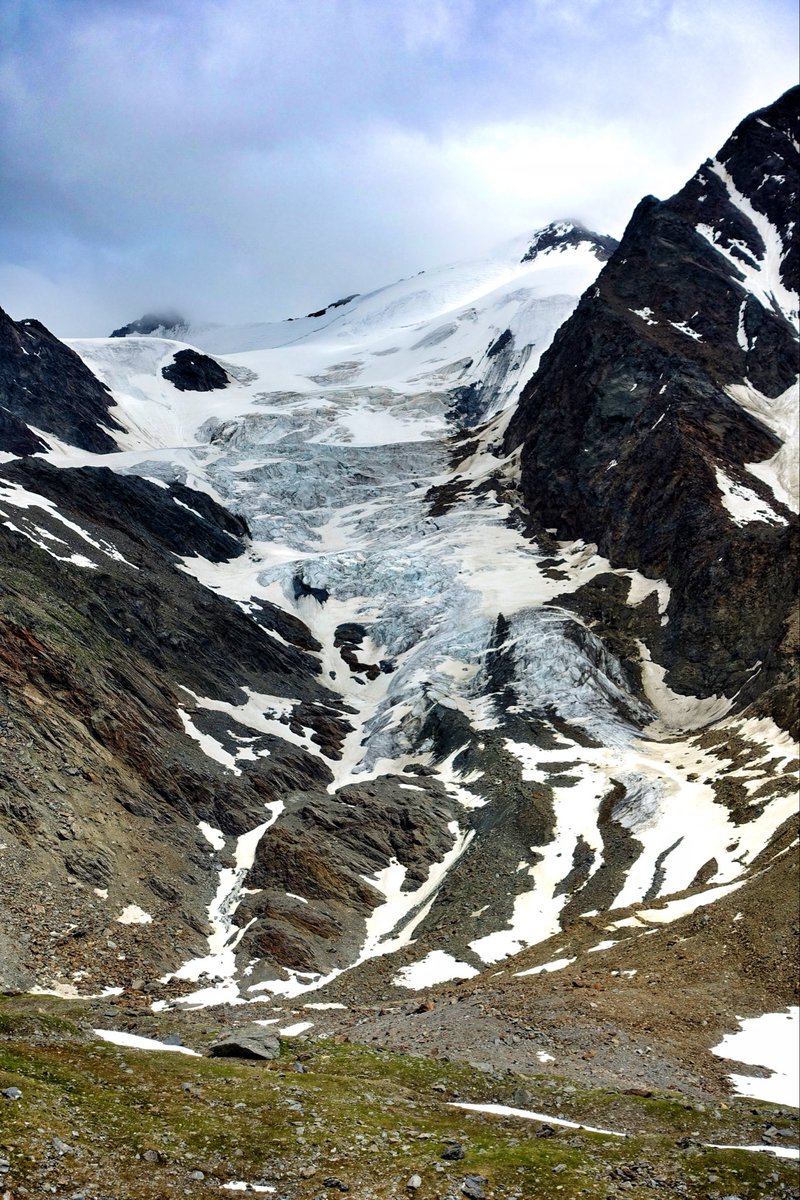
No Man’s Land, 1915 - 1918, Val Cedec, Ortler sector. Bloody freezing. The front lines were around 3km apart, but there was regular skirmishing in the valley around the destroyed rifugio, and periodic abortive attempts to capture Passo Zebrù and Passo Cevedale. #TiTM
2
6
90
6,106
Jun 10
Stupid alt text vanished. First pic: Monte Gran Zebrù in the centre. Second pic: bridge in no man’s land. Third pic: Pasquale glacier. And a map.
10
553
Jun 9
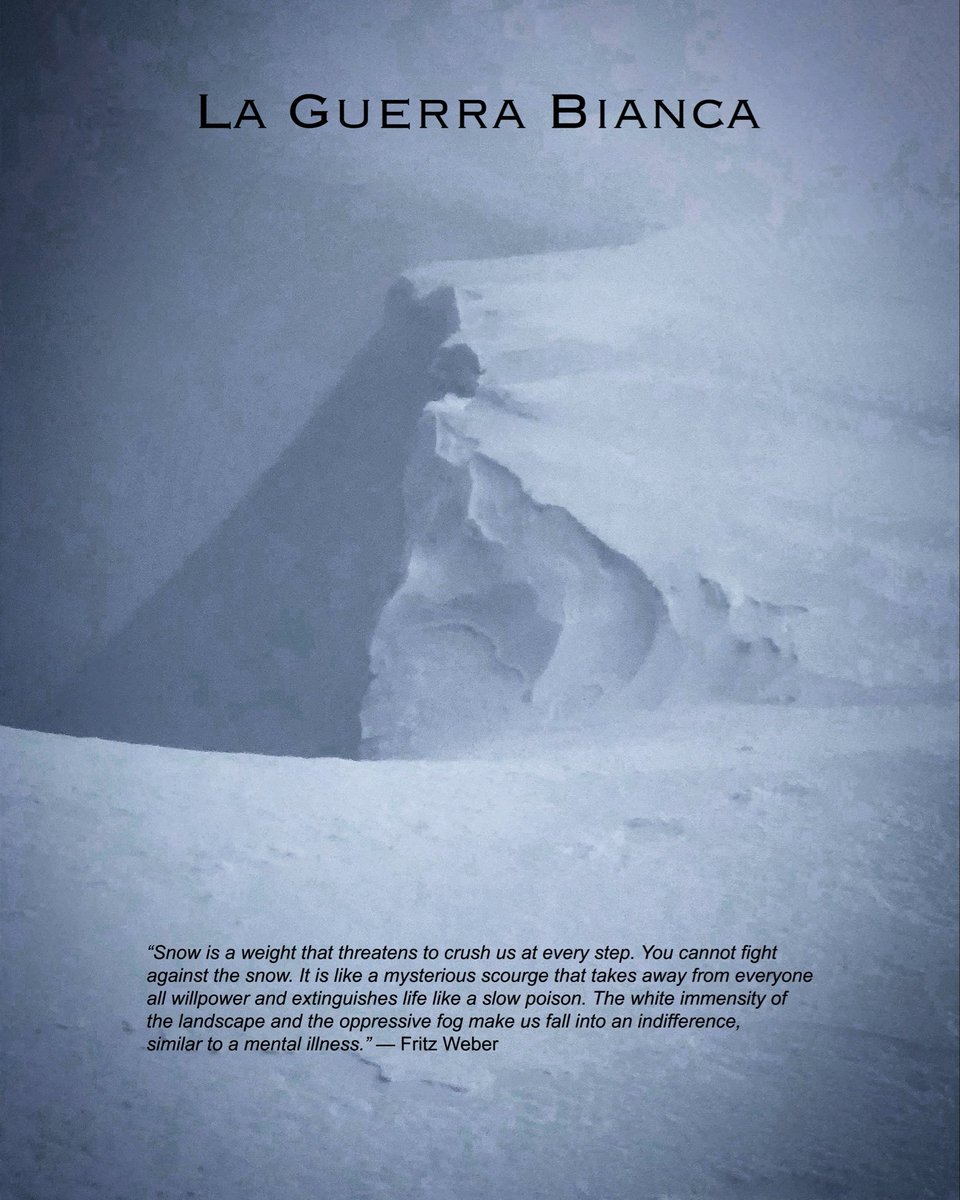
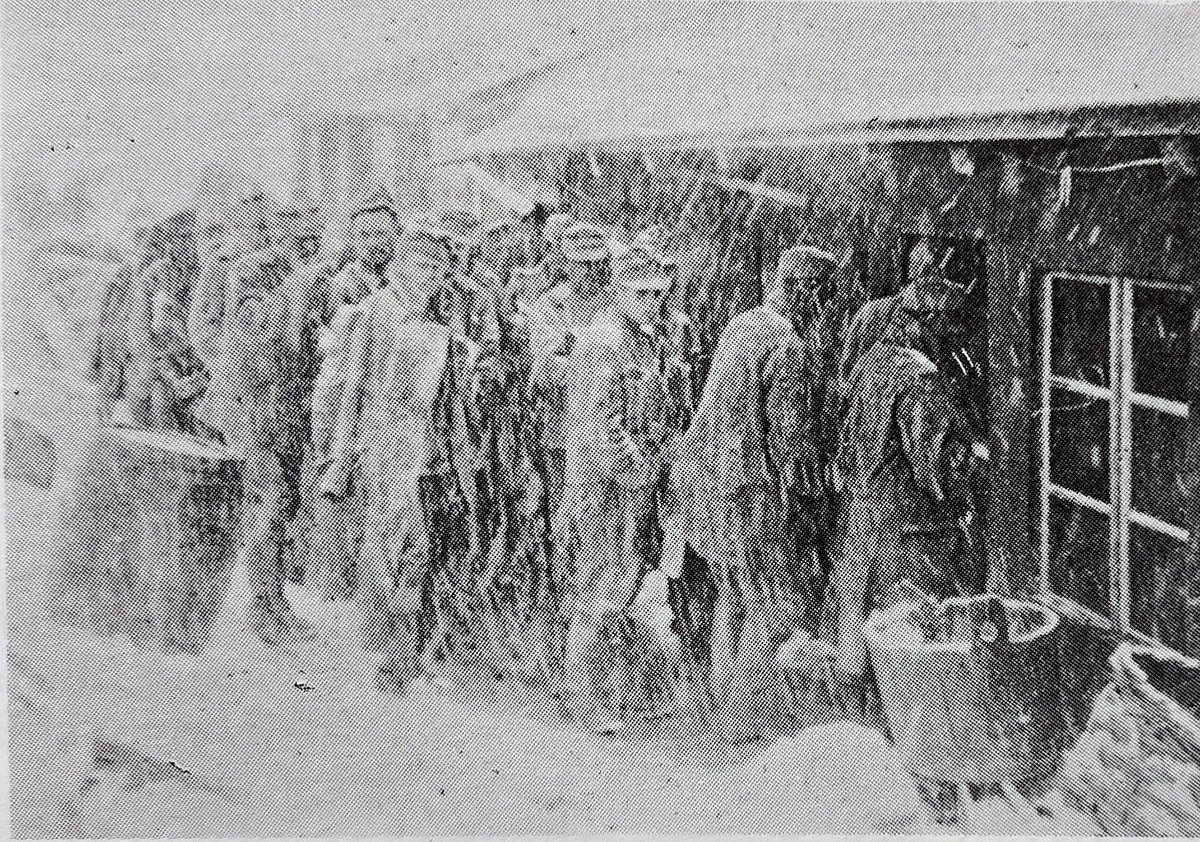
Mountain warfare on the Italian Front took a terrible mental, as well as physical, toll on soldiers. Fear, boredom, cold, exhaustion, hunger, and isolation were constant, for weeks on end, sometimes months. Many men were physically and mentally broken by the experience. #TiTM
3
3
66
2,156
Jun 8
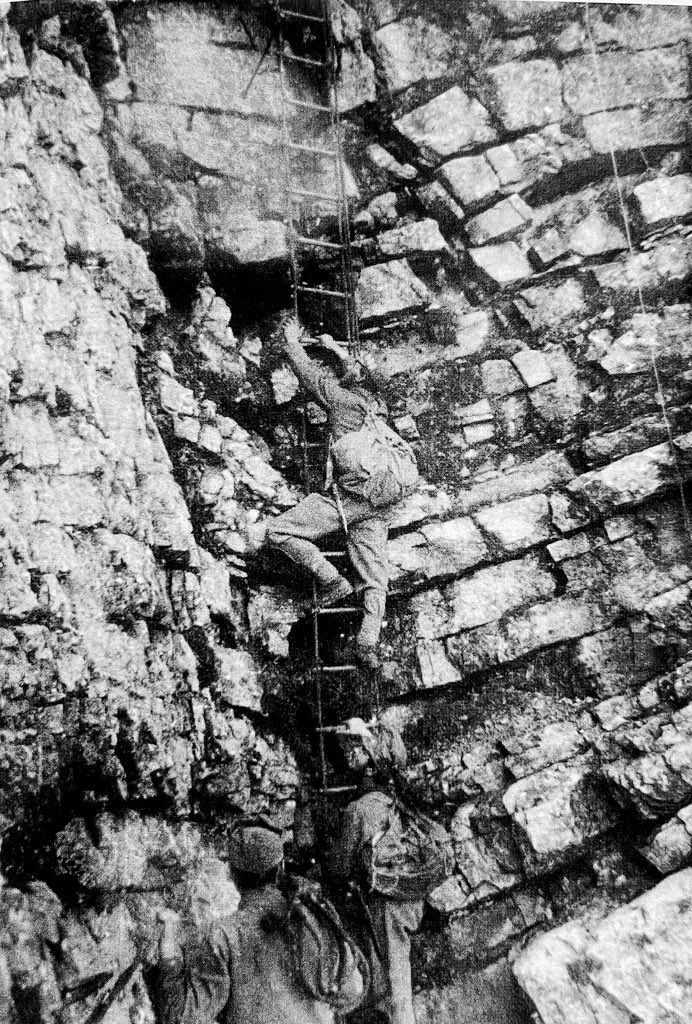
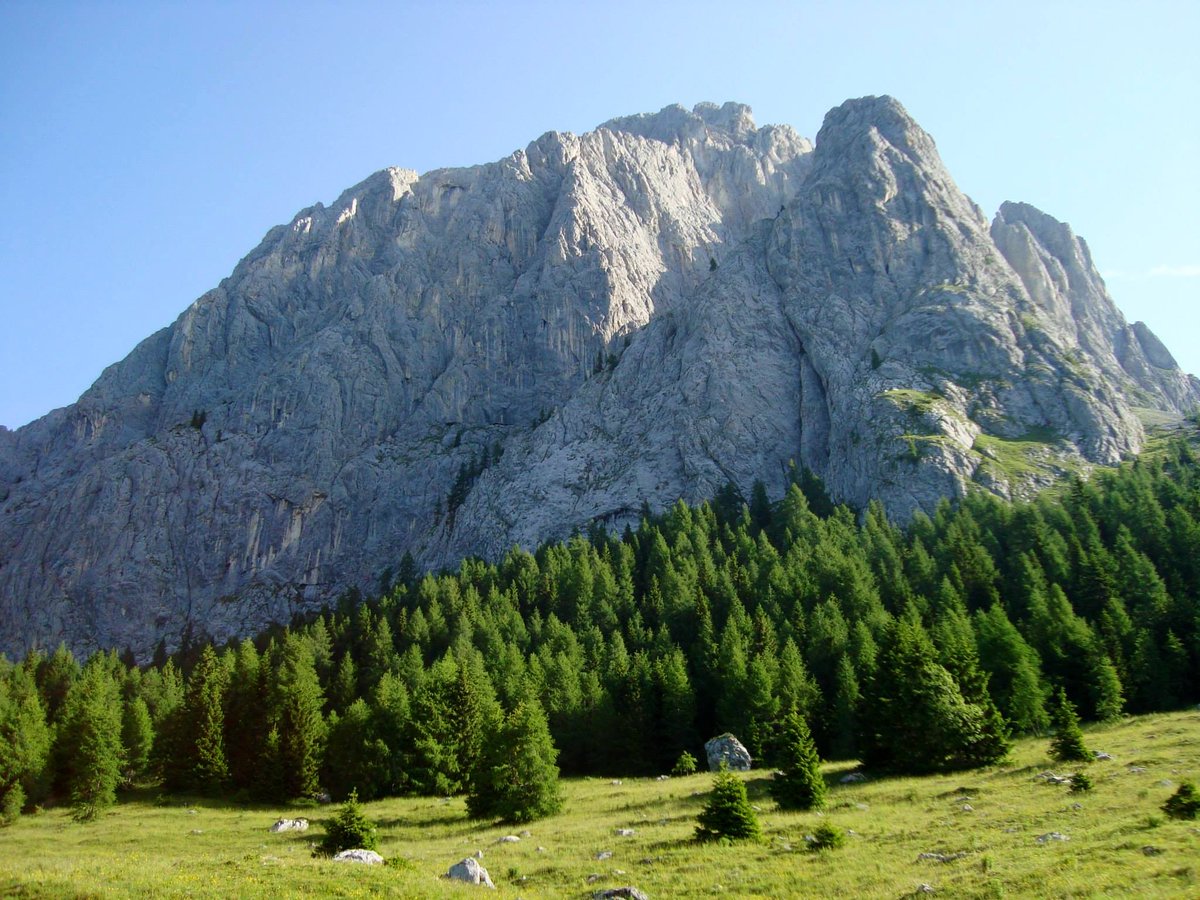
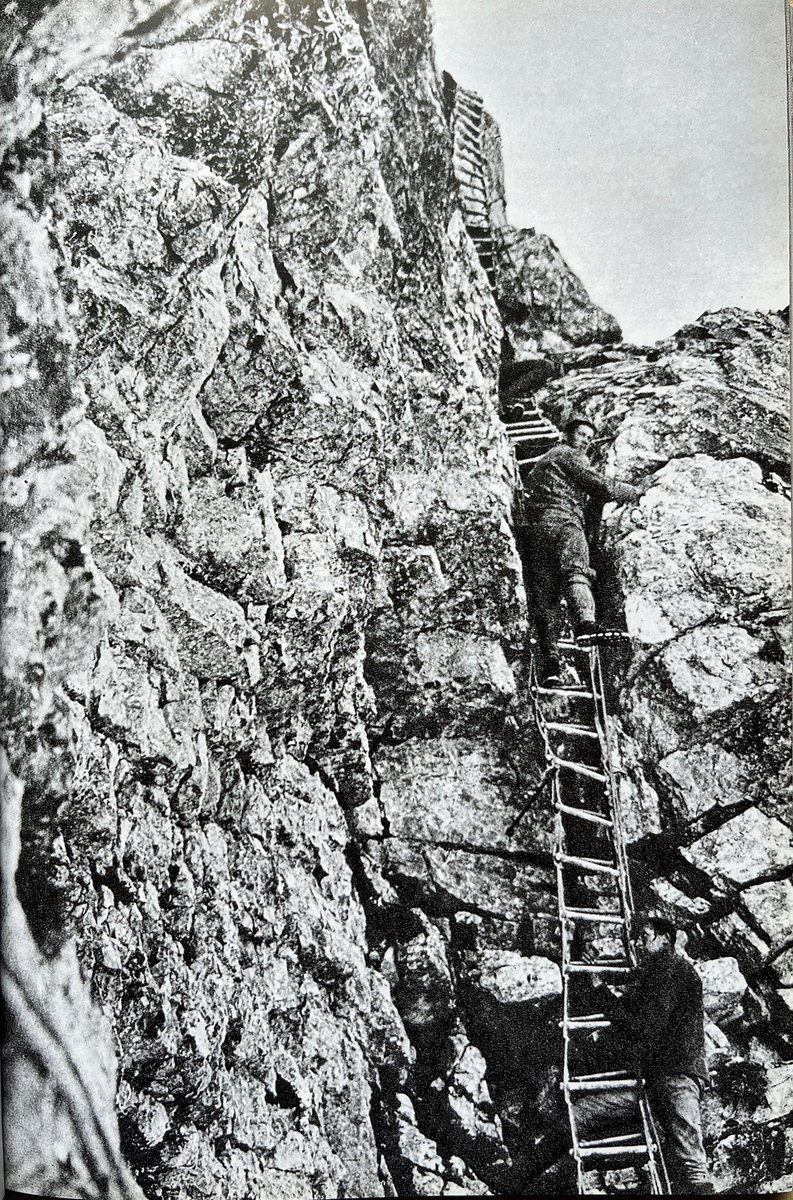
One WW1 barrack in the Carnic Alps was only accessible via a 260ft (80m) rope ladder 😱 Once up there you had to spend two weeks in a 3x4m hut with ten other people, and clamber around on icy ledges trying not to get shot, get frostbite, or fall off. #TiTM
3
7
87
5,189
Jun 7
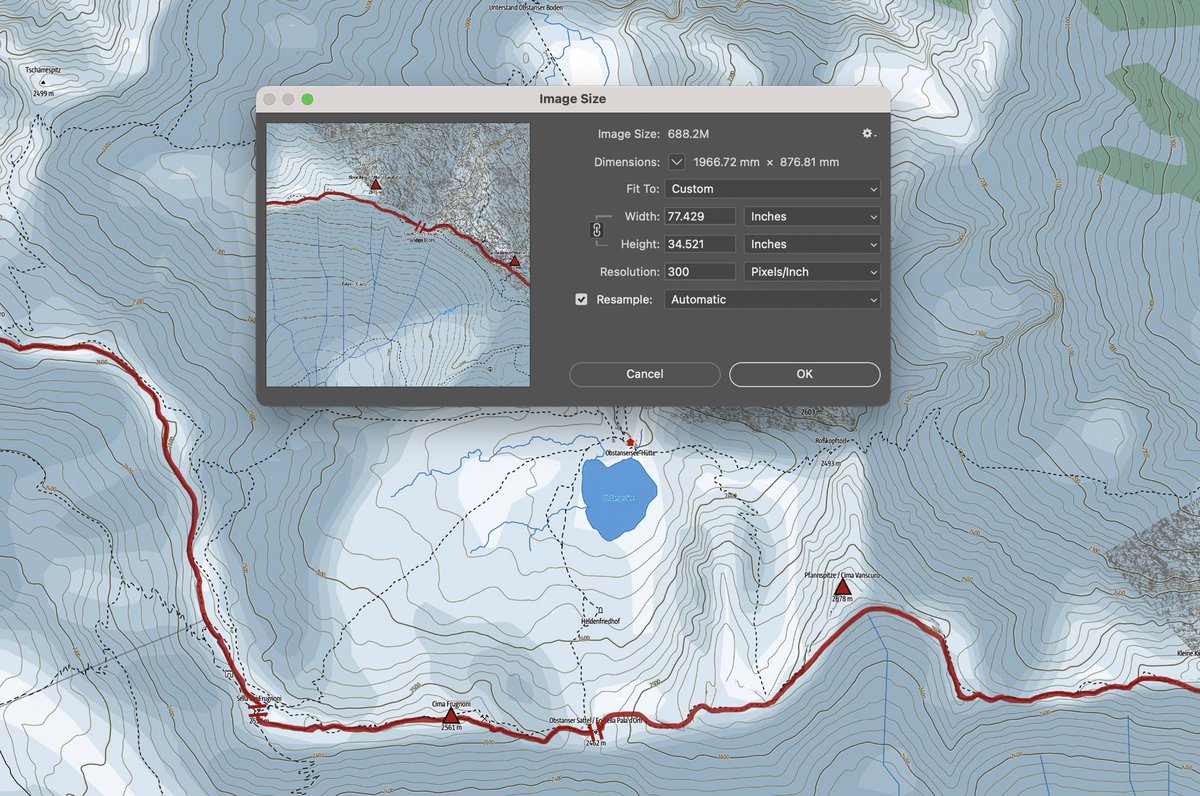
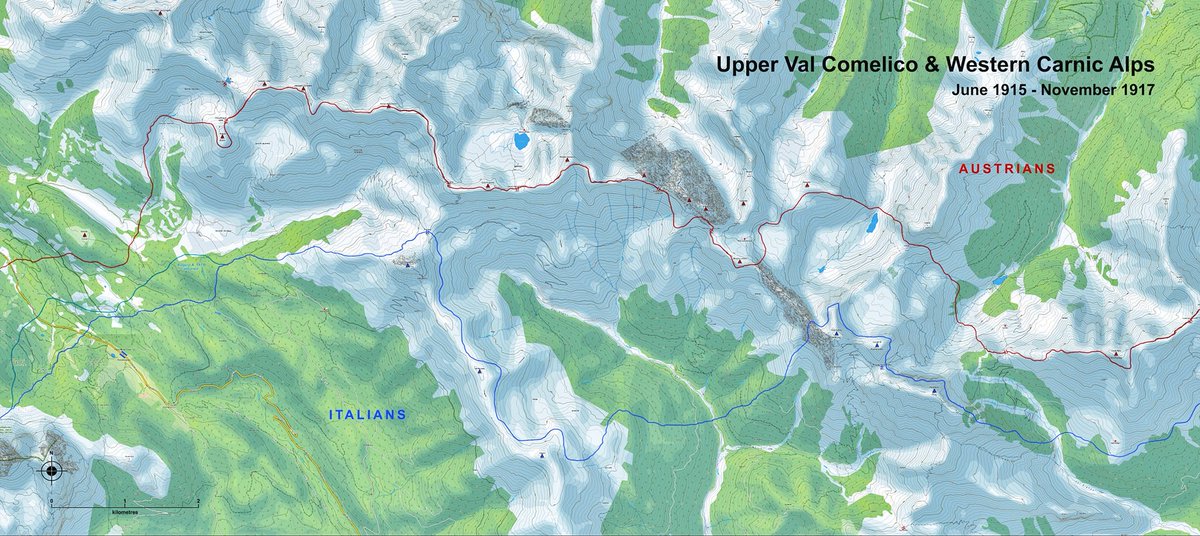
My new map of WW1 in the upper Val Comelico and western Carnic Alps in 1915 is practically life-sized. Actually it’s 1:7500, but that’s still massive. Working out how to fold it should be interesting. #TiTM
3
2
55
3,320
Jun 6
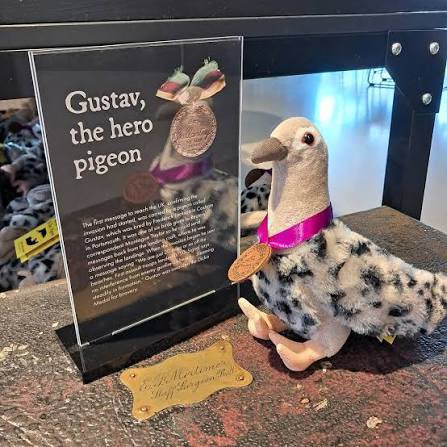
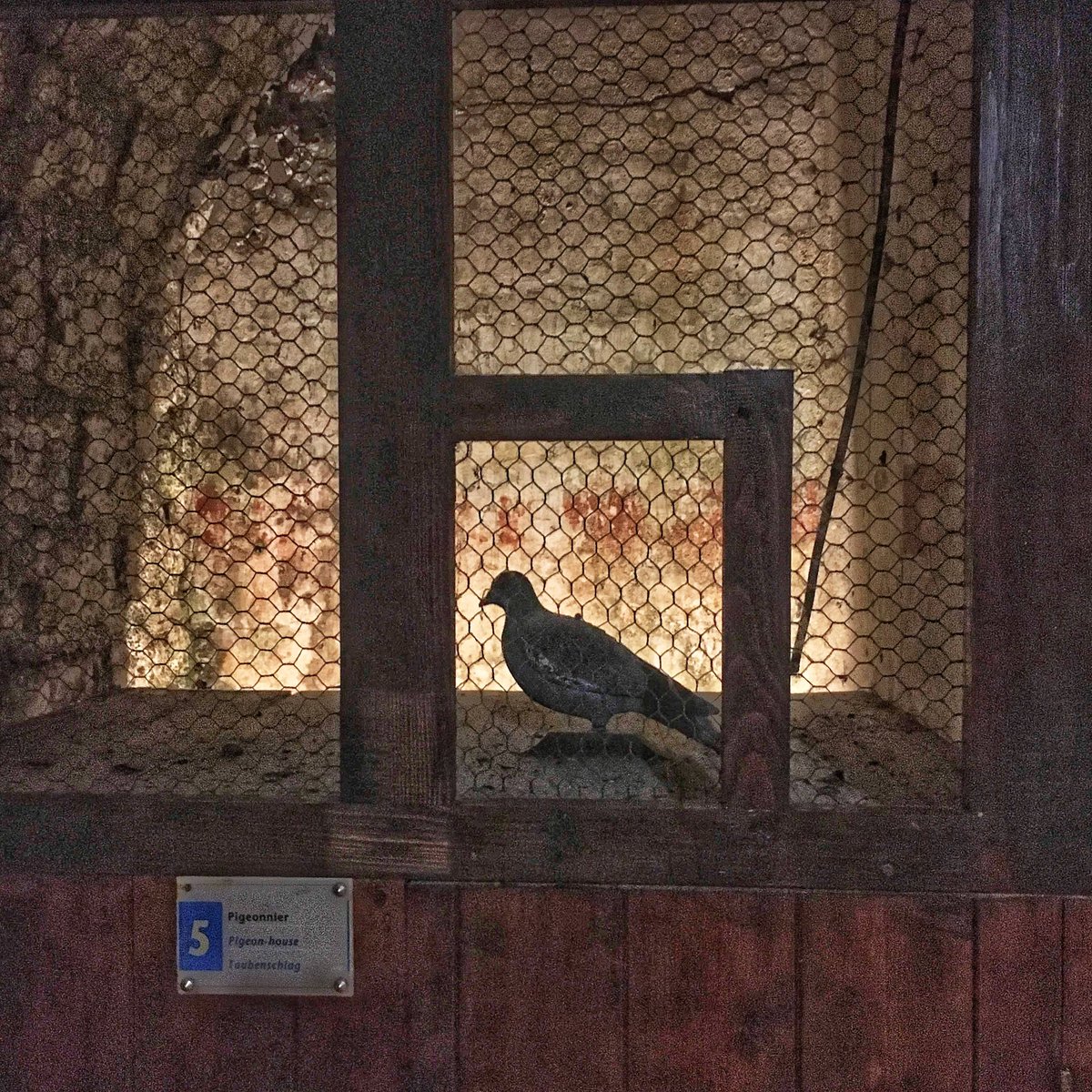
A recent thread about the hero pigeon Gustav (who won D-Day) made me wonder about other heroic pigeons - Le Vaillant (Fort Vaux), Cher Ami (Lost Battalion), and Speckled Jim (obviously) spring to mind. Specifically, I wonder why anyone takes this sentimental claptrap seriously…
2
2
21
1,335
Jun 6
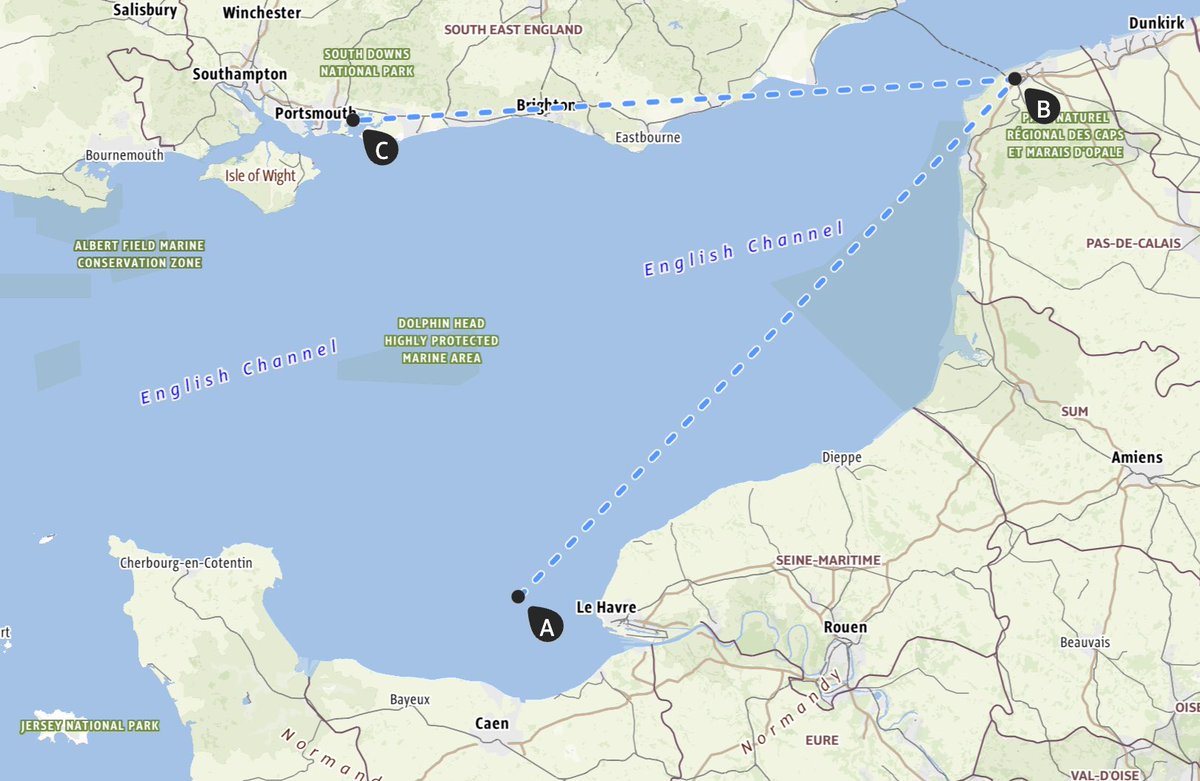
Gustav the hero pigeon of D-Day:
Flew 150 miles ❌
Helped D-Day victory ❌
Trained by owner ❌
Avoided German hawks over Calais ❌
Awarded medal for “bravery” ✅
Ludicrous anthropomorphism ✅
2
1
8
533
Jun 6
👇👍

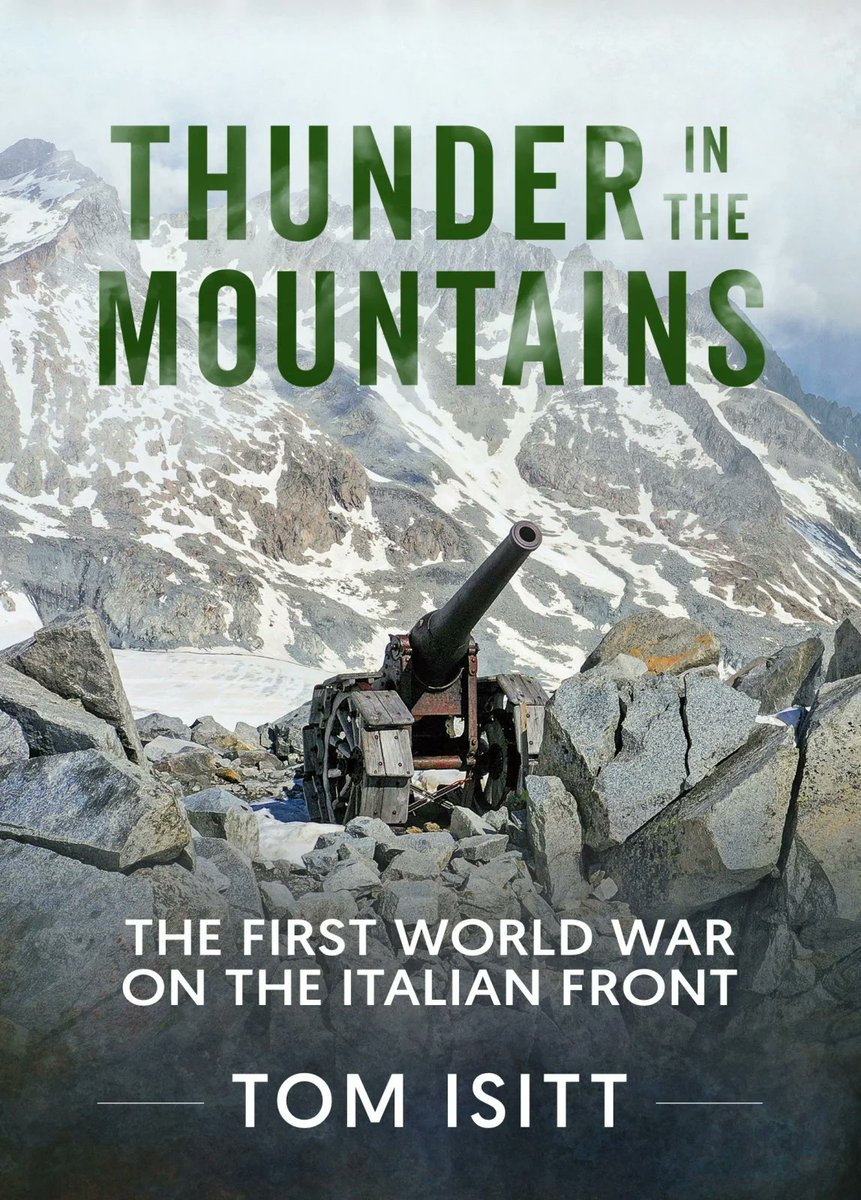
Consiglio il libro di @masaccio60 (Tom Isitt) su fronte italiano WWI. E' fatto benissimo, pieno di spunti, con mappe fantastiche. Ed è anche una guida in qualche modo turistica...
3
42
1,476
Jun 4
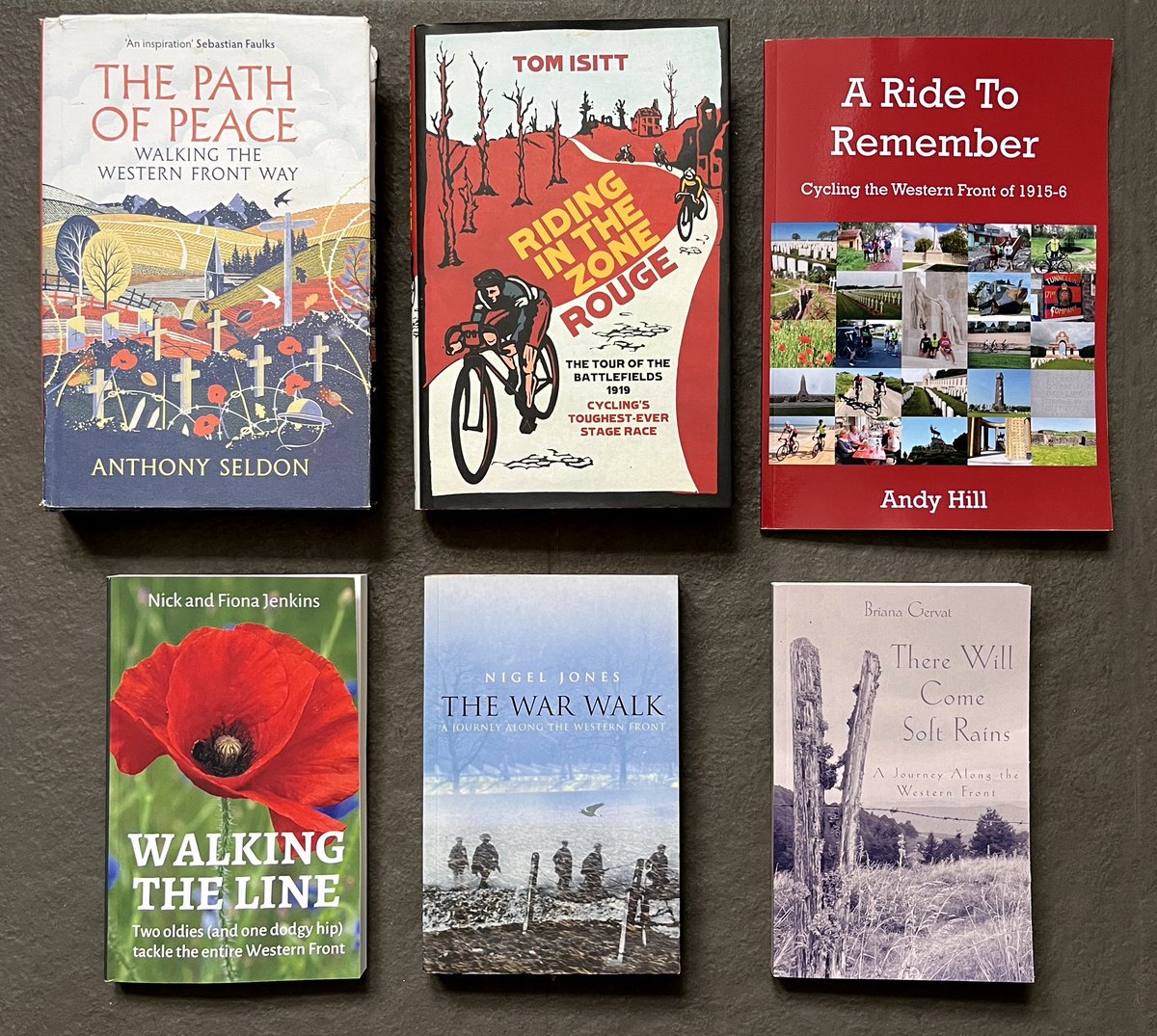
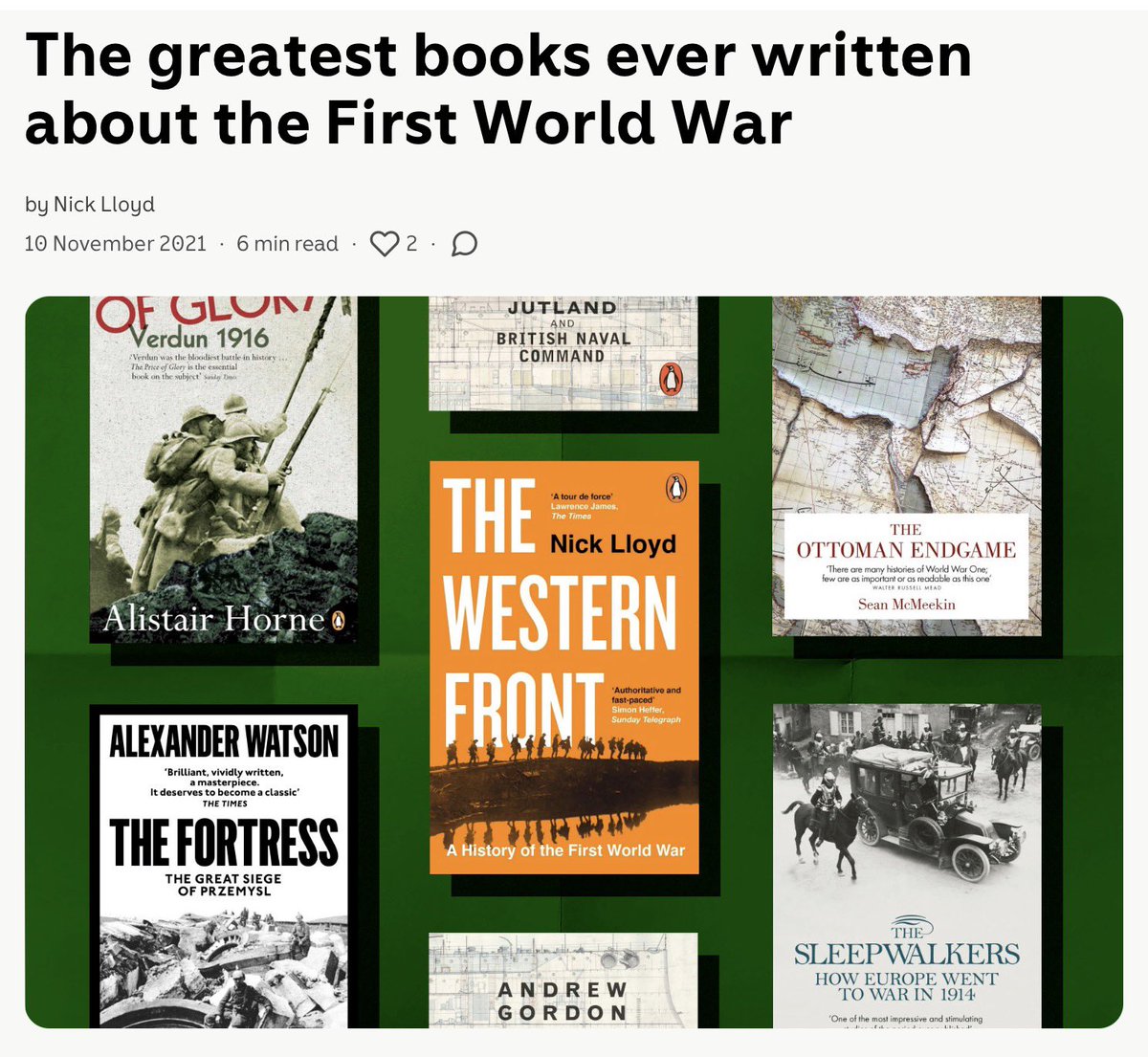
I’m thinking about writing a completely impartial article about the best travelling-along-the-Western-Front books (if Nick can get away with it, then so can I 😉).
3
32
1,348
Jun 3
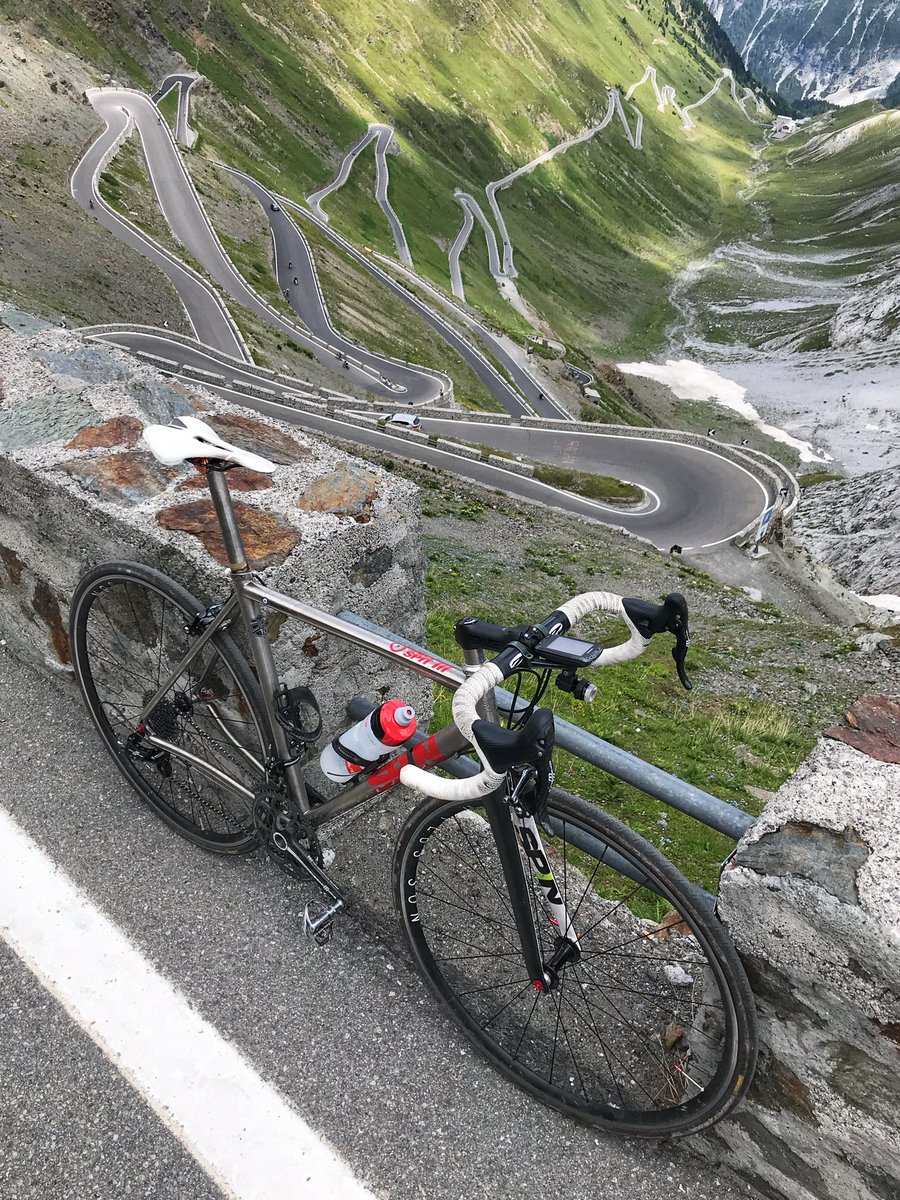
It’s World Bicycle Day, apparently. So here’s the world’s best bike on the world’s best road.
71
133
1,777
95,645
Jun 3
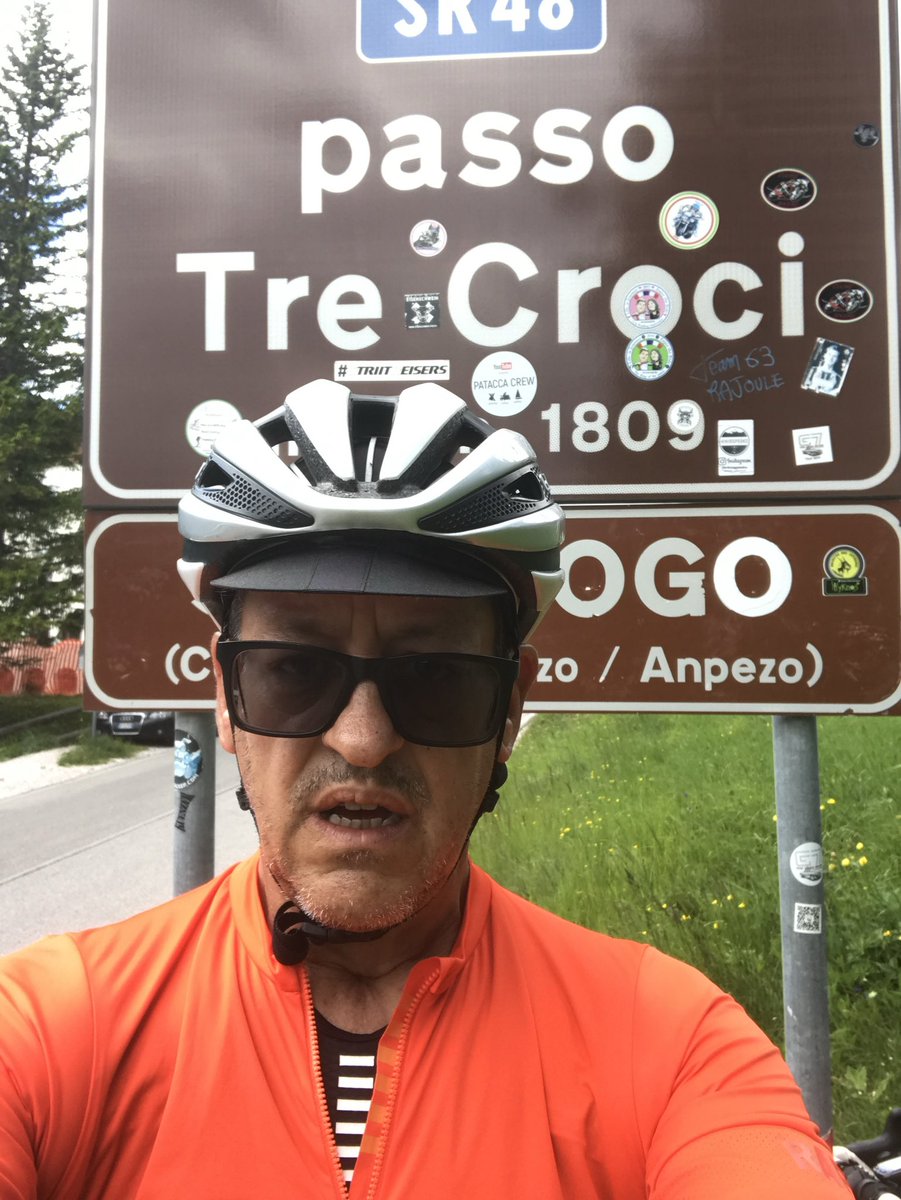
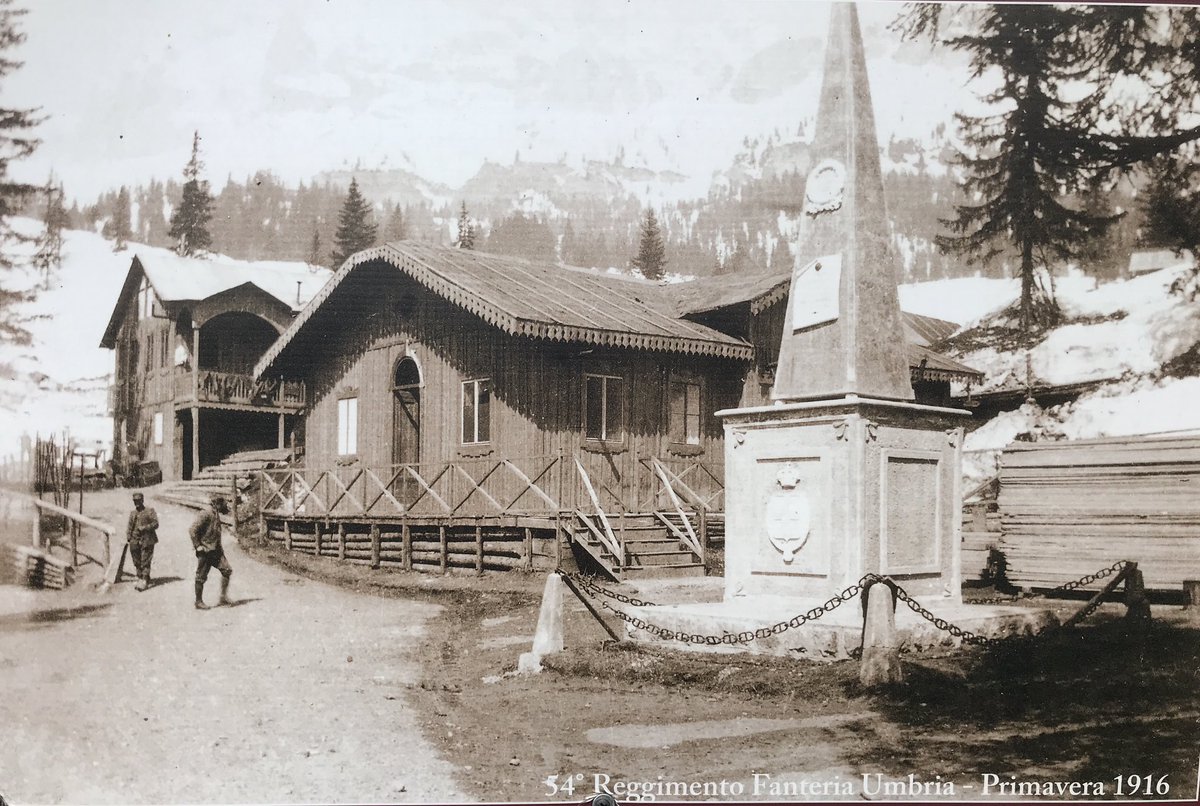
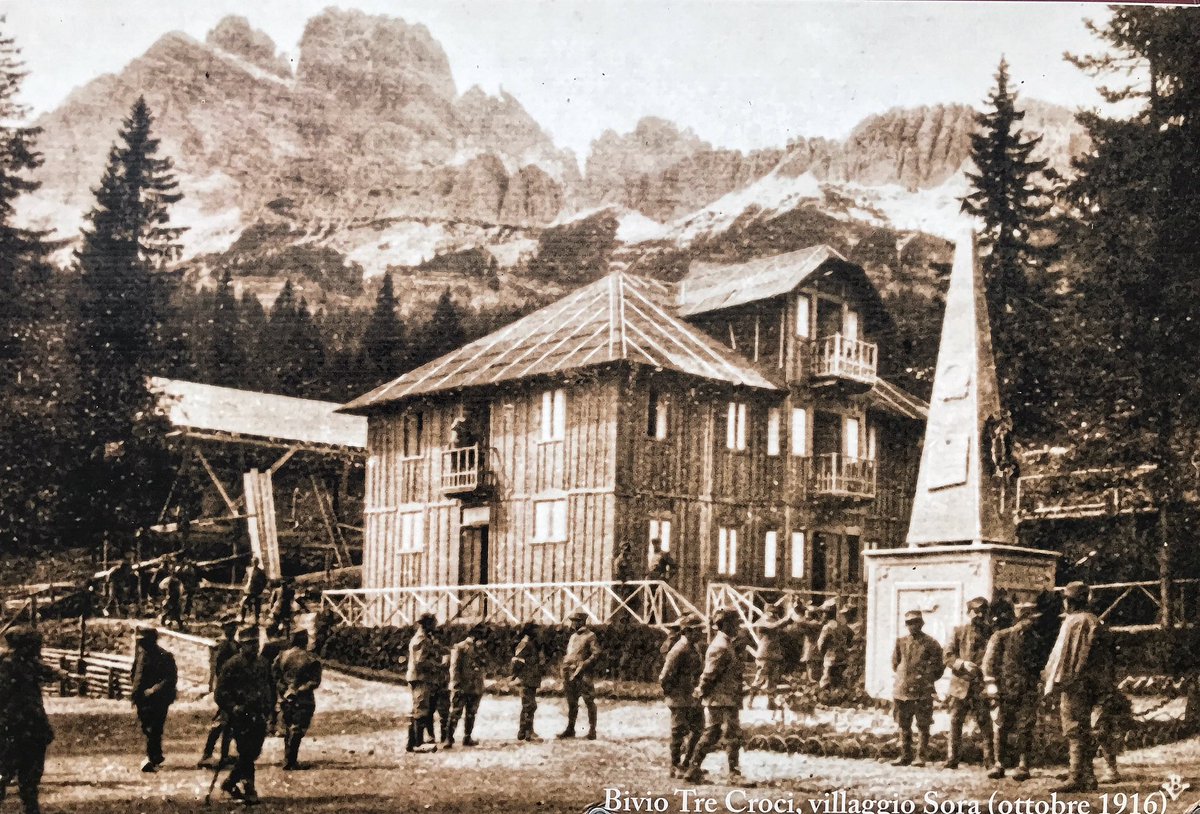
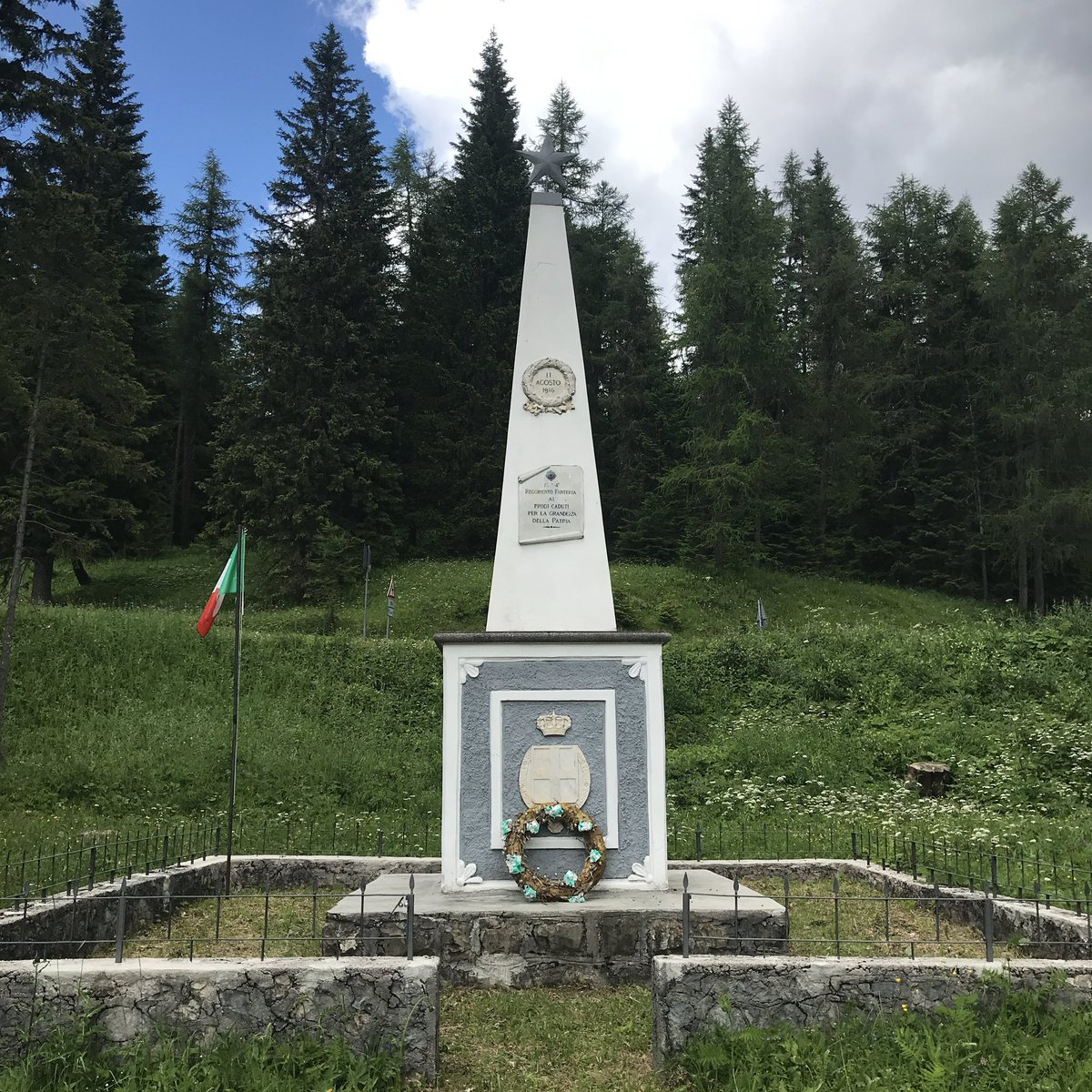
The Giro Donne goes over Passo Tre Croci in the Dolomites today (quite hard). There was an important Italian military village there during WW1 for soldiers fighting on Monte Cristallo and Monte Piana. #TiTM #Giroditaliawomen
5
38
1,327
Jun 2
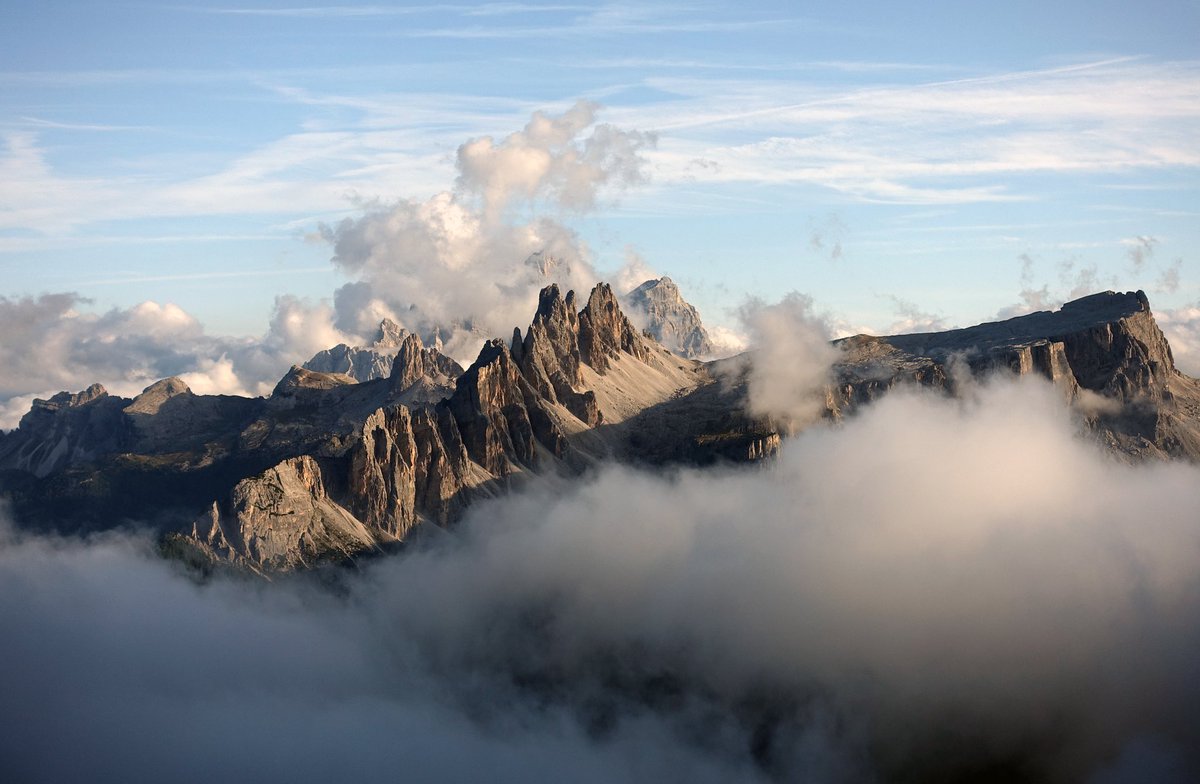
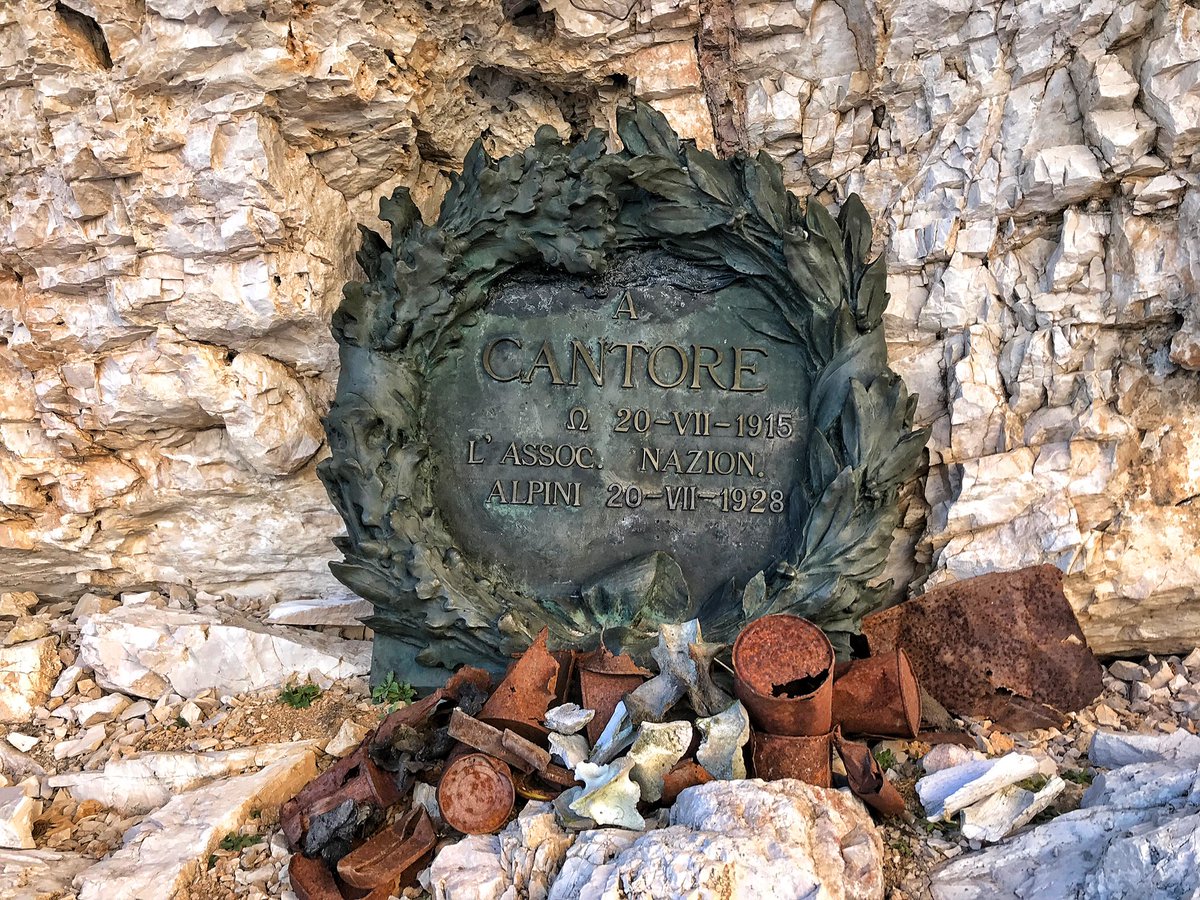
This is the view south-east from Fontana Negra, a WW1 battlefield on Monte Tofana di Rozes in the Dolomites. The photo was taken from near the spot where Generale Antonio Cantore was killed by an Austrian sniper in July 1915. #TiTM
2
6
87
2,726
Jun 1
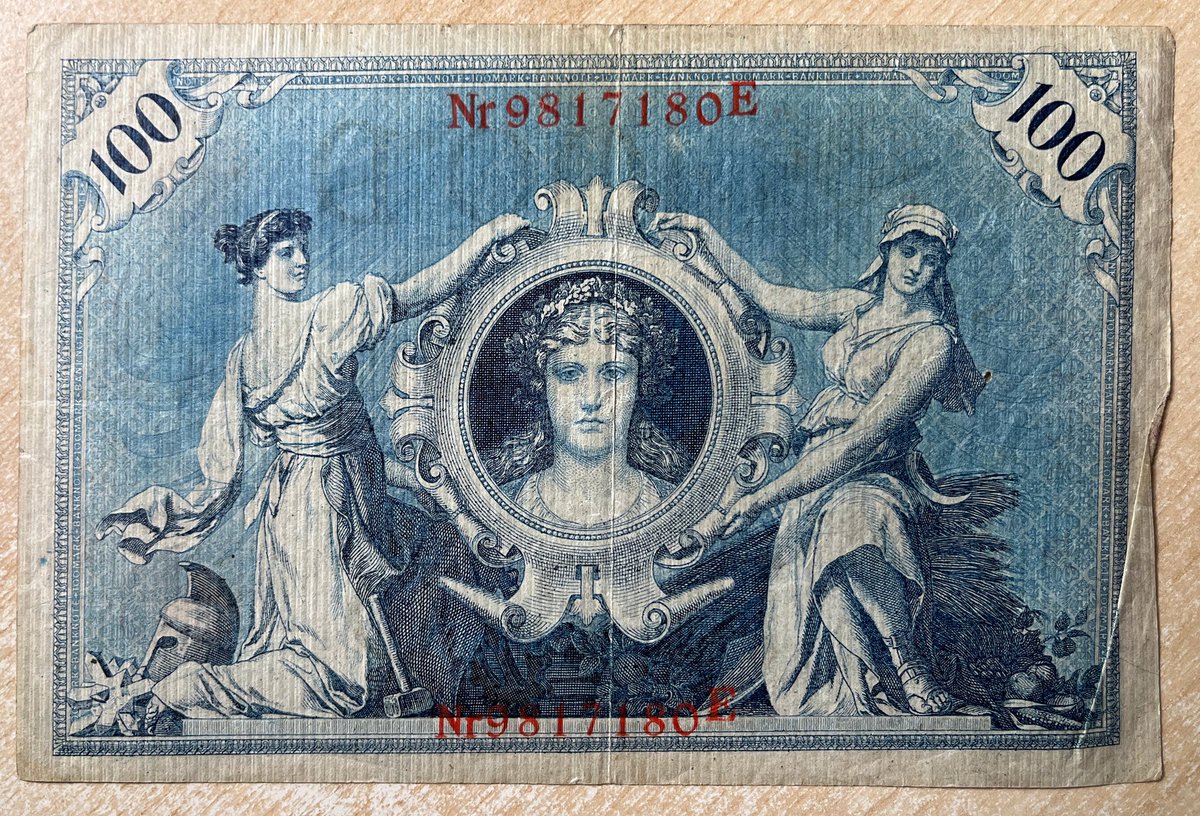
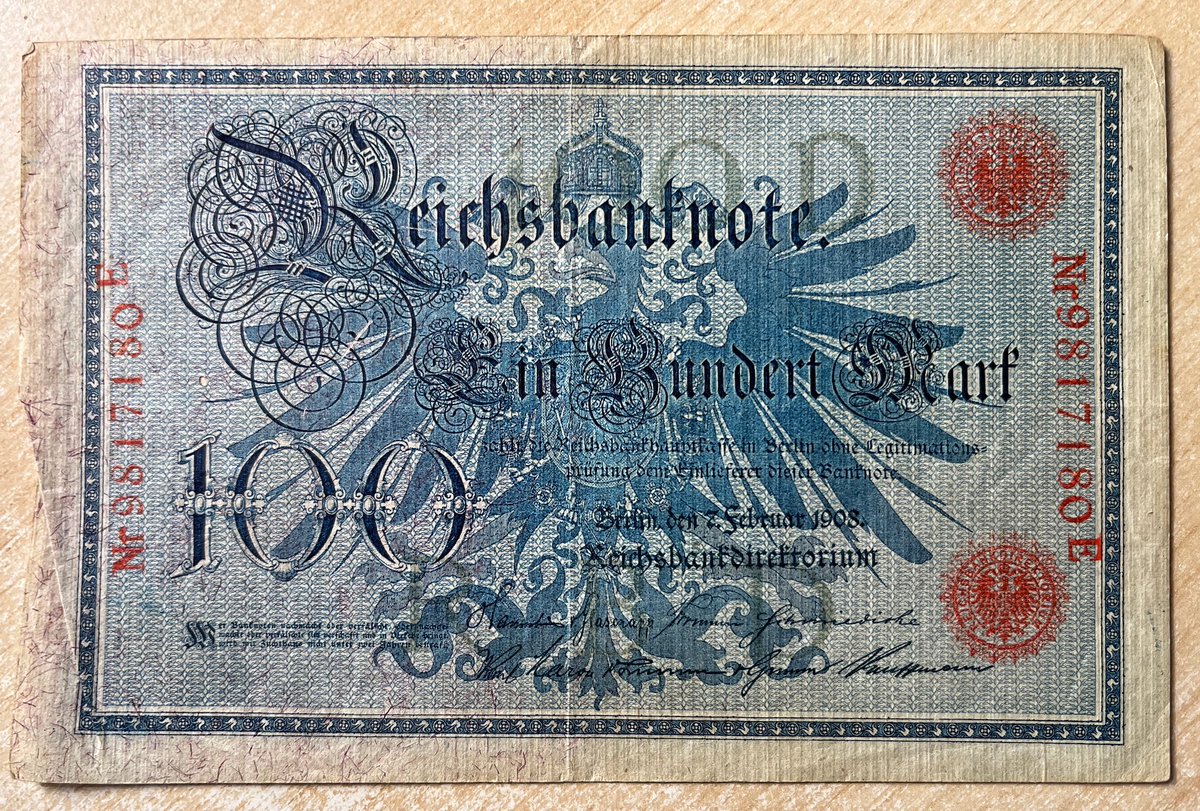
Pre-WW1 German banknotes were wonderful. This is a 100 Mark note from 1908.
4
7
75
3,175
May 31
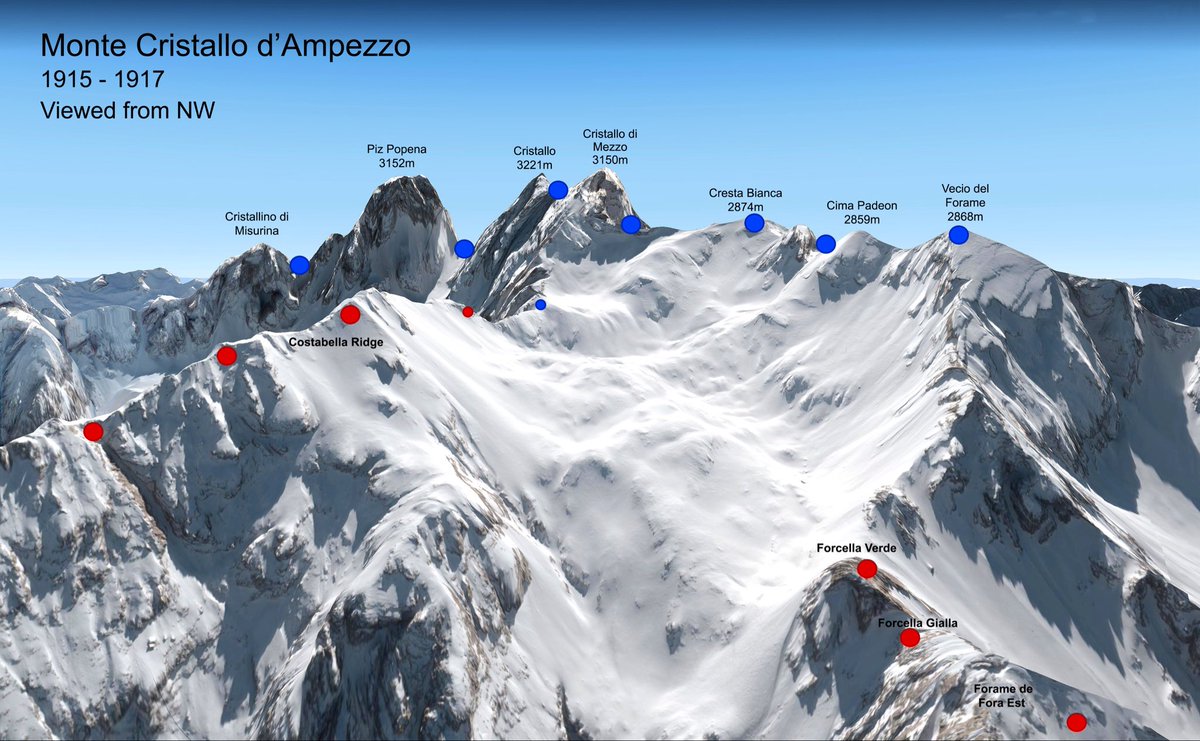
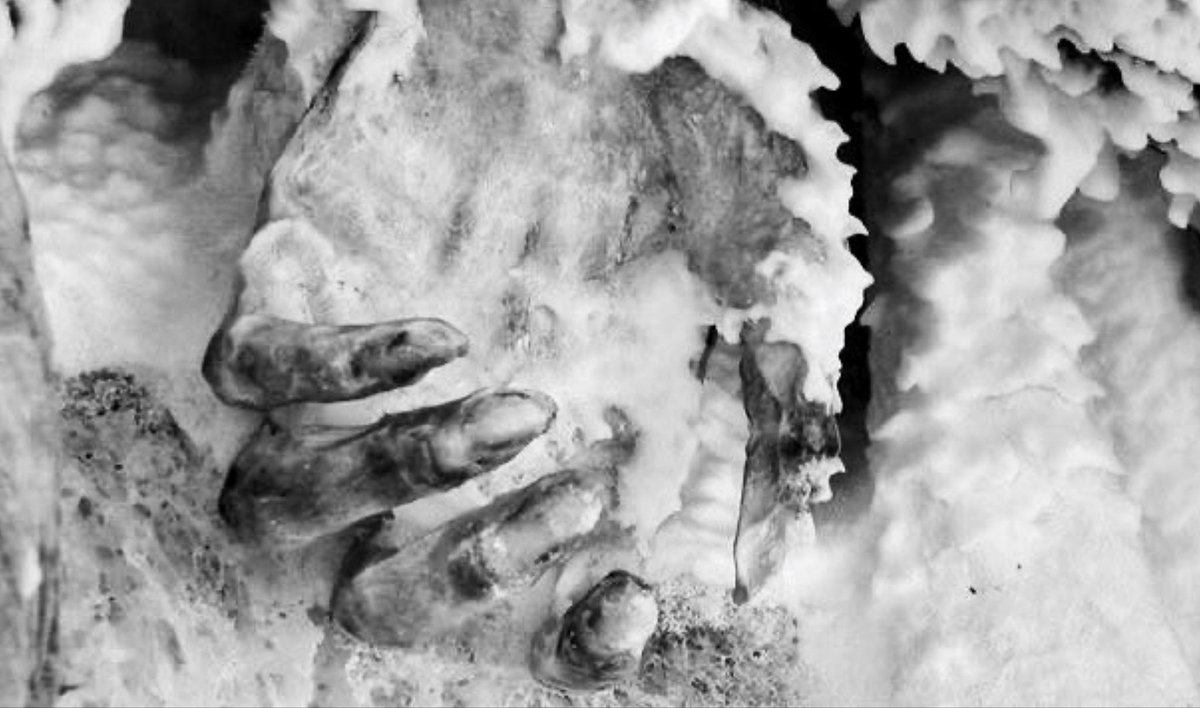
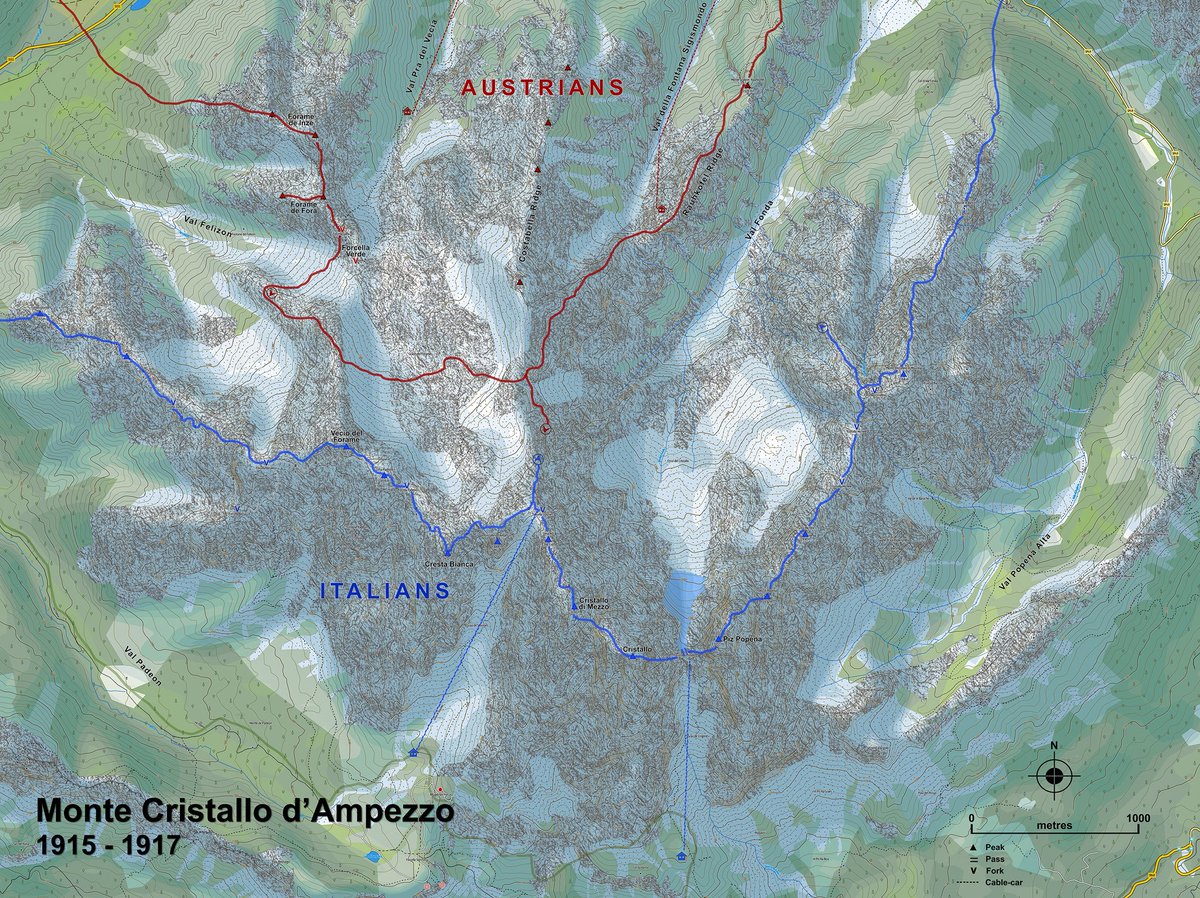
The battles for Monte Cristallo d’Ampezzo in the Dolomites are another chapter absent from most English language books about WW1 in Italy. In late October 1915, the Alpini belayed 120 wounded and frostbitten men down Costabella Ridge using a frozen corpse as an anchor. #TiTM
2
24
346
27,021
May 29
This is the sort of thing I should have done…
May 29

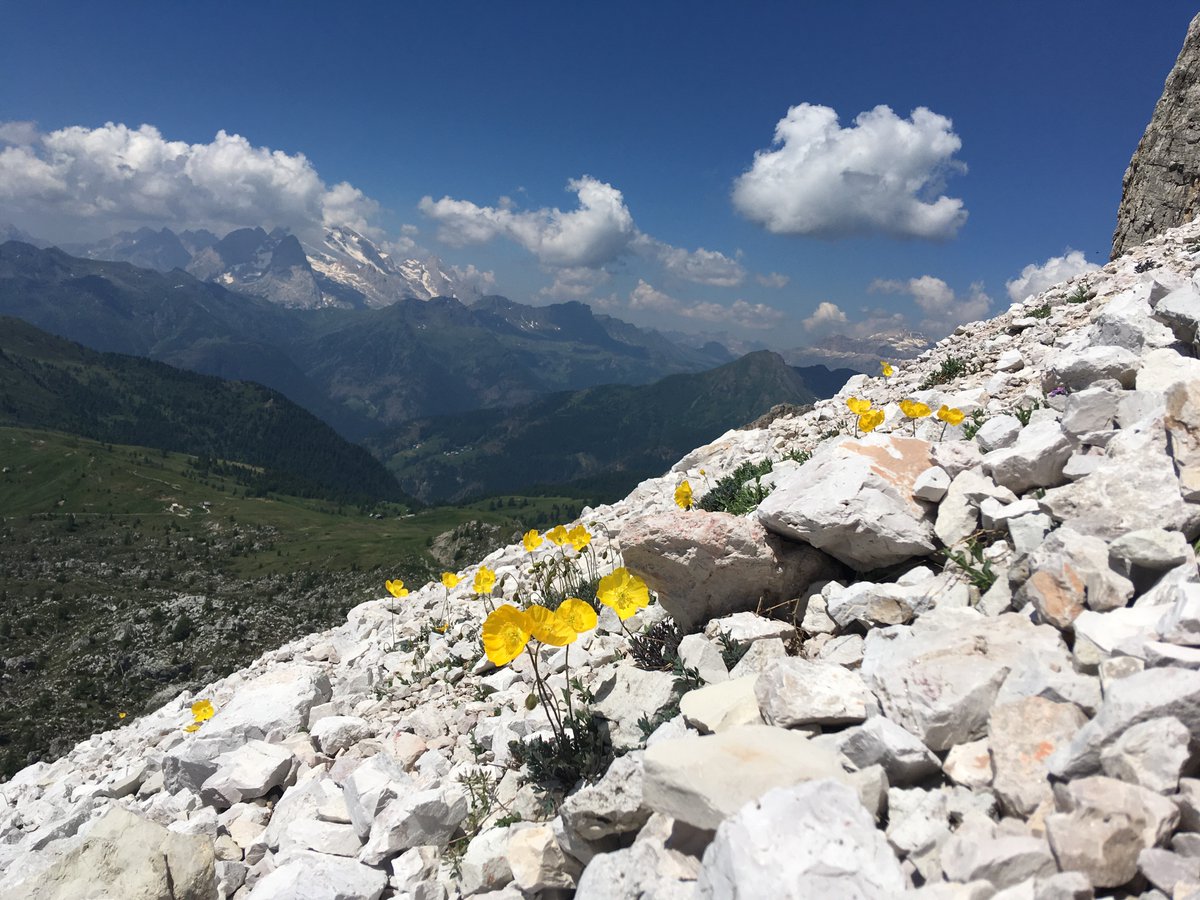
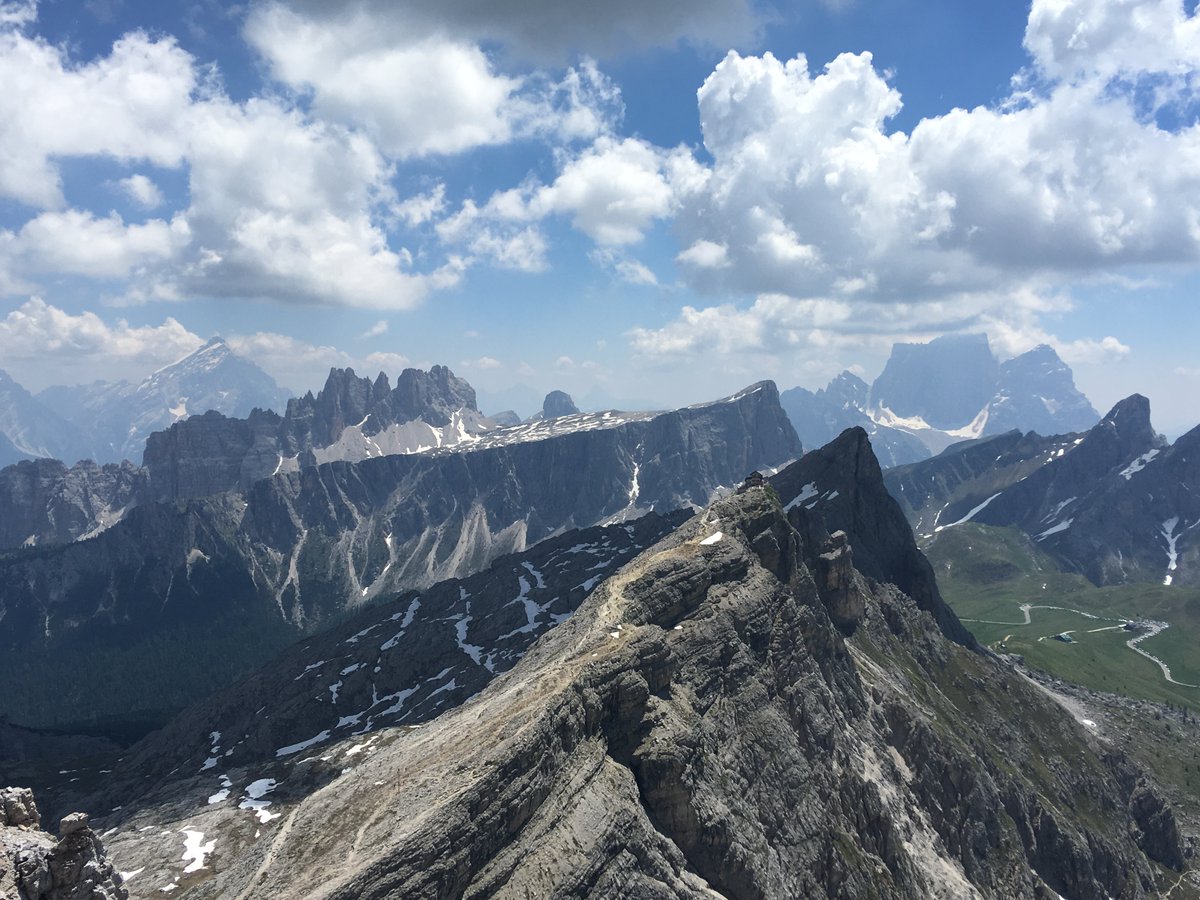
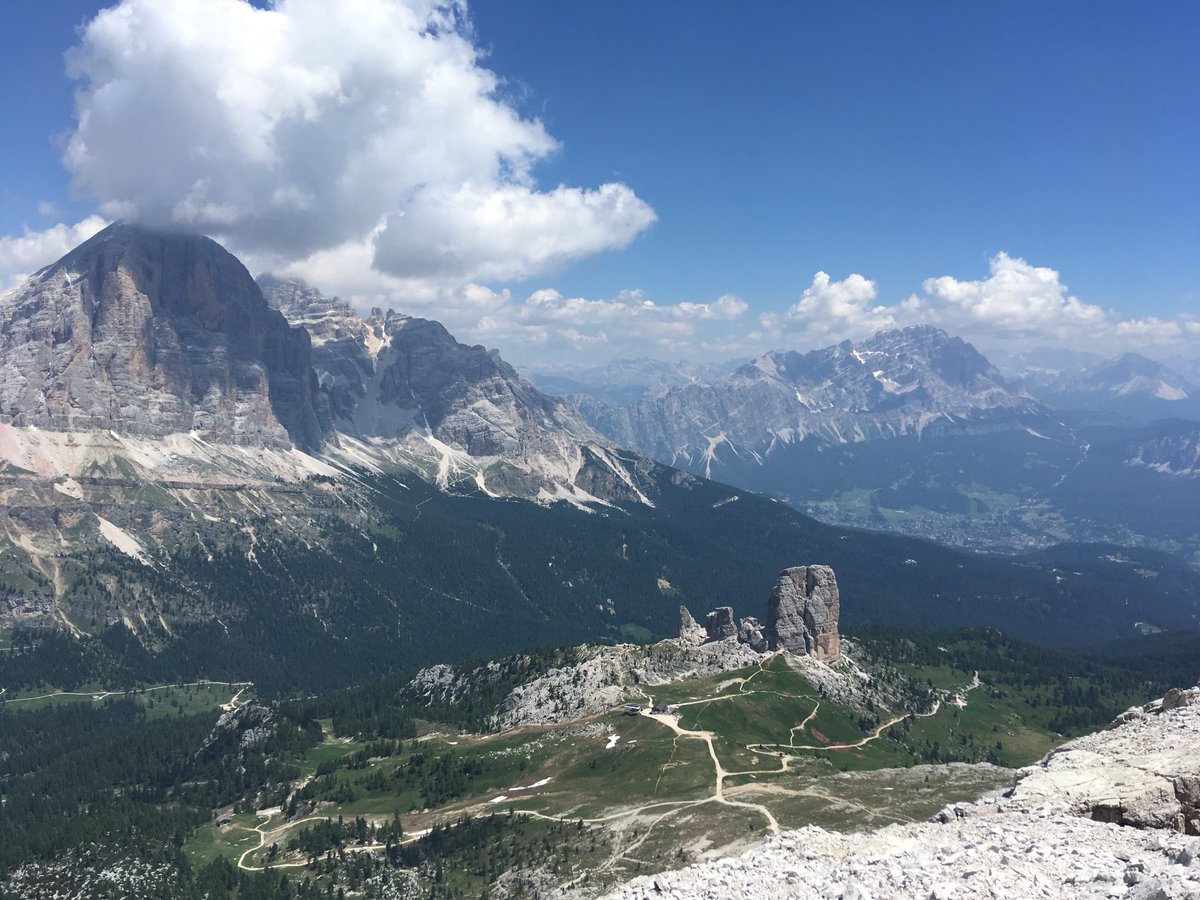
The Giro finally reaches the Dolomites today, with a series of passes through emblematic mountains such as Civetta, Pelmo, le Tofane, and Nuvolao.
2
2
13
1,179
May 28
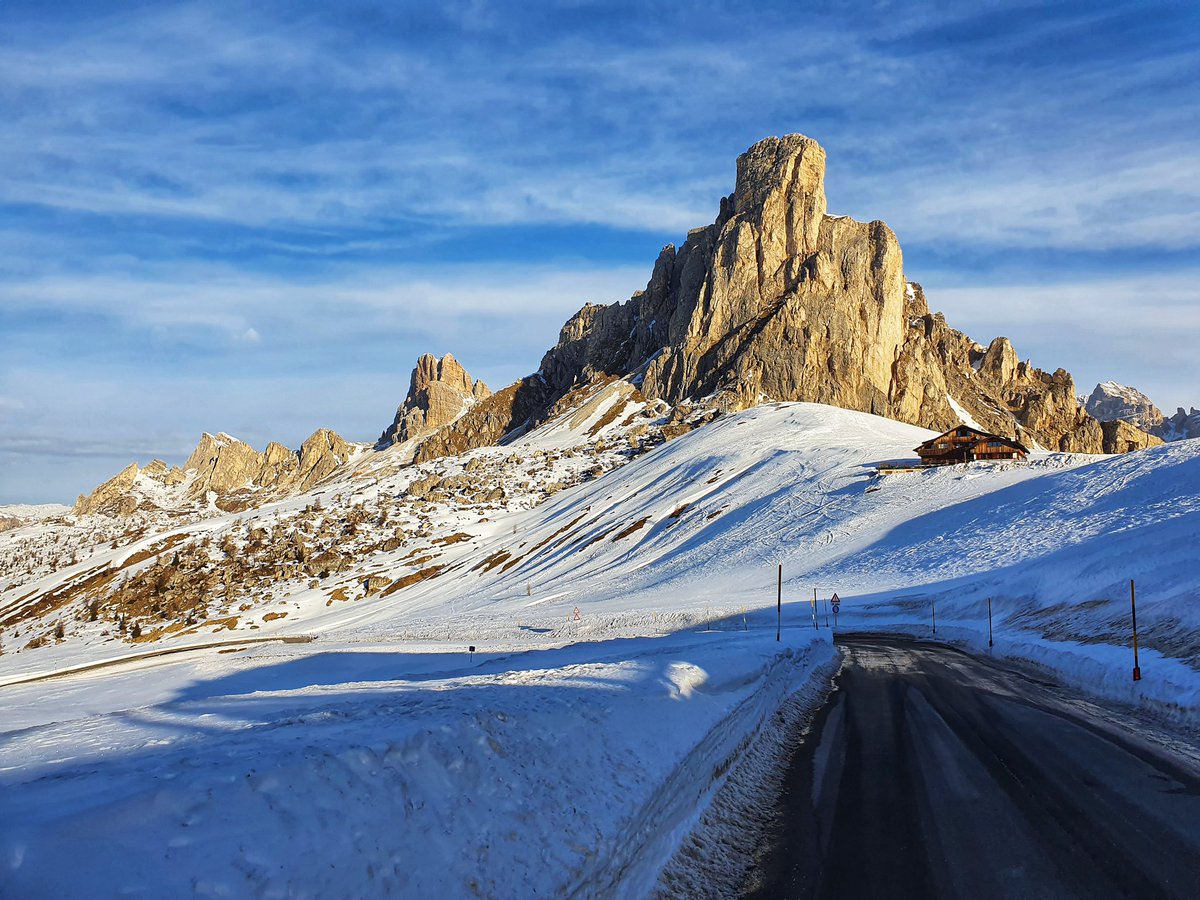
I was going to do you an informative post about the WW1 battlefields traversed by the Giro d’Italia tomorrow, and then I thought “bollocks, what have they ever done for me?” (apart from buying my books). Anyway, here’s Ra Gusela, Torre Anna, and Nuvolau at Passo Giau.
1
1
57
2,320
May 26
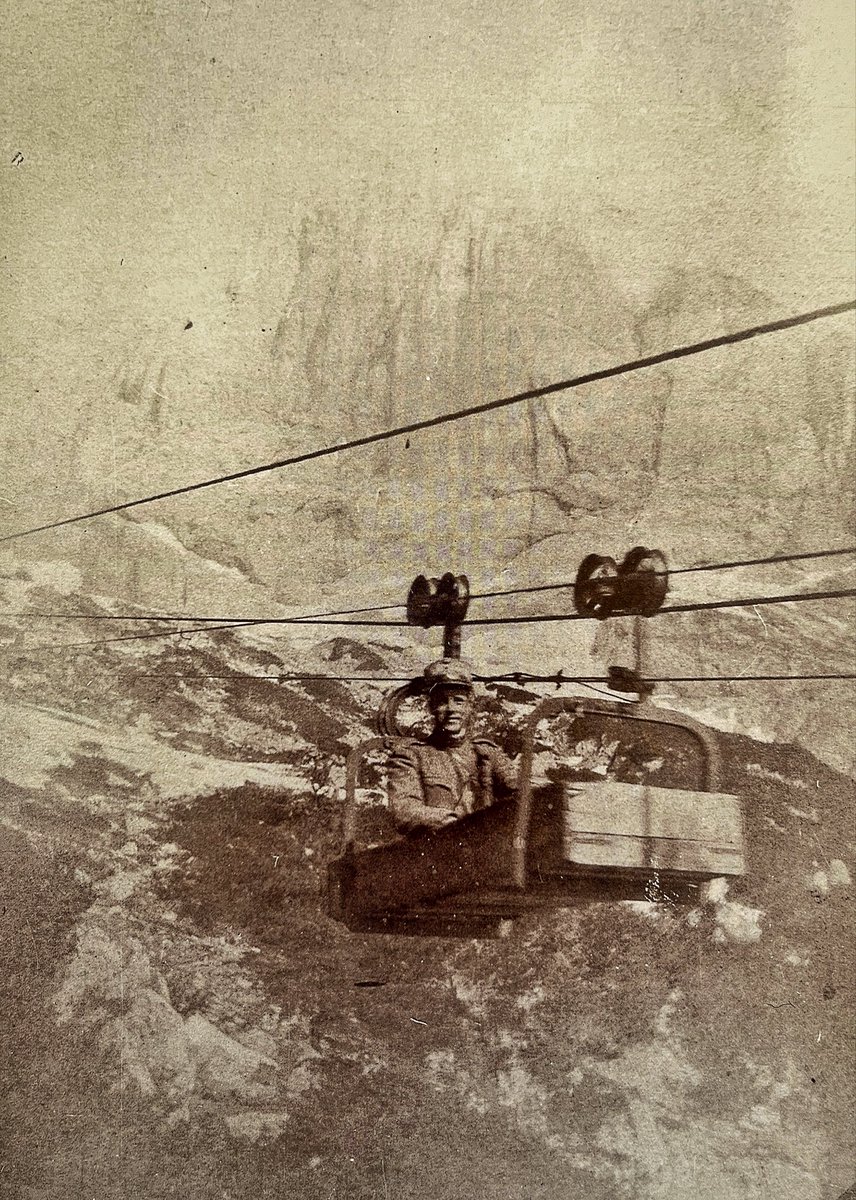
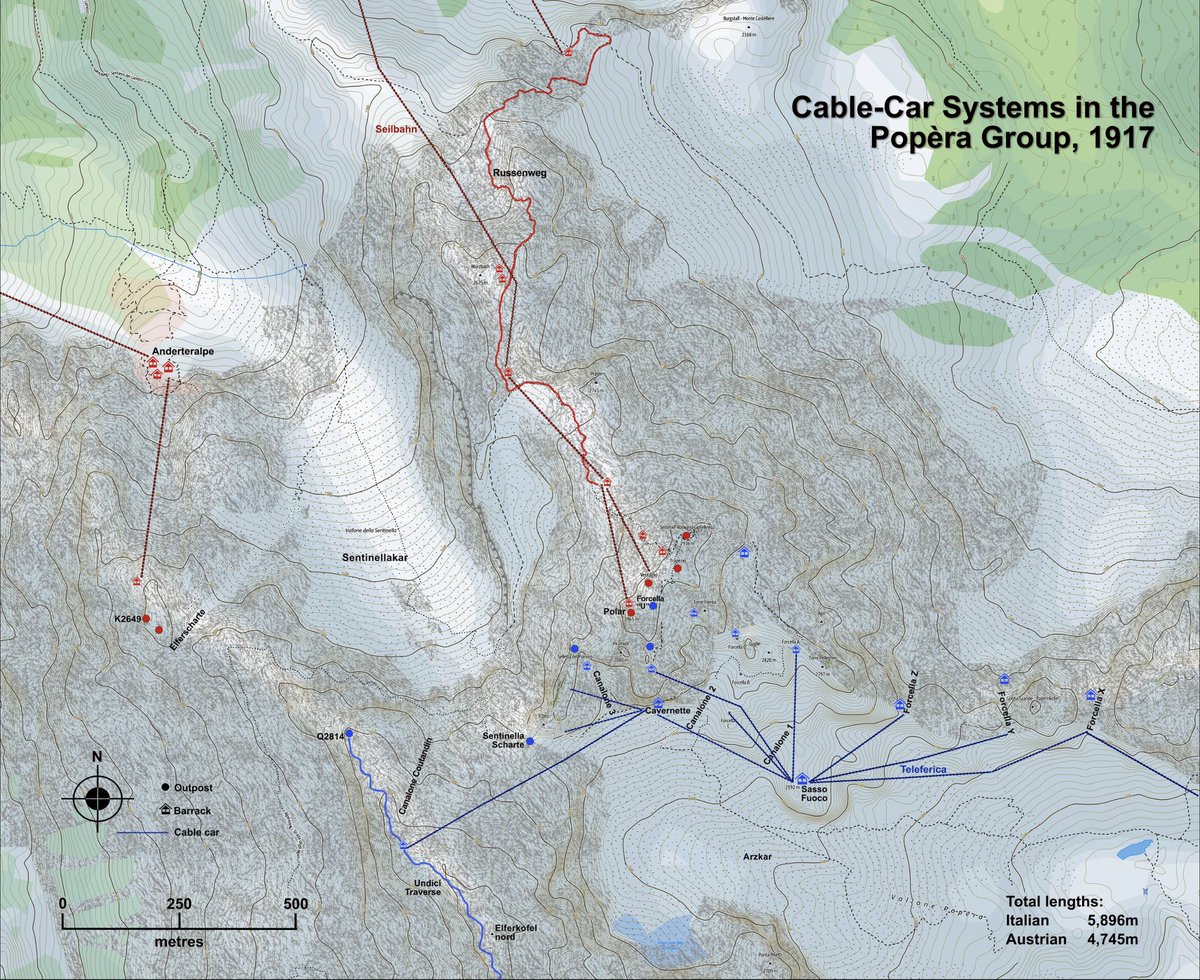
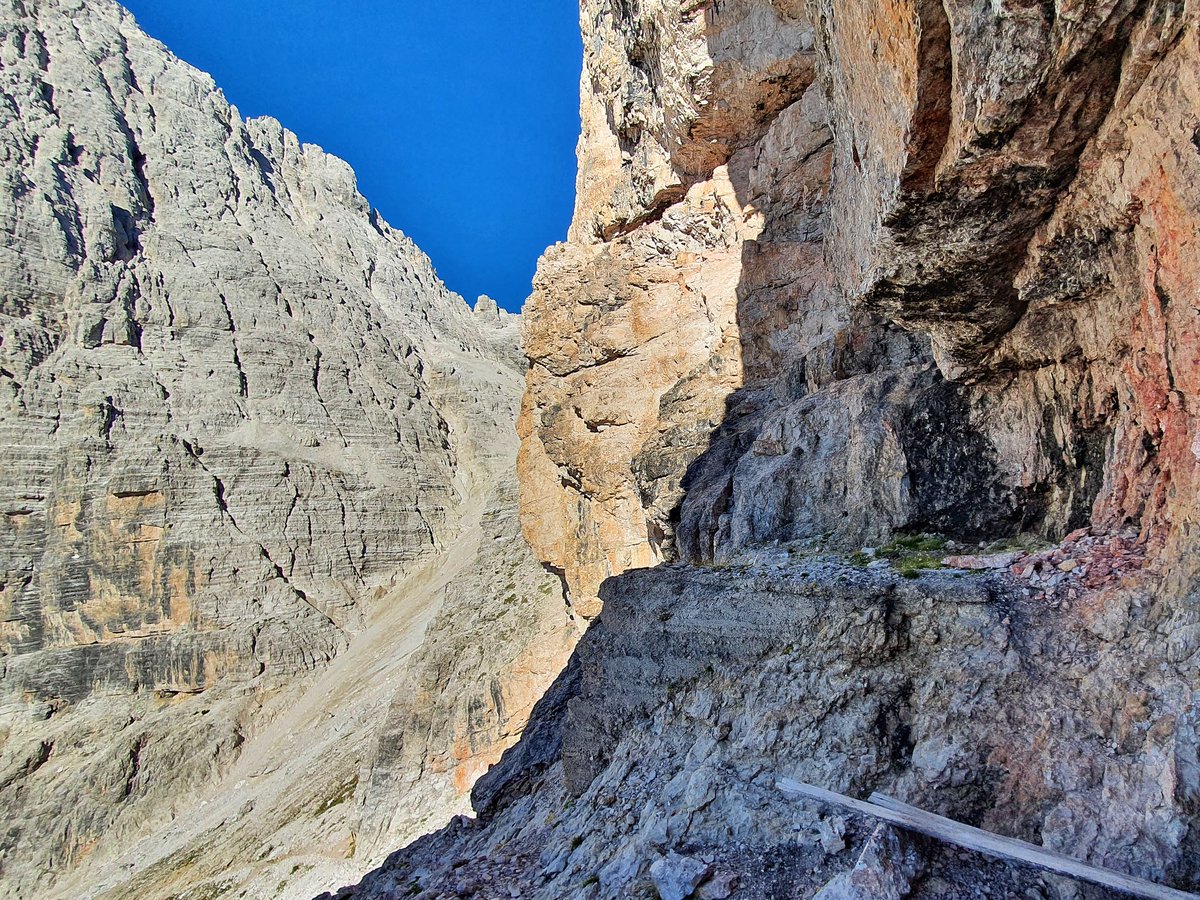
The WW1 cable-car networks in the Popèra Group were an impressive engineering achievement, with more than 10km of cableways supplying remote outposts among the rock towers. This is the concrete base of the cable-car station at the Cavernette, with Cima Undici beyond. #TiTM
9
72
2,524
May 23
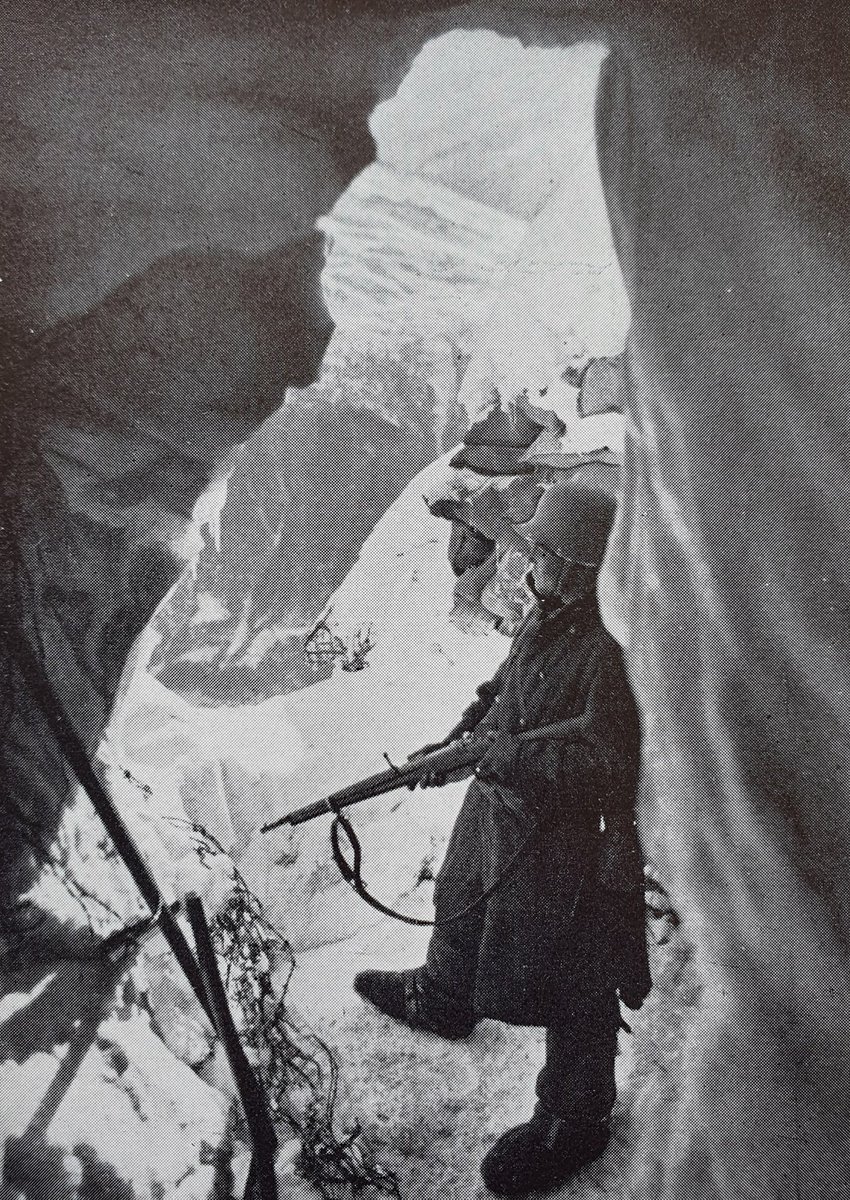
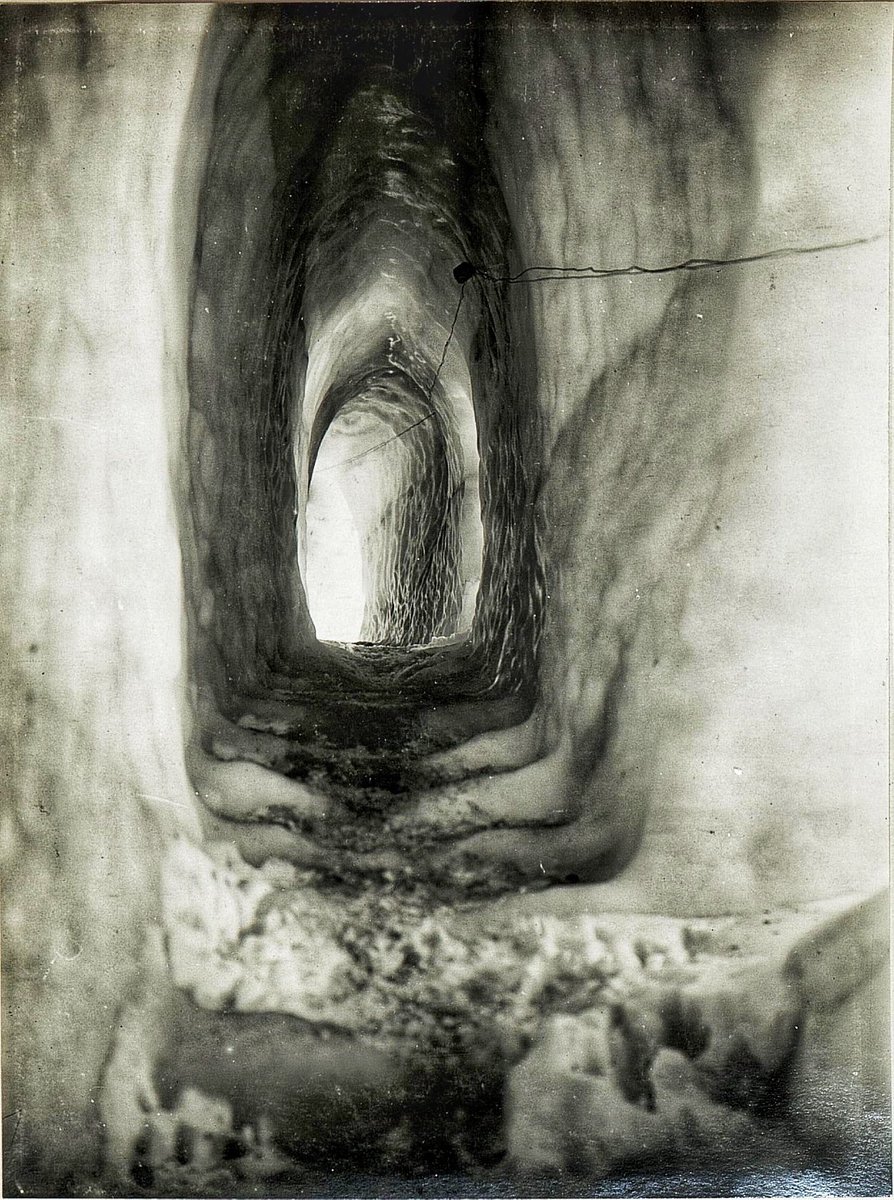
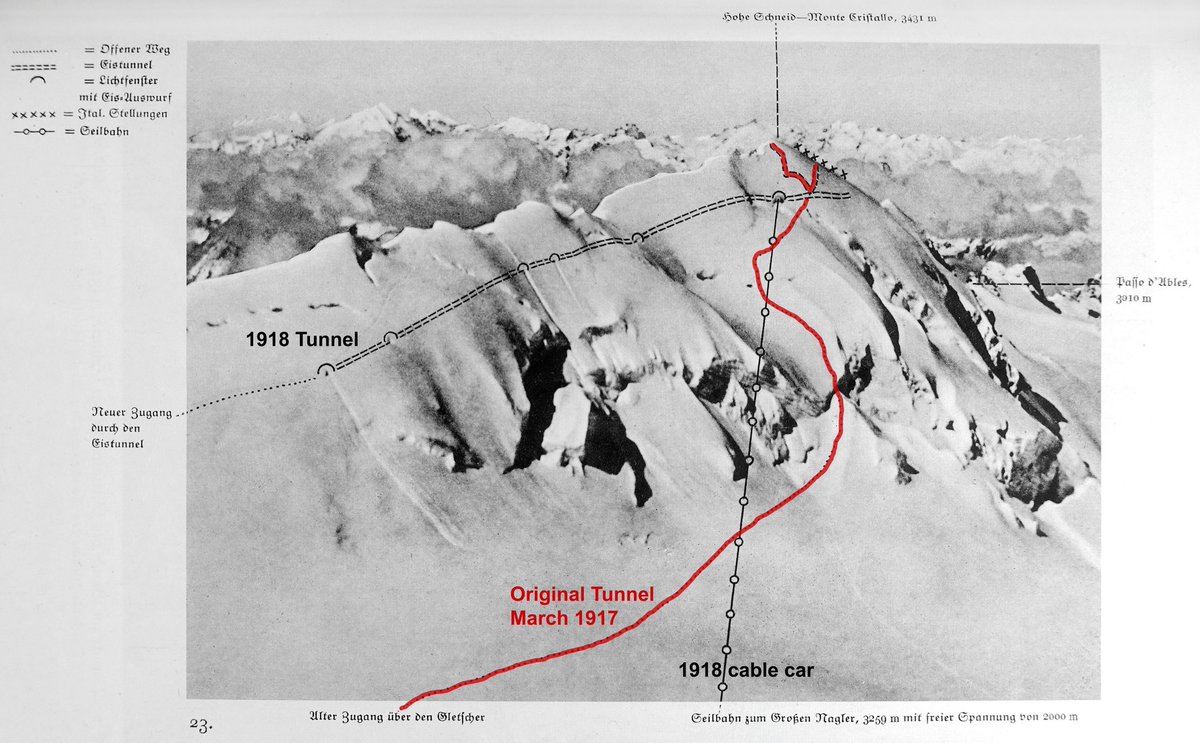
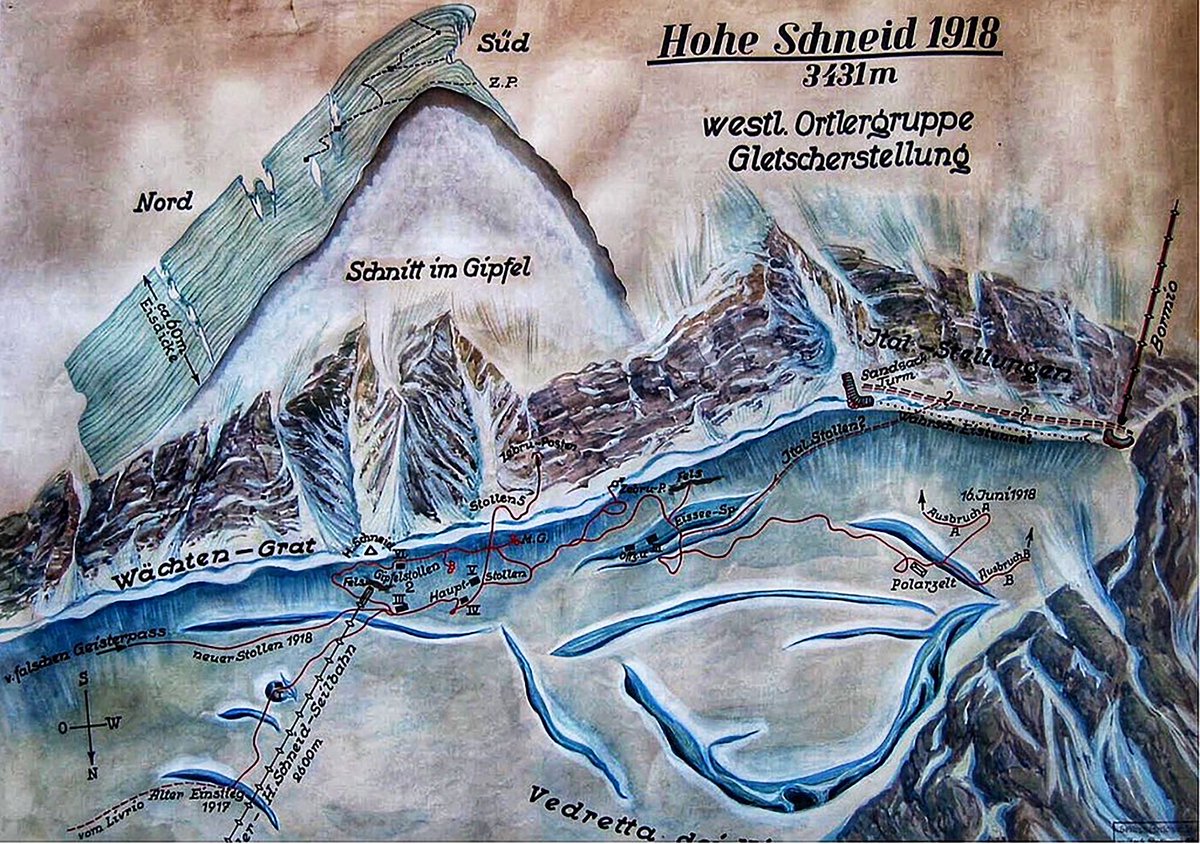
In 1917 the Austrians dug attack tunnels through solid ice on the north faces of two 11,000ft mountains (1,400m long on Trafoier Eiswand, 2,500m on Höhe Schneid). The Höhe Schneid one was discovered when an Italian unwittingly fell through the roof and a firefight erupted. #TiTM
4
9
128
8,202