
➤ All you need to know about Real World Assets and Tokenization ➤ Vulgarization of #RWA and #DeFi ➤ Official @Centrifuge Ambassador
Joined September 2022
- Tweets 725
- Following 285
- Followers 166
- Likes 964
160 Photos and videos
Pinned Tweet

15 Dec 2023
After diving deep into the Centrifuge Docs & really starting to connect the dots, here comes…
→ 𝐓𝐡𝐞 𝐔𝐋𝐓𝐈𝐌𝐀𝐓𝐄 𝐂𝐄𝐍𝐓𝐑𝐈𝐅𝐔𝐆𝐄 𝐓𝐇𝐑𝐄𝐀𝐃!
My goal? To boil down 64 hours of research into one EASY-TO-UNDERSTAND thread.
Let´s dive in 👇
7
1
20
1,368
4 Sep 2024
RWAs are making noise again… 👀
• $2.7B market cap in Q1 2024, projected to explode to $16T by 2030.
Big names in TradFi are sniffing around, but this isn’t a free ride.
The spotlight? Oracles.
These data feeds are the linchpin for RWAs. If your oracle isn’t transparent and decentralized, you’re playing with fire.
We’ve seen the hacks, the oracle failures, the price manipulations - one bad data feed, and billions are at risk.
With heavyweights like BlackRock diving in, the stakes are high.
Transparent, reliable oracles aren’t just a nice-to-have - they’re the difference between #DeFi scaling or burning out.
2
1
3
175
Yann Token RWA retweeted

28 Aug 2024
the new global economy is being built onchain on @base
28 Aug 2024

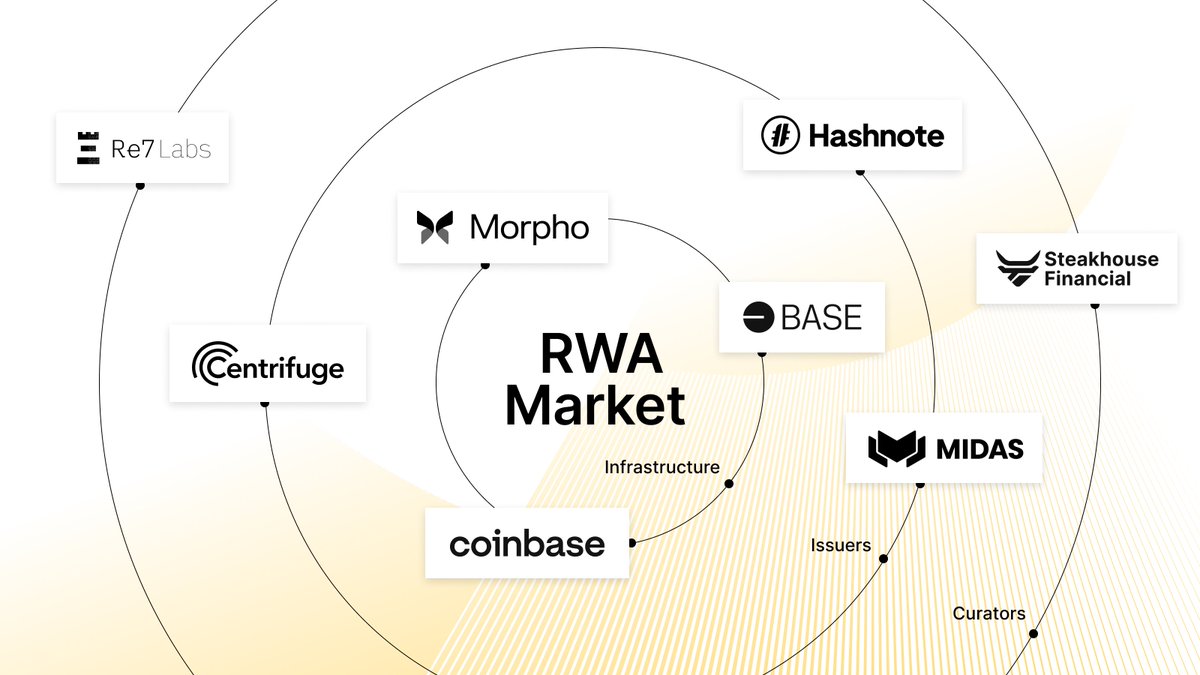
Say hello to the first RWA lending market on @base using the @MorphoLabs Protocol.
@SteakhouseFi and @Re7Capital will curate the Morpho Vaults which include collateral from @centrifuge, @MidasRWA, and @Hashnote_Labs.
This is the first institutional grade lending market integrated with @Coinbase Verifications, allowing investors to streamline their onboarding process seamlessly through a single click.
Collateralize and borrow against:
• @anemoycapital's Liquid Treasury Fund (LTF)
• @MidasRWA's Short-Term US Treasuries (mTBILL)
• @Hashnote_Labs' US Yield Coin (USYC)
"We think it's ideal to collectively gather lender liquidity alongside other issuers in Morpho Vaults to drive as much size and efficiency as possible." - @lucasvo, Co-founder of Centrifuge.
This launch represents lots of firsts in the DeFi space:
• First multi-issuer RWA market
• First RWA market on Base
• First application of Coinbase Verifications for this use case
Learn more about how this new market is shaping the future of institutional DeFi and RWAs: centrifuge.mirror.xyz/qwO0Oi…
24
32
284
25,771
Yann Token RWA retweeted

23 Aug 2024
What do you see in this video?
If you said the best way to wrap up an RWA Summer—you're right.
Nothing beats our flagship New York Summit.
• 250 hand-picked speakers and attendees
• Two days split between panels and interactive sessions
• Plenty of time to network at the beautiful William Vale
Want to get in on the experience? You have one more week to lock up early bird pricing.
Apply here: rwasummit .io/new-york-2024
7
30
3,362
17 Aug 2024
Major RWA Firms Reveal Tactics for MakerDAO’s $1 Billion Tokenization Race 👇🏽
On Monday, @MakerDAO officially launched the Spark Tokenization Grand Prix, an ambitious competition to onboard up to $1 billion of tokenized assets, particularly focusing on short-duration US Treasury Bills.
The competition is an initiative by SparkDAO, a subDAO of MakerDAO. It is designed to assess participants’ ability to supply liquidity, align with MakerDAO’s vision, and introduce novel solutions within the DeFi ecosystem.
In a governance post, Steakhouse Financial, a treasury management firm and a strategic finance core unit of MakerDAO, provided details about a competition. The firm pointed out that the competition would evaluate products based on their legal structure, cost efficiency, and liquidity provisions.
Additionally, they stressed the necessity for strategic alignment with MakerDAO’s goals. Moreover, they focused on products capable of offering attractive yields and the required liquidity for frequent rebalancing.
1
1
107
13 Aug 2024
After banning digital assets in 2018, Qatar is softening its stance and has recently announced a new initiative focused on asset tokenization.
Digital assets, DLT, and tokenization are part of the Middle Eastern nation’s Digital Agenda 2030, says Yousuf Mohamed Al-Jaida, the Qatar Financial Centre (QFC) CEO.
Based in Doha, QFC launched in 2005 to provide a business and financial center with its own legal and tax rules.
QFC has been exploring digital assets despite the country’s blanket ban.
In partnership with the Qatar Central Bank (QCB) and other organizations, it launched the Digital Assets Lab “to spur open innovation, research and development in digital assets and Distributed Ledger Technology.”
In an op-ed, Al-Jaida revealed that the QFC is set to welcome its first cohort of 20 participants this month, comprising fintech startups, academia, and established financial institutions. To qualify, applicants must meet criteria that touch on financial and commercial viability, innovation potential, legal compliance, and alignment with the country’s strategic goals.
1
1
86
3 Aug 2024
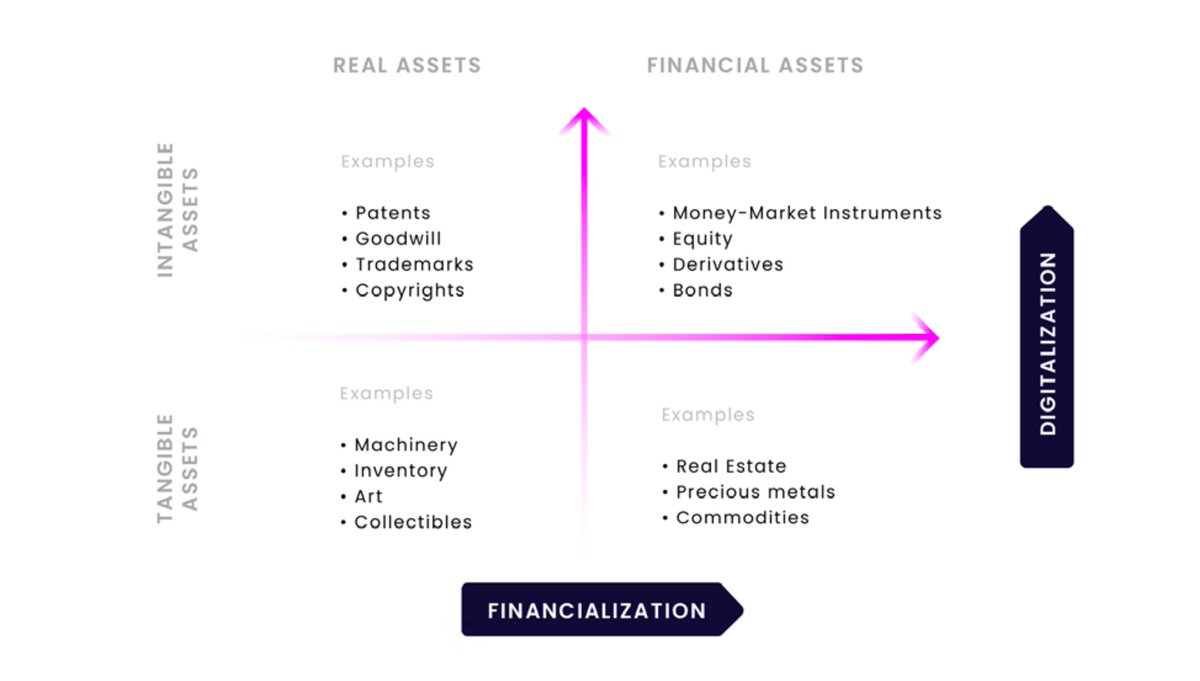
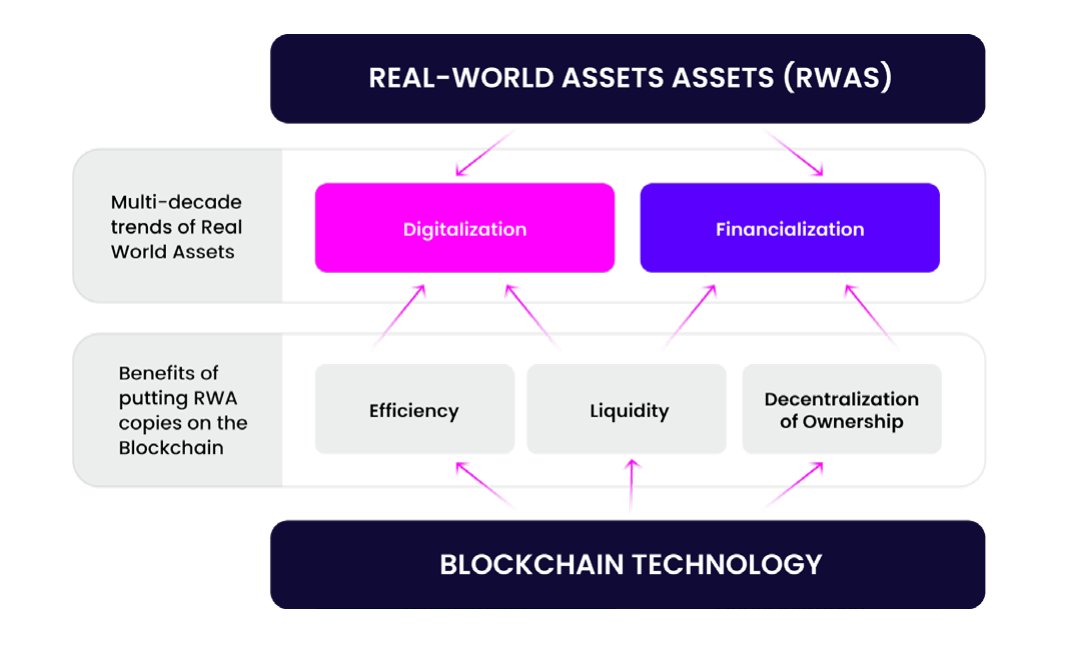
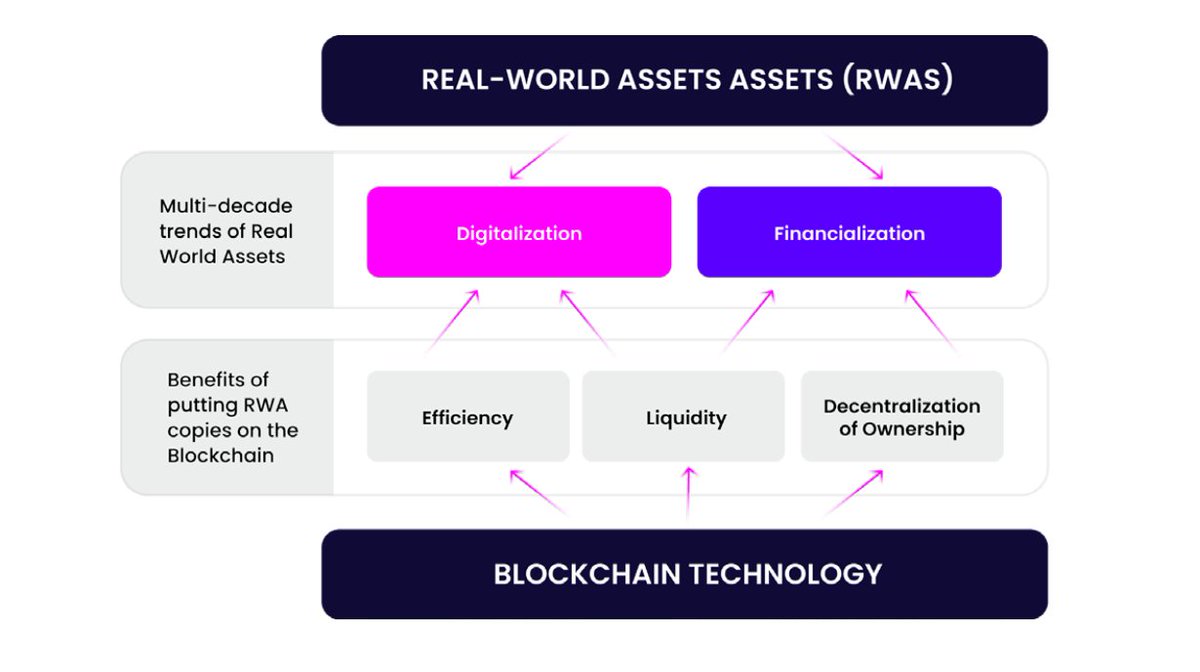
➤ There are two dimensions that you need to know, and that apply to each #RWA
These dimensions are also associated with the two structural trends happening in RWAs today.
▪️ Digitalization - applies to tangible- and intangible assets
▪️ Financialization - applies to real- and financial assets.
For example:
Patents = intangible real asset
Equity = intangible financial asset
Machinery = tangible real asset
1
65
25 Jul 2024
➤ The on-chain world limits the computational capacity of blockchain-based smart contracts without tokenizing RWAs.
Tokenization extends the computational capacities of the economy by bringing off-chain or real-world assets into the realm of smart contract capabilities.
This movement is called the computational economy and is a new economic paradigm where web3 technologies facilitate the development of a ‘computable economy’, which enables a significant increase in economic complexity and, from this, wealth.
#Tokenization of RWAs is a critical step in unlocking the computational economy, which we believe is the ultimate endgame of blockchain technology.
54
23 Jul 2024
➤ Many industries, including art, real estate, manufacturing, and investment and asset management, stand to benefit greatly from tokenizing real-world assets (#RWA).
Major institutional players are taking notice of the RAW tokenization industry, which is predicted to reach $10 to $15 trillion by the end of the decade. This is, in our opinion, a gross underestimate.
Many different kinds of assets can be made more liquid, accessible, and efficient by turning them into digital tokens that can be traded on a blockchain. For example, tokenized bonds are a real use case.
Real estate, carbon credits, and firm assets like inventory and intellectual property are just a few examples of the many digital assets that could be moved onto the blockchain.
Our expectation is that RWA tokenization will have far-reaching effects over the next decade in a variety of industries, and our study intends to fill founders' and investors' gaps in knowledge in this area.
68
13 Jul 2024
➤ If you are currently operating in hashtag#Web3, you absolutely need to be aware of "Verifiable Credentials" 👇
Verifiable Credentials are a digital, cryptographically secured version of physical and digital credentials that people can present to organizations that need them for verification.
Examples of identity documents that can be issued as Verifiable Credentials
▫️ Employee certificates that can be used to prove their identity and access to company systems
▫️ Digital passports for citizens
▫️ Driver’s licenses
▫️ Membership certification for professional organizations such as marketing, real estate, business, and human resources
1
33
11 Jul 2024
➤ TradFi institutions starts moving to public blockchains: this shift is happening right now.
Big players like BlackRock and other asset managers have already made moves to public chains, proving this shift is real and active today.
Traditional finance markets can't be ignored in this transformation. Our industry evolves in unique ways each time. In the past, growth came from new markets and consumers discovering cryptocurrency.
Now, in many regions, including the US and emerging markets, awareness of cryptocurrency is widespread. The adoption rate in the US is about 20%, with even higher rates in other countries.
To reach a market cap of three, four, or five trillion dollars on the public chain side, capital markets are the key. This is where value will flow and drive significant growth.
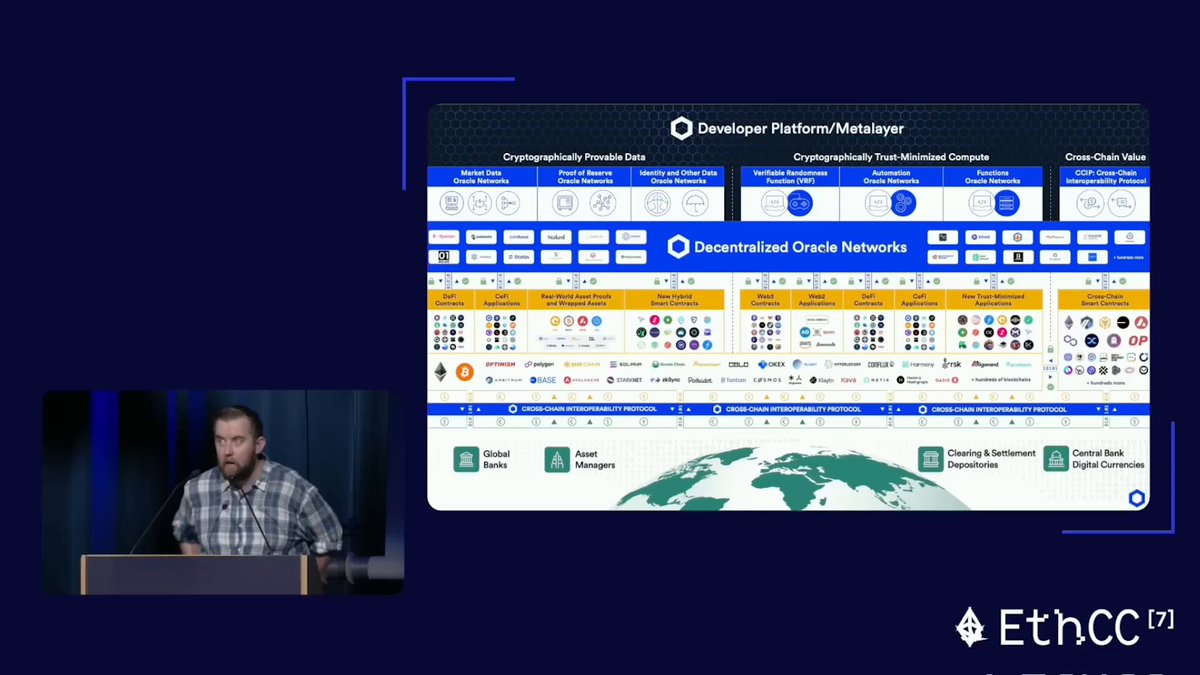
The Convergence of Traditional Finance and Public Blockchains by @SergeyNazarov
66
Yann Token RWA retweeted

10 Jul 2024
Each @rwasummit finds a way to be better than the last!
Grateful for all the RWA innovators, investors, and enthusiasts we met and learned from.
Stay tuned for details on our next event 👀
10 Jul 2024

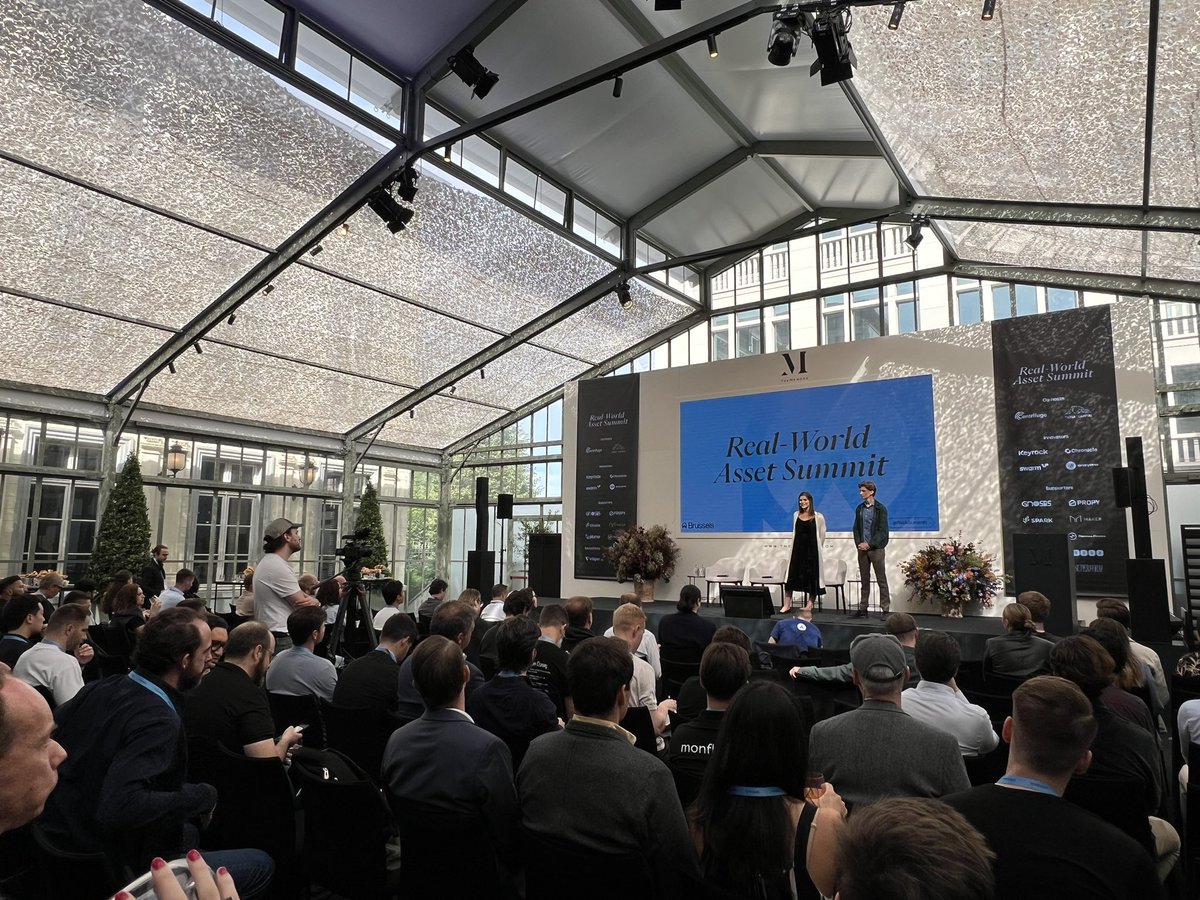
Another RWA Summit is in the books!
Thanks to everyone who joined us in Brussels to explore the intersection of TradFi and DeFi.
Shoutout to our co-hosts @centrifuge and @TiogaCapital, along with our partners, for making this event possible.
Next stop... Singapore!
6
16
107
5,489
10 Jul 2024
➤ Here are three actionable policy steps for central banks and financial regulators to innovate their approach via tokenization 👇
1. There's a key difference between "asset tokenization" and "tokenized asset."
The former involves converting traditional financial assets (like currencies and bonds) into digital form on blockchains.
The latter means creating new digital assets directly on the blockchain. Start with asset tokenization, such as digital versions of currencies and bonds. Once the legal and technical groundwork is solid, move towards integrating fully digital assets like cryptocurrencies.
Next, use a mixed method.
Tokenized assets and centralized management should work together, not against each other. Tokenization isn’t a one-size-fits-all solution; it should be used where it makes the most sense.
Completely decentralized systems aren’t always better than traditional ones. Some level of centralization is crucial for financial stability, so a fully open blockchain like those in DeFi isn’t always the best choice.
Lastly, foster trust through joint leadership. Even though blockchain offers a "trustless" system, trust is still needed to get people to use it.
Building this trust and encouraging adoption requires strong collaborative leadership. This means working together to overcome the high costs and challenges of setting up blockchain infrastructure.
By following these steps, central banks and financial regulators can effectively navigate the evolving landscape of tokenization and build a more secure, efficient financial future.
1
31
9 Jul 2024
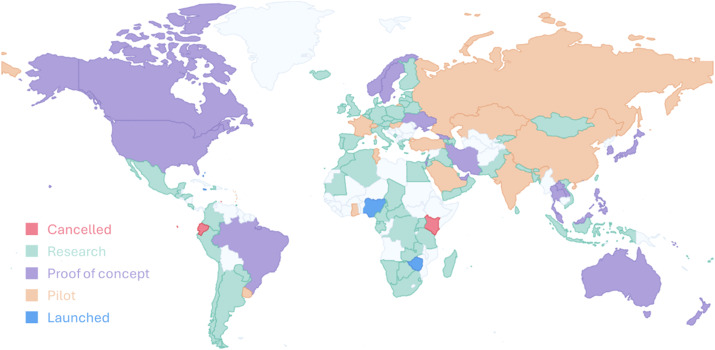
➤ Take a look at this #RWA World Map that helps to understand current tokenization practices across countries 👇
Early experiences with tokenization are varied, with some nations jumping in eagerly, while others tread more carefully.
China stands out, leading the way in blockchain-based finance, becoming one of the pioneers in launching Central Bank Digital Currencies (CBDCs), also called e-CNY.
This has sparked interest among policymakers in blending tokenization with finance and trade. Supporters believe digital currencies can streamline international transactions, cut costs, and boost transparency and security.
There's even a suggestion to use e-CNY for issuing tokenized bonds. This innovative method could help companies and governments raise funds while lessening the need for traditional financial intermediaries. Additionally, it could help global investors tap into China's financial markets, furthering the international reach of CNY.
On the flip side, the US has been more hesitant about tokenized currencies and assets. For instance, in 2019, the US Congress urged Facebook to halt its Libra cryptocurrency project.
The shift from traditional finance mechanisms posed significant concerns over security, privacy, and monetary control. The hesitation stemmed from fears about data privacy, potential money laundering, regulatory evasion, and impacts on financial stability.
With Facebook's massive user base, Libra's possible widespread adoption raised questions about regulation and the disruption of current financial systems. Meanwhile, the EU is in the middle, considering laws to regulate tokenized currencies and assets but still debating the best path forward.
The EU's discussion reflects a proactive stance toward new tech, potentially leading to regulations that can adapt to both advancements and challenges.
1
34
8 Jul 2024
• Consider real estate tokenization. Some critics argue it doesn’t solve liquidity problems, but they miss the crucial improvements in transactionefficiency and accessibility.
Tokenization replaces the lengthy legal ownership process with immutable, verifiable, onchain ownership.
This innovation doesn’t bypass existing legal frameworks; instead, it offers a more efficient precursor to formal ownership transfers, allowing assets to trade with greater efficiency, prior to a token-holder choosing to take formal, legal possession.
A process which is itself modernizing, as various land registries continue to experiment with blockchain-based recording systems.
8 Jul 2024

The true strength of #RWA tokenization lies in the ability to balance stability with innovation.
These assets bring durable value onchain and introduce a consistent source of new money flowing into the DeFi ecosystem through off-chain yields.
This balance is crucial for the sustainable growth of the onchain ecosystem.
2
63
5 Jul 2024
➤ Lithuanian company FreeBnk has recently completed a major funding round, securing $3 million to advance its crypto investment technologies 📈
The funding was led by Founderheads, with significant contributions from ChaiTech Ventures, LVT Capital, and Lavender Capital.
FreeBnk aims to make crypto investing easier for users by tokenizing real-world assets (RWAs) like property, stocks, and gold, enabling fractional ownership through its innovative platform. The company offers features such as gas fee-less cross-chain transfers, affordable merchant payments, competitive mortgage and lending rates, and strong crypto portfolio insurance.
The newly raised funds will be used mainly to improve the user interface and app experience, especially for newcomers to the crypto market. This includes adding advanced security measures and extending comprehensive insurance coverage to protect user investments.
Other features of FreeBnk include international fiat money transfers via blockchain and advanced inheritance plans, which secure users’ digital assets. This comprehensive approach is supported by a $30 million insurance pool, highlighting the company's commitment to security and user trust.
Besides this recent funding, FreeBnk is also improving its customer support, planning to introduce 24/7 in-app support that connects users directly with human representatives for immediate help.
Previously, the company had received significant attention for its strong security measures, particularly its multi-party computation (MPC) framework, which ensures high-level protection for users’ digital assets.
Sarunas Legeckas, General Partner of Founderheads, expressed his support: “We are thrilled to be a part of a project like FreeBnk that prioritizes greater user control over digital assets. In today’s changing financial sector, empowering users with the ability to manage their assets securely and freely is essential. FreeBnk’s commitment to decentralization aligns with our vision of reshaping how users interact with digital assets.”
26
Yann Token RWA retweeted
4 Jul 2024
A new version of the Centrifuge app was just released!
Our CTO @offerijns wrote a thread outlining new features.
Give it a read ↓
4 Jul 2024

A new version of the Centrifuge App was just released, that brings a series of reporting features. This takes transparency to a new level. Let's dig into LTF, a pool of short-term US treasuries on Centrifuge, to see what's new: app.centrifuge.io/pools/4139…
1
13
83
5,004
2 Jul 2024
➤ T-Blocks is revolutionizing investment opportunities in Albania and the Balkans 👇
By transforming prime assets like renewable energy parks and luxury resorts into accessible wealth, T-Blocks opens the doors for global investors to enter these high-growth markets
With a plan to tokenize €235M of top-tier assets, including renewable energy parks and luxury resorts with yacht marinas, T-Blocks is opening these high-growth markets to professional investors and high-net-worth individuals.
▫️ Now you might ask: Why Albania and the Balkans?
Albania and the Balkans are emerging markets that need capital markets and technological infrastructure for financing and investments. T-Blocks is changing the capital-raising process for asset developers in the region, enabling access to global and diaspora capital through blockchain and EU-compliant tokenization solutions, and building a global profile in international capital markets.
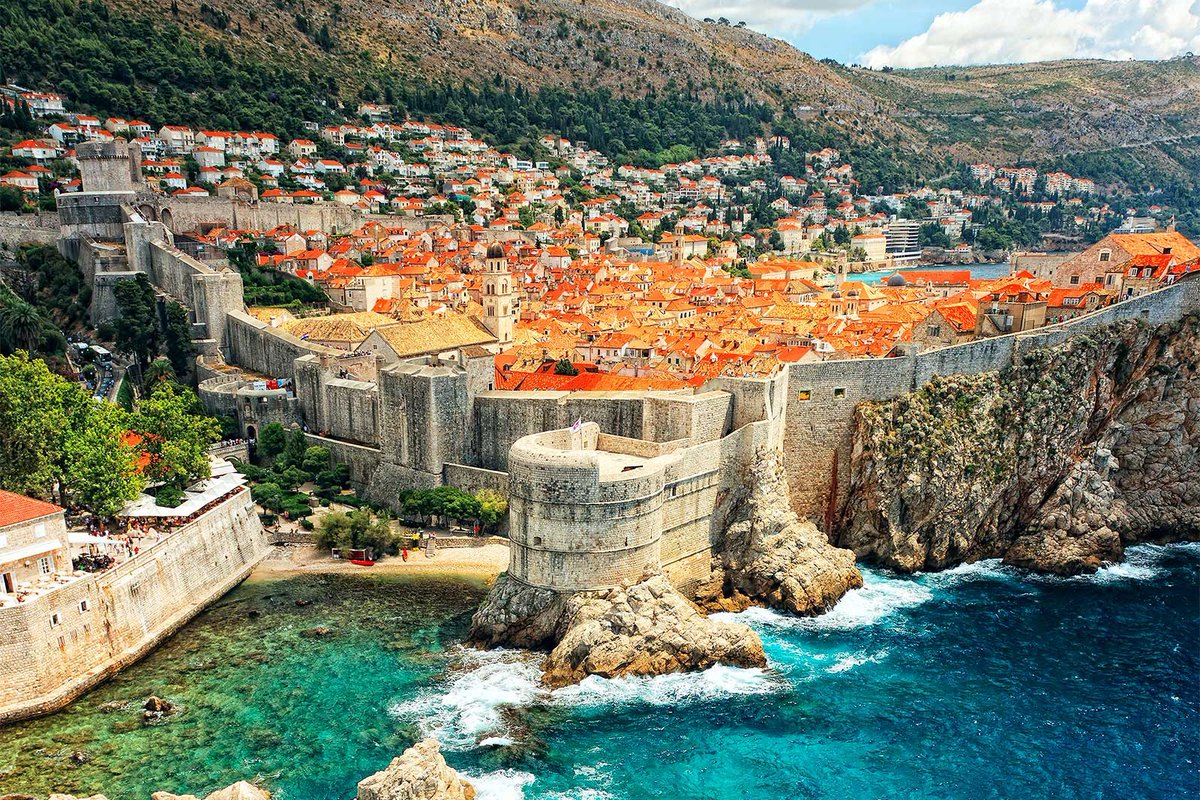
Albania, with the same coastline as Italy, Greece, and Croatia, is becoming a prime destination for #RWA investments.
31
Yann Token RWA retweeted
18 Jun 2024
We're excited to announce the agenda for the Brussels @rwasummit!
Learn more ↓
18 Jun 2024
The RWA Brussels agenda is live!
Discover insights from our lineup of speakers bridging TradFi and DeFi backgrounds.
Check it out ↓
rwasummit.io/brussels-2024/a…
2
13
85
4,464
13 Jun 2024
➤ Some very interesting facts that you should take into account about the potential to tokenize global illiquid assets 👇
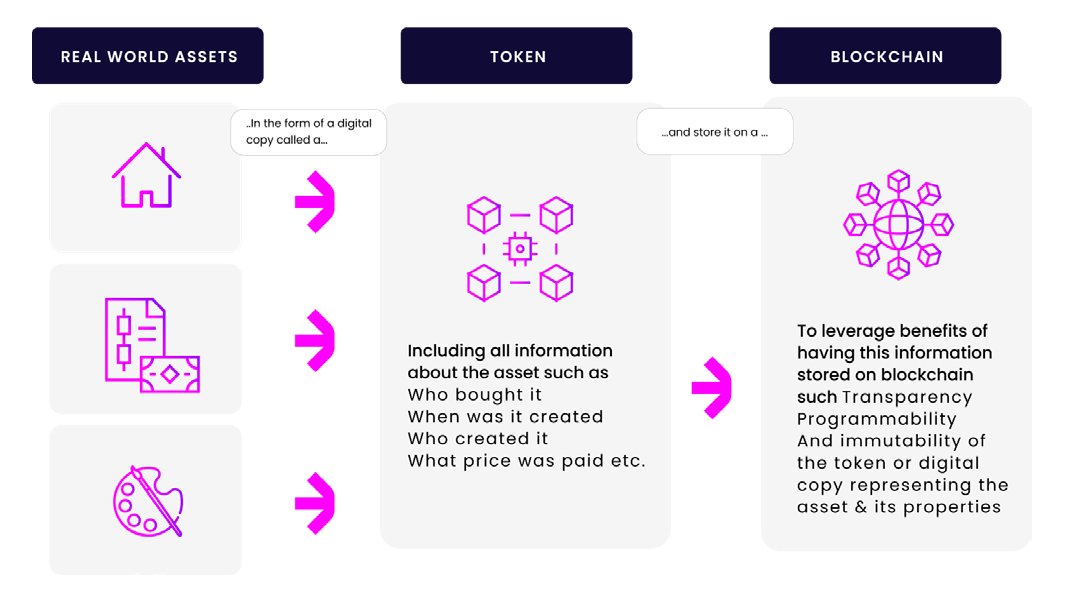
Real-world asset tokenization involves converting tangible and intangible assets into digital tokens tradable on a blockchain.
This process simplifies transactions, adds liquidity to traditionally illiquid assets, and ensures transparency and security.
Therefore, industry experts believe tokenizing real-world assets is crucial for the mass adoption of blockchain technology.
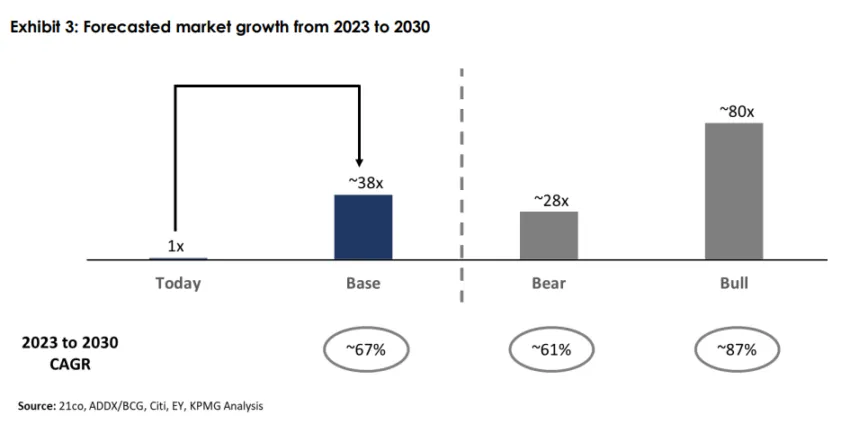
According to a report by KPMG, the potential to tokenize global illiquid assets is a multi-trillion-dollar opportunity.
The market is expected to grow significantly by 2030, with forecasts suggesting an increase from the 2023 baseline by at least 28 to 80 times.
Expanding adoption and positive regulatory discussions will also further drive this growth.
3
195