
Master Bond manufactures adhesives, sealants, and coatings for applications in electronic, medical, optical, aerospace, and other high-tech industries.
Joined January 2013
- Tweets 1,249
- Following 862
- Followers 909
- Likes 1
473 Photos and videos
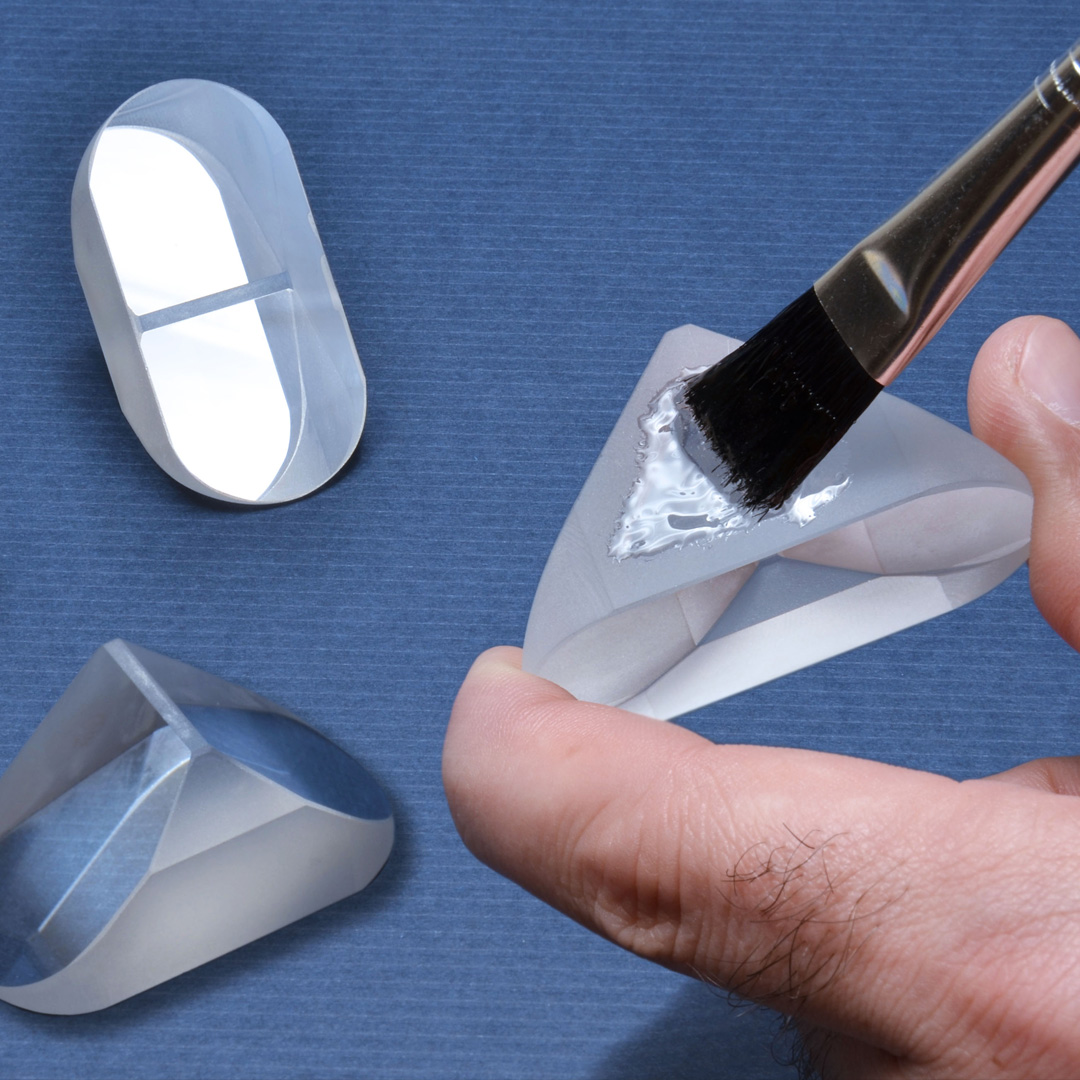
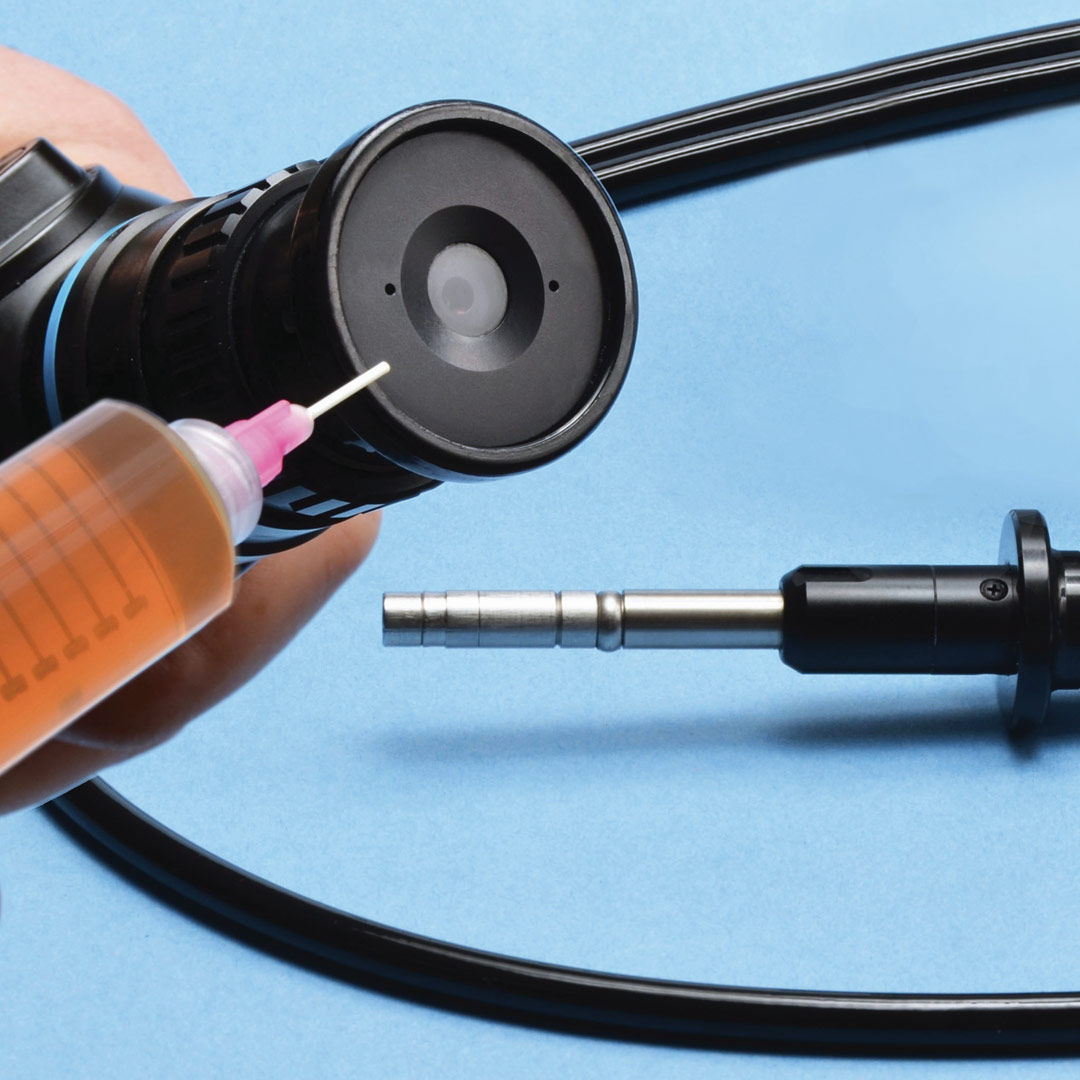
How can adhesive technology support next-generation sensor design? See how Master Bond EP21TDCS was used in a thermal-sprayed strain sensor application for structural health monitoring: masterbond.com/case-study/ep…
2
As electric vehicles and automotive electronics continue to advance, material selection is more important than ever. Explore how adhesives, encapsulants and coatings support EVs, sensors and next-generation automotive designs: masterbond.com/whitepaper/ad…
2
Designing for food equipment, medical or high temperature applications? Explore EP42HT-2FG, a two component epoxy system formulated for bonding, sealing, coating, potting and casting in demanding environments: masterbond.com/tds/ep42ht-2f…
7

May 27
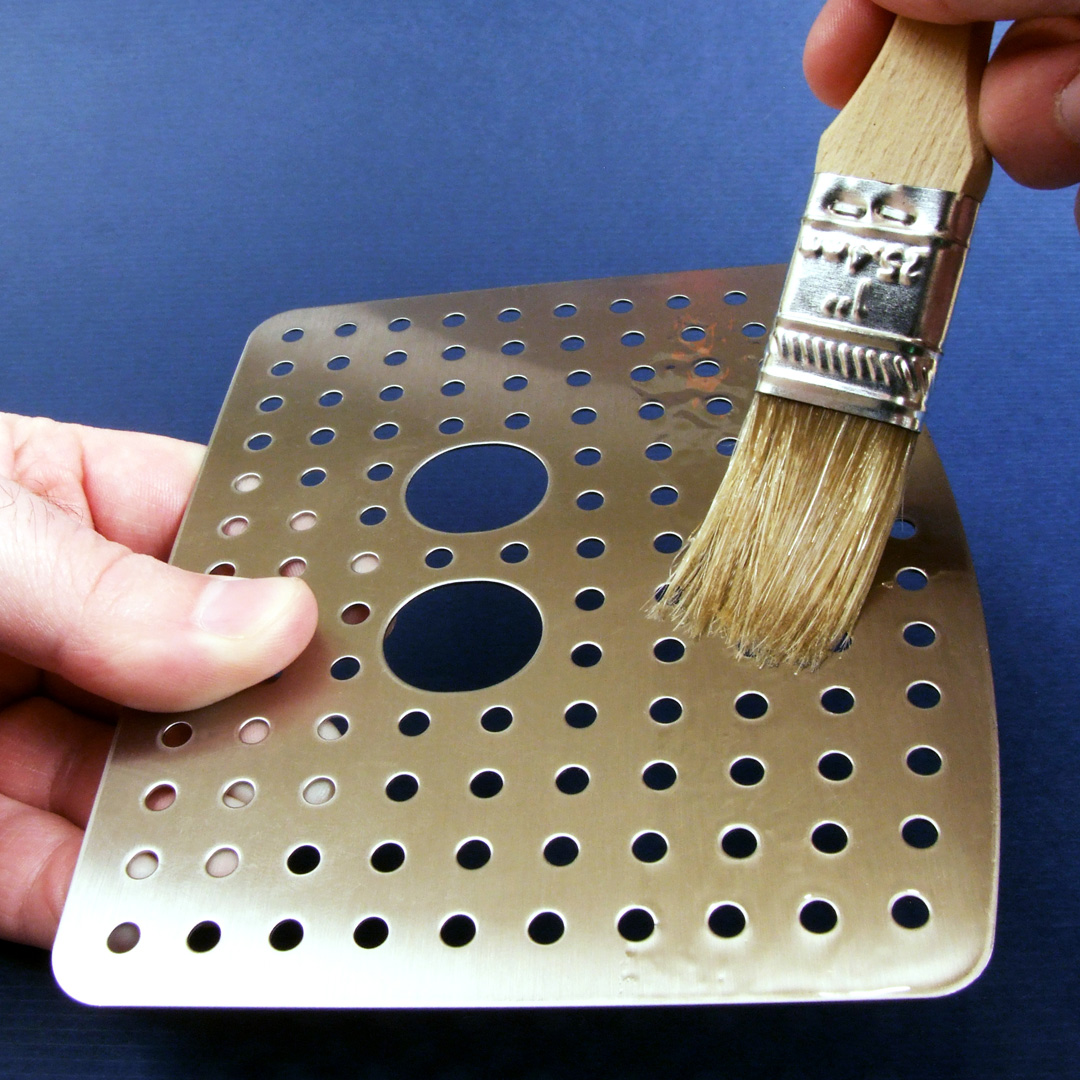
Bonding silicone to metal is notoriously difficult—especially in high-strain environments. See how engineers solved it using a flexible, electrically insulating adhesive in an advanced aerospace sensor application. Explore the case study:masterbond.com/case-study/ma…
7
May 21
What does it take for an adhesive to survive space? Extreme thermal cycling, high vacuum, radiation exposure—this ebook explores how advanced systems are engineered for reliability beyond Earth. Get the full guide:masterbond.com/ebook/adhesiv…
3
May 19
ISO 10993-10 evaluates whether materials can induce skin sensitization—one of the most critical biocompatibility requirements for medical devices. Discover certified adhesive systems designed for safe patient contact:masterbond.com/certification…
May 13
Electronics are getting smaller and more demanding. Heat, moisture, shock, and environmental stress all threaten reliability. Discover how silicone systems protect critical components and enable performance.
Download the white paper:masterbond.com/whitepaper/si…
6
Thermally conductive. Electrically insulating. Structurally reliable.
EP6STC-80 is designed for demanding applications where heat management and bond integrity can’t be compromised. Dive into the data:masterbond.com/tds/ep6stc-80
5
In high-performance applications, even trace outgassing can impact optical clarity, pressure stability, & electrical performance. This Q&A explores how engineers evaluate, test, and select low outgassing adhesives for critical environments. Access it here:masterbond.com/q-and-a/compr…
1
5
Apr 28
Not all chemically resistant adhesives perform the same. In controlled testing, multiple epoxies were exposed to DMSO for extended periods, revealing real differences in performance compared to standard formulations. Dive into the methodology & results: masterbond.com/articles/test…
4
Apr 22
When bonds fail even after passing initial tests, it's usually due to variables such as surface prep, cure conditions, or thermal mismatch. From delamination to stress cracking, this tech tip reveals common failure modes & how to design around them. masterbond.com/techtips/avoi…
6
Apr 17
Not all adhesives are suitable for medical contact. ISO 10993-10 testing confirms that they won’t trigger adverse skin reactions under defined conditions. Discover compliant solutions engineered for safety-critical applications here: masterbond.com/certification…
13
Apr 14
How does low CTE, NASA low outgassing, and cryogenic performance translate into real-world aerospace success? This case study breaks down how a specialty epoxy helped construct a high-precision composite reflector for the ISS. Read the full story: masterbond.com/case-study/ep…
20
Why do adhesive bonds fail even when the “right” product is used? Improper mixing, curing, or UV exposure can lead to incomplete cure and weakened bonds. Learn the critical handling and curing techniques that separate passing from failing in this tech tip: masterbond.com/techtips/best…
18
Not all silicones are created equal. Master Bond's MasterSil 153AO combines flexibility, strong adhesion, & thermal conductivity without generating high stress during cure. That’s critical when working with delicate or mismatched materials. Learn more: masterbond.com/tds/mastersil…
23
Mar 25
From sensor protection to biocompatible bonding, adhesives play a critical role in advanced prosthetic technology. See how EP30Med was used to encapsulate sensors in a knee prosthetic device in this real-world case study. Download to learn more:masterbond.com/case-study/ep…
10
Mar 20
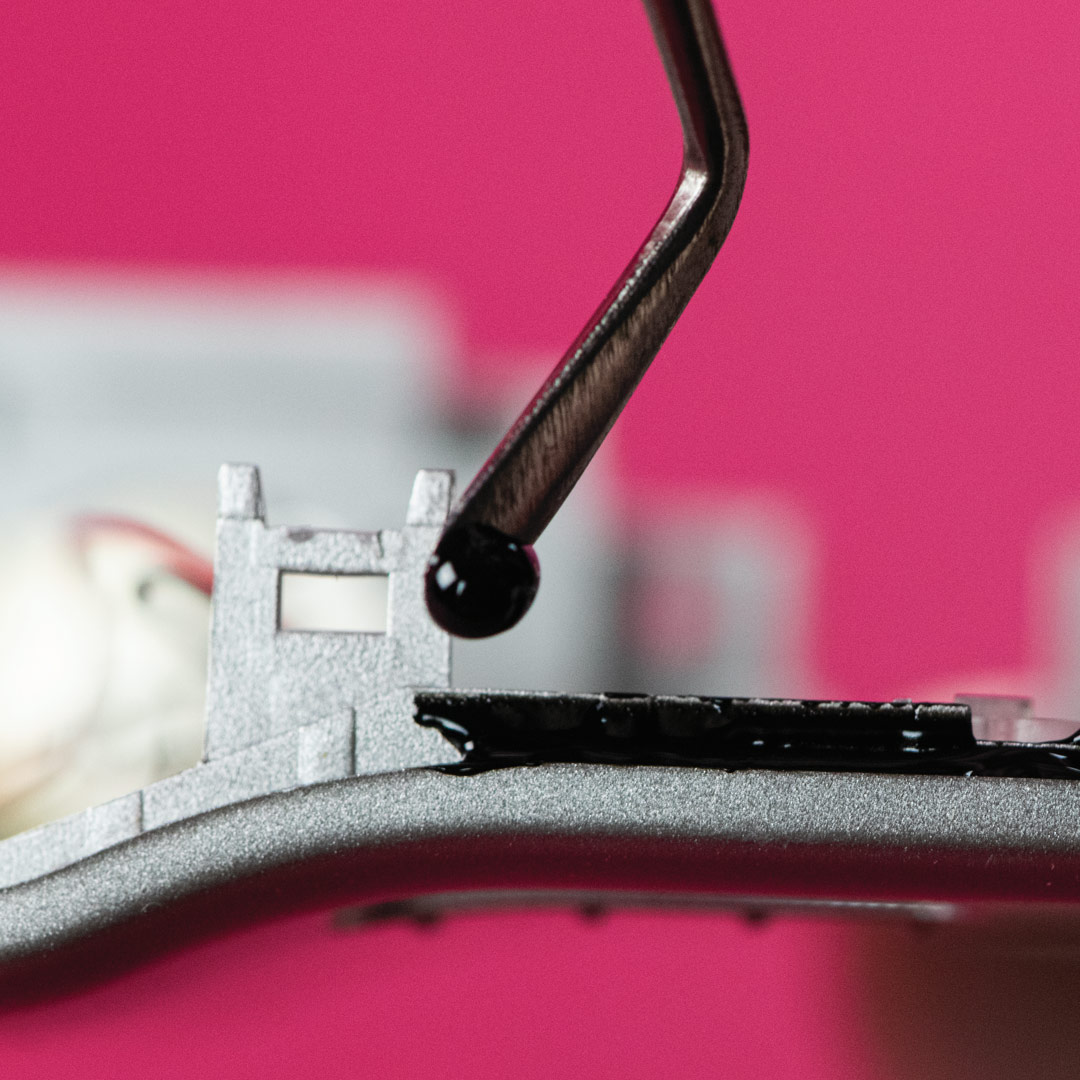
Need an adhesive that can withstand harsh chemicals & extreme environments? Discover how EP41S-5ND Black delivers exceptional chemical resistance, strong adhesion, & reliable performance for demanding bonding, sealing, & coating applications. Learn more: masterbond.com/tds/ep41s-5nd…
14
Mar 18
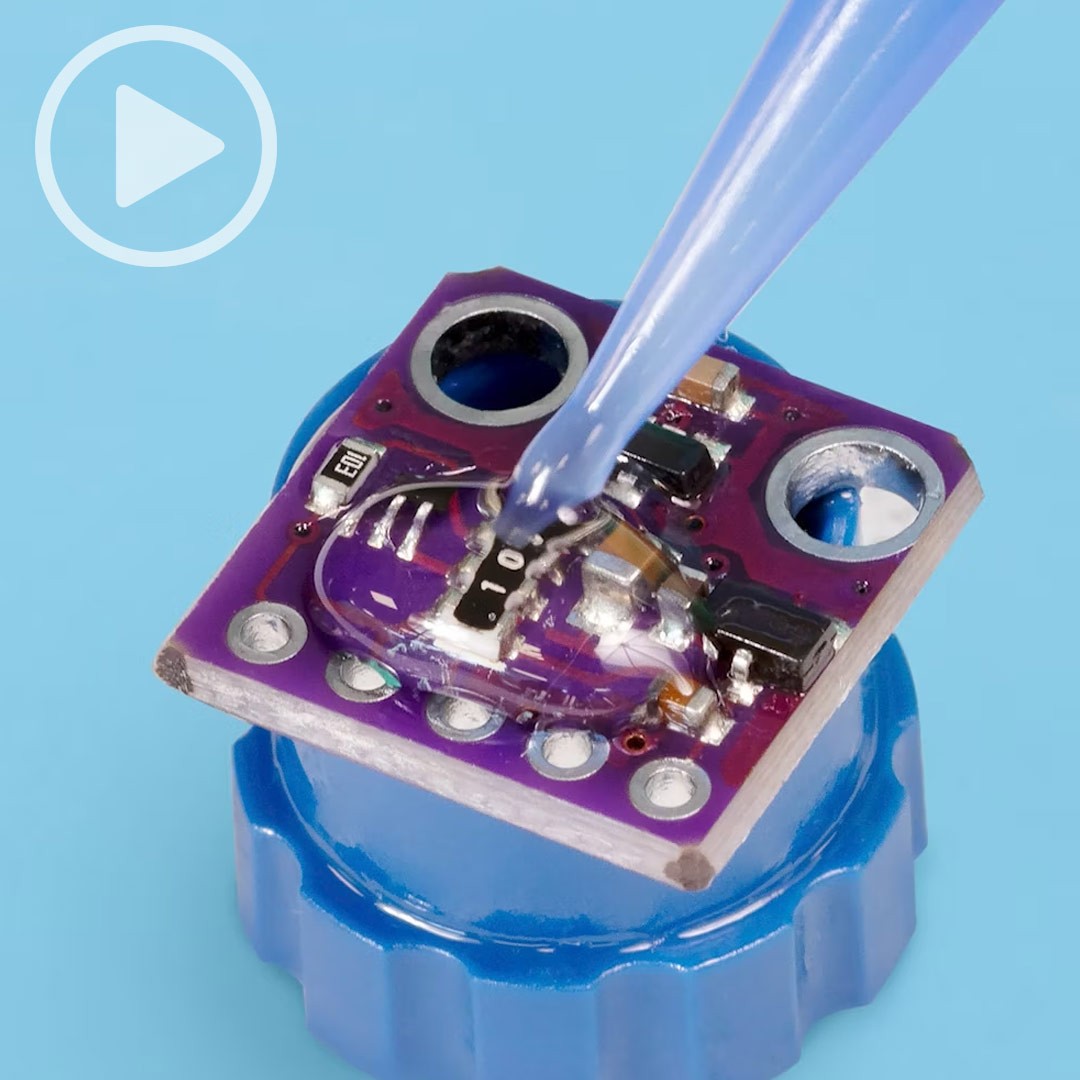
How do you ensure bubble-free encapsulation in wearable sensors? Watch how Master Bond’s epoxy and Nordson’s precision dispensing technology work together to deliver consistent, reliable protection for delicate electronics. Watch the video to learn more: masterbond.com/video/encapsu…
12
Mar 11
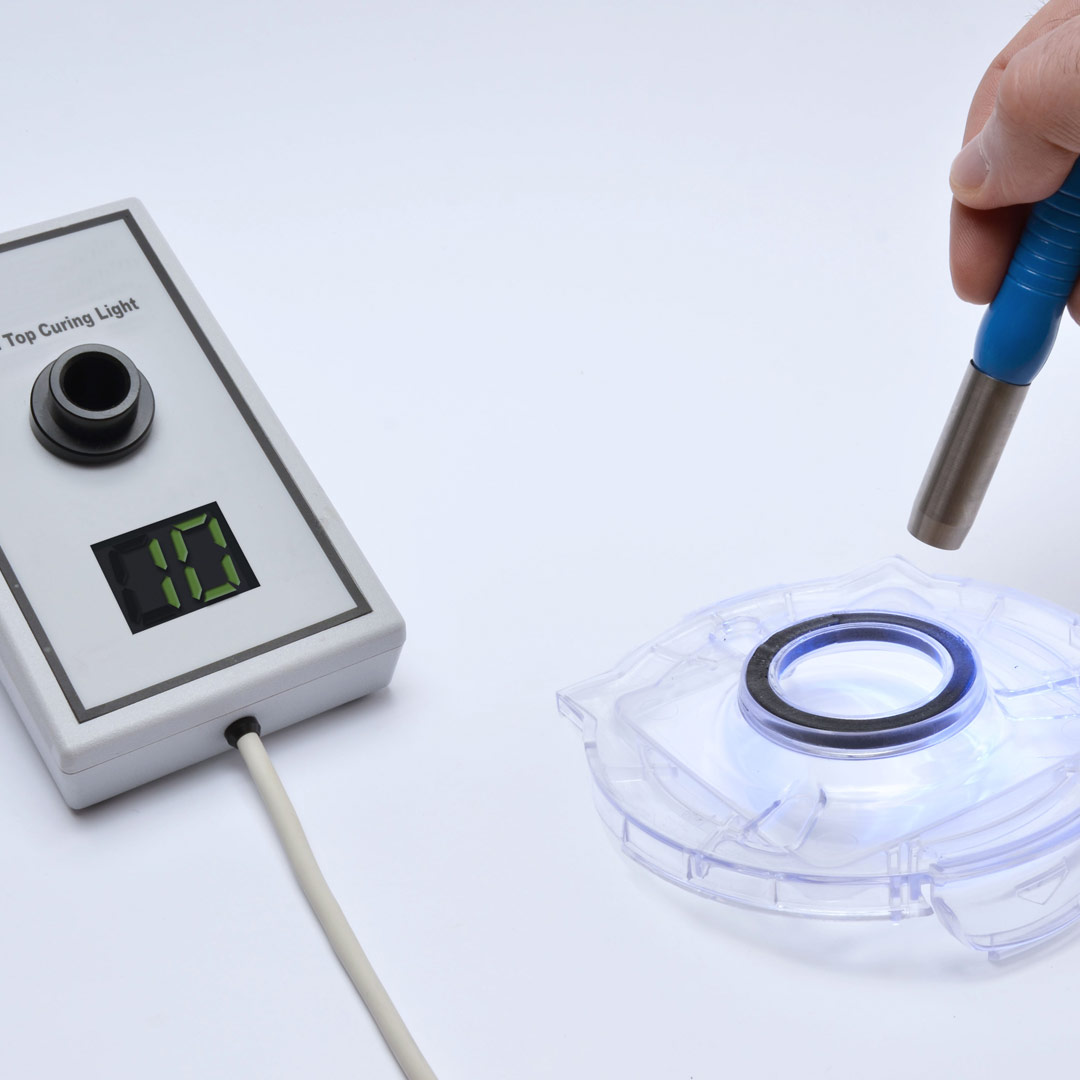
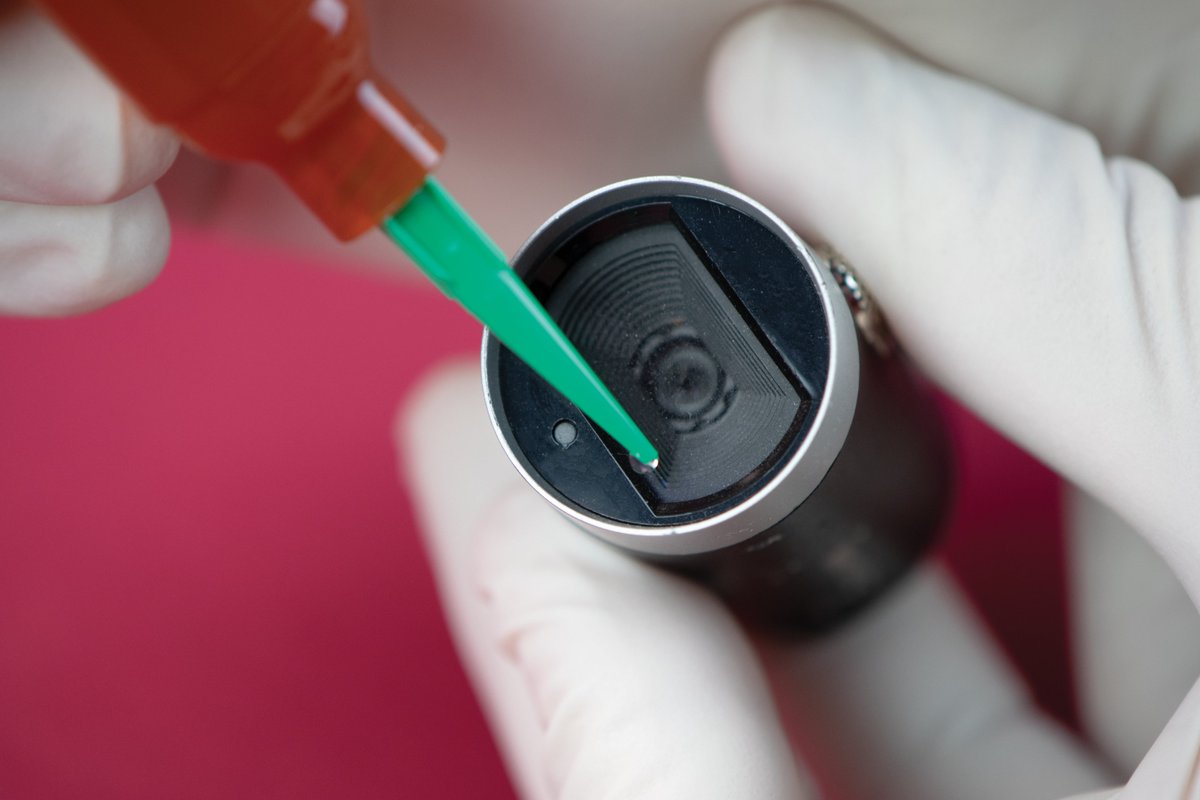
Cut curing time without sacrificing performance. Master Bond UV26DCMed is a dual-cure epoxy with superb optical clarity, high thermal resistance, and biocompatibility—designed for demanding medical assemblies. Learn more about this product here:masterbond.com/tds/uv26dcmed
1
10
Designing hermetic battery packaging demands precision, reliability, & long-term performance. This white paper dives into best practices, material choices, & adhesive strategies that protect against moisture, thermal stress, & gas permeation. Download here:masterbond.com/whitepaper/he…
9