Brooder. Enlancateur. Winner of the 2021 Nobel Peace Prize (BCE). VPXVII4LIFE
Joined October 2013
- Tweets 55,237
- Following 346
- Followers 564
- Likes 265,917
1,254 Photos and videos




Master of Obscurity retweeted

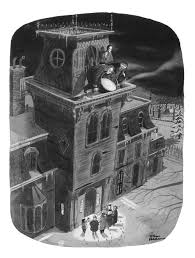
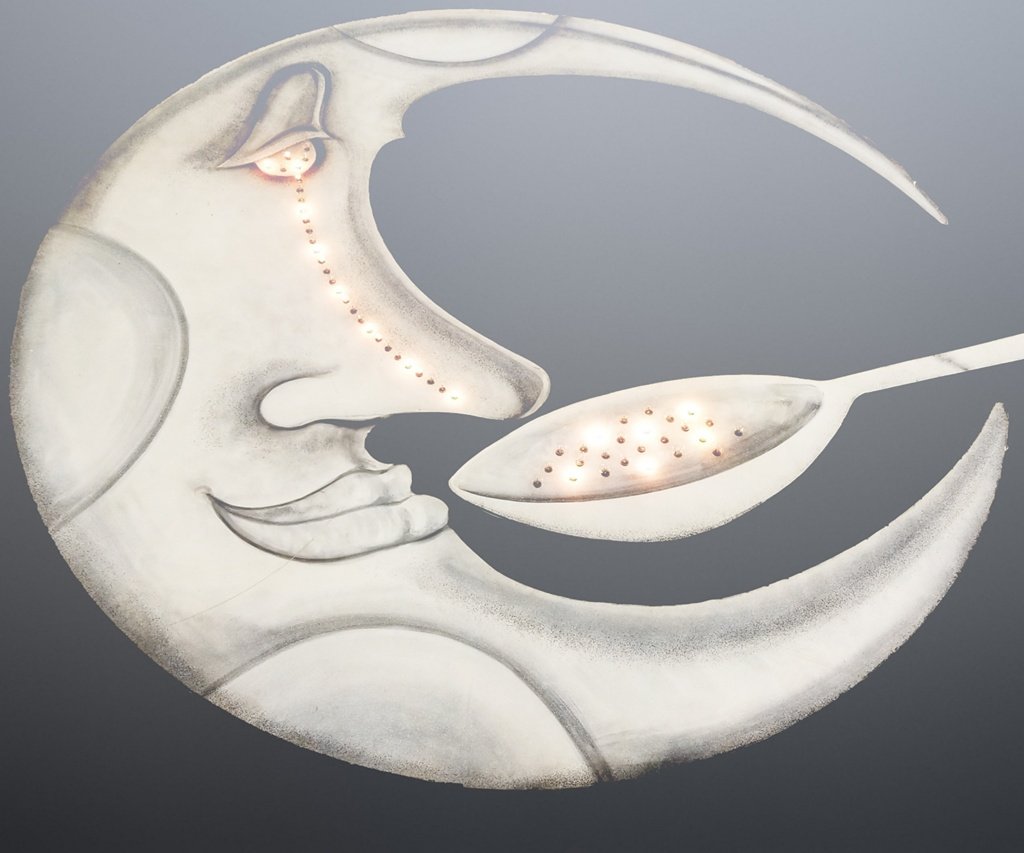
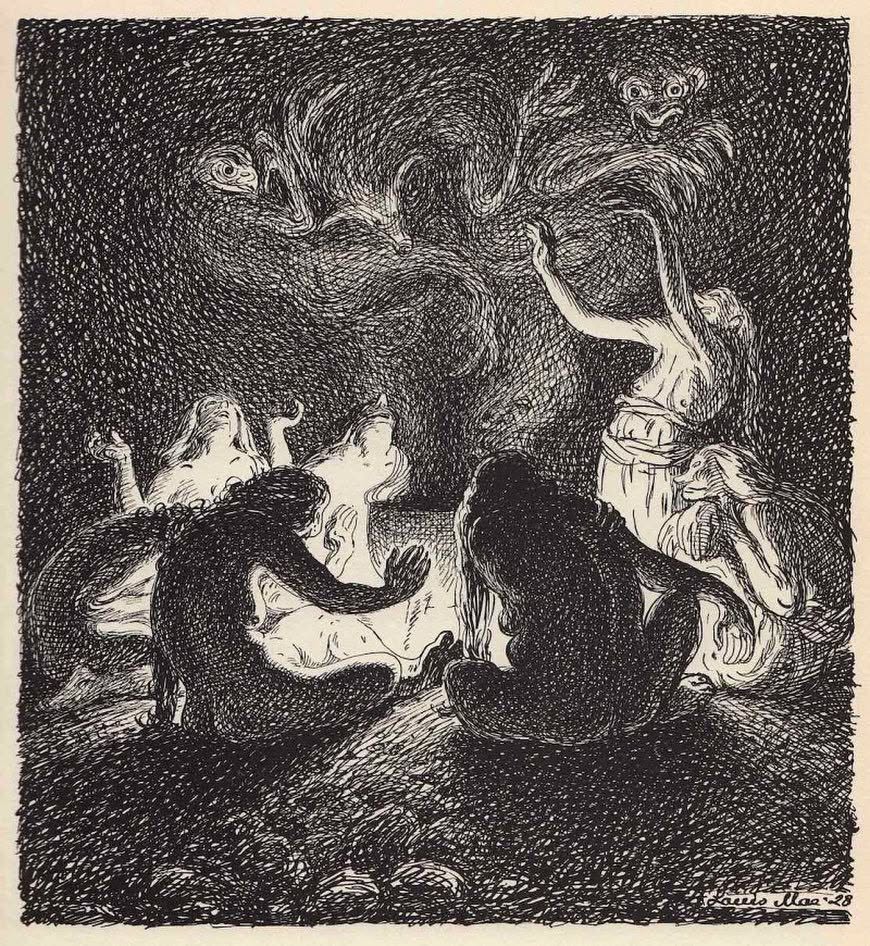
“Danse Macabre” by Louis Moe, 1928.
45
277
3,753

Master of Obscurity retweeted

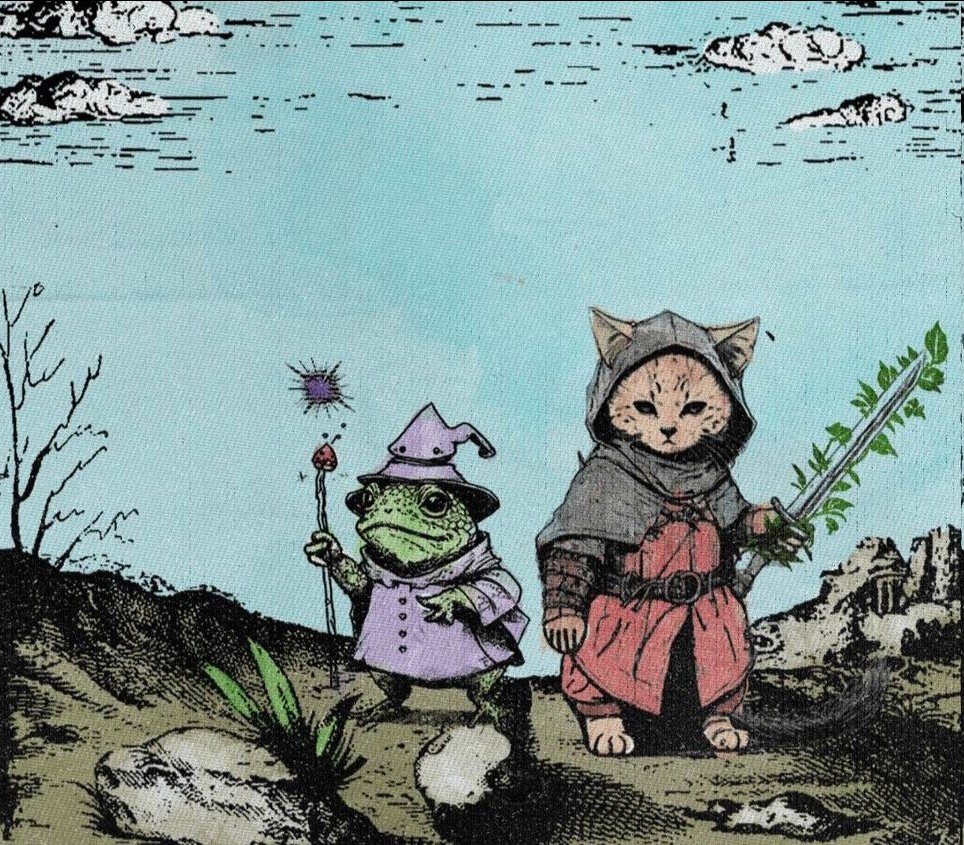
Il riscaldamento della nazionale senegalese. La World Cup, nonostante le divisioni imposte da Trump, continua a celebrare l'identità dei Paesi partecipanti e la voglia di condividerla con gli altri.
121
2,206
21,732
305,149
Master of Obscurity retweeted

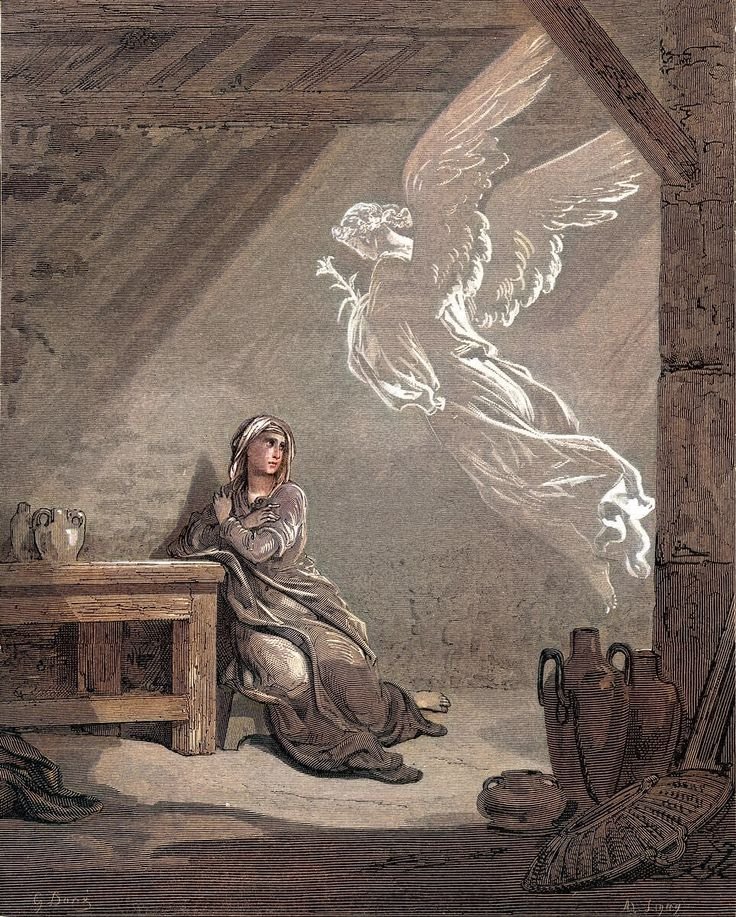
The Annunciation by Gustave Doré, 1880
3
96
514
5,926
Master of Obscurity retweeted

And I mean "trashed" in two senses of the word:
- constantly depicting modern America as a wreck only Trump can fix, a global chump & a laughingstock (again unless fixed by Trump)
- actually making America worse: dumber, nastier, and, well, trashier

No one has trashed America as much as MAGA
7
44
242
5,653
Master of Obscurity retweeted

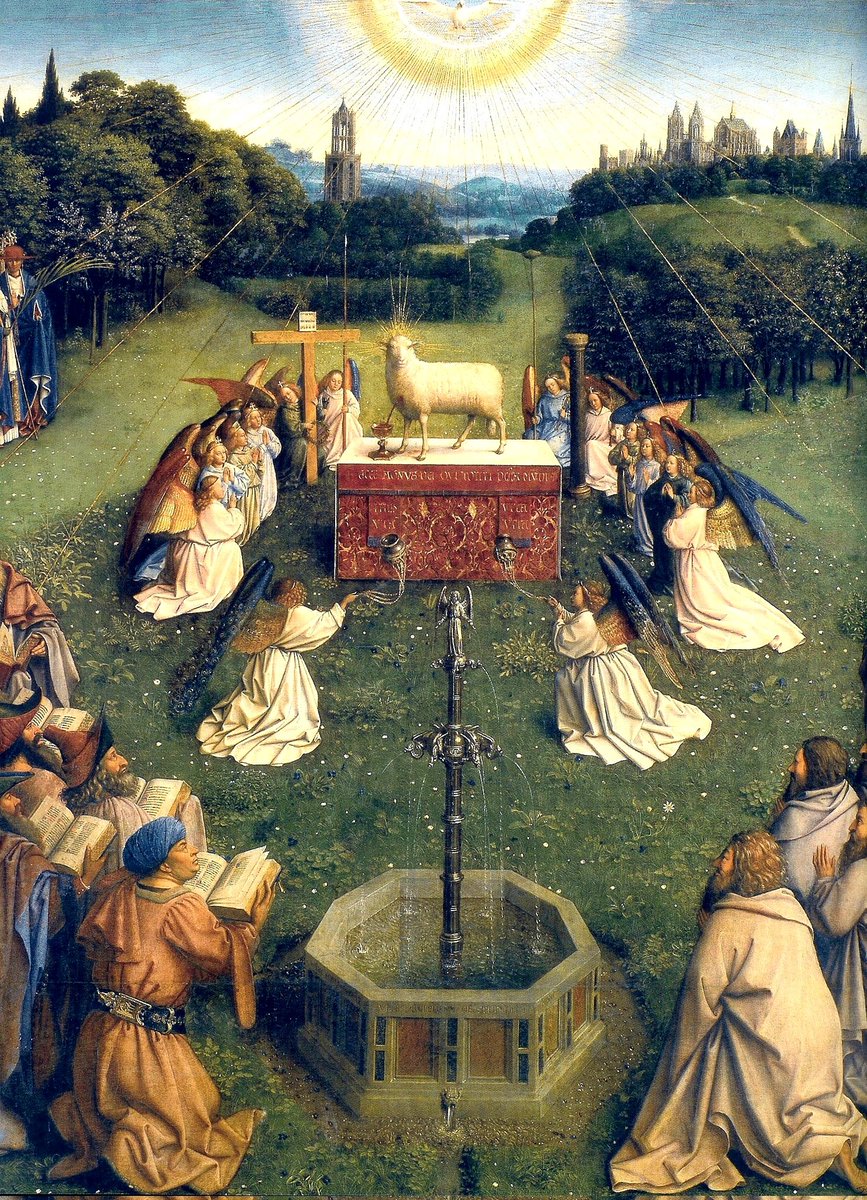
Jan van Eyck, Ghent Altarpiece (detail), Adoration of the Lamb, c.1432
53
277
3,058
Master of Obscurity retweeted

The president has never been a good negotiator, in public or private life. He paid somebody to write a book for him, claiming he had expertise in negotiation. He has no record of successful negotiation, certainly not as president.
26
91
598
10,309
Master of Obscurity retweeted

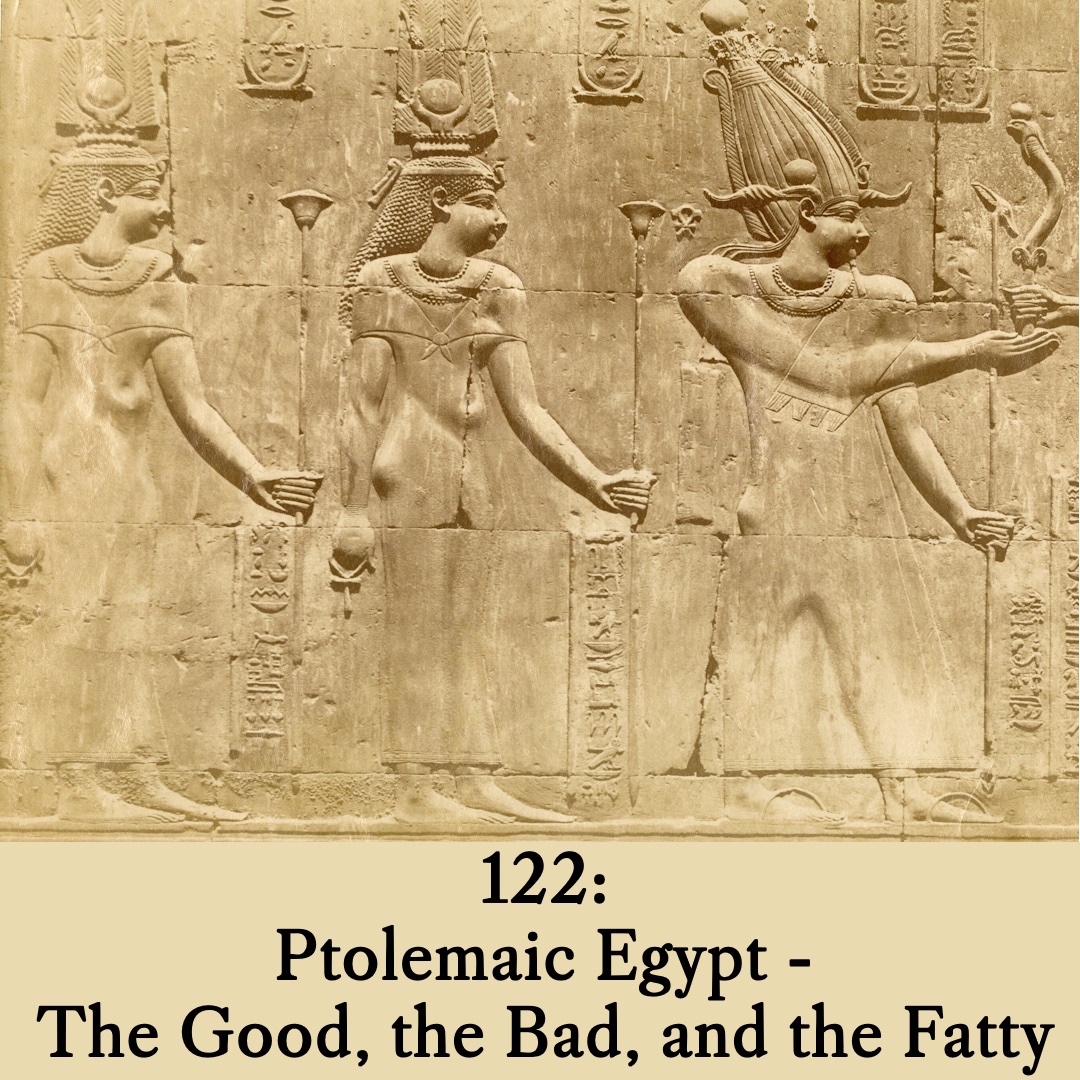
Episode 122 is recorded and set to release by the end of this weekend.
You know thick in the weeds we are? In this episode, there are eight Ptolemies and five Cleopatras coexisting at the same time. Thats the least horrifying thing about this particular show.

Hope you enjoyed our latest episode!
Next time, Ptolemy VIII returns to Egypt after his brother’s death in 145, enacting a wave of political violence and a ménage à trois with the mother-daughter pair of Cleopatra II and III. Is it any wonder that civil war followed suit?
3
7
421
Master of Obscurity retweeted

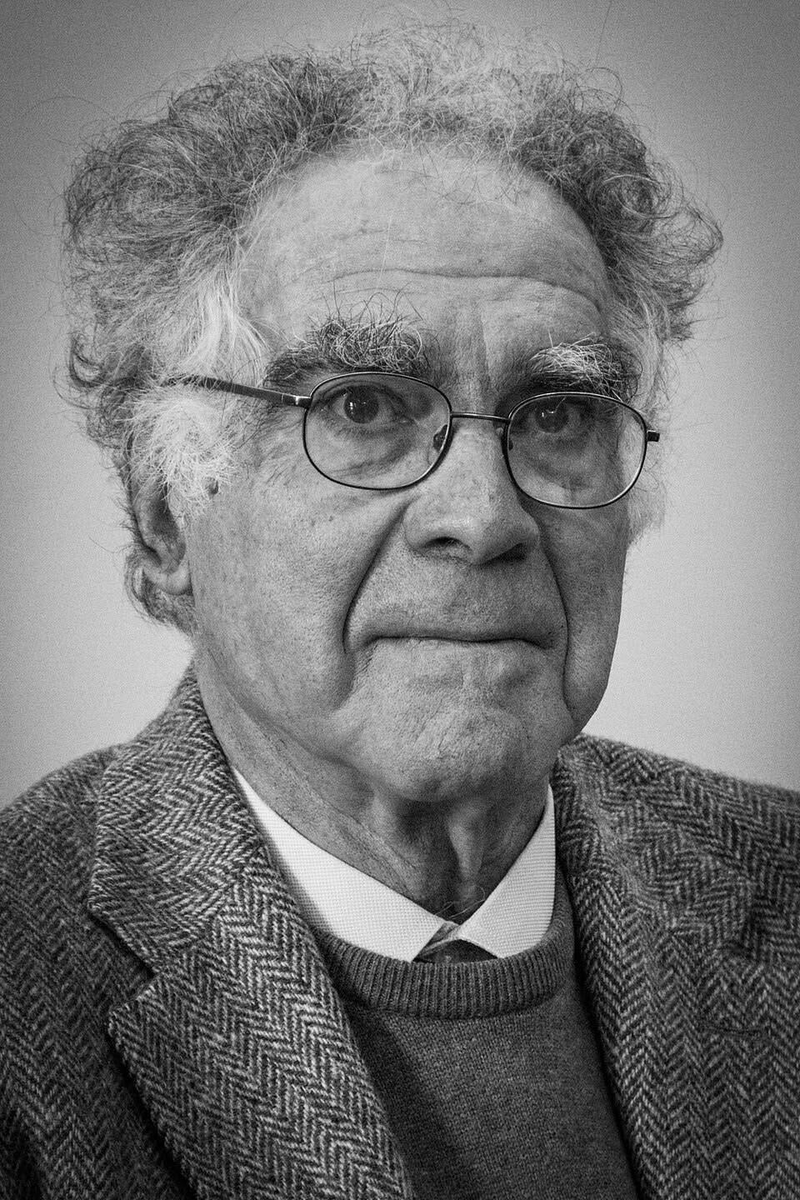
Very sad news from Italy. Carlo Ginzburg the micro-historian died. He produced some of the most interesting work on supernatural belief systems. Here translation of obituary from Repubblica.
Carlo Ginzburg has died, aged 87: the great historian and theorist of “microhistory”. The son of Leone Ginzburg and the writer Natalia Ginzburg, he was famous throughout the world for his research on witchcraft and popular beliefs.
He was born in Turin in 1939. Professor emeritus at the Scuola Normale in Pisa, where he had studied, he had also taught from the 1970s onward at the University of Bologna and at the American universities of Harvard, Yale, Princeton and California, UCLA.
In the 1960s, while studying documents in the Archiepiscopal Archive of Udine, Ginzburg discovered a pagan cult widespread in Friuli in the sixteenth and seventeenth centuries. Its members were a kind of shamanic healer, accused of heresy by the Inquisition, and known as the “benandanti”. This became the title of his first book, published in 1966, in which he traced the origins of this peasant cult back to older beliefs widespread in central Europe. The group of Friulian peasants who became the object of the historian’s research claimed that they fought in dreams against witches in order to ensure the fertility of the fields.
I benandanti, published by Einaudi, became an example of Ginzburg’s approach to microhistory: a research method that concentrates on particular cases which sometimes escape grand history, by combing through judicial records, correspondence, registers and diaries.
Another model of this approach is found in another of Ginzburg’s books, The Cheese and the Worms — Il formaggio e i vermi, Einaudi, 1976 — in which the historian tells the story of the miller Menocchio, a sixteenth-century miller tried by the Inquisition.
In another Einaudi book, Ecstasies — Storia notturna, 1989 — Ginzburg returned to the theme of the infernal sabbath and to the myths and beliefs connected with witchcraft, always beginning from specific documents such as trial testimonies.
Ginzburg’s method turns the historian into a kind of detective who works from an evidential paradigm. In 1991 The Judge and the Historian appeared, in which Ginzburg re-examined the papers from the trial concerning the murder of Commissioner Calabresi, focusing on the relationship between evidence and truth. The book was written in the wake of Adriano Sofri’s conviction, and advanced arguments intended to demonstrate his innocence. It was first published by Einaudi, then republished twenty years later by Quodlibet.
These are the books, mostly published in the second part of his life, in which Ginzburg concentrated on the history of political thought, questions of historical method, and the relationship between truth and falsehood. He wrote about the historian’s difficulty in maintaining the right distance from what he studies, without adhering to a single perspective, and about how similar difficulties can arise in many other contexts.
3
93
318
19,047
Master of Obscurity retweeted

Grasping the sheer scale and intensity of the Taiping Rebellion (1850-1864) - history’s largest and last pre-industrial war - is so hard.
The best analogy I can come up with:
Imagine if Mormon prophet Joseph Smith had stayed on the Erie Canal. His followers, armed mostly with spears and swords, rise up and capture the entire US Midwest, seizing the nation's agricultural breadbasket. They systematically slaughter anyone from New York City and starve out huge towns like Chicago. The war kills 5% to 7.5% of the population, double the actual US Civil War.
Then, right as the Federal government completely collapses, the British Empire sails steam-powered gunboats up the Hudson River. They arm a ruthless mercenary force with state-of-the-art rifles to crush the uprising: not to save the US, but to keep Wall Street and the Atlantic trade routes open.
Meanwhile, in a completely separate conflict(!), official British and French armies sail up the Potomac and loot and burn the Smithsonian, the Capitol and Mount Vernon.
The Taiping Rebellion killed 20 to 30 million people, more than WW1. It was World War China.

93
410
4,522
285,492

Master of Obscurity retweeted

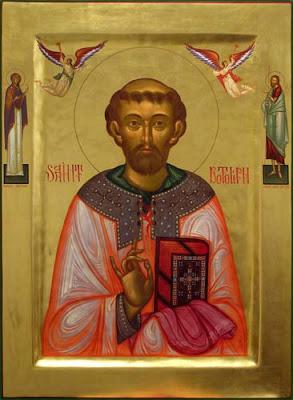
Today is the Feast of St. Botolph.
St. Botolph was one of the earliest and most revered of East Anglian saints, and became known as the patron saint of wayfarers.
Gordon Slater's lovely hymn-tune of 1929 is named after him also.
1
7
37
328
Master of Obscurity retweeted

Jun 17
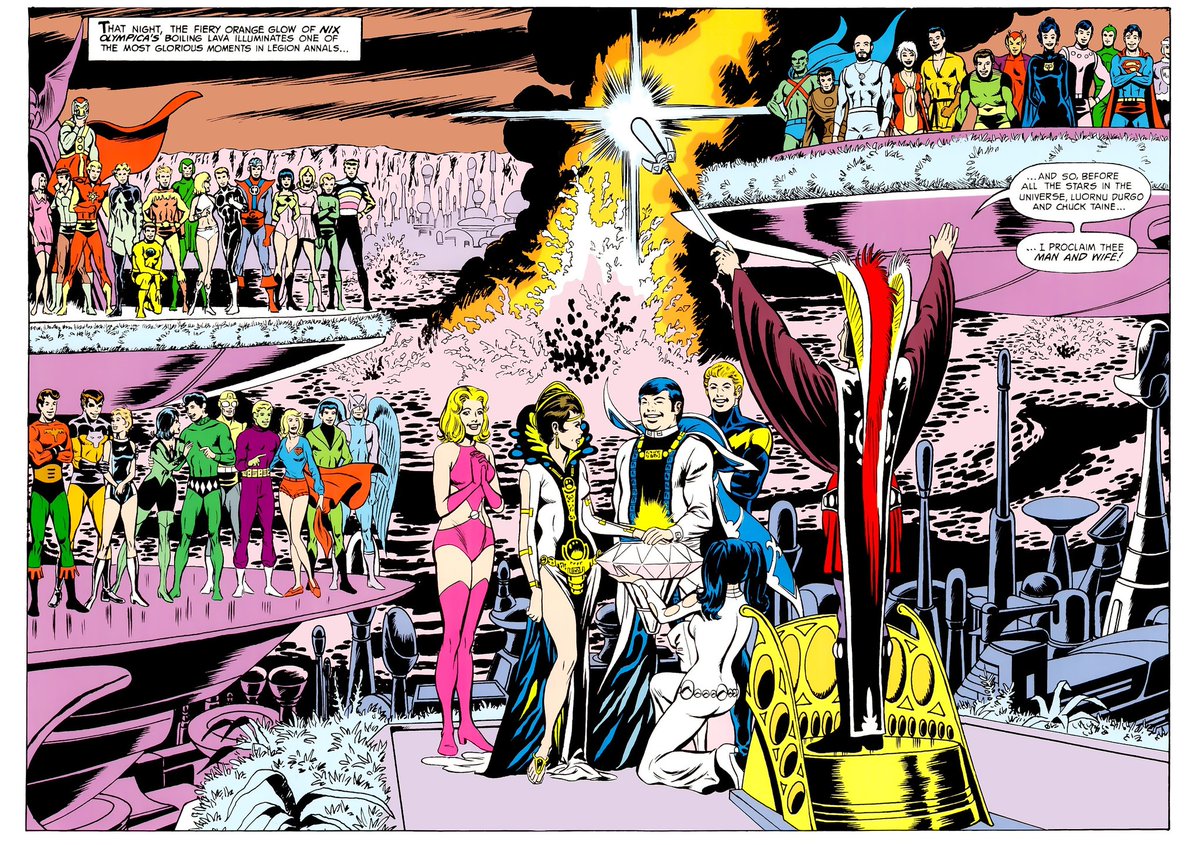
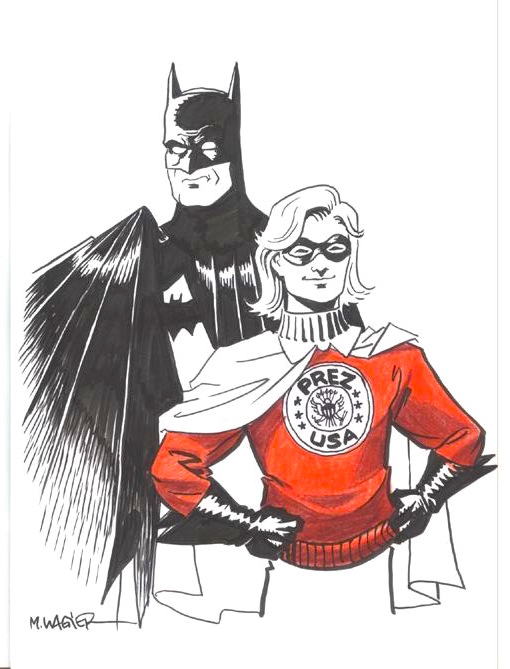
Okay, America, it's time for @Batman and...PREZ?!
2
41
399
3,935
Master of Obscurity retweeted

Joanna Karpowicz — The Fox's Wedding (Anubis Meets Yōkai)

13
1,048
5,324
107,514

RT @WB_Baskerville: For there to be an “American Homer” the answer would have to be immediately obvious to everyone, to such a degree that…
46
Master of Obscurity retweeted

The "Good Tsar, Bad Boyars" approach of some conservative commentators regarding the Iran deal trying to blame Vance and absolve Trump isn't especially tenable. At some point, you do have to blame the guy at the top, right? When it's something you think is very important, yes?
12
15
153
2,383
Master of Obscurity retweeted

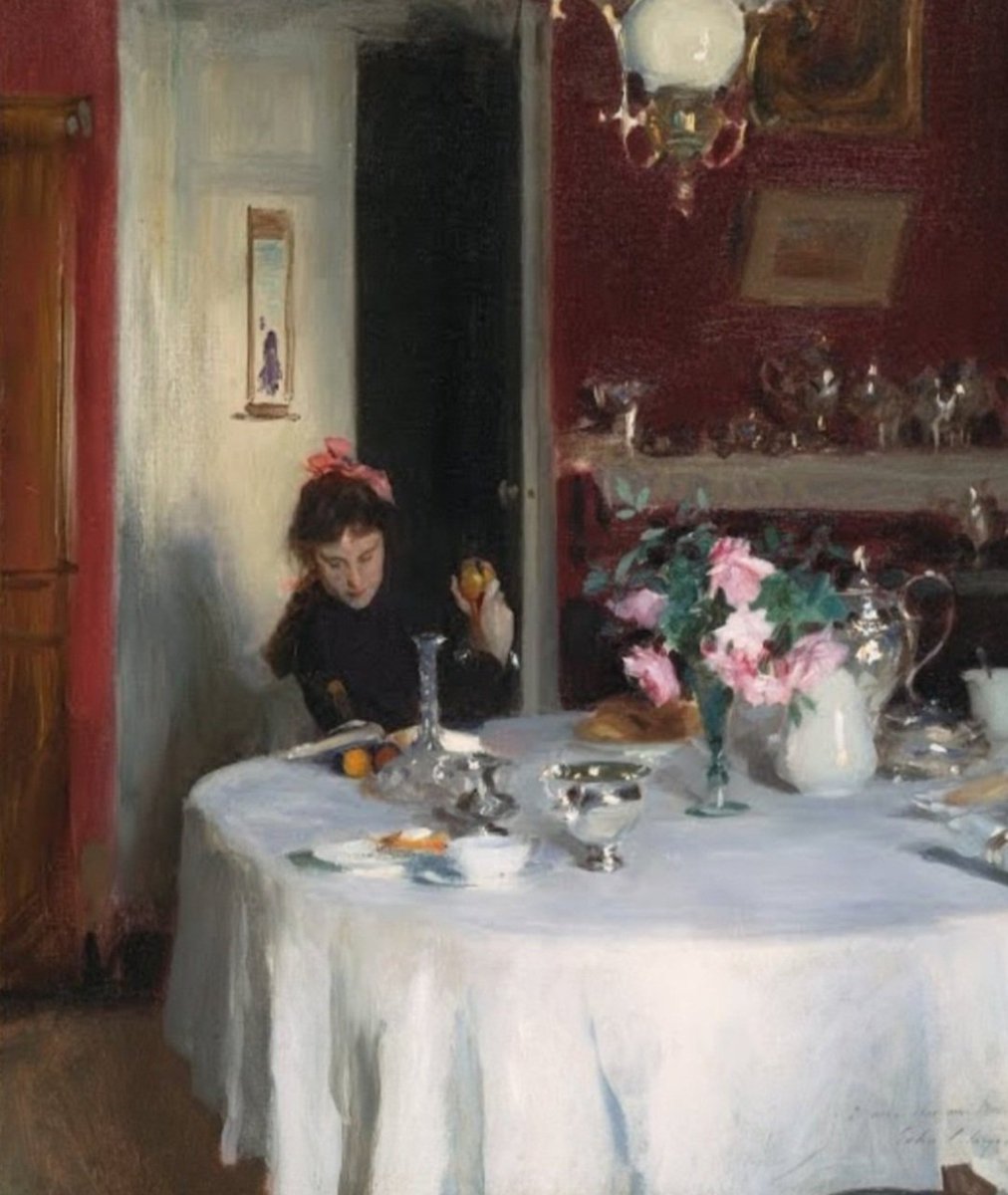
Painted in Paris in 1883, 'The Breakfast Table,' exemplifies John Singer Sargent’s regard for the formal innovations of the French impressionists - it also evokes the paintings of Degas and Manet. The sitter peeling an orange whilst reading a book, is Sargent's sister Violet.
10
77
424
7,185
Master of Obscurity retweeted

Jun 16
Hillary Clinton says when she was Secretary of State there was “constant” and “relentless” pressure by Prime Minister Netanyahu and then-Defense Minister Ehud Barak to secure U.S. backing for a military strike against Iran.
Clinton recalled hours-long phone calls where Israeli officials used leverage tactics, frequently telling her their "planes are on the tarmac" to imply an imminent, unilateral strike.
Clinton says she would respond to pressure like that with: "Well, good luck."
The New Yorker’s David Remnick asks if she felt the U.S. was being manipulated or "played" by a foreign ally that receives an enormous amount of American aid, Clinton agreed and said it happened "all the time" due to Netanyahu's intense focus on the issue.
358
4,379
22,089
2,176,101
Master of Obscurity retweeted

Jun 17
None of this makes any sense, except as desperate rationalizations from a man who cannot face facts and admit defeat. The president of the United States seems to be losing his grip on reality itself.
theatlantic.com/newsletters/…
118
1,016
3,027
82,430
Master of Obscurity retweeted

To God be the glory, great things He hath done,
so loved He the world that He gave us His Son,
who yielded His life an atonement for sin,
and opened the life-gate that all may go in.
-Fanny Crosby

1
7
54
381