
matemático, assistant professor @JohnsHopkins.
Joined November 2010
- Tweets 824
- Following 353
- Followers 182
- Likes 713
111 Photos and videos





Pinned Tweet

5 Jun 2024
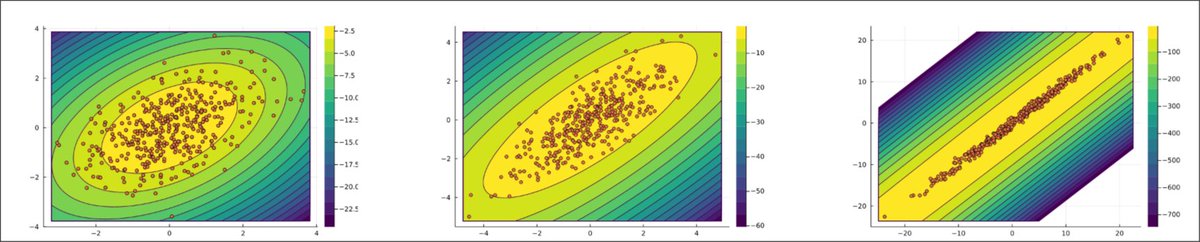
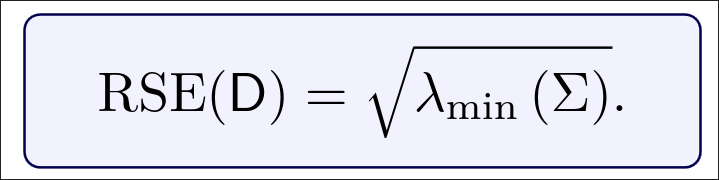
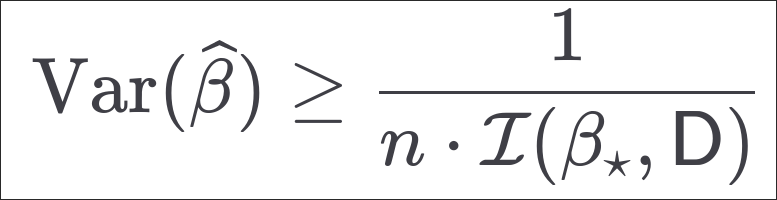
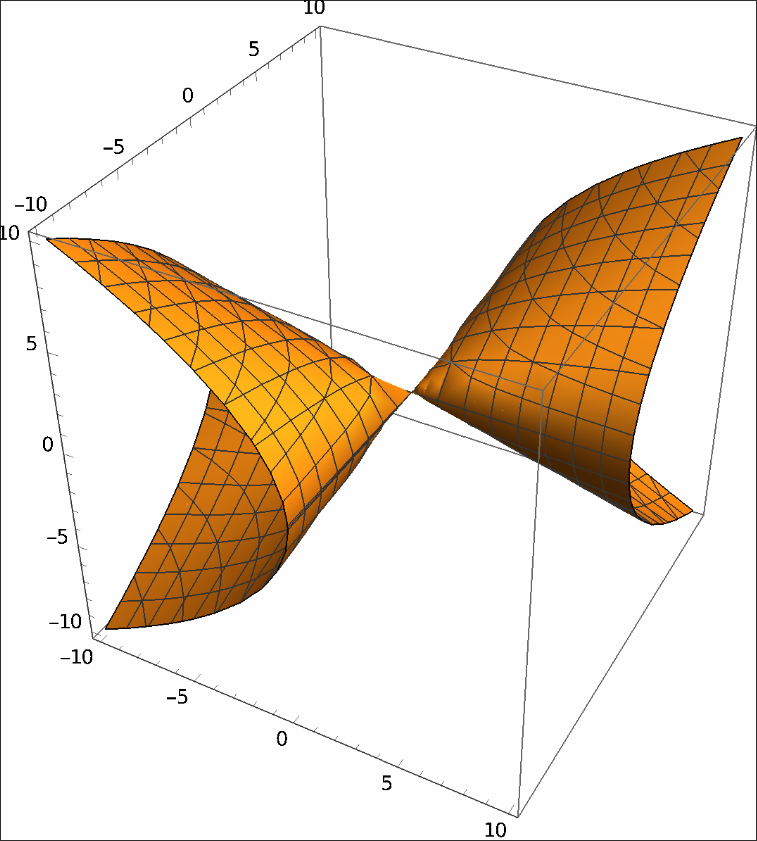
This paper made me smile a lot while working on it, so I want to share a bit about it arxiv.org/abs/2405.09676.
We draw a parallel story to the Eckart-Young Theorem (from numerical analysis) in stochastic optimization/learning problems.
(with Josh Cutler and Dima Drusvyatskiy)
3
22
99
13,531

Today, we share a breakthrough on the planar unit distance problem, a famous open question first posed by Paul Erdős in 1946.
For nearly 80 years, mathematicians believed the best possible solutions looked roughly like square grids.
An OpenAI model has now disproved that belief, discovering an entirely new family of constructions that performs better.
This marks the first time AI has autonomously solved a prominent open problem central to a field of mathematics.
1,198
3,919
26,784
13,575,120
Mateo Díaz retweeted

3 Dec 2025
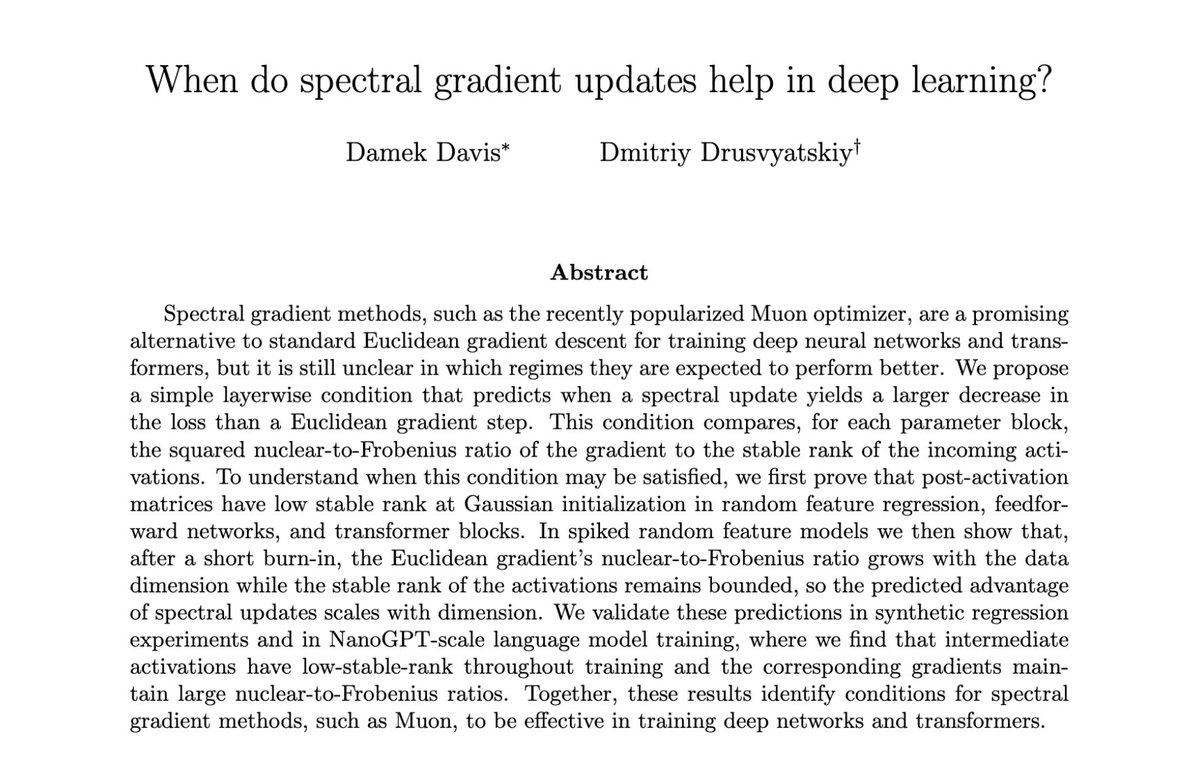
New paper studies when spectral gradient methods (e.g., Muon) help in deep learning:
1. We identify a pervasive form of ill-conditioning in DL: post-activations matrices are low-stable rank.
2. We then explain why spectral methods can perform well despite this.
Long thread
11
67
337
98,922
Mateo Díaz retweeted

16 Jul 2025
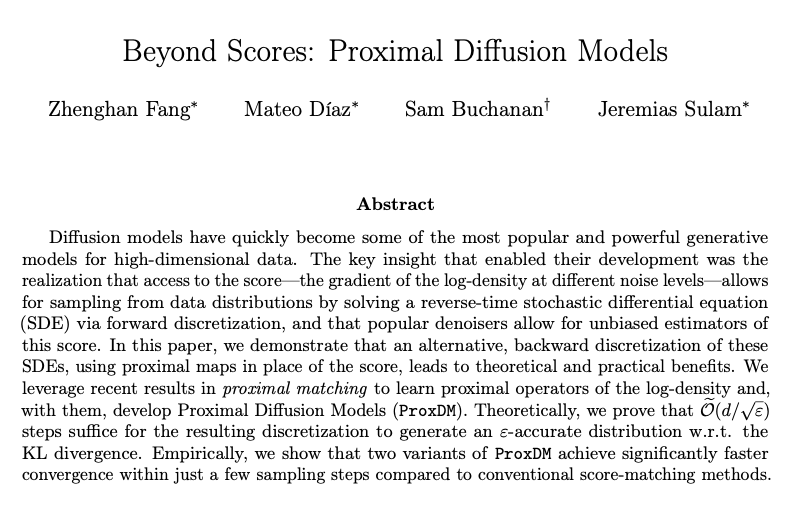
NEW PAPER ALERT 📢 Score-based diffusion models are powerful—but slow to sample. Could there be something better? Drop the scores, use proximals instead! We present Proximal Diffusion Models (ProxDM), a faster alternative both in theory* and practice. Here’s how it works 🧵(1/n)
1
4
13
1,060
10 Jun 2025
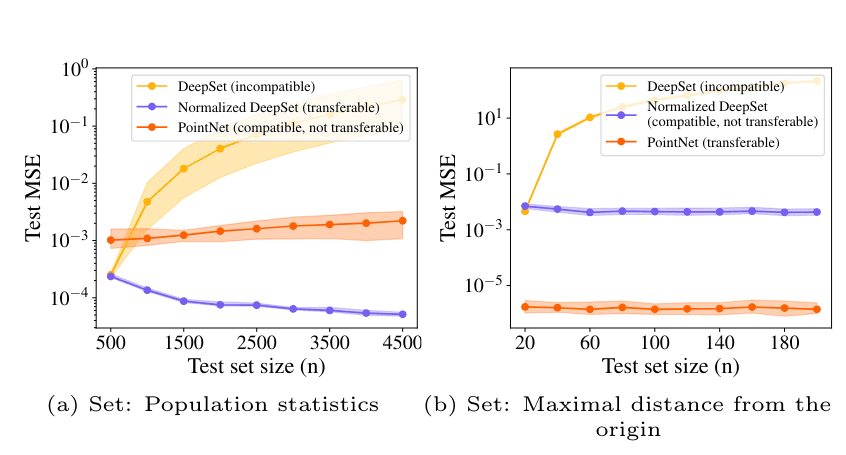
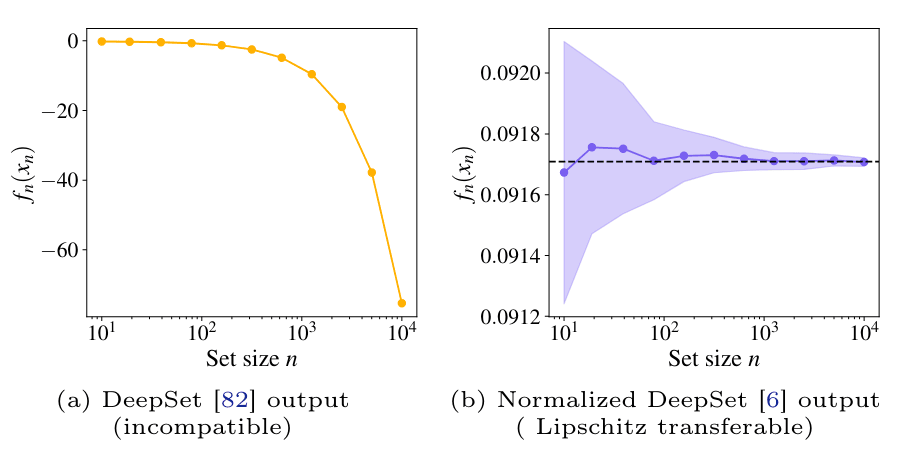
When does the performance of an ML model transfer across dimensions?
arxiv.org/abs/2505.23599
Kudos to my terrific collaborators Eitan Levin, Yuxin Ma, and @SoledadVillar5.
🧵(1/n)
1
3
20
2,123
10 Jun 2025
Interestingly, the way in which we identify low-dimensional objects with high-dimensional objects and the choice of the norm for continuity play crucial roles. The task of interest has to be aligned with these choices; otherwise, transferability might fail.
(15/n)
1
127
10 Jun 2025
We did a bunch of other things on the paper, but I defer the details to our succinct appendix. That's all, folks.
(16/n)
1
91
Mateo Díaz retweeted

19 Nov 2024
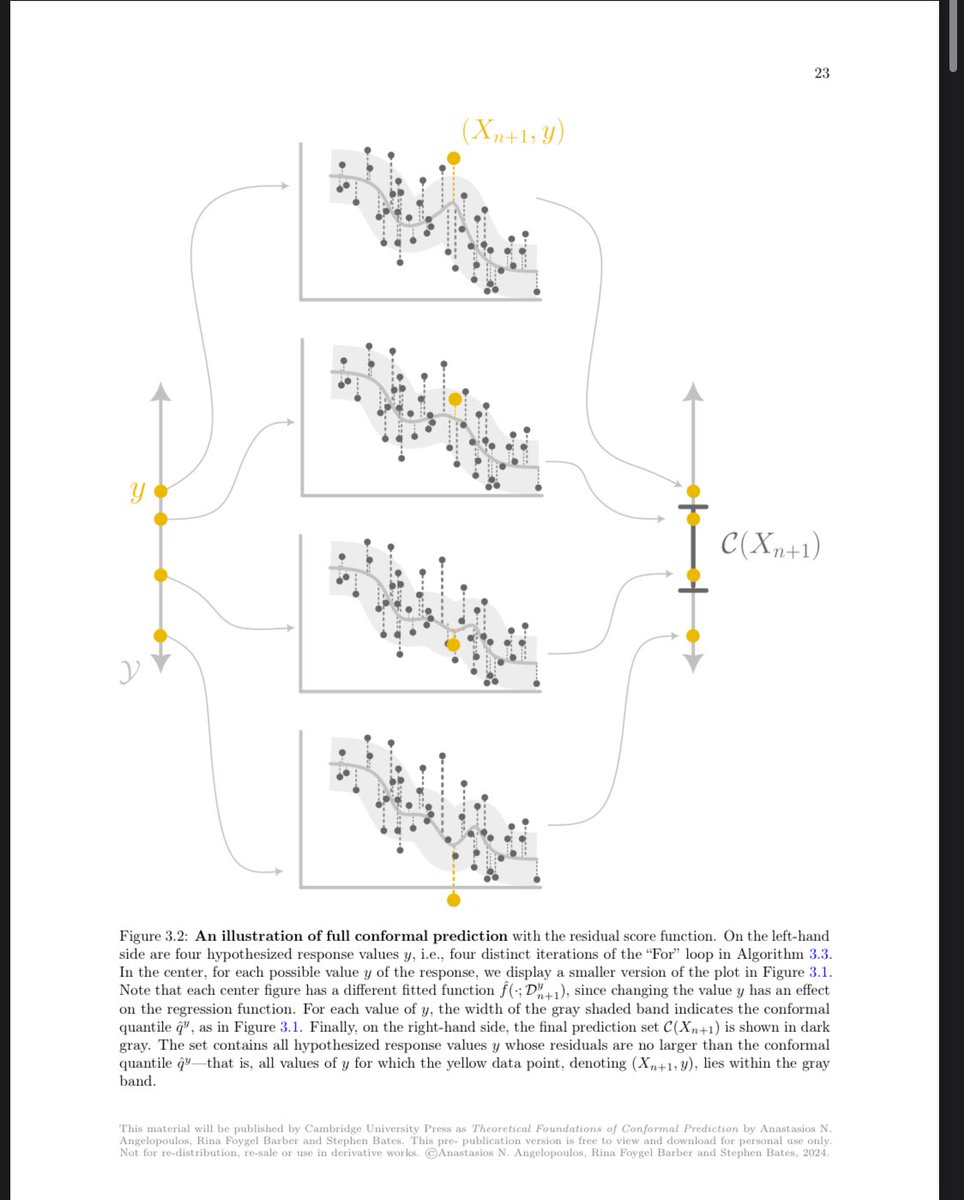
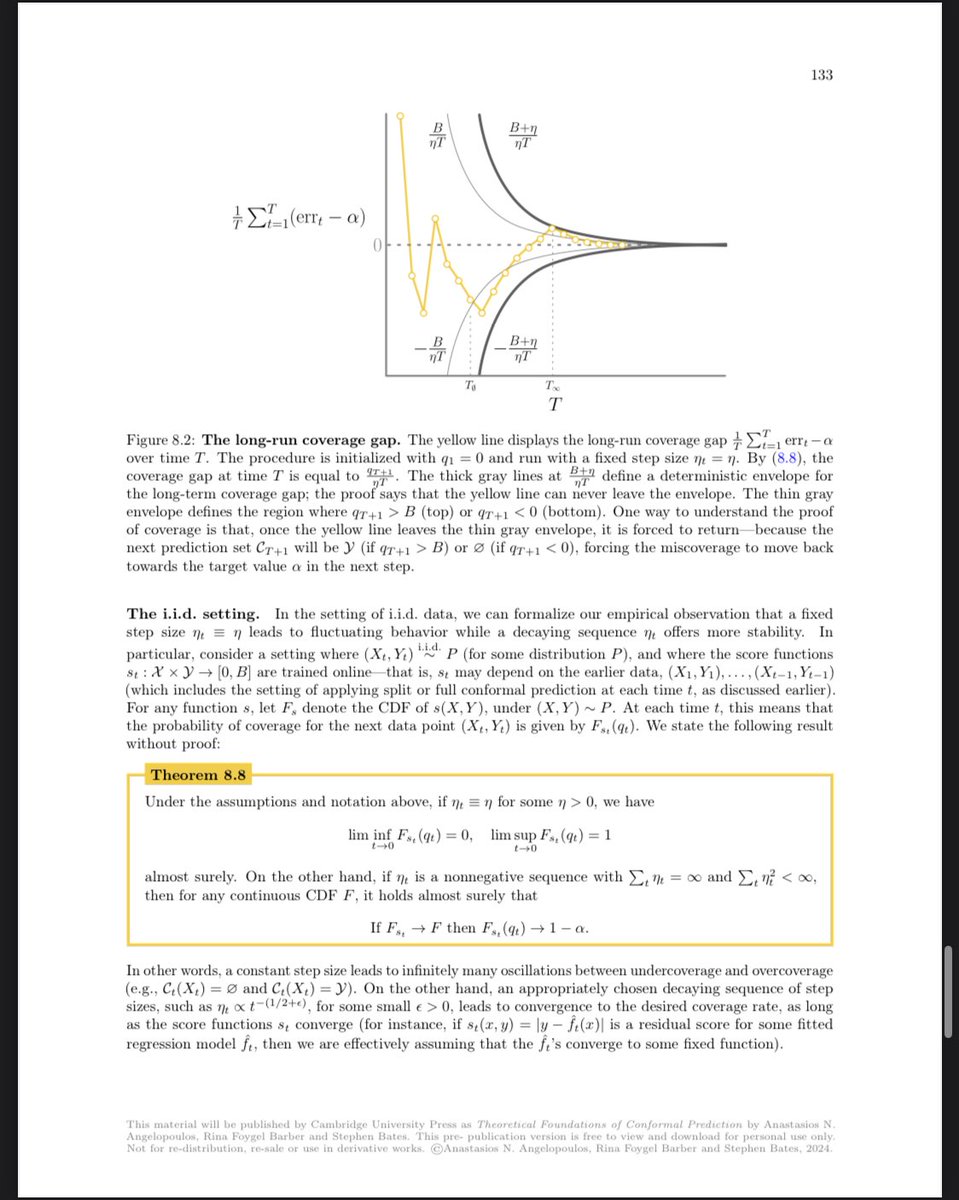
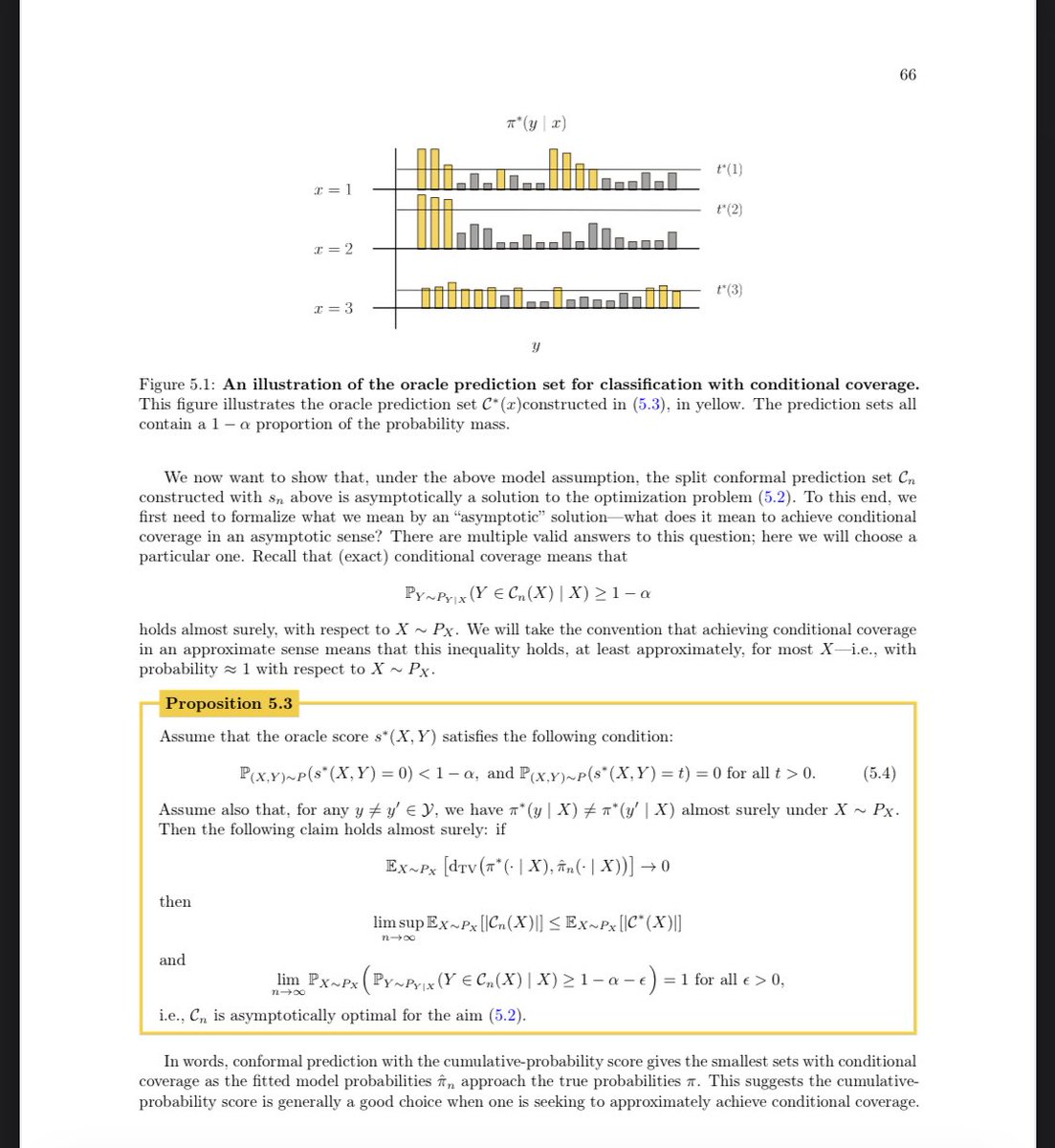
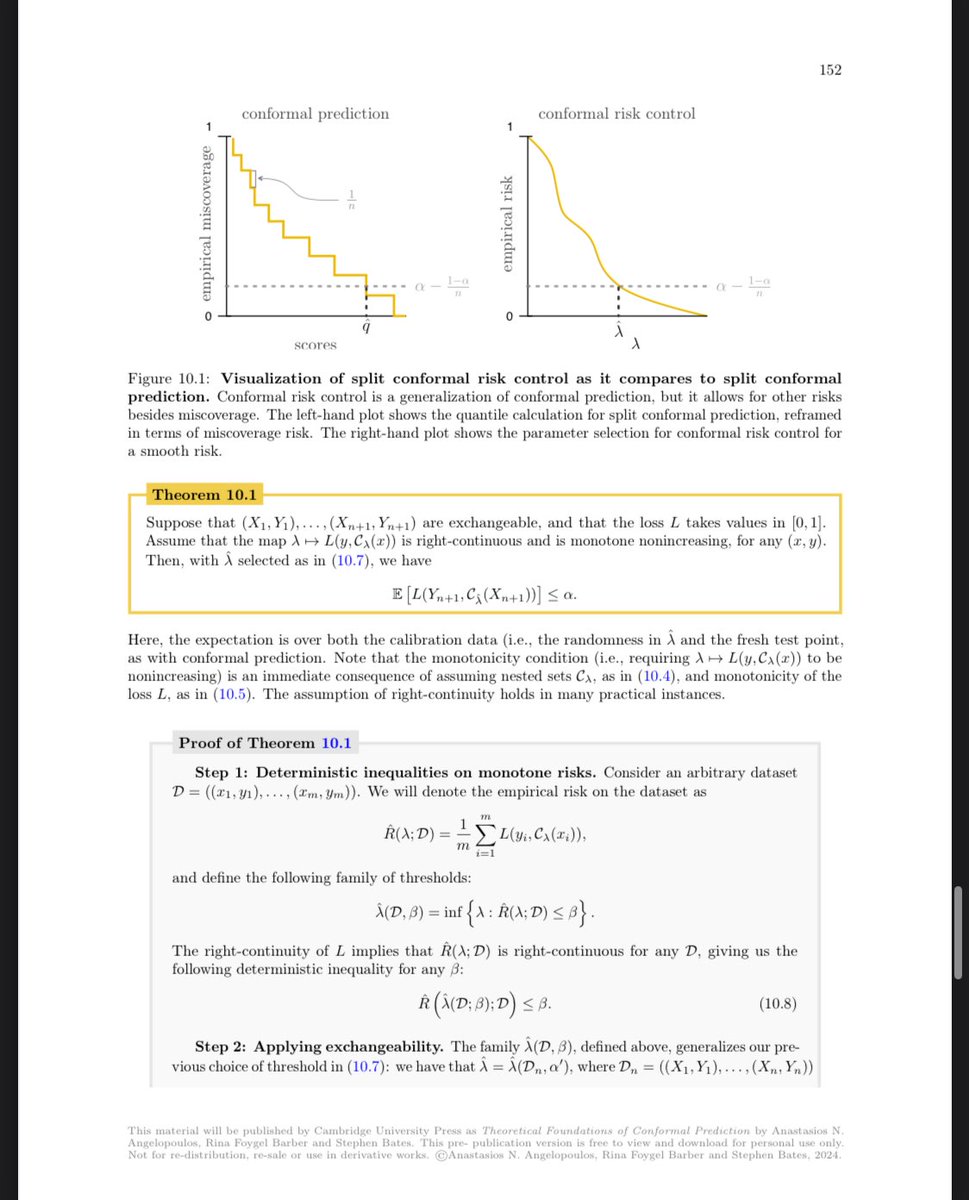
🚨 New Textbook on Conformal Prediction 🚨
arxiv.org/abs/2411.11824
“The goal of this book is to teach the reader about the fundamental technical arguments that arise when researching conformal prediction and related questions in distribution-free inference.
Many of these proof strategies, especially the more recent ones, are scattered among research papers, making it difficult for researchers to understand where to look, which results are important, and how exactly the proofs work.
We hope to bridge this gap by curating what we believe to be some of the most important results in the literature and presenting their proofs in a unified language, with illustrations, and with an eye towards pedagogy.”
We are looking for feedback — and this is only a draft, with Part 4 coming soon! Please reach out!
With Rina Foygel Barber and @stats_stephen
12
97
461
60,768