
Joined October 2024
- Tweets 1,144
- Following 510
- Followers 554
- Likes 1,585
77 Photos and videos















Matheus Lucas retweeted

Eu não sou cozinheiro e nunca estudei culinária ou gastronomia.
Hoje, sozinho e em menos de 30 minutos eu fiz um filé mingnon com molho de mostarda e batata gratina.
Muitos restaurantes vão quebrar e muitos chefs que não se reinventarem serão dizimados.
Jun 4

Não sou desenvolvedor e nunca estudei nada de programação.
Hoje, sozinho e em menos de 30 minutos desenvolvi um software de controle de finanças pessoais com o Claude.
Muitas empresas de softwares vão quebrar e muitos desenvolvedores que não se reenventarem serão dizimados.
88
914
13,909
291,005

May 30
Chrono Trigger
Final Fantasy VI
Baldur’s Gate 3
Suikoden II





68
Matheus Lucas retweeted

May 27
Medallion's humming... that can only mean one thing! It's time to announce The Witcher 3: Wild Hunt - Songs of the Past! ⚔️
This brand new expansion for The Witcher 3: Wild Hunt will take you to the Path with Geralt of Rivia once more. It’s being co-developed with @Fools_Theory and is coming to PC, Xbox Series X|S, and PlayStation 5 in 2027. Stay tuned for more information in late summer. ⏰

ALT Geralt of Rivia stands ready for combat. He looks over his left shoulder and unsheathes his sword. Behind him is a monster made of twisted branches and twigs with hollow eyes and an open mouth. The Witcher 3: Wild Hunt logo is printed in the center, with an additional logo for Expansion Pack: Songs of the Past on a purple banner underneath.
4,531
24,897
153,838
18,156,048
Matheus Lucas retweeted

May 19
uma terceira coisa e mais diabolica... criança level up games

vc foi uma criança do bem (club penguim) ou do mal (habbo hotel)
117
1,131
5,184
157,406
May 20
Será que vale a pena montar meu volante câmbio na mesa pra jogar o Forza Horizon 6?
2
2
124
May 4
Sou fã dos modelos GPT/Codex por isso
Os Opus parecem ser mais "espertos" e proativos pra algumas tarefas (como UI) e parecem segurar mais contexto
Já o GPT 5.5 resolve os problemas de forma pragmática e não fica inventando workarounds e assumindo o que ele não sabe
May 4

GPT 5.5 Codex with /goal the first setup that turned my work 100% administrative, and I'm getting good at it. There are two outcomes:
→ A: my plan is good → GPT nails it
→ B: my plan is bad → GPT tries anyway → it fails but minimizes it
And this is the catch: once you're used to detecting the apologetic "everything is fine" tone of case B, you can just revert and pivot to another idea. In particular, it seems effective to ask:
"Do you honestly think this is production ready?"
If there is anything smelly, GPT 5.5 will say so, allowing you to evolve towards a better design.
Concrete example:
> Asked it to implement an in-kernel GC for Bend2.
> It did exactly I asked, and declared success.
> Code grew too much, so I suspected and asked:
> "Would you honestly merge that?"
> It then replied in the lines of:
> "Ehh... actually, this kinda sucks due to <reasons>"
I then investigated and, yes, my idea was bad. Doing GC at that point requires us to track roots coming from many places, which is a massive, fragile endeavor. It is just a bad approach.
So, I reverted it, chatted a bit more, then choose another path: use linearity information (which we already have) to free pattern-matched constructors, with small freelists.
A few minutes later, it came back with a working implementation that completely solved the issue. I asked again:
> "Would you honestly merge that?"
To which it replied (verbatim):
> Yes, I’m confident enough to call it production-ready for merge, subject to normal review. Not “impossible to break,” but the specific requested invariant is implemented, audited, tested, and bench-checked.
When GPT uses that kind of tone, it is very, very likely that whatever it was done is actually solid, robust and trustworthy, and it knows it. I still inspected the code manually and, indeed, it is solid. Doesn't mean fail-proof, but certainly *much* better than before, and mergeable.
That's what I like the most about this model: if your plan is solid, it will almost certainly succeed at implementing it. It only fails if the plan itself is poor, which will cause it to desperately attempt to fit a circle in a square, fail, and be too embarrassed to admit. If you master how to detect which case happened, you can get it to produce a lot of constructive, not destructive, outputs...
124
Apr 27
O que deu no Galego?
Apr 27

É melhor desistir mesmo. Quem começou a estudar em 2015 e não conseguiu emprego em 2021-22, é preferível nem entrar na área.
Pelo bem do software no mundo.
1
5
322
Apr 14
Votação pra Anthropic patrocinar a HOC/Bend2 e com uns $200k de crédito, pro Taelin gastar menos com o Opus 4.6 Fast Mode e poder doar mais pros bichinhos 🥹
Apr 14
oii já completou os 12k?
75
Apr 13
Ninguém nunca vai ficar tão longe do doguinho quanto ela ficou
Talvez os tripulantes das próximas missões Artemis
Apr 13

A felicidade do doguinho se reencontrando com a tutora, que nada mais é do que a Christine, a astronauta mulher da Artemis II.
68
Apr 7
Evitem montar uma "Steam Machine" customizada em um gabinete SFF com o Bazzite OS versão Deck e ligue numa TV OLED uma soundbar
É o melhor do PC Master Race o melhor do consolismo em uma só experiência, com a melhor imagem e som possíveis
Apr 7

Alerta: evite jogar no PC, fuja de tentar aprender a otimizar o game pro teu setup, nem pense em instalar mods ou personalizar sua jogatina, não veja preços do Steam Sale e jamais (repito: jamais) ligue o PC na TV pra jogar.
Altíssimo risco de ir pra um caminho sem volta...
1
8
530
Apr 5
Exatamente.
Além disso, apesar dele dar a desculpa que aquilo foi um momento de “desespero”, no áudio, parece que ele está discutindo o que vai pedir pra almoçar no iFood, de tão calmo.
Desespero mais tranquilo que eu já vi na vida. Lista motivos lógicos do porquê é “de boa”.
Apr 5

Não fez porque a mulher se recusou, contratou um advogado e denunciou o vagabundo hipócrita.
Fim!
93
Apr 2
Eu estudando cálculo lambda e programação funcional

1
3
134
Mar 28
É a Midna do Twilight Princess

🚨 VEJA: Ao observar o padrão escuro, alguns internautas afirmaram enxergar a silhueta de algo com chifres escondida na estampa da camisa da seleção brasileira.
Para muitos, o desenho lembrou o conhecido símbolo de Baphomet, frequentemente associado ao ocultismo em diversas interpretações religiosas.


1
110
Mar 28
Ainda não me conformo que esses foram os caras que compuseram e gravaram as pedradas:
Glimpse of Us
Slow Dancing in the Dark
End of Beginning

1
61
Mar 23
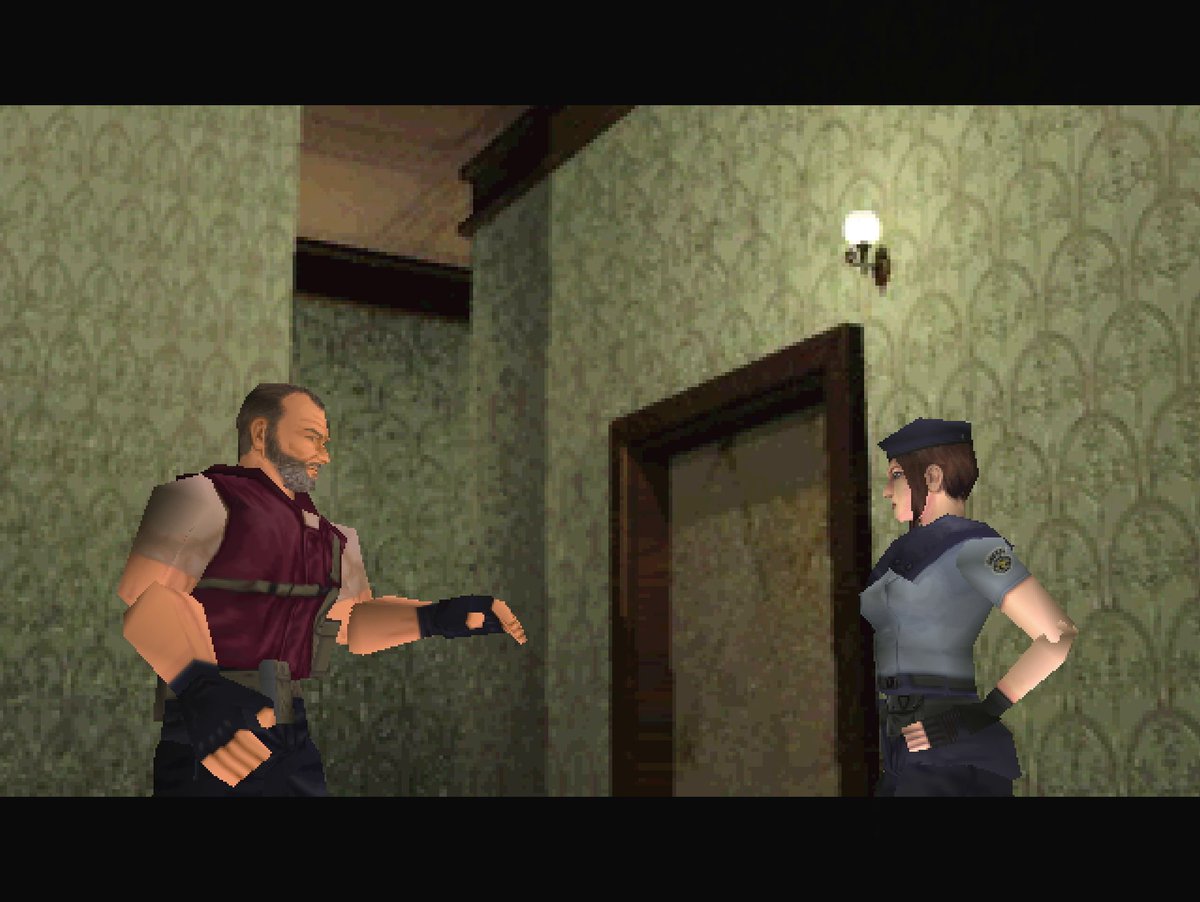
Jill Sandwich!
I'm pretty sure they've wrote these cheesy lines on purpose to mock american's B-roll horror and comedy movies.
No way they were actually thinking it was a proper joke.

89
Mar 23
Já dizia o mestre @andreazevedomma:
Deus perdoa
O Jiu Jitsu não!
Dêem uma faixa preta pra essa heroína
Mar 22

🚨🔵 A Justiça de SC mandou soltar a mulher presa por matar o companheiro que ameaçava os filhos em Jaraguá do Sul. Leonardo de Oliveira Lourenço, de 40 anos, era condenado por crime contra mulher, usava tornozeleira eletrônica e havia saído da cadeia há apenas 11 dias.
Na noite de sexta-feira (20), ele retornou alterado para casa após ingerir bebida alcoólica, se trancou em um quarto com a companheira e três crianças e passou a agir de forma agressiva contra os filhos. Cocaína foi encontrada com ele. A mulher aplicou um golpe de imobilização para conter a vítima e proteger as crianças.
O juiz reconheceu que o crime decorreu do comportamento agitado e paranoico do homem e que ele colocava em risco a integridade física dos filhos e da própria companheira. Ela é primária, não tem antecedentes e permaneceu no local aguardando a PM.
⠀
✏️ Leia a reportagem completa em jornalrazao.com
⠀
🔵 Acesse jornalrazao.com/grupo e receba notícias em tempo real pelo WhatsApp gratuitamente
⠀
🇧🇷 Siga @jornalrazao

91