Trump Endorsed, Ranked Most Conservative, Freedom Caucus, Appropriations Vice-Chairman, Anti-communist, Husband of @MeshawnMaddock. All out of bubble gum.
Joined March 2021
- Tweets 23,912
- Following 853
- Followers 9,629
- Likes 2,951
1,842 Photos and videos
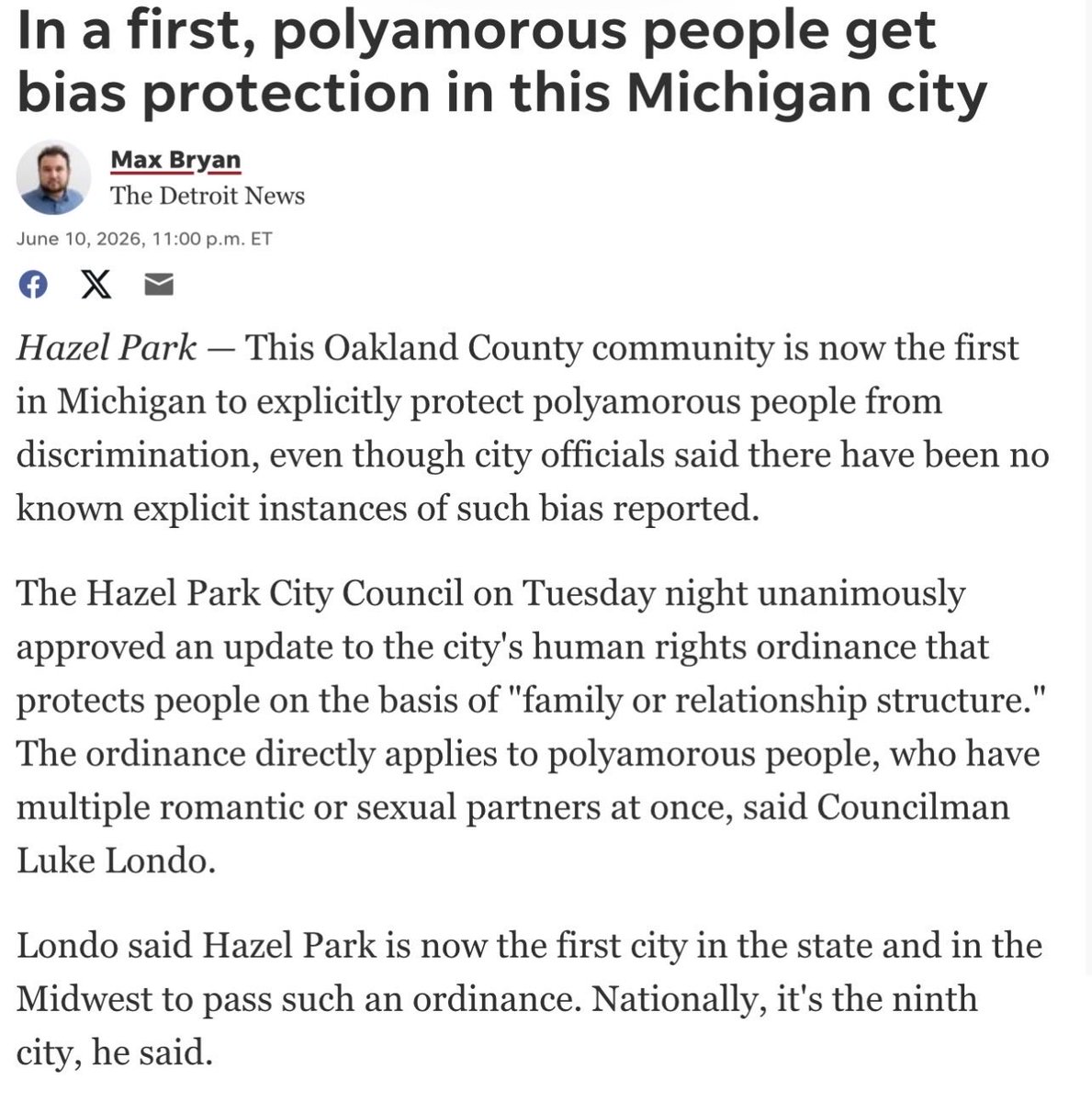

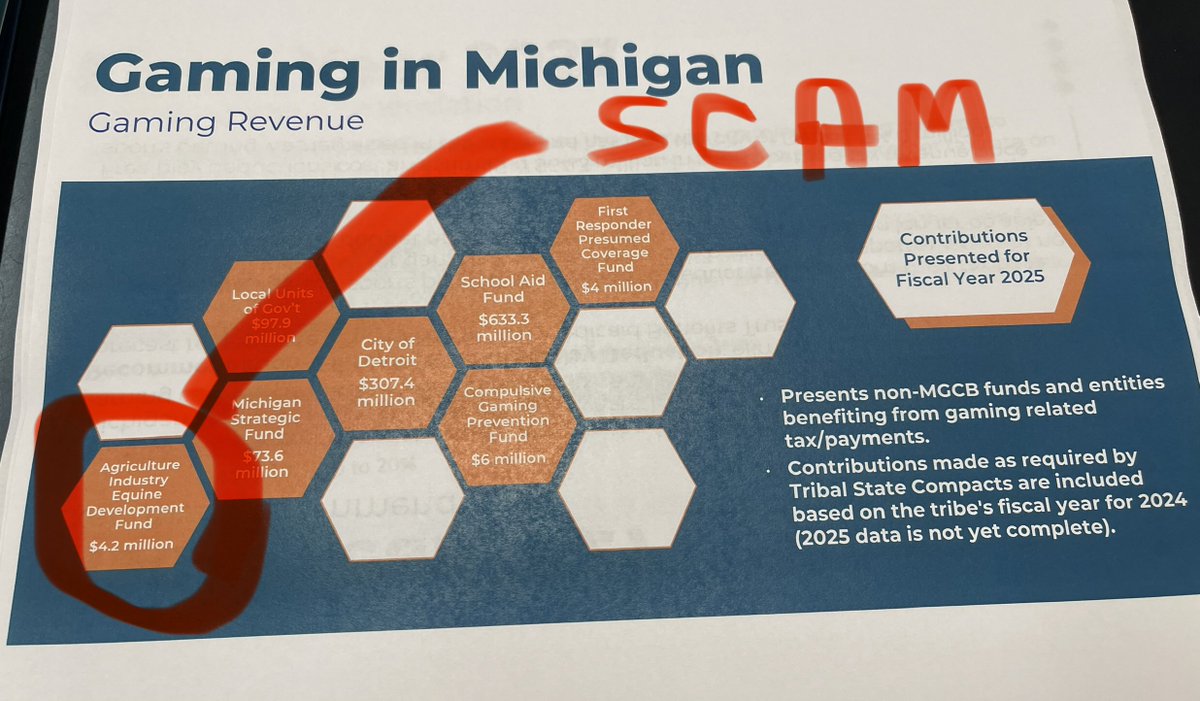
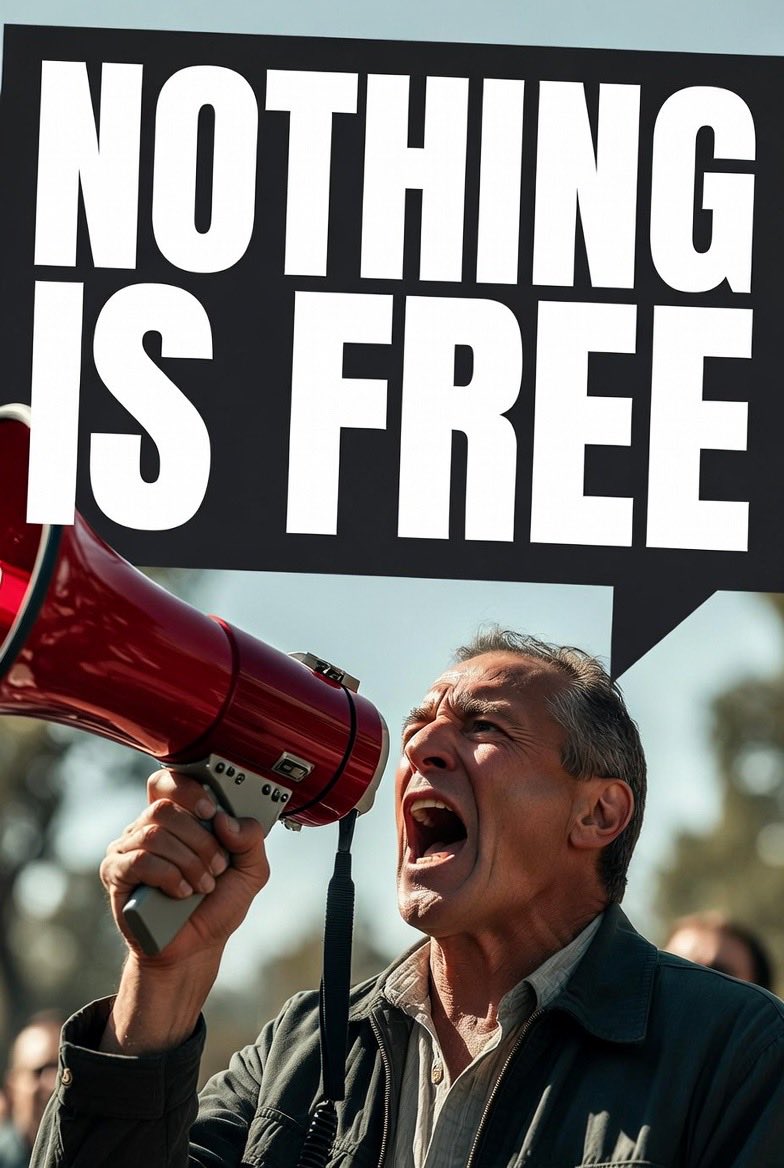









Matt Maddock retweeted

🚨 NOW: President Trump just dropped this EPIC post
"You're getting DISCOMBOBULATED!" 😂🔥
Greatest military in history!
285
1,575
7,442
137,709
Dems are infatuated with death, grooming and criminals.

Democrats’ solution for Whitmer’s Michigan: Legalize doctor-assisted suicide themidwesterner.news/2026/06…
4
7
21
451

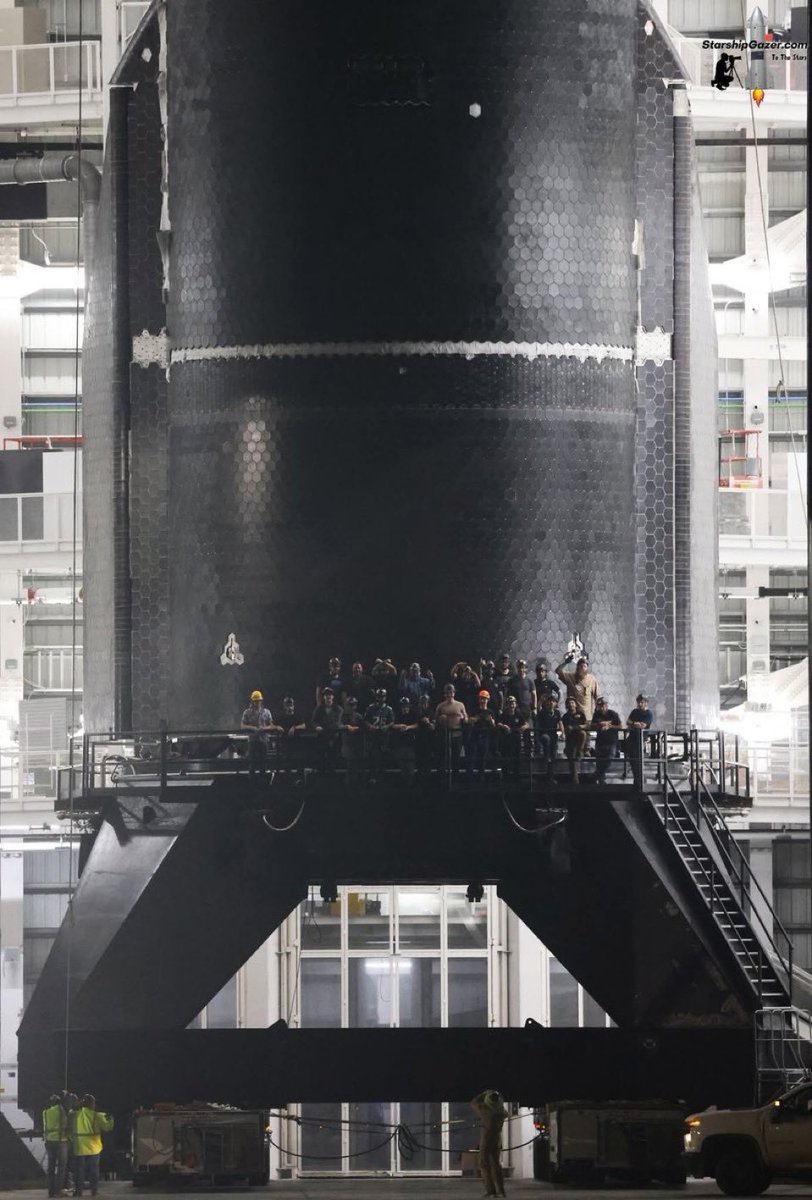
Starship is a very big rocket
Jun 12

SpaceX is a company whose mission is *axiomatically* the love of humanity
To extend the light of consciousness
The power of this kind of love is hard to quantify but clearly makes the impossible far more probable.
7,039
16,041
155,050
17,993,634
Matt Maddock retweeted

Jun 13
🚨 SCIENTISTS JUST REPLACED EXPENSIVE PLATINUM CATALYSTS IN ZINC-AIR BATTERIES WITH CHEAP IRON AND IT WORKS BETTER.
Zinc-air batteries are one of the most promising low-cost, high-energy-density alternatives to lithium-ion, but they’ve been held back by a slow and inefficient oxygen reduction reaction that usually requires precious metal catalysts.
Researchers at Tohoku University engineered a simple iron oxide/samarium oxide interface that dramatically speeds up this reaction. The heterointerface changes how electrons behave at the surface, weakens excessive bonding with reaction intermediates, and delivers faster kinetics plus excellent durability all without any noble metals.
The new catalyst performed strongly in both liquid and flexible solid-state zinc-air batteries, successfully powering LEDs and even charging a smartphone.
Why this matters:
• Zinc-air batteries use oxygen from the air, abundant zinc, and are much cheaper and safer than lithium-ion
• Removing the need for platinum or other precious metals makes them far more scalable and affordable
• The iron-based interface approach is simple, stable in alkaline conditions, and improves both performance and longevity
• It was demonstrated in practical devices, not just lab tests
The deeper implication:
We’re getting closer to energy storage that doesn’t rely on scarce, expensive materials. Zinc-air technology has long been held back by catalyst limitations, but this work shows that clever interface engineering with cheap, abundant elements can unlock the performance needed for real-world applications from portable electronics to large-scale grid storage. It’s another step toward clean energy systems that are not only sustainable in operation, but also in the materials they use.
The future of batteries may not depend on mining more rare metals… but on smarter chemistry with what we already have in abundance.
How close do you think we are to zinc-air batteries becoming a mainstream alternative to lithium-ion?
Follow for more frontier battery materials and clean energy storage research.
17
154
600
34,907
Matt Maddock retweeted

Jun 12
Today, I’m releasing never before seen intelligence revealing new evidence of past US government funding for more than 120 biolabs in over 30 countries, including Ukraine.
In support of President Trump‘s Executive Order to end federal funding of dangerous gain of function research around the world, and increase transparency and accountability, ODNI will continue working with partners across the Administration to identify where these labs are, what pathogens they contain, and what “research” is being conducted.
odni.gov/index.php/newsroom/…
12,749
68,133
228,716
16,774,195
Matt Maddock retweeted

Jun 12
These are the Presidents of the largest 2 teachers unions…
Becky Pringle and Randi Weingarten.
Both are Marxists.
Both paid over $500,000 per year.
99% of donations from their unions go to Democrats.
They’re responsible for much of the destruction of public schools.
Sick.
2,232
11,864
22,003
230,626
Matt Maddock retweeted

19h
You want to stimulate the economy and help people’s quality of life?
Abolish income tax.
Abolish property tax.
You want to enslave people in open air prisons?
Increase taxes and launder the money to your corrupt friends.
Jun 12

American bought his home and the monthly mortgage payment has been $3,741.72
His property tax just got reassessed and has been sent his new monthly bill in the mail
His payment is now $4,536 per month because of the property tax increase
“This is how people aren't able to stay in their houses forever and lose their houses. Crazy”
This should be federally illegally. Property tax increases are such a scam and straight extortion
Abolish property taxes
163
1,222
3,682
86,341
Matt Maddock retweeted

Jun 12
American bought his home and the monthly mortgage payment has been $3,741.72
His property tax just got reassessed and has been sent his new monthly bill in the mail
His payment is now $4,536 per month because of the property tax increase
“This is how people aren't able to stay in their houses forever and lose their houses. Crazy”
This should be federally illegally. Property tax increases are such a scam and straight extortion
Abolish property taxes
2,443
10,869
36,679
1,915,000
Matt Maddock retweeted

Jun 12
🚨WHAT THE HELL?!!!
Two American employees of restaurant in Huntersville, NC say the company STOLE their identities to hire ILLEGAL IMMIGRANTS in their place!!!
One of them opened his W-2 and discovered he owed taxes on more than $20,000 he NEVER EARNED.
...because someone was being paid as HIM, on HIS Social Security number.
The other employee logged into her account and saw a current illegal alien employee using HER name and using HER Social Security number at the restaurant she left.
It’s alleged the the company STOLE their identities to staff the kitchen with illegal immigrants.
Both say their home addresses and direct deposit accounts were changed after they left.
Not a SINGLE PERSON has been arrested for this as of today.
THIS IS MASSIVE FRAUD!!!!!!
546
13,583
32,184
431,927
Matt Maddock retweeted

The Muslim majority council of the town of Harrow in the UK has begun hiring Muslim morality police they call “civil enforcement officers” to accost, fine, and harass native British people.
“We’re going to make sure you can’t work any more and earn no money.”
1,539
11,279
33,413
1,083,861
Matt Maddock retweeted

Jun 12
🏴 En Inglaterra, una periodista fue a un barrio de musulmanes a decir que ellos son PACIFICOS
y al rato apareció una banda de musulmanes a decirles que se vayan porque los iban a matar☠️
País destruido por la agenda 2030.
2,483
41,872
179,906
5,370,575
Matt Maddock retweeted

Jun 13
A bit odd, don’t you think?
As soon as Muslims started immigrating to Japan, its Shinto shrines and Buddhist temples started burning down, just like the churches in Europe.
1,131
25,260
94,520
887,063
Matt Maddock retweeted

🔥🚨DEVELOPING: Conservative activist William Small went off during a Philadelphia City Council meeting as he violated Democrats for putting LGBTQ initiatives before everyday Americans and criticized the council for raising pride flags, saying that ‘the only flag that should be raised in Philadelphia is the American flag.’
239
4,885
23,187
237,134
Matt Maddock retweeted

Jun 11
Nick Shirley getting mobbed by West African migrant scammers in NYC selling fake bags. They attacked his cameraman while he called out the chaos in sanctuary city. Wild stuff.
646
787
7,226
108,350

Jun 12
Hottest message of the decade here. Bring it on! Burn communism to the ground Spencer!
1
8
147

ELECTION INTEGRITY: The FBI just raided the Cleveland offices of the Ohio Organizing Collaborative, a Democrat-aligned ballot harvesting NGO. Agents hit staffers' homes statewide with subpoenas & seized devices. The group has a record of fraudulent registrations.

ALT FBI agents raided the Cleveland offices of the Ohio Organizing Collaborative, a Democrat-aligned group that harvests voter registrations & ballots. Agents fanned out across the state to leaders' & staffers' homes with subpoenas, seizing electronic devices. This is the same group whose paid canvasser, Rebecca Hammonds, pleaded guilty to 13 counts of election fraud. Officials found OOC forms registering dead people.
91
1,377
2,772
49,616
Matt Maddock retweeted

Jun 12
⚠️ CALIFORNIA OPENED THE DOOR 29 DAYS EARLY... AND ALMOST NOBODY IS TALKING ABOUT IT.
For 29 days before Election Day, campaigns can reportedly see who's voted, who's holding a ballot, and exactly where to focus their efforts.
Then comes the part that will make your jaw hit the floor...
If workers can choose which doors to knock on and which ballots to collect, what does that mean for the ballots they leave behind?
Once you hear how this system works, you may never look at Election Night results the same way again. 👀🔥
Watch the full episode on my YT channel! Link is in the comments ⬇️
236
4,349
13,247
263,707
Jun 12
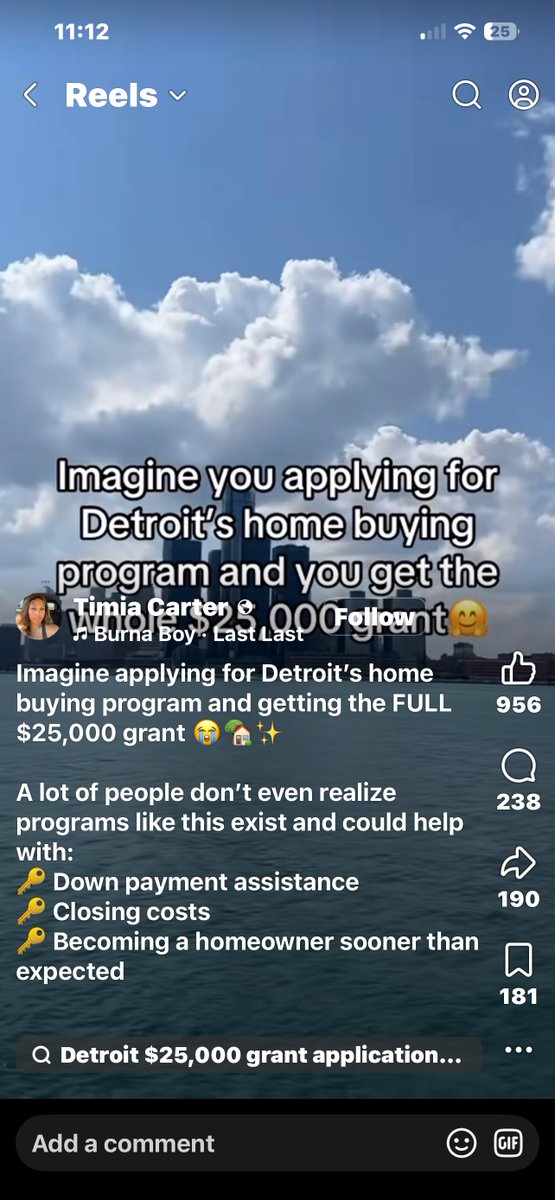
Translation: Secret “program” administrated by a dem NGO for politically connected dems to get $25k taxpayer dollars to buy a Airbnb house in Detroit.
2
7
16
352
Jun 12
The Kanada Kommies lied to us. They said American steel. Was all Chyna. And screw Kanada. They hate us and are a bunch of kommies. Use the Bridge as leverage to make Kanada Canada again. And we get 51% just because we can.

Gordie Howe International Bridge Opening Delayed Indefinitely
A ribbon-cutting ceremony planned for tomorrow has been canceled, and no concrete date has been set for when the bridge will open to the public
A statement was issued today by Chuck Andary, Interim CEO and Chief Legal Officer of the Windsor-Detroit Bridge Authority (WDBA), saying “The Gordie Howe International Bridge will be a vital economic link for Canada and the United States. As we work towards an opening date, we are taking a collaborative approach, reflecting our shared ambition for this trade corridor.
Canada and the United States have agreed to delay the opening of the bridge, taking the necessary time to resolve any outstanding issues.
We appreciate the efforts of workers on both sides of the border to get the bridge to its current state of readiness.”
4
1
12
821
Jun 12
Translation: we hope you never remember the democrats illegally increased the Michigan Income Tax that costs the average MI family $1,400 a year.
Jun 12

Michiganders can't afford groceries, small businesses are still suffering from tariffs and no one can afford summer travel because of the war raising gas prices, but Trump loves inflation... okay. 🤦 cnb.cx/4oi67iQ
2
7
21
339