Public Policy,Climate Change, Entrepreneurship,Development Management & Sustainable Development Researcher & Consultant
Joined August 2010
- Tweets 4,064
- Following 5,225
- Followers 1,750
- Likes 4,391
243 Photos and videos





Sen Mathew Mutavayi retweeted

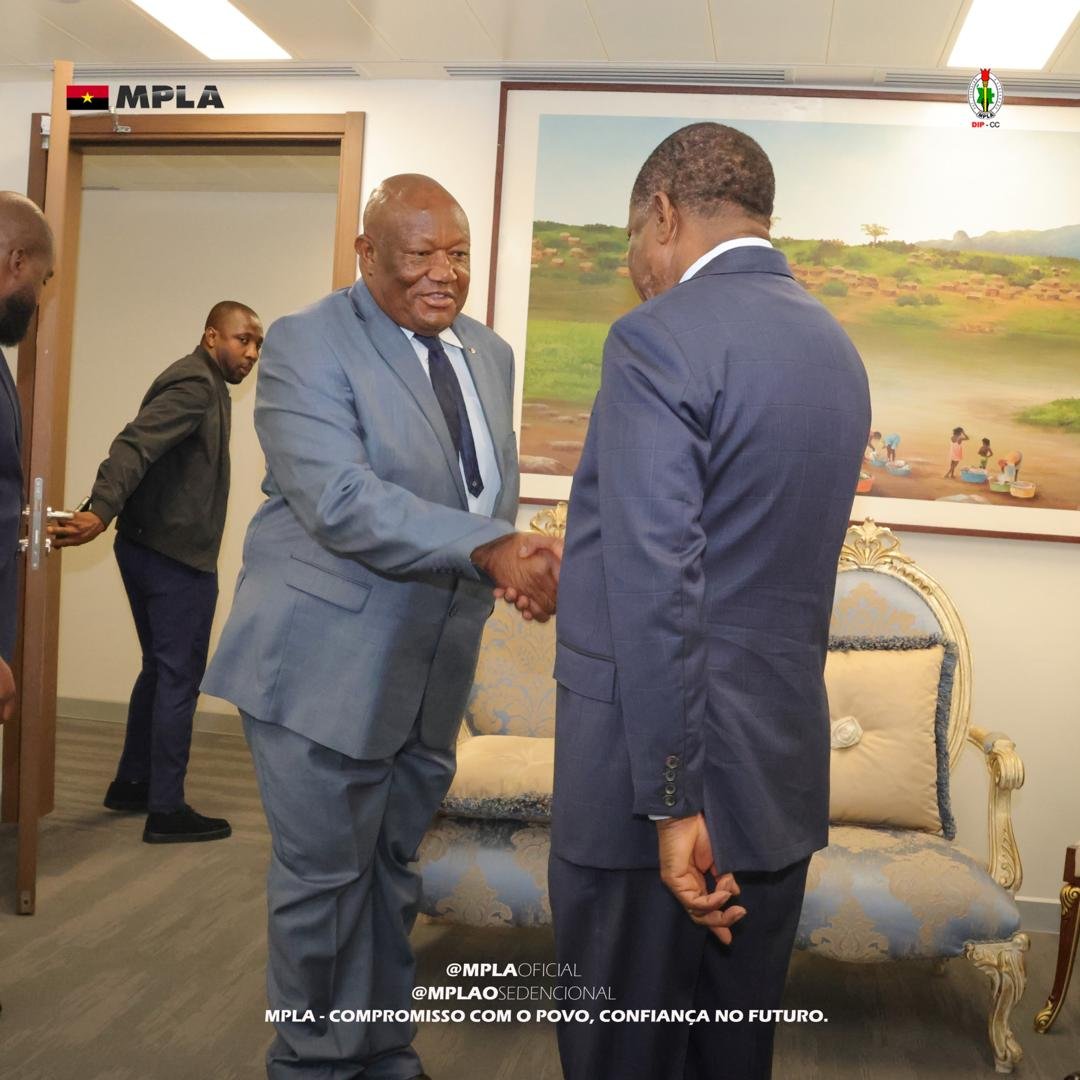
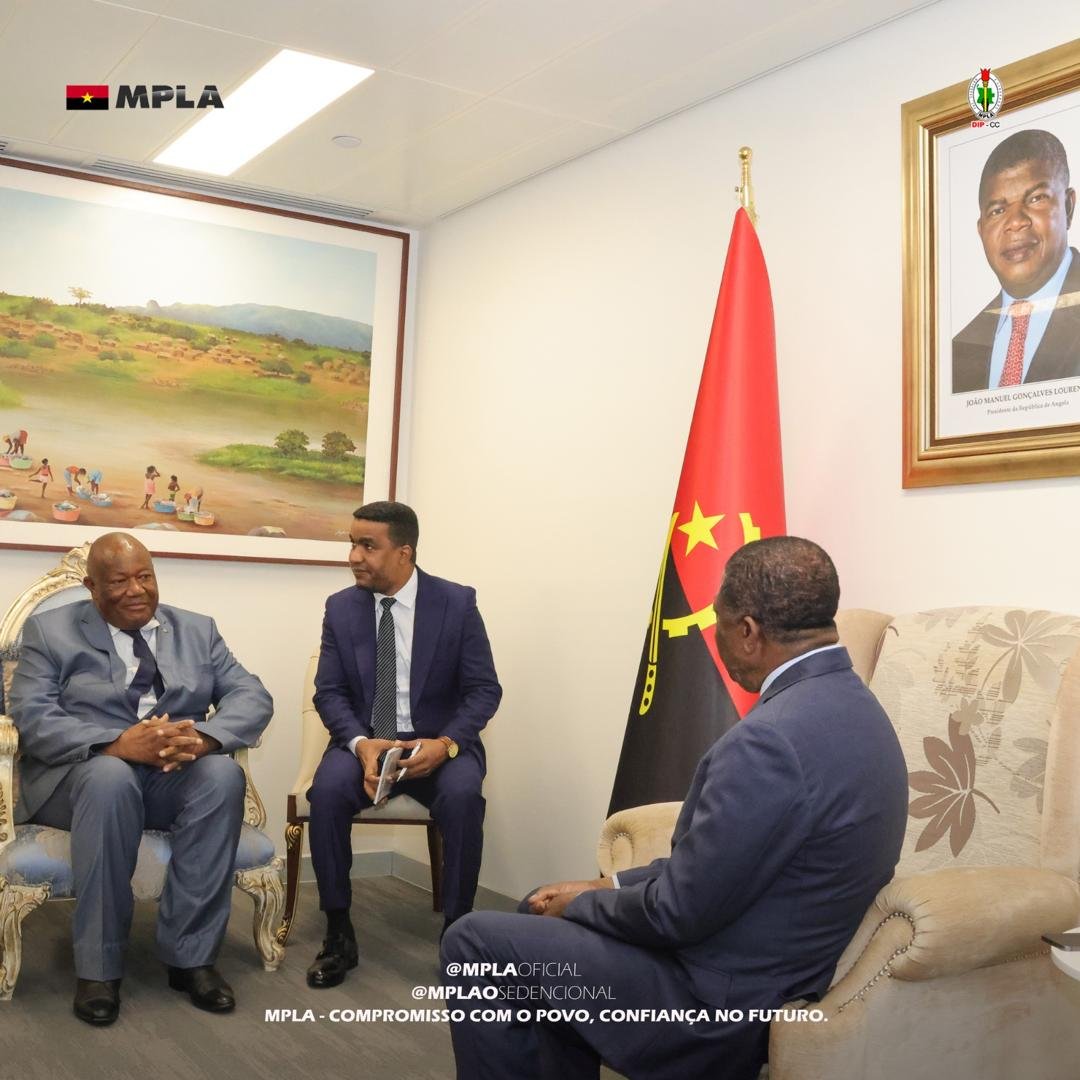
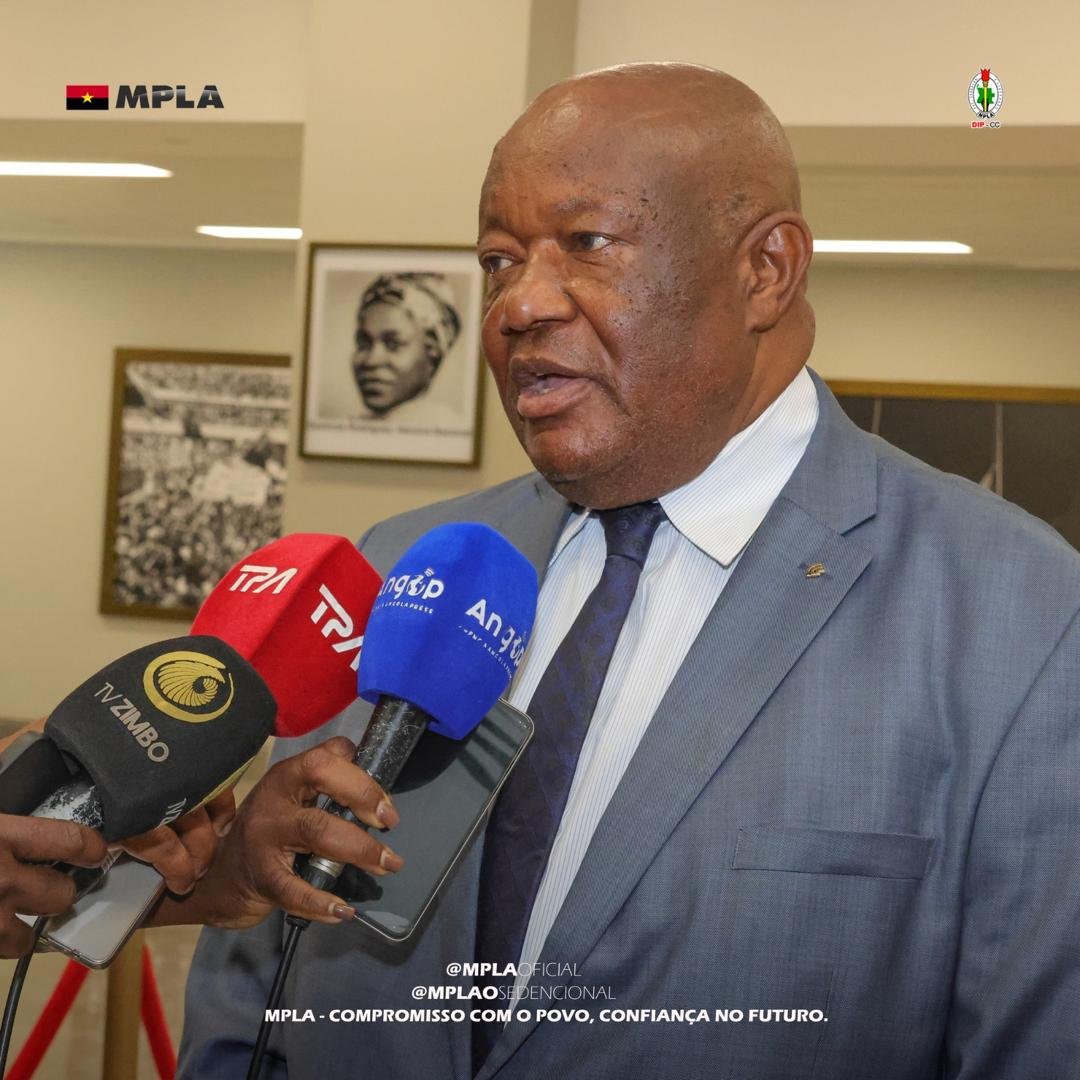
Today, ZANUPF National Political Commissar, Comrade Munyaradzi Machacha, paid a courtesy call on the Secretary-General of the MPLA, Comrade Paulo Pombolo, at the MPLA Headquarters in Luanda, Angola.
During the meeting, Comrade Machacha conveyed the condolences of His Excellency the President and First Secretary of ZANUPF, Cde Dr E.D. Mnangagwa, the leadership and membership of ZANUPF, and the people of Zimbabwe following the passing of Ambassador Manuel Domingos Augusto, one of Angola's distinguished statesmen and diplomats.
Comrade Machacha noted that the late Ambassador Augusto played a significant role in strengthening the historic bonds of friendship, solidarity and cooperation between the MPLA and ZANUPF, as well as between the peoples and governments of Angola and Zimbabwe. His service as Angola's Minister of Foreign Affairs and his contribution to regional and international diplomacy earned him immense respect across the continent.
The two leaders reaffirmed the excellent relations that have existed between the MPLA and ZANUPF over many decades. Comrade Pombolo concurred with Comrade Machacha on the importance of deepening cooperation between the two sister liberation movements, particularly through the development of stronger and mutually beneficial economic partnerships. Both leaders agreed that enhanced party-to-party cooperation could serve as a catalyst for broader country-to-country economic collaboration between Angola and Zimbabwe.
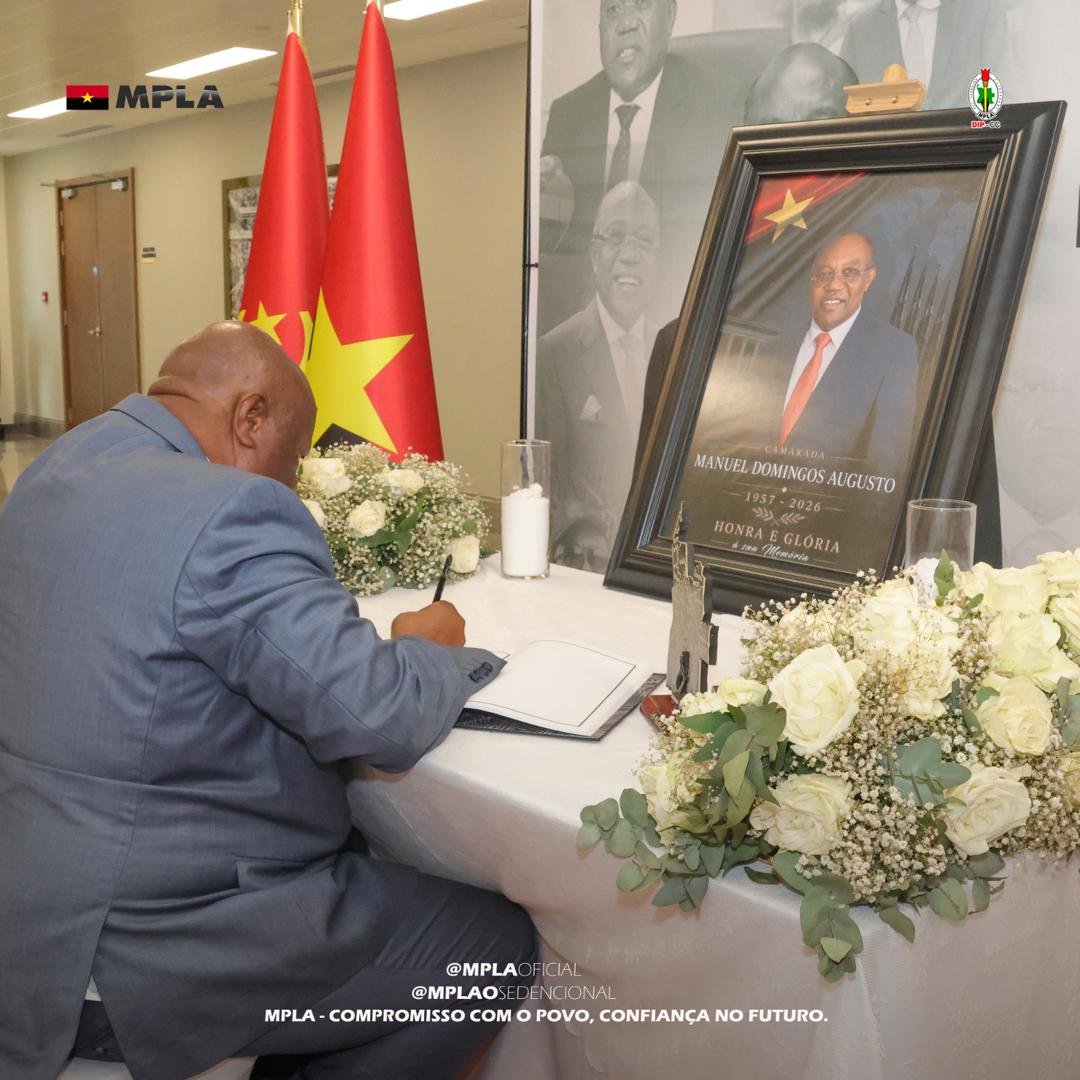
Following the meeting, Comrade Machacha signed the Book of Condolences on behalf of ZANUPF and the people of Zimbabwe, paying tribute to the life, service and legacy of Ambassador Manuel Domingos Augusto.
8
27
50
3,551
Sen Mathew Mutavayi retweeted
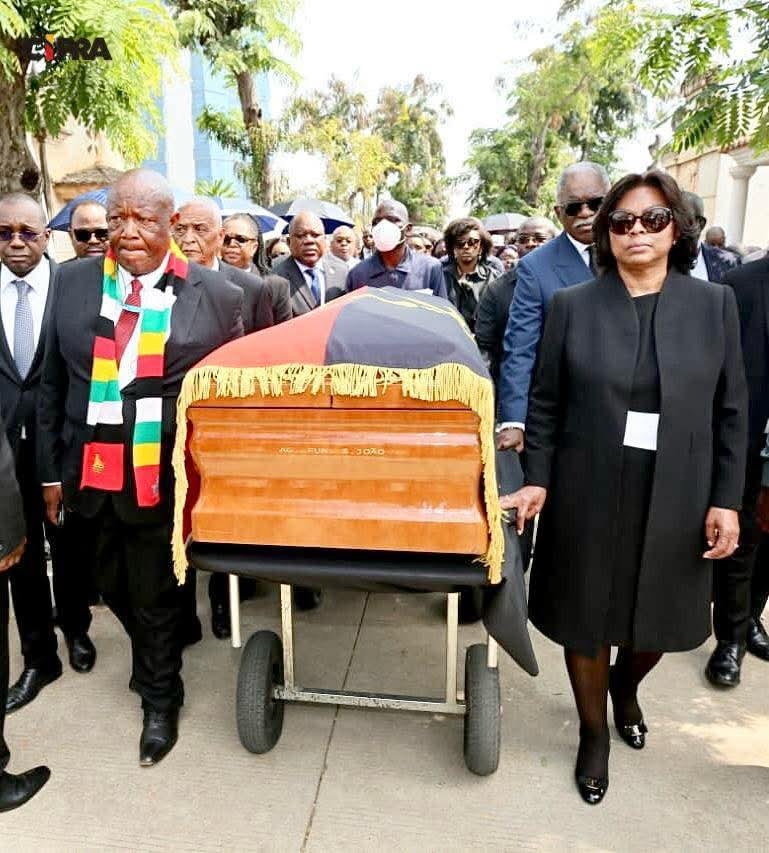
First Lady of Angola Her Excellency Ana Dias Lourenço and ZANUPF National Political Commissar Comrade Munyaradzi Machacha leading the procession at the burial of Manuel Domingos Augusto, former Minister of Foreign Affairs of Angola (2017–2020), Secretary of the Bureau Político of the MPLA for International Relations, Vice President of the Socialist International, and former Angolan Ambassador to Nigeria, Zambia, Ethiopia and the African Union, in Luanda on June 11, 2026. Augusto also served as a member of the National Assembly at the time of his passing.
16
50
76
25,550
Sen Mathew Mutavayi retweeted

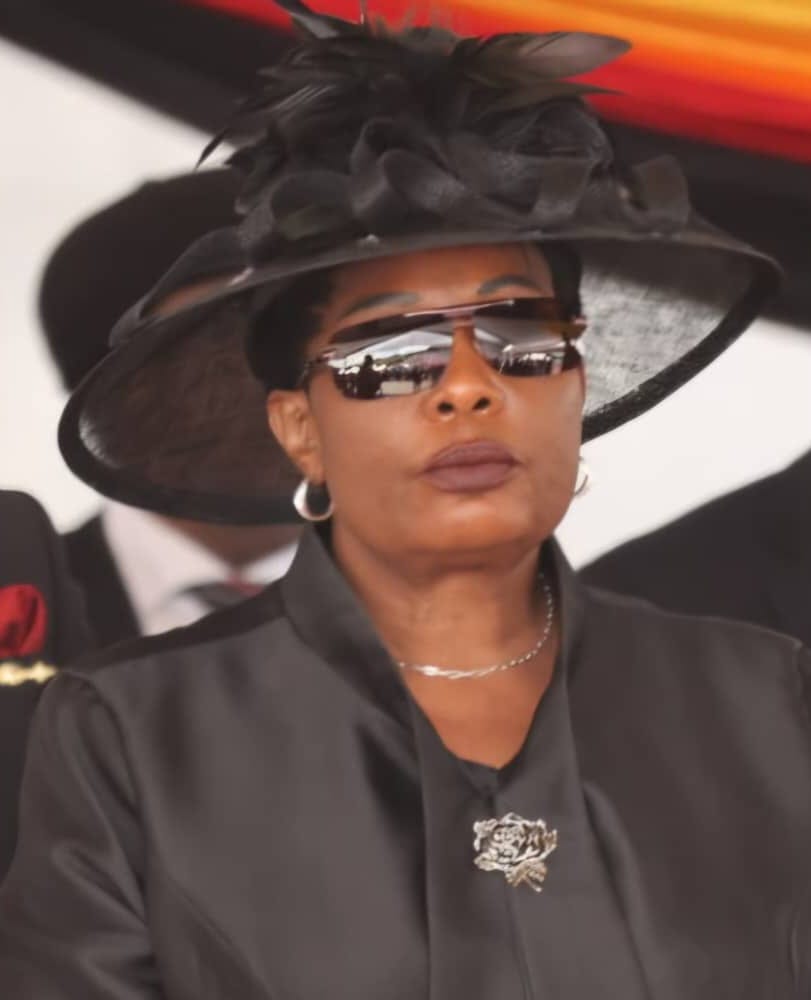
I am deeply saddened by two heartbreaking tragedies that have claimed innocent lives.
My heart is shattered by the cruel loss of seven primary school learners in the devastating kombi fire incident in Senga, Gweru. It is painful beyond words to imagine the dreams, laughter and bright futures that were so tragically cut short.
I am equally saddened by the cruel loss of lives in Budiriro, Harare where three bodies were recovered from an unsecured sewer pond reportedly left open for months. No family should have to endure such a painful loss.
I share in the grief of all the bereaved families and offer my heartfelt condolences. I also wish a speedy recovery to those who were injured. May God grant comfort and strength to everyone affected, and may the souls of the departed rest in eternal peace.
110
27
107
41,044
Sen Mathew Mutavayi retweeted

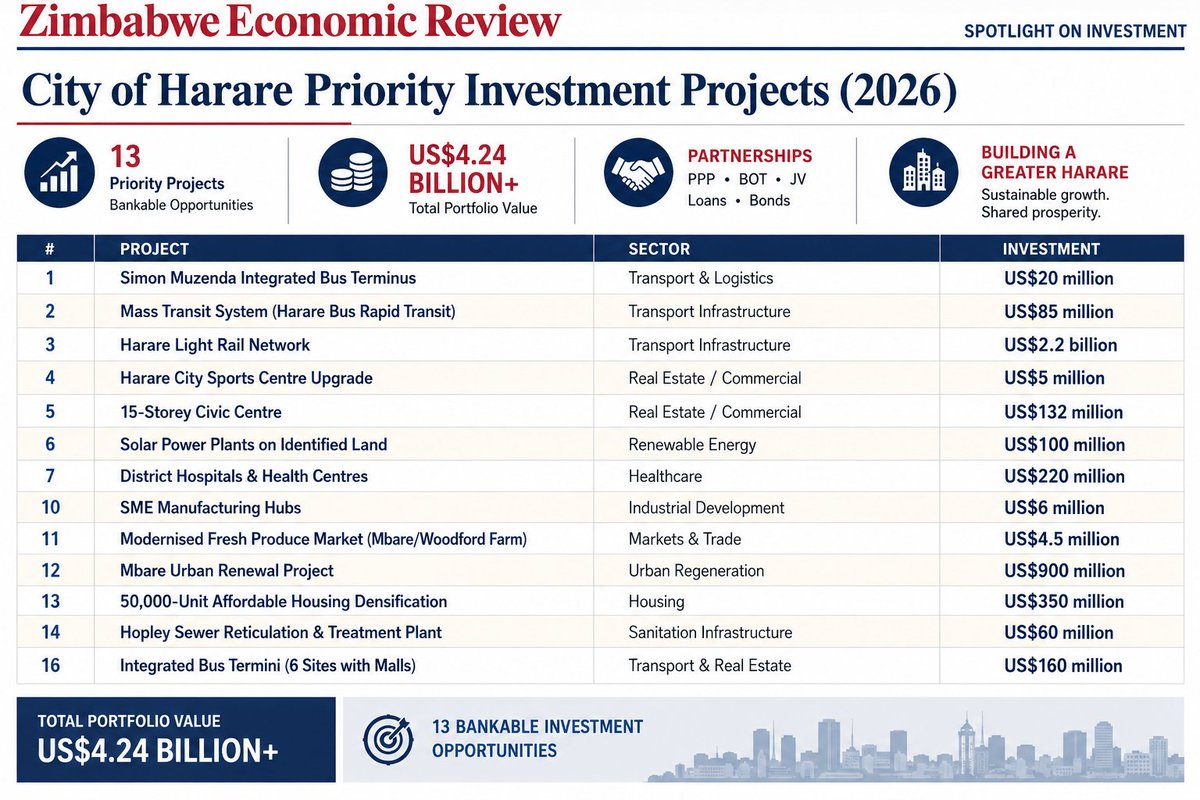
Harare Unveils US$4.24 Billion Investment Pipeline.
The City of Harare has launched a portfolio of 13 priority investment opportunities valued at over US$4.24 billion, targeting transport, housing, healthcare, energy, sanitation and urban regeneration.
Flagship projects include the US$2.2 billion Harare Light Rail Network, US$900 million Mbare Urban Renewal Project, US$350 million Affordable Housing Densification Programme, and US$220 million District Hospitals & Health Centres initiative.
Other key investments include a US$160 million Integrated Bus Termini development, US$100 million Solar Power Programme, US$85 million Mass Transit System, and a US$60 million Hopley Sewer Reticulation & Treatment Plant.
Most projects will be delivered through Public-Private Partnerships (PPPs), positioning the capital city as a major destination for infrastructure and urban development investment.
23
42
113
16,833
Sen Mathew Mutavayi retweeted

Jun 11
This #WorldCup, we're celebrating what happens when girls have the ball ⚽
The potential is clear. Girls who play sport stay in school longer, build confidence, and develop skills to lead.
#ForAllWomenAndGirls, we're committed to #Equality on and off the field!

5
8
143
Sen Mathew Mutavayi retweeted

Jun 11
CAB3 ayisilo hlelo lokulahla insikamthetho kodwa luhlelo lokuqinisa ikusasa lethu.
CAB3 luhlelo olukhangelele ukuthula ukuzinza impumelelo lenguquko elizweni lethu
@CMufana37063
@ZANUPF_Official
@ChelesaniSiban7
@Chipokhumalo3
@MamoyoPf60458
@elvis3dumba
@CremoraOnTop

5
10
71
Sen Mathew Mutavayi retweeted
Jun 11
Saqala sisizwa abantu belizwe lethu besekela uhlelo lweCAB3, akumanga khonapho khathesi sizwa abakhulumi abatshiyeneyo abangamalunga eDale lePhalamende besekela impumelelo yeCAB3
@UncleScottie123
@ZANUPF_Official
@ED4TheNation
@ParliamentZim
@DumisoJnr22247
@SamapendaHenry
3
8
77
Sen Mathew Mutavayi retweeted

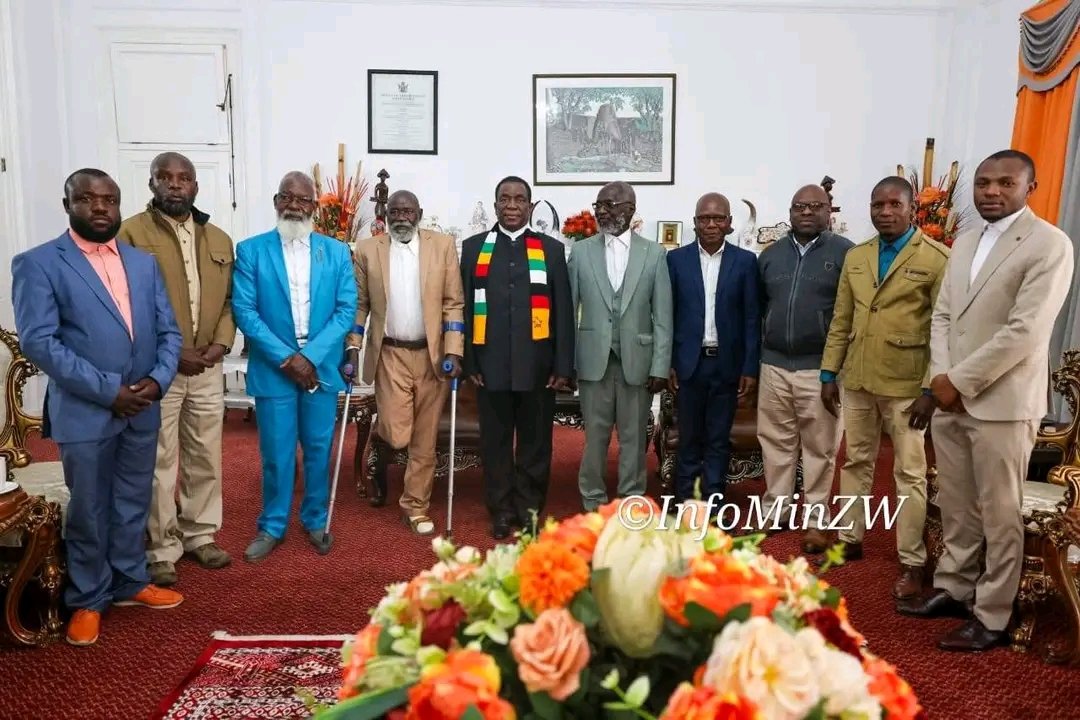
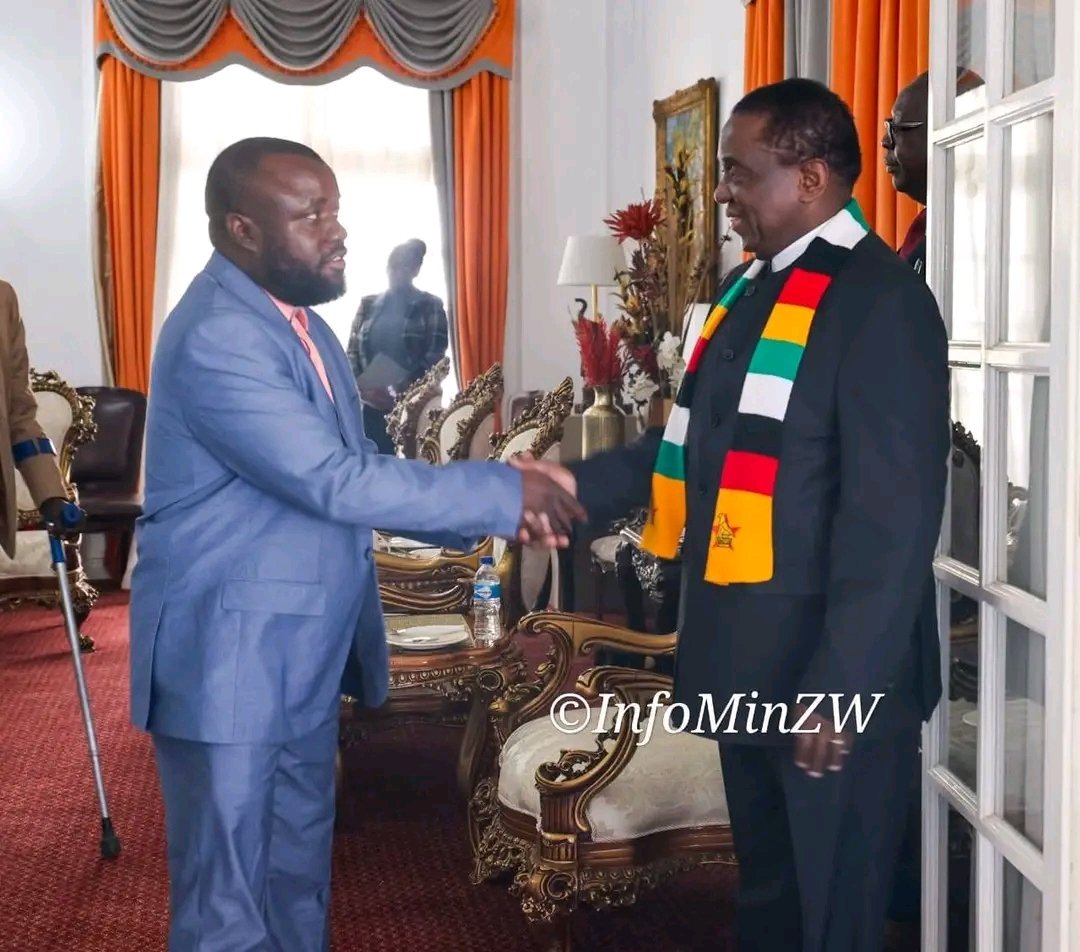
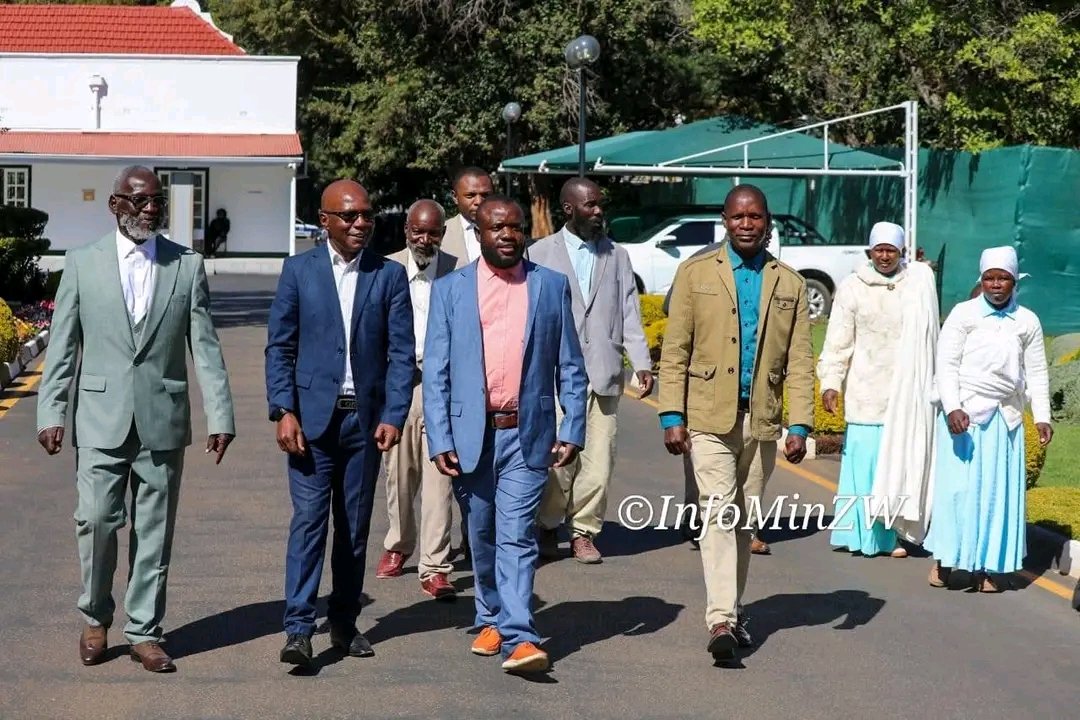
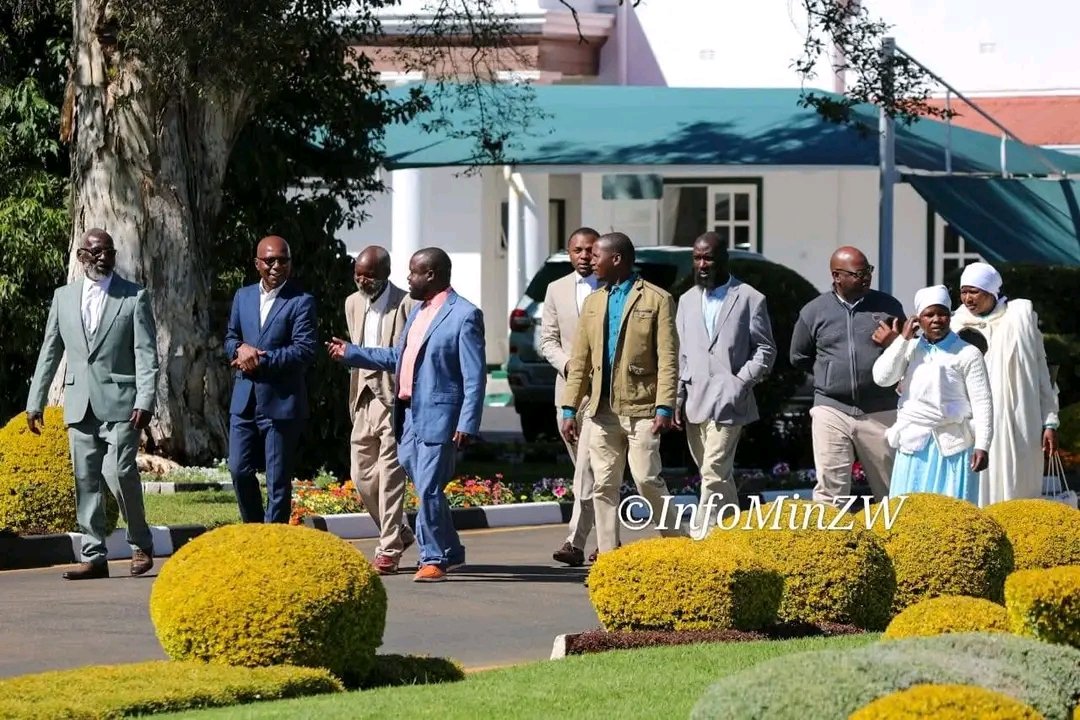
President ED Mnangagwa received a courtesy call from the family of the late National Hero, Archbishop Ernest Paul Mwazha, founder of the African Apostolic Church, at State House in Harare this morning.
2
5
130
Sen Mathew Mutavayi retweeted

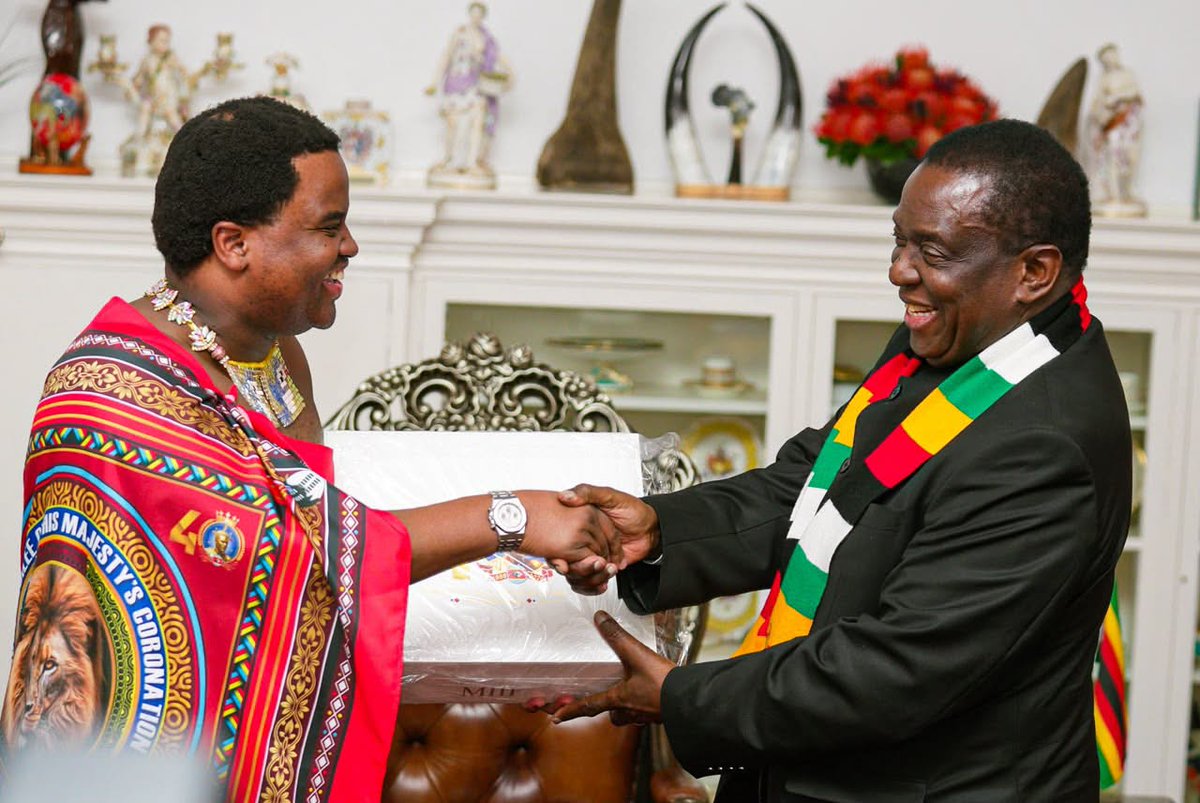
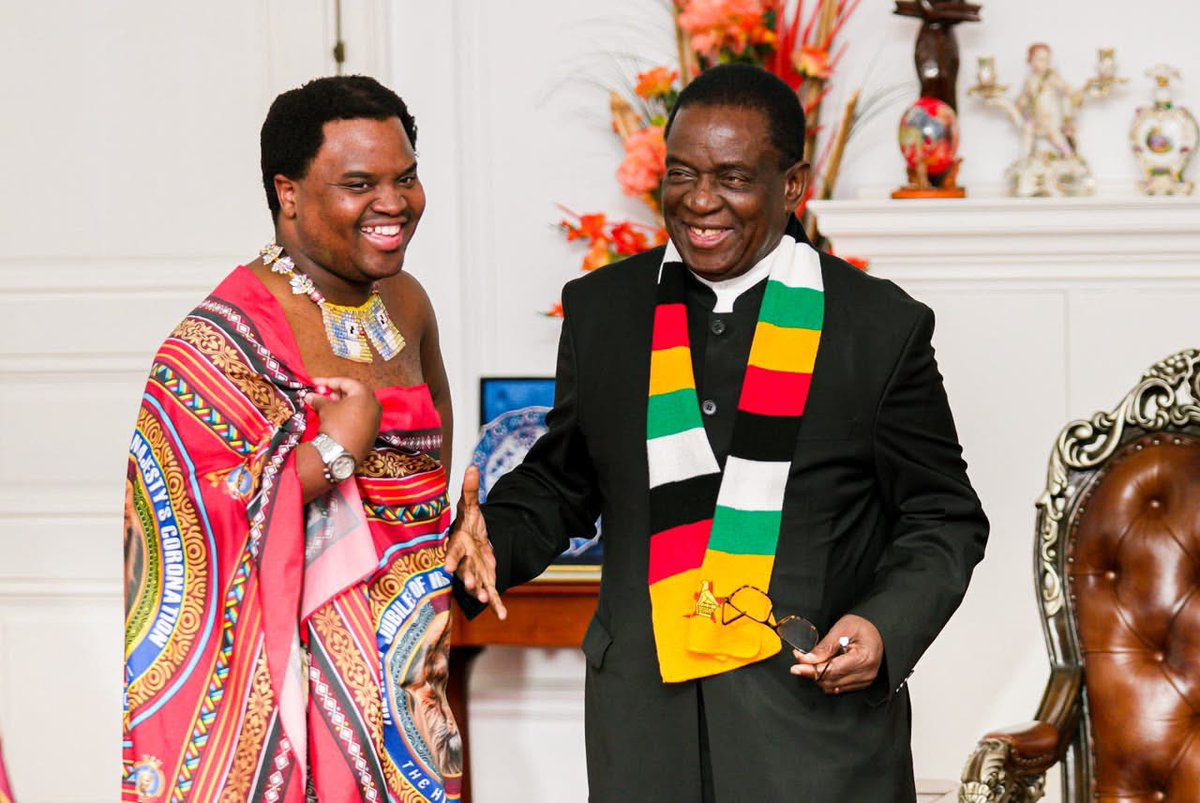
This afternoon, I had the pleasure of hosting Prince Lindani Dlamini of the Kingdom of Eswatini and his delegation at State House, where we reinforced the robust historical, fraternal, and cultural ties that unite Zimbabwe and Eswatini.
Our discussions focused on enhancing bilateral trade, identifying new investment prospects, and promoting industrial partnerships to stimulate economic growth. We underscored our mutual commitment to regional integration, peace, and sustainable economic development within the Southern African Development Community region.
Our strategic priorities encompass strengthening cooperation to improve the lives of our citizens, unlocking new economic opportunities for youth empowerment and industrial innovation, and advancing together towards a more integrated and prosperous continent.
60
63
164
16,046
Sen Mathew Mutavayi retweeted

Jun 10
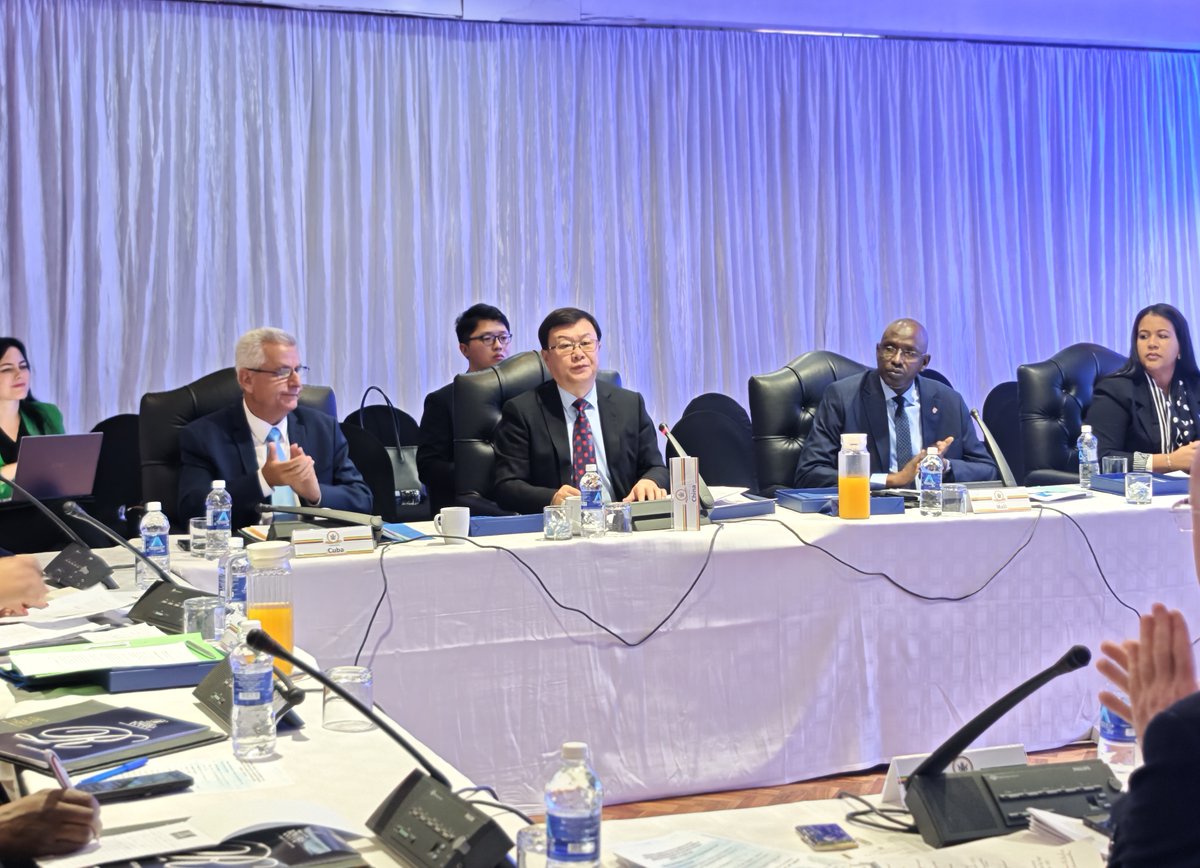
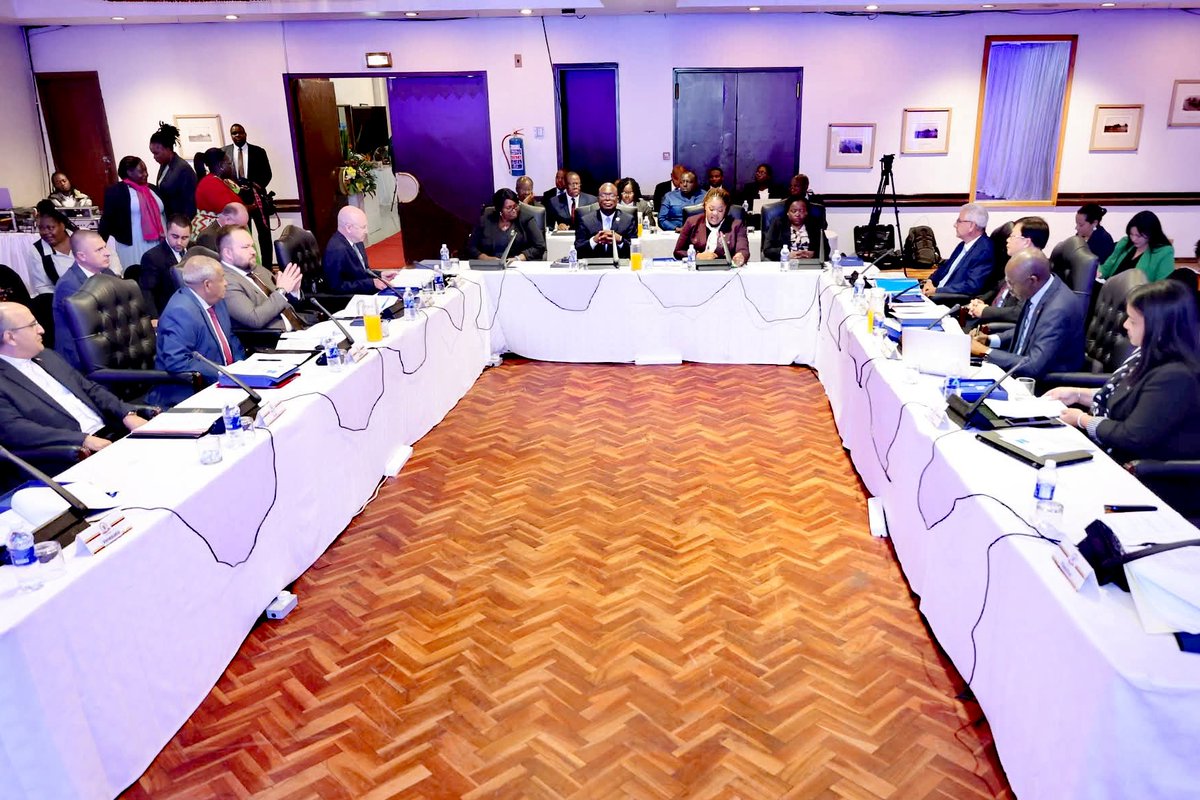
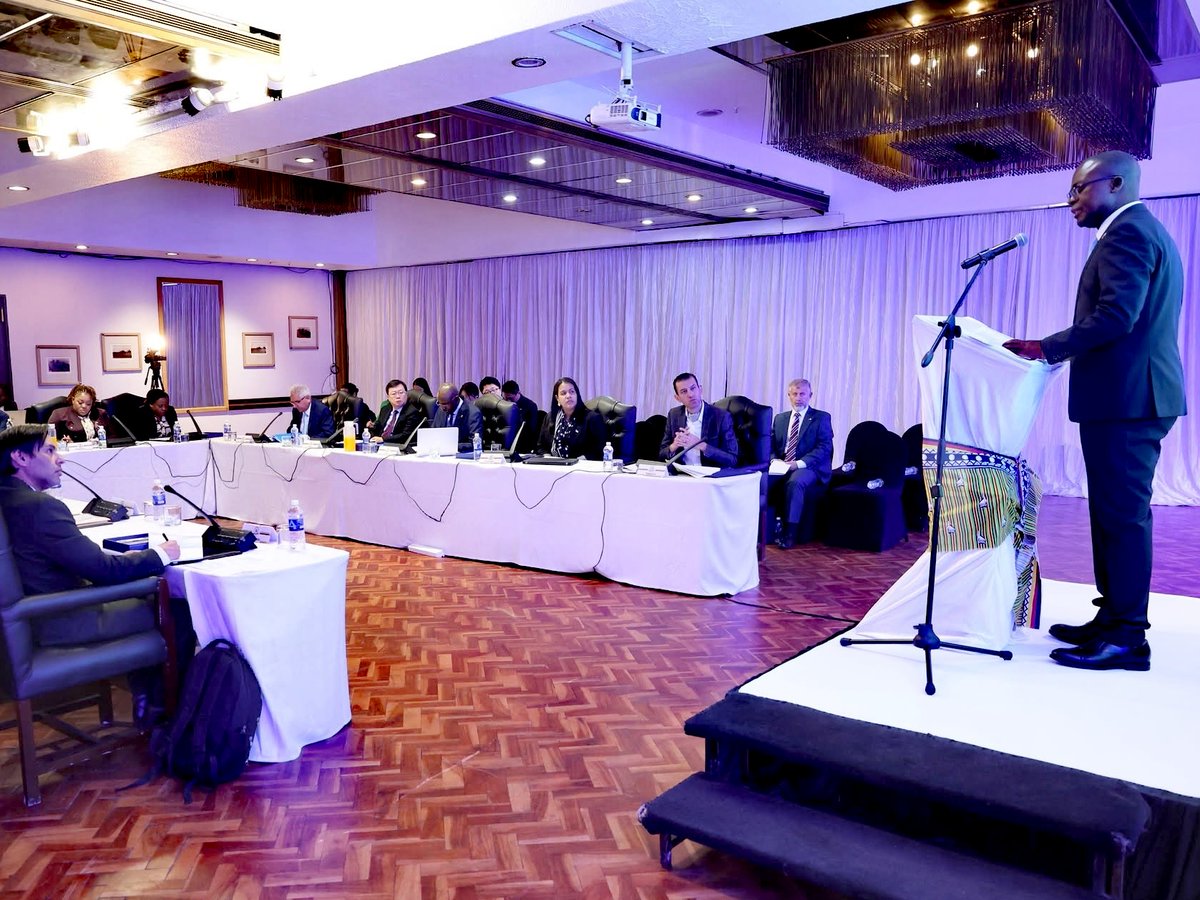
It was a privilege to attend the 4th Meeting of National Coordinators of the Group of Friends in Defense of the Charter of the United Nations, held in Harare on 8–9 June 2026, alongside representatives from Zimbabwe, Russia and other group members.
Commending @MoFA_ZW for hosting this valuable gathering, I extended congratulations once again on 🇿🇼 recent election as a non-permanent member of the UN Security Council for the 2027–2028 term.
I reaffirmed China's commitment to working with all fellow members to strengthen the Group’s solidarity, cohesion, visibility, and influence, uphold the authority of the UN Charter, and safeguard the common interests of the Global South. 🤝
The meeting reaffirms that the Charter of the United Nations is the cornerstone of the contemporary international order and that all its principles must be respected. It stresses full respect for the sovereign equality of all States, the prohibition of the threat or use of force, and the peaceful settlement of disputes through political and diplomatic means. It also calls for the immediate and unconditional removal of illegal and unwarranted unilateral coercive measures imposed on group members, as well as redoubled efforts toward the strengthening of an inclusive, transparent, and effective multilateral system. 🌍
7
21
39
3,091
Sen Mathew Mutavayi retweeted

The future we envisage will not be built by Government alone; it will be built through collaboration, innovation, and investment. We therefore remain committed to maintaining macroeconomic stability, strengthening policy predictability, and improving the ease of doing business.
15
15
36
2,049
Sen Mathew Mutavayi retweeted

Jun 11
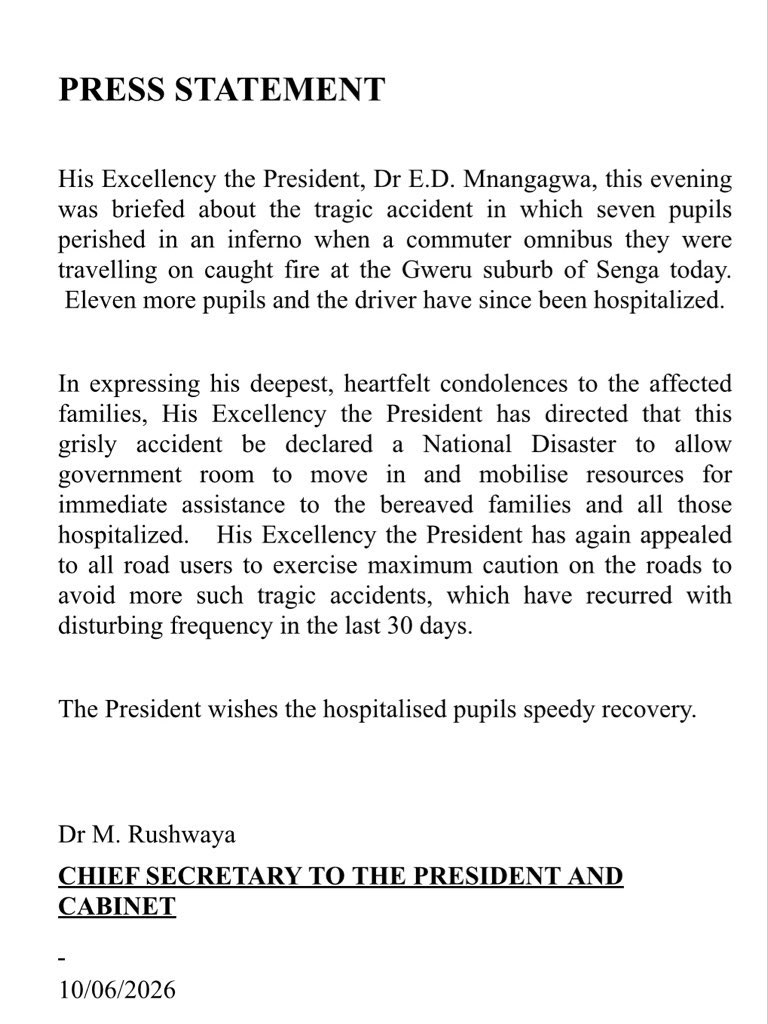
H.E. President @edmnangagwa condolence message following the tragic accident in Gweru that claimed lives of seven pupils and left eleven more and the driver hospitalized. MTSRIP as we wish a speedy recovery to those that were injured.
The President calls upon the public to be cautious and responsible on the roads.
5
7
579

Jun 10
From theory to practice!
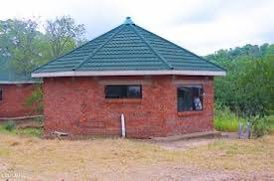
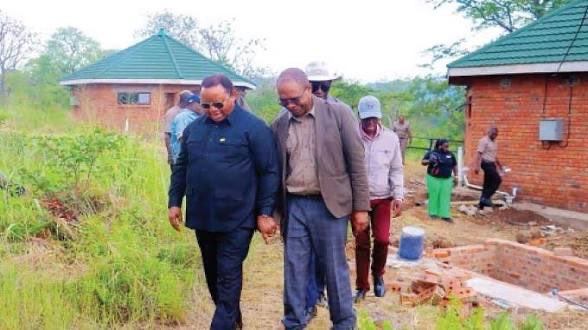
Lupane State University’s Bigwa Ecotourism Innovation Hub in Matetsi is nearing completion, answering H.E. President Mnangagwa’s call for skills-based education.
🛏️ 12 traditional rondavels
💼 Local jobs & tourism growth
🤝 Reducing human-wildlife conflict
#Education50 #SkillsBasedLearning
#ZimTourism
#LUPANE 🇿🇼
@lupane_state
@LupaneState
@mhtestd
@MinOECW
@MOTHI_ZIMBABWE
@edmnangagwa
@DeptCommsZW
@InfoMinZW
@enkudheni

2
11
500
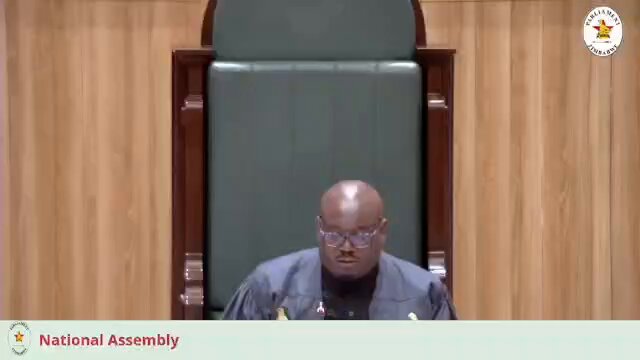
The Minister of Justice, Legal and Parliamentary Affairs, Hon. Z. Ziyambi, today outlined the objectives of Constitutional Amendment Bill No. 3, which include, among other matters, harmonising the constitutional order and reinforcing constitutional governance.
The Bill was formally introduced in Parliament through its First Reading
1
26
Sen Mathew Mutavayi retweeted

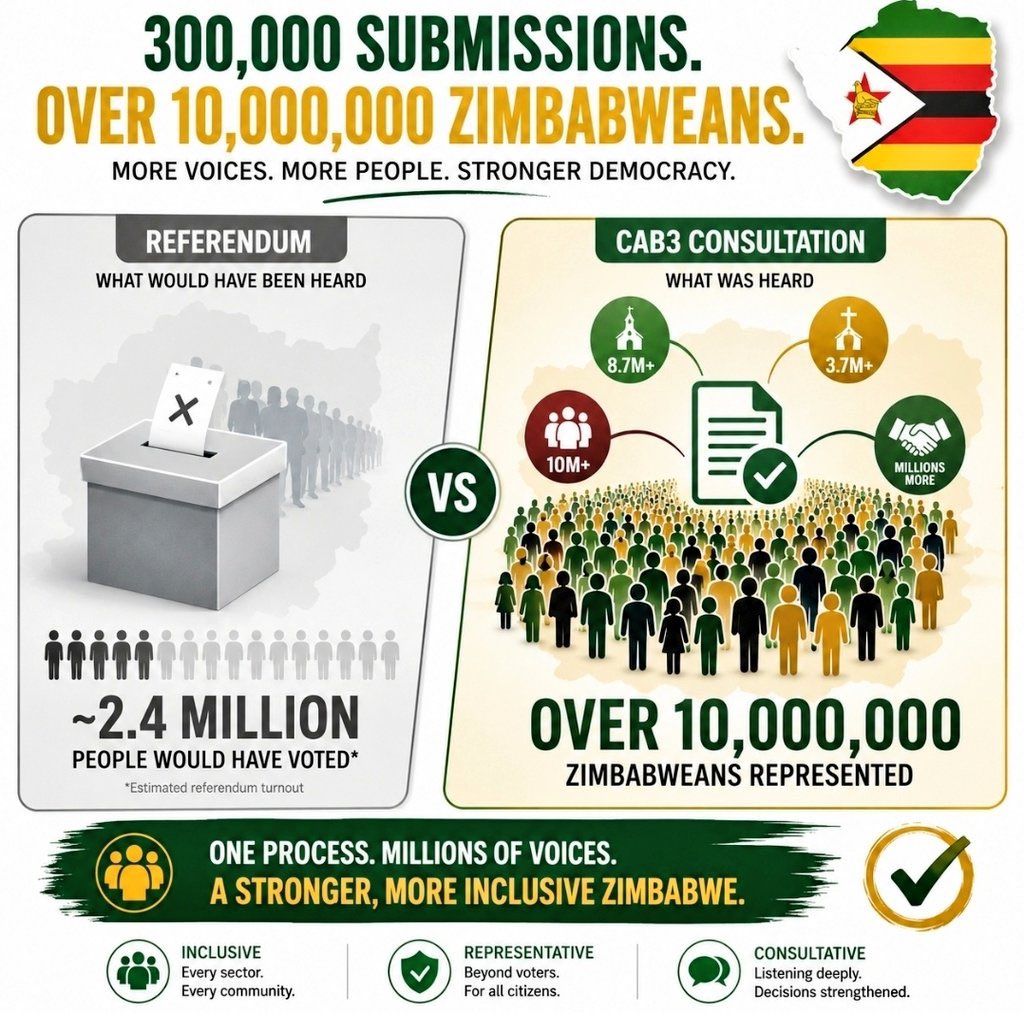
*300,000 SUBMISSIONS DOES NOT MEAN 300,000 PEOPLE*
There is an important misconception circulating around the CAB3 consultation process.
The figure of 300,000 submissions does not mean only 300,000 Zimbabweans participated. A submission is not the same thing as an individual person.
Many submissions were made on behalf of large constituencies and organisations. For example, the Zimbabwe Council of Churches submitted a position representing approximately 8.7 million congregants across its member churches. The Zimbabwe Catholic Bishops' Conference submission represented approximately 3.7 million faithful. Trade unions, community organisations, residents' associations, political parties and other civic bodies also made collective submissions on behalf of their memberships.
This is an important distinction because democratic participation is not measured only by counting individuals who physically cast a vote. It is also measured by the extent to which citizens are given structured opportunities to express their views through institutions and organisations that represent them.
Had Zimbabwe gone down the referendum route, participation would have been limited to those who turned out to vote on a particular day. By contrast, the CAB3 consultation process allowed churches, civic organisations, professional bodies, community groups and individual citizens to place their views directly on the parliamentary record. The result was a process that captured perspectives from constituencies representing millions of Zimbabweans across the country.
For context, Zimbabwe has approximately 6.6 million registered voters. Yet the organisations that participated in the CAB3 process represent membership well-over ten of million when aggregated - spanning every province, every sector, and every layer of Zimbabwean society.
The correct interpretation is therefore not that CAB3 received 300,000 voices. It is that CAB3 received 300,000 submissions representing millions of Zimbabweans from every sector of society. The significance of the consultation process lies precisely in that reach - and no honest reading of the numbers supports the claim that public participation was narrow or insufficient.
5
8
130
Sen Mathew Mutavayi retweeted
The Anatomy of a Flop: Why Lumumba’s Latest Antics Collapse Under Scrutiny
Acie Lumumba is back with a lengthy, dramatic article trying to defend Minister Tino Machakaire while taking baseless swipes at the First Family. But despite the theatrical prose and pseudo-investigative tone, it takes less than two minutes to see through the smoke and mirrors.
Here is the truth about Lumumba's latest fiction piece:
❌ Zero Proof, All Fiction: He throws around highly specific numbers—41 rehab centers, 11,400 bed-nights, a USD 2.4 million figure out of Machakaire’s pocket. Where are the receipts? No links, no official reports, no financial statements. He treats invented numbers like facts.
❌ If it's True, Where is the Police Report? Lumumba implies a cabinet minister is a drug kingpin and claims political protection. These are serious crimes!
A real whistleblower goes to the Zimbabwe Republic Police (ZRP) or ZACC with evidence. A social media influencer goes to Facebook for likes. Why hasn't he filed a formal complaint? Because baseless rumors don't hold up in a police station.
❌ Desperate for Relevance: From "single-bulb backrooms" to recycling debunked KGB terms, this isn't journalism—it’s bad scriptwriting. As a failed politician with no electoral track record, Lumumba is simply using a leaked WhatsApp audio to drag himself back into the public eye.
The Bottom Line: Real activism requires evidence and legal accountability. Lumumba offers neither. Until he steps up to a police station with actual proof, this is nothing more than cheap political theater.
#LumumbaAttentionSeekingAntics #ZimbabwePolitics #FactsOverFiction
#Accountability
@acielumumba
@enkudheni
@advocatemahere
@hazelwekwagondo
@BaShonaBaShona
@matinyarare
@Pachisolife
@NgarivhumeJ
@CMukungunugwa
@ChibayaaCitizen
@Tinoten53374277
5
6
1,571
Sen Mathew Mutavayi retweeted

Jun 2
#Zimbabwe
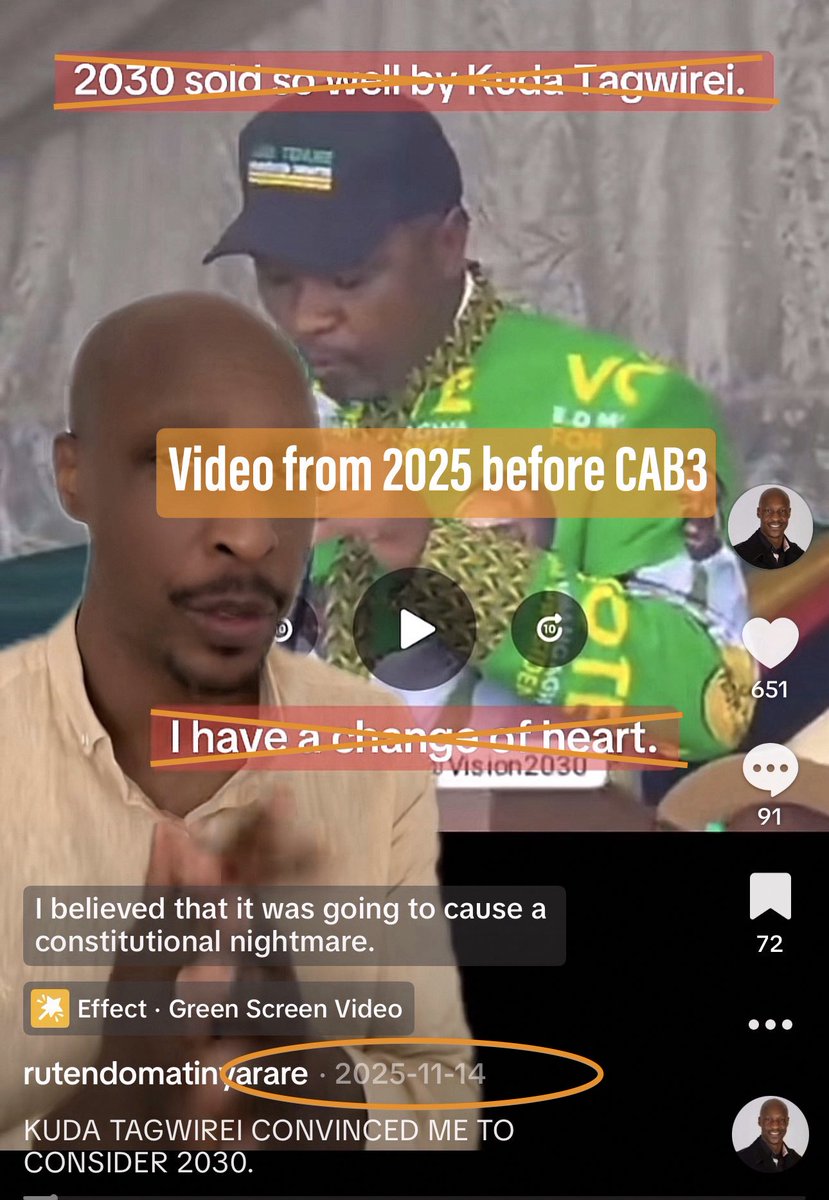
@matinyarare the video is not talking about CAB3 but the developments in Zimbabwe which you believed in until you failed to steal money from Dr Kuda Tagwirei for the #sanctions you did not remove😤
NB* Zimbabwe's President and First Lady remain actively sanctioned under the Global Magnitsky Act❗️and all the development was achieved under sanctions✅

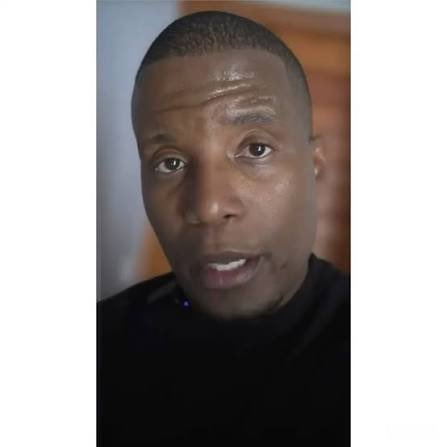
𝗧𝗛𝗘𝗥𝗘 𝗪𝗔𝗦 𝗡𝗢 𝗖𝗔𝗕𝟯 𝗜𝗡 𝟮𝟬𝟮𝟱. 𝗜 𝗗𝗢𝗡’𝗧 𝗦𝗨𝗣𝗣𝗢𝗥𝗧 𝗖𝗔𝗕𝟯!!! 𝗧𝗛𝗜𝗦 𝗩𝗜𝗗𝗘𝗢 𝗜𝗦 𝗙𝗥𝗢𝗠 𝟮𝟬𝟮𝟱 𝗕𝗘𝗙𝗢𝗥𝗘 𝗖𝗔𝗕𝟯.
It has come to my attention that, in desperation, the same Varakashi who attack me every day and tell me how useless I am, are using my old video from 2025 to say that I am supporting CAB3. Why do they need to manipulate my voice to promote something if they have the capacity to promote their own causes and if the Bill is good?
Please be aware that this video is from 2025. There was no CAB3 in 2025. All we had was a slogan of 2030, which said nothing about the President being elected by Parliament without a referendum, the abuse of those opposed to it, or the dictatorial power grab to create a dynasty that is in all the other clauses that made me reject CAB3.
1
1
116
Sen Mathew Mutavayi retweeted
*NYIKA YATENDERANA NE BILL NŌ. 3 KUNOPINDA 2030 KUTI KOBOO-O!*
*ZANU PF HOLDS THE MAJORITY SEATS IN PARLIAMENT THEREFORE CONSIDER IT DONE ✅*
*MWANA WESE HANZI TSEPETE PA BILL NŌ. 3👍*

1
2
4
75
Sen Mathew Mutavayi retweeted

Hon Minister Ziyambi Ziyambi begins the legislative process for #CAB3 today with its First Reading in Parliament — the formal introduction of a bill. Next steps are Second Reading (debate), Committee Stage (clause‑by‑clause review)&Third Reading ,before it can become law.

2
4
14
314
Sen Mathew Mutavayi retweeted

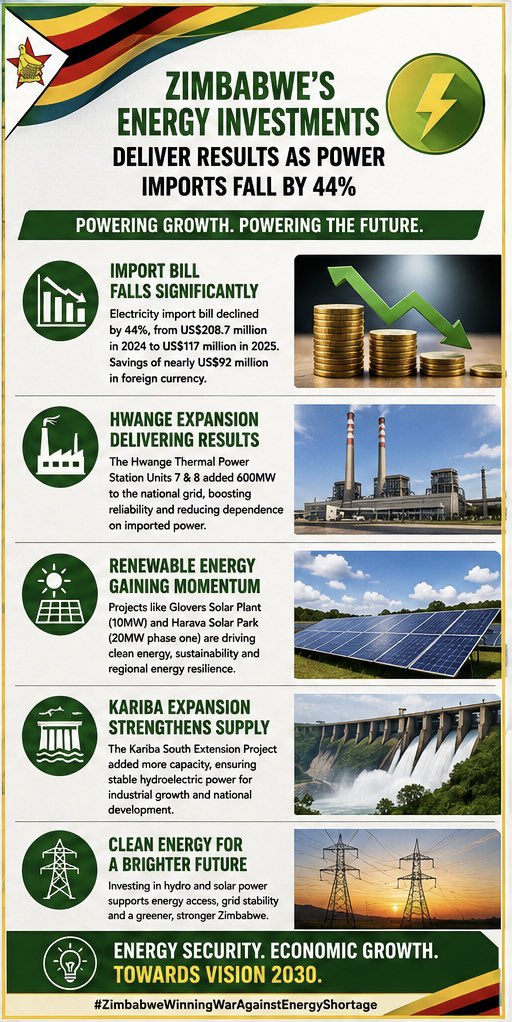
📌Zimbabwe’s energy investments deliver results as power imports decline by 44%
Zimbabwe’s energy sector is recording notable progress under the National Development Strategy 2, with increased domestic electricity generation reducing reliance on imported power. Significant Government investments in thermal, hydro and solar energy projects are strengthening national energy security while supporting industrial growth and economic development.
✅ Import bill falls significantly
According to Reserve Bank of Zimbabwe figures, the country’s electricity import bill declined by 44 percent, from US$208.7 million in 2024 to US$117 million in 2025. This reduction translates into foreign currency savings of nearly US$92 million and reflects growing domestic power generation capacity.
✅ Hwange expansion paying dividends
The Hwange Thermal Power Station Units 7 and 8 Expansion Project has emerged as a cornerstone of Zimbabwe’s energy recovery programme. The additional 600MW injected into the national grid has strengthened supply reliability and reduced dependence on imported electricity.
✅ Renewable energy gathering momentum
The Glovers Solar Power Plant and the Harava Solar Park demonstrate Government’s commitment to renewable energy development. These projects contribute to energy diversification, environmental sustainability and long-term power security.
✅ Kariba expansion strengthens supply
The Kariba South Power Station expansion project has significantly increased hydroelectric generation capacity, providing a stable foundation for economic growth and industrial productivity.
✅ Clean energy for sustainable development
Zimbabwe’s continued investment in solar and hydroelectric power supports the transition towards cleaner energy sources. These projects not only improve energy access but also enhance grid stability and contribute to regional energy resilience within the Southern African region.
#ZimbabweWinningWarAgainstEnergyShortage
#CAB3
#EDworks
@ZANUPF_Official @ZanuPFMabvuku @zanupfbyoinfo @zanupf_patriots @KMutisi @HonSakupwanyaK @ChinamasaPA @oczmk @OpenParlyZw
6
10
374