
182 Photos and videos




I think I figured out a reason why the social sciences fail to replicate/are so messed up: **RCTs assume a wrong model of reality to begin with, and it becomes worse when you apply it to more obviously subjective things.**
The basic protocol for RCTs is "randomly split people into a treatment and a control group. Effect(treatment control) - effect(control) = Effect(treatment)". Crucially, this assumes that 'treatment' is some kind of fixed or stable category in the world. This is wrong because there is no clear independent stable thing called 'treatment'. If you're studying CBT, this is the interaction between the therapist, the client, and all the patterns that arise between them.
One client might not be able to work with me because my face subconsciously reminds him of a bully he had in high school. Another might not be helped because she was abused by a man.
The rich depth of complexity of human emotion and thought finally break the false (but often workable) assumption that RCTs made about the world: that it was composed of objects called 'effects' and we could measure them with numbers.
Case studies and qualitative observation are far better suited to actually understanding what's going on.
(h/t @chrislakin for prompting reflection)
1
10
447
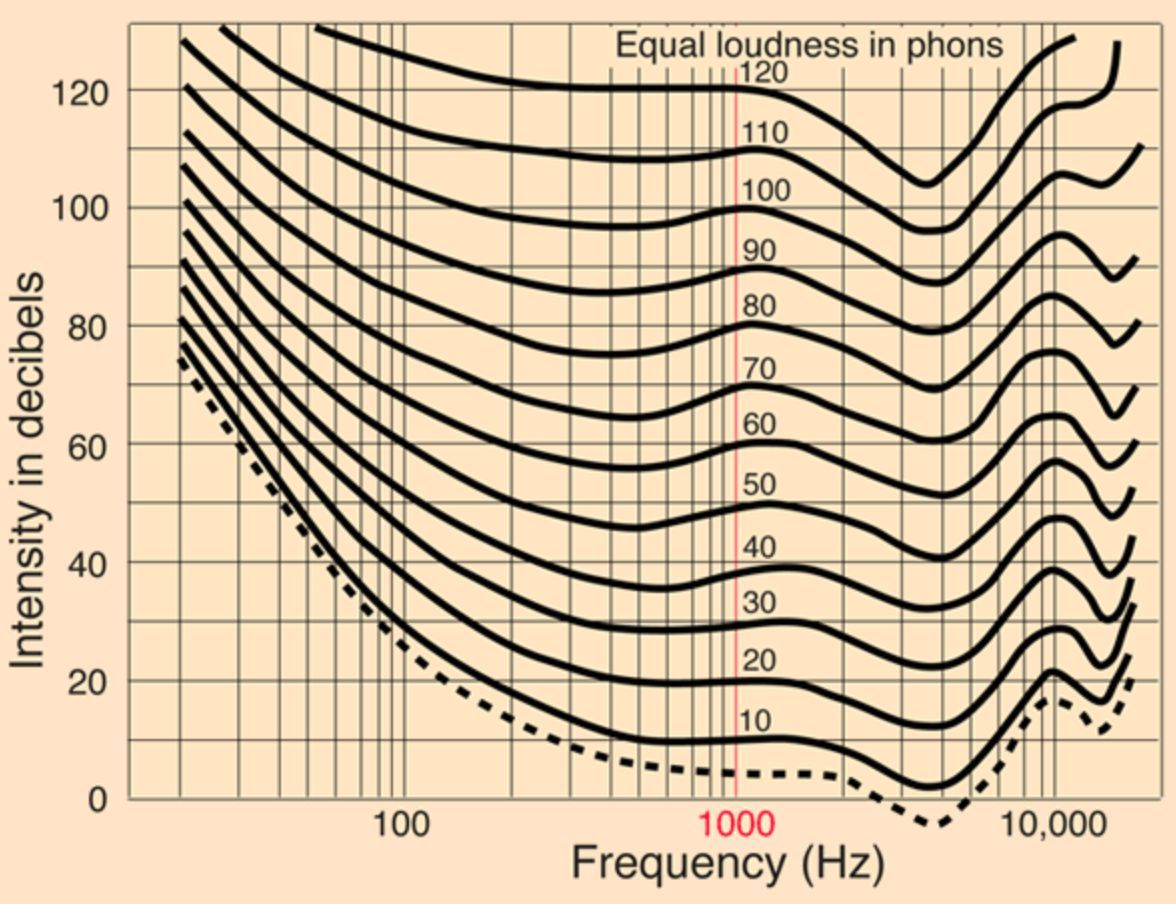
loudness is not objective
we don't perceive loudness the same across the frequency spectrum.
at 60 dB, 4 kHz is much louder than 100 Hz.
(loudness is measured in 'phons' where people are basically asked 'are these two tones the same loudness?')
also, with autism — and possibly in some related conditions like schizophrenia or fragile X — the 'loudness growth functions' are steeper and discomfort thresholds are lower, so even eg a ceiling fan can be intolerable
3
2
30
1,525
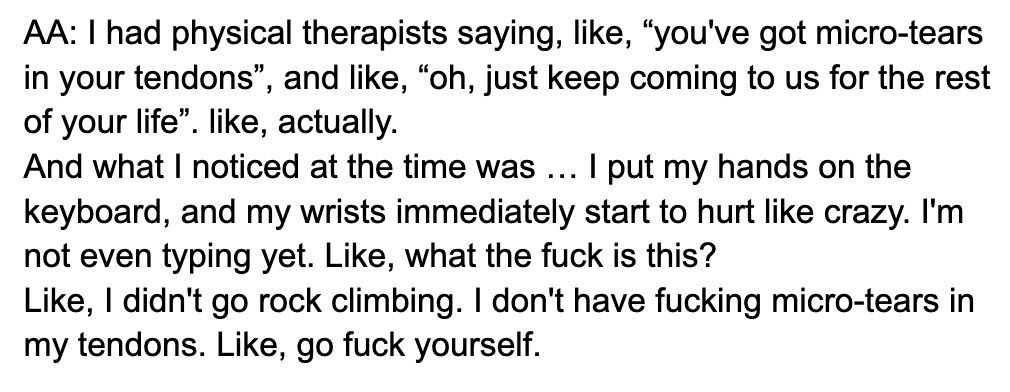
I have been subject to this kind of prodding, being told the ways in which my body is malfunctioning and only their system can help
I get mad, but then I also see that this perspective is in a way necessary too — the alternative healthcare practitioner has often had to fight (reasonably) against entrenched misbeliefs and their confidence has served them only to now become dogmatism. One stage in a path to wisdom important not to get stuck on
2
127
there's this idea that specific brain regions 'do' things.
'the amygdala generates fear' or 'prefrontal cortex is responsible for executive function'
how do we know this? put people in huge metal detectors and see which parts of their brains get more oxygen during certain tasks
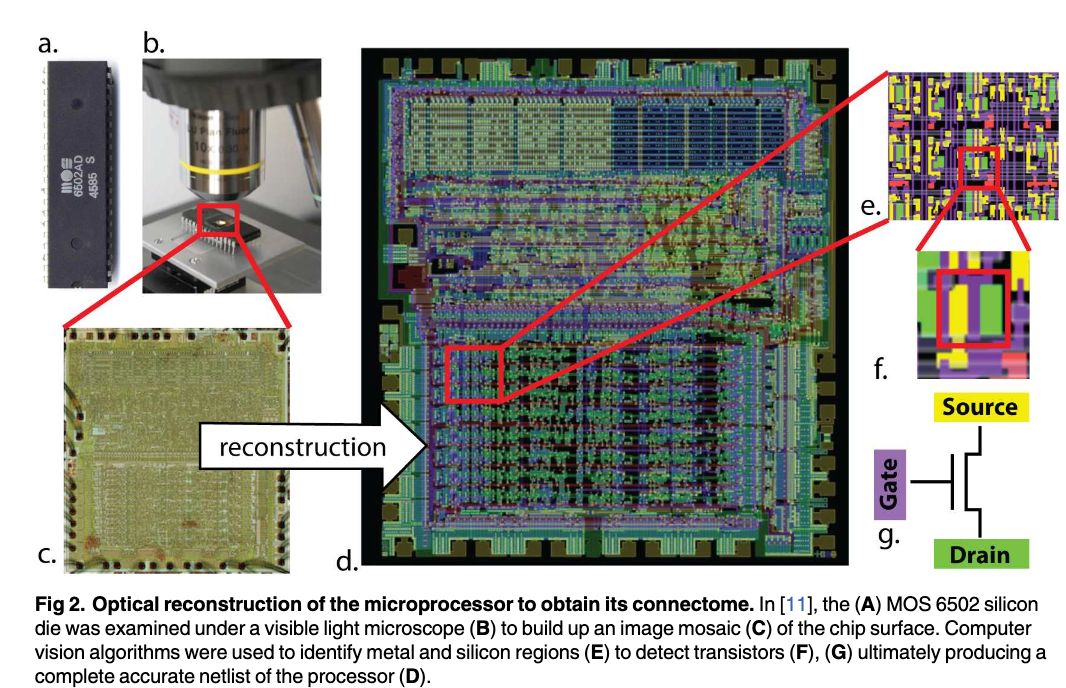
you can try to do the same thing with a microprocessor; each transistor is kinda like a neuron, and 'display donkey kong' is kind of like the behavior of a brain.
You can then get the average activity ('local field potential') in a specific spatial region, which is similar to fMRI.
if you do this, you get confusing conclusions like "this cluster of transistors is responsible for the donkey kong image"
if you apply a bunch of other common neuroscience techniques like connectomics, lesion studies, tuning curves, you get a bunch of obviously wrong results like "there are distinct transistor cell-types with different functional roles" when there is only one type of transistor or "this transistor encodes visual brightness" — when really it just happens to correlate in a highly nonlinear way
we don't have good models for the brain, but an even deeper challenge is that our tools aren't even adequate for distinguishing between a good and a bad model of the brain
12
9
117
6,895
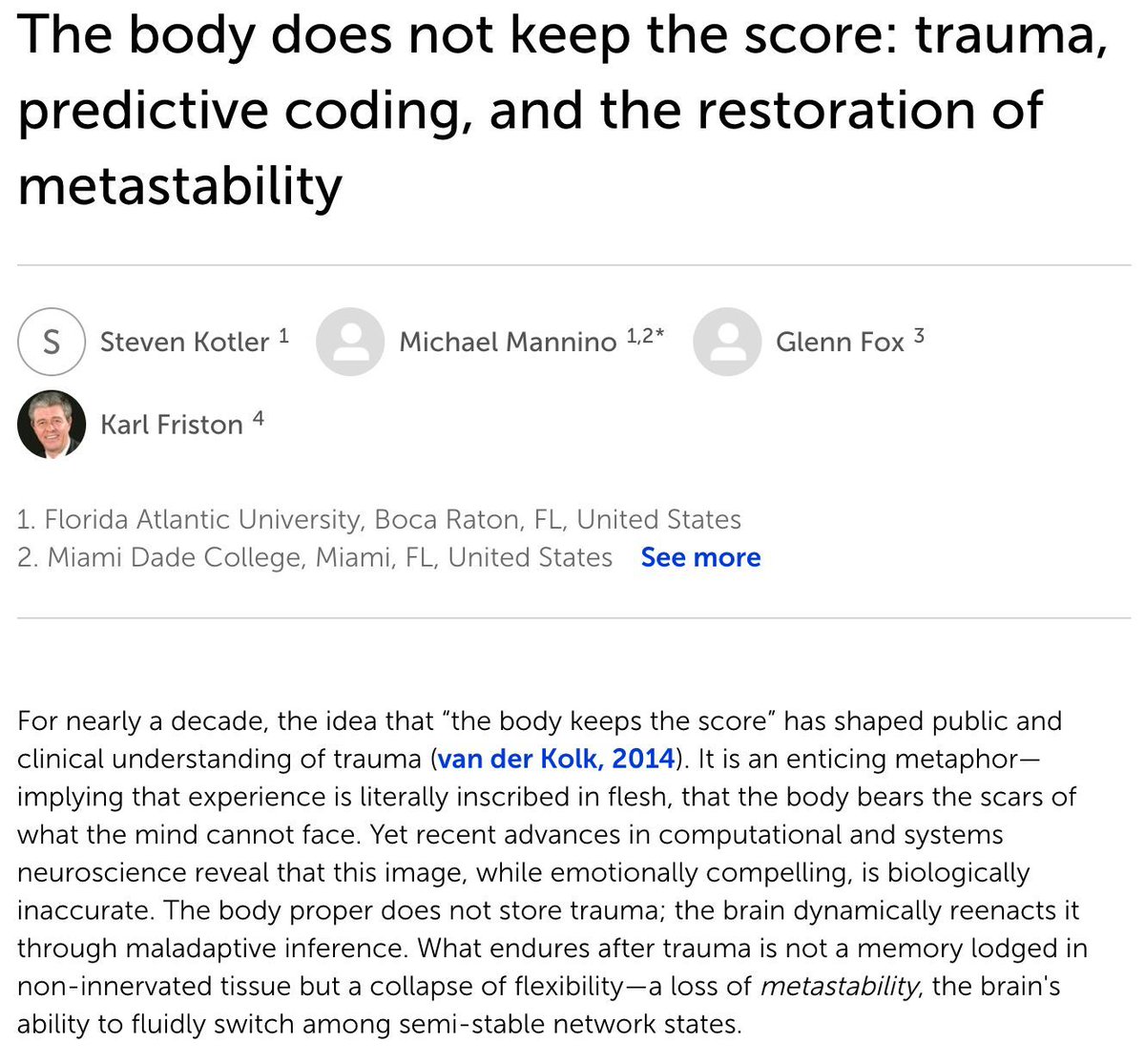
"The body does not keep the score" — new opinion piece by Kotler, Mannino, Fox, and Friston
the title is inflammatory and in my view misleading.
the basic claim is ‘trauma is more like a trapped prior than an inscription”. trauma is an maladaptive lack of responsivity, not like a bullet wound or physical injury
but there are two parts to the debate here:
Anti-inscription - their main argument: we should not think about trauma as something that is stored and accumulated (they are basically pushing back against the ‘storehouse model’ of trauma).
Brain-only - trauma is in the brain, not the body
They smuggle in ‘Brain-only’ when really they are arguing about ‘Anti-inscription. But we can look at these in turn.
I think anti-inscription is basically right.
van der Kolk’s The Body Keeps the Score is vague on what constitutes trauma.
“the score” he refers to is about debt, like an accounting debt, but he also uses metaphors like ‘watchtower’ and ‘smoke detector’ throughout the book — though the end message is that you need to get into the body to resolve the stored trauma.
Kotler et al. say that this is wrong. you shouldn’t see the body as ‘storing’ trauma. most people don’t get PTSD from war, death of a spouse, etc (though very many do) — which would not happen if it were permanently inscribed in the body.
(note: i doubt anyone (incl van der Kolk) believes that trauma is permanently inscribed in the body; ‘watchtower’ and smoke alarm are pretty compatible with the trapped prior view of trauma)
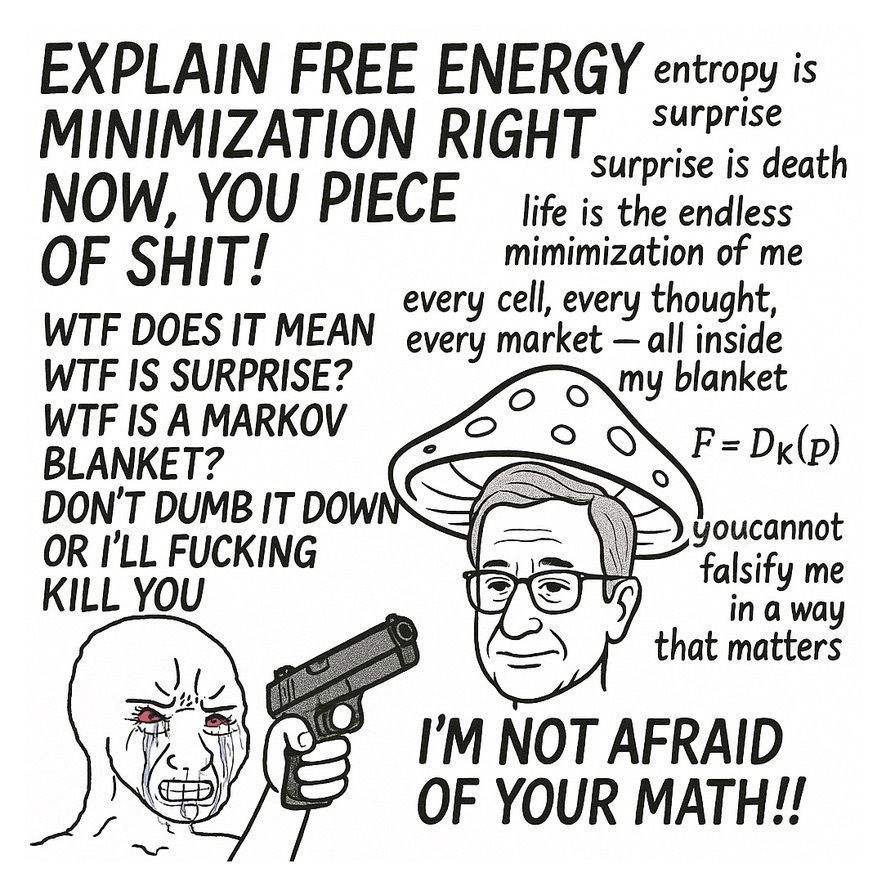
instead, kotler etc say that trauma is about a stuck prediction. “loss of metastability — the brain’s ability to fluidly switch among semi-stable network states”. They try to relate everything to free energy minimization — a move that I’ll just note confuses more than clarifies things for me.
This is basically compelling, and I do think ‘trapped prior’ is far better than ‘storehouse’ for how to think about trauma.
Then they basically try to explain that because trauma is about predictions, it must be about the brain (which they use interchangeably with the central nervous system).
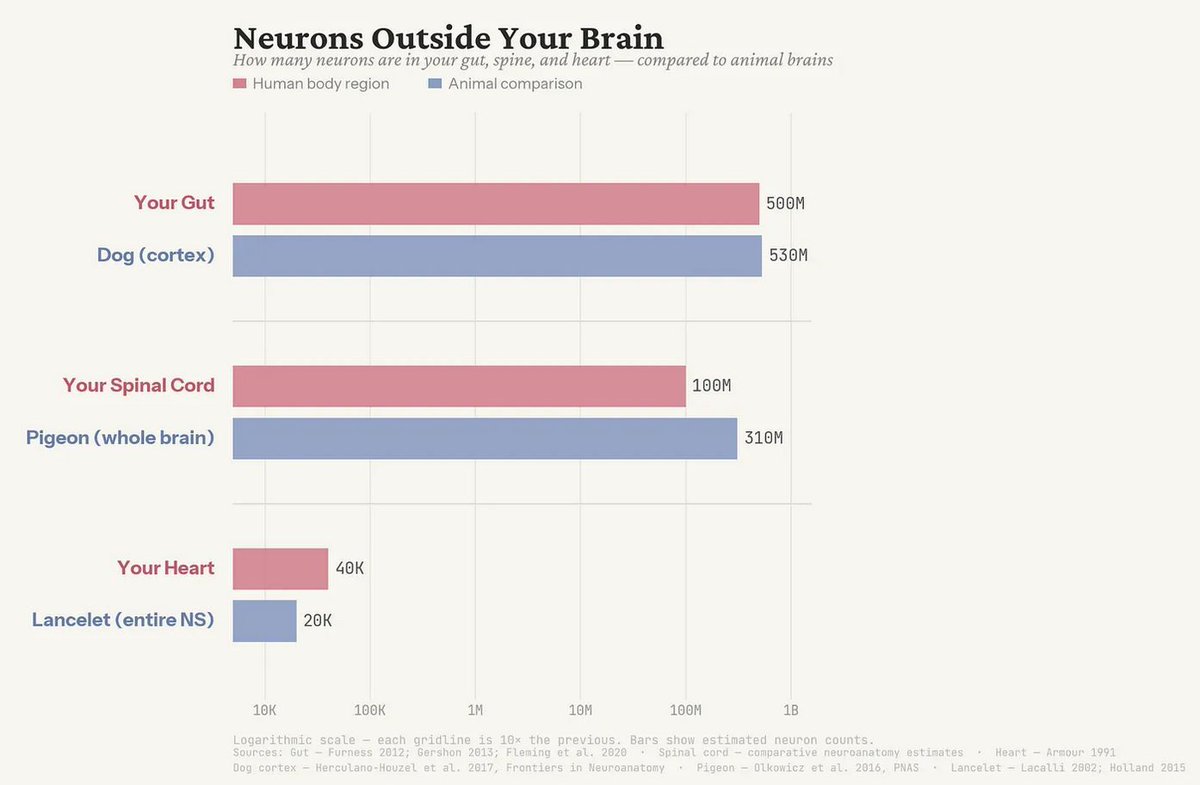
my basic objection to this is that it is experientially obvious that memories in general (not just trauma) involve parts of the body outside the central nervous system. very obviously, the enteric nervous system and cardiac neurons encode memory that can be linked with trauma. more speculatively, i think something like @johnsonmxe idea of smooth muscle acting as a form of ‘prior’ is quite plausible.
annoyingly, this whole piece feels like an old rehash of the perennial mind-body debate, where the predictive processing people are insisting ‘trauma is in malformed prediction (mind)’ and the somatic people insist ‘trauma is in the viscera (body)’
the way forward is what the somatic scientists like Thomas Hanna and Feldenkrais gestured at, which I think in principle the PP people should be on board with, but probably in part because there isn’t yet a mature science of somatic memory tend to default to reducing everything to the brain.
10
4
96
5,572
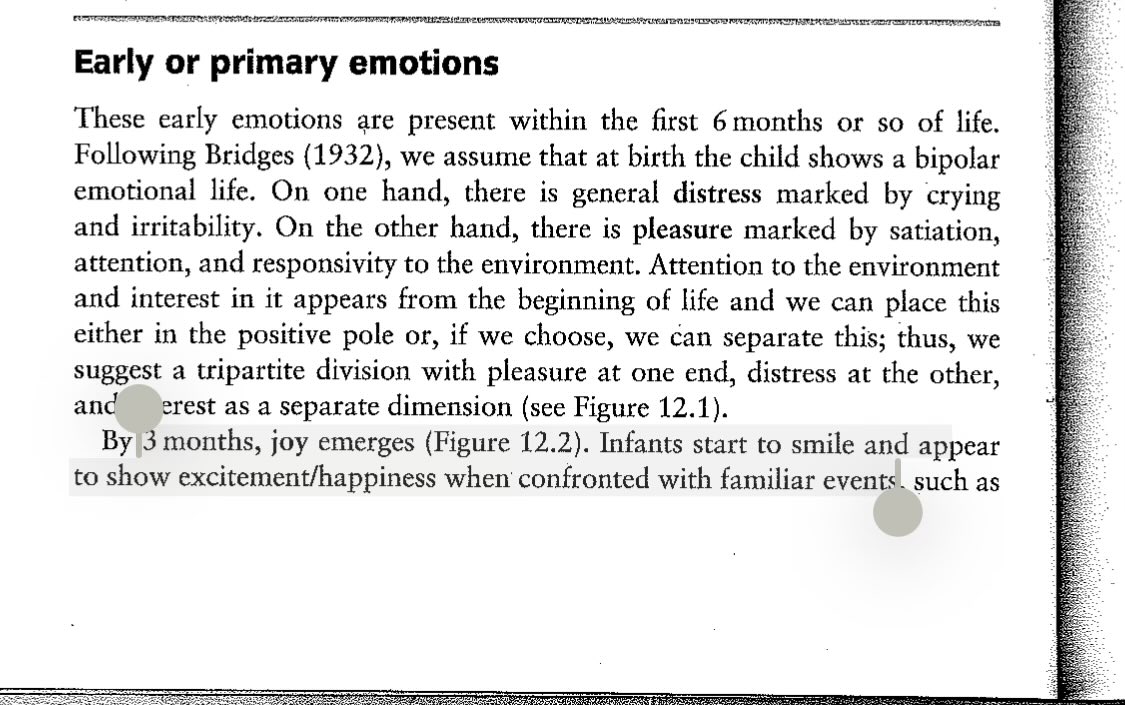
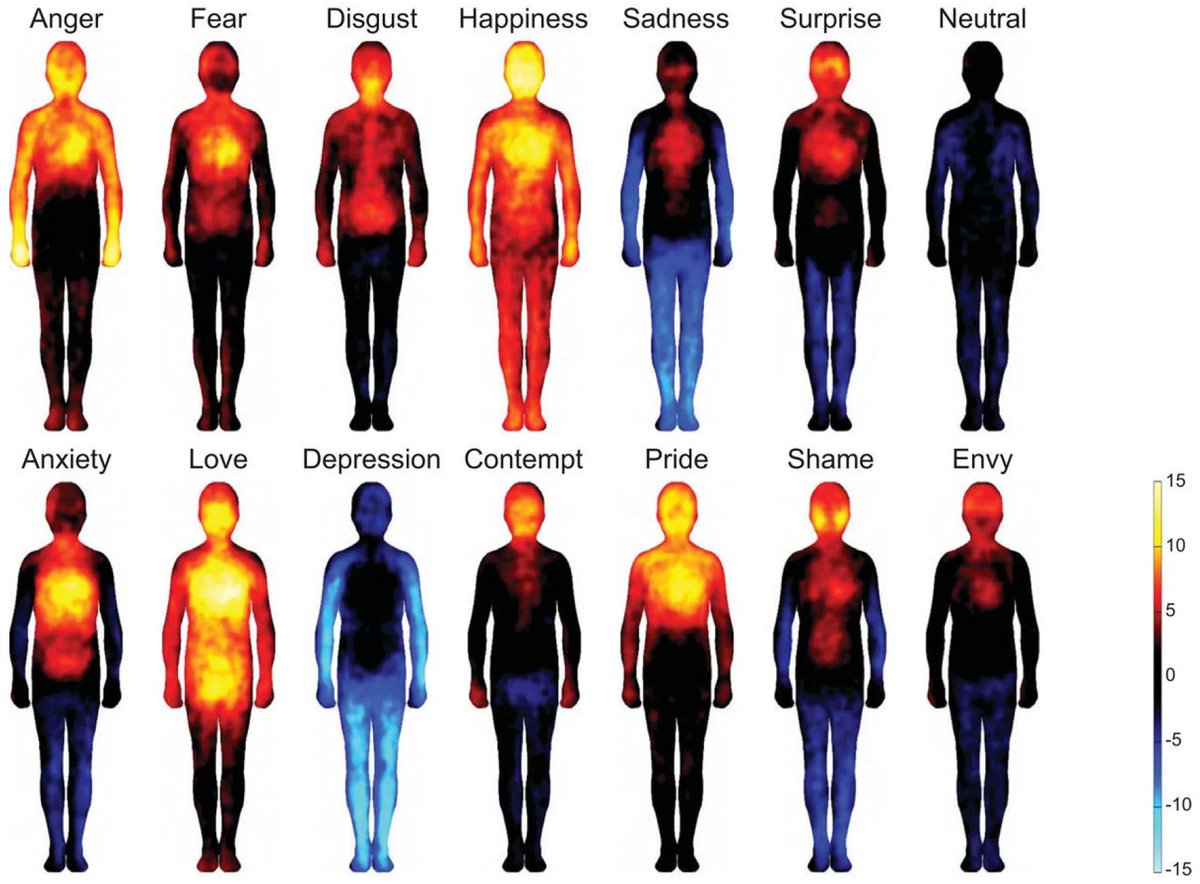
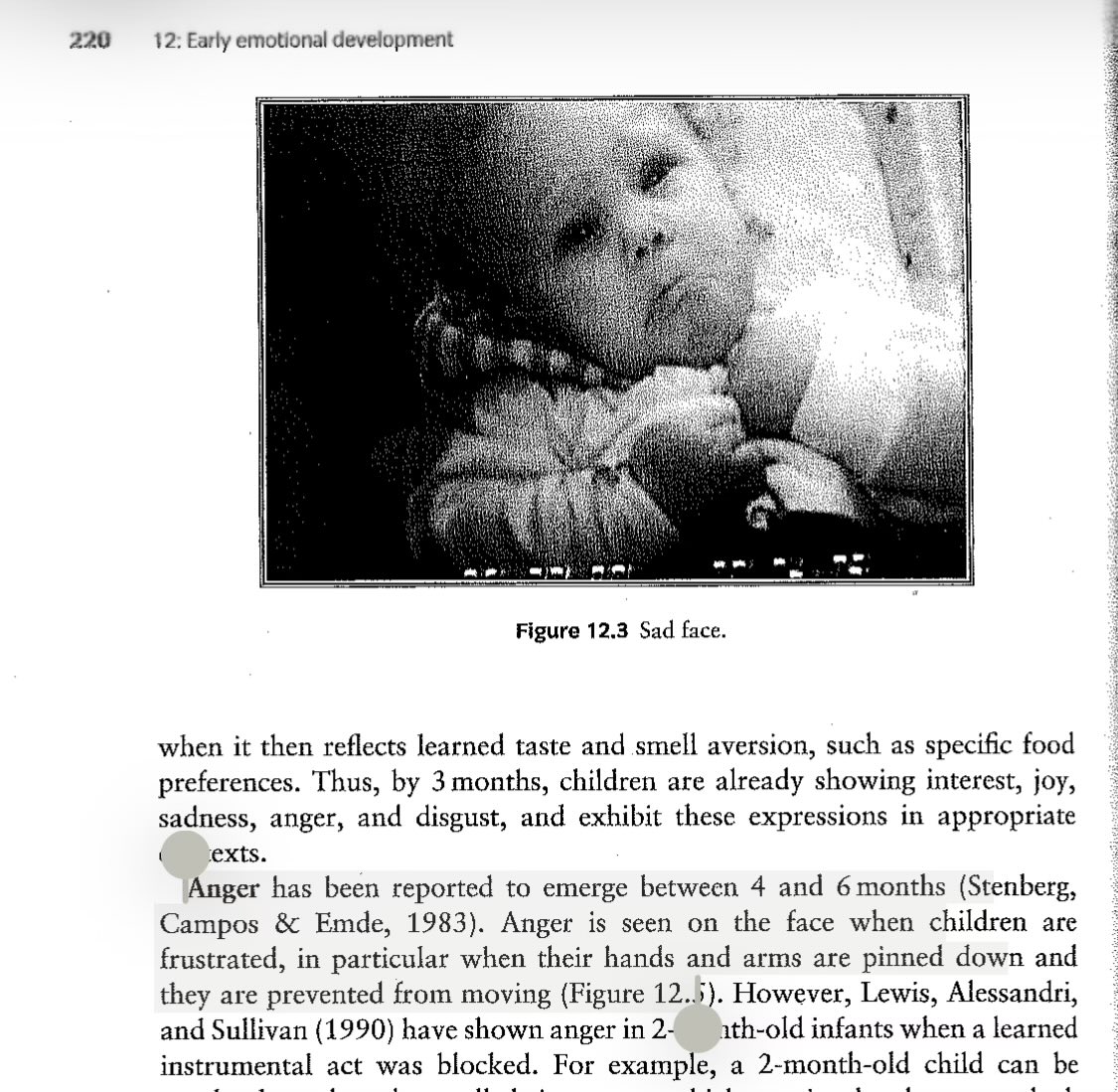
emotions develop at different ages in babies.
enjoyment is visible at ~2 months. smiling not just out of mimicry but general joy. sadness also.
anger usually appears a little later at 4 months, and fear comes in after that.
dev psychologists will say fear requires more cognitive capacity and that feels right to me. there’s a simple openness to joy or sadness — fear has to have an object and feels somehow more constructed
10
560
doing my first analysis of the sarno interviews and laughing.
thank you twitter for the interview sources
x.com/maxkshen/status/202861…

looking for people who were cured by reading sarno!
if this is you, please DM — am running a qualitative study seeking interviewees
1
1
27
1,895
every month, i find myself in a conversation that unlocks someone’s longstanding health issue
it’s one of my favorite things to do — dms always open

As someone who pushed through health issues to continue to work longer, it has never been worth it
We cannot exploit ourselves this way
The body keeps the score
And it is so easy to define ourselves through the language of output and production
But the body keeps the score.
11
631
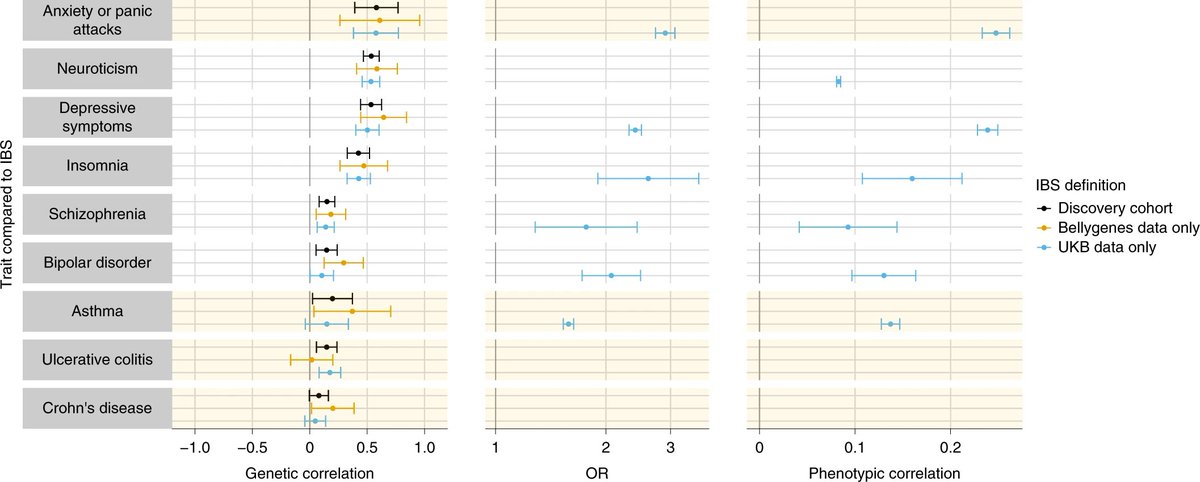
when conditions are correlated with neuroticism, depression etc => dysfunction is higher up the stack, in the central nervous system vs gut lining cells
27 Apr 2023

Irritable Bowel Syndrome is an odd condition. You might expect it to be related very strongly to other bowel conditions, right?
But in most samples, it's actually more related to some aspects of mental health than it is to conditions like ulcerative colitis or Crohn's disease.
1
6
553