
Football, Life & Entertainment | Real takes, no hype. Honest opinions only. Welcome if that’s your vibe 🤝💙
Joined July 2015
- Tweets 66,412
- Following 9,538
- Followers 10,497
- Likes 71,194
1,356 Photos and videos







Nonso 🎀 retweeted

A Big Shout-out to my amazing mutual @Ucheagalii
Thank you for constant engagement. If you wish connect with her.
But I follow everyone who says "hello" in the CS
8
8
14
147

Nonso 🎀 retweeted

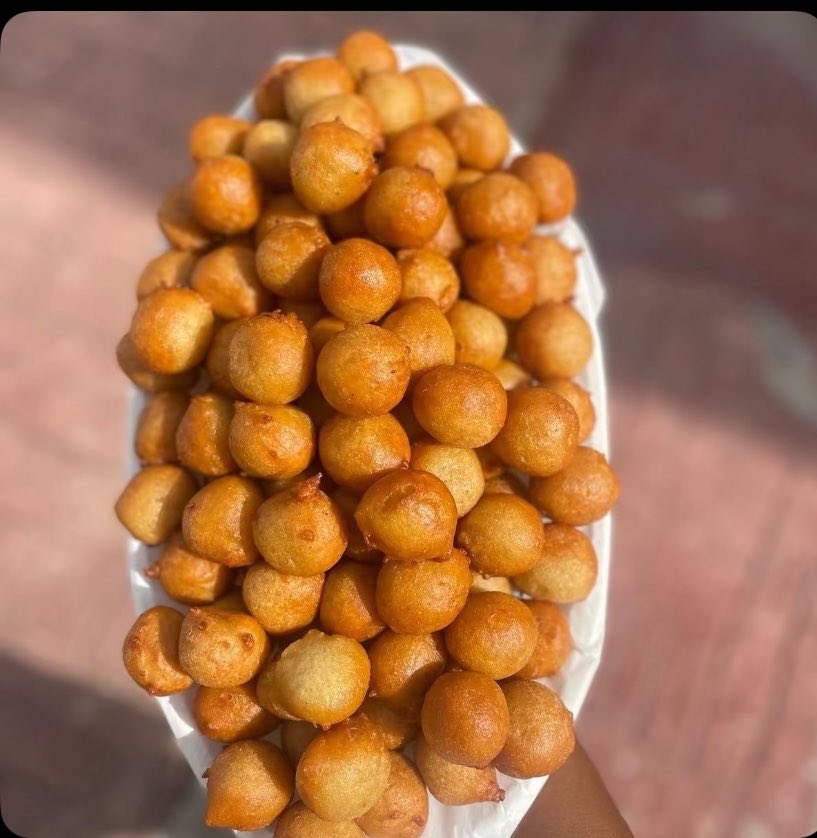
8.5K Followers 😳😳😳😳
My week Started well💃💃💃
I Started with 0 ,now I'm here and still going 🤲
If I continue like this I go reach 10m by December 🥺
Thanks to all my Mutuals and incoming Mutuals 🥂🥂🥂
#RoadTo10k

I made a video for my 8m followers 🤭
A whole 8k followers? Meaning One day I wil reach 10k😳😳😳😳😳
You guys are Amazing 🙌🙌🙌
Thank you ❤
#RoadTo10k
7
7
16
446

Nonso 🎀 retweeted

Jun 11
Ikenna you talk say am not romantic say my heart dey beat like rock
Me way never chop
Ikenna if I nod you you will see the other side of me
23
82
101
1,133
Nonso 🎀 retweeted

Where all my World Cup games go? 🙆♂️
36
8
35
2,568
Nonso 🎀 retweeted

Have you ever peeled an egg and found no yolk in it ?

30
11
28
614
Nonso 🎀 retweeted

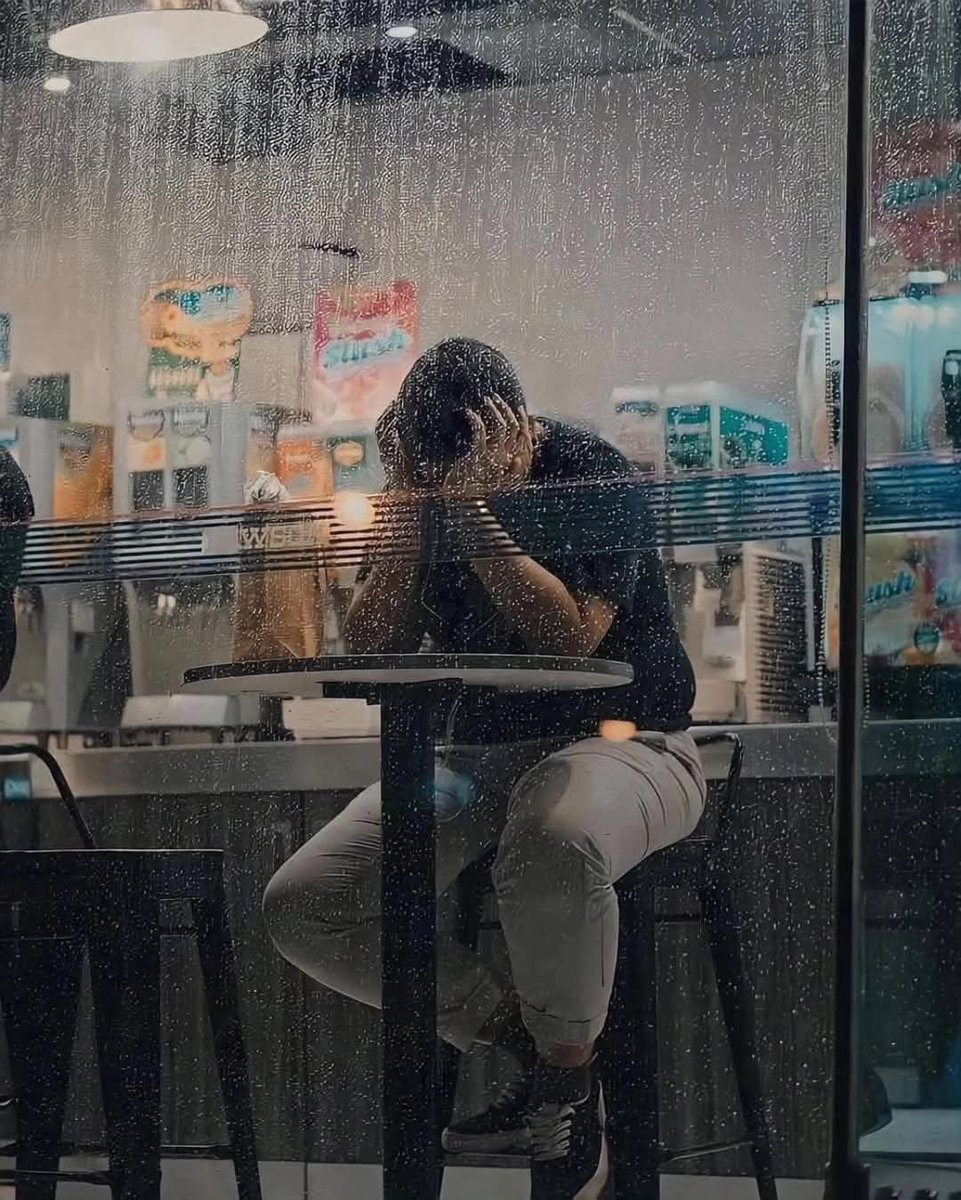
If intimacy is meant to reduce stress…
Why do many men lose interest when they’re stressed or broke?
Is it pressure, pride, or something deeper?
Let’s discuss.
6
5
5
79
Nonso 🎀 retweeted

𝕏 growth hack—
These are 4 cheat codes intentional creators are using.
But if you were forced to keep only ONE, and your growth depended on it, which would you choose?
→ Deleting low-performing posts
→ Replying 15 minutes before posting
→ Engagement hook
→ Call to action
25
24
32
472

Nonso 🎀 retweeted

Happy Sunday.
As we begin a new week, may God go before us and make every crooked path straight.
May our efforts be blessed, our homes be filled with peace, and may we receive good news that brings joy to our hearts.
12
11
16
278


Nonso 🎀 retweeted

Jun 12
The conflict between the Ghana Empire and the rising Mali Empire:👇
This conflict was largely driven by the struggle for control of trade, territory, and political influence in West Africa. By the 12th century, the Ghana Empire had become weaker due to declining control over the trans-Saharan trade routes, environmental challenges, and internal instability.
As Ghana's power declined, smaller states that had once paid tribute began to assert their independence.
At the same time, the Mali Empire was growing stronger under the leadership of Sundiata Keita.
Mali was strategically located near important gold-producing regions and sought to control the lucrative trade in gold and salt that had once enriched Ghana. Competition over these resources and trade routes brought Mali into conflict with the weakened Ghana Empire.
The fall of Ghana was not caused by a single battle. Instead, it resulted from a combination of factors, including the disruption caused by the Almoravid invasions, economic decline, drought, and the loss of key trading centers.
By the 13th century, Mali had become the dominant power in the region. Around 1240, Mali conquered the remaining territories of Ghana and absorbed them into its expanding empire.
This marked the end of the Ghana Empire and the beginning of Mali's golden age as the leading power in West Africa.
Jun 12

The Conflict between the Mali and Songhai empires in Africa was caused by power struggle. 👇
One of the most significant power struggles in ancient Africa was the conflict between the Mali Empire and the Songhai Empire.
During the 13th and 14th centuries, Mali dominated West Africa, controlling major trade routes and thriving on the exchange of gold, salt, and other goods across the Sahara. However, Songhai, which had once been under Mali's influence, gradually grew stronger.
Under the leadership of Sunni Ali in the 15th century, Songhai expanded rapidly and captured important commercial and cultural centers, including Timbuktu and Djenné.
These victories weakened Mali's control over regional trade and political influence. As Songhai continued to grow, Mali declined, eventually losing its position as the leading power in West Africa.
The rivalry between these two empires was driven by competition for wealth, territory, and control of trade networks.
It reshaped the history of West Africa and demonstrated how rising powers can challenge and replace established empires.
7
14
19
536
Nonso 🎀 retweeted

48m
Good morning, X fam! 🌅☕
Happy Sunday, June 14! 🌞
A fresh new day is here — full of quiet moments, small wins, and big possibilities. Take a deep breath, sip something warm, and go make today beautiful.
What’s one thing you’re grateful for this morning? Drop it below 👇
Let’s spread some good energy! ✨
#GoodMorning #SundayVibes #NewDayNewBlessings

5
4
6
184
Thank you so much for the visibility @TgCafe

Hello everyone!!
As we continue with the #TG30DayVisibility campaign, I'd love to make the experience even more rewarding for participants.
To that end, we're open to collaborations, partnerships, sponsorships, and support from individuals, brands, and business owners who would like to contribute to the campaign.
This could be in the form of:
-Gift items
-Vouchers
-Cash prizes
-Business grant
-Free consultations or services
-Training sessions
-Business opportunities for participants
-Support for our end-of-campaign awards
If you'd like to partner with us or contribute in any way, kindly send me a DM.
Let's make the next few weeks even more impactful for the vendors showing up consistently and putting themselves out there.
~Campaign Coordinator
1
4
45
Nonso 🎀 retweeted

Good morning
Happy Sunday

Saturday is about to come to an end.
What are your plans for tomorrow?
1
1
4
31