
@Figure (FIGR) executive board chair, co-founder of Figure, @Provenancefdn (HASH) and @SoFi (SOFI). Views are my own, not investment advice.
Joined May 2009
- Tweets 3,768
- Following 184
- Followers 24,114
- Likes 6,866
88 Photos and videos








Pinned Tweet

May 11
To all the $FIGR holders...
First off, I want to thank you for being a @Figure investor - we appreciate your support.
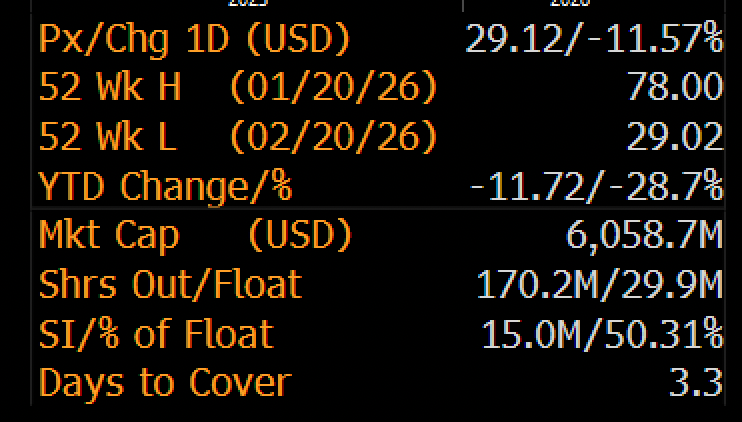
One of Figure’s key initiatives in 2026 is to demonstrate the value proposition of OPEN (On-Chain Public Equity Network). Specifically, we want to show that when you migrate stock from the national market (e.g., Nasdaq or NYSE) to blockchain and force the borrow/short sales to happen on blockchain, two key things happen:
- Investors get the full economic benefit of lending out stock. Today, much of that benefit is taken by the prime broker who sits in between borrower and lender. I’ve heard of situations where the borrower is paying 30% or more for stock on “special” (i.e. high short demand), while the lender is getting 3%. The prime brokers make an enormous amount of money intermediating the borrow.
- Companies create a countervailing force to short selling interest. When stock is heavily shorted, the high borrow cost creates a reason to be long the stock, akin to a “free” dividend
We are building a pipeline of companies to list on OPEN, and I want to be able to demonstrate this value proposition to them. This is where we need your help.
I’m asking you to move at least some - if not all - of your Nasdaq shares of FIGR onto the blockchain (FGRS). Once we get a critical mass of stock on the blockchain, the borrow will flip and have to happen there. In doing this, you:
- Will earn the full benefit of any shares you lend out for borrow.
- Irrespective of whether you lend shares, you will demonstrate the validity of OPEN to other companies.
- If you are a fund or SPV, it is much cheaper, faster and easier to distribute shares to your LPs vs brokerage distribution.
- You (or your LPs) can switch shares back to Nasdaq at any time, without cost or tax consequences.
I’ve heard a few reasons why people/funds are hesitant to make this switch, including:
- Concern about liquidity on OPEN. Jump provides liquidity today, and will make as much market depth as is needed to support liquidity. In fact, OPEN is open 24x7 - with significant liquidity during US and Asia market hours. And - as mentioned above - if you feel you need to, you can move the stock back, usually the same day (or one business day later in the worst case).
- Concern about wallets/QCs. There are a variety of ways to hold FGRS, including through a Figure Markets wallet or a BitGo qualified custodian wallet (with more options coming).
- Concern about losing keys. FGRS is a security, not a bearer asset. If for whatever reason you lose your keys (or your security), Figure’s transfer agent mints you a new one.
The net is, hopefully you own FIGR because you believe in our ability to bring capital markets to blockchain. And now you can directly impact how fast we do this by migrating your stock to OPEN.
To make this easy for you, Jacob - @ZawadaJacob - will handhold you through the process of migrating. DM him, and if you have any questions, respond to this thread and I'll answer them.
Thanks!
25
17
187
32,877
Jun 12
Had a fun time talking with @ysiu and the @animocabrands team on @NUVAFinance, blockchain and wallets.

“We have to get the TradFi Dollars over to DeFi.”
RWAs have proven demand, distribution is the next challenge. It’s how the rails get built to take this from billions to trillions.
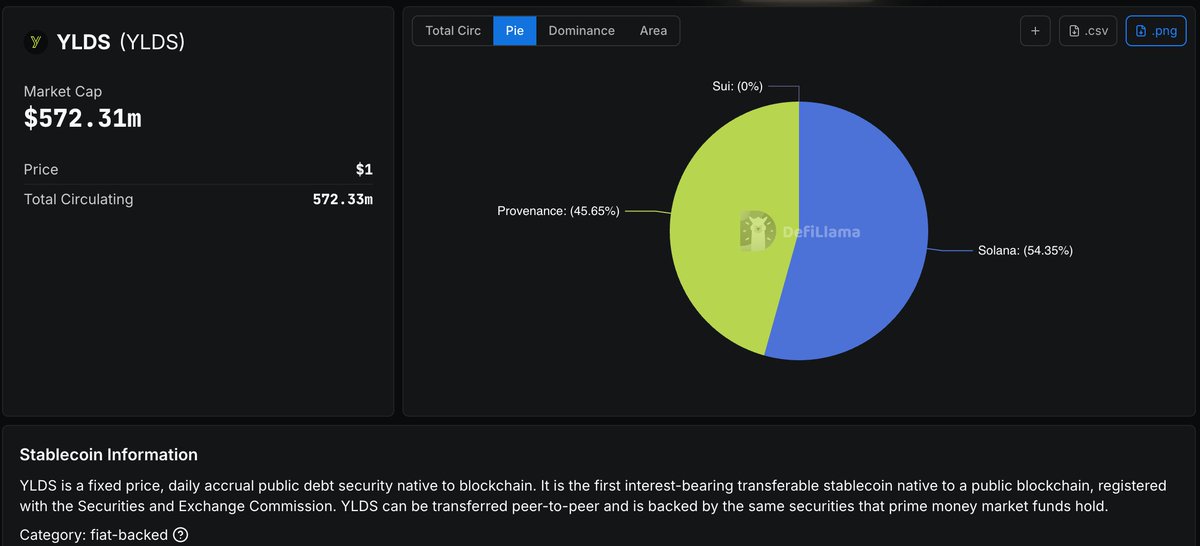
In this special episode of Capital Rails, we sit down with Mike Cagney, Co-Founder & Executive Chairman of Figure Technologies (Nasdaq: FIGR), alongside @ysiu to examine how the distribution layer for on-chain RWAs is being built. @NUVAFinance has officially launched on Ethereum, serving as a distribution layer that connects some of the largest institutional RWA pools on Provenance Blockchain, including @Figure’s natively on-chain home equity lines of credit through @HastraFi, to the broader DeFi ecosystem.
4
3
32
4,660
Jun 10
This is a great acquisition for @Figure. Key points on the Kiavi deal:
- Massive TAM in first lien RTL and DSCR loans - first lien 25x larger than 2nd
- Kiavi 2025 numbers: $7B of volume, $250M revenue, $100M EBITDA
- $100-$200M of starting volume to Democratized Prime, majority of volume trading on Connect
- Cash $538M transaction, ~4 year unlevered payback
- Launch of AI adapter to standardize assets into Connect, Democratized Prime with Kiavi loans first to onboard
- Figure model - direct and repurposing engine for partners - should supercharge growth
- Figure maintaining 60% blended EBITDA margin target
figure.com/newsroom/company-…
19
16
132
10,209
May 29
Great explanation of where @Figure actually competes. Not as a lender, but as a blockchain marketplace.
May 29

On a recent podcast I talked more about the comparison between Fannie Mae and Figure. Two points stand out as people look to understand Figure better:
1. Fannie Mae has created liquidity in its capital market that offers homogeneity in the assets / mortgages, regardless of which originator made the loan
2. Fannie Mae is clearly a larger business than any one mortgage company or originator.
We are a version of Fannie Mae on modern, blockchain rails with the ambition to expand across all asset classes.
People will say we don't have the guarantee from the Government, that's true. But credit risk is not the only (or dominant) risk in mortgage. It's prepayment and interest rate. And we do use the blockchain to prevent fraud from double pledging and double sale of loans (a real risk Fannie Mae can't prevent).
We are on the up!
fintechoneonone.com/figure-c…
9
7
69
8,178


May 28
It's 42 minutes, but play it at 1.5X - lots of topics here. Love talking about @Figure!
Episode 238: Reimagining Financial Services from First Principles with Mike Cagney of Figure
@alextapscott @mcagney @Figure @provenancefdn @CMCC_Global
0:00 Introduction
2:35 Why Figure was built
5:45 Why blockchain was core from day one
6:40 Figure’s marketplace model and DeFi capital
10:55 Collateral, unsecured lending, and reputation-based credit
13:15 Tokens as containers for financial assets
15:50 What should and shouldn’t be tokenized
17:25 Onchain securitization and retail access
19:15 DeFi capital, Hastra, and global yield demand
23:25 CLARITY, regulation, and lowering loan rates
25:50 Adoption vs crypto asset prices
35:00 Tokenization: still very early
37:50 AI, DeFi, and financial services disruption
41:15 What’s next for Figure
42:18 Closing thoughts
6
8
53
5,865
May 28
Had a blas doing this! Thanks for having me @alextapscott !
May 28

New @defidecodedpod is out!
I speak with Mike Cagney (@mcagney) founder of @Figure
Most fintechs just add 'digital wallpaper' to financial services.
Figure is reinventing the industry from first principles, transforming how we move, store, and borrow money.
An amazing discussion!
Check it out 👇
1
1
21
6,871
May 25
As a Las Vegas resident, I sure enjoyed that hockey game. Thought I was going to take the dog for a long walk after the first period. Glad I kept watching.
4
1
29
2,754
May 24
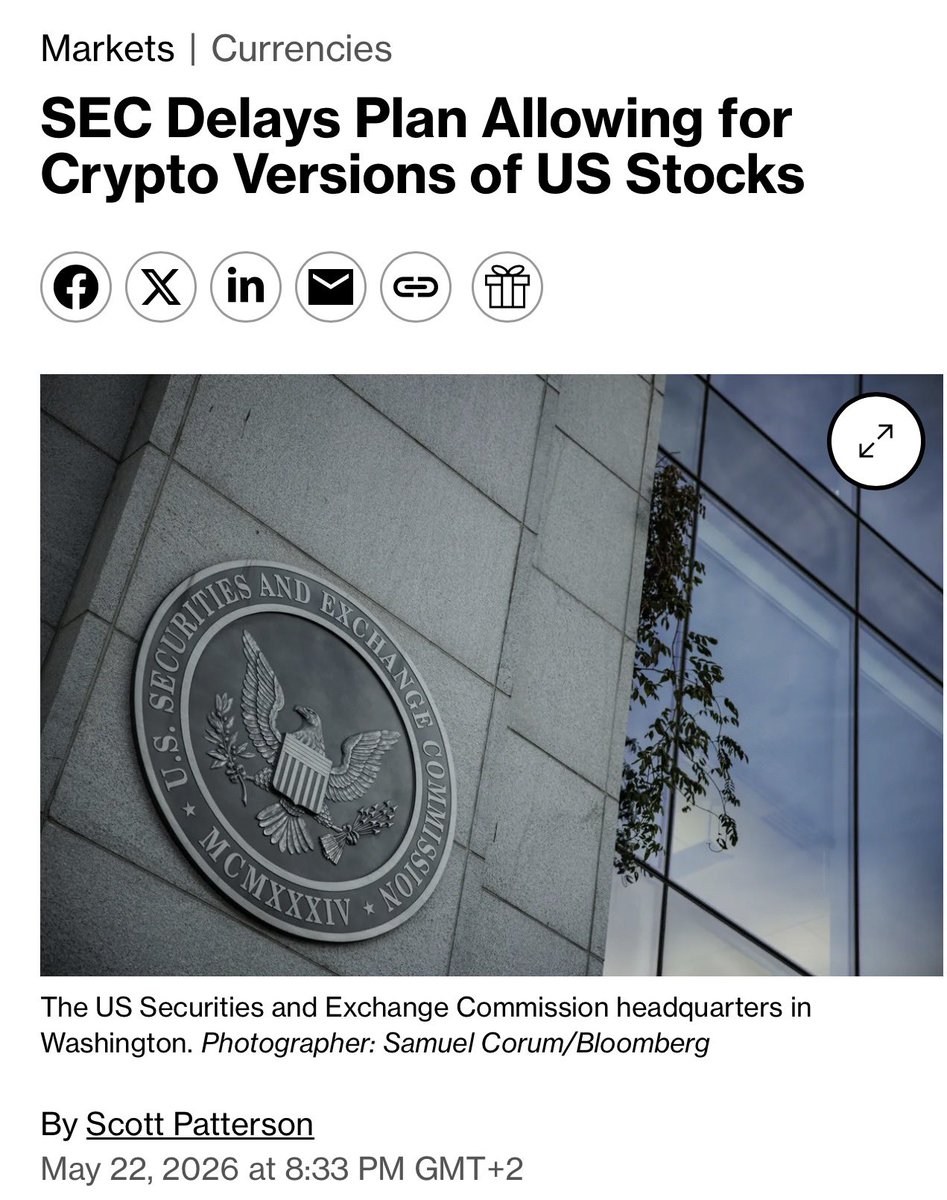
You know what isn't delayed? @Figure trading on OPEN. 24x7 limit order book (market making 5x18 and working to expand). Access to DeFi. Works under the current SEC rules. This is the way.
May 22

SEC delays plan to allow trading of tokenized stocks due to concerns and pushback
Scoop via @pattersonscott
10
9
93
15,950
May 23
This is just the beginning.
@Figure warehouse financing is SOFR 200'ish. That's 5.59%.
You can do the math.
And this doesn't just benefit Figure - it helps our over 380 partners who originate on our platform.
Auto, SMB....and Receivables are next...
May 22

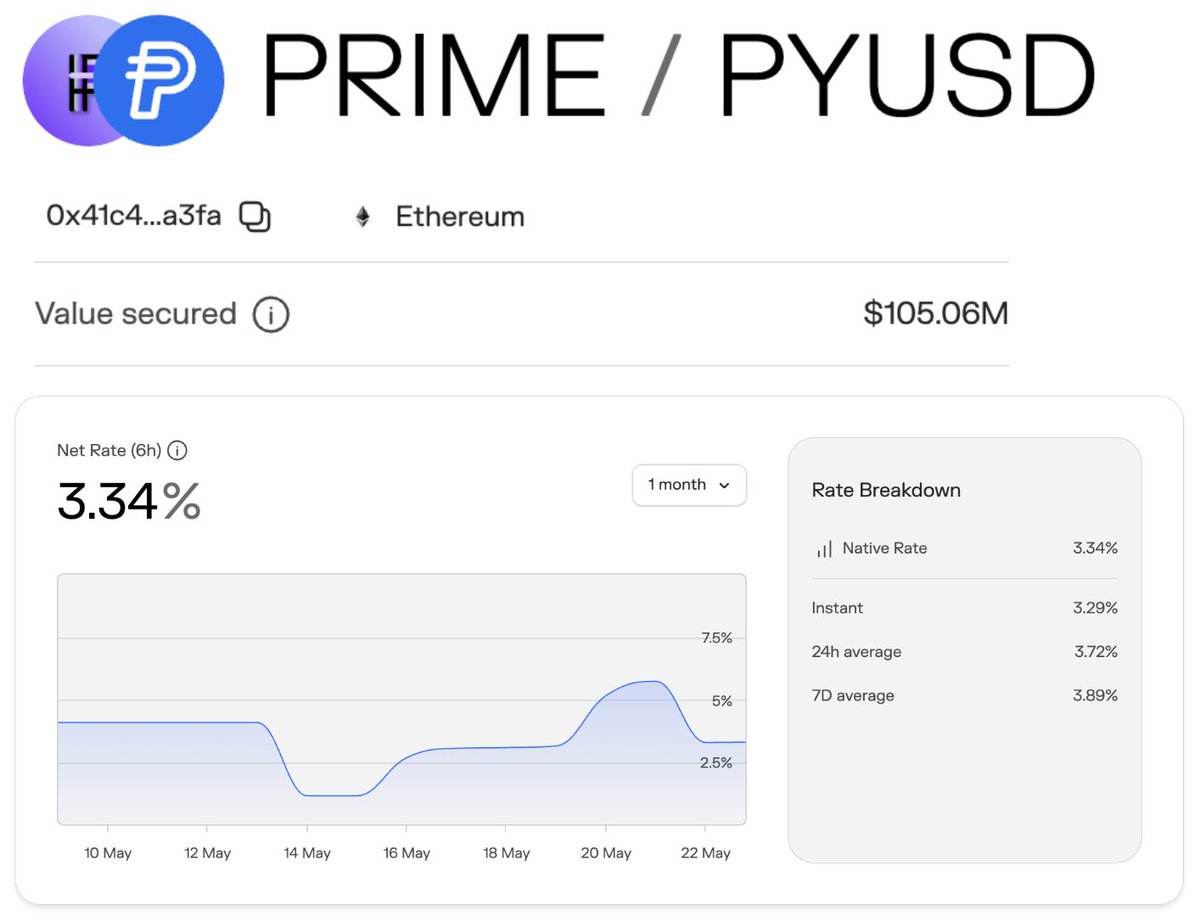
@HastraFi Prime is live on Ethereum!
$105M secured @ 3.34%.
HELOCs financed 26bps below SOFR.
@Morpho is a better warehouse than your bank.
13
10
123
35,371
May 21
I’m rewatching @SiliconHBO. It hits different this time, but still so funny. I remember the exact episode where I said “hey - they are making fun of…us?”
6
35
2,826
May 19
Thanks for having me - it was a ton of fun, and boy did we cover a lot in this one!
May 19

New episode with Figure Co-Founder Mike Cagney out now! @mcagney @JasonYanowitz
We discuss:
- Building @Figure
- Tokenizing equities
- Launching a wallet
- How to fix tokens
- Public vs private companies
- Crypto in 5 years & more!
Timestamps:
03:20 How Blockchains Disrupt Capital Markets
09:28 Why Did Mike Build Figure
27:00 Will Figure Launch a Wallet
38:05 SoFi’s Superbowl Ads
45:42 Tokenizing Equities
55:08 The Provenance Blockchain
01:01:46 Being a Public vs Private Company
01:07:18 How To Fix Tokens
01:12:27 What’s Next For Crypto In 5 Years
2
11
61
7,785
May 18
In @Figure's last earnings call, I spent some time walking through our blockchain strategy, and @MBTannenbaum covered the economics tied to that strategy. We did this, in part, because of the complexity of Figure’s business. The market sometimes struggles on how to think about Figure because the company has few public peers. One area we think some investors have wrong is the focus on take rate.
Take rate is a staple in industries with costs that scale with volume and have relatively consistent transaction unit economics. Ride hailing services, payments providers and eCommerce platforms are examples where take rate is a dominant valuation factor as it acts as a proxy for pricing power (and therefore competition). But take rate has less relevance in a company like Figure. To illustrate this, I’ll use a simple example.
Figure is migrating more of its business to partner-originated first lien mortgages. These mortgages - still done as lines of credit - have higher balances and lower fees than traditional second lien HELOCs. For example, we might make 4% on a $75,000 second lien HELOC, and 3% on a $200,000 first lien HELOC. As first lien grows faster than second lien - the total company take rate is going to come down. But the cost for each loan is similar - Figure is (generally) not acquiring the customers, it’s just supporting the origination of the asset and the capital markets for loan aggregation, sales and securitization. Assume that cost works out to $1,000 a loan. So the $6,000 (3% * $200K) in revenue made on the $200,000 loan is a $5,000 contribution margin. The $3,000 (4% * $75K) in revenue made on the $75,000 loan is a $2,000 contribution margin. While the take rate is lower, the former is obviously better for EBITDA margin and earnings.
One important factor here is that one loan doesn’t cannibalize the existence of the other. We are incrementally adding into the first lien space. The first lien space is 25X larger than the second lien market, and we see the sub $250-$300K marketplace as a greenfield opportunity. Given these loans are largely ignored by the market, we expect to aggressively pursue through our partners given the cost advantage of originating loans on Figure’s platform. As we win in this space, take rate will fall but EBITDA margin and earnings will rise by a more than commensurate amount.
Compounding the take rate dynamic, Figure is also moving more loans to its marketplace platform, Figure Connect. Connect has a lower take rate than the revenue model (called “Figure as Intermediary” in our disclosure) where we handle the responsibilities of origination, aggregation and sales but it has even lower comparable costs. Further introducing noise, as third party originators join Connect in verticals like auto and SMB, those markets will have take rates specific to their markets. We are pricing Connect to drive higher EBITDA margin and earnings, and lower capital intensity, not to optimize on take rates.
In an effort to help the market, we’ll spend more time explicitly walking through the unit economic contribution and EBITDA margin in our earnings calls. We expect the market to focus on these margins and absolute EBITDA, earnings and EPS as the drivers for our valuation.
8
8
93
10,110
May 14
What are the key skills you want your wallet agent to be able to perform?
I have 1.) allocate across these defi platforms to earn the highest yield with daily liquidity, 2.) produce a 1099 for me for the defi allocations I made in 2025, and 3.) buy me tickets from EWR to SFO tomorrow.
What else is super important to you?
18
1
39
4,052
May 12
Excited to see Tom Faust buy ReFlow. Great outcome for @Figure and Gordon Getty, who came up with the idea over 20 years ago. Excited to see Tom grow the business.
bloomberg.com/news/articles/…
2
24
2,555
May 12
Building on my post yesterday (x.com/mcagney/status/2053867…) - here is a link explaining how to move your $FIGR shares between Nasdaq and OPEN: figuremarkets.com/c/learn/op…
Remember - we need to work together to hit the tipping point where @figure borrow has to happen on blockchain. That puts all the stock loan economics in your pocket, not the prime brokers.
May 11

To all the $FIGR holders...
First off, I want to thank you for being a @Figure investor - we appreciate your support.
One of Figure’s key initiatives in 2026 is to demonstrate the value proposition of OPEN (On-Chain Public Equity Network). Specifically, we want to show that when you migrate stock from the national market (e.g., Nasdaq or NYSE) to blockchain and force the borrow/short sales to happen on blockchain, two key things happen:
- Investors get the full economic benefit of lending out stock. Today, much of that benefit is taken by the prime broker who sits in between borrower and lender. I’ve heard of situations where the borrower is paying 30% or more for stock on “special” (i.e. high short demand), while the lender is getting 3%. The prime brokers make an enormous amount of money intermediating the borrow.
- Companies create a countervailing force to short selling interest. When stock is heavily shorted, the high borrow cost creates a reason to be long the stock, akin to a “free” dividend
We are building a pipeline of companies to list on OPEN, and I want to be able to demonstrate this value proposition to them. This is where we need your help.
I’m asking you to move at least some - if not all - of your Nasdaq shares of FIGR onto the blockchain (FGRS). Once we get a critical mass of stock on the blockchain, the borrow will flip and have to happen there. In doing this, you:
- Will earn the full benefit of any shares you lend out for borrow.
- Irrespective of whether you lend shares, you will demonstrate the validity of OPEN to other companies.
- If you are a fund or SPV, it is much cheaper, faster and easier to distribute shares to your LPs vs brokerage distribution.
- You (or your LPs) can switch shares back to Nasdaq at any time, without cost or tax consequences.
I’ve heard a few reasons why people/funds are hesitant to make this switch, including:
- Concern about liquidity on OPEN. Jump provides liquidity today, and will make as much market depth as is needed to support liquidity. In fact, OPEN is open 24x7 - with significant liquidity during US and Asia market hours. And - as mentioned above - if you feel you need to, you can move the stock back, usually the same day (or one business day later in the worst case).
- Concern about wallets/QCs. There are a variety of ways to hold FGRS, including through a Figure Markets wallet or a BitGo qualified custodian wallet (with more options coming).
- Concern about losing keys. FGRS is a security, not a bearer asset. If for whatever reason you lose your keys (or your security), Figure’s transfer agent mints you a new one.
The net is, hopefully you own FIGR because you believe in our ability to bring capital markets to blockchain. And now you can directly impact how fast we do this by migrating your stock to OPEN.
To make this easy for you, Jacob - @ZawadaJacob - will handhold you through the process of migrating. DM him, and if you have any questions, respond to this thread and I'll answer them.
Thanks!
8
10
64
7,271
May 11
To those of you waiting - sorry we made you wait, but as they say, good things come to those who do. And these are very good numbers and guidance.
May 11
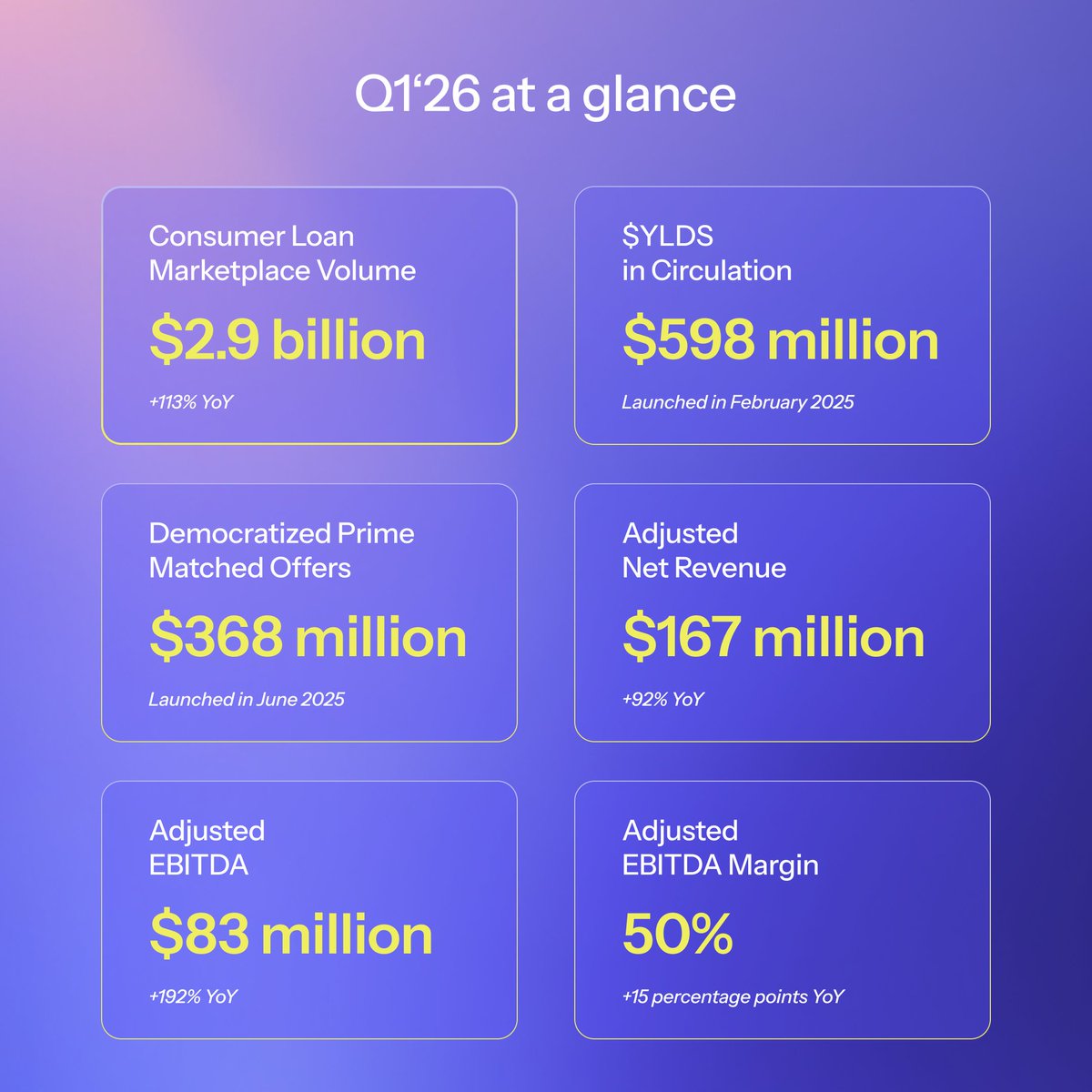
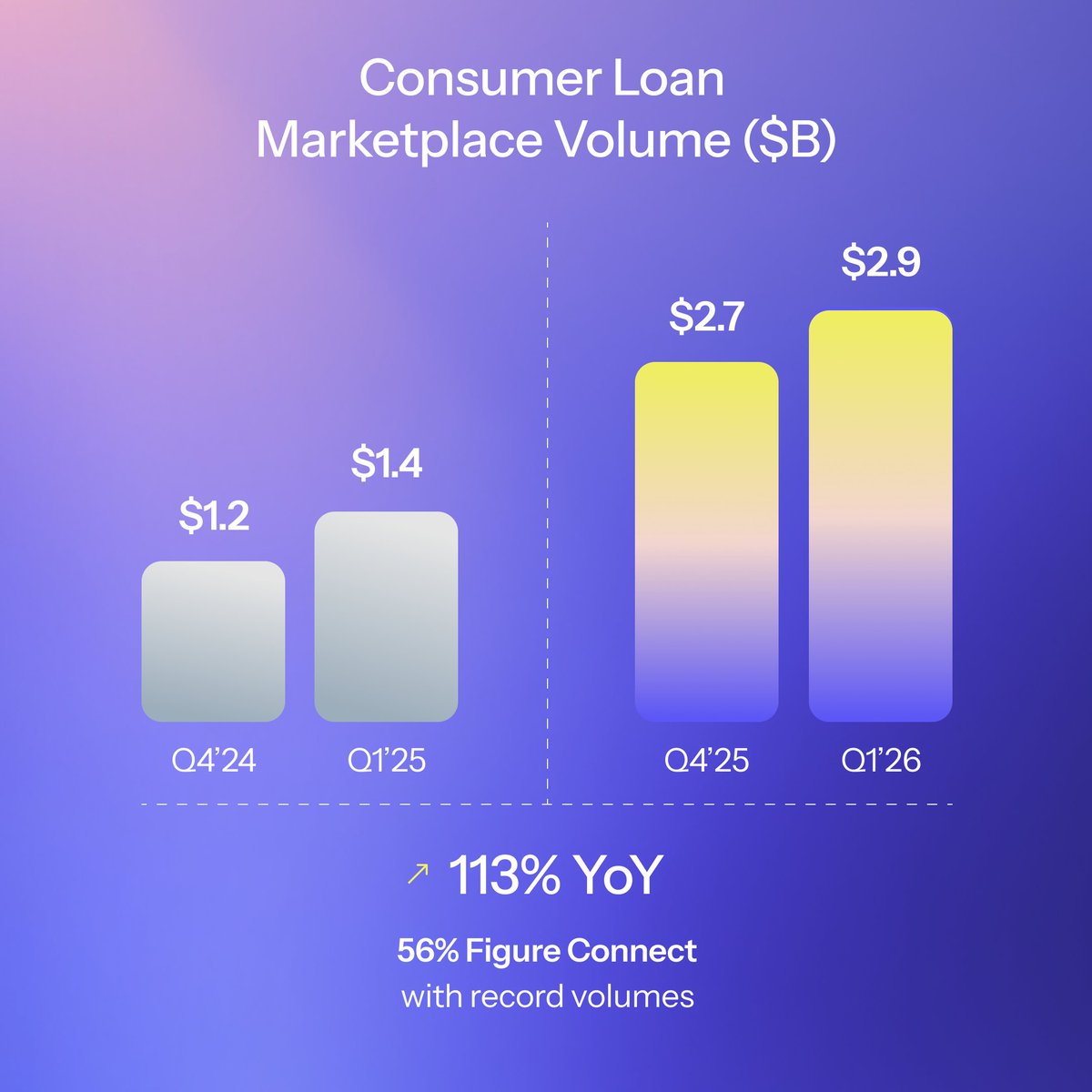
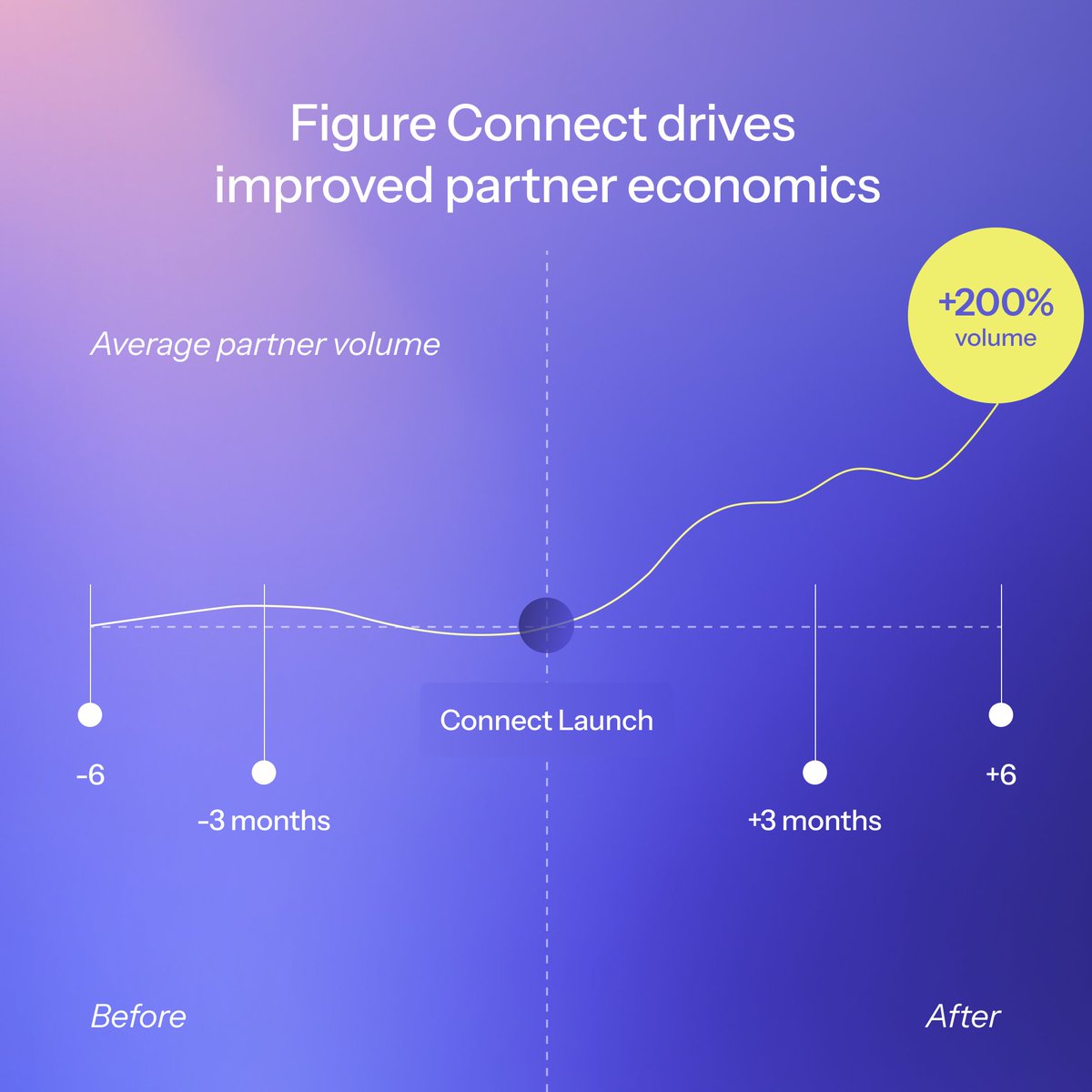
Q1 results are in @Figure / $FIGR . We’re a Rule of 140 company, which I am proud of bc it captures our ability to scale rapidly but also very efficiently. Our blockchain loan marketplace started the year with record origination volume, our DeFi ecosystem is growing fast, and we’re making hay of the tailwind that AI adoption brings for blockchain-native companies.
We’re executing well with lots of greenfield ahead that we plan to further capitalize on.
Full Q1 report here: investors.figure.com/news-re…
3
5
38
4,083
May 11
Great to see more bank innovation - excited to see what the @FerdiDabitz and the Augusts team build on modern rails with web3 integration.
May 11

1/ There is so much to be said about the bank charter, the approval and how we’re re-thinking clearing for the AI era. But first, I wanted to take 2 minutes to talk about why “Augustus”.
1
1
37
5,980
May 7
Umm…what’s Elleven? And is it good or bad I don’t know this?
10
21
7,356
May 8
I wrote E11even. Somehow it turned out Elleven. I blame spell check.
1
4
1,676