4x CIO & CISO, Military Veteran, Top Ranked Global Thought Leader, Author & Keynote Speaker for CyberSecurity & AI, & GenerativeAI. Exec Leader at Netsync
Joined November 2008
- Tweets 111,948
- Following 15,074
- Followers 39,385
- Likes 83,572
3,565 Photos and videos










Having survived two tornadoes myself, I can tell you... when everything breaks, communication becomes survival. T-Priority's network slicing and prioritized access can be difference makers in this area.
Read how: t-mobile.com/t-priority
@T_Priority Partner
2
1
12
26,645
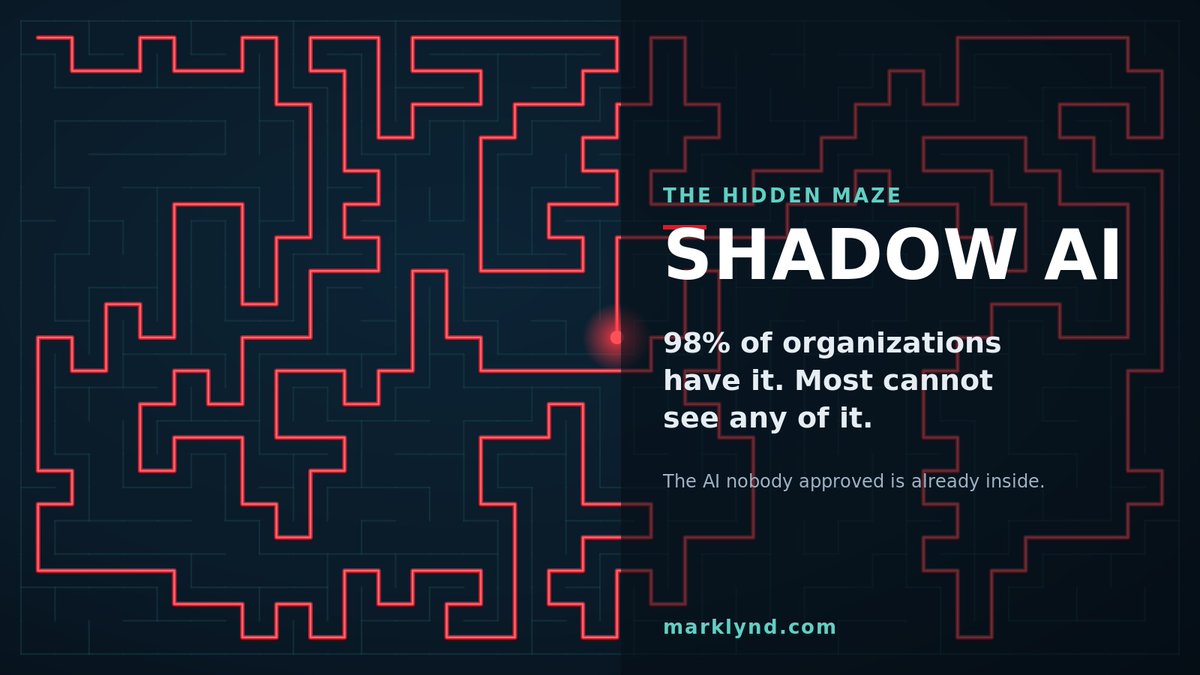
98% of companies have Shadow AI.
78% of AI users bring their own tools.
And when it leaks, it adds $670K to a breach.
The scary part: your executives are the heaviest users.
New piece on the hidden maze almost every company is already lost in 👇
marklynd.com/articles/shadow…
ALT Introduction to an article talking about why 98% of companies have Shadow AI
3
7
7
43,482
A cloned CFO voice almost moved $2.4M out of a treasury team last year.
AI made that attack cheap. A voice clone now costs about $100 and 30 seconds of audio. The phish that took 45 minutes in 2023 takes 5 today.
Your 2022 security training cannot see it. Four patterns, four real defenses:
marklynd.com/articles/ai-ena…
7
7
99
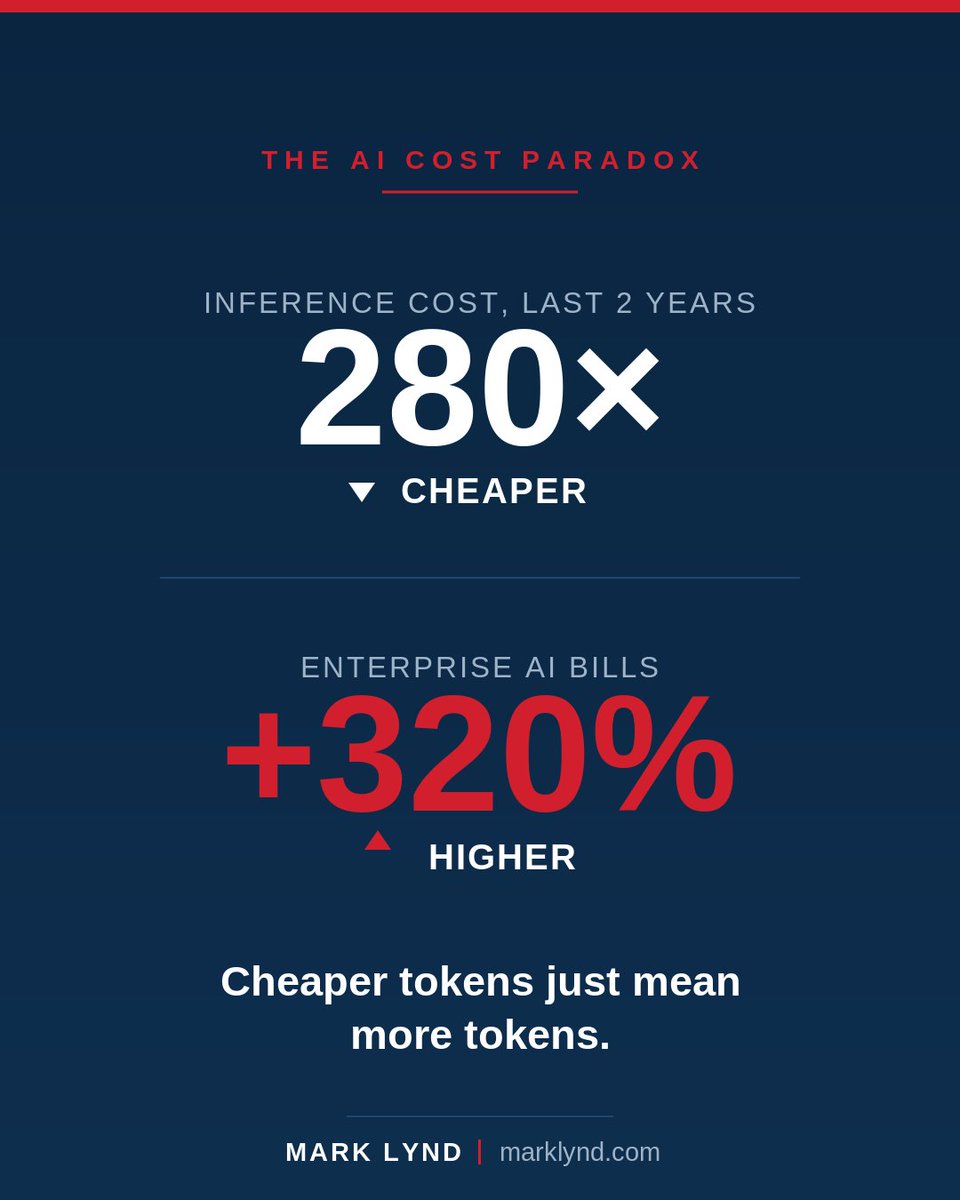
AI got 280x cheaper in two years.
Enterprise AI bills went up 320%.
That's not a glitch. It's Jevons paradox. Cheaper tokens just mean more tokens, and agents are token gluttons.
Stop tracking cost per token. Start tracking cost per outcome.
5
6
69
The future of emergency response is secure, real-time, data-heavy, and always-on. The network has to keep up, or people may pay the price.
See how T-Priority can use network slicing and prioritized access to help: t-mobile.com/t-priority
@T_Priority Partner
1
7
12
38,853
Mark Lynd 🎙CISSP ISSAP ISSMP retweeted

May 15
At the end of Police Week, the names are still here.
Former officer Pamela Barnum reflects on what it means to witness this community — and the responsibility that doesn't leave when the week ends.
7
21
110
1,036,331
Mark Lynd 🎙CISSP ISSAP ISSMP retweeted

May 14
275 Million Students Just Got Doxxed (And the Ransom Clock Is Ticking) buff.ly/jjpxkuZ via @mclynd of @NetsyncNews on @Thinkers360 #AI #Cybersecurity #Security 📣 Expert? Get certified at Thinkers360: buff.ly/WO7EuOS

12
12
295
Mark Lynd 🎙CISSP ISSAP ISSMP retweeted
May 7
Your Defenders Are Outnumbered 10,000 to One buff.ly/Z5ge4Yc via @mclynd of @NetsyncNews on @Thinkers360 #AI #Cybersecurity #Security 📣 Expert? Get certified at Thinkers360: buff.ly/GDk9ezr

3
5
158
Mark Lynd 🎙CISSP ISSAP ISSMP retweeted

Apr 1
📌 AI-driven attacks are evolving fast—and the playbook is changing with them.
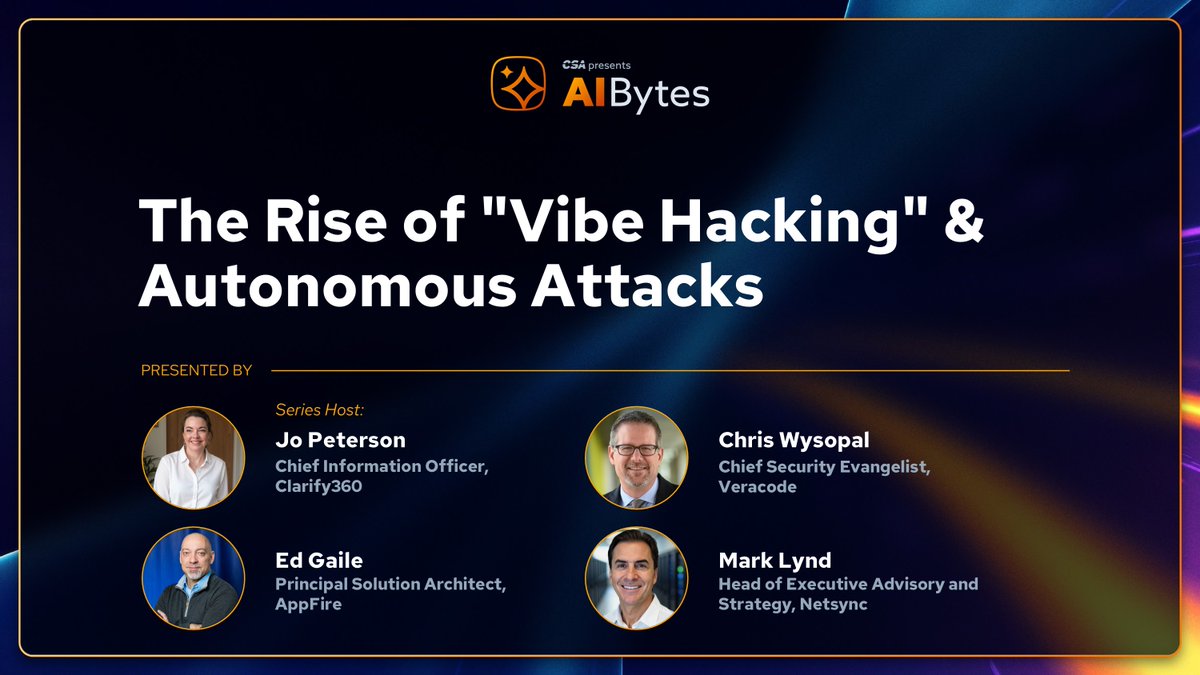
Join me as I host the next Cloud Security Alliance AIBytes session, The Rise of "Vibe Hacking" & Autonomous Attacks, for a timely discussion on how agentic AI is reshaping cyber threats.
From fully automated intrusion campaigns to attacks that prioritize speed and “tone” over technical complexity, this session will break down what’s happening and what it means for security leaders.
My guests include Chris Wysopal. Mark Lynd and Ed Gaile to explore key trends in autonomous attacks, why this shift matters, and the defensive strategies organizations need now.
📅 April 15
⏰ 1:00 PM ET
Register here: lnkd.in/ezQN8yjd
#Cybersecurity #AI #CloudSecurity #CSA
5
11
407
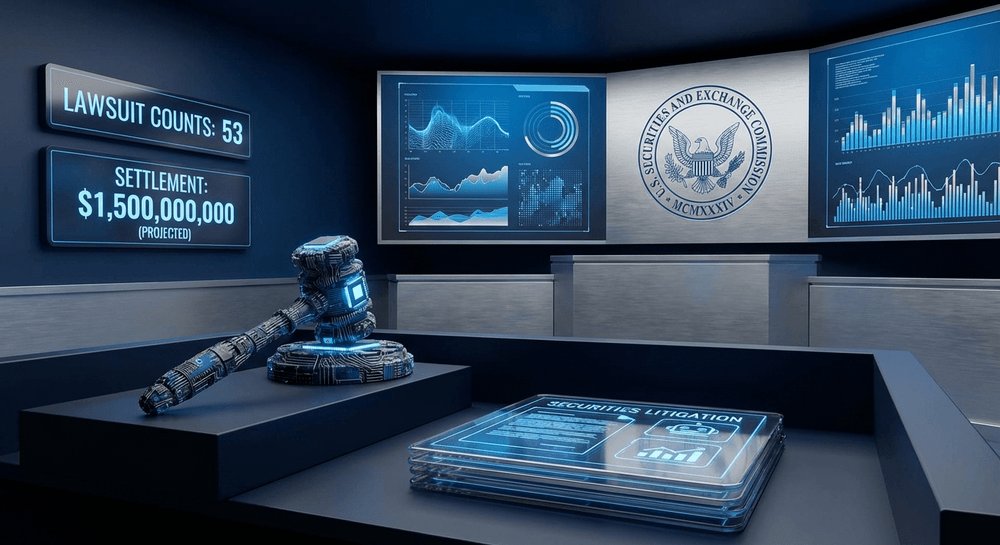
53 AI-related securities class action lawsuits were filed in just the first half of 2025. 7 have already settled.
Median settlement: $11.5 million. Stanford Law School Securities Class Action Clearinghouse.
Corporate boards that approved AI initiatives without rigorous governance are now watching those decisions become courtroom exhibits.
The pattern is familiar. It's the same playbook from the dot-com era and the crypto era with hype-driven disclosures to investors, followed by lawsuits when the reality didn't match the claims. The AI era is no different.
The risk for executives right now is two-fold. First, companies over claim AI capabilities to investors. Second, companies underestimate the AI risks like bias, hallucination, privacy violations, and didn't disclose them adequately.
$11.5 million median settlement isn't the problem. The reputational damage, the leadership distraction, and the chilling effect on legitimate AI investment are the bigger costs.
Governance isn't a tax on innovation. It's what keeps the innovation defensible.
2
7
8
326
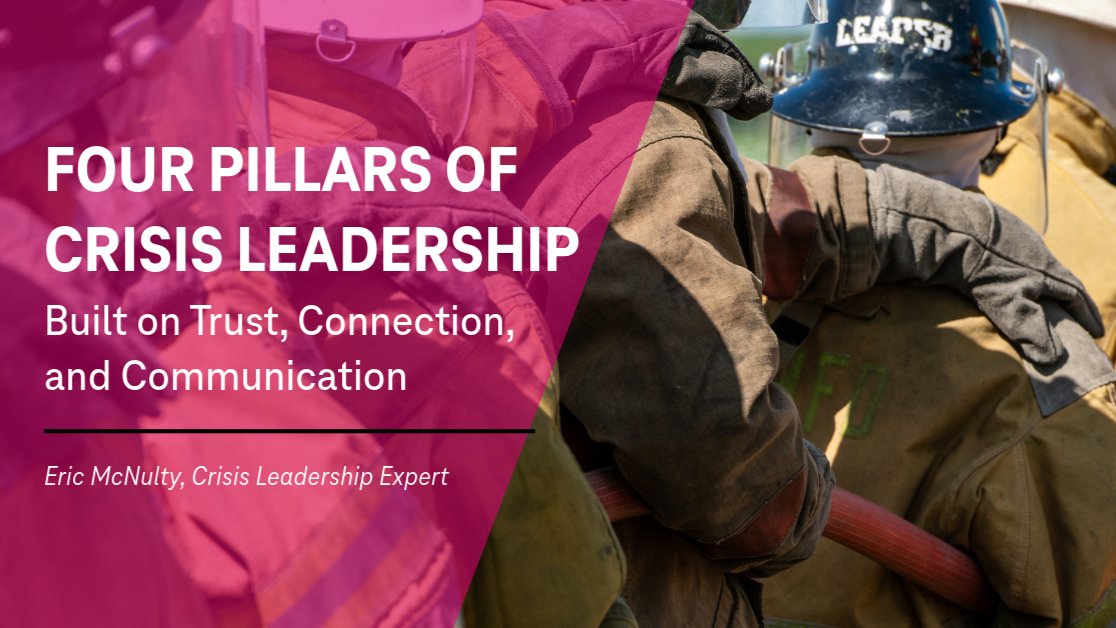
In a crisis, leaders have to make sense of chaos instantly. Eric McNulty calls this sense-making.
You can't lead what you can't see.
That depends on information flowing when it matters most. T-Priority is designed to support connectivity in challenging conditions.
Read more: linkedin.com/pulse/four-pill…
@T_Priority Partner
ALT Four Pillars of Crisis Leadership
4
6
533
First responder agencies are asked to do more with less every year. Budgets don't grow as fast as demands do.
The Connecting Heroes program helps by committing $7.7 billion in savings to agencies over 10 years.
Resources that can go back into serving communities.
Learn more t-mobile.com/business/govern…
@T_Priority Partner
4
6
672
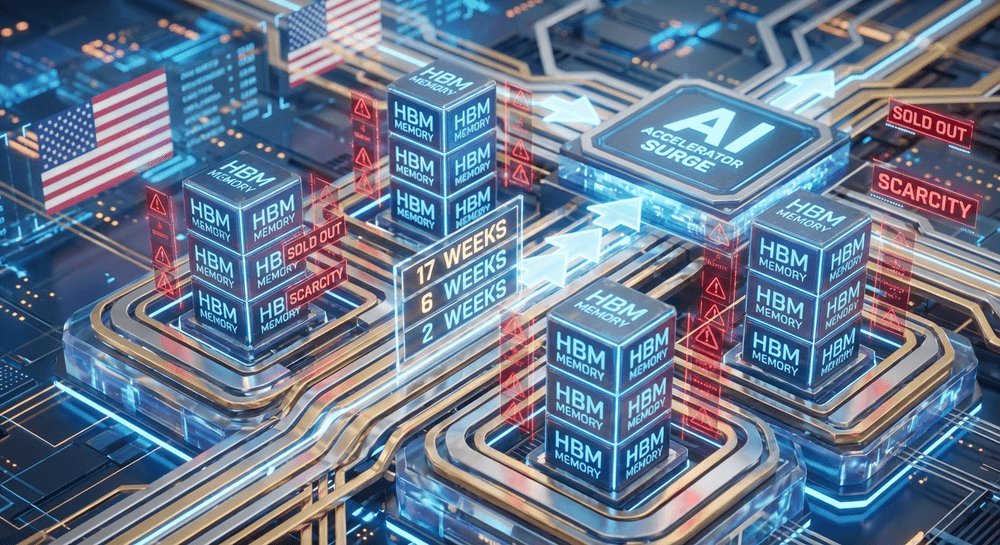
SK Hynix has already sold out its entire 2026 HBM chip output. Every unit. Gone.
DRAM supplier inventories fell from 13-17 weeks of supply in late 2024 down to 2-4 weeks by October 2025.
The chips that power AI are being pre-sold years in advance and supply is tightening by the quarter. This isn't a supply chain blip. This is structural scarcity at the foundation of the AI race.
Every hyperscaler including Microsoft, Google, Amazon, Meta are competing for the same limited pool of HBM. The companies that locked in contracts early have a real infrastructure advantage over those scrambling to find allocation now.
I've been watching enterprise AI deployments slow down not because of budget constraints or lack of use cases, but because the hardware isn't available. That's a new constraint most C-suite leaders didn't see coming 18 months ago.
The AI infrastructure race has a raw materials problem. And it's not going away anytime soon.
1
9
8
348
Mark Lynd 🎙CISSP ISSAP ISSMP retweeted

Mar 27
The US needs at least 50 gigawatts of new capacity just for AI. That's roughly 50 large nuclear plants worth. We're not building that fast. AI growth is colliding with a grid built decades ago. Something will give. dub.sh/imCjDck

1
10
7
219
I've seen what happens when city systems and first responders rely on shared commercial networks during high-demand moments. @T_Priority provides public safety teams with prioritized network access designed to help them stay connected when it matters most.
Smarter cities start with connectivity built for critical communication.
Learn more: t-mobile.com/business/resour…
T-Priority Partner
1
14
14
1,228
During the DARPA AI Cyber Challenge, autonomous AI systems uncovered 18 zero-day vulnerabilities and patched 61% of them in 45 minutes. Without any human input.
Zero-days are the most dangerous class of software vulnerability. Attackers prize them because they're unknown to defenders. A human security team might take weeks or months to find one, if they find it at all.
An AI did it 18 times in under an hour. And then patched most of them.
This is a preview of where both offensive and defensive cybersecurity are heading. The same capability that can find vulnerabilities and patch them can find vulnerabilities and exploit them.
The question is who gets there first, and whose AI is faster.
The DARPA AI Cyber Challenge was a proof of concept. The nation-state actors who've been watching that competition already have teams working on the offensive version.
Security teams that don't have AI in their stack aren't just behind. They're playing a fundamentally different game than the one being played against them.
1
18
23
549
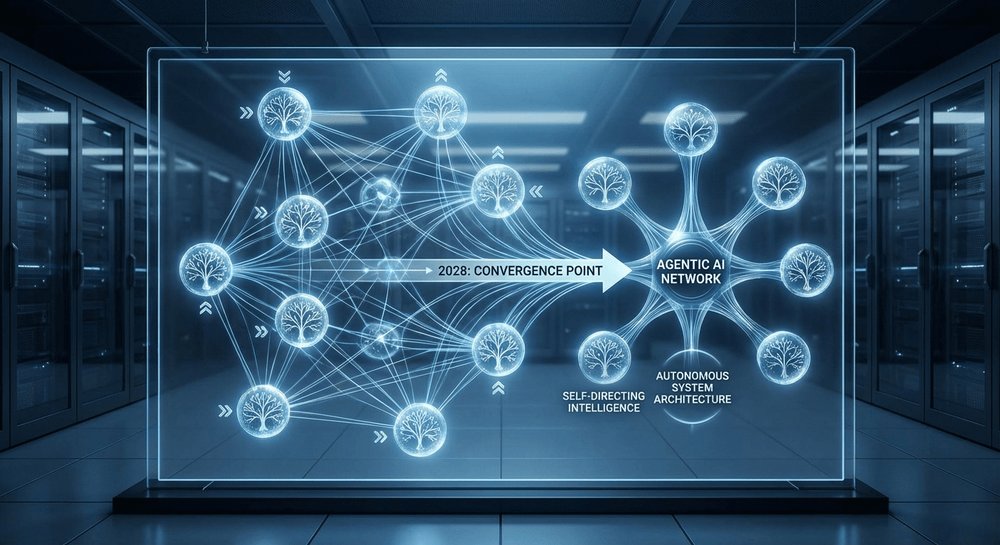
McKinsey says 15% of work decisions will be made autonomously by AI agents by 2028. That number is 0% today.
Think about what that means. Not AI assisting with decisions. AI making them. Autonomously. Within 24 months.
Right now, 62% of organizations are experimenting with AI agents, and 23% are already scaling them in at least one function. The Agentic AI market hit $10.86 billion in 2026 and is projected to reach $93 billion by 2032.
We are transitioning from AI as a tool you use to AI as a system that acts. That is a fundamentally different architecture of work. It changes what human judgment is actually needed for, what oversight looks like, and where accountability sits.
The organizations that figure out governance and guardrails for agentic AI now are going to have a massive advantage over the ones that treat it as a 2027 problem. By the time it's obvious, the competitive gap will already be set.
I talk about this constantly at executive briefings and keynotes because most leadership teams are still thinking about AI as a productivity tool. That frame is already outdated. The question you need to be asking is: when your AI agents start making decisions, who is accountable for the outcomes?
2
12
13
434
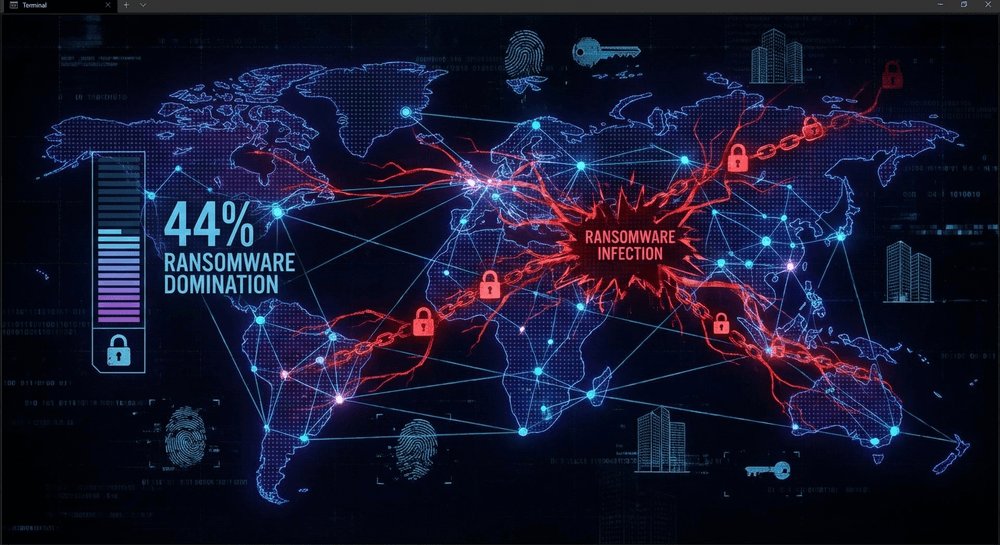
Verizon's 2025 Data Breach Investigations Report reviewed 22,052 security incidents and 12,195 confirmed breaches. Ransomware showed up in 44% of them. That's up from 32% the prior year.
If that trend line continues, we're on track for ransomware involvement in the majority of all breaches within two to three years.
What changed? Third-party involvement in breaches nearly doubled, jumping from 15% to 30% of incidents. That's your vendors, your partners, your supply chain. You can harden your own environment and still get hit through someone else's front door.
The human element is still in about 60% of breaches. Phishing, credential theft, social engineering. None of that is new. What's new is that AI is now amplifying every single one of those attack vectors. Personalized phishing at scale.
Deepfakes for credential harvesting. Polymorphic malware that shifts signatures to dodge detection.
Security is not an IT problem. It is a board-level business risk. If your executive team is still treating it like the former, the Verizon numbers are telling you exactly where that mindset leads.
The average cost to resolve a data breach in the US is now $10.22 million. The question every CEO should be asking isn't what's our security budget. It's what's our actual exposure.
7
9
304
Everyone is talking about AI replacing jobs. I am see something different every day working with Fortune 500 companies.
AI is creating entirely new roles that did not exist 18 months ago.
The lesson is: The people who learn to work alongside AI and augment themselves are not getting replaced. They are getting promoted.
Invest in yourself and AI and be positioned for success!
1
7
10
332