
Surveyor || Agriculture enthusiast || aspiring influencer || wierdo|| ♌ Leo || @chelseafc to the bone marrow
Joined April 2013
- Tweets 10,040
- Following 2,528
- Followers 1,367
- Likes 4,980
406 Photos and videos





👑Mayor_Of_Ẹdẹ👑💡💡 retweeted

Jun 14
Vdm and his followers should know that,this is the problem of Nigeria,not Tinubu. Until this constitution is totally change nothing any president can do.
587
3,127
9,973
349,577
👑Mayor_Of_Ẹdẹ👑💡💡 retweeted

Jun 11
“He’s ordinarily a joggler” bro just stfu and watch 💔
Jun 10

Honestly, this guy is a top talent, arguably better than Zadok Yohanna. Hopefully, a scout notices him soon.
54
213
1,728
119,719

👑Mayor_Of_Ẹdẹ👑💡💡 retweeted

Current update about their country called Nigeria 🇳🇬
Who is ruling Nigeria as a country of their own? Listen to this video clip
*G C L*
57
264
770
8,065
👑Mayor_Of_Ẹdẹ👑💡💡 retweeted

BREAKING: Ex-Soldier Reveals Root Causes of Insecurity in Yorubaland, Proposes Urgent Solutions to End Kidnappings and Violent Attacks.
48
472
1,256
17,871
👑Mayor_Of_Ẹdẹ👑💡💡 retweeted

Jun 1
Lecturer Tunde Perry is lecturing Nigerians about the 3 things that’s kp@!ng Nigerians, he also explained in details about how b@nd!ts operates and how it ties to Nigerian politics…… this one go far o 👀✍️
171
658
4,761
162,087
👑Mayor_Of_Ẹdẹ👑💡💡 retweeted

Jun 2
Lawyer, Blessing Amudipe Urges Security Agencies in Ekiti State to Inspect All Trucks Entering and Exiting the State Amid Security Concerns.
55
431
2,061
36,040
👑Mayor_Of_Ẹdẹ👑💡💡 retweeted

Jun 2
The video no come funny again 🥺🥺🥺🥺
Nigerian really owe this family an apologize
12
157
382
36,755
👑Mayor_Of_Ẹdẹ👑💡💡 retweeted

Apr 29
Say No to Xenophobia !!!
1,237
9,376
29,941
993,308
👑Mayor_Of_Ẹdẹ👑💡💡 retweeted

Apr 28
Content like this may not trend, but it’s one of the best kinds to watch—it promotes much-needed sex education in our society. May we not be a victim. Amen 🙏
12
97
386
11,309
👑Mayor_Of_Ẹdẹ👑💡💡 retweeted

Apr 22
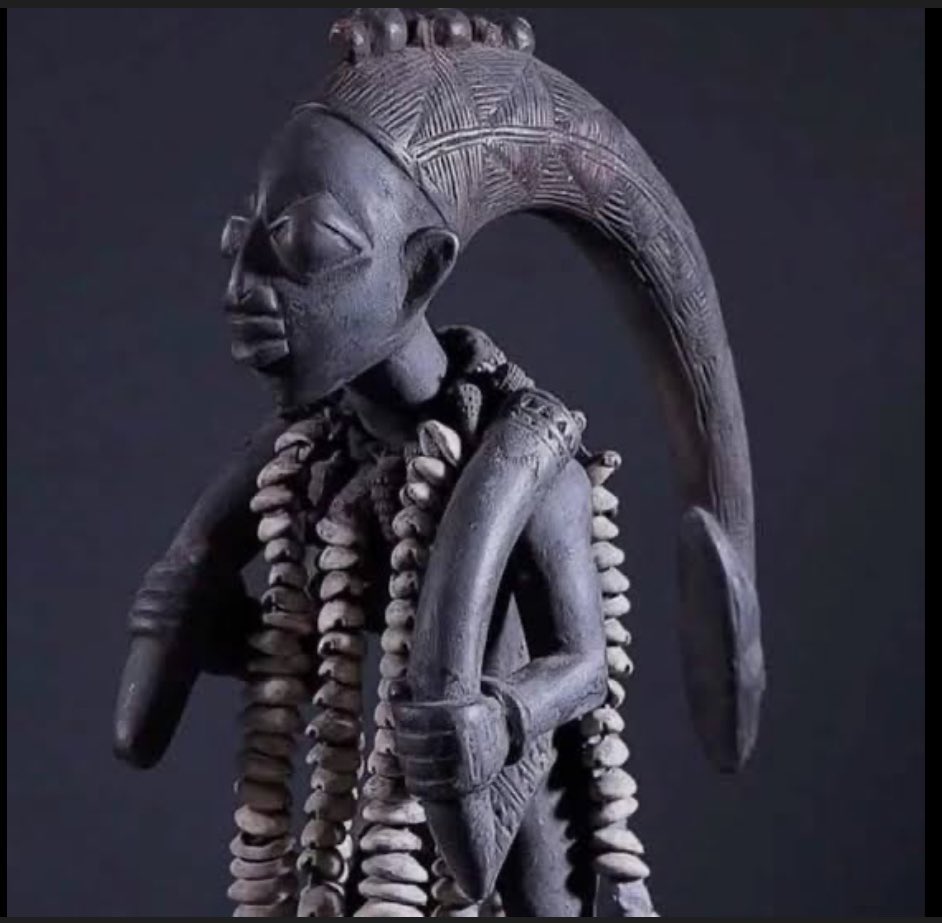
Èṣù is not Satan. Èṣù is not the Devil. Èṣù is not evil.
What you’ve been taught is a mistranslation turned into doctrine. Missionaries met a system they didn’t understand and forced it into their binary: God vs Devil, good vs evil. They couldn’t find a Devil, so they created one and named him Èṣù.
But in Yoruba cosmology, Èṣù has never rebelled against Olódùmarè. There is no fallen angel here. Èṣù operates by divine authority. He is not chaos for amusement, he is the regulator of consequence. Yes, he can disrupt, confuse, rearrange situations but not to deceive you, to reveal you. A purse drops on the road, if you steal it, that’s on you. If you walk away, that’s on you. Èṣù didn’t choose, he exposes who you are.
That’s why he is called Ẹlẹ́rìí —“the witness.” Not the father of lies like Satan, but the carrier of truth.
The Devil is feared and avoided. Èṣù is invoked first. Before Ifá speaks, before sacrifice moves, he is acknowledged because without him, nothing travels between worlds. No Èṣù, no communication. No Èṣù, no acceptance. No Èṣù, no response from the divine. You don’t feed evil, you feed function. Kola nut, palm oil, roasted yam, you honor the gatekeeper so the gate stays open.
The Devil stands against God. Èṣù stands at the crossroads between intention and action, between humans and the divine, between who you claim to be and what you prove. Yoruba spirituality never needed a singular enemy of God, that idea was imported and forced onto it. So when “Devil” became Èṣù, it wasn’t translation, it was distortion.
Say it clearly, Èṣù is not Satan. Èṣù is the witness, the enforcer, the one who ensures every choice meets its consequence and at the crossroads, he reveals exactly who you are.
10
63
155
4,065
👑Mayor_Of_Ẹdẹ👑💡💡 retweeted

Apr 19
Y'all see this post
He's willingly to post it or he's catching cruise or nah clout he dey chase

1
1
33
👑Mayor_Of_Ẹdẹ👑💡💡 retweeted
Mar 3
Allahumma inni as’aluka good health, an accepted Hajj, Generational wealth, beautiful wife, 1000 BTC, two Rolls-Royces, three G-Wagons, seven Ferraris, 3 Ducati super bikes, 10 mansions, peace, and Jannah. 3 Private Jet
Allahumon Ameen
5
6
4,320
👑Mayor_Of_Ẹdẹ👑💡💡 retweeted

I’d give this man a job immediately because this demonstrates leadership and initiative.
I love how everyone just listens and obeys him.
602
3,194
24,774
364,279

👑Mayor_Of_Ẹdẹ👑💡💡 retweeted

Feb 22
Adeleke fulfilled his promise; he has been paying half salaries owed by APC's administration including the executive members, former Governor Gboyega Oyetola who was the Chief of Staff during Governor Aregbesola's administration.
–Alhaji Moshood Adeoti on AGIDIGBO FM.
2
37
79
3,973
👑Mayor_Of_Ẹdẹ👑💡💡 retweeted

Feb 14
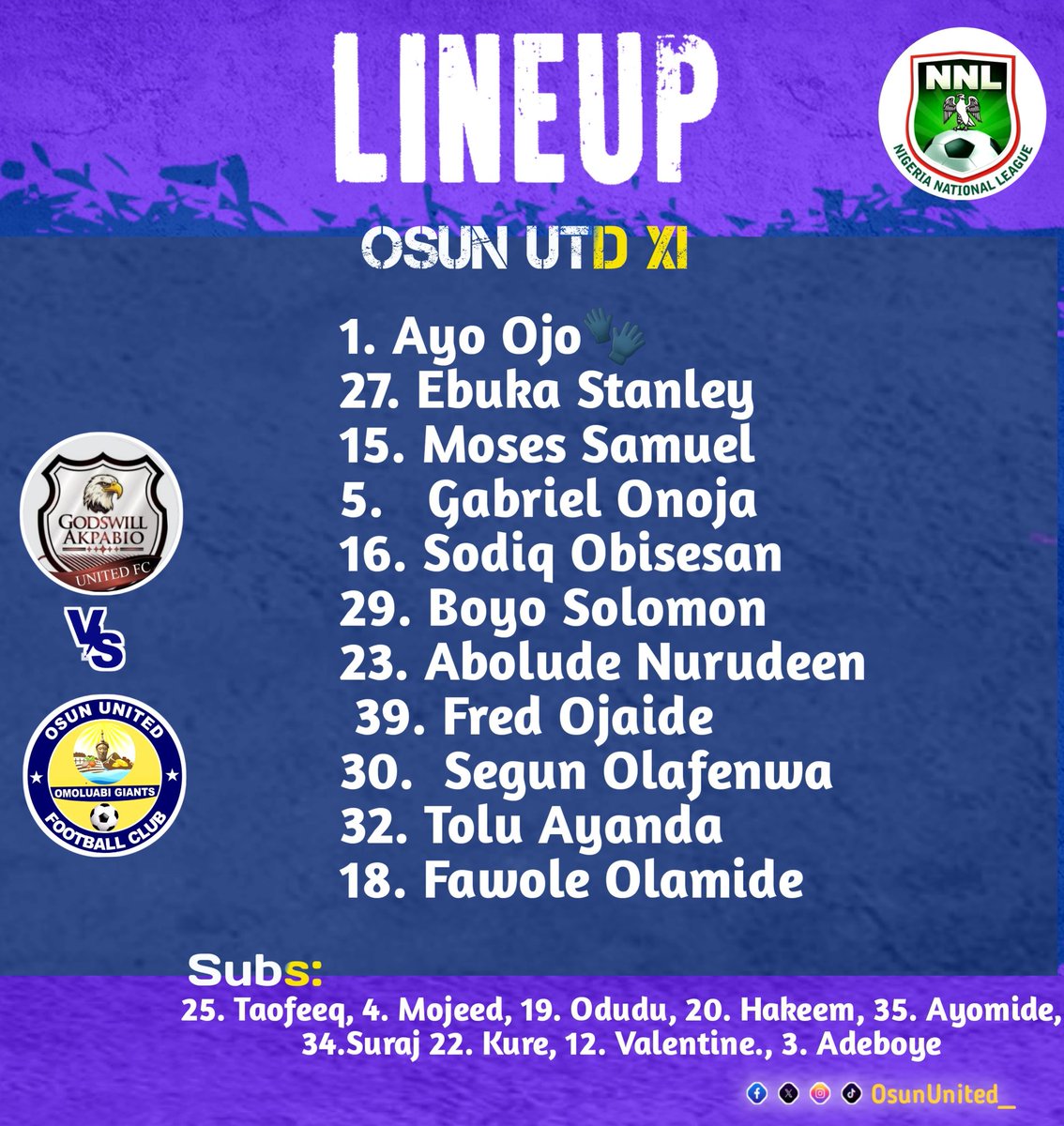
Team News 🗞️
Our Starting XI against GAFC
Starting debut for Stanley, Segun, Olamide, Sodiq and returnee Tolu.
Ayo Ojo continues in goal, Boyo and Gabriel partners at the back, Fred operates from the wing while Tolu leads the chase upfront 🎯
K.O -3pm
We are Gladiators
#Believe
1
1
9
419
👑Mayor_Of_Ẹdẹ👑💡💡 retweeted

Feb 3
Good morning X Fam☀️
Can I get A Gm?🥹

10
8
19
248

Hey fans
You want active mutual..who will engage you day and night!!
Follow @imnisola10 Rn my girl dey hot 🥵
2
2
11
110