
Mayo Clinic Proceedings: Digital Health is an online-only, open access medical journal. Tweets represent opinions from the Editorial Board, not Mayo Clinic.
Joined September 2022
- Tweets 444
- Following 32
- Followers 108
- Likes 31
311 Photos and videos






How accurate is the Apple Watch Series 10 in predicting VO2 max during exercise?
bit.ly/3QtGmzJ youtube.com/watch?v=Pk5qGyjI…
50
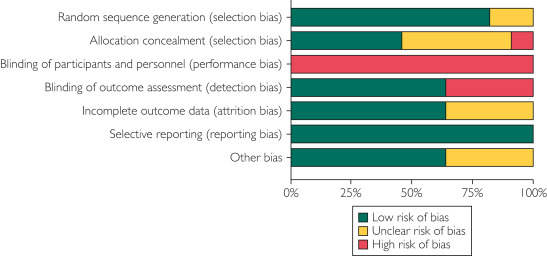
Digital therapeutics interventions for anticoagulation management improve safety outcomes, particularly reducing major bleeding, and with greater monitoring intensity.
bit.ly/3QqQQj0
7
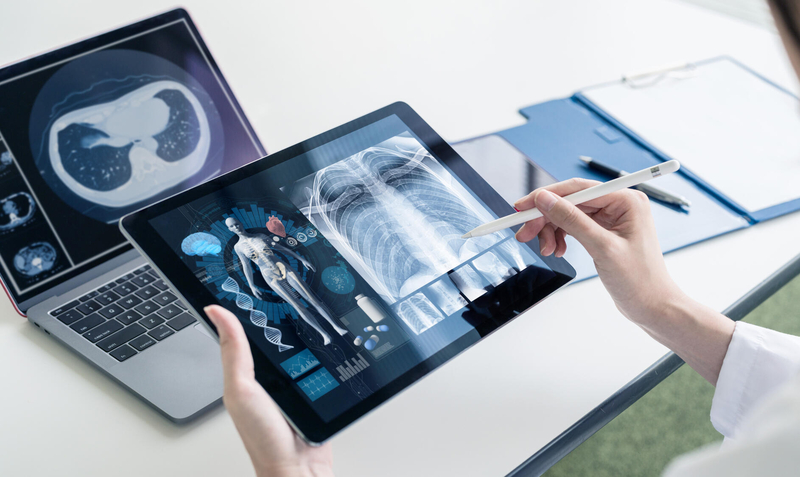
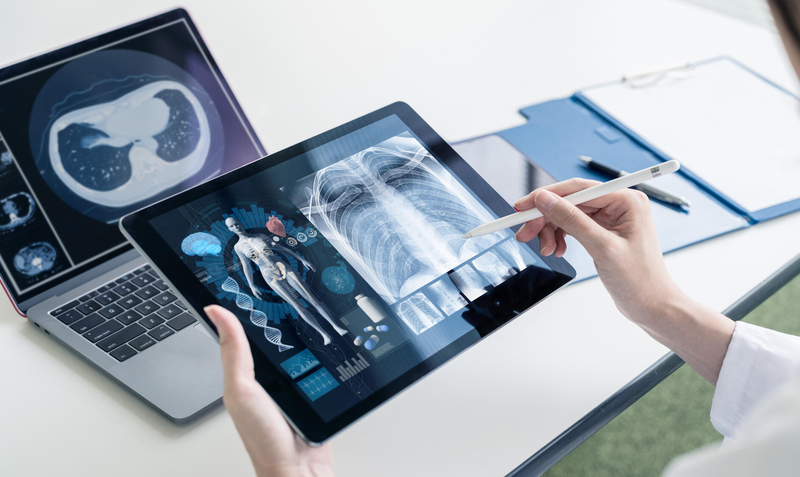
This pilot study showed that computer-aided detection used on chest x-rays (CXR) has diagnostic value for pulmonary tuberculosis comparable with that of CXRs interpreted by trained radiologists.
bit.ly/3R89iNu
23
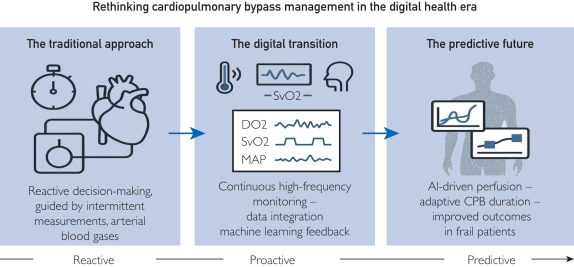
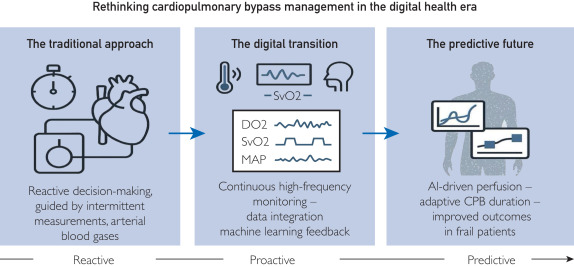
Digital perfusion platforms integrate real-time physiologic signals into continuous risk models, allowing early detection of hypoperfusion, metabolic imbalance, and organ stress, transitioning cardiac surgery toward a new paradigm
bit.ly/4dnL8pU
12
Large language models are increasingly evaluated for clinical interpretation and decision-support tasks, but assuming that identical prompts and models yield comparable results across users may not hold true.
bit.ly/3Rlz7dc
9
Author video: Alanna Chamberlain, PhD, discusses an AI-ECG algorithm that was repurposed to predict heart failure with reduced ejection fraction in patients with atrial fibrillation.
bit.ly/4dvit25 youtube.com/watch?v=z44AxRIX…
74
Digital perfusion platforms integrate real-time physiologic signals into continuous risk models, allowing early detection of hypoperfusion, metabolic imbalance, and organ stress, transitioning cardiac surgery toward a new paradigm
bit.ly/4dnL8pU
7
Archana Reddy Bongurala, MD, was honored with a Mayo Clinic Proceedings: Digital Health highly cited author award for her article, "Transforming Health Care With Artificial Intelligence: Redefining Medical Documentation."
bit.ly/3Plsp6h
27
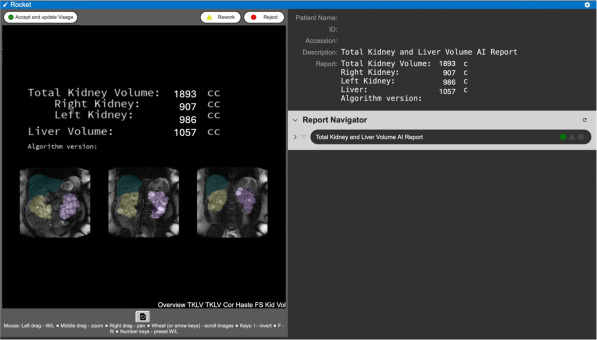
AI in radiology has enabled earlier identification of problems, such as images no longer routing through the orchestration engine to the appropriate algorithm, minimizing potential disruption to the clinical practice.
bit.ly/4tZf5DI
29
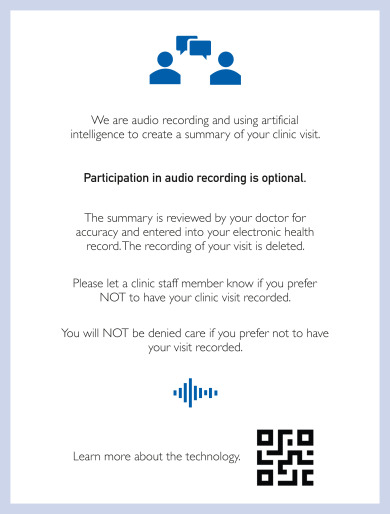
A promising solution to physician documentation burdens: Technology records audio from clinical encounters, extracts medical information from the transcribed dialog, and generates a structured clinical note.
bit.ly/3R6K9mt
21
AI-enabled ambient scribes are here to stay; therefore a solid comprehension of their functionality and the corresponding adjustments to workflow practices is essential for achieving successful adoption.
bit.ly/4eiiM2y
1
6
This pilot study showed that computer-aided detection used on chest x-rays (CXR) has diagnostic value for pulmonary tuberculosis comparable with that of CXRs interpreted by trained radiologists.
bit.ly/3R89iNu
70
To address the barriers to effectively incorporating AI into oncology care in sub-Saharan Africa with a sustainable impact, priorities must be set for AI implementation research.
bit.ly/4e3nFMN
9
Digital therapeutics interventions for anticoagulation management improve safety outcomes, particularly reducing major bleeding, and with greater monitoring intensity.
bit.ly/3QqQQj0
18
The initial data from the CREATE study provided insights about real-world utility of AI-enabled triage of incidental pulmonary nodules for follow-up.
bit.ly/4sIPc9J
12
Author insights with Dr Sularz: Automated CT-derived body composition assessment may improve preoperative risk stratification and guide clinical decision-making in transcatheter aortic valve replacement candidates.
bit.ly/4syloNa youtube.com/watch?v=_TLWW74z…
24
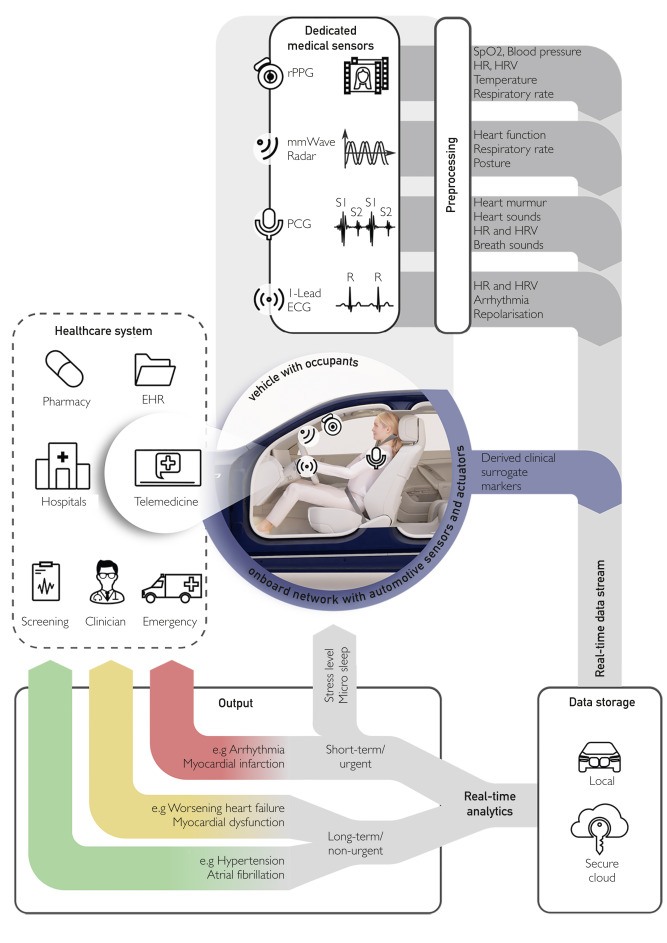
Connected vehicles, sensor technologies, and clinically validated AI could evolve into a distributed infrastructure for predictive, preventive, and personalized health care, transforming commuting into an extension of care.
bit.ly/4mnB0Bv
33
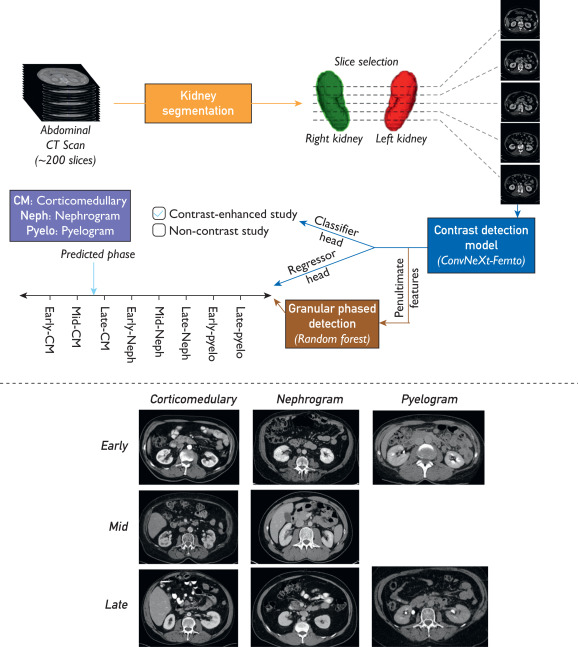
This study focused on creating and validating a model for automated contrast detection and fine-grained renal contrast phase discrimination, combining deep learning and random forest regression techniques.
bit.ly/4mgDr8Y

66
Eliminating uncertainty in care seeking and advancing adoption of new virtual emergency and nonurgent care options, virtual triage and care referral offers a scalable, evidence-based solution for optimizing emergent and urgent care delivery.
bit.ly/4sQN94j

18
Author video: Incorporating baseline sleep measures from a wrist-worn activity monitor in machine learning models to improve the prediction of engagement with home-based pulmonary rehabilitation in patients with COPD.
bit.ly/4to4MIE youtube.com/watch?v=wqCfu4sN…
32