
Building OS for your company at @FiberyHQ. Riding the edge of cHaoS. Posting about systems, startups, creativity & products.
Joined May 2008
- Tweets 9,692
- Following 397
- Followers 3,101
- Likes 3,332
605 Photos and videos
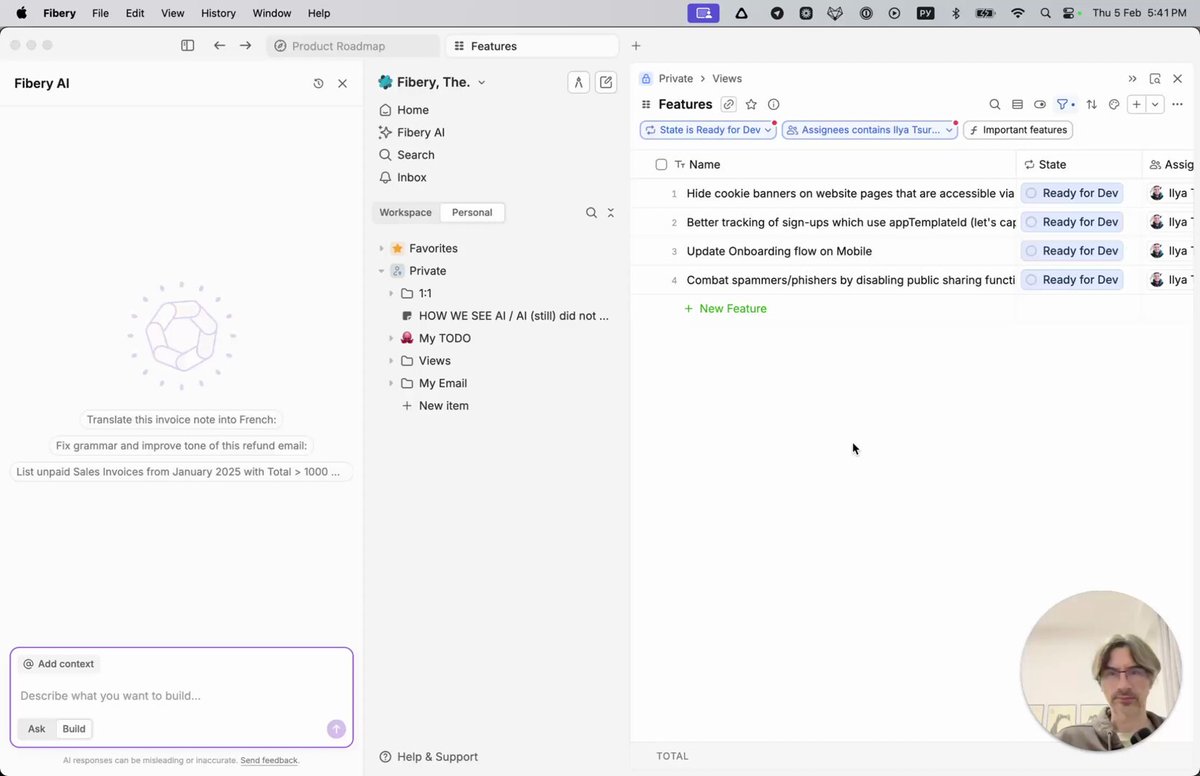
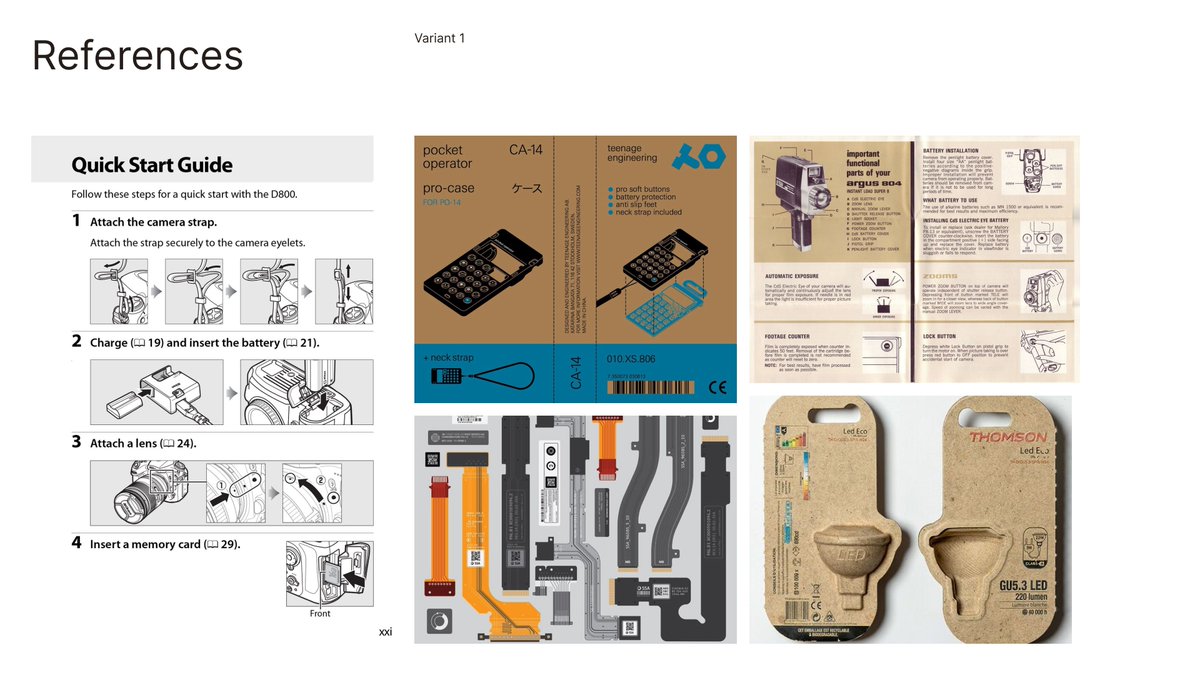
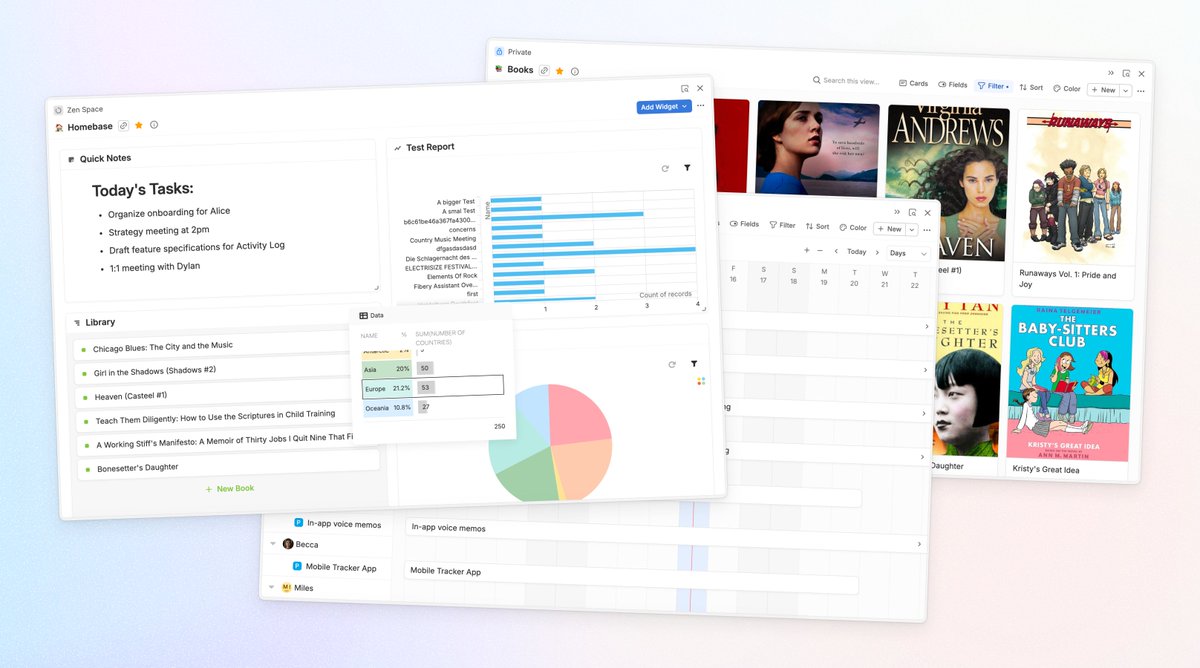
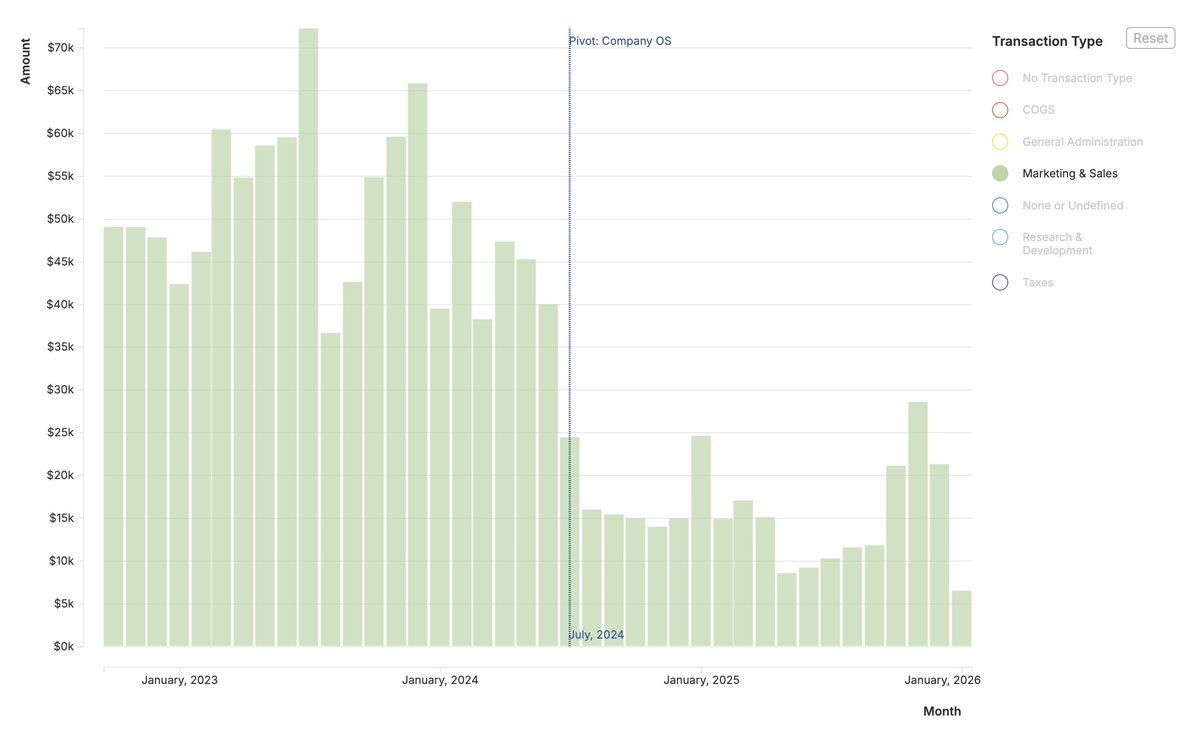
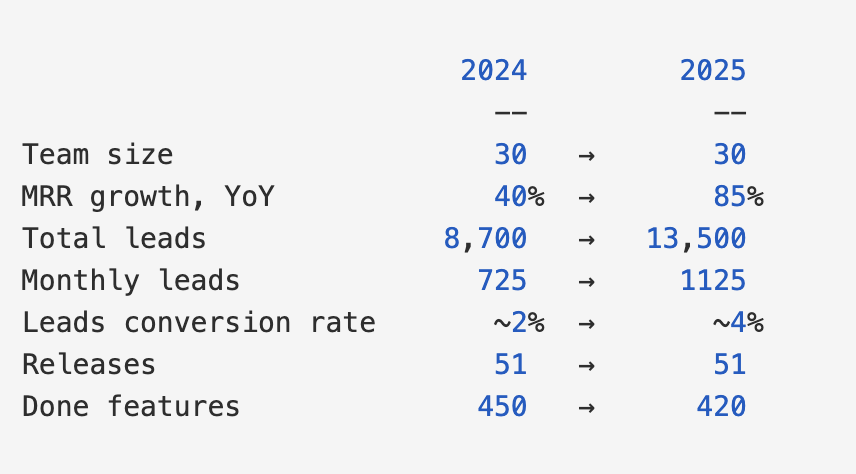
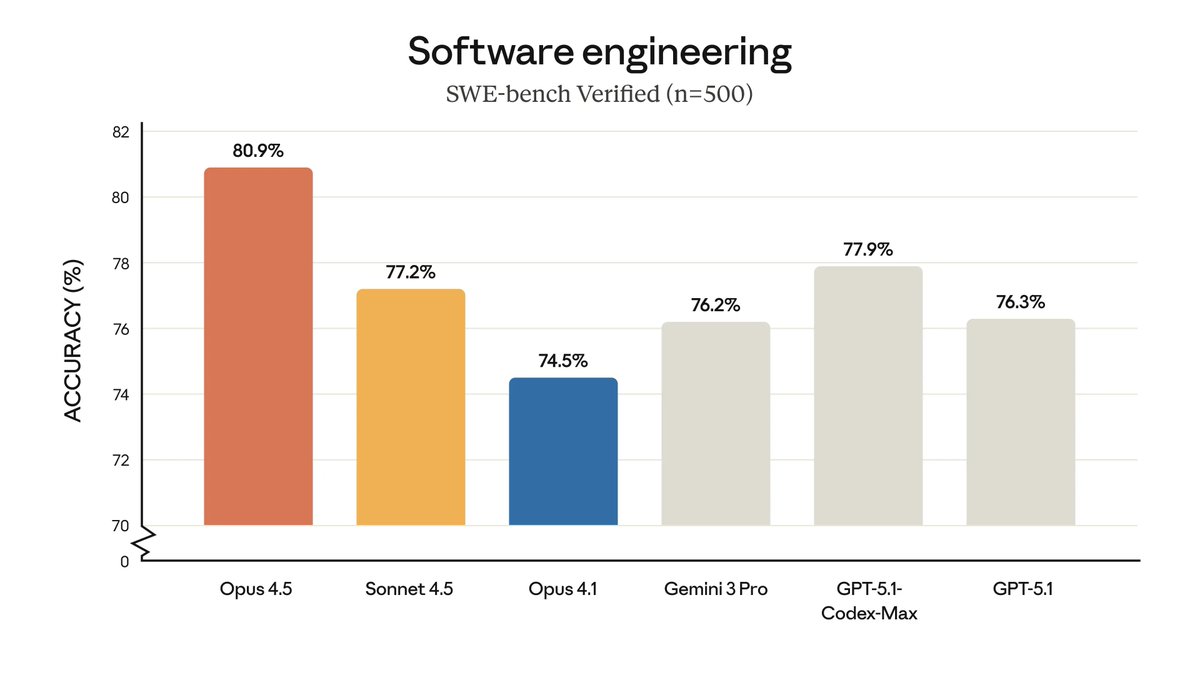
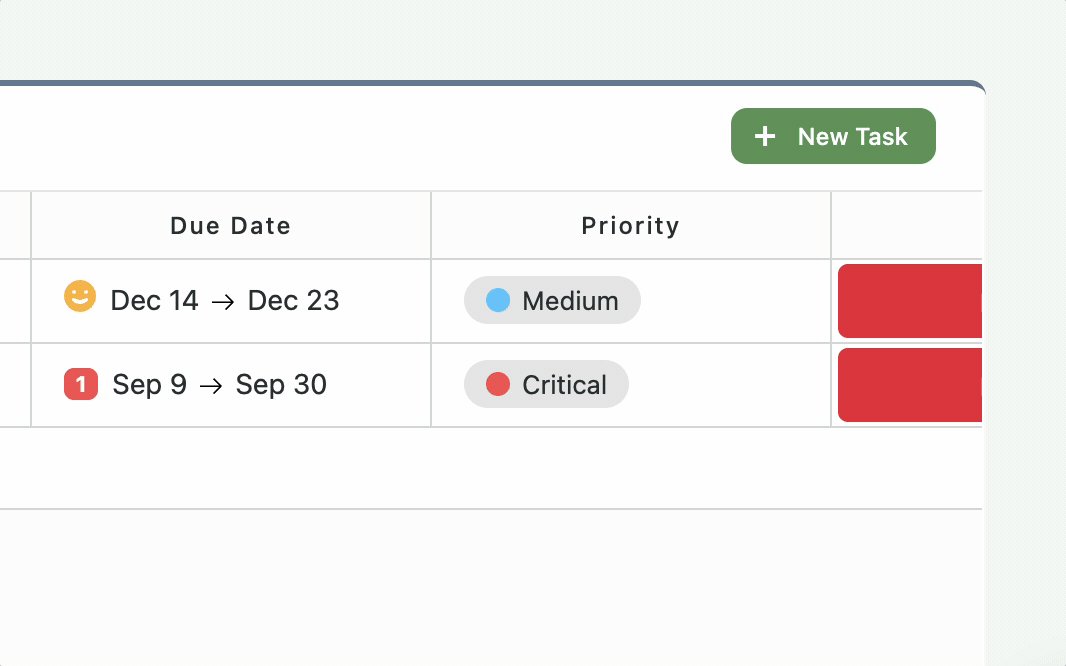

Every Fibery homepage was an honest attempt to explain what we're building and why. Each had an idea, a story, a lot of care.
So we built a Museum to preserve them as they were meant to be seen. Curious what Fibery looked like in the past? Check it out:
fibery.com/museum
2
3
300

May 27
true "Until AI can reason causally about systems, human judgement remains the foundation of software delivery."
1
2
161
May 21
One of the worst examples how to announce headcount cuts. Pls learn from this and do it somehow better if you need to do that sometimes.
May 21

Today we reduced headcount by 22%. The business is the strongest it's ever been. So I think it's important to be direct about what I'm seeing and why.
First, I made this decision and I own it. I did it because the way to operate at the highest level of productivity is changing, and to win the future, ClickUp needs to change with it.
Second, this wasn't about cutting costs. Most savings from this change will flow directly back into the people who stay. We'll be introducing million-dollar salary bands. If you create outsized impact using AI, you'll be paid outside of traditional bands.
Most importantly, I have the deepest gratitude for those affected. We're doing this from a position of strength specifically so we can take care of people properly. Everyone affected receives a package aimed at honoring their contributions and easing the transition.
I only see two options: wait for this to play out gradually in the market or be honest about what I'm seeing and act proactively.
THE 100X ORGANIZATION
The primary change is that we're restructuring around what I call 100x org. The goal is 100x output. The roles required to build at the highest level are fundamentally different than they were a year ago.
Incremental improvements to existing systems won't get us there. We need new ones. That means creating enough disruption to rebuild rather than iterate on what's already broken.
The common narrative is that AI makes everyone more productive. It doesn't. Many of the workflows of today, if left unchanged, create bottlenecks in AI systems.
These roles will evolve. But waiting for that to happen naturally means falling behind now.
The 100x org is actually heavily dependent on people - infinitely more than today. This is only possible with 10x people that have embraced and adopted new ways of working.
THE BUILDERS, AGENT MANAGERS, AND FRONT-LINERS
— THE BUILDERS: 10X ENGINEERS
I don't think most companies have internalized what's actually happening with AI in engineering. The common narrative is that AI makes all engineers more productive. That may be true in isolation, but at an organization level - that is the farthest thing from reality.
Here's what we've validated recently at ClickUp: the great engineers, the ones who can orchestrate, architect, and review, are becoming 100x engineers. They're not writing code. They're directing agents that write code. The skill is judgment.
AI makes the best engineers wildly more productive, and everyone else using AI slows these engineers down.
Think about it - the bottlenecks are (1) orchestration - telling AI what to do, and (2) reviewing - what AI did. Everything is leapfrogged and no longer needed.
So who do you want orchestrating and reviewing code?
And how do you want your best engineers to spend their time?
If your best engineers are spending time reviewing other people's code, then this is inherently an inefficient bottleneck. These engineers can review their agent's code much faster than reviewing human code.
The new world is about enabling your 10x engineers to become 100x.
The wrong strategy is to push every engineer to use infinite tokens. Companies doing this are celebrating 500% more pull requests. But customer outcomes don't match the volume of code being generated.
I call this the great reckoning of AI coding, and every company will face this soon if not already.
More code is just another bottleneck to the best engineers, and ultimately to your company's impact as well.
— THE BUILDERS: 10X PRODUCT MANAGERS
Product management and design roles are merging.
Designers that have customer focus, become more like product managers.
And product managers that have intuition for UX become more like designers.
The bottleneck of user research is gone. It takes us just one mention of an agent to kickoff research and analyze results.
The bottleneck of product <> design iteration is also gone. The product builder iterates on their own, along with agents and skills that ensure alignment with quality and strategy.
Also controversial today - I believe that the wrong strategy is to have your PMs shipping code - that just introduces another bottleneck that the best engineers will waste their time on.
To be clear, PMs should be coding but they should do this in a playground to iterate, validate, and scope. That code should not go to production.
Everything outside of managing systems, orchestrating AI, and reviewing output becomes a bottleneck.
That's why the other roles that are critical along with these are the systems managers (to reduce bottlenecks) along with a bottleneck you can't replace - customer meeting time.
— THE SYSTEM MANAGERS
Ironically, the people that automate their jobs with AI will always have a job. They become owners of the AI systems - agent managers. We have many examples of these people at ClickUp.
The underlying systems in which we operate are absolutely critical to get right. I think most companies are delusional to think they can iterate on existing systems and compete in this new world.
You must create enough disruption so that old systems are deprecated entirely. If there's any definition for 'AI native' that's what it is.
— THE FRONT-LINERS
In a world that will become saturated with AI communication, the human touch will matter more than anything to customers.
This is a bottleneck that you shouldn't replace - even when agents are high enough quality to do video meetings.
One-on-one meeting time with customers is something that shouldn't be automated. The systems around the meetings should be - so that front-liners spend nearly 100% of their time with customers.
REWARDING 100X IMPACT
In a world where companies are able to do so much more with less, where does that excess money go?
In our case, much of the savings in this new operating model will flow directly back to those that enabled it.
We must reward people that create productivity accordingly. This aligns incentives on both sides. Plus, in a world where your best people create 100x impact, you can't afford to lose them.
You should aim to retain these employees for decades. The context they have and their ability to efficiently orchestrate and review will be nearly impossible to replace.
Compensation bands of today should be thrown out the door. We're introducing $1 million cash/year salary bands with a path available to nearly everyone in the company if they produce 100x impact by creating or managing AI systems.
THE FUTURE
Nearly every company will make changes like these. The ones that do it proactively will define what comes next.
The future is not fewer people. It's different work, new roles, and better rewards for those who embrace it. We're already seeing entirely new roles emerge, like Agent Managers, that didn't exist a year ago.
ClickUp is positioning to lead this shift, not just internally, but for our customers too. I've never been more certain about where we're headed.
4
566
May 16
100!
May 15

asking people to read ai-generated text is offensive.
this is not because ai text is intrinsically bad. rather, the author has not paid a cost to write the text himself. this cost is a credible signal he finds its communication important.
so: not paying that cost is telling
1
412
Michael Dubakov retweeted

You CAN get lucky and create a winning ad.
But usually you don't get lucky...
...you fall to the level of your systems.
Which is why your systems better be the best winning-ad-production-machine in the whole game.
We used to roll with Notion, but it had too many limitations.
An F1 car is entirely custom. To the driver, the engine, the track. That's what we needed.
And we found it in @FiberyHQ and the system we designed with @blockwork_so (Ron) help.
I can confidently, perhaps naievely 🤷♂️, say we have the best system in this space.
More deets in this video👇
btw, this aint sponsored, I don't do that. But good people and good tools deserve to be shouted out.
Apr 21

We finished implementation of @FiberyHQ for the @HireFireTeam recently! We made a video where we talk through the process and the effect it had on their business: blockwork.so/client-stories/…
4
3
18
2,013
Since a while back, Fibery looks… different. We changed a lot of things and it took us longer than we care to admit.
We'd like to share a little about the process, so we hereby present an ironical, humorous, but true video about this glorious process.
youtube.com/watch?v=8GsKkF16…
2
7
629
Michael Dubakov retweeted

Apr 21
Prediction: remote-first and async-first will come back in a big way, driven by AI and agents.
In a remote company, collaborating with people or agents will feel increasingly similar. That makes adopting agents and agentic workflows much more natural.
Context is another huge advantage. Even at a ~100-person company like Doist, we have millions of artifacts that AI systems can use. Most of it is transparent because remote forces you to be more open.
In office-centric companies, much more knowledge lives inside people’s heads. Many critical decisions are made in closed or ad hoc meetings. Writing and reading skills are less developed because less of the work depends on them. All of that becomes a major constraint when collaborating with AI systems.
Over time, companies will be pushed toward remote and async structures because the productivity gains from deeply infusing AI into organizations will be too large to ignore.
8
8
102
10,479
Apr 13
makes sense
Apr 12

Terence Tao proposes what he calls a "Copernican view of intelligence".
Instead of buying into the common, one-dimensional narrative that artificial intelligence will simply evolve from "subhuman" to "superhuman" and ultimately make humanity entirely redundant, Tao urges us to look at the bigger picture.
Much like the Copernican revolution proved the Earth is not the center of the universe, Tao suggests we need to realize that human intelligence isn't the only, or necessarily the highest, form of intellect. Historically, we have treated other forms of storing or creating knowledge—like animals, books, and computers—as secondary. However, we actually exist within a much richer universe of intelligence.
Both human intelligence and computer intelligence possess their own distinct strengths and weaknesses. The true potential lies not in viewing them as direct competitors, but rather in focusing on collaboration. By working together, humans and computers can achieve additional things that neither could accomplish on their own, requiring us to think in much wider terms than just what humans or computers can do alone.
1
483
Apr 9
WTF is this chart? Did not expect this from Anthropic :)

In evals, Sonnet with an Opus advisor scored 2.7 percentage points higher on SWE-bench Multilingual than Sonnet alone, while costing 11.9% less per task.
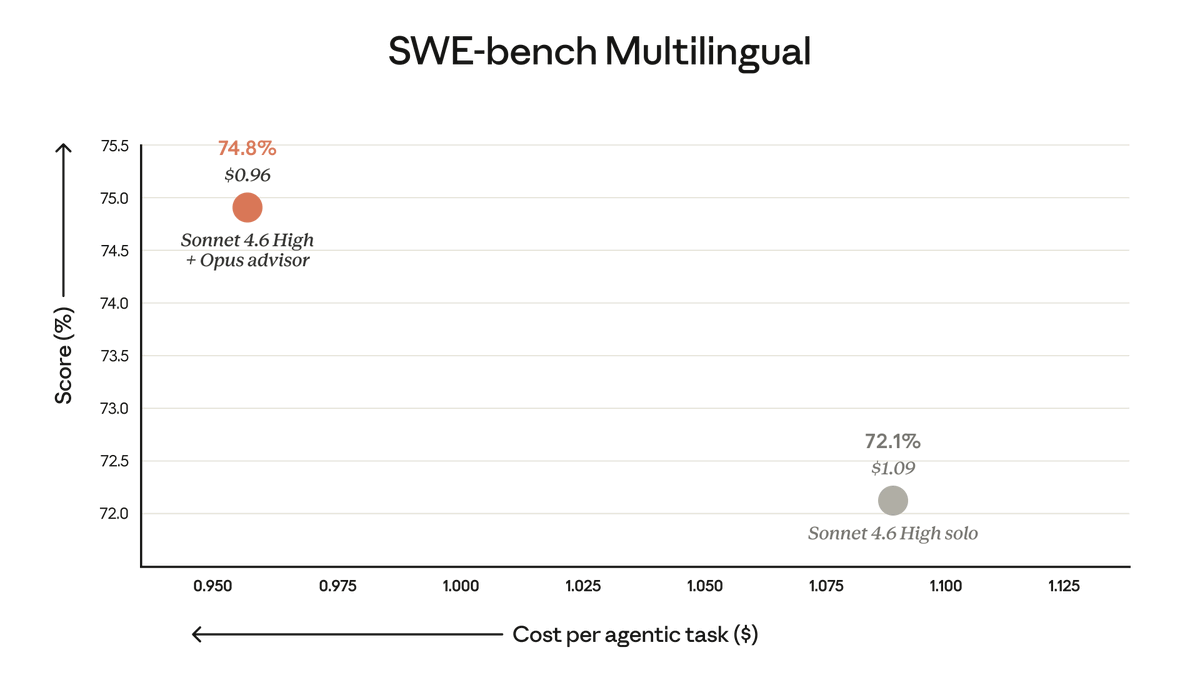
ALT Sonnet with an Opus advisor vs. Sonnet alone scoring on SWE-bench Multilingual
Community note
The graph is misleading due to a zoom-in on BOTH the X- and the Y-axis, making the difference look much bigger than it actually is. x.com/tombielecki/st…
1
493
Apr 3
I wonder more and more why not use Claude for this? It will handle such use cases even better with proper MCP tools. I see close to zero benefits having this right in @linear
Apr 2

Quick video on how I use @linear Agent in product work.
For feature requests, I want to understand the broader pattern, not just react to one ask.
Here, it pulled from 40k customer requests to help me think through whether Linear should have team docs.
3
19
6,501

when software had a soul
there was a moment around 2005 when using a Mac felt like touching something alive.
the dock bounced. the genie effect swooped. exposé scattered your windows like cards on a table. none of it was strictly necessary. all of it felt like someone cared – not about metrics, but about the feeling of using a machine.
software back then had texture. it had a philosophy. you could feel the person behind it. someone made a decision to make that icon beautiful, to animate that transition just so, to write that error message with a little warmth. apps had personalities. some were weird. some were over-designed in ways that would make a modern PM flinch. but they were alive.
the web was the same. personal sites were genuinely personal. blogs felt like letters. forums had regulars. you knew who made what. the internet had neighborhoods, and each one felt different.
nothing was optimized for scale. things were made by people who loved what they were making.
somewhere along the way, we traded all of that for growth.
A/B tests flattened the edges. design systems standardized the personality out. everything got faster, smoother, more consistent – and somehow less interesting. the quirks were removed because they didn't test well. the warmth got cut because it wasn't measurable. we optimized our way into a world of things that work perfectly and feel like nothing.
now every app looks the same. every interface follows the same patterns. every product speaks in the same calm, frictionless voice, siloed in their own little islands. the humanity got rounded off.
and then came AI agents. and the speed got inhuman.
now you can generate an entire product in an afternoon. ship a feature before lunch. spin up ten variations before anyone's had their coffee. the gap from idea to code is basically zero.
which sounds incredible. and it is. but there's a catch.
when making things are too easy, the slop comes for free too. mediocre things don't look obviously bad – they look fine. they work. they ship. they pass review. and now there are infinite of them. the internet is filling up with software that functions but means nothing. interfaces that are correct but feel dead. products made by agents, reviewed by no one, shipped into the void.
this is the thing that keeps me up at night. not that AI will replace people who care. but that it will drown them out.
here's what I still believe: the best things are made by people who couldn't help themselves. someone who lost sleep over an icon. who rewrote the same line of copy twelve times. who added an animation nobody asked for because it made the thing feel right. that obsession – that's not inefficiency. that's the whole point.
AI doesn't make that irrelevant. it actually makes it rarer and more valuable. taste is not a markdown skill. caring is not a parameter. the weird, specific, "soul" thing you put into something – that can't be programmed into existence.
the path forward isn't to make more slop faster. it's to finally give people with real vision the tools to make the thing they always imagined but couldn't build alone. the designer who had the idea but couldn't code. the kid who saw something nobody else saw. the person who cared too much about something most people wouldn't notice.
if we get this right, we don't get a faster factory. we get a renaissance. more strange, personal, opinionated software made by teams of people who care and mean it.
that's still possible. but only if the people who care get the space and tools to actually express themselves – and don't just hand the wheel to the agent and walk away.
142
344
2,486
420,906
Apr 1
"Building software costs almost nothing now." I am so tired of such posts everywhere. Fucking go → build something cool → show → then brag.
3
1
13
541
Mar 25
small victory 🍪

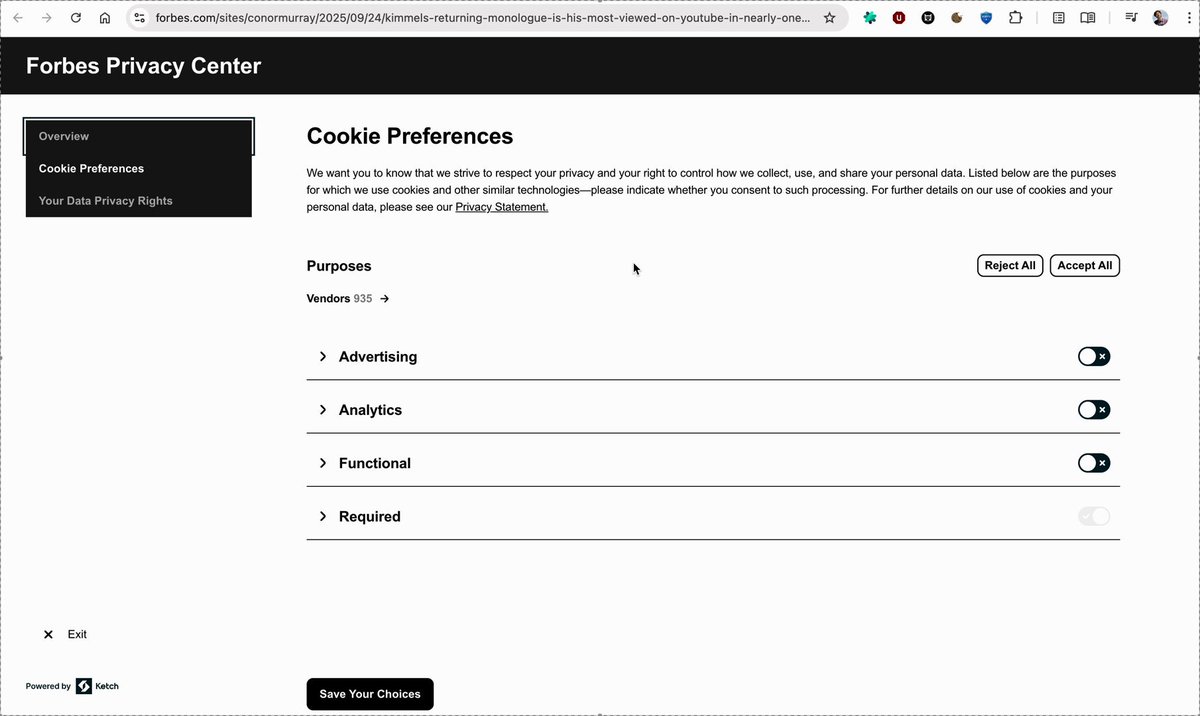
No more cookie banner on our website 🥲
Not because we can get away with not having one, but because we genuinely don't need it anymore.
5
477
Michael Dubakov retweeted

Mar 24
the CEO of Vercel saying the saas apocalypse is real because they replaced internal tools with AI-generated apps is so funny to me…
you run a software company bro. you have engineers everywhere. if YOU couldn't replace your own internal tooling with vibe-coded apps that would be embarrassing honestly, AI or not
that's like a mechanic saying cars are easy to fix and concluding nobody needs mechanics anymore. yeah no shit it's easy for YOU
90% of businesses out there don't have a single person on staff who knows what an API call even is. they're not replacing their CRM with something they prompted in claude code
the disconnect is wild. these tech CEOs live in such a bubble that they genuinely think their experience is universal. your company literally builds deployment infrastructure, obviously you can ship internal tools fast
the SaaS apocalypse might come eventually idk, but pls get back in touch with reality
Mar 24

Almost every SaaS app inside Vercel has now been replaced with a generated app or agent interface, deployed on Vercel.
Support, sales, marketing, PM, HR, dataviz, even design and video workflows. It’s shocking.
The SaaSpocalypse is both understated and overstated. Over because the key systems of record and storage are still there (Salesforce, Snowflake, etc.)
Understated because the software we are generating is more beautiful, personalized, and crucially, fits our business problems better.
We struggled for years to represent the health of a Vercel customer properly inside Salesforce. Too much data (trillions of consumption data points), the ontology of Vercel was a mismatch to the built-in assumptions, and the resulting UI was bizarre. We generated what we needed instead. When you don’t need a UI, you just ask an agent with natural language.
We’ve also been moving off legacy systems with poor, slow, outdated, and inconsistent APIs, as well as just dropping abstraction down to more traditional databases. UI is a function 𝑓 of data (always has been), and that 𝑓 is increasingly becoming the LLM.
82
113
2,403
239,312
Mar 21
Good one by @mitsuhiko that matches my own attitude. I like deep and long projects: "The last startup I worked on, I spent 10 years at. That’s not because I’m particularly disciplined or virtuous. It’s because I or someone else, planted something, and then I kept showing up, and eventually the thing had roots that went deeper than my enthusiasm on any given day" lucumr.pocoo.org/2026/3/20/s…
6
316
Mar 21
This article resonates very well with my own intuition about startups. “Feyerabend articulated a meta-theory of scientific progress: The only rule that holds across all of its history is that there are no fixed rules.” colossus.com/article/we-have…
6
280
Mar 13
I think more and more people will onboard *themselves* to new products.
It means less demos and calls, but more educational materials that AI agents can pickup and use.
Next step: "Here is our MCP Server, add it to your chat provider to speed up onboarding"
1
302

I just can't explain how well I'm solving all management at @fermah_xyz
Centralize all company knowledge in a deeply connected database. You can run all kinds of crazy automation afterwards.
@FiberyHQ is truly goated 🐐
4
5
25
2,703