Joined February 2017
- Tweets 1,773
- Following 2,364
- Followers 1,979
- Likes 6,327
189 Photos and videos


Jun 8
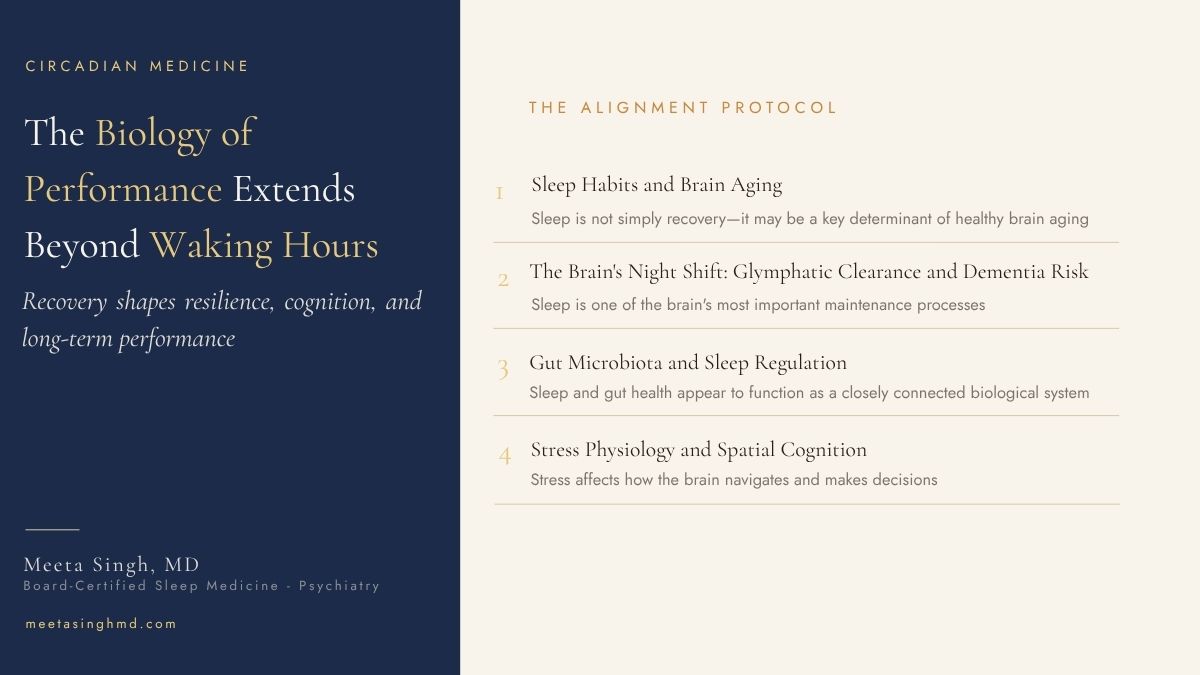
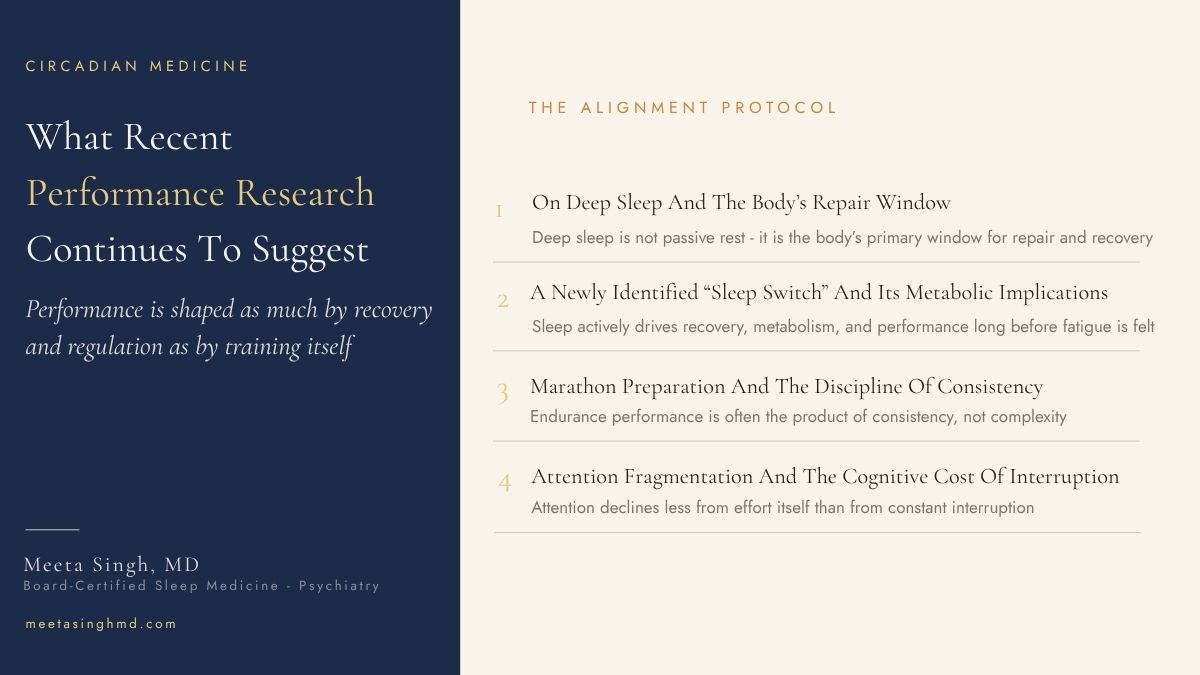
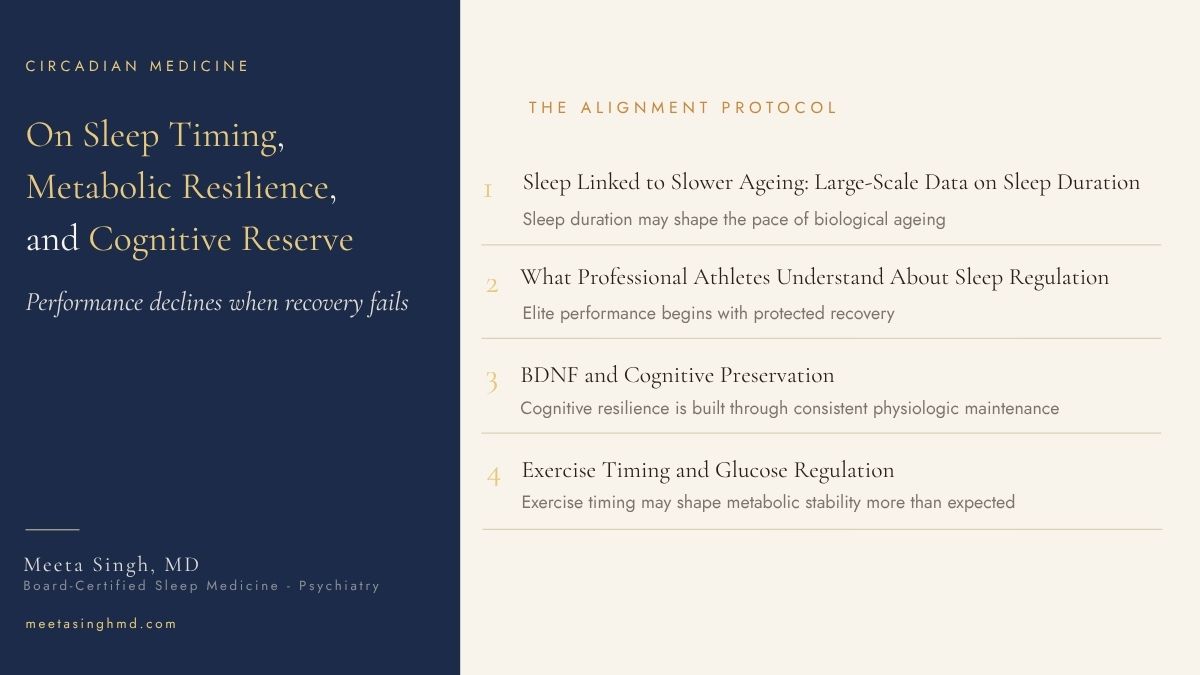
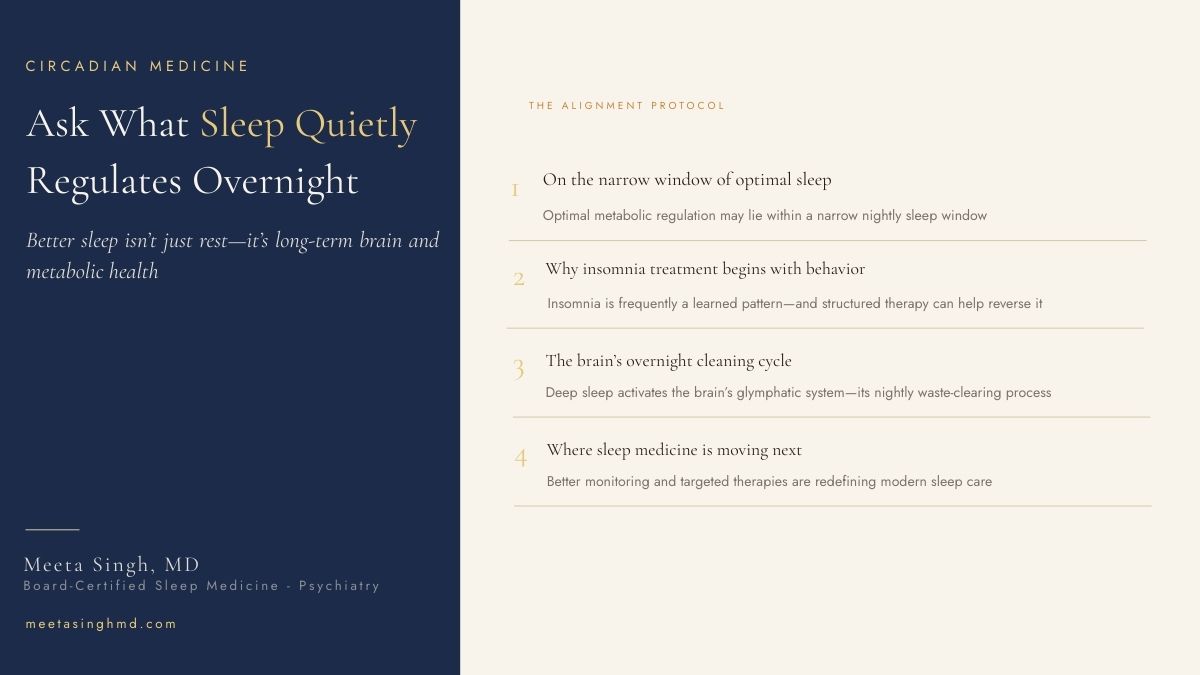
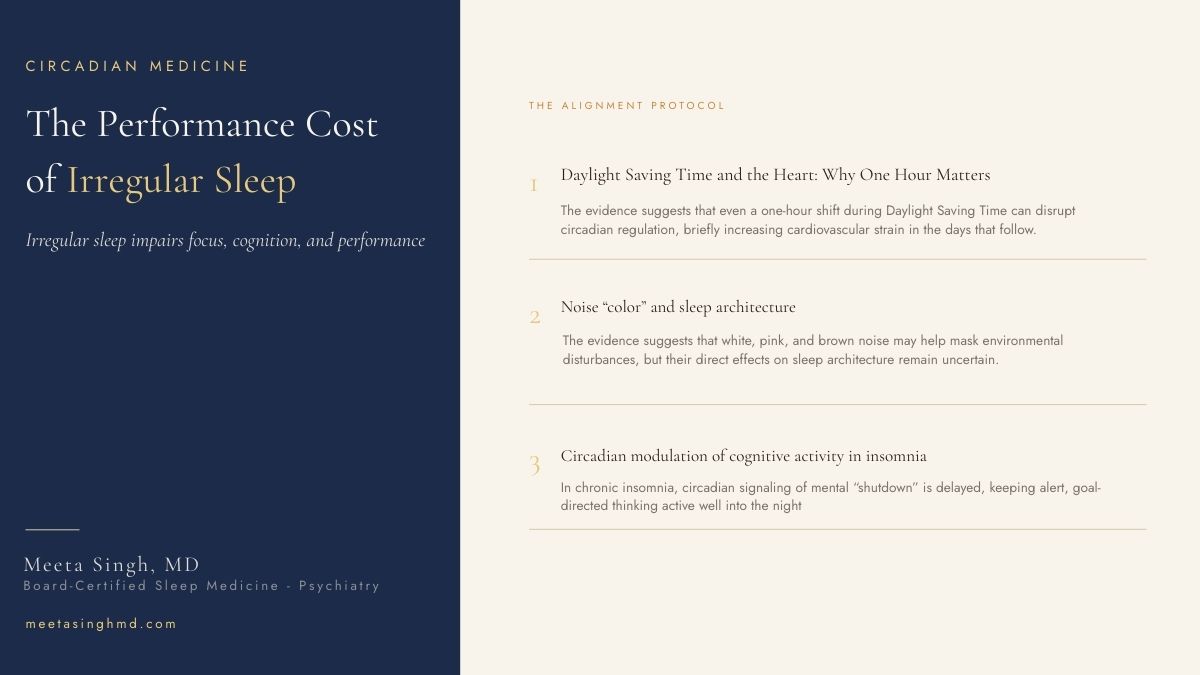
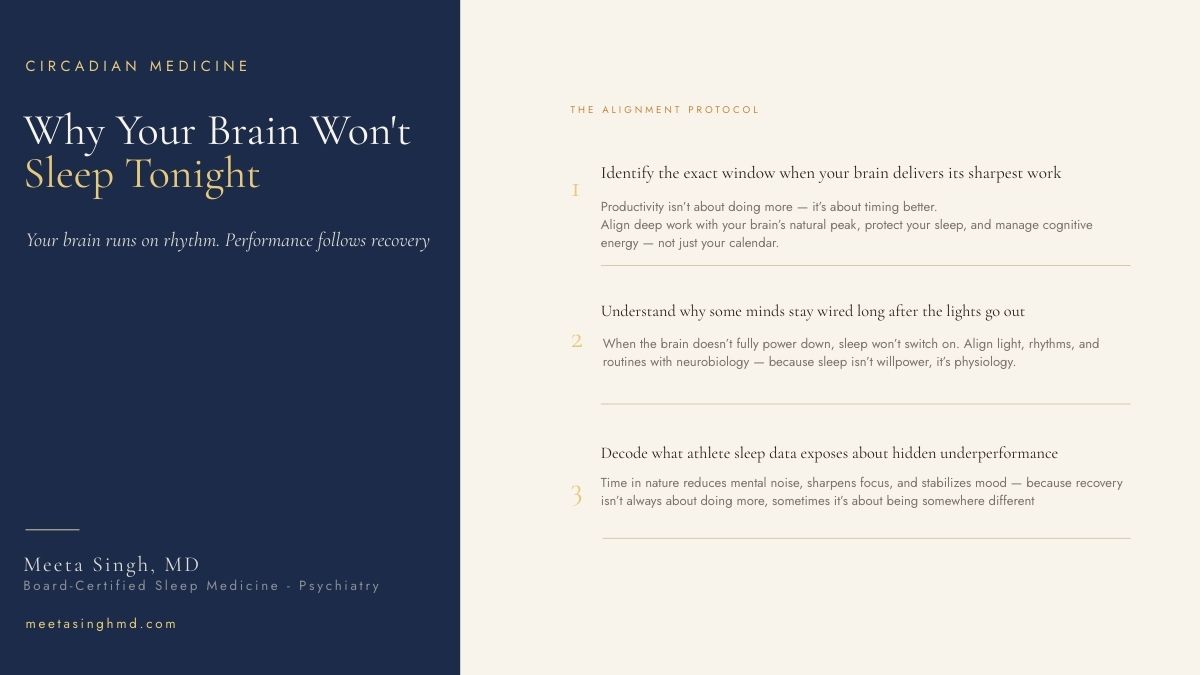
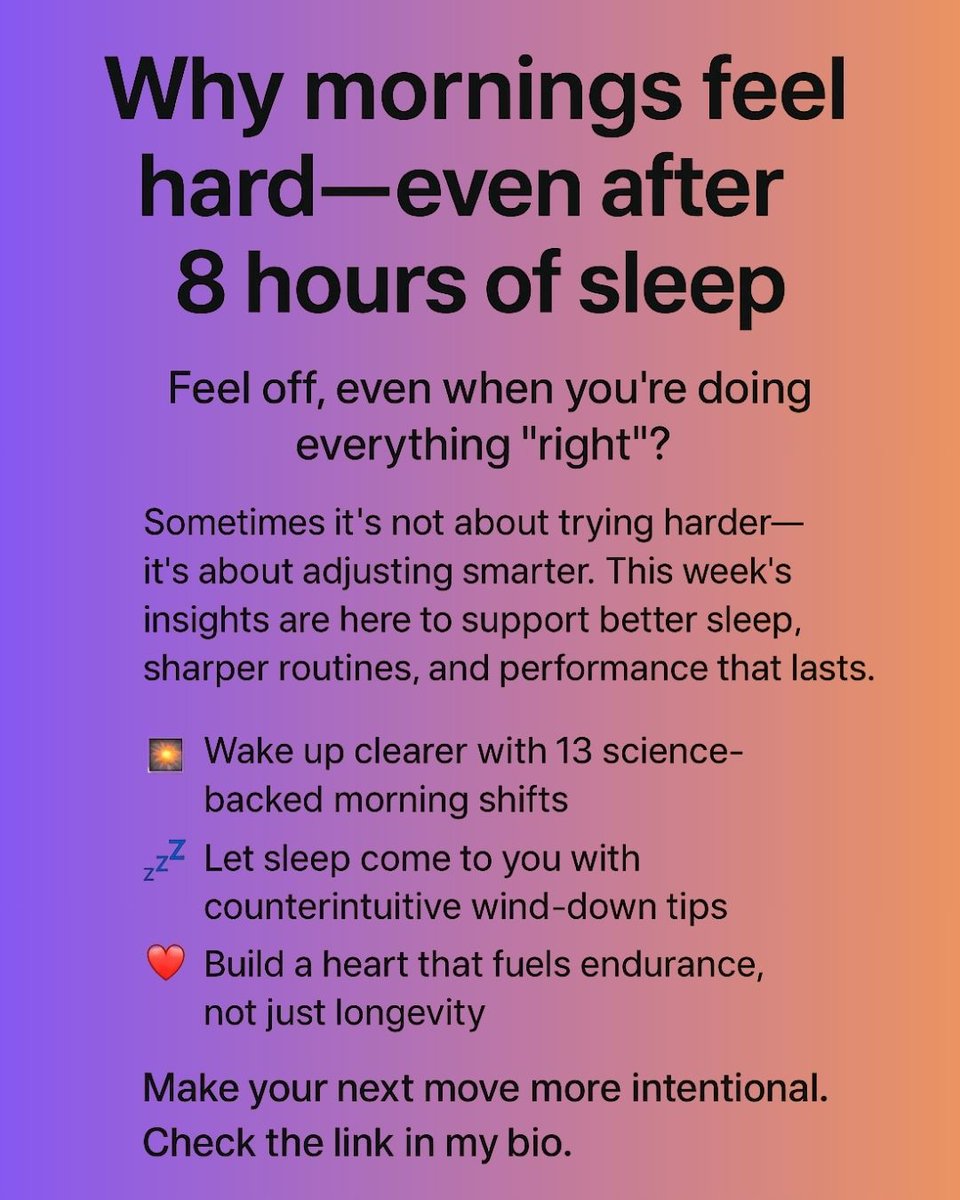
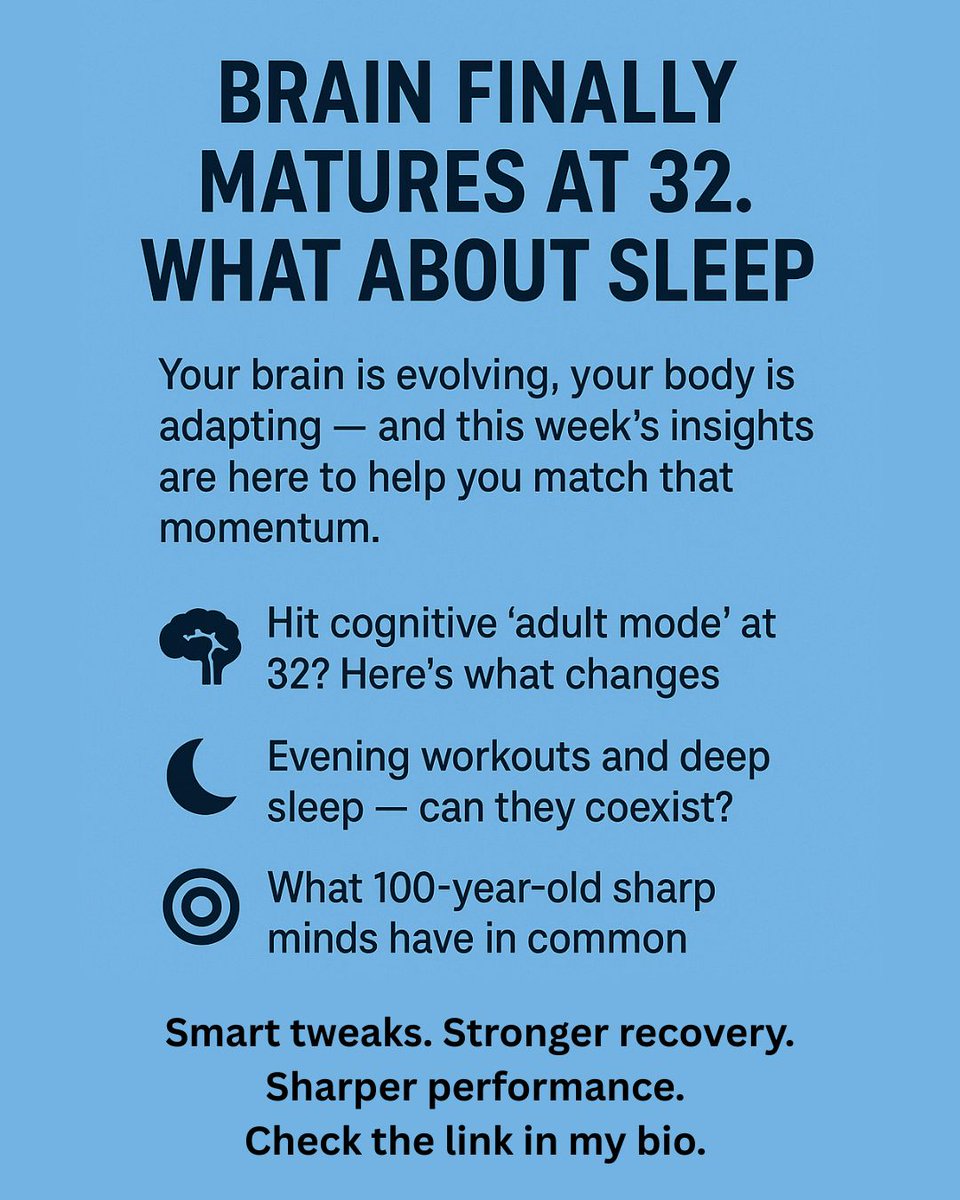
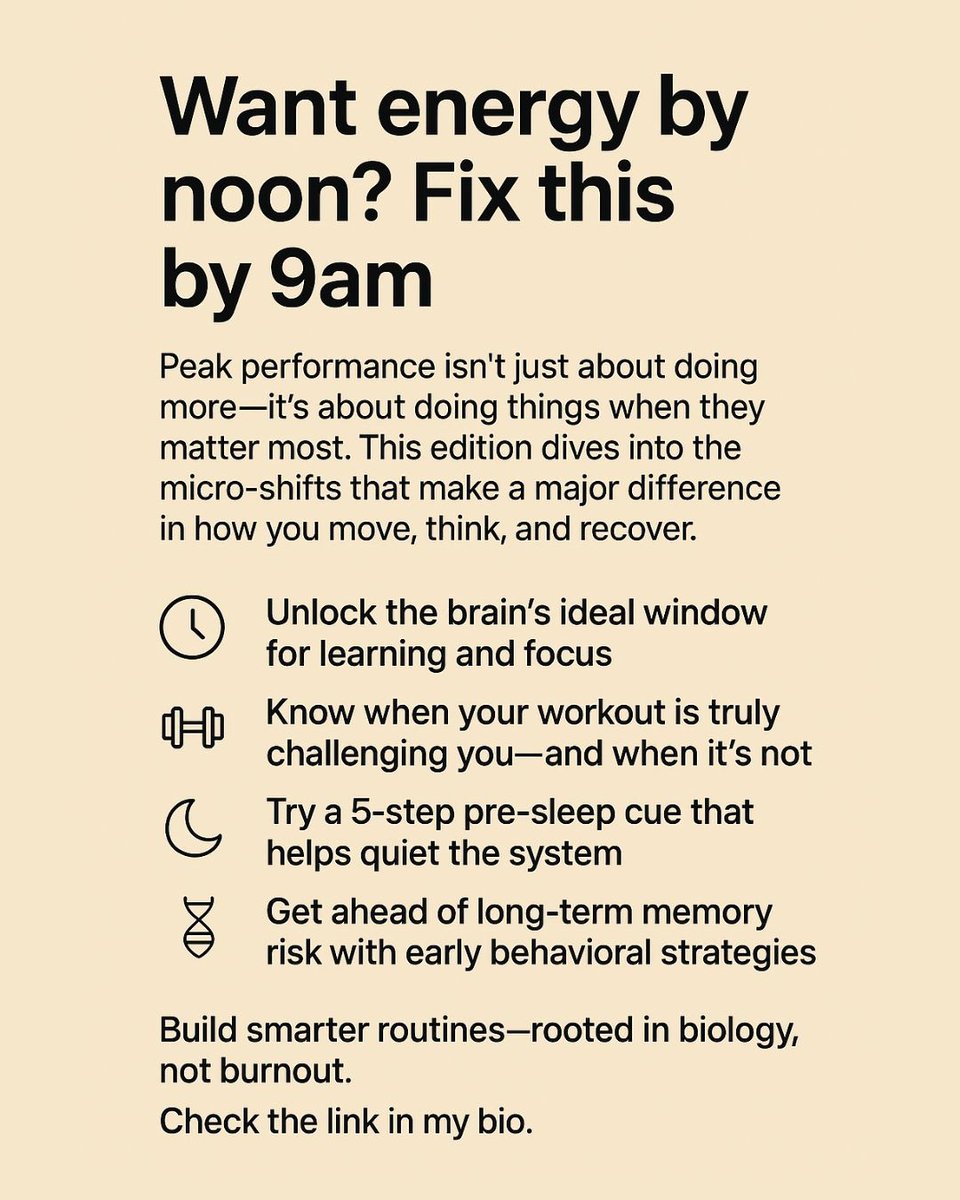
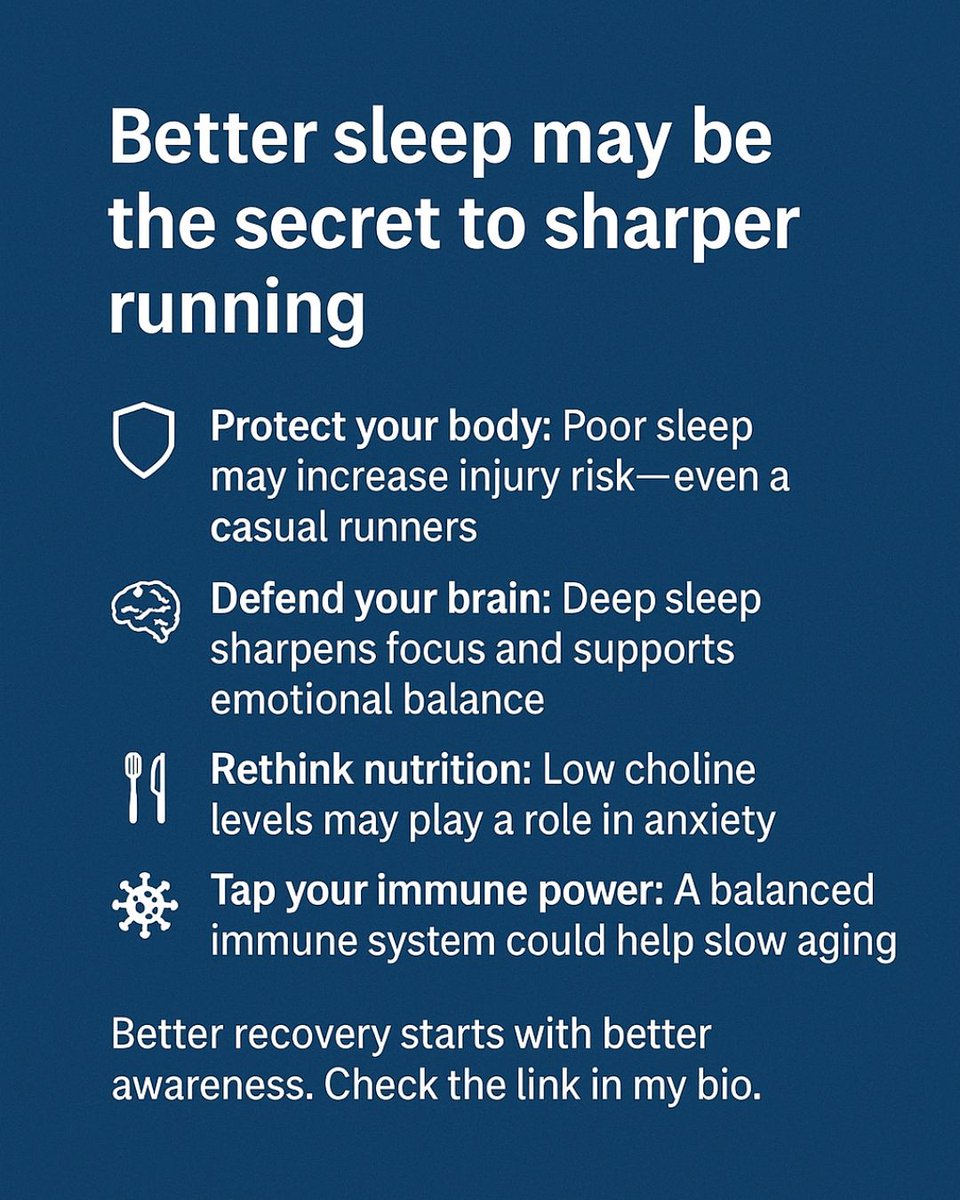
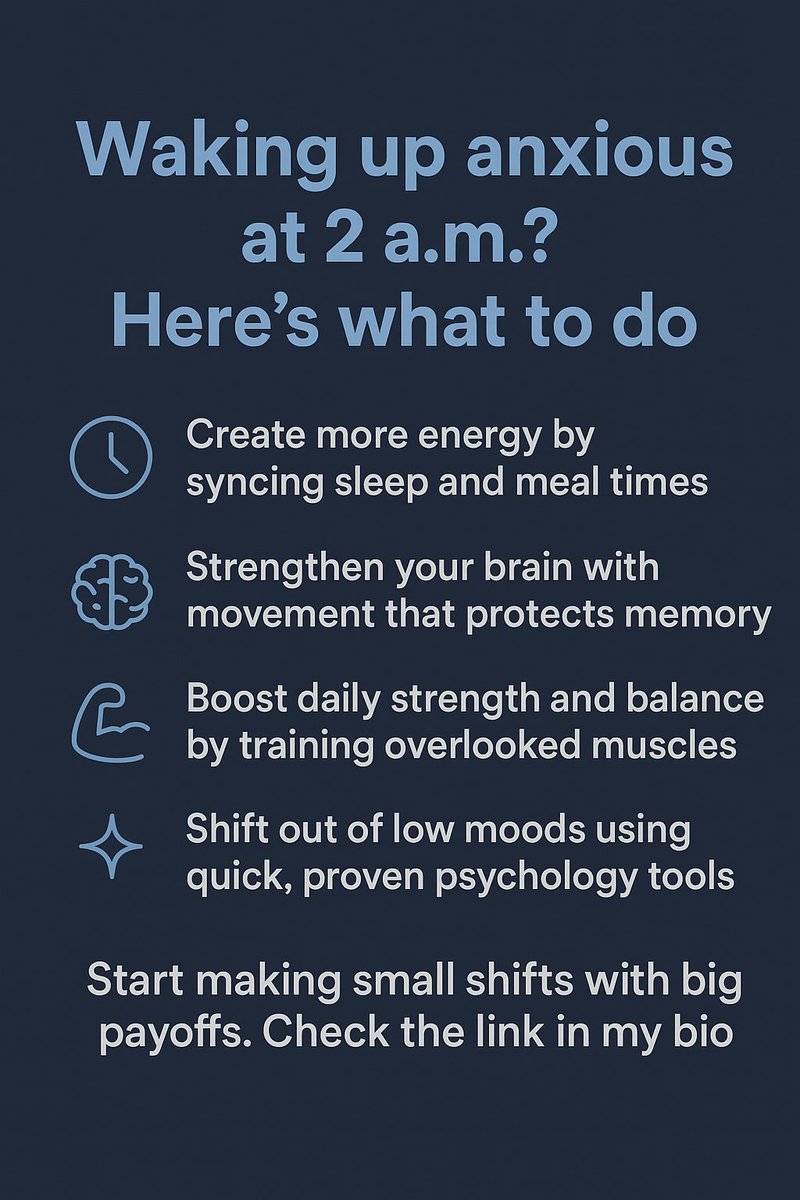
Sleep influences far more than recovery. The evidence suggests it plays a central role in brain health, stress regulation, cognitive performance, and long-term neurological resilience.
Subscribe to The Nocturne at subscribe.meetasinghmd.com
#PerformanceSleep #CognitivePerformance #SleepScience
1
1
26
Jun 7
Churchill's Bricks and the High-Performer's Insomnia Behavioral Sleep & Mind — Part 5 of 5. Insomnia is behavioral. So is the way out.
If you run hard for a living, "wind down before bed" never works.
Your problem isn't lack of relaxation. It's that your brain has no off switch.
Churchill solved his with bricks. The science says he was right.
Final piece in the series 👇open.substack.com/pub/thesle…
1
44
Jun 1
There's a treatment for insomnia that works as well as some medications.
It's walking. Outside. In the morning.
A 2025 BMJ meta-analysis: roughly a 10-point drop on the insomnia scale.
New series, Part 4 — here's why, and how to do it right
👇Why Walking Helps You Sleep Behavioral Sleep & Mind — Part 4 of 5.
The most persistent sleep problems are behavioral, not chemical.
open.substack.com/pub/thesle…
1
49
May 26
Performance is often shaped long before fatigue becomes visible.
Sleep quality, cognitive recovery, attention control, and consistent routines continue to define how effectively the body and brain adapt under stress.
Subscribe to The Nocturne at subscribe.meetasinghmd.com
#PerformanceSleep #CognitivePerformance #SleepScience
48
May 25
Anxiety wrecks your sleep.
But lost sleep also creates anxiety — alarm system in overdrive, brakes offline. On a scan, the tired brain looks anxious.
That's the loop. Fix one half, it stalls.
New series, Part 3 👇The Anxiety–Insomnia Loop Behavioral Sleep & Mind — Part 3 of 5. The most persistent sleep problems are behavioral, not chemical.
open.substack.com/pub/thesle…
28
May 18
Recovery, metabolism, cognition, and performance are more connected to sleep and circadian stability than many realize. The evidence continues to show that how we sleep influences how we function, adapt, and age. Subscribe to The Nocturne at subscribe.meetasinghmd.com
#PerformanceSleep #CognitivePerformance #SleepScience
45
May 18
CBT-I produces 41% long-term remission in chronic insomnia.
Sleeping pills produce 28%.
New AASM guideline (April 2026): don’t combine them. CBT-I alone is better than CBT-I plus a pill.
New series, Part 2
open.substack.com/pub/thesle…
1
1
80
May 11
Insomnia that has lasted six months is rarely the same problem the patient had at month one. The original stressor is usually gone — the insomnia isn’t. Spielman figured out why in 1987, and Jud Brewer’s recent work on anxiety as a habit loop maps onto sleep almost perfectly. New series, Part 1: chronic insomnia is a real disorder, but what keeps it going is a learned set of behaviors and thoughts — and that’s where the treatment has to land.
open.substack.com/pub/thesle…
41
May 5
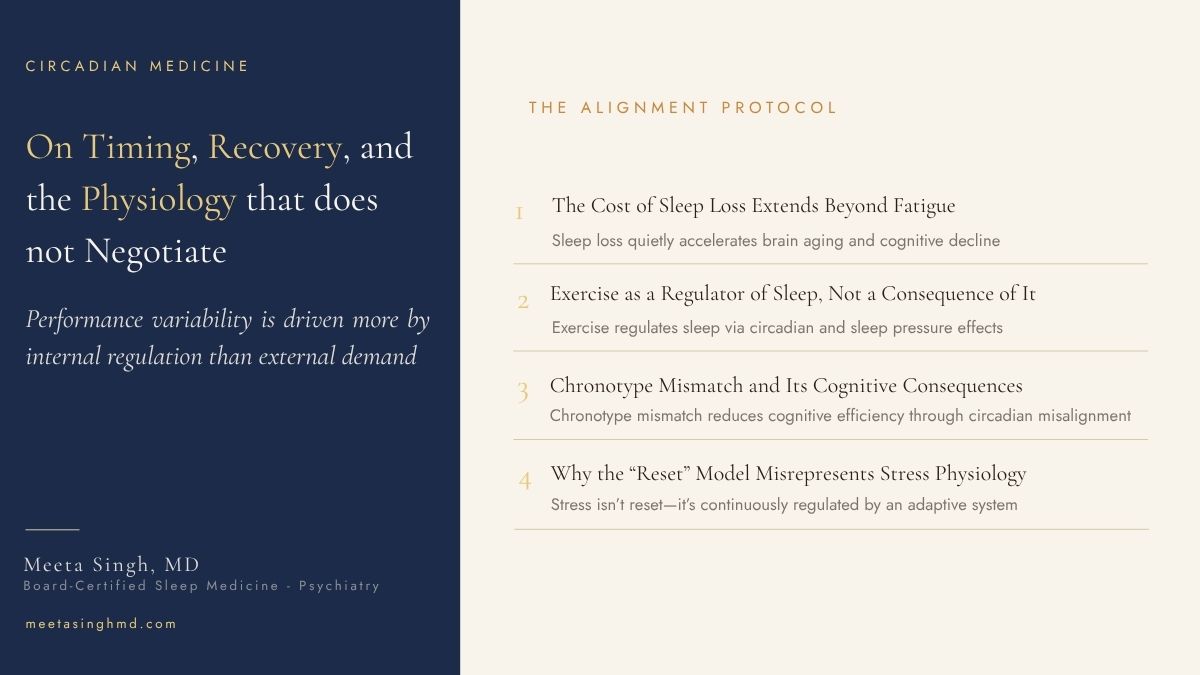
Sleep, stress, and performance are not reset systems—they are continuously regulated biological processes shaped by timing, recovery, and alignment. Subscribe to The Nocturne at subscribe.meetasinghmd.com #PerformanceSleep #CognitivePerformance #SleepScience
30
May 3
Eight Hours Is Not the Standard Anymore — Part 3: The Weekend Is Wrecking Your Week
You sleep in on Saturday. You feel great. By Sunday night, you cannot fall asleep. That is not bad luck. That is jet lag — without a flight. Part 3 of the series, on the weekend pattern that quietly wrecks your week.open.substack.com/pub/thesle…
53
Apr 26
A few weeks ago I got interviewed by Paul Cascade for his podcast Beyond the Game: Careers in Sports.
Paul's still in high school, talking to the agents, managers, and founders behind the sports world — the people you don't see on the field.
He came in prepared. Sharp questions. Real curiosity.
Give him a follow and a listen 🎧
podcasts.apple.com/us/podcas…
1
48
Apr 26
Eight Hours Is Not the Standard Anymore — Part 2: Your Phone Is Not the Problem. Your Brain Is. You closed the laptop. You dimmed the screen. You put on the orange glasses. You are still wide awake. The blue-light story is incomplete — and the missing piece is why most of the standard advice quietly fails. Part 2 of the series.open.substack.com/pub/thesle…
1
1
53
Apr 20
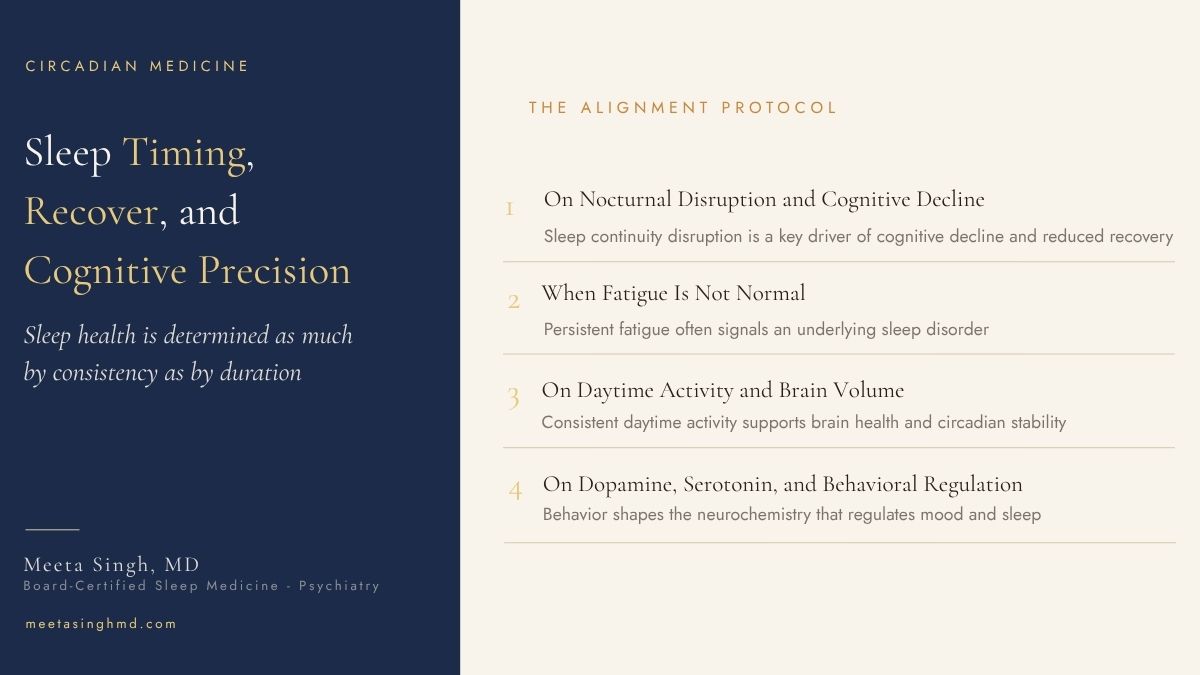
Sleep isn’t just about duration—it’s about consistency, rhythm, and recovery. Disrupt it, and everything from cognition to mood pays the price. Subscribe to The Nocturne at subscribe.meetasinghmd.com
#PerformanceSleep #CognitivePerformance #SleepScience
47
Apr 19
Eight Hours Is Not the Standard Anymore — Part 1: Why Architecture Beats Duration open.substack.com/pub/thesle…
47
Apr 19
Eight Hours Is Not the Standard Anymore — Part 1: Why Architecture Beats Duration
Eight hours of sleep doesn't mean what it used to. Duration is the easy metric — and the wrong one. The work of sleep is gated by its deepest stages, and the emerging literature shows we're losing that architecture without losing hours. Part 1 of a two-part series, prompted by a recent National Geographic piece and what I see every week in practice.open.substack.com/pub/thesle…
74
Apr 12
The 3 AM Problem Has a Pre-Bed Solution The 3 AM waking isn’t inevitable. It’s what happens when the day’s unresolved emotional load gets deferred to the worst possible moment. The fix takes five minutes — but the timing of when you do it matters as much as the doing. On emotional granularity, and why it may be the most underrated sleep intervention there is.open.substack.com/pub/thesle…
69
Apr 6
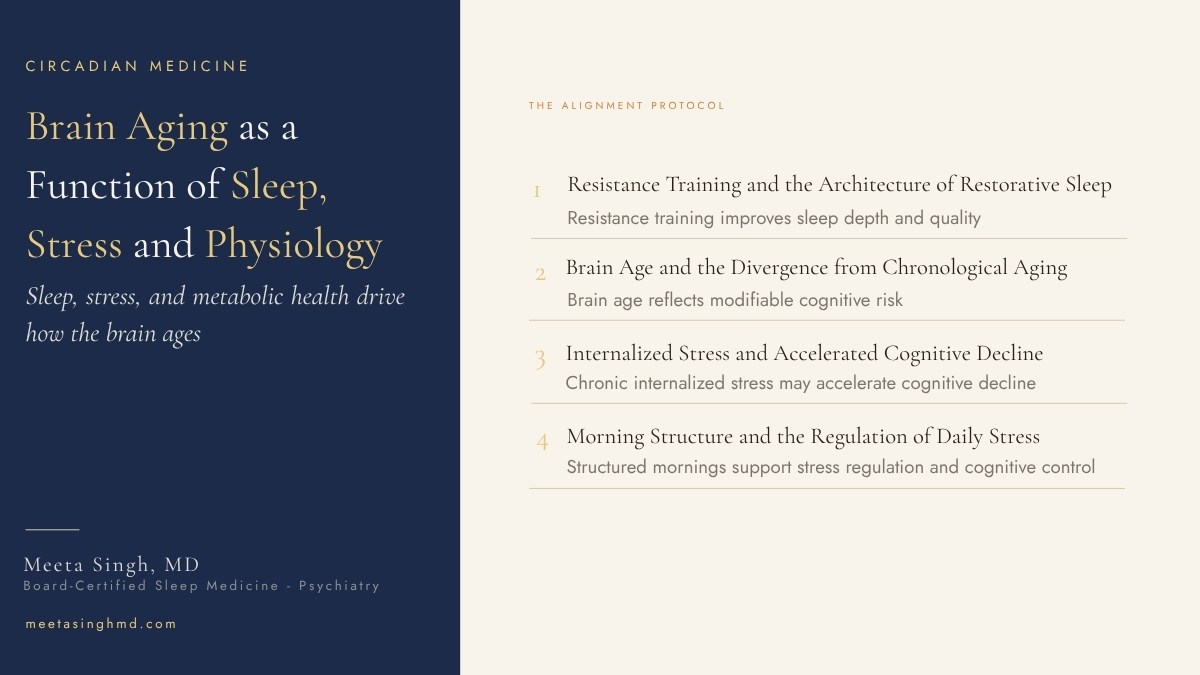
Brain health isn’t just about age—sleep, stress management, structured routines, and resistance training shape cognitive resilience and how our brains age over time. Subscribe to The Nocturne at subscribe.meetasinghmd.com.
#BrainHealth #SleepMedicine #SleepDisorders
45
Apr 5
You fall asleep fine. Then 3 AM hits and your brain has a full agenda. This is a neuroscience problem — one that starts hours before you get into bed. The REM-dominant second half of the night, the default mode network, and why unresolved concerns don't wait until morning
Why Your Brain Picks 3 AM to Solve Every Problem You've Ever Had open.substack.com/pub/thesle…
1
76
Mar 30
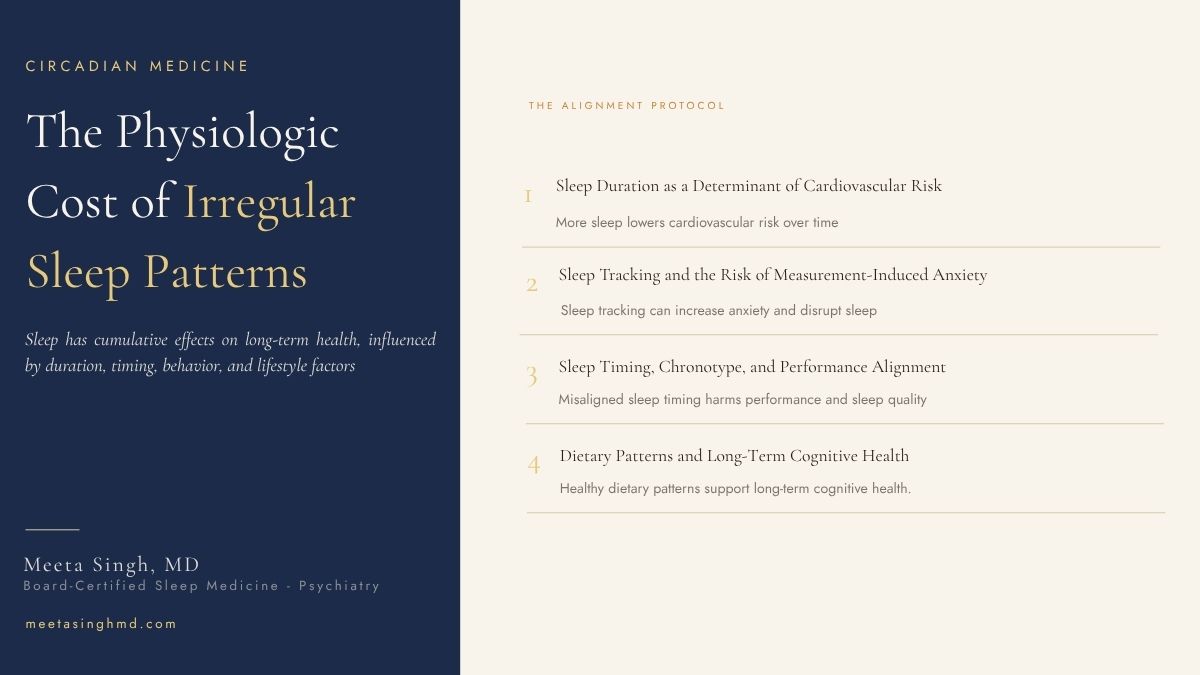
Sleep is not optional—it is a biological requirement for long-term health.
#BrainHealth #CognitivePerformance #SleepDisorders
31
Mar 29
Your Brain Has Two Custodians. You're Probably Neglecting Both. One of the questions I get asked most: if you only have time for one, should it be sleep or exercise? Get enough sleep. But the reason why is more interesting than the answer — and it changes how you should think about both. I wrote about what two recent studies reveal when you put them side by side.open.substack.com/pub/thesle…
44