
Joined September 2019
- Tweets 30,072
- Following 1,366
- Followers 1,281
- Likes 96,514
6,810 Photos and videos















May 29
VIDEO of Pete's FULL SESSION at this Mackinac Policy Conference (link jumps directly to start): youtu.be/H_xkbDrtwRw?t=10012
19
May 20
May 18

You could start by walking down the hall. See why your boss keeps pardoning people convicted of money laundering, wire fraud, tax evasion, and securities fraud.
6
🐝🐉meindiva🎶🎭💙 retweeted

May 8
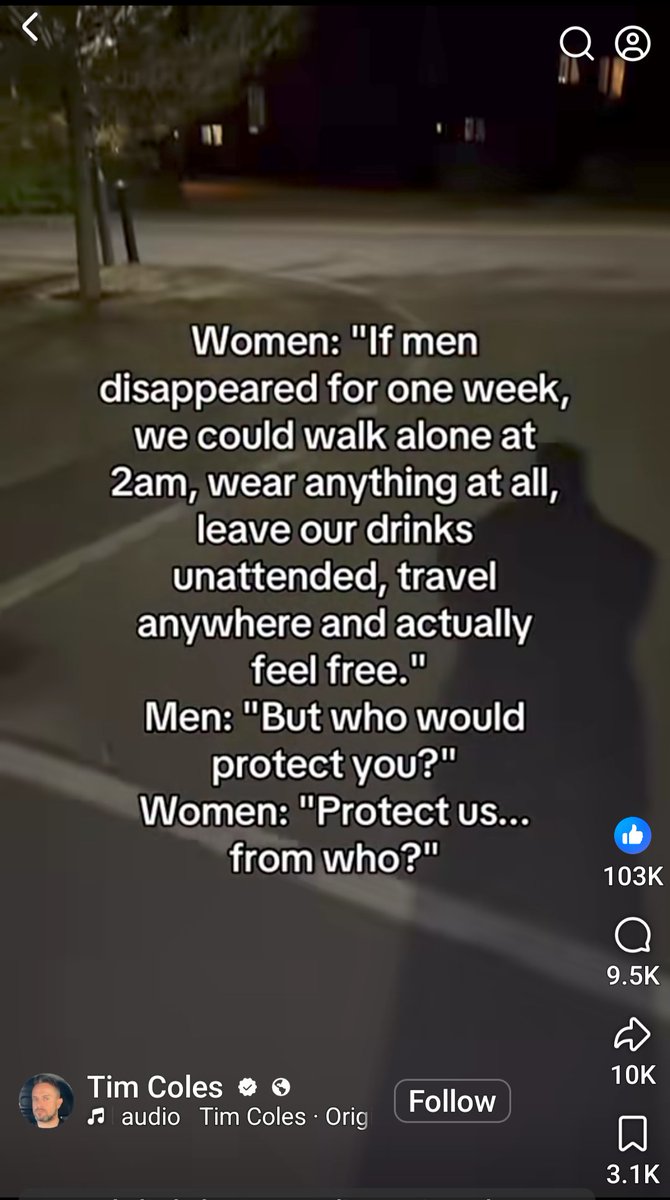
Women: I want to go for a run.
Society: You can’t go alone. You’ll get raped.
Women: I want to walk to my car in the parking garage.
Society: Alone? You better get someone to escort you, or you’ll get raped.
Women: I want to live alone.
Society: You need a gun, an alarm system, a dog and probably a gun for the dog too.
Women: What about going to the park?
Society: Dangerous.
Women: Okay, I’ll just go out for a drink then.
Society: Don’t take your eyes off your drink. Watch out for predators spiking your drinks. Stay alert at all times.
Women: I was raped.
Society: Are you sure? That just seems impossible.
414
14,747
70,642
1,637,826
May 8
I was born at ~27 weeks, weighing 2 lbs...in 1962. I am beyond grateful for Dr. Stahlman, and all the medical professionals since that made it possible for me to survive. ❤️
May 8

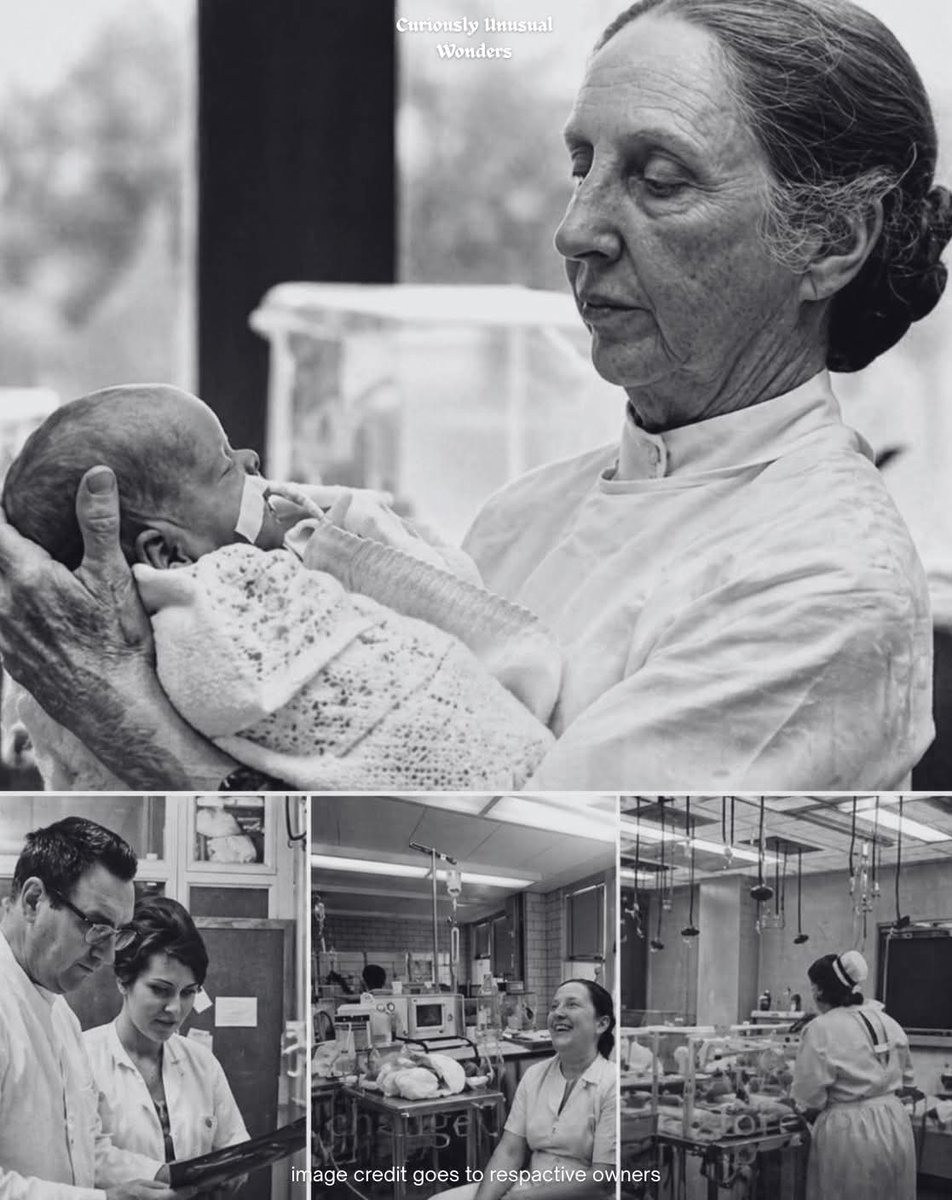
Before 1961, premature babies with failing lungs had almost no chance—doctors could only watch them slip away. Then one woman refused to accept that and changed medicine forever.
Picture a hospital nursery in 1960. A baby born two months early struggles to breathe. Her tiny chest rises and falls in desperate effort. Her skin turns blue. Nurses and doctors gather around her, but they have nothing to offer. In a matter of hours, maybe less, she will be gone.
This scene repeated itself thousands of times each year. Respiratory Distress Syndrome was a death sentence for premature infants. Their lungs were not developed enough to function. Medical textbooks described it as unavoidable.
But Mildred Stahlman refused to accept unavoidable.
Born in 1922 in Nashville, Mildred was not expected to become a doctor. Her affluent family imagined a traditional Southern life for her. But at eleven, she received a microscope—and everything changed.
She fought her way into Vanderbilt Medical School as one of only four women in a class of fifty. She studied abroad in Sweden at leading institutes. She returned home in 1951 and began witnessing the same tragedy again and again—infants dying because no one knew how to help them breathe.
And she made a decision: this would not continue.
In a small lab beside the Vanderbilt nursery, Stahlman began doing what seemed impossible. She took large adult breathing machines and redesigned them for the smallest patients. She created tiny airway tubes no wider than a straw. She developed methods to monitor oxygen levels in real time.
Her colleagues doubted her. The technology did not exist. The risks were severe. A single mistake could damage fragile lungs beyond repair.
Stahlman continued anyway.
October 31, 1961. A baby girl named Martha Humphreys was born two months early. She could not breathe.
Without intervention, she had only hours to live.
Dr. Stahlman placed her into the miniature respirator she had built. The machine gently expanded the baby’s chest, helping air reach lungs that could not function on their own. Then Stahlman set up a folding bed beside the machine and stayed, watching every breath.
Four days later, Martha was breathing on her own.
What had once been impossible was now real.
But Stahlman did not stop there. She established one of the first neonatal intensive care units in the United States. She trained specialists from around the world. She developed systems to transport critically ill newborns. She created standards of care that continue to guide medicine today.
"If you’re going to practice medicine," she told her students, "the first thing you must learn is charity—unconditional love."
She lived by those words. Her team tracked not only medical data but family needs—where they lived, what they could afford, what support they required. Every child mattered. Every family mattered.
Dr. Stahlman continued her work for decades. At 101, she was still advocating for premature infants when she passed away in June 2024.
And Martha Humphreys, the first baby she saved?
She grew up healthy. She married, becoming Martha Lott. And then she made a decision that brought the story full circle.
Martha became a nurse in the very same neonatal intensive care unit where her life had been saved.
The child who should have died in 1961 spent her life in that room, helping save others.
Today, hundreds of thousands of premature infants survive every year in NICUs around the world. Many of them owe their lives to the work that began with one determined doctor who refused to accept limits.
The next time you hear about a premature baby surviving against the odds, remember: someone once decided that those odds could change.
Someone refused to accept that small lives should be lost.
Someone redefined what was possible.
10
🐝🐉meindiva🎶🎭💙 retweeted

The same Duffys who threw endless fits on national television when Pete was working from our son's ICU bedside are now bragging about their multi-month, taxpayer-funded family road trip while gas and grocery prices soar for American families because of Trump's war of choice. How much more unfocused, unserious, and out of touch can you be?
May 8

Sean Duffy reveals he spent 7 months making a reality TV show while serving as Transportation Secretary
1,736
7,662
31,338
1,631,034
May 8
For Mama's missing their Angel Babies as we approach Mother's Day weekend, I see you. ❤️

16
May 8
I know so many without their Mama's who are struggling this year with the difficulty of Mother's Day weekend. My heart is with you. I send you love. And so does your Mama...listen to your heart. 🩷
6
🐝🐉meindiva🎶🎭💙 retweeted

Pete has never received money from AIPAC ⬇️
In fact, AIPAC didn't even start donating to individual candidates until 2022. The last time Pete ran for office was in 2020.


1
9
37
1,210
🐝🐉meindiva🎶🎭💙 retweeted

Anthony Fauci spent his life walking into epidemics, while other people sat safely on the sidelines criticizing medicine from television studios and podcasts.
HIV. Ebola. SARS. COVID.
Was he always right? Of course not. Science is not theology. Science corrects itself in real time, while under pressure from incomplete data, politics, fear, and millions of lives hanging in the balance.
But the idea that Fauci was some comic-book villain instead of a physician-scientist trying to navigate one of the most chaotic public health crises in modern history is absurd.
History usually remembers the people who showed up during the plague more kindly than the people who sold outrage from a safe distance. For me, Fauci is a damn hero
321
764
4,247
90,168


🐝🐉meindiva🎶🎭💙 retweeted

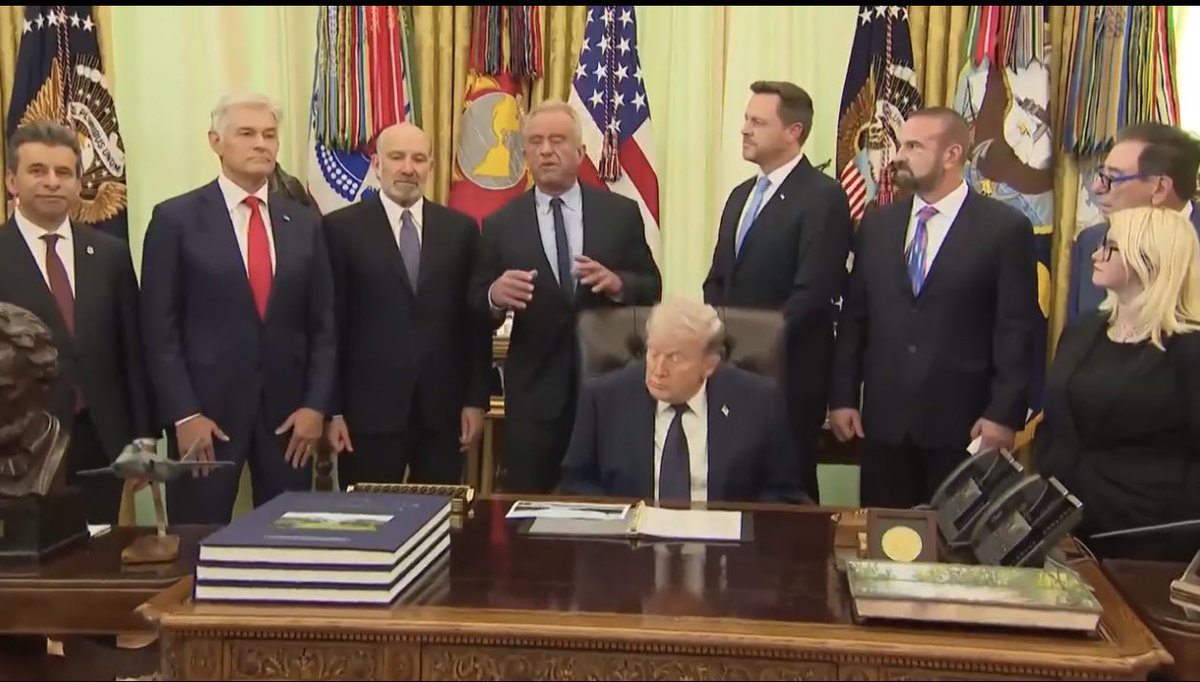
The worst part isn’t that Trump is out of his fucking mind.
It’s that everyone around him is too weak and too cowardly to rein him in.
If you ever wondered how Hitler got as far as he did, you have your answer.
1,367
8,461
28,954
229,988
🐝🐉meindiva🎶🎭💙 retweeted

May 2
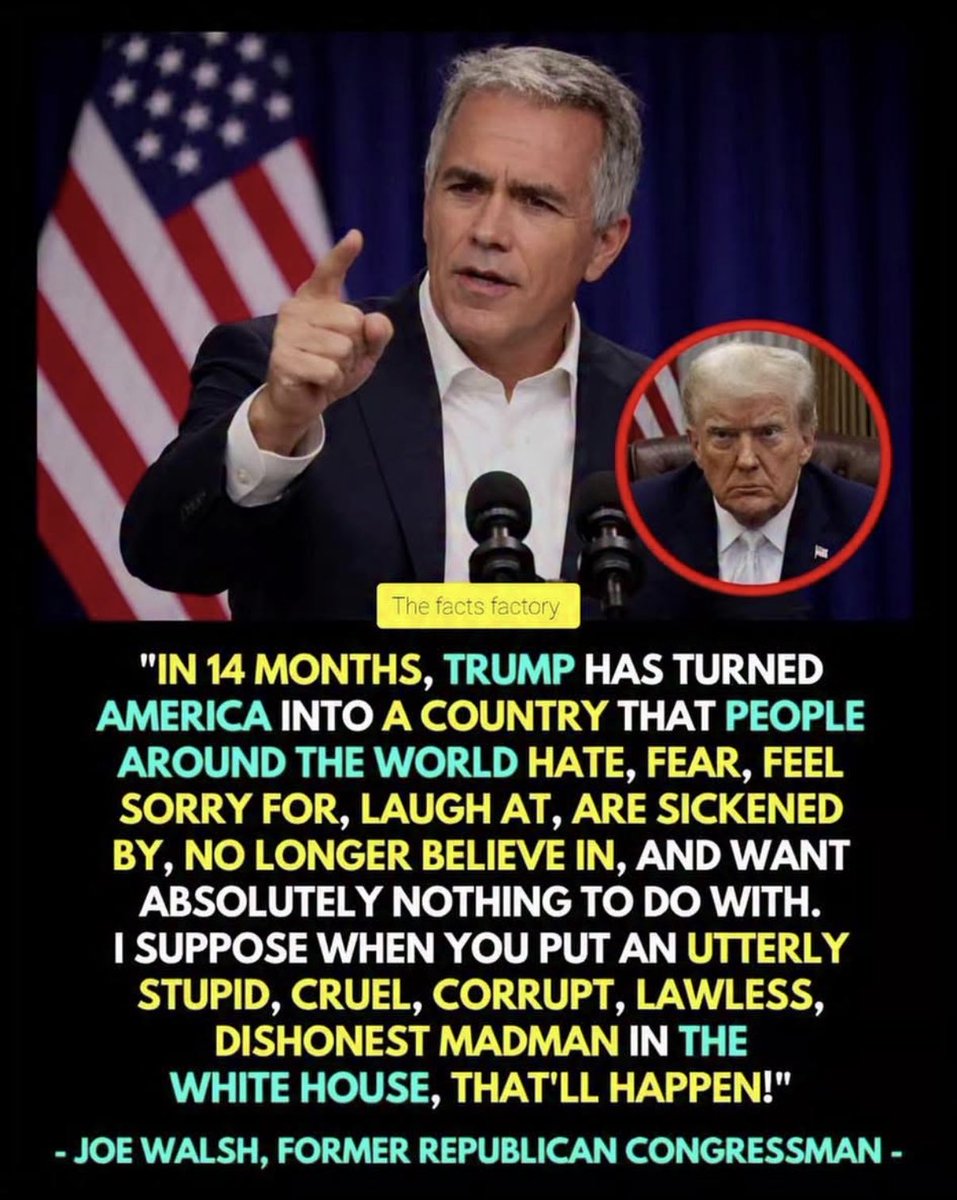
Sadly, Joe Walsh is spot on and absolutely correct! 😢
933
9,388
22,537
180,838
🐝🐉meindiva🎶🎭💙 retweeted

May 2
I guess all the "political know it all's" missed that whole hearing where Pete literally explained why the merger wasn't being supported.
I watched it.
7
36
287
🐝🐉meindiva🎶🎭💙 retweeted

May 2
Do you need a hug?
Be Best.

4,108
4,089
31,125
642,585
🐝🐉meindiva🎶🎭💙 retweeted

7 Feb 2020
The shape of our democracy is the issue that affects every other issue. #CNNTownHall
503
345
1,863
🐝🐉meindiva🎶🎭💙 retweeted

Apr 29
I would like to send out a massive and heartfelt "fuck you" to every single person who ignored Hillary Clinton's warning about SCOTUS in 2016.
1,123
3,955
31,063
333,165