
“余素抱以身许国之心,此次尤为决心,万一为敌贼暗算,或战死疆场,决无所悔。” 蔡锷 《致潘惠英书》。
Joined December 2021
- Tweets 447
- Following 7,491
- Followers 736
- Likes 63
73 Photos and videos
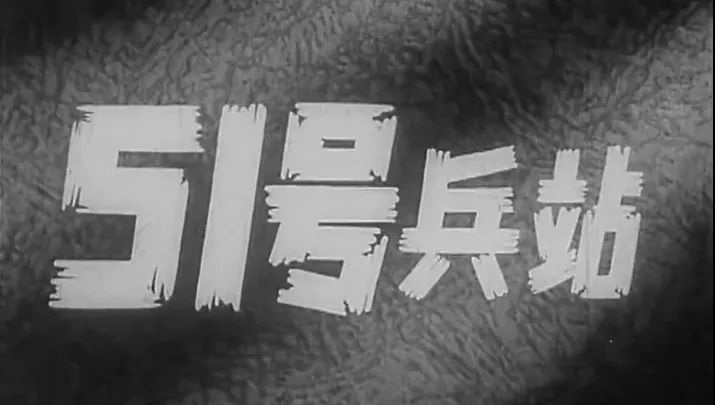
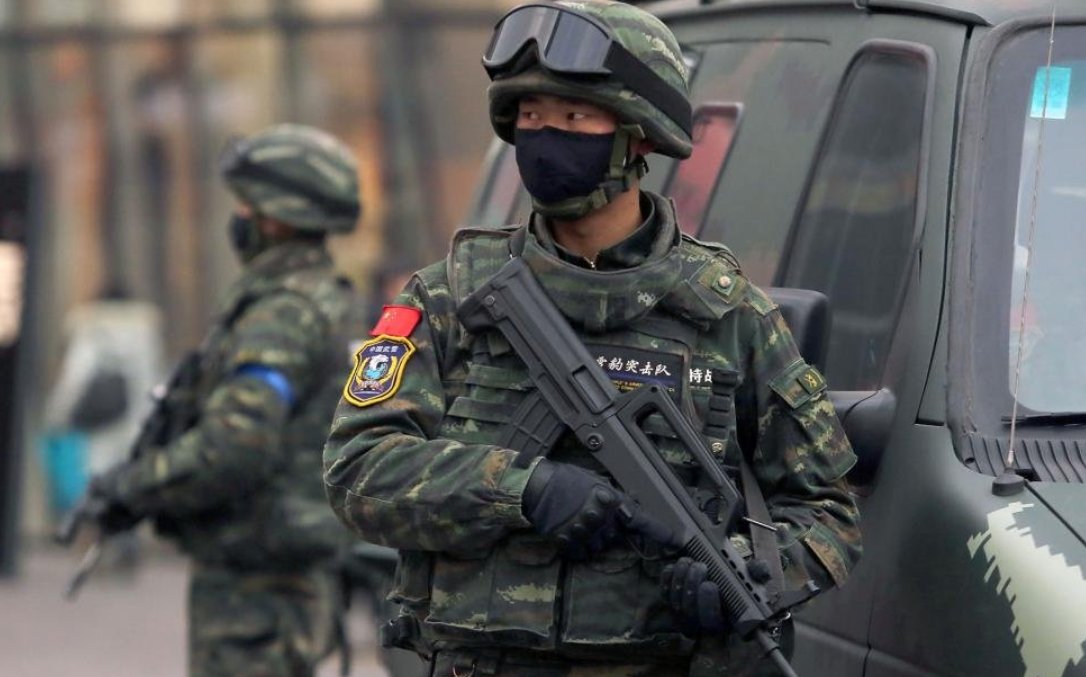
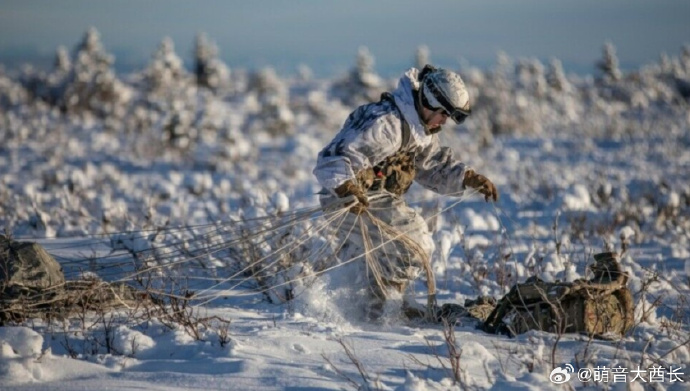






没子弹的仗怎么打
——八路的子弹哪里来?
一
1940年春天,太行山深处的八路军指挥部,彭德怀盯着一份报表看了很久。
报表上的数字很难看。
1939年4月,八路军各部跟鬼子作战,消耗子弹二十万发,缴获两千三百五十发。二十万对两千三,连零头都不够。这意味着什么?意味着每打一仗,八路军的子弹库就瘦一圈,而鬼子的弹药却因为日本的兵工厂越来越多。
彭总把报表往桌上一拍,骂了娘。
这不是某个部队的个别现象,而是整个华北敌后战场的通病。
一二九师三八六旅七七二团,1938年3月神头岭战斗,消耗子弹两万九千发,缴获两千五百发;4月长乐村战斗,消耗三万两千发,缴获二百三十发。二百三十发,还不够一个机枪手打两分钟的。
晋察冀军区统计,1937年11月到1938年7月,各部作战消耗子弹二十七万发,缴获十九万发。一二〇师更惨,1938年7月到11月,消耗二十一万发,缴获三万七千发。新四军那边也不乐观,1939年4月下旬到5月下旬,第一支队第一团消耗子弹近两万发,缴获八百多发。
八百多发。听起来不少,可分到该团每个战士手里,还不到一颗。
那时候八路军的弹药来源有三条:
一是跟国民政府要,二是从民间搜集,三是自己造。
国民政府那边,蒋介石虽然抠门,但全面抗战初期好歹还给点。民间呢,华北老百姓家里藏着不少土枪土炮,子弹也有一些,八路军派人上门收缴,或者花钱购买,勉强能补上缺口。至于自己造,1939年底只有山东纵队第五支队在蓬莱搞了个子弹厂,规模小得可怜,经常搬家,产量忽略不计。八路军总部和晋察冀的子弹厂,1940年春才陆续开工。
所以1940年之前,八路军虽然穷,但还没穷到揭不开锅。国民政府断断续续的补给,加上民间搜刮来的存货,勉强能维持。可到了1940年,情况急转直下。
国民政府军事委员会干脆停了供弹。一滴都不给了。理由是防止中共武装坐大。同时,民间的子弹也被搜得差不多了。1940年1月底,八路军总部估计,华北可能只剩下豫北和山东还能从民间大量收集子弹。但山东战时工作执行委员会主任黎玉9月份来电报说:"山纵活动地区子弹殆尽,实难收集与购买。"
两头堵死。
1940年2月底,八路军总部积存的子弹大部用尽。年底,全部耗尽。各部打电报来要子弹,总部只能回复两个字:没有。
没有子弹的仗怎么打?这是当时每个八路军指挥员夜里睡不着时都在想的问题。
二、伪军:从敌人到"供货商"
人要是被逼到墙角,什么办法都能想出来。
1940年1月30日,八路军总部给各部发了一份指示,里面提到一句话:"从敌伪军工作中进行收买子弹之活动亦有可能。"这句话当时没引起太大注意,因为那时候八路军对伪军的政策主要还是打——军事打击,消灭伪军。伪军是汉奸,打汉奸天经地义,谁也没想到要跟汉奸做买卖。
但1941年秋天,政策变了。
华北、华中敌后战场的环境越来越恶劣。鬼子搞"囚笼政策",修公路、建据点、挖封锁沟,根据地像被切蛋糕一样切成碎片。伪军的数量却在暴涨,从几万人膨胀到几十万人。这些伪军虽然战斗力不怎么样,但人多枪多,守着据点,配合鬼子扫荡,烦不胜烦。
中共中央和八路军总部算了一笔账:伪军是消灭不完的。你打掉一个据点,鬼子又扶植一批。而且伪军大多是本地人,有家有口,很多人当兵只是为了混口饭吃,并非真心当汉奸。与其跟他们硬拼,不如把他们变成"两面派"——表面上给鬼子干活,暗地里给八路军办事。
1941年秋,八路军、新四军正式调整伪军政策:从军事消灭为主,转向政治争取与控制。总部指示各部:"企图消灭伪军的思想是不对的,也是不可能的。必须承认伪军的存在是当然的而且是必要的。"甚至要求"广泛争取他们做两面派","逐步做到打进其内部取得部署与工作"。
敌工部门忙起来了。
他们派人打入伪军内部,当兵的、当班长的、当军需的,甚至当翻译的,统统发展成"关系"。同时,利用各种社会关系,争取已经身在伪军的官兵。到1942年,各军区掌握的伪军"关系"数量已经相当可观:一一五师一千多个,一二〇师三百八十九个,冀南军区一千三百九十七个,太岳军区一百六十五个,晋察冀军区七百零四个。
这些"关系"像一根根看不见的线,从八路军的敌工站出发,延伸进伪军的据点、大队部、军械库、甚至鬼子的司令部。
他们能干的事很多:搞情报、掩护人员、购买物资。
但最要紧的,是搞子弹。
因为子弹就是命。没有子弹,枪就是烧火棍。
三、打假仗与偷子弹
伪军"关系"搞子弹的第一招,叫"多报消耗"。
原理很简单。伪军跟八路军打仗,要向鬼子报账:今天打了多少发子弹,消耗了多少物资。既然要报账,就有做假账的空间。河北鸡泽县伪军中队长赵自新,每次跟八路军游击队"交火",都少打多报。实际打了十发,报一百发。多出来的九十发,攒起来交给八路军。
河北曲阳县鬼子翻译王道民,也玩这招。他利用鬼子出发的机会,多报消耗,把多出的子弹偷偷运出去。
更绝的是"打假仗"。
江苏淮阴县棉花庄据点,伪军队长跟新四军第三师第七旅第十九团商量好:你们来围攻,我们朝天放枪,然后报上去说激战一场,消耗弹药若干。第十九团派人在据点外围放几枪,喊几嗓子,伪军就在里面乒乒乓乓打空枪。事后,伪军队长向上级多报战斗消耗,领来新子弹,转手交给新四军。
山东寿光县侯镇伪新民队队长方子明,跟八路军山东纵队清东独立团约定:他以搜捕破坏交通的八路军为名,率部到公路沿线。清东独立团"打几枪便撤走",他则"虚报战果,谎报弹药损耗数量"。双方配合默契,像演双簧。
这种打假仗的风险不小。万一遇上鬼子督战,或者真碰上八路军其他部队不明就里地猛攻,戏就演砸了。但为了子弹,双方不得不演。
第二招是"偷"。
这招主要靠职务之便。伪军军械库的管理员、军需保管员、传令兵,是最理想的"关系"。山西平遥伪保安队军械员杨松林,从军械库持续、少量地偷子弹。今天拿五发,明天拿十发,积少成多,攒到一定数量就交给八路军太岳军区部队。
河北邱县伪警备队大队部传令兵兼军需保管耿延年,也不断从军械库偷子弹,交给当地八路军游击队。
没有职务之便的,就想办法搞钥匙。江苏宿迁伪维持会班长韩良计,想搞子弹换钱贴补家用。他邀了两个在伪维持会当差的好友,把武器房保管刘某灌醉,偷了钥匙,打开武器房,搬了一部分子弹。完事后把钥匙还回去,假装自己也喝醉了。第二天刘某醒来,发现子弹少了,查也查不出来,只能自认倒霉。
偷子弹是个技术活。不能一次拿太多,否则账目对不上,容易暴露。必须细水长流,像蚂蚁搬家。一个伪军军械员,如果每天偷十发子弹,一个月就是三百发,一年就是三千六百发。在子弹比黄金还贵的年代,这三千多发子弹能救多少八路军的命?
四、粪桶里的军火生意
子弹偷出来了,怎么运出据点?这是个大问题。
伪军"关系"有保护色,出据点相对容易。他们利用三种机会:探家、送亲友、外出办事。山西离石九里湾据点的伪军,每逢回家探亲,总要带几颗子弹或手榴弹,让家里人送给敌工干部。河北安国伪保安队大队长段丙林,送姐姐姐夫出城时,把七支大枪和部分子弹藏进马车,交给城外等候的冀中军区敌工干部。
但八路军联络员就没这么方便了。他们没有伪军制服,进出据点要经过岗哨检查,搜身搜得比鬼子还严。
怎么办?人民群众的智慧是无穷的。
既然鬼子怕脏怕臭,那就把子弹藏在脏臭的东西里运出去。最常见的办法,是藏进粪桶。
联络员施炳田,要把江苏扬州石塔寺联络点收集的子弹运出城。他把子弹藏进粪桶夹层,推着粪桶往城门走。岗哨的伪军捏着鼻子看了一眼,挥手放行。施炳田趁机出城,把子弹交给新四军西山游击队。
联络员狼占林,用粪箕子装子弹,混过了河北濮阳柳屯据点的检查。
除了粪便,鱼虾也是好掩护。联络员张桂芝,把子弹藏进装有虾螺小鱼干的篮子,混过江苏响水陈家港据点的检查,送给新四军滨海县大队。
还有人把子弹藏进打通的芦苇杆里,推着土车过卡。联络员皮明堂,把一百发子弹藏进土车内一根根中间打通的芦苇,顺利通过江苏邳县邳北运河渡口的伪军检查岗。
更直接的是"买路"。联络员陆海生化装成烟店伙计,挑着藏有子弹的烟丝担子出江苏建湖上冈据点。护送的烟店老板陆大成,跟岗哨伪军寒暄几句,塞几包烟丝。收到好处的伪军放松检查,让陆海生挑担子过卡。
这些场景今天想起来荒诞至极:决定战争胜负的子弹,藏在粪桶里、鱼虾篮里、芦苇杆里、烟丝担子里,被一个个普通百姓推着、挑着、扛着,从鬼子的眼皮底下运出去。世界上最昂贵的货物,有时候要用最肮脏的容器来运输。
这不是因为人们喜欢肮脏,而是因为肮脏是最好的伪装。
还有一种更巧妙的办法:埋藏。
伪军"关系"在警备行军或"讨伐"途中,把子弹埋藏在指定地点,返回后再通过联络员告诉八路军具体位置。绥远大青山公路沿线据点的伪蒙军士兵,"每次出发打几枪,把子弹全部埋到指定的地方,转送给我方"。河北遵化四十里铺据点伪治安军连长朱玉荣,遇见八路军游击队时,暗令部下朝天放枪,然后把部分子弹埋地下。回去后通知八路军来挖。
这种"埋宝"游戏,在华北平原上玩了整整四年。
五、鬼子的子弹,伪军的饭票
偷和骗只能解决一部分问题。八路军需要的子弹量太大,光靠伪军"关系"从军械库抠,远远不够。于是,第二条路打开了:买。
伪军"关系"利用社会关系,从各种渠道购买子弹,再卖给八路军。
河北完县伪治安军班长宫刚,得知冀中军区第九军分区需要子弹,就从身边"想闹钱花的汉奸"手里购买。河北正定县伪治安军第十六团士兵王铭三,以"日本伪警备队的班长要买子弹"为借口,从排长处连续八次购买子弹,交给冀中军区藁城无极县大队。
山东栖霞东顶据点的鬼子翻译周某,以"卖子弹给三区队打八路"为借口,从据点仓库日军管理班班长林木手中不断购买子弹。山东沾化县伪警备队情报班班长韩墨堂,也从鬼子士兵手里买子弹,供给八路军游击队。
这里有个奇怪的现象:鬼子士兵居然愿意把子弹卖给伪军,甚至卖给八路军。
为什么?因为他们穷。
太平洋战争爆发后,日本的战争供给越来越困难。华北鬼子的生活水平直线下降。1942年5月进驻冀中、冀南的鬼子第四十一师团,"给养是大麦超过大米,有时还吃高粱米"。即便如此,士兵还是吃不饱,"饭后向伪军伪组织要饭吃的现象,到处都有"。
新四军参谋处1942年12月的调查报告说:独立混成第十二旅团士兵,"大米和粯子各半,每餐每人只准吃一缸子,伙食甚坏,差不多全靠维持会的孝敬来改善自己的生活"。
鬼子士兵开始变卖私人物品。钢笔、手表,能卖的全卖。冀南军区敌工报告写道:独立混成第一旅团"山本中队所属各据点,经常将自己的钢笔手表等变卖"。但卖这些只能救一时之急,最终,他们开始盗卖军用物资——子弹。
萧华1943年撰文说:鬼子士兵中"认为谁没有两套要领是吃不开的"。所谓"要领",就是办法、门路。没门路的士兵,连饭都吃不上。
伪军"关系"看准了这个机会,以各种理由诱导熟识的鬼子士兵出卖子弹。鬼子士兵呢,反正子弹是公家的,卖了换钱买饭吃,天经地义。于是,在华北和华中的无数据点里,出现了一种荒诞的交易:鬼子把子弹卖给伪军,伪军把子弹卖给八路军,八路军用这些子弹打鬼子。
这就像一个黑色的循环。
鬼子用子弹养活了伪军,伪军用子弹养活了八路军,八路军用子弹打死鬼子。
历史有时候比小说更荒诞,因为小说需要逻辑,而历史只需要买卖。
六、上海滩的大买卖
小打小闹的买卖不够,就得搞大宗贸易。
1941年,新四军第一师师长粟裕盯着地图上的上海,看了很久。苏中根据地枪支弹药奇缺,而上海是远东最大的军火黑市。粟裕在苏中军区地方武装工作会议上说:地方武装枪支不足,可以"用钱到敌占区去买,最好能有上海的关系,找到军火商来买"。
1942年春,新四军第一师第三旅敌工干部吴纯夫,通过上海崇明伪保安队副大队长杨志清的关系,认识了一个叫陆阿祥的人。
陆阿祥是上海宝山伪保安队大队长,青帮成员。他的生意很简单:从上海法租界探长蒋福田和国民政府川沙地下县长张惠芳那里搞到军火,然后卖给新四军。作为交换,新四军允许他在苏中根据地收购粮食、油料和豆饼。
从1942年5月到1943年1月,陆阿祥跟新四军第一师第三旅进行了五次交易,卖出子弹超过二十万发。二十万发,足够装备一个主力团。
陆阿祥成了新四军长期潜伏在日伪内部的"关系"。但1944年,因为内部人出卖,他被鬼子杀害。这条线断了。
1944年夏天,新四军第一师吴淞采购点负责人张渭清,在伪吴淞海防大队中队长朱福才的安排下,认识了另一个军火贩子:伪吴淞海防大队大队长胡老九。
胡老九继续把搞到的军火卖给新四军。1945年3月到8月,苏中根据地东南滨海商店用粮、棉和黄金,从胡老九处买到短枪、机枪和大量子弹,数量超过十万发。
上海滩的军火贸易,听起来像黑帮电影,但它真实发生在抗战最艰苦的年代。青帮、伪军、鬼子、新四军,各方势力在租界的阴影里交易,用粮食换子弹,用黄金换机枪。这些子弹从黄浦江的码头装船,沿长江运到苏中,再分发到各个部队,最后射向鬼子的碉堡。
世界上最远的距离,不是从上海到延安,而是一颗子弹从鬼子的兵工厂出发,经过青帮的手、伪军的手、新四军的手,最终回到鬼子的胸膛。
北方也有类似的贸易。
1941年6月,八路军总部在河南林县设立驻豫北办事处,主任王百评。任务是建立秘密交通线,购买紧缺物资。1942年3月,经白莲坡煤矿伪矿警队队长吴守正联络,八路军代表张彬、苏鸿伯,跟河南安阳县伪保安司令王自全在丰乐镇会谈。
双方达成协议:各自保持防地,互不侵犯;八路军借路过人,王自全部负责护送;王自全提供情报;八路军供应花椒、核桃等山货,王自全供应食盐、布匹、药品、军用品。此后,苏鸿伯常驻王自全司令部所在地崔家桥,双方互通有无。
胶东军区那边,1942年夏,伪治安军第八集团军军医院院长湛寿春,被八路军胶东军区敌工人员争取,成为"关系"。他借助跟司令王铁相的东北老乡关系,不断旁敲侧击,促使王铁相向两面化发展。1943年春末,王铁相与胶东军区代表见面,达成默契:表面上打仗给鬼子看,暗中帮助八路军。湛寿春最终推动王铁相跟胶东军区做军火生意,"经常搞些弹药给"八路军。
这些大宗贸易的背后,是各方势力的精密算计。
伪军高层不是傻子,他们看到太平洋战争爆发后日本的颓势,知道鬼子长不了。跟八路军做生意,既是赚钱,也是留后路。万一哪天日本投降,他们手里有跟八路军合作的筹码,不至于被当汉奸枪毙。
人性在生存面前,总是显得格外清醒。
七、里应外合:开门,送子弹
买和偷都是细水长流。要想一次性搞到大量子弹,还得靠打仗。
但八路军缺子弹,不能跟鬼子硬拼。
怎么办?里应外合。
1941到1942年,鬼子对根据地实施"蚕食"政策,修公路、建据点,像下棋一样一点点压缩八路军的活动空间。八路军没有重武器,强攻碉堡伤亡太大。于是,敌工部门想出一个办法:利用伪军"关系"当内应,半夜打开据点大门,让八路军摸进去,速战速决。
这种战斗多在深夜或后半夜进行。此时据点里的日伪军已经脱衣睡觉,武器上架。伪军"关系"突然控制据点,打开大门,八路军冲进去,很多人还在睡梦中就成了俘虏。
也有在吃饭时动手的。日伪军集体徒手去伙房用餐,伪军"关系"把宿舍门锁上,外面的人进不来,里面的人没武器。八路军一进据点,日伪军只能束手就擒。
江苏南通张芝山据点,伪特工队队员吴庆云引导新四军游击队进入据点。正在伙房用餐的十六个鬼子虽极力顽抗,但因没有武器,很快被全歼。
这种仗打多了,八路军总结出经验:里应外合比强攻划算得多。冀南军区1942年在伪军"关系"配合下袭击馆陶河东某据点,"未费一枪一弹,遂将此碉堡拔掉"。晋察冀军区1942年在伪军"关系"配合下袭击灵寿县城,"伪警备队百余,未经战斗即全部被我俘虏"。攻克山西灵丘东庄据点,"缴获轻机枪两挺,步枪三十二支,驳壳枪手枪二十一支,子弹万余发",自身未费一枪一弹,仅一人负轻伤。
冀中军区第七军分区安平县大队政委张根生后来回忆:敌人的岗楼又高又大,用砖砌成,坚固异常。当时八路军最好的武器就是从敌人手里抢来的轻机枪和掷弹筒,对付岗楼没有多大作用。强攻不可能,在当时的条件下,依靠内应,里应外合,一举攻克,这是攻克岗楼最好的方法。
1943年后,太平洋战场形势恶化,鬼子不断从华北、华中抽调兵力去太平洋。伪军更普遍地代替鬼子守备。八路军、新四军逐渐转取攻势,大量使用里应外合拔除据点。
新四军第四师1944年春季攻势,以伪军配合军事进攻所攻克的据点,占收复据点总数的50%。山东军区1944年,"政治攻势和伪军工作结合军事进攻所攻克的据点占整个收复据点百分之七十"。晋绥军区1945年春季攻势,通过伪军配合攻克的据点约占80%。冀中区更夸张,第七军分区"从1943年底到抗战胜利,攻克数以百计的碉点,百分之九十五以上都有内线关系的配合策应"。
这些仗的战果惊人。
晋绥军区1944年8月下旬,在给鬼子做饭的中国伙夫配合下,一枪未发攻克山西静乐利润据点,俘虏鬼子6人,缴获迫击炮1门、轻机枪1挺、步枪5支、炮弹40余发、子弹4000余发。1945年2月下旬,在山西清源伪警备队班长田永祥配合下,一枪未发攻克乔武据点,俘虏伪军40余人,缴获轻机枪2挺、长短枪37支、子弹1000余发。
冀热辽军区1944年12月下旬,在伪绥靖军排长赵光与钱明配合下,一枪未发攻克河北乐亭刘石各庄据点,俘虏伪绥靖军第五团1500余人,缴获步枪1007支、轻机枪24挺、重机枪3挺、炮3门、弹药8万余发。
太岳军区在山西平陆郭原据点伪大队副曹修实内应下,消灭据点内鬼子6人。1945年夏季祁夏战役中,毙鬼子18人、伪军20余人,俘虏鬼子4人、伪军280余人,促使伪军反正投诚240余人,缴获轻机枪3挺、掷弹筒5具、长短枪165支、子弹1万发,自身仅伤亡13人,消耗步机枪弹1700余发、手榴弹250余发。
这些数字背后,是一个个惊心动魄的夜晚。
一个伪军班长,在关键时刻打开据点大门;一个伪军排长,在八路军冲锋时故意朝天放枪;一个给鬼子做饭的伙夫,在饭菜里下药或直接把门打开。
这些人在历史书上没有名字,或者只有化名,甚至是个外号,但他们的一个动作,往往决定了一场战斗的胜负。
情报战同样重要。
伪军"关系"搜集鬼子动向,提前送给八路军。冀鲁豫边区尚和县,"敌人明天怎么活动,到哪个村去抢粮,有多少人,走哪条路,或敌人什么时候扫荡,事先情报就送出来了"。
1944年12月,伪程桥区署区丁王世隆探得消息:汪伪警卫军第三师第七团一个营,将在鬼子一个分队护送下,从江苏六合至程桥换防。情报迅速送到新四军第二师来六支队。支队集中五个连,在程桥羊山头设伏,40分钟内歼灭性打击此股日伪军,击毙鬼子8人,伤伪军25人,俘虏伪军173人,缴获步兵炮1门、掷弹筒7具、轻机枪6挺、重机枪3挺、长短枪104支、子弹1.25万发。
1945年4月,伪苏北绥靖公署作战参谋邱世毅探得情报:伪第52团将由鬼子护送,从江苏宝应经高邮至兴化以南周庄驻防。苏中军区第一军分区集中三个团设伏,重创此股日伪军,毙伤鬼子240人、伪军600人,俘虏鬼子7人、伪军958人,缴获曲射炮2门、迫击炮2门、掷弹筒12具、长短枪1171支、轻机枪12挺、重机枪7挺、步机枪弹5.54万发。
这些伏击战的子弹消耗与缴获比例,跟1940年之前完全颠倒。
1940年是消耗二十万缴获两千,现在是消耗几千缴获几万。
伪军"关系"的存在,让八路军从"赔本买卖"变成了"盈利生意"。
八、他们为什么要帮我们
说到这里,一个问题绕不过去:伪军为什么要帮八路军?
答案不复杂,但也绝不简单。
首先,鬼子不把伪军当人看。
一个鬼子的小队长,就可以对伪军的师长、团长、营长颐指气使,大耍威风。对伪军的下级军官和士兵,动辄打骂,甚至杀害。伪军的家人也时常遭受鬼子欺侮。1943年鬼子扫荡山东恩县时,"给了恩县以极大的摧毁",就连伪县长王化三家里的妇女也被鬼子奸淫。
其次,伪军穷。
鬼子拨发的经费有限,伪军常常处于吃不饱、穿不暖、饷不足的状态。太行军区第三军分区1943年调查:山西榆社伪警备队"生活很苦,完全吃的是杂粮小米,这有时也就没有了,穿的黑衣服白裹腿。在很长时期只发过二次饷,一次发了三元,一次发了二元"。晋绥军区第八军分区调查:山西清源伪警备队"配给的粮食不够吃","两月只发半月饷","冬天不发棉衣裳"。
伪军官兵私下愤愤不平:"现在老百姓不能活,咱们也吃不上,抢回去的粮,咱们一颗也见不上。"
再者,鬼子不断加强对伪军的控制,伪军想保持独立自主性的意图受到冲击。
中共冀鲁豫边区党委书记黄敬报告:在老敌区,"伪军也发生变化了,敌人要整他们了,在对付我们时他们放肆伪军,现在伪军的发洋财、闹独立都吃不开了"。
最后,也是最关键的:太平洋战争的爆发,让伪军官兵意识到,日本败局已定。盲目追随鬼子,难以善终。用陈毅的话来说:"伪军靠利用敌我矛盾求生存。"
八路军敌工部门看准了这些心理,对症下药。对陷入经济困境的伪军,付钱买子弹,建立经济联系。萧华反复强调:"关系逐渐脱离我们的,主要的原因,还在于关系感到与我们来往,对他没有什么益处。"所以,八路军提出"和他们来往时应该使他们占便宜,而我们是吃亏的","除给以高价购买军用品外,并应对他们没有任何剥削"。
这种策略很有效。
当伪军发现,跟八路军来往不但没损失,还能赚钱、留后路,他们的态度就变了。从应付,到配合,到主动送情报、送子弹。甚至一些曾被八路军沉重打击过的伪军,也同八路军建立了联系。
一个伪军士兵,白天可能还在据点里给鬼子站岗,夜里就在茅房里把子弹塞给八路军联络员。他可能不是为了主义,不是为了理想,可能只是为了几块钱,为了家里能吃上一顿饱饭,为了在乱世中给自己留一条活路。
但正是这些卑微的动机,汇聚成了一条隐秘的河流,把子弹从鬼子的军械库,源源不断地输送到八路军的枪膛里。
九、藏在敌人阵营里的手
1941到1945年,八路军、新四军通过伪军"关系"获取子弹的路径,大致可以归为三条:秘密收集积攒、扩大购买源、配合作战缴获。
不同时期,这三条路的权重不同。
1941到1943年,八路军战略重点在于相持,秘密收集和购买发挥了更明显的作用。因为轻重机枪子弹消耗远超缴获,而复装子弹质量差,难以用于自动武器,所以原装子弹主要靠伪军"关系"提供。新四军财政经济部部长朱毅1942年12月撰文说:"高利给偿有不少的商人给了我们的便利……争取两面派的商人买进卖出,以物易物,敌人虽从我获得了些资源,而我也换得了些所需要的物品。不论敌人封锁如何严密……反扫荡战一来,我轻重机枪仍是猛烈的叫,手榴弹仍是惊天震地的如炸雷似的响,使得敌人也不得不惊异我们的神通广大。"
胶东抗日根据地南招县第一区区中队1943年所用子弹,"都是通过关系从敌人内部买来的"。冀中军区第七军分区第三十六地区队1943年因作战子弹消耗大、缴获少,亦通过伪军"关系"陆续补充了一些子弹。
1944年后,八路军、新四军逐渐展开反攻,伪军"关系"越来越多参与里应外合、拔据点、伏击调防日伪军的军事行动。第三条路的价值大幅提升。山东军区滨海军区1945年统计,该年度对日伪军作战耗损子弹九万余发,缴获子弹二十九万余发。
终于,缴获超过了消耗。
这是一个历史性的转折。
从1940年的"消耗二十万缴获两千",到1945年的"缴获超过消耗",中间隔着整整五年的艰难岁月。这五年里,无数伪军"关系"像一根根看不见的血管,把弹药输送到敌后战场的各个角落。
战后,这些"关系"大多没有名字,或者只有化名。他们藏在历史的褶皱里,像从未存在过。少数人被追认为功臣,更多人则默默回到家乡,种地、做小买卖。他们中的大多数人,只是为了在乱世中活下去,为了给自己留一条后路。
但历史有时候就是这样:最卑微的动机,往往能结出最意外的果实。
一个伪军士兵为了几块钱卖给八路军十发子弹,这十发子弹可能在某次伏击战中打死了一个鬼子指挥官;
一个伪军班长为了保命打开据点大门,这个门后面可能藏着足以装备一个连的弹药库。
这些细碎的、私密的、甚至有点肮脏的交易,在宏观层面上汇聚成了一股洪流,最终冲垮了侵略者的堤坝。
世界上最隐蔽的战线,不在深山老林,而在敌人的心脏里。
最不起眼的子弹,有时候比炮弹更有用,因为它不是从兵工厂里造出来的,是从人性的缝隙里抠出来的。
今天我们回望那段历史,不应该只看到台儿庄的炮火、平型关的硝烟,还应该看到那些藏在粪桶里的子弹、埋在公路下的弹药、深夜打开的据点大门。这些细碎的、荒诞的、甚至有点可笑的细节,构成了敌后抗战最真实的底色。
战争从来不只是英雄主义的史诗,更是无数普通人在绝境中的算计、妥协与挣扎。正是这些卑微而真实的挣扎,汇聚成了历史的洪流,最终把侵略者赶出了中国。
这不是神话。
这是用鲜血、粪便、芦苇杆和伪军的“关系”,共同写就的历史。
1
3,172
聊聊中国传统谱牒学最要命的软肋——家谱这玩意儿到底有多少是真的?
答案是:从唐宋往下,越靠近明清,水分越大,而且是产业链级别的水分。
甚至有一个职业,“谱匠”,就是这个产业链上的核心工种。
明清时期的家谱造假,不是一家一户偷偷摸摸改两笔,而是形成了标准化的流水线作业。
当时有一批职业读书人——考不上功名的那种——专门靠给人修谱为生。他们手里有现成的模板,历朝历代的名人传记、官职谱系、封地沿革,分门别类整理得比现在的论文数据库还全。
你只要付钱,他就能从你的姓往上翻,翻到一个跟你同姓的历史名人,然后编出一条逻辑自洽的祖宗链,一路从秦汉魏晋给你接过来。姓刘的接到刘邦,姓李的接到李耳,姓赵的接到赵匡胤,姓朱的接到朱元璋——实在找不到名人的,也能给你接到某个郡望的士族旁支上去。
这种职业谱匠的存在,意味着明清时期流传下来的大部分家谱,在追溯宋以前世系的时候,基本不具备史料价值。
它们不是信史,是定制化文学创作。
谱匠的造假是有套路的。
第一招叫“嫁接郡望”。每个姓都有对应的郡望——名门望族曾经居住的地方,比如李姓的陇西李氏、王姓的太原王氏。你只要说自己祖上是某郡某望的分支,逼格瞬间就上去了,而且查证起来极其困难,因为战乱和迁徙,很多郡望的谱系本来就有断层。
第二招叫“附会名人”。这个更好理解,翻翻史书,看看本朝或者前朝有哪些同姓名人,往上贴就行了。但谱匠比一般人高明的地方在于,他们不会直接说“XX是我们的祖先”,而是编一段滴水不漏的迁徙史:某朝某年,某公从某地迁到某地,因战乱散落,族人失散,仅存一支。编得越模糊越好,反正没人能查。
第三招叫“伪造序跋”。很多家谱的卷首都有一篇序言,署名是某朝某代的大学士或者本地知府。这些序言很多是谱匠代笔的,连署名都是假的,但印在家谱里就变成了“官方认证”。
这套产业链之所以能运转,是因为明清时期的宗族社会对家谱有刚性需求。
一个家族要在地方上站得住脚,得有祠堂、有族产、有家谱。家谱不光是记录血缘的工具,更是宗族合法性的凭证——证明你这个家族有来头、有根基、不是流民。在这种需求刺激下,修谱变成了宗族标配,而大多数宗族根本没有能力追溯到宋以前,所以谱匠就有了无限的市场空间。
换句话说,明清家谱的“历史部分”,更像是一份宗族的身份包装方案,而不是客观的家族史记录。
这也解释了为什么很多家谱里记载的远祖世系看起来特别完整——从一世祖到几十世祖,名字、配偶、官职、墓葬地一应俱全。
要知道,连《史记》写汉高祖刘邦的时候,都老老实实说“父曰太公,母曰刘媪”,连爹妈的全名都搞不清楚。司马迁可是西汉皇家档案馆的管理员,连他都没法把刘邦的祖上往上捋几代,你一个明清时期的乡下秀才,凭什么能把自己家的祖先从秦汉一路记到明清?中间隔着几百次战乱、几十次大规模人口迁徙,官方档案早就烧没了,民间谱系却完好无损——这本身就不符合常识。
但这并不意味着所有家谱都是废纸。
宋元以后的家谱记录,尤其是明清时期的宗族内部信息,还是有相当高的史料价值的。因为这部分记录是当事人写当事事,谁生了谁、谁娶了谁、族产怎么分,造假动机相对较弱,而且有族内老人的集体记忆可以做交叉验证。
真正不靠谱的,是宋以前那一段——那一部分不是历史记录,是谱匠写的家族起源传说。
家谱到底有多靠谱?
答案是,把它当信史看,你会被谱匠带着一路狂奔到秦汉甚至夏商的虚构世界里去。
但把它当成明清宗族的社会心理文本来看,它又是一份极其珍贵的史料——因为它诚实地记录了那个时代的普通人最想要什么样的祖先。
#大酋长和他的部落
这个事儿的渊源和影响也远比上面说的要大。
这有一个发展脉络和演变过程,可以说是家谱里的祖宗崇拜:从周天子的政治工程最终演变到明清老百姓的定制服务。
给自己祖上找个牛逼人物,这事儿可不是明清老农民一拍脑袋发明的。往上翻几千年,最早玩这套把戏的人,个个都是王侯将相。只不过人家玩得高级,玩出了政治合法性,玩出了王朝正统,玩出了史书里的煌煌大言。
到了明清,印刷术普及了,绘画技术跟上了,一个乡间秀才花几两银子就能给你整出一套从秦汉一路排下来的完整祖宗链,连祖宗画像都能画得跟凌烟阁功臣似的。
攀附这门手艺,本质上是同一种心理需求,但服务的对象从帝王一路下沉到了平民,从庙堂政治变成了民间文化产业。
先说周人。
周人原本是岐山脚下一支边缘势力,说得直白点就是戎狄混居区的部落首领。但他们把商朝灭了之后,总不能跟天下人说“我们就是一群西边来的泥腿子”吧?于是他们给自己拼接了一套谱系,说自己的祖先是夏朝的后裔,跟中原正统血脉相连。这套操作的政治功能极其明确:商人信天命、祭祖先,周人要论证商朝失德、天命转移到了自己头上,最方便的办法就是在祖宗辈分上做文章。
你不是说你祖先牛逼吗?我祖先比你祖先更早牛逼。这套“政治神学”后来成了中国历代王朝的标准动作,每一次改朝换代,都要重写一遍创世神话。
再往下看,春秋战国的各路诸侯,几乎每一个都在干同样的事。
吴国的王室,断发纹身,跟中原礼乐八竿子打不着,但他们偏说自己是周太王之子泰伯的后代。泰伯奔吴的故事被反复书写、反复美化,本质上就是在给吴国贴一个“我们也是姬姓正统”的金箔。
越国干脆直接把自己挂靠到大禹名下,说越王是大禹后代,封在会稽。大禹是什么人?治水英雄、夏朝奠基者、华夏文明的精神图腾。越国这波操作等于是在说:我们虽然住在沼泽边上,跟鳄鱼抢地盘,但我们血管里流的是最纯正的中原血液。
到了汉代,这套把戏已经玩得炉火纯青。
东汉光武帝刘秀,一个南阳豪强,手里有兵有粮有地盘,但起兵之前跟皇室的关系远得很。他当上皇帝之后,硬是把自己塞进了西汉皇族的正式谱系里,追尊父祖、立宗庙、定昭穆,把合法性工程做得滴水不漏。
王莽篡位之前花了大量精力考证自家的陈国后裔身份。陈国是周朝诸侯国,妫姓,舜帝之后。王莽的逻辑链是这样的:我祖先是舜帝→舜帝禅让给禹→尧舜禅让是中国政治理想→我现在搞禅让就是恢复古制。
你看,连祖宗都是为政变服务的。
三国的孙权,控制江东,手下全是本地的豪族武装,但他在中原士人眼里就是个地方军阀。怎么办呢?他给自己找了一个完美祖宗——孙武。就是那个写了《孙子兵法》的孙武。孙武是什么人?军事理论的神,春秋时期的名将,而且是齐国人,根正苗红的中原血脉。
孙权把他请进自家宗祠,等于是在告诉天下:我孙家不是江东的暴发户,我们是中原名门之后,五百年前就和你们是一家人。
到了南北朝,刘宋的开国皇帝刘裕更猛。
他出身寒门,穷得小时候差点饿死,当过樵夫、卖过草鞋,是东晋末年最底层的平民。但他带着北府兵打出了一片天下,废了东晋皇帝,自己坐了龙椅。龙椅一坐上去,出身问题就来了——你个卖草鞋的凭什么当皇帝?
刘裕的解决方案简单粗暴:他宣布自己是西汉楚元王刘交的后代。
刘交是谁?刘邦的亲弟弟。
这等于把自家的血缘直接焊在了大汉皇室的主干上。
从卖草鞋到皇亲国戚,中间只差了一份官方认证的族谱。
你看,从周到南北朝,攀附从来不是个人虚荣心的事,而是权力的核心命题。
你坐在那把椅子上,必须得有一个说得过去的祖宗。这个祖宗不是你血缘上的祖先,而是你权力合法性的背书。没有他,你的椅子就缺一条腿。
所以历代开国皇帝,打下江山之后第一件事,往往不是论功行赏,而是追尊祖宗、修宗庙、定昭穆——先得把来路铺好,后面的路才走得踏实。
宋元以后,情况发生了根本性的变化。
科举制度让平民有了上升通道,印刷术和造纸术的成熟让书籍不再是奢侈品。
到了明清两代,宗族组织在南方地区空前发达,修祠堂、编家谱、立族规成了宗族竞争的标准配置。
但问题来了:百分之九十九的宗族,往上翻三四代就断了线,再往前全是空白。你总不能在家谱里老实写上“以上信息缺失”吧?
于是,这个新兴产业应运而生——职业谱匠。
明清时期的谱匠,相当于现在的品牌策划加文案编辑加美术设计。
他们手里有现成的数据库:历朝历代的名人传记、各姓氏的郡望分布、典型的迁徙路线图。你只要报上姓氏,交上银子,他就能从数据库里给你匹配一套最优的祖宗方案。
得益于明清绘画技术的发展,谱匠还能给你画出祖宗画像来。从一世祖到几十世祖,每一代的画像都栩栩如生,汉代的穿曲裾深衣,唐代的戴幞头,宋代的穿圆领袍,明代的穿补服——每个朝代的服饰都画得对路,显然是照着画谱描的。
这些画像往家谱里一印,宗族的荣耀感瞬间拉满,谁还去追究老祖宗长得是不是真这样?
这套产业链之所以能运转,是因为明清时期的宗族社会对家谱有刚性需求。
家谱不光是记录血缘的工具,更是宗族在地方上争资源、争话语权的法律凭证。
修谱变成了宗族军备竞赛,而谱匠就是军火商。
这种现象在南方地区尤其普遍,因为那里宗族势力最发达。
你今天看到的很多大部头线装家谱,就是那个时代军备竞赛的产物。
这事儿说到底,是市场制造的需求。
明清宗族社会对家谱的刚需,不是哪个谱匠拿着喇叭在村口喊出来的。谱匠没有创造需求,他们只是发现了需求。
真正制造需求的,是那个时代的宗族军备竞赛。
你得有祠堂,你对手也有祠堂;你得有族产,隔壁村已经置了三百亩祭田;你的家谱只能追溯到曾祖父那一辈,人家已经把祖先接到了汉代。
你怎么跟人家比?你什么都比不过。
比不过,就在地方上吃亏。
争水渠,你没话语权;争地界,你没话语权;连县太爷请乡绅吃饭,都只请那些家谱厚的。
所以需求是被逼出来的。你要在一个激烈竞争的宗族社会里活下来、站住脚,就得买一套谱匠的服务。
这不是消费,是投资,是宗族生存竞争的门票。
而至于信不信,则在于在什么角度上的需要。
站在宗族内部的角度,你需要信。
你花了银子把祖宗从汉朝接回来,你不信,等于白花了。更重要的是,你的族人需要信。祠堂里供的那个牌位,每年清明跪在下面磕头的时候,谁会去考证它到底是真的还是假的?考证了又能怎样?难道考证出他是假的,你这头就不磕了吗?
不,你还得磕。因为维系一个家族的凝聚力,靠的不是考证,靠的是认同。
那份家谱放在祠堂正中间,所有人逢年过节对它行礼,它就已经跟真假没关系了。
它是一种功能,一种把活人绑在一起的精神纽带。
站在外人的角度,你不需要信,但你也不该揭穿。
一个知县翻到当地大户递上来的族谱,看到人家祖先是某个汉代大儒,他心里门儿清——这玩意儿九成九是谱匠编的。
但他不会说。因为他需要这个大族配合他完成税收、治安、水利这些基层治理任务。
你把人家家谱拆穿了,人家祠堂里的族老脸往哪儿搁?往后你的政令还怎么在这个乡推行?
所以外人也选择信,或者说选择不追问。
这层窗户纸,捅破了谁都没好处。
站在历史研究者的角度,你得用另一种方式信。
你知道那些远祖世系是假的,但你不需要去纠结它们的真伪,而是去追问:为什么这户人家在明代万历年间突然重修了家谱?为什么他们选择挂靠到那个特定的郡望而不是别的?谱序里提到的迁徙时间,是不是跟某场战争的难民潮有关?
你信的不是那些名字,你信的是那些名字背后藏着的心理真相——那个时代的人,在什么地方感到不安,在什么地方渴望体面,在什么地方需要用一个虚构的祖先来给自己的存在找一份合法性。
谱匠造的假,恰恰就是那个时代最真实的社会心理底稿。
你说这假值不值?
真的值。
因为它解决的从来不是“我是谁”的问题,而是上到天子下到庶民,“我凭什么站在这里”的灵魂问题。
而这个问题就更为复杂,涉及到方方面面,从来不是你真的去考究他祖上是不是真的就能回答的。
明清时代到底造出了多少假家谱,现已无法得知,从当时人所批评的“圣贤之后,为小人妄冒以欺世者多矣”来看,数量应是比较可观。
那些假家谱传入民间后,各姓的子孙每过几十年就会虔诚地重修一次,其方式、规格均与真家谱无异;各姓的子孙还会对这些家谱记录的资料当着事实深信不疑,容不得半点质疑和反对意见;把这些家谱记载的人物事迹编成故事代代传扬;把这些家谱置之高阁谨慎保存。
于是今天拿到这些家谱的重修本,就连研究家谱的专业人士也很难判断其本源究竟如何,而且即使是明末赝谱专卖店的产品传至今日,那么经过四百多年的风风雨雨,当年的假家谱到了今日也已成真文物。
804
孟良崮:一块石头上的战争物理学(下)
比较而言,解放军在武器装备的运用上确实更高一筹,尤其是在炮兵使用方面达到了相当高的水平。
国共全面内战一开始,华东野战军就极为重视炮兵建设。1947年初,粟裕在组建华野特种兵纵队时就明确提出:“打大的运动战,歼灭敌人的大兵团,没有炮兵是困难的。”莱芜战役结束后,他又强调:“我将由内线作战转入外线作战,由运动战进至阵地攻击。这就需要我们开展爆破运动,学习土工作业,加强炮兵、工兵的建设。”
粟裕这个人有一个特点:他不仅会打仗,而且非常清楚自己缺什么、需要补什么,这在解放军将领当中比较普遍,但是在国民党将领中,那可是非常难得的品质。
1947年初,华东野战军对各部队进行了整编,进一步加强了炮兵编制。
除了特种兵纵队所属的炮兵之外,每个纵队都编有炮兵营,下辖三个连,配备山炮十二门。孟良崮战役中,华东野战军五个纵队参战,各纵队所属炮兵对各个制高点进行了反复争夺。
参战部队共拥有山炮八十四门——因为其中八纵编有一个炮兵团,所以数量格外多——而七十四师只有三十六门山炮。华野在数量上是七十四师的两倍多。
需要说明的是,华野特纵的105毫米榴弹炮主要部署在阻援方向,打击国民党援军的集结地和炮兵阵地,保障围歼部队侧翼安全,并未直接参与对孟良崮主阵地的攻击。直接支援主峰攻坚的是各纵队所属山炮营与数量更为庞大的迫击炮部队。
即便如此,解放军方面的炮火仍然形成了压倒性优势。
在具体的攻坚战斗中,华野的步兵炮、迫击炮等中小口径火炮发挥了决定性作用。
攻占西540高地的过程就很典型。华野四纵某部在首度攻击受挫后,采纳了营长吴可如的意见,集中60炮、82无后坐力炮,逐个攻克呈阶梯状分布的七个小山头,最终攻上了山顶。这不是什么宏大的战役构想,而是一个营长在战场上临时想出来的土办法,但就是管用。
攻打东540高地时,华野九纵二十五师七十三团团长孙同盛指挥一营和三营,在九二式步兵炮、82迫击炮及重机枪、60炮火力的掩护下,突然发起猛烈攻击,一举攻占东540高地。
在孟良崮主峰阵地芦山的争夺中,华野部队的小口径火炮同样发挥了巨大作用。战后记录写道:“小炮排首先以密集的炮火立即猛烈轰击芦山。顿时,整个芦山被火网笼罩,浓烟滚滚,沙石乱飞。糜集在乱石堆里的国民党军,在排炮的轰击下藏不住身,到处乱窜,急忙躲避,避之不及者,死伤众多。”
这段文字写得很有画面感,几乎能看到那些石头碎成的小片在空中旋转飞舞的样子,能听到人被弹片击中之后的惨叫和骡马的嘶鸣混在一起的嘈杂。
还有一个很重要的因素值得提一句:由于解放军善于做政治思想工作,很多刚被俘的国民党军炮兵立即调转炮口投入作战,这又进一步强化了解放军方面的炮兵优势。在战场上俘虏了一个炮兵,做了一通思想工作,然后他就调转炮口对着自己原来的部队开火了。
这种事情在解放战争中屡见不鲜,在孟良崮也不例外。
其实在孟良崮战役之前,华东野战军在步炮协同方面已经达到了相当高的水平。
泰安战役,华野的炮兵不仅可以有效压制国民党军炮兵,而且能以火力将步兵掩护至国民党军前沿阵地,其步炮协同水平之高,大大出乎国民党军官的意料。
解放军炮兵的技战术水平得到了国民党被俘官兵的高度认同。
国民党军五十一旅炮兵营炮手张立新这样赞叹:“你们的炮火要算第一,没有哪一炮不打中的。我们一堆两百多人,三十匹骡马,下山时已看不到几个了。”五十七旅士兵崔传典说:“我们队伍全给你们炮弹打乱了,东边炮来向西溜,西边炮来向东溜。”有国民党军军官回忆:“等到解决最后几个山头时,炮火更猛烈。”五十七旅旅长陈嘘云在被俘后说:“贵军炮火出乎意料的猛烈和准确。”
一个旅长,在战场上跟对手拼了命,被俘之后对对手的炮火给出这样的评价,这里面没有客气和恭维,只有刻骨铭心的亲身经历。
在孟良崮战役中,解放军的手榴弹和炸药同样发挥了重要作用,给国民党军造成了重大伤亡。
为封闭七十四师的突围通道万泉山,华野八纵六十七团组织突击队利用炸药和手榴弹攻克了敌人在山头以石块构筑的围垒。5月14日下午,七十四师对华东野战军控制的285高地连续组织十三次冲锋,均被独立师第一团战士用手榴弹和刺刀击退。
十三次冲锋,全被打回去,靠的是什么?不是飞机大炮,是手榴弹和刺刀,是人在战壕里咬紧牙关把滋滋冒烟的手榴弹扔出去的那种决绝。
在攻占孟良崮西北520阵地的过程中,华东野战军攻坚部队尖刀排有一个班的士兵专门负责投掷手榴弹——整整一个班的编制,不干别的,只干一件事:投弹。
据记载,整编第七十四师五十七旅副旅长明灿在近战中被击毙,即丧生于手榴弹之下。一个副旅长级别的军官,死在手榴弹下,这说明战斗已经近到了什么程度。战士们在总结作战经验时提出:“看见人首先一排子榴弹,给他个下马威!接着冲上去,这样在军事上很有利。”这句话不需要任何军事训练就能听懂,它不是战术教范里的条文,就是一线士兵用血换来的经验:近距离接敌,先扔手榴弹再说,炸懵了对方再冲。
在孟良崮这种地形地貌极为复杂的山地进行作战,手榴弹携带方便,投掷灵活,可以克服地形障碍,给对手造成有效杀伤,成为解放军制胜的法宝之一。
躲在石头后面?没关系,手榴弹是弧形飞行,可以从上面掉下来。
在山坡上布置了机枪阵地?没关系,手榴弹可以滚过去。
藏在石头缝里?没关系,手榴弹可以塞进去。
最后来谈谈双方的后勤体系,这是决定武器弹药能否持续发挥效用的关键,也是一场战役中最不浪漫、最少被提及、但最决定生死的那一部分。国共军队在武器弹药的补给方面存在着巨大差距,这种差距不是数量上的差距,是两种完全不同的后勤理念之间的差距。
前面已经说过,这里再强调一次——整编第七十四师作为全美械部队,除了坦克、装甲车等重型装备不如美军,其他火炮、轻重机枪等武器基本能够达到一般美械师的标准,差距最大的是在后勤补给方面。
美军拥有极其庞大的后勤保障体系,美军的后勤体系是一台精密运转的机器,国民党军的后勤体系基本上是一根皮筋,平时勉强能拴住,一上强度就断。
进入孟良崮山区之后,该师的汽车无法行进——山路太窄太陡太烂,汽车这种东西在城里是交通工具,在山里就是一堆会生锈的铁块——被迫将大批武器装备留在垛庄,进一步削弱了其后勤保障能力。
垛庄是七十四师的后方补给基地,原本有一个团守备,但张灵甫未料到华野六纵会从鲁南敌后长途奔袭奇袭垛庄,后路被切断后才被迫收缩上孟良崮。
这个因果链条非常重要:不是他主动上山之后才丢了补给基地,而是补给基地丢了之后才被逼上了绝路。
对七十四师而言,被围之后唯一可以指望的就是空投。
然而,国民党空军的运输能力远逊于美军,能够进行战术空投的运输机数量很少,这一点前面说过。
另外这一点前面没说,但是更关键,国民党军缺少进行精确空中补给的能力。
在孟良崮战役中,由于七十四师的对空联络电台被毁,只能靠简单的对空标识来告知空投目标——说白了就是在山上铺几块布让天上的飞机看。结果呢?大量的水囊、粮食、弹药被投到华东野战军控制区域。据国民党军官回忆:“虽空投不少粮食,但山上空投标识小而分散,又加风大,降落伞飘飘散散,多数落到解放军手里。而落在山上的,又引起互相争夺,刺刀相见,谁也禁止不住,军心涣散,士气低落。”
可以想象一下那个场景:在山上渴得嗓子冒烟,饿得前胸贴后背,这时候天上突然飘下来一堆物资,落下来之后发现一半在对方阵地上,被人家拿着吃喝了,另一半落到了自己阵地上,但因为分配不均,自己人拔刀相向。这仗还怎么打?补给都变成敌军和自己人的矛盾制造机了。
华野九纵司令员许世友对此也有证实,他的话读起来几乎带着一丝荒诞色彩:“国民党空投下成包的馒头、大饼、饼干、牛肉等许多食品和弹药,大部落入我们的手中,战士们吃到敌人从徐州紧急赶运来的馒头,还热乎乎的。敌机空投下的橡皮水袋,未等落地,即被我军战士击穿多处,袋中贮水流失殆尽。”
馒头还是热的——前线的解放军战士吃着国民党空军空投的热馒头是什么心情?大概相当于今天点了外卖,外卖小哥送错了地址,隔壁邻居替你吃了,还给了个好评。
从后勤上看,无论是七十四师本身的后勤部队还是整个国民党军的后勤体系,都未能为该师提供有力支持。这支部队就像一台马力强劲但没有油箱的发动机,轰轰响了几声之后就变成了一堆沉默的金属。七十四师在孟良崮的弹药困境,核心原因是运输中断和空投补给严重不足,而非美国武器禁运直接导致库存耗尽——作为嫡系王牌,该师战前弹药储备相对充足,但补给线被切断后,再充足的储备也架不住持续消耗。
反观解放军方面,后勤支前体系就显得强大有力。
由于有丰富的山地行军与作战经验,解放军对于如何实施山地作战保障颇有心得。华野四纵参谋长梅嘉生曾经提出过一条原则:“小车跟不上队,驴子和挑夫才能适应山地,第一梯队只带第一线作战需要的,尽量少带,其余交第二梯队。”
这句话的精髓在于:承认现实,不追求形式上的整齐划一。独轮车在平地上是好东西,推着跑得比人快,但一上山就歇菜,轮子卡在石头缝里出不来,这时候就得靠驴和挑夫。
一个指挥官能说出这种话,说明他是真的在山地里打过仗、吃过苦、动过脑子,这是长期敌强我弱环境下,重视借助山地地形,进行革命战争的作战经验,而这一点是国民党将领乃至美军将领都完全不具备的——在朝鲜战场上,美军就因此吃了大亏。
正是基于这样的原则,解放军建立了一套主要依靠士兵携带及骡马运输的部队自我后勤保障办法。
比如华野四纵除了要求战士携带两天粮食外,在武器弹药方面也进行了极其精细的计算和安排:战士每人带子弹十排共五十发;轻机枪三百发,由弹药手自带,另外每名战士多带机枪弹三十发,这样一挺轻机枪六百发已足够;重机枪一千五百发,一头骡子就能驮动;团炮兵连炮九门,四头骡子伺候一门炮,一头骡子驮炮,三头骡子驮弹,一驮可带十六发炮弹。一个班十二人,四个人负责照顾骡子,除班长副班长外,另外六人可各带炮弹两发。总共需要三十六头骡子,用九头驮炮,二十七头驮弹,可驮四百三十二发炮弹,加上战士携带一百零八发,共五百四十发炮弹。一般作战有四百五十发即够。
这段计算仔细读一遍,什么感觉?
这是一个参谋团队根据作战经验,对着算盘和表格反复算出来的结果,精确到了每一头骡子驮多少发炮弹、每一个战士背多少排子弹。它没有任何浪漫主义的成分,但正是这种极端务实、极端精细的计算,撑起了一支在山地中依然能持续作战的军队。
不需要卡车,不需要公路,不需要空中补给线,只需要一群驴、一群挑夫和一群扛着弹药箱的农民,以及提前算好的分配方案。
除了部队自身携带的物资外,解放军方面庞大的支前体系也给予了强有力的支持。
华东野战军后勤部门在1947年3月大矿地会议后,确定了一套全新的后勤体制:“确定改变前一时期单靠临时组织、就地供应的办法,在山东解放区范围内统一计划,统一调度,对民工合理使用。同时,为适应运动战和任务多变的特点,开始实行常备民工、二线民工和三线临时民工相结合的完整体制。”
这套体制的厉害之处在于它的弹性——平时不需要维持一支庞大的后勤部队占用大量兵员和资源,战时却可以在短时间内动员起数十万人投入后勤保障。
在孟良崮战役中,仅随军的常备民工就有七万六千人,还有十五万四千民工充当二线常备民工出动;在整个战役中,有六十九万人充当了临时民工。这个数字超过了参战部队人数的三倍之多。打一仗,后面有三倍于自己的人送饭送水送子弹抬伤员,这是一种什么体验?
粟裕后来总结认为,在孟良崮战役当中,“广大群众吃苦耐劳与支援前线的高度热情,基本上克服了地理条件限制及落后交通工具与近代化大规模运动战之间的矛盾”。
这句话是官方表述,翻译成大白话就是:运输工具确实落后,确实没有飞机卡车,但有足够多的人,一个推车推不动就两个人推,两个人推不动就四个人抬,路断了就绕道走,下雨了就铺门板,总能想办法把弹药和粮食送到前线。
1947年6月,在华东野战军干部会议上,陈毅说了一句话:“没有这样一支伟大劳动人民志愿运输大军,我们休想战争能够胜利。”
陈毅这个人平时说话带点文人气质,喜欢吟诗作对,但这句话他说得非常直接、非常不含蓄,没有任何修辞上的修饰,因为他知道这是实话。
依常理而论,解放军临时组织起来的支前体系是无法与国民党军的常规后勤体系相比的——人家有汽车、有火车、有飞机,这边只有独轮车和扁担。不过解放军通过建立民站、开展思想政治工作、进行整训、开展立功运动和土地改革等措施,充分激发了广大民工的积极性,成功地将广大根据地军民组织起来,使其成为庞大后勤体系的一部分。
土地改革这个事情跟后勤的关系,很多人可能想不明白。道理其实很简单:一个农民,世世代代没有自己的地,让他去支援前线他也会去,但积极性不会太高;如果刚分给他三亩地,告诉他国民党打回来了地就没了,他推小车能推得飞起来。
这不是军事问题,这是政治问题,而解放军在政治问题上做得比国民党好太多。
好了,该说的差不多都说完了。
回到最开始的问题:第七十四师到底输在哪里?是输在武器上吗?
不是,他们的武器比对手好。
是输在士兵素质上吗?
也不是,他们是从抗战血海里爬出来的老兵精锐,单兵素质不输任何人,战后陈毅对七十四师的解放战士军事素质,那是赞不绝口——有关记载写的很清楚,他号召老部队战士向七十四师的解放战士学习军事技术,搞的很多老战士不服气。
是输在指挥官的勇气上吗?
也不是,张灵甫在打仗拼命这件事上从来不怂。
那问题到底出在哪?
答案是:他们输在了“匹配”两个字上。
整编第七十四师最终退守孟良崮等高地的制高点,从战术手册的角度看似乎符合常理——占领制高点,居高临下,以逸待劳。
有观点认为张灵甫上山是为了主动实施“中心开花”战术,吸引华野主力以便外围国军反包围。
这个构想本身暴露了严重的判断失误。孙子兵法有云:“兵无常势,水无常形,因敌而制胜,谓之神。”打仗不是按照教科书做题,地形是活的,环境是活的,对手也是活的。七十四师作为一支以欧洲平原战场的美军为蓝本配置的重装部队,进入山地丘陵等复杂地形后,就丧失了强大的机动能力,火力也大幅度削弱。
孟良崮为岩石山体,无法构筑混凝土工事,未能给守军提供足够的屏蔽场所。火炮等重武器架设山顶,因俯角全失,无法攻击近处目标。孟良崮地域的狭小,又使得单位面积守军人员密集,大大增加了进攻一方武器的杀伤效率。选定的阵地同时具备了“挖不动”、“打不准”、“藏不住”、“躲不开”这四个特征,那就算士兵个个能征善战,也只能趴在地上挨炸。
从这些事实出发,再来审视张灵甫的指挥能力,结论就比较清晰了。
张灵甫在抗日战争中历任团长、旅长、副师长、师长,有完整的中级指挥履历,在上高会战、常德会战等战役中作为旅级、副师级指挥官表现可圈可点。他的问题不在于勇气不足或战术素养不够,而在于战役级决策的能力维度存在明显短板。
一个合格的团长,面对一个山头,想的是怎么带人冲上去把它拿下来,这是勇气,是执行力。
一个合格的战役级指挥官,面对一个山头,要想的是上去之后怎么办——水源在哪里,工事能不能挖,炮能不能架,弹药怎么送,伤员怎么运,敌人从哪个方向来该用什么方式打,敌人围而不打又该怎么办,外围援军能否按时到达,如果到了该怎么协同,如果到不了该怎么突围。
这些问题的答案,决定了这个山头是阵地还是坟墓。
从现有史料看,张灵甫在做出退守孟良崮的决定时,并没有为这些后续问题准备足够的答案。
他把三万多人带上了孟良崮,就像把一辆需要精心养护的保时捷开进了一条没有出口、没有水源、路面崎岖的死胡同——车是好车,但选错了道,再好的引擎也只能原地轰油门,最后被人用砖头砸了车窗。
因此,从战役级指挥的维度来看,张灵甫的能力短板非常明显,他更胜任团级战术指挥官,而非统领三万重装部队的战役主官。
这不是对他抗战功绩的否定,而是对他指挥能力边界的客观界定。
解放军则很好地结合地形地貌运用了己方武器。
首先是集中火炮进行大规模密集攻击,极大削弱了敌军防守力量。在各个制高点的争夺中,又善于使用手榴弹、炸药等近战大威力武器。更为难得的是,解放军运用庞大的支前体系,保障了武器弹药的供应。
这是三种能力的叠加:对地形的理解和利用、对武器特性的把握和发挥、对前线作战和后勤体系的战略高度的设计、动员。
三种能力合在一起,形成了一种在特定战场环境下碾压对手的整体优势。
因此,就孟良崮战役而言,解放军在武器弹药性能方面虽然较国民党军有一定差距,但是通过对地形的合理利用以及武器性能的最佳发挥,取得了火力上的优势,让具有全副美械装备的整编第七十四师无用武之地。
这不仅体现了解放军将领的高超战术素养——尤其是粟裕那种在战场计算上近乎偏执的精细——也反映了解放军的强大组织和动员能力。
从中可以窥见,解放军的胜利不是靠某一个天才将领的神来之笔,不是靠某一款秘密武器的突然登场,更不是靠运气。
它是靠一整套与自身条件高度匹配的作战体系的稳定运转,这套体系包括:简单可靠、便于生产和运输的武器装备体系,精细务实、精于计算的后勤保障体系,高度灵活、因敌因地制胜的战术运用体系,以及能够将数十万普通农民组织成支前大军的社会动员体系。
这四个体系叠加在一起,形成了一种在当时的中国环境下最适应战争需求的战争机器。
第七十四师不是输给了某个解放军将领或者某个解放军纵队,而是输给了解放军这台体系化的战争机器。
战争从来不是先进武器的简单堆砌,而是武器、战术、后勤、社会动员与战场环境的系统匹配。
解放军的胜利,本质上是构建了一套最适配当时中国地理与社会条件的战争体系。
张灵甫的三万精兵最终化作了孟良崮石头上的一层灰土,被风一吹就散了,留下一座山,和一段让后人反复琢磨的历史。
1,246
孟良崮:一块石头上的战争物理学(上)
山东这个地方很有意思。
它没有珠穆朗玛峰那么高,也没有撒哈拉沙漠那么干,但它在1947年5月发生了一件事,让三万多人挤在一块巨大的石灰岩上,用当时地球上最先进的步兵武器互相射击,打了四天四夜,最后把这块石头打成了中国现代史的转折点。
这个地方叫孟良崮。
我查了很多资料,看了很多战报,后来发现一个很有意思的现象——几乎所有人讲孟良崮战役,都在讲指挥官的英明、战士的勇敢、国民党军的愚蠢。
这些都没错,但很少有人认真聊一聊那些枪、那些炮、那些子弹和手榴弹到底在这场仗里干了什么。
这就好比分析一场世界杯决赛,只说教练战术好、球员意志顽强,却完全不提球鞋、草皮和天气,那显然是不完整的。
孟良崮战役恰好就是一个武器装备和地理环境深度介入战争结局的经典案例。
所以,我想把这件事掰开揉碎了说清楚。
让我们从头开始。
1946年到1947年,解放战争已经打了快一年。
国民党的战略已经转为集中优势兵力,重点进攻。在华东战场,他们的目标就是吃掉陈毅和粟裕领导的华东野战军。为此,蒋介石几乎把最硬的牌都押上来了,其中包括国民党五大主力之首——整编第七十四师。
这支部队的前身是七十四军,抗日战争时期在万家岭、常德、上高、长沙、湘西跟日本人死磕,打出了赫赫威名。国民政府颁发过第一号武功状,拿过两面飞虎旗,被称为“抗日铁军”。据时任国民党徐州绥靖公署副主任李延年评价,他甚至说过一句非常膨胀的话:“有十个七十四师就能统一全中国。”
这话放到现在听起来,大概相当于某个球队老板说“给我十个梅西就能拿世界杯”——理想极其丰满,现实极其骨感。
抗战胜利后,七十四军在南京整编为七十四师,
张灵甫打仗也确实勇猛,在抗战中多次负伤,冲锋陷阵的事情没少干。但对于他的军事能力,史学界一直存在争议。他在抗战时期的团、旅级战术指挥表现公认优秀,常能身先士卒、带队冲锋,但到了需要统筹三万多重装部队、在复杂地形上做战役级决策的时候,他的能力短板就暴露得非常明显。
选择退守孟良崮就是一个活生生的例子,这个后面会详细讲。
整编之后,原七十四军的三个师各裁减一个团,变成三旅六团制,总兵力三万多人,全部美械装备。
根据该师副团长王克己的回忆,整编第七十四师的装备是这样的:每旅配属美式75口径山炮一个营,炮十二门;师部另配属105毫米榴弹炮一个营;各步兵团有两公分平射炮一个连,四门炮;师还配属战车一个连、汽车一个连、人力输送团一个团;师部及各旅有工兵一个营。
全师还装备了大量自动火器——各种口径迫击炮超过数百门、轻重机枪超过千挺、冲锋枪与卡宾枪两千余支、M1巴祖卡火箭筒与火焰喷射器数百具,无线电配备到连一级,机动车辆约300辆,骡马1000匹。
这个火力密度仍然相当惊人。轻重机枪上千挺,冲锋枪和卡宾枪两千多支,各种炮加起来数百门,无线电普及到连一级,放到第二次世界大战欧洲战场,美军一个标准步兵师的自动火器配备也就是这个水平上下。
但请注意,这里有一个非常关键的细节。
孟良崮战役前,张灵甫因为北上山路太多太烂,把他的战车连和105毫米榴弹炮营全部留在临沂待命了,没有带上山。这意味着七十四师手里最大威力的家伙事儿——那十二门能把一座房子从地图上抹掉的105毫米榴弹炮——从一开始就缺席了这场战役。
这是武器装备第一次被地理环境干预,但绝对不是最后一次。
很多人的刻板印象里,解放军这边就是“小米加步枪”。
不能说全错,那确实是红军时期和抗战时期的真实写照,但到1947年,情况已经发生了很大变化。经过解放战争初期的一系列作战,华东野战军缴获了大量的国民党军武器装备。苏中七战七捷之后,
华中野战军第一师师长陶勇说过这么一句话:“我们第一师原来近万人,武器杂得很,现在变成一万五千人的美械化师了。”这可不是吹牛。鲁南战役,华野缴获坦克二十四辆,各种火炮两百余门,其中105毫米榴弹炮四十八门。莱芜战役,又缴获各类火炮三百五十余门。
与此同时,华东野战军自己的军工生产能力也相当可观。仅1946年一年,胶东军区就生产迫击炮十九门,迫击炮弹三万四千发,枪弹九十三万发,掷弹筒弹七万发,各种炸药二十九吨。渤海军区生产手榴弹五十二万五千枚,地雷三千八百枚,炮弹三千发,枪弹十二万发。到孟良崮战役前夕,生产更是开足了马力。1947年4月,胶东兵工四厂把82迫击炮弹的月产量从四千发猛增到三万发——直接翻了七点五倍,这种产能爬坡速度放在今天的制造业里也算相当生猛。
有研究者估算过,华东野战军两个纵队的装备与整编第七十四师不相上下。粟裕自己也说过:“从武器装备和战斗力来看,我军经过十个月作战,特别是宿北、鲁南和莱芜战役的锻炼,战术技术水平有很大提高,各级指挥员积累了大兵团作战经验,武器装备也有很大改善,特种兵纵队已有相当基础,火力大大加强,具备了围歼强敌的基本条件。”
1947年初,陈毅在一篇文章里说得更直白:“现在我军的武器装备并不比国民党差,也不比抗战时期日寇差,问题是在组织火力与使用武器的熟练程度上需要加紧学习。”
这话翻译成现在的话就是:硬件已经不输了,差距在软件和操作系统的调校上。
七十四师到底输在哪?
要回答这个问题,得先聊一聊美式武器本身的脾气秉性。
第二次世界大战期间的美式武器装备有一个鲜明的特点:自动化程度高、射速快、火力猛、防护力强。勃朗宁重机枪的射速超过每分钟四百发,勃朗宁自动步枪最高射速达到每分钟五百五十发。这个火力强度与苏德两国处于同一水准,远远超过日本。日本因为钢铁、钨、锑等战略资源匮乏,自动武器生产较少,更强调单兵射击精度以提高弹药使用效率,火力强度完全不在一个档次。
但美式武器的缺点和优点一样明显。
自动化程度高意味着弹药消耗量巨大,这是个简单的物理账。马克沁重机枪刚发明出来的时候,俄国和法国这些老牌军事大国都被它的弹药消耗吓得往后退了一步——这东西就是个吃子弹的怪兽,扳机一扣,哗啦啦的钱就飞出去了。美军却对这类自动武器情有独钟,因为美军的战术原则极其简单粗暴:依靠强大火力压制对手,能用火力解决的问题绝不用人命去填。只要能掌握军事技术,一切问题都能解决,这是美国人的底层逻辑,是那个工业产值占全球一半以上的超级大国特有的思维模式。
庞大的弹药消耗对后勤运输构成了巨大压力。
对美军来说这不是问题,因为美国拥有极其庞大的后勤保障体系。在第二次世界大战中,美军一线战斗兵与配套后勤人员的比例可达1:1.5以上,后方还有庞大的海空运输网络来支撑前线的巨大物资需求。为了支持国民政府在西南大后方坚持抗战,美国空军在驼峰航线——这条二战中最危险的空中运输通道——极其艰险的地形与气候条件下,每次飞行都伴随着极高的风险,运输机损失在1/3以上,依然持续向中国输送了数十万吨战略物资。这就是所谓的“后勤碾压”——有足够的工业产能、运输力量和后勤人力,才能把自动武器的优势发挥到极致。
但对国民党军来说,事情就完全是另一码事了。
首先,经过多年战事,中国的道路年久失修,残破陈旧的交通体系根本撑不起机械化部队的通行需求。
其次,国民党军不具备美军那样的后勤保障体系,没有足够数量的汽车、轮船和运输机。
而国共交战最激烈的区域,往往是地形复杂的山区和丘陵地带,进入根据地后还会遭遇地方武装的狙击,地面运输常常被切断,空中运输实际上成为唯一有效的补给途径。
问题在于,国民党军的空中战略运输力量严重不足。全面内战之初,国民党军仅有C-46运输机一百二十架,而且很多飞机因为零配件不足无法升空——一百二十架这个数字听起来好像不少,但当时国民党军的作战区域遍布全国,这点运输机撒胡椒面一样分到各个战区,能落到七十四师头上的就少得可怜了。空中运输耗资巨大,也不是国民党空军所能持续承担的。
更糟糕的是,国民党军对后勤补给向来不够重视。很多部队根本没有专门的辎重部队编制,即便有少数设置了辎重部队,战时也往往被转为作战部队使用,导致后勤运输能力进一步削弱。
这就造成了一个很滑稽的局面:国民党军的武器越先进,对后勤的依赖就越大,而后勤偏偏是他们的致命短板。一旦与解放军陷入胶着状态,很快就会出现弹药和物资匮乏的窘境。
鲁南会战时,整编第二十六师附第一快速纵队只打了一夜就用光了弹药,被迫突围。一整个美械化的快速纵队,打一夜就把家底打光了,这不是武器的问题,是后勤的问题。买了一辆百公里加速极快的超级跑车,结果油箱只有十升,因为没买跟随的加油车,还没上高速就得找加油站,
雪上加霜的是,美国政府为了促进国共和谈,于1946年7月对国民政府实施了为期十个月的武器禁运。这个时间点非常致命,正好卡在全面内战爆发后的第一个年头。禁运直到1947年5月才正式解除,距离孟良崮战役爆发仅数天,七十四师在整个山东战场的弹药补给长期处于收紧状态——跑车不光油箱小,加油站还被限购了大半年。
反观解放军这边,情况截然不同。
解放军的武器来源比较复杂。由于军工部门技术水平有限,无法生产轻机枪、重机枪、大口径火炮等复杂装备,所以他们确立了“以俘获敌人的全部武器和大部人员,补充自己;我军人力物力的来源,主要在前线”的军事原则。说大白话就是:缺什么就去敌人手里拿,敌人就是最好的后勤部长。
但在实际的作战中,枪械并非解放军的主要兵器。
他们的火力核心是三种东西:迫击炮、手榴弹、炸药。这三样东西,堪称解放军的“吉祥三宝”,便宜、好造、好带、好用。
迫击炮这种武器有一个迷人的特性:结构极其简单,火力强大,运动灵活。一根管子,一个座钣,两条腿,扛起来就走,放下来就打,炮弹飞行轨迹呈大抛物线,可以轻松越过障碍物砸到反斜面目标。
抗战期间,日军在华战死的将校军官,绝大多数都死于迫击炮。解放军对这一点认识非常深刻,从师到连,各级单位均有列装,而且数量比国民党军还多。有研究者比较过华中野战军第一师和国民党第五军的迫击炮配备情况,发现在营、连层次的迫击炮配备上,解放军方面占据绝对优势。
这就好比两个拳击手,一个戴着昂贵的专业拳套,另一个戴的拳套虽然便宜但手里多了一副指虎,打起来谁更疼,挨过的人都知道。
手榴弹是另一种解放军赖以制胜的重要武器。朱德在总结石家庄战役经验时指出,攻克国民党军堡垒最有效的战术手段就是大量使用手榴弹。他说:“最近石家庄、元氏攻坚之经验以手榴弹为主,炸药及(迫击炮)炮弹助之,三者充分配合,充分准备,数量很多,足用,则坚可下。”为此,朱德一再强调手榴弹、炸药、(迫击炮)炮弹生产的重要性,认为这三样东西将成为决定战争胜利的重要因素。
一个统率百万大军的总司令,把话说到这个份上,不是因为他对手榴弹有什么特殊偏好,而是因为在当时的战场条件下,手榴弹真的管用。
炸药更是解放军克敌制胜的另一法宝。
运城战役,部队就是依靠三千公斤炸药爆破城墙成功,一举破城。临汾战役,国民党军固守的城池被炸开的两处缺口均达三四十米,也是炮火轰击与坑道爆破配合的结果。解放战争时期,国民党军的主要工事和堡垒多为土木结构,缺乏钢筋混凝土工事——这不怪他们,当时中国的工业基础就是这样——土木结构的坚固程度根本抵挡不住手榴弹、炸药和迫击炮的攻击。墙是木头加土夯出来的,这边直接来几十公斤炸药,就算在上面贴一百张“固若金汤”的横幅也没用。
制造迫击炮炮弹、炸药、手榴弹有一个共同点:生产工艺相对简单,原材料容易获得。
手榴弹的制造技术尤其简单,游击队和民兵都能造,小型兵工厂就能大量生产。炮弹结构比手榴弹复杂,由引信、弹体、弹尾、尾翅等部件组装而成,但弹体较大,比子弹的生产工艺还是要简单得多。炸药同样如此,只要解决关键的化工原料供应问题,大批量生产也没有技术障碍。这就意味着解放军军工部门可以源源不断地为前线提供弹药支持。
更妙的是,这类武器弹药非常适合用人力和畜力的方式在山地丘陵等复杂地形中运输——不需要卡车,不需要公路,一个人挑两箱手榴弹或者一箱迫击炮弹,就能翻山越岭送到前线。国民党军的卡车在泥泞的山路上刨坑的时候,解放军的民工已经挑着担子从旁边的小路绕过去了。
当然,这类武器也有固有缺陷,最突出的就是容易受气候影响。
由于军工部门在武器弹药制造上的工艺水平有限,防潮技术较差,一旦遇到潮湿天气,武器弹药的性能就会大打折扣。粟裕在总结南麻、临朐战役的经验教训时,就把大雨导致弹药受潮归为战役失利的重要原因之一。他明确指出:“炸药及炮弹多不爆炸与不能发射,对作战影响甚大。”可以想象那种场面:好不容易把炸药包塞到敌人碉堡底下,拉火,等了半天,没响,因为炸药受潮了。这就好比好不容易约到了重要的人,结果出门前发现唯一一条像样的裤子被雨淋湿了还发了霉。
问题在于,孟良崮战役那几天,全都是大晴天——老天爷都在帮解放军,这你就没啥可说的了。
总结一下双方武器装备性能的差异:
国民党军的美式武器质量更优,自动化程度更高,但后勤依赖极其严重,像一台需要高标准燃油还得定期精细保养的进口豪车;
解放军将有限资源集中于迫击炮弹、手榴弹、炸药等弹药的生产,这些作坊式生产的军火在性能质量上与大规模机器生产的产品有一定差距,但依靠数量上的优势可以在很大程度上抵消质量差距,依然能形成强大火力,像一辆结构简单、皮实耐用的自行车,随便踹一脚就能骑,倒了扶起来接着走。
这两套截然不同的武器哲学,将在孟良崮的石灰岩上迎来终极对决。
现在要好好聊一聊孟良崮本身了。
沂蒙山区的地形地貌非常奇特。受中生代侏罗纪晚期的燕山运动及新生代第三纪喜马拉雅运动的影响,这一带的地层沿断层错动,形成了大量断垒断块山。经过上亿年风雨侵蚀之后,逐步演变为山顶平坦、崖壁峭立的方形山峰。当地人把这种山叫作“崮”。可以想象一下,一块巨大的岩体从地底下挤出来,然后在几亿年里被风吹雨打,最后变成一个平顶、四面陡峭的大石墩子,这就是崮。孟良崮不过是八百里沂蒙山区众多崮中的一座。但就是这座山,用一种近乎物理定律般的冷酷,把一支全美械精锐部队的所有优势全部剥夺了。
孟良崮的山体主体并非花岗岩,而是寒武纪石灰岩。石灰岩虽然莫氏硬度只有三到四,远低于花岗岩,但岩层完整致密,仅凭工兵镐同样难以快速挖掘散兵坑和战壕,恰恰因为低于花岗岩的物理特性,被迫击炮弹命中后会产生大量碎石造成二次杀伤。
这种剥夺体现在四个层面,每一个层面单独拎出来都够写一篇论文,四个层面叠加在一起,基本上就等于给七十四师判了死刑,缓期四天执行。
第一,复杂地形对重型装备运动的限制。
解放战争期间的山东,道路年久失修,加上沂蒙山区山路崎岖,对重型武器装备构成了天然障碍。
整编第七十四师作为重装美械部队,配属了大量需要卡车、吉普车和骡马来牵引的榴弹炮、大口径迫击炮及战防炮。这些装备体积庞大、移动缓慢的缺陷在山地环境中被无限放大。
张灵甫不是不知道这个问题,他为了便于武器运输,被迫修建野战道路。他自己说过,部队车辆骡马多,向北尽是山路,不修不行。但即便如此,他还是不得不把十二门105毫米榴弹炮留在临沂,只携带部分中小口径火炮上山。
这一下子就削弱了七十四师最核心的远程打击火力——手里最远的拳头被自己留在了山脚下,从此刻开始只能打短拳。
反观解放军,重型装备本来就不多,装备的山炮、野炮及迫击炮可以通过骡马和人力运输,炸药、手榴弹、炮弹的输送更是不受地形限制。在武器弹药的后勤保障方面,华野占尽了便宜:豪车堵在山路上干瞪眼,骑自行车的从旁边嗖地过去,还回头笑了一下。
第二,岩石为主的山体地质结构对防守一方极其不利。
这是整个战役中最反直觉也最关键的一个因素。从阵地防御的角度来说,构筑坚固堡垒和地下隐蔽工事才是最有效的防御手段。但孟良崮的山体基本为致密坚硬的石灰岩。解放军方面对此有充分认识,战前就判断:“战场又属石质坚地,敌不易构筑工事。”
事实正是如此。整编第七十四师的士兵想挖战壕,一镐下去火星四溅,石头上只留下一个白印,连个像样的坑都刨不出来。挖不动,只能用石头垒成围墙,以山沟和石头缝隙为隐蔽所,并在山路上设置鹿砦和障碍物。这些简易工事缺乏顶部遮蔽,完全暴露在炮弹的弹道之下,就像穿着防弹衣却没戴头盔,身体护住了,脑袋还在外面露着。
国民党军官兵战后对孟良崮地形的评价极为一致:“孟良崮为沂山余脉,高逾千仞,乃石岩光山,构工不易,峭壁深谷,运动尤难,目标暴露,形成弹巢。”
“弹巢”这两个字太精准了。炮弹落在土山上,泥土会吸收一部分能量,碎片的飞散也会被松软的地面减弱,就像一拳打在海绵上。但炮弹落在坚硬致密的岩石上,岩石本身就会变成无数高速破片,对周围人员进行二次杀伤,一拳打在钢板上,碎的是自己的手骨,飞出去的是钢板崩下来的铁渣。
同样是挨一发炮弹,在土山上和在石头山上,伤亡率完全不是一个量级。
有国民党将领回忆当时的情景,那描述读起来令人窒息:“解放军把我们逼上山梁后,头两天没有大的激战,仅远远地用炮轰,而骡马闻爆炸声后,惊惶乱叫,遍山乱窜,有的跌死在岩下。守军挖不下掩体,仅依托光秃秃的石头来掩蔽,伤亡很大。”
可以想象一下那个画面:蹲在一块光秃秃的大石头上,四面炮弹落下来,面前的石头炸开的碎片带着尖锐的棱角乱飞,身边的骡马被惊得乱跑乱跳往悬崖下掉,想挖个坑把自己埋起来但镐头下去只冒火星。
这种处境,没上过战场的人都会明白,这仗没法打。
华野参谋长陈士榘战后勘察战场时也指出:“敌人临时占领的阵地均为岩石,无法构筑工事。人员、马匹、辎重等,密集地堆在地面,完全暴露在我军强大火力之下。”
更致命的是,孟良崮山头地域非常狭小。三万多人加上大量骡马辎重骤然涌入一个有限的山顶区域,人员密度极大。炮弹落在这样的地方,杀伤效率成倍提高。同时,部队密集的队形在炮火轰击下产生混乱,指挥官无法有效掌控局面,溃败的风险呈指数级上升。
《国民党第一兵团孟良崮战役战斗详报》对此有明确记载:“阵地毫无遮蔽,全受共方火制。而山地概系岩石,匪方射击威力倍增,人马损害更大,尤以我军骡马及杂役兵夫,受敌炮火惊扰奔窜,引起部队混乱,致使掌握困难,匪军因得自各方渗入。”
这份战斗详报读起来几乎是一份控诉书——不是控诉敌人太强,而是控诉这座山太坑。
第三,孟良崮的地形严重削弱了国民党军的炮兵火力。
火炮的炮弹飞行轨迹是抛物线,炮管与地面之间形成一个仰角,仰角越大射程越远。炮弹一般从低处往高处发射效果最好,如果反过来从高处往低处打,就会形成射击死角,无法击中近距离目标。
这是一个简单的几何问题,只要在初中物理课上学过抛物线就不会陌生。
孟良崮的山顶平坦、崖壁峭立,山势让架设在山顶和山坡上的火炮形成了天然的射击死角。除少量平射炮之外,国民党军的大口径火炮根本无法对正在爬坡或位于山脚的解放军进行有效打击。
战报中明确写道:“我军完全退守山地以后……各种火炮以俯角全失,效力降低。”
“俯角全失”的意思是,炮口往下压到了极限,炮弹打出去还是会从敌人头顶上飞过去,落在老远的山沟里,除了吓唬几只野兔之外毫无作用。
反观解放军这边,大量火炮部署在山脚下,仰角射击,炮弹可以轻松地覆盖整个山坡和山顶区域,每一发都像长了眼睛似的往人堆里钻。
粟裕后来回忆说:“敌占据山头,步炮失去协同,我则调动了绝大部分炮兵,造成局部炮火优势。”
在双方炮火的较量中,孟良崮的地形让华野尽得地利之便,就像一个拳击手把对手逼到了角落里,对手的手根本伸不开,而自己的每一拳都是满力输出。
第四,山上缺水直接制约了国民党军主战兵器的火力发挥。
这是最细节也最具黑色幽默的一条。整编第七十四师的主力装备之一是勃朗宁水冷式重机枪,这种机枪利用弹药发射的后坐力完成装弹和发射循环,可以不间断地连续射击,每分钟射速达四百五十到六百发,是进行战场火力压制的主要兵器。
但问题在于,射击频率过高会导致枪管在摩擦产生的高温中变形甚至炸裂,所以枪管外面套了一个笨重的注水套筒,里面装满水,边打边给枪管降温。一旦缺水,水冷式重机枪就无法持续运转,打不了多久就会过热报废。
这就是个很简单的热力学原理——没法靠吹气来给一块烧红的铁降温。
孟良崮是岩溶地貌的石灰岩山体,植被稀少,地表水不易保存,溪流和池塘更是少得可怜。山上三万多人加上大量骡马的日常饮水本就非常紧张——人喝都不够,哪有多余的水给机枪喝?
战事进行一段时间后,绝大多数水冷式重机枪已经因为缺水无法继续使用。
整编第七十四师旅长陈嘘云后来回忆:“孟良崮战役四天四夜,这四天没有下一滴雨。因缺水,我们的机枪许多都是水冷式的,打到最后,有许多机枪因无法冷却,都打不响了。”有军官的回忆更加不堪:“重机枪也只有用人尿代水来打,最后连人尿也没有了来源。”
一支以自动火力见长的美械精锐,在主战兵器大半哑火的情况下,火力优势从何谈起?花了美国纳税人那么多钱运来的重机枪,最后因为缺水而变成一堆废铁,这个事情如果写成报告送回美军高层,估计能把那些将军们气得把咖啡喷在文件上。
硬件层面的问题都说清楚了,现在来看看双方在战术层面是如何运用手中武器的。
客观地说,整编第七十四师的军官和士兵战术素养在国民党军中绝对是一流水平。抗战期间的辉煌战绩不是吹出来的,之前与解放军屡次交手也鲜有败绩。在孟良崮战役中,该师虽然被华野五个纵队围攻,其防守组织仍然颇为有力。
华野一纵独立师的战后总结详细记录了七十四师的防御火力配置:主阵地火力组织严密,大致分为三层。第一层是冲锋枪与手榴弹,第二层是轻机枪与60炮,第三层是迫击炮、山炮及重机枪。每层火力能独立交叉射击,后一层对前一层又能实施超越与间隙射击。这是一个教科书级别的多层火力配置,换成美军教官来打分,这套方案能拿优秀。
但问题是,方案写得好不好和打不打得赢是两回事。
受孟良崮特殊地形地貌的制约,尤其是火炮和重机枪的效能大打折扣,这套精心设计的火力体系并没有充分发挥出应有的威力。这就好比你是一个学霸(大家都爱听这个),有一张你完全可以得满分的考试卷子,但考场在暴风雨中的操场上,卷子刚发下来就被风吹雨打糊成了一团,能得几分就完全不是自己能控制的了。
此外,华东野战军在战后专门编撰的《蒋军七十四师的调查研究》中,也指出了该师在战术上的一些深层缺陷。
报告认为,七十四师战术运用方面过于依赖优势火力,兵力不敢分散,怕打夜战野战;每到一地必先构筑工事,怕被包围,怕后路被切断,处处被动挨打;士兵最感烦恼的是永远不停地筑工事,又永远不停地丢弃刚修筑好的工事,到新的地方构筑新的工事。
这段话翻译过来就是:这支部队已经被自己的装备绑架了。没有工事不敢睡,没有火力不敢打,没有照明不敢夜战,从一个敢钻缝隙、敢迂回包抄的“抗日铁军”,变成了一支越来越依赖装备和预设阵地的部队。
而在步炮协同方面,该师也并非无懈可击。
涟水战役时,七十四师集中了三个炮兵营外加第七军和整编第二十八师各一个炮兵连,火力密度不可谓不高,结果步炮协同效果很差,步兵伤亡惨重——炮打完了人没跟上,人上去了炮停了,打得稀碎。
1
2,028

May 25
این یک داستان تأثیرگذار از دوران جنگ آزادیبخش چین است، نه دوران جنگ ویتنام. اینها زنان چینی و ارتش آزادیبخش خلق چین هستند.
1
76
May 25
RT @demokracy: همه از مقاومت عجیب ویتنامیها مقابل آمریکا شنیدیم ولی کمتر گفته شده که بار بزرگ این مقاومت بر دوش زنان ویتنامی بوده. در طول…
137
Mar 15
[Day 16] US-Israel Coalition Falls into Trap, Revolutionary Guards Gaining Momentum
16 days in, "Epic Fury" has become "Epic Embarrassment."
US-Israel unleashed 900 precision munitions in the first 12 hours, decapitation strikes on Khamenei, nuclear facilities, air defense networks—thinking they could replicate Iraq's swift victory.
Now?
Iranian missiles still flying, drones still striking, Strait of Hormuz sealed at will, global oil prices breaking $100, US-Israel running out of cards.
[AIR SUPREMACY HITS A WALL]
B-2s, B-52s, F-35Is, Tomahawks, JDAMs—everything was thrown in.
Claimed to have knocked out 80% of Iran's S-300/400 systems, yet Iranian short-to-medium range ballistic missiles are still saturating attacks on Qatar's Al Udeid, UAE's Al Dhafra, Kuwait's Ahmad al-Jaber.
Revolutionary Guards' "True Promise-4" reaches its 49th wave, Fateh-110/313 series paired with Shahed-136 drones—low-cost swarms targeting high-value assets.
USAF KC-135 tanker shot down, at least 13 personnel KIA, Iran also claims multiple naval vessels sunk.
US-Israeli air superiority isn't as absolute as it appears.
Iran's dispersed mobile launch, shoot-and-scoot tactics—you bomb fixed positions, I strike with mobile firepower—cost-exchange ratio reversed in Iran's favor.
The deeper problem lies in the design logic of US-Israeli air campaigns themselves.
This system rests on "find-fix-finish" assumptions, relying on space-based reconnaissance, data links, and stealth penetration—designed against fixed targets and centralized command conventional forces.
Iran saw through this long ago, hiding missile launchers in caves, dispersing among civilian infrastructure, covering with camouflage nets, relocating after firing.
Your JDAM costs hundreds of thousands per round, hitting possibly a decoy; Iran's Fateh-110 costs less than your spare change, one hit on a base is profit.
This cost asymmetry turns US-Israeli precision strikes into a money-burning game, while Iran's war of attrition grows smoother.
Israel's F-35I was supposed to guarantee regional air dominance, but facing Iran's distributed air defense and electronic jamming, advantages heavily diluted.
Iran isn't without air defense—it's hiding it. S-300 radars operate briefly, relocate frequently, paired with numerous decoys and bait, degrading Israel's standoff strike effectiveness.
Worse, Iran delegated ballistic missile and drone launch authority down to brigade or even battalion level—decapitating a few senior commanders can't paralyze overall firepower.
Traditional air supremacy means "enemy aircraft cannot take off," but Iran isn't competing for that.
Their aircraft are hidden or irrelevant—missiles and drones don't need pilots, launchers can disperse anywhere.
US-Israel can bomb airfields, hangars, but can't eliminate Iran's firepower or will.
So US-Israeli "air superiority" is more like "freedom of air movement"—I can fly, I can bomb, but without decisive effects, constantly watching my back.
This isn't 1991 Gulf War's one-sided air dominance, more like temporary upper hand in a war of attrition.
[TECHNOLOGICAL GAP GROUND DOWN]
US-Israel relies on satellite guidance, stealth platforms, AI target recognition—early success neutralizing Iranian command nodes.
But Iran plays electronic deception plus cheap saturation: Shahed drones with simple GPS jammers, penetrating Patriot and Arrow-3 interceptor networks; Hormuz mining with commercial-converted mines and fast attack craft—low-tech but effective.
Revolutionary Guards' so-called "hypersonic" missiles (actually upgraded Fateh) have questionable hit rates, but scared US fleet into retreating to Arabian Sea.
Most critical: decapitation failed—after Khamenei family struck, Iran still operates via militias and dispersed command nodes, people's war resilience turning precision strikes into whack-a-mole.
Electronic warfare particularly illustrates the problem.
US military's standard SEAD (Suppression of Enemy Air Defenses) has limited effect here.
Iran's radar network mixes Russian, Chinese, and domestic equipment—complex frequencies, variable signal signatures, plus civilian communication electromagnetic background—making US jamming hard to target precisely.
Conversely, Iran's simple GPS jammers and spoofing devices can throw US-Israeli precision munitions off target.
One Shahed-136 drone may cost under $10,000; your interceptor round is hundreds of thousands or millions—ten for one is still profit.
More covert is cyber and cognitive warfare.
Iran did experience command chain rupture early conflict, but rapidly activated backup communication networks, even using civilian internet and satellite phones for minimum command continuity.
Meanwhile, Iran floods social media with battle reports, crafting "heavy US losses" narratives.
This information fog exhausts US-Israeli narrative control, domestic anti-war sentiment rising.
[ENERGY JUGULAR CHOKED]
Strait of Hormuz sealed, 20% global oil transport halted, 1000 tankers stranded daily.
Iran's new leader Mojtaba wields the strait as pressure tool, demanding US-Israel compensation plus withdrawal, playing selective passage to divide opponents—allies of US-Israel can't get through.
Russia quietly opens Caspian logistics corridor, skyrocketing oil prices perfectly solving its fiscal thirst.
Hezbollah pounds northern Israel with rockets 24/7, Houthis ready to choke Bab el-Mandeb, US forces stretched thin, 5000 Marines reinforcing Gulf—potential suicide mission.
Strait blockade technical details worth examining.
Iran didn't deploy major warships—those were targeted and sunk early—but uses small, fast, agile tactics: armed speedboat swarms, shore-based anti-ship missiles, mines, drones, forming multi-layer denial systems.
Hormuz Strait narrowest point only 39km, Iran deployed YJ-series and Noor missiles on Qeshm Island, Hormuz Island, covering entire channel.
US carrier strike groups forced to retreat to Arabian Sea, carrier aircraft combat radius stretched to extreme (750km), air support efficiency severely degraded.
IRGC Navy daily releases strait monitoring footage, showing tankers being "escorted" or "intercepted," signaling to globe "I'm in charge here."
Trump realizes he can't win, tries dragging others to clean up his mess.
Shouting for global naval escort, zero response—who wants to sail warships into Iranian missile range as targets?
This equals admitting US defeat.
[PROXY WAR BLOSSOMS EVERYWHERE]
Lebanese Hezbollah's actions best illustrate how sticky Iran's proxy network is.
IDF 810th Brigade pushes into southern Lebanon, trying to cut Hezbollah supply lines, instead bogged down in quagmire. Hezbollah's Radwan Force—elite light infantry—uses terrain to build tunnels and bunkers, ambushing with ATGMs and improvised rockets.
Israeli armor advantage useless in mountainous jungle, tanks and APCs become sitting ducks.
Hezbollah tactics clear: no frontal decisive battle, rockets draining your air defense ammo, ambushes bleeding your ground forces, media amplifying your casualties.
Iron Dome strong but not leakproof, northern Israeli settlements evacuated, economic and social operation paralyzed.
Worse, Hezbollah shows astonishing resilience—Israel thought 2024 war crushed them, yet they rapidly reorganized, re-equipped, restored combat effectiveness.
Yemeni Houthis are another card.
Bab el-Mandeb controls Red Sea access to Suez Canal, another global trade artery.
Houthis already stated if Iran needs, they can "close" Bab el-Mandeb.
Meaning: Asia-Europe shipping either rounds Cape of Good Hope or gambles Hormuz-Suez line, costs exploding.
US already failed once in Red Sea, this time splitting forces, outcome won't be better.
[TRUMP STEPPED IN IT]
Trump talks tough "Iran defeated but I won't accept surrender," actually begging allies to send ships.
Iranian President Pezeshkian's terms: compensation plus future security guarantees—meaning US troops out of Middle East.
This is an unconditional surrender document for US military, impossible to accept.
US-Israel wants "complete threat elimination," Iran wants "apology, compensation, US withdrawal from Middle East"—zero communication possible.
Israeli 810th Brigade wants to push north into Lebanon cutting Hezbollah supply, ground war unfolding means second Gaza.
If US commits large-scale ground forces, Iranian mountain fortifications and proxy networks waiting to collect tolls.
Trump's dilemma: wants to deliver "America First" promises, yet faces Middle East chaos reality.
From "100% tariffs on China" to "China should send ships to open Hormuz Strait"—six months, dramatic posture shift.
Not strategic adjustment, desperate, begging China.
US domestic politics won't allow long war—2026 midterms approaching, soaring oil prices, soldier deaths, war without end, voter patience limited.
Iran side, new leader Mojtaba Khamenei needs to prove himself.
Father killed in strike, must consolidate position through external toughness.
Compensation and withdrawal conditions extremely harsh, immediately demanded Arab monarchs choose—Iran or US.
Revolutionary Guards leadership states "end of war is in our hands"—both deterrence and domestic morale boost.
[ATTRITION WAR MATH]
This war shifted from surgery to chronic disease.
US-Israel technologically advanced but expensive, Iran low-tech but resilient.
Strait blockade continues one more day, global economy bleeds one more day.
Do the math:
US B-2 bomber costs over $2 billion, $150,000 per flight hour; one Tomahawk ~$2 million; one JDAM ~$70,000.
Iranian Fateh-110 ballistic missile estimated under $500,000, Shahed-136 drone possibly under $10,000.
One day of US-Israeli airstrikes equals Iran's month of missiles and drones.
Hidden costs: equipment wear and personnel fatigue.
US tankers, AWACS, electronic warfare aircraft high-intensity operations, mechanical failures and accident rates rising—that crashed KC-135 may be just the beginning.
Pilots and ground crews rotating constantly, fatigue causes mistakes.
Iran's rotation more flexible, after all fighting on home turf.
Global economic costs harder to quantify.
Brent crude breaking $100, Europe's already fragile energy supply雪上加霜, inflation pressure resurgent.
This war's costs transmitting through oil prices to every consumer.
[LONG-TERM OUTLOOK: VIETNAM MODEL REPEATING]
Short-term ceasefire unlikely, long-term Iran replicating Vietnam model—make you unable to win, unable to leave.
Vietnam War lesson: technological superiority and firepower density cannot substitute political objectives.
US dropped more bombs in Vietnam than WWII total, still couldn't stop North Vietnam's unification will.
Today's Iran: more complex terrain (Zagros Mountains stretching 1500km, cave fortifications layered), more closed society (geography creates millennia of "island" and "solidarity" ecology), more stable external support (same as Vietnam War, Russia and China won't sit watching Iran collapse).
Difference: today's Iran has indigenous weapons R&D, while Russia and China won't openly support.
If US commits large-scale ground invasion, faces bloodier urban and mountain warfare than Iraq.
Iran 90 million population, estimated over 20% militarily trained, Revolutionary Guards and militia system penetrating grassroots.
Every city potential Fallujah, every valley potential Hindu Kush.
Trump administration knows this—so they talk tough, dare not really send ground troops.
Israel's situation more delicate.
Netanyahu needs war to maintain political life, but Israeli society cannot bear long-term attrition.
Northern settlements evacuated, economy paralyzed, reserves indefinitely mobilized, popular discontent accumulating.
Hezbollah rockets may not crush Israel, but can drag it down.
Now Netanyahu's own survival becomes舆论热点.
[SCALES ALREADY TIPPING]
16 days ago, US-Israel coalition thought they could replicate Venezuela Maduro kidnapping swift victory myth.
16 days later, they found themselves fallen into 1975 Vietnam War quagmire template.
Revolutionary Guards gaining momentum, not because of advanced technology, but because they found attrition war rhythm—you fight your high-tech, I fight my low-cost; you want swift victory, I want to hold; you want face, I want both face and substance.
US is stuck here.
Hormuz blockade continues, oil prices rising, proxy rockets still flying.
US-Israeli air superiority remains obvious, but strategic initiative sliding toward Iran.
Not because Iran can win, but because US-Israel cannot afford to lose.
Iran not losing is winning, US-Israel not winning is losing.
War continues, but victory's scales already tipping.
1
2
515
Feb 24
战术性便秘
海军是个传统的贵族军种,最重要的就是体面。
想当年,大英帝国的纳尔逊勋爵站在胜利号舰桥上,望远镜一抬,白手套一尘不染,下令"英格兰期待人人都恪尽职守"——那才叫海军,那才叫体面。
美国海军往上数,承的就是这份衣钵。
讲究的是舰长室银器要亮,军官晚宴礼服要挺,甲板刷得能照见人影,敬礼的角度都得用量角器卡过。
这传统传到福特号上,按理说该是巅峰中的巅峰。
一百三十亿美元打造的钢铁宫殿,人类工程学的骄傲,核动力的心脏,能弹射七十五架战机,舰上住着四千六百名精挑细选的好男儿。
这排场,这气派,搁在哪个时代都是贵族中的贵族。
可现在你上舰看看——那才叫一个热闹。
清晨六点,天还没亮透,舰上最壮观的景象不是战机起飞,是厕所门口的长龙。
水兵们夹着腿排队,表情凝重得像在等待审判,手里攥着卫生纸,心里盘算着能不能赶上今天的操练。
平均等待时间四十五分钟,我估计都有尿裤子拉裤子的。
队伍里说不定就站着未来的海军上将,此刻正为了个坑位跟隔壁班的大块头较劲。
轮机舱里,穿白制服的工程师正趴在管道口,手套早就摘了,袖子卷到胳膊肘,脸上糊着一层不知道是汗还是什么的液体,从真空管里往外掏——好家伙,上回掏出来一米多长的绳子,这回是T恤衫,下回说不定能掏出个失踪的扳手。
这哪是贵族海军,分明是通下水道的张师傅李师傅。
想象一下那画面:
舰长室里,银器摆得整整齐齐,舰长正襟危坐,准备给那波斯犟驴展示"美国海军的威严"。外头突然传来咚咚咚的敲门声,值更官满脸通红地进来报告:"长官,C甲板厕所又堵了,现在排队已经排到机库了……"
这消息足够让舰长心肌梗的,他妈的又来了?能不能行了?
端起那杯价值连城的美军瓷杯,抿了一口 Earl Grey,闻言手一抖,茶水洒在了雪白的桌布上。
这体面,碎得稀里哗啦。
你想啊,当年贵族老爷们讲究的是"泰山崩于前而色不变",现在的海军精英们练的是"马桶堵于前而腿夹紧"。
这功夫传出去,也算是独门绝技——毕竟能在一百三十亿的船上学会 憋尿 和 憋屎的,全世界也就这四千六百号人。
所以说,海军这贵族军种,别的都好说,就是这马桶的事,真真儿是要了亲命。
让一船汉子没地方解手,那立马就能从"国之重器"变成"移动公厕"。
谁当海军是来受这洋罪的?
这破碎的体面,比吃败仗还难拾掇——败仗可以说是战略转移,马桶堵了,总不能说是战术性便秘吧?
威廉上尉站在通道,眼含热泪,屎尿一裤子:
“弟兄们!我的水兵弟兄们!
诸君!
我们在茫茫大海上已经漂泊了二百四十个日夜!
我们的兄弟错过了新生儿的初啼,错过了老父亲的最后一面,错过了妻子的温柔怀抱!
而现在——现在他们又要我们去那遥远的波斯湾,去为那些从未见过面的政客,去为那以色列,献出我们年轻的生命!
但是!在我们献出生命之前,在我们为国捐躯之前——我们连一泡屎都要拉在裤子里!
诸君,我们的马桶在哪里?我们的尊严在哪里?
你们听!听到了吗?那是真空泵的哀鸣,是管道堵塞的悲泣!
你们闻!闻到了吗?那是尊严被践踏的味道,是一百三十亿美元堆出来的耻辱!
我们是为了什么穿上这身白制服?
是为了在机库里排队等着解手吗?
是为了看着那些工程师兄弟每天干十九个小时,从屎尿里捞出T恤衫和拖把头吗?
这是何等的荒谬!何等的屈辱!
我们的先辈,在珊瑚海跟日本人血战,在仁川顶着炮火登陆!他们可曾在酸臭中等待过四十五分钟?
可是现在呢?我们被抛弃了!
被那些坐在五角大楼办公室里、吹着空调、数着钞票的官僚抛弃了!
他们说"不影响战备",他们说"酸洗一次只要四十万"!
他们有没有想过,当导弹来袭的时候,我们是要憋着一泡尿去拦截吗?
是要捏着鼻子去按发射按钮吗?
尊严何在!体面何在!海军的荣耀何在!
这是什么样的海军?这是什么样的国家?
诸君!
美国海军的荣耀何在?
那个讲究体面、讲究传统、讲究绅士风度的贵族军种何在?
我们穿着洁白的制服,却要像野狗一样在角落里解决内急!
我们驾驶着最先进的战机,却战胜不了自家船舱里的下水道!
够了!够了!
我们连体面地解手都做不到,却要去波斯湾为以色列流血流汗?
今晚,我们不做待宰的羔羊!
我们要让那些人知道,福特号的弟兄们,血管里流的是约克城号的血,是中途岛号的魂!
我们要厕所!
我们要像个贵族一样干净地拉屎!
我们要让这艘船,重新配得上超级航母这个名字!
如果我们要去死,至少要让我们死得有尊严!
至少要让我们死之前,能堂堂正正地走进一个能冲水的干净厕所!痛痛快快地拉上一泡屎!
弟兄们,跟我来!去夺回属于我们的坑位!去夺回属于海军的尊严!
诸君!时机已到!让这波斯湾见证我们的愤怒!
让那马桶的堵塞声成为我们的战鼓!
起义吧!为了马桶!为了自由!为了美利坚真正的体面!”
442
Feb 24
要说这世界上有什么比谈恋爱更玄乎的,那大概就是国际政治里的"默契"了。
两个人处对象,好歹还能吵个架发个微信,相互敌对的国与国之间那条看不见的红线,全靠双方心照不宣的"眼神交流"来维持。
可问题是,眼神这东西,一旦有个不讲武德的人突然捅破窗户纸,那剩下的就只有赤裸裸的现实了。
二零二五年六月那场轰炸,就是这么一记捅破窗户纸的闷拳。
咱们先把时钟往回拨几十年。
自打伊斯兰革命之后,美国和伊朗这俩冤家就一直在中东这块地界上玩"谁先眨眼"的游戏。制裁、暗杀、代理人互掐,台面下的小动作从来没停过,但有一条高压线,双方都很自觉地绕着走——那就是直接攻击伊朗本土。
这不是因为美国人突然信了菩萨心肠,而是大家都明白,这玩意儿就像厕所里的沼气,平时闻着臭点还能忍,真要点根火柴扔进去,那整个房子都得飞上天。
可特朗普偏就扔了这根火柴。
这一扔不要紧,直接把德黑兰那帮人的世界观给炸塌方了。
你想啊,过去几十年,伊朗领导层虽然嘴上天天喊着"美国去死",但那只是口号,TM也知道灭不掉美国和以色列,也没想过自己主动去打美国和以色列。
这种心态就像住在一楼的老太太,明知道楼上住着个不讲理的大汉,但只要他还没真的往下扔花盆,老太太就总觉得"再忍忍,兴许他就消停了呢"。
结果六月那天,花盆不仅扔下来了,还是带瞄准的。
从那天起,伊朗人突然悟了:原来"克制换安全"是个伪命题。
你越往后缩,人家越觉得你好欺负。既然最坏的情况已经发生,那还怕什么?
这就好比欠债的突然发现自己已经上了征信黑名单,反而能睡个踏实觉了——反正已经到底了,往哪走都是往上。
于是,德黑兰的战略计算来了个一百八十度大转弯。
以前琢磨的是"怎么避免战争",现在开始盘算"怎么打赢战争"——或者说,"怎么让美国打不赢战争"。
这里头有个特别有意思的心理转变,叫做"狼来了"效应。
咱们小时候都听过这个故事,放羊娃喊多了狼来了,村民就不信了。
但在国际政治里,这故事有个暗黑版本:当狼真的来了,而且咬死了几只羊之后,剩下的村民反而会进入一种"创伤后应激障碍"式的警觉状态。
这时候你再咳嗽一声,他们都以为是要地震。
美国六月那一炸,就是把"狼来了"从谣言变成了纪录片。
以前伊朗可以赌"美国人就是嘴上狠,真让他们派兵登陆,国会那关就过不了",现在不行了。
既然你已经证明了你真敢动手,那往后你说的每一句话,德黑兰都得按真的来准备。
这种"威慑的通货膨胀",反而让伊朗丢掉了幻想的包袱,开始系统性地为长期对抗做打算。
说到打仗,很多人一看美军那十一艘航母就腿软,觉得伊朗这不是以卵击石吗?
但咱得掰扯清楚一个事:现代战争早就不流行"堂堂之阵,正正之旗"那一套了。
伊朗人心里门儿清,要跟美国海军在波斯湾摆开架势对轰,那确实是寿星公上吊——嫌命长。
但打仗这事儿,从来就不只是比谁船大炮粗。
伊朗手里攥着四张牌,张张都打在美国的七寸上。
头一张牌叫"代理人游击战"。
也门胡赛武装、黎巴嫩真主党、伊拉克什叶派民兵,这些大大小小的"马仔"加起来,能把中东变成一锅浑水。
你美国人不是要保护以色列吗?不是要维持航道畅通吗?
行,那我就让这些小兄弟今天放个无人机,明天打两发火箭弹,不求炸沉你的航母,就求让你天天睡不踏实。
这种"蚊子战术"最恶心人的地方在于:打死一只蚊子不费事,但如果你住的那个地方全是蚊子,而且灭蚊剂还得从纽约空运过来,那这账怎么算怎么亏。
第二张牌是"地形杀"。
伊朗可不是伊拉克那种一马平川的停车场,那是多山的高原,地下工事挖得比地铁还复杂。你卫星再厉害,能看穿花岗岩吗?
你导弹再精准,能把山洞里的离心机都炸成渣吗?
真要是地面战打起来,那就是阿富汗的 Pro Max 版本——八十万平方公里的山地,够美国大兵爬好几年的。
第三张牌是"熬鹰"。
美国人最缺的就是耐心。四年一轮回的大选,华尔街天天盯着股市,老百姓对伤亡数字的容忍度低得可怜。
反观伊朗,这些年被制裁得跟个铁罐头似的,老百姓对艰苦卓绝 的耐受力早就练出来了。
你美国人一个月打不下来,国内舆论就得炸锅;我伊朗人闷头吃三年窝头,眼睛都不带眨的。
这就像是两个人比饿肚子,一个是天天吃牛排的,一个是吃了十年素斋的,谁先投降?
第四张牌最狠,叫"掀桌子"。
霍尔木兹海峡那地方,窄得跟羊肠小道似的,全球五分之一的原油都得从那儿过。
伊朗不用真封锁,就放几艘破船在那儿演戏,国际油价立马就能蹿到天上。
到时候美国国内的加油站先涨两块五,老百姓一骂街,特朗普的支持率就得跳水。
这招属于"杀敌一千自损八百",不止伤害美国,也伤害世界经济。
但伊朗人现在想的是:反正我都已经被炸成这样了,还在乎这那的干嘛?就这么的吧,你们要是觉得难受,就帮我拦住美国。
所以你看,德黑兰现在的动作很有意思。
他们不再把希望寄托在维谈判桌上,而是在加速整合那帮"抵抗之弧"的小兄弟,在国内搞全民动员,外长和安全秘书穿梭外交。
这不是要跟你打一仗漂亮的决战,而是要跟你耗,耗到你自己觉得没意思,耗到你觉得为了以色列那点事儿不值得把半个美军填进中东这个无底洞。
当然,有人会说,既然都知道打仗两败俱伤,那为啥不坐下来好好谈呢?
这话问得好,但国际政治有时候就像俩人在独木桥上相遇,谁先让路谁丢人。
更何况,现在的情况是,美国已经先动了手,现在又大军围城,伊朗要是这时候服软,那在国内就没法交代了。
宗教领袖的位置可不是世袭制坐稳的,靠的是"抵抗外敌"这面大旗。
也是专家委员会投票选出来的。
旗子要是倒了,那政权也就悬了。
所以眼下这个局,就是个死结。
美国人觉得自己得展示肌肉,不然以后说话没人听;伊朗人觉得自己退无可退,退一步就是万丈深渊。
双方都在为"最坏的情况"做准备,而做准备这件事本身,又让最坏的情况越来越可能成为现实。
这就好比两个枪手在对峙,本来都在等对方先眨眼,结果其中一个突然开了一枪,虽然没打中,但吓得另一个开始装子弹、拉枪栓、叫帮手。
这时候你再喊"冷静",声音已经压不住扳机的咔哒声了。
六月那场轰炸,打开的不是潘多拉的魔盒,而是释放了盒子里那个叫"确定性"的魔鬼。
当大家都确定"这一仗迟早要来"的时候,和平反而成了最奢侈的幻想。
德黑兰现在做的,不过是把家里的坛坛罐罐都收好,外面晾的衣服都收起来,准备迎接一场漫长的暴风雨。
也就是说,波斯犟驴已经真的准备好了长期战争。
反观老美,你有决心打一场玉石俱焚的长期战争吗?
417
Feb 22
Trump’s Propaganda Lie: The Young Think B-2 Bombers Win Wars—But Iran Won’t Be a 15-Minute Spectacle
One of the biggest issues I see today is that Trump, Mr. Propaganda Master, bragged about the June bombing so much that youngsters today think all it takes to win against Iran is to send a few B2 bombers. It’s a dangerous delusion, cooked up by a man who has never understood the weight of war—only the power of a catchy soundbite and a photo-op with military hardware. Trump, the self-proclaimed “warrior president,” has turned complex, devastating conflict into a reality TV spectacle, and a generation of young Americans is buying into the lie that victory can be dropped from the sky in a single airstrike.
He went on and on, hyping up the June bombing, framing the launch of a few B-2 bombers as a “game-changing” moment of triumph and reducing a potential war with Iran to a cool, painless military showcase. In his propaganda playbook, there are no smoke-choked streets, no displaced families, no young soldiers with shattered bodies and broken lives—only “American strength” and “enemy surrender.” This deliberate oversimplification is eroding young people’s understanding of war: they think taking on Iran won’t require careful strategy, long-term resource drain, or navigating complex geopolitical games—just send in a few advanced bombers, drop some bombs, and instant victory is theirs.
In reality, wars like this take about 20 years, and span 4-5 presidents from both parties. They are not quick, glamorous victories; they are grinding, soul-crushing slogs that outlast any single administration, any single slogan, any single leader’s ego. Trump won’t be in the White House when the first draft notices go out, when the casualty counts start climbing, when the public’s enthusiasm for “winning” fades into exhaustion and anger. He’ll be on Truth Social, bragging about how he “started the fight” while future presidents—Democrats and Republicans alike—are left holding the pieces, forced to justify a war that has no end in sight.
Think about the Vietnam War, think about the war in Afghanistan—that’s the truth behind Trump’s “easy win”: a war of attrition that drags on for two decades, spanning four or five presidents from both parties. No single president can end it alone, no policy can turn the tide quickly, and no lie can forever hide its cruelty. The young people who are fooled by Trump’s propaganda today could be shipped off to the battlefield with a draft notice tomorrow; their kids might even repeat the same fate, wasting their youth and sacrificing their lives in a war their parents can’t even explain.
Over this period, US will probably end up drafting 5 to 10 million 20-year olds. Five to ten million—young men and women who should be in college, starting careers, building families, chasing dreams, not being shipped off to a distant land to fight an enemy they know nothing about, for a cause that no one can clearly define. These are not just numbers; they are generations of potential, crushed under the weight of a lie. They will be the ones who come home with physical and psychological scars, who struggle to reintegrate into a society that has long forgotten about the war they fought. They will be the ones who ask, “Why did I go?” and get no answer—because no one, not even the presidents who send them, will have a real answer.
Nobody, including future American presidents, will know why they are fighting this war and what the ultimate purpose is; it will just go on and on, like Vietnam and Afghanistan wars. That is the cruelest part of Trump’s propaganda: he is not just selling a lie about victory—he is selling a future of endless war, where the mission creeps, the goals blur, and the only constant is suffering. Future presidents will inherit a quagmire, forced to either escalate a meaningless fight or admit defeat—a choice that will tear apart their political careers and divide the country even further. The American people will grow tired, then apathetic, then angry, but the war will go on, because once you start a fight with no purpose, stopping it becomes harder than starting it.
Iranians will know the objective, which is to defend their country against invasion and constant bombing. That is the stark, unspoken truth that Trump’s propaganda ignores: while Americans will be fighting for a mystery, Iranians will be fighting for their homes, their families, their country, their way of life. They will have clarity. They will have purpose. They will have the resolve to keep fighting, year after year, president after president, because they know exactly what they are defending. A nation fighting for survival is a nation that cannot be defeated by a few B-2 bombers, no matter how loudly Trump brags about them.
The danger of Trump’s propaganda isn’t that he exaggerated America’s military strength—it’s that he stripped young people of their reverence for war and blurred the very nature of it. He let a generation of young people who should be embracing the future mistake war for an easily winnable game; he deliberately hid the fact that war is never just the roar of bombers, but two decades of displacement, the shattering of tens of millions of families, and the confusion and trauma of generation after generation.
While young Americans are still buying into the lie that “a few B-2s can win,” Iranians already know exactly what they’re fighting for: to defend their country and their homes. On one side, there’s meaningless attrition; on the other, unwavering defense. On one side, confused soldiers; on the other, determined people. From the very start, this war has no suspense—not whether America or Iran will win, but how America will be slowly dragged down by a war it started, yet can’t even explain, just like Vietnam, just like Afghanistan.
Trump’s propaganda has done more than mislead a generation; it has set the stage for a disaster that will outlive him. The youngsters who today cheer for B-2 bombers will tomorrow learn the hard way that war is not a spectacle. It is a curse—a curse that lingers, that destroys, that leaves no one unscathed. And when they ask why it all happened, the only answer they’ll get is the echo of a liar’s brag, fading into the wind of endless war.
198
Feb 22
Trump's Biggest Harm to America Isn't His Recklessness—It's That He Always Leaves Things Half-Done
Let's start with a quick review of this so-called "Deal Maker's" rap sheet of unfinished projects.
The trade war.
We can skip the first-term one with China—everyone's already sick of hearing about it.
The border wall.
"Big, beautiful, and Mexico is going to pay for it."
The 2016 campaign slogan was loud. The 2021 reality was embarrassing as hell.
After four years, only about 50 miles of new wall were actually built, and most of that was just replacing old fencing. Mexico, of course, paid nothing. The funding came from raiding Pentagon budgets amid constant congressional bickering. Sections of the wall got knocked over by wind, cut open with saws, and turned into TikTok punchlines.
Trump never finished his wall, but he did permanently poison the immigration debate. Now everyone on both sides is screaming, and nobody's happy.
Obamacare repeal.
"Repeal and replace!"
Republicans had been chanting that for seven years.
In 2017, with full control of the White House, Senate, and House, they had everything lined up.
Then what happened?
John McCain gave a thumbs-down in the Senate. The bill collapsed because Trump and his team never had a real replacement plan ready. They dug the hole to "repeal" but forgot to bring the blueprints for "replace."
Eight million people kept living in fear of losing coverage while Trump headed off to play golf.
This is the classic Trump pattern: loud launch, chaotic execution, and then either a messy scramble (remember the chaotic Afghanistan withdrawal?), total abandonment (the infrastructure plan), or just declaring victory and moving on (the North Korea nuclear deal—remember that Singapore handshake photo? North Korea has more nukes now than ever).
Now here we are in the Persian Gulf in 2026.
This time, the cost of another half-finished project isn't a few points off the stock market or a few more gaps in the border fence.
This time, if it goes south, the price is blood, fire, and the total bankruptcy of American credibility.
Look at the current posture: 40 to 50 percent of available combat airpower, 30 percent of the deployed Navy, two carrier strike groups, dozens of EA-18G Growlers and Wild Weasels for SEAD missions, and B-2 bombers on alert at Diego Garcia.
This is the largest U.S. military buildup since the 2003 invasion of Iraq.
Trump is raging on Truth Social, Witkoff and his son-in-law are shuttling around Oman, and members of Congress are openly talking about "regime change."
The foundation is poured. The rebar is tied. The concrete trucks are idling.
The world is watching: America is about to move.
But hold on.
Look at the polls: only 18 to 21 percent of Americans support going to war with Iran right now.
The Supreme Court just struck down his tariff scheme, his economic agenda is in shambles, and domestic inflation has even the MAGA base starting to romanticize the Biden years.
He desperately needs a win, but he doesn't have the political capital for a long war. He wants a "quick strike" and then declare victory, but Iran isn't Syria or Afghanistan. This is a country of 90 million people with underground missile bases everywhere, capable of turning Israel and U.S. bases across the Middle East into infernos within 12 hours.
So what's the most likely scenario?
Another half-measure.
Picture this script: Trump orders airstrikes, hits some nuclear sites and military bases, then tweets 24 hours later: "Huge victory! Iran has folded! America is great again!"
But Iran doesn't fold. The IRGC fires missiles at Saudi oil fields, Hezbollah rains rockets on northern Israel, the Strait of Hormuz gets shut down, and oil prices spike past $150 a barrel.
Trump suddenly finds himself facing an adversary he can't just "declare victory" and walk away from.
Then comes the choice: escalate by sending in ground troops and get stuck in a war bloodier and longer than Iraq, or back down—pull a classic Afghanistan-style exit, claim "we ended another endless war," and watch Iran declare victory while allies feel abandoned and the region descends into greater chaos.
Either way, it's a botched job.
The first option means getting sucked into another Middle East quagmire, sparking massive anti-war protests at home, and going down as the next president swallowed by the sands. The second exposes America as a paper tiger, leaves Israel feeling betrayed, and pushes Saudi Arabia and the UAE straight into the arms of Beijing and Moscow.
The cost of half-finishing this is far higher than not starting at all.
Because you can choose strategic ambiguity and maintain deterrence. But once you fire the first shot and then fail to see it through, you create a worse equilibrium than before.
It's like deciding to burn your house down to kill the mice, then realizing you can't control the fire, splashing half a bucket of water on it, declaring "the fire is contained," and walking away—leaving behind a charred ruin and even angrier rodents.
Why is "half-done" more dangerous than "not done"?
There's a political economy principle here: policies create path dependence.
Once you start, you generate sunk costs, vested interests, and expectations.
When you abandon it halfway, you don't just lose the sunk costs—you destroy future credibility and expectations.
Take the current tariff chaos as an example.
If Trump had never launched this global tariff crusade, businesses would have kept investing across borders with stable supply chains.
Instead, he turned everything upside down, the Supreme Court stopped him, and he had to pull back.
Businesses are now dealing with double damage: the cost increases from tariffs they already paid, plus crippling uncertainty that freezes investment. They don't know if another wild swing is coming tomorrow, so they sit on their hands, delay projects, and look for friendlier places to build factories—not because the original idea was smart, but because American policy has become as unpredictable as some tin-pot dictatorship.
In international relations, the damage from these half-measures is exponential.
When you move 50% of your air force to Iran's doorstep, threaten regime change, and tell allies "trust me, this time we'll finish the job," you create a commitment.
Commitments are expensive because they demand follow-through.
If you can't deliver, your word becomes worthless—like inflation eroding a currency.
Now imagine East Asian leaders watching this spectacle. They see America pulling forces out of the Pacific for an Iran sideshow. They see the U.S. potentially exhausting itself on a secondary theater. They see the possibility that America might chicken out at the critical moment.
Will they still believe in American security guarantees 100%?
Of course not.
They'll start working on Plan B—cutting deals with China, easing tensions with Russia, or even, in the most dangerous scenarios, pursuing their own dangerous paths to self-reliance.
That's the chain reaction of unfinished business: it corrodes the foundations of the alliance system.
Worse for America, it hands adversaries strategic opportunities.
Windows of opportunity that they've been waiting for suddenly crack open.
Not because they want war, but because America will be too stretched to handle multiple crises at once.
A gift from the gods.
Trump's risk of another half-measure is creating a "power vacuum" window in global geopolitics.
Trump's greatest legacy may not be the unfinished wall, the half-fought trade war, or even a potential quagmire in Iran. It will be the systematic destruction of America's national credibility.
Credibility takes decades to build and only a few broken promises to destroy.
Before Trump, America had its betrayals (Vietnam, the Kurds), but overall it was still seen as the bully who kept his word—the country that, if it drew a red line or made a promise, you knew there would be consequences.
Trump is shattering that belief.
His style is: manufacture a crisis, declare it solved, then forget he created it in the first place.
With North Korea: "Fire and Fury" to "we fell in love," while their arsenal grew.
With China: "decoupling" to "Phase One deal" while the trade war dragged on.
With Iran: "maximum pressure" to "we're ready for peace" and now back to bombing threats.
This flip-flopping is diplomatic poison.
Because diplomacy is ultimately about managing expectations.
When other countries can't predict America's next move, they prepare for the worst.
The reason Iran won't compromise isn't just that they're unafraid of a fight—it's because they see Trump's transactional nature clearly: agreements signed today can be torn up tomorrow; today's enemy can become tomorrow's buddy over a photo-op.
That uncertainty forces Tehran into the hardest line possible. Compromise offers no security—only resistance guarantees survival.
For America's allies, this uncertainty is driving "derisking."
They're asking: Can we survive without relying on the U.S. military?
Not because their leaders hate America, but because depending on a Trump (or Trumpist) America is like putting your money in a bank that might go bankrupt any day.
This is the ultimate cost of the half-done approach: not the collapse of one building, but a full-blown crisis of confidence in the entire imperial system.
At home, Trump's pattern is also creating a toxic voter base: the betrayed core supporters.
His electoral success relied heavily on the rage of Rust Belt workers, the exhaustion of anti-war veterans, and the hunger for "America First."
These people didn't vote for him to start another Middle East war. They voted for him to "end the endless wars," bring the money and troops home, and focus on domestic issues.
Yet here he is, potentially shipping their sons off to another conflict.
And if it turns into another half-measure—if Americans die, money is spent, and we slink away halfway through while Trump declares "mission accomplished"—those voters will feel double-crossed: first by the establishment neocons who dragged us into forever wars, and second by the guy who promised to end them but started a new one.
That kind of betrayal hits hard.
Picture the conversations in Arizona VFW halls and Ohio factory floors: "Is this what we voted for?"
When their sons are deployed to Iran, when gas prices send grocery bills through the roof, when they see Trump tweet "job done" while the fighting clearly isn't over, the disillusionment will turn to fury.
And that anger has nowhere to go.
Because Democrats don't offer a real alternative—many of them supported a hard line on Iran too.
So these betrayed voters will radicalize: either toward hardcore isolationism ("screw the world"), or toward demanding someone even tougher ("Trump wasn't hard enough").
Either way, it's a body blow to the Republican establishment and American institutions.
Meanwhile, the pro-war hawks—neocons, the military-industrial complex, evangelical base—will abandon him if he bails.
They'll say, "We could have won if he hadn't been so weak."
Trump ends up fighting a two-front war at home: doves calling him a warmonger, hawks calling him a coward.
Being hated by everyone for opposite reasons is the eternal fate of the half-measurer.
At its root, Trump's tendency to leave things unfinished comes from his professional DNA.
Real estate is a high-leverage, high-risk, fast-flip business.
Success isn't about building something perfect and lasting—it's about selling at the peak or bankruptcy-protecting your way out of trouble before it hits.
Completion isn't what matters; cash flow is. Long-term reputation isn't what matters; the next deal is.
But a country isn't a real estate development.
You can't mortgage America and then file for Chapter 11.
You can't treat allies like subordinate loans you can default on.
You can't walk away from a war halfway through saying "this project isn't profitable anymore."
Trump never seems to have grasped the difference.
He treats Iran like a distressed hotel he can "maximum pressure" and then buy cheap.
He treats NATO like a condo association he can stiff on maintenance fees.
He treats American credibility like a shell company he can repeatedly bankrupt and reincorporate.
History is unforgiving.
When an empire starts repeatedly leaving projects half-finished—when its military interventions fizzle out, its international agreements flip-flop, and its domestic policies collapse midway—it stops being an empire.
It becomes a giant, chaotic nuisance—the annoying neighbor whose construction site everyone is just waiting to see abandoned.
Right now in the Persian Gulf, that 40% of the Air Force and 30% of the Navy look like cranes hanging in the air, exposed rebar, and half-poured concrete foundations.
They signal an approaching storm—and almost certainly, another epic half-finished disaster.
If Trump actually pulls the trigger but can't see it through, if he bombs a few targets, declares victory, and walks away, he won't have made America great again.
He'll have turned America into history's largest unfinished project—still standing on the outside, but hollowed out inside. One strong wind, and it all comes down.
318
萌音大酋长 retweeted

Feb 21
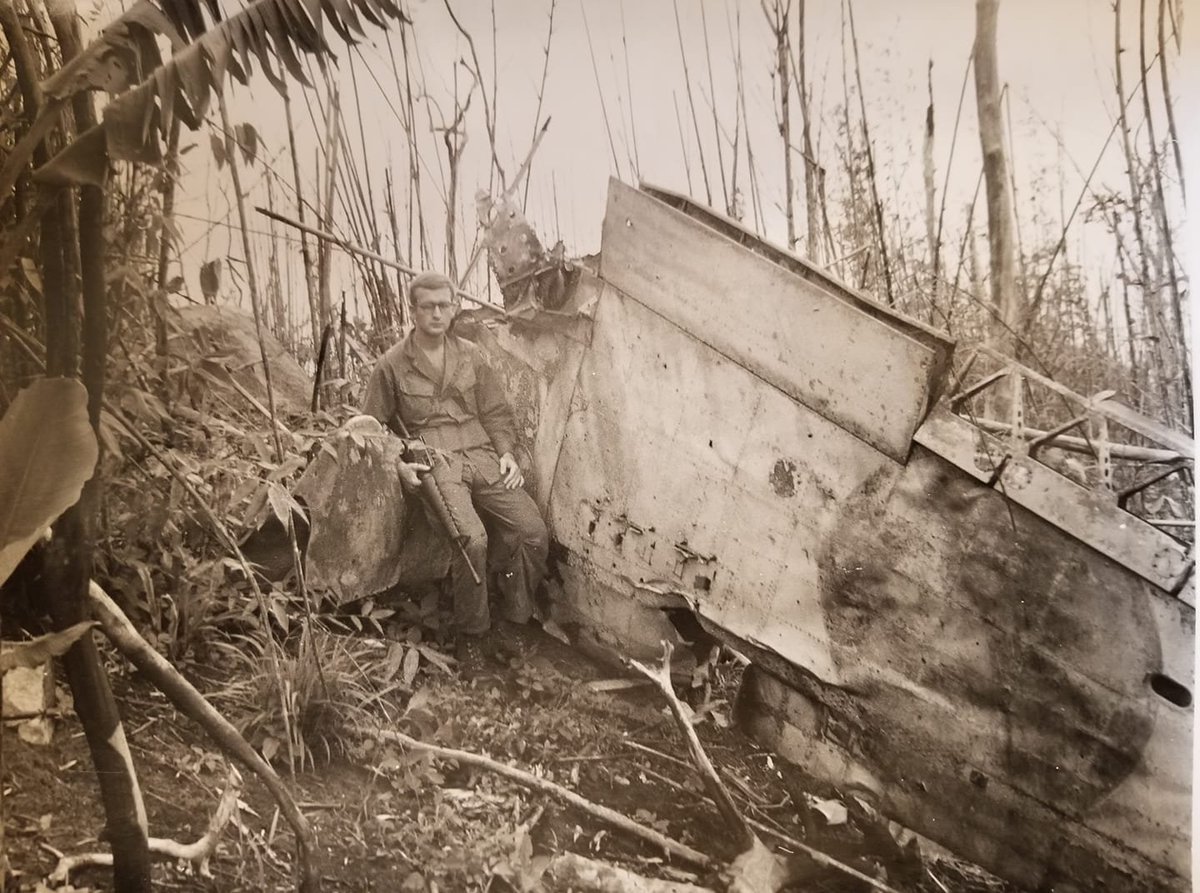
An US soldier taking a rest next to the wreckage of a Japanese Mitsubishi A6M "Zero" found in the jungle of Chua Chan mountain, Long Khanh, South Vietnam in 1971. A grim reminder of who had been there before them.
23
140
5,305
Feb 13
2
105
Feb 6
Europe is waiting for a period that will never come.
The European elites sit in their leather chairs in Brussels, hands clasped, quietly chanting the mantra: “Just three more years. Just three more years.”
They believe Trump is America’s menstrual cramps—pop an ibuprofen, apply a hot compress, and by 2028 America will be back in fighting shape.
The delusion is so finely crafted it almost hurts to watch.
Trump isn’t cramps. He’s menopause.
America isn’t suffering from periodic discomfort; it’s structural atrophy.
Yet Europe keeps insisting this is “temporary insanity,” as if 74 million votes were a finger slipping on the screen, as if the rage of the rednecks was just the AC cranked too high.
The most biting comedy is playing out right here: Europe hates Trump, but it would never dare hate America.
They bark like bulldogs when sanctioning Russia, but turn into shivering Chihuahuas the moment Trump threatens tariffs.
Why?
Because Russia still argues. Russia doesn’t pose an existential threat. And no matter how unreasonable Europe gets, Russia keeps arguing—they know it in their hearts. They’re just picking on the guy who plays by the rules.
America is different. Everything Europe has is lashed to America, forming the so-called “Western world.”
Without America, Europe is nothing. America is Europe’s daddy.
“Daddy doesn’t want me anymore—what do I do?” That’s the real mortal threat.
“America’s labor pains”—the diagnosis itself is peak European.
Wrapping social fracture, institutional rot, and imperial overreach in the language of a biological cycle, as if democracy will just ovulate on schedule and deliver a normal president.
They refuse to see—or pretend not to see—that Trump is symptom, cause, and the true current state of America’s body all at once.
Without that public sentiment he never would have won. With it, anyone else in the job is just Trump in cosplay.
What did Biden’s four years in the middle actually accomplish?
CHIPS Act, Inflation Reduction Act—polished, upscale versions of Trumpism, just with fewer tweets.
Europe exhaled: “Back to normal.”
Normal, my ass.
That was Trump returning in a suit, the golden hair gone white, finally learning to use punctuation.
Blowing up Nord Stream, cutting Europe’s lifeline, forcing Europe to buy overpriced American LNG—was that really for Europe’s own good?
Europe certainly keeps America satisfied, but it’s living worse for it.
The Western alliance is staging a slow collective sinking.
Now the real Trump is back.
Europe stands on the deck watching America swing the axe at the hull, yet reassuring itself: “It’s just labor pains. The captain will change.”
The captain changes; the axe does not.
NATO? Trade rules? Climate accords? All old tickets that won’t get you on the new ship.
The blackest humor is Europe’s Plan B: there isn’t one.
The Franco-German axis creaks like a rusted hinge. Eastern Europe screams for American LNG and more U.S. troops. Southern Europe does crunches between debt crises and migrant crises. Northern Europe shivers at Trump’s hungry glances toward Greenland.
And they’re all still lashed to the sinking Ukraine.
Europe’s entire diplomatic genius distilled into one sentence: “It’ll be better in three years.”
If it gets better in three years, that’s luck.
If it gets worse, Europe will discover it didn’t wait three years—it wasted them. Waiting for an America that isn’t coming back. Waiting for a West that won’t fix itself. Waiting for a period that will never arrive.
The period has already stopped.
This is menopause, darling.
1
97
Jan 24
中央政治局委员、中央军委副主席张又侠,中央军委委员、中央军委联合参谋部参谋长刘振立涉嫌严重违纪违法,经党中央研究,决定对张又侠、刘振立案审查调查。
2
893
Jan 22
Oh, relax, folks—in a couple days, Greenland’s gonna vanish from your smooth brains faster than a New Year’s resolution.
That frozen nowhere has negative charisma. Zero. Zilch. Without this latest episode of The Trump Show, 99% of humanity would never utter the word “Greenland” once in their entire lives. It’s basically the geographic equivalent of that one cousin you only remember exists at weddings.
And here we are again: Emperor Orange’s alpha-male billionaire fantasy just TACO’d spectacularly. (For the boomers: TACO = Total And Complete Retreat.)
Don’t get dazzled by the press release where he brags about “frameworking” a deal with NATO. NATO! A military club, not a Century 21 franchise. They can’t redraw maps, annex islands, or flip sovereign territory like it’s a distressed condo in Mar-a-Lago.
This was just Mark Rutte, the Dutch guy running NATO, tossing the old golden retriever a shiny but empty bone so he could scamper back to Truth Social yelling “HUGE WIN!”
After one quick chat, Trump suddenly declares victory: “framework for a future deal”—we get some mineral access, more troops at the Thule base, keep China and Russia from sniffing around the Arctic… but crickets on actual sovereignty transfer. Then—poof!—all those tariff threats on Europe? Gone. “Everybody’s happy!” he says. Translation: everybody except the MAGA reply guys who thought we were about to annex Santa’s workshop.
Rutte served up the vaguest “framework” word salad imaginable—pure diplomatic lube—so Trump could save face, claim he “negotiated hard,” and avoid looking like the guy who threatened World War III over an ice cube and then folded in 24 hours.
Denmark and Greenland haven’t budged an inch. Frederiksen’s still out there repeating “Greenland belongs to the Greenlanders” like it’s her ringtone. Sovereignty? Not for sale, not today, not ever.
What exactly do you negotiate with NATO anyway? Land deeds? Mineral rights? “Hey guys, can you vote to give us the world’s biggest island?” Bro, NATO doesn’t even have the authority to pick the lunch catering.
Trump knows this. He absolutely knows. This was pure stagecraft—a ladder to climb down from his own ridiculous tree.
Give it a week. He’ll nuke some new culture-war outrage or threaten to deport Taylor Swift, and Greenland will sink back into glorious obscurity.
Real negotiations? Sure, they’ll “continue.” Europe’s favorite sport is dragging things out until the problem child loses interest or gets voted out. EU commissions, European Parliament, Danish government, Danish parliament, Greenland government, Greenland parliament—every layer gets a say. It’s bureaucracy cosplaying as democracy. They’ll schedule working groups to discuss sub-committees that will eventually propose a feasibility study… in 2031.
Meanwhile, Denmark and Sweden flexing with that quick $81 billion Treasury dump? Chef’s kiss. Markets tanked instantly. Confidence is more fragile than Trump’s ego, and when the world starts quietly losing faith in American paper, the pain is immediate. Worked like a charm.
Hard to bully an island when the locals say no, the owner says no, the entire continent says no, and your own bond market starts coughing blood.
So yeah—drag it out, Europe. Stall until midterms, stall until 2028, stall until the man’s back to hawking NFTs and gold sneakers. This “deal” will die the slow, boring death it deserves.
Greenland? Never heard of her.
#GreenlandGate #TrumpTACO #ArtOfTheFold #MAGAtears
3
1
122
Jan 22
牢a已经是现象级,我也不否认有的留子确实是好好学习,没见过牢a说的情况——但是这个时候你们最好就别说话。
只要你们反驳,马上就会成为众矢之的。
你们还年轻, 20岁出头,何必呢?
这个根本就不是美国的现象问题,而是中国的反感美国问题。
这是一个长期的被压制的情绪反弹。
而更关键的是,大众对美国已经祛魅了。
这个大趋势不可逆转。
所以我奉劝有意见的留子,千万别吭声。
没有必要,你们如果没有这种情况就好好学习,不要干涉这种社会问题热点。
否则的话,年轻时候说的话,会用很长的时间去承担这个代价。
言尽于此,信不信由你们。
学生就好好学习,你管那些身外的事?
要确认一点。
他说的情况是存在的。
你如果敢说不存在,我也觉得你在胡说八道。
既然你知道存在,那就别吭声。
你没有遇到不代表不存在。
在这个逻辑上,只要你出口否认,那真的就是众矢之的,自找的。
你从社会学的角度讲,老A所说的人体器官被移植,并没有找到确凿的证据,废话,这种事谁会明说。
但你不能否认,美国存在这种情况。这不需要什么确凿的证据,而是美国自己的新闻和社会学报道都有,美国确实是人口失踪和人体器官大国。
老A只是完成了一个最后的逻辑,就是,这些器官从哪来的?
这就很麻烦了。
你可以否认,但是你解释不出来来路。
而在逻辑学上,他说的是符合逻辑的。
可以说是阴谋论,但是这种阴谋论是有逻辑支撑的。
当逻辑自洽,实际上已经没有办法否认。
何必吃力不讨好呢?
我相信你们觉得自己被侮辱了,但是这跟你们有什么关系呢?
不要去管这些事,好好学习就完了。
2
102