
AI is the real deal | Study @lazainetwork
Joined September 2023
- Tweets 3,169
- Following 845
- Followers 943
- Likes 5,905
251 Photos and videos



Pinned Tweet

6 Sep 2025
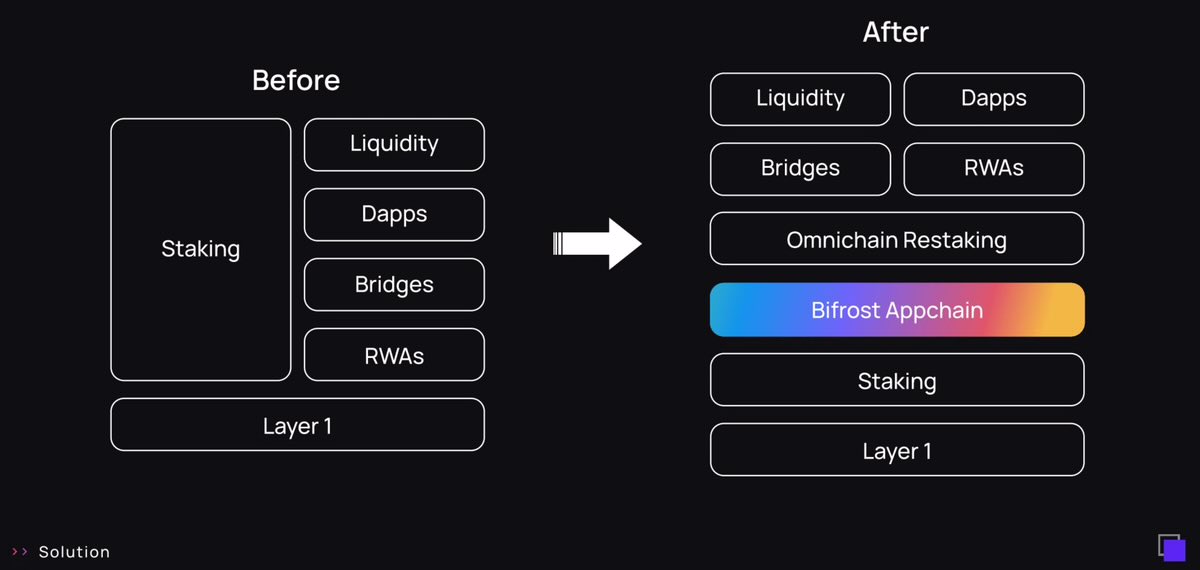
Everyone talks about “liquid staking,” but few projects are actually tackling the core problem: fragmentation.
stETH is locked into Ethereum. stSOL is locked into Solana. Each chain gets its own derivative, liquidity pool, and integrations. The result? Isolated liquidity silos that don’t scale well across ecosystems.
@Bifrost approached it differently. Instead of spinning up chain-specific contracts, they mint all vTokens natively on the Bifrost parachain.
That gives them a single liquidity hub and more importantly, a path to true omni-chain DeFi. For example:
👉 A Moonbeam user can mint vGLMR directly on Moonbeam. Behind the scenes, Bifrost routes it cross-chain, mints the vToken, and sends it back but the user only sees one smooth transaction.
👉 Liquidity for swaps stays unified on Bifrost, so users always get better pricing without fragmented pools across chains.
It’s like a “headquarters branches” model. Branches live on other chains, but the heavy lifting happens in one core protocol.
Add to this their SLPx module (which reduces unstaking time by matching redemptions in real time) and suddenly staking isn’t just liquid, it’s flexible, fast, and composable across chains.
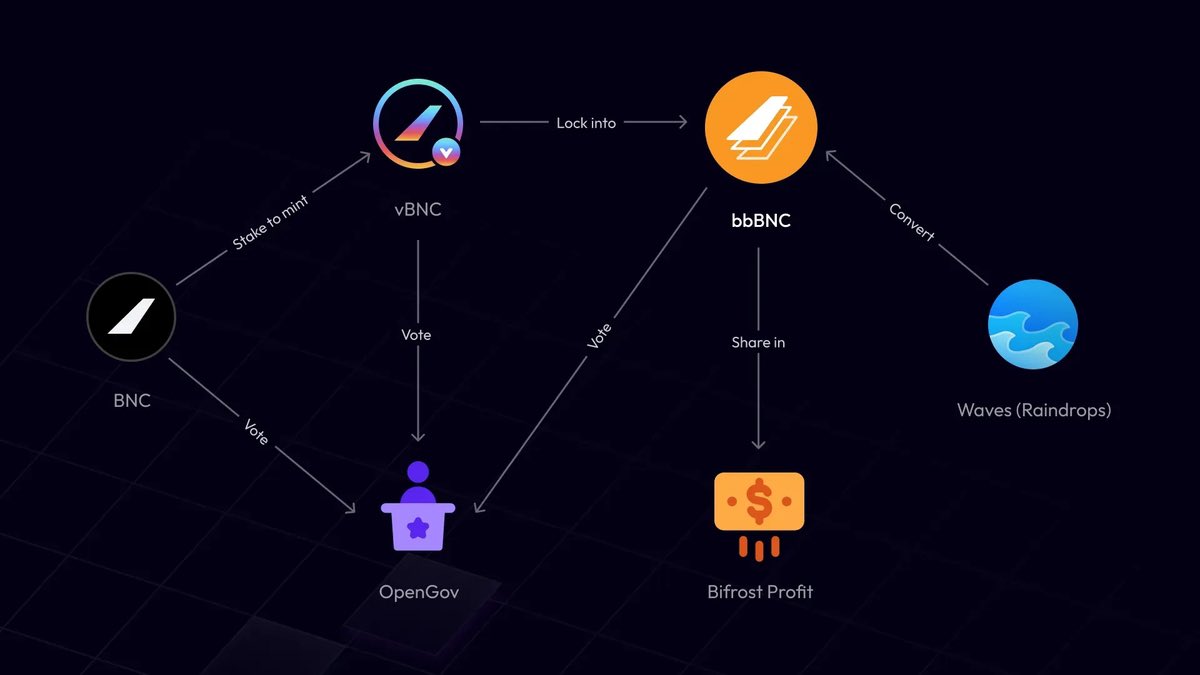
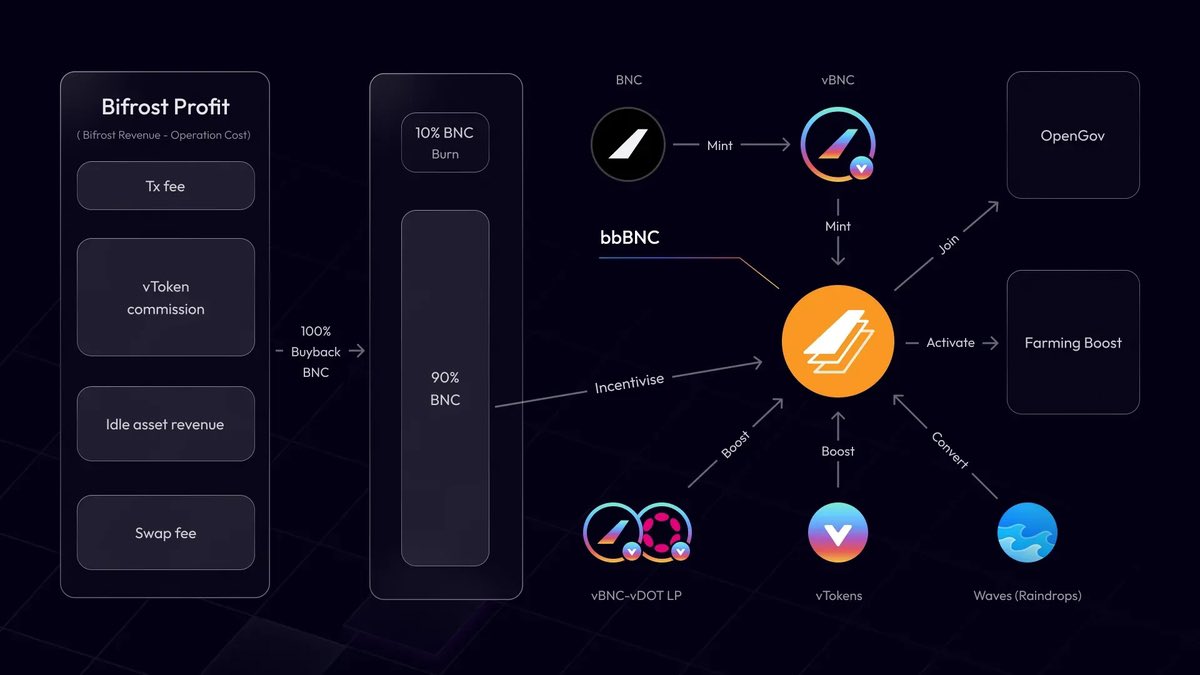
On the economics side, Bifrost ties its protocol growth directly into $BNC. Profits are recycled into buybacks, revenue-sharing, and burns, creating a feedback loop where adoption = value accrual.
The bigger vision? Bifrost doesn’t just want to be another liquid staking protocol. They’re positioning themselves as the staking yield layer for stablecoins, RWAs, and omni-chain DeFi.
If that plays out, staking stops being a passive, chain-specific activity and becomes a universal yield primitive woven across all of Web3.
115
1
81
5,666
MFisActive retweeted

Apr 29
TrustLaya has entered Stage 1.
We began with a broad vision: trust infrastructure for autonomous systems.
But strong products start by solving one painful problem exceptionally well.
Today, our focus is clear:
Real-time warnings before AI trading bots make bad trades.
We’re starting with pre-trade alerts for Base Solana to flag:
• Rugs
• Low liquidity traps
• Dangerous contracts
• Volatility anomalies
Same long-term mission. Focused first wedge.
Less theory. More proof. More shipping.
Beta access soon.
1
3
153
MFisActive retweeted

Mar 27
April 9, 2026.
Gradually, then suddenly.
1,379
1,320
5,119
904,606
MFisActive retweeted
Mar 18
1
2
144
MFisActive retweeted

Mar 16
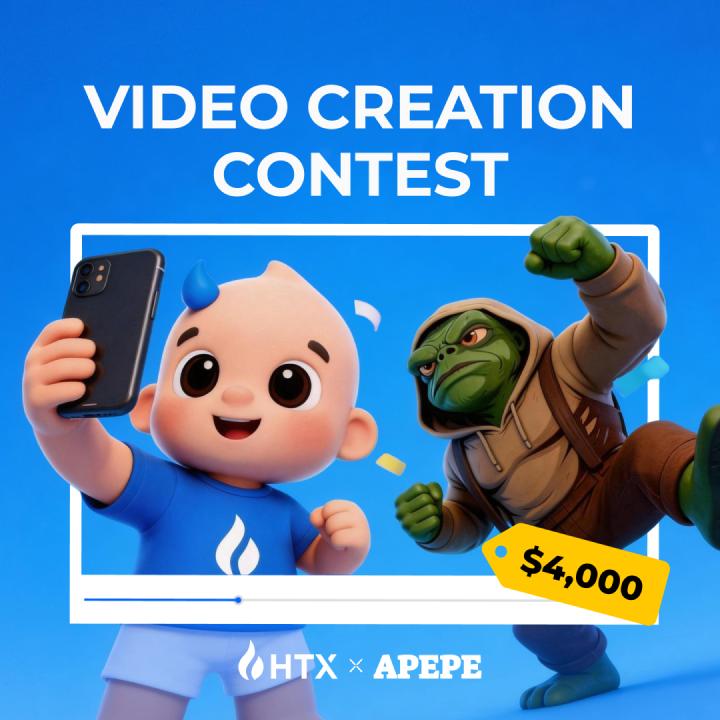
🎬 HTX x APEPE Video Creation Contest!
Prize Pool: $4000 in rewards
How to join:
▸ Follow @HTX_Global @APEPE_MEME
▸ Tag friends RT
▸ Create an HTX intro video (15 seconds) using the APEPE character, with the theme “TRADE APEPE ON HTX”
▸ Comment your video below
🏆 Top 3 will share $1,500
🎁 Lucky 30 will share $2,500
Top videos may be used worldwide!
Ends on March 27th
2,639
1,151
2,193
246,175
Feb 1
Ideas are cheap. Execution is everything.
@BuildOnNodeOps is making app creation seamless and opening early access to real builders.
From idea to application. Soon.
#Tag10ToCreate
Jan 28

Soon, anyone with an idea will be able to create an application.
Execution will be seamless and uninterrupted.
Until then, we’re giving early access to a select few.
Selected winners will get:
→ Early access before anyone else
→ A free 3-month subscription
→ Hands-on support to 'Build It Now' with our team
How to participate:
→ QRT this post and tag 10 builders or friends
→ Use #Tag10ToCreate and follow @BuildOnNodeOps
→ Submit the form to qualify: forms.gle/eJXxv96XbQ8XTS2z9
→ Campaign runs until February 3
Only entries submitted via the form will be considered.
5 winners will be selected randomly and announced on February 3.
From idea to application. Soon.
7
8
186
Feb 1
Something is Brewing, Check this out
@neurolov @CodeXero_xyz @EMEBOK_ @KannzyBaba @Lumineer__ @Techgeeg @Mr_memsy @Dazzy_001 @_MEETOO @0xEssien
1
1
40
Jan 12
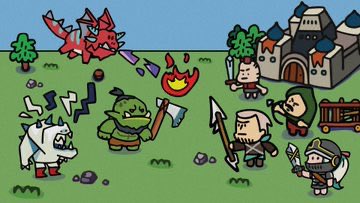
Cartoon Craft keeps improving because each match adds understanding.
That compounding knowledge is what gives the project long term pull. @Nebula3_GameFi
18
MFisActive retweeted

Jan 3
🚨 $OFC Airdrop Eligibility Check 🚨
If you’ve been active in the OneFootball ecosystem, this one’s for you 💕
You qualify for the $OFC Airdrop if you’ve done the following ⤵️
>Dropped 7 GM on the Pre-TGE portal
>Collected 5,000 Balls ⚽
>Hold at least 1 OFC NFT
> Own the Megaphone NFT 📣
>Cleared the Sybil verification ✅
OneFootball isn’t playing around.
The $OFC token launch is locked for January no doubts, no delays.
Builders stayed. Community delivered.
Now it’s almost time to get rewarded 🥹💙
@ofc_the_club ⚽🔥
62
15
195
22,729
MFisActive retweeted

Jan 4
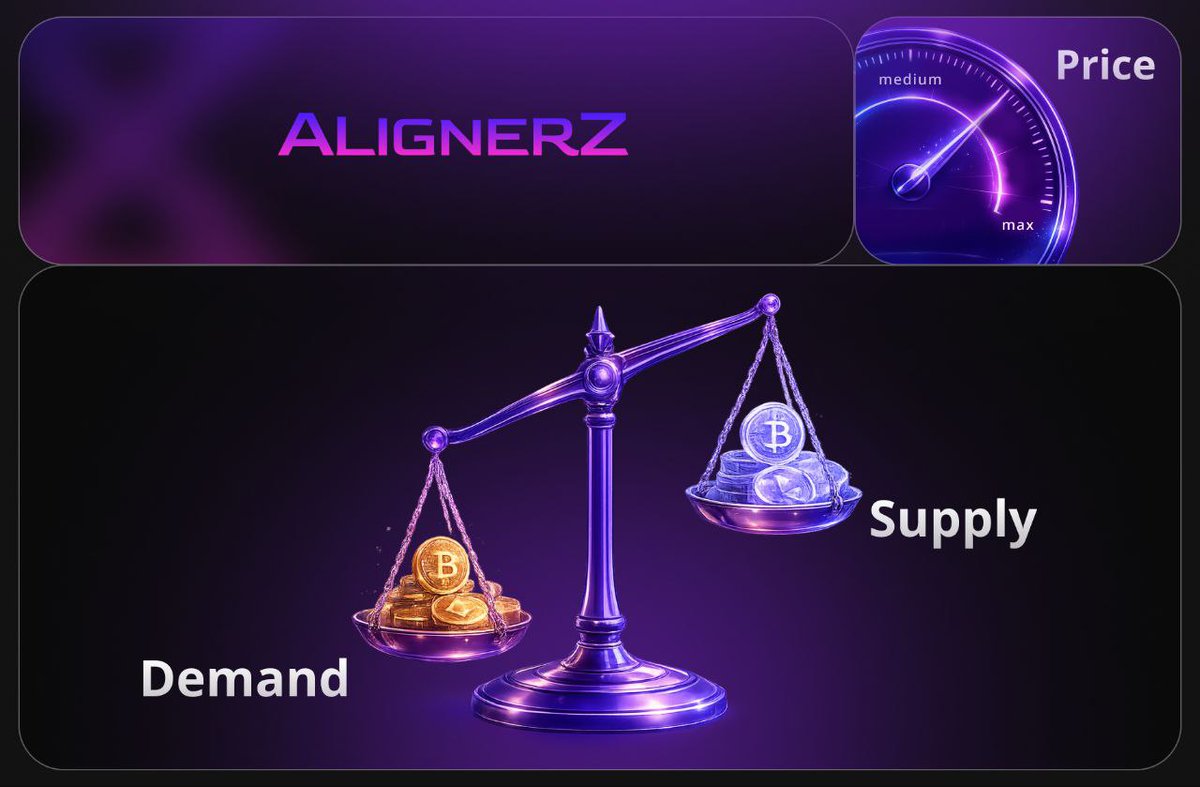
After this update from @AlignerZ_Labs it becomes clear that the token economy is going to become stronger.
When everyone gets the Wallchain campaign reward then the selling pressure on A26Z and TVS will not be too heavy.
This means that all rewards will not come directly to TVS so dumping will be almost Zero and at the same time Scarcity will increase.
Exposure to TVS will be fully available from the Secondary market. This means only those people will buy TVS truly understand the long term value of AlingerZ.
👉 This means
1. More Scarcity
2. Better price stability
3. Stronger economy
4. Long term benefits for real TVS holders
This update is not only for the short term but is made to keep things sustainable for the long run.
109
8
136
2,605
Jan 4
Cartoon Craft rewards foresight more than reaction. Planning two moves ahead often decides fights before they even start. The project builds strategic discipline naturally. @Nebula3_GameFi
1
21
MFisActive retweeted

Jan 3
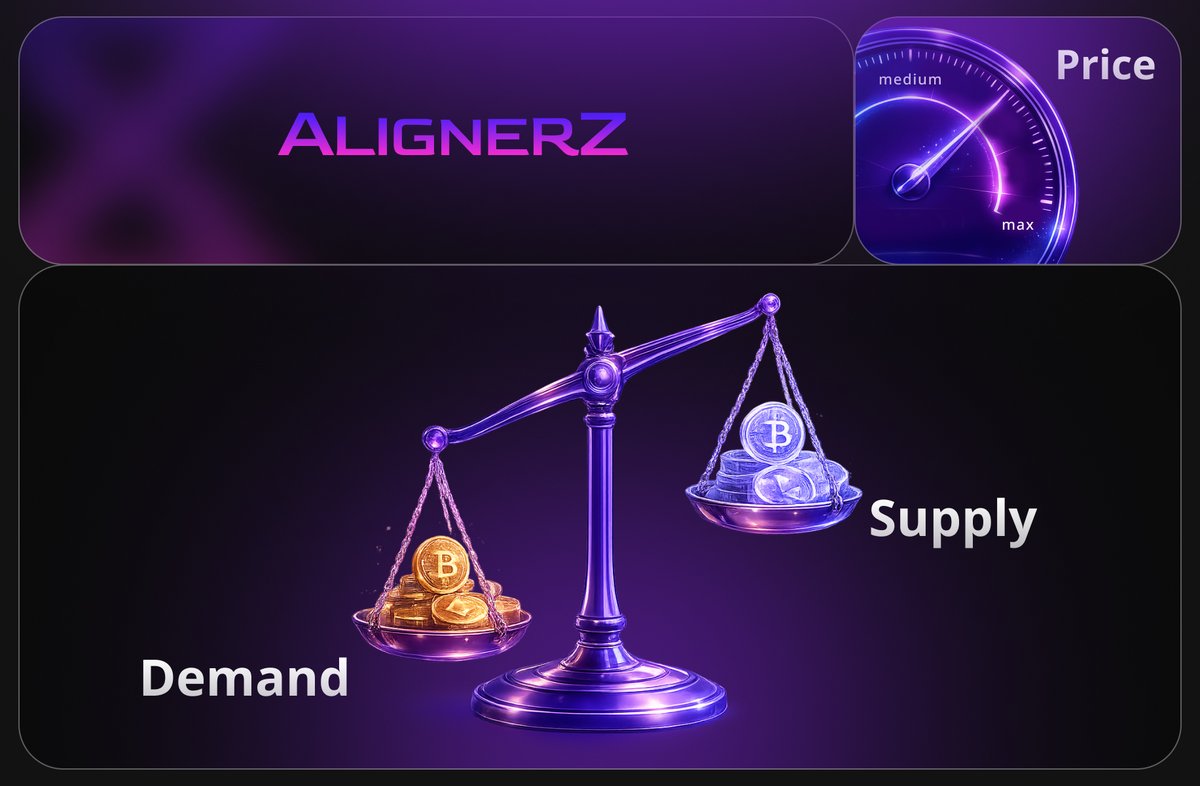
To further increase the scarcity of both $A26Z and the TVS & to solidify the economy even more, we’ve made a key decision.
Wallchain campaign rewards will be distributed in USDC on the Based network.
For those who want TVS exposure, TVSs will remain accessible via IWO or on the secondary market after TGE.
More scarcity = Stronger economy = Better future economy for TVS holders.
540
135
905
201,764
MFisActive retweeted
Jan 2
Backend cleansing in progress.
We’re cleaning the old data & deploying new smart contracts.
As a result, all previously shared metadata links will become inactive starting tomorrow morning.
We’re getting ready for the Aligned TGE, are you?
414
103
678
63,989
MFisActive retweeted

Jan 3
gQuack
Three vibes. Which one is yours today?

1,162
118
1,601
56,983
MFisActive retweeted
Jan 2
The first word you see is your sign for 2026.

647
64
840
23,884
MFisActive retweeted
Jan 2
Join us in the first livestream in 2026 & the last livestream before the Aligned TGE.
Jan 2

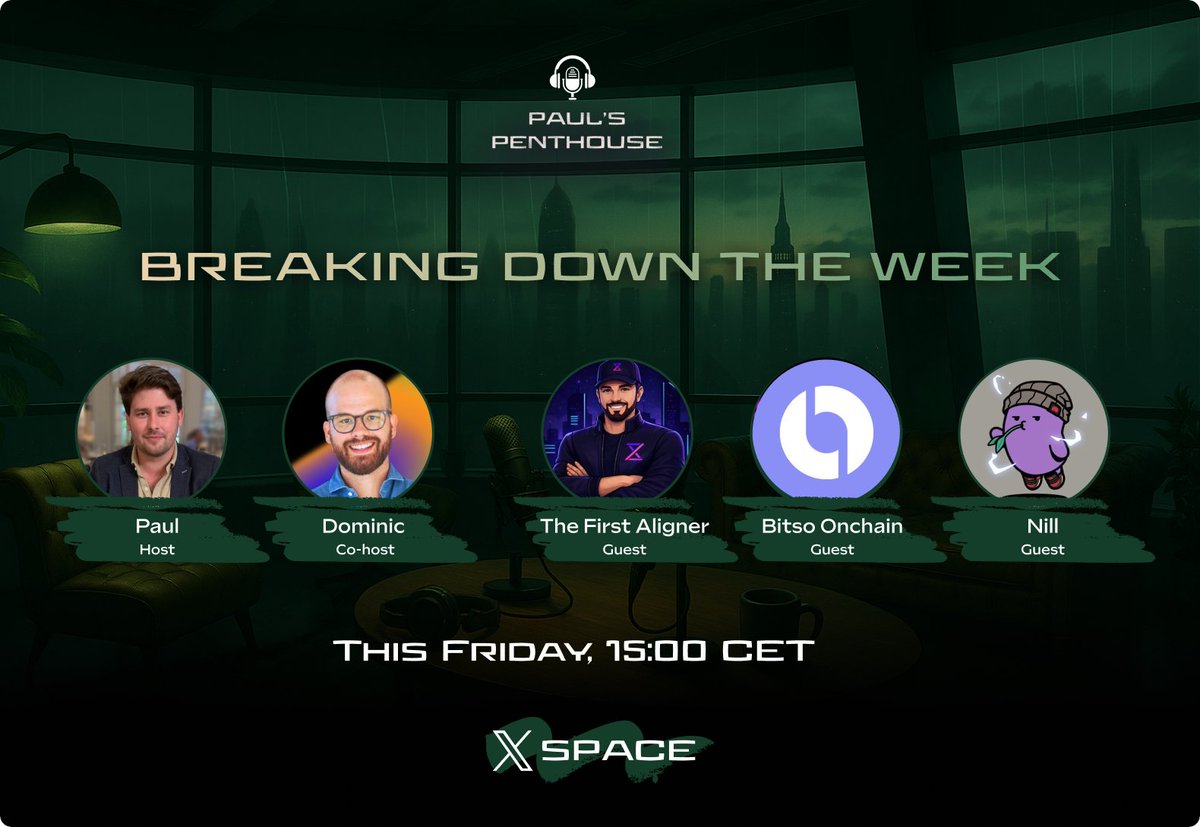
Today at 15:00 CET we’re back with another session of Breaking Down The Week, live from Paul’s Penthouse 📢
Joining me and my co-host @itsVLVT are @First_Aligner, @onchaincc, and @BigNillCollect. Together, we’ll break down everything that was trending in the crypto market this week.
With Christmas just behind us and the year wrapped up, a lot of market moves flew under the radar. So this one is definitely worth joining to get fully caught up.
Make sure to set a reminder and see you all there!
150
38
278
12,583
MFisActive retweeted
Jan 2
Quackers 🦆
Drop your tweets below RT this tweet.
We'll randomly select 10 for feedback ✍️

841
436
1,540
48,964
MFisActive retweeted

Jan 2
In 2026, you can expect more:
> DevStars program partners
> Games built on major IPs
> Infrastructure upgrades
> Integrated blockchains
> New product features
> Ecosystem growth
Elympics is building 🤝
12
14
42
4,719
Jan 2
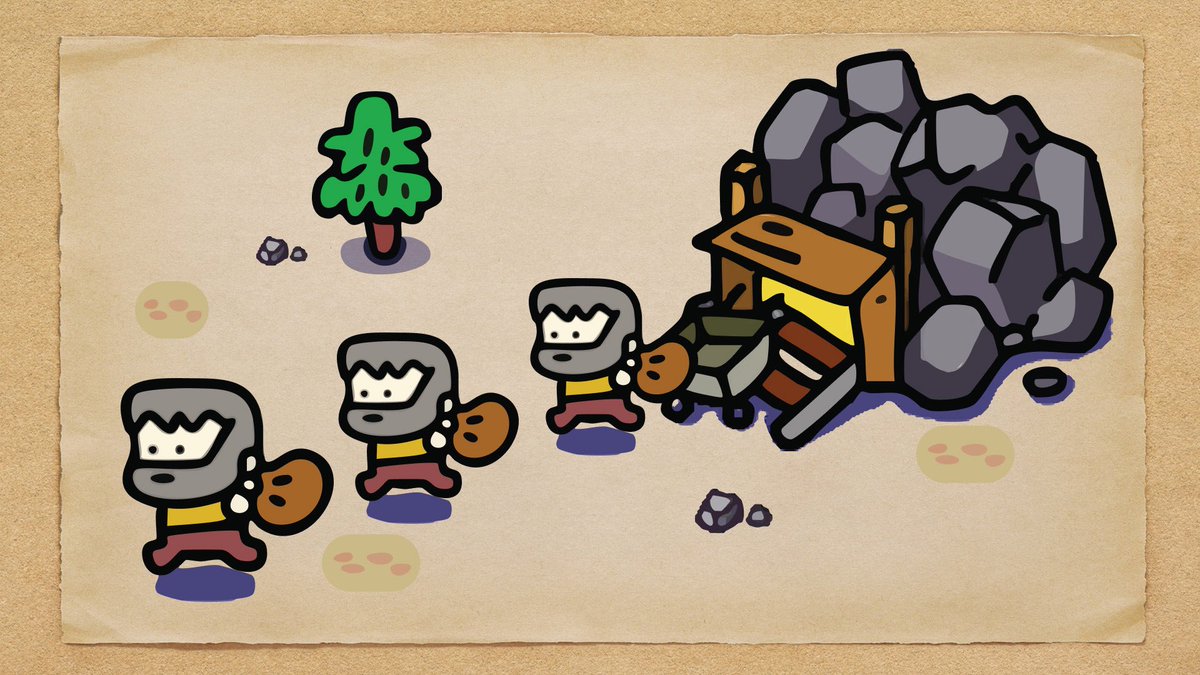
Cartoon Craft feels grounded because it focuses on fundamentals. Resource flow map awareness and decision timing matter more than flashy mechanics. By leaning into these basics the project creates depth that scales with player skill and keeps matches meaningful. @Nebula3_GameFi
22
153
MFisActive retweeted
Jan 2
Introduction to "TVS"
A new primitive built to defend projects & retails against extraction, most effective against Token dumps Post-TGE.
TVS doesn’t fight the market, it restructures selling pressure, incentives & behaviors at the protocol level.
This isn’t theory, It’s live, measurable, transparent & public.
Explore the TVS metadata (refresh the page to update the numbers). 👇
api.alignerz-labs.com/nft/im…
api.alignerz-labs.com/nft/im…
api.alignerz-labs.com/nft/im…
api.alignerz-labs.com/nft/im…
api.alignerz-labs.com/nft/im…
api.alignerz-labs.com/nft/im…
361
109
654
84,018