CEO/CPO at SupportFinity. I post about recruitment, future of work and AI.
Joined August 2011
- Tweets 2,126
- Following 500
- Followers 3,271
- Likes 1,313
170 Photos and videos

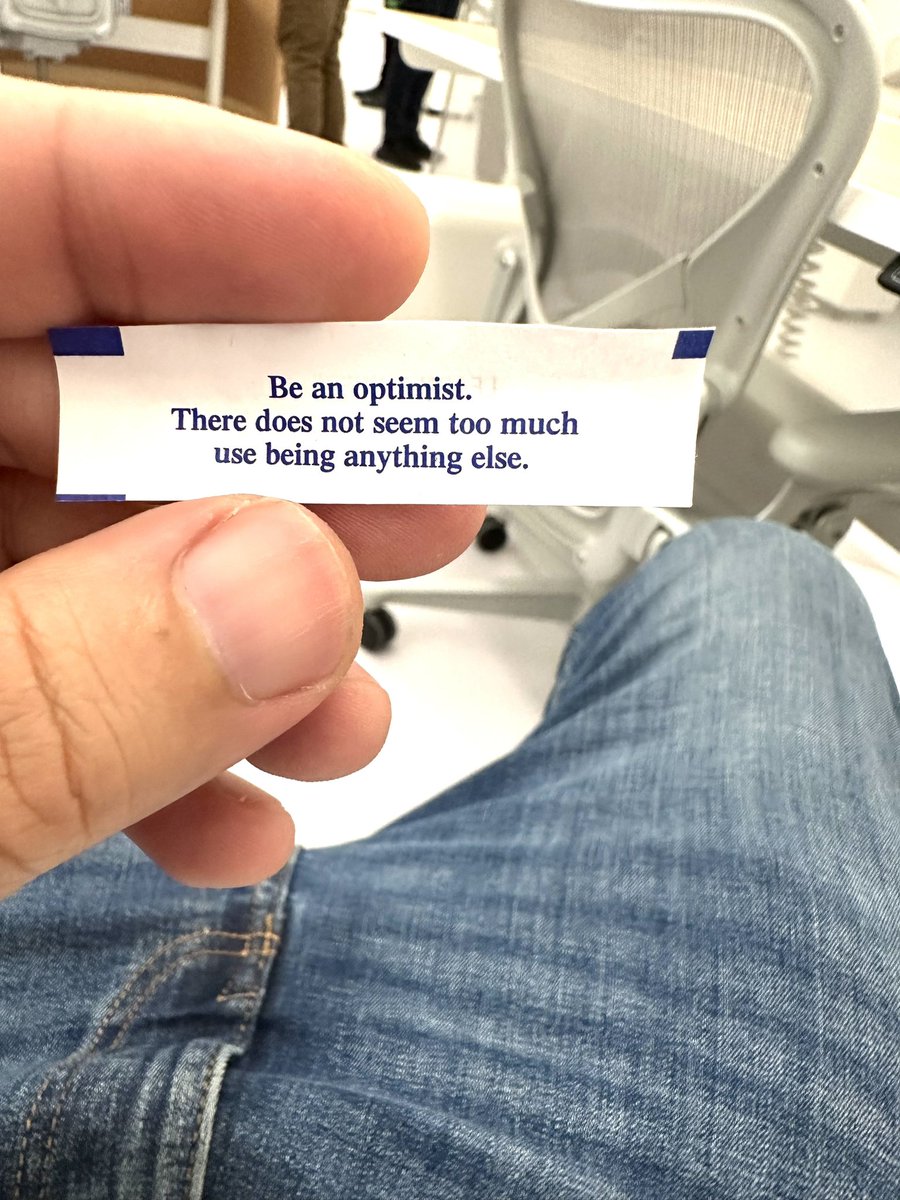
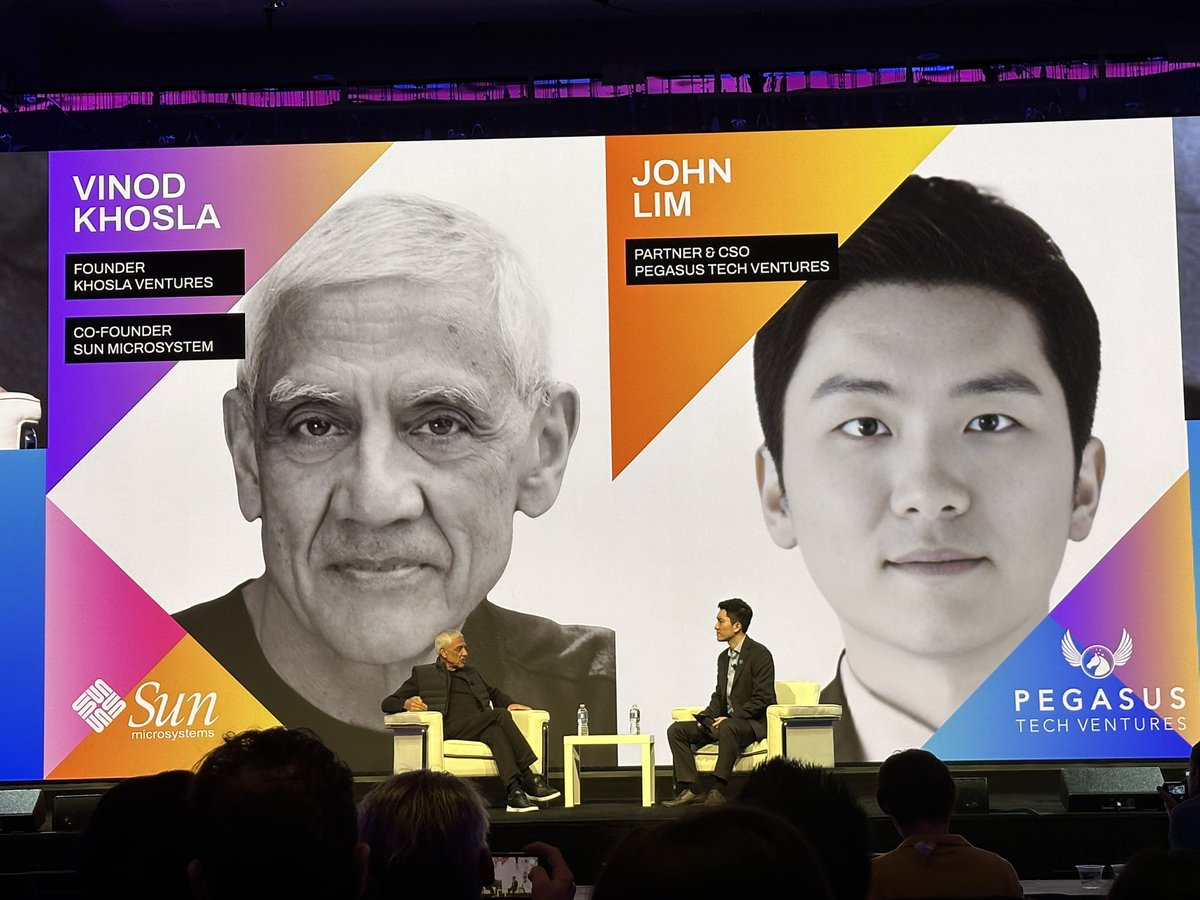

It is June 2026. AI is no longer a moat.
Context is the moat. Specialization is the moat. Accuracy is the moat. Memory is the moat.
Clean data is another deep moat. Removing tool-juggling is a strategic moat. Simple design is an intrinsic moat.
And distribution is always king!
17
One of the most underestimated problems in recruiting is that there is no universal definition of a “great candidate."
It changes from company to company, from role to role, from hiring manager to hiring manager...and yet we often expect screening to be objective!!
In reality, identifying the right profile out of hundreds of applicants is deeply contextual. It depends on trade-offs, priorities and nuance.
That’s why shortlisting is still one of the most time-consuming and mentally draining parts of recruiting.
That is why each placement is a story of its own details.
At SupportFinity, we approached this problem from three angles that changed how our customers filter candidates forever...
1. Detailed and Structured Filtering
Every piece of candidate data becomes searchable and filterable in a streamlined way.
For recruiters who prefer hands-on control, this enables precise, expert-level narrowing without endless scrolling.
2. Exceptionally Smart Matching Score
Matching scores are everywhere, but a number alone doesn’t build platform trust.
So we designed our AI agent to analyze the job, the profile, and the company context — then produces a qualitative matching score with a structured SWOT-style breakdown assessment.
Not just “how much” someone matches, but why they match — strengths, gaps, risks, and advantages. That clarity changes conversations with hiring managers, a hallmark feature for our customers.
3. Custom Evaluation With AI
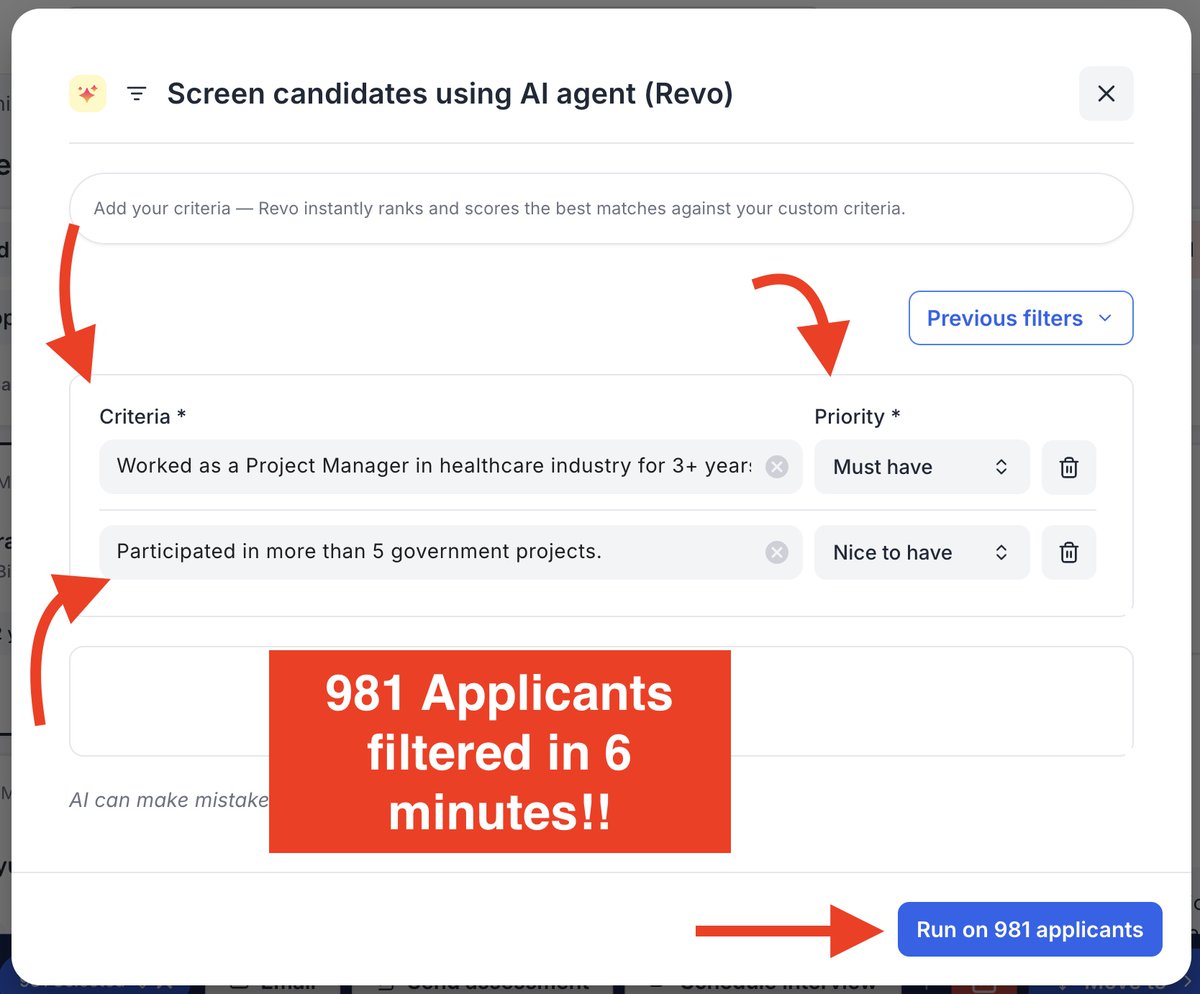
Because no two roles are identical, with our AI agent Revo, recruiters can define their own criteria and instantly rank candidates against what truly matters for that specific hire...and every ranking comes with an explanation.
This has been designed not to replace judgment, but to empower recruiters and hiring managers to make better decisions with a fraction of the effort, time, and in a far more consistent and fair way.
Screenshot below shows a real example from one of our customers hiring for a Healthcare Project Manager role, they narrowed 981 applicants down to 12 highly relevant candidates in less than 6 minutes (shared with permission).
If you’re a recruiter, hiring manager, or founder aiming for this level of precision and speed, you can book a demo below, or sign up and experience it firsthand.\
supportfinity.com/book-demo
#SupportFinity
2
1
1
54
Just a humble thought from someone who’s spent a lot of time around recruiting.
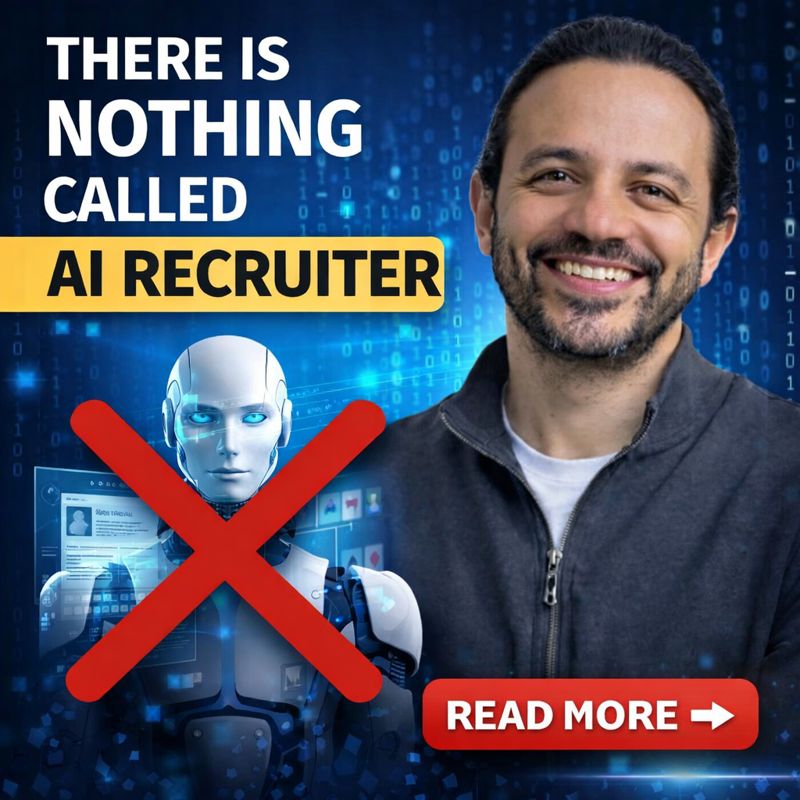
I often see some companies talking about having an “AI Recruiter.” I get the excitement, and I truly believe AI has a huge role to play here. But I think it’s important to be careful with the wording.
Recruiting is a lot more complex than it sometimes looks from the outside. It’s not just workflows, prompts, or triggers. It’s not similar to a service desk L1 role or a simple chatbot experience.
Good recruiters deal with nuance every day. They understand people, context, timing, tradeoffs, and expectations. They read between the lines of a resume, a conversation, or even a pause. That kind of judgment is hard earned, and today’s AI isn’t there yet when it comes to replacing this.
That said, AI is incredibly valuable in recruiting and it’s clearly part of the future.
AI can help with sourcing, analysis, outreach, and removing a lot of repetitive work. Used the right way, it makes recruiters better at what they do and gives them more time to focus on humans, not admin.
So while I don’t believe there’s such a thing as an “AI Recruiter” today, I do believe strongly in AI-powered recruiting.
The future, in my view, isn’t about replacing recruiters.
It’s about supporting them with the right tools and letting their experience and judgment shine even more.
Maybe one day we’ll get that. But we’re very far from it now.
ALT Moe Nada - Thoughts about AI Recruiters.
3
3
29
One day after my last post about the challenges of using AI in recruiting, the Eightfold lawsuits surfaced.
Lawsuits filed by job candidates are a clear wake-up call for the industry. They force an important conversation about where AI belongs in recruiting and where it clearly does not.
AI has already proven its value in talent acquisition. It helps recruiters work faster, scale intelligently, and remove a lot of manual effort from the process.
But when AI is misused, especially in ways that impact privacy or selection fairness, it can quickly turn into a legal and ethical risk. The Eightfold case is a strong reminder that those risks are no longer theoretical.
Like any powerful technology, AI solves real problems and at the same time introduces new ones. The future of recruiting will absolutely involve AI across the entire hiring process. The question is not if, but how responsibly.
When AI in recruiting can be incredibly effective:
✅ Summarizing candidate profiles and resumes
✅ Supporting search for both active and passive candidates
✅ Assisting with resume analysis, not decision making
✅ Generating thoughtful, personalized outreach emails
✅ Automating internal recruiting workflows
✅ Analyzing the recruitment process itself to identify inefficiencies and improve outcomes
What AI in recruiting should never do:
❌ Make hiring decisions or rank candidates based on perceived merit or past employment
❌ Estimates candidates future "performance" from their resumes
❌ Analyze or infer candidate behavior outside the hiring context
❌ Research candidates’ online activity by any means
❌ Collect or use personal data beyond what candidates have knowingly shared
In recruitment, AI should support recruiters, not replace human judgment.
It should bring clarity, efficiency, and fairness, not opacity, overreach, or unintended bias.
I think if we get this right, AI can elevate recruiting for everyone involved. If we get it wrong, we risk breaking trust in one of the most human processes there is.
The moment we are in now makes one thing clear. Responsible AI in hiring is no longer optional or a PR activity. It is essential, and a company responsibility!
1
32
A family of AI agents.
An immersive recruiting experience.
2.4 billion profiles.
That’s what a complete AI-powered recruiting looks like.
Book one of the most exciting demos you'll see from the link below:
supportfinity.com/book-demo
.
4
68
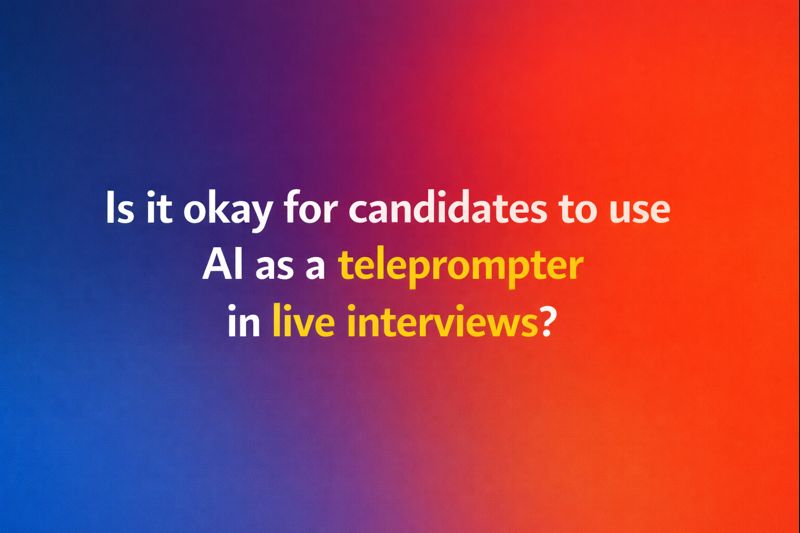
𝗜𝘀 𝗶𝘁 𝗼𝗸𝗮𝘆 𝗳𝗼𝗿 𝗰𝗮𝗻𝗱𝗶𝗱𝗮𝘁𝗲𝘀 𝘁𝗼 𝘂𝘀𝗲 𝗔𝗜 𝗮𝘀 𝗮 𝘁𝗲𝗹𝗲𝗽𝗿𝗼𝗺𝗽𝘁𝗲𝗿 𝗶𝗻 𝗹𝗶𝘃𝗲 𝗶𝗻𝘁𝗲𝗿𝘃𝗶𝗲𝘄𝘀?
This question has become increasingly common. Many companies we speak with strongly oppose candidates using AI during interviews, especially because some tools openly market themselves as “interview cheating tools.” From that perspective, the concern is understandable.
At the same time, AI is now part of everyday work. Most professionals already use it to write, analyze, research, and make decisions. So the real question is not whether AI should be used, but 𝗵𝗼𝘄 and 𝘄𝗵𝗲𝗻.
Using AI to perform various tasks is different from using AI to tell a candidate what to say in an interview. However, in many remote roles (especially those involving real-time customer interaction) can help by suggesting ideas, structuring responses, or supporting live problem-solving. In those cases, using AI can actually reflect job readiness.
So, my short answer is this: 𝗔𝗜 𝘀𝗵𝗼𝘂𝗹𝗱 𝗯𝗲 𝗮𝗹𝗹𝗼𝘄𝗲𝗱 𝗶𝗻 𝘀𝗼𝗺𝗲 𝗶𝗻𝘁𝗲𝗿𝘃𝗶𝗲𝘄𝘀 𝗮𝗻𝗱 𝗻𝗼𝘁 𝗶𝗻 𝗼𝘁𝗵𝗲𝗿𝘀.
𝗧𝗵𝗲 𝗸𝗲𝘆 𝗿𝗲𝘀𝗽𝗼𝗻𝘀𝗶𝗯𝗶𝗹𝗶𝘁𝘆 𝗹𝗶𝗲𝘀 𝘄𝗶𝘁𝗵 𝘁𝗵𝗲 𝗰𝗼𝗺𝗽𝗮𝗻𝘆, 𝗻𝗼𝘁 𝘁𝗵𝗲 𝗰𝗮𝗻𝗱𝗶𝗱𝗮𝘁𝗲.
To avoid confusion and unfairness, companies must be explicit about AI use before interviews:
1- Start with the role: understand whether AI is genuinely part of the day-to-day work.
2- Set the rules clearly: define if AI is allowed, limited, or not allowed, and share this with candidates in advance.
𝗥𝗼𝗹𝗲-𝘀𝗽𝗲𝗰𝗶𝗳𝗶𝗰 𝗿𝗲𝗮𝗹𝗶𝘁𝗶𝗲𝘀
𝗗𝗲𝗲𝗽 𝘁𝗲𝗰𝗵𝗻𝗶𝗰𝗮𝗹 𝗿𝗼𝗹𝗲𝘀 require strong foundational knowledge. In these cases, structured technical assessments with a clear AI usage policy are essential. Using tools that mandate full-screen sharing is very important.
𝗥𝗲𝗺𝗼𝘁𝗲 𝗰𝘂𝘀𝘁𝗼𝗺𝗲𝗿-𝗳𝗮𝗰𝗶𝗻𝗴 𝗮𝗻𝗱 𝘀𝗮𝗹𝗲𝘀 𝗿𝗼𝗹𝗲𝘀 often benefit from AI in real-world work (for people who know how to use it). But even with AI assistance during an interview, an unqualified candidate will quickly be exposed in conversation, so AI usage matters less.
𝗧𝗵𝗲 𝗿𝗲𝗮𝗹 𝗿𝗶𝘀𝗸: 𝘂𝗻𝗳𝗮𝗶𝗿𝗻𝗲𝘀𝘀, 𝗻𝗼𝘁 𝗔𝗜 𝗶𝘁𝘀𝗲𝗹𝗳
Cheating happens when AI gives one candidate an unfair advantage over others, especially when access or rules are unclear. Not all AI usage is equal, and unequal access creates biased outcomes. 𝗠𝗮𝗻𝗮𝗴𝗶𝗻𝗴 𝘁𝗵𝗮𝘁 𝗳𝗮𝗶𝗿𝗻𝗲𝘀𝘀 𝗶𝘀 𝗻𝗼𝘄 𝗮 𝗰𝗼𝗺𝗽𝗮𝗻𝘆 𝗿𝗲𝘀𝗽𝗼𝗻𝘀𝗶𝗯𝗶𝗹𝗶𝘁𝘆.
Some argue that onsite interviews solve this problem, but in many cases they are impractical and add unnecessary logistical burden. Rather than banning AI and playing cat-and-mouse, companies should clearly define the role AI plays in interviews.
𝗕𝗼𝘁𝘁𝗼𝗺 𝗹𝗶𝗻𝗲
I think AI should not be a hidden weapon or a blanket ban. With clear policies and role-based thinking, it can help both interviewers and candidates without becoming a burden or a loophole.
The future of hiring depends on clarity, not avoidance!
30
Moe Nada retweeted

2 Jun 2025
The world is growing too old for war.
9
4
50
7,296
Moe Nada retweeted

22 May 2025
If a founder brags about having “a balanced life,” I assume they’re not serious about winning.
517
174
2,303
1,244,987
👋
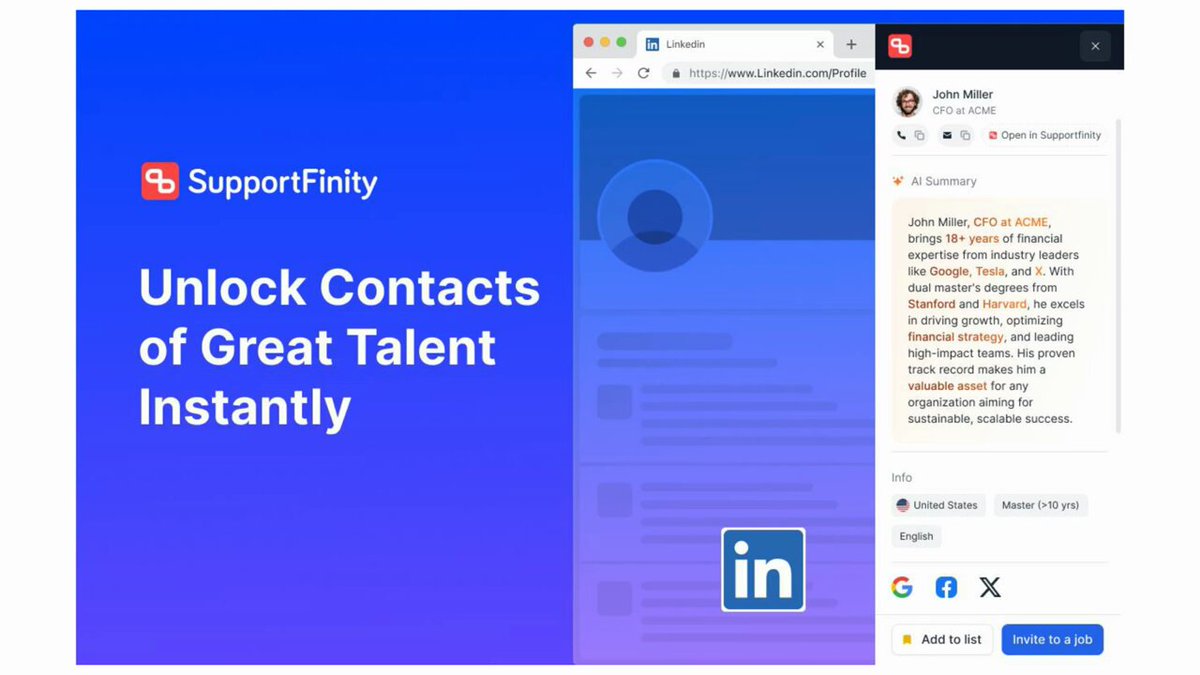
Genie, your AI-agent who lives in your SupportFinity dashboard is now in your Chrome extension!
She can do so many awesome things for you to help you find and source your best talent at ease, one of the family of agents we have on @supportfinity 🙌
48
Knowledge
Grit
Skills
Self-awareness
Continuous state of learning
Be comfortable with the daily challenge
Success takes many forms, I just simply shared my perspective on a path I chose with complete conviction and intention. 🙏
Full episode below:
youtu.be/FTixRJtdVTM?si=b0Y5…
56
Everything about branding is going to change, the race will be about value and cost and 99% of goods will be commodities.
instagram.com/reel/DIXeWHPSI…
32
Moe Nada retweeted

4 Apr 2025
Nvidia CEO: Greatness does not come out of intelligence, it comes from character.
Character is not formed out of smart people: it is formed out of people who have suffered.
29
309
1,759
152,018