America First Congressman for OH-6. Fighting for Election Integrity, the Second Amendment, the Unborn, and the American Worker!
Joined July 2018
- Tweets 3,038
- Following 12,366
- Followers 111,806
- Likes 3,184
457 Photos and videos

Pinned Tweet

24 Nov 2024
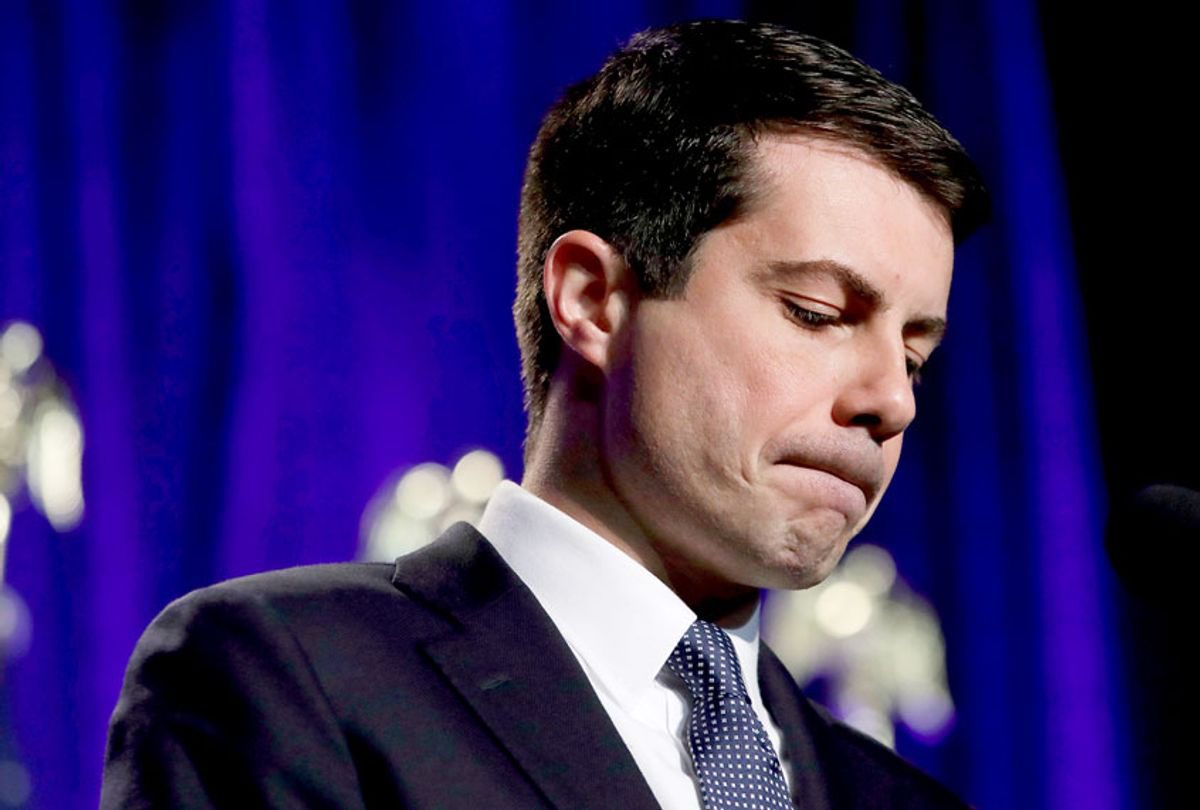
Pete Buttigieg will leave his post as Transportation Secretary having spent $7.5 BILLION to build 8 EV charging stations.
His legacy will be squandering billions on something nobody wants, while millions struggle to afford the things they need.
4,271
14,399
44,791
7,090,393
Michael Rulli retweeted
Gérald Darmanin aurait dû présenter sa démission au président de la République. Le grand reproche qui est fait aujourd'hui aux responsables politiques, c'est qu'ils ne sont responsables de rien.
Ce qui s'est passé est un drame absolu, il faudra refonder notre Justice.
70
131
437
9,536
Michael Rulli retweeted

Consider these two bastions of American history and culture: A sandy, South Carolina site, where echoes of our Revolutionary past whisper through the longleaf pines. A stadium-ringed diamond where grass is curated like a museum exhibit and the crowd cheers players who walk an orange carpet on Opening Day.
One saw some of the bloodiest, hardest fighting of the Revolution; the other is the ballpark home of the Baltimore Orioles. So, what do they have in common? Separated by nearly 250 years and 500 miles, it’s a head-tilting question. The answer lies in their shared name: Camden, South Carolina, and Oriole Park at Camden Yards.
Explore a tale of two Camdens below ⬇️ battlefields.org/learn/artic…
3
12
1,423
Jun 12
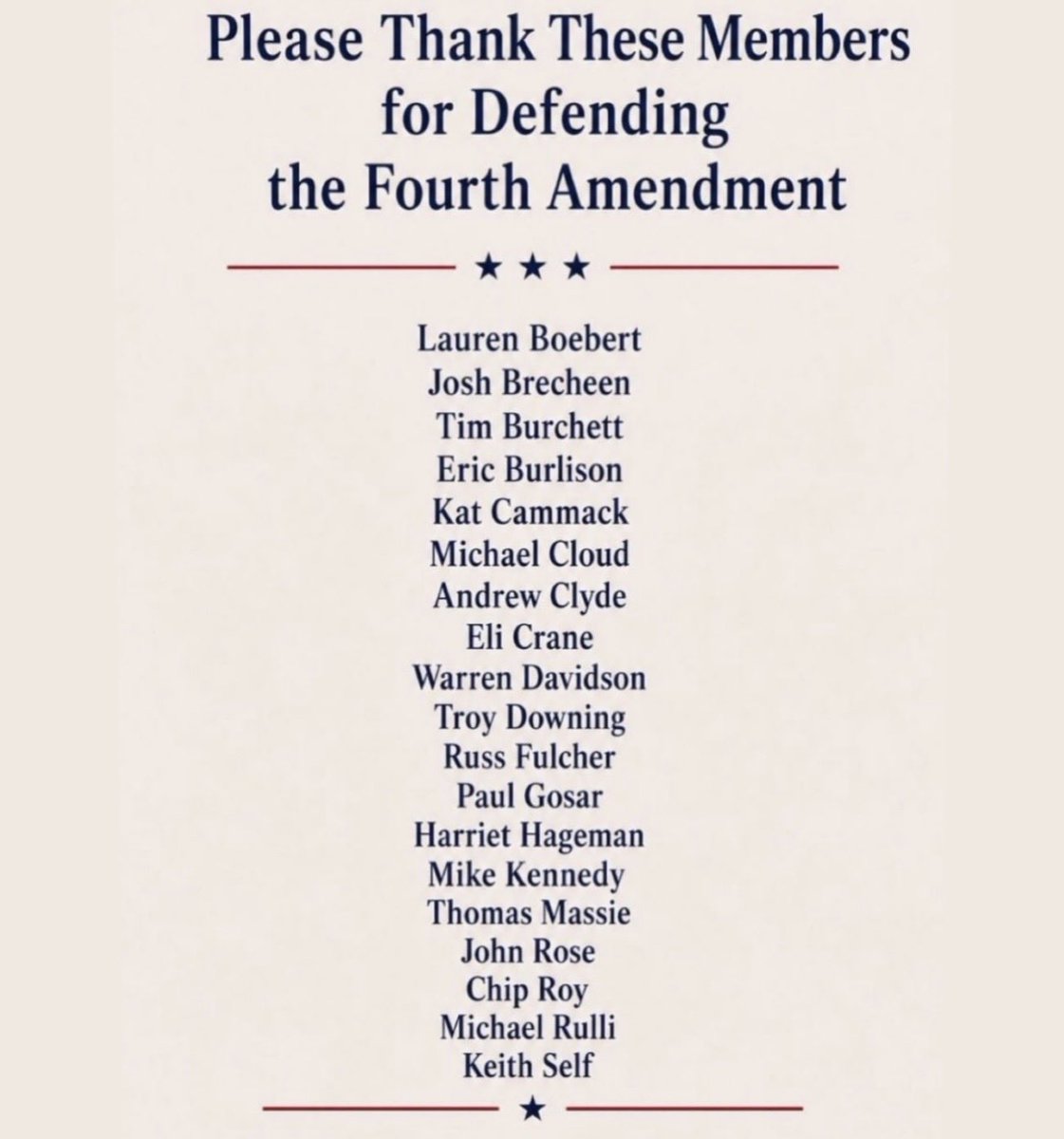
I voted NO on FISA. The Constitution must always come first.
Our Founding Fathers believed Americans deserved to be free from mass surveillance.
Make the 4th Amendment Great Again!
17
23
136
2,806
Michael Rulli retweeted

Jun 12
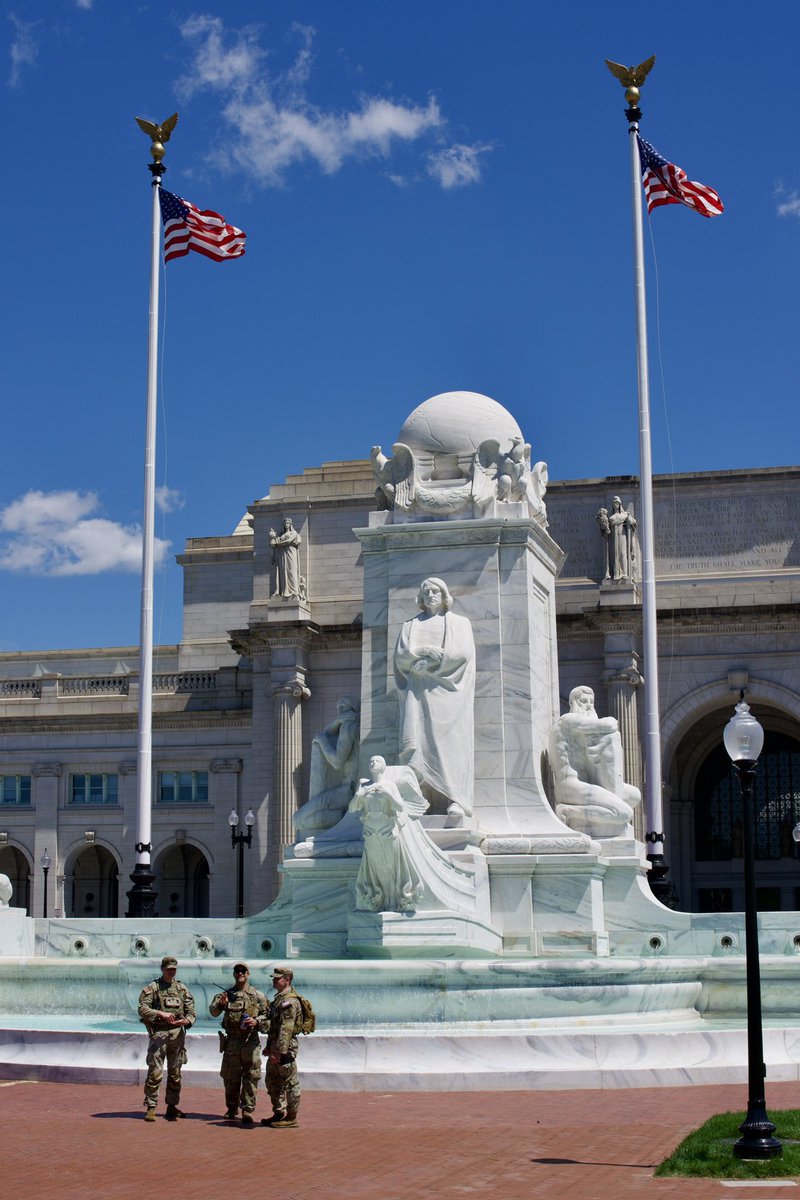
WOW…Trump has transformed Washington DC
Water is flowing, memorials are shinning, and locals are out in DROVES 🔥
DC is proof you can fix a grungy crime ridden city - residents love it!
1,164
7,980
50,564
1,005,749
Jun 12
The Constitution comes first. FISA doesn’t, so I voted no.
5
3
15
881
Michael Rulli retweeted

For those of you who don’t speak Italian, I’m going to translate just some of the headlines that I’ve read in the last 48 hours from the country that I live in, Italy:
Avezzano: Sexual violence against a 16 year old, judge releases the Egyptian attacker and says “no precautionary needs were identified”
Bressanone: Tunisian migrant stabs a 20 year old to steal his bike
Bussolengo: Shooting, 30 year old injured, 17 year old Egyptian migrant arrested
Milan: Attempted murder, kidnapping, and sexual violence against an Austrian man, three Egyptians arrested
Milan, again: Gang rape of an Erasmus student, manhunt for the aggressors
Milan, once again: Polish model beaten and nearly gang raped by a group of migrants in the street, saved by an Italian man.
Udine: Foreign minor with covered face robs a supermarket while holding a gun
Terni: Two Tunisians arrested for assaulting a man and steal his money and bike
Viareggio: Violent robberies, three North Africans arrested
A 50 year old Albanian man defending an elderly man mocked by North Africans, was hit with a stone and left in a coma.
…….I won’t get into the politics of this. All I will say is that we absolutely do not have and cannot live this way any more.
This is not the Italy we haven known and loved for years. Something has to change. Now.
841
10,375
31,616
598,560
Michael Rulli retweeted

Jun 9
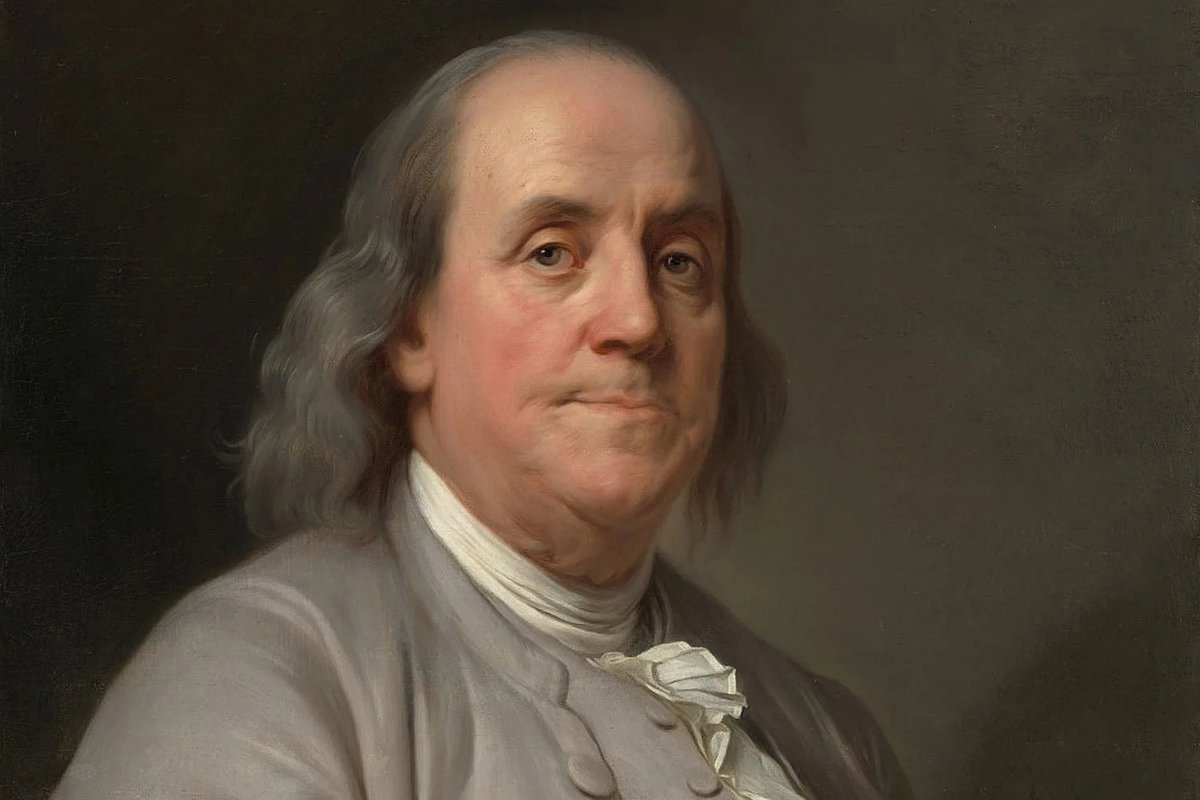
Pull a single thread on the hundred dollar bill and a whole life unravels that the statues never tell you about. Benjamin Franklin wasn't one man. He was about six, stacked into a single 84-year run, and the official version skips the most human parts.
He started with nothing. The 15th of 17 children, yanked out of school at 10 because his father couldn't pay for it. At 17 he ran away from his apprenticeship in Boston and walked into Philadelphia broke, with three puffy bread rolls under his arms. That penniless runaway is who they put on the money.
Version one: the writer. Self-taught, he turned a printing press into a media empire, got rich off Poor Richard's Almanack, and in 1754 drew "Join, or Die," the chopped-up snake that was the first political cartoon in American history. He understood going viral two centuries before anyone had the word for it.
Version two: the scientist. He proved lightning was electricity, then invented the lightning rod, bifocals, the Franklin stove, and a glass instrument so haunting that both Mozart and Beethoven later wrote music for it. He could have been the richest inventor alive. Instead he refused to patent any of it, arguing that since we all enjoy the inventions of others, we should give ours away for free. He handed the lightning rod to humanity and never took a cent.
Version three: the diplomat. As an old man he sailed to France and charmed an entire monarchy into financing a revolution against a fellow monarchy. No Franklin, no French alliance. No French alliance, no Yorktown. No Yorktown, no country.
Version four: the closer. He is the only human being who signed all four documents that built the United States: the Declaration of Independence, the alliance with France, the peace treaty with Britain, and the Constitution. He was the oldest man in every one of those rooms, 70 at the Declaration, 81 at the Constitutional Convention, so frail he had to be carried in on a chair. He showed up anyway.
Now the part the marble busts leave out.
Franklin had a son, William, whom he raised, mentored, and helped install as the royal governor of New Jersey. When the war came, William stayed loyal to the British crown and became one of the most powerful Loyalists in the colonies. His own father had him watched and effectively jailed as an enemy of the cause.
They never made peace. The man who stitched thirteen colonies together could not stitch his own family back. In his will, Franklin left William almost nothing, noting that if the British had won, his son would have left him with nothing either.
And the last turn, the one almost nobody sees coming: the slaveholder who became an abolitionist. Franklin enslaved people for much of his life. In his final years he reversed himself entirely, became president of an abolition society, and one of his last public acts was signing a petition begging the Congress he helped create to abolish slavery.
The runaway with three bread rolls became a printer, an inventor, a diplomat, a founder, and finally a conscience.
Most people are handed one life. Franklin quietly lived six, and put his name to every single one before he was done.
23
220
710
13,803
Michael Rulli retweeted
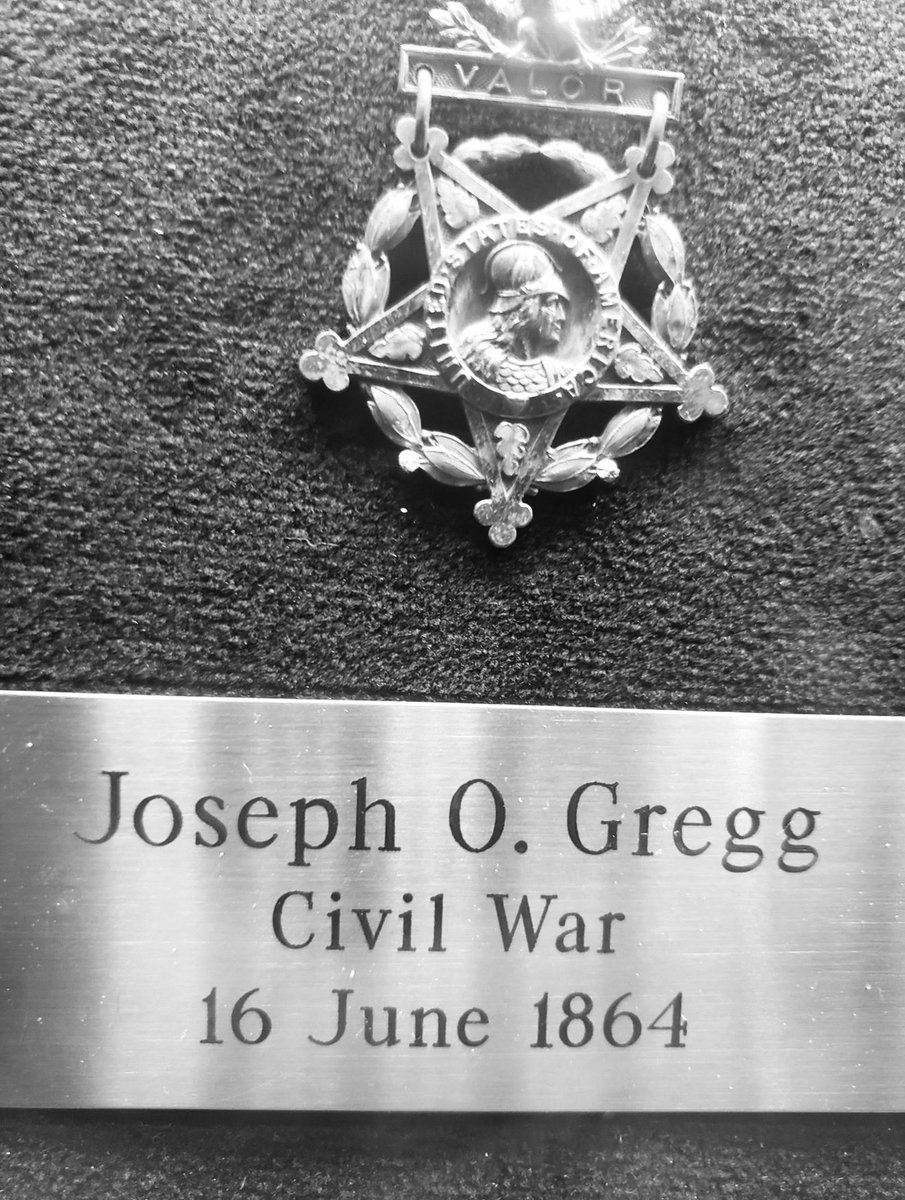
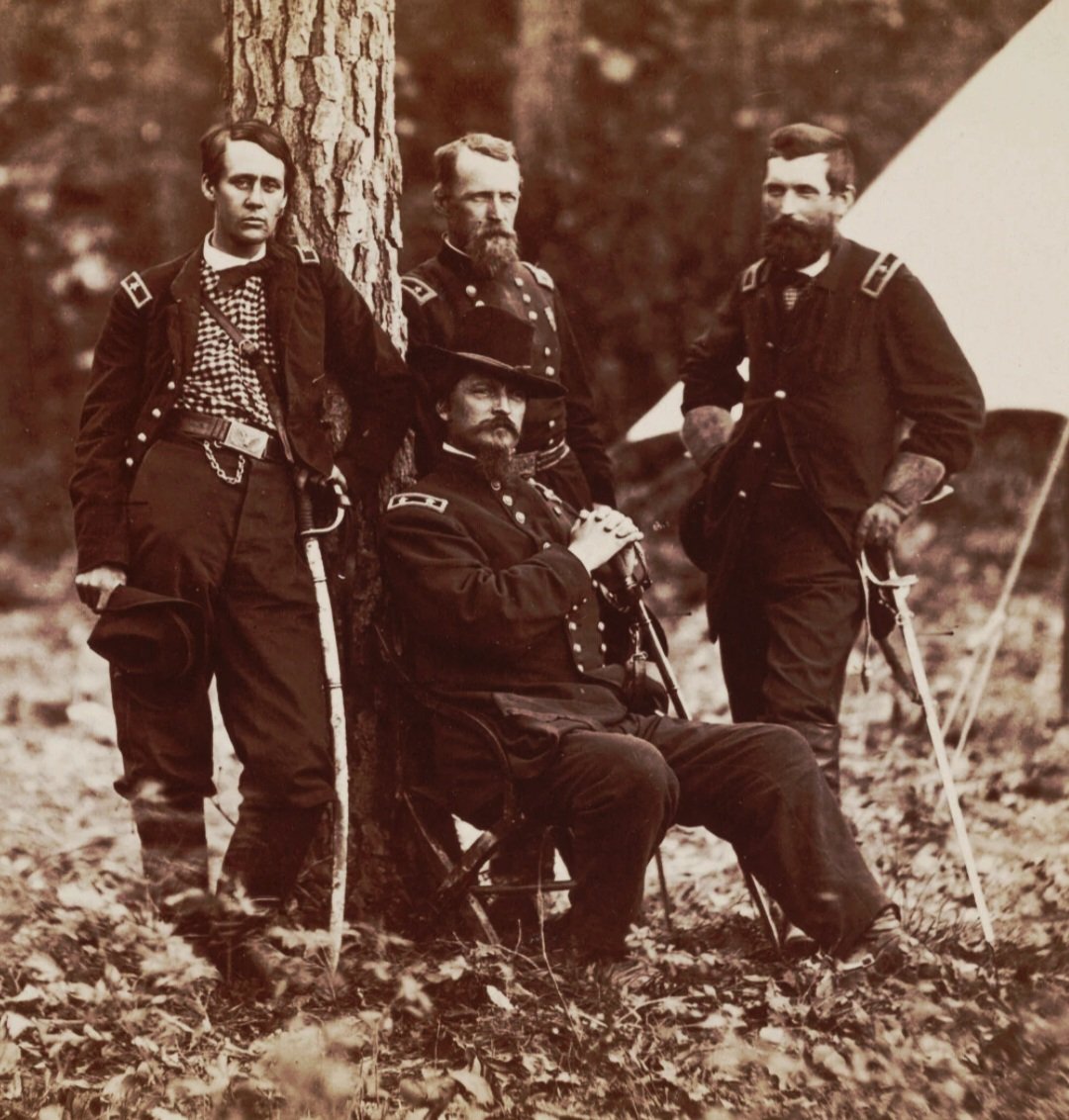
The Battle of Brandy Station came on the heels of a dramatic reorganization of the Army of the Potomac's cavalry. When Gen. Joseph Hooker replaced Ambrose Burnside in 1863, he aggregated previously disparate mounted units into a single cavalry corps. At last, the Federal horsemen were able to operate in numbers large enough to compete with their Confederate counterparts. Thus, when the blue and gray troopers of both armies clashed on the field of Brandy Station #OnThisDay June 9, 1863, a total of 18,456 horsemen became involved in the fighting. The ensuing action was the largest one-day cavalry battle in American history. battlefields.org/learn/civil…
1
13
54
1,549
Michael Rulli retweeted

Jun 9
Democrats killed a bill for tuition assistance for children of veterans killed in battle,
THEN APPROVE subsidizing the education and healthcare of Illegal Immigrants. This is who they are…

1,647
14,999
39,920
334,891
Michael Rulli retweeted

The Catholic Church in Colorado and the Vatican do not endorse @MannyRutinel or any political candidate. The Colorado Catholic Conference, as the united voice of the Catholic Bishops of Colorado, objects to the use of Pope Leo XIV’s image and words to imply endorsement of Rutinel. Furthermore, the position of Rutinel on abortion, especially Rutinel’s recent co-sponsorship HB26-1335 and HB25-129, is direct participation in the grave evil of abortion and violates Catholic Church teaching.
@ArchDenver @dioceseofcos @DenverCatholic @BishopGolka @VaticanNews @EWTNVatican x.com/JacobRubashkin/status/…
3
18
2,364
Michael Rulli retweeted

Jun 9
Il y a en France un problème concernant la protection de l'enfance, une certaine nonchalance.
Outre le manque de moyens donnés à notre Justice, il y a un déni évident sur l'aggravation spectaculaire de la délinquance et de la criminalité en France.
124
588
1,928
30,335
Michael Rulli retweeted

For the first time in 123 years, Argentina has achieved a sustained fiscal surplus without being in default. We are one of only 5 countries in the world in this position.
LONG LIVE FREEDOM, DAMN IT...!!!
437
7,493
58,151
1,097,352
Michael Rulli retweeted
Jun 9
California is the Death of the Republic.
12
16
60
4,460
Michael Rulli retweeted

Jun 9
What happened in Belfast last night is horrific.
The authorities must reveal the identity and status of the attacker immediately.
The public are entitled to the truth.
Jun 8

🚨 NEW: A man has been arrested after an attempted beheading of another man in north Belfast tonight

2,189
4,585
30,370
2,101,658
Michael Rulli retweeted

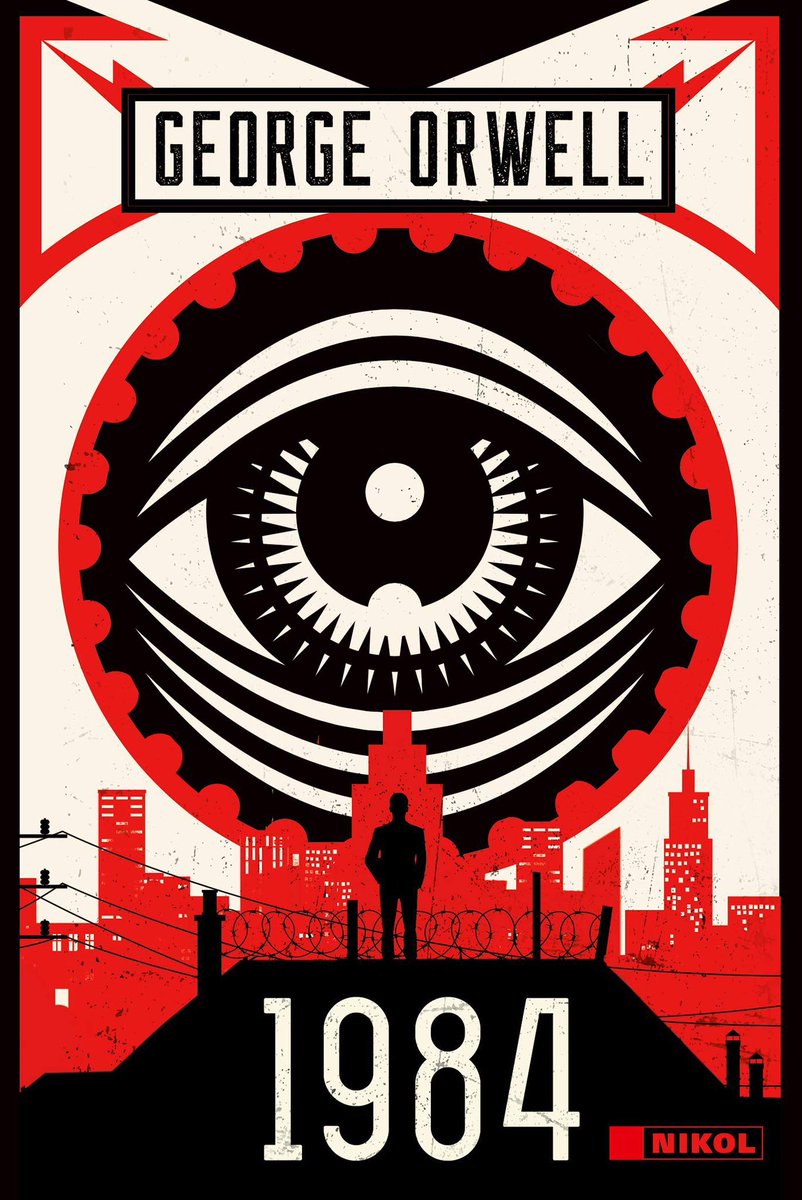
George Orwell’s 1984 was published today in 1949.
“The Party told you to reject the evidence of your eyes and ears. It was their final, most essential command.”
268
5,630
12,454
256,227
Michael Rulli retweeted

Jun 6
In France there is a new activity that the Left is getting their knickers in a twist about.
Le Canon Français is running massive banquets. For about £70 you can have great food and drinks and spend time singing patriotic songs.
The “Far Left” is furious.
LFI says it has evidence of racist chanting, and of immigrant staff being insulted. With pork regularly on the menu, they say the feasts are purposely designed to exclude Muslims and vegetarians.
Meanwhile, everyday people who love France, love food and beer are having the time of their lives.
2,153
17,059
96,866
2,762,260
Michael Rulli retweeted

Jun 6
🏴 All For England 🏴
A message to every Englishman and woman who still believes our land is worth fighting for.
Watch it. Share it. Join us.
We will reclaim our homeland 🏴
88
493
2,388
53,950
Jun 7
Decline is a choice.
We should clean and restore the monuments that remind us of our greatness.
Thank you President Trump! 🙏
42
97
496
8,418