
Former Product Design @etsy · @TheWebbyAwards Winner · Former faculty @svaixd @CACollegeofArts · michaelryap.com
Joined January 2011
- Tweets 5,791
- Following 2,459
- Followers 2,929
- Likes 5,240
523 Photos and videos


4 Nov 2024
Design has two essential purposes: to create products and services that enrich our lives, and to establish and nurture trust between users and the brands behind them #designedfortrust
1
1
265
16 Jul 2024
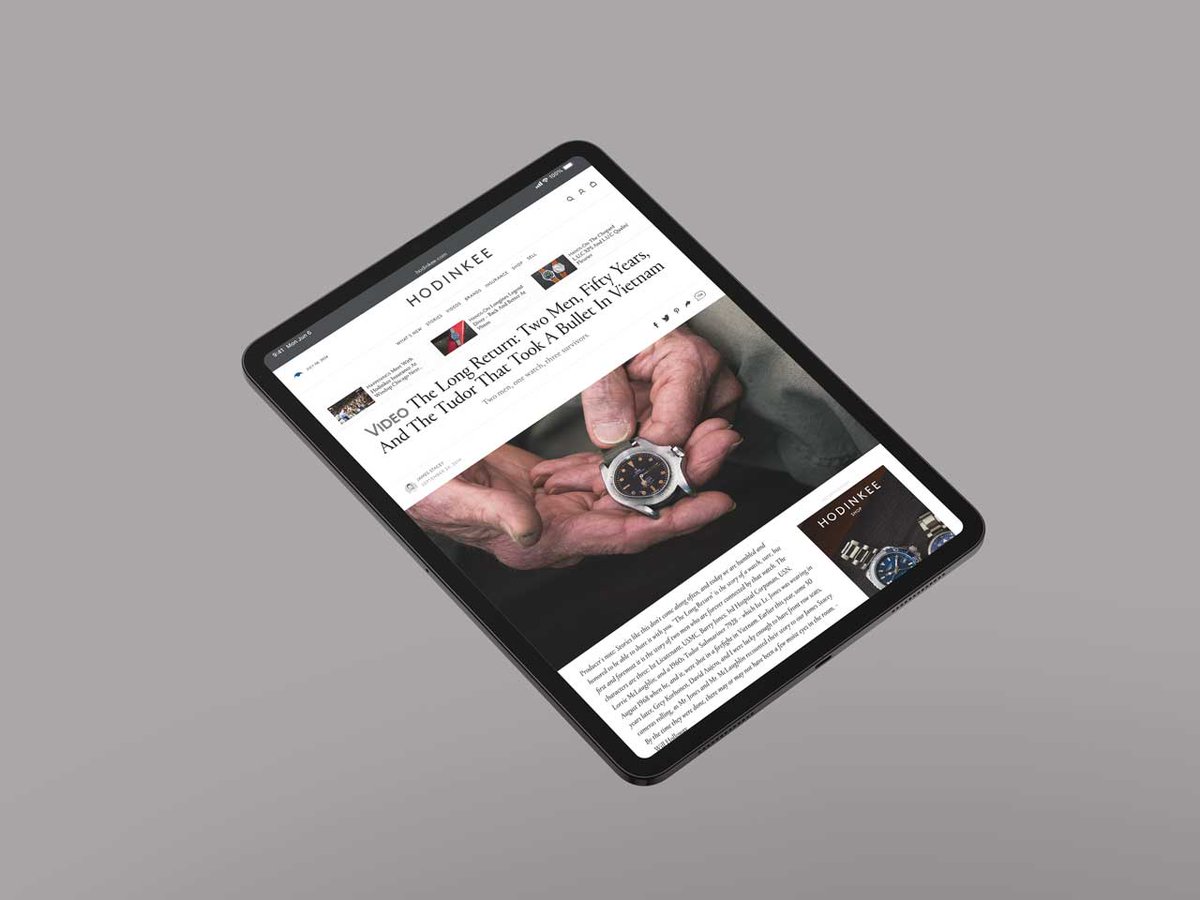
One measure of a digital designer is if their work still exists on the Internet 1–, 5–, 10-years from when it launched and if it still looks good and performs well
2
206
16 Jul 2024
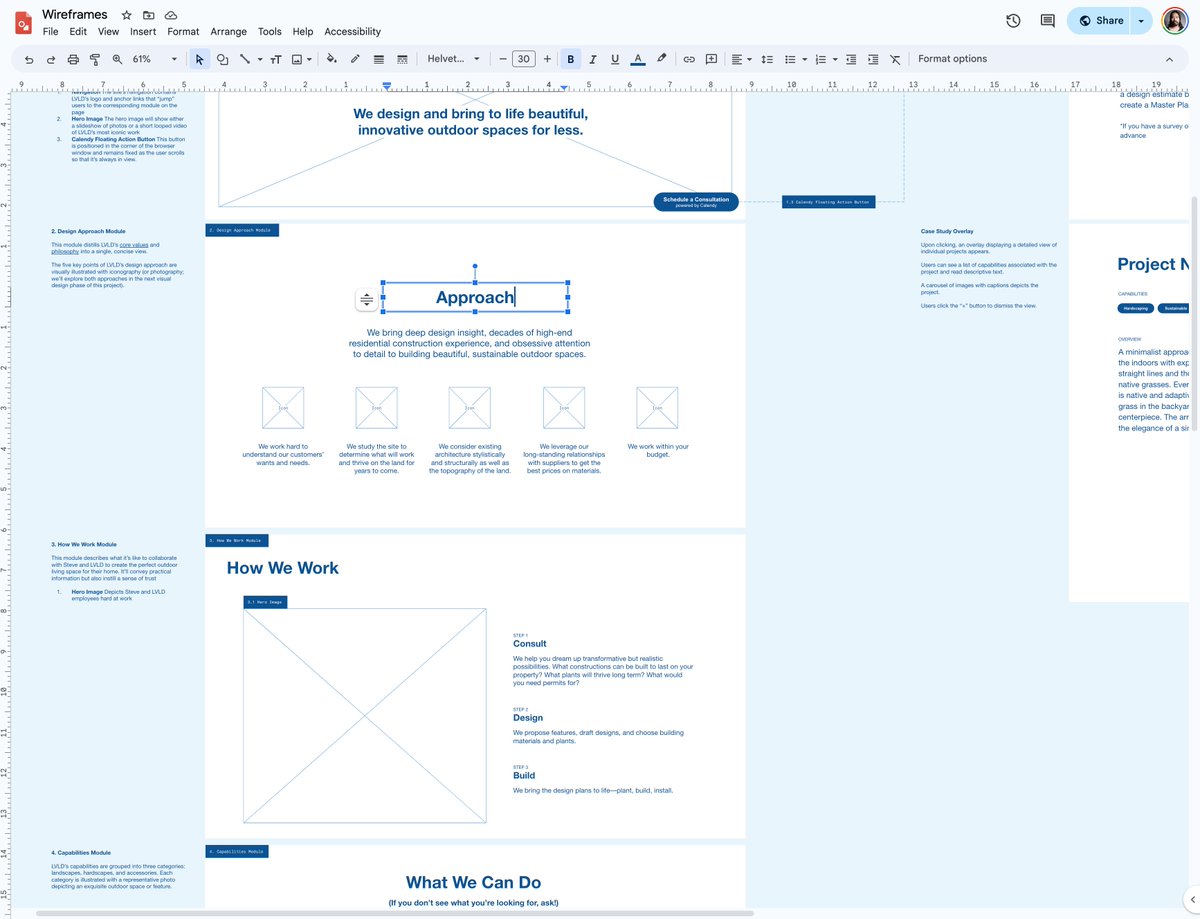
Yes, Figma is powered by AI, but sometimes all you really need to design interactive experiences are boxes-and-arrows (and Helvetica)
1
2
220
11 Jul 2024
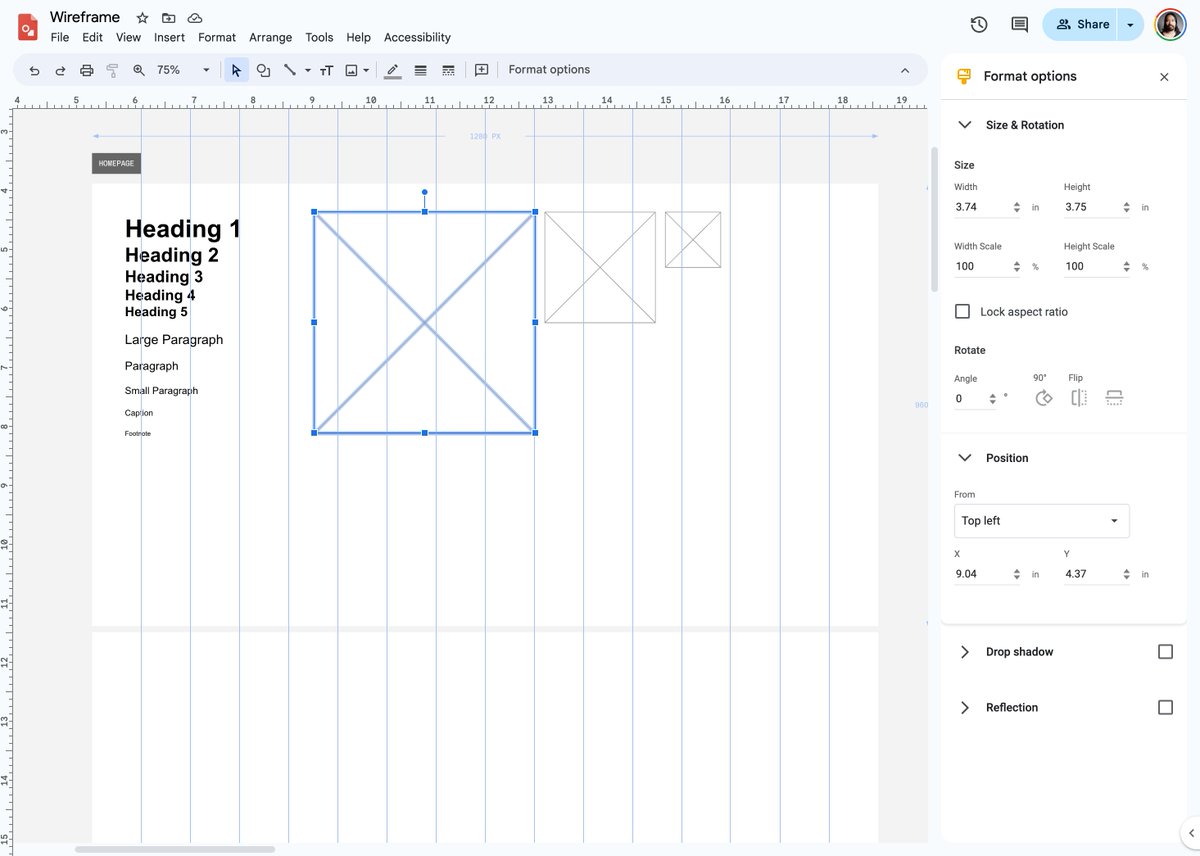
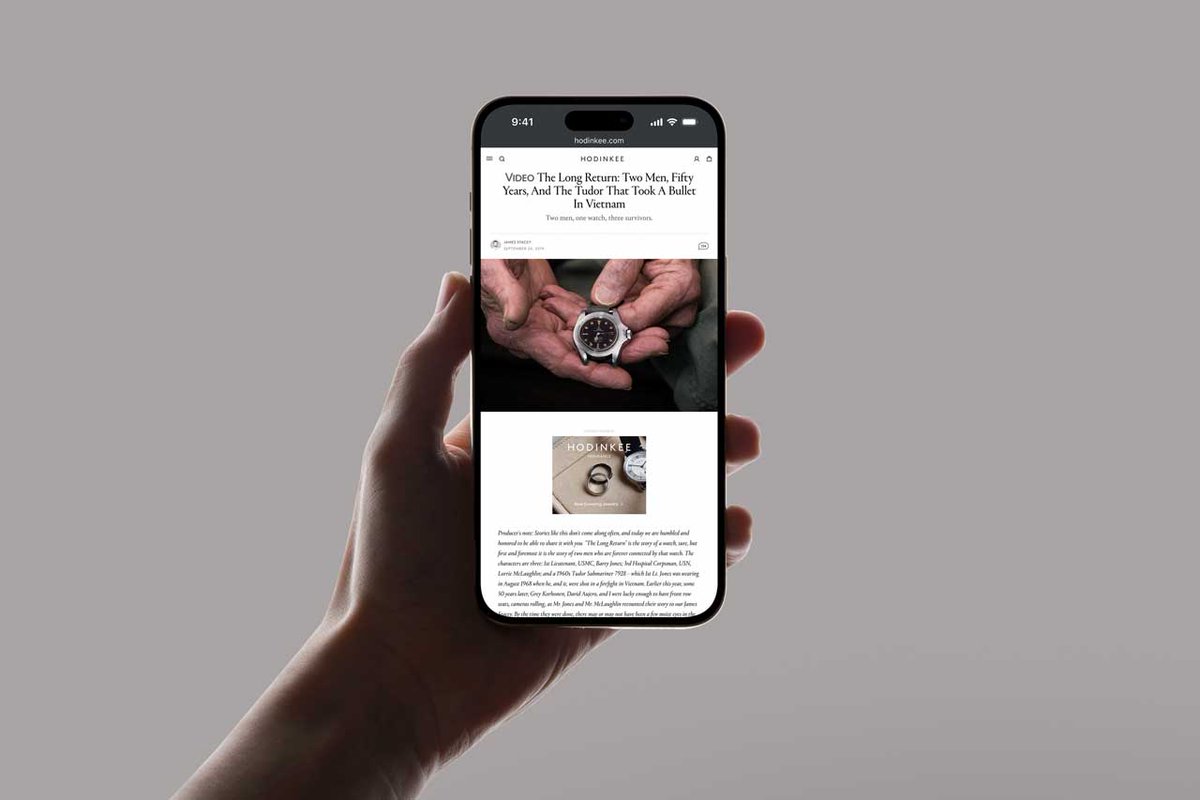
Abilities to size objects according to numeric values and guides have made Google Drawings a serious collaboration tool for designers
1
181
10 Jul 2024
"We don't rise to the level of our expectations, we fall to the level of our training" —Archilochus
1
156
19 Apr 2024
If you observe a product designer at work their actions might appear loose and fast, but in reality they are engaged in a series of making one decision after another according to a complex process of formulation, selection, and rejection (1/2)
1
1
356
19 Apr 2024
That is, for any given design problem, the formulation of many potential solutions, the selection of the best candidate evaluated according to the governing laws of composition and convention, and rejection of the rest (2/2)
101
17 Apr 2024
How interactive experiences draw from Muybridge's invention of the zeotrope 🧵🧵
Interactive experiences are dynamic — they sense, compute, and react.
1
297
17 Apr 2024
Disney’s first full-length feature, Snow White and the Seven Dwarfs, consisted of approximately 120,000 views (or frames in film lingo) that were drawn and painted by hand by a team of 32 animators.
1
119
17 Apr 2024
Luckily, designers have to perform the same amount of work to design apps and websites, rather, we design several key views and rely on code to animate the experience
109
17 Apr 2024
Design studies are little windows that let you peer into the future of what a design will eventually become. They appear as fragments of a fully resolved design. Yet, they are low stakes and disposable. Tiny trials and errors. Design studies always leave you wanting to see more.
2
2
395