
We help employers lower workers comp costs. Our team has MDs, attorneys, claims experts. Return to Work, Managed Care, Working with TPAs, and Training.
Joined February 2009
- Tweets 4,286
- Following 80
- Followers 2,979
- Likes 348
373 Photos and videos
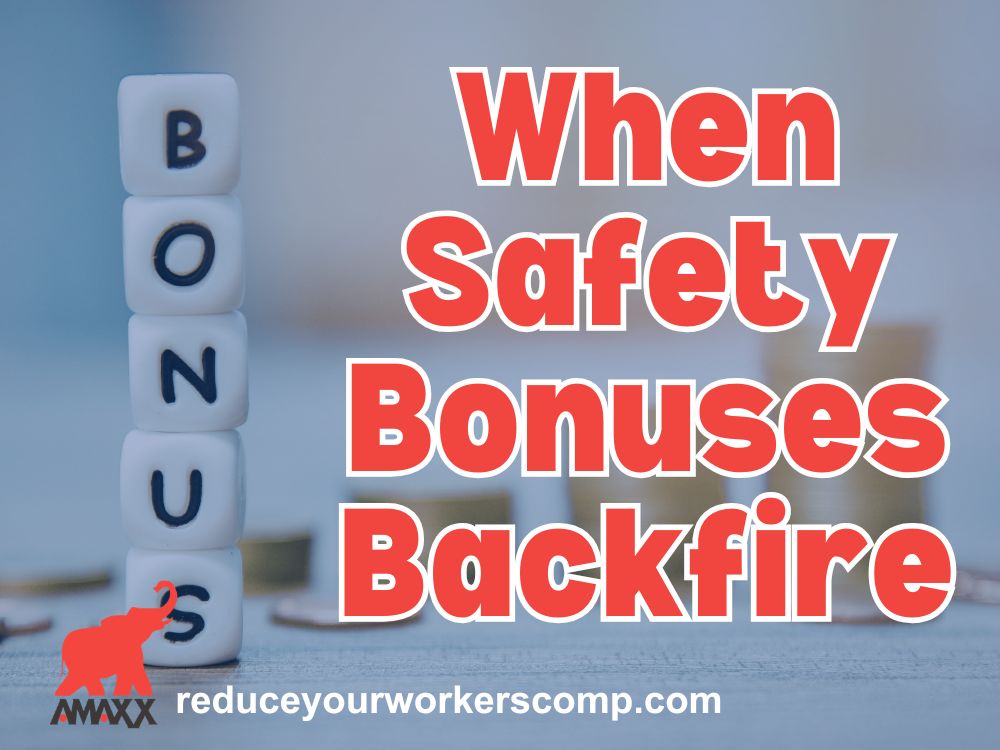



Zero accidents should be the goal not the incentive.
The safest cultures reward participation, not silence.
buff.ly/F021AIv
Free PDF:
buff.ly/CXmz9a3
#WorkersComp #SafetyCulture #WorkplaceSafety #RiskManagement
4
Safety culture isn't built by posters on the wall.
It's built by what leaders do when safety conflicts with production.
buff.ly/ayjAUtT
Free PDF:
buff.ly/CXmz9a3
#WorkersComp #SafetyCulture #Leadership #WorkplaceSafety
1
7
Most workplace injuries aren't caused by ignoring safety rules, they happen when employees choose between safety, production, and convenience.
buff.ly/pIb1pIi
Free PDF:
buff.ly/CXmz9a3
#WorkersComp #SafetyCulture #RiskManagement #WorkplaceSafety
8
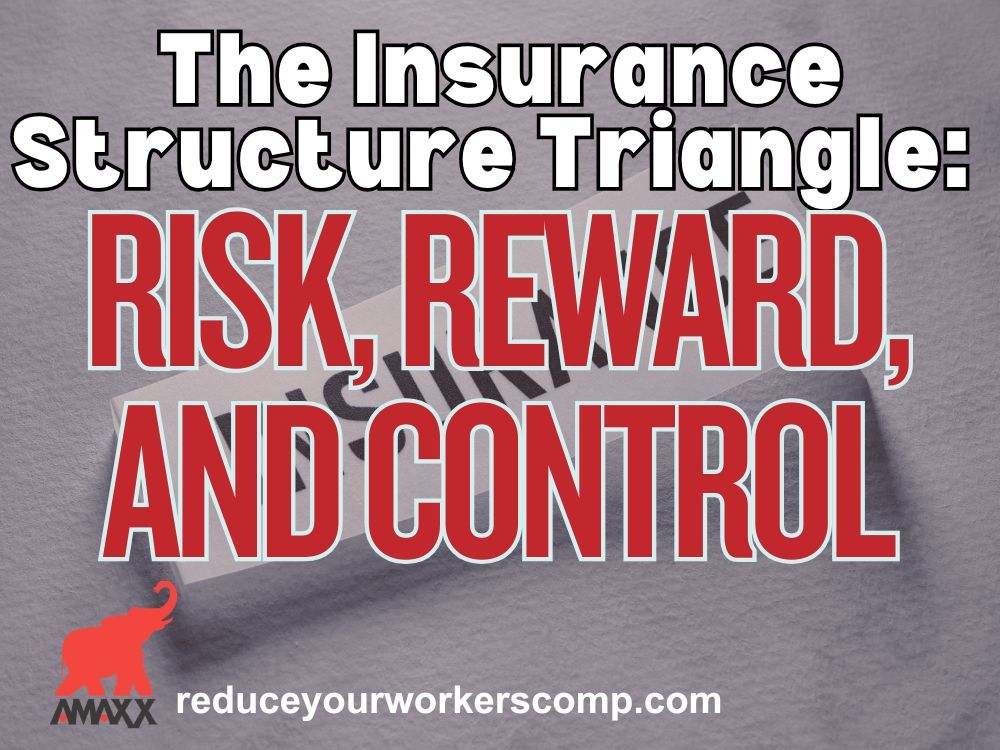
Risk. Reward. Control.
Every workers’ comp insurance structure is a tradeoff between the three.
More risk can mean greater savings and control—but also greater responsibility.
Read more: buff.ly/yRCnT6S
Free guide: buff.ly/itJtBLn
1
7
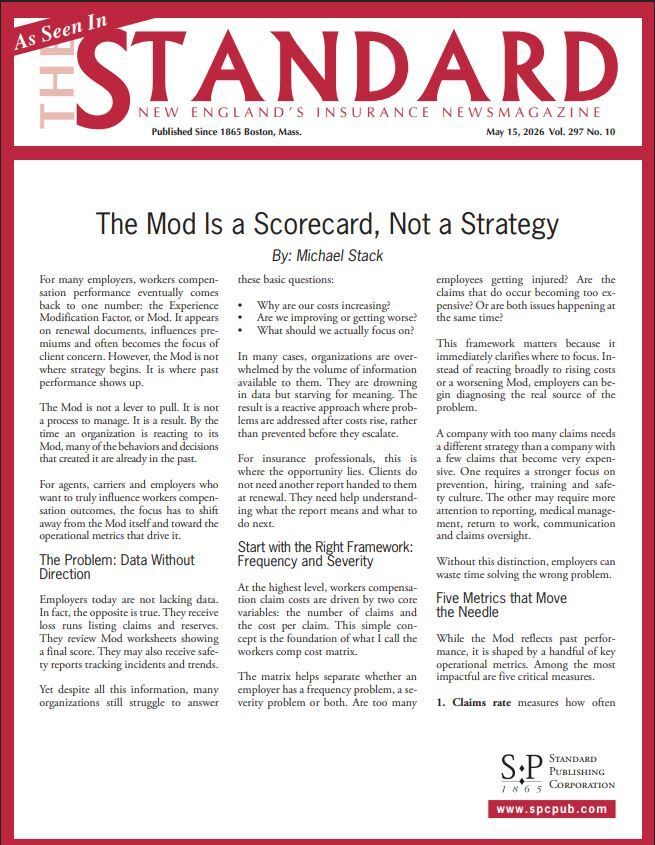
Your experience mod is a scorecard, not a strategy.
The mod reflects past performance. Better results come from improving the metrics that drive it—claim frequency, lag time, RTW, and litigation.
Read more: buff.ly/GLvtrb2
Free guide: buff.ly/XcXbpZY
6
Workers’ comp insurance structure isn’t just an insurance decision—it’s a business decision.
The right program impacts cash flow, capital allocation, growth plans, and financial flexibility.
Read more: buff.ly/gz4cUT6
Free guide: buff.ly/itJtBLn
4
Delayed medical treatment increases workers’ comp litigation risk fast. Early care, fast communication, and immediate injury response help reduce claim escalation, lower costs, and improve RTW outcomes.
buff.ly/V6baOoj
Free PDF:
buff.ly/r86qekV
4
Medical discounts don’t guarantee lower workers’ comp costs. Strong provider partnerships improve RTW outcomes, reduce litigation risk, and shorten claim duration. Focus on outcomes—not just discounts.
buff.ly/YgqR7uj
Free PDF:
buff.ly/Vs7VN8c
16
Strong physician partnerships lead to faster recoveries, lower claim costs & better RTW outcomes. The best workers’ comp focus on communication & collaboration not just medical discounts. buff.ly/2ltD0Vh
Free PDF: buff.ly/xfU5em7
#WorkersComp #RiskManagement
1
18
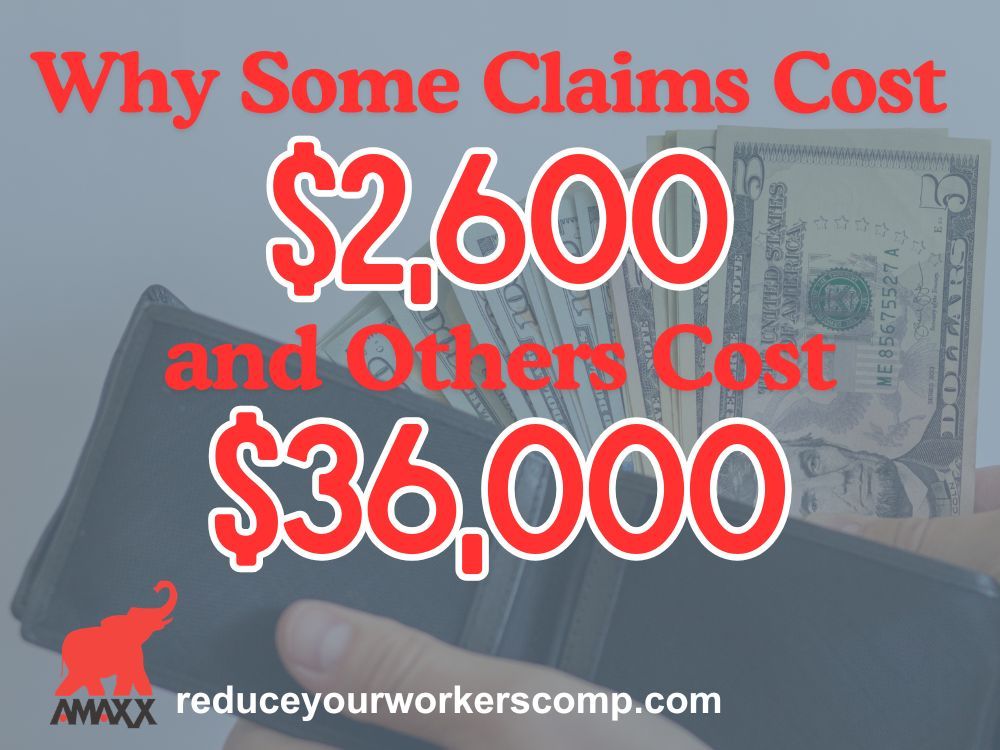
Why does one workers’ comp claim cost $2,600 while another costs $36,000? The difference is often psychosocial risk, participation, and early intervention — not injury severity alone. Predictive screening can change outcomes.
buff.ly/5JA3uxb
14
The earliest predictor of workers’ comp claim failure often isn’t medical — it’s participation. Missed appointments, delayed reporting, and poor communication are early warning signs employers can’t ignore.
buff.ly/u56RoXD
1
9
Most runaway workers’ comp claims don’t start catastrophically. They begin as routine injuries that spiral because the first 6 weeks were mishandled. Early communication and RTW focus matter.
buff.ly/wIqwAad
1
11
Most employers react to injuries individually. OSHA focuses on hazard categories to identify patterns before injuries happen. Chemical, physical, biological, and ergonomic risks all require targeted prevention strategies. Read more: buff.ly/l1NargG
1
24
Multi-location employers often lose control of injury reporting through inconsistent processes, delayed reporting, and unclear ownership. The result: higher claim costs and OSHA exposure. Read more: buff.ly/qt2hvuc
1
9
Your DART rate may reveal bigger problems than your TRIR. High DART rates often point to weak return-to-work coordination, poor modified duty processes, and rising claim costs. Read more: buff.ly/WZsSiYN
7
Most employers think high workers’ comp costs are unavoidable. They’re not. Overpaying usually comes down to misunderstanding what drives costs—actual vs. expected losses, lag time, and claim frequency. Fix the drivers, and costs follow.
buff.ly/KvMV6NS
13
Most employers ignore their experience mod worksheet. That’s a mistake. It shows exactly what’s driving your workers’ comp costs—actual vs. expected losses, claim frequency, and trends. Use it as a roadmap, not paperwork.
buff.ly/kst5wzR
13
High mod = high premium? Not always. Carriers price based on future risk—not just past losses. Your mod is a snapshot, but trends drive pricing. Improvement can earn better rates before your mod drops.
buff.ly/CK4j9uG
9
In workers’ comp, it’s easy to stay busy—but activity isn’t progress.
Real results come from prioritizing what matters and executing in the right sequence.
buff.ly/6i6uyWN
9
Safety programs ensure compliance—but don’t always reduce injuries.
Real results come from prevention systems that connect hiring, training, and job readiness.
buff.ly/DKBLbNC
8