
The journal of the European Academy of Microbiology (EAM) | An Open Access @FEMSmicro journal covering all aspects of #microbiology
Joined July 2021
- Tweets 446
- Following 80
- Followers 1,564
- Likes 423
172 Photos and videos
Pinned Tweet

Mar 20
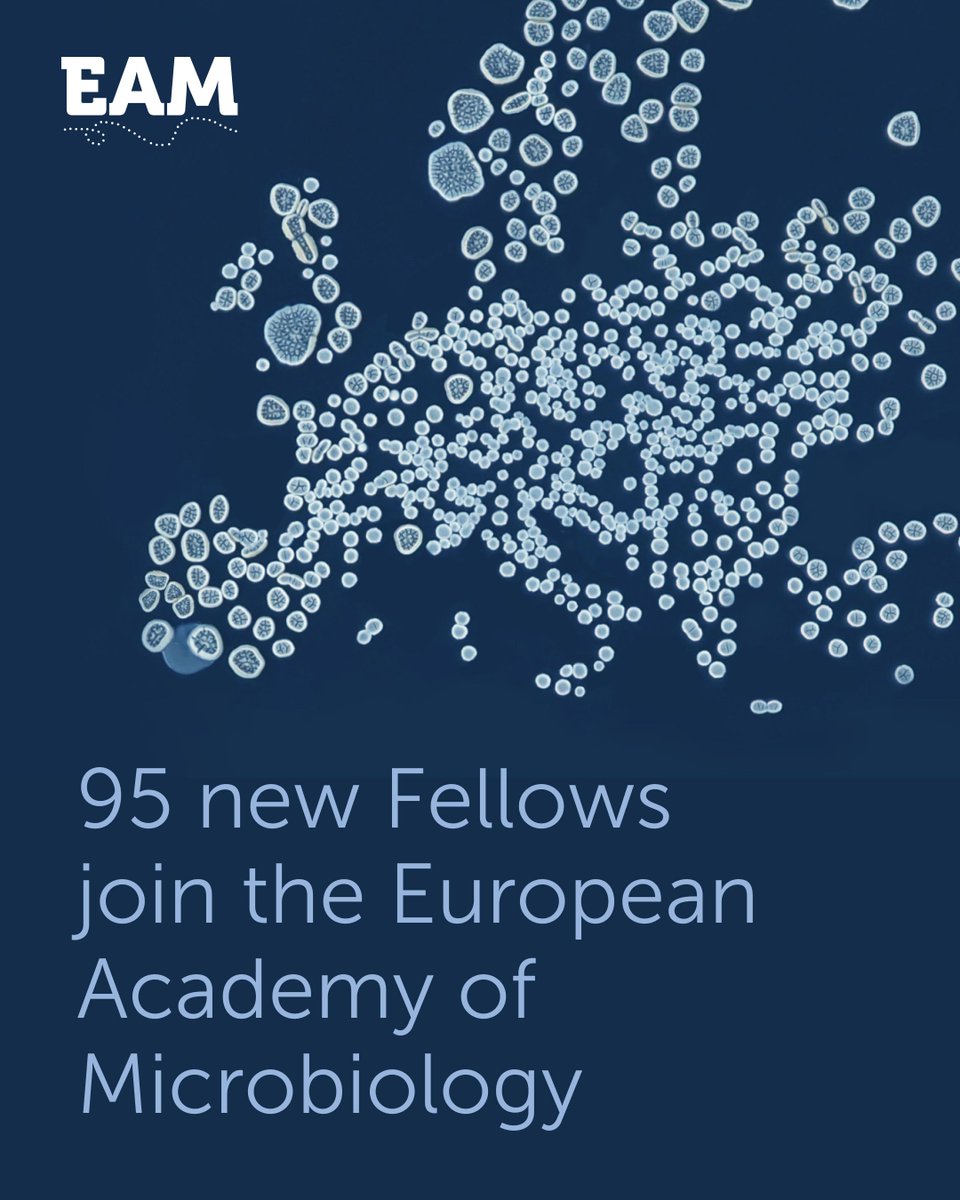
95 new Fellows join the European Academy of Microbiology🔬
The newly elected Fellows represent a wide range of expertise across microbiology and related disciplines , spanning institutions across Europe and beyond.
Read the full announcement📄buff.ly/CdRK14U
2
4
10
821
May 3
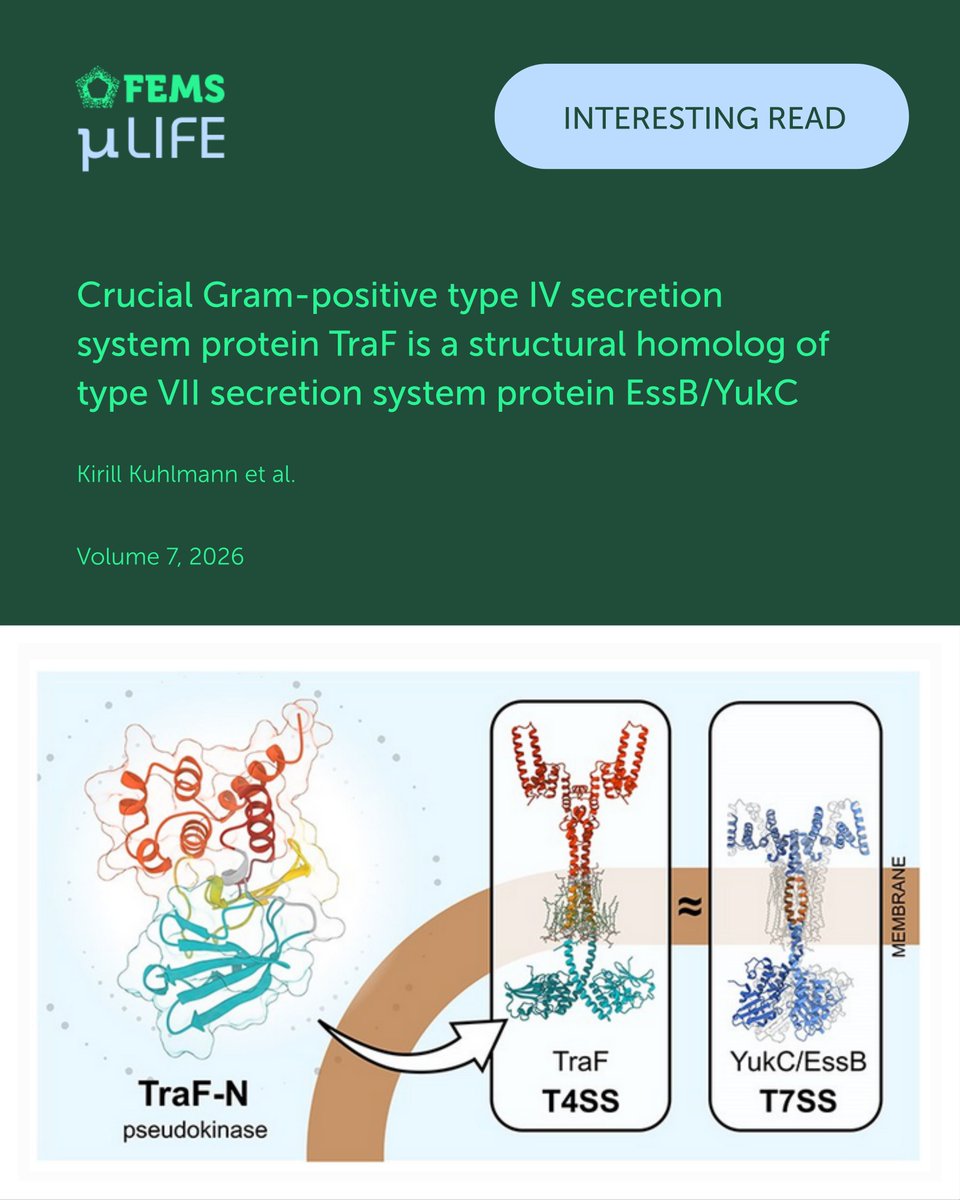
TraF from a broad-host monoderm plasmid is the first conjugative T4SS component with strong homology to T7SS pseudokinase 🧬 Grohmann & Keller labs elucidate its crystal structure, function and partners. @UniGraz @BHT_bln
👉️ buff.ly/liyQSzM
3
126
Apr 18
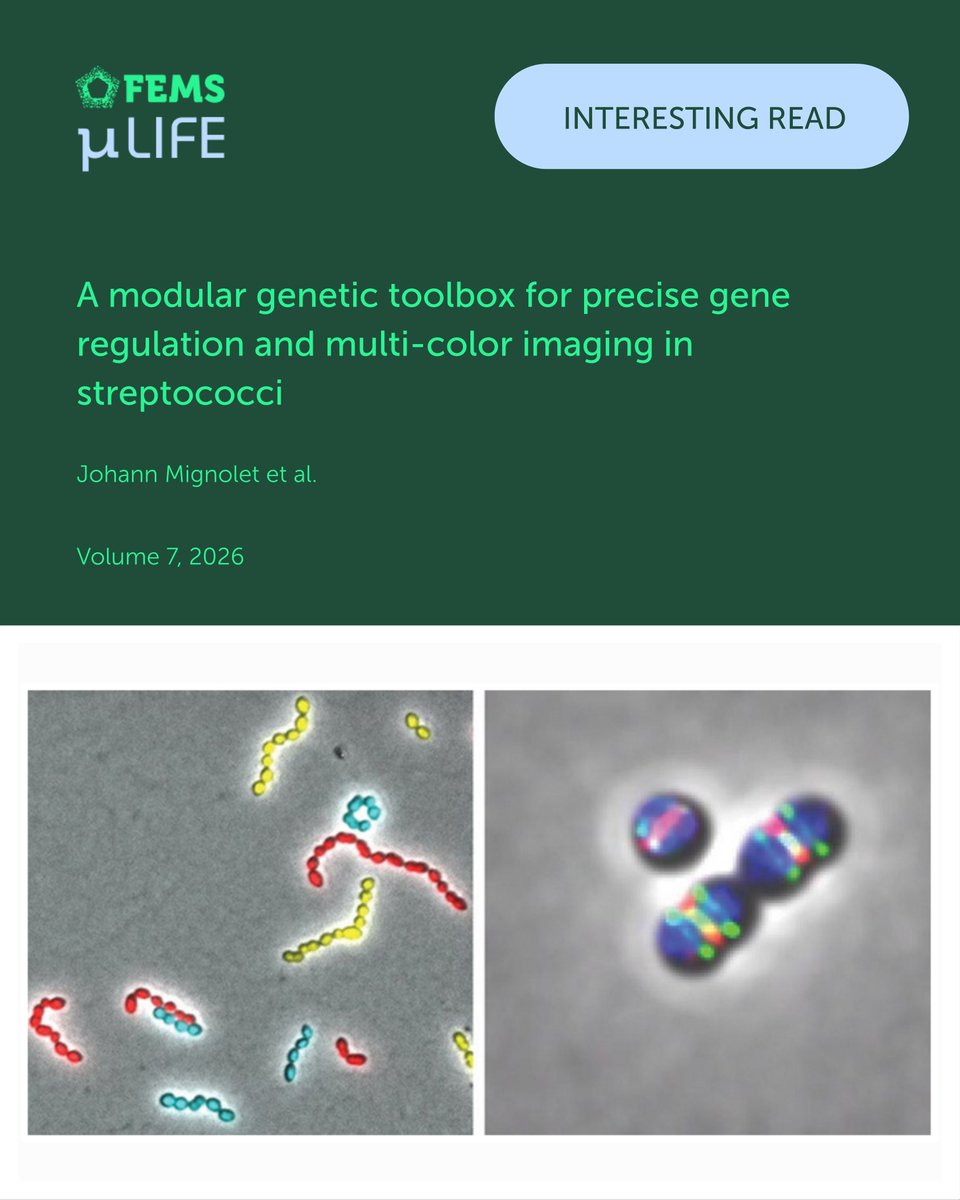
Fluorescent labeling extended to 3 streptococcal species 🧫✨ @JWVeening lab & coll. benchmarked 5 proteins and developed multicolor cassettes enabling triple labeling—expanding tools for gene expression, cell dynamics & infection studies.
👉️ buff.ly/ANbiALo
1
7
413
Mar 10
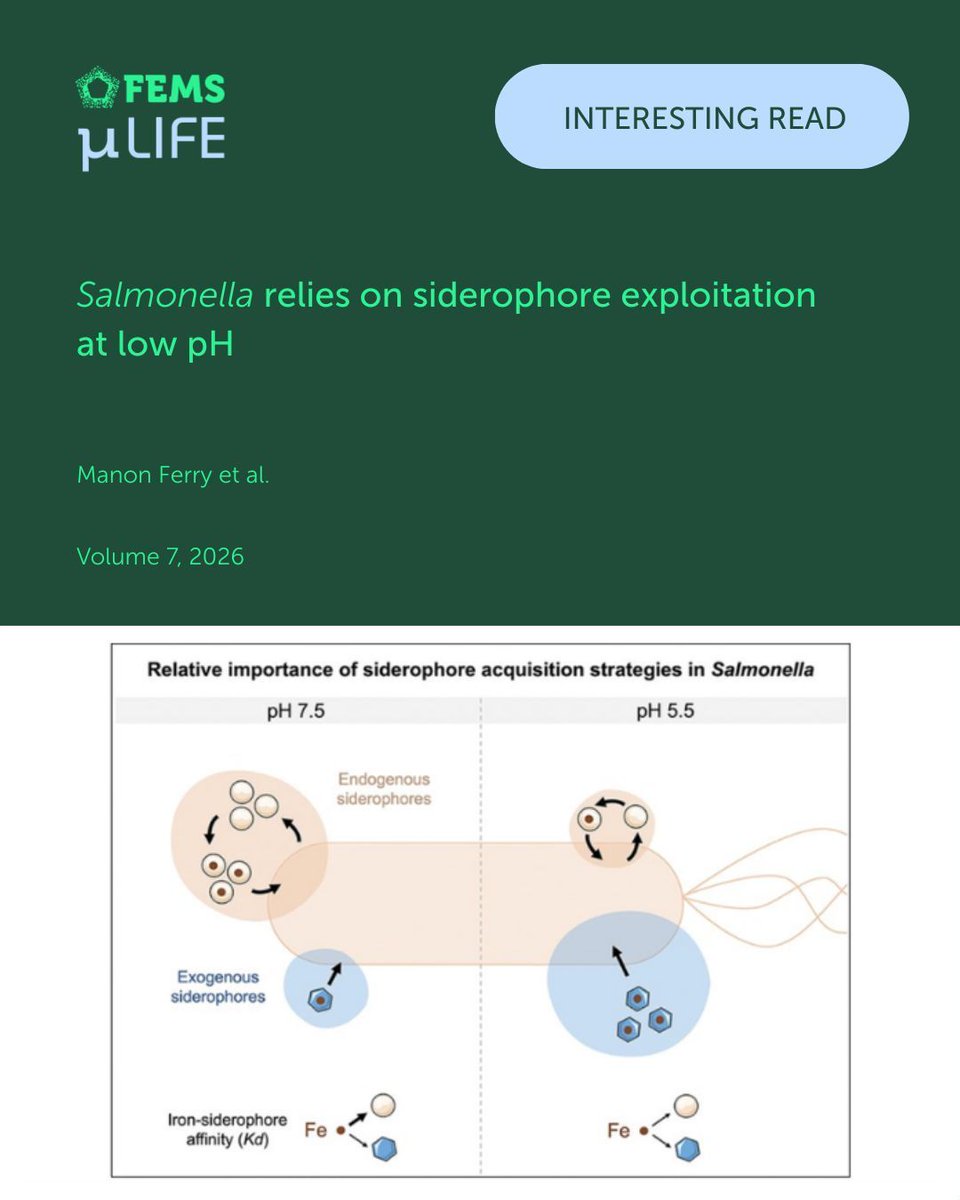
🦠 How does #Salmonella find #iron in the gut? @CunrathOlivier lab shows acidic pH pushes it to switch from using endogeneous to exogeneous #siderophores—revealing a flexible, pH-driven iron uptake strategy.
👉 buff.ly/90EZoqQ
3
159
Mar 3
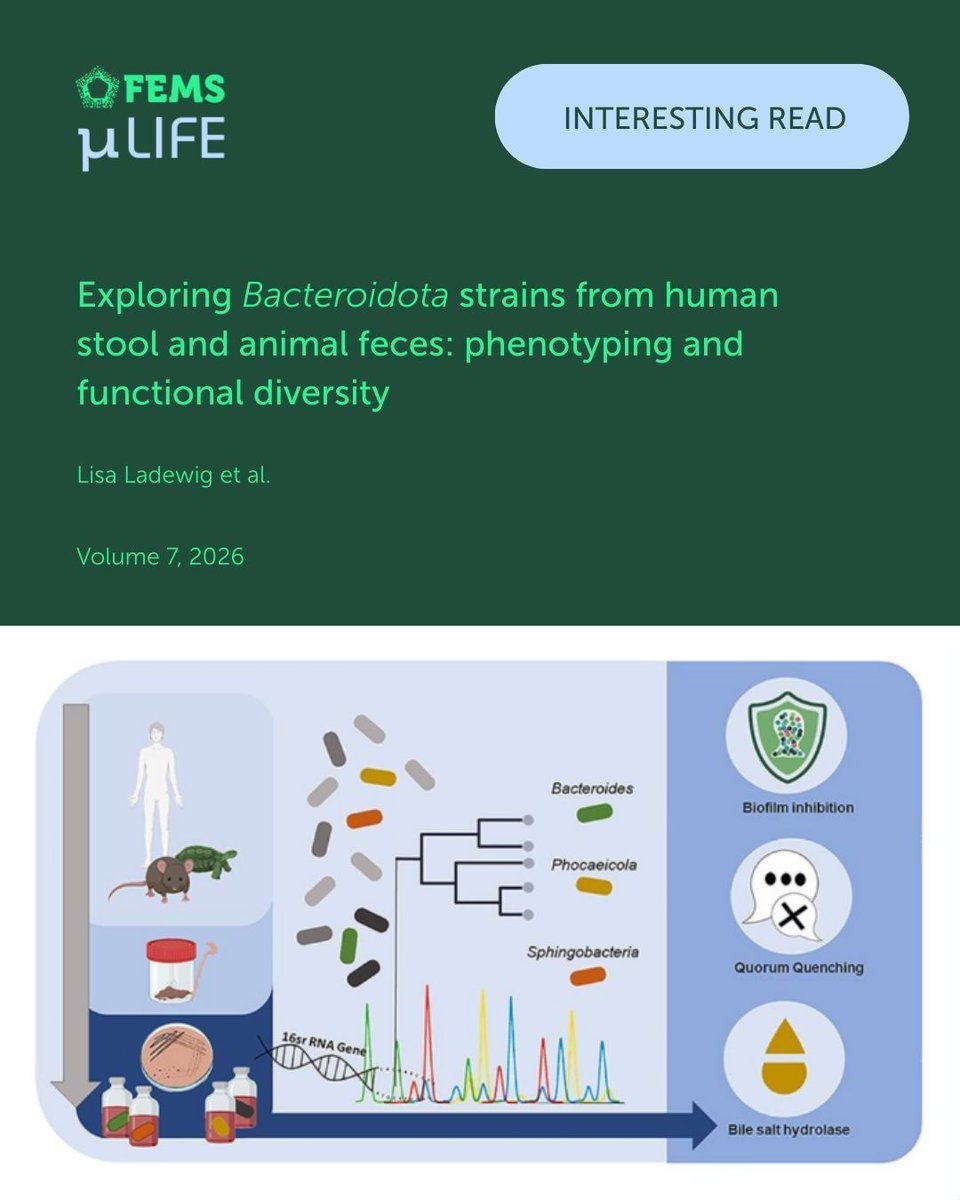
🦠 Beyond classic probiotics:@SchmitzStreits lab reveals diverse #Bacteroidota gut strains that block #biofilms of major pathogens. Many also disrupt quorum sensing & show bile salt hydrolase activity—expanding the #microbiome toolbox against infection.
👉 buff.ly/sjPk8ZD
1
4
141
Jan 31
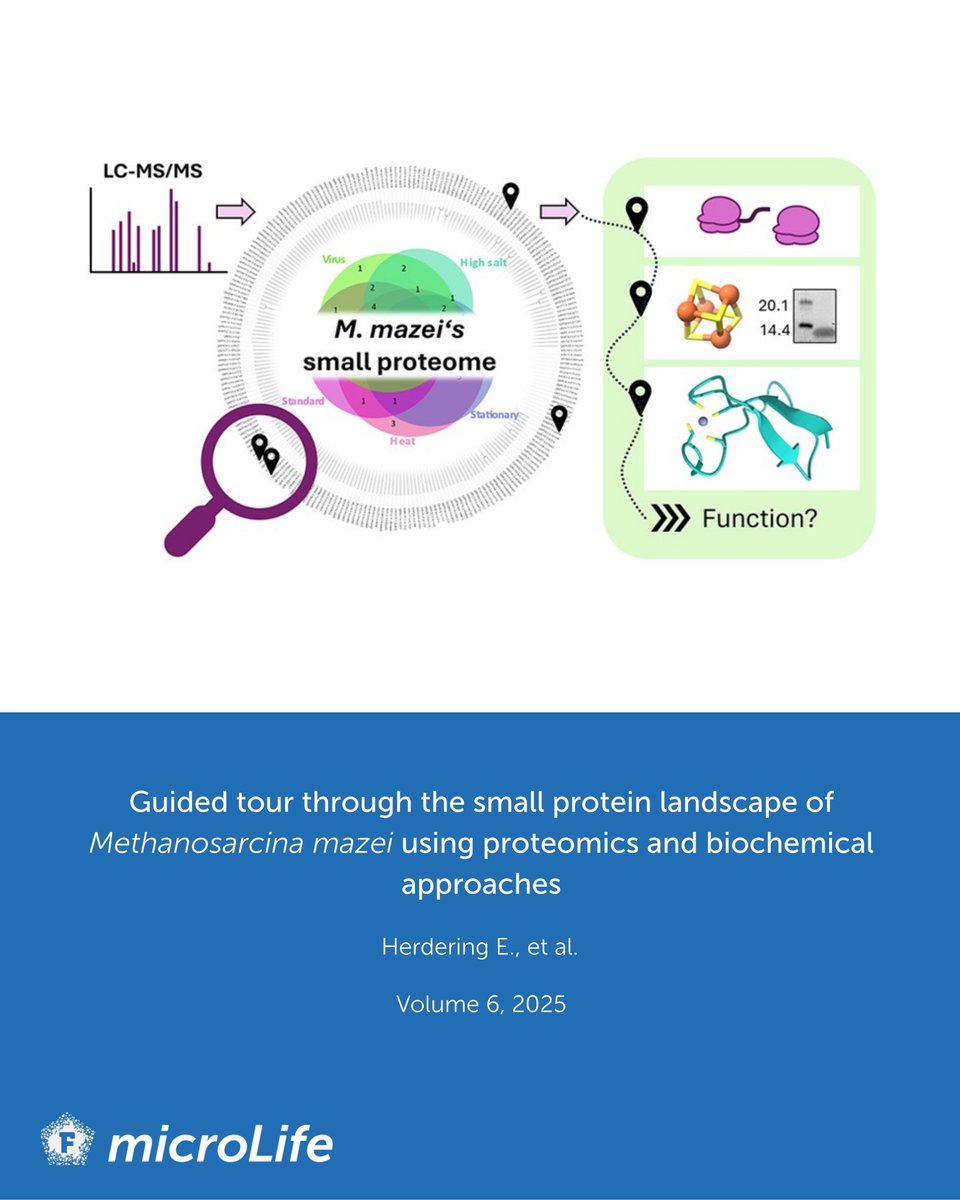
🧬 Dive into the small proteome of Methanosarcina mazei (across 5 conditions)! A key resource by @SchmitzStreits @kieluni for uncovering #smallproteins functions, motifs and proteoforms in #archaea.
👉 buff.ly/HJOi3E0
3
1
155
Jan 26
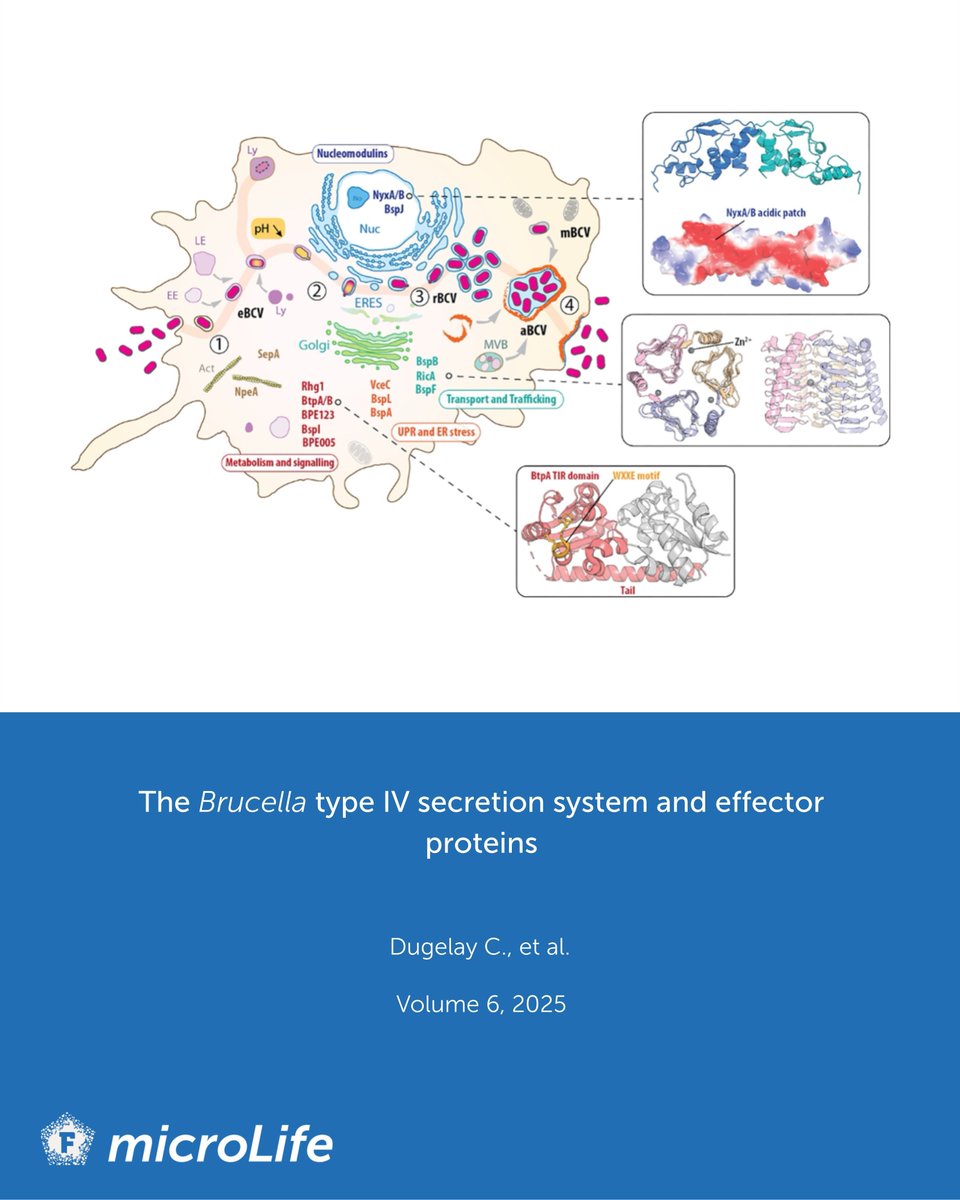
🦠 @LaurentTerradot lab reviews #Brucella’s #T4SS—a key virulence factor—covering its structure, function, and growing effector arsenal. It also explores how effectors enter host cells, opening new paths to understand and target infection. 🔬
👉 buff.ly/KW4kVN4
1
1
123
Jan 9
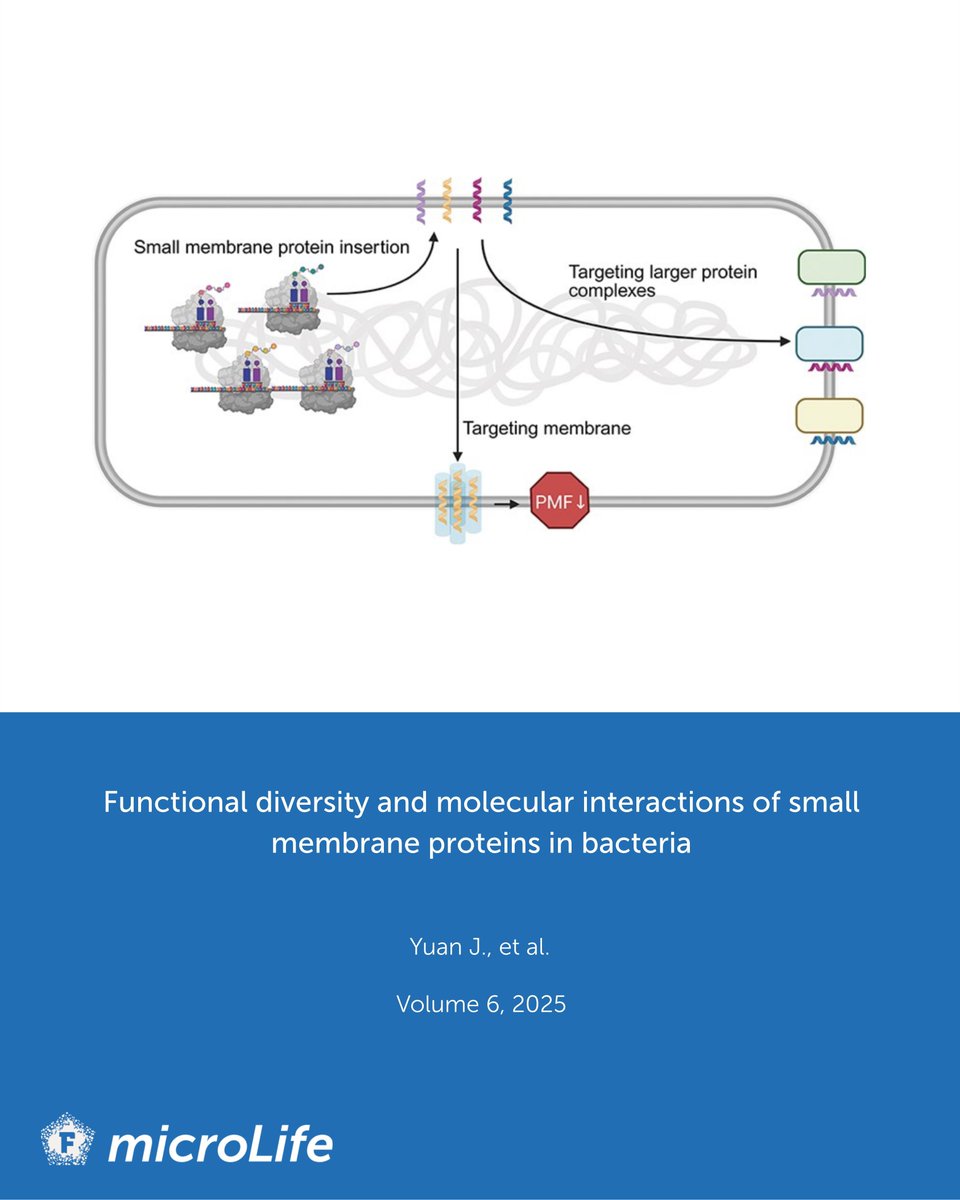
Review by @JingYuanMarburg, HG Koch & @BorkBerghoff highlights bacterial small membrane proteins (SMPs) 🧫: from regulating membrane targets and insertion pathways to toxin roles. SMPs also offer potential as tools and templates for new antibiotics. 💊
👉 buff.ly/9UzCwF2
1
1
83
Jan 5
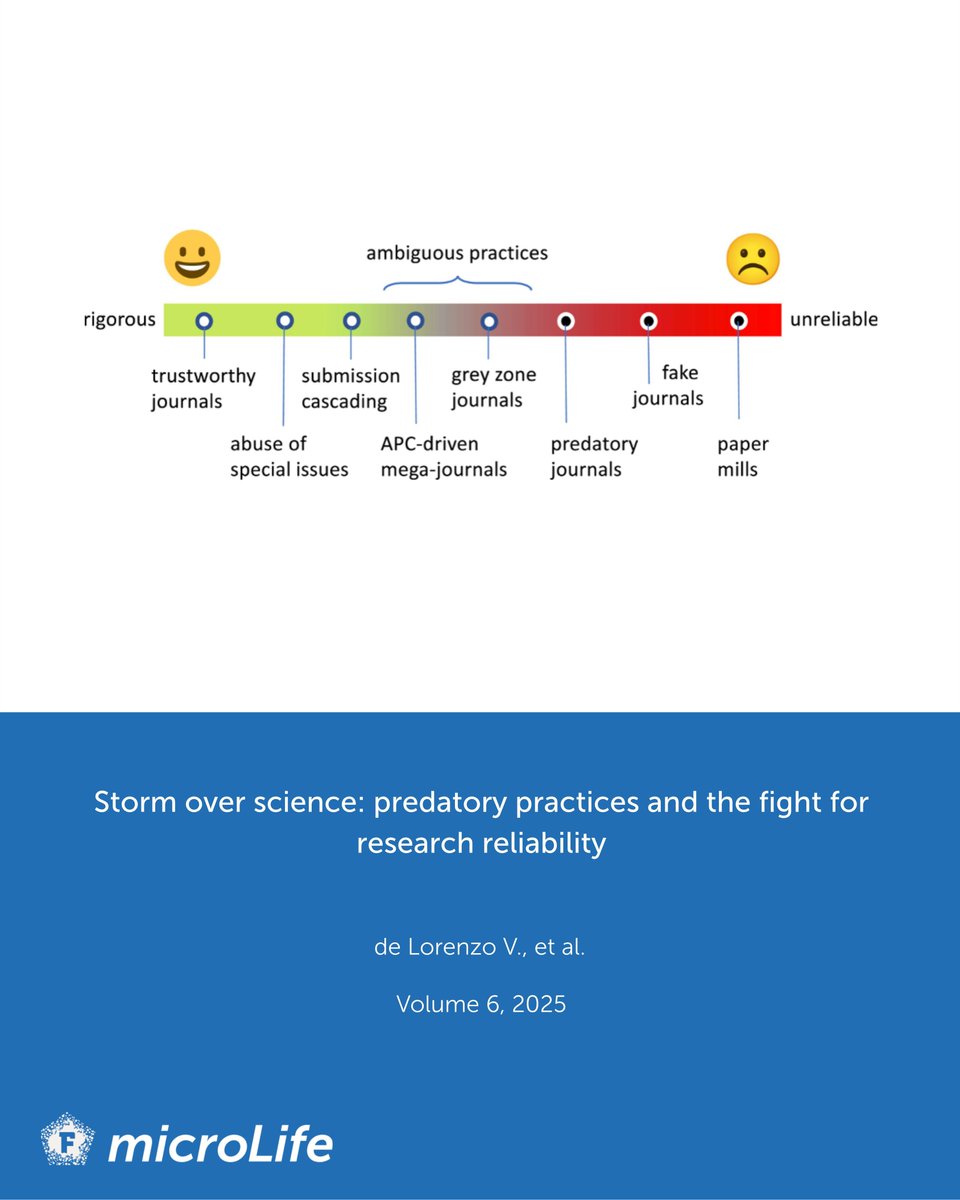
As 2026 begins, the EAM, @vdlorenzo_CNB, Paul B. Rainey and many others remind us the urgency of renewing support to Society Journals and, taking action to reward quality research and curb predatory publishing.
👉 buff.ly/V36xgMO
👉 buff.ly/T8QE90G
2
4
428
30 Nov 2025
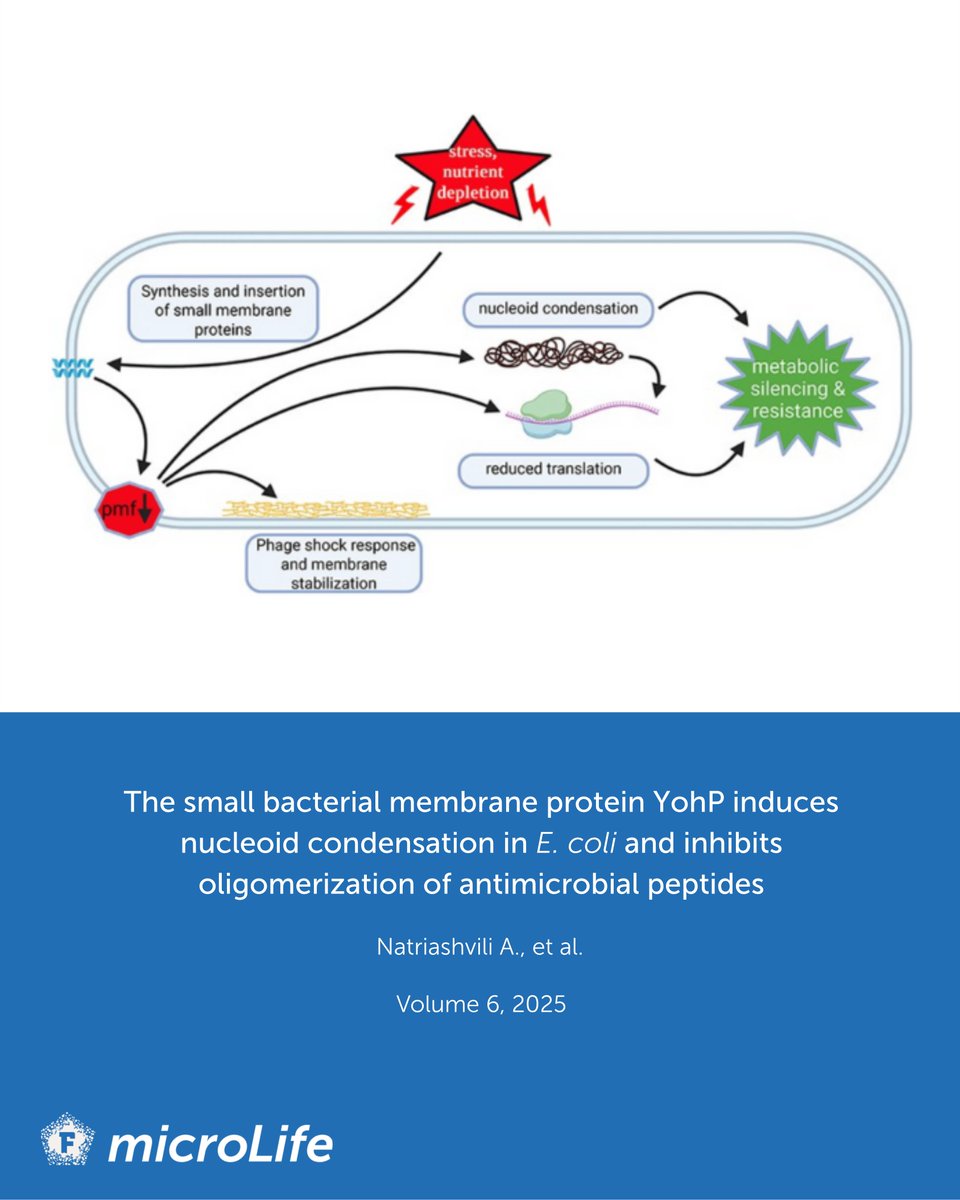
🦠Insight into the resilient world of prokaryotes! Koch lab –@UniFreiburg @sfb138– reveals that E.coli use small membrane proteins (YohP & YncL) to condense their DNA & slow down metabolism, helping them survive to stresses. 🧬
buff.ly/dMzcQsP
1
1
147
17 Nov 2025
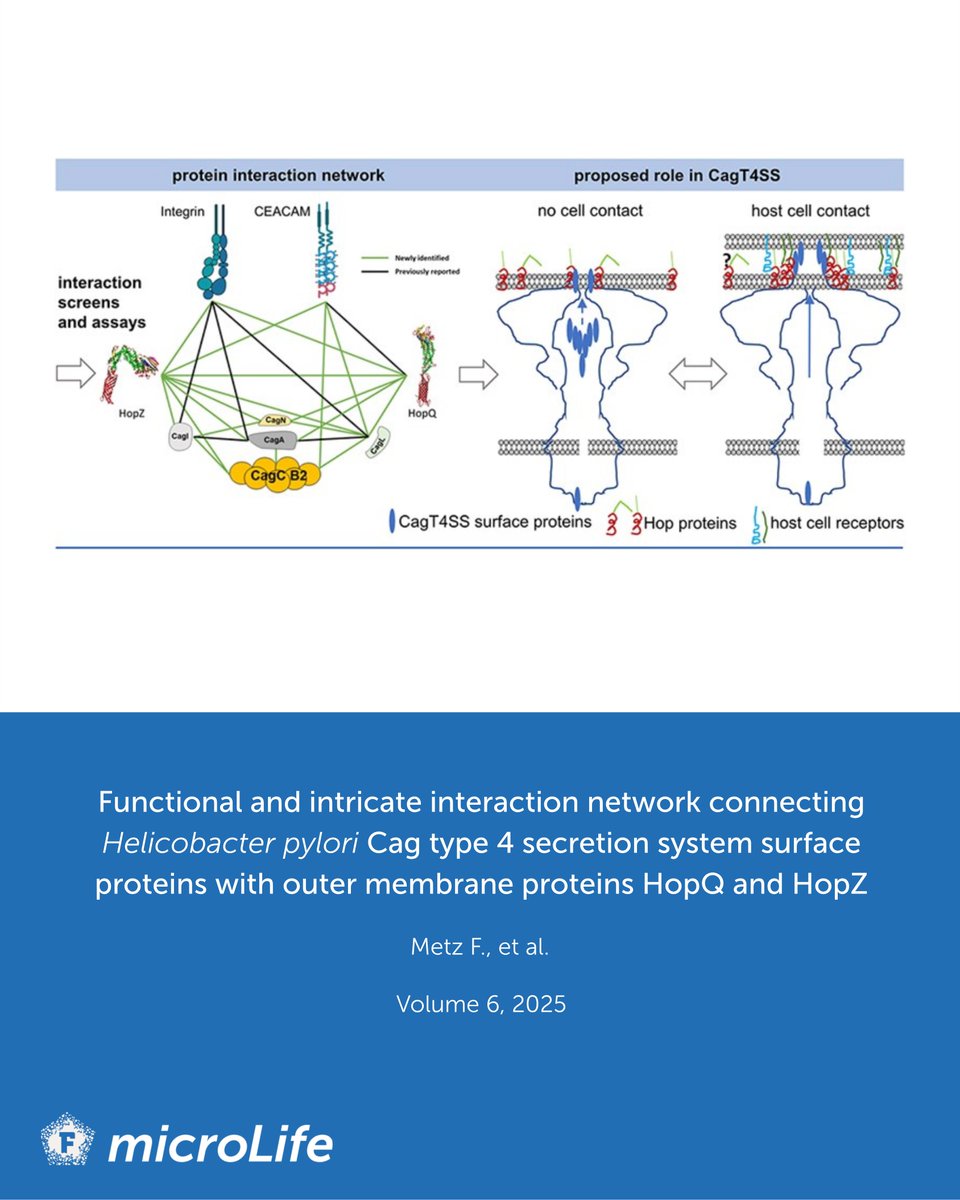
New insights into #Hpylori’s virulence machinery🕵️🧪 Josenhans & coll. unravel new interactions between CagT4SS surface proteins and outer membrane proteins HopQ & HopZ—key for host interaction and #proinflammatory signaling.🦠 @LMU_Muenchen
👉 buff.ly/toApn0c
1
2
174
6 Nov 2025
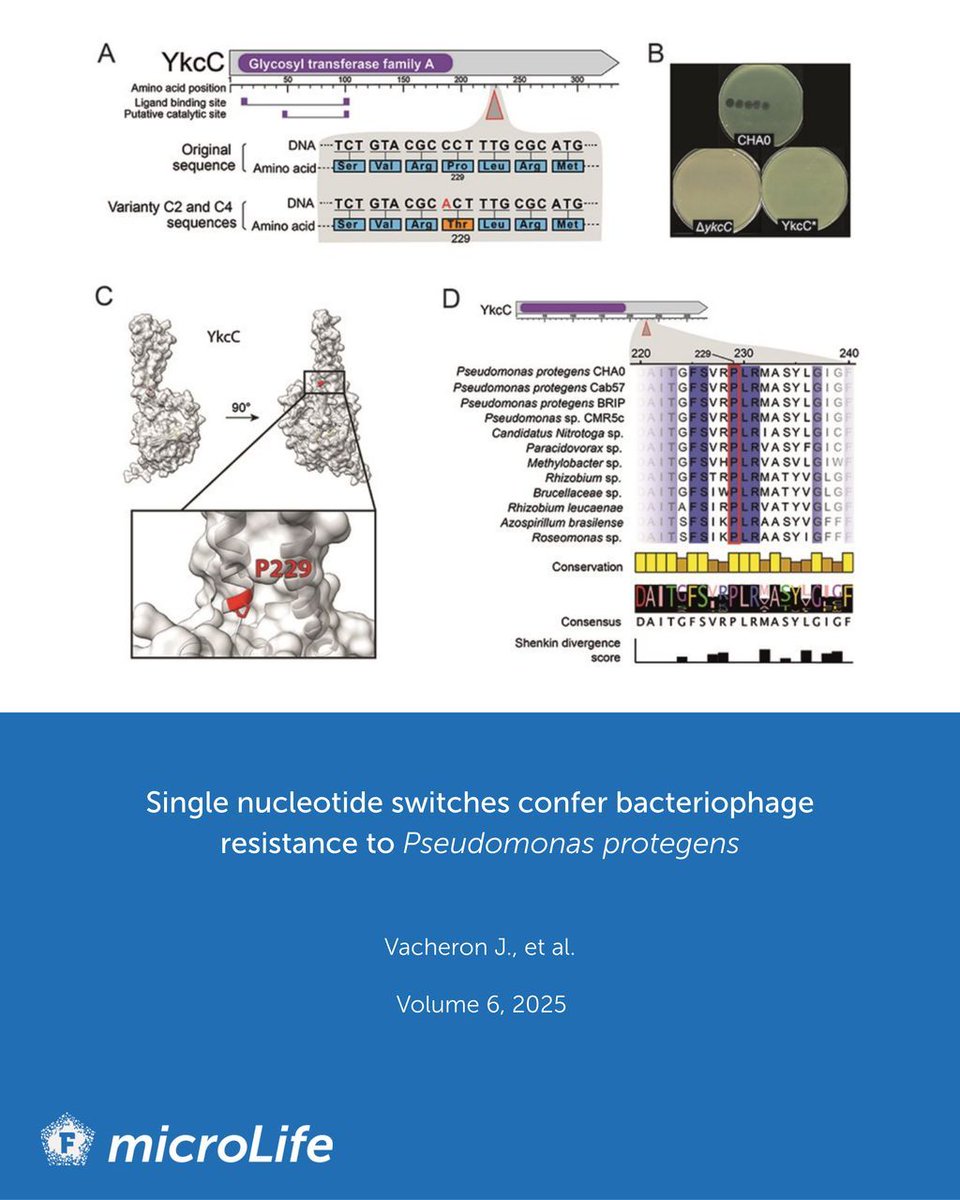
🦠 Small changes, big defense! @Jordan_Vacheron & coll. show specific SNPs in #Pseudomonas protegens CHA0 (algC & ykcC) remodel LPS to block #phage ΦGP100—while growth, competitiveness & root colonization stay intact, in lab conditions. 🧬 @unil
👉 buff.ly/MFOH2er
1
3
204
3 Nov 2025
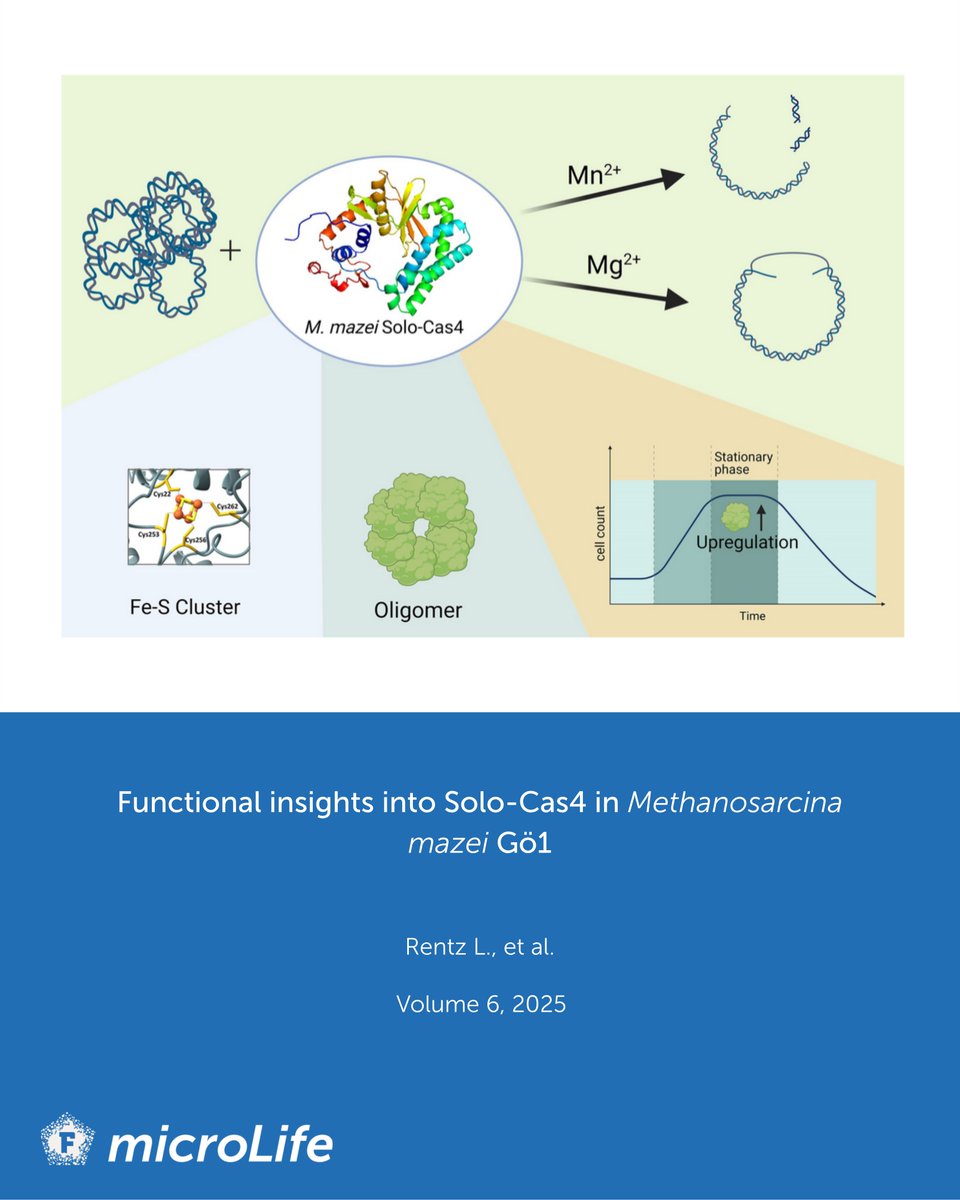
What can an “orphan” #Cas4 do? 🧫 In #archaea M.mazei, Solo-Cas4 cleaves dsDNA in a metal-dependent manner and is upregulated in stationary phase—hinting at roles in stress & DNA metabolism.
Biochemical characterization by Schmitz lab @kieluni
buff.ly/kpz0yZ1
2
4
226
2 Nov 2025
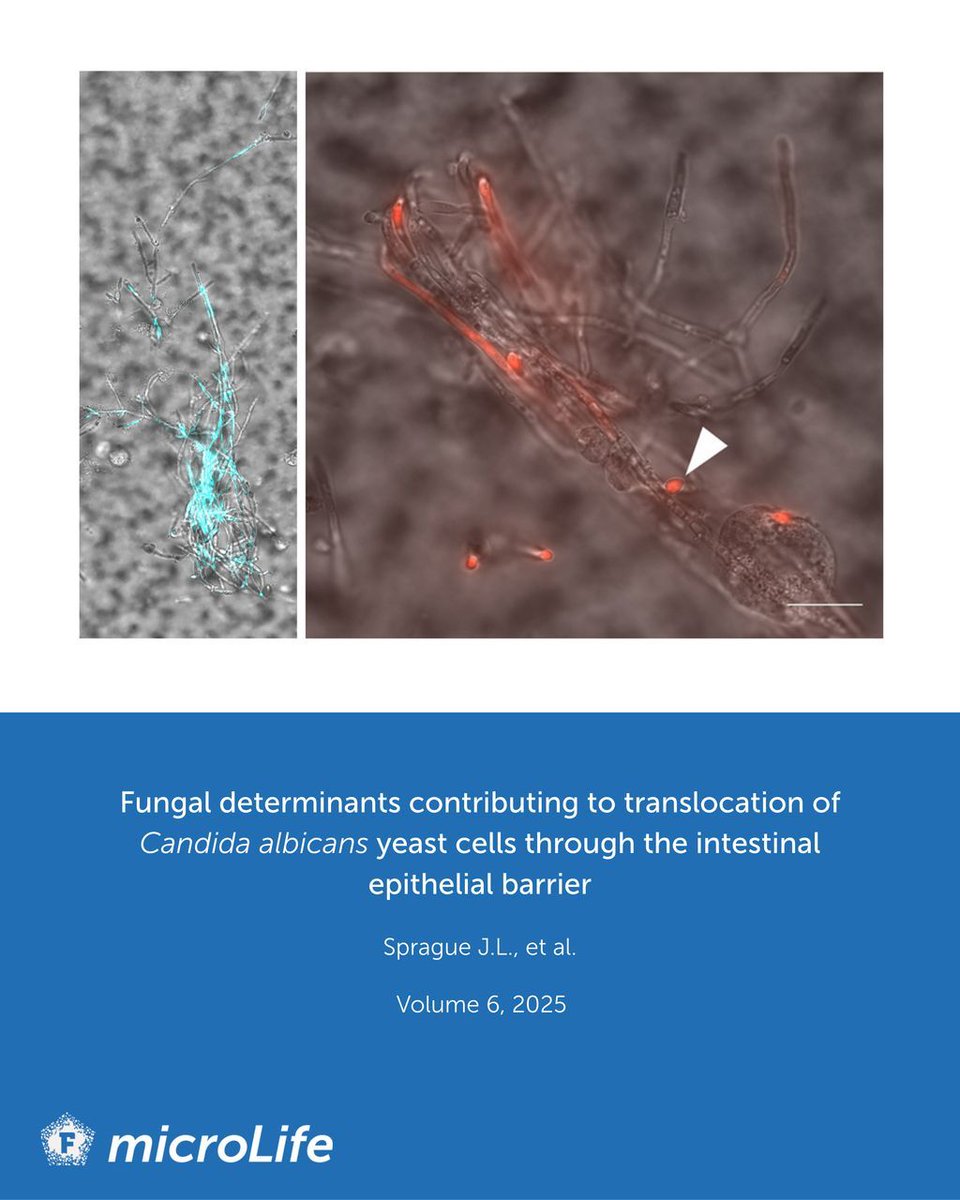
#C.albicans invades tissues as hyphae but spreads as yeast, How?
Jakob Sprague & coll. show yeast can reach the bloodstream by hitchhiking with invasive hyphae or by switching forms. 🧫 More clues for understanding systemic infections !
👉 buff.ly/0vklJeb
1
2
106
27 Oct 2025
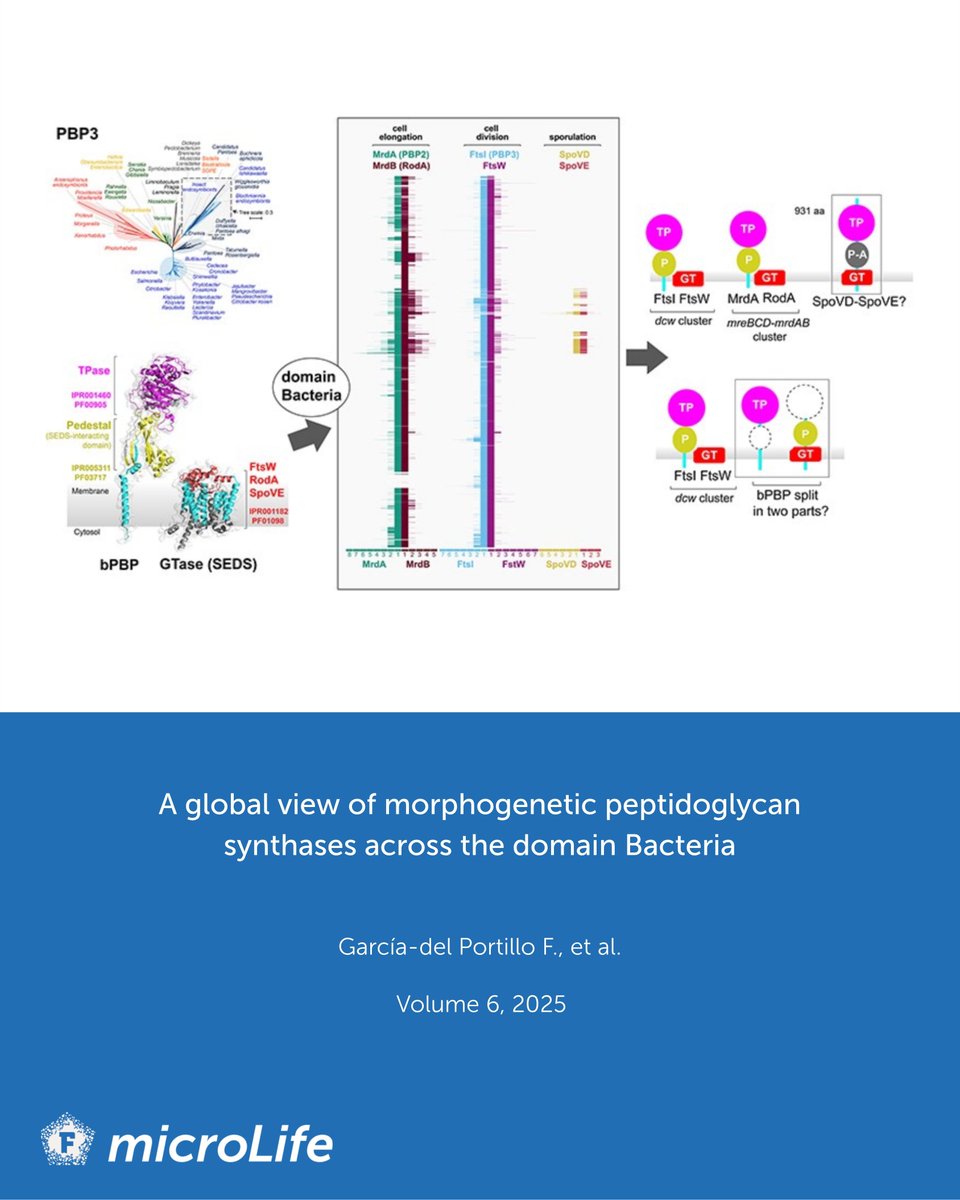
🔍 From rods to stars, bacteria craft their shapes using bPBPs & GTases. Garcia-del Portillo lab’s global analysis reveals unexpected diversity & flexibility in these morphogenetic complexes. 🦠 @CNB_CSIC
👉 Read more : buff.ly/D0pMhMr
1
1
137
21 Oct 2025
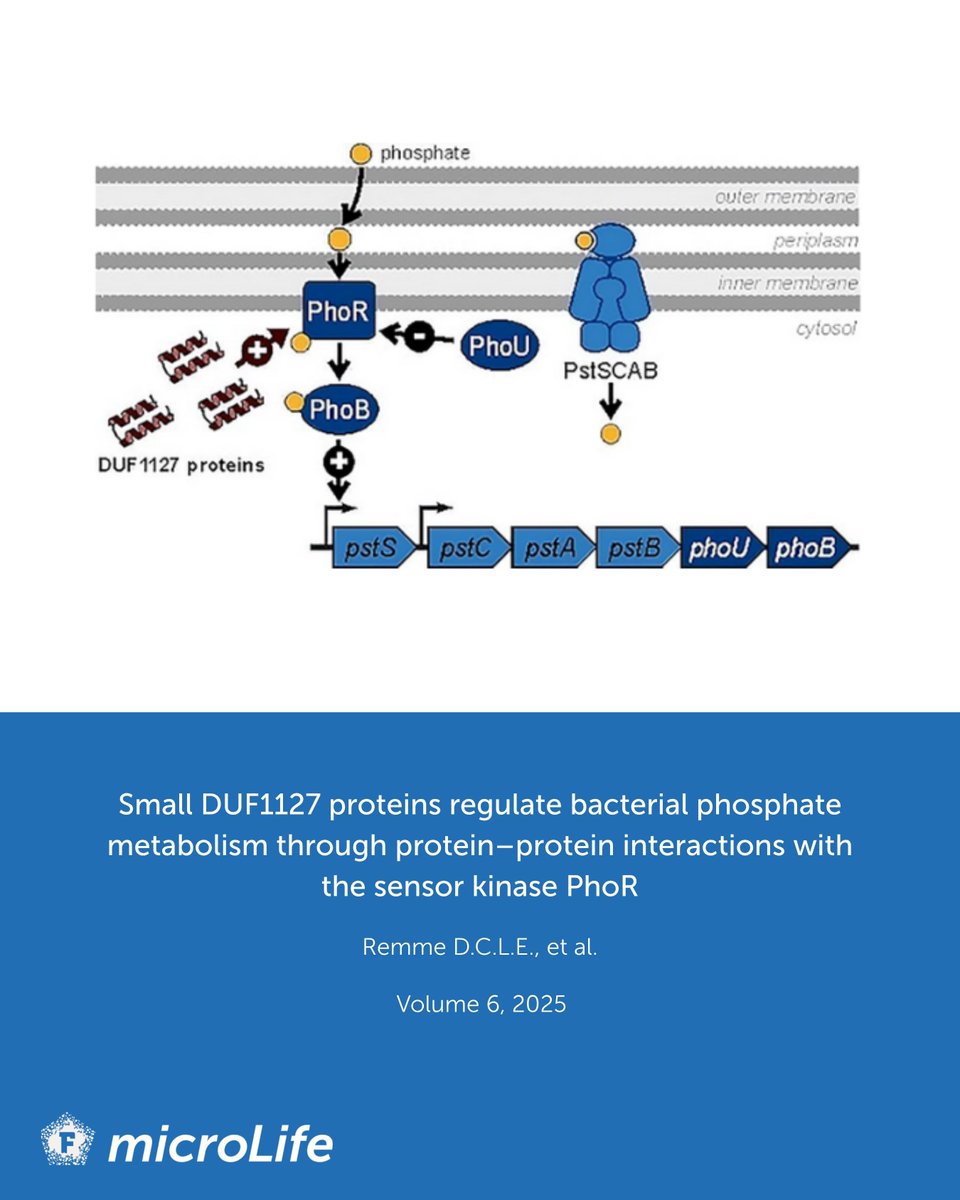
De-DUFing the DUFs 🧩 @FranzNarberhaus lab uncovers how small DUF1127 proteins regulate #phosphate uptake by binding the sensor kinase PhoR. Their conserved role from Agrobacterium to E. coli highlights how even small DUFs can shape bacterial physiology 🦠
buff.ly/jJd9Eho
3
8
440
17 Oct 2025
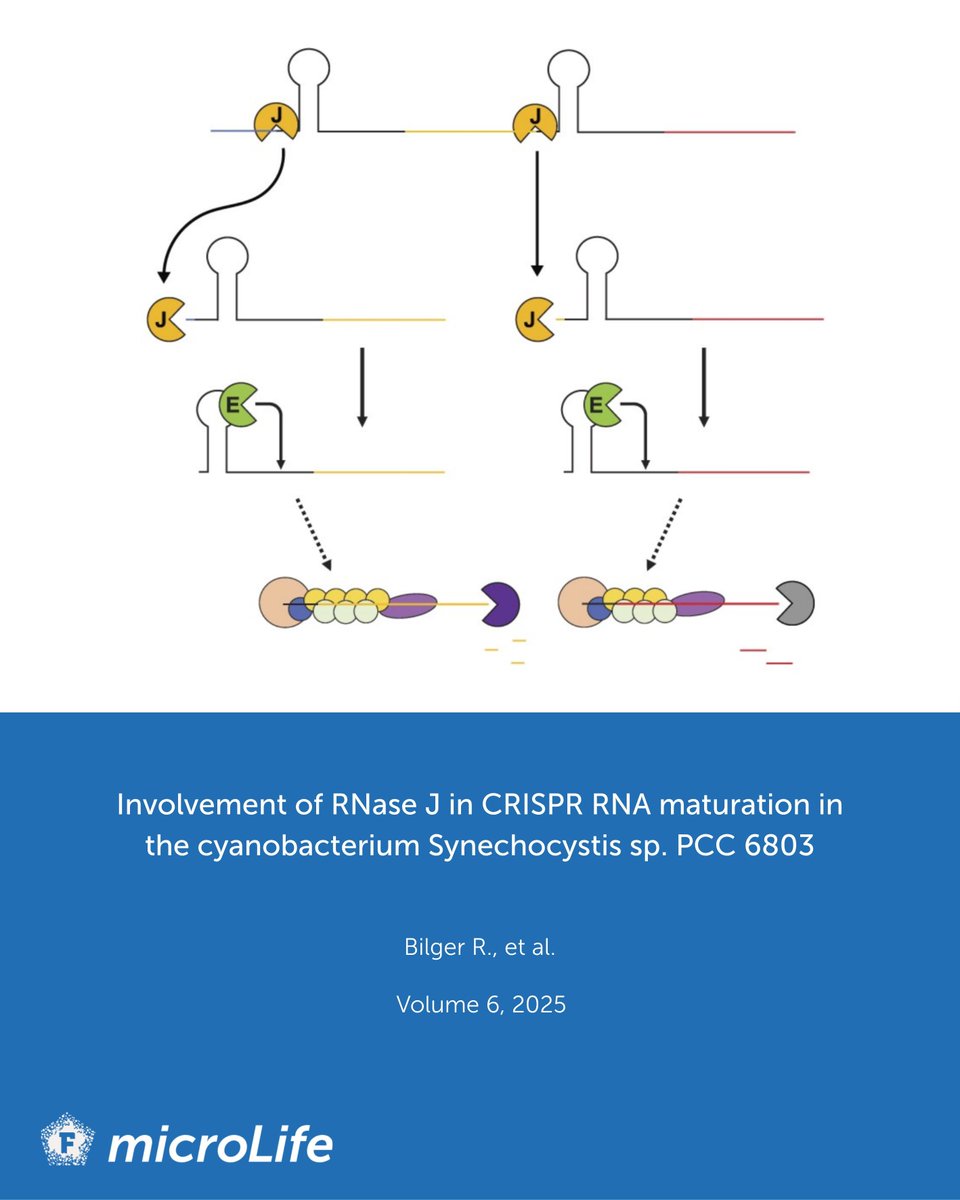
New insights from #CRISPR-Cas systems! 🧬 @CyanolabDE reveals that in the #cyanobacteria Synechocystis, RNase J works with RNase E to mature CRISPR3 RNAs—key for RNA-based immune defense. RNase J can also team up with PNPase in a degradosome-like complex.
buff.ly/CrxiQPy
1
1
113
14 Oct 2025
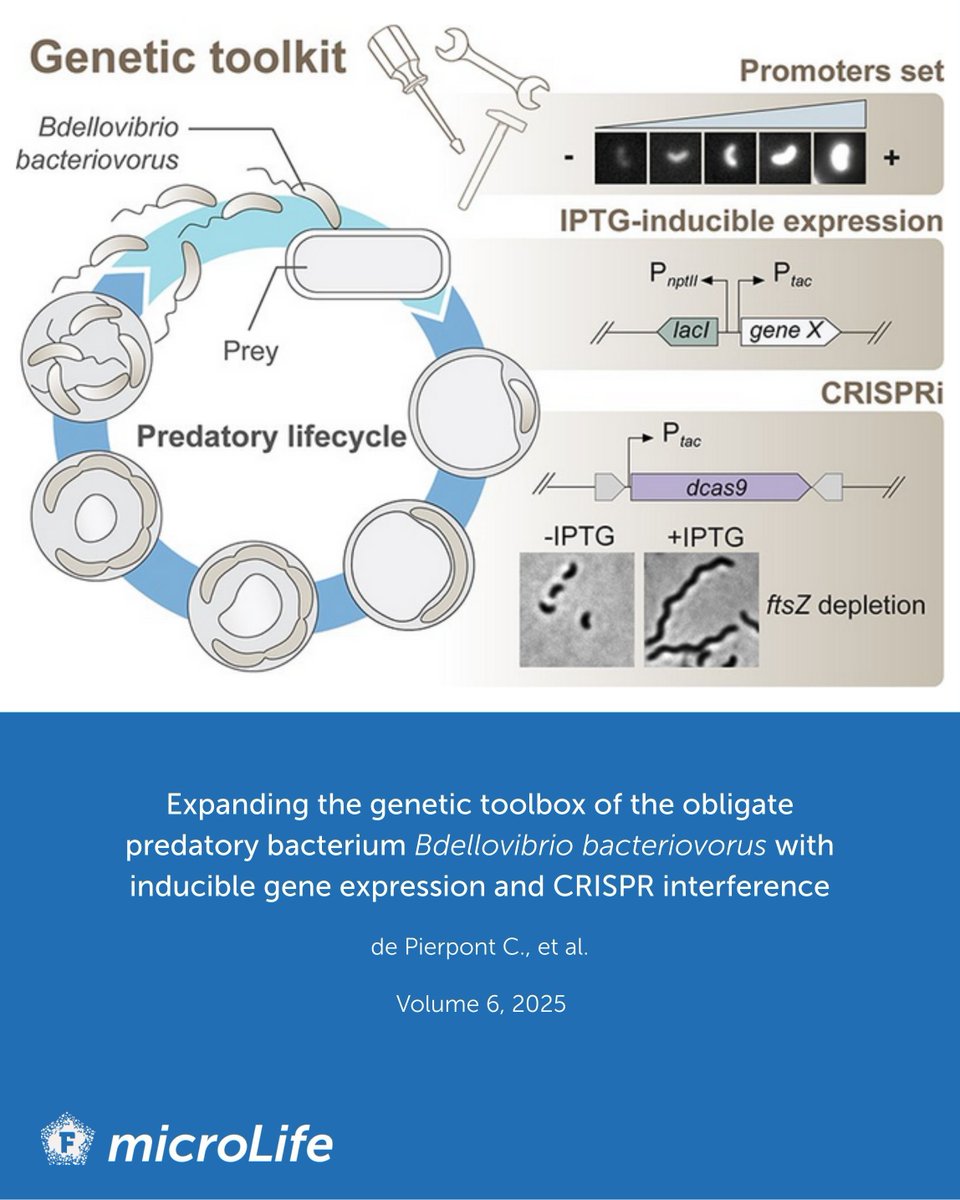
New tools unlock #Bdellovibrio bacteriovorus’s predatory secrets 🦠. By combining inducible gene expression with #CRISPRi-mediated depletion for precise control of essential genes, @LalouxLab uncovered new insights into its unique lifecycle.
buff.ly/FcDzAY4
2
6
364
microLife retweeted

12 Oct 2025
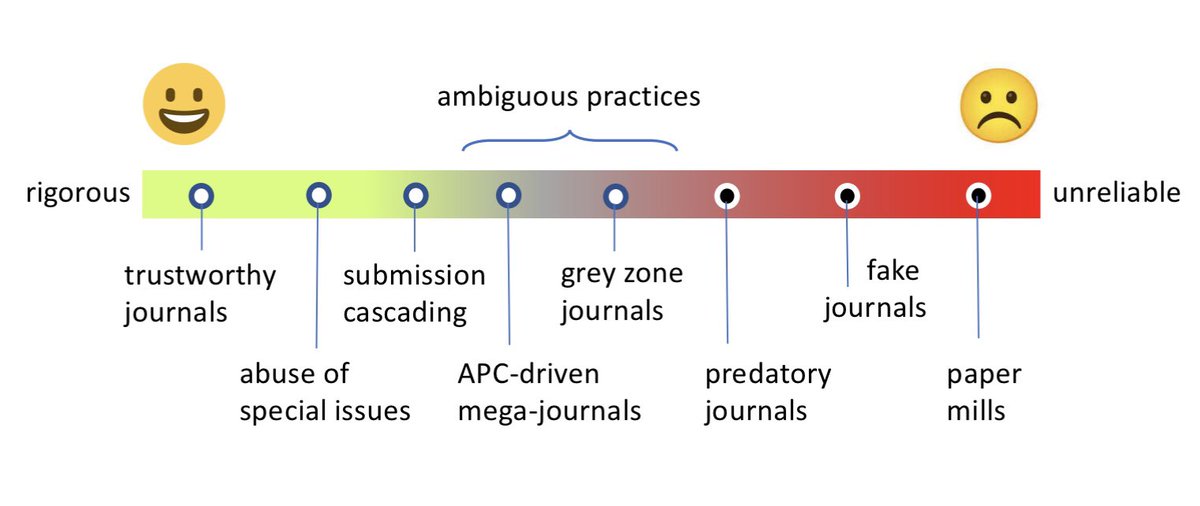
Predatory practices plague science, but the reasons of their success can be spotted—and solutions exist. Instead of blacklists, funding agencies should foster accreditation systems. See analyses & proposals of the EAM Task Force of @FEMSmicro on the matter track.smtpsendmail.com/90321…
4
8
752
8 Oct 2025
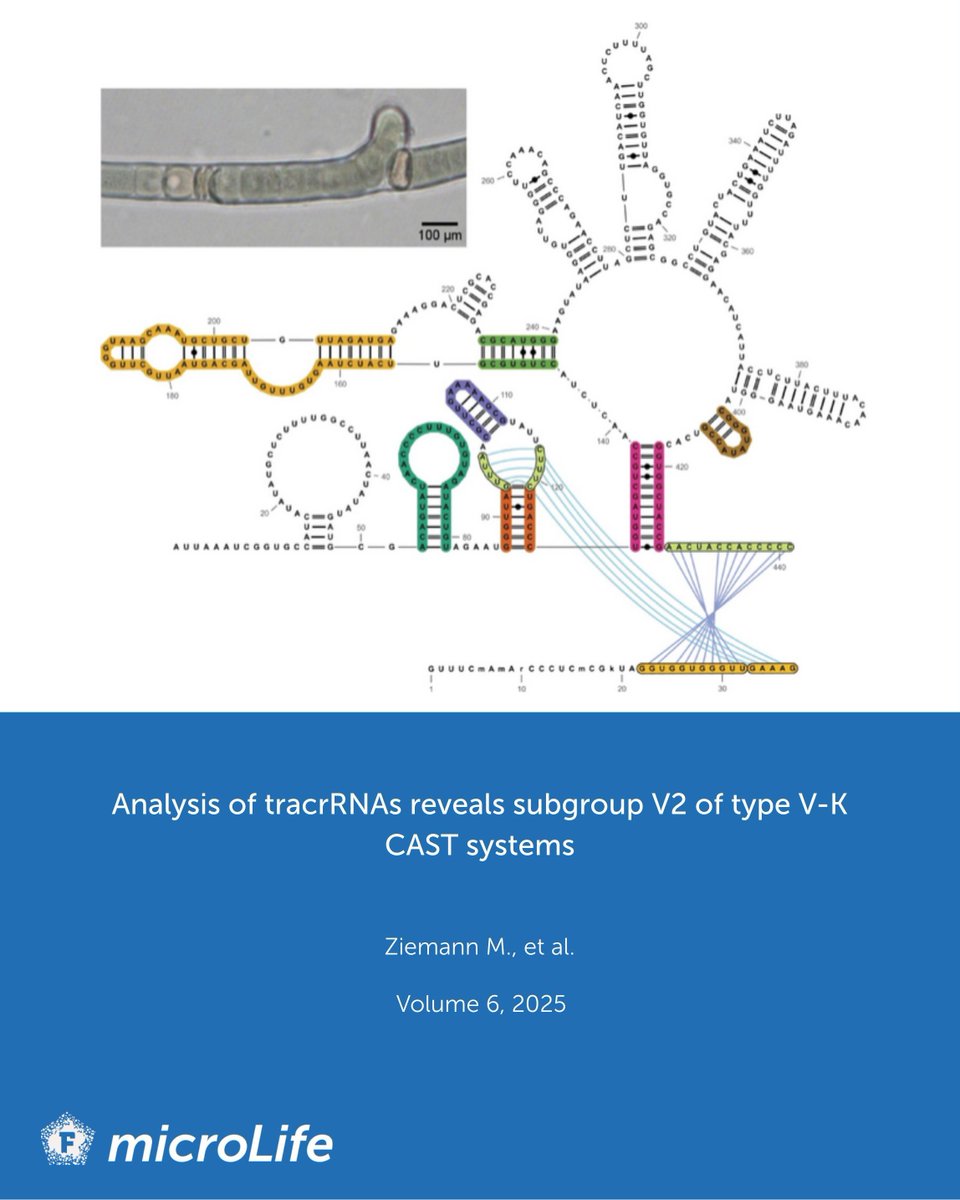
A new subgroup of #CRISPR-associated transposons, V-K_V2, has been discovered in Nostocales #cyanobacteria by @CyanolabDE & colleagues 🧬. Its unique features suggest genetic mobility and V2 tracrRNAs are now included in the updated CRISPRtracrRNA tool.
buff.ly/gioIfEB
2
5
209