I like bugs and burgers. And DNA. But mainly burgers 🍔🍔🍔🍔🍔🍔🍔🍔🍔🍔🍔🍔🍔🍔🍔 Lecturer in Micro and Molecular Biology at Manchester Met. All views my own.
Joined April 2018
- Tweets 75
- Following 46
- Followers 48
- Likes 112
17 Photos and videos

13 Apr 2021
Waiting for a refill of their Royal Robin Mix 🤣 #giddygatefarm instagram.com/p/CNnrdLJpcmbv…
13 Apr 2021
A couple of blue tits loving their new bird feeder. A jackdaw and magpie free zone! #giddygatefarm instagram.com/p/CNnrI_AJVEjP…
13 Apr 2021
One of today's visitors, a chaffinch loving the Royal Robin Mix #giddygatefarm instagram.com/p/CNnqcCsJeT1G…
@micromelling retweeted

7 Jul 2020
A Bat CATastrophe? @RobynAnneGrant & @drkirstyshaw blog about the impact of domestic #cats on #bats: buff.ly/2O1Gnab
3
1
@micromelling retweeted

6 Jul 2020
There is a Bat CATastrophe going on! Find out more in our new paper in @Ecol_Evol about how we used forensic DNA analysis to find cat DNA on lots of bat wing tears: onlinelibrary.wiley.com/doi/… @ran777no @drkirstyshaw @GaryDougill @micromelling @_BCT_
2
31
40
@micromelling retweeted

7 Jul 2020
Our latest paper in @Ecol_Evol uses forensic🧬analysis to investigate 🦇wing tears and the impact of 🐱predation: onlinelibrary.wiley.com/doi/… #BatCATastrophe @ran777no @RobynAnneGrant @WildwoodTrust @micromelling @GaryDougill @d_killick @MMUEcolEnv @MMU_Research @MMU_NATSCI @_BCT_
2
19
34
6 Jul 2020
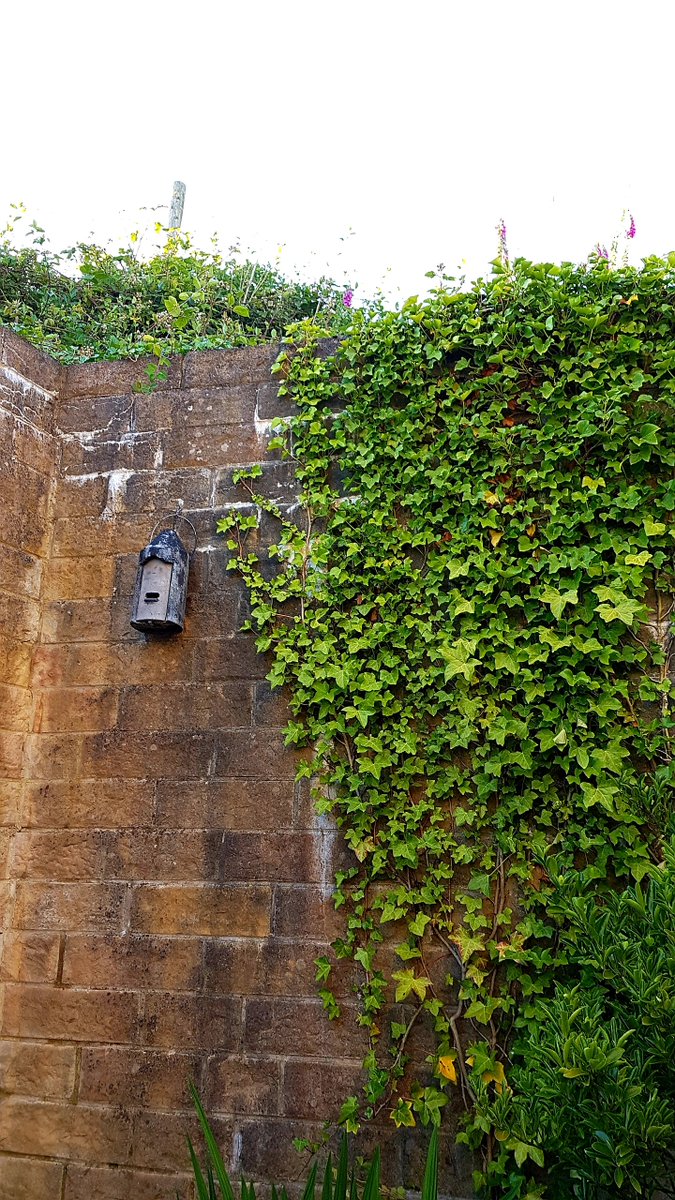
Bat box finally up. The local cats will need stilts to get up there! 🦇
1
5
@micromelling retweeted
29 May 2020
5/5 #WBTC1 #Conserve4 Forensic 🧬 analysis can complement 👀data, potentially giving a more accurate estimation of 🐱 predation on 🦇. Thanks to #MMUBatResearch @ran777no @robynannegrant @micromelling @garydougill and all the #batrehabilitators
1
2
14
@micromelling retweeted
29 May 2020
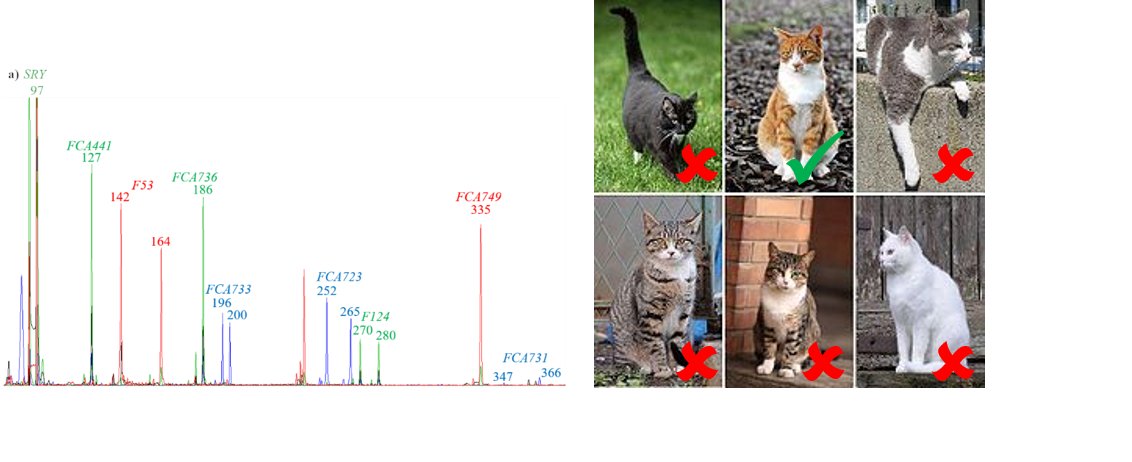
4/5 #WBTC1 #Conserve4 We then looked at 11 short tandem repeat markers in the 🐱🧬(similar to those used in crime scene investigation in humans) and were able to produce partial 🧬profiles for 1/3rd of samples. This could be used to link predation events to individual 🐈🐈⬛
1
2
12
@micromelling retweeted
29 May 2020
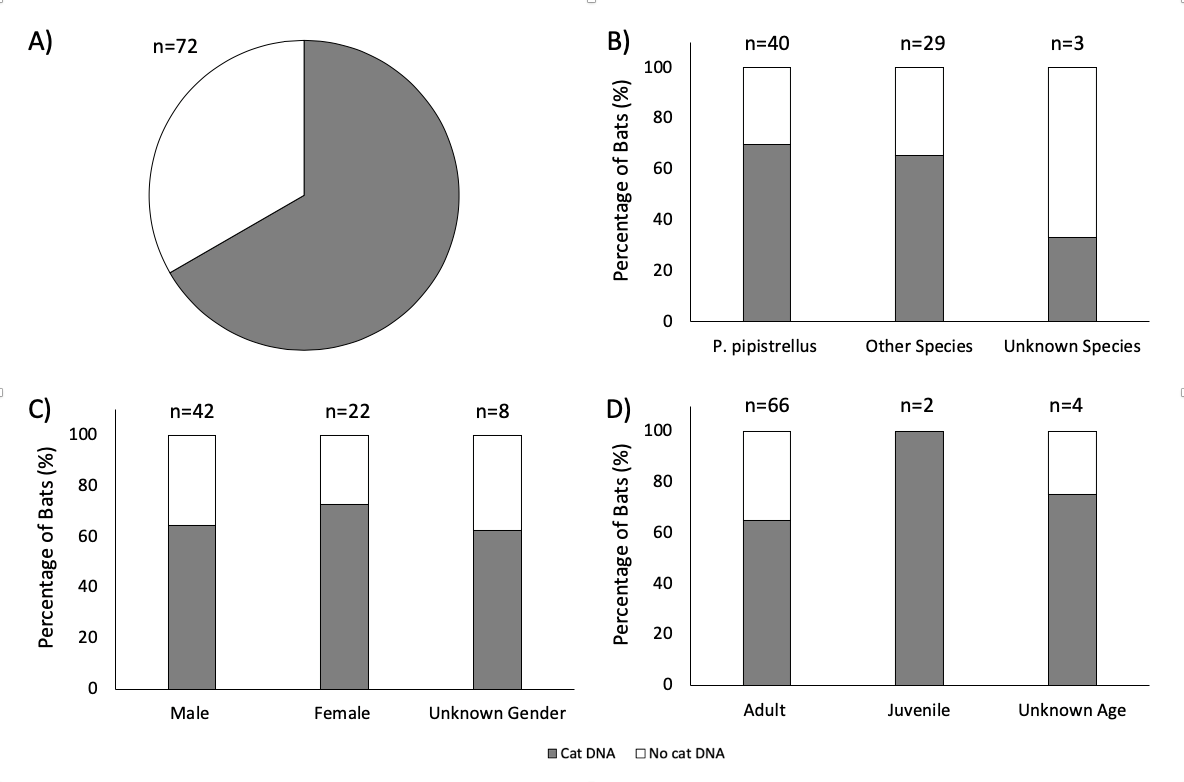
3/5 #WBTC1 #Conserve4 Using real-time PCR (a sensitive detection technique), we looked for the presence/absence of 🐱🧬. We found 🐱🧬 in 2/3rds of wing swab samples. There were no significance differences due to the species, age or gender of the 🦇
1
3
13
@micromelling retweeted
29 May 2020
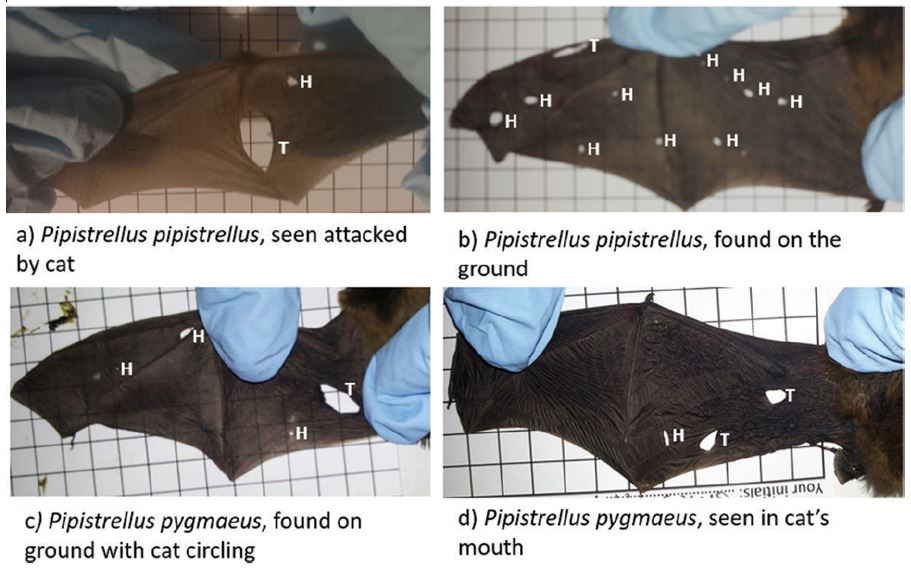
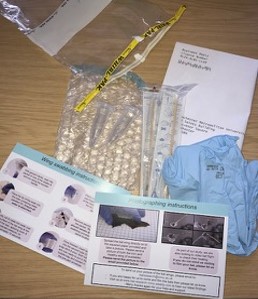
2/5 #WBTC1 #Conserve4 We asked #batrehabilitators in 🇬🇧 to take swabs of injured wings from 🦇 in their care. The majority were Pipistrellus pipistrellus. The wings showed a variety of injuries including holes and tears – check out @robynannegrant in #EvoBeh1 from Wed for 📷
1
2
10
@micromelling retweeted
29 May 2020
1/5 #WBTC1 #Conserve4 🐱predation upon 🦇species has been reported to have significant effects on 🦇populations in both 🏞️ and 🏙️ areas. Can forensic 🧬 analysis tell us ‘whodunnit’? #BatCATastrophe @MMUEcolEnv @_BCT_ @mammal_society @wildwoodtrust

2
9
31
@micromelling retweeted
12 Feb 2020
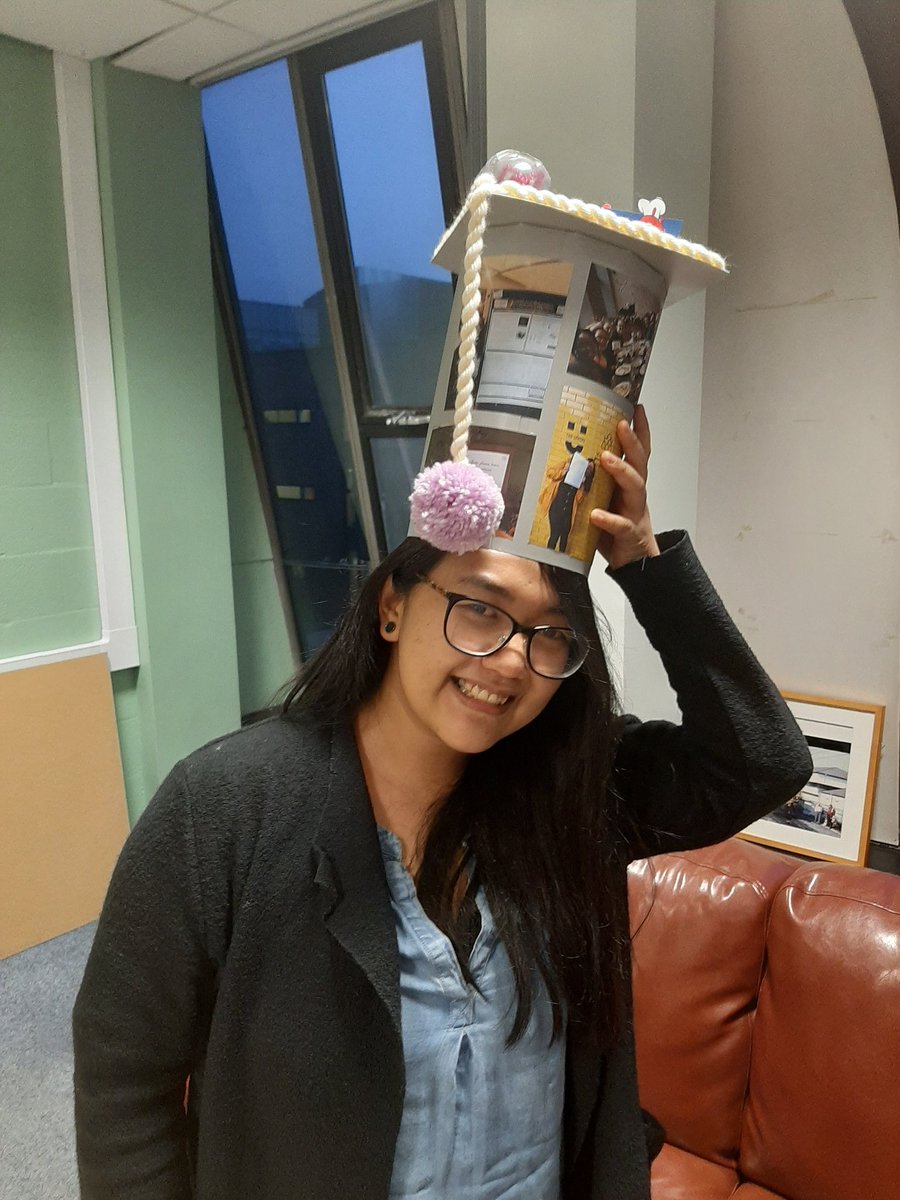
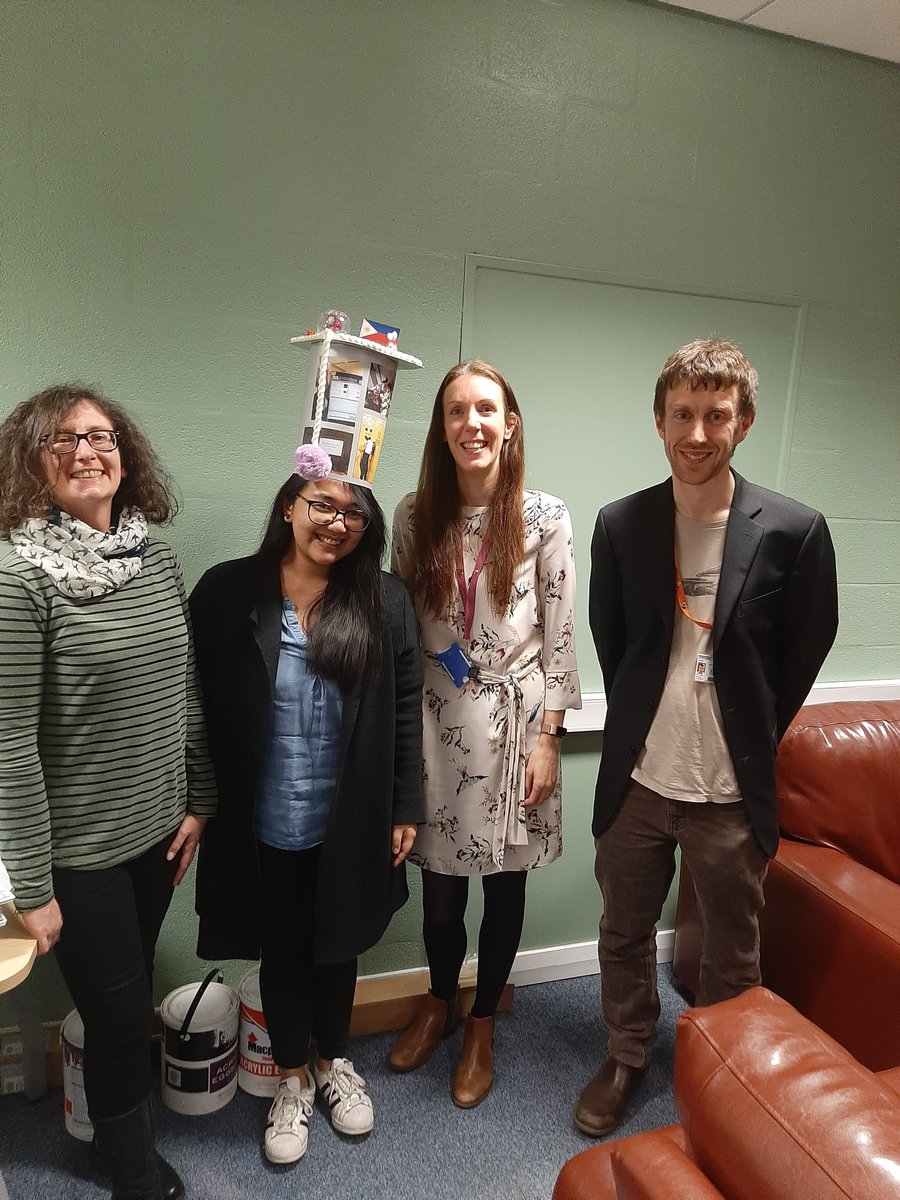
Congratulations to @LPat012 who successfully defended her PhD today #proudsupervisor with @micromelling @captain_ion @Alexander_Iles and Kathryn Whitehead! 🥳 @MMU_NATSCI @MMUEngage @MMU_Research
1
3
15
@micromelling retweeted
2 May 2020
Check out our latest paper looking at bat wing tears and flight 🦇🦇 @micromelling @MMUEcolEnv @EcolGenLab @MMU_Research
1 May 2020

Exciting! Our new paper on bat wing tears affecting flight is out now! @ran777no @drkirstyshaw @GaryDougill #BatCatastrophe
2
4
@micromelling retweeted

28 May 2020
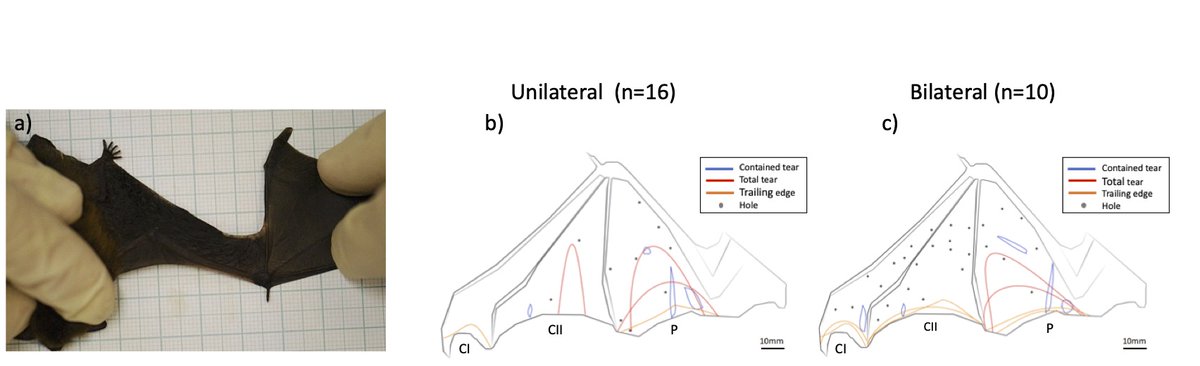
1/5 #WBTC1 #EvoBeh2
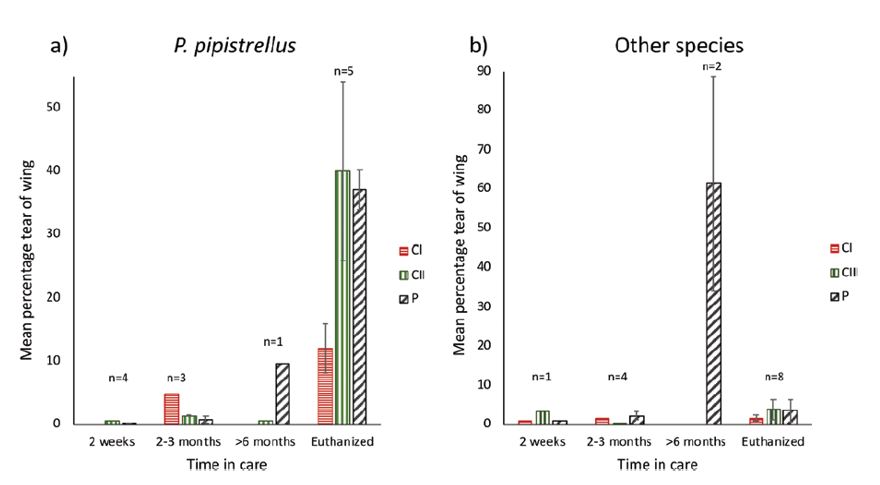
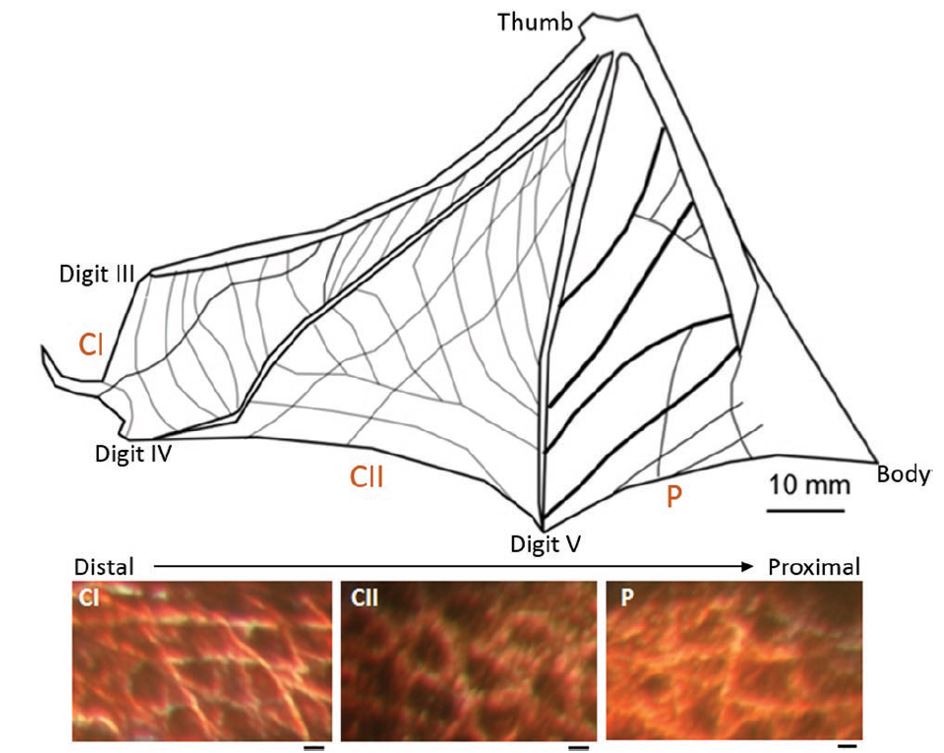
Bat wings are thin, delicate and prone to tearing. Thousands of bats with wing tears are admitted to rescue centres annually in the🇬🇧. But how do we measure their effect on flight? And when are bats ready for release? @MMUEcolEnv @_BCT_ #BatCatastrophe
1
10
28
@micromelling retweeted
27 May 2020
Thanks to @ran777no @GaryDougill @micromelling @drkirstyshaw for their help in the project, and read more in our paper here: academic.oup.com/jmammal/art… in J.Mammalogy @Mammalogists
4
14