
musician
Joined December 2015
- Tweets 367
- Following 34
- Followers 26
- Likes 219
16 Photos and videos













Pinned Tweet

8 May 2024
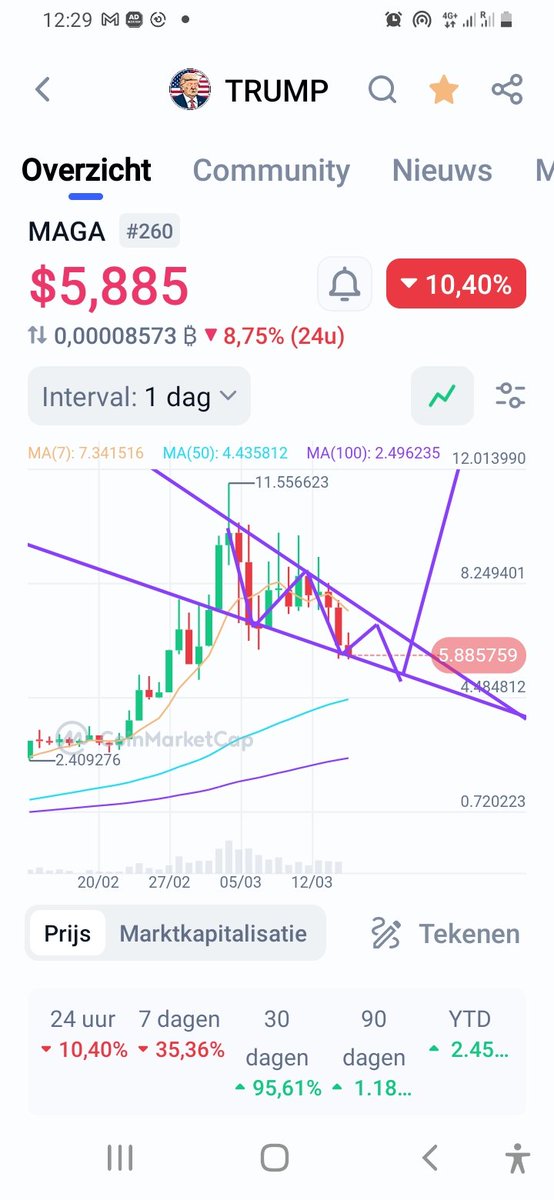
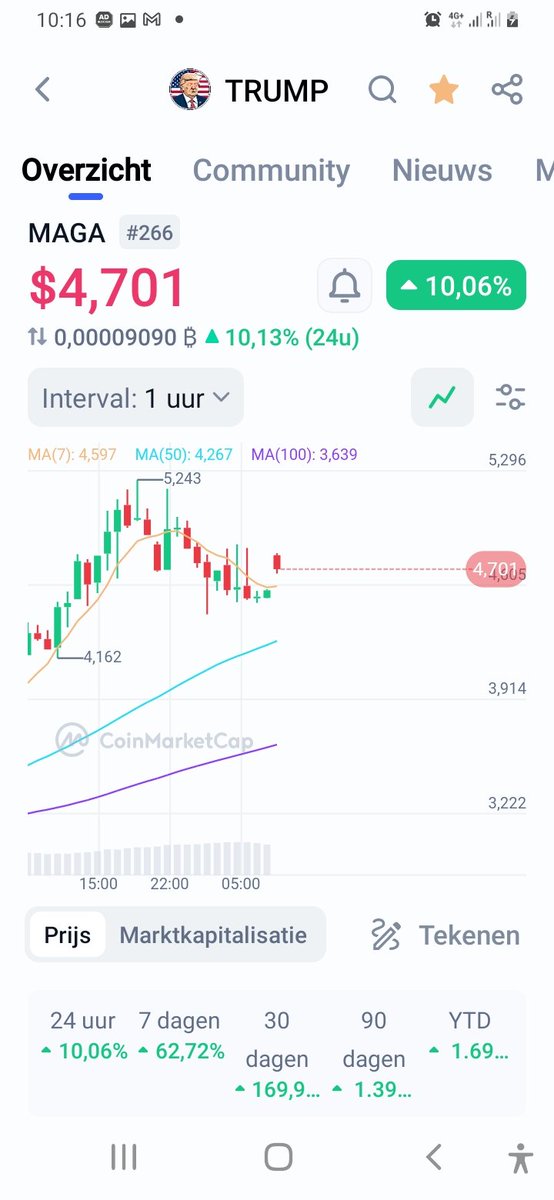
Volg geen tips van Bitcoin Magazine.
Mij kostte het €3400 door 1000eur DOGEVERSE te kopen.
GEHACKD
2
127
Dan Lee retweeted

Apr 20
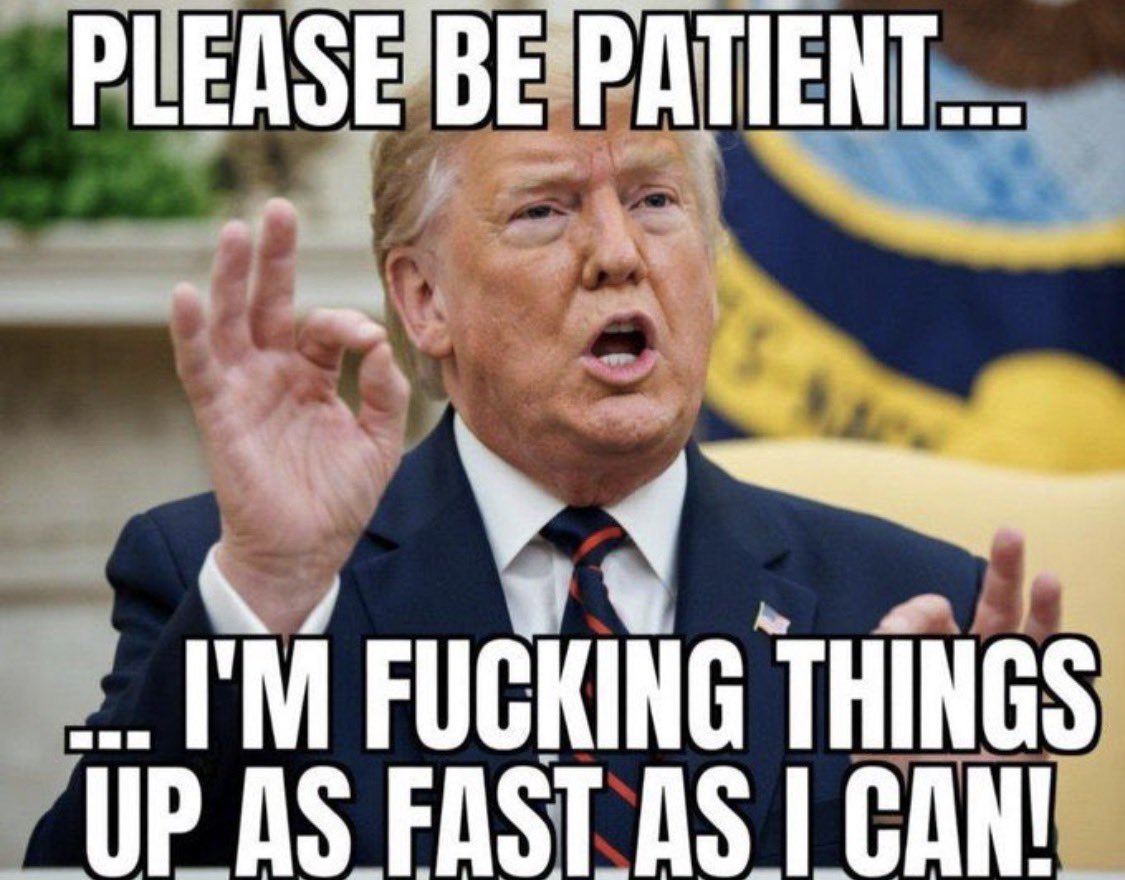
Trump has unravelled decades of goodwill
9
60
514
21,133


Dan Lee retweeted

21 Apr 2025
Everyone’s afraid to say it, so I will:
BTC is artificially propped up by Tether.
The real price — stripped of manipulation — is much lower.
When regulations kick in and only compliant stablecoins can flow through the gates,
Tether goes. BTC follows.
The reckoning is coming.
4
30
57
17,651


Dan Lee retweeted

9 Apr 2025
Nobody can Guess what the Price of any token will be.
Why? Because you don't know how much money will be on that Blockchain from whichever avenue(Tokenization,P2P payments,B2B payments,SMB,Cross Border Payments,Derivatives,Stocks,Binds,Gold,Silver,Data,etc,etc,etc,etc)
4
16
1,693
Dan Lee retweeted

7 Apr 2025
😂😂😂
7 Apr 2025

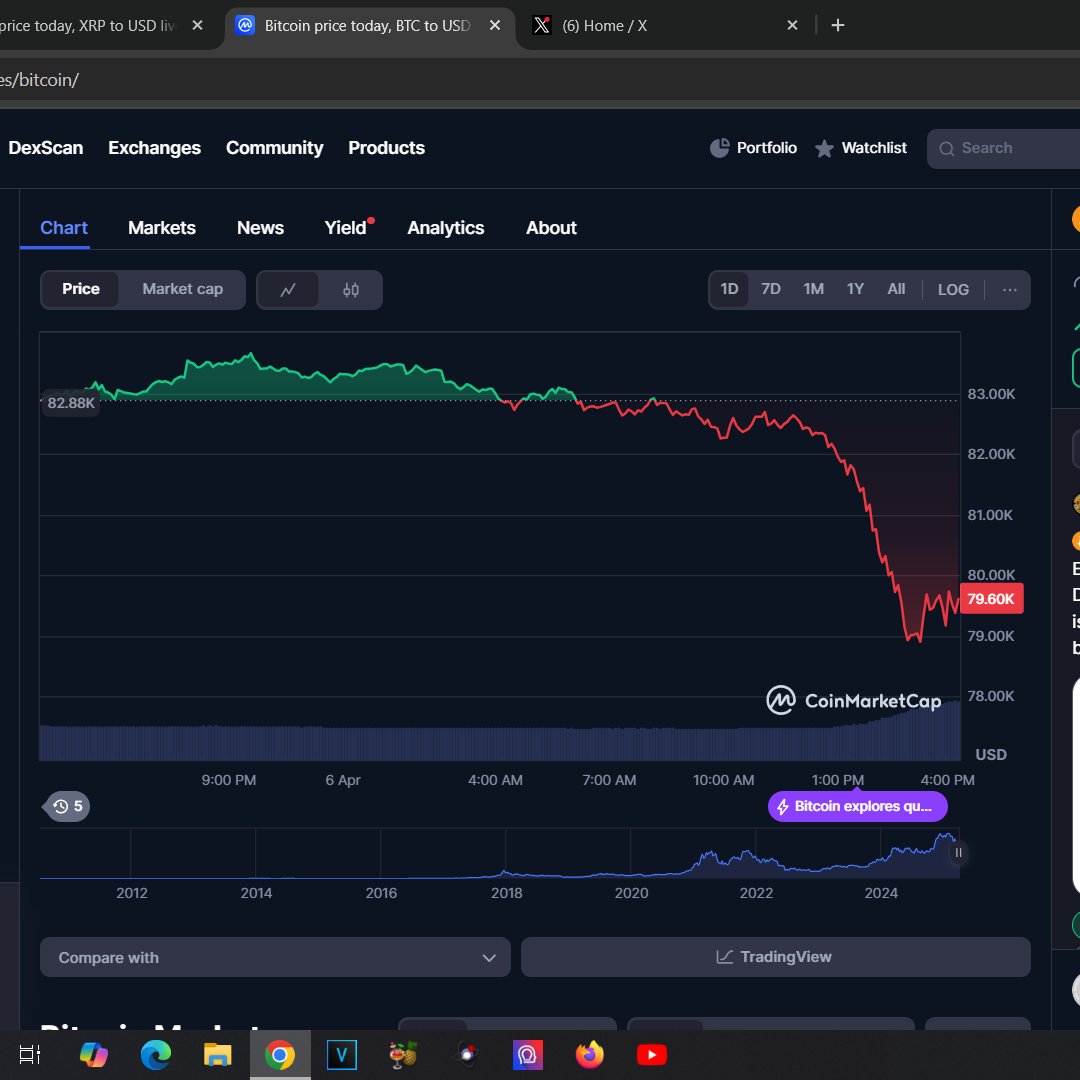
🚨BREAKING🚨
FED Chairman, Jerome Powell, responds to the global financial crisis
2
2
1,014
Dan Lee retweeted

4 Apr 2025
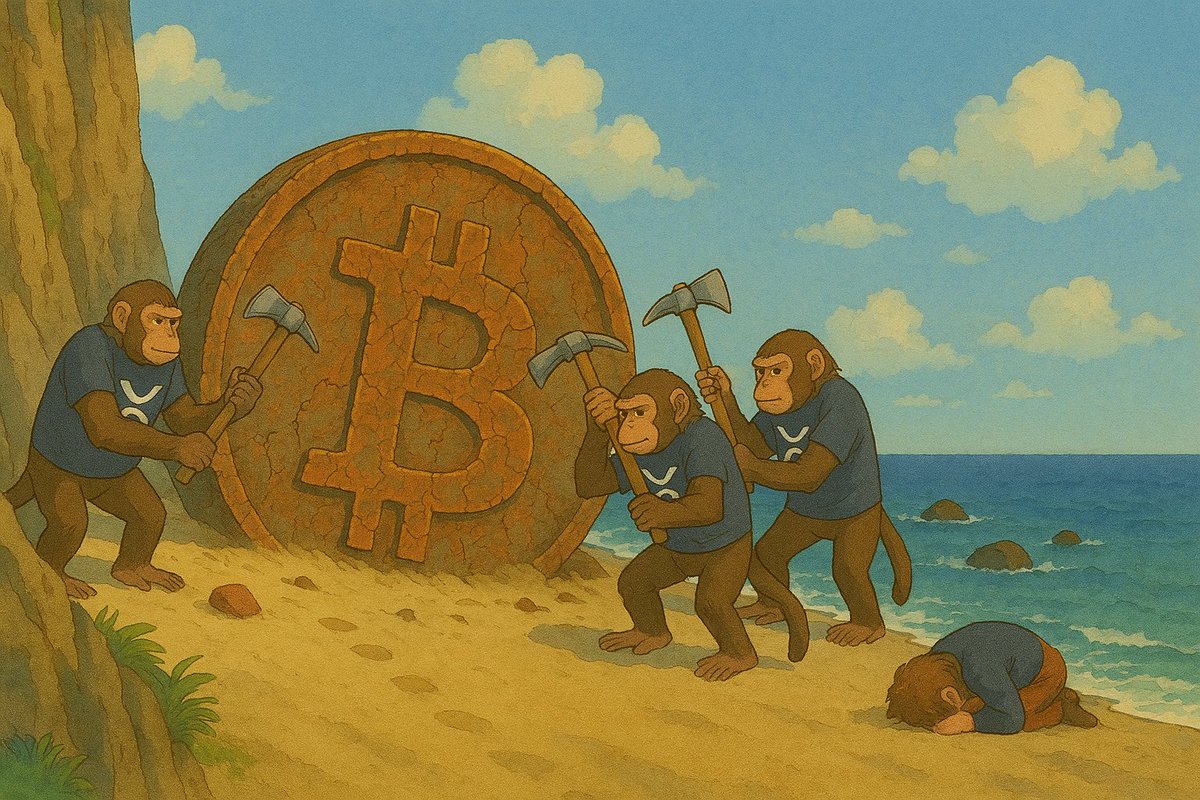
Did you ever watch "Planet of the Maxis" back in the day? Heard it's a personal dislike of Saylors
2
4
11
1,462
Dan Lee retweeted

24 Mar 2025
IT STARTS WITH A DRIP
AND ENDS WITH A FLOOD
41
47
598
34,680
Dan Lee retweeted

24 Mar 2025
Like I said acceleration is happening!
7
7
107
2,651
Dan Lee retweeted

22 Mar 2025
Jacob gets it!
22 Mar 2025

The reality that nobody mentions is that 99.99% of Bitcoin investors aren’t in it for the tech. There’s nothing useful about BTC—it’s slow, outdated, and practically unusable despite existing for over 15 years.
They invest for one reason: speculative gambling.
To keep the house of cards from collapsing, they need fresh money. That’s why “maxis” fabricate hype around ETFs and “strategic reserves,” even though these account for less than 5% of total volume. ETFs are now seeing almost entirely outflows, and the strategic reserve never bought any BTC—and never will. It's pure hopium.
Bitcoin is a learning curve. Newcomers (including even me at one point) fall for this illusion of “financial freedom,” but that was never real. BTC is a type of Ponzi scheme, I like to call it a "Finite Funnel Scheme", because, like all unsustainable systems, it depends on a continuous flow of new money. Eventually, that flow dries up, leaving latecomers holding worthless bags.
My stance is clear: anyone in BTC should exit. No one times the exact top or bottom, but we do know it’s dangerously overvalued. It will crash well below $10K in the next bear market, triggered by the collapse of stablecoins, which have artificially inflated 85-95% of its volume.
Agree or not, logic is scarce in this speculative, greed-driven space. I respect those who resist emotional traps and think critically, or are at least open-minded enough to hear both sides.
6
17
2,264
Dan Lee retweeted

20 Mar 2025
Below is a bookmark list of key achievements by Ripple (the company) since its inception, focusing on how it utilizes XRP, its native cryptocurrency, to drive progress in the cryptosphere. I’ll also highlight the recurring criticism from Bitcoin maximalists ("Bitcoin Maxis") who have labeled XRP a "shitcoin" despite Ripple’s advancements, contrasting this with Bitcoin’s perceived lack of utility in their view. This is written in a neutral tone, reflecting the timeline and sentiment without endorsing any side.
Bookmark List: Ripple’s Achievements and XRP Utilization
1. 2012: Founding of Ripple and Launch of XRP Ledger
Achievement: Ripple (initially OpenCoin) was founded by Jed McCaleb, Arthur Britto, and Chris Larsen, with the XRP Ledger (XRPL) launched in June 2012 as a faster, more energy-efficient alternative to Bitcoin. XRP was created with a fixed supply of 100 billion tokens, pre-mined, to serve as a bridge currency for payments.
XRP Utilization: XRP was designed to facilitate rapid, low-cost transactions, settling in 3-5 seconds compared to Bitcoin’s 10-minute block time, targeting financial institutions for cross-border payments.
Bitcoin Maxi Criticism: Even at inception, Bitcoin maximalists dismissed XRP as a "centralized shitcoin" due to its pre-mined nature and Ripple’s control of 80 billion XRP, accusing it of betraying crypto’s decentralized ethos. They argued Bitcoin’s mining-based issuance was superior, despite XRP’s early focus on real-world utility.
2. 2013: Rebranding to Ripple Labs and Early Partnerships
Achievement: OpenCoin rebranded to Ripple Labs, securing angel funding and beginning to build partnerships with financial institutions. The company positioned XRP as a tool to disrupt traditional systems like SWIFT.
XRP Utilization: XRP started being marketed as a settlement layer for banks, reducing costs and time in international transfers—early proof of concept showed transactions costing a fraction of a cent.
Bitcoin Maxi Criticism: Maxis ramped up their "shitcoin" rhetoric, claiming XRP’s banker-friendly approach was anti-crypto. They touted Bitcoin’s store-of-value narrative, ignoring XRP’s transaction speed and cost advantages, which they dismissed as irrelevant.
3. 2017: Escrow of 55 Billion XRP and RippleNet Growth
Achievement: Ripple locked 55 billion XRP into escrow, releasing 1 billion monthly to fund operations and stabilize supply—a move to counter centralization critiques. RippleNet, its payment network, gained traction with banks like Santander and Standard Chartered.
XRP Utilization: XRP powered RippleNet’s xRapid (later On-Demand Liquidity, ODL), enabling instant cross-border payments without pre-funded accounts, cutting costs by up to 60% for institutions.
Bitcoin Maxi Criticism: Maxis called the escrow a "centralized scam," arguing Ripple manipulated XRP’s price. They contrasted this with Bitcoin’s fixed 21 million cap, overlooking XRP’s growing adoption and utility in real-world finance.
4. 2018: XRP Market Cap Surge and Institutional Adoption
Achievement: XRP briefly surpassed Ethereum to become the second-largest cryptocurrency by market cap, hitting $100 billion. Partnerships expanded with firms like MoneyGram, which began using XRP for remittances.
XRP Utilization: XRP’s role as a bridge currency solidified, processing 1,500 transactions per second (TPS) with potential to scale to 50,000 TPS—far outpacing Bitcoin’s 7 TPS.
Bitcoin Maxi Criticism: Maxis doubled down, labeling XRP a "banker’s coin" with no value, despite its market success. They pushed Bitcoin’s "digital gold" narrative, embarrassed as XRP’s utility outshone Bitcoin’s slow, costly transactions.
5. 2020: SEC Lawsuit and Resilience
Achievement: Despite the U.S. SEC suing Ripple in December 2020, alleging XRP was an unregistered security, Ripple continued operations globally, with XRP maintaining market relevance.
XRP Utilization: XRP’s use in ODL grew outside the U.S., with Ripple reporting $30 billion annually processed by 2025 (per X posts), showcasing its resilience and utility.
Bitcoin Maxi Criticism: Maxis seized on the lawsuit, chanting "shitcoin" louder, predicting XRP’s demise. Yet, Bitcoin’s lack of progress in payments left them fuming as XRP persisted, exposing their FUD (fear, uncertainty, doubt) as hollow.
6. 2023-2024: SEC Case Resolution and Global Expansion
Achievement: In 2023, a U.S. court ruled XRP wasn’t a security in secondary sales, a partial win for Ripple. By 2024, Ripple paid a $125 million fine, ending the saga, and secured a blockchain payment license in Dubai, valuing the company at $11 billion.
XRP Utilization: XRP’s role in RippleNet expanded in the UAE and beyond, with ODL adoption by institutions like MoneyGram and Santander proving its efficiency in cross-border flows.
Bitcoin Maxi Criticism: Maxis grumbled about "centralized garbage," but Ripple’s regulatory clarity and growth humiliated their predictions. Bitcoin’s stagnant utility—still no major payment adoption—left them clutching a narrative of "number go up" while XRP delivered results.
7. 2025: Strategic Digital Asset Reserve Debate
Achievement: Ripple lobbied for XRP’s inclusion in a U.S. strategic digital asset reserve under Trump’s administration, highlighting its institutional use case. CEO Brad Garlinghouse pushed a multichain vision, countering Bitcoin-only proposals.
XRP Utilization: XRP’s proven track record—fast, cheap, and scalable—positioned it as a contender for national adoption, processing billions annually with minimal energy use (equivalent to 50 U.S. households yearly vs. Bitcoin’s country-sized consumption).
Bitcoin Maxi Criticism: Maxis like Jack Mallers raged, calling XRP a "corporate token" unfit for a reserve, clinging to Bitcoin’s decentralization. Their attacks floundered as XRP’s utility shone, leaving Bitcoin’s high fees and slow speeds as a glaring contrast.
Summary of Ripple’s Progress vs. Bitcoin Maxi FUD
Ripple has consistently advanced the cryptosphere by leveraging XRP for practical, scalable solutions—particularly in cross-border payments—outpacing traditional systems and many cryptocurrencies. From its 2012 launch to 2025, Ripple built a network processing billions annually, secured major partnerships, and navigated regulatory hurdles, all while enhancing XRP’s role as a bridge currency.
Bitcoin maximalists, however, have relentlessly labeled XRP a "shitcoin," criticizing its centralization (Ripple’s XRP holdings) and banker ties. Each milestone saw them predict failure—2013’s partnerships, 2017’s escrow, 2020’s lawsuit—yet Ripple progressed, embarrassing their FUD. Bitcoin’s utility, meanwhile, remains limited to a store of value with slow, expensive transactions, lacking XRP’s real-world impact. Maxis’ yearly outbursts highlight their ideological rigidity, not XRP’s shortcomings, as Ripple’s achievements stack up against Bitcoin’s stagnant practical use.
4
11
1,042
Dan Lee retweeted

19 Mar 2025
Congratulations to @bgarlinghouse, @s_alderoty & @Ripple team on end of @SECGov lawsuit, an outcome I anticipated almost 5 years ago: iflr.com/article/2a63733ixys…
184
952
5,597
383,852
Dan Lee retweeted

19 Mar 2025
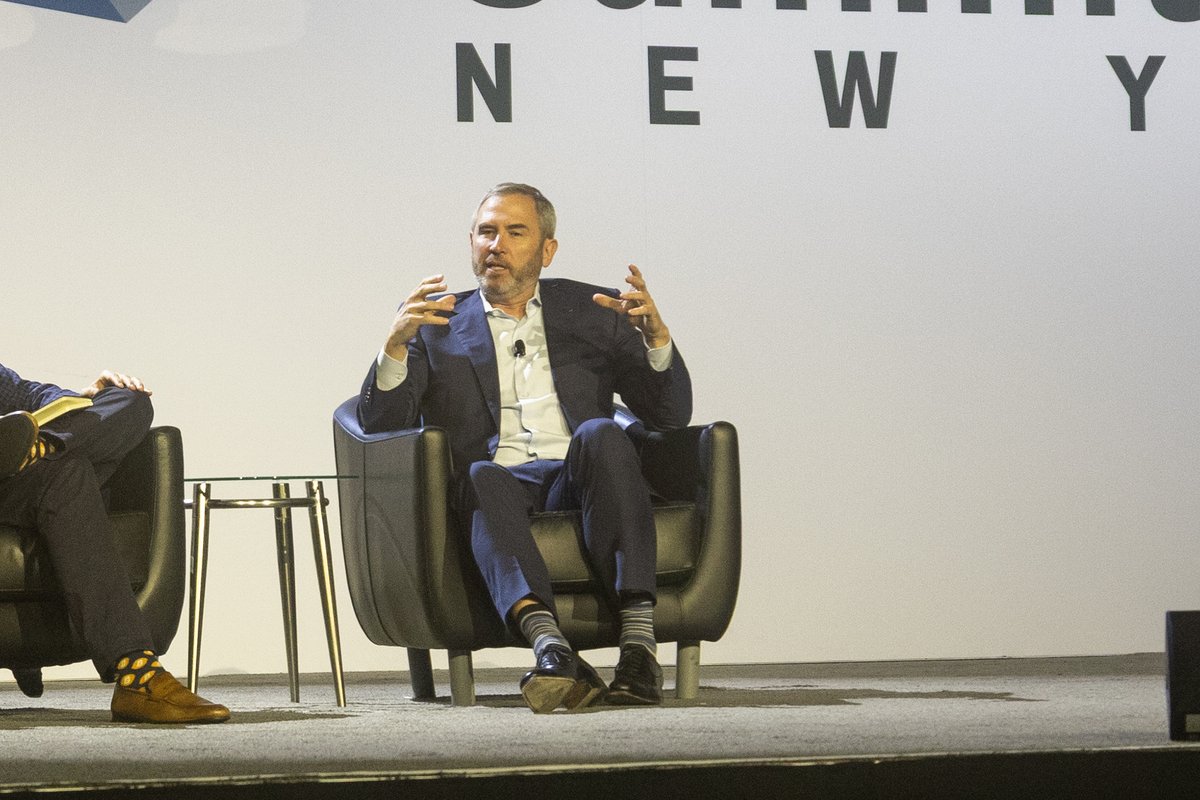
"10 years ago, I would have not predicted that we'd be invited into the White House," says @bgarlinghouse, CEO at @Ripple, as he spoke at @blockworksDAS today, right after he announced that the SEC will drop its appeal.
He went on to add that Ripple is:
➡️ A believer that crypto is not a zero sum game
➡️ Focused on expanding their stablecoin business via rlUSD, the Ripple stablecoin
➡️ Building an EVM side chain to allow for more smart contract functionality
➡️ Of the belief that "if crypto does well, we all do well" and has invested more than $2Bn into the broader crypto ecosystem
$XRP
110
814
3,707
261,290
Dan Lee retweeted

19 Mar 2025
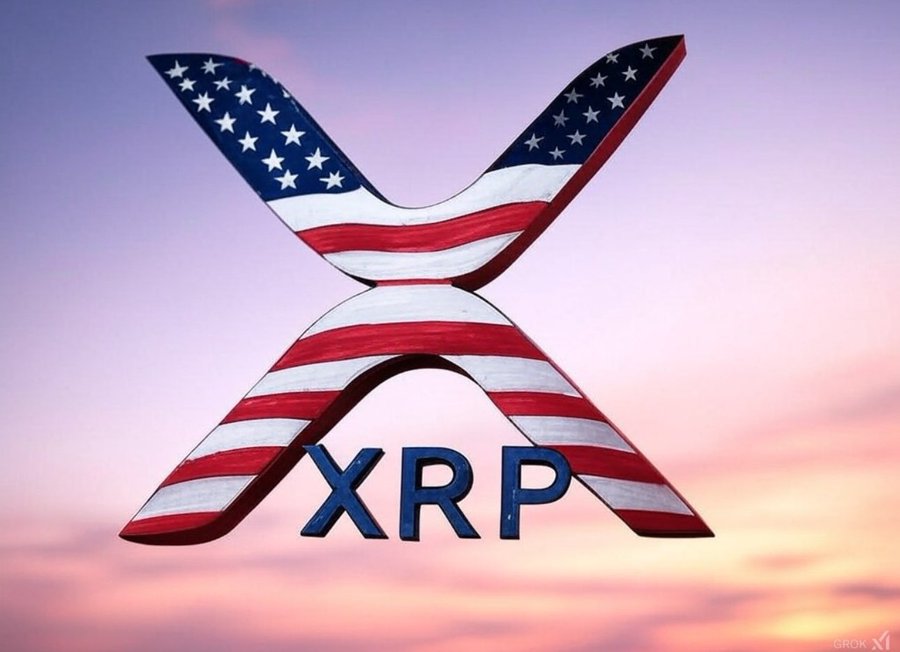
XRP is the best performing major crypto asset over 90 days.
XRP is the best performing major crypto asset over 180 days.
XRP is the best performing major crypto asset over 1 year.
XRP is the best performing major crypto asset over 3 years (except for Tron).
162
1,115
5,183
236,119
Dan Lee retweeted
18 Mar 2025
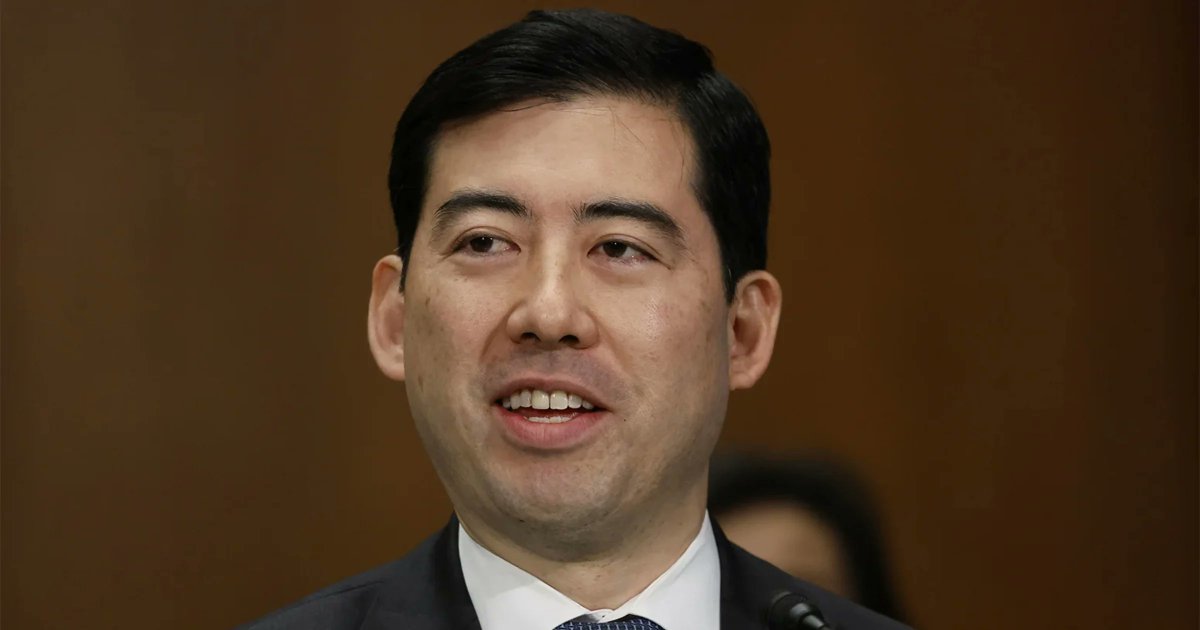
UPDATE: SEC-voorzitter Mark Uyeda zegt dat de instantie overweegt om regels uit het Biden-tijdperk over investeerdersbescherming, te herzien of in te trekken.

1
1
3
487

Dan Lee retweeted

12 Mar 2025
Bitcoin is the Dial Up of blockchain.
3
3
13
1,094