
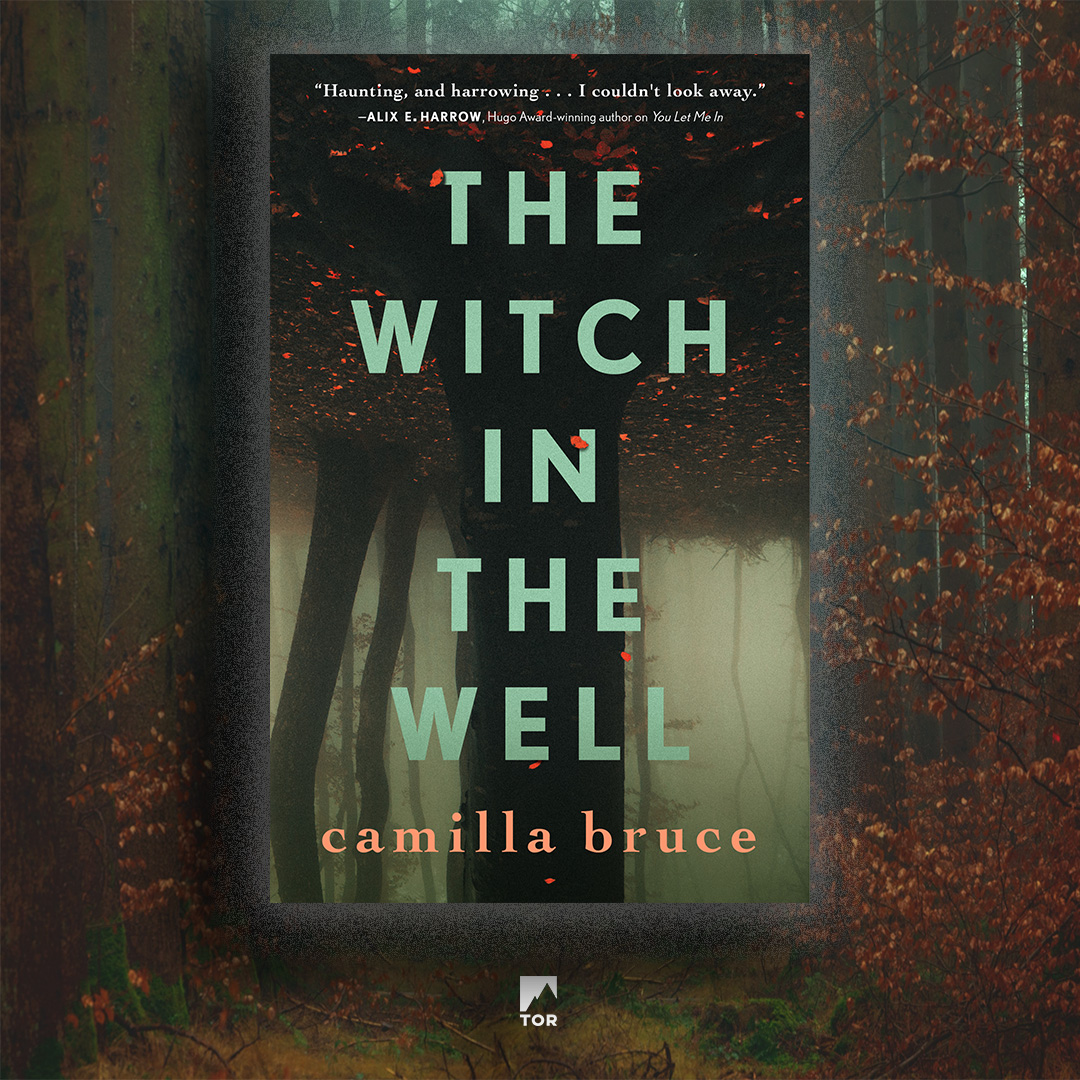
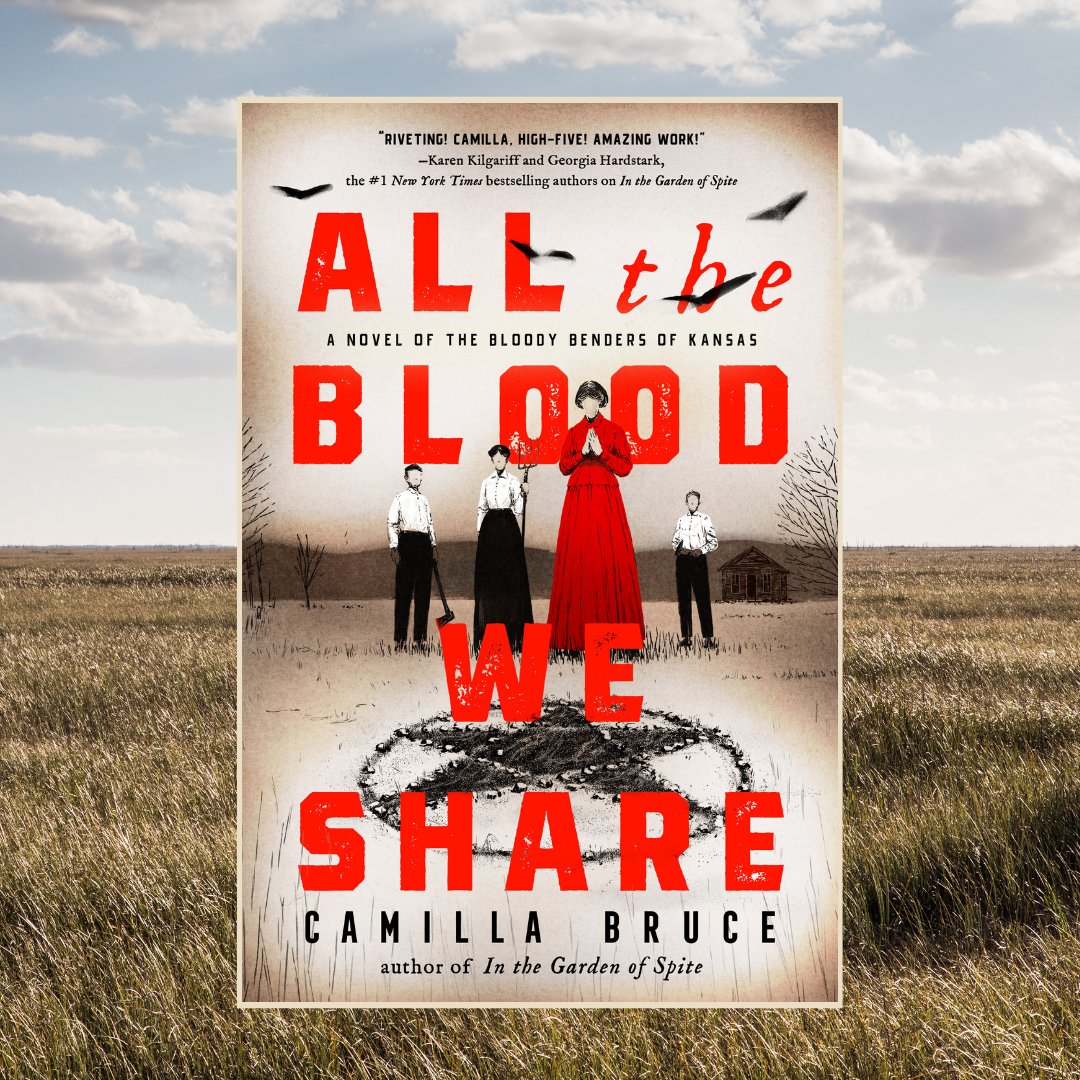
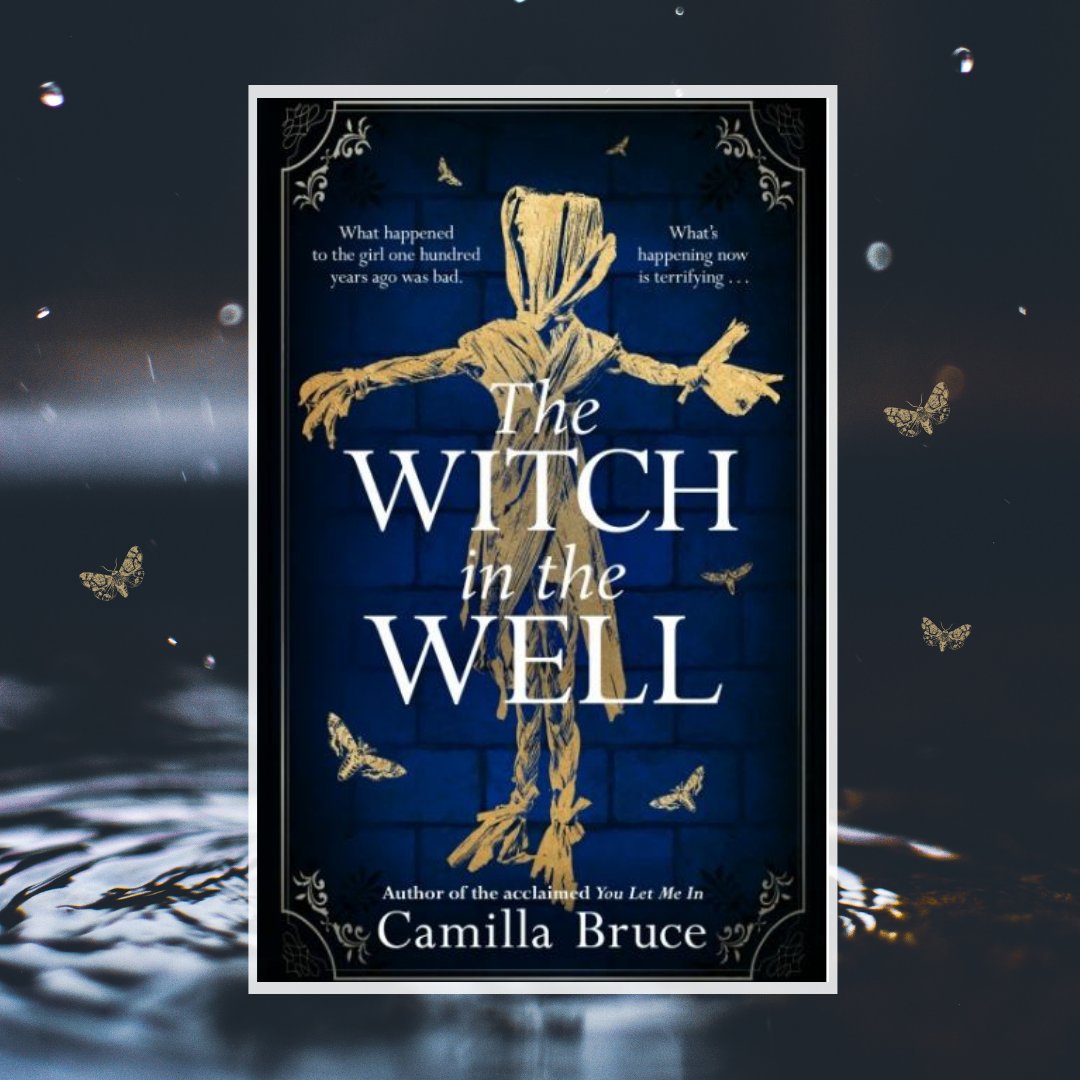
Norwegian writer of the dark and lovely. Latest: THE WITCH IN THE WELL & ALL THE BLOOD WE SHARE.
Joined August 2009
- Tweets 773
- Following 230
- Followers 741
- Likes 2,771
37 Photos and videos





Camilla Bruce - mostly updates retweeted

30 Jan 2025
'Theatrical and deliciously dark, this book is pure magic' A.J. West
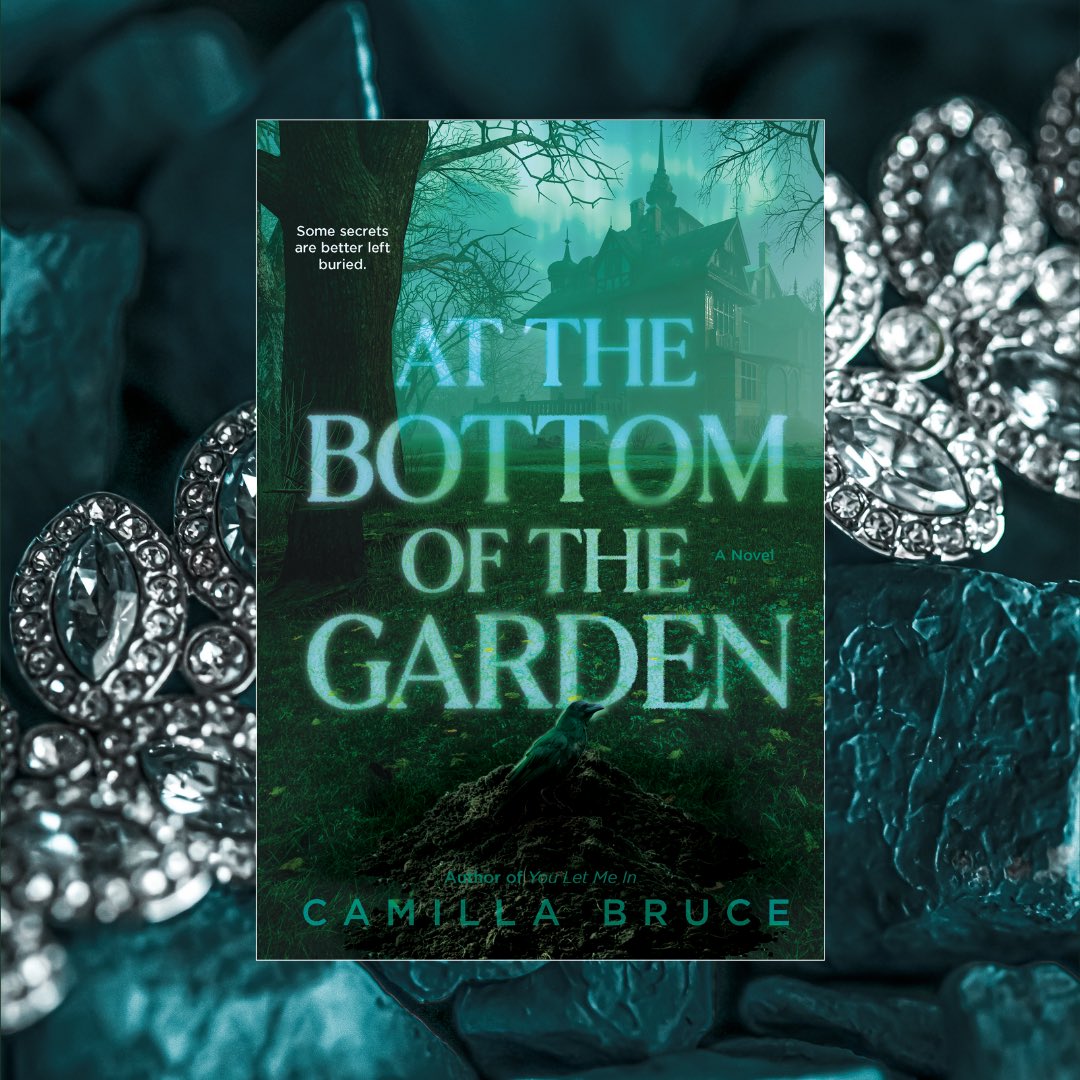
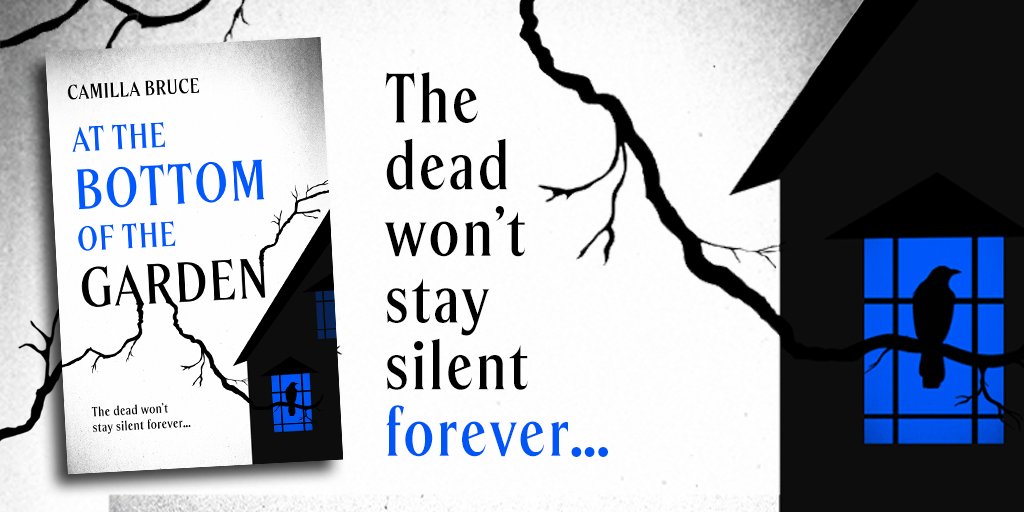
Happy publication day to At the Bottom of the Garden by Camilla Bruce, a dark gothic adult fairytale with a murderous aunt, witches and a vengeful housekeeper...
amzn.to/3CxoWeD
3
8
496
Camilla Bruce - mostly updates retweeted
22 Jan 2025
So lovely to see Camilla Bruce's At the Bottom of the Garden on @TheFantasyHive's Most Anticipated Releases of 2025 list!
fantasy-hive.co.uk/2024/12/m…
@millacream
1
5
541
Camilla Bruce - mostly updates retweeted

4 Dec 2024
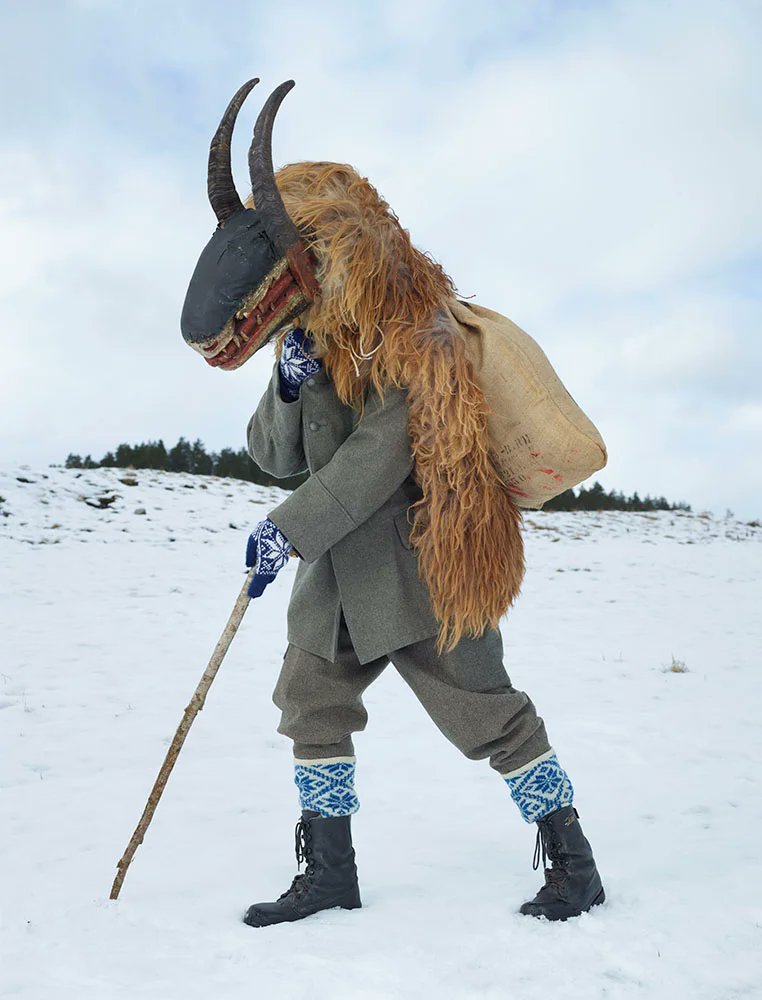
JULEBUKK During Yuletide in Norway a Julebukk, or tricksy goat figure, goes door to door, indulging in carolling & trick or treating. These wonderful figures draw on fairy tale human to animal transformation as well as animal mumming
Image: Charles Fréger #GothicYuletide
12
180
648
21,913
Camilla Bruce - mostly updates retweeted

23 Dec 2022
FOR THE BELLS TOLL FOR THEE-Off now to Norway where the most folk horror of all the churches in the known world are to be found. Known as the Stave(or 'Stafr' in Old Norse)style of architecture,they remain the oldest surviving wooden holy houses,dating back to the early medieval

6
42
254
45,750
Camilla Bruce - mostly updates retweeted

19 Nov 2024
Fans of gothic fairy tale we have 5 proof copies of Camilla Bruce's deliciously dark novel #AttheBottomoftheGarden to give away! Out 30 Jan 2025 RT to enter! @millacream

4
9
9
516
Camilla Bruce - mostly updates retweeted

31 Oct 2024
October may be ending, but it's always the right season for a good scare. @millacream @SofiaAjram @rachfacelogic buff.ly/48LgnIZ
7
15
820
Camilla Bruce - mostly updates retweeted

28 Oct 2024
During a routine investigation, Norwegian researchers have found answers to an unsolved riddle about a mysterious trading post from the Viking Age...
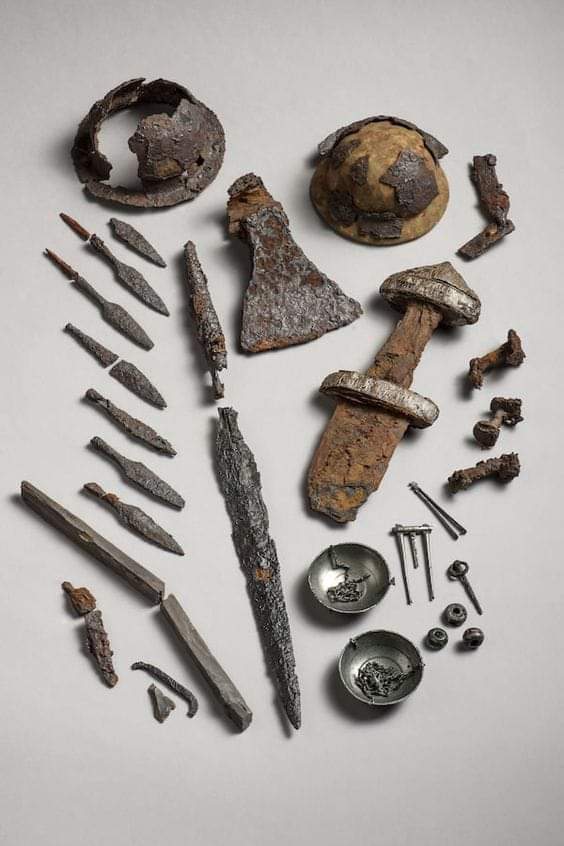
When a silver button and a bowl scale suddenly appeared from the ground, archaeologists Geir Grønnesby and Ellen Grav Ellingsen from NTNU (Norwegian University of Science and Technology in Trondheim) realized that they had found exciting evidence of a trading post from the Viking Age.
The finds come from two separate boat graves in Nord-Trøndelag in Norway.
The archaeologists were there to carry out a routine survey due to a renovation of the E6 motorway. But instead of a simple excavation in the road, the researchers found a possible answer to an unsolved riddle about a mysterious trading post, Steinkjer, from the Viking Age. The place is named in old sagas, but has never been found.
"These objects, especially the bowl scale, made us think of the saga literature's description of Steinkjer as a trading place. The sagas tell that under Eirik Jarl, Steinkjer was for a shorter period of greater importance than Nidaros (Trondheim, ed.). It was before Olav Haraldsson restored Nidaros as a royal residence and trading town,' write Geir Grønnesby and Ellen Grav Ellingsen in the magazine VITARK 8, which is published by the NTNU Science Museum.
Trondheim was Norway's capital in the Viking Age and the country's religious center. At that time the city was called Nidaros. The world's northernmost Gothic cathedral, the Nidraros Cathedral, was built in Trondheim when the first stones were laid over Olav Haraldsson's grave in 1070. The oldest extant parts of the cathedral were built in 1183. As a medieval city and religious capital, Nidaros played an important role in international trade throughout the Middle Ages. The Lewis Chessmen, an exquisite 13th Century set of walrus ivory and whale teeth, are believed to have been made in Nidaros.
Olav Haraldsson was Norwegian king who was credited with bringing Christianity to Norway. He was canonized in 1031, a year after his death. This was confirmed by Pope Alexander III in 1164. Olav Haraldsson is mentioned in a number of different Norse and Icelandic sagas. It is in these sagas that it is written about an important trading post in Steinkjer, which was even bigger than Nidaros. But until archaeologists began digging in Lø, they had only a few clues as to where the important trading post might be.
There were most certainly no permanent buildings in Steinkjer, as they would have been easy to find. And items for buying and selling made of organic materials will not have survived destruction of several centuries. Better clues are coins or other metal from foreign countries. Beyond this, archaeologists must rely on much more subtle evidence. One such evidence may be the geography of the place itself. "Although there is no archaeological evidence that there was a trading post in Steinkjer during the Viking Age, there are several aspects that support this idea," write Geir Grønnesby and Ellen Grav Ellingsen. They point out that one of the most important clues is that Steinkjer is located in a natural trading post, at the mouth of a river in the inner part of the Trondheimsfjord. It is also a place where farmers have cultivated flat lands for centuries.
📷 : Bowls, swords, pearls – all are traces of a trading post in the Viking Age. The three balls in the lower left corner are silver buttons, which the archaeologists believe come from the British Isles. (📷© Åge Hojem)
#archaeohistories
4
34
208
29,976

18 Jun 2024
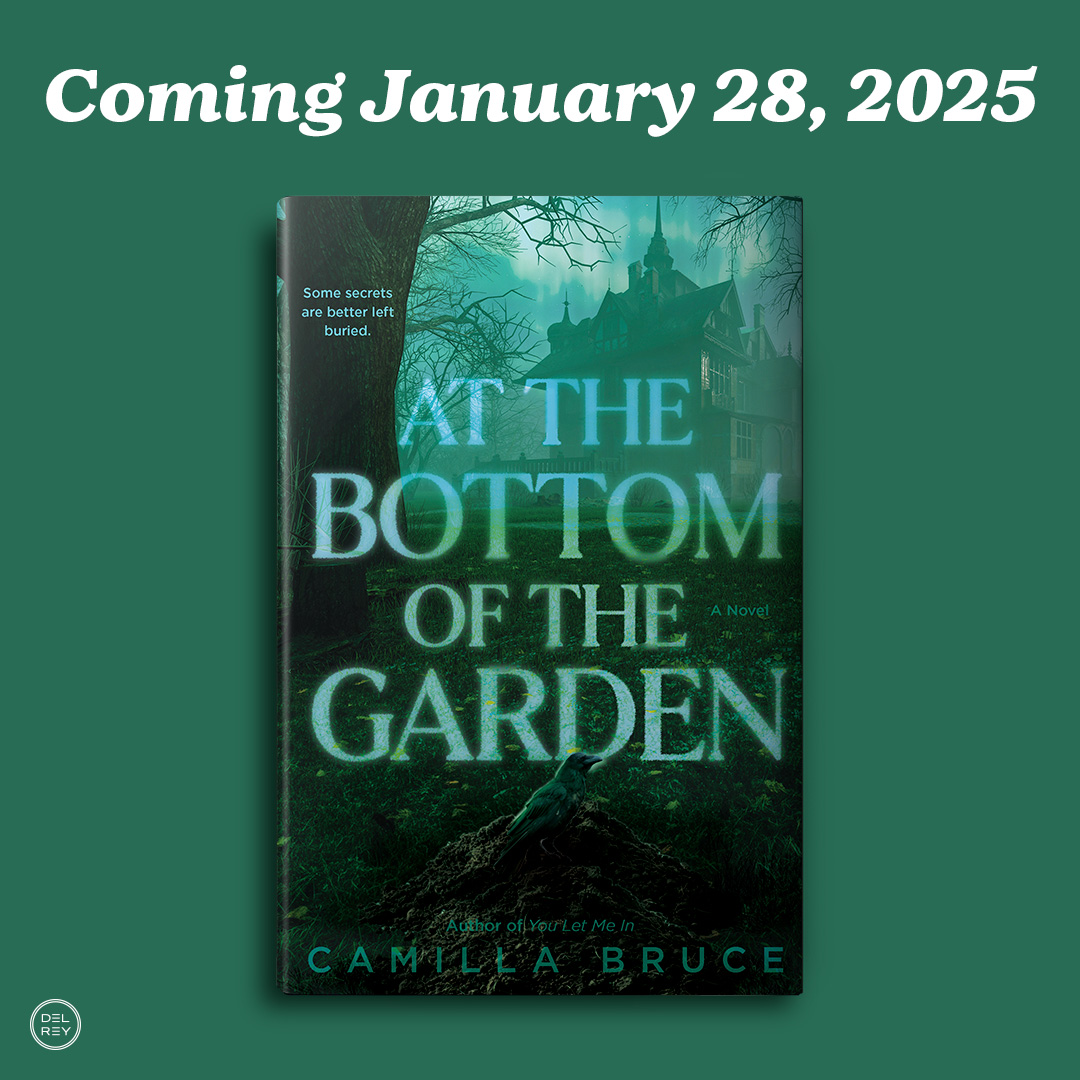
COVER REVEAL! ✨
I'm so thrilled to share the gloriously gothic cover of my next novel, AT THE BOTTOM OF THE GARDEN!
Out in the US on January 28 from @DelReyBooks
— available for preorder now: penguinrandomhouse.com/books…
Cover design: Sophia Chunn
4
2
15
563
Camilla Bruce - mostly updates retweeted

10 must-read books for true crime fans - @DeadGoodBooks
deadgoodbooks.co.uk/must-rea…

ALT book jackets include listen for the lie by Amy Tintera, the girls by Emma Cline, true crime story by Joseph Knox, the list of suspicious things by Jennie Godfrey
1
3
6
632
Camilla Bruce - mostly updates retweeted

23 May 2024
Oneworld has secured Camila Bruce’s (@millacream) At the Bottom of the Garden, a “tale of an evil aunt, strange children and restless souls”. 👇 thebookseller.com/rights/cam…
2
1
1,366

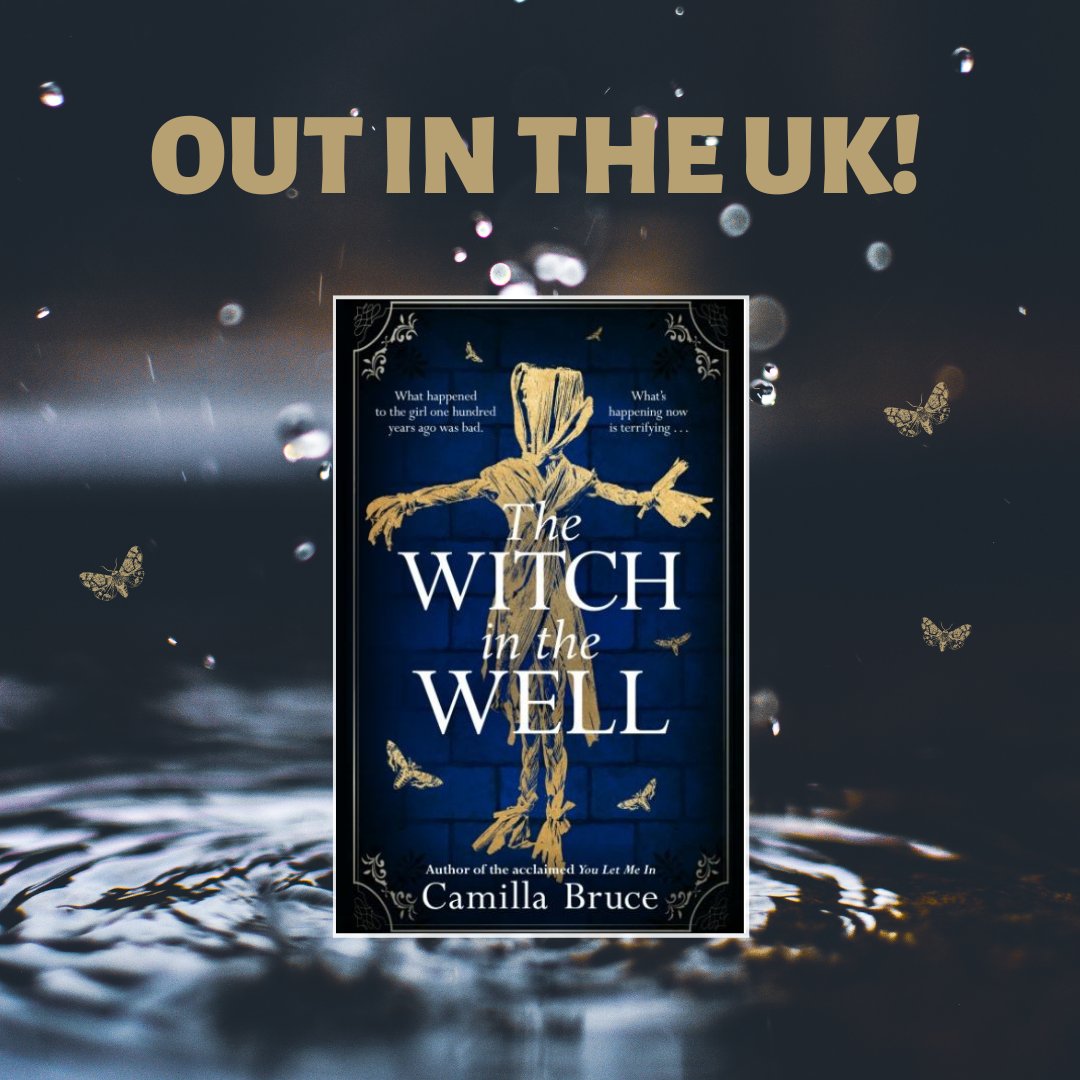
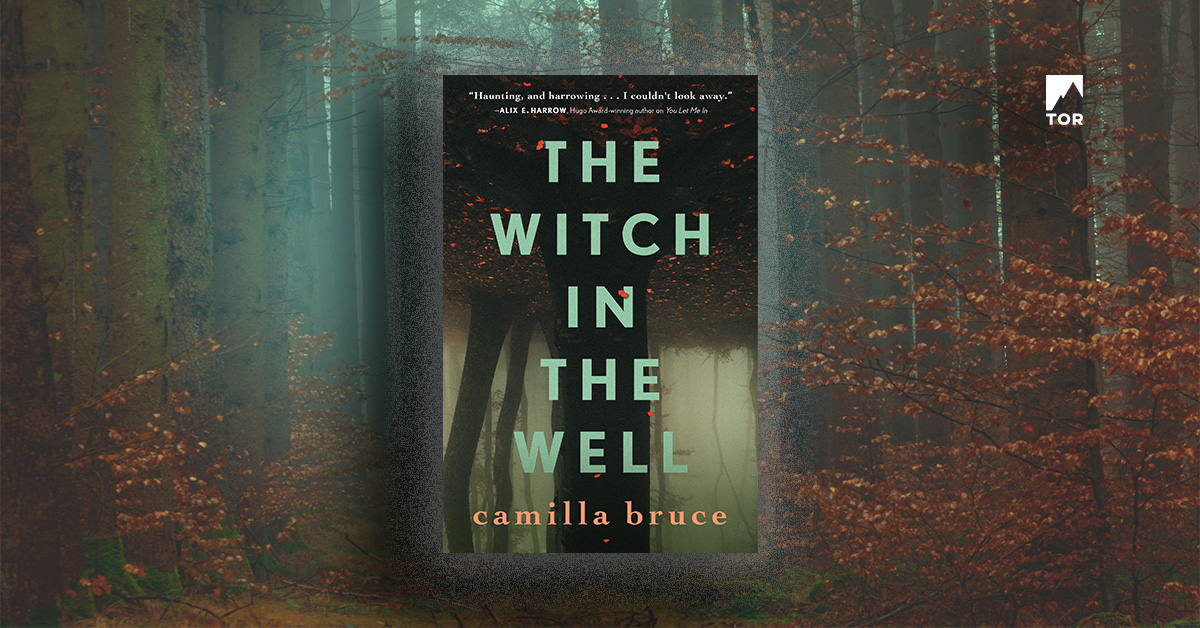
Have you read #TheWitchintheWell by @millacream yet?! Kick off your new year with this thrilling new read, now available in paperback ✨
us.macmillan.com/books/97812…
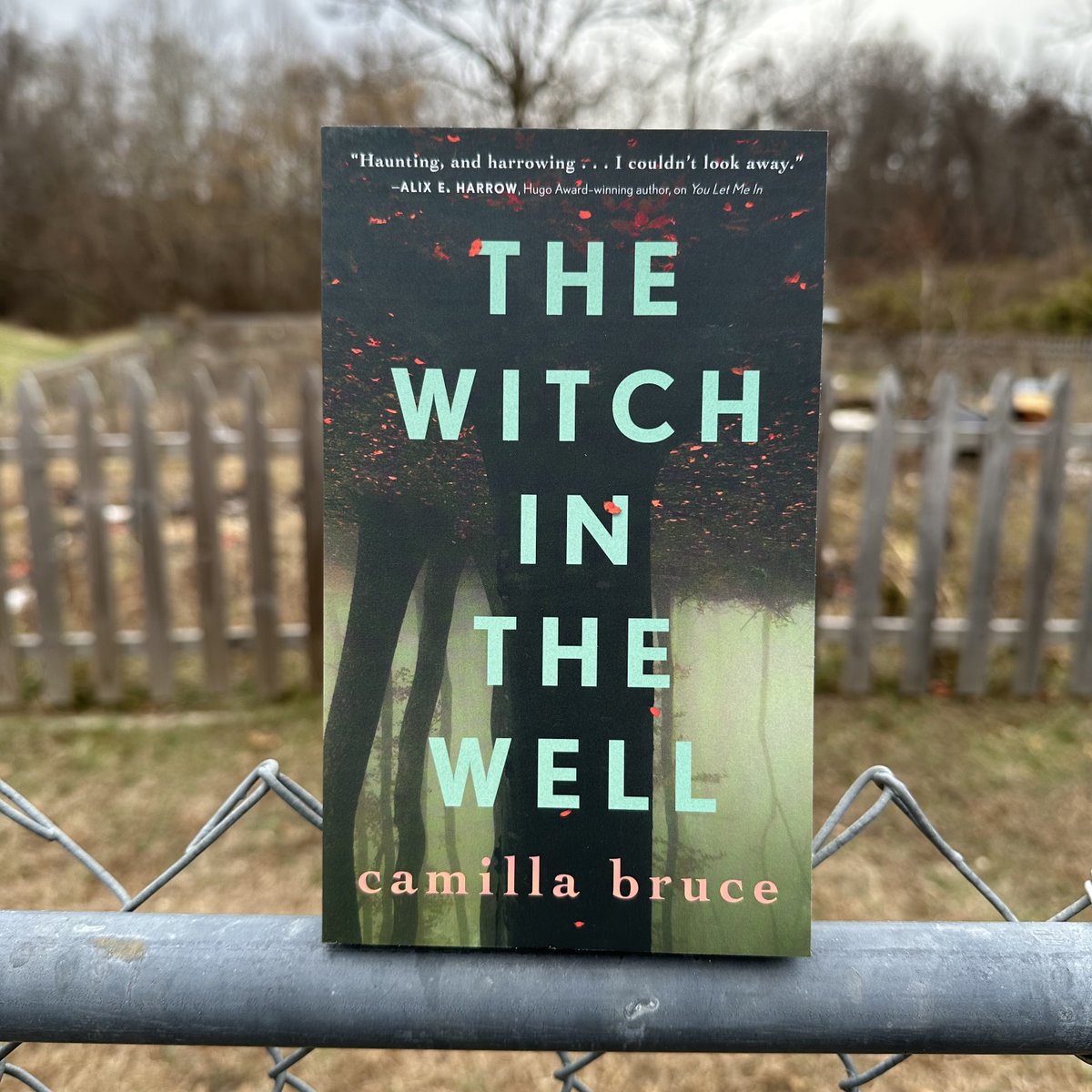
ALT The Witch in the Well on a fence
3
13
4,356
31 Aug 2023
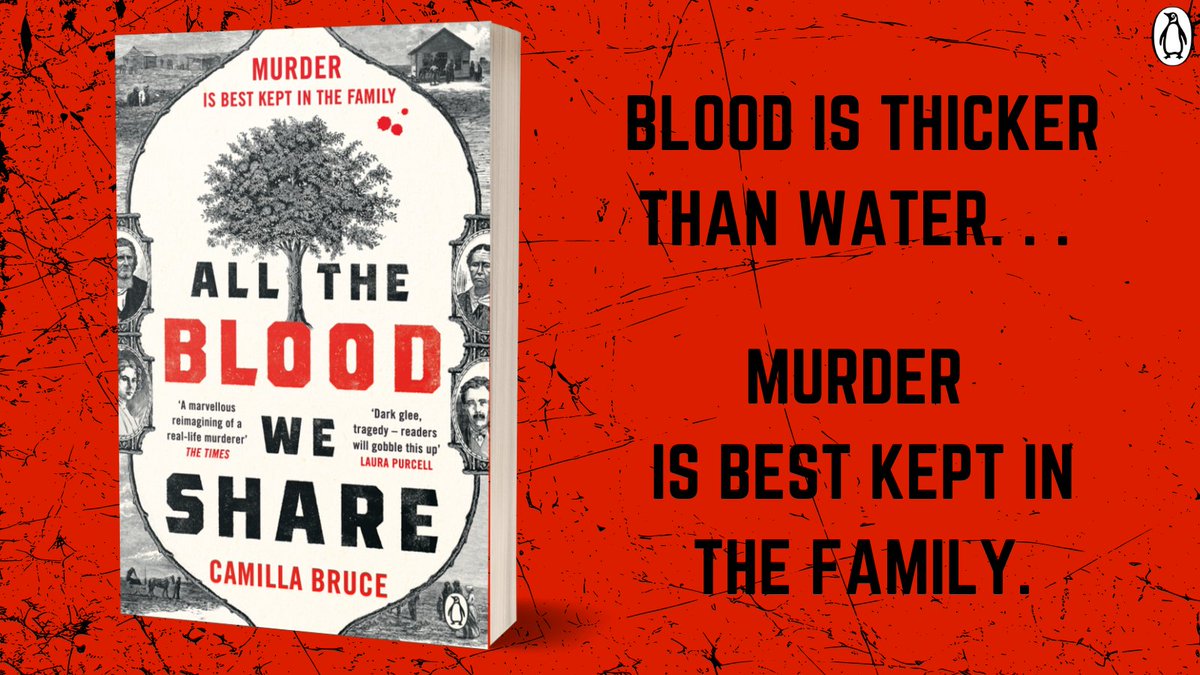
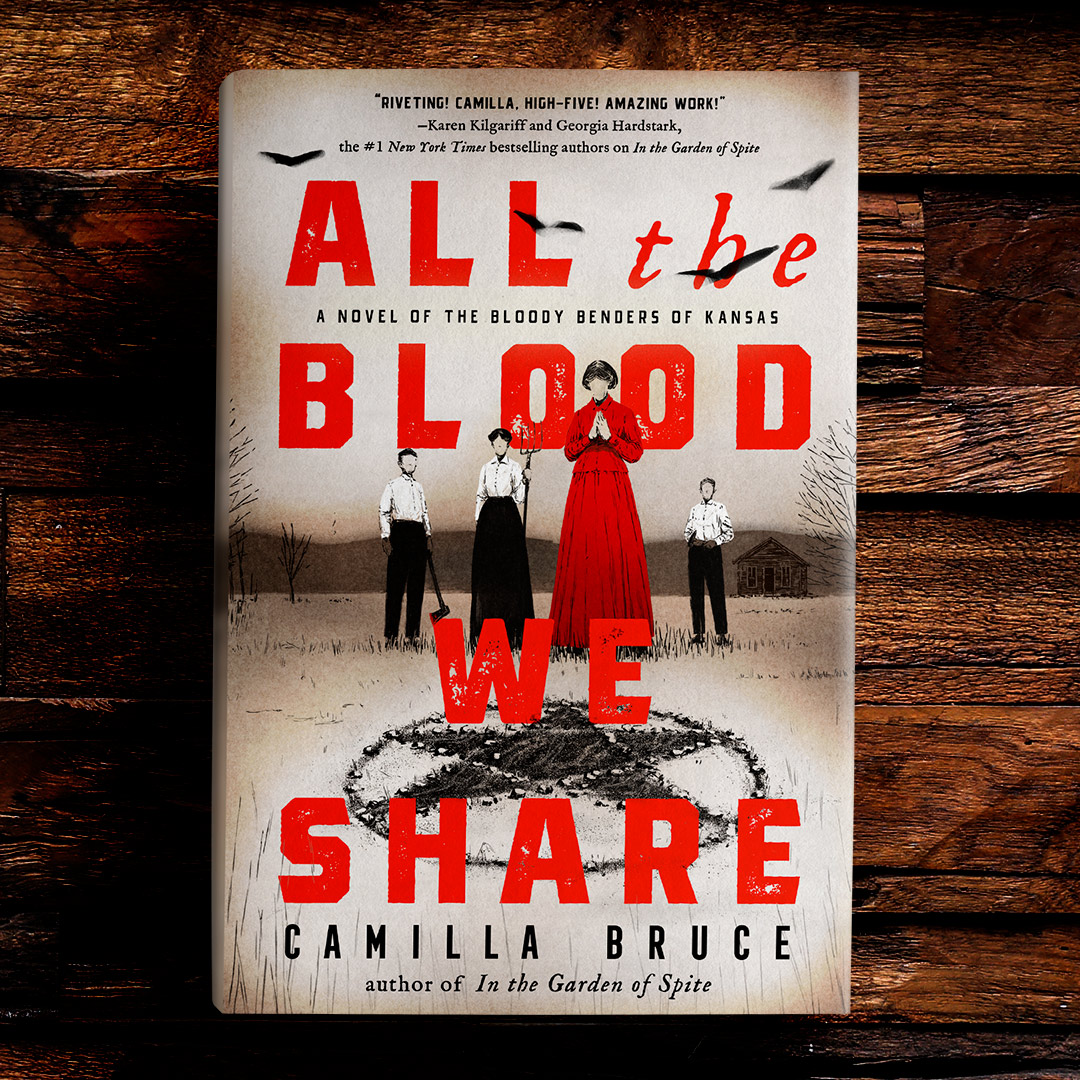
ALL THE BLOOD WE SHARE (UK) is out in paperback in today! 🎈
This edition has a glorious new cover featuring contemporary drawings of the Bender family. 🖤
@MichaelJBooks
amazon.co.uk/All-Blood-We-Sh…
2
164
Camilla Bruce - mostly updates retweeted

25 Aug 2023
At the Battle of Hjörungavágr, Håkon Jarl called upon the wyrd sisters of Thorgerdr Holgabrudr and Irpa to shoot arrows from their fingertips at and dump hail on the Jomsvikings #FaustianFriday #ofdarkandmacabre 🖼️ Jenny Nyström

7
37
1,057
22 Aug 2023
The Witch in the Well (US) is out in paperback today! 🥳
us.macmillan.com/books/97812…
1
2
122
The Very Happiest of #BookBirthdays to #HeWhoDrownedtheWorld by @shelleypchan and #TheWitchintheWell in paperback by @millacream! Check them out anywhere books are sold today 🌊
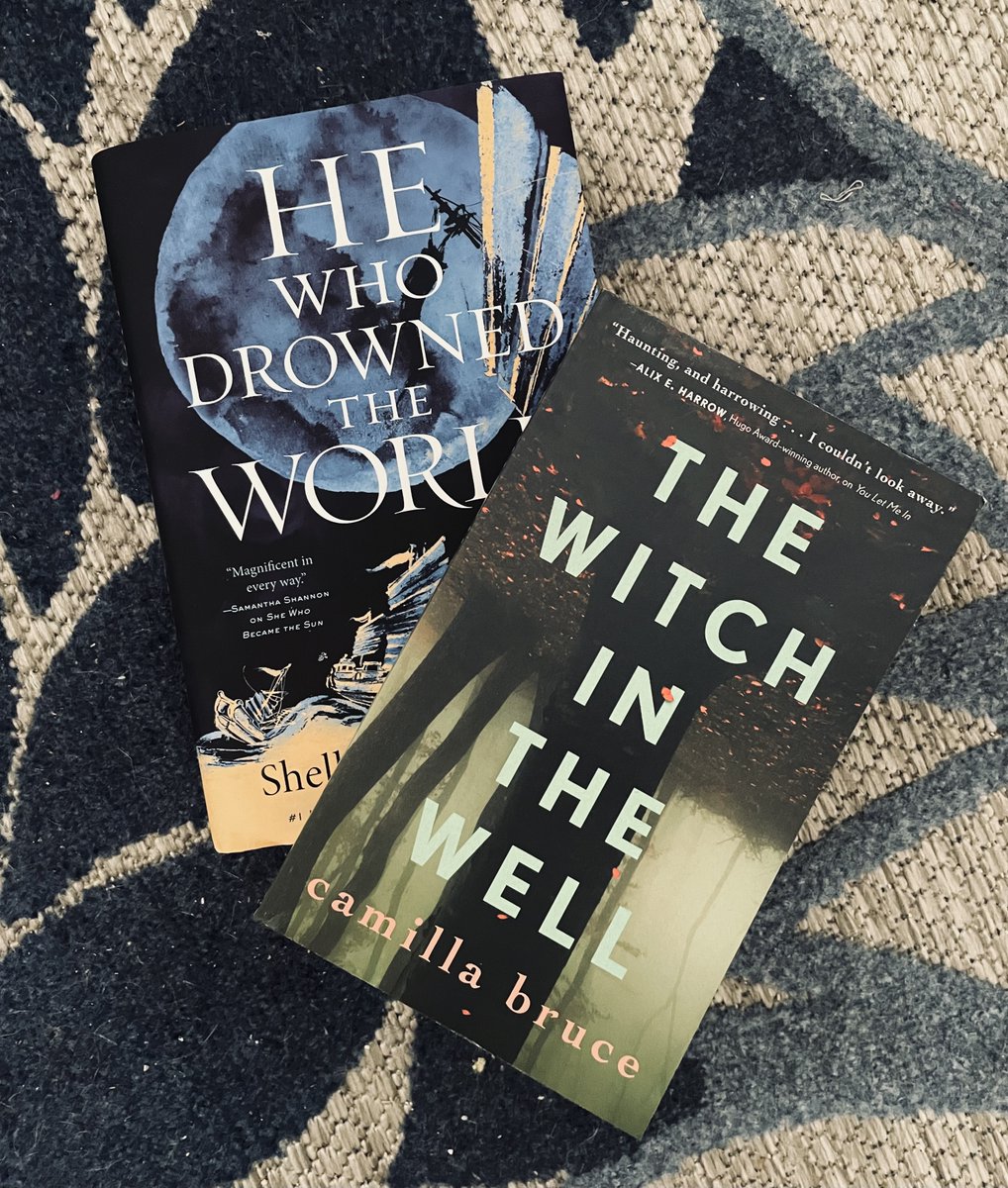
ALT He Who Drowned the World and The Witch in the Well, stacked on top of each other on a blue and cream carpet
1
3
29
4,823
Camilla Bruce - mostly updates retweeted

20 Aug 2023
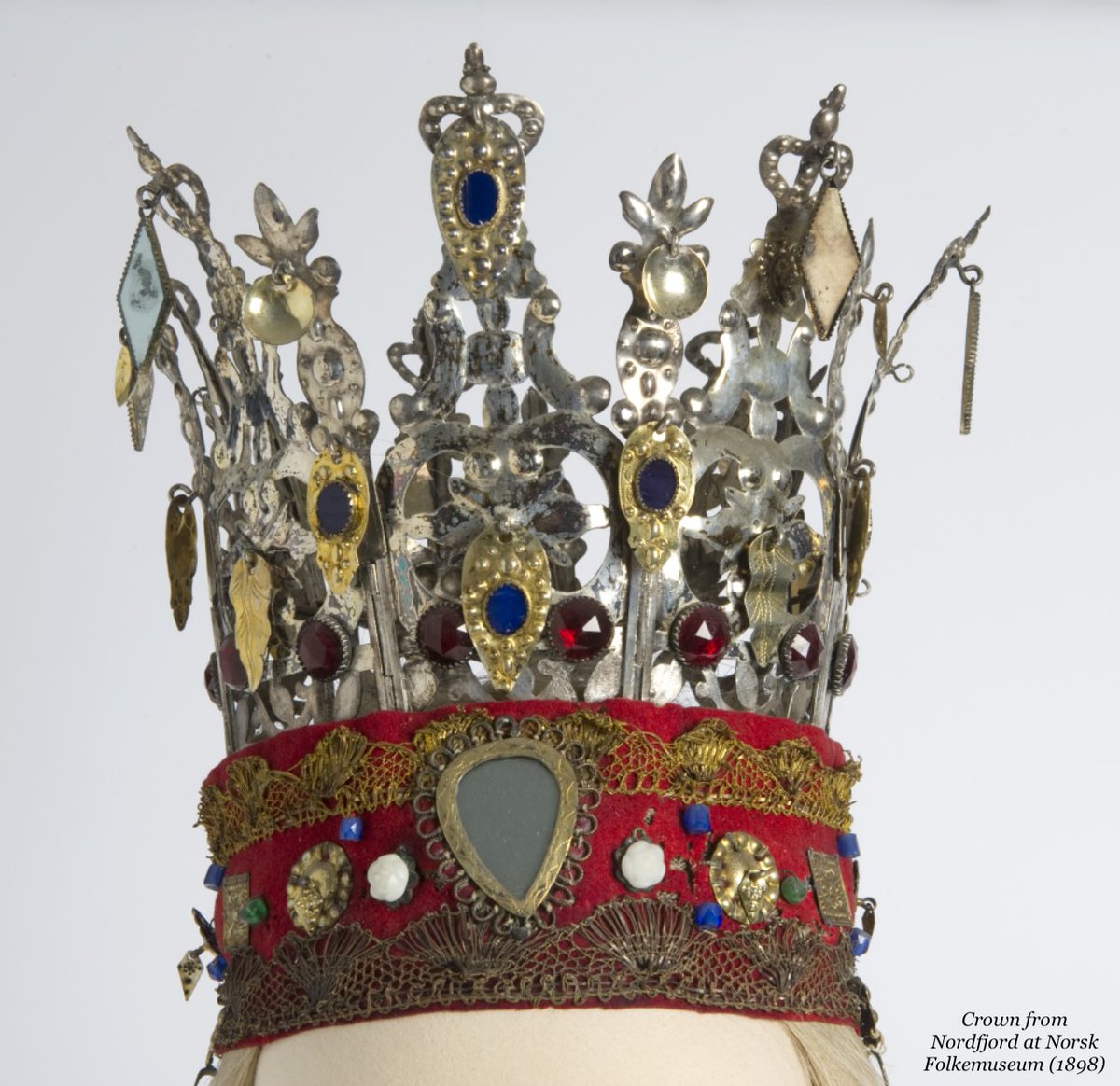
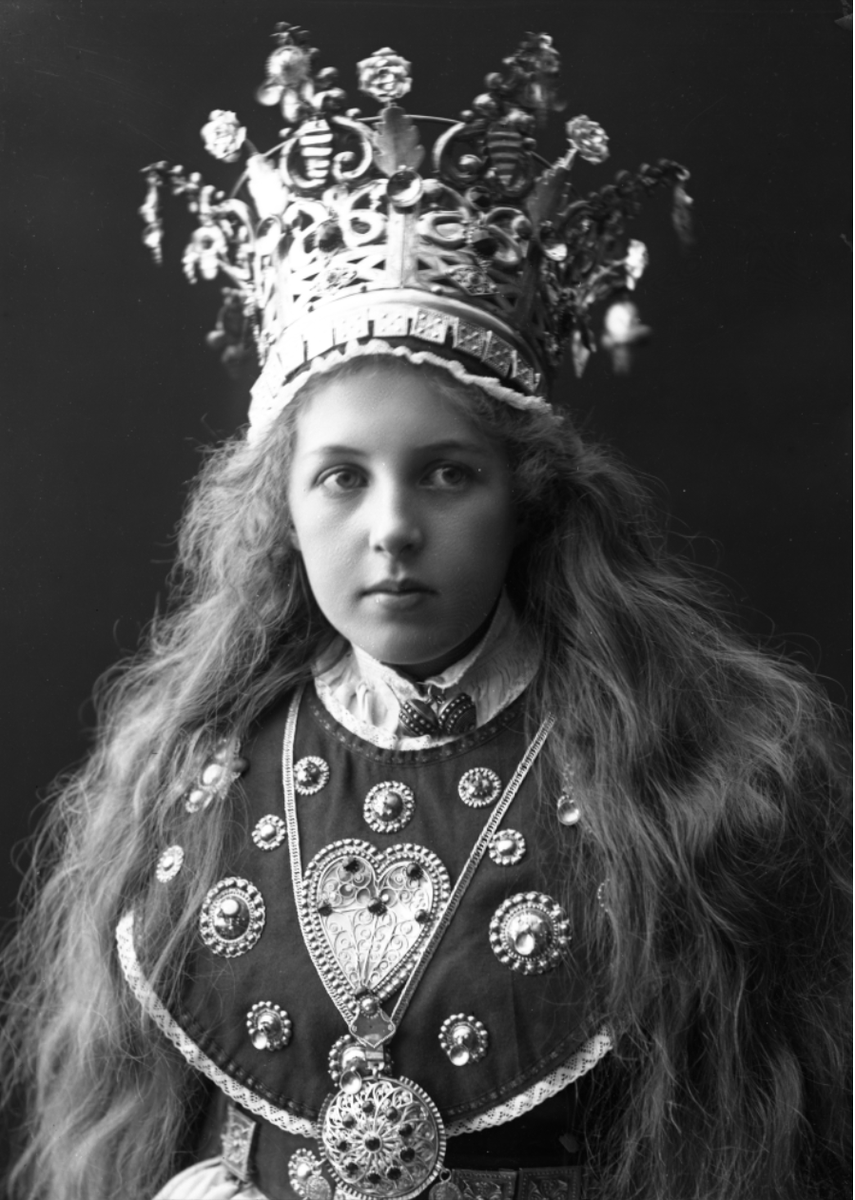
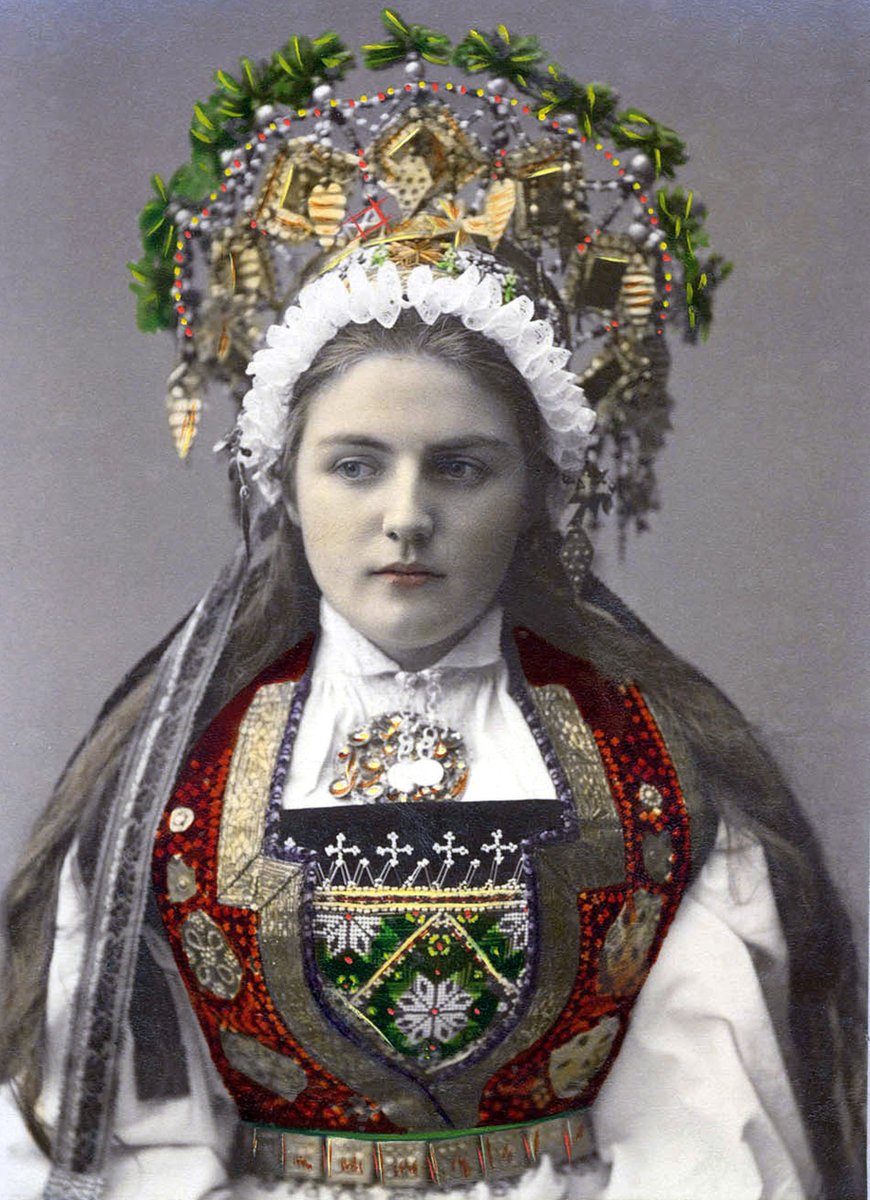
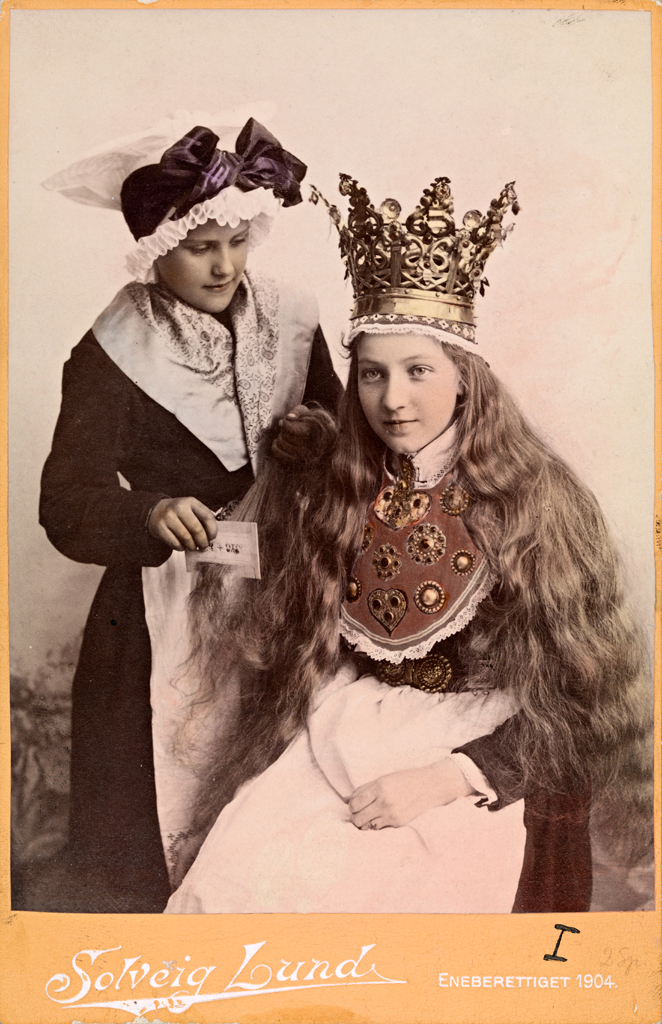
In Norway traditional bridal wear includes a crown & 'Bunad', their regional folk costume. 200 years ago wealthy families gave the expensive bridal crown as part of the daughter’s dowry. The bride owned the crown and could hire it out to other brides for income
#FolkloreSunday
3
37
147
7,173
Camilla Bruce - mostly updates retweeted

14 Aug 2023
They buried people, boats, and even a house. atlasobscura.com/articles/vi…
2
20
13,673
12 Aug 2023
EXCITING NEWS!!! 🎉🔪🎀
11 Aug 2023

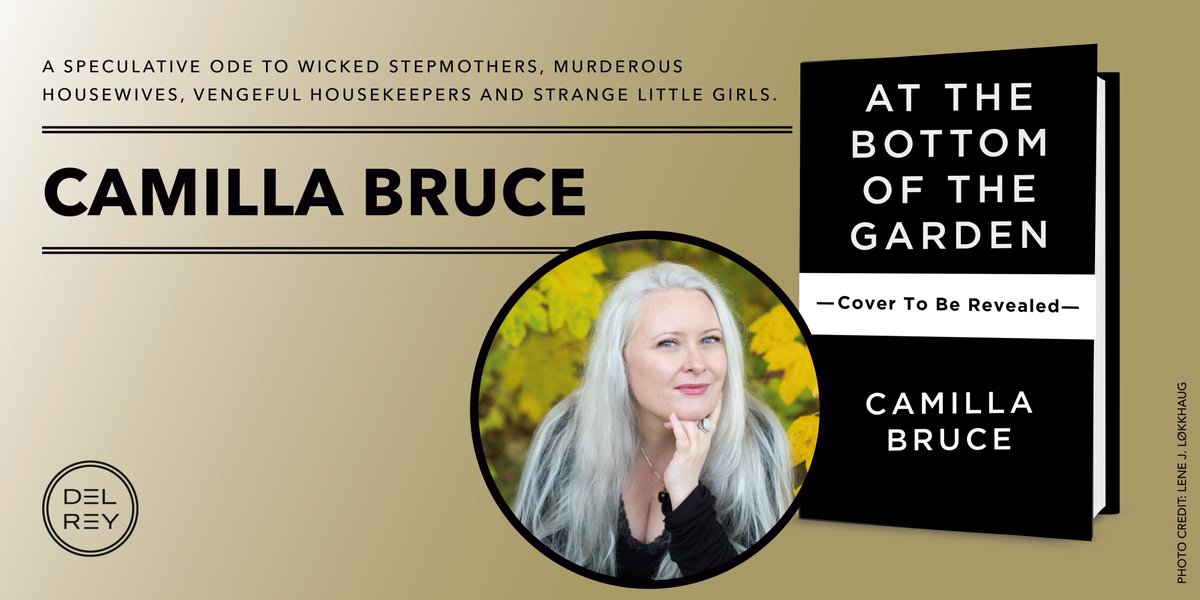
🚨 NEW TITLE ALERT 🚨 We're excited to share that we will be publishing @millacream's AT THE BOTTOM OF THE GARDEN, a speculative ode to wicked stepmothers, murderous housewives, vengeful housekeepers, and strange little girls. Coming in 2024!
1
5
341
Camilla Bruce - mostly updates retweeted

7 May 2023
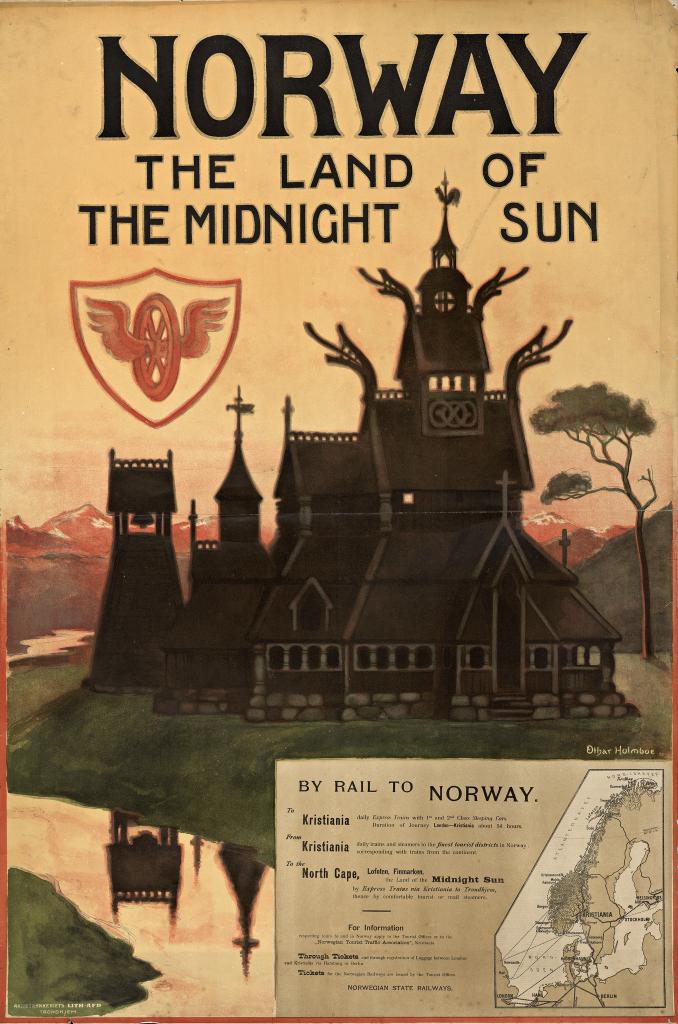
Visit Norway, it's terrifying! 1905 travel poster.
3
45
273
21,114