MineBest is a technologically advanced infrastructure company - specializing in cryptographic computing activities ⛏️
Joined November 2018
- Tweets 561
- Following 161
- Followers 5,231
- Likes 614
360 Photos and videos



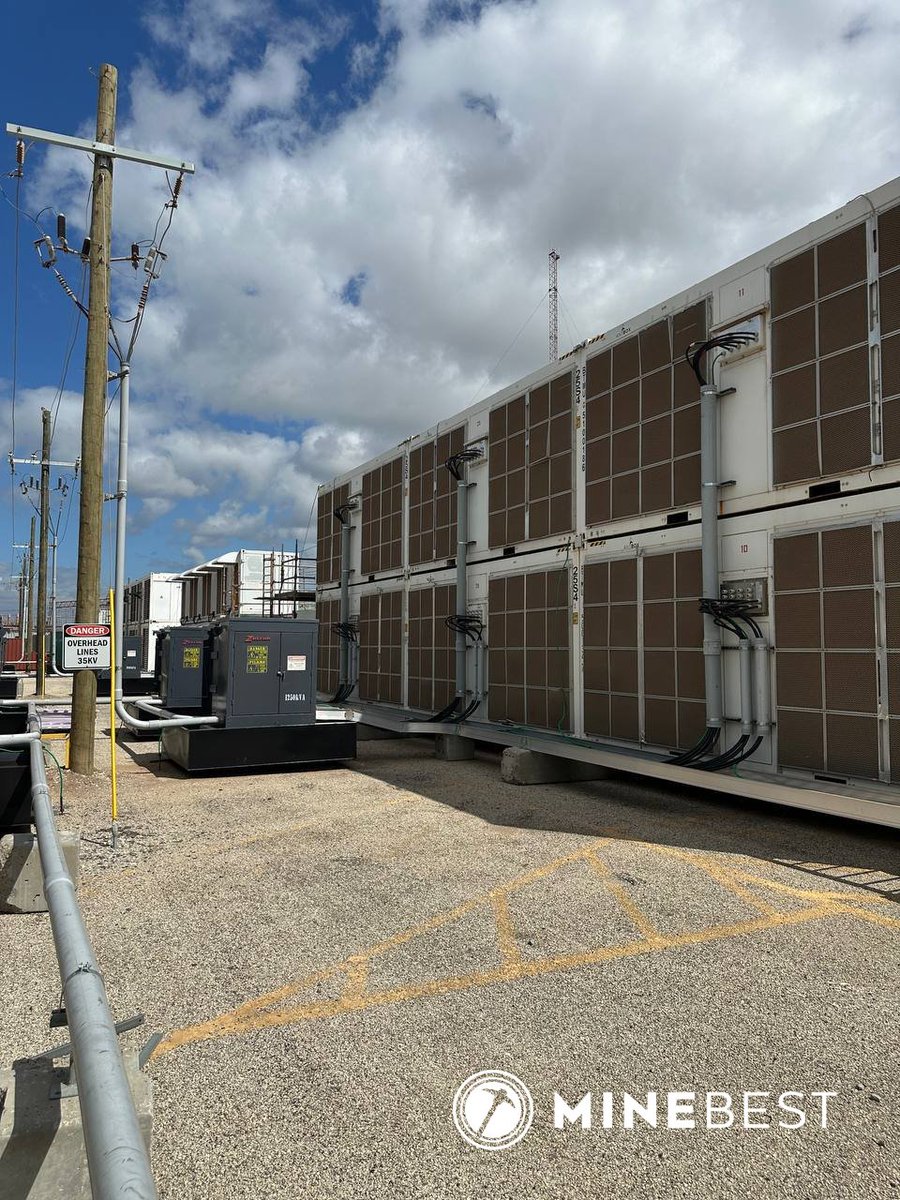
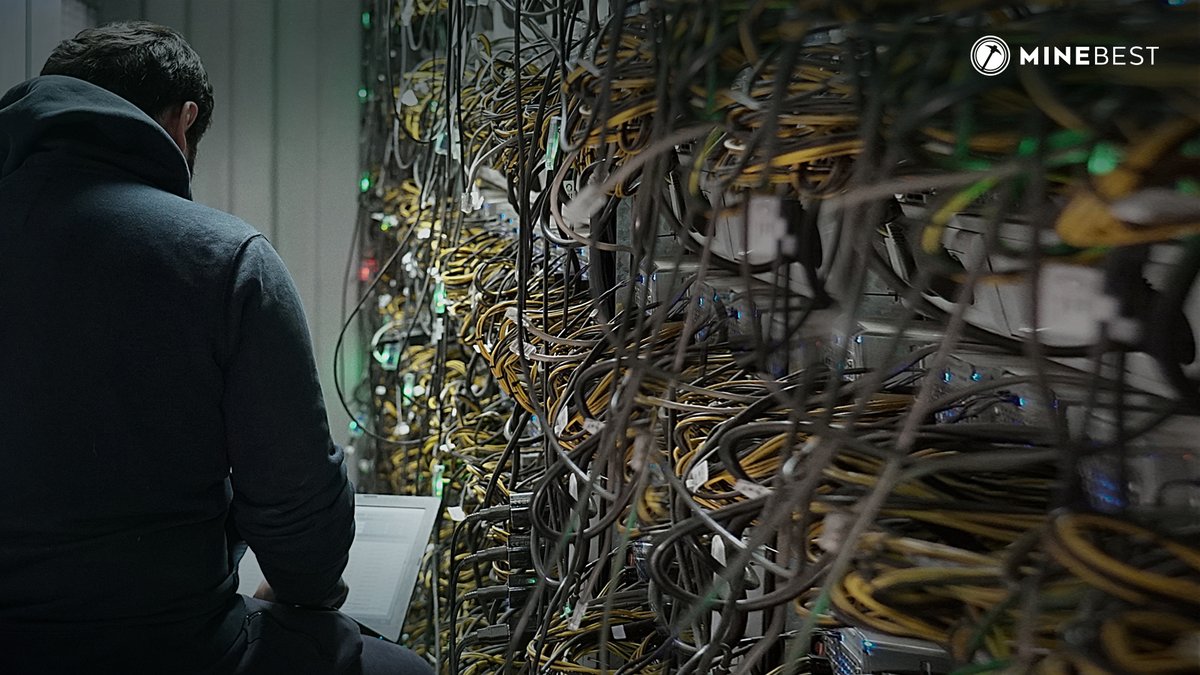
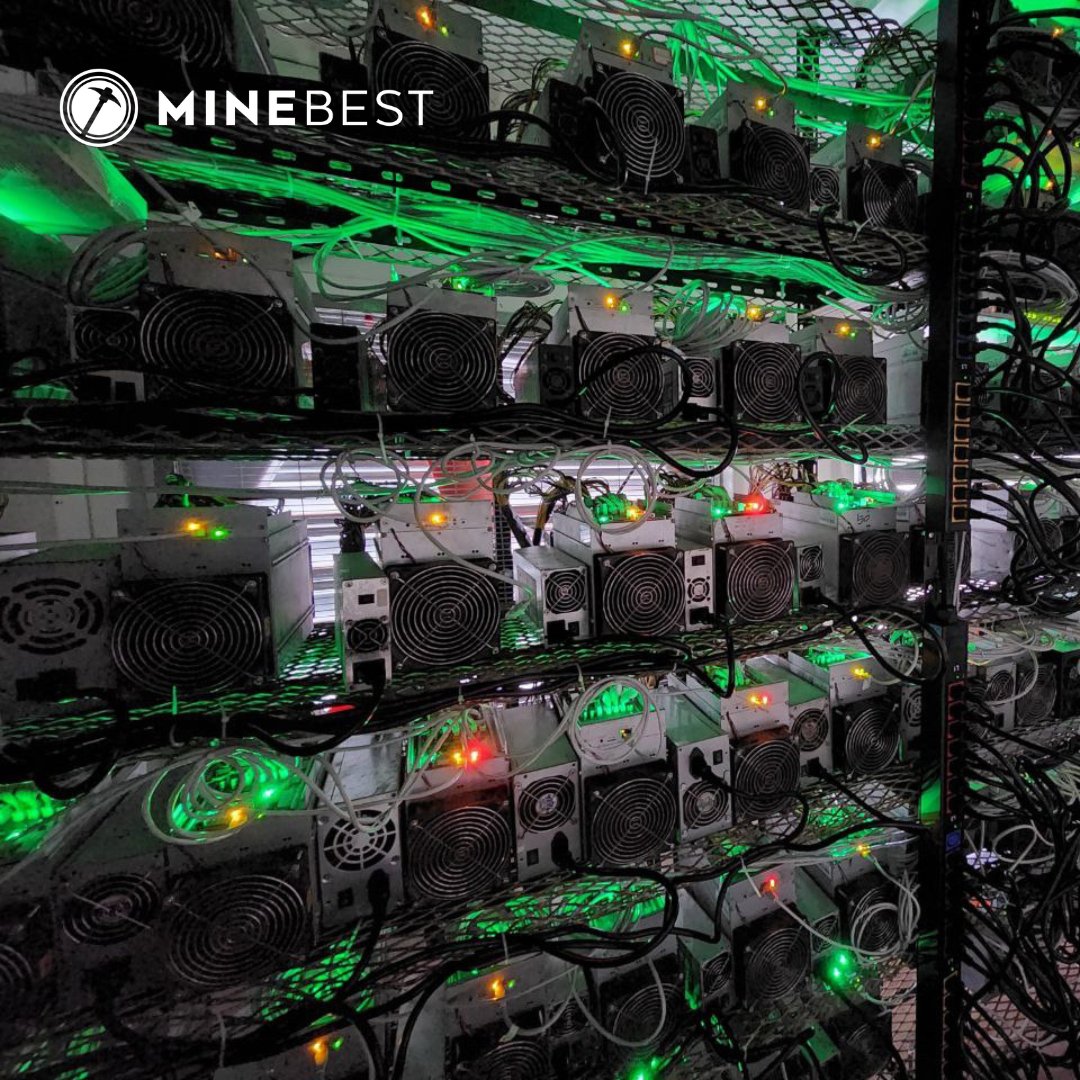
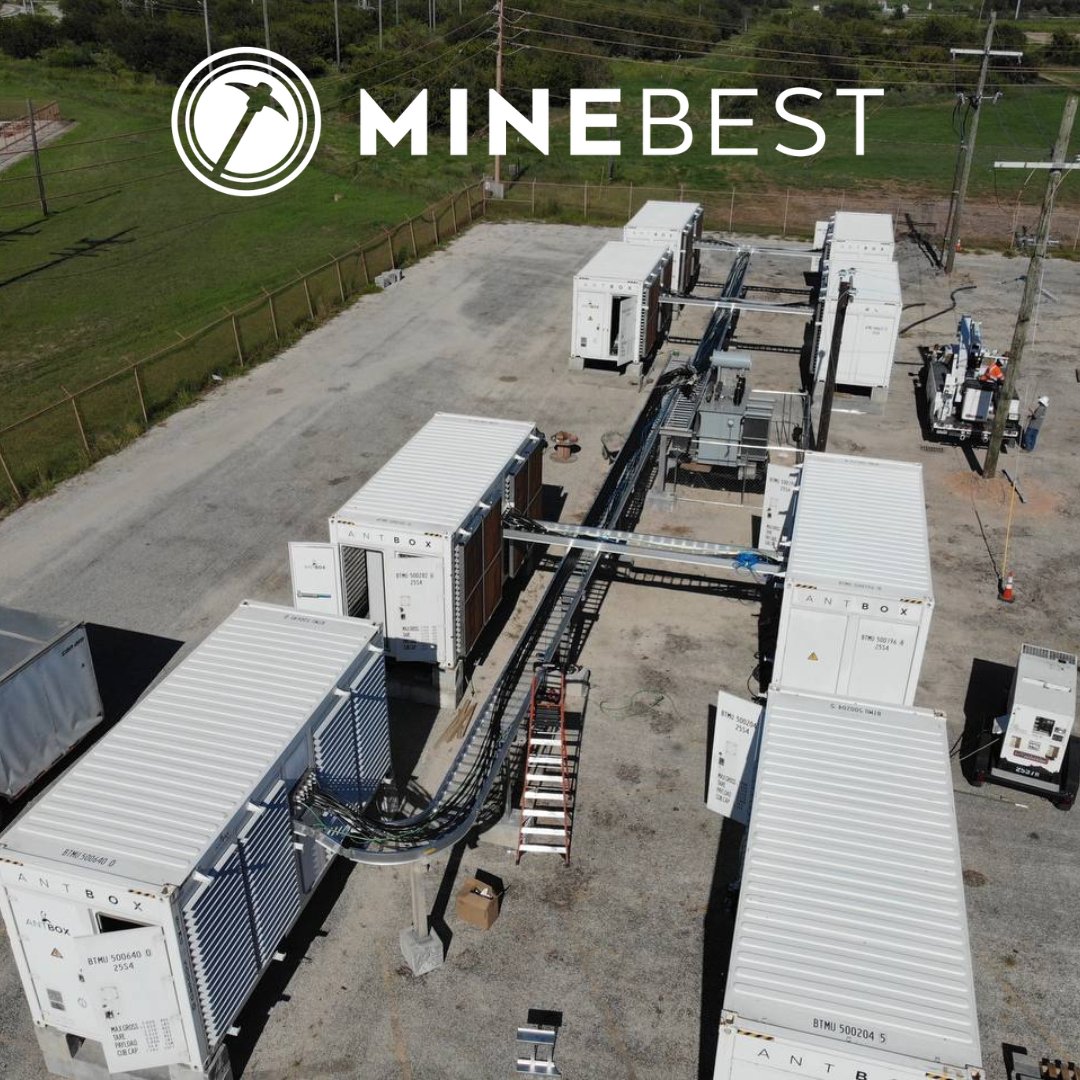
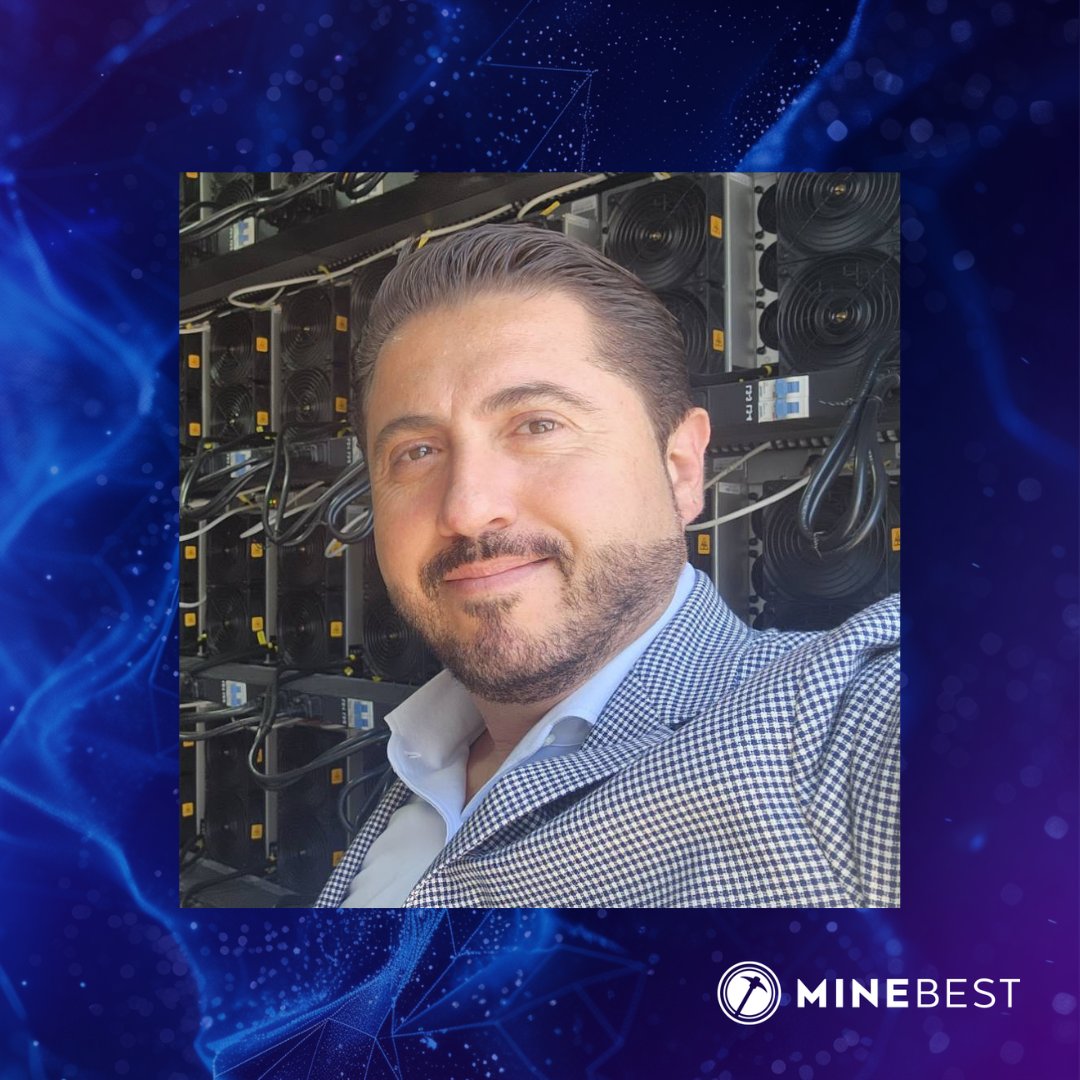

Big progress, big momentum ⚡️
Take a behind-the-scenes look at the latest MineBest facility upgrades — scaling capacity, strengthening infrastructure, and pushing performance forward. This is how the next phase gets built.
🔗 minebest.com
5
27
2,445
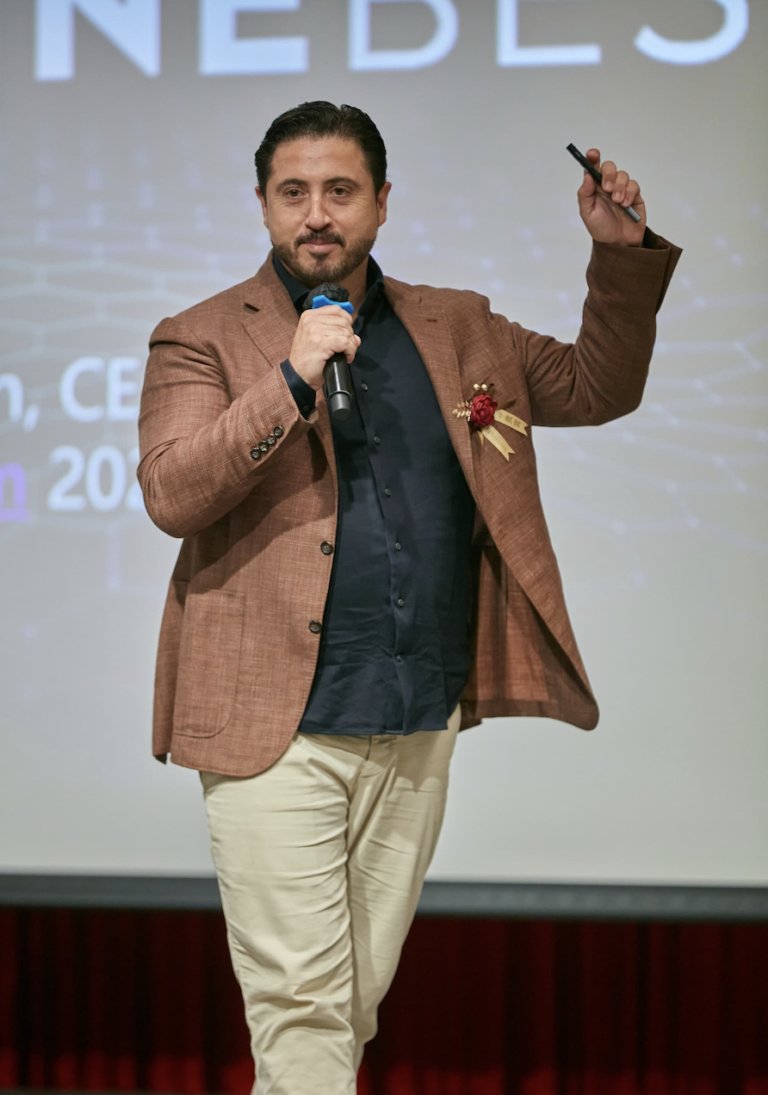
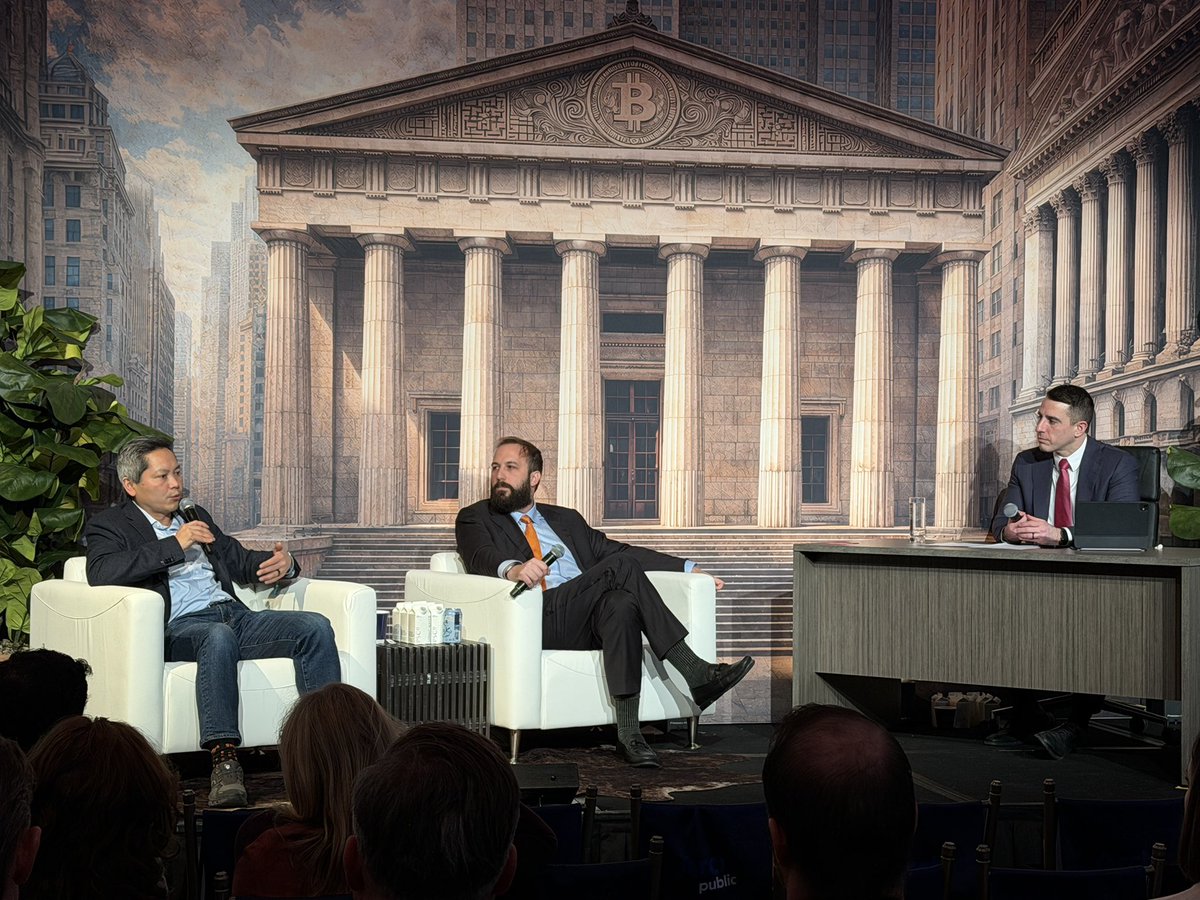
MineBest CEO Eyal Avramovich was recently featured in an interview discussing why the future of technology growth depends on energy infrastructure.
As global demand for AI, high-performance computing, and digital assets continues to accelerate, reliable power and scalable infrastructure remain the foundation of innovation.
Read more: mwwire.com/eyal-avramovich-o…
#Energy #Infrastructure #AI #EyalAvramovich #MineBest #BitcoinMining #DataCenters
1
29
Long-term vision. Operational discipline. Infrastructure built to last.
In a new feature by The European Business Review (@TEBReview), MineBest CEO, Eyal Avramovich shares his perspective on building scalable global infrastructure through execution, efficiency, and strategic growth.
europeanbusinessreview.com/e…
From energy optimization to digital infrastructure development, the focus remains on creating sustainable systems designed for long-term value across global markets.
2
61
MineBest retweeted

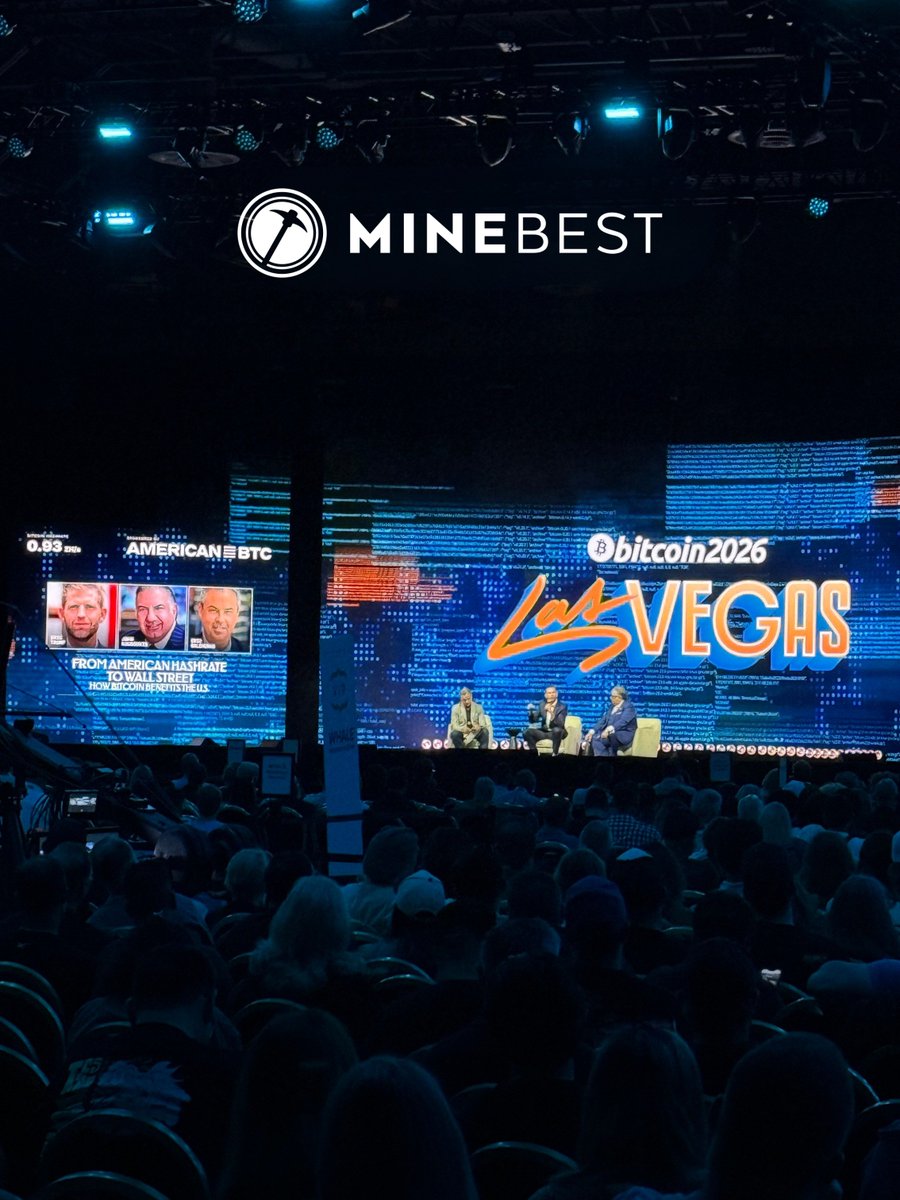
WE WERE PROUD TO HAVE MINEBEST AS A SPONSOR AT BITCOIN 2026 ⚡️
A long-standing Bitcoin mining infrastructure company, @minebest was on the ground connecting with serious operators, institutional players, and long-term partners shaping the future of mining. ⛏️
5
8
40
2,998
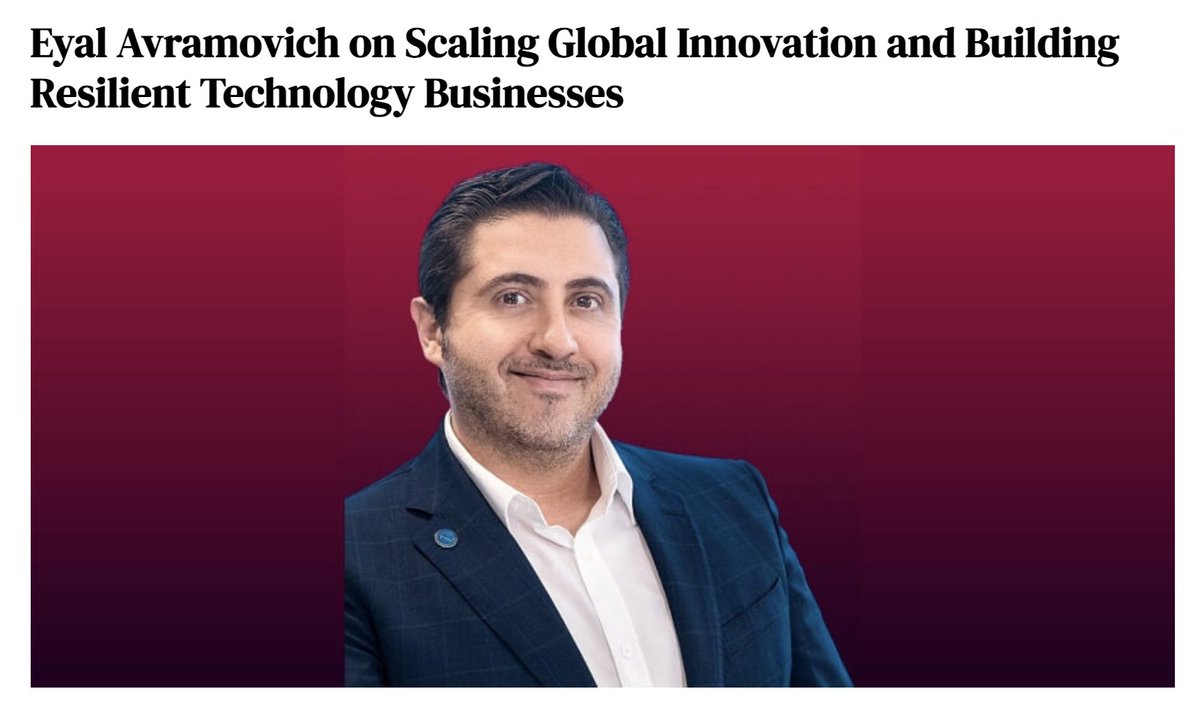
MineBest CEO Eyal Avramovich was recently featured on @insightssuccess, discussing global innovation, infrastructure, and scaling technology businesses for the long term.
As MineBest continues strengthening its focus on North American Bitcoin mining and digital infrastructure, these principles remain at the core of our mission.
Read more: insightssuccess.com/eyal-avr…
6
109
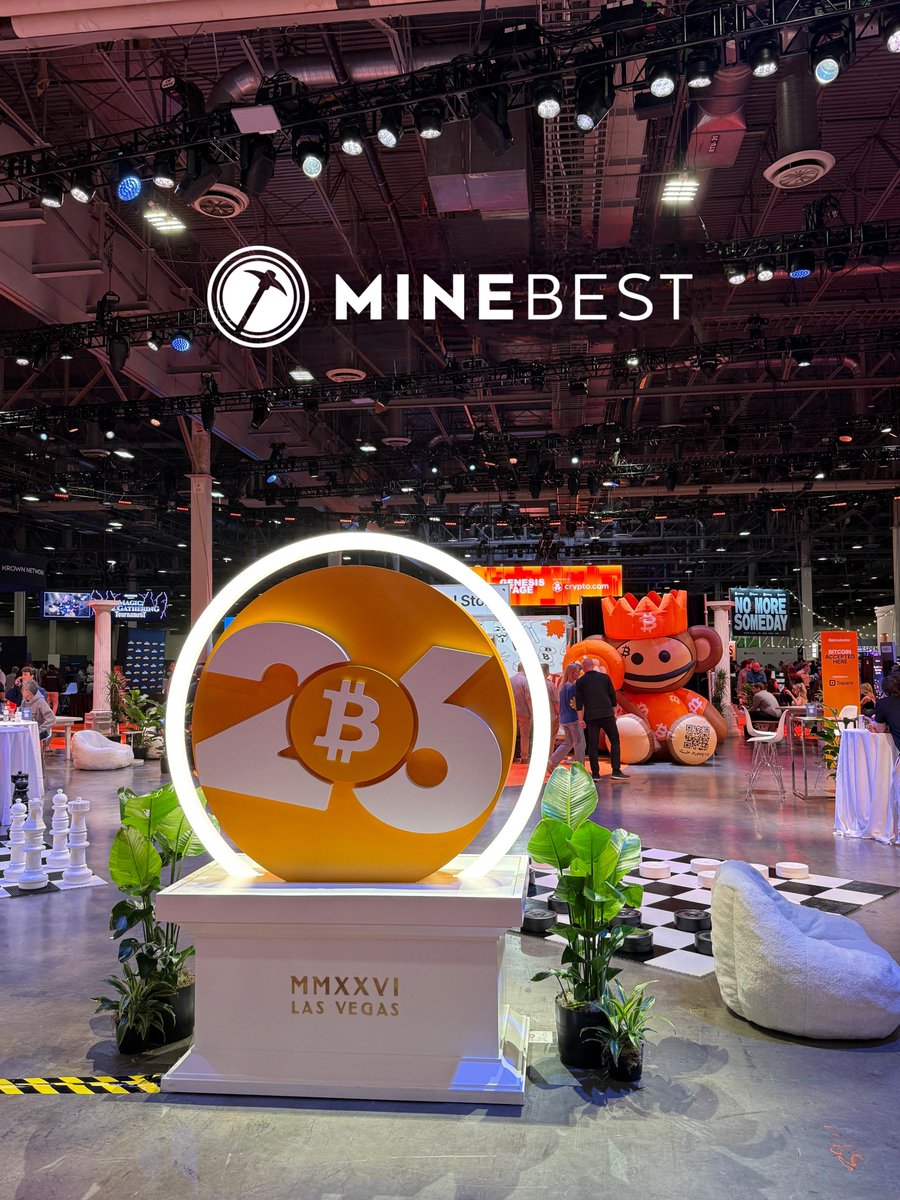
Bitcoin 2026 in Las Vegas has wrapped up an incredible week of high-quality discussions, meaningful connections, and continued momentum across the mining and digital asset infrastructure space.
MineBest is proud to have sponsored and participated alongside the industry’s builders during a cycle that continues to reward those focused on long-term execution.
minebest.com ⛏
3
109
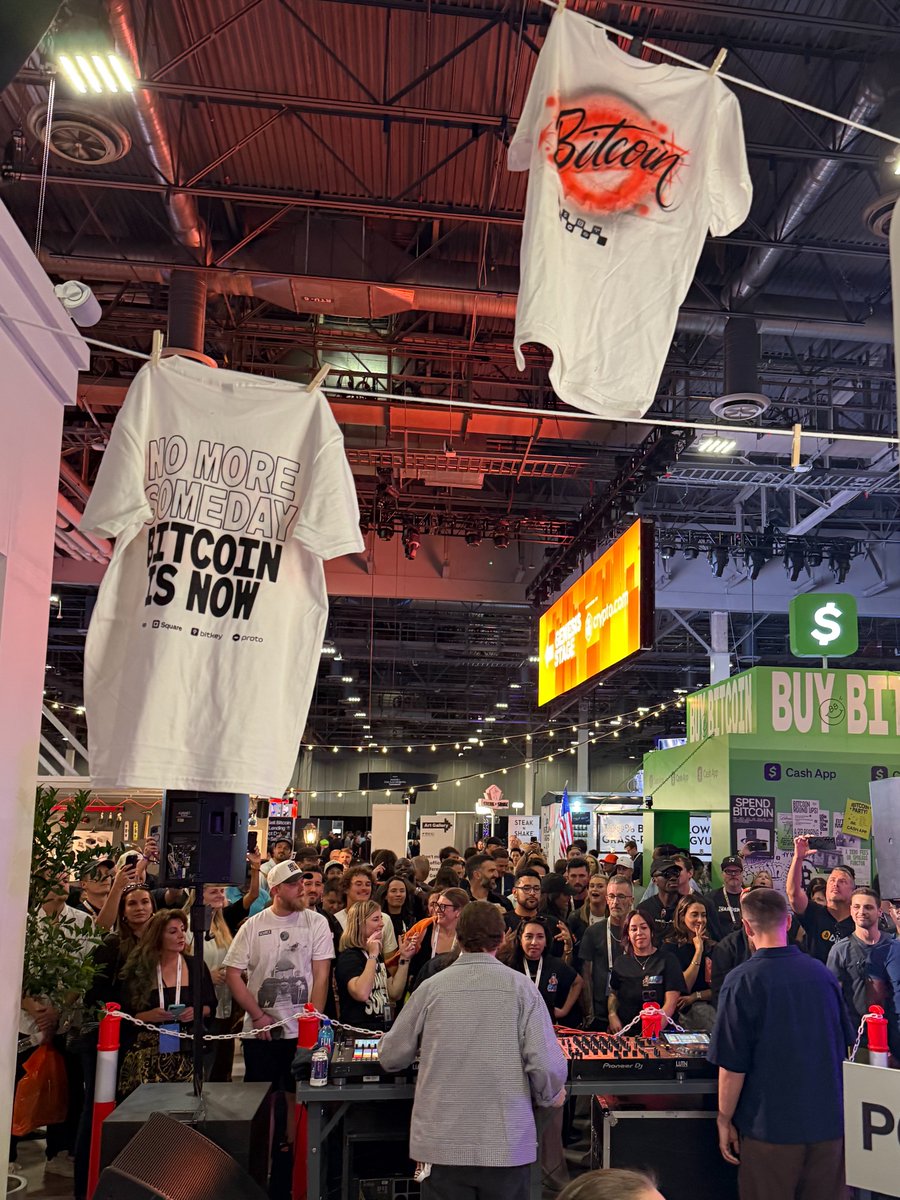
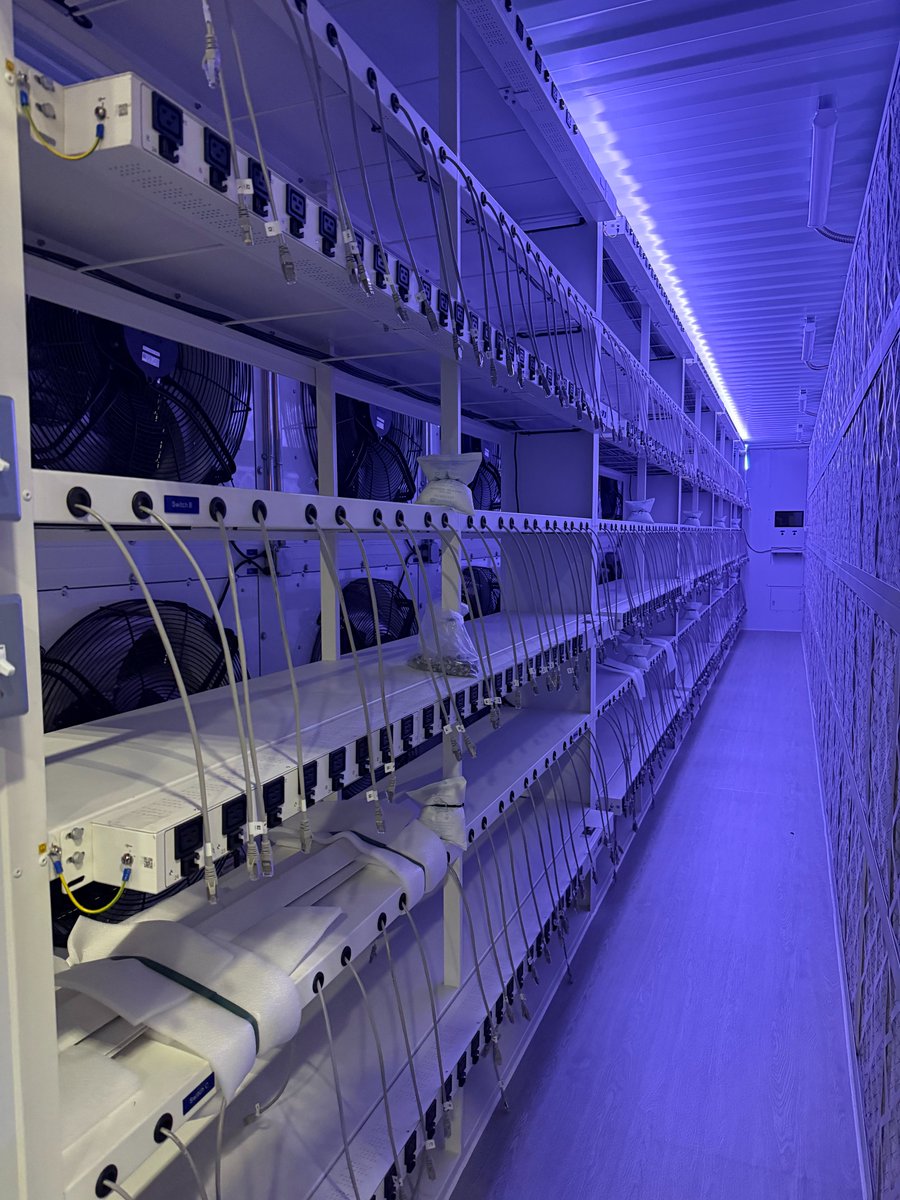
Day 2 at Bitcoin 2026 in Las Vegas proved the energy is clear: optimism is back.
There’s strong confidence that 2026 will be a positive year for Bitcoin mining in North America — driven by smarter infrastructure, stronger partnerships, and a maturing regulatory landscape.
At MineBest, we’re seeing firsthand how strategic expansion and operational efficiency are shaping the next phase of growth. The industry is evolving — and North America continues to play a central role in that evolution.
minebest.com ⛏️
3
91
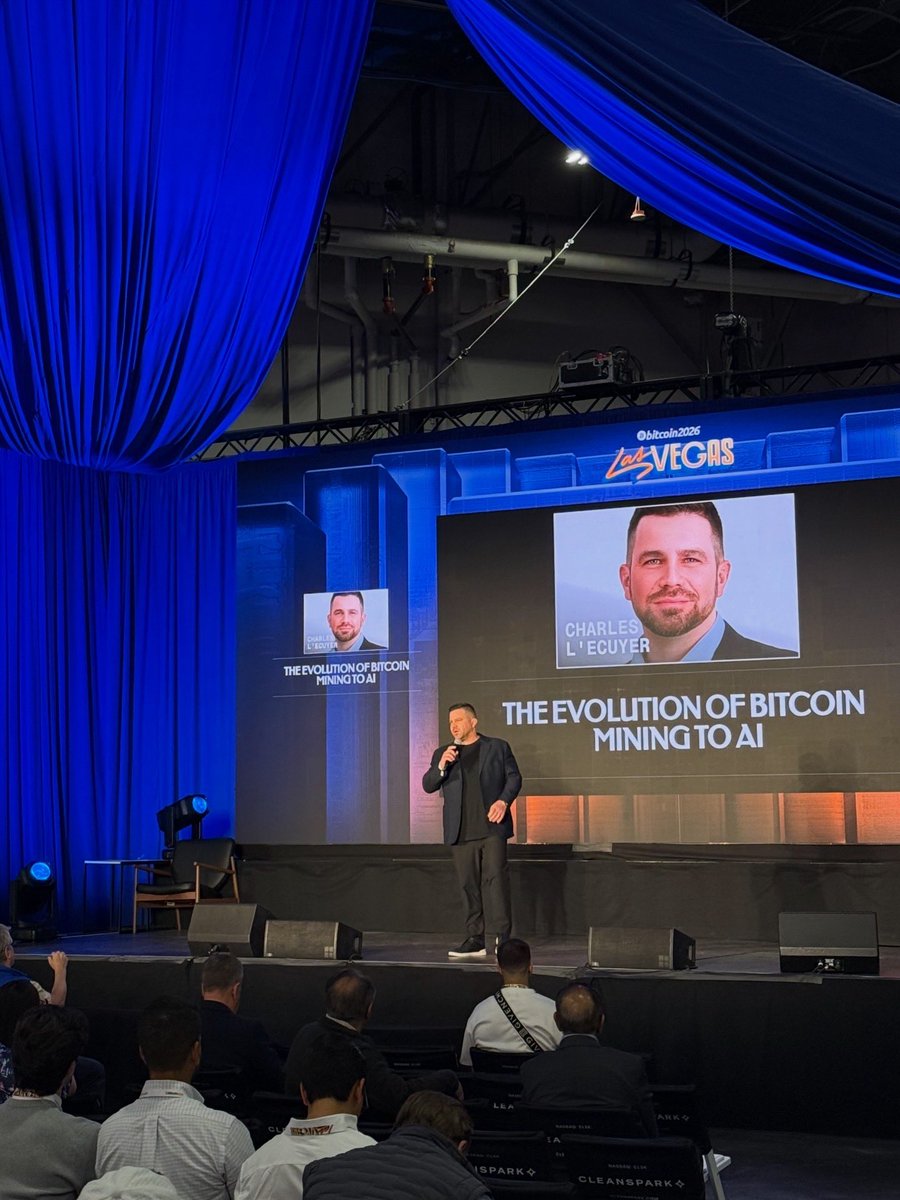
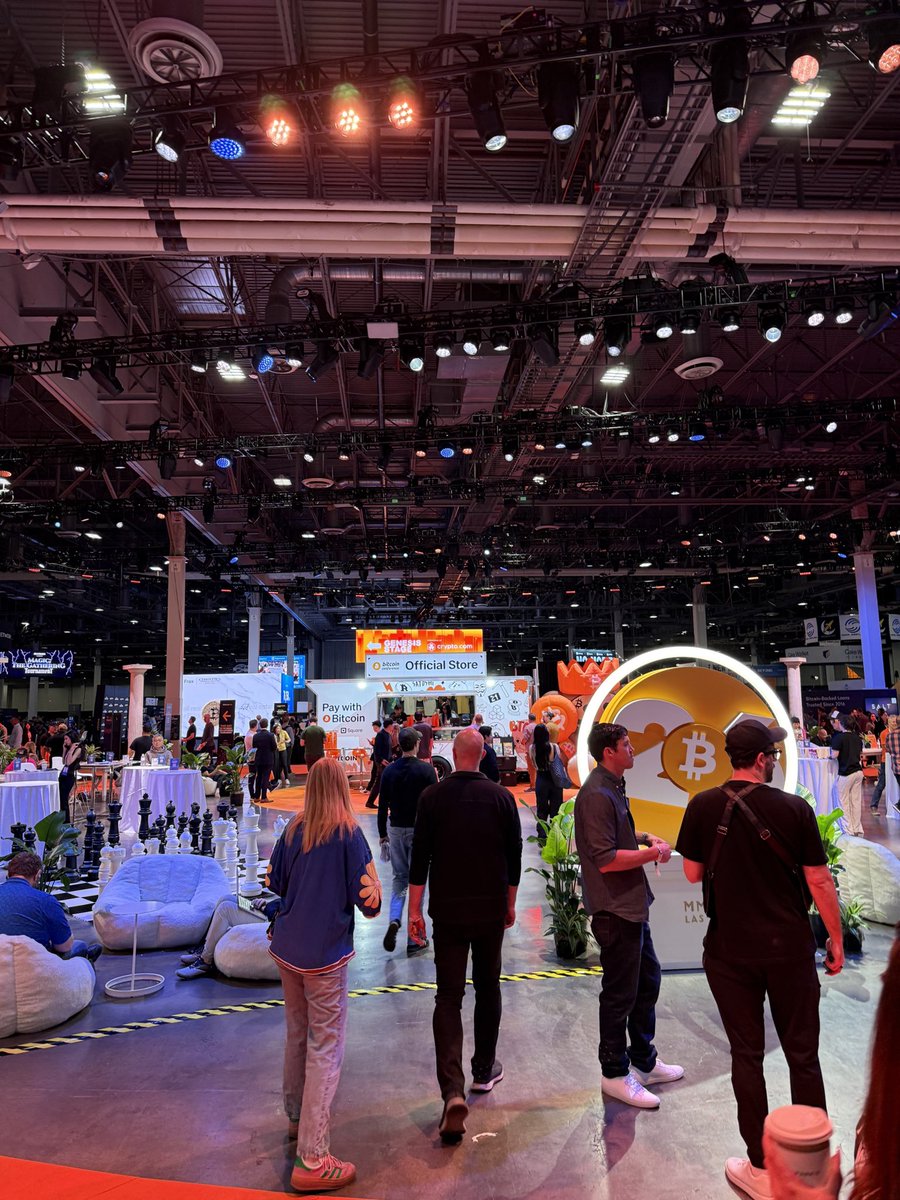
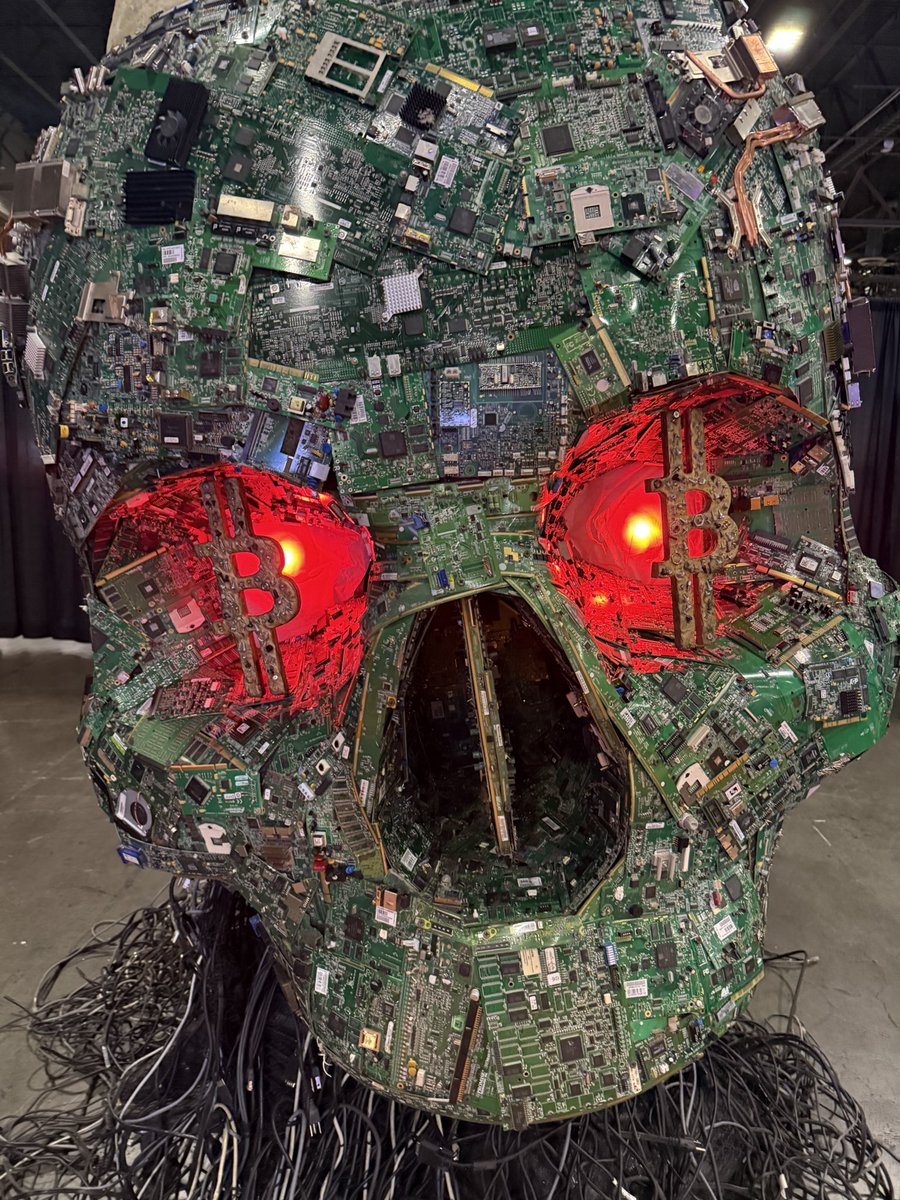
Day one of Bitcoin 2026 in Las Vegas was full of energy!
MineBest is proud to sponsor one of the world’s largest gatherings of the Bitcoin community bringing together tens of thousands of industry leaders, builders, and investors for three days of keynotes, panels, and high-value networking.
An incredible start to the week as conversations around infrastructure, innovation, and the future of Bitcoin continue to evolve on a global stage.
Looking forward to what’s ahead.
minebest.com ⛏️
1
6
220
Day 1 of Bitcoin 2026 is underway in Las Vegas!
MineBest is proud to be sponsoring the world’s largest Bitcoin conference, where global leaders, builders, and institutional capital come together to shape the future of the industry.
minebest.com ⛏️
5
100
MineBest is a proud sponsor of Bitcoin 2026 (@TheBitcoinConf) in Las Vegas.
As the world’s largest Bitcoin conference, bringing together tens of thousands of industry leaders, investors, and builders, this is where the future of Bitcoin is shaped.
At MineBest, our focus on scalable, institutional-grade mining infrastructure and global hosting aligns directly with the continued evolution of Bitcoin as a core financial asset.
Looking forward to driving the next phase of Bitcoin adoption.
minebest.com ⛏️
3
9
164
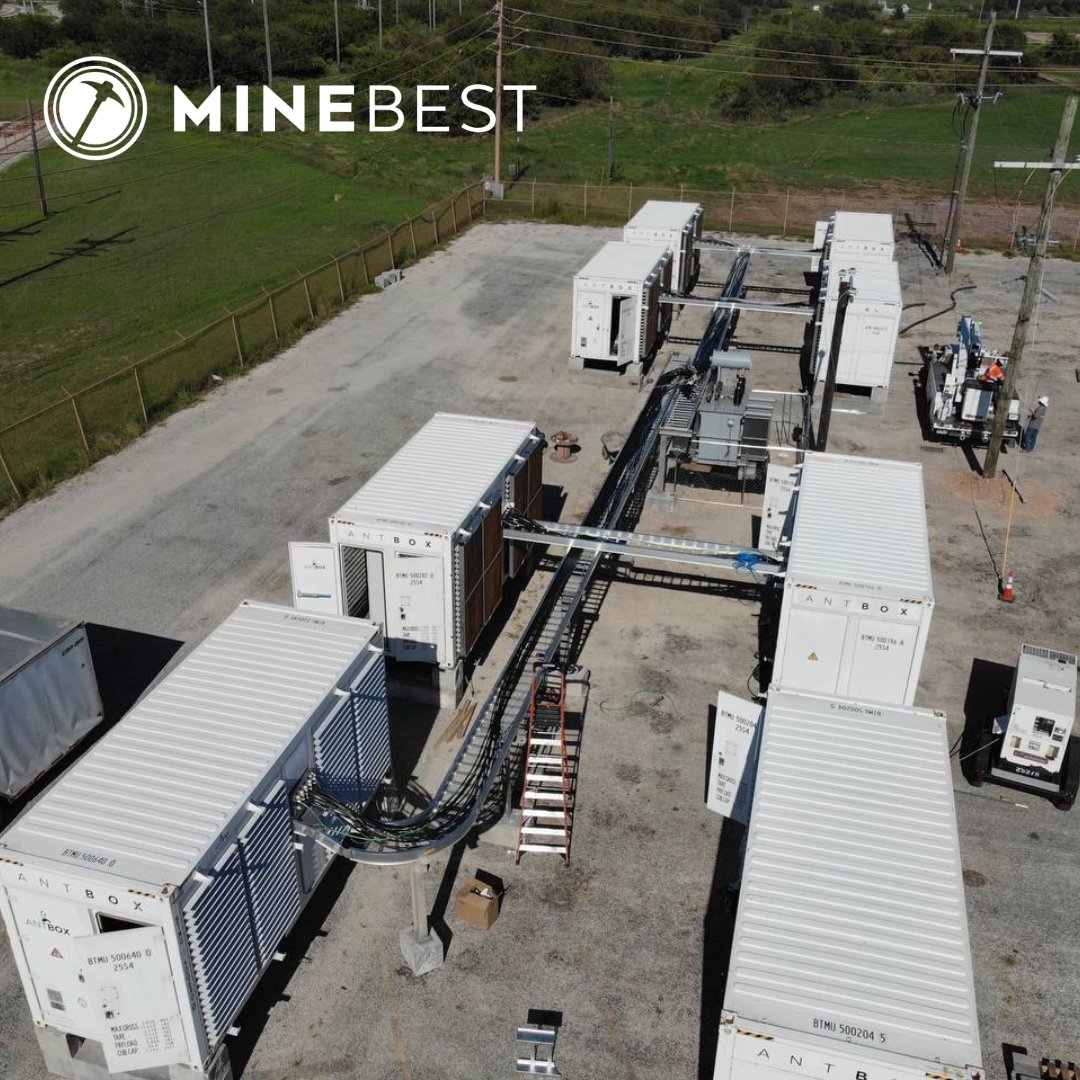
Expanding the foundation of the digital future.
MineBest continues to scale its global infrastructure, building state-of-the-art data center facilities designed for high-performance cryptographic computing operations.
With a focus on reliability, efficiency, and long-term scalability, our growing footprint reflects a commitment to delivering secure, institutional-grade hosting solutions for the next phase of Bitcoin mining.
Driven by innovation. Built for the future.
minebest.com ⛏️
1
5
109
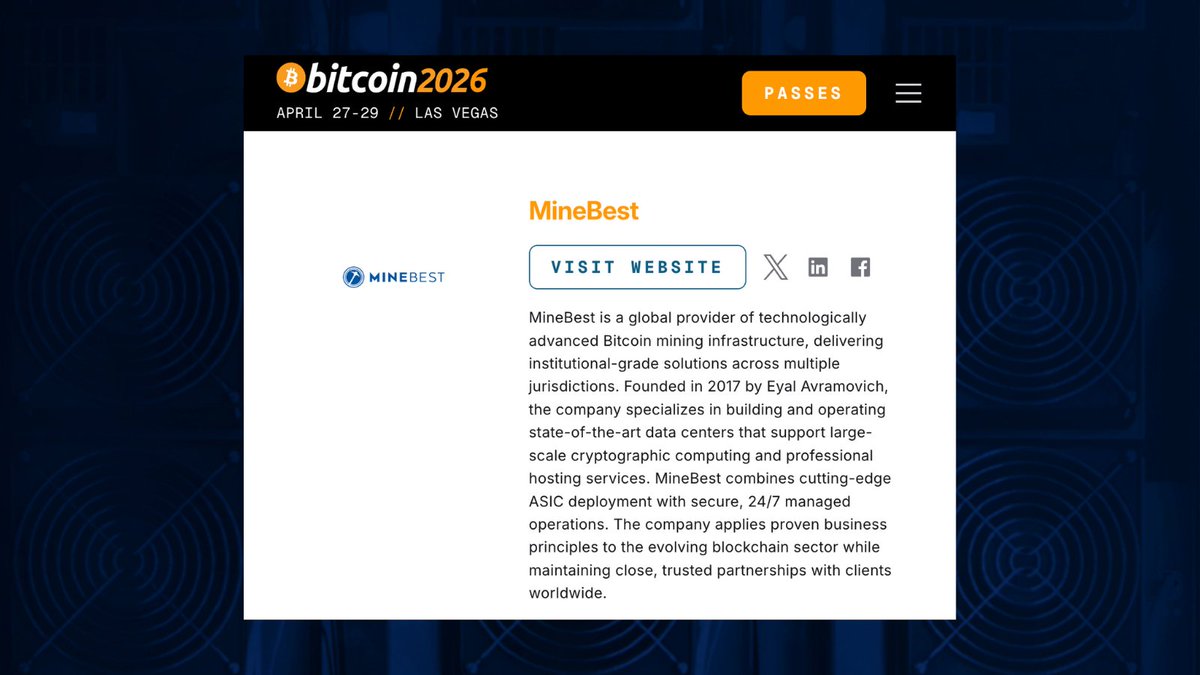
MineBest is proud to announce its sponsorship of Bitcoin 2026, the world’s largest Bitcoin conference, taking place April 27–29 at The Venetian in Las Vegas.
As the global Bitcoin ecosystem continues to scale, events like @TheBitcoinConf bring together the industry’s leading builders, investors, and institutions shaping the future of digital infrastructure. MineBest is honored to support a platform that drives innovation, collaboration, and the next phase of Bitcoin adoption.
We look forward to connecting with partners, clients, and industry leaders in Las Vegas.
2026.b.tc/
1
6
185
“MineBest was founded to simplify the complexities of mining infrastructure for institutional participants entering the cryptocurrency sector.”
Eyal Avramovich, MineBest CEO, shares his perspective on the future of Bitcoin mining, energy innovation, and global technology leadership in his latest feature.
signalscv.com/2026/04/eyal-a…
1
9
698
Follow our official channels listed below for updates and developments from MineBest:
⛏ Facebook - facebook.com/MineBestOfficia…
⛏ Instagram - instagram.com/minebestoffici…
⛏ LinkedIn - linkedin.com/company/minebes…
⛏ YouTube - youtube.com/channel/UCzW5jUT…
minebest.com
2
6
92
What is Bitcoin Mining?
Bitcoin mining is the process that powers the Bitcoin network, ensuring security, transaction validation, and the creation of new Bitcoin. Unlike traditional financial systems that rely on central authorities like banks, Bitcoin operates on a decentralized network maintained by miners—individuals or companies using specialized hardware to solve complex mathematical problems. These problems verify and add transactions to Bitcoin’s public ledger, known as the blockchain.
Mining plays a crucial role in Bitcoin’s security. Each transaction on the network is grouped into a "block," which miners must validate through a process called proof-of-work. This involves solving cryptographic puzzles that require significant computational power. Once a miner successfully solves the puzzle, the block is added to the blockchain, and the miner is rewarded with newly minted Bitcoin, along with transaction fees. This reward, known as the "block reward," is the incentive that keeps the network running.
One unique feature of Bitcoin mining is its controlled supply. Bitcoin has a fixed limit of 21 million coins, and the mining process follows a predetermined issuance schedule. Roughly every four years, an event called the "halving" reduces the block reward by 50%, making Bitcoin increasingly scarce over time. This scarcity, combined with rising mining difficulty as more participants join the network, strengthens Bitcoin’s value proposition as "digital gold."
However, Bitcoin mining is not without its challenges. As the network grows, so does the competition among miners, requiring more advanced hardware and access to low-cost electricity. This has led to the rise of large-scale mining farms that operate in regions with affordable energy sources. While individuals can still mine Bitcoin, most profitable mining today happens through professional operations that leverage economies of scale.
minebest.com ⛏
5
133
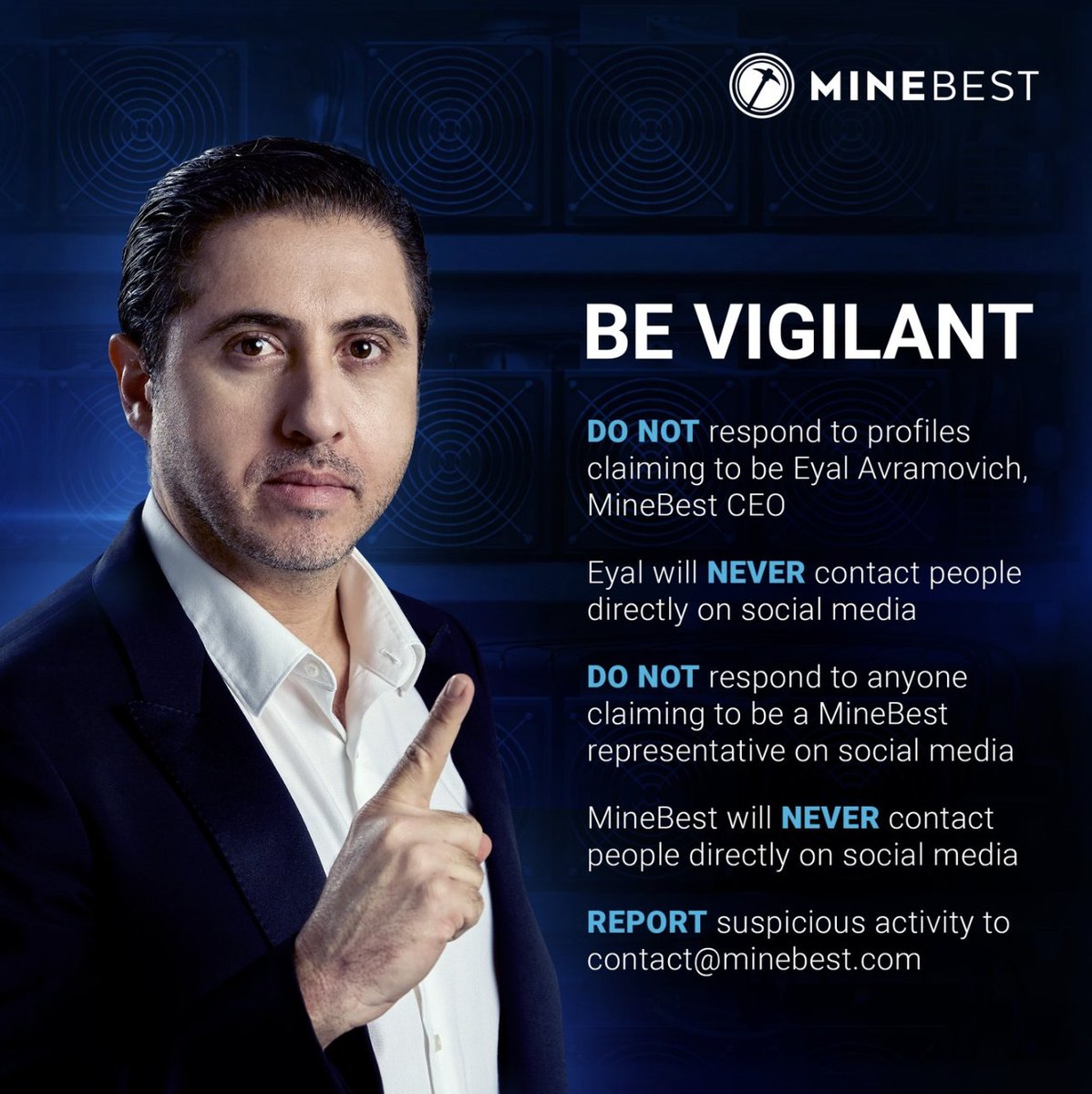
Dear Community,
Please be vigilant and aware of any potentially fake profiles or fake representatives of MineBest.
Follow these recommendations!
All official social media channels can be found on minebest.com
🚨 There is no MineBest Telegram channel
6
26
1,103
Did you know that MineBest received the award for "Best Reputation of Mining Farm" at the International Digital Mining Summit (IDMS) in Schenzhen, China, as well as achieved Top Ten Mining Farms status, as winner of the "Professional Design and Excellent Construction" award at World Digital Mining Summit (WDMS) in Frankfurt, Germany?
Learn more at minebest.com ⛏️
6
19
789
MineBest CEO, Eyal Avramovich was recently featured on @MSN discussing innovation, impact, and the future of Bitcoin mining & sustainability!
Learn more, as Eyal shares insights on how innovation and responsible practices are driving the next wave of industry evolution.
🔗 msn.com/en-us/news/other/eya…
#Bitcoin #Sustainability #Innovation #BitcoinMining #MineBest #EyalAvramovich
3
8
573