50 years ago, scientists sparked a debate that would reshape medicine forever.
Watch to learn how the discovery of recombinant DNA paved the way for today's personalized medical treatments: bit.ly/49s8Xfb
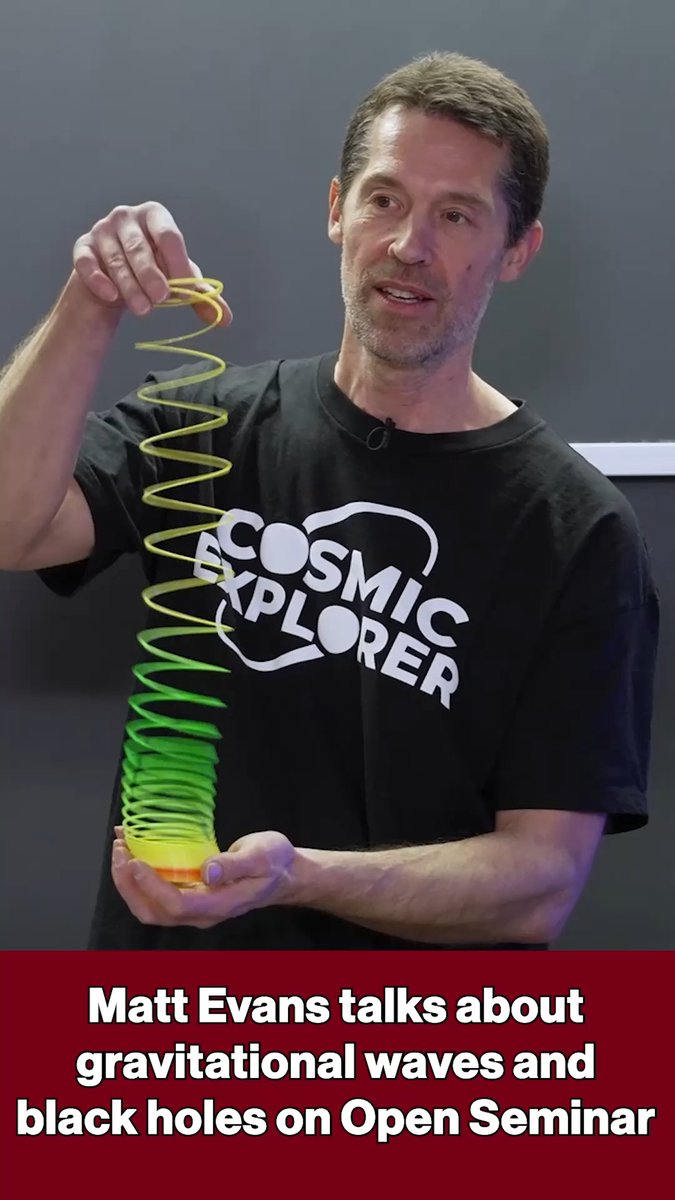
How do you detect a ripple in spacetime?
In a new Open Seminar episode, @MIT_Physics Professor Matt Evans explains gravitational waves: what they are, how they're created, and how scientists detect them. Discover how events like black hole collisions generate these cosmic signals and how new detectors could unlock even more cosmic mysteries.
🎥 Tune into the full episode on MIT Learn: bit.ly/3S1tYYe
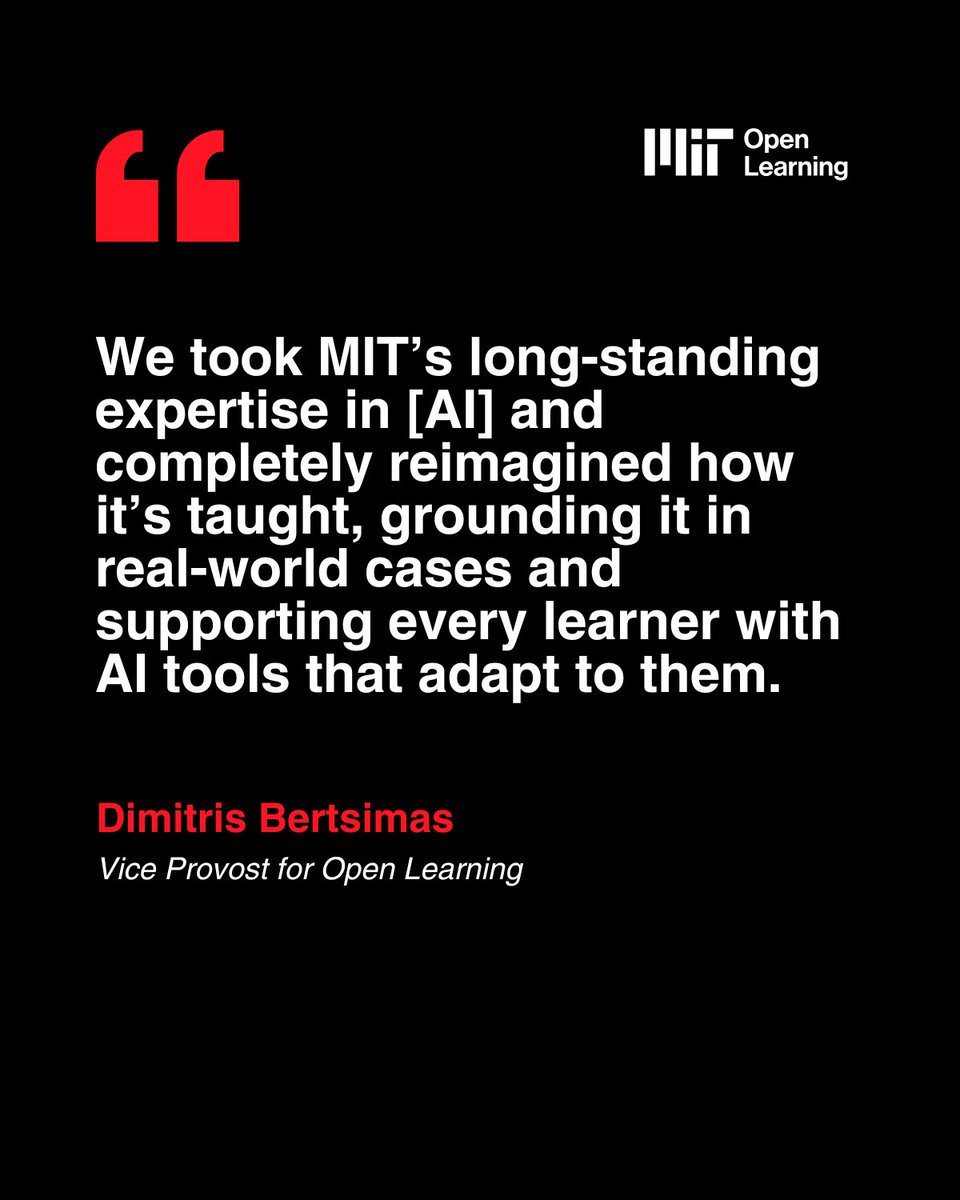
Universal AI takes MIT's longstanding expertise in AI and completely reimagines how it is taught for a global learner.
You'll go from AI novice to authority, starting with core fundamentals and building to real-world, industry-specific applications.
Explore the program: bit.ly/4vE5cf1
ALT Quote on a black background with MIT Open Learning logo in white. The text reads: "We took MIT’s long-standing expertise in [AI] and completely reimagined how it’s taught, grounding it in real‑world cases and supporting every learner with AI tools that adapt to them." — Dimitris Bertsimas, Vice Provost for Open Learning.
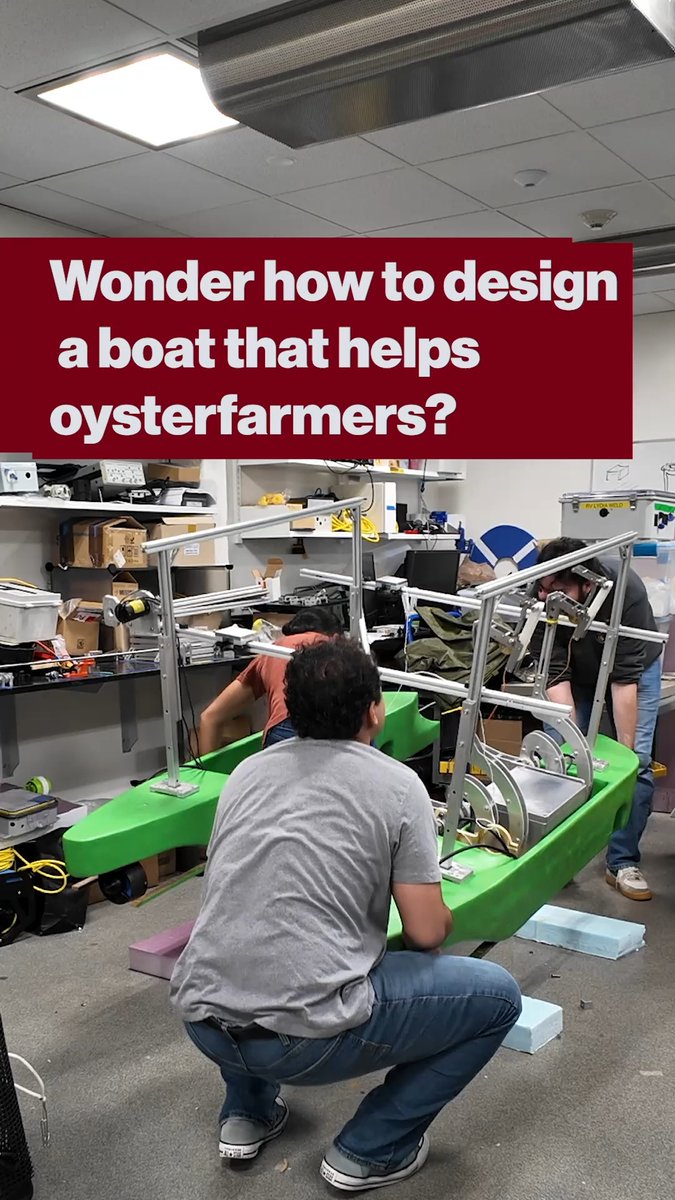
How do @mit researchers design autonomous aquatic vehicles?
Meet the "Oystermaran," an autonomous aquatic vehicle designed to make oyster farming safer and more efficient.
Keep exploring on MIT Learn: bit.ly/4tn8xhG
What makes bird feathers certain colors? 🦜
The colors depend on the structure of feathers at the microscopic level, which can lead to amazing blues and iridescent effects. In an Open Seminar, Lorna J. Gibson, professor emerita of @MITMechE and @mit_dmse, shares how birds are able to display vibrant colors.
🔗 Watch the full seminar: bit.ly/4v2nneE
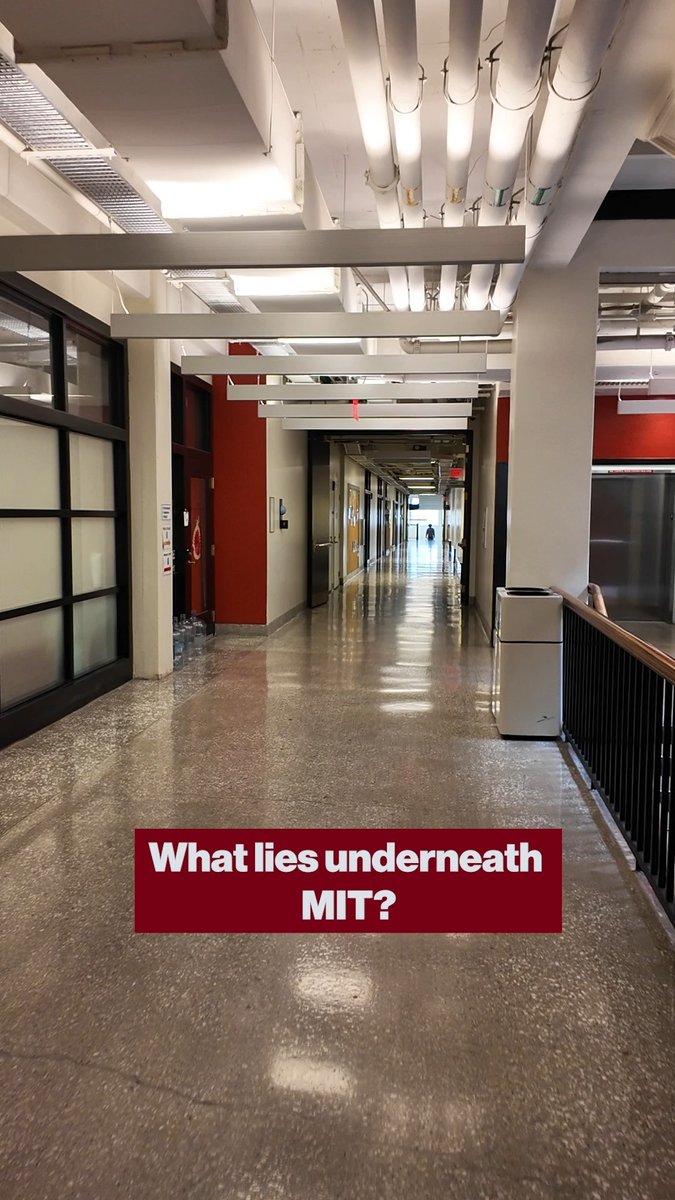
Over three miles of tunnels run beneath MIT—connecting buildings, housing utilities, and keeping pedestrians moving in any weather. They're not just passageways. They're integrated infrastructure in action.
Wonder what else you can learn? Visit learn.mit.edu.
In 2001, @MIT became the first higher education institution to make its educational resources freely available through @MITOCW.
Our new short film explores the vision behind that decision and its lasting impact on learners around the world.
🎬 Watch "The Courage to Be Open: MIT OpenCourseWare and the Democratization of Knowledge:" bit.ly/3PMQQtP
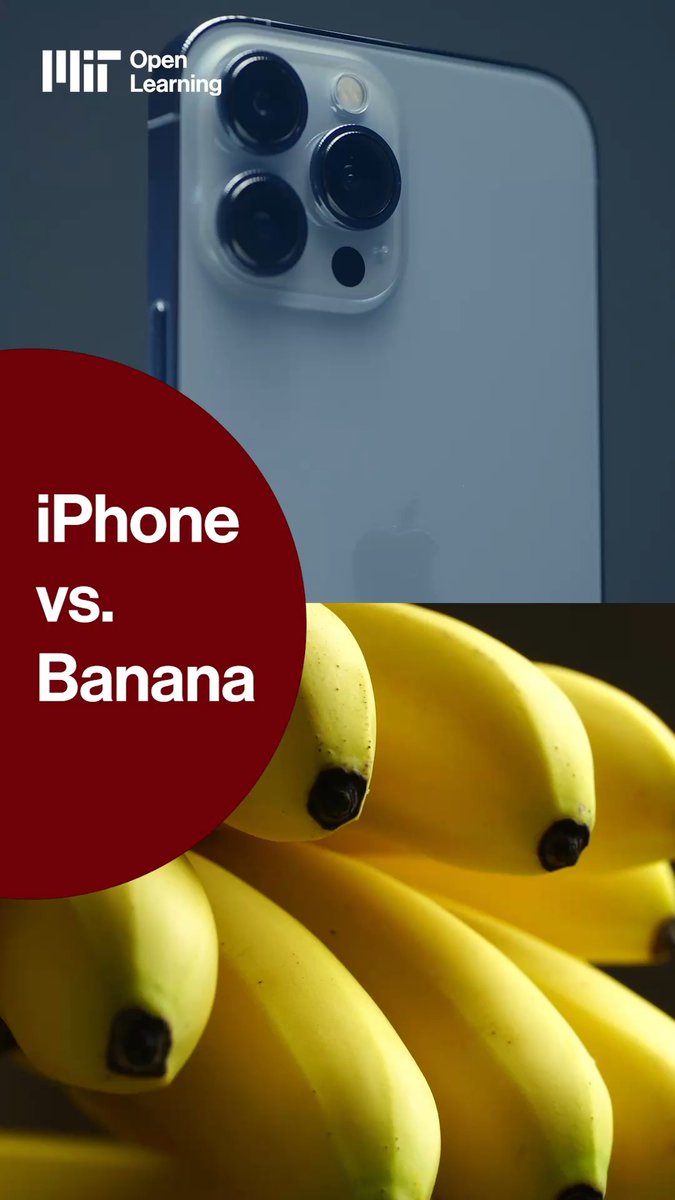
What do bananas and iPhones have in common?
Perishability.
Bananas spoil. iPhones lose value as newer models are released. Different timelines, same supply chain challenge: How much inventory should you have, and when?
In our latest podcast, @mitsupplychain Executive Director Chris Caplice explains how supply chains work, where they break down, and why understanding them has become more important than ever.
🎧: bit.ly/4amIaBa
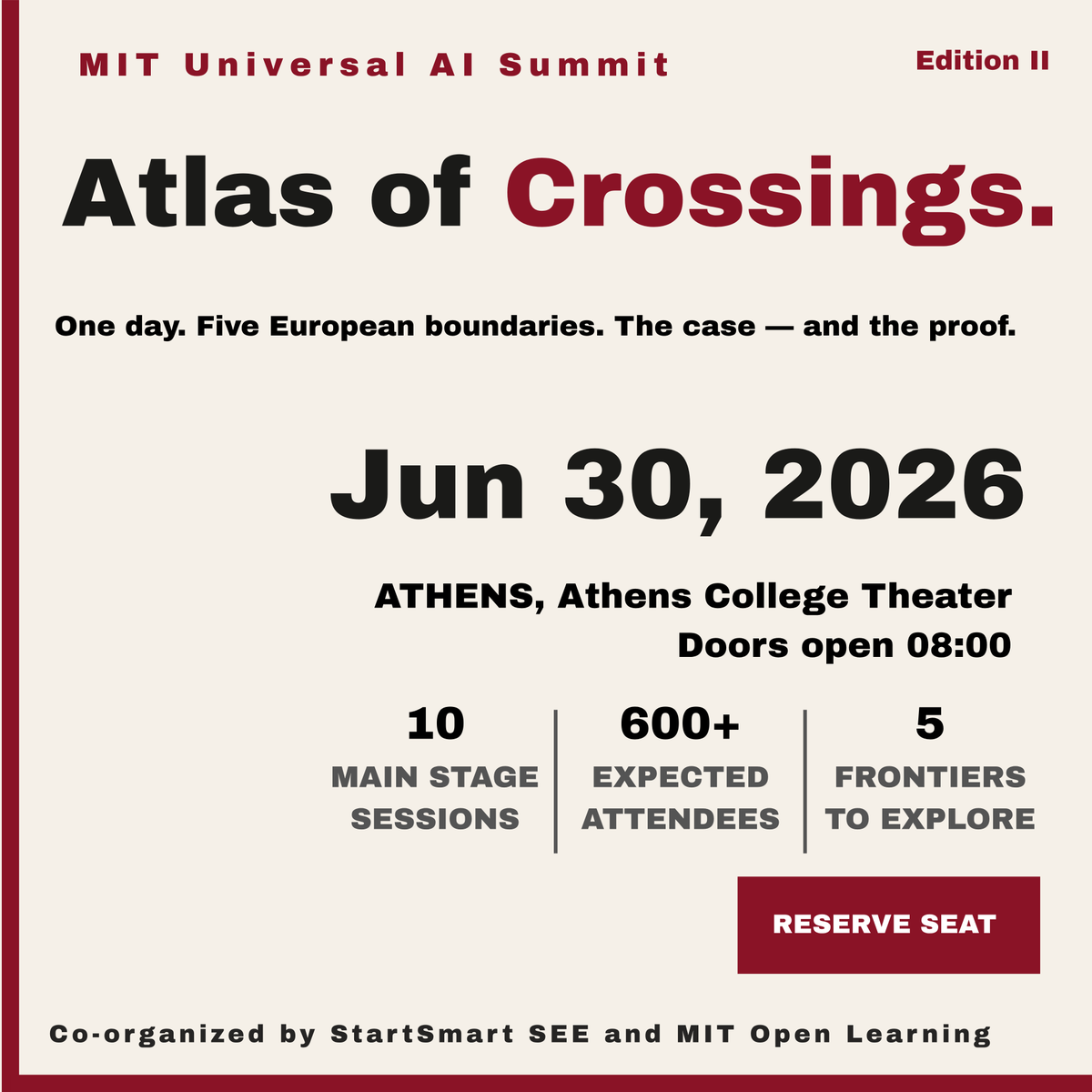
The MIT Universal AI Summit is returning to Athens on June 30!
The thesis: Europe doesn't have an innovation problem. It has a scaling problem. For the first time, AI gives European founders, researchers, and industries the tools to fix it — without waiting for policy.
Reserve your seat today: bit.ly/4vokzIq
ALT The image is a promotional poster for the "MIT Universal AI Summit, Edition II" titled "Atlas of Crossings." It mentions the event is on June 30, 2026, at the Athens College Theater, with doors opening at 08:00. The event highlights include 10 main stage sessions, over 600 expected attendees, and 5 frontiers to explore. It is co-organized by StartSmart SEE and MIT Open Learning. A button is labeled "Reserve Seat."
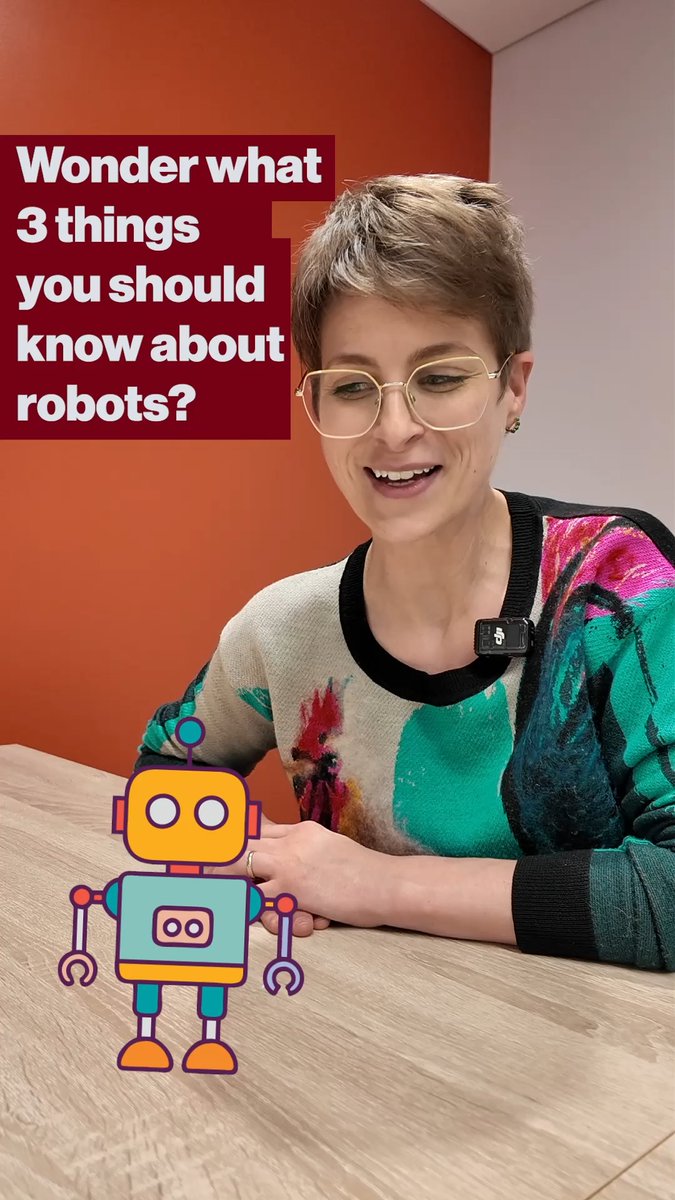
What are you getting wrong about robots?
Three PhD students @MIT_CSAIL share three facts about robots that you should know.
Keep learning: learn.mit.edu.
Commencement just wrapped up at MIT, but the classroom never closes on MIT Learn.
Dive into newly launched courses spanning 12 subjects including AI, business, climate science, quantum computing, and beyond.
Explore more: bit.ly/4a5ItQN
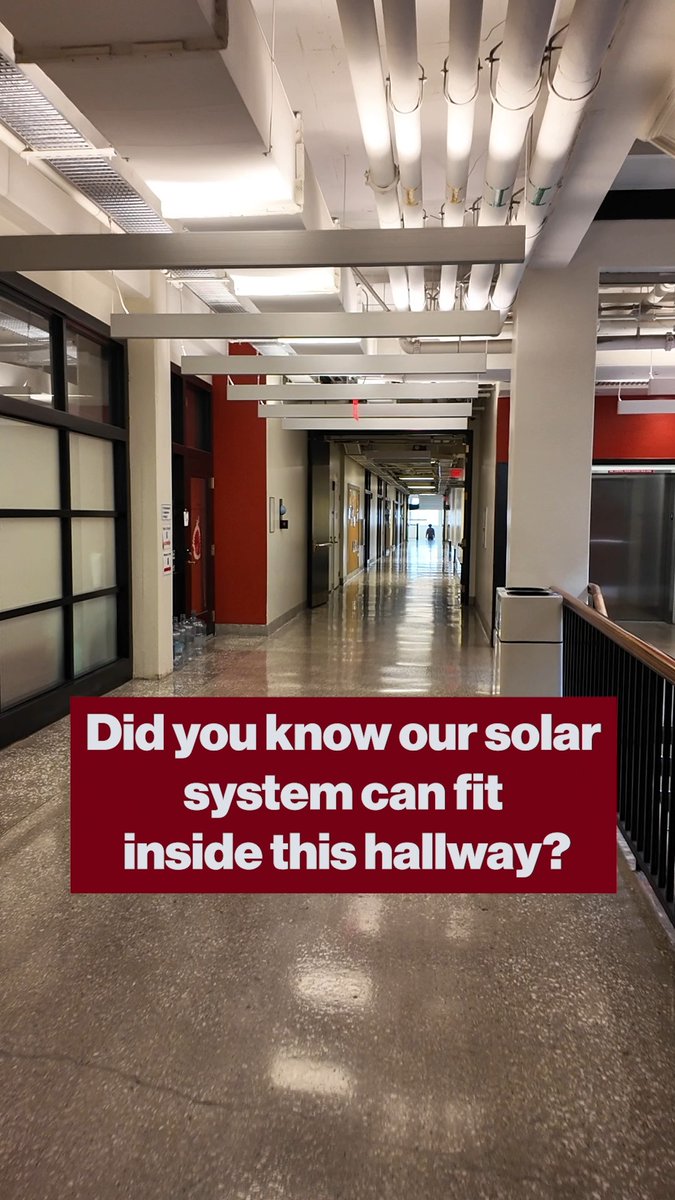
Inside @MIT’s most iconic hallway — the Infinite Corridor — is a lesser known installation: a scaled down model of the solar system. 🪐
Watch to learn how this model uses perspective and scale to fit the cosmos into a hallway, and how far away the next star system would be based on the same scale.
Keep exploring on MIT Learn: learn.mit.edu.
Whether you are an online learner, a teacher, an MIT alum, or open learning advocate, we'd love to hear from you!
Please share your experience with us: bit.ly/4pR2JLf
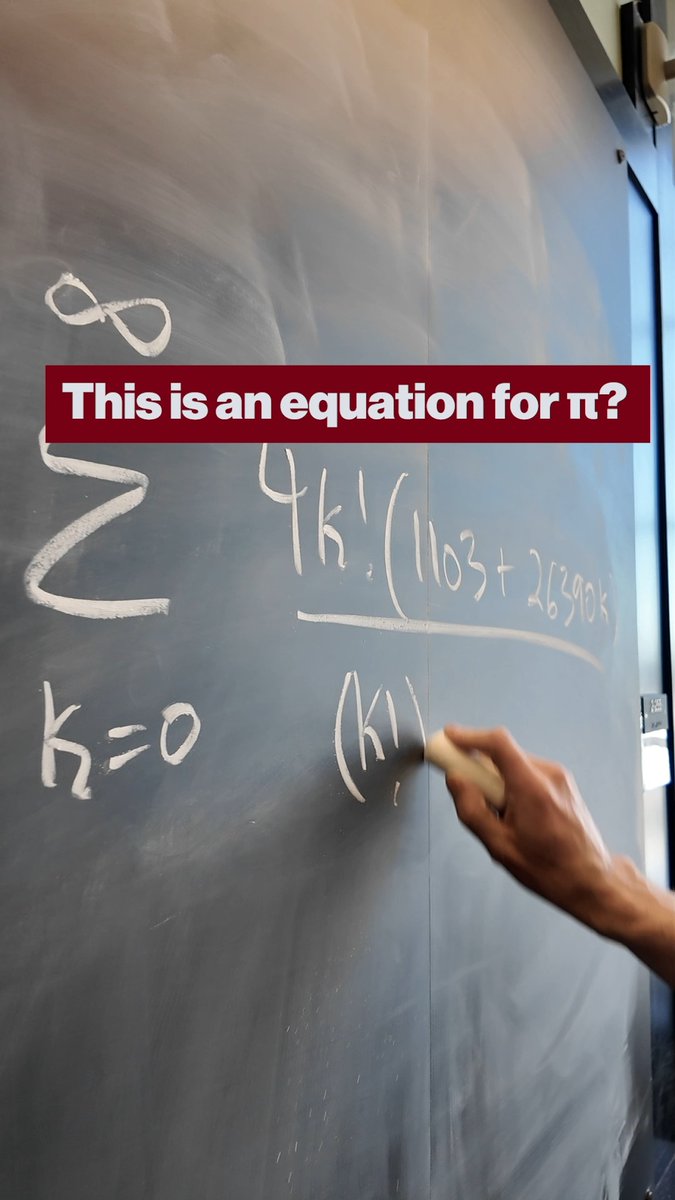
You've memorized pi as 3.14. But the other missing digits? They matter more than you think.
Over a century ago, self-taught mathematician Srinivasa Ramanujan developed a formula that approximates pi with extraordinary speed. MIT physics lecturer Alex Shvonski breaks down why it still amazes mathematicians today.
Keep learning: bit.ly/49s8Xfb
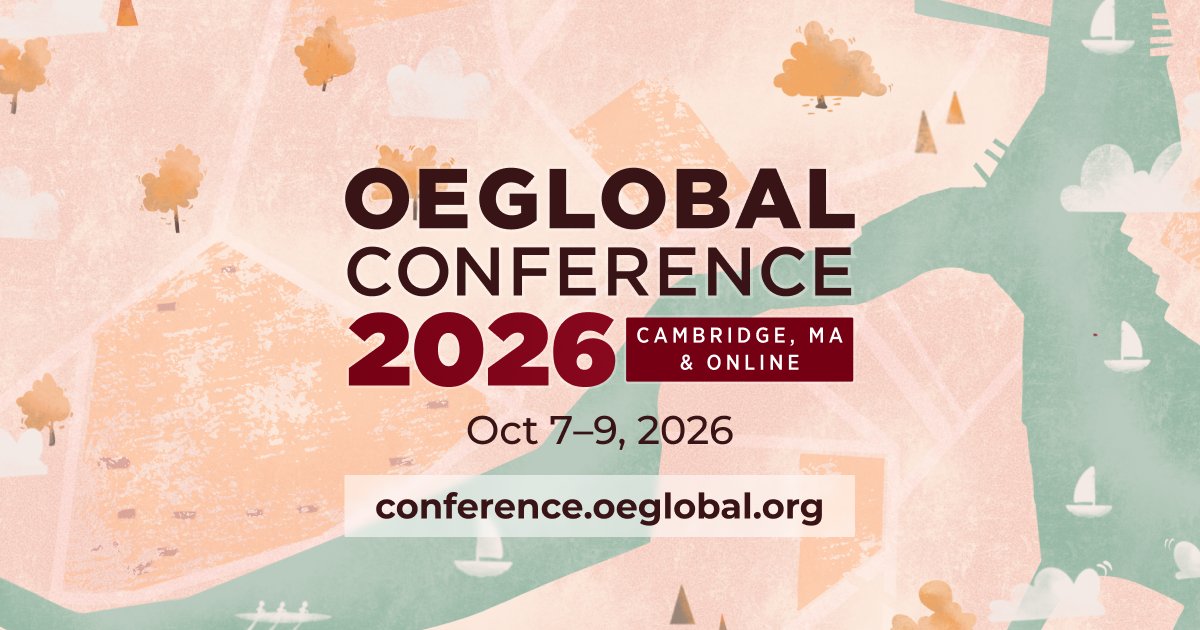
Registration is now open for the Open Education Global Conference 2026 (#OEGlobal26), taking place October 7-9 in Cambridge, Massachusetts and online!
We're thrilled to co-host the conference with @@OpenEdGlobal and the Massachusetts Open & Low-Cost Educational Resources Advisory Council (OLERAC).
The theme for this year's conference is "Come Invent With Us! Innovating Open Practices to Uphold and Uplift Knowledge as a Public Good."
Register now: bit.ly/4nPBUYr
ALT Conference poster with "OEGlobal Conference 2026" in bold letters. It includes the date October 7-9, 2026, and location Cambridge, MA & Online. The background has abstract patterns and muted colors. The website address is conference.oeglobal.org.
25 years ago, @MIT opened its curriculum to the world. 🌍
Today, @MITOCW has reached 500M learners, inspired a global open education movement, and made 2,500 courses freely available online.
Now, with the launch of MIT Learn — the Institute's hub for lifelong learning — and Open Learning's goal of reaching 1 billion learners in the next decade, the next chapter of open education is already taking shape.
Learn more: bit.ly/4wA4Wiy
AI fluency ≠ knowing how to use ChatGPT.
Universal AI was built for non-technical learners who want to understand ALL of AI — predictive, prescriptive, multimodal, generative, and beyond.
The first course is free worldwide. See if it's for you: bit.ly/4v8u7aA
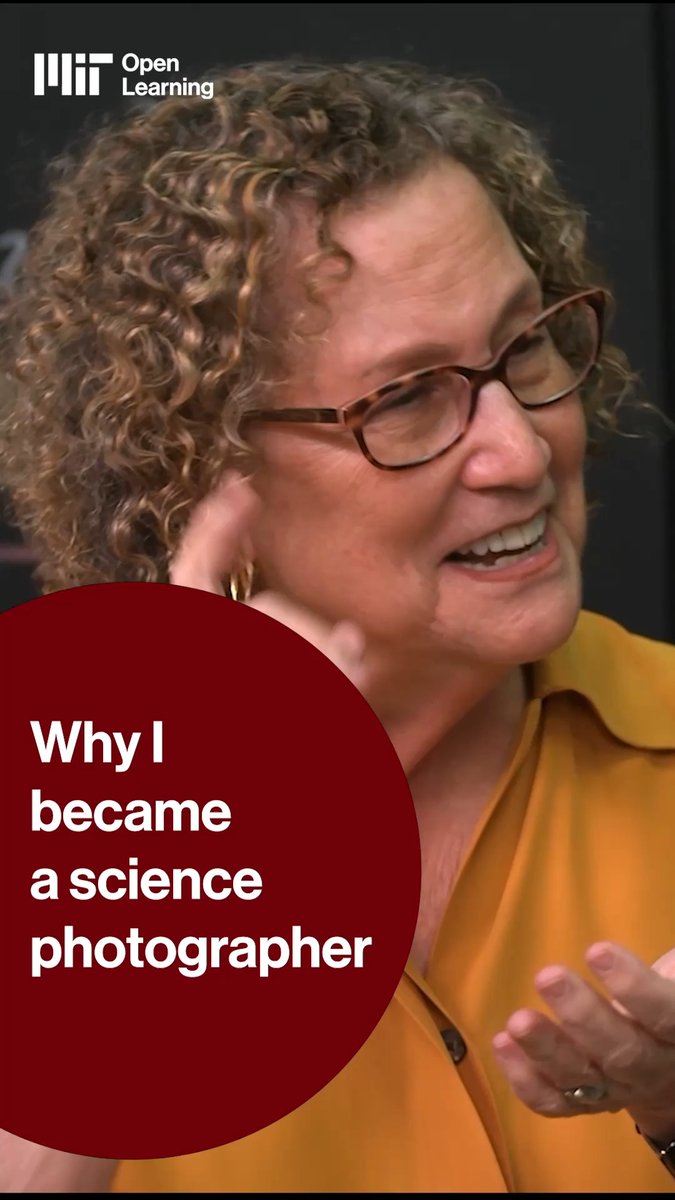
Science photographer Felice Frankel is known for the striking beauty of her images — featured in museums, books, and even a film by Ang Lee.
Here’s a sneak peek at how she got her start in photography. Tune into the full podcast episode to hear how she unexpectedly found her path into science photography and what happened when she tried using AI to recreate one of her own images.
🎙️: bit.ly/42PHvEu
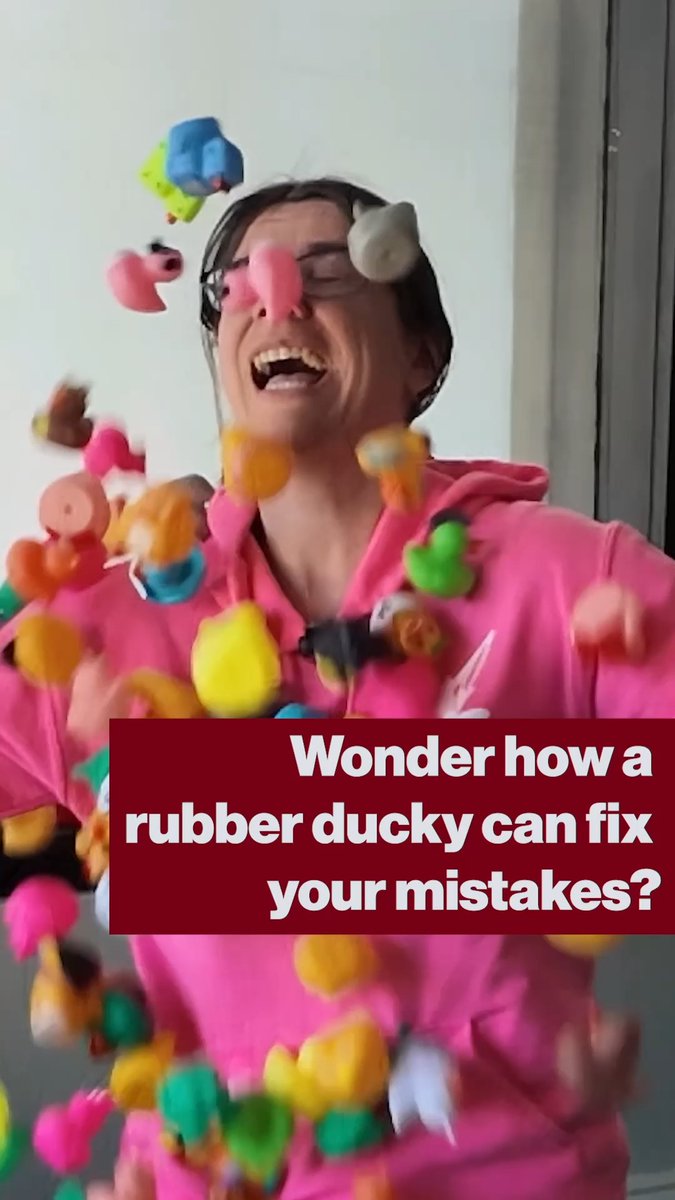
Stuck on a problem? Try explaining it to a rubber duck.
Rubber ducky debugging is a real technique programmers use to catch their own mistakes. Walk through the problem step by step, skip nothing, and you'll find the fix yourself.
Wonder what else you can learn? Visit learn.mit.edu.