
Too close to the pink dome. Probably peaked early. Wife, mom, geek, opinionated baseball enthusiast, reforming Christian. Didn't used to be angry.
Joined August 2008
- Tweets 18,101
- Following 2,906
- Followers 2,229
- Likes 25,114
1,833 Photos and videos







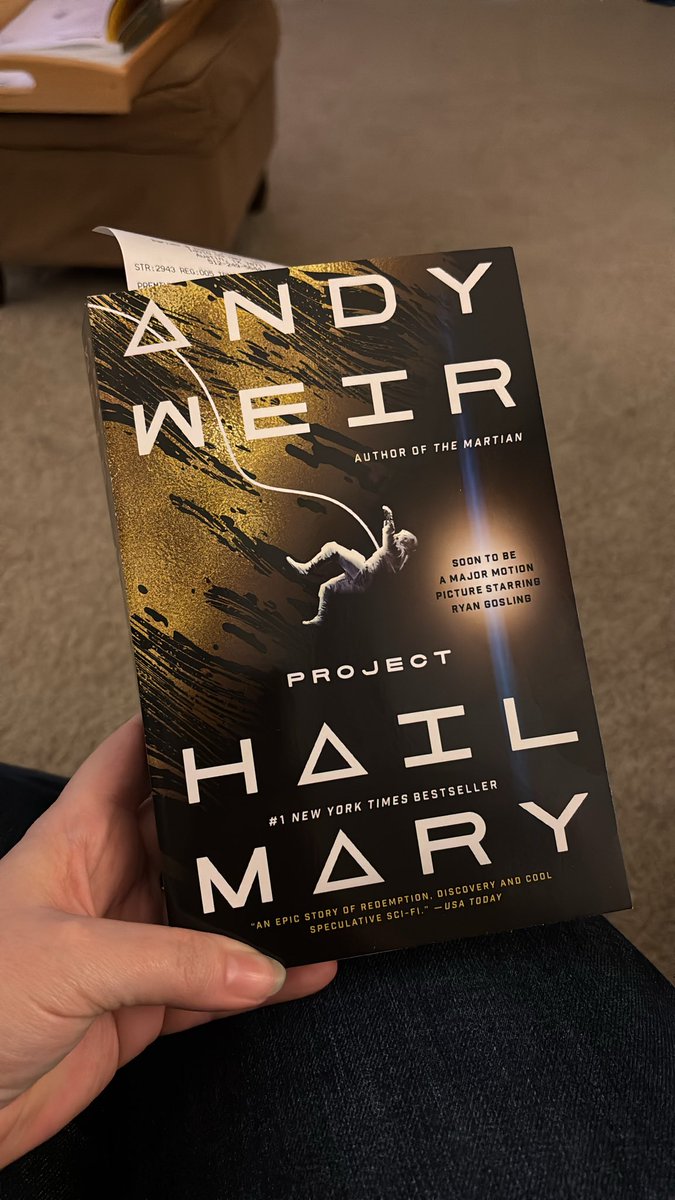
Pinned Tweet

16 Sep 2025
“Congress shall make no law respecting an establishment of religion, or prohibiting the free exercise thereof, or abridging the freedom of speech, or of the press, or the right of the people peaceably to assemble, and to petition the government for a redress of grievances.”
7
557
MJ Samuelson retweeted

29
248
2,183
387,338
The schadenfreude here is extreme. Tech leadership wasted an incredible amount of time and angst, not to mention really bad crisis comms, all to have this kid leave them to deal with the fallout of his epic mistakes.
I hope every NFL team takes one look and says, nah.

Breaking: Texas Tech transfer quarterback Brendan Sorsby plans to enter the NFL Supplemental Draft, sources tell @PeteThamel.
Amid the legal wrangling over his NCAA eligibility after admitting he bet on sports, Sorsby intends to head to the NFL.

71
Jun 15
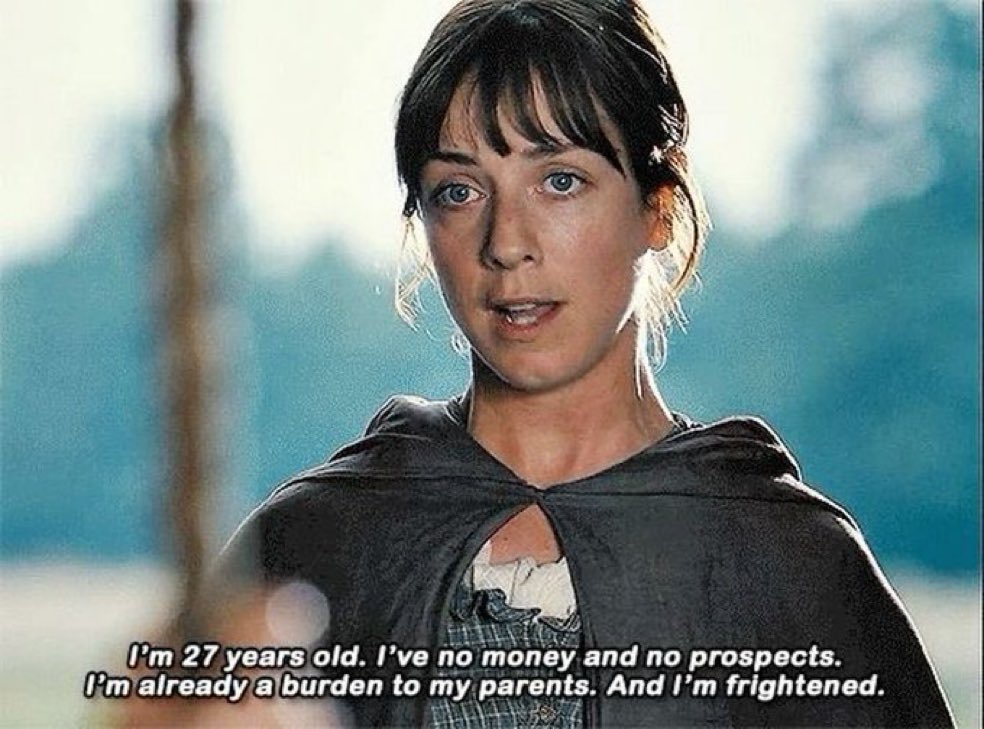
Emma Thompson is the OG Austen adapter. The devastation she wrote for Elinor in S&S, when Marianne is sick, was just so real. She gave Charlotte a line here that helps us really get why she would pursue Collins at the expense of everything else. 10/10, no notes.
Jun 15

The fact that two-time Academy Award-winning actor Emma Thompson wrote this line for the 1995 adaption of ‘Pride & Prejudice’ movie but she didn’t want to be credited. #WomenWriters #JaneAusten
106
MJ Samuelson retweeted

Jun 14
If you’re against building a broad coalition of educators across the political spectrum, remember how phonics was politicized - and kids paid the price. More importantly, don’t lose sight of who matters most. Kids don’t care who voted for whom. They need great instruction.
10
18
142
6,258
Jun 12
The fact that you have more and better legal access to gambling apps doesn’t make the NCAA rule bad. It does make addiction harder to treat, and bad actors harder to pin down.
1
1
46
Jun 12
The gaslighting on display is legendary.
Jun 12

Texas Tech Pres. Lawrence Schovanec, on NCAA gambling rules (Brendan Sorsby)
“I think we have to recognize the rules in place now we’re made long before there were millions of young people walking around with a legal gambling apparatus in their pocket”
Sorsby bet on Indiana football, basketball and Cincinnati hoops…
65
MJ Samuelson retweeted

Jun 12
Hey, @grok. Texas Tech University has a College of Media & Communication. I’m curious. Do they offer a crisis communications intro class? If so, I think this should be required viewing on what not to do.

A message to the Texas Tech community from our leadership.
4
4
13
2,473
Jun 11
I just can’t, y’all. The bonnets, the meshing of storylines, the anachronistic speech….just no.

The Ingalls family journey begins.
Little House on the Prairie, based on the beloved books, premieres July 9.
62
Jun 11
Just because something is legal, doesn’t make it moral or ethical, and I am so freaking tired of the culture that pretends otherwise and scares all of the integrity out of every institution, community, and individual. And yes this is about Texas Tech and a million other things.
1
51
Jun 11
If you are in any space having serious conversations about AI and education, I think you should read Susan’s post and the article linked here. #txlege
Jun 10

Not sure how many more of these pieces about AI influences on education I'm going to post, because at this point, I think the conclusion is both clear and obscure.
Clear: Our current high school curricula and college liberal arts degrees cannot continue to be administered as they've been for the last century.
Obscure: What we'll replace them with.
**
If at first teachers worried about students using chatbots to write essays, now new agentic tools such as Claude Code are allowing students to outsource even more of their work to the machines. Need to take an online math quiz? Write a biology-lab report? Create a PowerPoint presentation for history class? AI can do all of this and more. One high schooler recently told me that he struggles to think of a single assignment that AI wouldn’t be able to do for him.
As a measure of just how good AI has become at schoolwork, consider a new bot called Einstein. Several weeks ago, the tool went viral with big claims: “Einstein checks for new assignments and knocks them out before the deadline,” a website advertising the bot explained. All that a student had to do was hand over their credentials for Canvas, the popular learning-management platform, and Einstein promised to do the rest...
When I first came across Einstein, I was skeptical: Flashy AI demos have a way of overpromising and under-delivering. So I decided to test the tool out for myself. Because I’m not a college student, I enrolled in a free online introductory-statistics class. The course website explained that the class was self-paced and that it could help undergraduates, postgraduates, medical students, and even lecturers build up basic statistical knowledge. I set the bot loose, and in less than an hour, Einstein had worked through all eight modules and seven quizzes. There were some hiccups—the bot took one quiz 15 times—but it ultimately earned a perfect score in the class. As for me? I hardly so much as read the course website.
...Einstein does seem to be an indicator of where AI in the classroom is headed. The latest bots have massive context windows, meaning that students can feed in mountains of course content such as syllabi, lecture slides, and practice exams. Today’s agentic tools can complete all kinds of tasks, such as participating in online discussion forums and taking notes on recorded lectures without student intervention. According to one analysis, the percentage of students middle-school age or older who self-reported using AI for help with homework climbed by 14 points from May to December of last year...
Instructors, as I have previously written, are also using plenty of AI. Canvas recently introduced a new AI teaching agent designed to save instructors time on “low educational value tasks” such as organizing online-course modules and adjusting assignment due dates. “Faculty are using AI tools both for instructional purposes, for building course materials, but they’re also starting to play around with generative AI to actually grade and assess the learning,” Marc Watkins, a researcher at the University of Mississippi who studies AI and education, told me. He gave a hypothetical: “I could set my agent up, open it up in my course, go out on campus to walk across campus to get a cup of coffee at Starbucks,” he said. By the time he returned, 15 minutes later, all of the essays would be graded, and “bespoke personal feedback” would be sent out to each student. AI can save teachers time—that same grading takes him 10 or 12 hours, Watkins estimated—but in the process, the technology threatens the relationship between students and teachers that is core to education. “That’s really scary,” he said.
Most people I spoke with seemed unhappy with the current trajectory of bots in the classroom. Even as growing numbers of students are using the technology, a majority believe that the more they use AI for classwork, the more it will harm their critical-thinking skills...Some educators are worried about “a fully automated loop”—as the Modern Language Association put it last fall—in which AI-generated assignments are completed and graded by AI agents. Instructors have taken to analyzing students’ Google Docs history to make sure they are typing responses live instead of pasting in text from a bot. But of course, an AI work-around exists for that too: A new suite of human-typing simulators promises to generate text to make it look as if a student is writing in real time when, really, the work is being done by AI.
theatlantic.com/technology/2…
1
185
MJ Samuelson retweeted

May 10
My 13 year old just went on a rant about how constantly “finding the main idea” is useless for her future.
I swear I’ve never discussed this with her.
IYKYK
21
5
136
21,246
Jun 10
This is exactly the problem.
Can we just stop enabling sports gambling, please and thank you.
Jun 10

"I support the alcoholic's ability to return to alcohol after treatment."
59
Jun 10
The entire Texas Tech saga ought to make us reckon with the damage that access to unreal amounts of money does to kids who don’t have the maturity or teaching to handle it.
I am definitely talking about NIL, but student loans fit the bill as well.
62
MJ Samuelson retweeted

Jun 9
Wise observation from the late Gordon S. Wood.
“I don’t think history teaches a lot of little lessons, frankly,” he told C-SPAN. “I think it teaches one big lesson, which is that nothing really ever works out the way the perpetrators intend. I can’t think of any major event in the history of the world that ever turned out the way the participants who launched it expected.”
6
81
372
18,717
MJ Samuelson retweeted

Fantastic from Nicole.
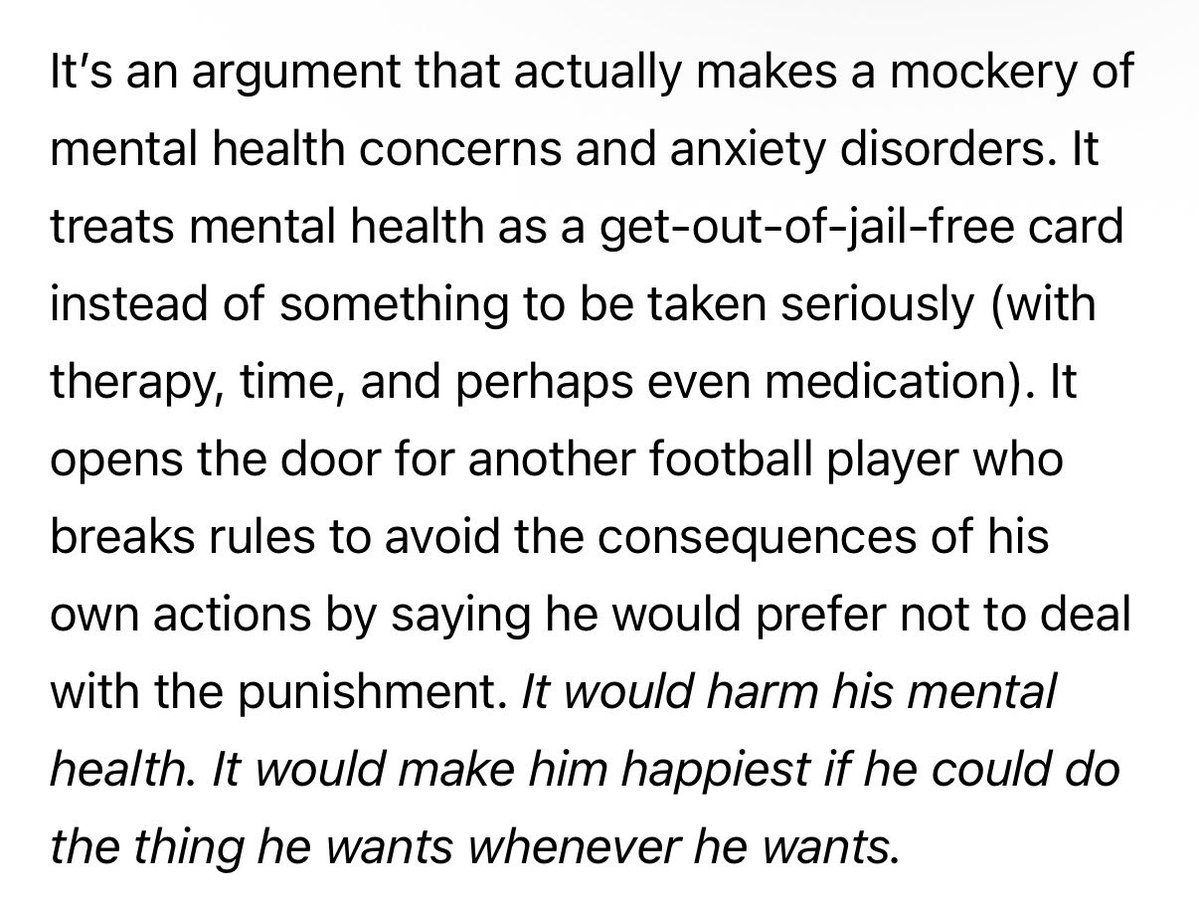

Schools saying they will refuse to schedule Texas Tech is one thing.
But the real question is whether the Big 12 steps in to stop the Red Raiders from playing Brendan Sorsby after a Texas judge overruled the NCAA: nbcsports.com/college-footba…
20
336
3,137
299,384
Jun 8
This is shocking news.

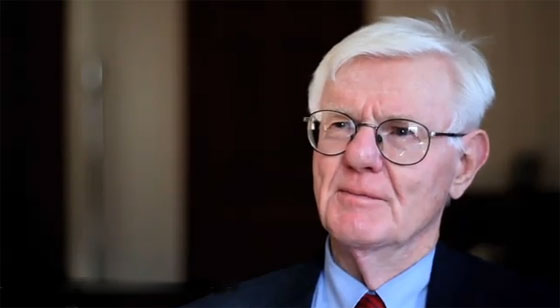
On Sunday, my friend Gordon Wood was struck and killed in a car accident. Gordon taught history at Brown Univ. and was among the most accomplished historians America has produced. He won the 1993 Pulitzer Prize for The Radicalism of the American Revolution, and his earlier book The Creation of the American Republic, 1776–1787 took the 1970 Bancroft Prize. He also received the National Humanities Medal.
He was, in my view, the finest historian of America's founding—which makes it all the sadder that he did not live to see the nation's 250th birthday. His reputation reached popular culture, too. Matt Damon's character in Good Will Hunting invokes him by name in the famous bar scene, accusing a Harvard student of simply "regurgitating Gordon Wood, talking about [...] the pre-Revolutionary utopia and the capital-forming effects of military mobilization."
I feel fortunate to have collaborated with Gordon on several projects. In a 2019 anthology I compiled, he wrote an essay on the possibility of a shared American narrative. He centered his argument on equal rights as "the most radical and most powerful ideological force" the Revolution unleashed. "This powerful sense of equality is still alive and well in America," he wrote, "and despite all of its disturbing and unsettling consequences, it is what makes us one people."
When I needed jacket blurbs for my new book Lincoln's Compass, coming out this November, I turned to Gordon. The fit was natural: the book argues that Abraham Lincoln took the Declaration's claim that "all men are created equal" as his guiding moral compass—and that he refocused the nation on that claim. Gordon, ever the gentleman, offered generous praise.
He was, in many respects, the dean of American historians. He will be very hard to replace.
1
55
MJ Samuelson retweeted

Jun 5
Rest in peace, Anthony Stewart Head 🕊️. Here’s a clip of him as Giles in Buffy the Vampire Slayer performing a cover of Behind Blue Eyes by The Who. A beautiful performance that fans will never forget. 💙
30
1,232
6,165
143,675
Jun 5
Oh this sucks. ☹️

Anthony Head, best known for TV roles in Buffy the Vampire Slayer, Ted Lasso and Little Britain, dies aged 72 bbc.in/4g2M45Z
63

Jun 5
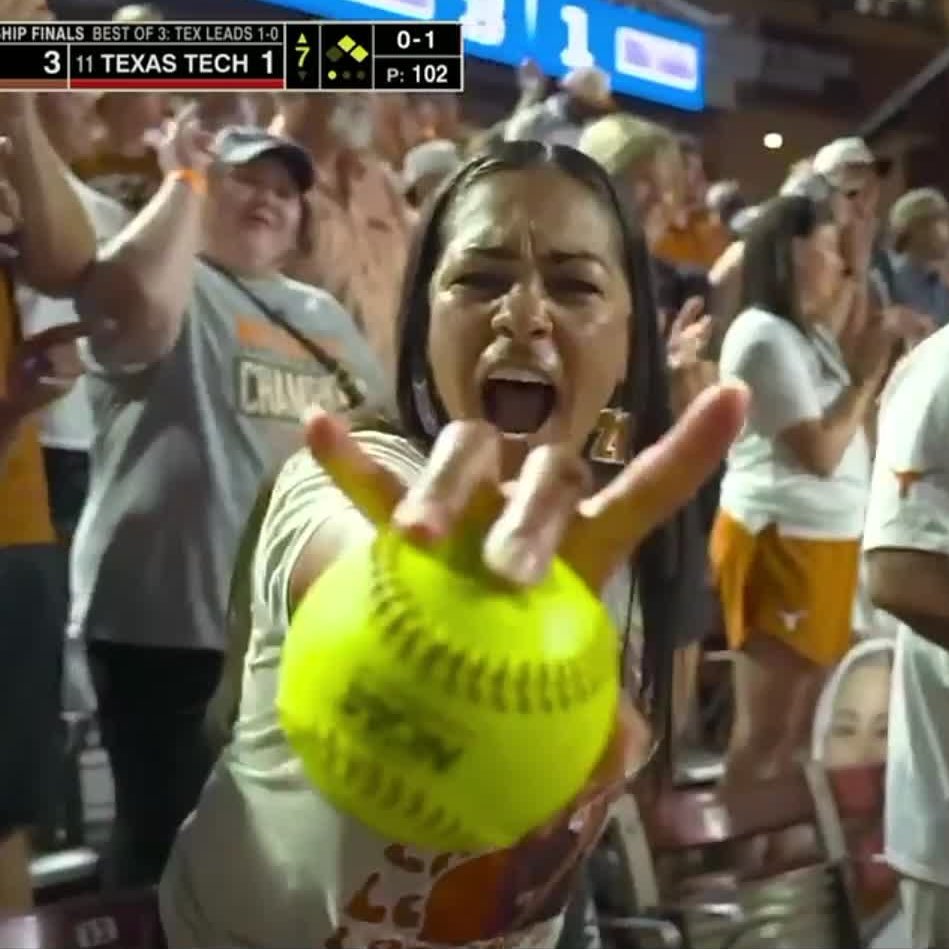
YOU GUYS!!!!!!!!!!!!
🤘🧡🤍

45