The Ministry of Local Government and Rural Development exists to promote the establishment and development of a vibrant and well resourced decentralized system
Joined August 2019
- Tweets 465
- Following 66
- Followers 807
- Likes 92
170 Photos and videos
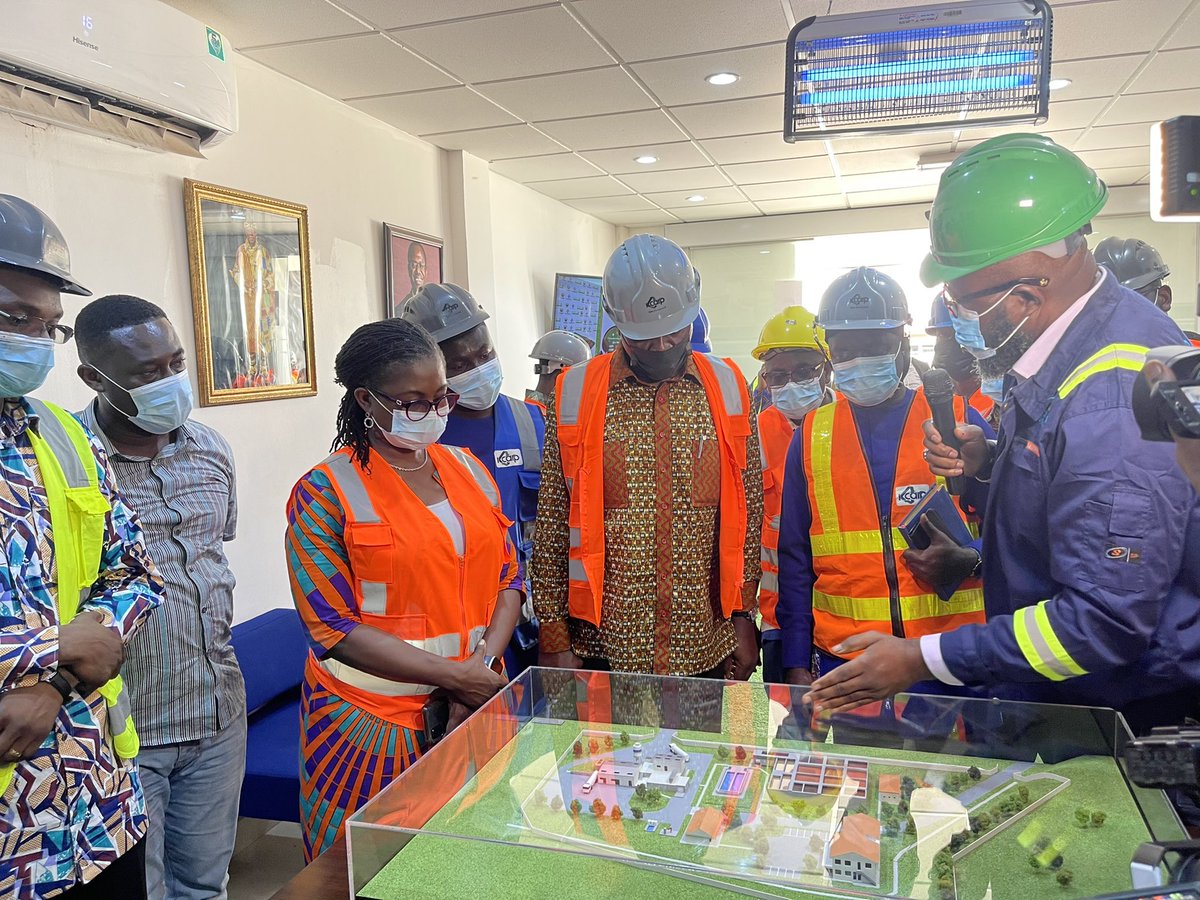
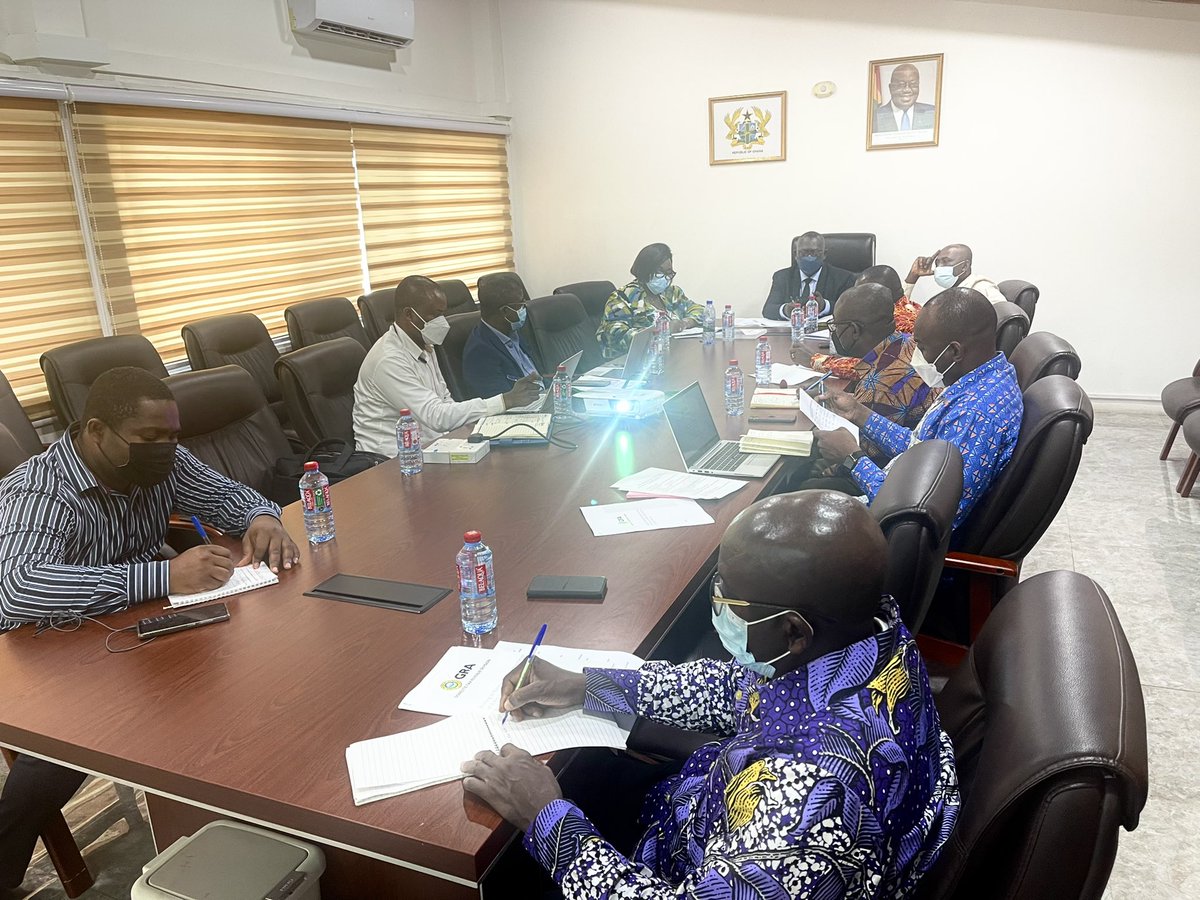
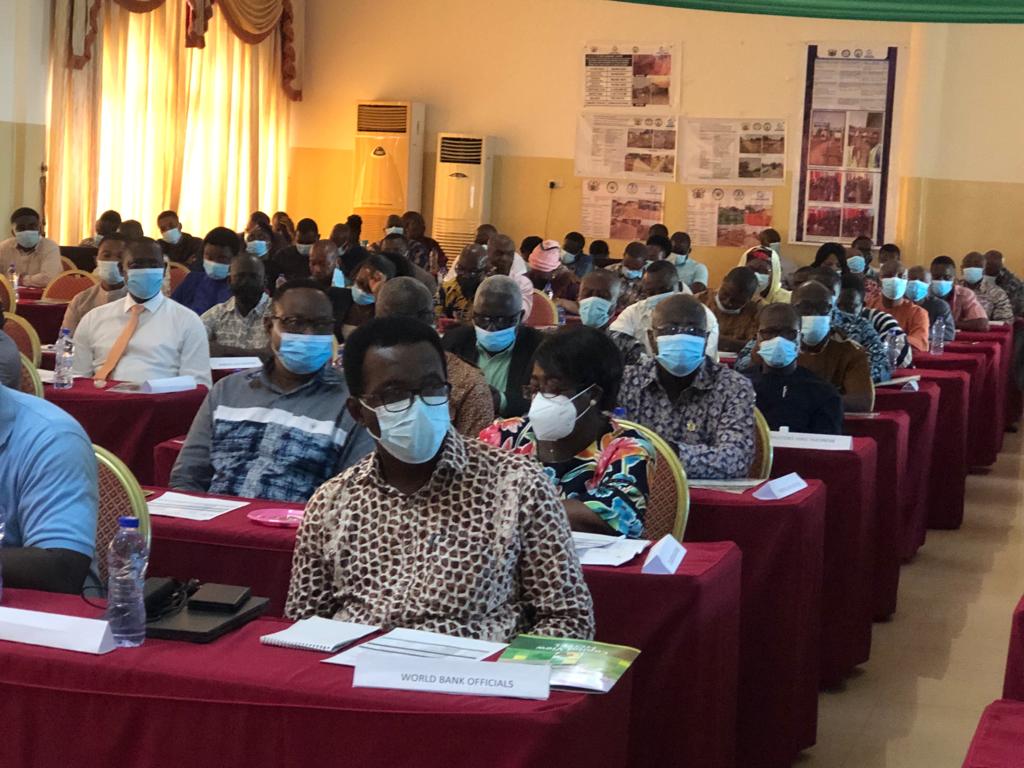
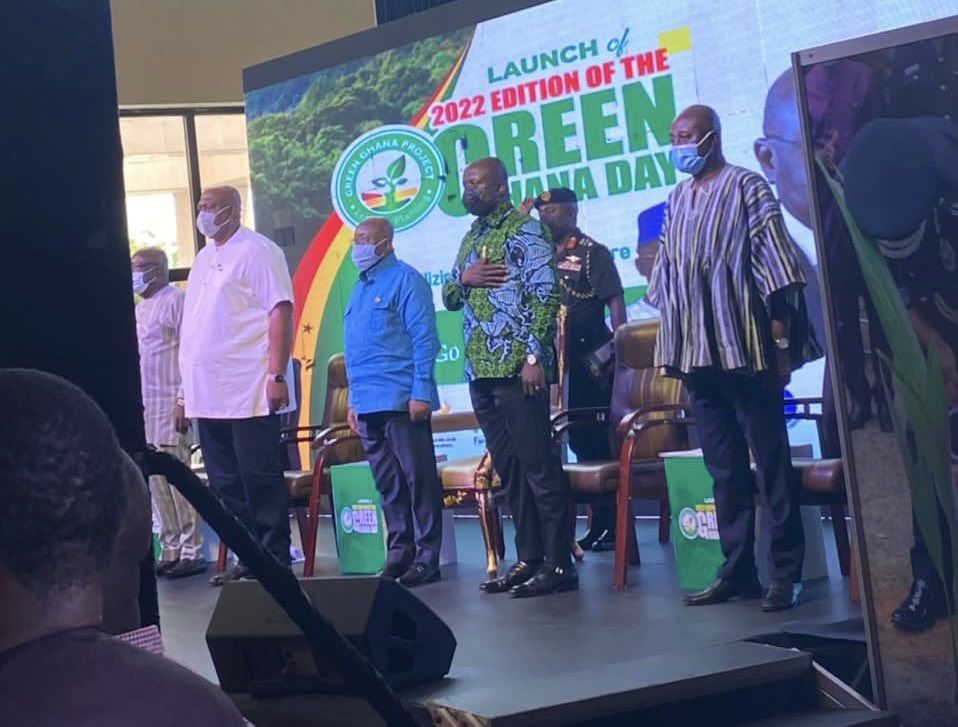
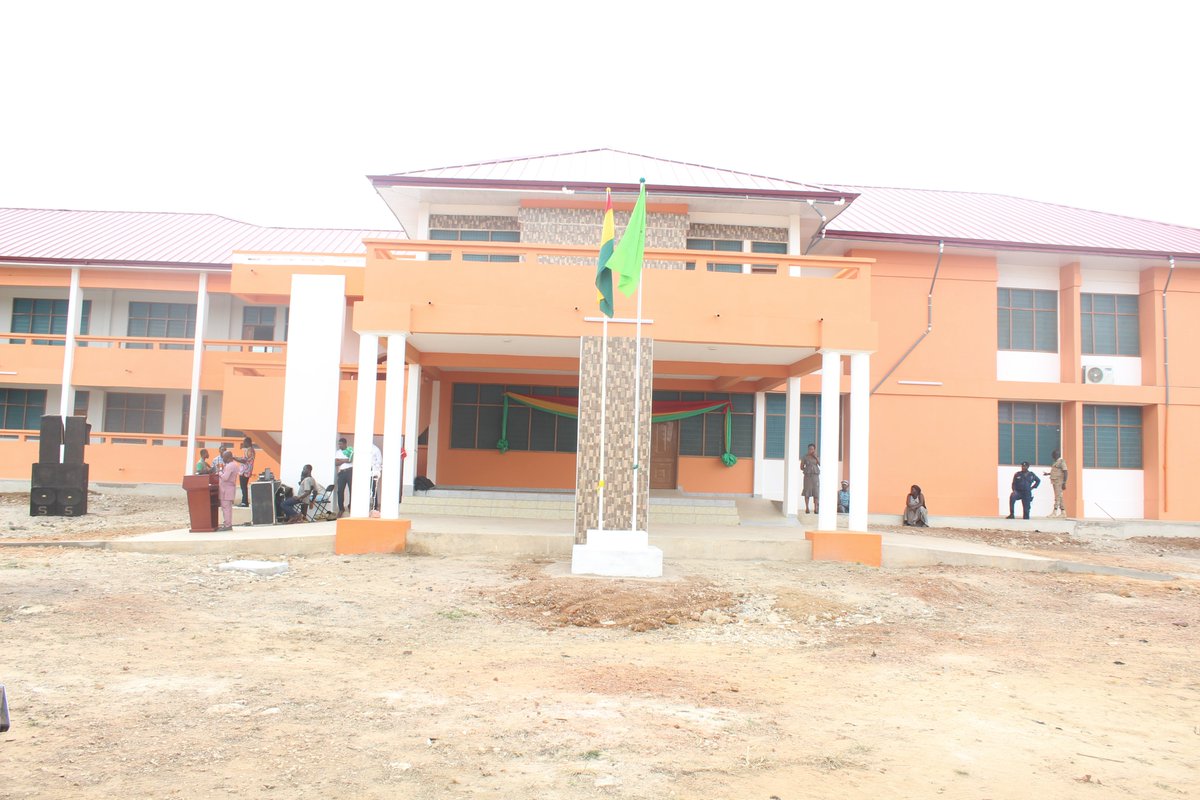
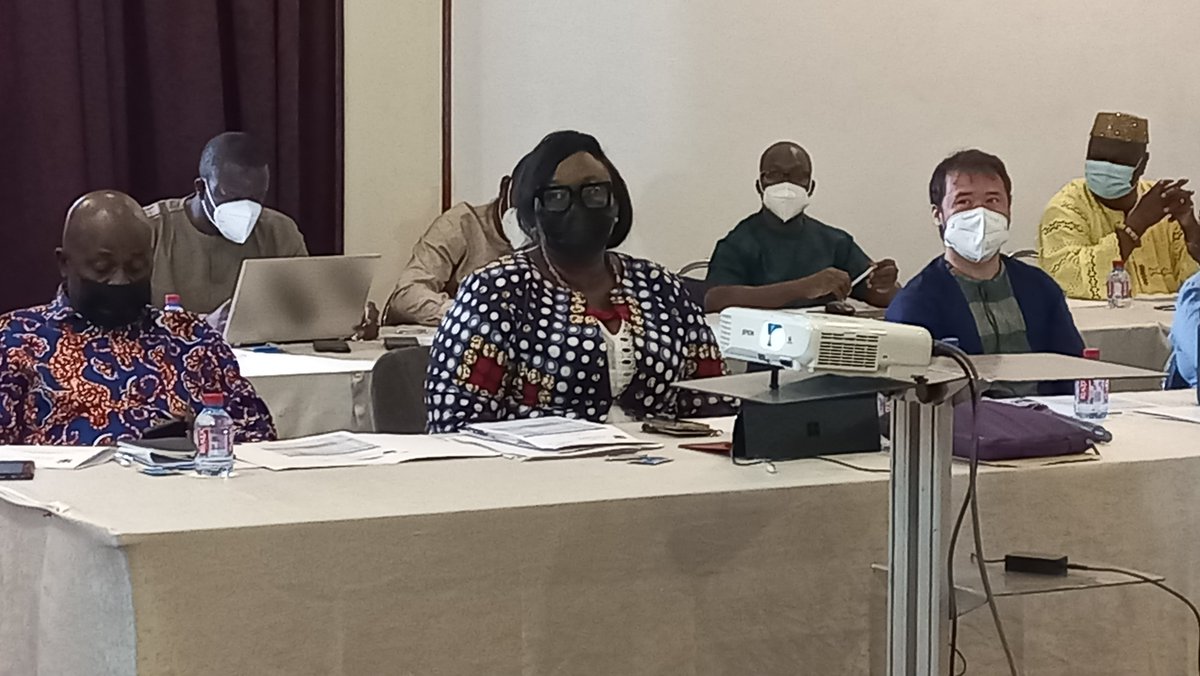
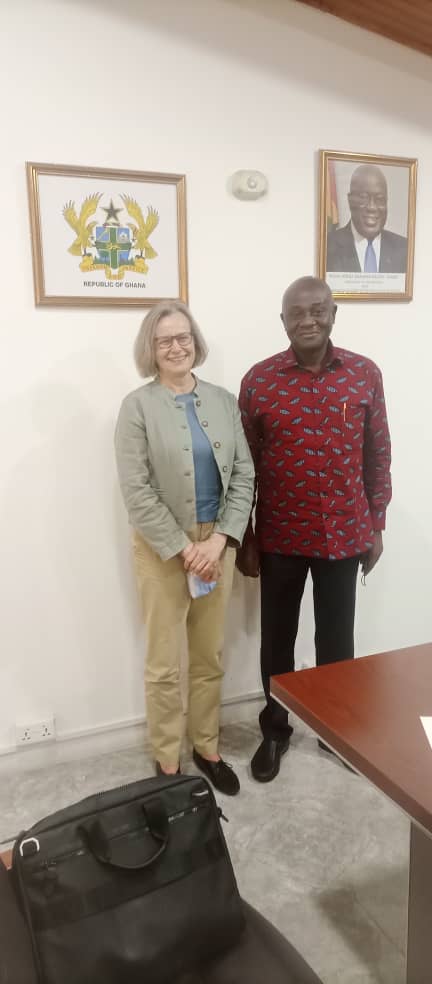
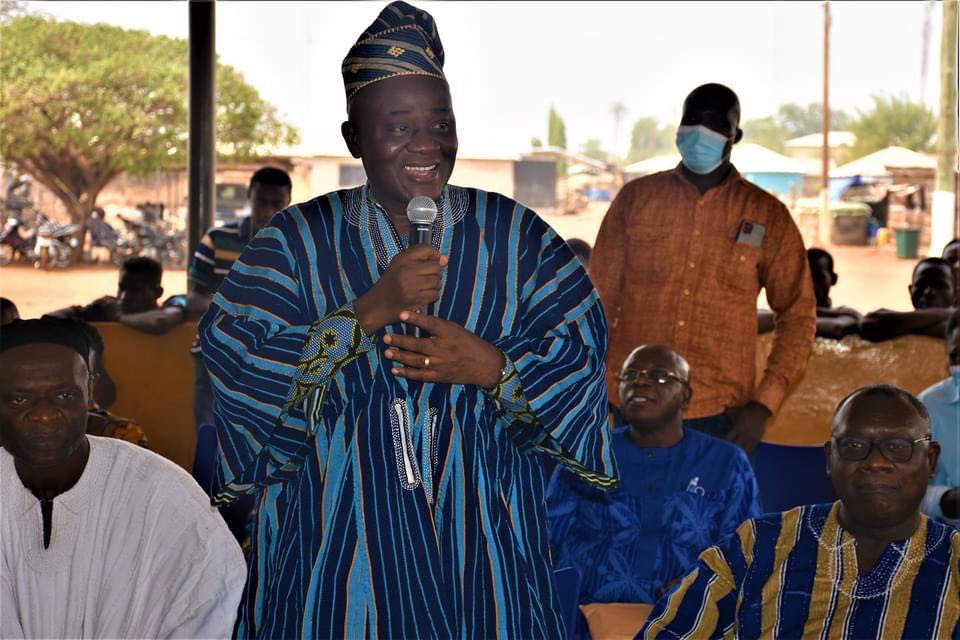
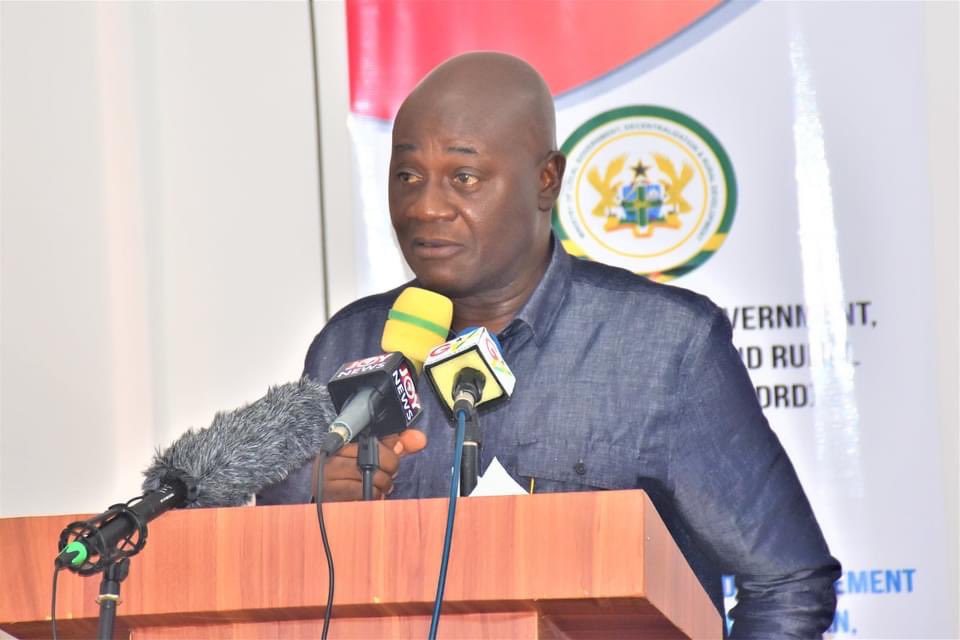

The Ministry launches the 2nd phase of the Integrated Rural Development Project (IRDP II) OFID Component today.
Join via the link below:
youtube.com/live/dsi4kl79aug…
3
823
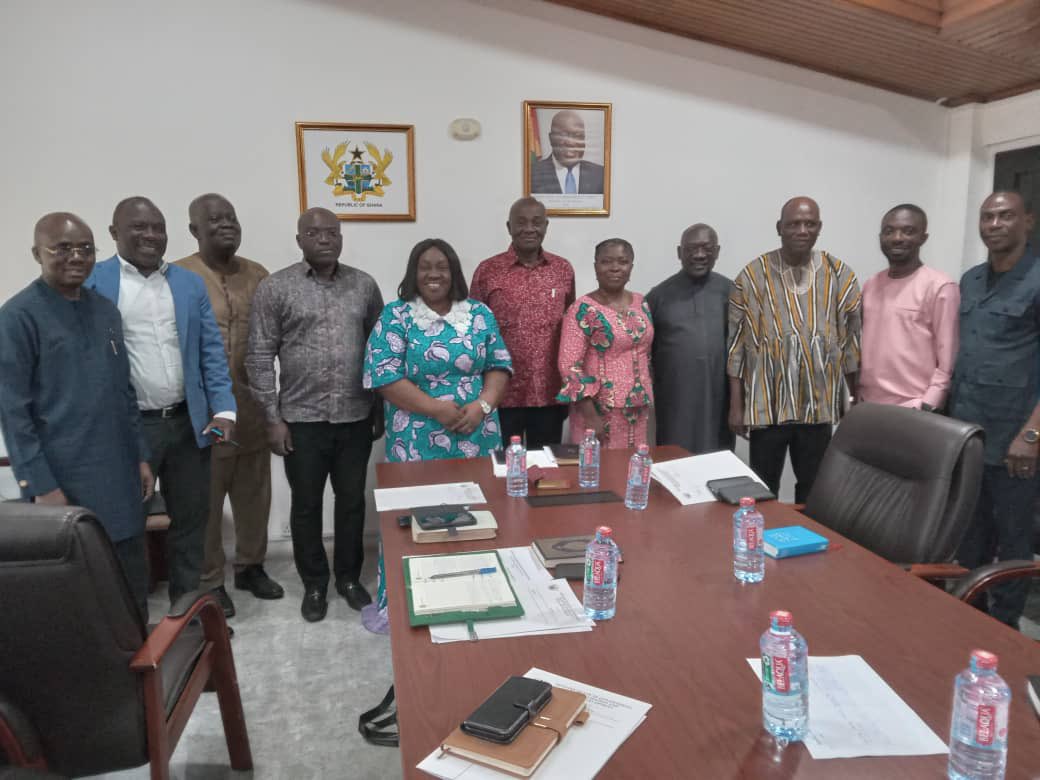
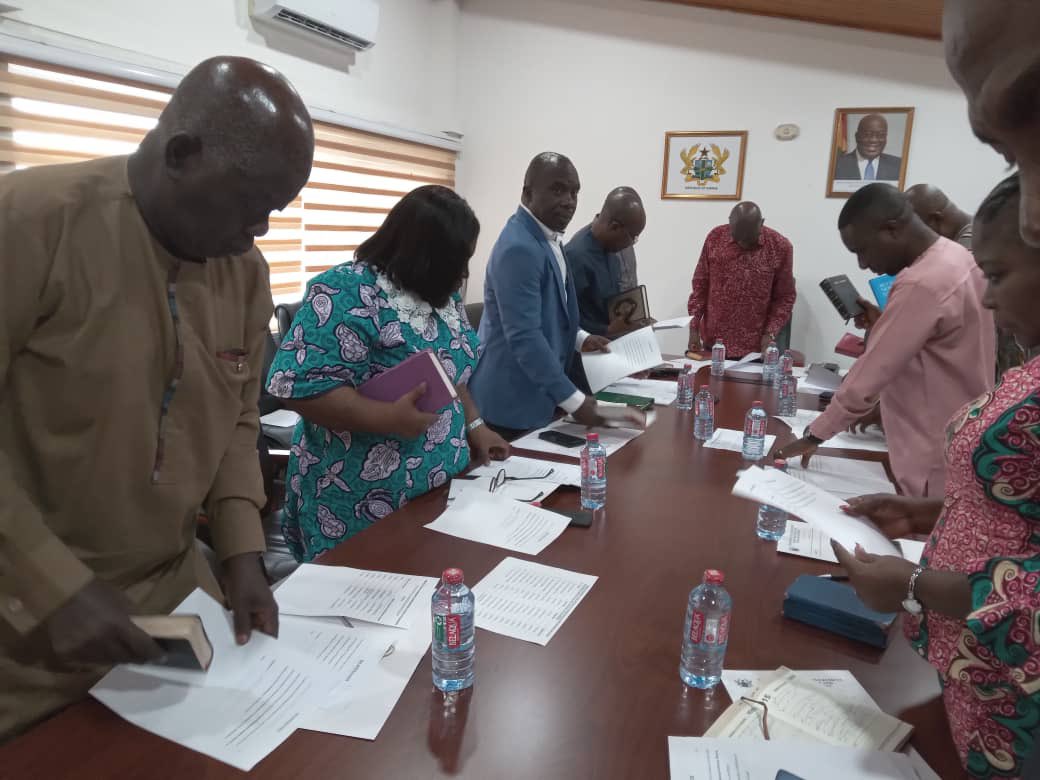
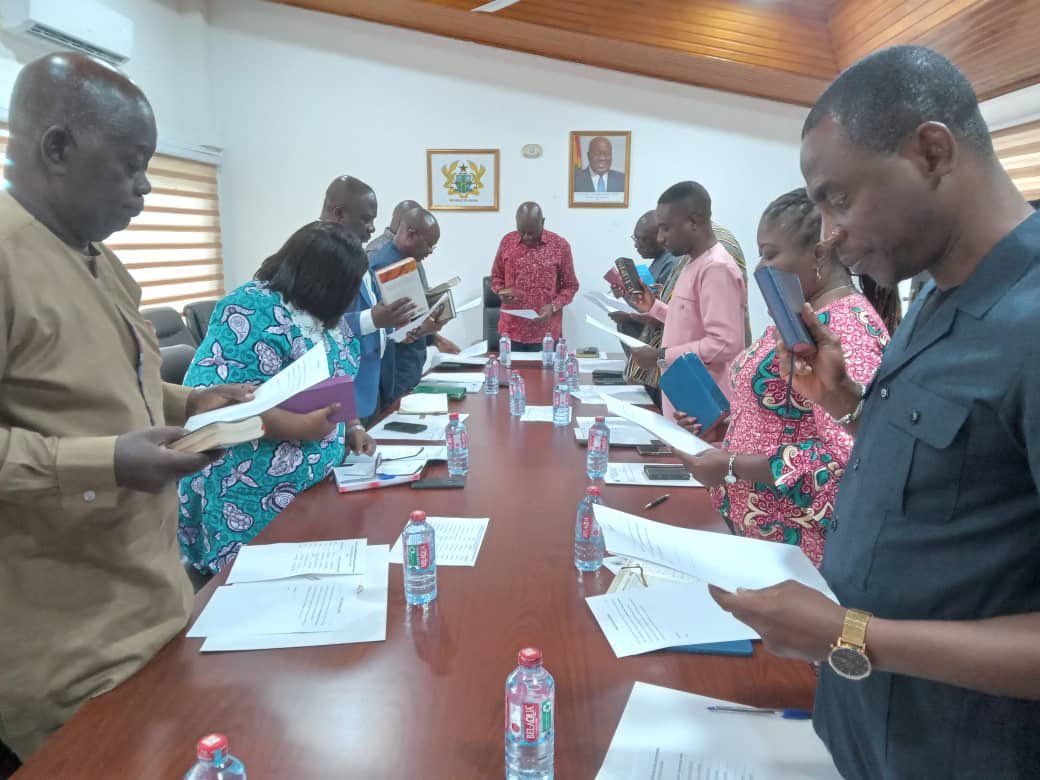
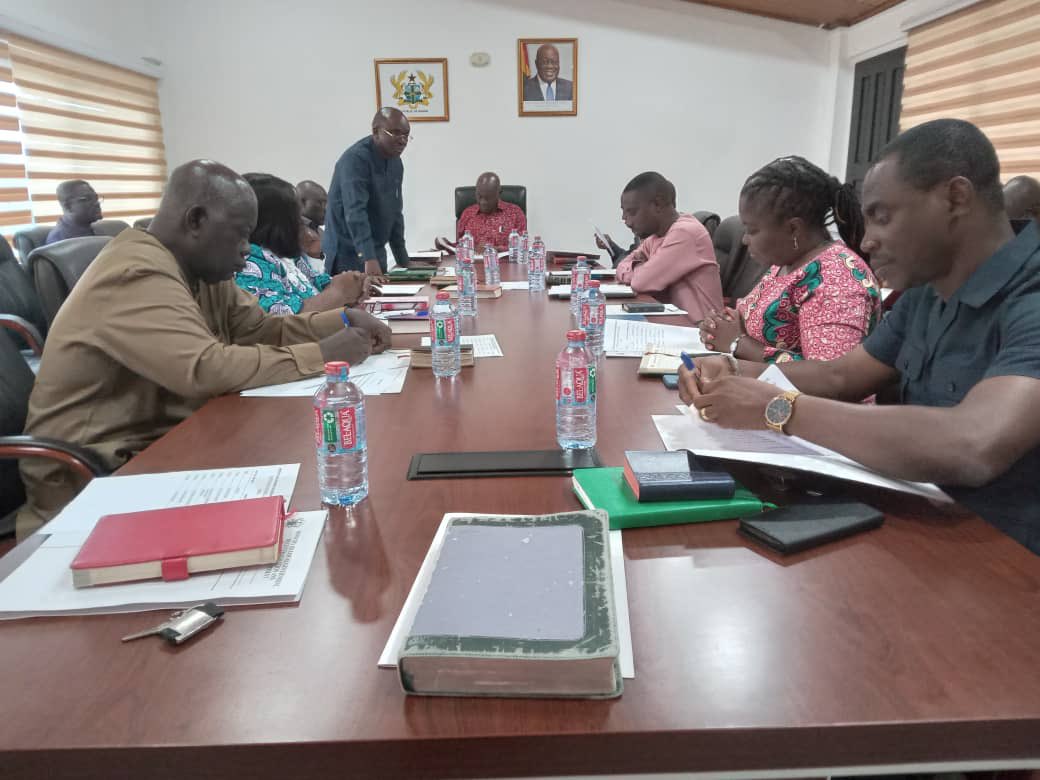
The Ministry of Local, Decentralisation and Rural Development inaugurate a 12-member Ministerial Advisory Board.
2
631
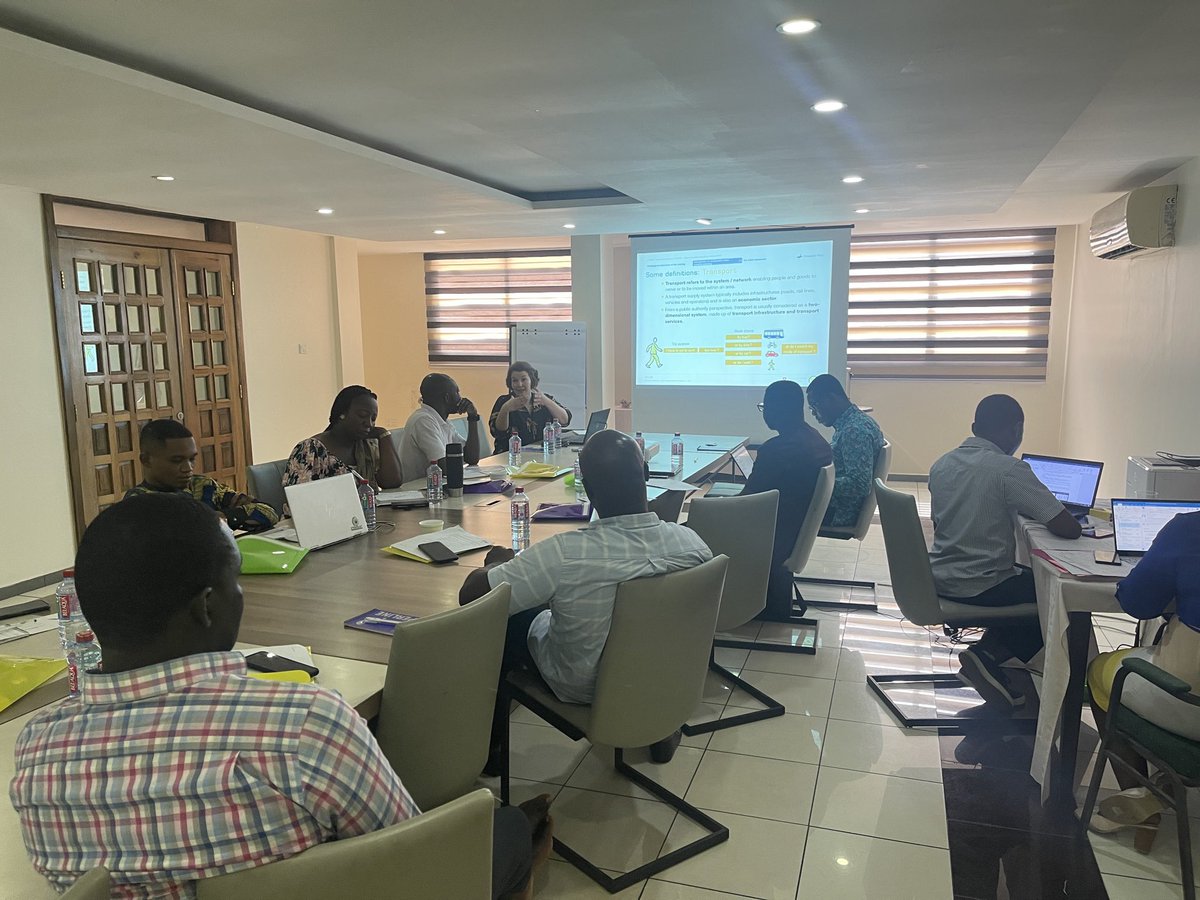
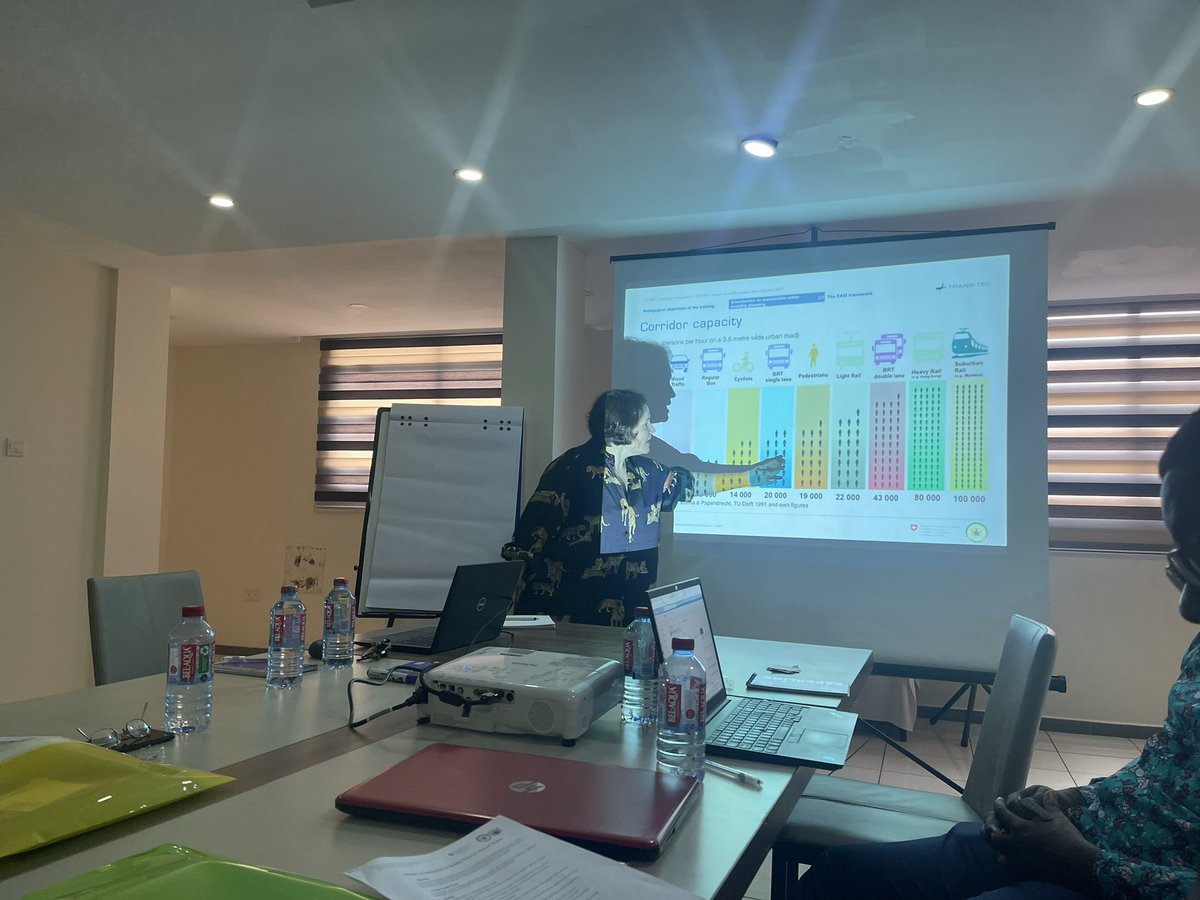
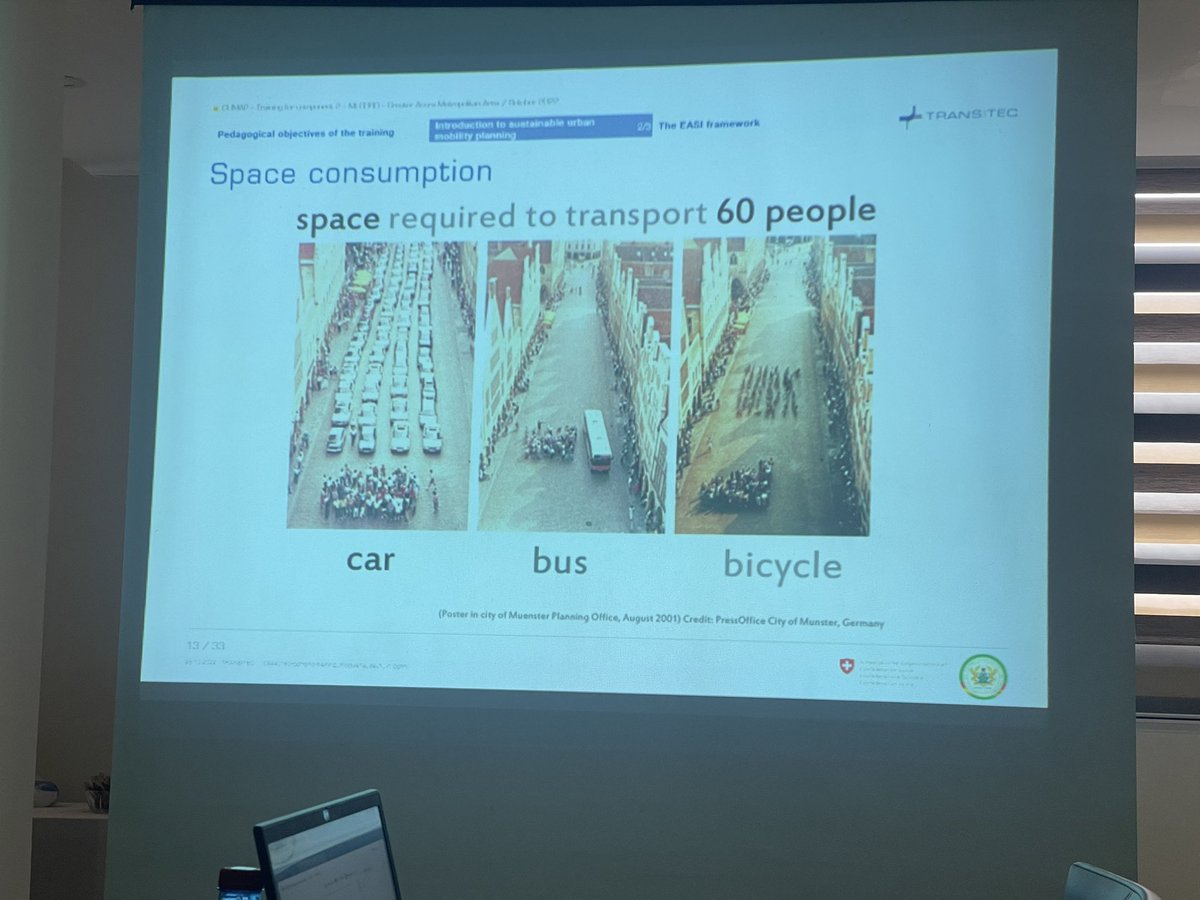
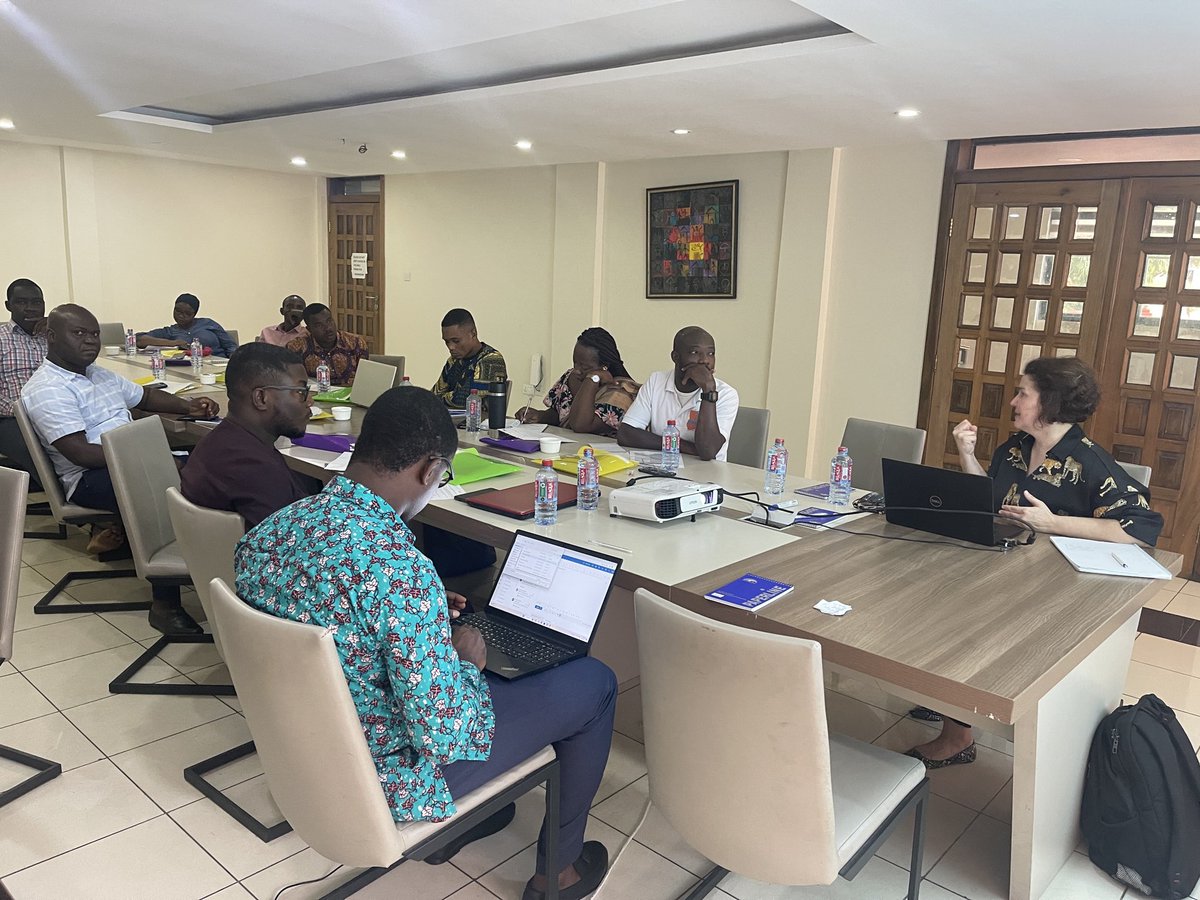
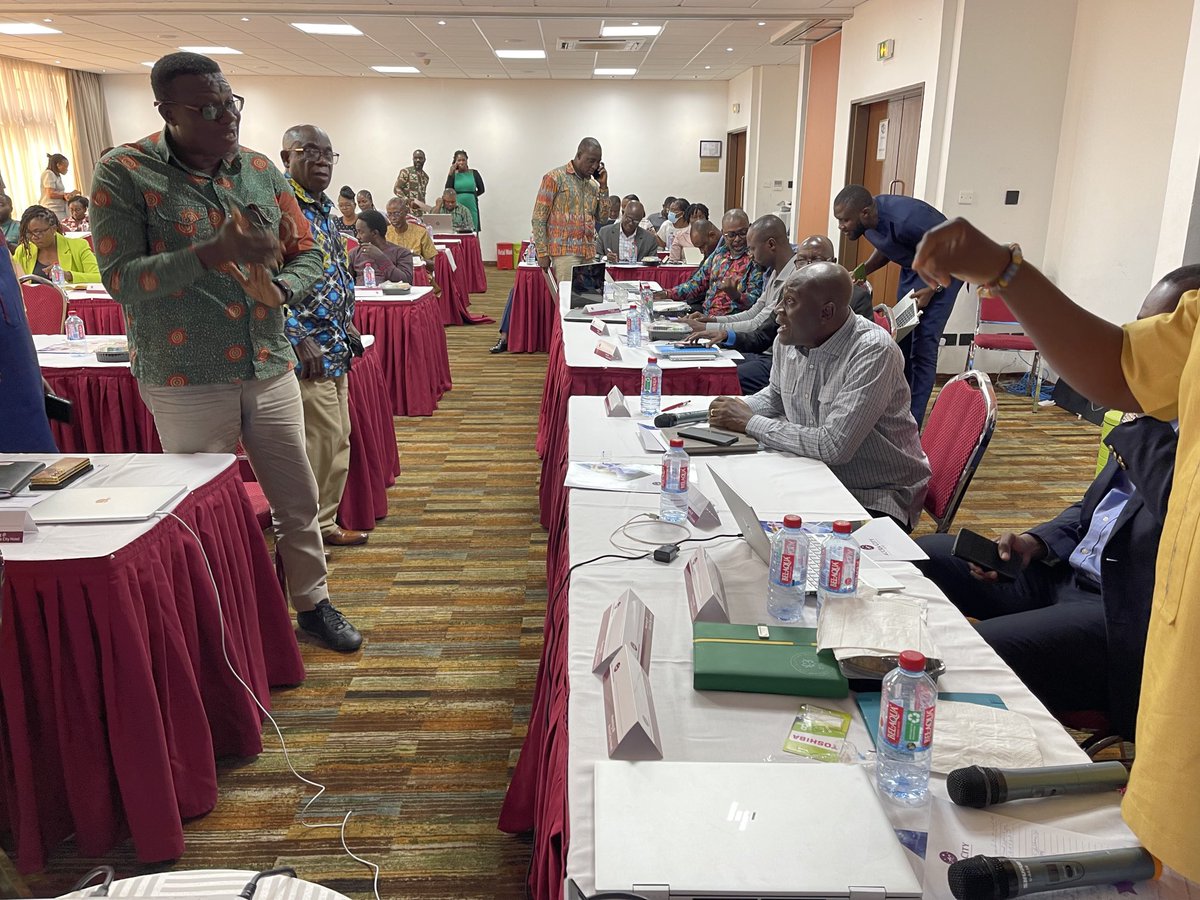
The Ghana Urban Mobility & Accessibility Project (GUMAP) aimed to provide a framework to address traffic in mobility and accessibility in Ghana’s urban has commenced a 3-day training workshop from the 27th of February to the 1st of March 2023 at Aburi for stakeholders.
2
7
761
The workshop is to enable stakeholders to understand Urban mobility, define a diagnosis method, characterise mobility demand, and communicate analysis made to non-professionals.
1
2
499
MLGDRD embarks on Senior Management Retreat
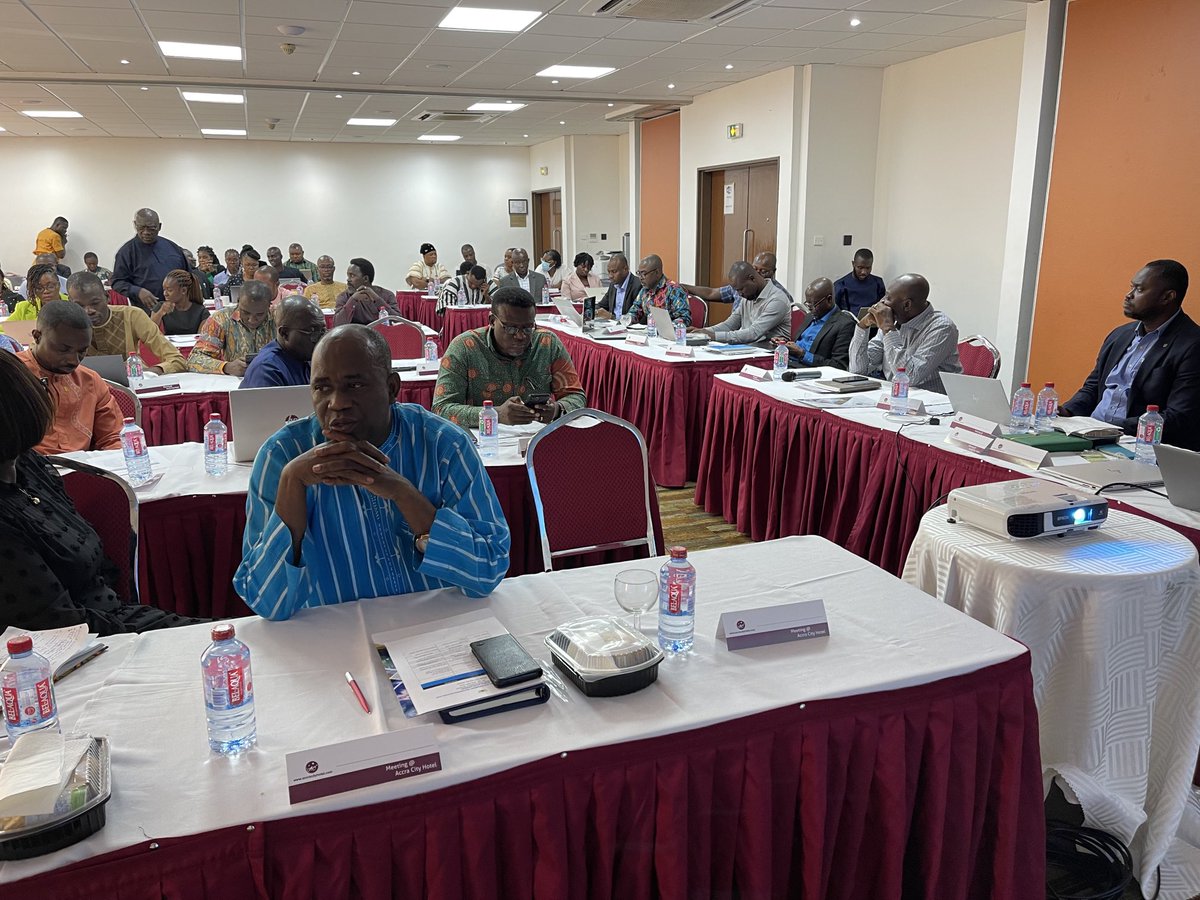
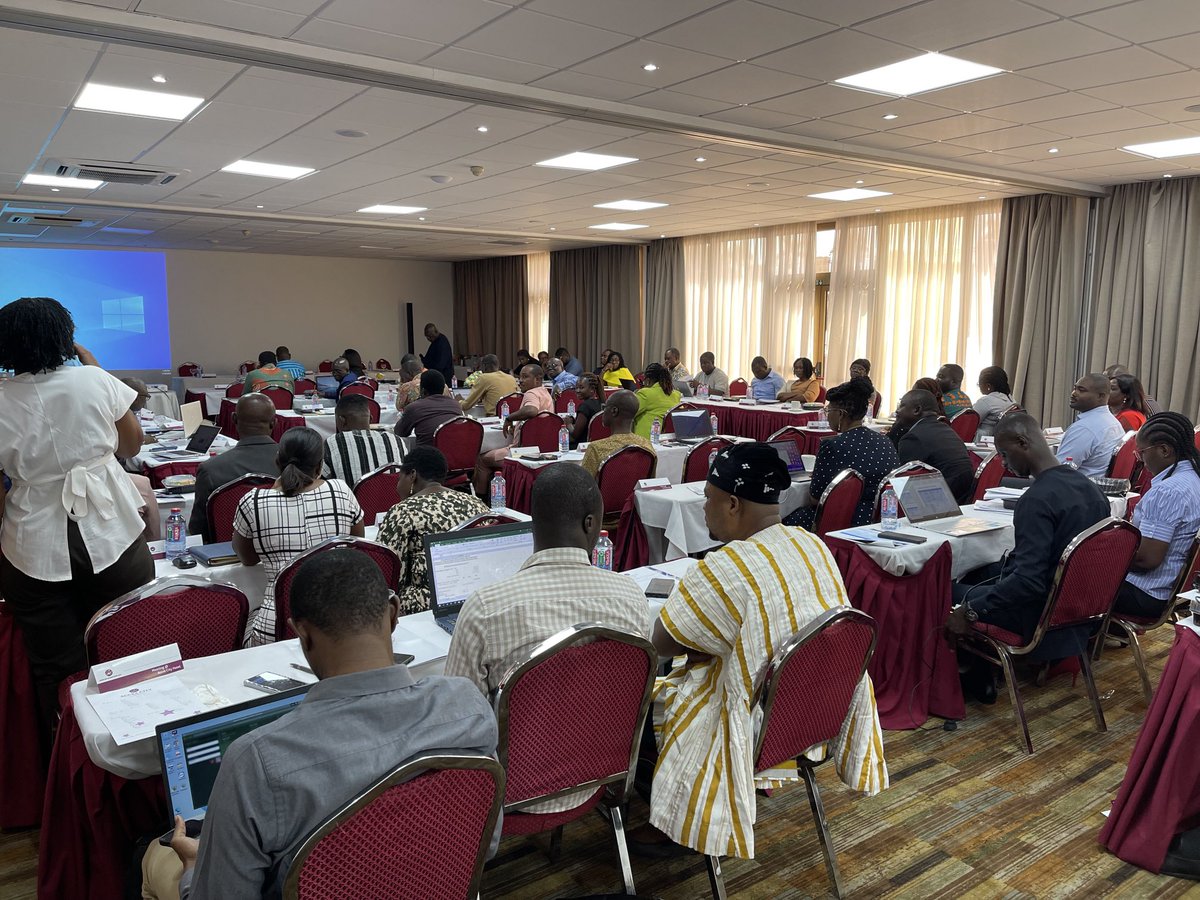
Ms. Marian W. A. kpakpah, Chief Director, Ministry of Local Government, Decnetralisation and Rural Development has met senior management and project leads of the Ministry in Accra.
1
1
9
598
The discussions would come up with teams that would be responsible for the Ministry’s activities for the year.
Madam Kpakpah formally announced the alignment of the Land Use and Spatial Planning Authority (LUSPA) to the Ministry.
1
3
360
A Deputy Minister, Hon. Osei Bonsu Amoah, described the retreat as a priority intervention for the year.
This he said entails what has been done, what should be done and costing of programmes to help achieve all policy directions, considerations and interventions.
2
319
3
1
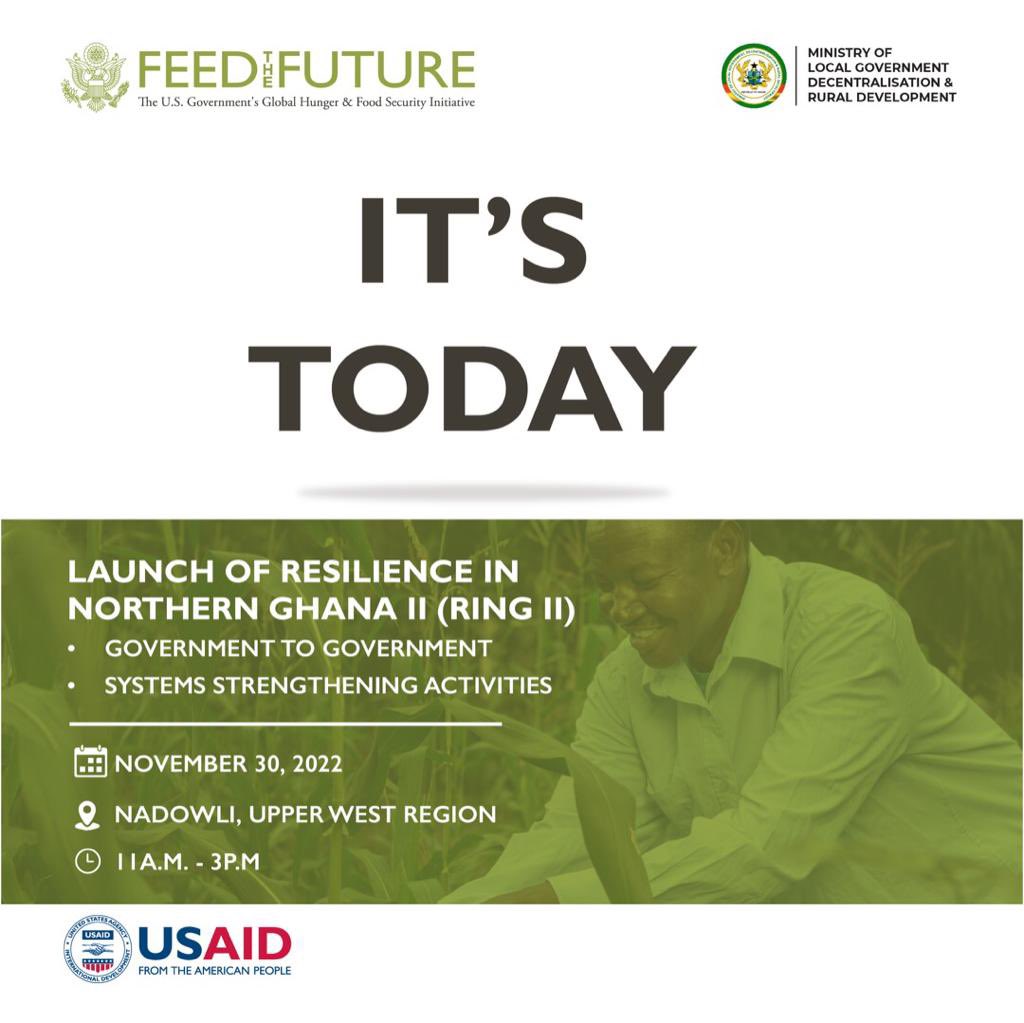
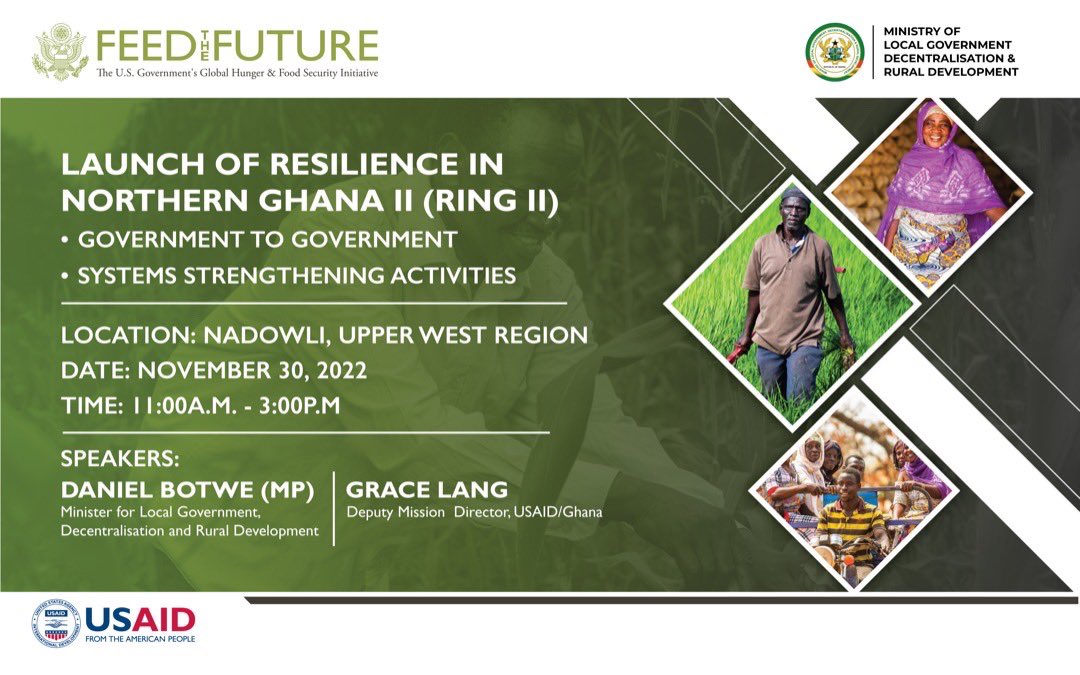
The Ministry in collaboration with implementing Regional Coordinating Councils and District Assemblies will launch the Resilience in Northern Ghana II (RING II) at Ghana’s Upper West Regional District of Nadowli on Friday, November 30, 2022.
1
1
2
Sissala East, Sissala West, Wa West); Upper East Region (Bawku Municipal, Bawku West, Garu Tempane); North East Region (East Mamprusi, Mamprugu Moagduri) and Northern Region (Yendi, Gushegu, Mion,Nanton, Karaga, Sagnarigu).
1
The GOG and USAID anticipate seeing sustained delivery of services that lead to improved nutrition, food security and well-being of target populations as measured by indicators such as increased minimum acceptable diet of children 6-23 months; and women’s dietary diversity score