assistant professor @UWMadison. Interested in Earth system science.
Joined January 2010
- Tweets 513
- Following 931
- Followers 1,463
- Likes 2,406
17 Photos and videos
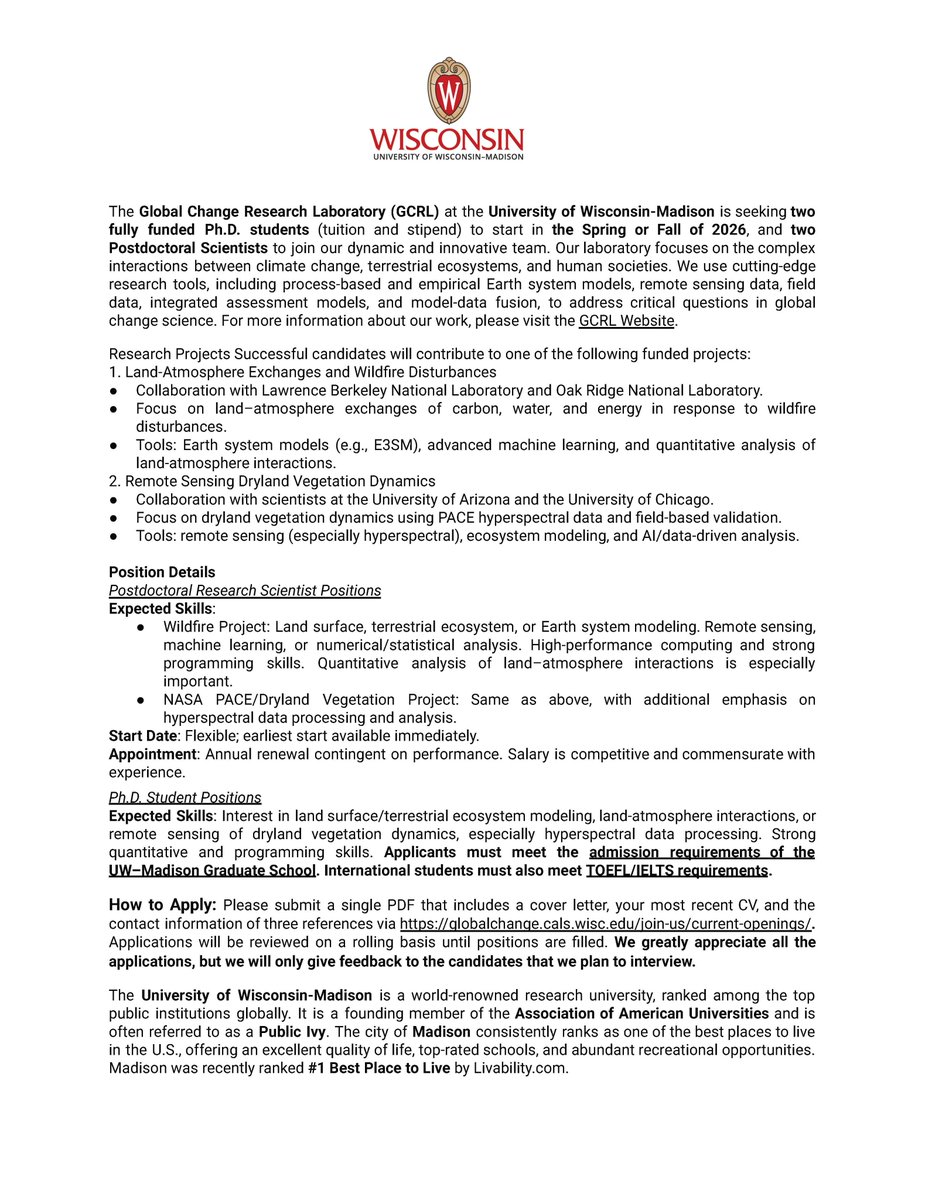
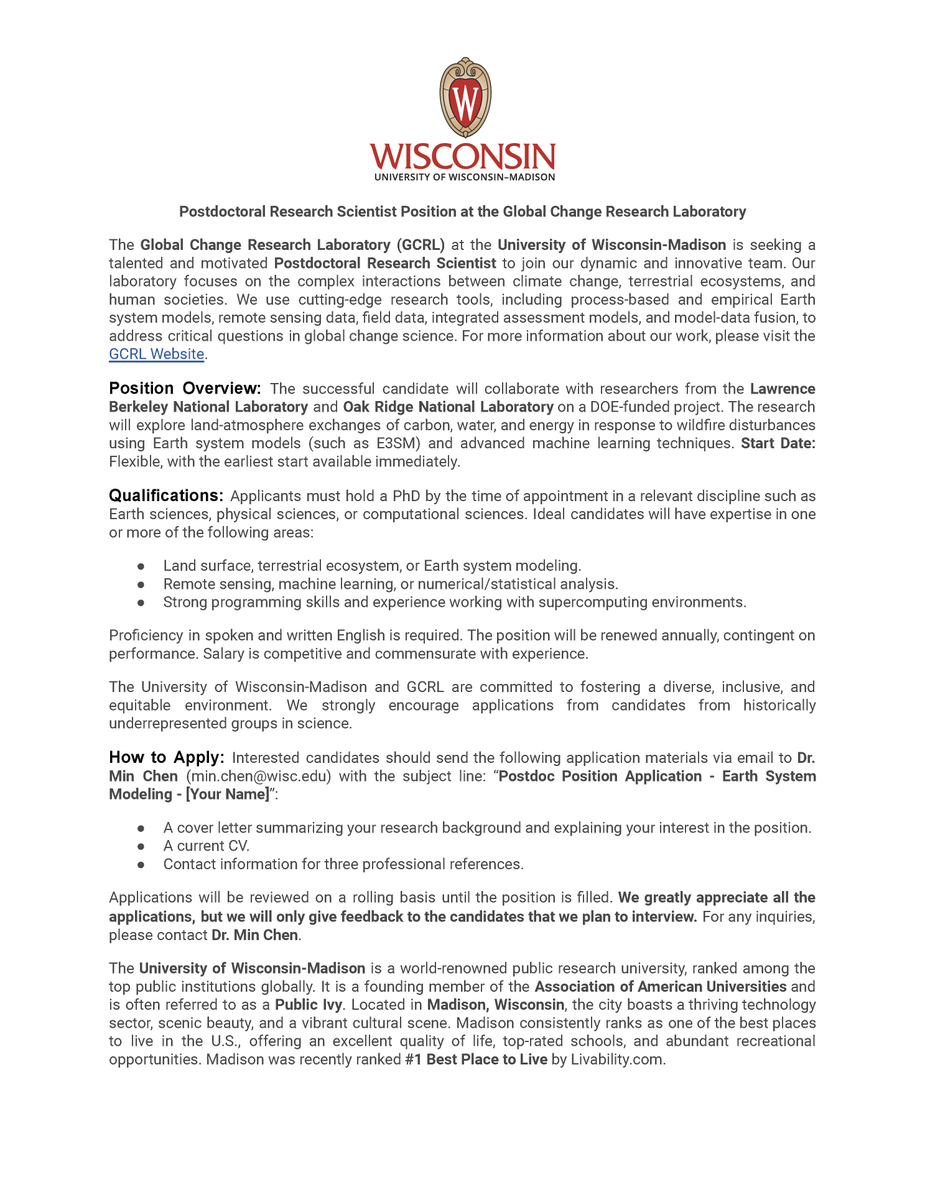
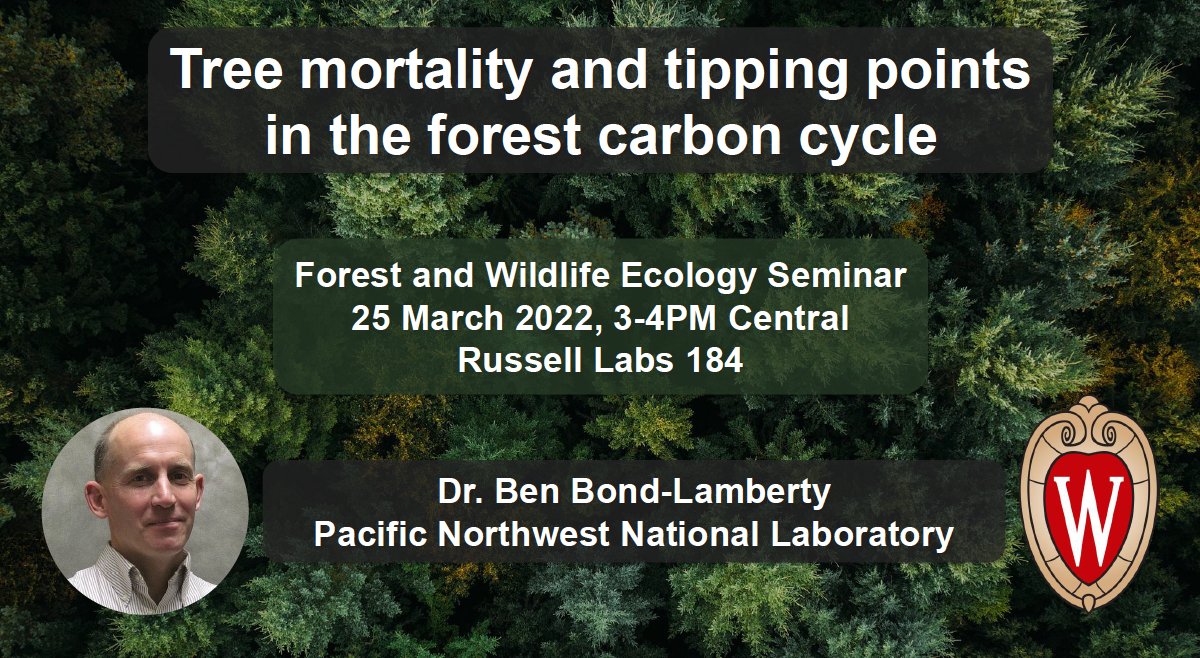
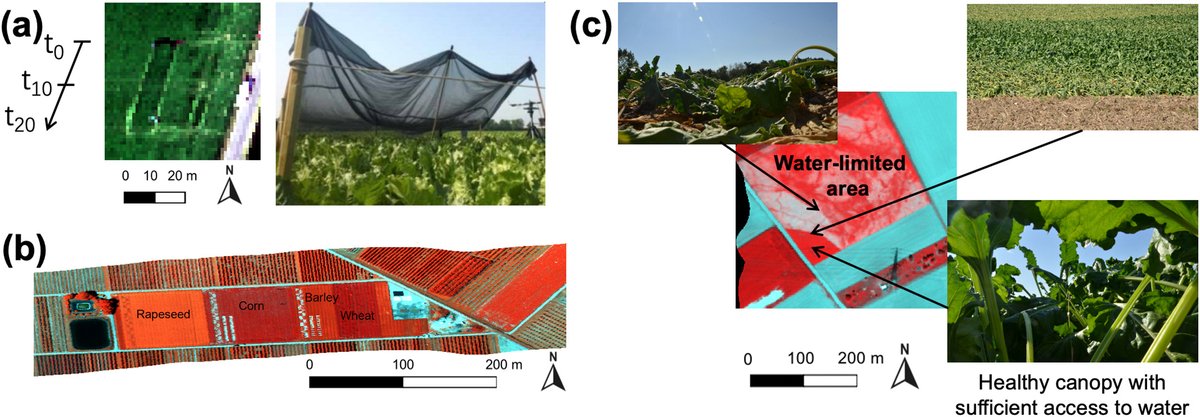
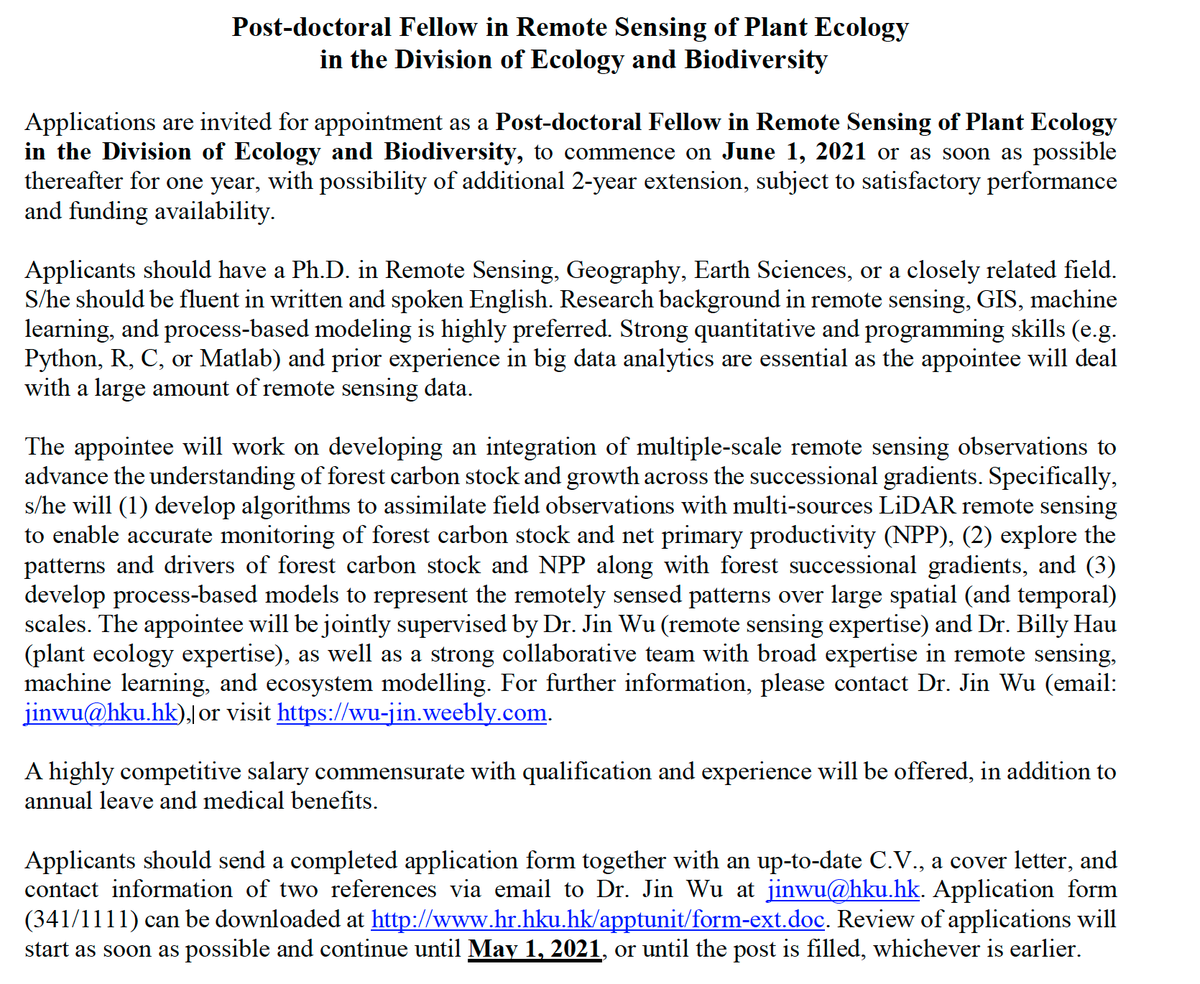
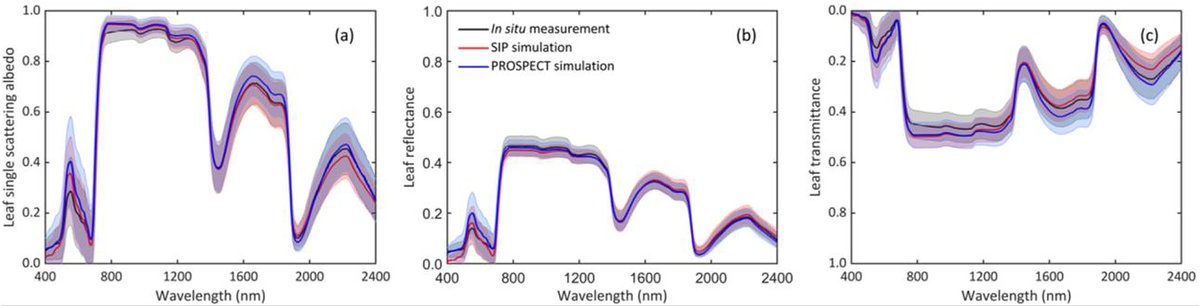
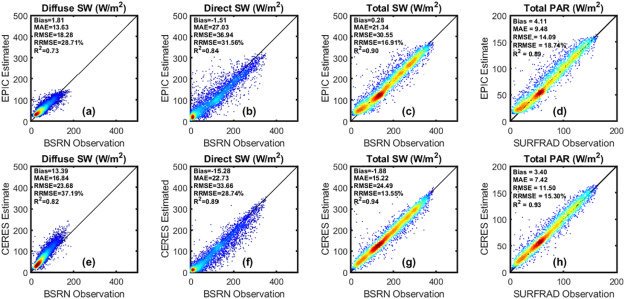
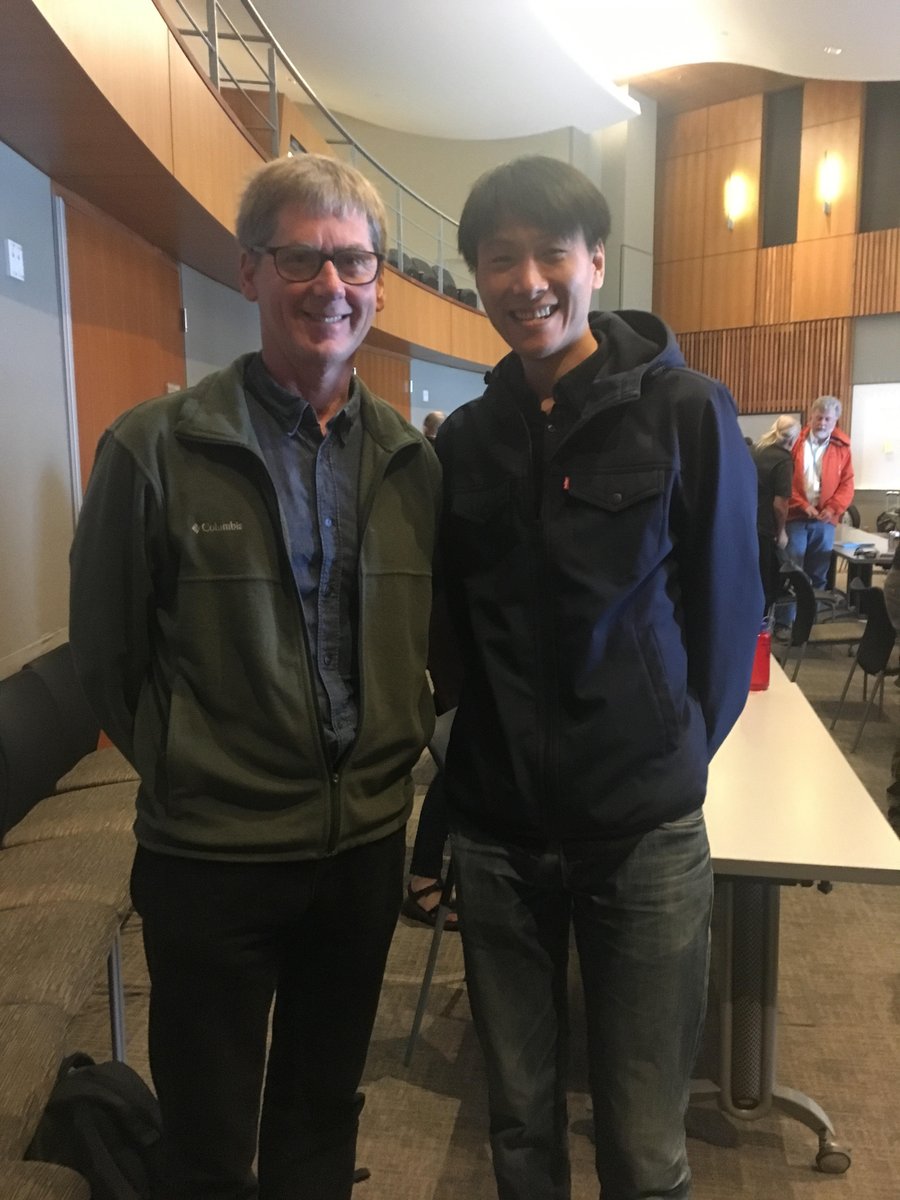

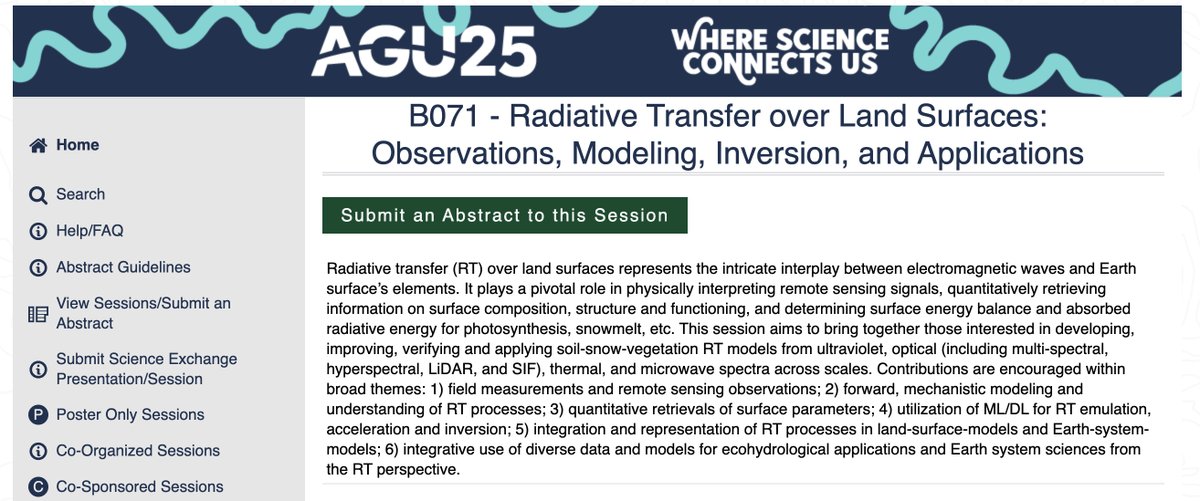
My group at UW–Madison is hiring Postdocs PhD students! Projects: 1️⃣ Wildfire & land–atmosphere exchanges (remote sensing E3SM) 2️⃣ Dryland vegetation dynamics (NASA PACE hyperspectral)
Details & apply: globalchange.cals.wisc.edu/j…
2
24
52
4,762


Link to the paper doi.org/10.1111/ele.70142
2
237
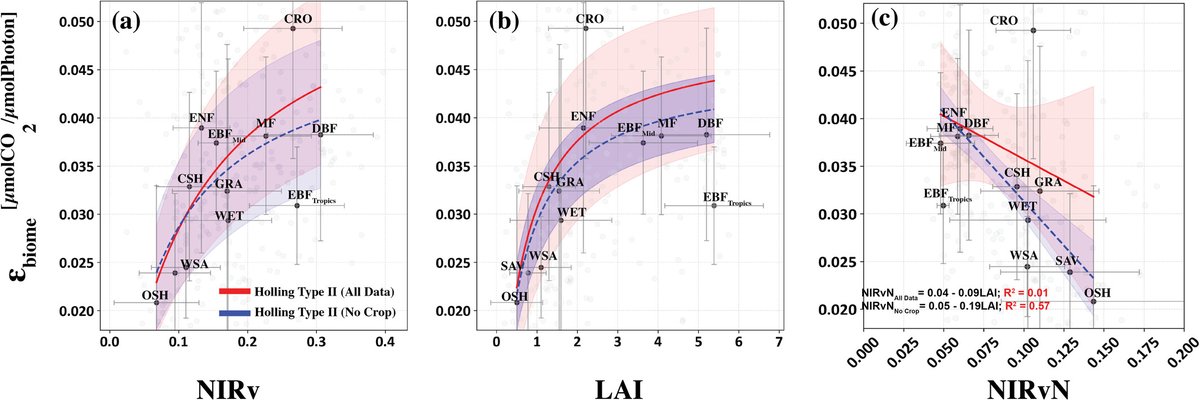
A key aspect was the introduction of a new metric, normalized near-infrared vegetation reflectance (NIRvN), which successfully separates the effects of leaf quantity from those of canopy architecture. We also found a strong negative linear correlation between ε_biome and NIRvN.
1
1
224
Congrats, Meng!
7 May 2025

Excited to share our new paper, "Role of Forest Carbon Change in Shaping Future Land Use and Land Cover Change," 🌳 🌍 now published in Global Change Biology! 🔗doi.org/10.1111/gcb.70219
9
486

More fantastic results from Sadegh Ranjbar demonstrating the unique value of @NOAASatellites for understanding the earth system. All sky (clear & cloudy, night & day) estimates of land surface temperature using ML, GOES-R & Ameriflux meas. agupubs.onlinelibrary.wiley.…
2
7
487
cannot overstate how amazing @NOAASatellites are. In our new paper in RSE, Danielle Losos & team demonstrate an approach to use GOES-R, ML, and @AmeriFlux and @NEONInc eddy covariance data to estimate ecosystem carbon dioxide uptake in near-real time sciencedirect.com/science/ar…
3
16
829
Happy to share our lab's new research on wildfires, led by @Fa_Li_Fa_Li Also check the news release here: eurekalert.org/news-releases…
19 Feb 2025

Risky days for anthropogenic fires are growing faster than risky days for lightning-caused fires. Human-caused fires can occur in wetter conditions, as they ignite in dead grass or wood, rather than in the moist canopy where lightning strikes. Read now: ow.ly/c2X650V290e
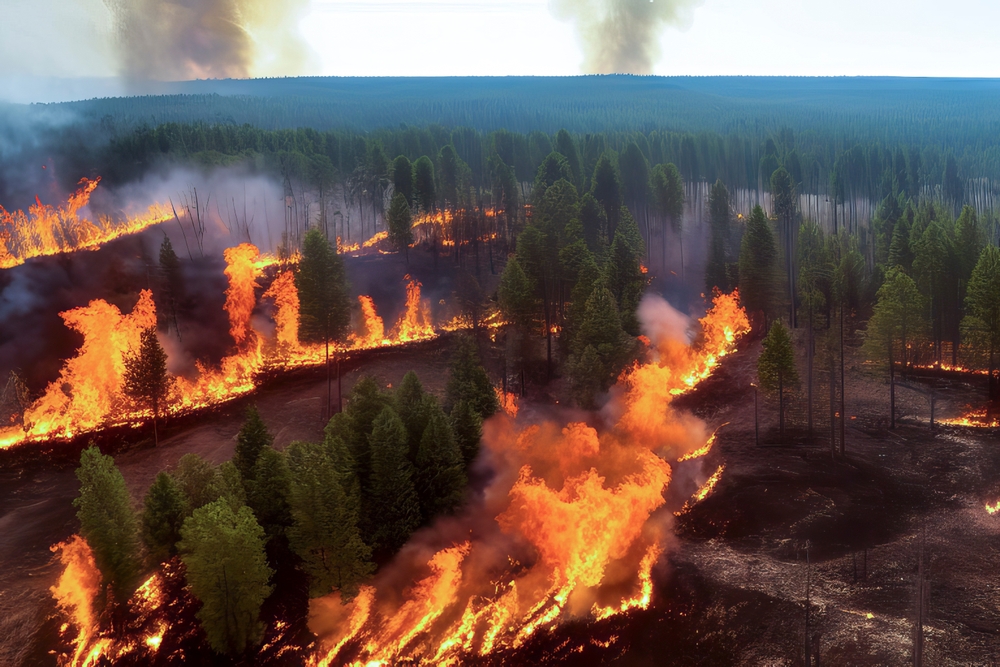
ALT A forest fire. Stock photo
15
923

Biogeoscientists on X, please consider nominating early-career & underrepresented emerging leaders in biogeosciences for the JGR-B Special Issue, "Biogeosciences Leaders of Tomorrow"! Nomination due 7 Feb 2025. Details at agupubs.onlinelibrary.wiley.…

🌟Call for Papers: JGR Biogeosciences Special Collection🌟
"Biogeosciences Leaders of Tomorrow"
📅 Deadline: Feb 7, 2025
Nominate early-career & underrepresented biogeoscientists for this special issue spotlighting emerging leaders in the field!
🔗agupubs.onlinelibrary.wiley.…
2
6
1,007
Min Chen retweeted

10 Jan 2025
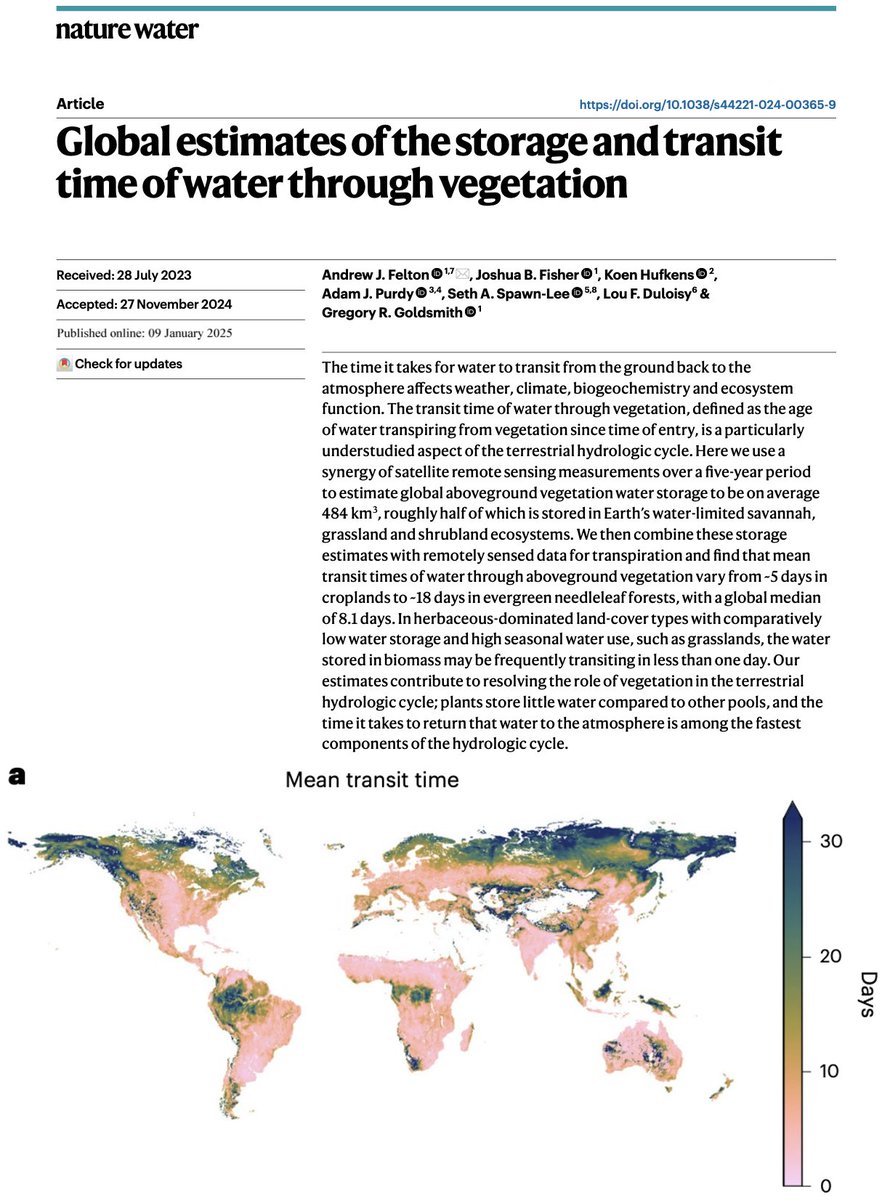
We figured out how much water is in all of Earth’s plants and how long it takes water to flow through them.
Answer: 786 km3 and 5-18 days.
@NatureWaterJnl @koen_hufkens @sciencebyAJ
4
59
213
8,746
I’m at AGU for the whole week. If you are interested in a postdoc position on wildfires and earth system modeling, or a PhD student opportunity, come talking with me!

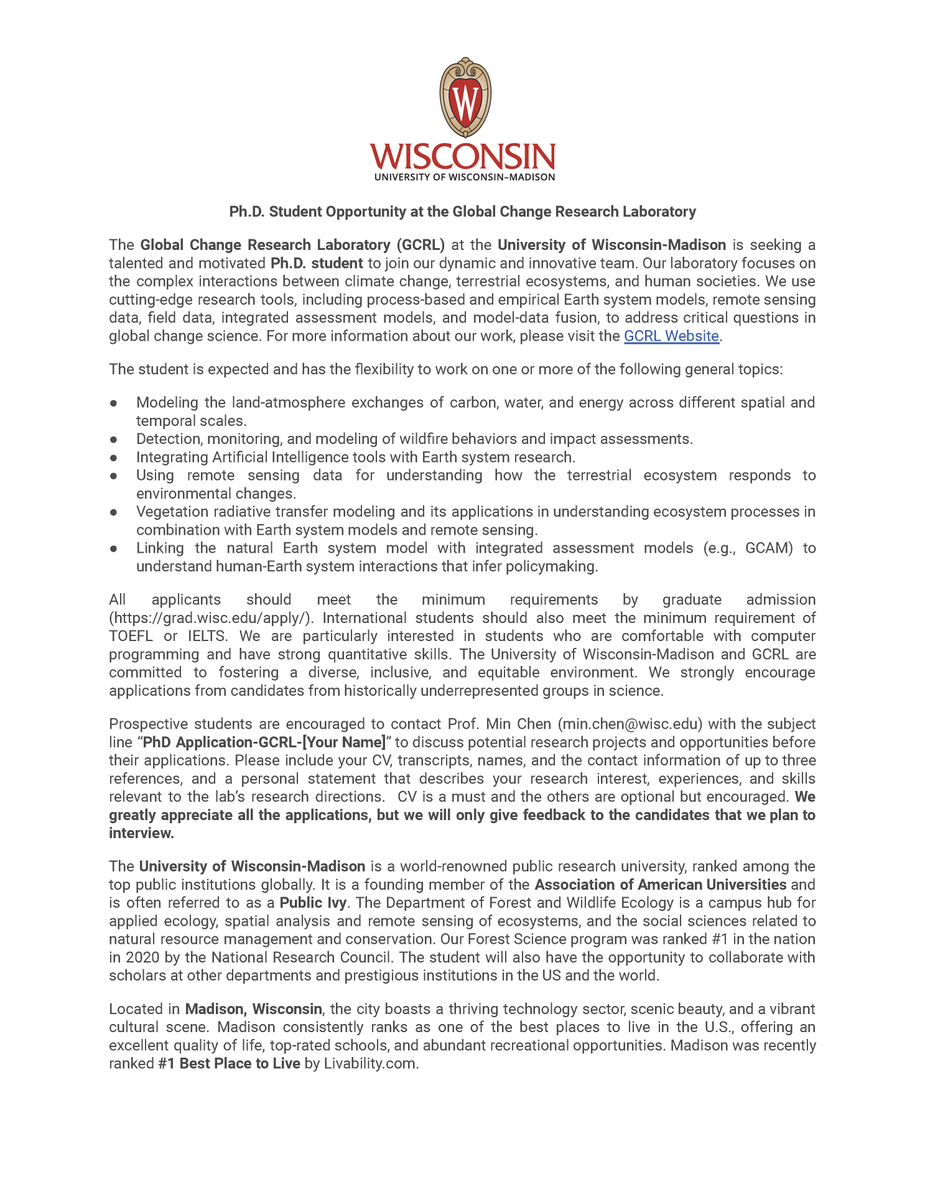
Our lab is looking for a Ph.D. student and a postdoctoral scientist to join us at @UWMadison. Check out details here: tinyurl.com/gcrl24 We appreciate your RT!
1
48
119
11,617
Our lab is looking for a Ph.D. student and a postdoctoral scientist to join us at @UWMadison. Check out details here: tinyurl.com/gcrl24 We appreciate your RT!
8
259
529
88,669
Visit our lab website to learn more about our research globalchange.cals.wisc.edu/
5
10
5,970
Min Chen retweeted

1 Oct 2024
🚨Job Alert! Check out the RISE initiative at @UWMadison - rise.wisc.edu. Listings within @UWMadisonCALS are below with multiple hires expected across listings. It's a wonderful University in a great place to live. Join us! cals.wisc.edu/rise-faculty-h… @DepartmentSoil

25
54
5,643
Min Chen retweeted

6 Sep 2024
We're hiring! The Climate Action Lab at UW-Madison is recruiting up to two postdocs in energy transitions and climate policy. Priority deadline October 2 and start dates flexible. More details here: climateactionlab.com/lab-new…

1
30
51
10,514
Proud to share new research from our lab's @hamid_dashti2 New perspective on ecosystem recovery from disturbances
4
16
1,747
A recent publication of our lab. A nice example of the interactions between human activities and the larger Earth system.
19 Aug 2024
Excited to share our latest paper in @EarthsFutureEiC: 'Impacts of Forest Management-Induced Productivity Changes on Future Land Use and Land Cover Change.' (doi.org/10.1029/2024EF004878) 🌍🌲Big thanks to the collaborators @UMaine_FPE, @realXinZhao, @DaleiHao, and @mmmmchen!
3
17
1,671