
Co-founder & CEO @ mutual. Building cameras that prove reality.
Joined August 2023
- Tweets 201
- Following 333
- Followers 155
- Likes 316
18 Photos and videos




Pinned Tweet

May 31
Twitter = my raw feelings and thoughts with absolutely no AI use
1
4
611

Jun 9
Just landed in SF yesterday, looking forward to meeting everyone!
2
8
488
Jun 9
Provenance vs privacy: is it a tradeoff?
C2PA, or the Coalition for Content Provenance and Authenticity, is a content provenance standard lead by Adobe with Google, Sony, OpenAI etc. contributing to the field.
I recently had a talk with a Forensic Video Analyst from @MagnetForensics. He argued that the reason why Apple wouldn't join C2PA is because collecting provenance information goes agaist privacy, and because iPhones are built on the premise that privacy is non-negotiable, they would not want such a standard to be implemented in iOS devices.
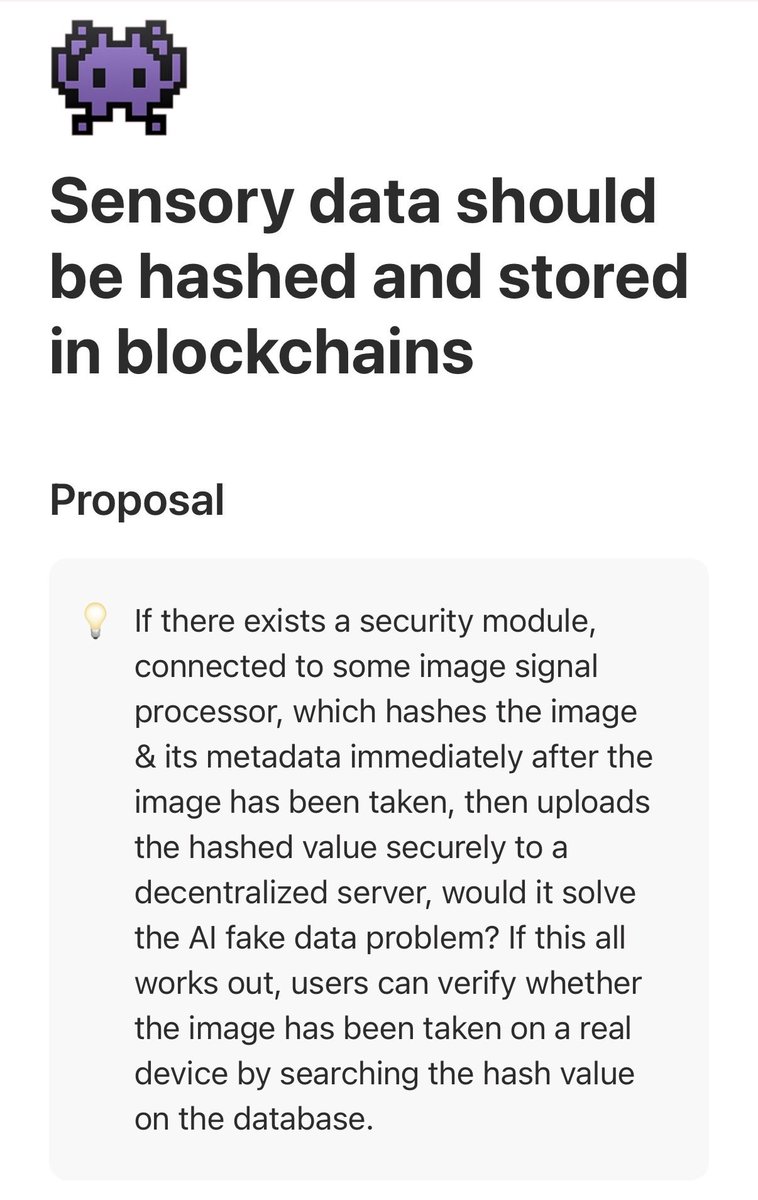
But is there even a tradeoff between provenance and privacy? One might argue that data provenance is basically evidence that some image/video/audio etc. was created at this point in spacetime, and that it is useful information to forensic investigators (hence invades privacy). However, this does not take into account that:
(a) You know nothing about the original image just from the provenance information itself. This is because cryptgraphic hash functions like SHA-256 are one-way, and knowing the hash is valid doesn't let you know what the original image was.
(b) Users can and should be able to choose whether to disclose C2PA metadata to the public. When users are not given the choice to provenance information disclosure, it is the UI's fault of failing to do so.
(c) As with any other data, C2PA metadata stays encrypted at rest on iPhones. If this encryption fails, it does not matter whether C2PA metadata exists or not - by then, it means all your photos, videos, audio recordings have already been hijacked.
At the same time, this does not mean that there's no room for improvement. Privacy-preserving techniques, combined with data provenance standards such as C2PA and ONVIF Media Signing Framework, can allow for evidence disclosure while preserving evidentiary properties.
As an example, our face-blur demo runs completely on-device on constrained hardware (256MB of RAM). All provenance information may be stored offline, instead of cloud, at user's will. We can also envision more exotic techniques such as Zero Knowledge Proofs (ZKPs) being used to further protect user data, while still proving the image is real.
178
Jun 9
If there's anyone super talented at optics (camera lenses etc.), please tag them below!
We're building the most capable camera for private investigators, and these people want excellent zoom quality.
1
1
118
Jun 9
Mathematical proof of reality = evidence that simply works in court, and we want to combine our technology with the best optics expertise. Let us know if anyone might be interested!
1
103
Jun 8
Truth is gold.
If so much of digital content becomes generatable with a click, what matters is what's scarce.
Cryptographic proof of reality will become the new gold in the digital space, as fiction becomes a commodity.
2
103
Jun 7
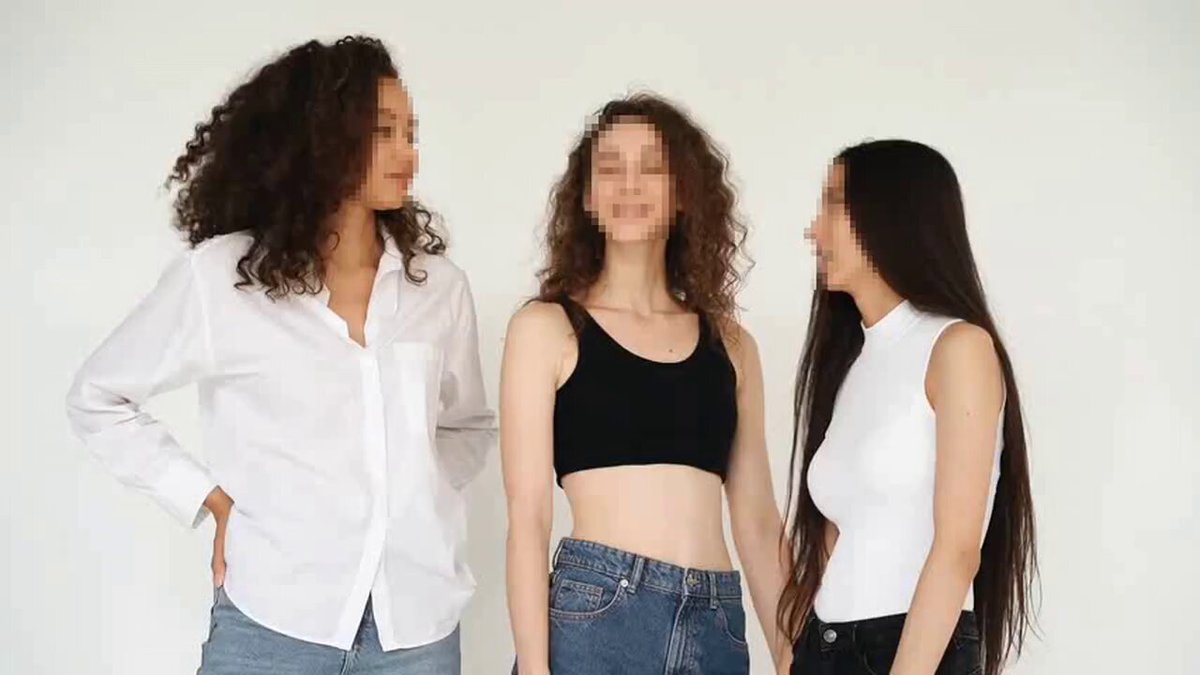
Real-time face-blur demo running on 256MB of RAM.
That right, it's megabytes, not gigabytes. 1.2 GHz single-core & 1 TOPS GPU.
If you need BIPA compliant on-device data collection on your devices, reach out to us.
3
5
152
Jun 7
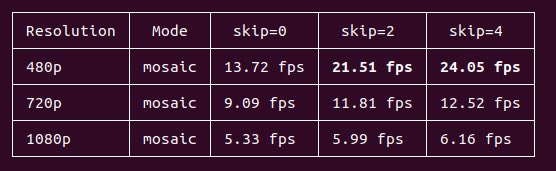
--skip=4 doesn't look bad at all, especially if your objects aren't moving around as fast.
87
Jun 7
Not every frame needs its bounding box recomputed. We use a --skip parameter which simple skips x frames before then next bounding box computation.
71
Jun 5
Heading to #CVPR
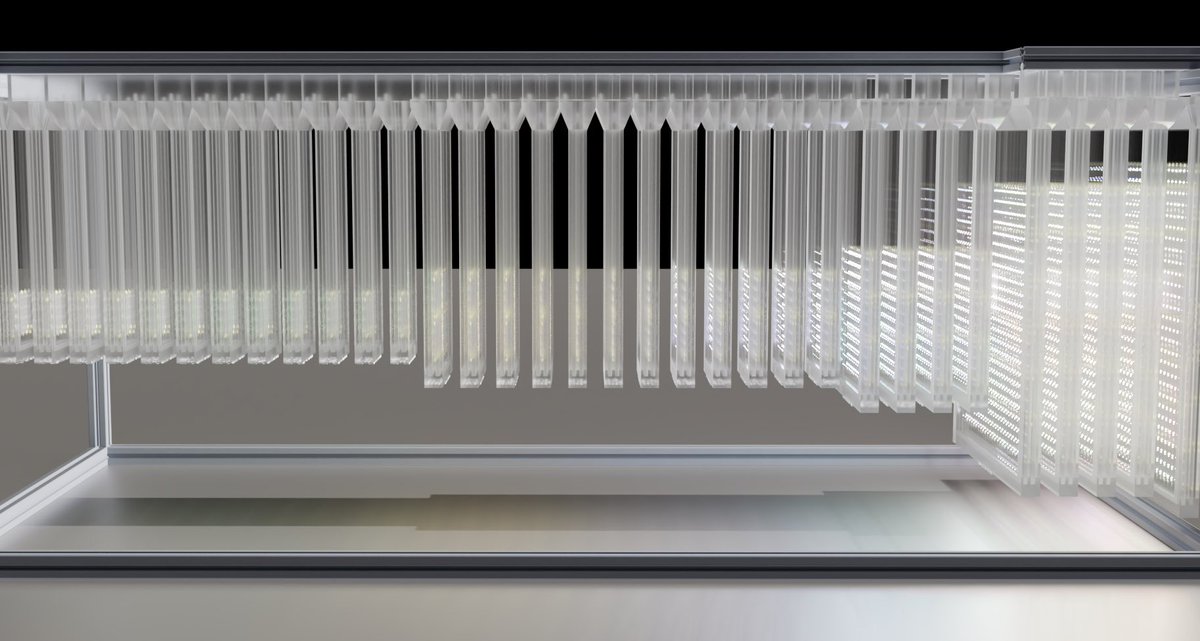
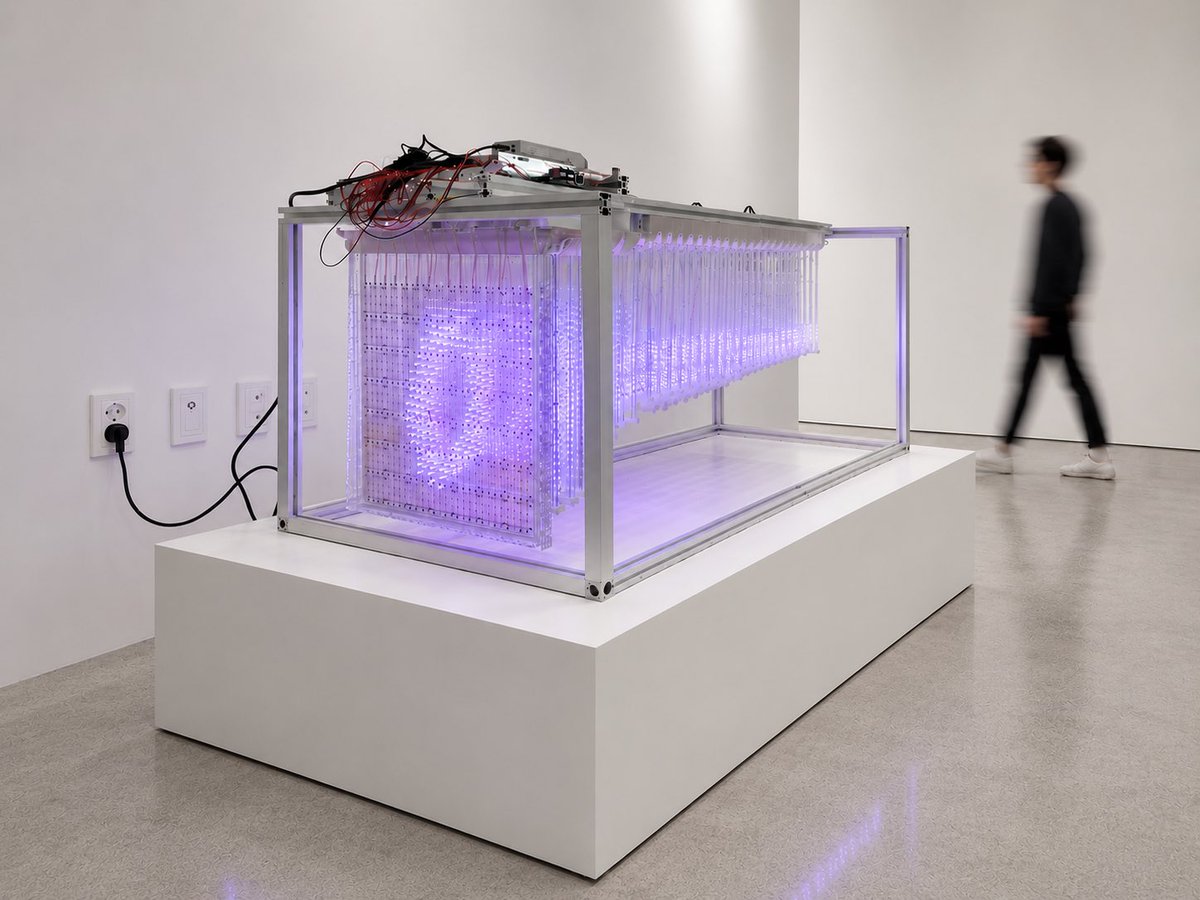
Check out my my co-founder Alex's artwork: socius-org.github.io/artefac…
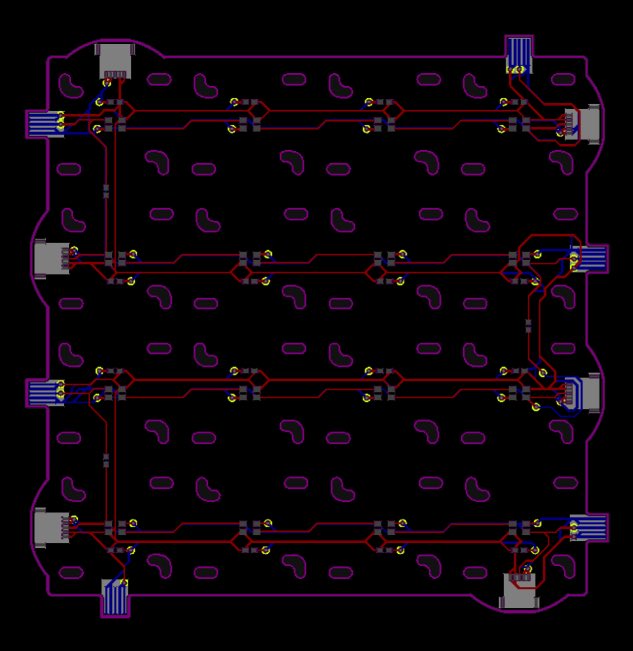
Before joining mutual (mutual.solutions), @MrPorkchop720 started working on this project with @nickshoh, super proud of just seeing them pull this off.
1
4
208