
Joined February 2016
- Tweets 7,516
- Following 555
- Followers 3,447
- Likes 4,612
757 Photos and videos














Mo & Phindi 🇿🇦🇸🇳🇨🇩🇧🇷 retweeted

Jun 11
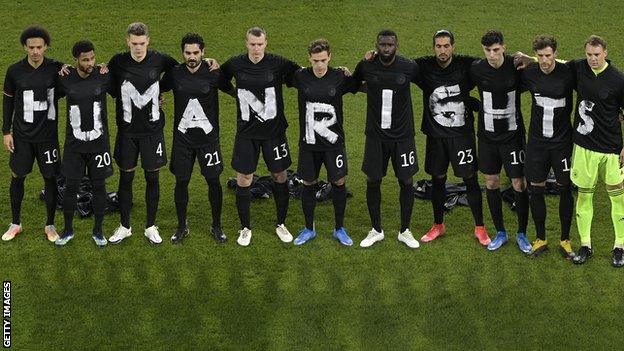
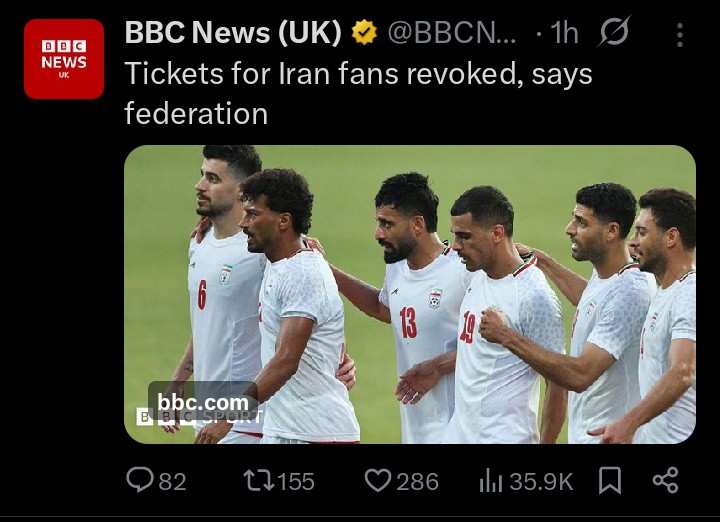
DON’T GO TO ANY COUNTRY ILLEGALLY
276
4,800
16,554
236,982

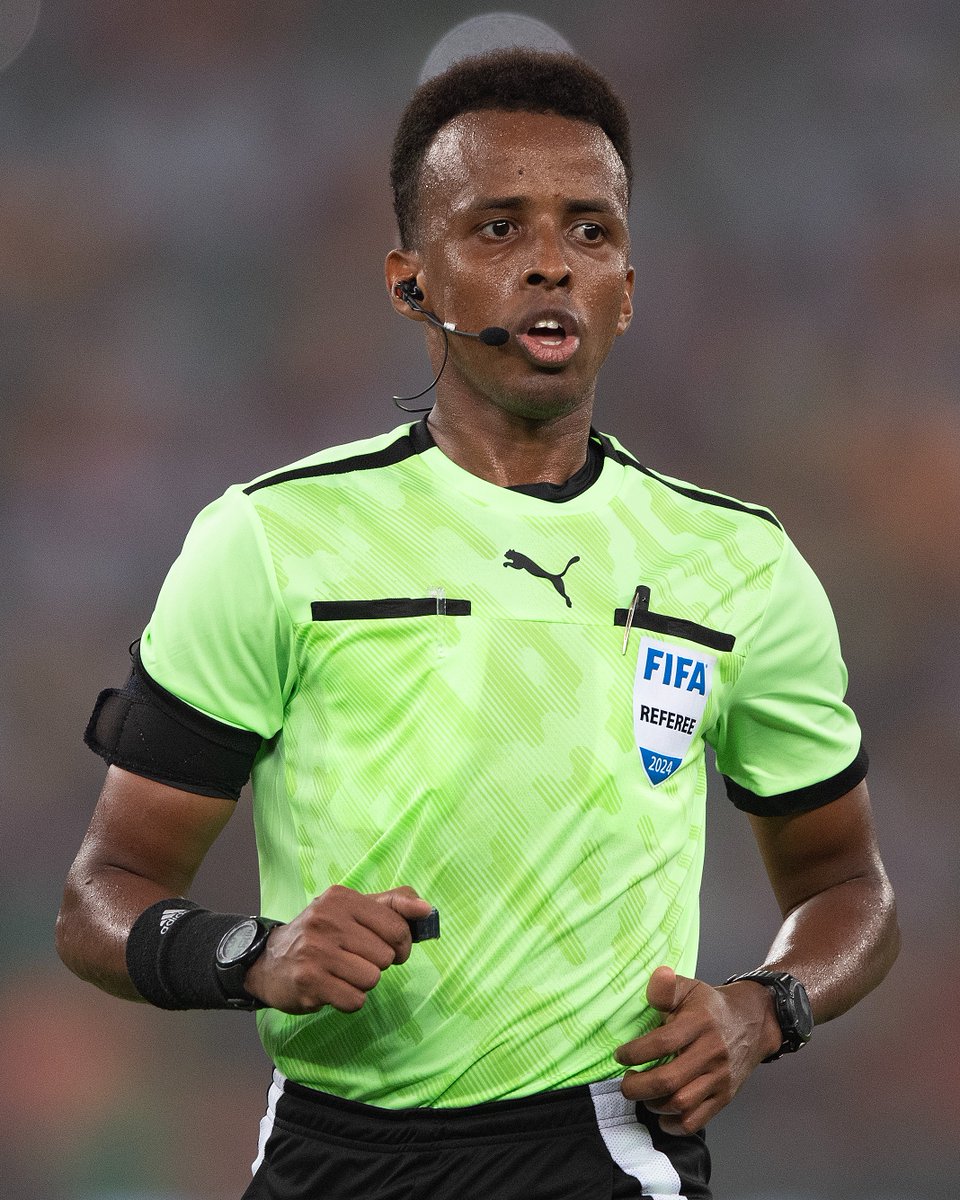
🏆 Referee announced for 2026 #SuperCup!
We're pleased to share that Somali referee Omar Artan will officiate the highly anticipated match between PSG and Aston Villa in Salzburg.
10,561
61,315
428,148
16,182,435
Mo & Phindi 🇿🇦🇸🇳🇨🇩🇧🇷 retweeted

Jun 9
Big up, Uncle Ian Wright for speaking up, and he's 100% correct.
Look how Qatar got dragged when they were hosting the World Cup.
1,280
21,942
95,802
2,948,457
Mo & Phindi 🇿🇦🇸🇳🇨🇩🇧🇷 retweeted

Jun 3
Solo 6 países de 48 que irán al Mundial van a llevar el 100% de jugadores con cultura e identidad de su país:
🇧🇷 Brasil
🇿🇦 Sudáfrica
🇦🇷 Argentina
🇨🇴 Colombia
🇸🇦 Arabia Saudita
🇵🇦 Panamá
El resto o nacionalizó jugadores que nacieron fuera…
O pone a jugadores que tienen una cultura e identidad diferente al país que representan.
467
459
2,461
285,716
Mo & Phindi 🇿🇦🇸🇳🇨🇩🇧🇷 retweeted

May 26
How do you win a treble and only trend for 24 hours? 😃
41
38
261
6,668
Mo & Phindi 🇿🇦🇸🇳🇨🇩🇧🇷 retweeted

May 24
𝗜𝗡𝗧𝗢 𝗧𝗛𝗘 𝗛𝗜𝗦𝗧𝗢𝗥𝗬 𝗕𝗢𝗢𝗞𝗦 👆
The Yellow Nations adds a second star to our badge! 👆
#Sundowns #TotalEnergiesCAFCL #AreyengMasandawanaUntilItsDone
151
1,149
3,775
69,969
Mo & Phindi 🇿🇦🇸🇳🇨🇩🇧🇷 retweeted
May 24
⭐ 𝗧𝗛𝗘 𝗦𝗘𝗖𝗢𝗡𝗗 𝗦𝗧𝗔𝗥 ⭐
Masandawana conquer the continent to claim our second #TotalEnergiesCAFCL title! 🏆
Be proud Masandawana! The journey is complete! 🌍
#Sundowns #AreyengMasandawanaUntilItsDone

878
4,724
15,066
498,085
Mo & Phindi 🇿🇦🇸🇳🇨🇩🇧🇷 retweeted

May 24
MAN OF THE MATCH
Teboho Mokoena. 🏅
110
1,407
7,709
93,935
Mo & Phindi 🇿🇦🇸🇳🇨🇩🇧🇷 retweeted

MASANDAWANA. 2025/26 CHAMPIONS! 🏆 #TotalEnergiesCAFCL
19
501
1,567
22,740
Mo & Phindi 🇿🇦🇸🇳🇨🇩🇧🇷 retweeted

Feb 21
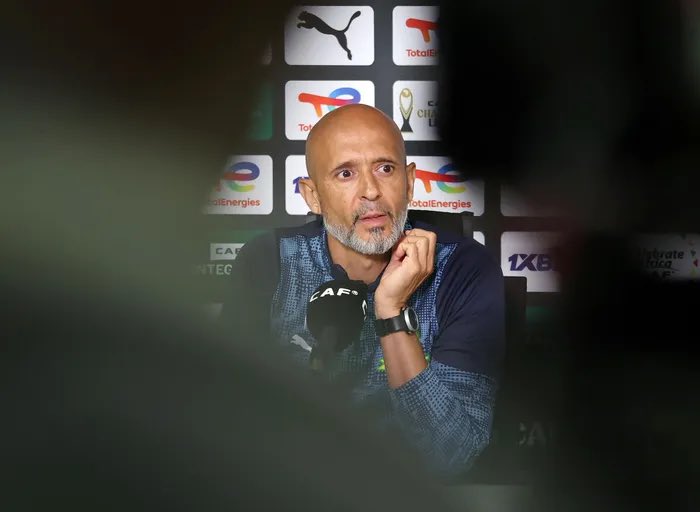
Miguel Cardoso cannot even explain his disasterclass today. He’s blaming the players and the mistakes they made.
He says the errors the players committed don’t have to do with the line up.
He’s basically blaming Lunga and Sibiya.
He says “we have to go home and see who deserves to be in the match and who doesn’t”, yet Reisinho and Santos finished the game.
A very dishonest post-match interview from Cardoso.
77
69
278
26,191
Mo & Phindi 🇿🇦🇸🇳🇨🇩🇧🇷 retweeted

22 Dec 2025
Answering the question “where did God come from?”
18
149
1,100
22,744
Mo & Phindi 🇿🇦🇸🇳🇨🇩🇧🇷 retweeted

Jan 31
Christianity Is Not a System to Be Updated
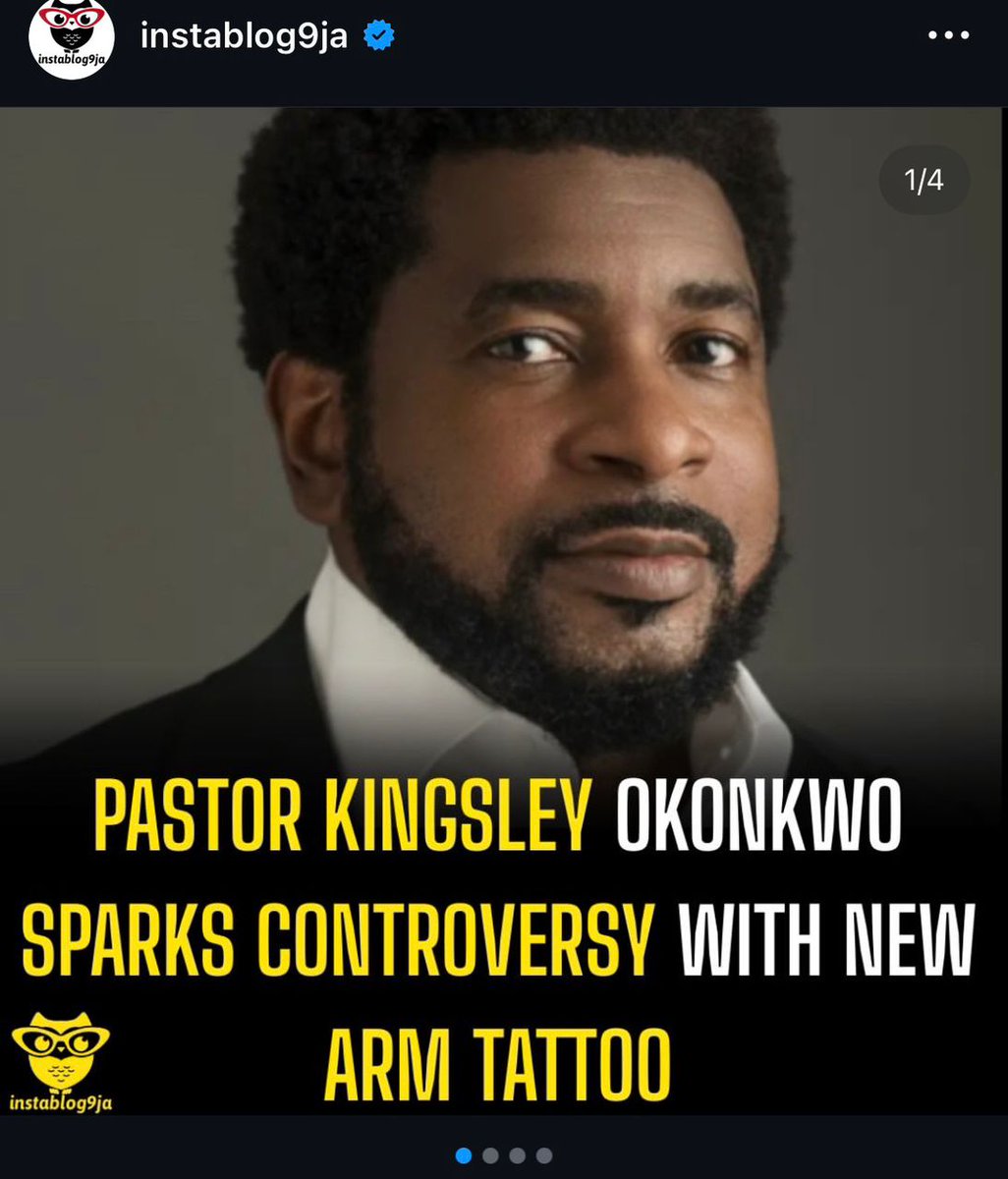
The news circulating everywhere today is about a pastor, one with a very large congregation and wide influence, who recently drew a tattoo on his body. This is not a private individual we are talking about, but a public spiritual leader, someone many believers look up to, learn from, and imitate.
What this reveals is something deeper than tattoos. It exposes a growing attempt to redefine Christianity, to modernize it, soften it, and blend it into the world system. The new narrative being promoted is subtle but dangerous:
“As long as the Bible does not clearly condemn something, Christians are free to do it. You can live however you like, and still be fine.”
But Christianity does not work that way.
Christianity Cannot Be Updated
Christianity is not a social trend, a cultural movement, or a belief system that evolves with time. It is rooted in divine revelation. Scripture says:
“Jesus Christ is the same yesterday, today, and forever.”
(Hebrews 13:8)
If Christ does not change, then His standards do not change. The Bible has remained the same across generations, no updates, no revisions, no adjustments to suit modern comfort. As long as the Bible remains the same, Christianity must remain the same.
Paul warned clearly:
“Do not be conformed to this world, but be transformed by the renewing of your mind.”
(Romans 12:2)
Christianity was never meant to blend in. It was designed to stand apart.
The Weight of Pastoral Calling
A pastor is not just a believer, he is a shepherd. Scripture consistently emphasizes the seriousness of this role:
“Shepherd the flock of God which is among you… being examples to the flock.”
(1 Peter 5:2–3)
A shepherd has sheep. Sheep watch. Sheep imitate. Sheep follow.
Once you accept the call to pastoral leadership, you voluntarily give up certain liberties, not because they are sins in themselves, but because leadership demands sacrifice. This is why James warned:
“Not many of you should become teachers, my brothers, for you know that we who teach will be judged with greater strictness.”
(James 3:1)
A pastor does not ask, “Is this allowed?”
A pastor asks, “Will this edify? Will this protect the flock?”
If someone is unwilling to deny themselves for the sake of the sheep, then they have no business taking on the responsibility of leading God’s people.
The Tattoo Argument
Yes, it is true, the Bible does not explicitly say, “Thou shall not get tattoos.”
The closest reference is:
“You shall not make any cuttings in your flesh for the dead, nor tattoo any marks on you.”
(Leviticus 19:28)
And yes this falls under Mosaic Law and is not universally binding under the New Covenant. That is a fair theological point. However, Christianity does not operate only on explicit prohibitions. It operates on spiritual wisdom and love.
Paul addresses this exact mindset:
“All things are lawful for me, but not all things are helpful; all things are lawful for me, but not all things edify.”
(1 Corinthians 10:23)
Something can be lawful and still be unwise. Something can be permitted and still be damaging.
The Principle of Stumbling Blocks
Paul goes further and applies this principle practically:
“If food makes my brother stumble, I will never eat meat, lest I make my brother stumble.”
(1 Corinthians 8:13)
Food is not sinful. Eating is not sinful. Yet Paul willingly denied himself, not because food was evil, but because people mattered more than freedom.
This is the heart of Christian leadership.
A pastor getting a tattoo may not be committing a sin, but the impact of that action matters. Many believers, especially young or immature ones, will now feel justified to do the same. Some will take it further. Some will overdo it. Some will be driven by vanity, addiction, or worldliness rather than conviction.
The evidence is already visible. Under the post, many comments openly said:
“I’m getting a tattoo now since it’s not a sin and a pastor did it.”
This is exactly what Paul was trying to avoid.
Called to Be Set Apart
Scripture does not call believers to be barely different from the world. It calls us to be distinct:
“You are a chosen generation, a royal priesthood, a holy nation, a people for His own possession.”
(1 Peter 2:9)
“Come out from among them and be separate, says the Lord.”
(2 Corinthians 6:17)
Holiness does not begin with rules, it begins with identity. We belong to Christ. Our lives, choices, and even appearances should reflect that allegiance.
Just as you can often recognize an artist by their appearance, people should be able to recognize that we belong to Christ, not through conformity to trends, but through consecration.
It gets even worse. The tattoo was not just drawn, it was recorded and publicly posted. That turned a personal decision into a public endorsement. It communicated approval, encouragement, and permission.
Paul warned:
“It is good neither to eat meat nor drink wine nor do anything by which your brother stumbles or is offended or is made weak.”
(Romans 14:21)
A shepherd must always ask:
“Who might this weaken?”
“Take heed to yourselves and to all the flock, among which the Holy Spirit has made you overseers.”
(Acts 20:28)
You are called to lead the sheep, not confuse them.
To model restraint, not just freedom.
This is not condemnation though, it is a reminder.
A reminder that shepherds must never become stumbling blocks to the very sheep they were called to lead.
400
340
1,155
96,635

Mo & Phindi 🇿🇦🇸🇳🇨🇩🇧🇷 retweeted

22 Dec 2025
No one:
Bafana Bafana players after scoring a goal:
491
2,698
19,832
1,052,729

9 Dec 2025
The same Bab Dokotela...

1
1
334
Mo & Phindi 🇿🇦🇸🇳🇨🇩🇧🇷 retweeted

25 Nov 2025
How did feminism convince women marriage is oppressive?
230
2,270
14,069
512,460
11 Nov 2025
"There was no king in Israel; everyone did what was right in his own eyes", Judges 21: 25
10 Nov 2025

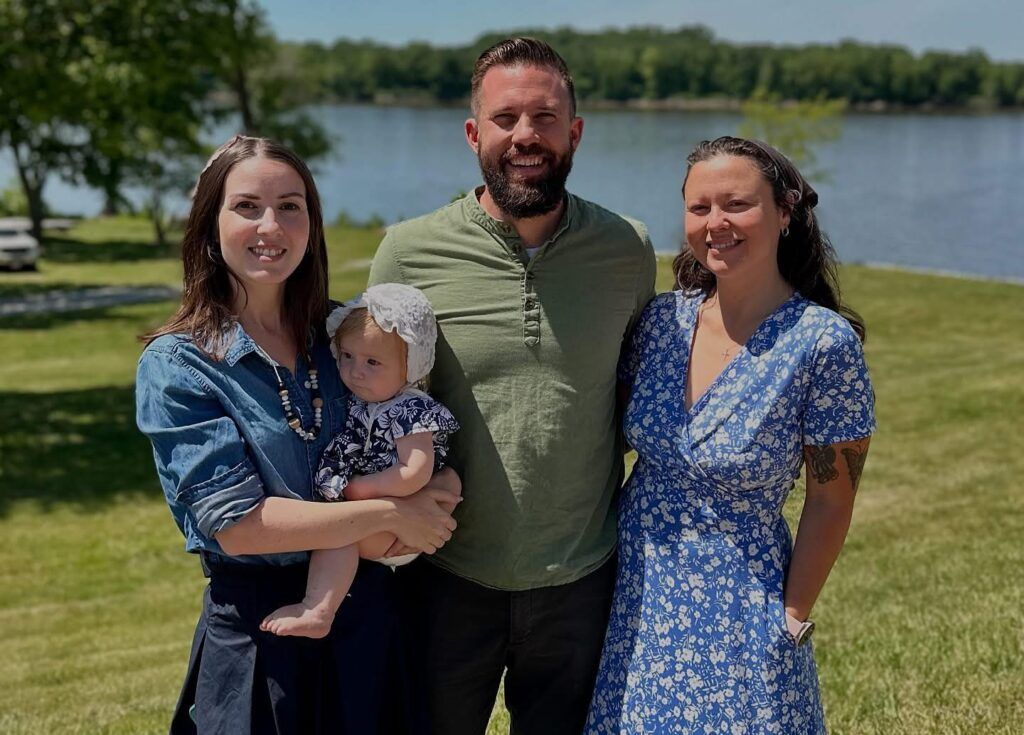
Protestant Pastor Announces He Has Two Wives, Claims ‘Polygamy is Biblical’ protestia.com/2025/11/10/pro…
116
11 Nov 2025
Besides the chaos, this is a good platform to air and listen to others on GBV.
11 Nov 2025

2
178
Mo & Phindi 🇿🇦🇸🇳🇨🇩🇧🇷 retweeted
14 Oct 2025
𝐁𝐚𝐟𝐚𝐧𝐚 𝐁𝐚𝐟𝐚𝐧𝐚 𝐓𝐨 𝐓𝐡𝐞 𝐖𝐨𝐫𝐥𝐝 🌍🏆
Congratulations to Bafana Bafana on qualifying for the 2026 FIFA World Cup! 🔥
The entire Nation is proud of you! 🙌🇿🇦
#Sundowns #WCQ2026 #AreyengMasandawana @BafanaBafana

241
1,080
7,268
221,751
Mo & Phindi 🇿🇦🇸🇳🇨🇩🇧🇷 retweeted

27 Sep 2025
Voddie Baucham just passed to glory.
A great clip of him explaining what the gospel produces but doesn't require.
53
842
3,605
58,864