
Product Management, AWS Agentic AI
Joined April 2007
- Tweets 5,874
- Following 638
- Followers 1,930
- Likes 14,347
93 Photos and videos







Pinned Tweet

22 Sep 2025
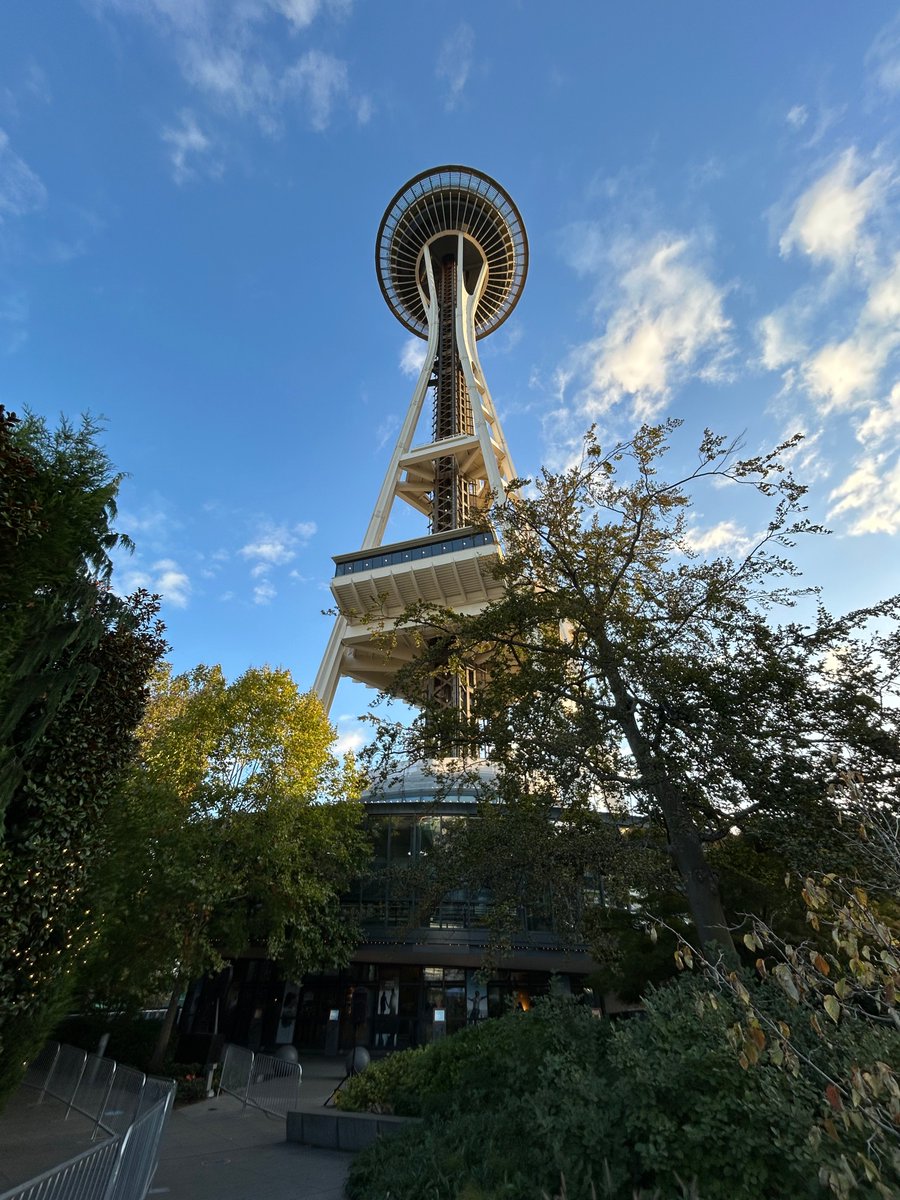
For my third year in a row, I am participating in Seattle’s Most Iconic Climb, Base 2 Space on September 28th, to support Fred Hutch through the Space Needle Foundation. Donate today and help us get closer to our $750,000 goal!
runsignup.com/Race/74129/Don…
1
1
2
494
Mohit Srivastava retweeted

Feb 23
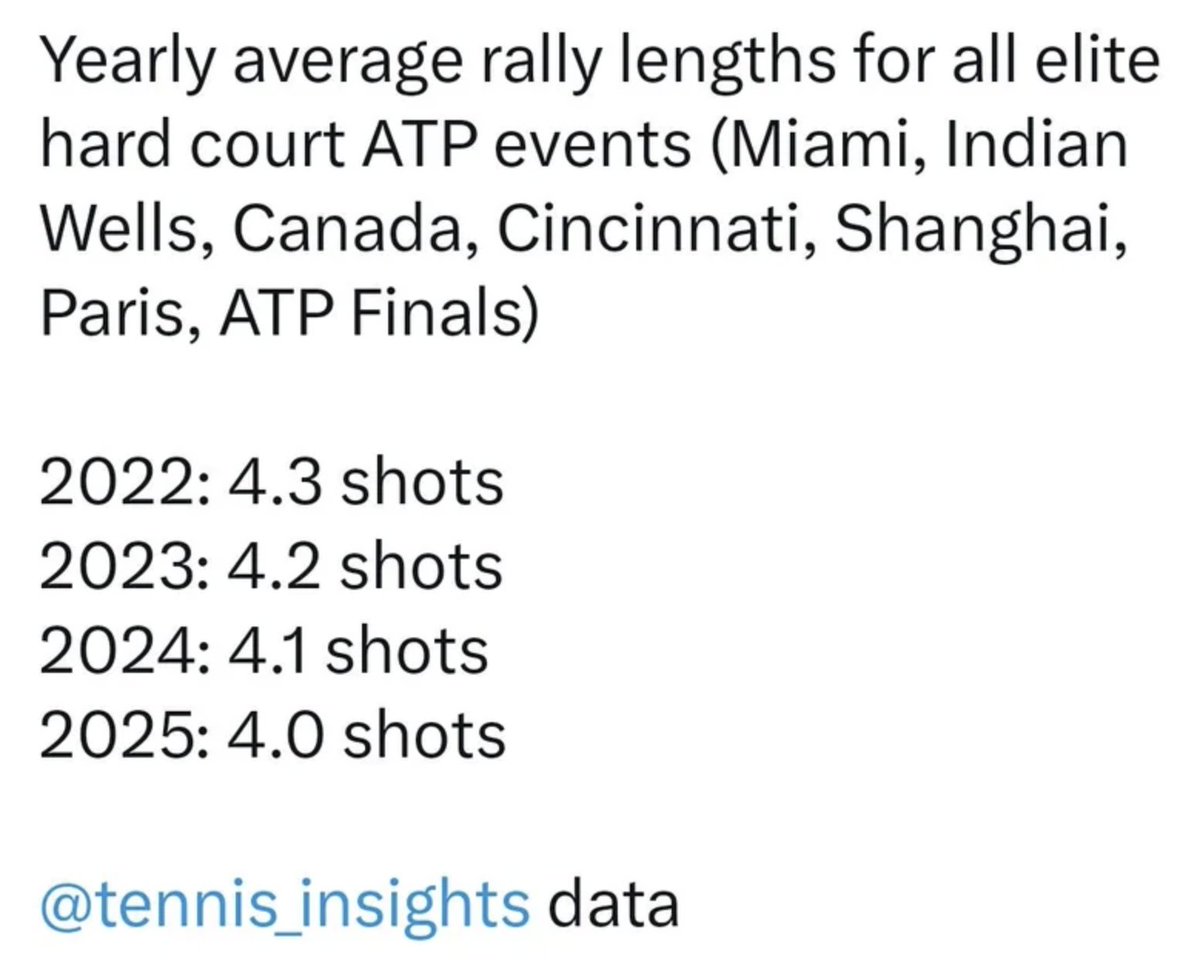
While I think the debate on whether tennis is better now or 10-20 years ago is genuinely interesting for a few reasons, I'm more interested in the idea that Alcaraz and Sinner (and the Big 3) might be partially wasting their all time talents because the Tour has decided that nearly 70% of elite tournaments on the men's side (Masters, ATP Finals, Slams) are to be played on medium to medium fast hard courts (including Saudi masters from 2027)
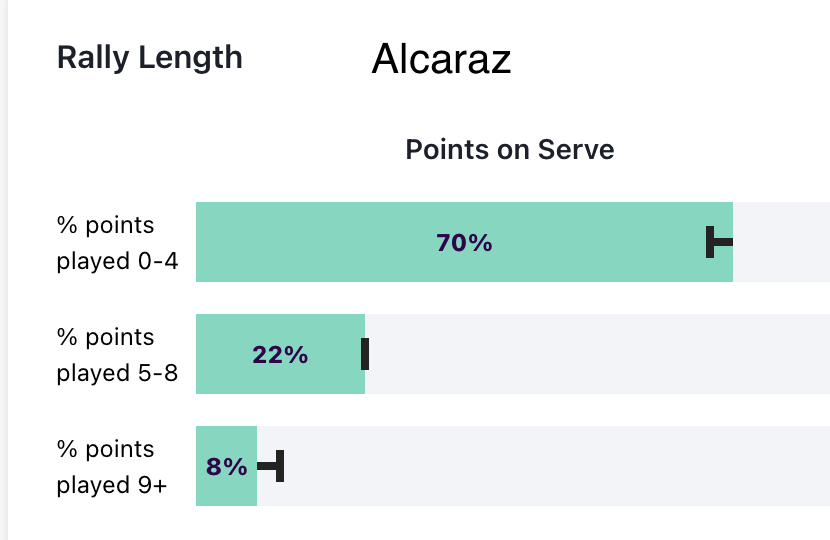
In doing so the Tour is likely narrowing both developmental progression and potential for variety of playstyles that playing on three distinct surfaces used to gift this sport with. Of course poly strings and to a lesser extent modern racquets mean that something close to game theory optimal tennis strategy converges across all surfaces. For e.g. hit a huge but repeatable first serve and then hit a huge but high margin forehand, meaning 70% of points Alcaraz and Sinner play on serve are over in just a couple of racquet swings, regardless of surface. But I'm confused why there's so little urgency around the real homogenisation of conditions, specifically the creep of hard courts eating the tour. And the possibility of unwanted long term effects like a loss of matchup and skill set diversity
Grass and clay, while playing much closer to hard courts than they did in the 1970's, are still sufficiently different to produce matchup and shot diversity at the elite level. You can see this turn up in return strategy differences in the clay to grass season transition, slice rates etc. I think tennis is suffering from short sightedness by allowing the tour to become so hard court dominant. And the more near-identical hard courts we have the easier is it to justify more tournaments on that surface in the name of calendar consistency. A self-perpetuating concrete creep. This is part of the justification used in the continued marginalisation of the South American golden swing happening now
It's probably not a question of cost and maintenance for grass, not at the elite level. Three grass court warmups (Berlin WTA, Stuttgart ATP, Mallorca WTA) spend approx $600k annually collectively for grass court maintenance. This is not prohibitive for the profit margins that Masters 1000's or Slams operate under (but it is for smaller events, which is its own issue). It's a question of will and thinking about short and long term tradeoffs
We're slowly losing one of the things that makes tennis genuinely great, surface diversity. This doesn't show up in most audience analysis. In part because the creep of hard courts has been gradual, but also because it's impossible to miss what you haven't experienced. But there is an opportunity cost to having great players mostly ply their trade on one rather than three more evenly split surfaces, and an even greater cost to junior players optimising mostly for a hard court tour rather than a grass, clay, and hard court environment
The Alcaraz Sinner Roland Garros final was by far their greatest match so far, in part because the surface blunted serves and pushed both into all sorts of interesting point construction. Matches like that are a forcing function for better and more interesting versions of those players in years to come. The tournament composition is mostly baked in now for decades to come (two week masters have been given 30 year contracts). But I'll be mourning the counterfactual greats. Richer, stranger versions of players we never got to meet, shapeshifting across surfaces, yet sacrificed to institutional short-sightedness
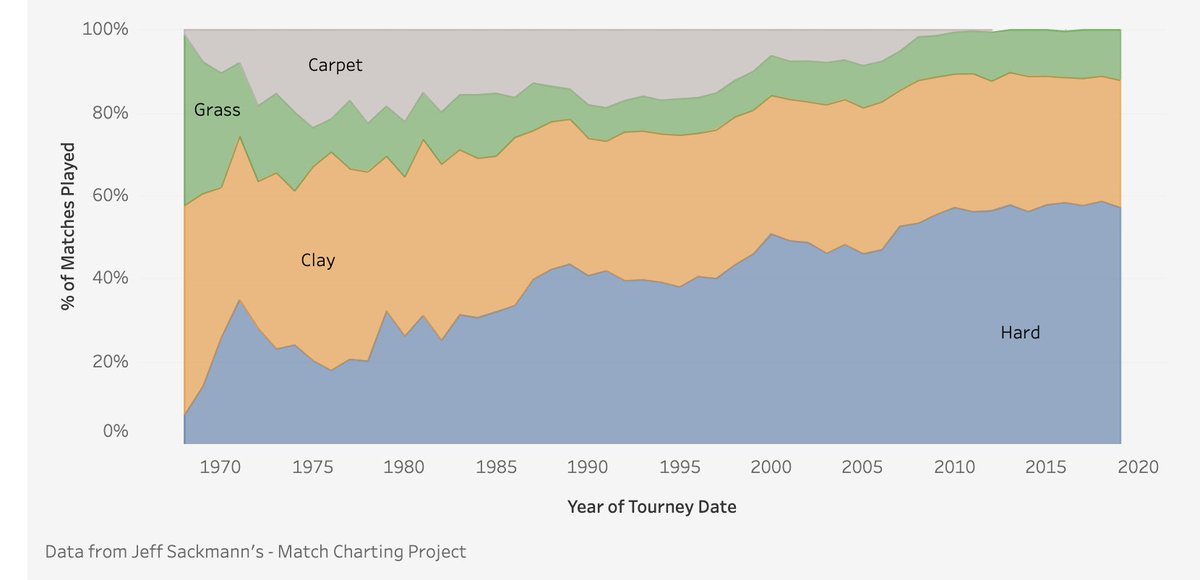
ALT This actually paints a rosier picture than reality because it's all tournaments not just the elite, and stops at 2020 before the Saudi masters skews it further in favour of hard courts from 2027.
Feb 23

This question of tennis evolution/regression is forever unprovable, but based on how all sports have worked for the last 40 years, there’s a VERY high chance Stan has the right answer here.
He’s also one of the most qualified people on the planet to speak on it.
16
80
592
108,382
Mohit Srivastava retweeted

Feb 23
I think this is broadly correct.
But I'd focus on specification instead - getting good at thinking about and formally writing down the safety, liveness, and performance properties of the system.
Verification follows from specification.
Feb 22

I think the best investment you could make right now if you work on distributed systems would be to get really good at methods for verifying systems correctness and performance
3
11
96
11,358
Mohit Srivastava retweeted

Feb 9
Congratulations to the Super Bowl champion @Seahawks! This defense was special. MVP Kenneth Walker was dominant. And Sam Darnold gave us one of the best comeback stories in a long time. Enjoy the celebration.
7,754
28,924
644,990
67,298,504
Mohit Srivastava retweeted

Jan 30
OJO a esto que os voy a contar.
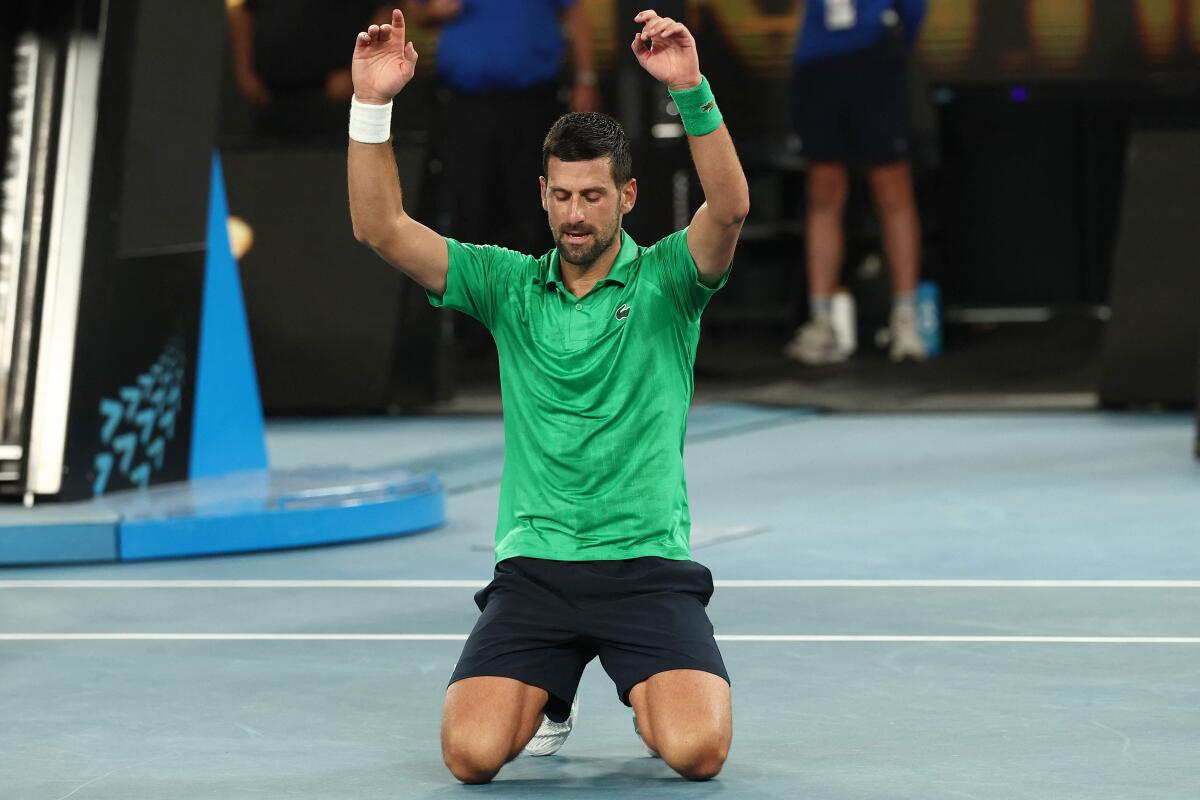
Sinner ha ganado TODAS las estadísticas del partido ante Djokovic.
-Mejor % de 1ro: 75 a 70%
-Mejor % de ptos con 1ro: 80 a 71%
-Mejor % de ptos con 2do saque: 52 a 51%
-Más aces: 26 a 12
-Menos dobles faltas: 2 a 3
-Más winners: 72 a 46
-Mismos errores no forzados: 42
-Más puntos al resto: 33 a 26%
-Más puntos ganados en total: 152 a 140
Y aún así... HA GANADO NOVAK DJOKOVIC.
No traten de entenderlo: Es tenis.
No es ganar más puntos, sino ganar los más importantes. Qué locura.
333
1,631
14,639
1,128,291
Mohit Srivastava retweeted

Jan 30
Espero que tengáis voz para la final 😬
Jan 30

M.B.H
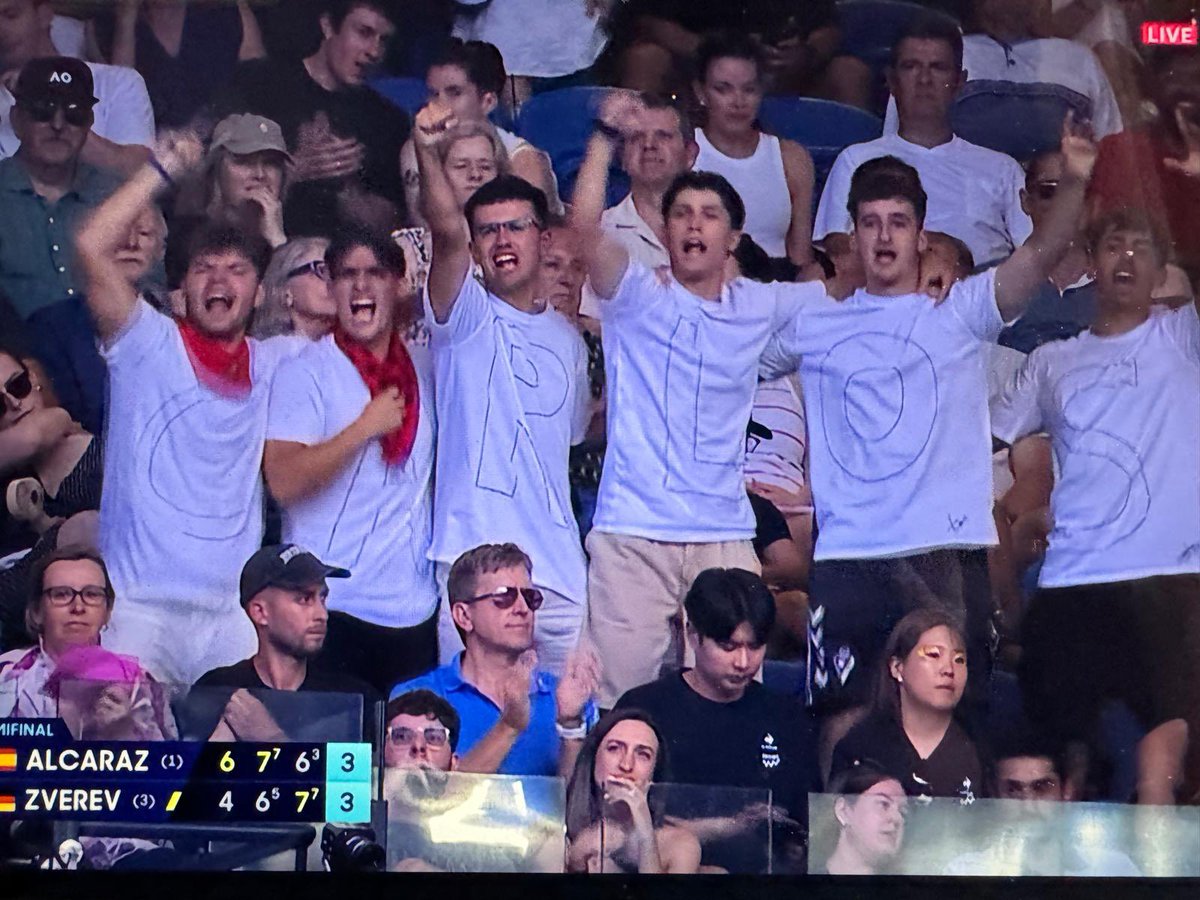
Lo que ha pasado hoy es lo más grande que he vivido nunca.
Gracias @carlosalcaraz . Te queremos.
368
1,369
35,132
1,509,824
Mohit Srivastava retweeted
2 Dec 2025
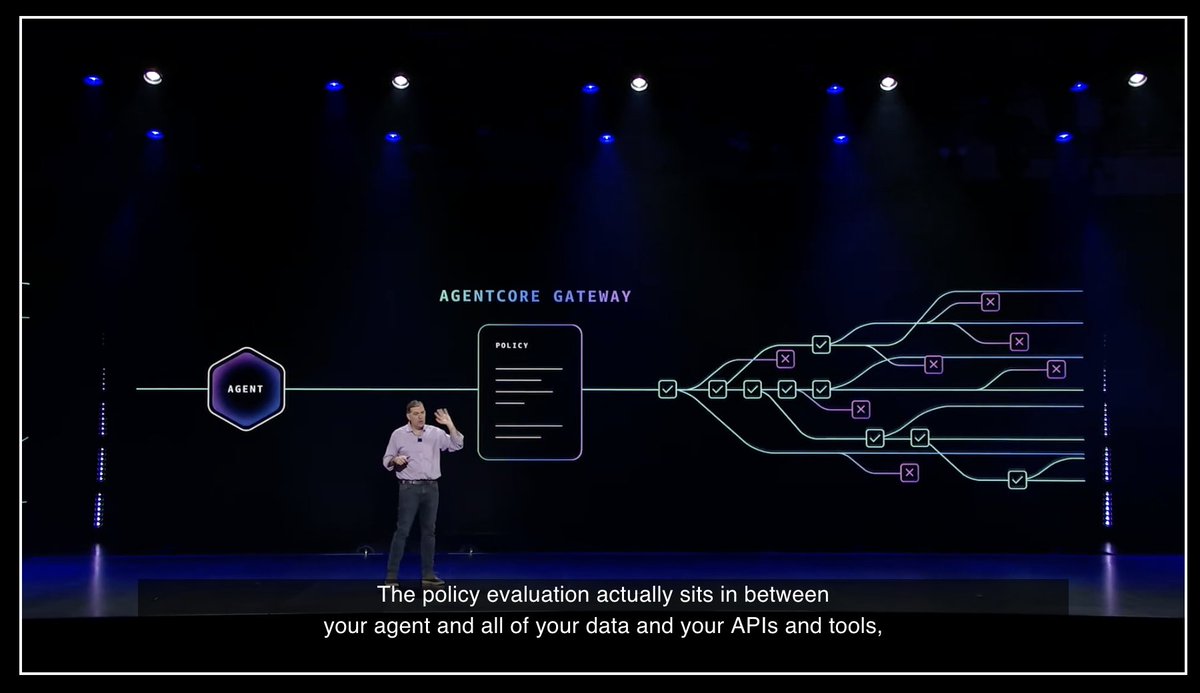
Bedrock AgentCore Policy, powered by Cedar (cedarpolicy.com/en), is a great example of how our work combining neural and symbolic AI techniques at AWS is powering unique features for customers.
2
8
38
3,594
29 Nov 2025
📷📷 Get Ready for the Holidays! 📷📷
Scout Troop 626/8626 is hosting our 43nd Annual Christmas Tree Sale! Join us to find the perfect tree for your home!
📷 When: November 28th (Black Friday!) to December 13
📷 Where: Newport Hills Swim & Tennis Club (Bellevue)
219
Mohit Srivastava retweeted

28 Sep 2025
The United States drawn entirely from memory

77
722
18,485
466,225
26 Sep 2025
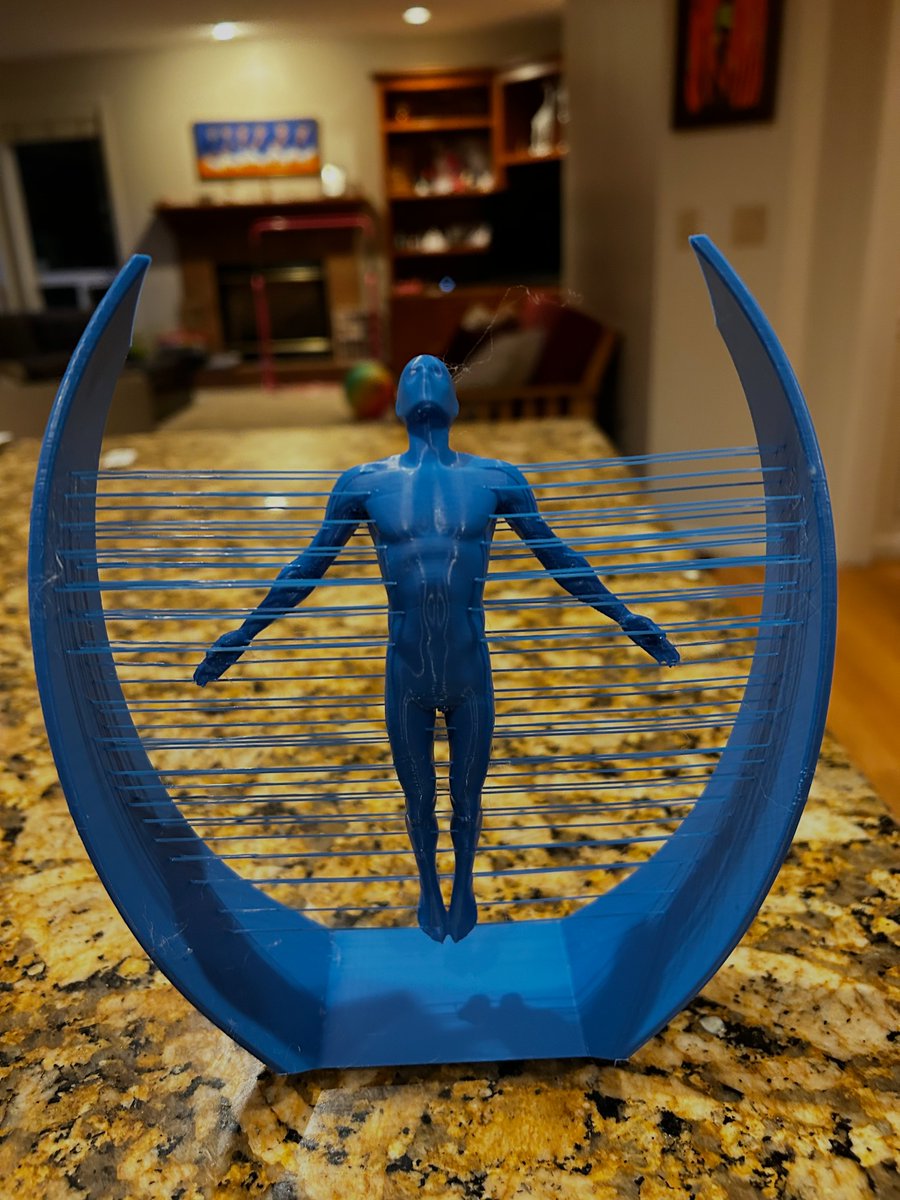
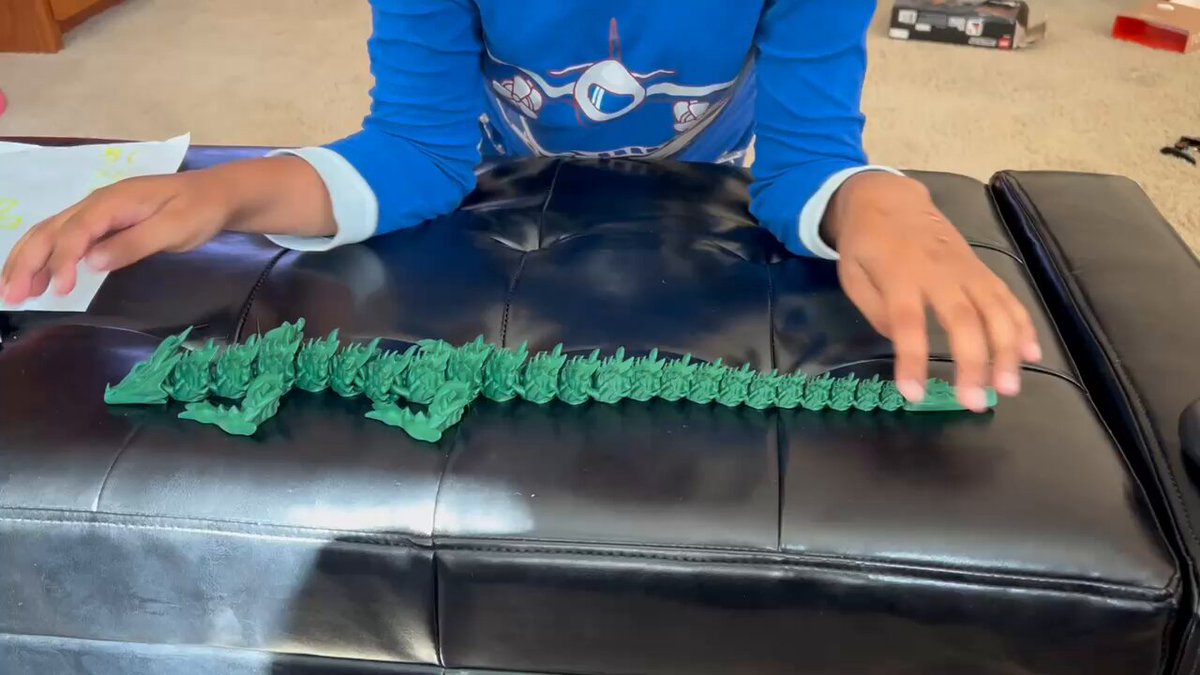
First print after dusting off and fixing the 3d printer. Don't understand how the printer can pull off these horizontal strings without supports.
1
162
Mohit Srivastava retweeted

26 Sep 2025
Like what even is this
26 Sep 2025

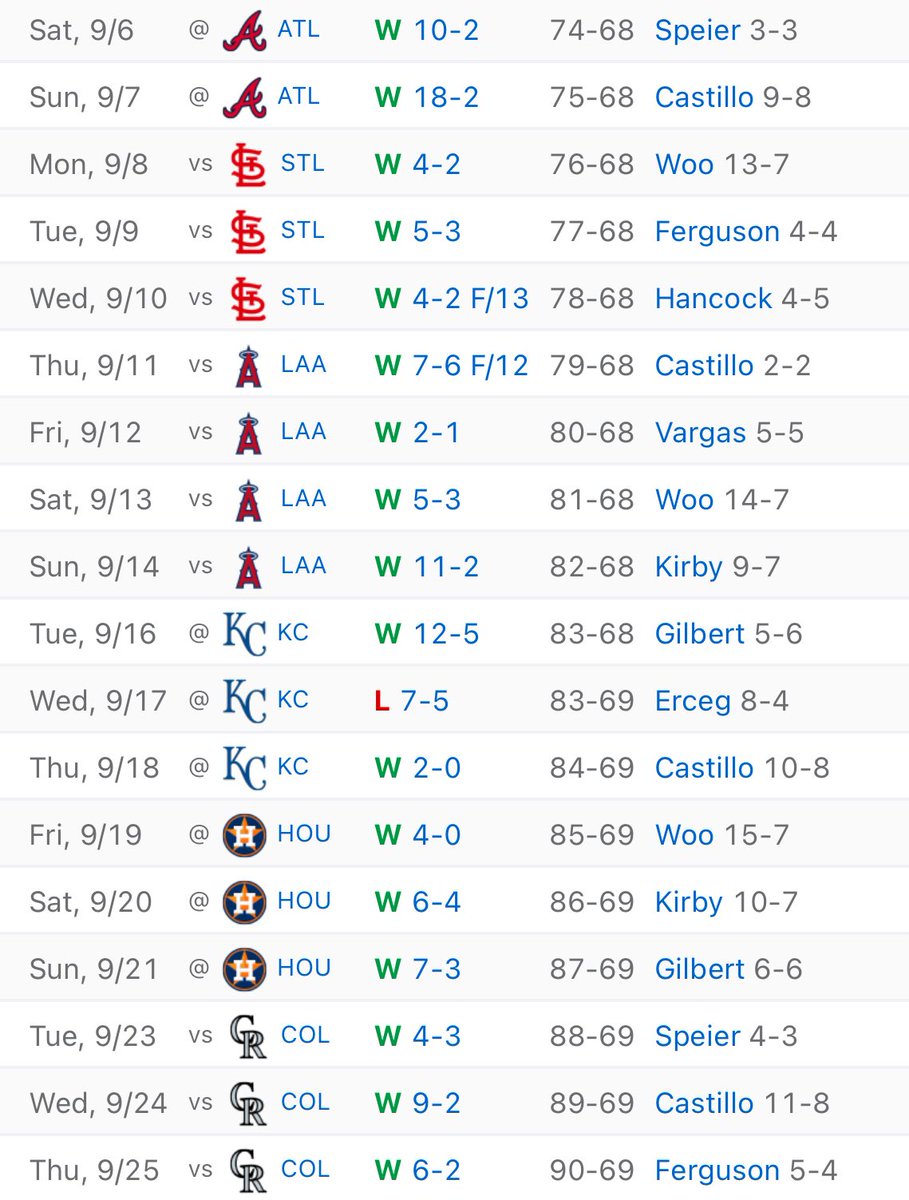
A 90-win season for the @Mariners. Seemed impossible just about 2 1/2 weeks ago. What a run.
219
498
13,951
2,284,102
Mohit Srivastava retweeted
22 Sep 2025
For my third year in a row, I am participating in Seattle’s Most Iconic Climb, Base 2 Space on September 28th, to support Fred Hutch through the Space Needle Foundation. Donate today and help us get closer to our $750,000 goal!
runsignup.com/Race/74129/Don…
1
1
2
494

Mohit Srivastava retweeted

5 Sep 2025
Strands Agents—@awscloud's open source agentic AI SDK—just hit 1 million downloads!
When we launched Strands in May, we wanted to bring builders an easier way to start building agents with just a few lines of code. Since then, we've continuously improved the experience and introduced a number of updates, including support for multi-agent patterns, A2A protocol, and Amazon Bedrock AgentCore. Our teams and customers have seen great results building with Strands SDK. Exciting to see how Strands Agents has been received by the developer community, achieving 1 million downloads and earning 3K GitHub Stars less than four months since launch.
Here's how you can start building with Strands ➡️ aws.amazon.com/blogs/opensou…

12
41
7,280
Mohit Srivastava retweeted

21 Jul 2025
The King Center mourns the tragic passing of our dear friend, #MalcolmJamalWarner. Malcolm was a brilliant, multi-faceted artist and an inspiring giver. We are grateful for his love for #TheKingCenter and the King legacy. And for the ways he showed his support, including as co-host of our 2023 Beloved Community Awards (see photos in graphic). Our thoughts and prayers are with Malcolm’s family during this very difficult time.

114
1,723
11,833
241,141
Mohit Srivastava retweeted

21 Jul 2025
This is a real tragedy. I have met Malcolm many times, but never had the pleasure of working with him. It was a pleasure to know this talented young man. May he rest in peace .
21 Jul 2025

Malcolm-Jamal Warner, best known for his role as Theo Huxtable on "The Cosby Show," has died at 54. cnn.it/4nQEIE6
214
1,105
22,229
672,297
Mohit Srivastava retweeted

22 Jul 2025
Adam Sandler remembers his time working with Malcolm-Jamal Warner on 'The Cosby Show.' 💔
139
3,875
27,858
982,948
Mohit Srivastava retweeted

14 Jul 2025
Kiro is way better than Cursor or Windsurf WOW
7
8
79
12,832
Mohit Srivastava retweeted

14 Jul 2025
Life update: I'm now leading product @kirodotdev after a great time @AWSAmplify. We just launched Kiro, a new agentic IDE that pioneers spec-driven development. Will have more on this soon, but for now checkout: kiro.dev/blog/introducing-ki…
14 Jul 2025

This is Kiro - the AI IDE that actually works on your messy, real-world projects. Other AI tools lose context when projects get complex. Kiro gives you spec-driven development that scales beyond prototypes.
Free preview available now spr.ly/6016429H8
#KiroDotDev
1
4
34
2,283
Mohit Srivastava retweeted

14 Jul 2025
This is Kiro - the AI IDE that actually works on your messy, real-world projects. Other AI tools lose context when projects get complex. Kiro gives you spec-driven development that scales beyond prototypes.
Free preview available now spr.ly/6016429H8
#KiroDotDev
39
281
740
247,611