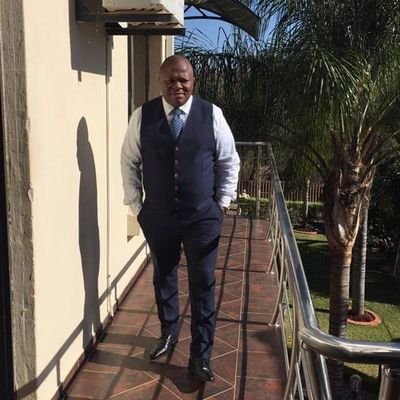
Free spirited,outgoing persons person
Joined February 2010
- Tweets 8,620
- Following 2,917
- Followers 1,444
- Likes 1,404
1,423 Photos and videos






Jun 12
Soccer Quizze
Who's the oldest player to ever recieve a red card at a World Cup opening match?
21
Jun 10
They'll never take the newspaper to court, on Defamation charges.
1
20
Jun 9
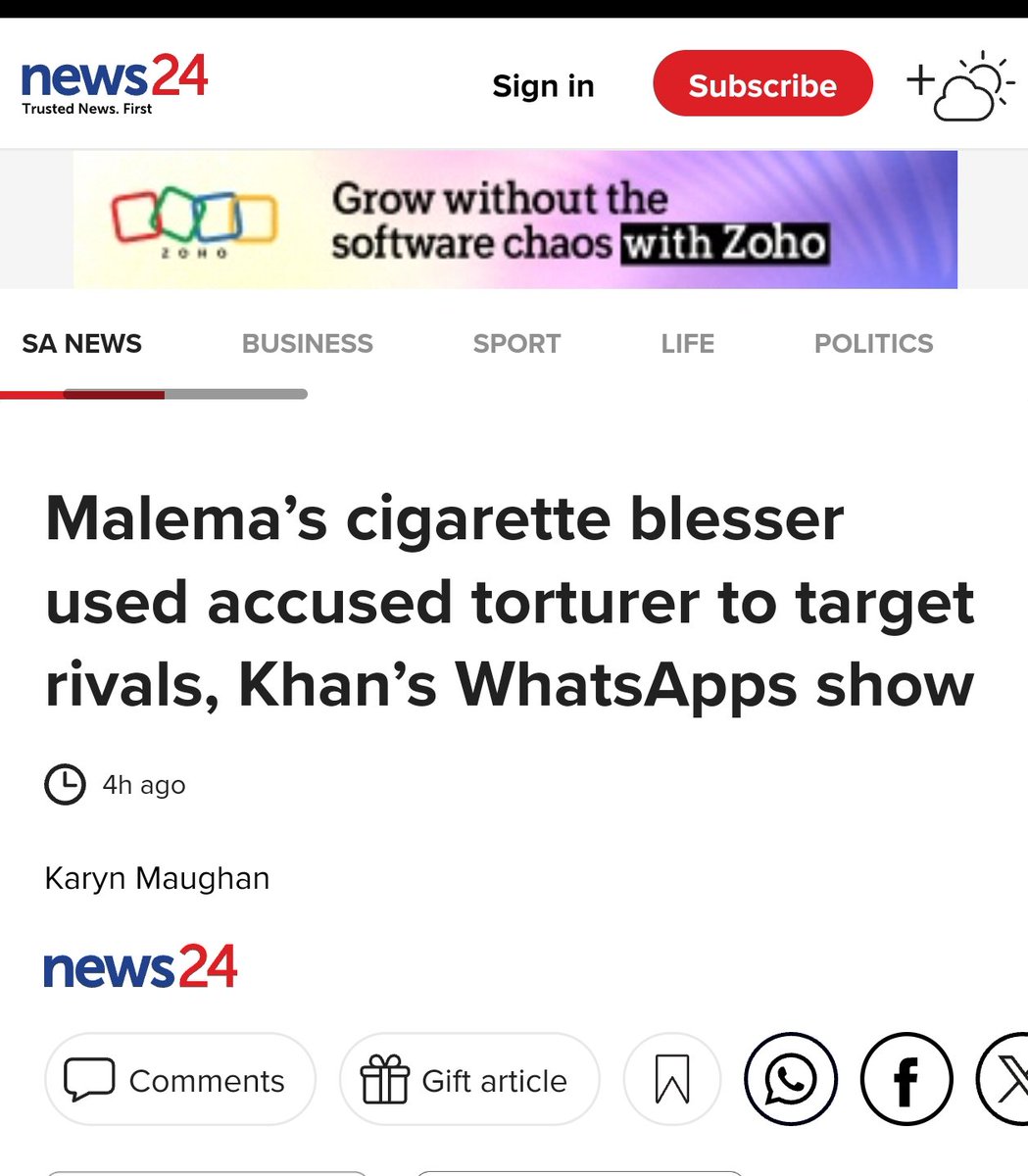
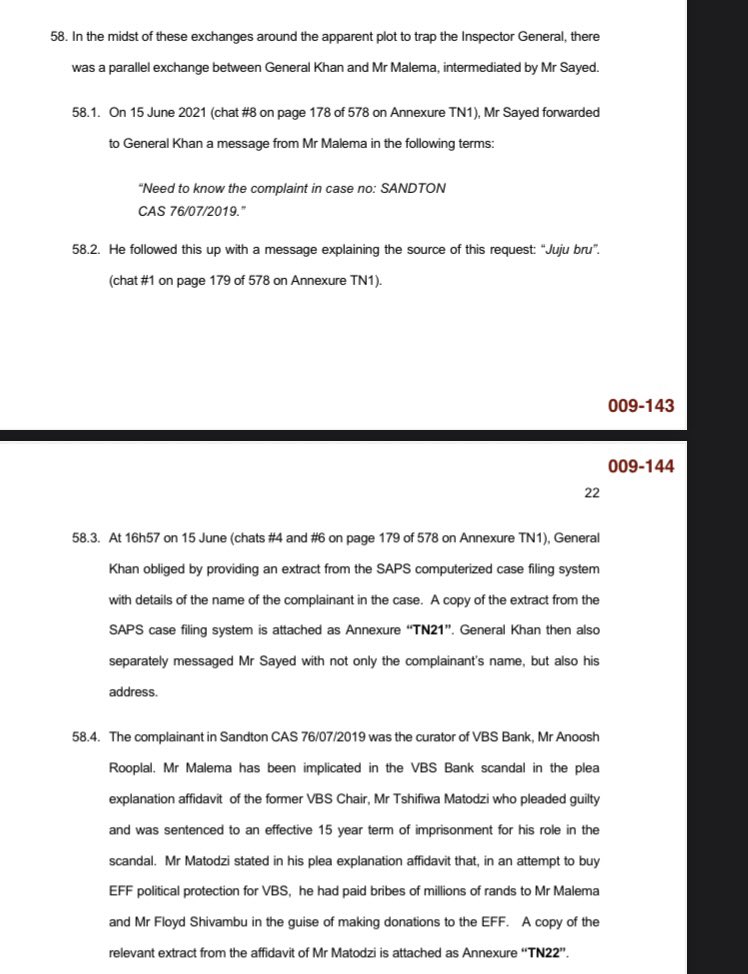
Yho, the cult members should never see this. Already they busy defending WhatsApp conversation, this will send then to Sterkies
Jun 9

Julius Malema didnt comply with the Deputy Judge President's directive. The court struck his application from the roll. He is ordered to pay my costs on scale B. This is the matter about McG's podcast. @OnsBaizaNie Glory be to God
199
Jun 9
The instruction is clear
- Question why Madlanga released the documents
- Play the victimhood card
- Say it's a political attack on the EFF
- Write paragraphs declaring CC to have been blowing a whistle
- Whataboutism
Basatlo thiba ka dibono
11
Jun 4
Superior logic clowns are gonna say it's mistaken identity, the guy is from Soweto
Jun 3

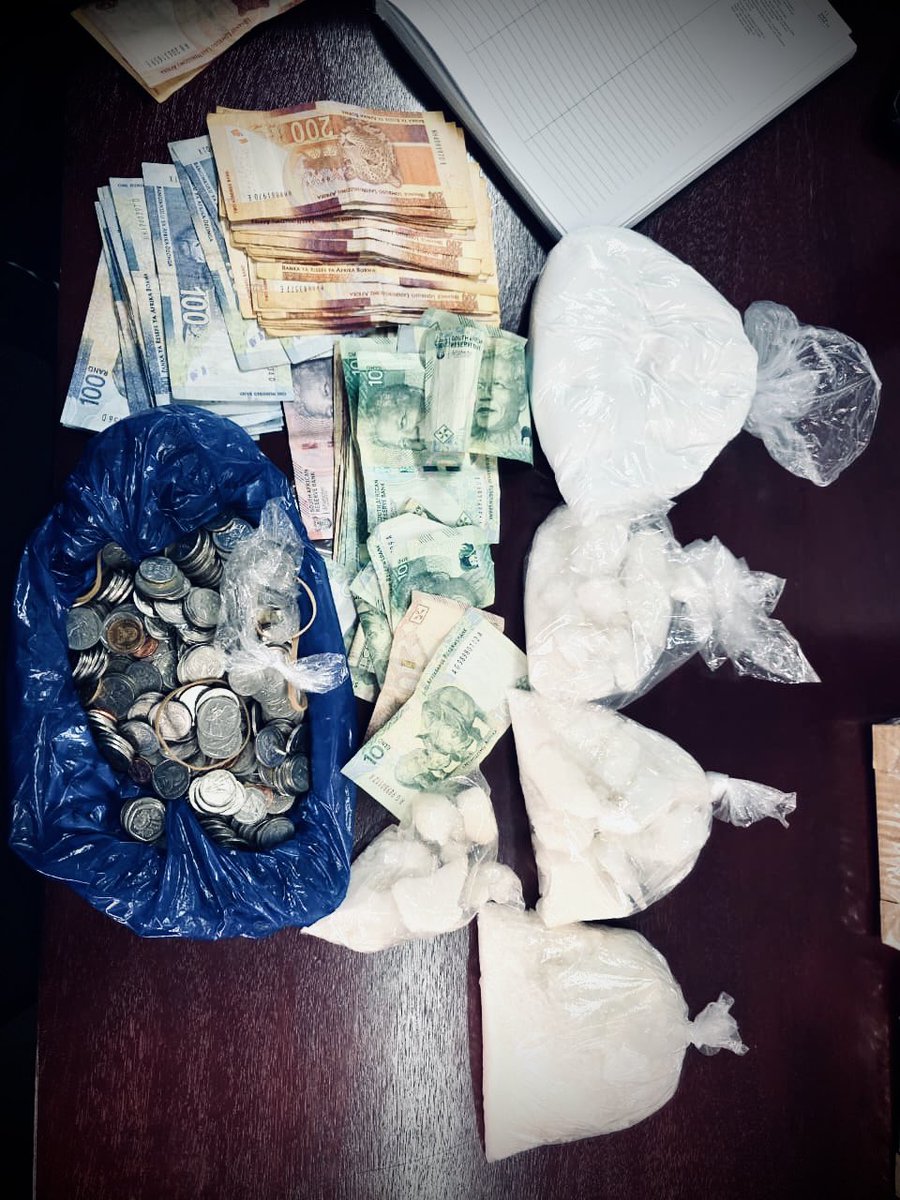
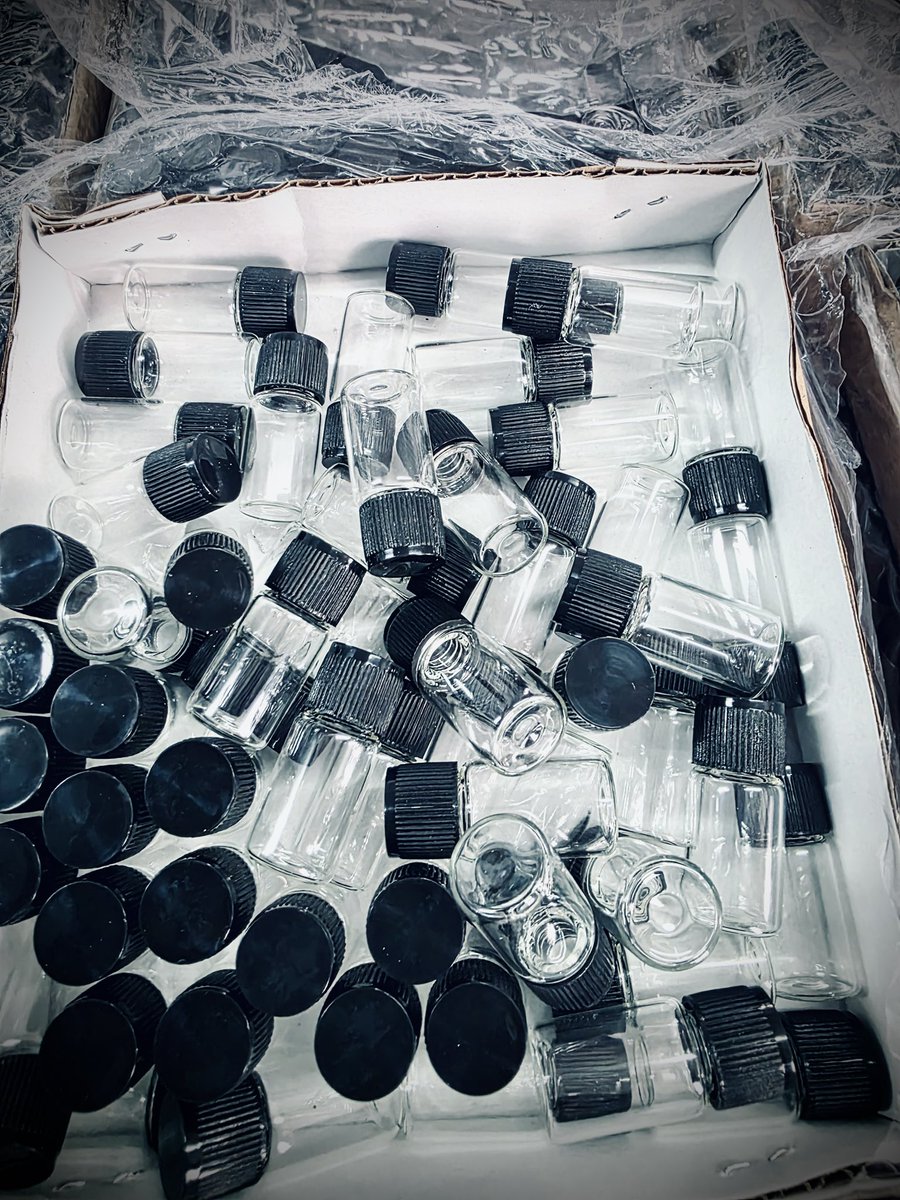
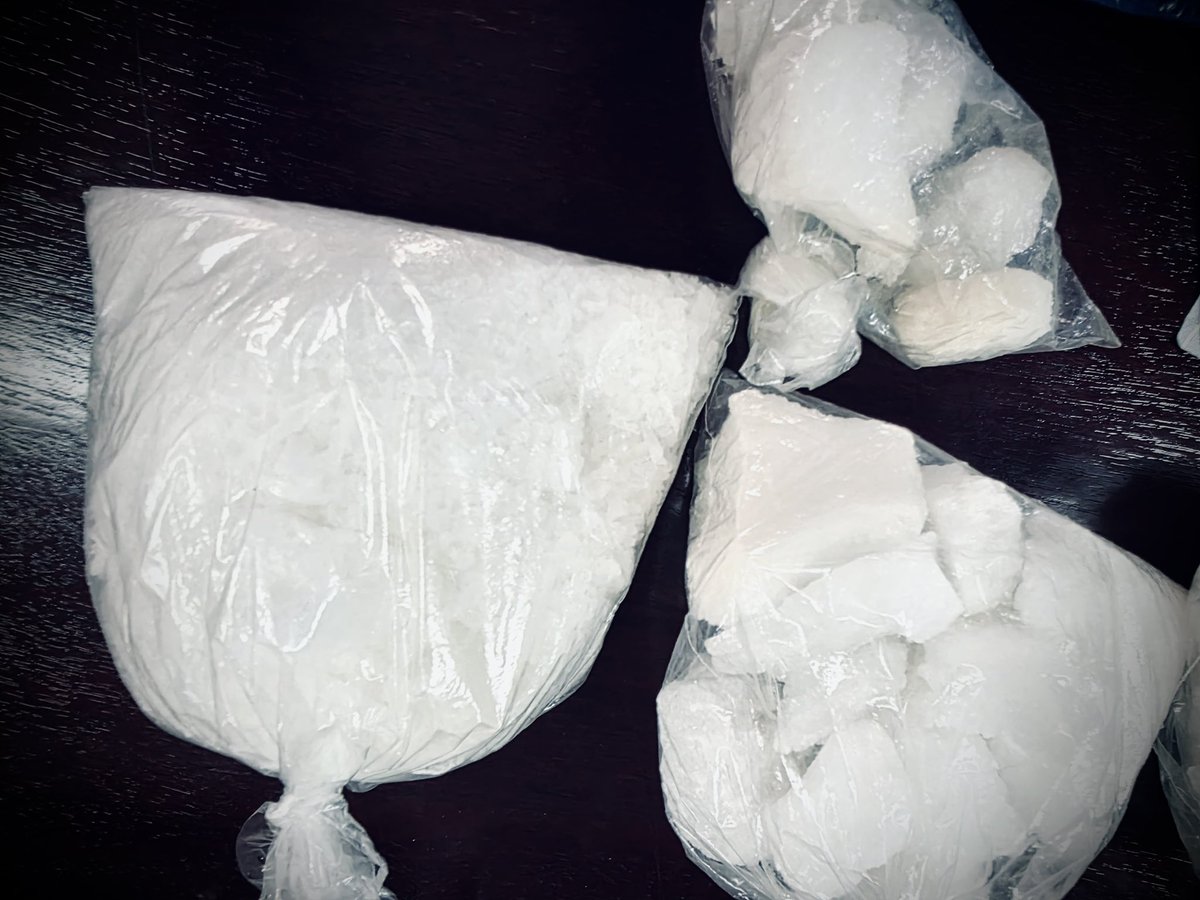
Police have arrested a foreign national and recovered over R440 000 in drugs and other items in an operation this evening.
The Nigerian man was found in Lamontville, allegedly with cocaine.
He is linked to drug dealing in that area, as well as Umlazi, Chatsworth and Umbilo.
After he was interrogated, he led the team - consisting of the SAPS Economic Infrastructure Task Team, Provincial Drug and Firearm Unit, SAPS eThekwini District and Excellerate K9 Unit - to his flat in Umbilo.
There, officers found crystal meth, drug manufacturing equipment and cash.
The suspect’s passport and vehicle were also confiscated.
He is due in court soon.
@eNCA
24
May 30
Kante why are they in pain that the ANC didn't attend their conference? Enjoy discussing the ANC on your own, and allow it to be leader of society, not leader of the left

20
May 22
I wouldn't be surprised if Prof Bheki Mngomezulu is announced as the mayor candidate of MKP, for EThekwini Municipality. This politicians moonlighting as analysts are coming out.
28
Badisang Molefe retweeted

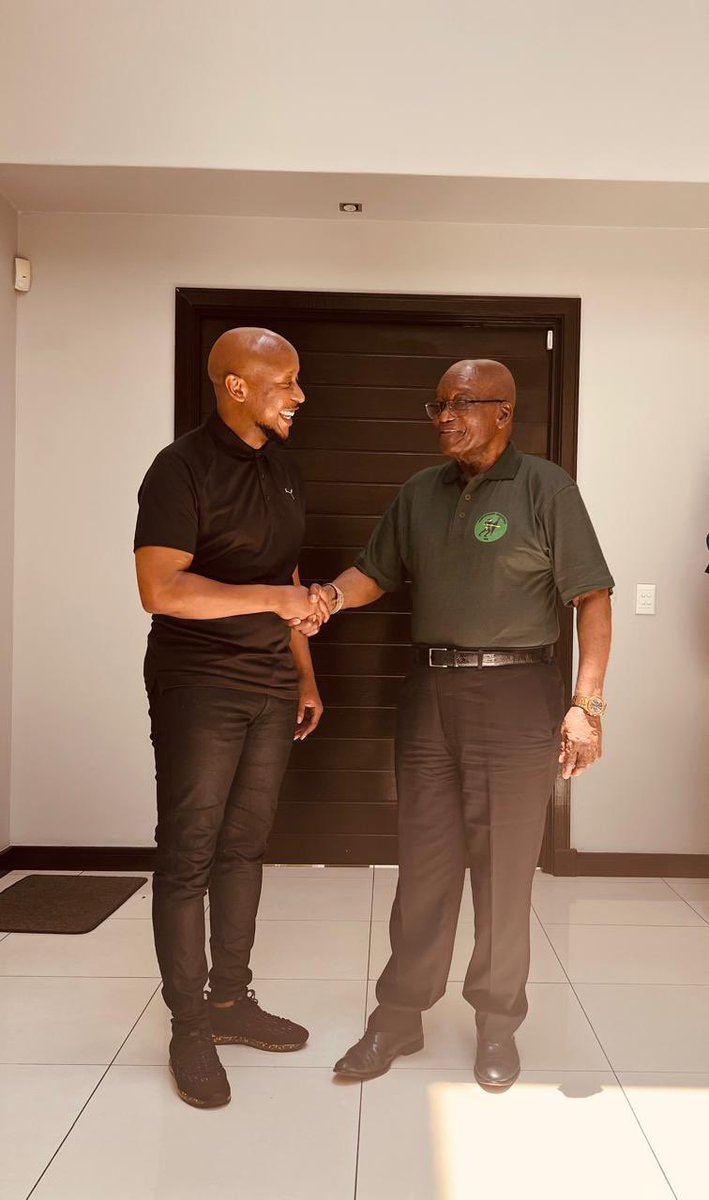
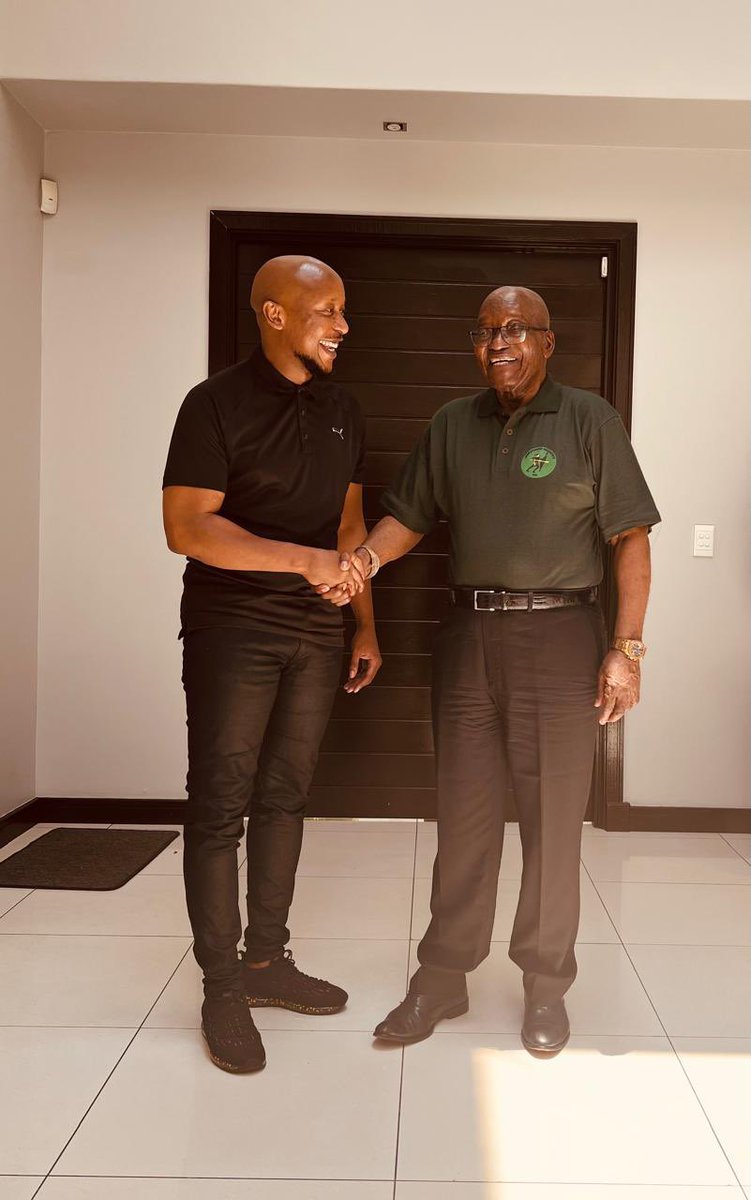
14th Dec 2023, The Call That Changed Your Destiny @NhlamuloNdhlela :
“Darling, What Are You Doing 16 Dec, I Need Your Good English To MC And To Hold Down A Program For Dad, Keep It Low, I’ll Give You Detail When You Get To My House Tomorrow For Final Planning”
The Rest Is History …
(The Pics Below Where Taken Right Before We Left For The Historical Announcement, Spitfire Said: “President, I Need A Picture With You Because This Day Will Go Down In History”)
160
173
1,074
165,635
May 13
This is the best of the best, as per his organization. Stlaela sa bofelo.

So Mexican Drug Cartels are operating in South Africa some are busy fighting people for selling tomatoes on the streets because they’re black when we talk you say we’re defending Zimbabwes . Latang Mexican cartels they’re operating in our country with a lap worth 100 million .
1
45
Badisang Molefe retweeted

May 13
The cartel that is being exposed now were enjoying under Zuma Shawn Abrahams who was appointed by, Zuma as NPA head is representing the taxi mafia boss Sibanyoni
Cult leader is angry that @CyrilRamaphosa is dealing with his cartel. Only nyaopes will be voting for EFF
8
17
351
May 13
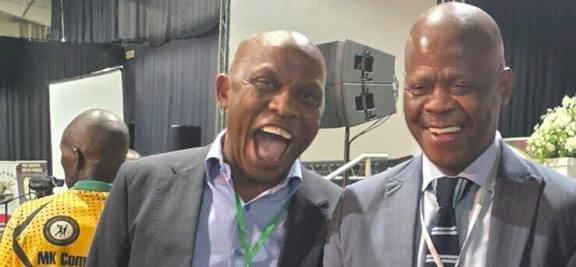
I hope he goes to court to support his friend. Let it not be a "When days are dark" moment
18
May 9
May 9

#RamaphosaDontResign
Ramaphosa must not resign. He is not without legal recourse.
The first order of business is obvious: approach the courts to determine the precise implications of the invalidation of the relevant parliamentary provision.
Put differently:
Can the impeachment committee lawfully commence immediately despite the defect?
Or must Parliament first debate, amend and regularise the rule before any committee can validly proceed?
That question alone is worth months of litigation, argument and appeals. Anyone pretending otherwise is selling political theatre disguised as constitutional certainty.
Then comes the procedural question. Ramaphosa is not an ordinary litigant attending a municipal disciplinary hearing. He is a sitting President.
He would be entirely within his rights to request either:
• a proxy representative to sit on procedural matters; or
• special leave for his legal team to participate on his behalf through an expanded power of attorney arrangement.
Why? Because this process is unprecedented. South Africa has never impeached a sitting President under these circumstances. Constitutional novelty is precisely where courts are expected to speak.
And should the committee chair refuse such an application, that refusal itself becomes reviewable.
If the chair appears politically compromised or procedurally unreasonable, a recusal application follows. If that fails, another court challenge follows.
This is not “delaying tactics.” It is called exercising rights within a constitutional democracy — something many of Ramaphosa’s loudest critics suddenly develop allergies to when the rights belong to someone they dislike.
Ironically, the same people who defended every imaginable procedural manoeuvre during Jacob Zuma’s legal marathon now develop spiritual urgency when it is Ramaphosa insisting on judicial clarity. Apparently “I want my day in court” was a sacred constitutional principle until the wrong ANC faction discovered it.
And because these issues are constitutional in nature, they travel the full judicial ladder: High Court, Supreme Court of Appeal, then Constitutional Court.
Meaning?
The impeachment body likely does not meaningfully sit for a very long time.
By then Ramaphosa could very well exit office conventionally, politically intact enough to frame the process as factional warfare masquerading as constitutional accountability.
And by that stage, knowing South African politics, half the people screaming “constitutional crisis” today will have moved on to the next outrage cycle — perhaps even visiting Julius Malema at Kgosi Mampuru with revolutionary songs and legal invoices.
Please retweet with #RamaphosaDontResign.
And tag @CyrilRamaphosa @SpokespersonRSA and @MbalulaFikile
Dear @CyrilRamaphosa DO MOT RESIGN!
50
May 5
15
May 5
Fadiel Adams has now shifted from accusing Commissioner Nhlanhla Mkhwana, he now blames Lieutenant-General Dumisani Khumalo for his arrest. He poked the system, and now wants to be allowed to attend court tomorrow before being arrested.
1
5
641
Badisang Molefe retweeted

May 3
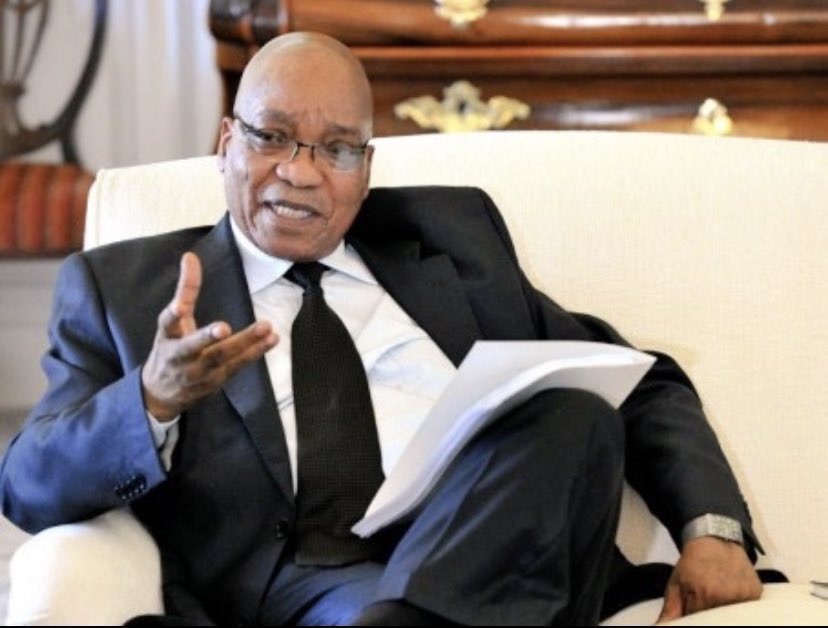
Yes life has to be better because Thabo Mbeki gave Jacob Zuma a strong economy where SOEs were realizing profits every year
And when Zuma left SOEs were relying on government bailouts for survival
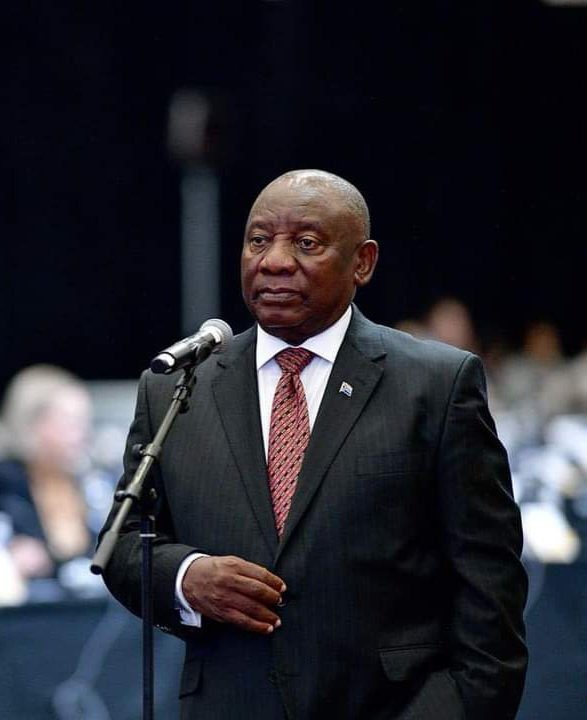
So President Ramaphosa received a dead economy from Jacob Zuma
In addition to that, President Ramaphosa was faced with Covid-19 pandemic.
Budgets that were meant for building roads, schools, etc were diverted into life saving programmes
So yeah life had to be better under Zuma
May 3

To be honest Zuma was the better president than @CyrilRamaphosa
Yes, Zuma brought Guptas...but the economically standard of living was much more affordable than what we have during @CyrilRamaphosa tenure
😭😭😭
1
3
2
133
Apr 29
- The policy development was headed by the deputy minister
- The DG has to answer for the posible incorrect (not corrupt) awarding of the tender
Kante when do DA ministers take responsibility for what's happening in their departments?

34
Apr 23
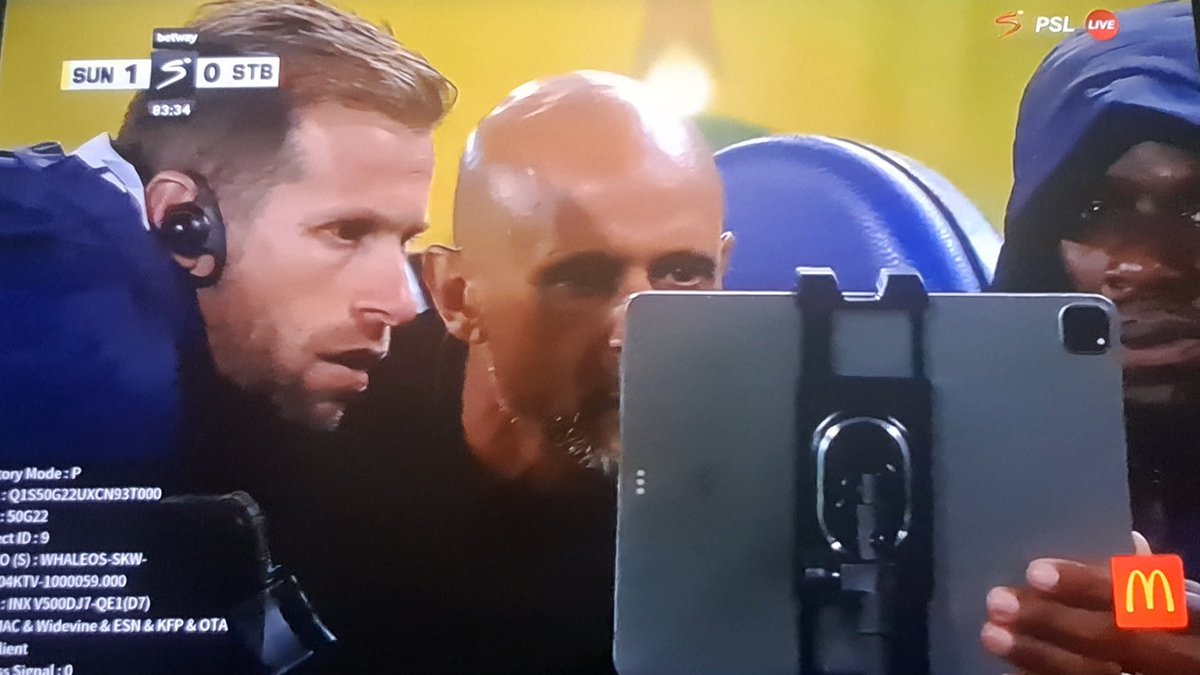
Sundowns have apparently brought their own VAR from champions league participation 😭😂😭
33
Apr 22
The Free State province is a graduation hub for all corrupt CFO's
At some point, they all go through one of their municipalities
1
43
Apr 22
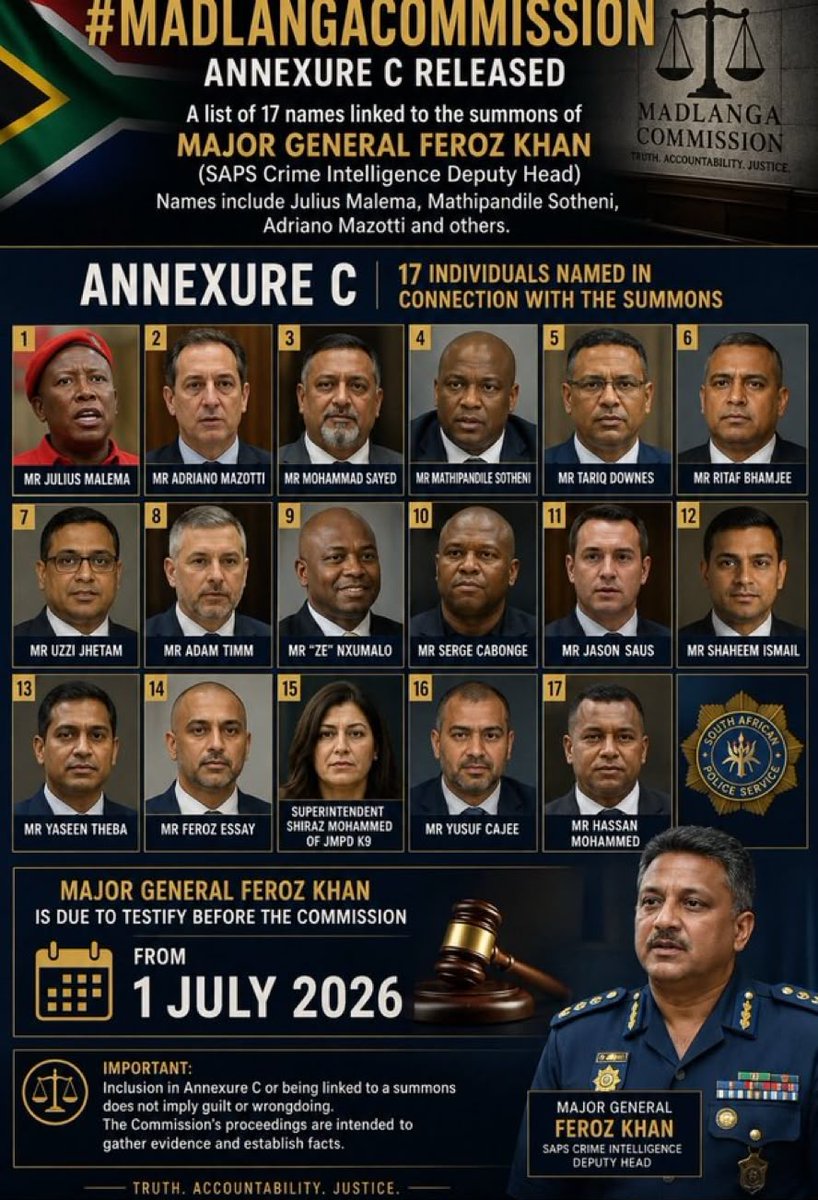
Terms of reference to Madlanga Commission doesn't allow them to deal with the visible interfaces by politicians and thugs, on administration in municipalities, thus the formation of the national initiative against organized crime, headed by General Mkhwanazi.
#BalekaTsosti
53