
户外爱好者,电子工程师,户外地图软件开发者 hiking & camping, Map navigation technology 真相主义 人道主义 华夏主义
Joined August 2019
- Tweets 20,759
- Following 366
- Followers 5,530
- Likes 10,427
2,647 Photos and videos



Jun 10
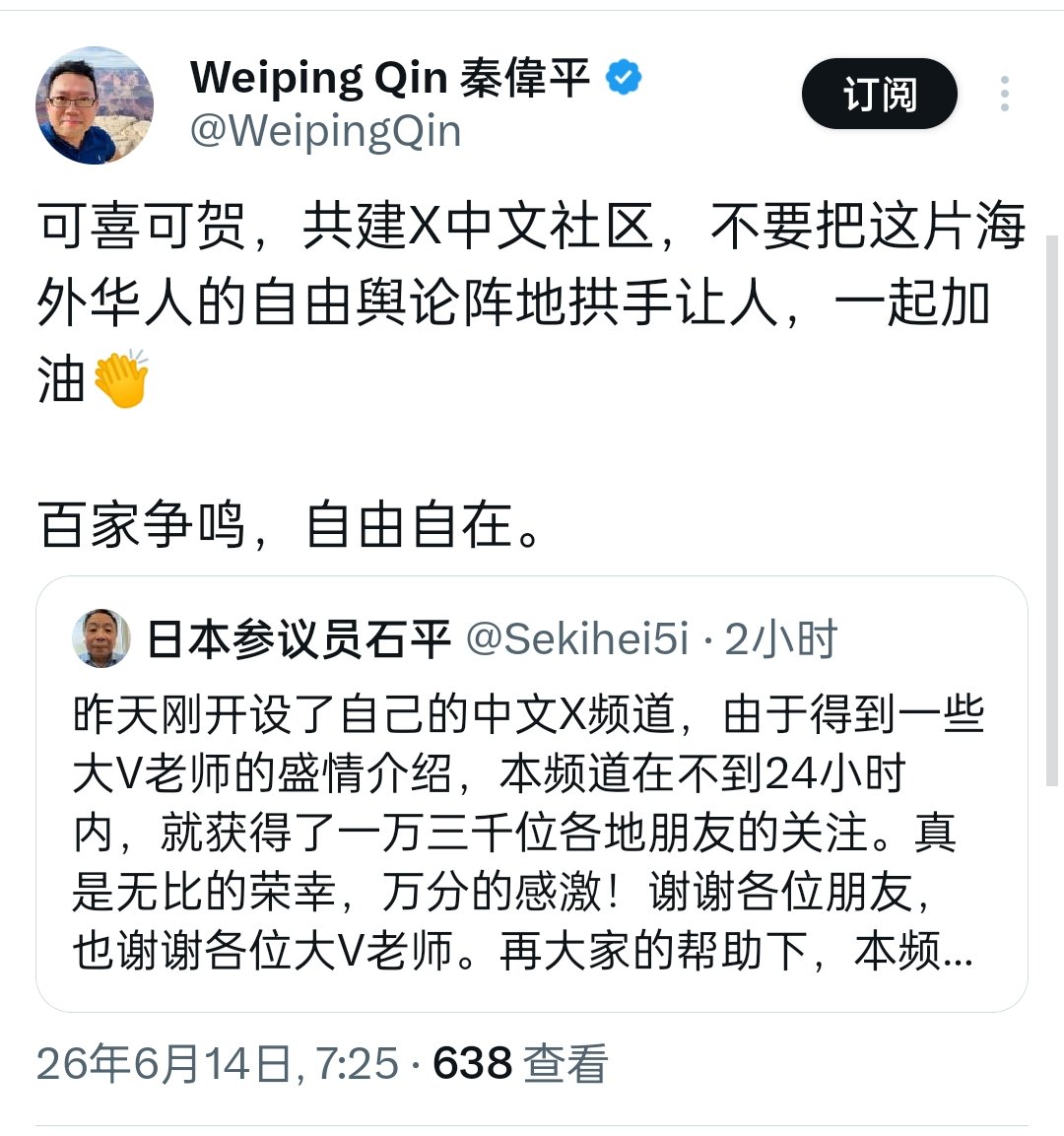
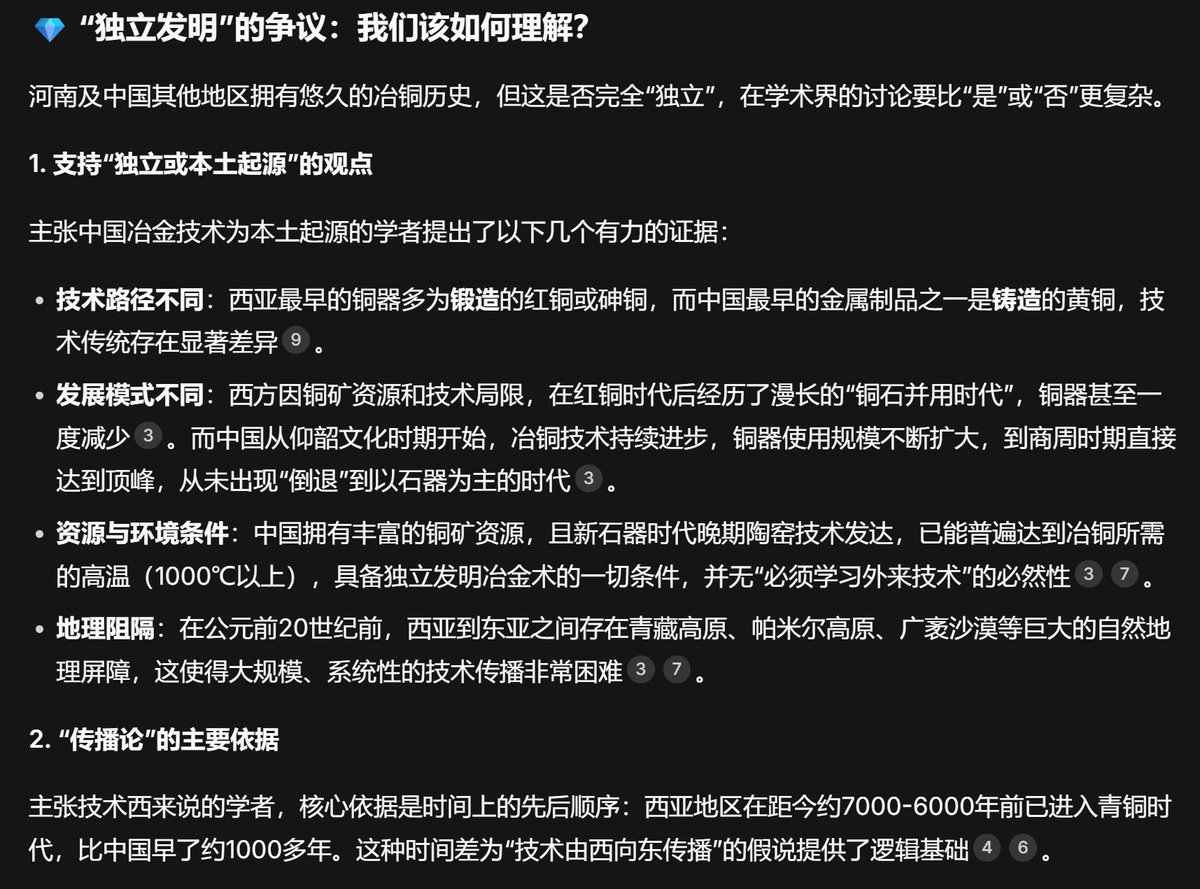
对目前中国崛起的贡献,文科生不能说没有,但显然很少(绿色能源六代机AI稀土等等领先的制造业都跟文科生没关系),尤其是北大的文科生,对中国的进步完全就是负面作用,在国际人文上不但没给中国带来应有的影响力,还批量出产石平那样的汉奸文人和只懂跪舔西方的废柴。我建议,砍掉北大所有文科专业
Jun 9

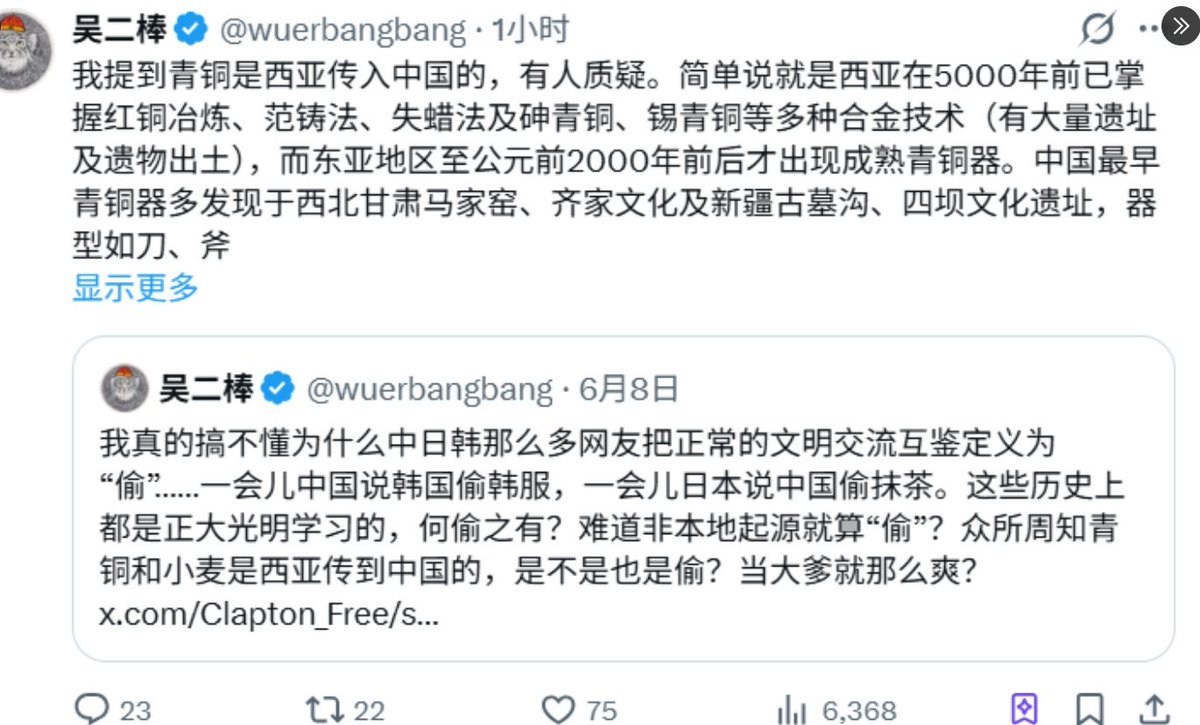
北大中文硕士、北大民俗学博士吴二棒是位全才型的大师!啥都懂啊!考古、文物鉴定也懂。
去年有个埃及文物展,图片显示一双新鲜光洁的草鞋是埃及五千年的文物。这引起了广大网友的嘲笑:草编的东西保存几千年光洁如新,潘家园古玩市场都不敢接单…
但是人家吴二棒大师就敢接单。他利用他在北大学到的深厚的知识雄辩的论证了那双草鞋就是埃及五千年的文物,完全不顾网友的质问:做过碳14测年吗?
吴二棒大师还可以再大胆一点论证:草鞋西来!
😯
7
1
42
3,149
Jun 10
习惯了理工科的严密论证逻辑,再看北大这个吴二棒和国内一些考古学、社会科学领域的那种论证,说实话,就觉得漏洞百出,完全看不上眼。
2
8
1,198
Jun 10
“日暮伯劳飞,风吹乌臼树” —— 小时候背的西洲曲中的小鸟原来这么剽悍啊

1
1
236
Jun 9
颠覆潜艇百年历史的设计,中国无围壳潜艇亮相。跟六代机一样,这次又走在美帝前面了。今天还看到一则军事新闻,法德的第5代战斗机的合作项目告吹了。这就是欧洲和美国的军工科研现状。 youtu.be/md9n9hwKGnM?si=5mRC…
1
6
1,656
山夫 hiker retweeted

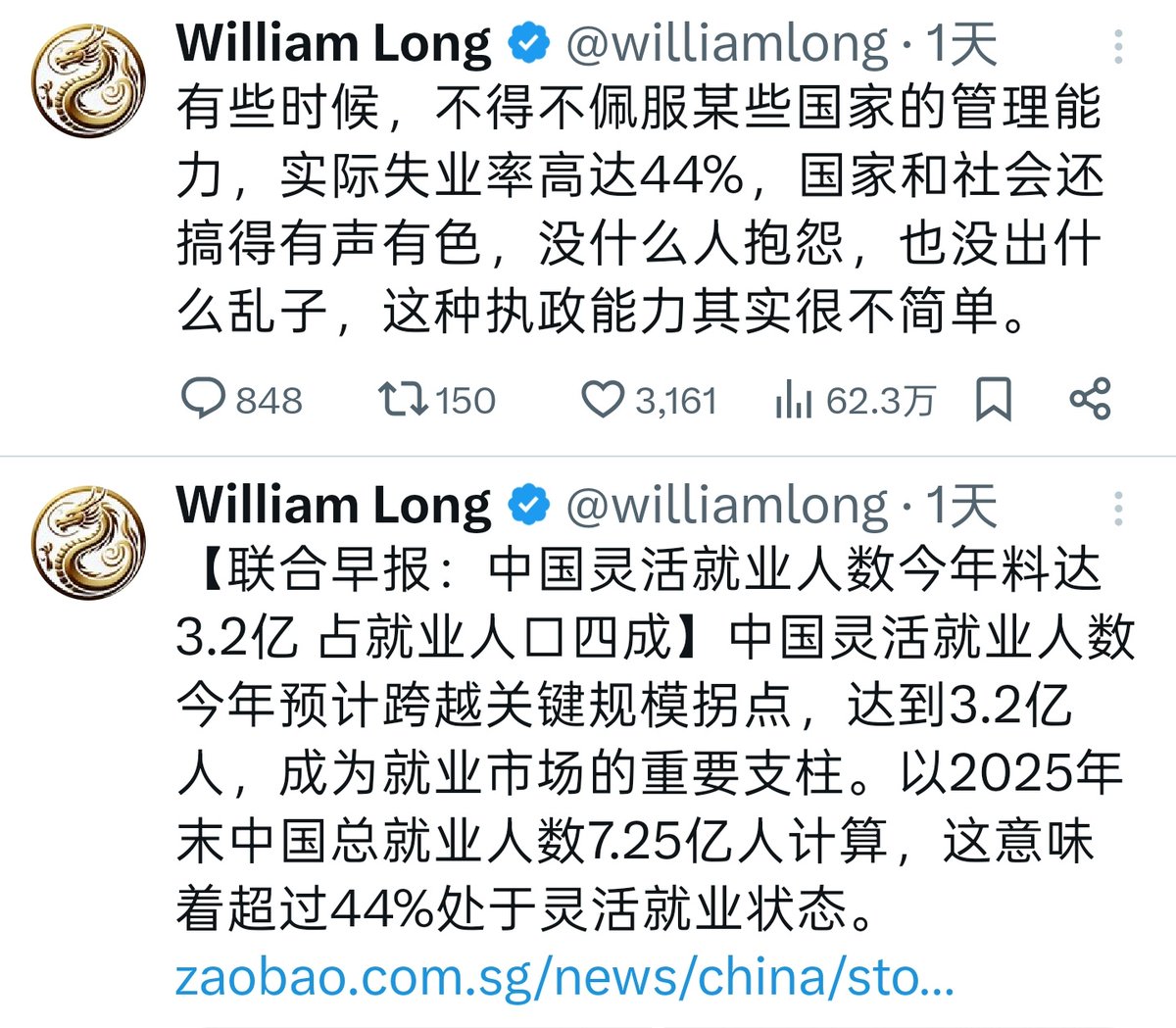
过于尬黑等于吹,月光博客这种老蛆竟连失业率44什么概念都不懂。美国大萧条时期不过25,加沙被炸得最烂的时候都也不过40 。如果大支真能以44的失业率稳定政权同时还能满世界输出商品一年赚一万亿外汇,那中共真就成天下第一神权了懂吗?甚至都可以宣布你们进步蛆最喜欢共产主义实现了。
85
3
94
8,983
Jun 9
歹徒兴奋拳,玩玩就得了,还真当真啊?😂男女的力量差距摆在这呢,男的没有发力,否则一记重拳就能把你打趴下。

2
1
399
Jun 9
哈哈哈哈,这个比方实在太妙了。所以支黑在正常人眼里就是一帮神经病而不自知的傻逼。
Jun 9

支黑在外国人眼中到底是什么形象呢?
打个比方吧:
如果一个印度人在我面前说:“我们印度世界第一,文化领先。”你肯定觉得这是个民族主义者,敬而远之。
如果一个印度人说:“我们国家还有很多问题,但是我们正在努力改变他,所以我们正在农村改造厕所和推广卫生巾。”你肯定会尊重他,甚至还想问哪里可以捐钱。
如果一个印度人说:“我们印度是世界上最烂的国家,老B印都是垃圾,呼吁巴基斯坦核平我们!我们特别羡慕你们中国,我要成为中国人,我要融入中国。”那你只会觉得这人有病,肯定另有企图,离老子远点。
6
1
12
719
Jun 9
就像美国这种巨无霸,在朝鲜战争中稍微溢出了一点,就让日本能吃饱你,朝鲜这种体量,只要抓住机会,同时抱紧边上中国这个巨无霸经济体的大腿,中国稍微溢出一点,也足够朝鲜发展起来的了,毕竟朝鲜才2600多万人口而已。
Jun 8

朝鲜的经济增长堪称当下全球最令人意想不到的“奇观”。在向俄罗斯出售武器和派驻军队、获得中国的物资与资金支持,以及无视国际制裁进口更多能源、零部件和材料等因素的推动下,该国经济正呈现出多年未见的繁荣景象。on.wsj.com/4off1O3
7
1
31
2,588
Jun 9
一个营销流量号还动不动就装逼
Jun 9

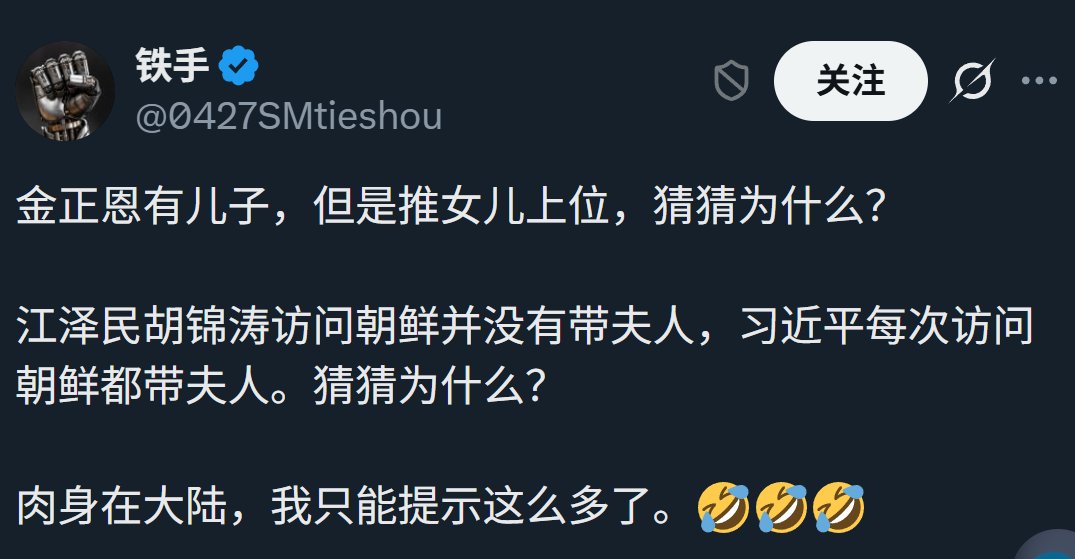
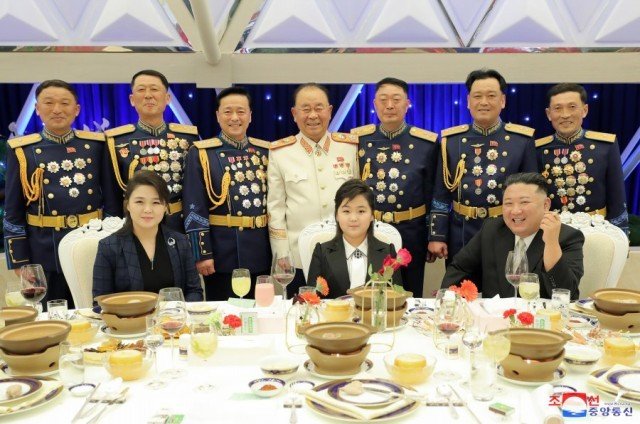
金正恩有儿子,但是推女儿上位,猜猜为什么?
江泽民胡锦涛访问朝鲜并没有带夫人,习近平每次访问朝鲜都带夫人。猜猜为什么?
肉身在大陆,我只能提示这么多了。🤣🤣🤣
8
19
2,890
Jun 8
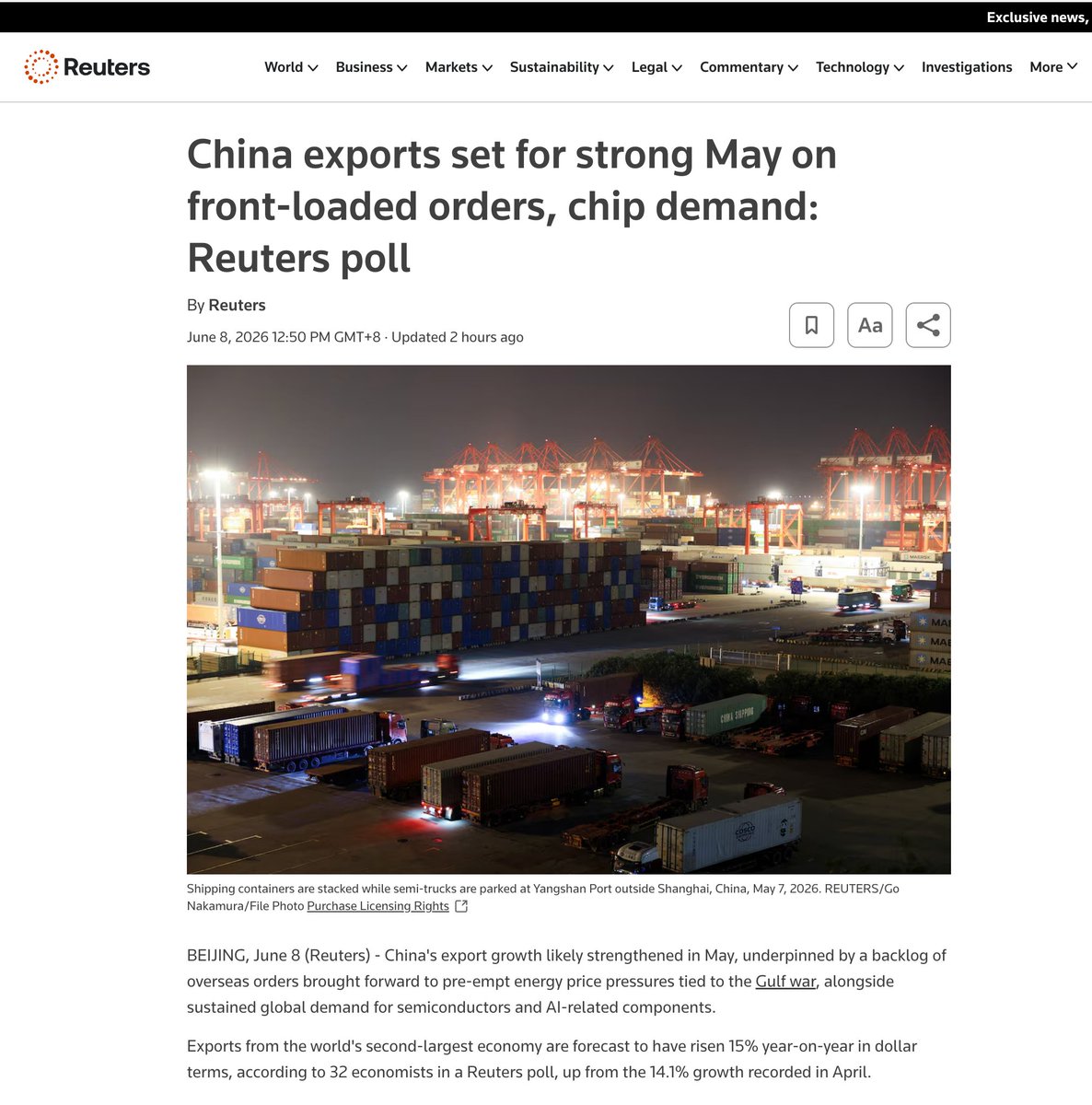
“路透社为中国经济制定了一个非常可预测的模板:
中国出口强劲,但代价是什么?
中国制造业韧性十足,但代价是什么?
。。。。。。” —— 这非常的辩证主义。但搞笑的是,国内的公知自由派们一直都在猛烈的攻击辩证主义的。但他们从不批判西方媒体对中国报道的这种辩证主义方式的
Jun 8

Reuters has developed a very predictable template for China’s economy:
China exports are strong, but at what cost?
China’s manufacturing is resilient, but at what cost?
China dominates supply chains, but at what cost?
China gains market share, but at what cost?
At this point, “the cost” has become the West’s mandatory narrative tax on every Chinese success.
If China’s exports are weak, it means collapse.
If China’s exports are strong, it means overcapacity.
If China imports more components, it means dependence.
If China exports more finished goods, it means distortion.
If China competes on price, it means subsidies.
If China competes on technology, it means threat.
There is no economic outcome in which Western media simply says:
China built a more competitive industrial system.
That sentence is forbidden.
So they write around it.
Front-loaded orders.
Weak domestic demand.
Global pressure.
Overcapacity.
Subsidies.
External imbalance.
Anything except the obvious:
China’s industrial machine is still working, still upgrading, still exporting, still absorbing shocks, and still making the West uncomfortable.
The “cost” is not China’s success.
The “cost” is that the West can no longer explain that success without sounding anxious.
1
1
8
982
山夫 hiker retweeted
Jun 8
这位说的非常正确。很多人把民主竞选跟民主等同,这是认知错误。我昨天没有说到的第一次民主实践的最终结果,最后结果是一地鸡毛,所以我不太愿意回忆了。那次我们维权成功,然后搞民主选举,我们这些最积极参与的毫不意外的都当选了。但新业委会才过了一年多就内斗解体了
x.com/ShangYang2/status/2064…
Jun 8

民主政治有几个部分:
- 法治
- 基本权力及义务
- 竞选
- 职务负责及权力透明
很多人把民主与竞选等同, 是认知错误
2
1
3
1,129
Jun 8
在国内来说,普通人最好的参与民主、学习民主的方式,就是参与业委会的选举以及业委会的事务。我有幸参与过两次,第一次是小区维权,推翻腐败的业委会,以及和他们勾结的物业、开发商斗争,斗争了一年多,历经千辛万苦,最后终于成功,然后组织了新业委会的选举,作为最积极的几个组织者之一😂👇
Jun 8

这么说吧,做过三年物业经理,你会对在中国实施「民主制度」的可行性,产生深深的怀疑....当然,也有更加确信的部分,比如孙大炮加了个「训政阶段」,确实是贴合国情的制度设计....
67
5
48
11,402
Jun 8
当选的主任是一个本身并没有什么民主精神的老人(非常崇拜老毛),但是有名望,号召力比较强,所以维权的时候把他推为领头人。但是在当上业委会主任后,这个缺陷就暴露出来了。看到我制定的那些公约之后,很不满,认为限制了业委会作用(我设置了一个权力很大的监督委员会),在他的反对下,大家妥协了
1
1
510
Jun 8
果然,没有监督之后就放飞自我。他接连做出了一些他认为的有功绩的“大事”,但这些大事并没有跟当初的维权小组商量,没有得到大家的认可。最重要的都是非常花钱的,把小区的本体维修基金花了个光。维权业主中部分人认为他有私心,可能从中有利益勾结。最后发展到他们全体辞职。
2
274
Jun 8
我的最大兴趣就是在这一个小小的社区内,践行我的三权分立梦想😂为此费尽心思草拟了业委会公约、选举办法等等文件。不过最后的结果真是一言难尽。后来我离开了这个小区,搬到另外一个小区去了。那个小区刚好业委会选举出问题,没人再搞业委会了,于是我又热心的加入,跟几个热心的业主一道组织新选举😂
1
3
840
Jun 8
第一次民主实践对我来说受益匪浅。对在中国开展民主的困难,理想与实际的差距,以及民主活动事务中的种种细节都有了切身体会,—— 比如一个罗伯特议事规则的推行,在中国这种熟人社会、人情社会中,想要实行就会有各种意想不到的困难。
2
4
722
Jun 8
这个视频反映的是事实:木雕产业崩盘。但是总结的原因却很有问题:一会儿说现在家庭装修风格变化,导致市场暴减,一会儿又说什么无效内卷之类的,这就很莫名其妙了。难不成在一个丧失了绝大部分需求的市场里,你还有什么办法能够让全行业活得好好的,继续吃香喝辣??这就是市场经济的常态啊
Jun 7

号称“印钞机”的千亿产业是如何死透的?中国大部分的制造业,未来都会面临这样的结局。中国人为什么勤劳而不富有?财富都在极度内卷中被消耗消灭了。当然,人的生命也是一样,财富被消灭的同时,人也越来越不值钱。
14
12
3,234
Jun 8
说一个我以前的行业:PCB 测试领域,跟这个木雕设备行业非常相似。也是一个从2000年非常赚钱的行业,变成现在极度内卷的领域。但是跟木雕行业不同的是,电路板这个领域的需求始终都是有的。但是,中低端内卷确实非常严重,再也赚不到什么钱了,二手设备在这个领域泛滥成灾,新机器完全不赚钱。
2
4
531
Jun 8
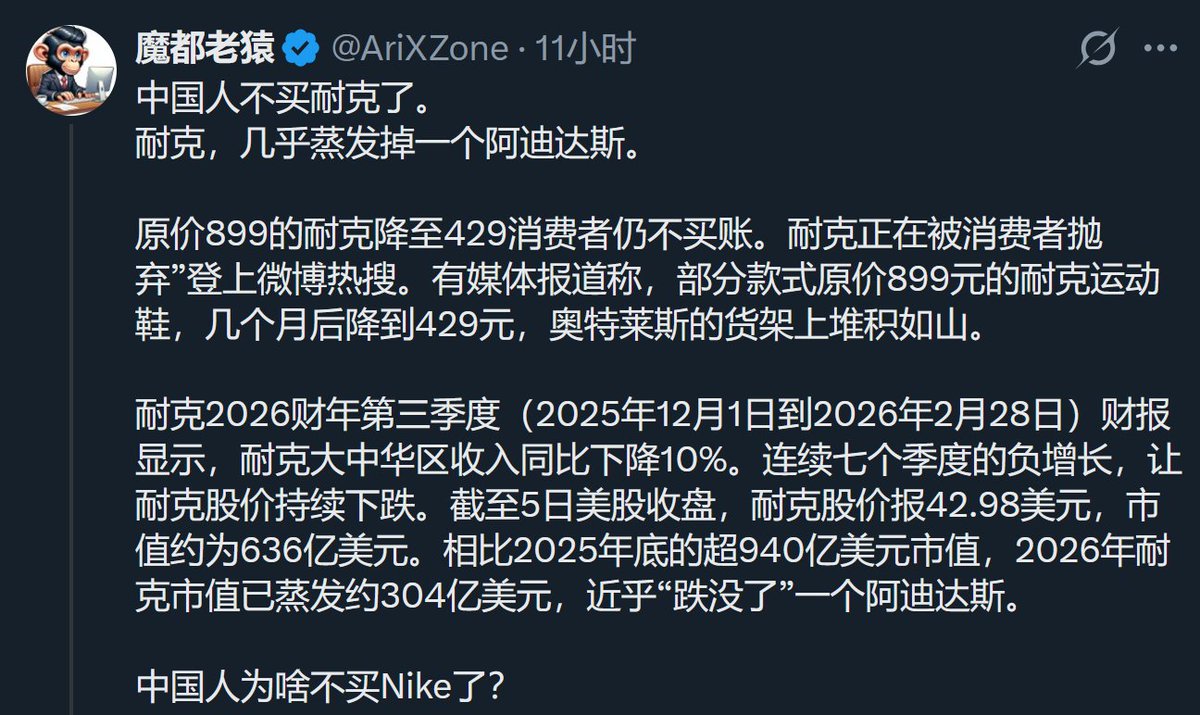
看原推讨论为什么中国人不买耐克了,除了越南产的耐克质量一塌糊涂,耐克本身的设计糟糕等等原因之外,现在的潮流风向变了,确实是一个非常大的原因。现在的潮流是户外山野风,户外品牌更吃香更流行。

80
1
71
26,858