
Caru Sir Gâr, 🏉 🎧 🐱, 🎥 a’r #Scarlets. Director @gofalgair, Head of News and Cymraeg @irisprize, teacher, writer, cat wrangler. ‘It’s a thinking game’
Joined October 2010
- Tweets 21,704
- Following 3,082
- Followers 1,186
- Likes 36,212
770 Photos and videos





Pinned Tweet

27 Apr 2024
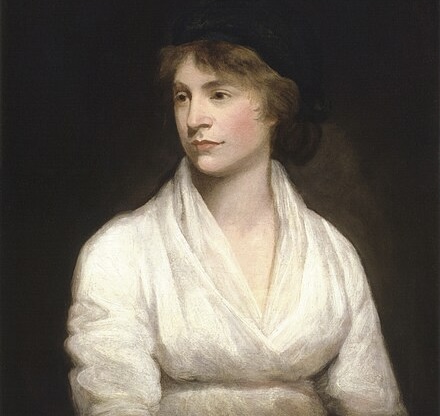
One of the best women of the day. The first writer to really affect me.
27 Apr 2024

Woman of the Day philosopher, historian and author Mary Wollstonecraft born OTD 1759 in Spitalfields, London, widely regarded as one of the UK’s first feminists. Her reputation was unjustly shredded for a century after her early death but her influence was far-reaching and can still be seen today.
Born into an affluent family, Mary was treated very differently to her brother. An extensive and expensive education for him, a couple of years at day school for her - it rankled. She was made to hand over to her profligate, abusive and drunken father the money held in trust for her till she reached adulthood, and she suffered from his violent rages. As a teenager, she tried to protect her mother by lying outside her mother’s bedroom door. Those early years left a mark on her.
Friendships with independently minded women also made their mark and by the age of 25, Mary had opened a small girls’ school in North London with her two sisters and her friend Fanny Blood. Money was short and when Fanny died in childbirth, Mary reluctantly worked as a governess for an aristocratic couple in Cork. It was a fractious working relationship. She found the lady of the house ‘frivolous’ with ‘neither sense nor feeling’ and was sacked.
Back to London she went, penniless and depressed, but it was a turning point. In 1787, Mary found a radical publisher willing to publish her first book - Thoughts on the Education of Daughters, based on her experiences - and she built up a literary career, meeting and sharing ideas with other radical thinkers including William Godwin. He didn’t impress her when they first met in 1791. Not at all. They argued all evening and he left, irritated.
Five years later, Mary defied social convention and got in touch again with William. By this time, she had lived in Paris during the Reign of Terror, had two affairs, given birth to a daughter out of wedlock, attempted suicide - she threw herself off Putney Bridge and was saved only by the intervention of passing watermen - and published her groundbreaking work, A Vindication of the Rights of Woman.
Vindication was prompted by Talleyrand’s 1791 report to the French National Assembly stating that women should only receive domestic education. It went against everything Mary believed in and she argued that women were not inferior to men but if they appeared to be, it was because they were denied education. She posited that men and women alike should be treated as rational beings and treated equally. It made her name.
In 1797, Mary and Godwin married but their domestic set-up was regarded as controversial. She was pregnant when they wed, he spent his days twenty doors away so they could maintain some independence, and they communicated via letters.
On 30 August 1797, after 18 hours of labour, Mary gave birth to her second daughter, Mary Shelley (author of Frankenstein). The attending surgeon - she’d actually wanted a midwife - was out of his depth and she suffered acute haemorrhaging followed by infection. Eleven days later, she died, aged just 38.
In 1798, William published a well-intentioned but poorly judged account of Mary’s life. The affairs, the child born out of wedlock, the unorthodox religious opinions - they were the sticks and stones with which Mary’s reputation was comprehensively trashed and the mud stuck for a century.
I’ve spoken before of the quite lovely invisible thread of sisterhood connecting women in history to each other.
Olympe de Gouges’ 1791 Declaration of The Rights of Woman and of the Female Citizen influenced Mary’s Vindication of the Rights of Women in 1792. In turn, Mary influenced Millicent Garrett Fawcett and Elizabeth Barrett Browning. Elizabeth, a vocal supporter of Mary, reflected those views in her verse-novel, Aurora Leigh, which in turn influenced Susan B. Anthony’s thinking about the traditional roles of women, especially in relation to marriage versus independence. Susan’s fight led in time to the Nineteenth Amendment which finally granted American women the vote.
Such dangerous women, daring to think for themselves and, worse, influencing each other.
Brava, Mary.
2
5
2,006
Lynne Reynolds 🏴 retweeted

😱🤔Reform heckle and laugh while I talk about being a new mum and the cost of childcare
30
48
176
18,720
Lynne Reynolds 🏴 retweeted

Exceptional performance from Kiera and how telling the heckles and jeers were.
We see you Reform; we see you for what you really are.

😱🤔Reform heckle and laugh while I talk about being a new mum and the cost of childcare
2
38
143
6,454
Lynne Reynolds 🏴 retweeted

Jun 12
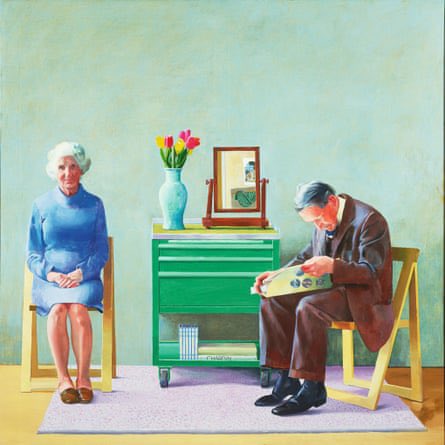
David Hockney - what an artist. Thank you 💛
1
9
197
Lynne Reynolds 🏴 retweeted

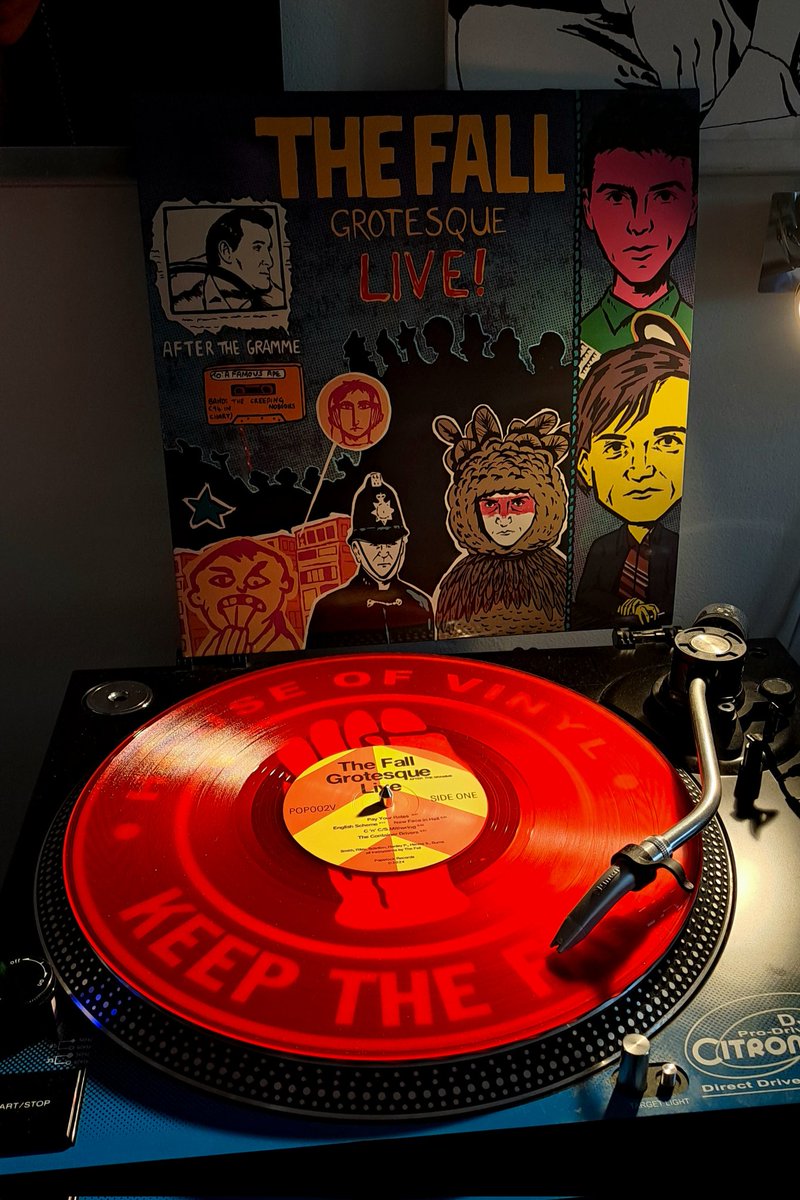
#FallFriday
THE FALL - GROTESQUE LIVE!
Rough Trade Exclusive Red Vinyl
NEW FACE IN HELL
"Wireless enthusiast intercepts government secret radio band and
uncovers secrets and scandals of deceitful type proportions..."
Genius.
#TheFall #MarkESmith
4
6
51
1,000
Lynne Reynolds 🏴 retweeted

Jun 5
Honoured to interview two rugby greats today in Jonathan Fox Davies, all-time great Welsh centre, and Cath Spencer, influential former England captain, at Bisham Abbey today on behalf of rugby's charity, Wooden Spoon; great afternoon - and why are JD and Catherine not passing on their vast experience at their respective national unions?
4
2
10
13,271
Lynne Reynolds 🏴 retweeted
Jun 6
Rugby is going into total meltdown. Reports suggest that while the crazed WRU are still thinking of axing a great regional club in the face of almost 100% opposition, the RFU and WRU are talking about replacing the Welsh club with Ealing Trailfinders in the URC. Spectacular nonsense from every angle. And again, calls made in secret
18
17
214
45,972

Lynne Reynolds 🏴 retweeted
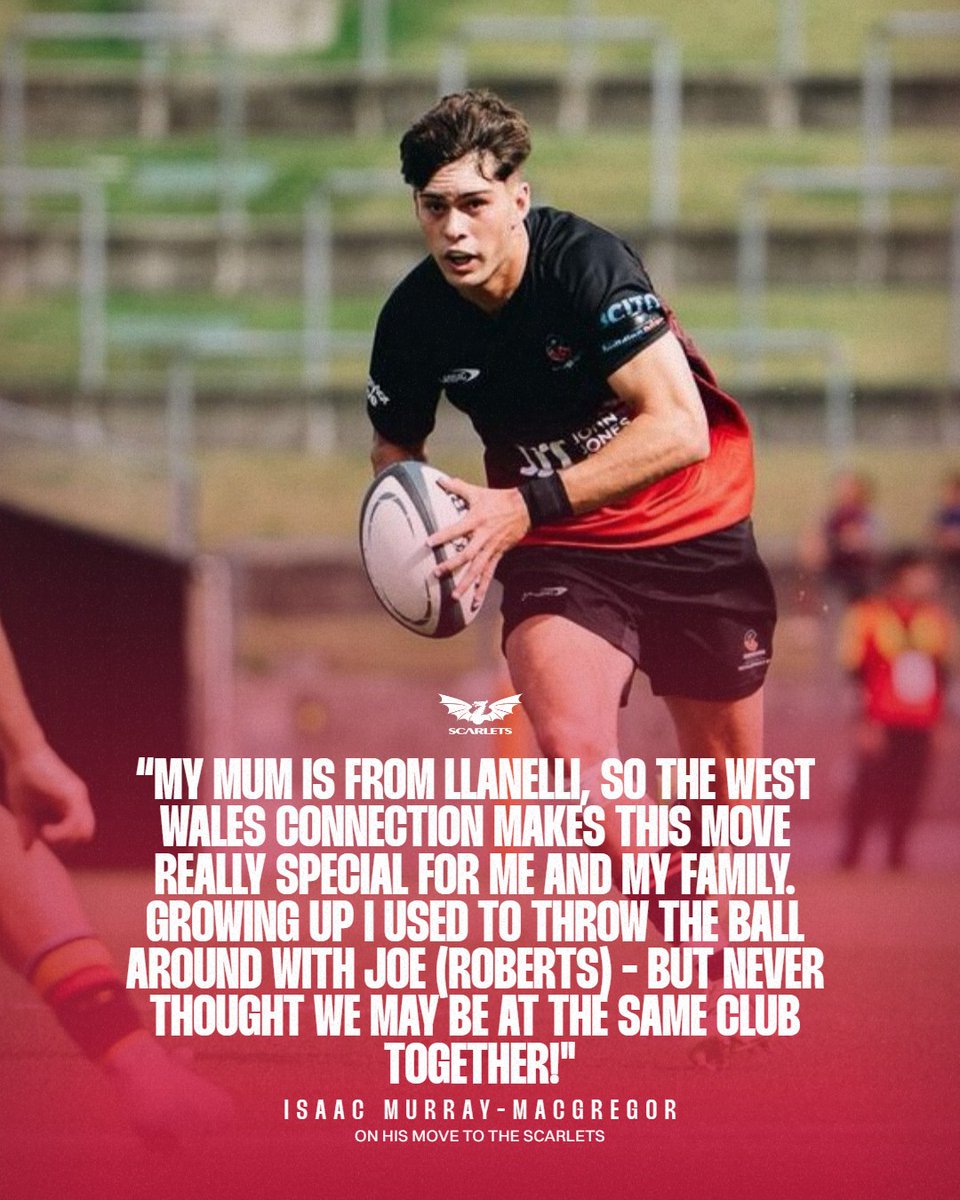
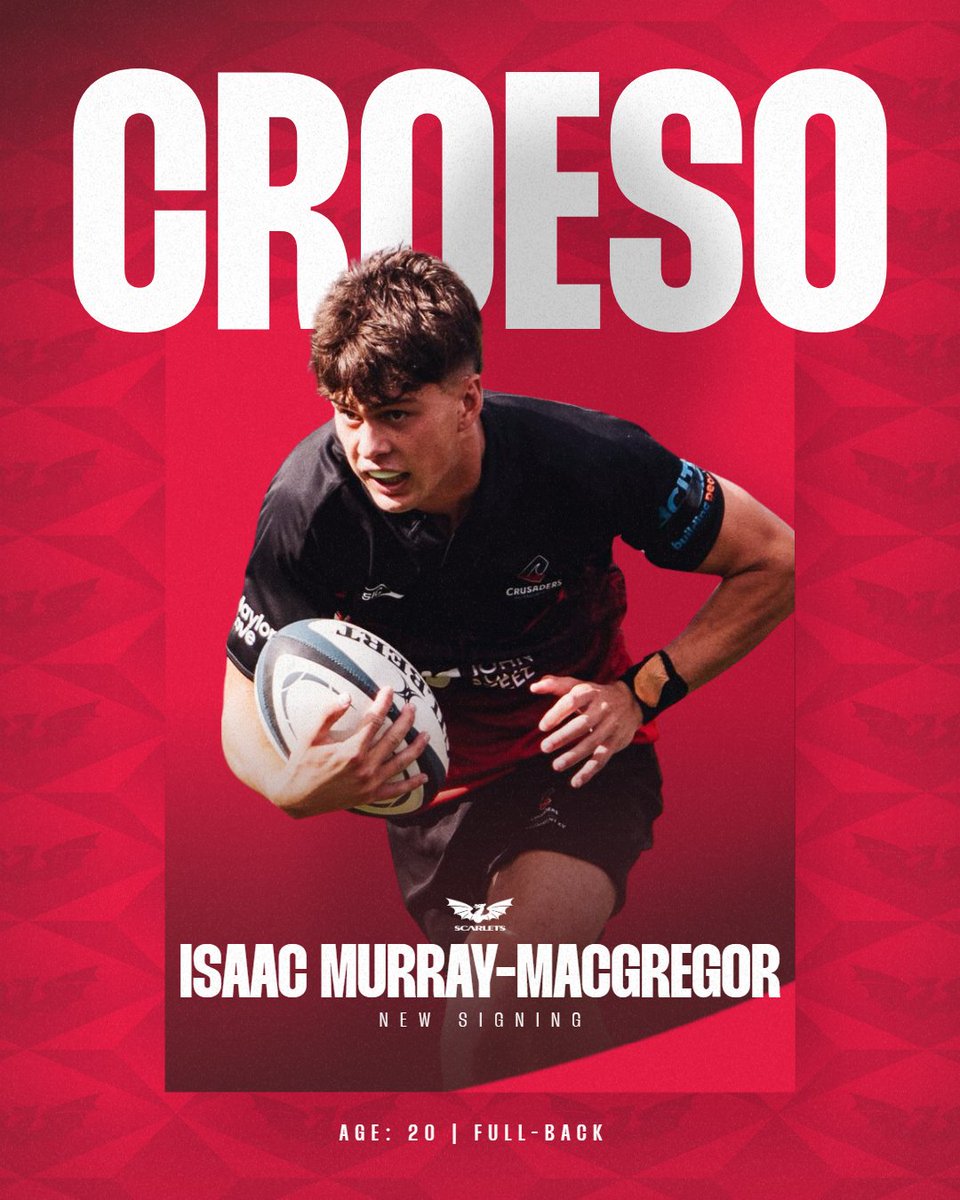
Croeso Isaac ✍️
Scarlets are delighted to announce the signing of Welsh-qualified full-back Isaac Murray-Macgregor.
Bydd y chwaraewr 20 oed yn ymuno â'r clwb o lwybr datblygu Canterbury a'r Crusaders yn Seland Newydd.
#YmaOHyd
6
26
160
33,887
Lynne Reynolds 🏴 retweeted

May 28
Pob Lwc Jonny 🎯🏴🏆
May 28

🏴Today's the day!
It's been a great season, and I'm fully focused on getting the job done, and a second Premier League title in the bag 🤞🏻
Thanks as ever for your support ❤️
@ModusDarts180 @reddragondarts @zwasports @DiamondXDraws @CelElectrical @TheFanCaveMem JPL

1
2
101
Lynne Reynolds 🏴 retweeted

16 Jun 2023
Incubus Succubus - Xmal Deutschland, súper fan
3
12
860
I can’t scroll by.

31
Lynne Reynolds 🏴 retweeted

May 19
He was elected the party’s director of publicity when the Radical Wales team led the party. It was fun and an honour to serve with him and others 🏴

Gwyn Alf Williams delivering a speech in a 1985 Plaid Cymru election broadcast.
"The ordinary people of Wales are one, un yw gwerin Cymru"
2
7
45
3,168
Lynne Reynolds 🏴 retweeted

May 19
. @NewsOrFallSong Hunt for man who defecated on a wall before cleaning himself with a sandwich
gloucestershirelive.co.uk/ne…
1
3
4
1,003
Lynne Reynolds 🏴 retweeted

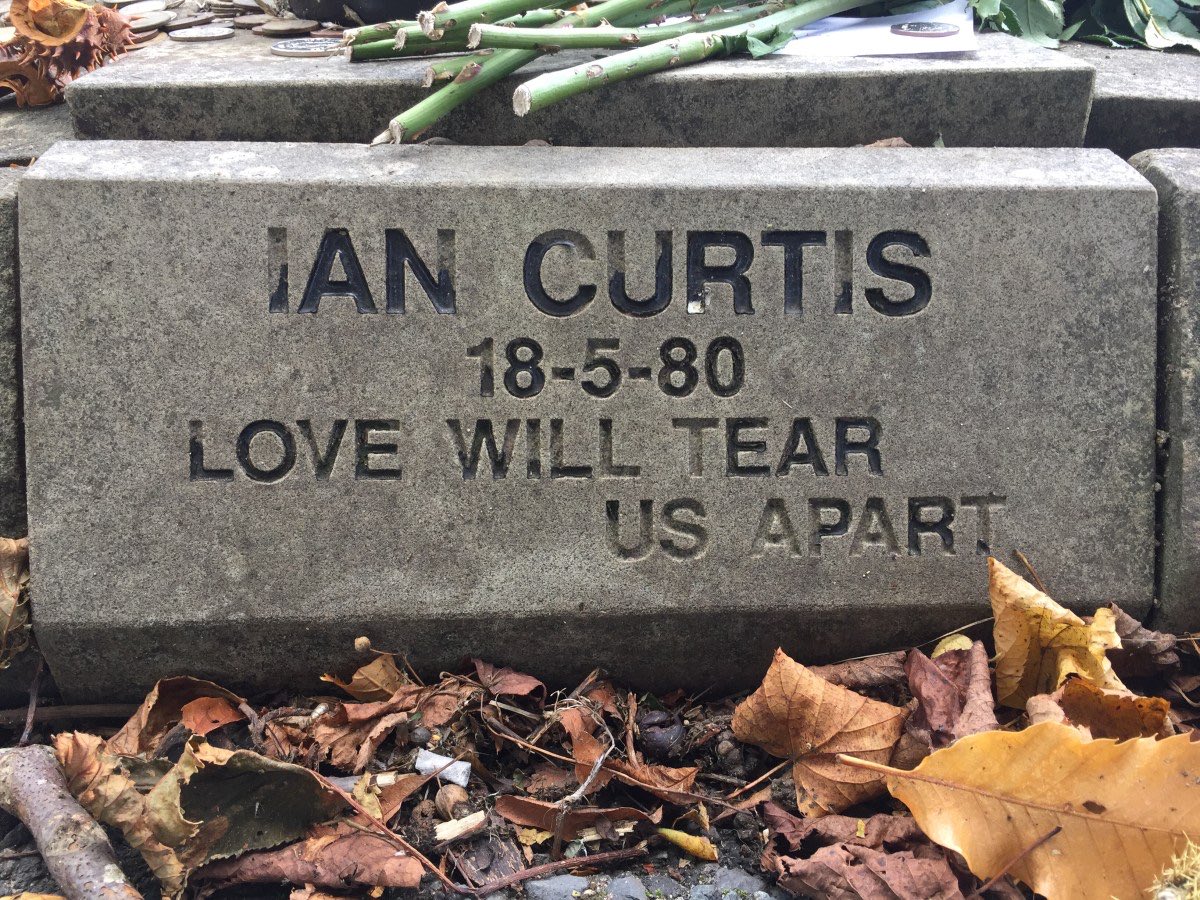
#OnThisDay 1980
John Peel announces the death of Ian Curtis on his radio show.
7
94
544
29,164
Lynne Reynolds 🏴 retweeted

May 19
Elin Jones, the Finance Minister, does have a degree in Economics.
Funny how nobody questions the people at Westminster in the same way.
May 18

I would far prefer they could run a business or have an economic degree that speak a dying minority language. That is the truth .
7
44
283
13,923
Lynne Reynolds 🏴 retweeted
Taine 👊
May 18

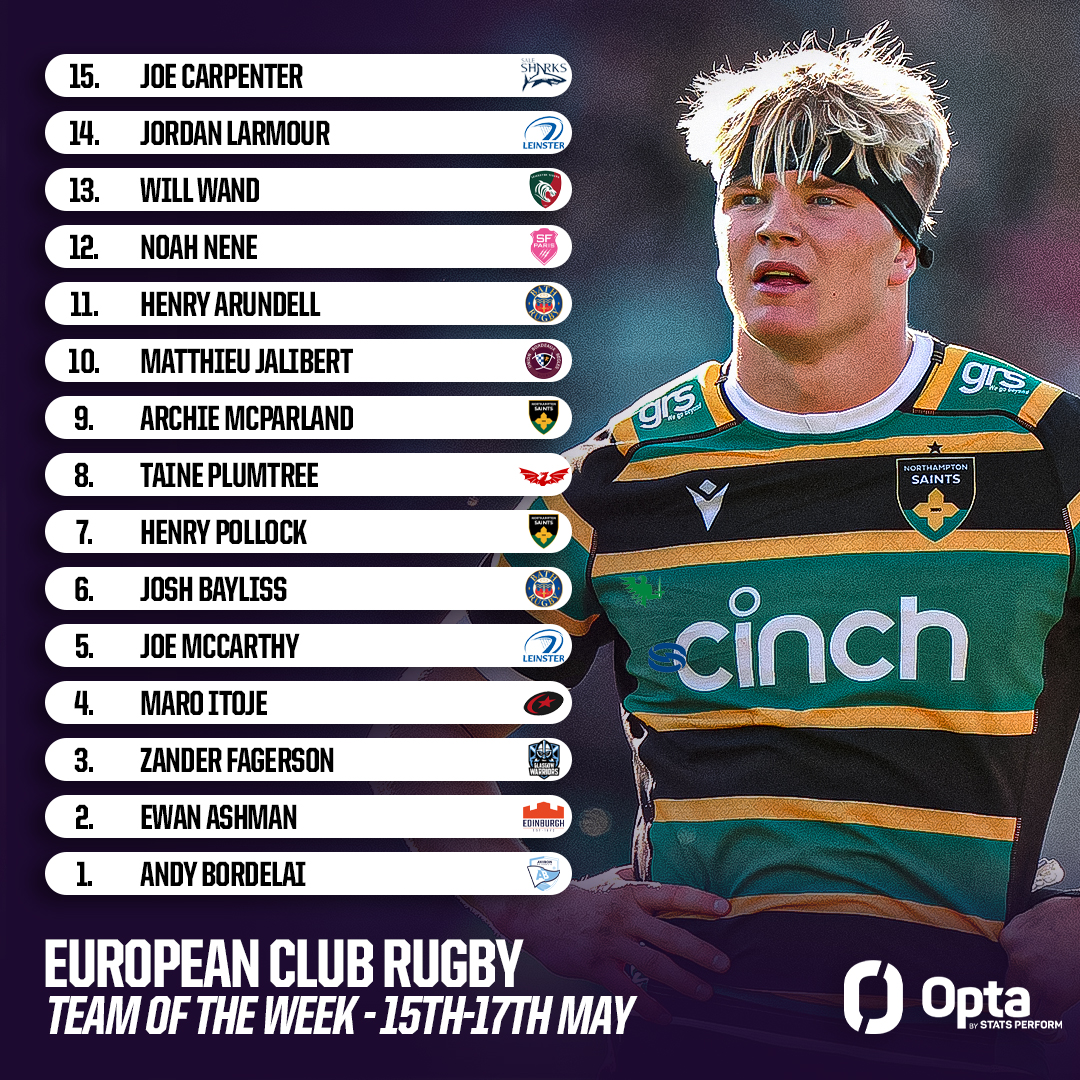
12 - Our European Club Rugby Team of the Week contains players from 12 different teams, with
@SaintsRugby's Henry Pollock being the Star Player. Matchroom.
1
3
40
5,150
Lynne Reynolds 🏴 retweeted

May 17
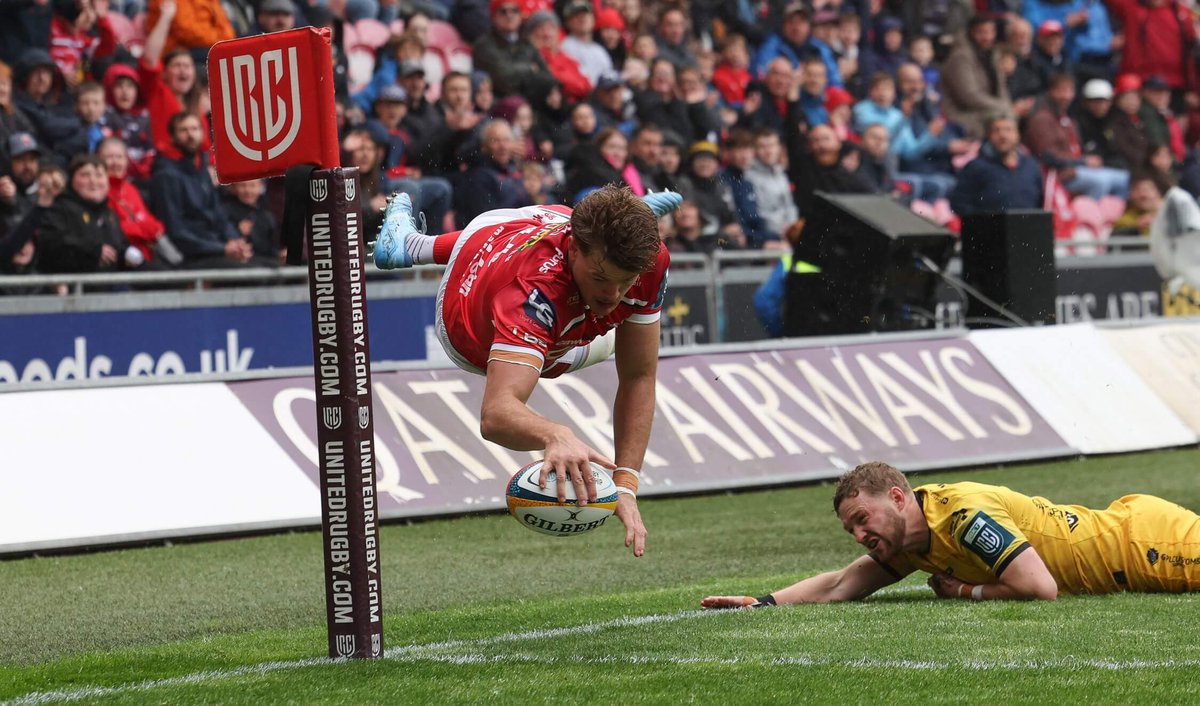
The confidence for CLJ to do this after a yellow card and a nasty tackle from Elliot Dee (legal, but looked like it hurt) shows a lot about Carwyn's character
Still only 18 years old. I look forward to him at the u20's World Cup this summer

CAAAAAIS
Am gais yn y gornel gyda Macs Page diolch i gic lletraws gwych gyda Leggatt-Jones
What a try fot the Scarlets and they are now level!
youtube.com/@S4CChwaraeon
#BKTURC | @scarlets_rugby
4
1
55
9,736
Lynne Reynolds 🏴 retweeted

⭐️ y gêm 👏🏻👏🏻👏🏻

🥇 What a performance from Taine!
Seren y gêm yn erbyn Dreigiau yn dilyn perfformiad disglair
#YmaOHyd


1
14
330