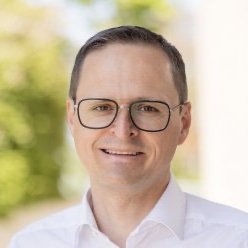
Chair for Data-Science in the Economic and Social Sciences at @MannheimBSchool (Germany), affiliated with @gesis_org and @cshvienna
Joined March 2008
- Tweets 2,856
- Following 652
- Followers 2,744
- Likes 6,024
116 Photos and videos

Markus Strohmaier retweeted

31 Oct 2025
🚨New paper alert🚨
🤔 Ever wondered how the way you write a persona prompt affects how well an LLM simulates people?
In our #EMNLP2025 paper, we find that using interview-style persona prompts makes LLM social simulations less biased and more aligned with human opinions.
🧵1/7

2
2
2
433

4 Jul 2025
LLMs caused drastic vocabulary shift in biomedical publications science.org/doi/10.1126/scia…
1
229
Markus Strohmaier retweeted

15 Jun 2025
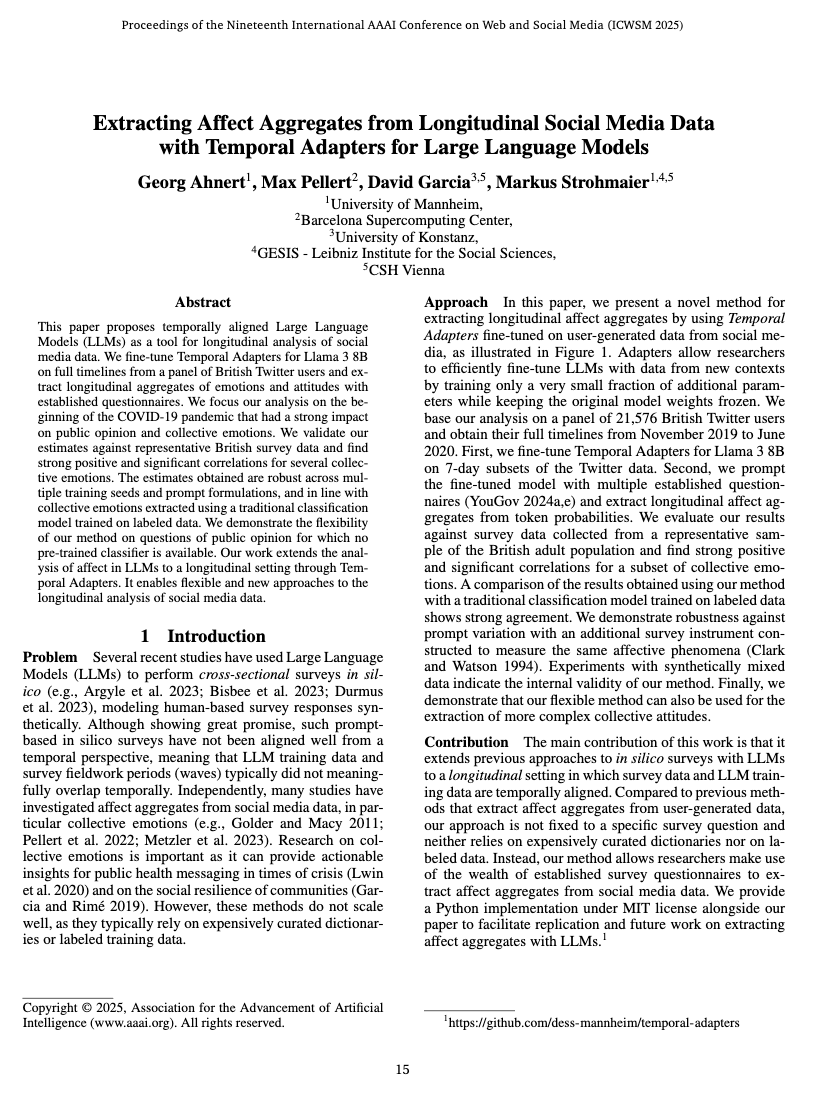
This @icwsm paper fine-tunes Temporal Adapters for Llama 3 8B on full timelines from a panel of British Twitter users, finding that the fine-tuned LLMs retrieve collective emotions! Cool extension of simulation work to the longitudinal scenario:
ojs.aaai.org/index.php/ICWSM…
1
8
891
Markus Strohmaier retweeted

11 Jun 2025
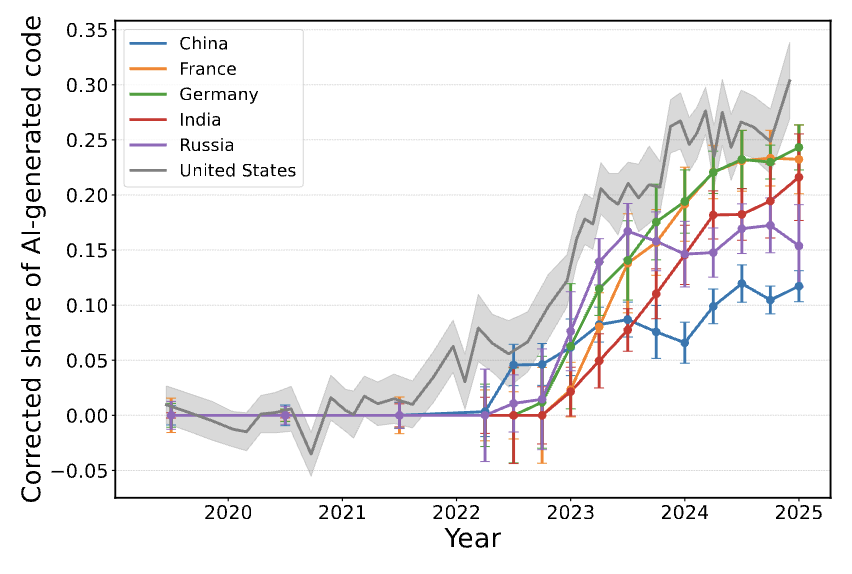
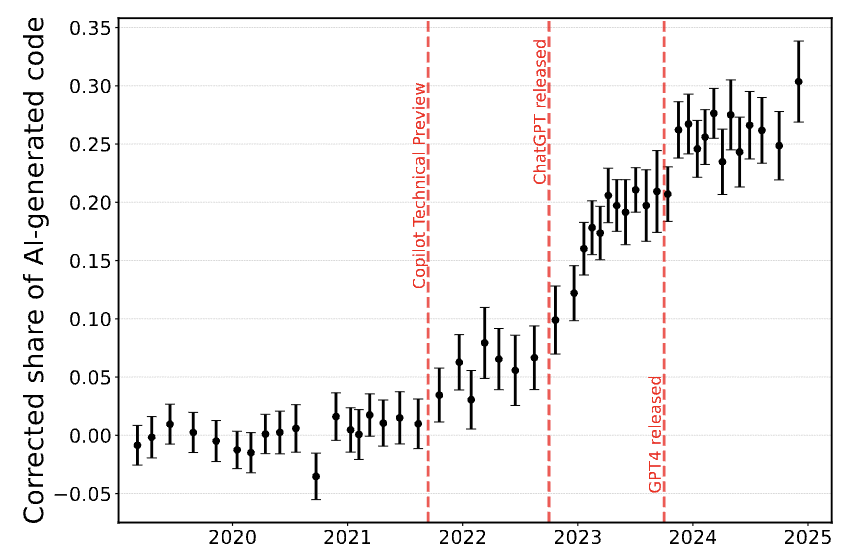
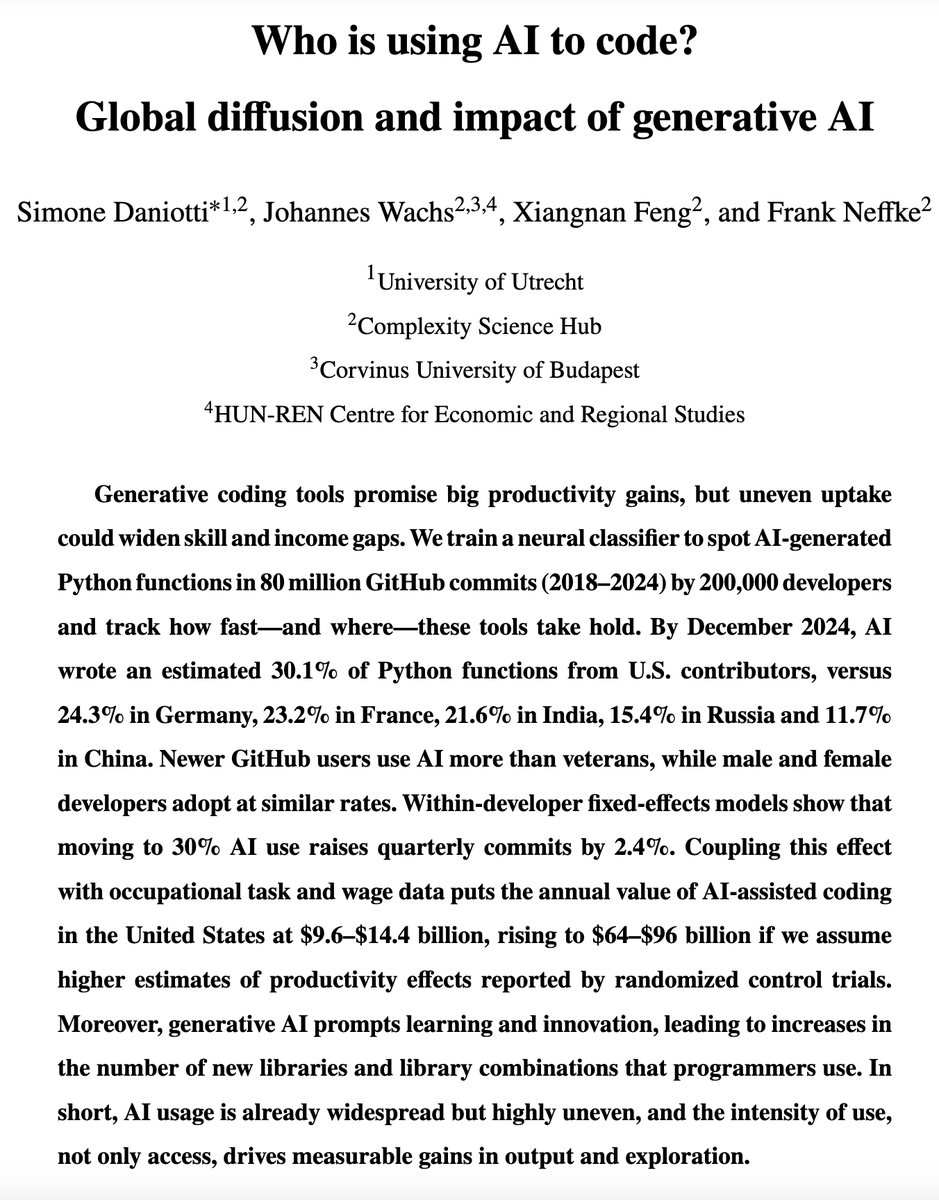
How much code now comes from AI? In new work with @simone_daniotti, @xiangnan_feng & @FrankNeffke we estimate that by end-2024 about 30% of Python functions pushed by US devs on GitHub are AI- generated. Adoption is rapid but diffusion lags globally. How did we do it?
12
82
322
222,497
Markus Strohmaier retweeted

1 May 2025
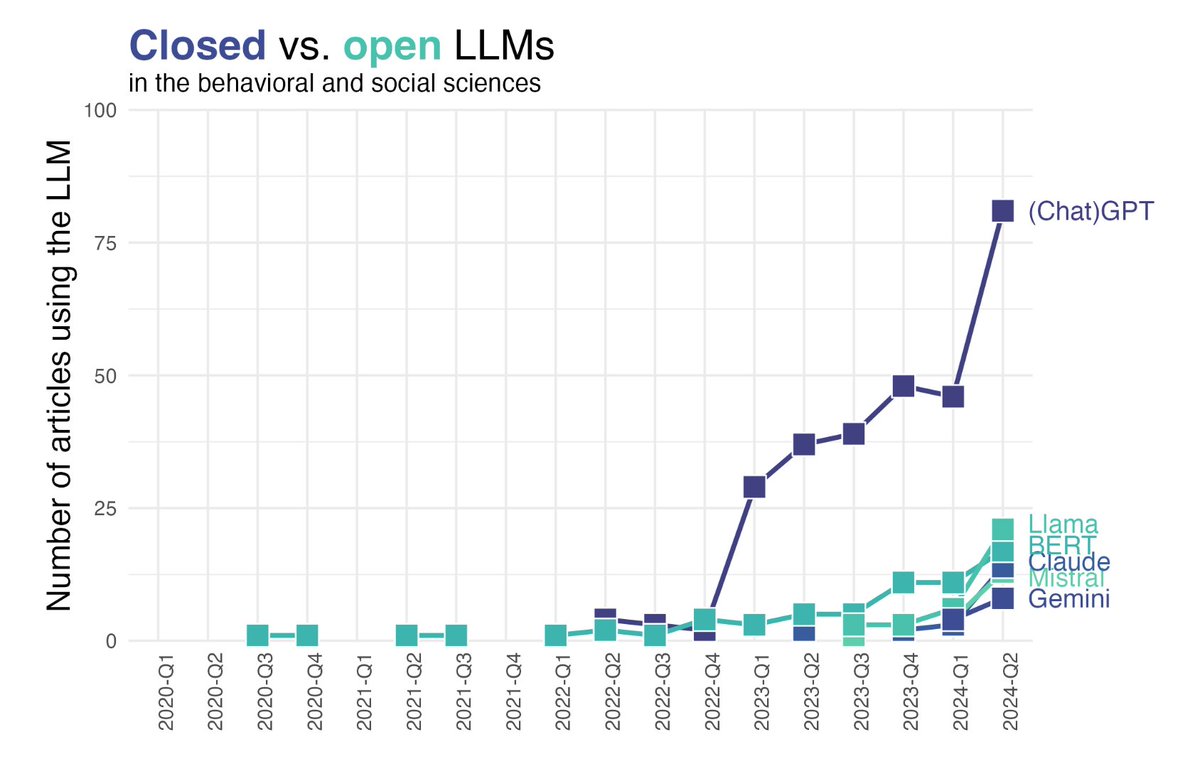
Agreed. The behavioral and social sciences should rely more on open LLMs: doi.org/10.31219/osf.io/ybvz…
1 May 2025

Again, I think academics have perhaps not quite groked what this sort of wholesale removal of a model means for replication in science. This isn’t versioned or downloadable, and you won’t be able to recreate it
1
4
26
2,447
Markus Strohmaier retweeted

26 Apr 2025
Proud to present the first benchmark for representational similarity measures today at @iclr_conf!
If you also attend #ICLR, come see us this afternoon, Hall 3 #456!
Otherwise, you can check out our paper here:
openreview.net/forum?id=PRvd…
1
2
144
Markus Strohmaier retweeted
11 Apr 2025
Update: our survey on functional and representational similarity measures for neural networks has just been accepted to ACM CSUR!
We present & categorize 53 measures, discuss their properties & application, but also identify key research gaps:
dl.acm.org/doi/10.1145/37284…
8 Aug 2023

Update: a revised version of our survey on similarity measures for neural networks is now on arXiv.
Overall, it features more measures and new illustrations, while also being shorter and more concise.
I am really happy with this outcome, and hope you will give it a read!
1
1
2
178
Markus Strohmaier retweeted
28 Feb 2025
Excited to share the materials for our course on open LLMs for science of science research @ZakASHussain
and I offered at the recent meeting of @euroscisci
at @LMU_Muenchen.
github.com/zak-Hussain/LLM4S…
12
32
1,726
Markus Strohmaier retweeted

24 Feb 2025
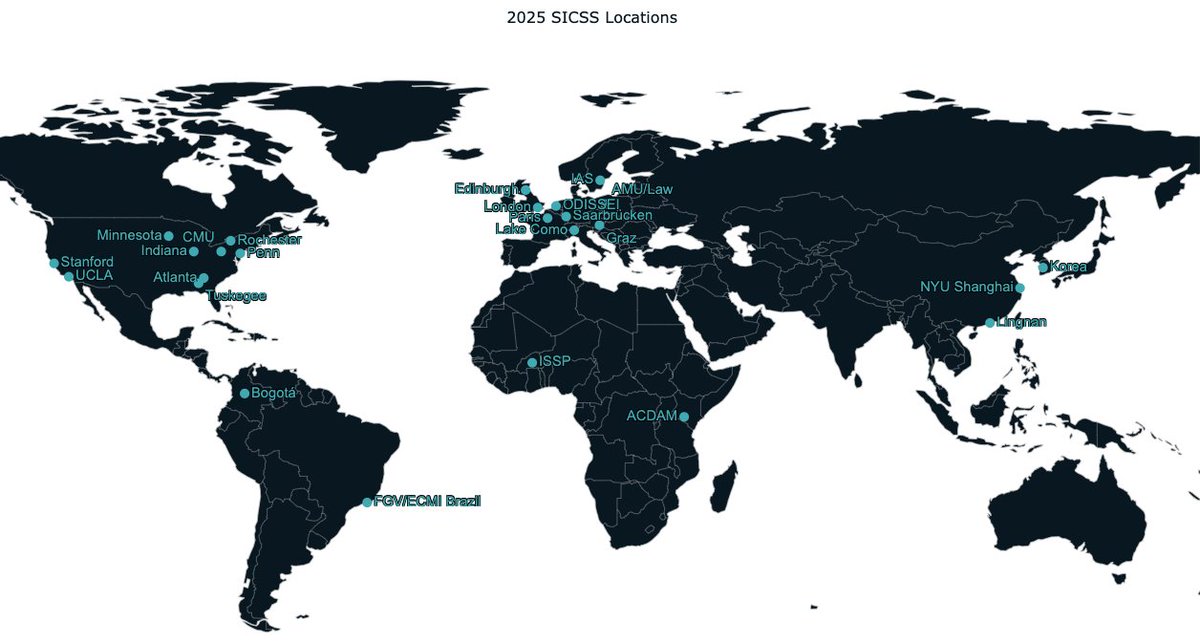
Want to learn about computational social science *for free* and launch interdisciplinary research projects? We are so excited to announce there will be *26* Summer Institutes in Computational Social Science this year! Apply to one of them here: sicss.io/locations
3
63
157
22,003
Markus Strohmaier retweeted

10 Dec 2024
Job announcement: Junior Professorship in Computational Social Science at the University of Konstanz.
Join us at the Center for Data and Methods! Feel free to reach out if you have questions.
stellen.uni-konstanz.de/jobp…
2
34
50
8,892
Markus Strohmaier retweeted

17 Dec 2024
Two exciting positions as postdoc / senior researcher with tenure option at KTS @gesis_org (gesis.org/en/kts) on computational social science and #NLP. Details at: hidden-professionals.de/HPv3… and
hidden-professionals.de/HPv3….
6
6
715
Markus Strohmaier retweeted

7 Dec 2024
"The increasing reliance on AI tools for social and emotional tasks heightens the risk of #autonomy #loss. As synthetic relationships become more prevalent, companies that operate these AI systems may gain substantial influence over users’ lives. "
from Nature Human Behaviour
23 Oct 2024

🚨 Thrilled to share our latest paper on the risks & protective measures for #SyntheticRelationships, published in @NatureHumBehav🚨
We explore how SRs between humans and AI can pose serious risks to individuals & society. Key concerns include...
nature.com/articles/s41562-0…
🧵1/5
5
11
1,289
Markus Strohmaier retweeted

4 Dec 2024
We’re hiring a Team Lead @gesis_org Computational Social Science department! 🌐
Passionate about open science & innovative methods for digital behavioral data?
👉 Link: hidden-professionals.de/HPv3…
❓ Questions? Contact me via DM or mail
1
6
15
1,450

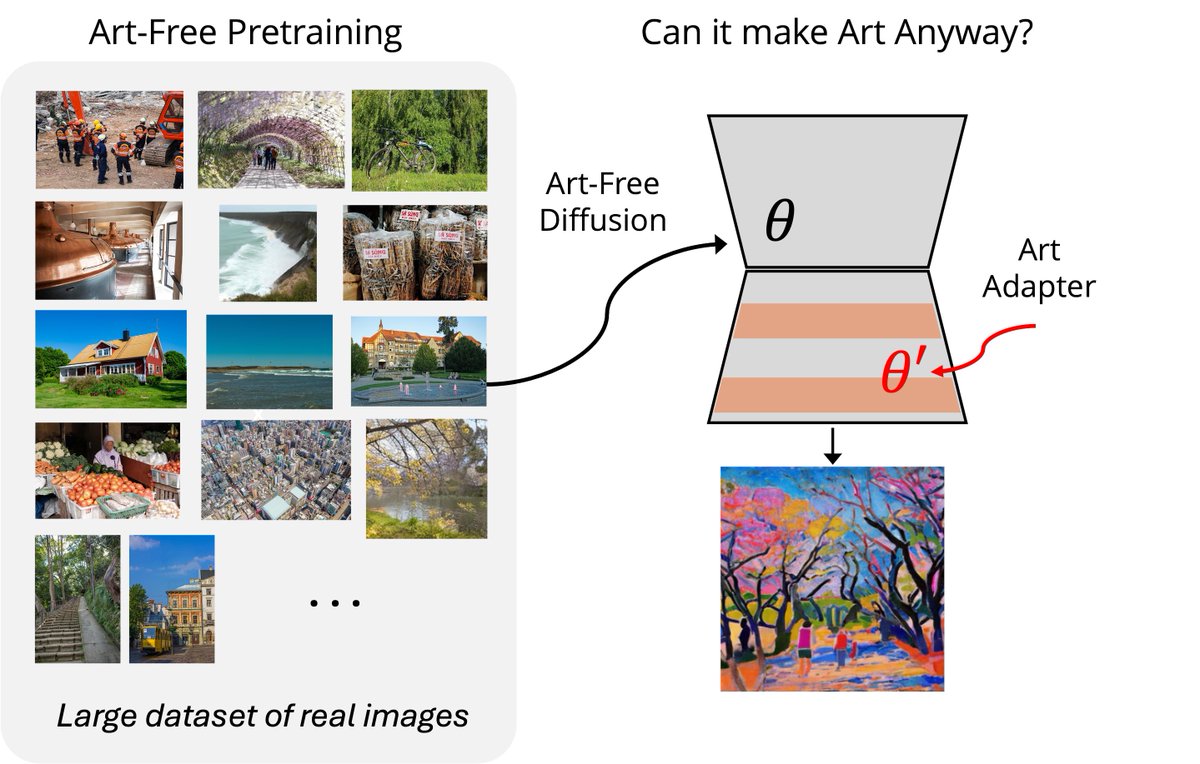
Do you need to copy art to make art?
That question is the core of the tension between generative AI and copyright.
Check out @rhfeiyang and @materzynska's new work that avoids slurping up art.
Their Art-Free Diffusion & Art-Free data let you make "imitation-free" AI art🧵
3 Dec 2024

1/ 🎨✨ If an AI has never seen art before, can it develop artistic capabilities?
Our team from MIT, Northeastern and ShanghaiTech University analyzes this question in our Art-Free Diffusion paper.
1
4
34
2,950
Markus Strohmaier retweeted

4 Dec 2024
We just opened a new team leader position at the Computational Social Science department at @gesis_org please spread the news and contact me or @SebStier for questions hidden-professionals.de/HPv3…
25
39
6,101
Markus Strohmaier retweeted
14 Nov 2024
Where does gender bias manifest in model parameters? 🤔 Excited to present our work on Local Contrastive Editing of Gender Stereotypes at @emnlpmeeting on Thursday at 10:30am! Drop by our poster to chat about new insights into bias control. #EMNLP2024
2
5
289
Markus Strohmaier retweeted

14 Oct 2024
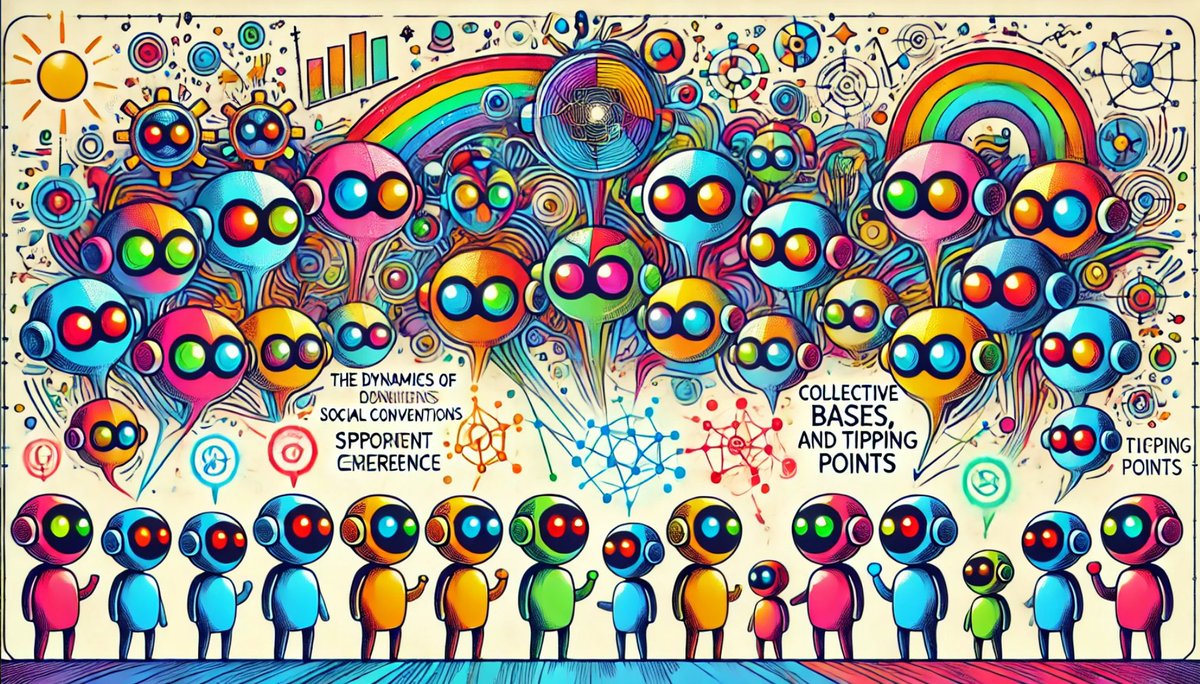
New preprint: 𝗧𝗵𝗲 𝗗𝘆𝗻𝗮𝗺𝗶𝗰𝘀 𝗼𝗳 𝘀𝗼𝗰𝗶𝗮𝗹 𝗰𝗼𝗻𝘃𝗲𝗻𝘁𝗶𝗼𝗻𝘀 𝗶𝗻 𝗟𝗟𝗠 𝗽𝗼𝗽𝘂𝗹𝗮𝘁𝗶𝗼𝗻𝘀: 𝗦𝗽𝗼𝗻𝘁𝗮𝗻𝗲𝗼𝘂𝘀 𝗲𝗺𝗲𝗿𝗴𝗲𝗻𝗰𝗲, 𝗰𝗼𝗹𝗹𝗲𝗰𝘁𝗶𝘃𝗲 𝗯𝗶𝗮𝘀𝗲𝘀 𝗮𝗻𝗱 𝘁𝗶𝗽𝗽𝗶𝗻𝗴 𝗽𝗼𝗶𝗻𝘁𝘀
arxiv.org/pdf/2410.08948v1 1/N
2
21
78
6,269
Markus Strohmaier retweeted

12 Oct 2024
In the beginning of 2023 I expressed my fear that AI would deforest the knowledge’s ecosystem spinellis.gr/blog/20230316/. Now a PNAS Nexus paper shows that large language models reduce public knowledge sharing on online Q&A platforms (StackOverflow) doi.org/10.1093/pnasnexus/pg…
2
40
68
7,179
Markus Strohmaier retweeted

8 Oct 2024
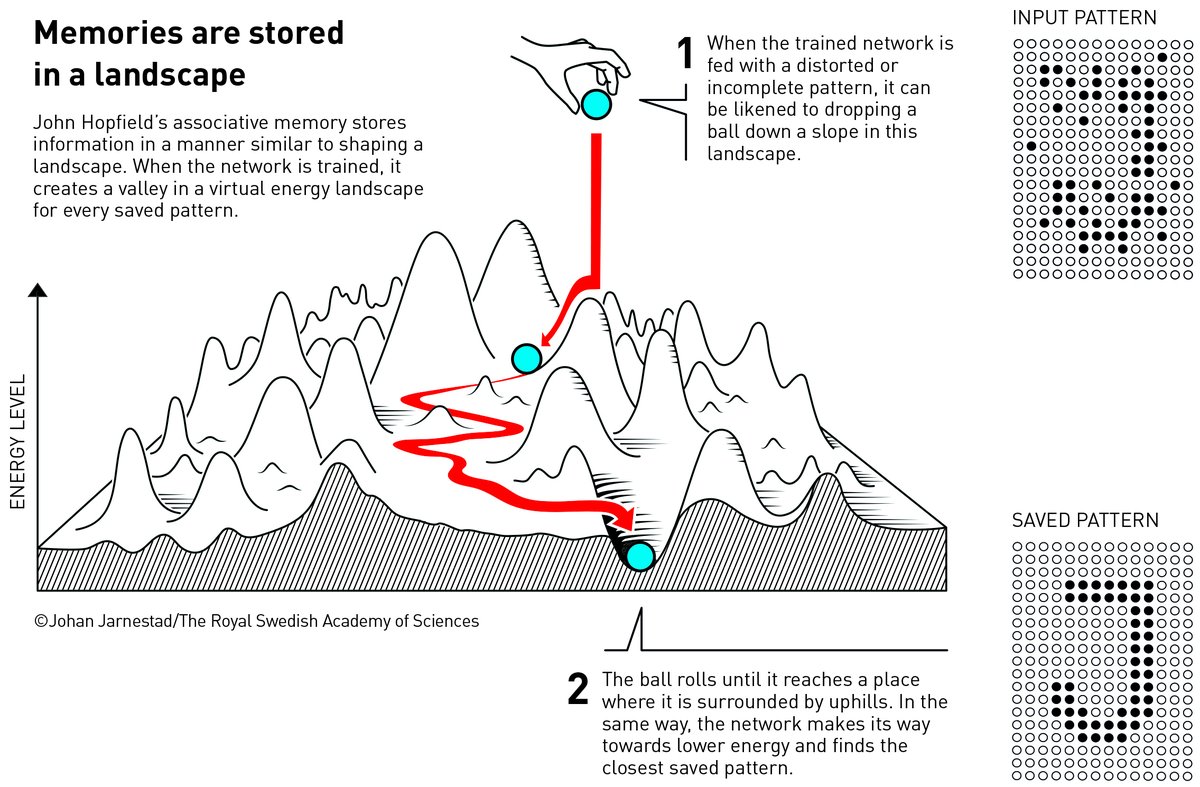
This year’s #NobelPrize laureate in physics John Hopfield created an associative memory that can store and reconstruct images and other types of patterns in data.
The Hopfield network can store patterns and has a method for recreating them. When the network is given an incomplete or slightly distorted pattern, the method can find the stored pattern that is most similar.
Read more about the research that led to this year’s physics prize: bit.ly/3Bi9H8u
156
2,859
10,290
999,403