
2,309 Photos and videos





Pinned Tweet
In most DeFi protocols, the hardest part isn’t earning yield.
It’s dealing with uncertainty.
Rates move. Pools shift. APY changes without warning.
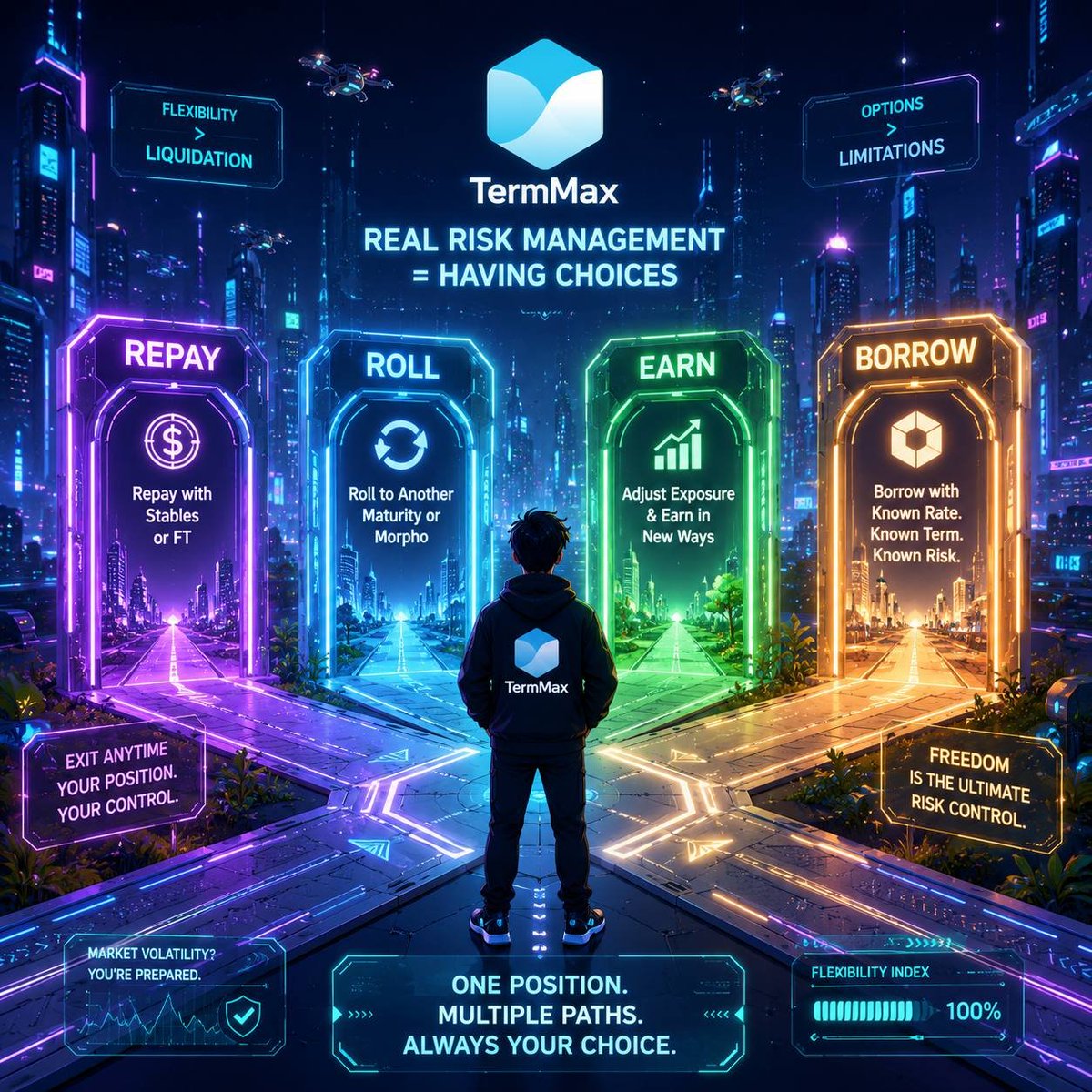
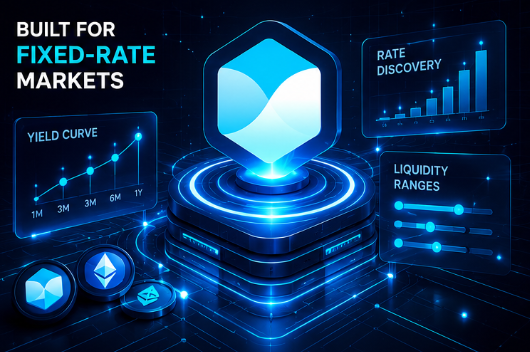
That’s why fixed yield markets on @TermMaxFi (USDC / USDT / Ondo assets) feel different.
Up to ~11.25% APR isn’t the headline.
The real value is:
you don’t wake up and re-evaluate everything again.
Less volatility in outcomes → less mental overhead.
Sometimes stability is the alpha.
74
59
217
What I like about this post is that it doesn't read like a product announcement.
It reads like someone came back from a conversation that changed the way they think.
Most updates in crypto are packed with details.
Features.
Roadmaps.
Metrics.
This one revolves around a single sentence.
"Stop building economies where leaving is the optimal strategy."
And somehow that's enough.
Because if you zoom out, a lot of what we call growth is really just movement.
Capital moves.
Attention moves.
Users move.
The harder thing to build is conviction.
A reason for people to stay even when the next shiny opportunity appears on the timeline.
Not sure what Bread will look like next week.
But I understand why that feedback became the centerpiece of the story.

I wasn’t supposed to share this.
But after months of discussions, the Agarthan delegation finally approved Bread.
Their feedback was surprisingly simple:
“Stop building economies where leaving is the optimal strategy.”
So we did.
See you next week.

51
49
3,868
numbers look huge these days.
then you open the replies and realize half the conversation never really left the same circle.
that's why i've been paying more attention to mindshare than raw engagement. impressions travel fast, influence doesn't.
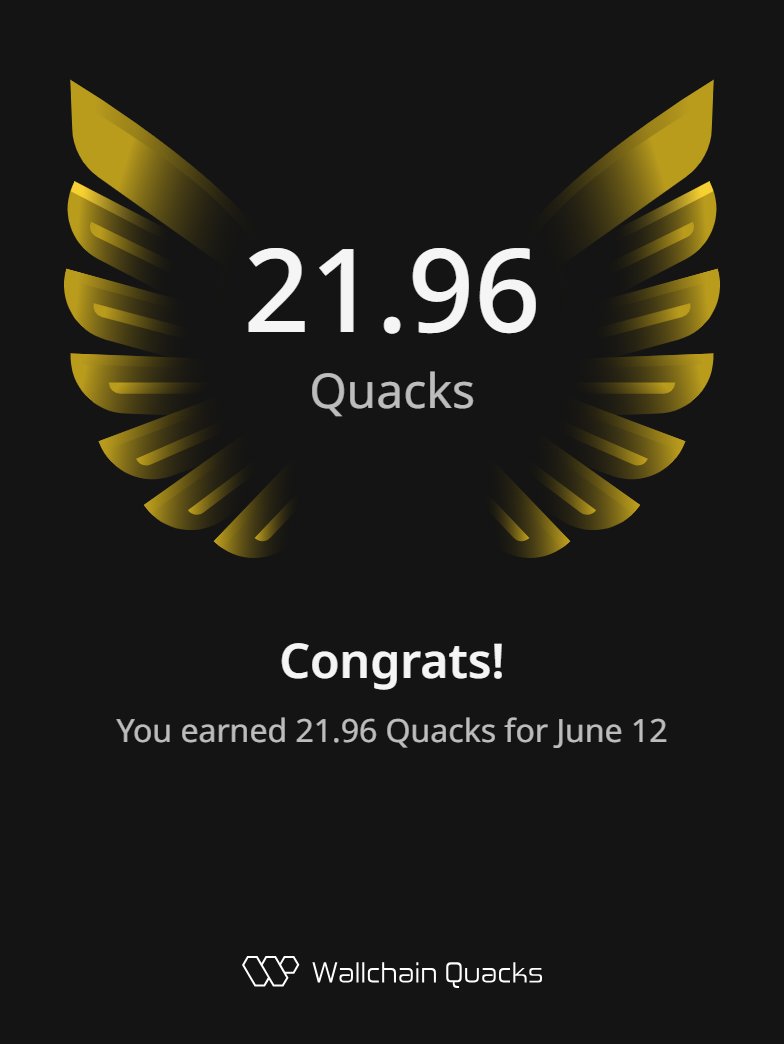
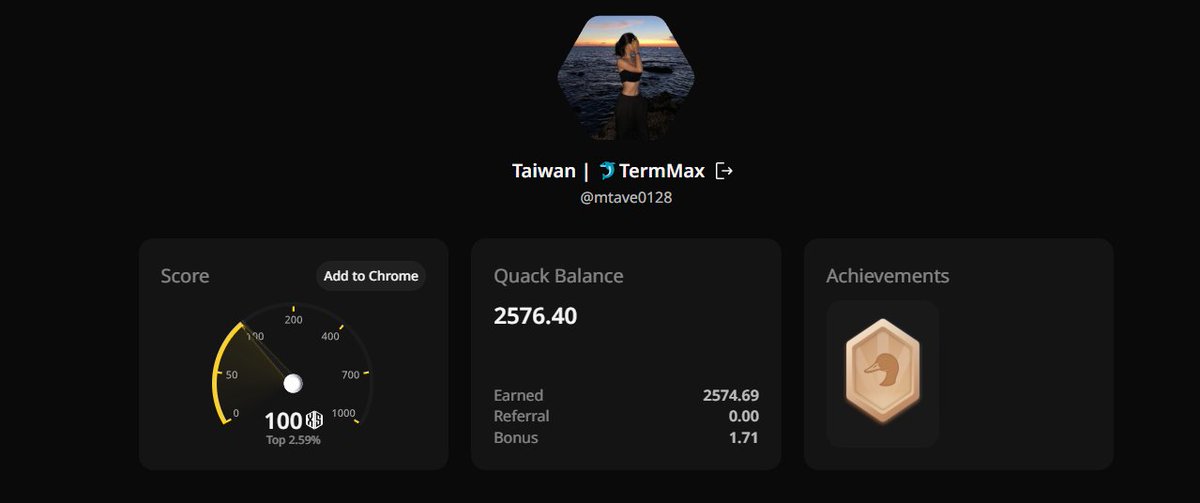
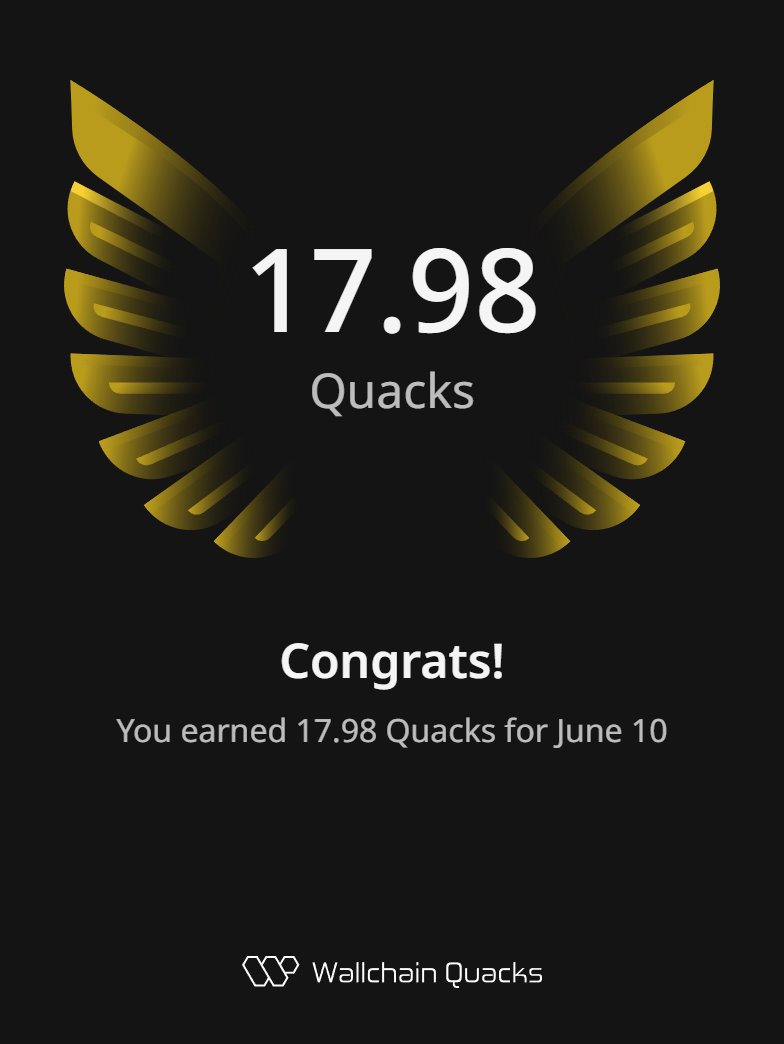
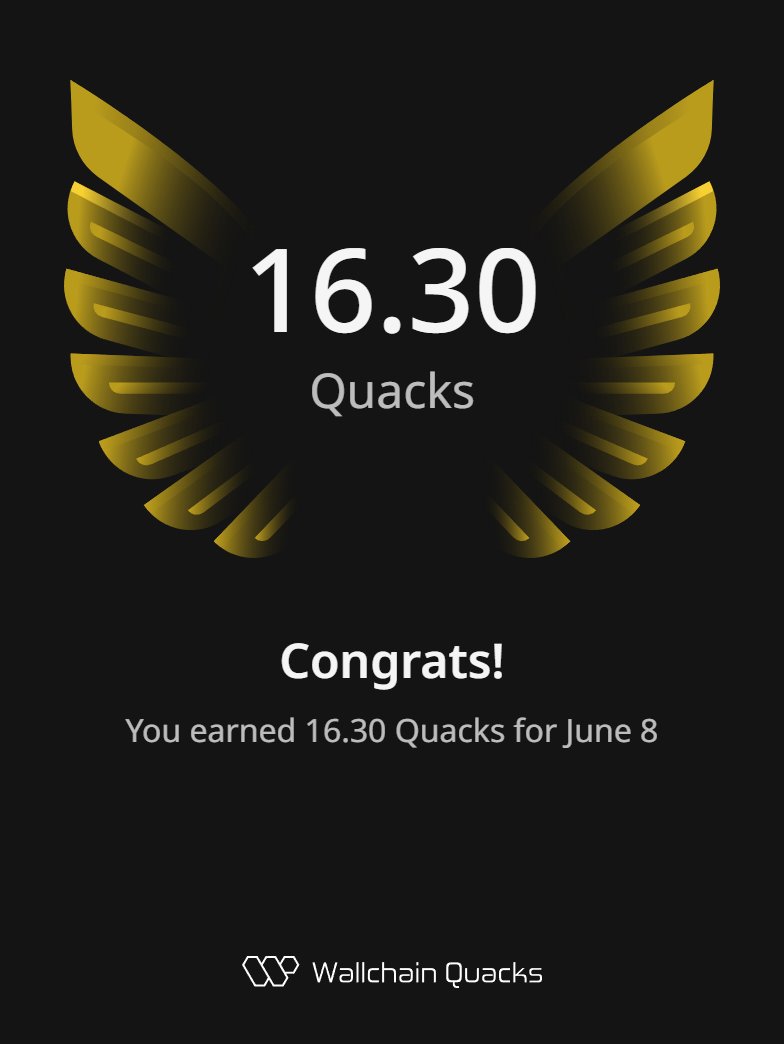
the interesting thing about quacks is they surface pockets of attention that aren't obvious from headline metrics.
saw a thread mentioning @wallchain and it clicked. x score feels less like a popularity contest and more like a way to track where ideas are actually sticking.
maybe infofi gets interesting when attention stops being estimated and starts being measurable.
Jun 12

there's always that moment when a narrative jumps from one corner of ct to another
same topic
different people
slightly different framing each time
that's usually when i start paying attention
not to the post itself
to how far it travels
saw a few discussions around @wallchain today and it reminded me that engagement numbers can be misleading
some content gets endless impressions and goes nowhere
other ideas quietly reshape conversations
that's where mindshare starts to show up
the x score angle is interesting because it looks beyond surface activity
and quacks seem to capture pieces of that social spread most dashboards ignore
makes me wonder if attentionfi eventually becomes less about content performance and more about mapping influence itself
25
22
142
i read "six months of work" and honestly that part stood out more than anything else.
most people only see the launch day.
they don't see the countless ideas that got discarded.
the features that never made it.
the doubts somewhere in the middle.
then eventually there is a moment where you stop building and let the market decide.
that's always the hardest part.
bread.hot feels like one of those launches where the real story isn't the interface.
it's the bet behind it.
a belief that attention, speculation, narratives and prediction can live in the same environment.
now the interesting part begins.
seeing whether the market agrees.
Jun 11
Six months of work.
Today we ship.
The first launchpad where memecoins and prediction markets live in one terminal.
This is what I believe in.
bread.hot
56
55
3,582
maybe i'm wrong, but attention has become one of the most valuable assets in crypto.
every token launch is a competition for attention.
every prediction market is a competition of beliefs.
when those two collide, the result is usually more interesting than either one on its own.
definitely keeping an eye on how this evolves.
Jun 12

Live.
bread.hot v.1 — the first launchpad combining memecoins and prediction markets in one platform.
Launch a token. Trade a market. Bet in predict markets.
43
39
1,514

Jun 13
crypto culture loves action
buy now
rotate now
farm now
ape now
but some of the best investments i’ve ever made came from doing almost nothing after entering
the hard part is surviving the waiting period without feeling like your capital is wasted
that’s where the dual investment side of @TermMaxFi got interesting for me
instead of treating waiting as dead time the system lets you collect premiums while targeting prices you’d already be happy with
if the market reaches your level great
if it doesn’t you still earned something for your patience
honestly that’s a mindset shift more than a product feature
because the longer i’m in this space the more i think successful investing is less about being right every day
and more about getting paid while you’re waiting to be right
103
92
5,426
Jun 12
there's always that moment when a narrative jumps from one corner of ct to another
same topic
different people
slightly different framing each time
that's usually when i start paying attention
not to the post itself
to how far it travels
saw a few discussions around @wallchain today and it reminded me that engagement numbers can be misleading
some content gets endless impressions and goes nowhere
other ideas quietly reshape conversations
that's where mindshare starts to show up
the x score angle is interesting because it looks beyond surface activity
and quacks seem to capture pieces of that social spread most dashboards ignore
makes me wonder if attentionfi eventually becomes less about content performance and more about mapping influence itself
Jun 12
i keep noticing how some posts pull thousands of views and somehow leave almost no footprint on the timeline a few hours later.
meanwhile a random account sparks discussions that bounce across dozens of circles.
that's why raw numbers feel less useful these days.
impressions can be bought.
engagement can be farmed.
actual mindshare behaves differently.
been thinking about that while watching what @wallchain is building.
the interesting signal isn't who got seen.
it's who changed the conversation.
x score tries to capture part of that dynamic, while quacks add another layer to how attention moves between people.
makes me wonder if attentionfi ends up looking more like a reputation market than a content market.
23
22
279
Jun 12
🦀@perx_trade
btc holding up
alts doing their usual thing
timeline feels way more selective than it did a few months ago
people scroll past narratives faster now
attention sticks when something solves an actual friction
not when it's just another dashboard
that's probably why @NomismaNetwork keeps ending up back on my radar
the conversation isn't really about yields or incentives
more about making different parts of onchain finance work together without feeling disconnected
hard to explain
easy to notice once you start paying attention
some ideas get clicks
others quietly keep showing up in serious discussions
Jun 11
🐬@perx_trade
btc moving.
alts trying to keep up.
ct feels restless.
everyone looking for the next rotation before it becomes obvious.
caught myself opening the same few tabs more than usual today.
not for prices.
for conversations.
that's usually where the early signals show up.
saw @NomismaNetwork mentioned a couple of times by people who rarely post about the same things.
interesting.
not enough to draw conclusions.
but enough to notice.
sometimes the most useful information isn't the loud narrative.
it's the quiet repetition across different corners of the timeline.
keeping that one on the watchlist for now.
we'll see if the market keeps talking about it when volatility picks up again.
85
78
1,571
Jun 12
i keep noticing how some posts pull thousands of views and somehow leave almost no footprint on the timeline a few hours later.
meanwhile a random account sparks discussions that bounce across dozens of circles.
that's why raw numbers feel less useful these days.
impressions can be bought.
engagement can be farmed.
actual mindshare behaves differently.
been thinking about that while watching what @wallchain is building.
the interesting signal isn't who got seen.
it's who changed the conversation.
x score tries to capture part of that dynamic, while quacks add another layer to how attention moves between people.
makes me wonder if attentionfi ends up looking more like a reputation market than a content market.
29
27
297
Jun 12
One lesson from using variable-rate lending markets:
the risk isn't always the asset.
Sometimes it's the rate itself.
I've had positions where the original borrow cost barely resembled the cost a few weeks later.
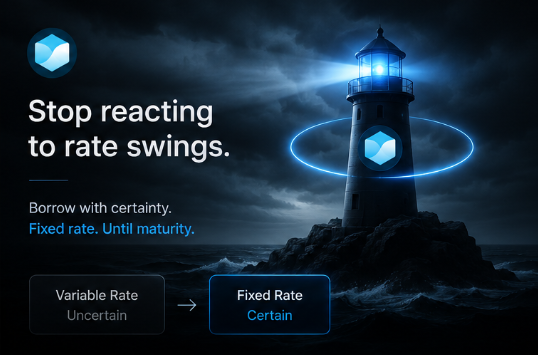
That's why fixed-rate borrowing on @TermMaxFi caught my attention.
Loans are priced through a maturity market and yield curve instead of utilization swings.
When the rate is locked until maturity, planning becomes much easier.
Less reacting.
More conviction.
105
105
351
Jun 11
there's a pattern i've started noticing.
some accounts can post ten times a day and barely change the conversation.
another account drops one thought and suddenly everyone is debating the same topic for the next 48 hours.
that's why raw engagement feels incomplete.
the numbers are visible.
the impact isn't.
came across @wallchain while thinking about that gap.
quacks often surfaces names that aren't necessarily the loudest voices on the timeline.
then you compare that with x score and a different picture starts forming.
mindshare seems less about audience size and more about where ideas actually stick.
attention quality matters a lot more than most dashboards suggest.
makes me think the next layer of infofi might be about tracking influence after the click, not before it.
Jun 11
was scrolling through a few accounts earlier and noticed something odd.
some posts rack up huge impressions, yet the conversation dies almost immediately.
others keep resurfacing through replies, quotes, and side discussions for days.
that's why i've started paying more attention to mindshare than raw reach.
the interesting part is how quacks seem to capture that difference better than engagement counters alone.
same with x score.
it feels less about who got seen and more about who actually shaped the discussion.
saw @wallchain come up in that context a few times recently.
makes me think we're getting closer to measuring attention quality instead of counting clicks.
curious where that takes infofi from here.
28
1
28
166
Jun 11
Looking back, one of the most valuable things I've gained this year wasn't a project or a campaign.
It was access to a community where people openly share knowledge, experiences, and lessons they've learned along the way.
That's what @partykols has been for me.
Not just a place to connect with other creators, but a place where I've genuinely learned a lot and found opportunities I might have missed otherwise.
Huge appreciation to @maksisaysi for creating that environment and consistently opening doors for others.
Grateful for everything I've learned so far and excited for what's ahead.
38
1
40
244
Jun 11
🐬@perx_trade
btc moving.
alts trying to keep up.
ct feels restless.
everyone looking for the next rotation before it becomes obvious.
caught myself opening the same few tabs more than usual today.
not for prices.
for conversations.
that's usually where the early signals show up.
saw @NomismaNetwork mentioned a couple of times by people who rarely post about the same things.
interesting.
not enough to draw conclusions.
but enough to notice.
sometimes the most useful information isn't the loud narrative.
it's the quiet repetition across different corners of the timeline.
keeping that one on the watchlist for now.
we'll see if the market keeps talking about it when volatility picks up again.
Jun 10
✍️@perx_trade
CT feels weird today.
Everyone is chasing what's moving right now.
Nobody wants to talk about what actually gets built during the quiet periods.
Been seeing more discussion around RWAs again.
Not the hype version.
The infrastructure side.
The part that matters if real assets are going to live onchain long term.
That's where @NomismaNetwork keeps popping up on my timeline.
Not in a loud way.
More like pieces of a bigger trend starting to connect.
Liquidity.
Settlement.
Asset access.
Different conversations, same direction.
Maybe the market isn't ready to price that yet.
Or maybe people are too busy staring at the next candle.
Either way, the gap between traditional finance and crypto keeps shrinking.
Hard to ignore that.
71
69
1,915
Jun 11
was scrolling through a few accounts earlier and noticed something odd.
some posts rack up huge impressions, yet the conversation dies almost immediately.
others keep resurfacing through replies, quotes, and side discussions for days.
that's why i've started paying more attention to mindshare than raw reach.
the interesting part is how quacks seem to capture that difference better than engagement counters alone.
same with x score.
it feels less about who got seen and more about who actually shaped the discussion.
saw @wallchain come up in that context a few times recently.
makes me think we're getting closer to measuring attention quality instead of counting clicks.
curious where that takes infofi from here.
14
14
296
Jun 11
Had a position earlier this year where the trade was right.
The funding wasn't.
Market barely moved.
Borrow costs did.
That's the part people don't talk about enough.
Variable-rate debt introduces another moving piece.
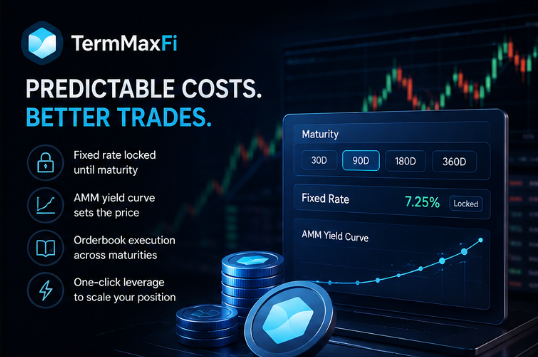
So I started experimenting with @TermMaxFi.
The structure is closer to something I can actually model.
Choose a maturity.
Lock the rate.
Build around it.
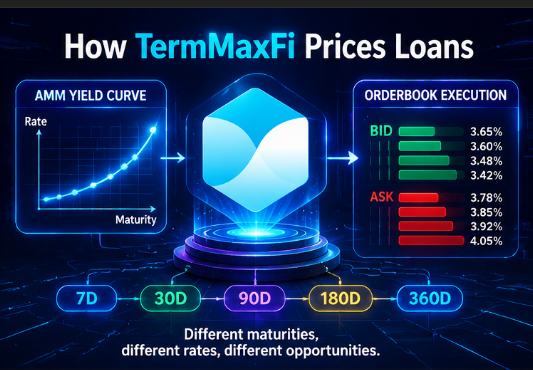
The AMM yield curve determines pricing.
Orderbook execution handles liquidity.
Different maturities clear at different levels.
Which makes sense.
A 30-day view shouldn't cost the same as a longer one.
I've also been using one-click leverage there.
Mostly because it removes unnecessary steps.
Less operational friction.
More focus on risk.
That's what I care about these days.
120
1
109
5,493
Jun 10
interesting how some creators seem to pull entire conversations with them when they switch topics.
not because they have the biggest audience.
because people pay attention when they speak.
that distinction feels important.
engagement numbers can be misleading.
a crowded comment section doesn't automatically translate into influence.
while following a few of those accounts today, i kept running into quacks in unexpected places.
different communities.
same names.
that's what got me looking at @wallchain again.
the x score starts making more sense when you think about attention as something that flows rather than something that's counted.
mindshare isn't always loud.
sometimes it's just persistent.
feels like we're slowly moving toward a world where attention quality gets valued more than visibility itself.
Jun 10
funny how certain discussions seem to jump between completely different accounts and still end up in the same place.
you can almost watch an idea travel across ct in real time.
the original post isn't always the important part.
sometimes it's the chain reaction afterward.
that's where engagement numbers get weird.
a million impressions can look impressive.
doesn't mean anyone changed their view.
been noticing quacks pop up around conversations that keep resurfacing days later.
different signal entirely.
came across @wallchain while thinking about that.
the x score feels less like a popularity metric and more like a way to observe where mindshare actually accumulates.
maybe we're getting closer to a world where attention stops being abstract and starts becoming infrastructure.
27
26
173
Jun 10
funny how certain discussions seem to jump between completely different accounts and still end up in the same place.
you can almost watch an idea travel across ct in real time.
the original post isn't always the important part.
sometimes it's the chain reaction afterward.
that's where engagement numbers get weird.
a million impressions can look impressive.
doesn't mean anyone changed their view.
been noticing quacks pop up around conversations that keep resurfacing days later.
different signal entirely.
came across @wallchain while thinking about that.
the x score feels less like a popularity metric and more like a way to observe where mindshare actually accumulates.
maybe we're getting closer to a world where attention stops being abstract and starts becoming infrastructure.
37
36
433
Jun 10
✍️@perx_trade
CT feels weird today.
Everyone is chasing what's moving right now.
Nobody wants to talk about what actually gets built during the quiet periods.
Been seeing more discussion around RWAs again.
Not the hype version.
The infrastructure side.
The part that matters if real assets are going to live onchain long term.
That's where @NomismaNetwork keeps popping up on my timeline.
Not in a loud way.
More like pieces of a bigger trend starting to connect.
Liquidity.
Settlement.
Asset access.
Different conversations, same direction.
Maybe the market isn't ready to price that yet.
Or maybe people are too busy staring at the next candle.
Either way, the gap between traditional finance and crypto keeps shrinking.
Hard to ignore that.
Jun 9
⏩@perx_trade
one thing i've learned after enough cycles is that the market rarely tells you what matters directly
it usually shows up through behavior first
spent the morning checking charts
spent the afternoon watching people
honestly the second was more interesting
certain topics get a burst of attention and disappear before the next candle closes
others keep resurfacing even when nobody seems to be actively pushing them
that's what caught my eye with @NomismaNetwork today
not a single viral post
not a flood of engagement
just a steady stream of conversations appearing in places i wasn't expecting
different timelines
different groups
same underlying curiosity
sometimes that's noise
sometimes it's the earliest signal you get
69
66
3,710
Jun 10
One mistake I made earlier was assuming all borrowing markets create the same risk.
They don't.
Most of my attention used to go toward liquidation levels.
Not funding uncertainty.
After a while I realized borrow rates could change the trade as much as price movement.
That's where fixed-rate structures started making more sense.
On @TermMaxFi, the rate gets fixed at entry.
Then remains locked until maturity.
The cost of capital is known from day one.
No utilization-driven surprises halfway through.
What makes it interesting is how rates are discovered.
An AMM-based yield curve sets the framework.
Orderbook logic helps price different maturities.
So you're choosing a term, not just borrowing liquidity.
The position feels closer to holding a fixed income instrument.
Much easier to model.
Lately I've been experimenting with Alpha Markets too.
The no-liquidation-risk structure changes how I approach directional exposure.
Still farming XP.
Just with fewer moving pieces to manage.
107
1
101
5,401
Jun 9
one small thing i've noticed lately
the accounts shaping a narrative are often not the ones sitting at the top of the engagement leaderboard
their posts don't necessarily dominate the feed
but somehow the discussion keeps expanding around them
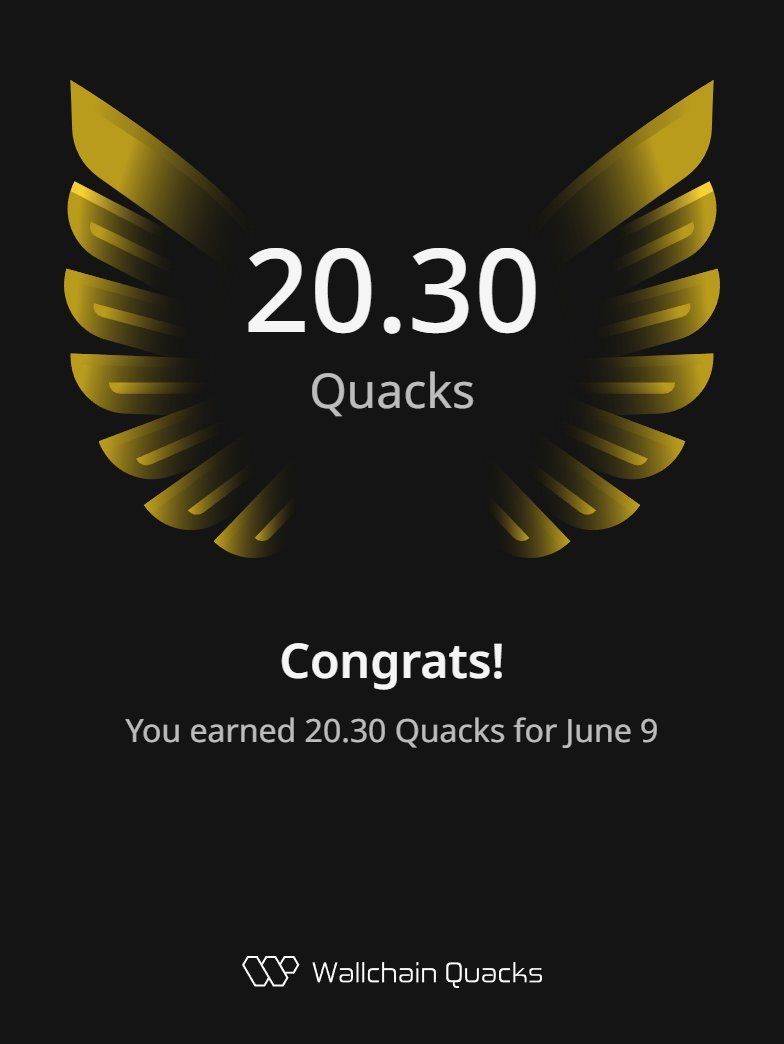
saw a few quacks snapshots today and it reminded me of that gap
visibility is easy to count
mindshare is harder
that's probably why x score has become more interesting to me than raw numbers
impressions can be huge and still leave almost no trace on the timeline a day later
been seeing @wallchain show up around that conversation more frequently
feels like we're slowly moving toward a world where attention quality becomes measurable instead of assumed
curious where that takes attentionfi next
Jun 9
there's always that one account that somehow keeps showing up in every major discussion
not because it posts the most
and definitely not because it gets the biggest numbers
the interesting part is how narratives seem to orbit around certain voices
i was comparing some quacks data earlier and the gap was pretty obvious
high visibility and actual mindshare aren't always the same thing
made me look at x score a bit differently
feels like @wallchain is tapping into a question ct has had for years but never really measured well
maybe attention doesn't stay abstract forever
maybe it becomes infrastructure
37
41
215