
Joined April 2012
- Tweets 1,327
- Following 433
- Followers 788
- Likes 2,650
22 Photos and videos









Munita Bal retweeted

Jun 10
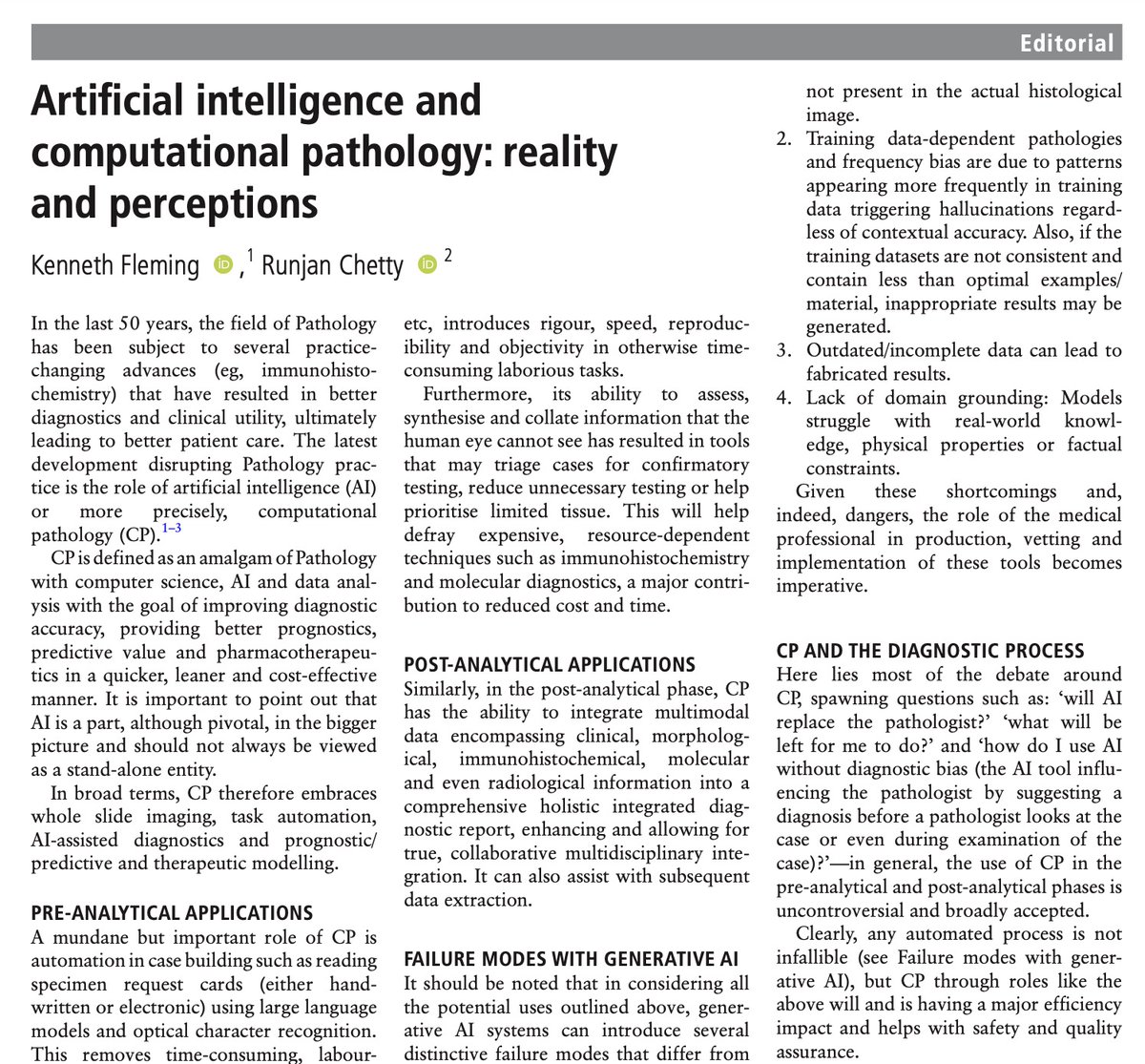
Can AI really replace pathologists ? Read @RunjanChetty & Dr Kenneth Fleming's take on this controversial question in this pertinent editorial piece from the JCP! bit.ly/4ds0BqN
7
16
763
Munita Bal retweeted

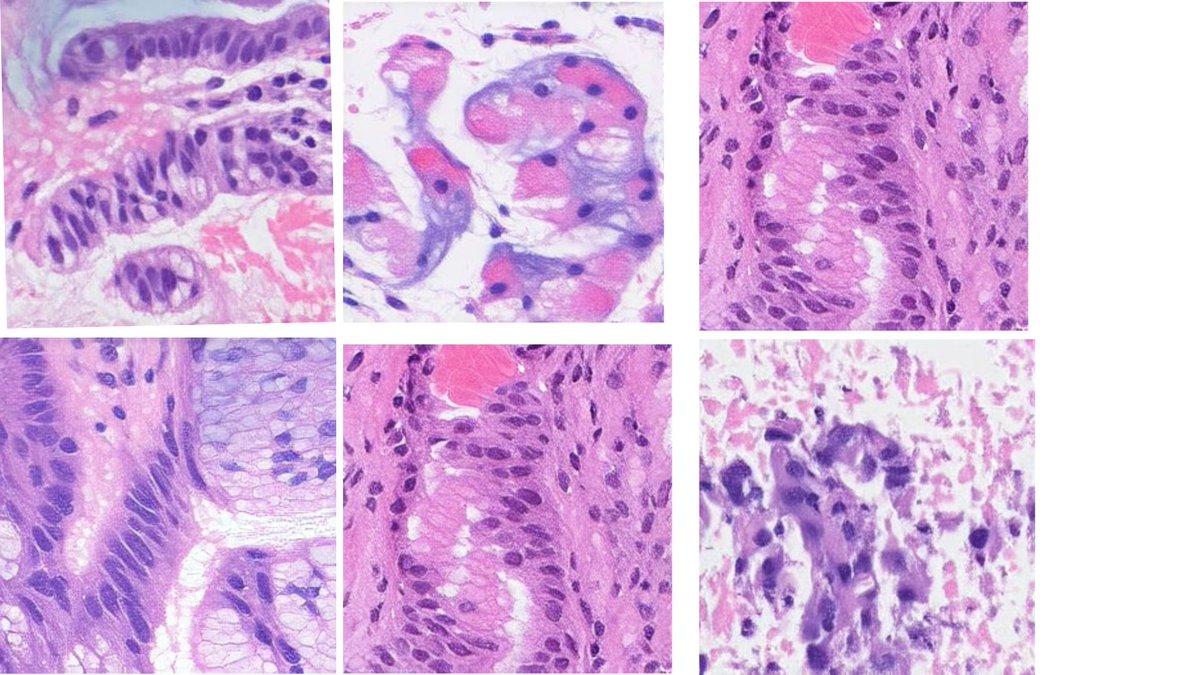
Pancreatic FNA. Would you believe that these are synthetic images?
1
1
5
809
Munita Bal retweeted
Jun 5
Read this editorial titled "Extranodal extension in head and neck cancer: why HN-CLEAR matters and what still needs proof" by the authors - Dr Vikram Deshpande, Dr Munita Bal for an indepth understanding and clarity.
Link to the editorial bit.ly/4whlTyk
2
5
214
Munita Bal retweeted
Jun 7
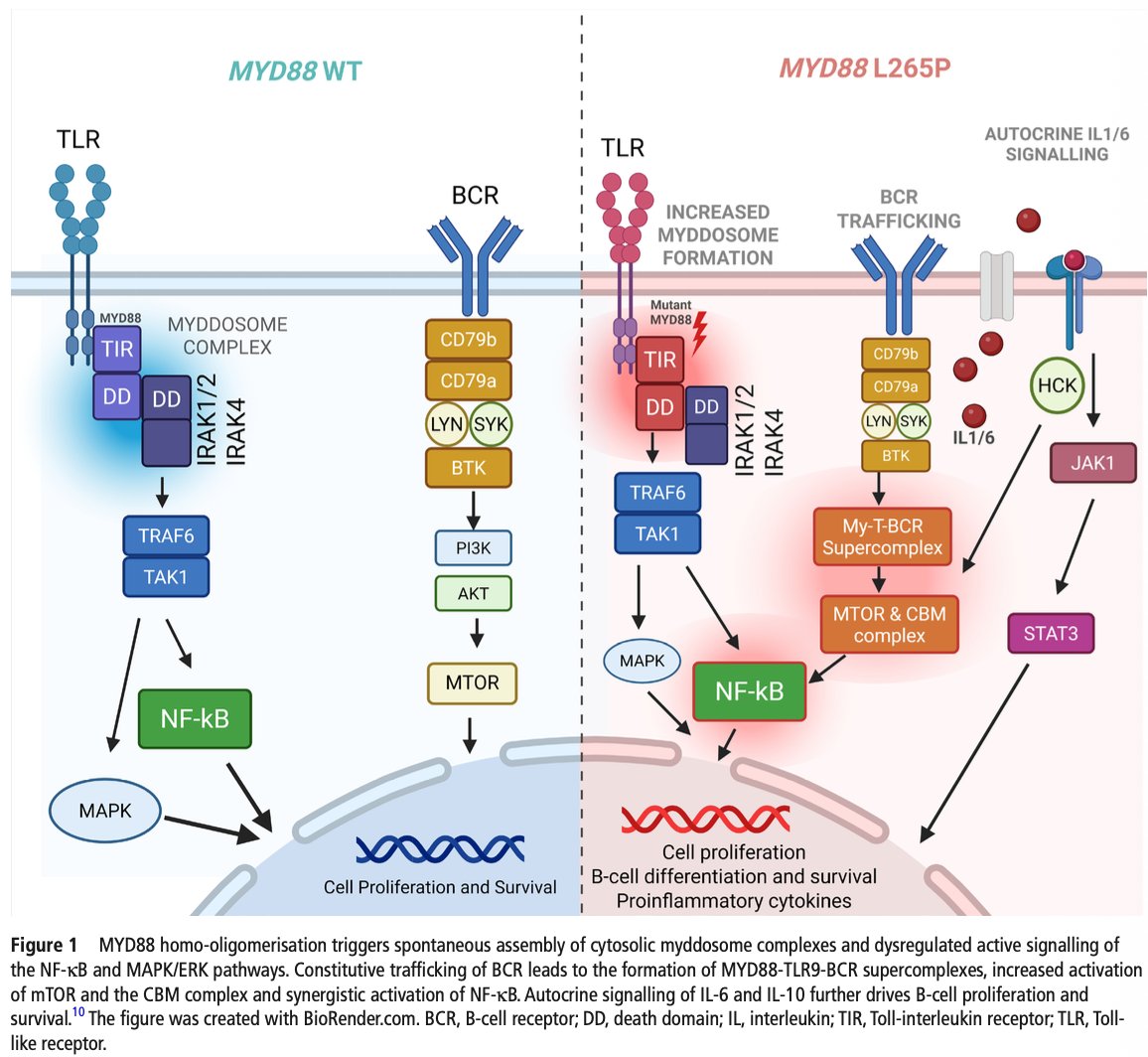
From adaptor protein to oncogenic driver.
A leucine-to-proline substitution at codon 265 (L265P) transforms MYD88 from a tightly regulated signalling adaptor into a constitutively active driver of lymphoma.
The result?
- Persistent NF-κB activation
- Enhanced B-cell survival
- Uncontrolled proliferation
How does a single molecular alteration reshape an entire signalling network?
Read the full Gene of the Month article to see how MYD88 became one of the most important biomarkers in lymphoid malignancies: bit.ly/4o94W5b
8
10
530
Munita Bal retweeted
Jun 9
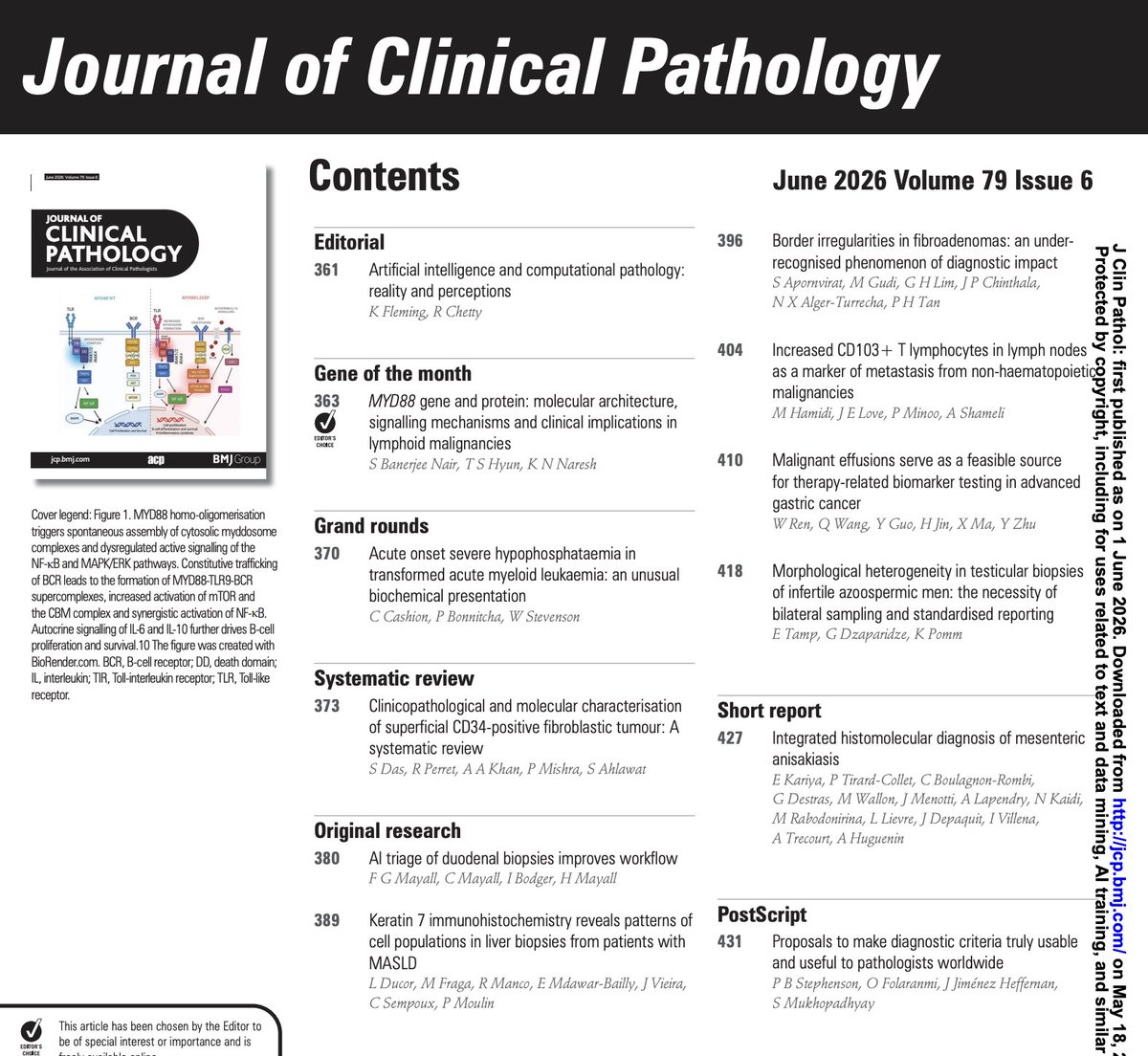
June issue is live !
From AI in pathology to evolving molecular insights, this issue spans the future and fundamentals of diagnostic practice.
🔍 Editor’s Choice:
MYD88 gene and protein — molecular architecture, signalling pathways, and clinical implications in lymphoid malignancies.
Also featuring:
• AI triage in duodenal biopsies
• Keratin 7 patterns in MASLD
• CD103 T cells as metastatic markers
• Testicular biopsy heterogeneity in infertility
A strong mix of innovation, diagnostics, and translational relevance.
#Pathology #DigitalPathology #MedEd #JCP
1
7
314
Munita Bal retweeted
May 25
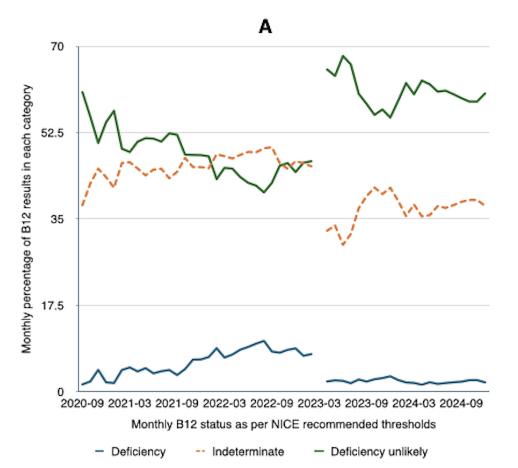
Better test ≠ better system.
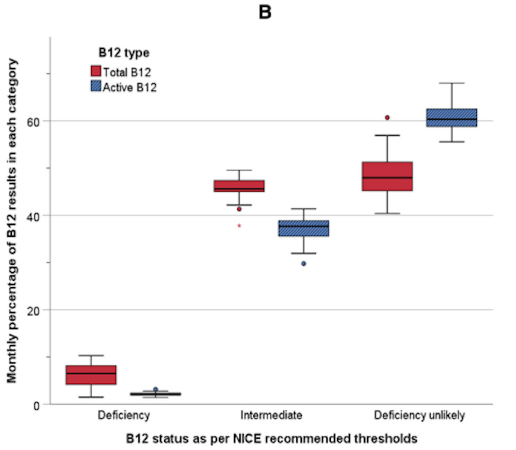
This study shows that active B12:
🔍 Classifies more patients as deficiency unlikely
🔍 Reduces the grey “indeterminate” zone
Here’s the catch:
💸 It comes at a significantly higher cost ~26× more expensive !
💡 Take-home:
Better diagnostics don’t exist in isolation.
They live in real systems, with cost, access, and scale.
A great read if you’re thinking about lab medicine: bit.ly/4uVvOI6.
#Pathology #LabMedicine #JCP
3
3
177
Munita Bal retweeted
May 26
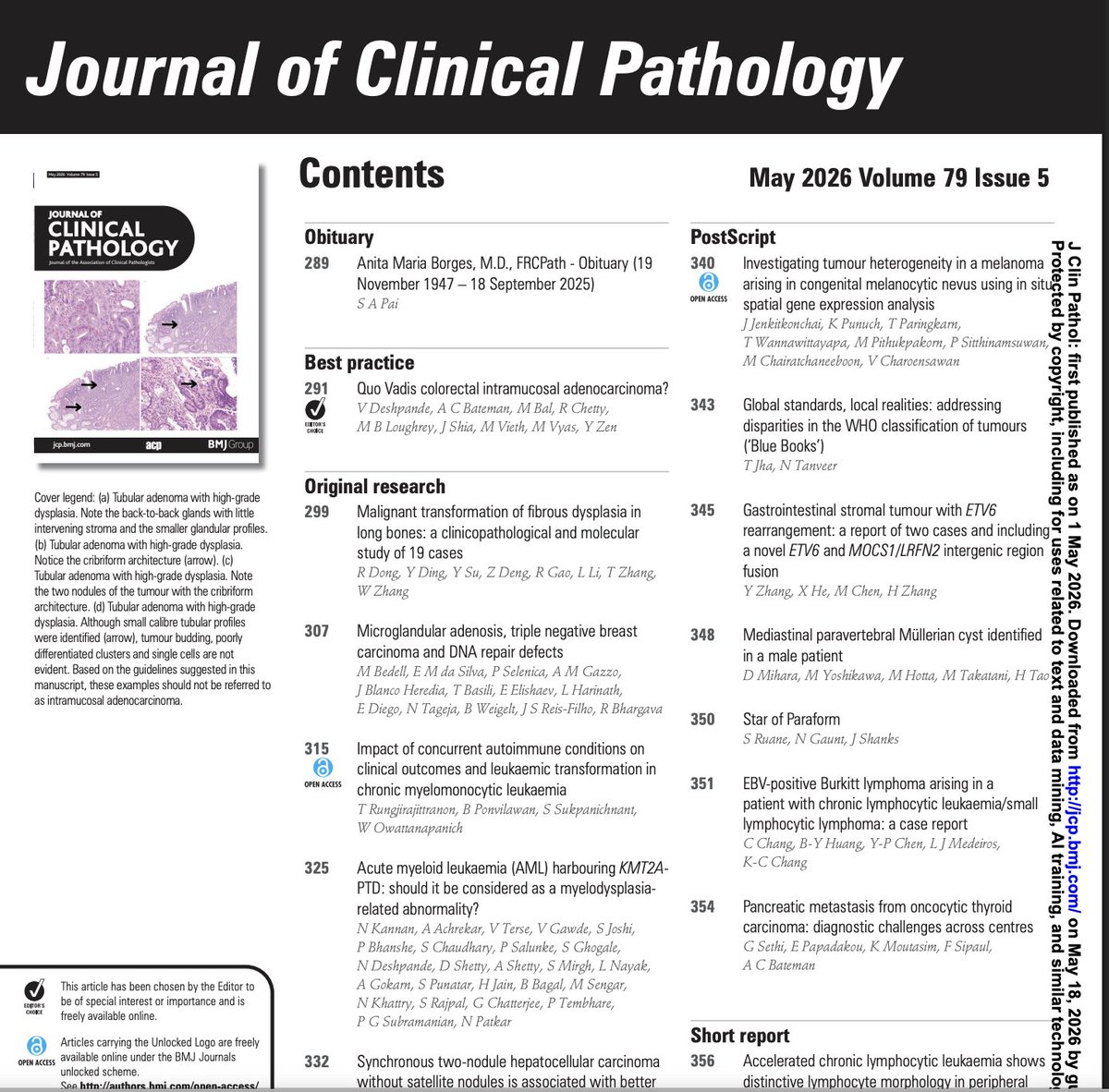
What’s inside the latest issue of JCP?
From evolving diagnostic dilemmas to rare case insights, the May 2026 issue brings together key reads across pathology.
Open Access Highlight: Autoimmune conditions & CMML outcomes.
If you read one paper today, make it this one!
#Pathology #HemePath #OncPath #OpenAccess #JCP #MedTwitter
2
4
275
Munita Bal retweeted
May 21
Check out this paper on ELOC-mutant renal cell carcinoma highlighting the practical diagnostic features and differential considerations by the authors - Meifang Lin, Chuncheng Chen, Shujing Guo, Yue Wu, Fenglian Lin, Xin Ding.
Link to the article bit.ly/4te1RSj
1
2
4
311
Munita Bal retweeted
May 22
Read this editorial titled "Extranodal extension in head and neck cancer: why HN-CLEAR matters and what still needs proof" by the authors - Dr Vikram Deshpande, Dr Munita Bal for an indepth understanding and clarity.
Link to the editorial bit.ly/4whlTyk
1
3
297
Munita Bal retweeted

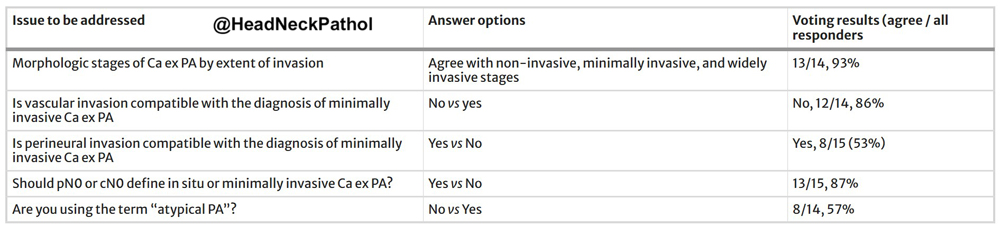
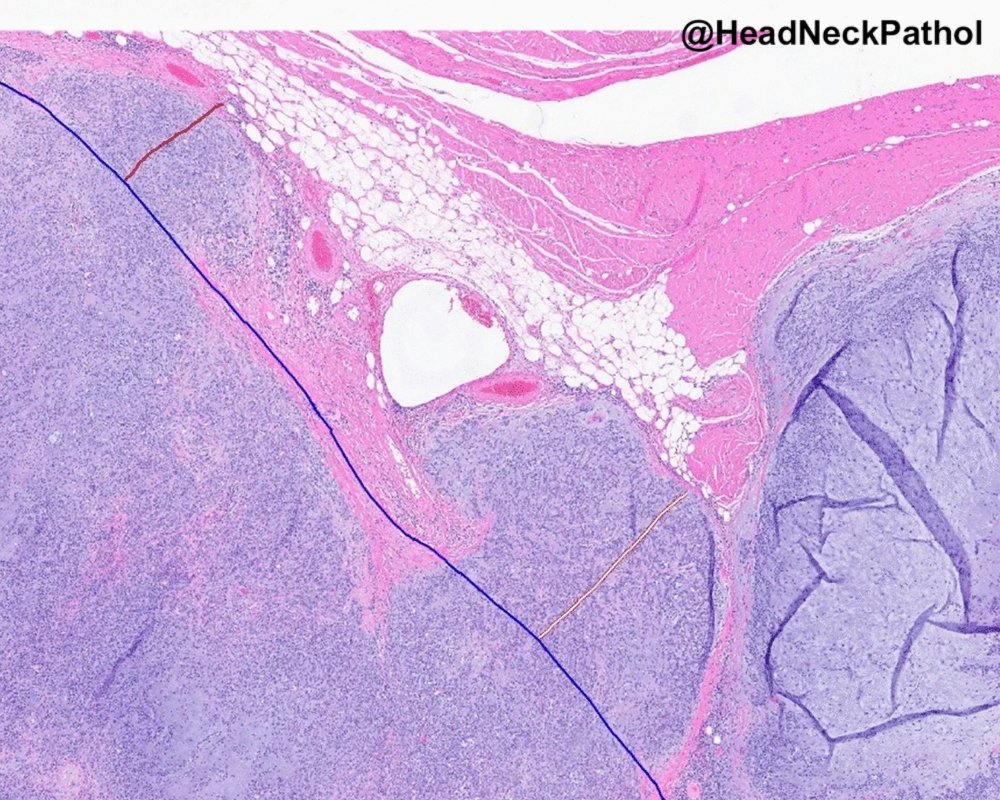
International Consensus Guidelines for Diagnostic Criteria & Checklist for Future Studies for Minimally Invasive Carcinoma ex Pleomorphic Adenoma: HN CLEAR Initiative
Beadle et al
rdcu.be/fdSmw
#HeadNeckPathol #HNPJ #HeadandNeckPath #Pathology #ENTPath #PathologyTweet
15
39
1,838
Munita Bal retweeted
Mar 22
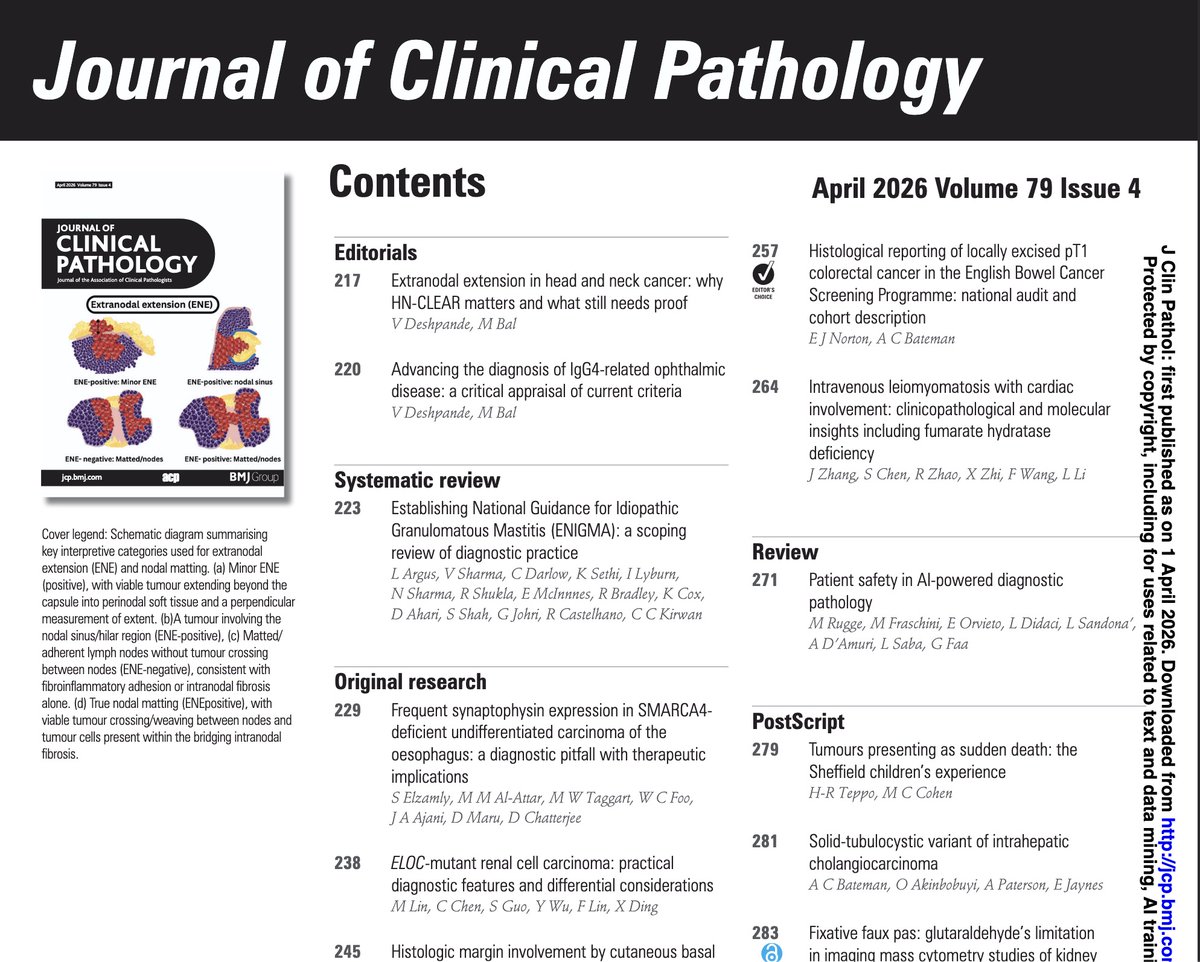
🔊 Our April issue is out now folks! Here are the highlights:
✒️ Editors choice: Histological reporting of locally excised pT1 colorectal cancer in the English Bowel Cancer Screening Programme
⭐ Synaptophysin expression in SMARCA4-deficient undifferentiated carcinoma of the esohagus - A potential pitfall
⭐ ELOC-mutant RCCs - Diagnostic features & Tips for diagnosis
⭐ Pan-TRK IHC in peripheral nerve sheath tumours - Does it truly indicate NTRK rearrangements ?
⭐ Review article: Patient safety in AI-powered diagnostic pathology
✒️ And don't forget to check two excellent editorials by @Vik_deshpandeMD and @mun_mm on
- HN-CLEAR consensus for ENE in H&N cancers: bit.ly/4bGKzXg
- Advancing the diagnosis of IgG4-related ophthalmic disease: a critical appraisal of current criteria: bit.ly/4sqaI3P
5
8
427
Munita Bal retweeted
Mar 23
Check out this paper - "High upgrade rate to invasive carcinoma makes subclassification of papillary carcinoma of the breast in core needle biopsy unnecessary" by Di Ai, Abdulwahab M Ewaz, Kevin Van Smaalen, and Xiaoxian Li.
Here is the link
bit.ly/4skr9OA
3
3
447
Munita Bal retweeted
Mar 26
WHO-HAEM5 didn’t just rename entities: it reshaped B-cell neoplasm classification. Key updates across small and aggressive B-cell lymphomas highlighted here. More details here: bit.ly/3PIpHHM
3
7
434
Munita Bal retweeted
Mar 27
EBV-Positive Burkitt Lymphoma Arising in CLL/SLL: A Case Report
Linked Here: bit.ly/4kUwaLB
1
2
187
Munita Bal retweeted
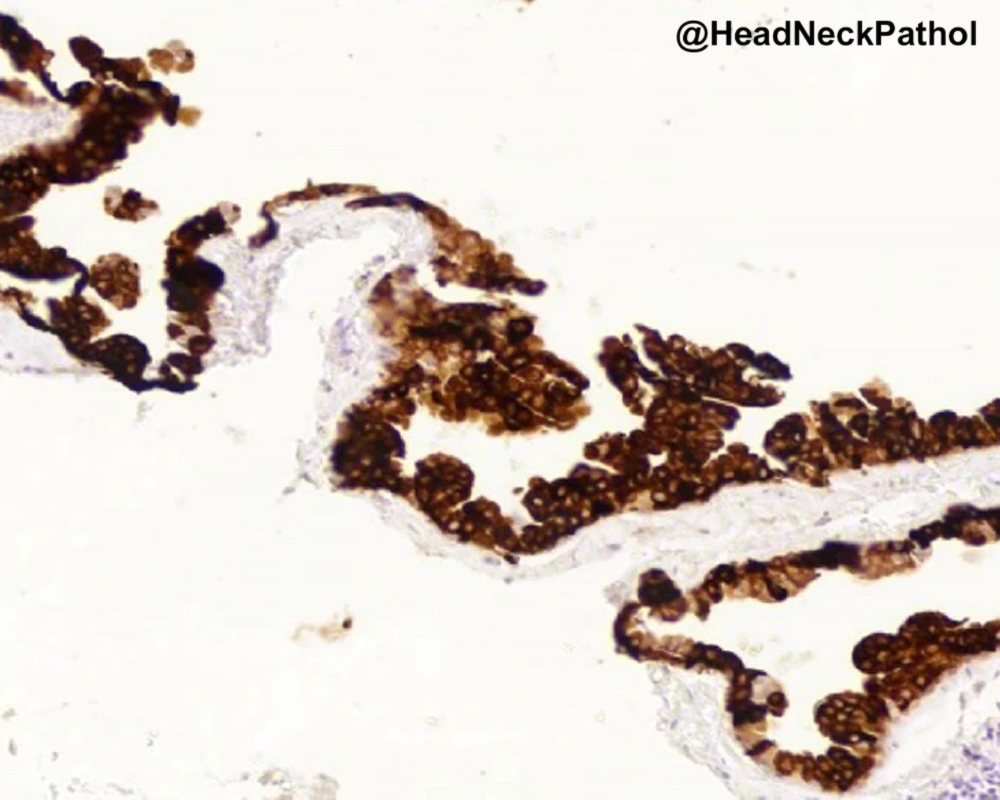
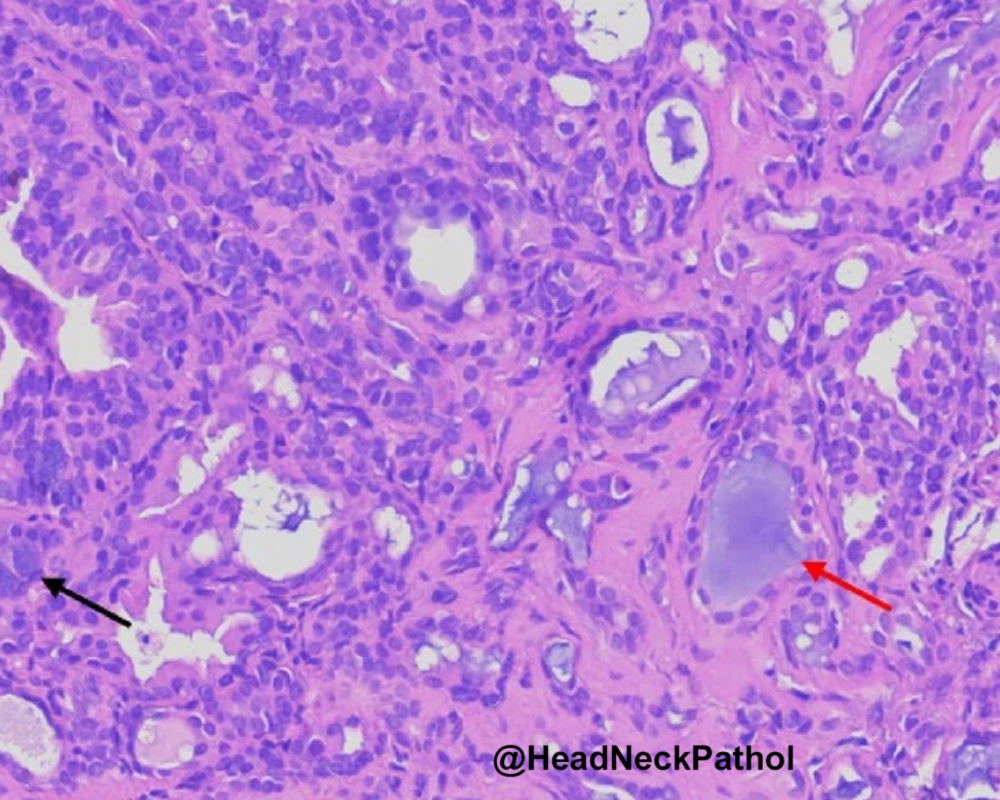
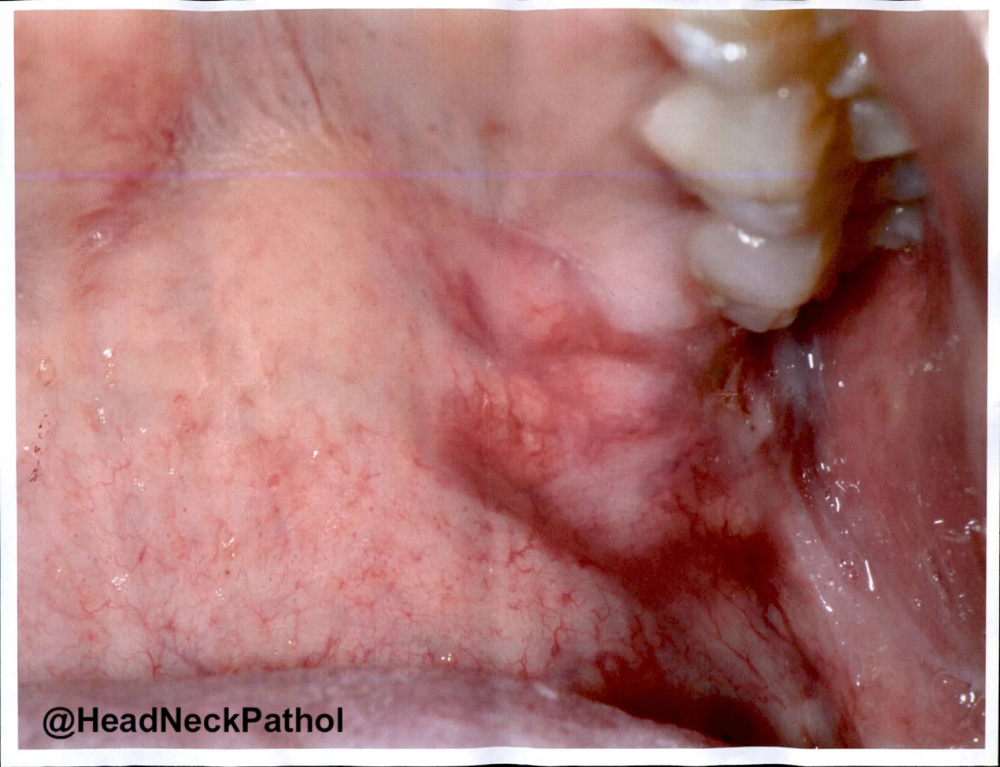
Intraductal Salivary Gland Neoplasms of the Oral Cavity: A Retrospective Case Series with Emphasis on Newly Described Entities
H Alshuaibi, S Neduvanchery, SG Fitzpatrick, et. al.
rdcu.be/e2mok
#HeadNeckPathol #HNPJ #HeadandNeckPath #Pathology #ENTPath #PathologyTweet
11
22
1,021
Munita Bal retweeted
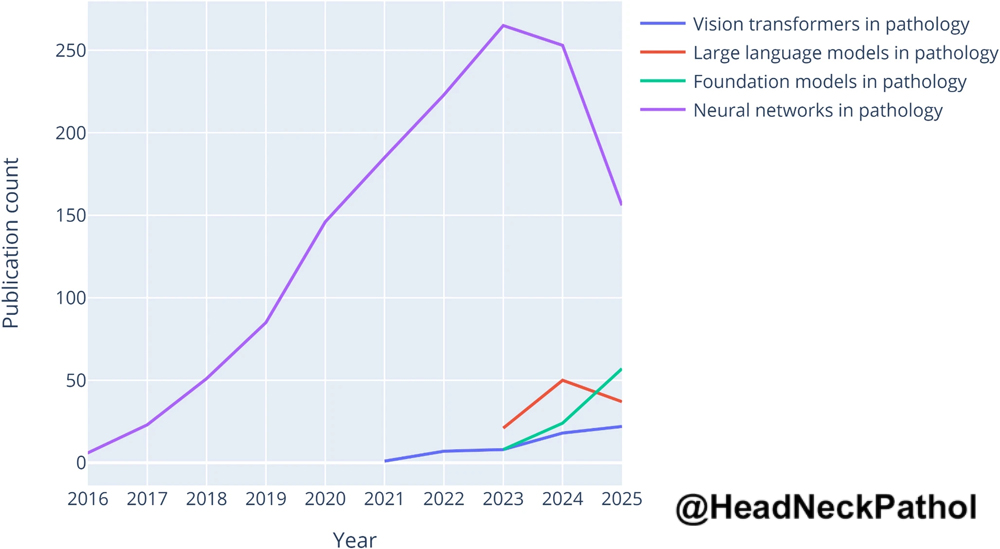
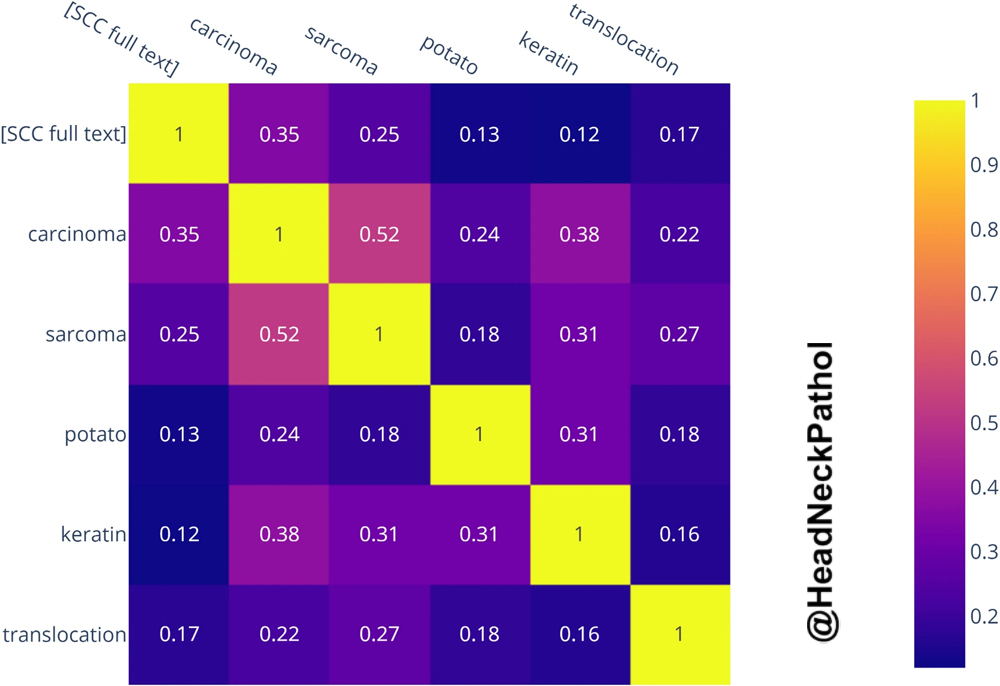
An Introduction to Pathology Foundation Models
Brandon Veremis, Shengjia Chen & Gabriele Campanella
rdcu.be/e2mbi
#HeadNeckPathol #HNPJ #HeadandNeckPath #Pathology #ENTPath #PathologyTweet
2
6
709
Munita Bal retweeted
Contemplating the Face of the Future of Oral Pathology Practice
Adam B. Walters
rdcu.be/e2meb
#HeadNeckPathol #HNPJ #HeadandNeckPath #Pathology #ENTPath #PathologyTweet
1
7
582
Munita Bal retweeted
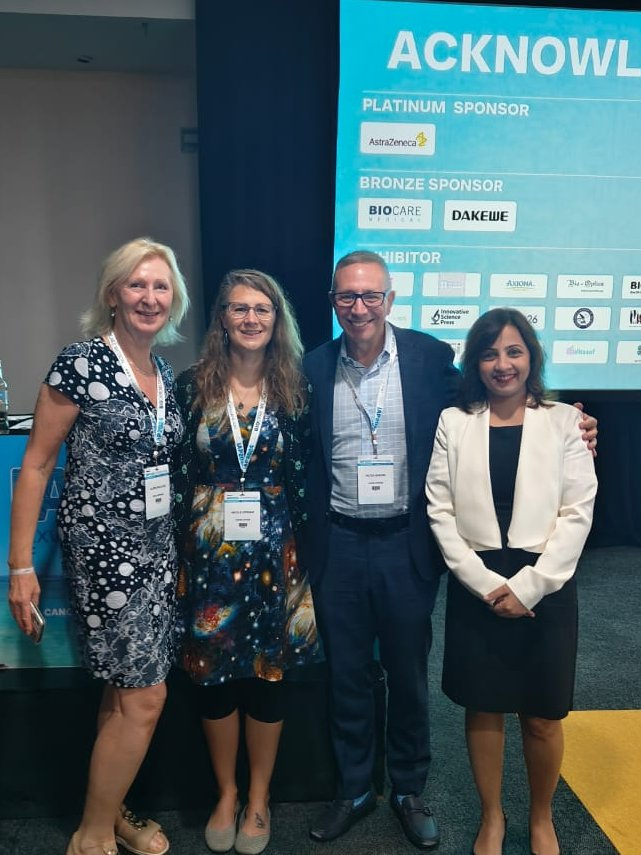
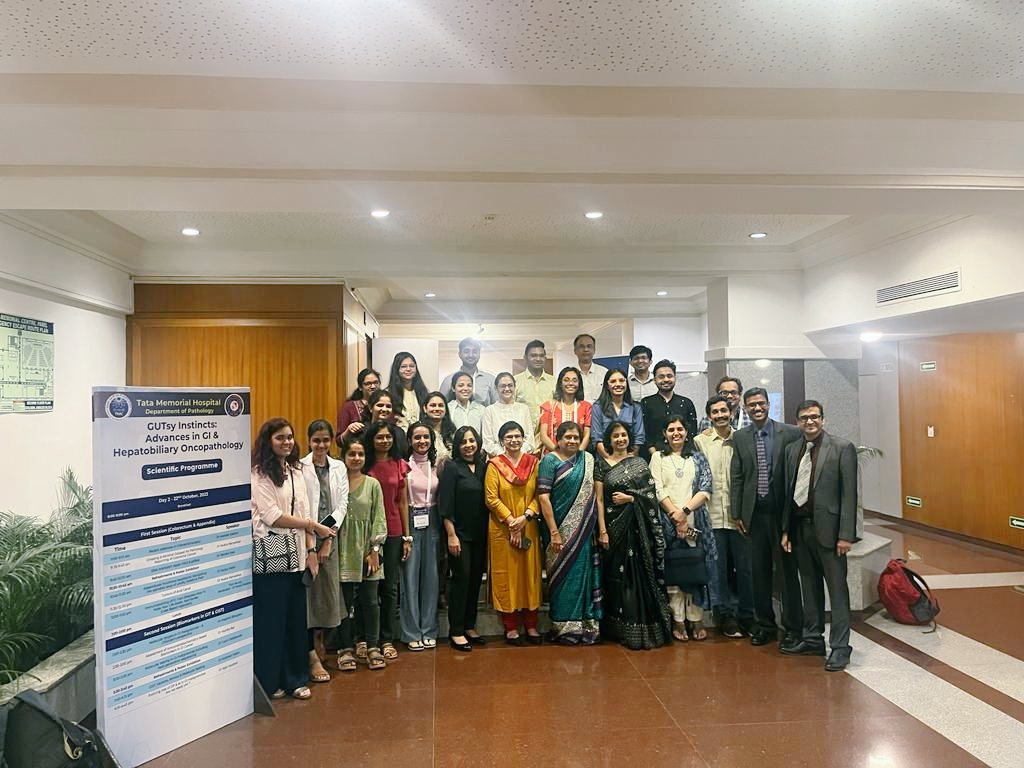
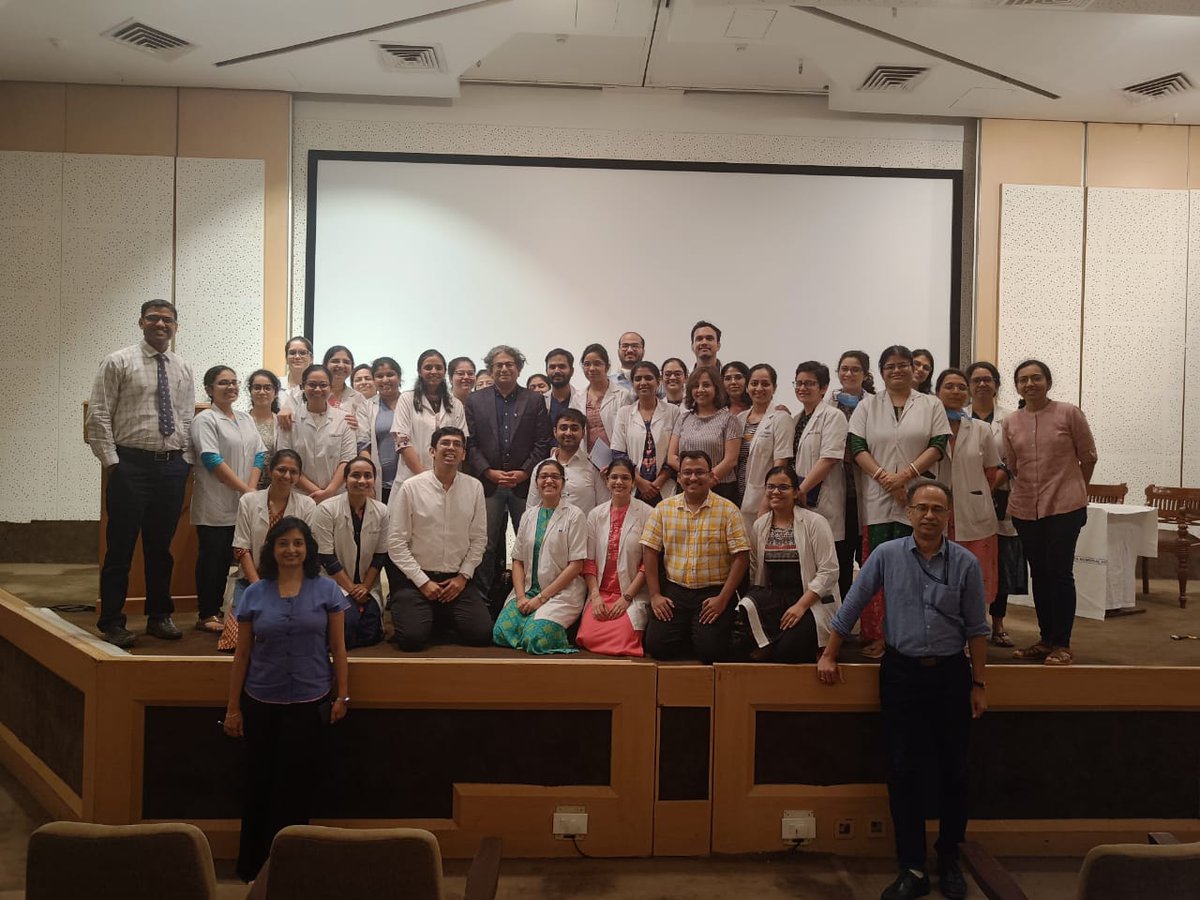
Over the weekend, I had the privilege of attending the inaugural meeting of the GI Pathology Society of India—an outstanding event that, I suspect, will soon become a major force in education, research, and outreach in gastrointestinal pathology. What stayed with me most, however, was how often the conversation returned to the WHO Blue Books and their limited relevance in low- and middle-income countries. Colleagues repeatedly came up to me to say they shared the same concern: in their current form, these classifications do not reflect the realities of practice in countries like India. That matters. When pathologists working at enormous scale feel unseen by the very system that claims to set global standards, the problem is no longer merely technical; it is structural. By underrepresenting Indian and other LMIC pathologists, the WHO weakens the legitimacy and usefulness of its own classifications. The irony is unmistakable: a system designed as a global standard remains disproportionately shaped by perspectives from settings far removed from where most patients actually live and receive care.
3
10
51
2,600
Munita Bal retweeted
🌟Claudin 18.2🌟 Murtazaalieva G, Baldwin A, Fassan M, Deshpande V. Claudin 18.2 in cancer research and treatment: a pathologist's perspective. J Clin Pathol. 2025 Dec 17:jcp-2025-210328. doi: 10.1136/jcp-2025-210328. Epub ahead of print. PMID: 41407541.
9
28
2,040
Munita Bal retweeted
when not to use the term)New paper alert! Our work on colonic intramucosal adenocarcinoma (when not to use the term) is now online in @JClinPath ahead of print. Quick video walkthrough of the key points.
#PathTwitter #GIPath #IMCA #Pathology
19
43
2,958